Republishing a recent article published by The Conversation.
Before I go to this article I want to talk briefly about the book the Myth of Normal or as the subtitle explains TRAUMA, ILLNESS & HEALING IN A TOXIC CULTURE.
Let me pick this closing paragraph of Chapter 20, on page 296:
Disconnection in all its guises – alienation, loneliness, loss of meaning and dislocation – is becoming our culture’s most plentiful product. No wonder we are more addicted, chronically ill, and mentally disordered than ever before, enfeebled as we are by such malnourishment of mind, body, and soul.
the Myth of Normal, Dr Gabor Maté with Daniel Maté
It is a very powerful book albeit not the easiest read in the world but still highly recommended.
Plus there is a YouTube video of Dr. Maté being interviewed in July, 2023 by Tara Westover (also a long video!).
Now to the main purpose of today’s post.
ooOOoo
Keeping your cool in a warming world: 8 steps to help manage eco-anxiety
Karen Magruder, University of Texas at Arlington
In a world facing environmental challenges unprecedented in human history, it’s no surprise that eco-anxiety – a pervasive worry about the current and future state of our planet – has become an increasingly prevalent mental health issue.
As people witness the devastating impacts of climate change, deforestation and loss of biodiversity, it’s only natural to feel overwhelmed and disheartened. I happen to live in Phoenix, Arizona, a “heat apocalypse” city with dwindling water supplies, so I have some skin in the game.
But amid doom-and-gloom predictions, there is hope. As a therapist and clinical social work professor, I have seen firsthand how paralyzing eco-anxiety can be, and I’m dedicated to finding solutions. Here are a few evidence-based tips to tackle your climate woes.
What is eco-anxiety?
Eco-anxiety is a broad term that encompasses dread about environmental issues like pollution and disposal of toxic waste, as well as climate-specific fears, such as increasing rates of extreme weather events and sea-level rise.
Common symptoms of eco-anxiety include worry about future generations, trouble sleeping or concentrating, feelings of frustration and a sense of helplessness. These feelings can range from mild and fleeting concerns to deep despair, panic attacks and obsessive-compulsive behaviors.
Sound like you or someone you know? There are a number of tools that can help people cope with these feelings, summed up with the acronym UPSTREAM.
Understanding and self-compassion
Be kind to yourself and know that you are not alone in these feelings.
Caring about the world you live in does not make you a “crazy” alarmist. In fact, growing numbers of people across the globe feel the same way, with two-thirds of Americans reporting being at least somewhat worried about climate change in recent polls.
It makes sense that people would feel nervous when basic needs like safety and shelter are threatened. Give yourself grace, because beating yourself up for these very valid feelings will only make you feel worse.
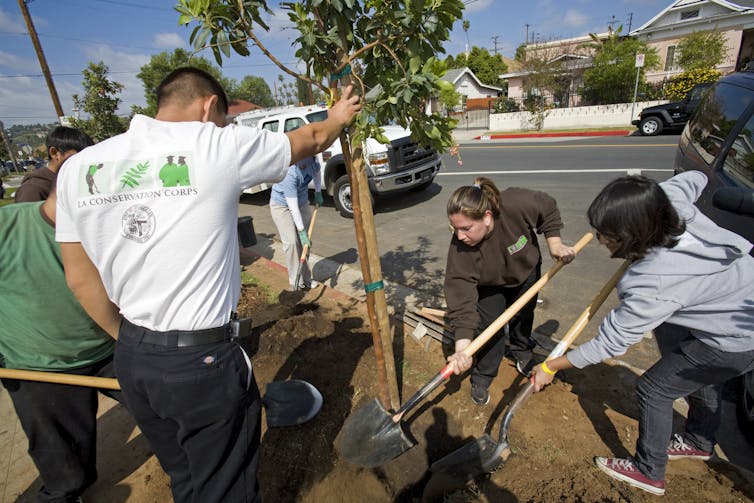
Participate in the solution
It can be hard to feel empowered when environmental harms are taking a toll on your mental health, but the escalating global crisis still demands urgent attention. Instead of burying your head in the sand, use that mental discomfort as a catalyst for action.
Individual efforts to reduce your carbon footprint matter. Joining larger movements has the potential for even move significant impacts, as well as the potential to buffer anxiety, research shows. Volunteer your own unique passions, talents and skills to advocate for systemic changes that will benefit the planet and humanity.
When you feel anxious, use that energy as fuel for the fight. Harnessing eco-anxiety in this way can reduce your sense of powerlessness.
Self-talk
The weight of the climate crisis is heavy enough as it is – don’t let your brain make you feel even worse.
When it comes to thinking about climate change, a realistic mindset puts us in a “just right” psychological Goldilocks zone. Don’t numb your psychic wounds, but also don’t over-catastrophize.
As a therapist, I often help clients identify and reframe unhelpful thinking patterns. For example, while it is true that there are many environmental problems to grapple with, there is also positive news, so don’t discount it. Recognize and celebrate victories big and small.
Trauma: Process it so you can heal
The climate crisis has been conceptualized as a collective trauma, and many individuals are struggling with eco-grief from climate impacts that have already happened. Processing past trauma from events like weather disasters is a crucial step in enhancing your ability to cope with new experiences.
Even people who have not yet experienced significant climate impacts directly may have signs of pre-traumatic stress, a clinical term for the distress experienced in anticipation of a high-stress situation. A licensed mental health professional can help you process these emotions.
Reduce isolation
It’s no secret that having a strong social support network is a key ingredient for happiness. Surrounding yourself with compassionate, like-minded friends is also key to sustained efforts in doing your part to make a difference.
Consider joining or starting a Climate Cafe or similar group to talk about climate concerns. Visit a 10-step climate grief meeting. Join a local environmental organization. Or simply call up a friend when you need a listening ear.
Ecotherapy
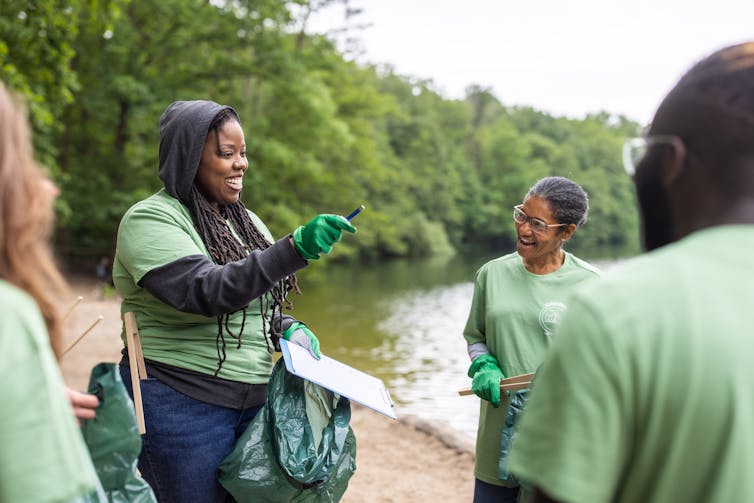
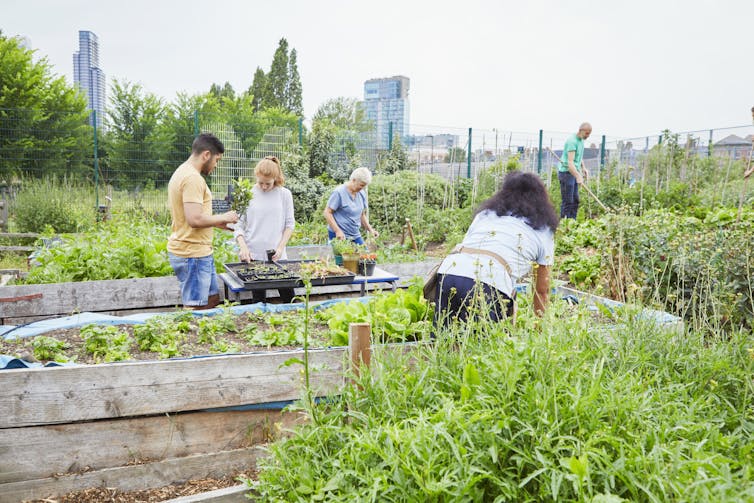
Get outdoors and enjoy nature.
Go for a quiet walk in the woods and observe nature all around you – it’s a Japanese practice for relaxation known as forest bathing. Spend time gardening. Exercise outdoors or otherwise spend time outdoors in a place that is relaxing and restorative for you.
Acts of self-care
Self-care is paramount when it comes to managing the emotional toll of eco-anxiety.
Engaging in self-care practices, such as getting adequate sleep, eating healthy and having fun, helps us maintain a sense of balance in the face of overwhelming environmental concerns.
Remember what they teach you on airplanes – you should always put on your own oxygen mask before helping other passengers. Likewise, when we come from a place of wellness, we are better equipped to handle the stresses of eco-anxiety and make a difference in this area.
Mindfulness
Because eco-grief is focused on the past and eco-anxiety is future-oriented, reconnecting to the present moment is a powerful way to combat both.
By cultivating mindfulness – a nonjudgmental awareness of the present moment – people can become more attuned to their thoughts, feelings and bodily sensations in response to eco-anxiety triggers. This heightened self-awareness helps people to acknowledge worries without becoming consumed by them.
Mindfulness practices, such as meditation and deep breathing, provide a calming and grounding effect, helping to reduce stress and alleviate feelings of helplessness. Moreover, mindfulness fosters a deeper connection to nature and an appreciation for the present moment, which can counteract the sense of despair associated with future environmental uncertainties.
In the face of eco-anxiety, these strategies can build resilience, reminding everyone that they have the power to shape a more sustainable and hopeful future.
Karen Magruder, Assistant Professor of Practice in Social Work, University of Texas at Arlington
This article is republished from The Conversation under a Creative Commons license. Read the original article.
ooOOoo
There’s a powerful reminder that we have the power to stay in the present, or to put it another way by cultivating mindfulness. There are quite a few websites on Mindfulness including this description of what Mindfulness is on the Mayo Clinic website.
Mindfulness is a type of meditation in which you focus on being intensely aware of what you’re sensing and feeling in the moment, without interpretation or judgment. Practicing mindfulness involves breathing methods, guided imagery, and other practices to relax the body and mind and help reduce stress.
Mayo Clinic
Now that is something I should really focus on as I am terrible at being in the moment and nowhere else.
 Learning from Dogs