I saw this on Mother Nature Network not too long ago and made a note to share it with you. “It” being some stunning photographs of slot canyons around the world. The article opens:
Geological wonders
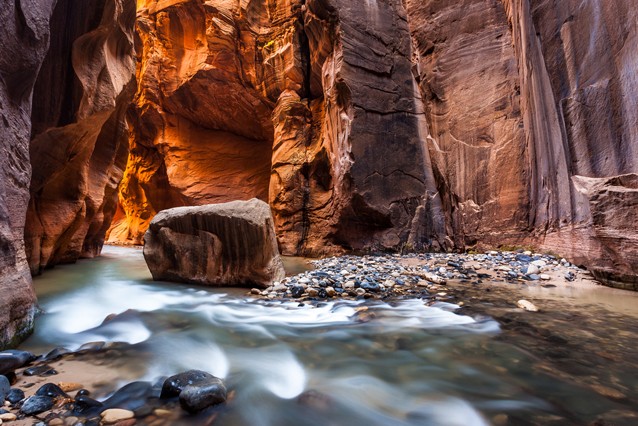
Slot canyons are narrow, naturally formed canyons with towering walls and a width no wider than your arm span, if that. If they weren’t so mesmerizingly beautiful, they would make you feel claustrophobic. Found around the world, these geological formations usually occur in places with low rainfall, and many of the most well-known are in the American Southwest, including Wall Street (pictured here), which lies in a section of The Narrows in Zion National Park. Check out the beauty of the world’s most stunning slot canyons — it will make you want to pack some hiking gear and get traveling. (Text: Jaymi Heimbuch)
Wall Street Canyon Photo: kan_khampanya/Shutterstock
Now I don’t have permission to reproduce this article but hopefully the one above and this one below will entice you to look through them all starting here.
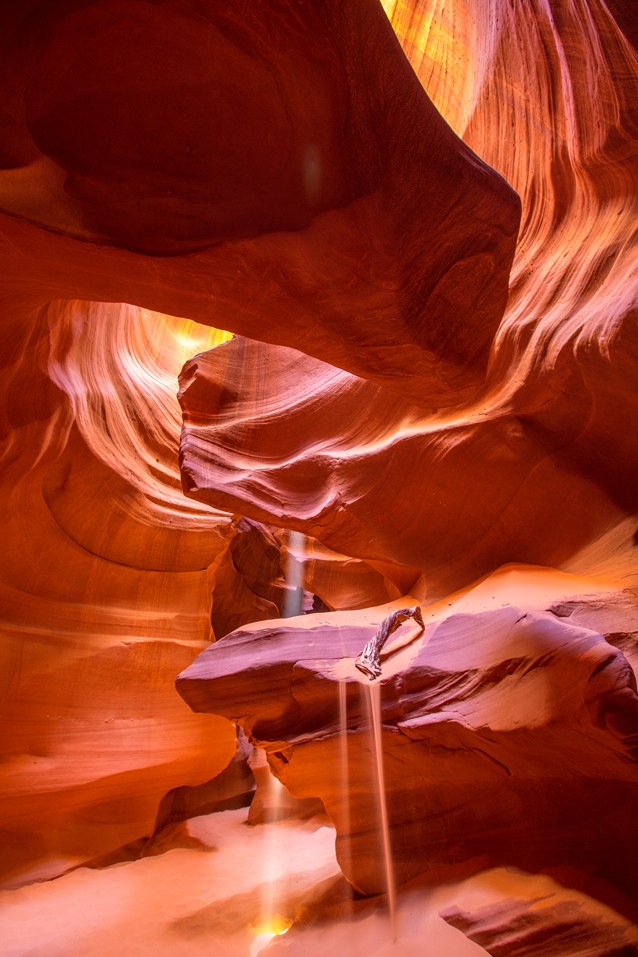
Antelope Canyon Photo: holbox/ Shutterstock
Antelope Canyon, Arizona
Perhaps the most famous of all slot canyons, Antelope Canyon is found near Page, Arizona. There are two separate sections, known as Upper Antelope Canyon and Lower Antelope Canyon, or more affectionately, The Crack and The Corkscrew. Formed by the erosion of sandstone from flash flooding and other processes, the slot canyons have curvaceous, strangely angled walls. The beautiful colors, textures, curves and spectacular lighting — particularly during the summer months — are a major draw for photographers and sightseers. They are located within the LeChee Chapter of the Navajo Nation and have become a significant source of tourism for the Navajo tribe.
Fabulous! Don’t miss out – see the full set of twelve pictures here.
Recently published on MNN were twelve stunningly beautiful photographs. There are reproduced below, hopefully without infringing any copyrights. I just wanted to share them with readers of Learning from Dogs.
ooOOOoo
Earth Day photos: Celebrating the beauty of our planet
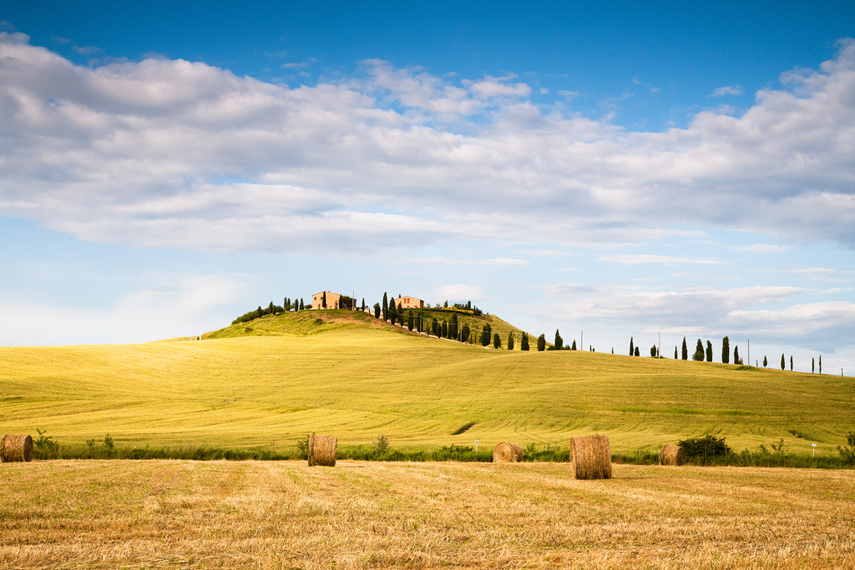
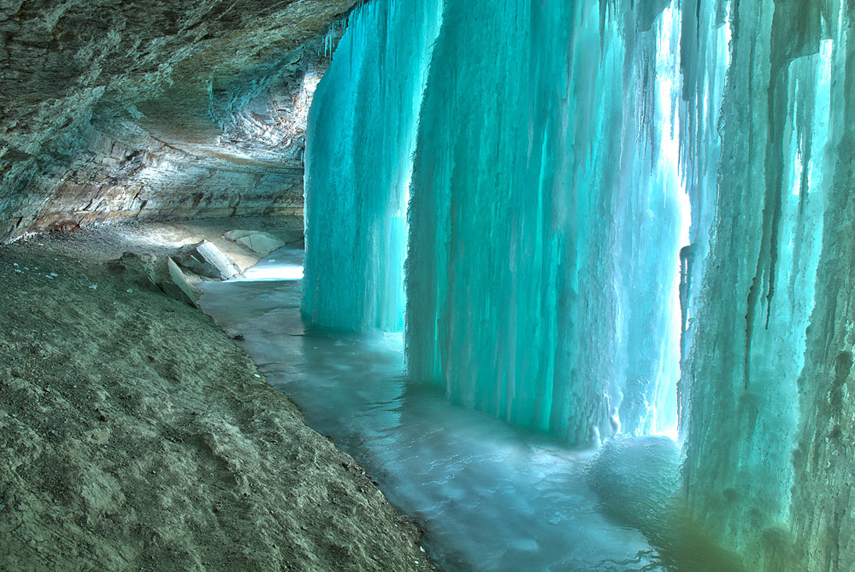
From the rolling hills of Tuscany to the surreal glacial formations of Patagonia, here are 12 stunning photos showcasing the diverse collection of landscapes found across the planet.
Today is our first anniversary of living in Oregon.
In many ways, it’s difficult to comprehend that we have now lived in our house a few miles from Merlin, OR, for a full year.
There are so many different, wonderful emotions associated with our move from Arizona to Oregon, of moving into a property quite unlike anything that Jean and I have ever lived in before, of seeing our dogs so happy with their surroundings, of being immersed in Nature, and so much more.
But rather than waffle on about everything in general and nothing in particular, I just want to write about the several acres of grassland that slope down from our house towards Bummer Creek, flowing North-South through the Eastern part of the property.
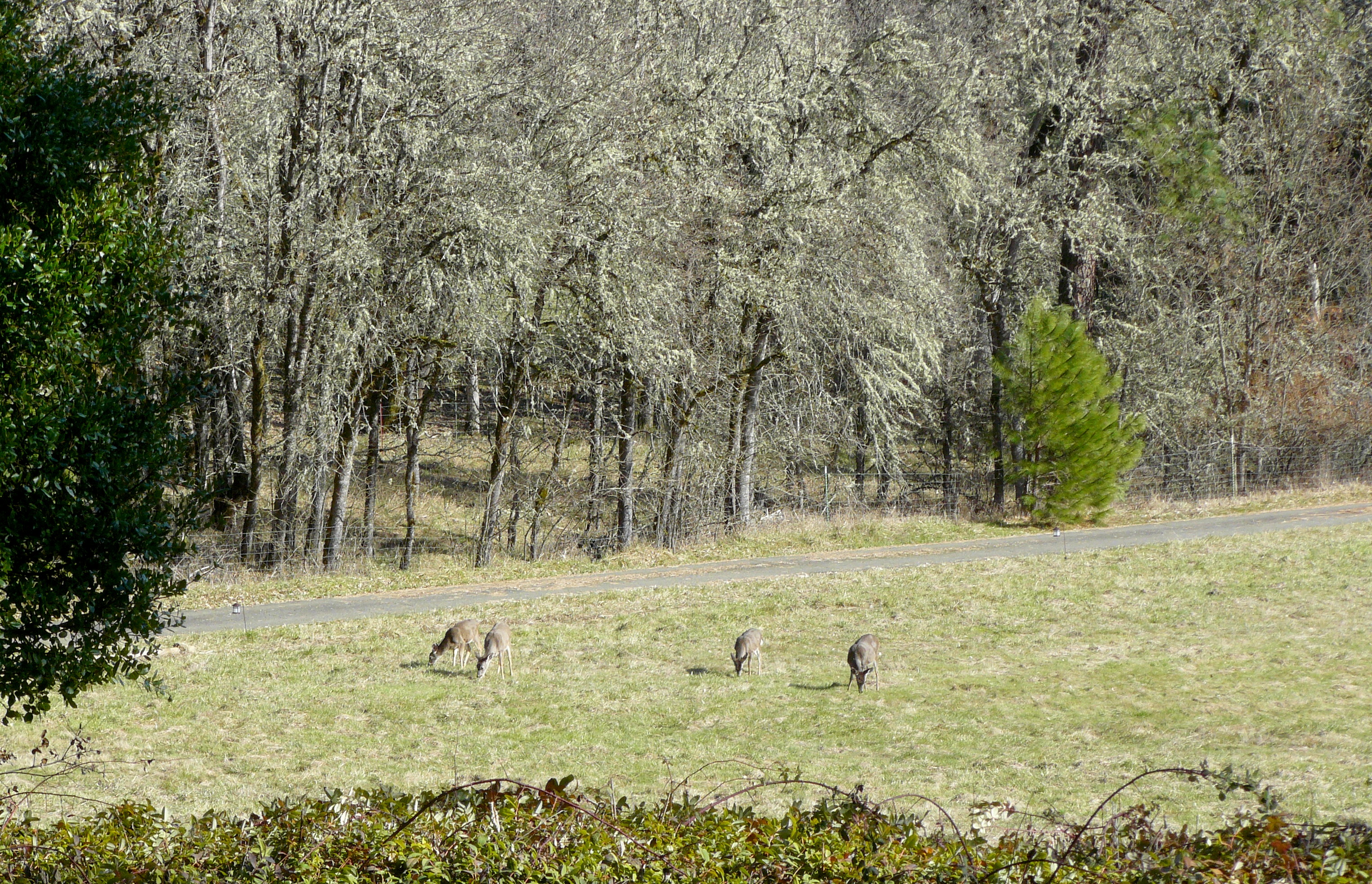
Wild deer feeding in the North-West corner of about 5 acres of our grassland.
Having mown the grassland a number of times in the Spring musing that there must be better ways to spend your time, a few weeks ago we came across an article about not mowing lawns. It was on the Mother Nature Network website and here’s how the article started.
Get off your grass and create an edible lawn
What would happen if you stopped watering, fertilizing, pesticiding and mowing your lawn?
Americans currently spend more than $30 billion, millions of gallons of gasoline, and countless hours to maintain the dream of the well-kept 31 million acres of lawns. An estimated 67 million pounds of herbicides, fungicides and insecticides are applied around homes and gardens yearly. Commercial areas such as parks, schools, playing fields, cemeteries, industrial, commercial and government landscapes, apply another 165 million pounds.
Lawn grasses are not native to the North American continent. A century ago, people would actually pull the grass out of their lawns to make room for the more useful weeds that were often incorporated into the family salad or herbal tea. It was the British aristocracy in the 1860s and ’70s, to show off their affluence, that encouraged the trend of weed-free lawns, indicating one had no need of the more common, yet useful plants. Homeowners were encouraged to cultivate lawns that would serve as examples to passers-by. These types of lawns also lent themselves to the popular lawn sports, croquet and lawn tennis. From the 1880s through 1920s in America, front lawns ceased to produce fodder for animals, and garden space was less cultivated, promoting canned food as the “wholesome choice.” Cars replaced the family horse and chemical fertilizers replaced manure.
It has been estimated that about 30 percent of our nation’s water supply goes to water lawns. In Dallas, Texas, watering lawns in the summer uses as much as 60 percent of the city water’s supply.
Next, a newsletter from The Xerces Society mentioned bee feed wildflower seed mixes from a company called Sunmark Seeds in Portland, OR. A call to them quickly produced the answer about what we could sow to help our local bees.
Hi Paul:
Upon further searching I did find 2 mixes that might fit what you are looking for. They are attached. The Bee Feed Mixture would be $36 per lb. The Honey Bee Flower Mixture would be $38 per lb. The price is a little higher but you would need a lot less. It is suggested 6-12 lbs per acre. You can still add the clover at $5 per lb and you should add 1 oz per lb of wildflower seed. There is still the option of the Knee High Low Profile mix which would be a little less at $30 per lb but the seeding rate is higher at 8-16 lbs per acre.
I have attached a spec sheet on all three mixes. Please let me know if you have any further questions.
Decision made. Three pounds of Bee Feed Mix to sow on a half-acre area as a test before we do all five acres next Spring.
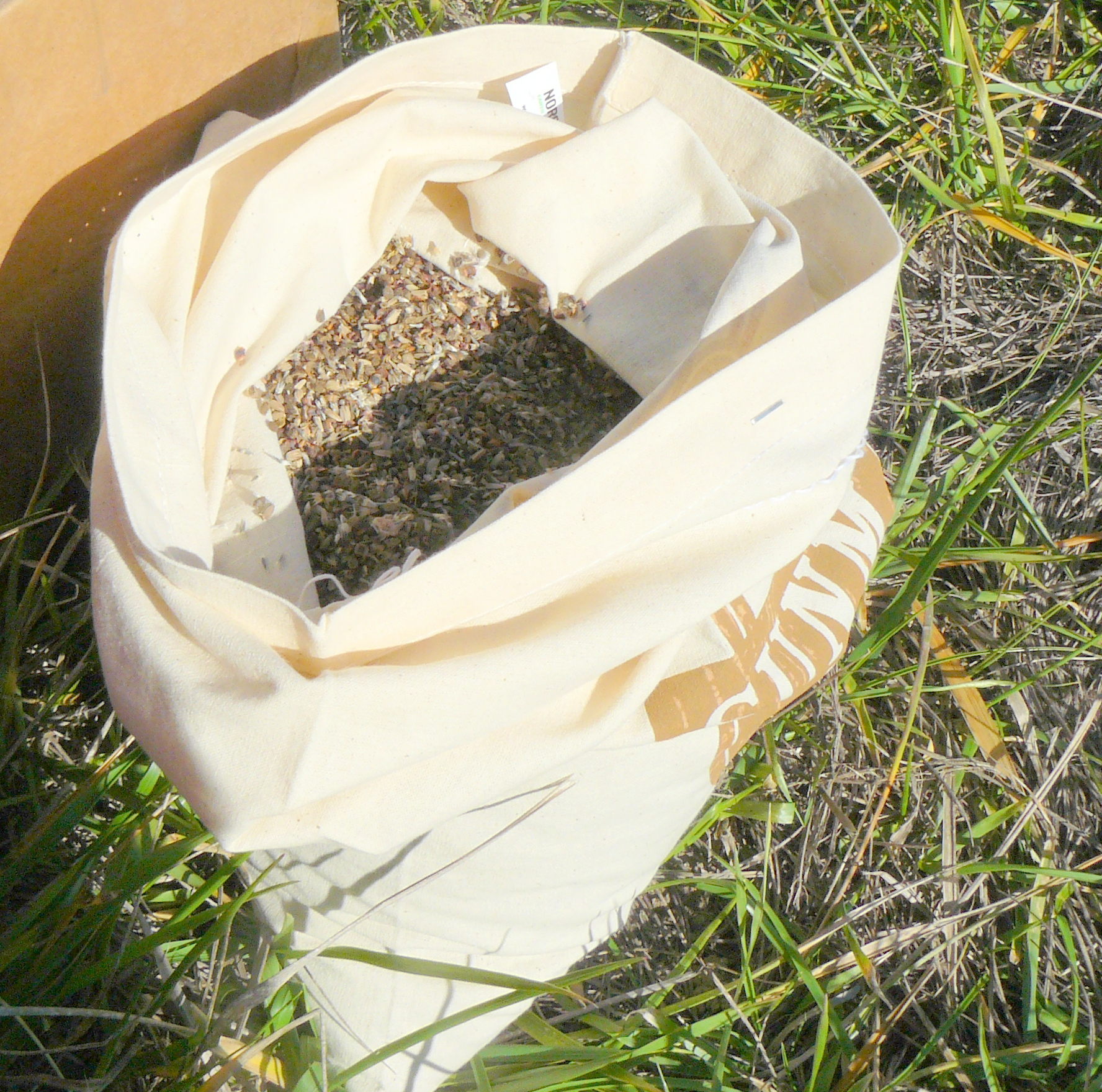
Thus not so much later a box arrived with our Bee Feed Mix and the next afternoon saw Jean and me marking out the test area and scattering the seed.
3 lbs of wild flower seed for next Spring’s bees!
oooo
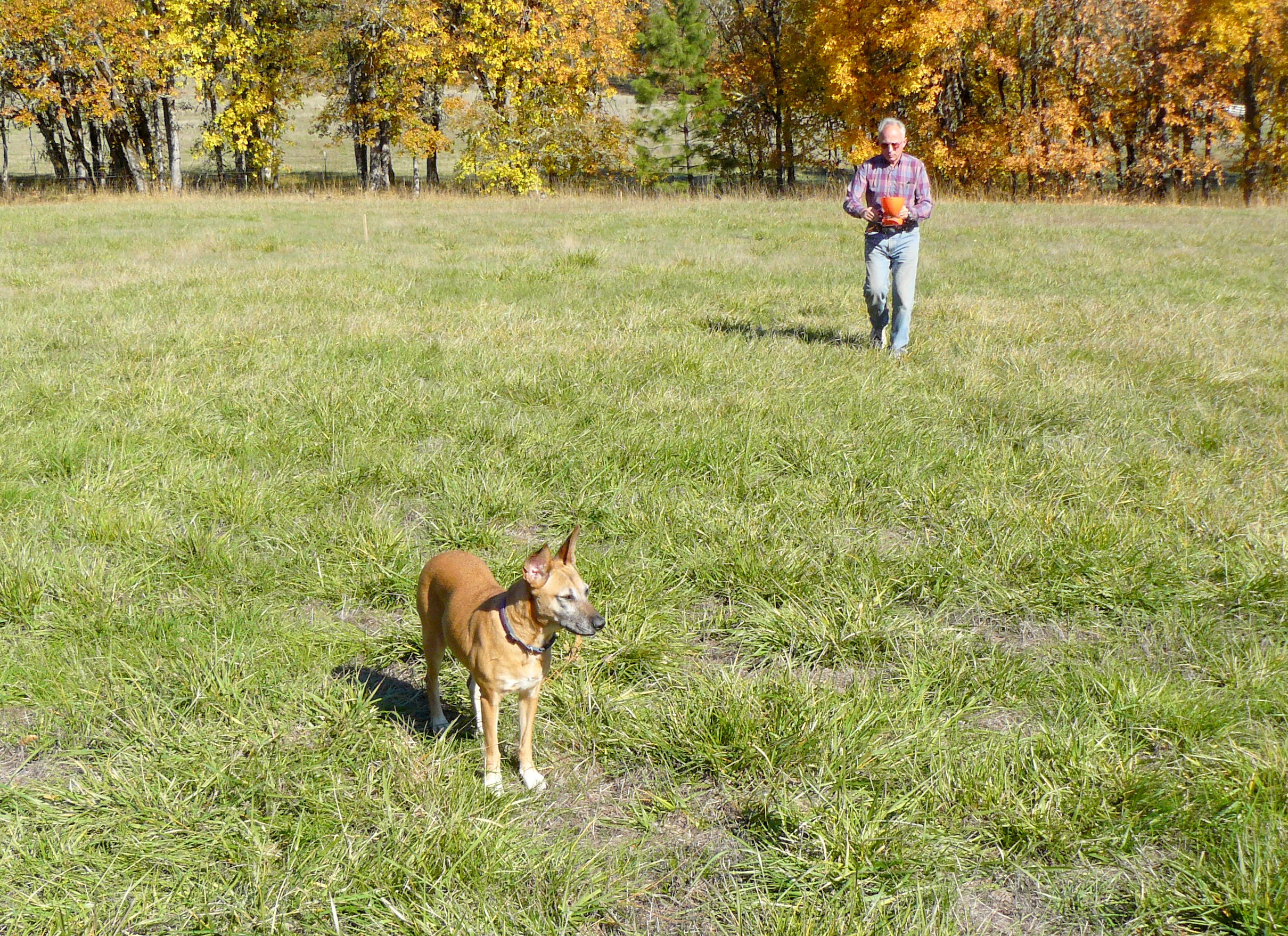
Hand-scattering the seeds with Dhalia keeping an eye on things.
oooo
It’s been an amazing year with plenty of challenges as we learnt to be rural people; yet another thing the dogs were able to teach us! However, the joy of living in such beautiful surroundings will last for ever. And more or less picking up on the theme for the week, the sharing, caring community of neighbours around us doubles that joy.
Jean and I consider ourselves two very lucky people. And no more mowing grassland! 🙂
Remembering that Monday, 22nd April is Earth day, 2013. Like many others, I subscribe to Mother Nature Network. Recently published on MNN were twelve stunningly beautiful photographs. There are reproduced below, hopefully without infringing any copyrights. I just wanted to share them with readers of Learning from Dogs ahead of next Monday.
oooOOOooo
Earth Day photos: Celebrating the beauty of our planet
From the rolling hills of Tuscany to the surreal glacial formations of Patagonia, here are 12 stunning photos showcasing the diverse collection of landscapes found across the planet. By: Catie Leary Fri, Apr 19 2013 at 11:40 AM
So you all have a great week-end, wherever you are in the world, and do something, however small, for the one and only planet that nourishes all the life of the world.
Just about the most fundamental requirement in life!
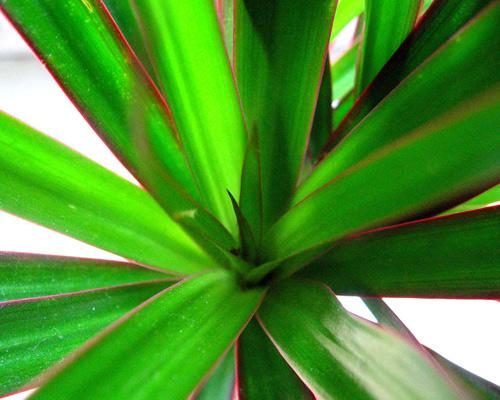
I subscribe to the Mother Nature Network website and recently in their ’round robin’ was this item, A Breath of Fresh Air. It’s all about the role of plants inside the home for improving the quality of the air we breathe. Thought, dear reader, that you would enjoy this.
15 houseplants for improving indoor air quality
Photo: ivama/Flickr
A breath of fresh air
In the late ’80s, NASA and the Associated Landscape Contractors of America studied houseplants as a way to purify the air in space facilities. They found several plants that filter out common volatile organic compounds (VOCs). Lucky for us the plants can also help clean indoor air on Earth, which is typically far more polluted than outdoor air. Other studies have since been published in the Journal of American Society of Horticultural Science furtherproving the science. Want to see the best flowers? Just click through the buttons above to see all 15 plants. (Text: Julie Knapp)<
The image above is just one of 17, each with details of how they contribute to cleaner, less toxic, air. So don’t delay, click here and read all about them yourself. Here’s an example of the presentation from picture number 16.
Peace lily (Spathiphyllum)
Shade and weekly watering are all the peace lily needs to survive and produce blooms. It topped NASA’s list for removing all three of most common VOCs — formaldehyde, benzeneand trichloroethylene. It can also combat toluene and xylene.
More information about fasting, not about being female!
In yesterday’s post on Learning from Dogs, I wrote that there are two important aspects of living a longer life. The first one was be a female and the second one was about fasting. I propose to expand a little on that second aspect because of the number of people who found the topic so interesting.
Valter D. Longo and students.
In yesterday’s post there was reference to the work that Professor Valter D. Longo of the University of Southern California (USC) has been undertaking. As the USC web reference explains, Valter Longo is the Director of the Longevity Institute, a Professor of Gerontology and Biological Sciences and the Edna Jones Chair of Biogerontology, so if anyone understands how humans tick, it’s likely to be this man! As his research overview states,
He is interested in understanding the mechanisms of aging in organisms ranging from yeast to humans. The focus is on the conserved nutrient signaling pathways that can be modulated to protect against age-dependent oxidative damage and delay or prevent diseases of aging including cancer, diabetes and neurodegenerative diseases.
(Any questions, ask Prof. Longo not me!)
BBC Presenter Michael Mosley with Dr Krista Varady
The other learned person referred to in yesterday’s post was Dr. Krista Varady. This is what was written,
Dr Krista Varady of the University of Illinois at Chicago carried out an eight-week trial comparing two groups of overweight patients on ADF. (ADF = Alternative Day Fasting)
Over on the Healthy Fellow blogsite, there’s an interview with Dr. Varady. The web link of that interview is here and crossing over and reading the full interview is much recommended. Here’s a taste, pardon the pun, of that interview:
JP: Can you help explain the distinctions between alternate day fasting and caloric restriction?
Dr. Varady: Caloric restriction is basically daily calorie restriction where an individual would restrict themselves by about 15% to 40% of their energy needs daily. So basically every single day you’re undergoing the same amount of restriction, whereas alternate day fasting involves a fast day wherein the individual would only eat 25% of their energy needs. So about 500 calories or so and that’s alternated with something called a “feed day” where the individual would eat ad libitum – so as much as they want. However in our studies we show that people end up losing weight because they can’t fully make up for the lack of food on the fast day on the feed day.
Let me add a personal perspective on this. On the morning of the first day after our two-day fast, my weight was 162.5 lbs (73.71 kg), on the morning of the second day after our fasting days my weight was 161.8 lbs (73.39 kgs) and on the morning of the third day after our fasting, my weight was 161.6 lbs (73.30 kgs). Ergo even though we were back to eating normally for three days after our two days of fasting, I continued to lose 0.9 lbs (0.4 kgs).
So if you have any concerns over cardiovascular health or want to explore a realistic way of losing excess weight, then do read the interview. Part One of that interview is here and Part two here.
As is said, we are what we eat and I shall close this postscript with a link to an article on the Mother Nature Network website that was published a little over a year ago: 18 foods that fight common ailments – Try healthy eats that help fight diabetes, heart disease, migraines and more.
There are a number of news stories about this extra-special full moon but I’ve chosen to republish some of what appeared on the Mother Nature Network website.
In terms of the timing of this full moon, rather than give you times for various places around the world, as this website does, I will simply offer the UTC/GMT time:
Sunday 6th May 2012 at 03:35:06 am
If you want to covert that to your local time wherever you are on this beautiful planet The World Time Server is as good a website as any.
BIGGER THAN YOUR AVERAGE MOON: Skywatcher Tim McCord of Entiat, Washington caught this amazing view of the March 19, 2011 supermoon. (Photo: Tim McCord)
Skywatchers take note: The biggest full moon of the year is due to arrive this weekend. And because this month’s full moon coincides with the moon’s perigee — its closest approach to Earth — it will also be the year’s biggest.
The moon will swing in 221,802 miles (356,955 kilometers) from our planet, offering skywatchers a spectacular view of an extra-big, extra-bright moon, nicknamed a supermoon.
And not only does the moon’s perigee coincide with full moon this month, but this perigee will be the nearest to Earth of any this year, as the distance of the moon’s close approach varies by about 3 percent, according to meteorologist Joe Rao, SPACE.com’s skywatching columnist. This happens because the moon’s orbit is not perfectly circular.
The full Moon will be up to 14% larger and 30% brighter than others during the year. The reason for this phenomenon is that the Moon becomes full on its closest approach to Earth on May 5, 2012, also known as the perigee full Moon.
So enjoy this most beautiful sight if you are somewhere on this planet where the moon will be visible at night. And double-check the time and the day so you don’t miss it! Finally, let me close by ‘spoiling’ my many readers in Arizona, and to serve as a good reminder for yours truly by saying that anyone on US Mountain Standard Time will see this moon at:
Saturday, 5th May 2012 at 20:35:06
“Aim for the moon. If you miss, you may hit a star.” W. Clement Stone.














 Learning from Dogs