Tag: Kristen Seymour

Senior Smiles

Adopting dogs who are no longer young animals.

A trip to your local animal shelter reveals that dogs of all types, backgrounds, and ages may usually be seen. Inevitably, those dogs that are no longer in ‘the first flush of youth’ are frequently seen as less adoptable than younger animals. While that is understandable from a prospective owner’s point of view there’s no reason at all to disfavor the older dog.

Both Casey and Pedy were dogs that Jean and I adopted when they were well into their middle years, or six-years-old to put a number to it.

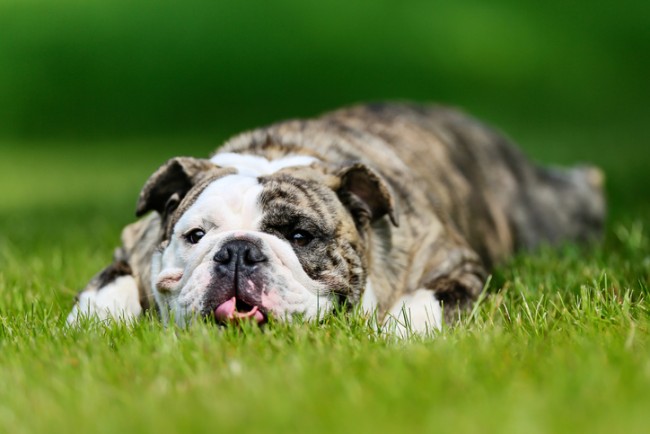
Casey, shown above, had been in the animal shelter for over a year and on top of being six had the added burden of being a Pit Bull breed.
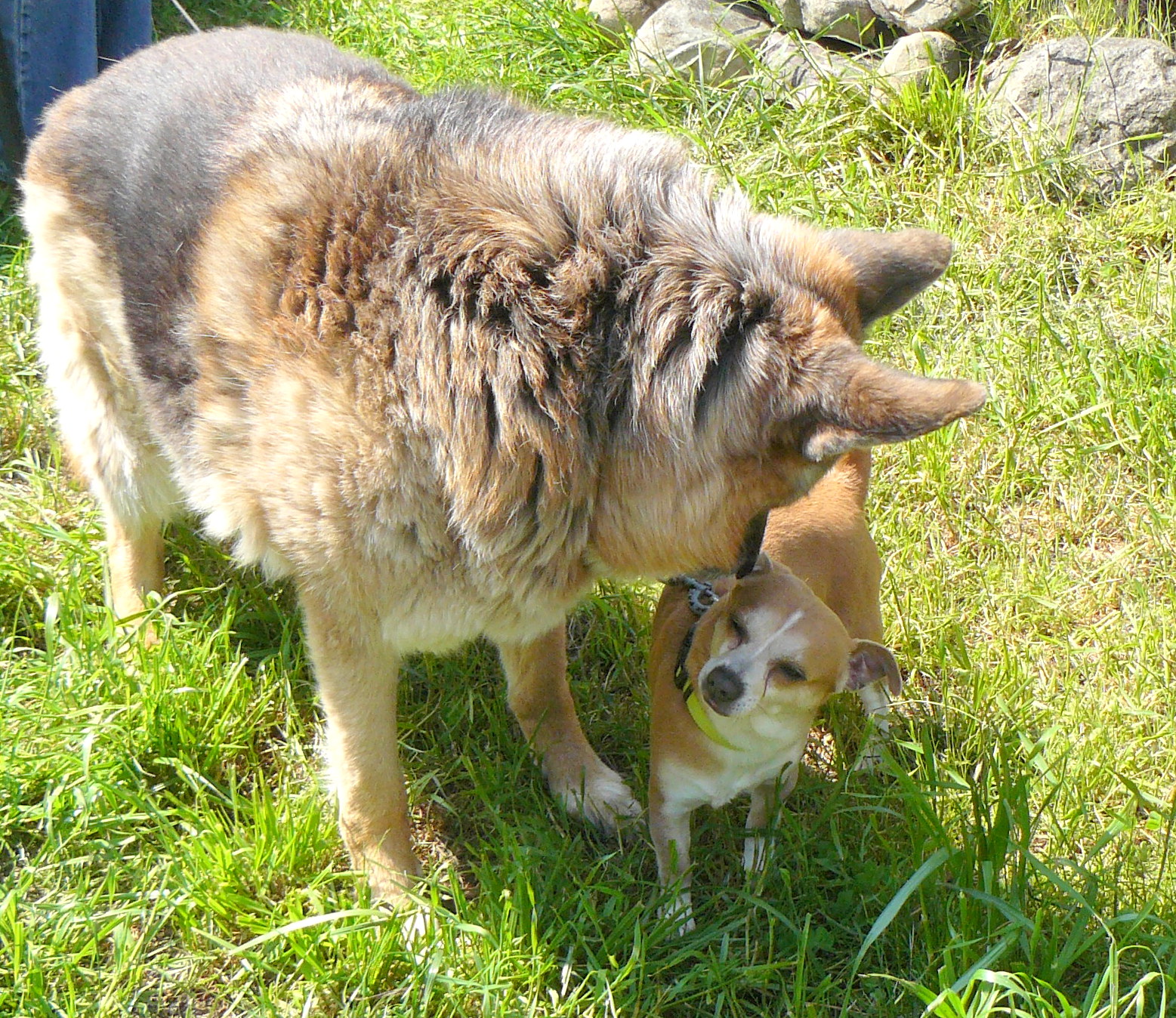
Hi Pedy, I'm the bossman around here. Name's Pharaoh and you'll be OK.
Hi Pedy, I’m the bossman around here. Name’s Pharaoh and you’ll be OK.

So when the Care2 blogsite published a post about adopting senior dogs I thought that this was most certainly something to be shared with you.

Here it is.

ooOOoo

What Advice Would You Offer Someone Adopting a Senior Dog?

1388615.large

By: Vetstreet.com August 18, 2016

About Vetstreet.com
Those of us who have been fortunate enough to share our hearts and homes with a senior dog know just how special those gray-muzzled darlings can be. Earning the love of an aging pup who truly needs you creates a special bond that’s hard to put into words.

True, they may have some age-related health issues (like arthritis, dental disease or failing vision or hearing) that require attention or treatment. But older dogs have lots of pros, too, like the fact that they’re likely to be better trained than a puppy and they’re probably game to lounge around with you and take it easy. And when it comes to adopting a senior dog, you have the benefit of knowing what you’re getting in terms of size and in most cases, personality.

Our readers recently shared some great tips for people getting their first dog or cat — and in fact, we know that many of you have opened your homes to adult dogs. So when we wanted to offer tips to people looking to welcome an older canine into the family, we turned to our Vetstreet Facebook followers and asked: What’s the one piece of advice you’d give someone adopting a senior dog? And, as we suspected, our readers came through with some excellent — and touching — words of wisdom.

Advice for Someone Adopting a Senior Dog

Many readers expressed the importance of showering your senior dog with love. “Love them unconditionally, as you don’t know how long you will have them,” said Peggy Lowe-Brooks. “Enjoy each day they are in your life.”

Rich Dunn agreed, saying, “Love them, love them. Treat them like family, be there to the end and hope someday to see them on the other side!” Dee Davis added, “Make sure you’re committed to love, care and cater to them for them the rest of their lives.”

Mike Carroll suggested remembering that, for some dogs, age might be just a number: “Have fun with them; they still have a lot of energy and the desire to do most anything they ever did before. Baby them big time and be ready to be on the receiving end of some serious love and affection from them. Just let them enjoy the rest of their life like never before.”

William West Patience’s experience backs up Carroll’s suggestion. “I have had dogs that lived until 15, then I adopted one that was 16 because no one else would,” he said. “It has been a rewarding experience and has taught me so much. Except for some mobility issues he doesn’t know he’s an old dog.”

Of course, it’s important to remember that taking on a dog during his golden years can be a big responsibility, and potential owners should be ready for that. “…Remember they may have expensive medical bills; be prepared to give them the medical care they will need,” said Priscilla Leuliette.

Susan Holt Stanley was of a similar mind, saying, “Love them with your heart, care for them medically and tell them a million times how special they are!”

And Sarah Vaughn reminded us of the golden rule: “Be patient! One day you’re going to be elderly and you don’t want someone yelling at or getting frustrated with you because you move so slowly and have accidents because you can’t make it outside (or to the facilities) in time.”

If you’re considering bringing a senior dog into your home, there are numerous things you can do to help him enjoy his senior years. You might take steps to pet-proof your home in a way that makes it easier for him to get around. And believe it or not, teaching your old dog new tricks isn’t only possible, it’s a great way to help your new-old pup stay mentally and physically sharp! Getting him to the vet for regular exams and keeping an eye out for any physical or behavioral changes is important for dogs of all ages, but becomes perhaps even more important as he ages.

Care2 readers, what advice do you have for people adopting senior dogs? Tell us below in the comments. [Ed: as comments left on this post.]

By Kristen Seymour | Vetstreet.com

ooOOoo

Keeping an eye out for any physical or behavioral changes doesn’t just apply to aging dogs! 😉
Summer heat and Dogs

Hot, fine weather does carry a risk – for our dogs.

A week today will see us celebrating the Summer Solstice and for much of the Northern Hemisphere the heat of the summer days soon will be upon us. Both we and our dogs love taking a bit of sunshine but equally for both species the danger of heat stroke is not to be underestimated.

So it seemed highly appropriate to republish an article that was presented over on Care2 a couple of weeks ago.

ooOOoo

Five Factors That Put a Dog at Risk for Heatstroke

1383141.largeBy: Vetstreet.com May 30, 2016

About Vetstreet.com Follow Vetstreet.com at @vetstreet

Summer can be an incredibly fun season for dogs and their active owners. There are walks to go on, boat rides to take and beaches to explore!

But for all the fantastic opportunities summertime offers, there are also a number of seasonal dangers. A serious one that all dog owners should keep in mind is heatstroke. While all dogs are at risk of heatstroke, there are a few factors that can make your dog more vulnerable. From the genetic predisposition of certain breeds to the dangers some outdoor dogs face, here are five heatstroke risk factors to be aware of — and avoid.

ThinkstockPhotos-513469413-1-e1464380428868Congenital Defects or Underlying Respiratory Problems

Upper-airway problems, as seen in flat-faced dogs like Pugs and Boxers, are some of the most common risk factors for heatstroke in dogs exposed to higher temperatures, according to Dr. Debbie Mandell, staff veterinarian and adjunct associate professor at the University of Pennsylvania’s Matthew J. Ryan Veterinary Hospital. As dogs get hotter, they pant to cool down, and brachycephalic breeds have a difficult time breathing so hard in hot conditions.

Brachycephalic airway syndrome isn’t the only potential issue. Large and medium breeds, like Labs and Pit Bulls, can experience laryngeal paralysis, and collapsing trachea commonly affects small dogs like Pomeranians and Yorkies. With both conditions, the dogs’ airways swell as they pant, which causes them to pant harder. That in turn increases the swelling and can create a dangerous situation quite quickly.

ThinkstockPhotos-534541239-1-e1464380439891

Not Being Acclimated to Hot Weather

That sunny weather can be so inviting that it’s nearly impossible to remain indoors, especially if you — and your dog — have been stuck inside for months. But it’s important to remember that even if you’ve been hitting the gym during the cooler months, your dog might not have built up the same tolerance for activity. And if you take him out to run or play with you, he’s not going to know when to stop, even if he reaches the brink of collapse due to heat stress, Dr. Mandell says.

So what’s a responsible dog owner to do? First of all, start with a visit to your vet, so you’re sure your dog is healthy enough for increased exercise. Second, exercise restraint when it comes to, well, exercise. Start off slowly and build up your dog’s fitness very gradually. Third, make sure you know the signs of heat stress (like excessive panting and drooling, a fast pulse and gums that have changed in color from pink to bright red) and be prepared to help your dog cool down before it becomes an emergency. If your dog vomits or has bloody diarrhea, you should call your veterinarian immediately.

ThinkstockPhotos-495804298-1-e1464380444720Being Kept Outdoors Without Access to Shade and Water

It’s not only indoor dogs who aren’t used to the heat who can find themselves at heatstroke risk — dogs who live primarily outdoors can land in trouble come summertime, too, if they’re left without shade and water. Of course, it’s best for dogs to be kept primarily indoors, but if a dog must be mostly outdoors, always provide a cool area out of the sun and plenty of fresh water.

1383141.largeBeing Left In the Car

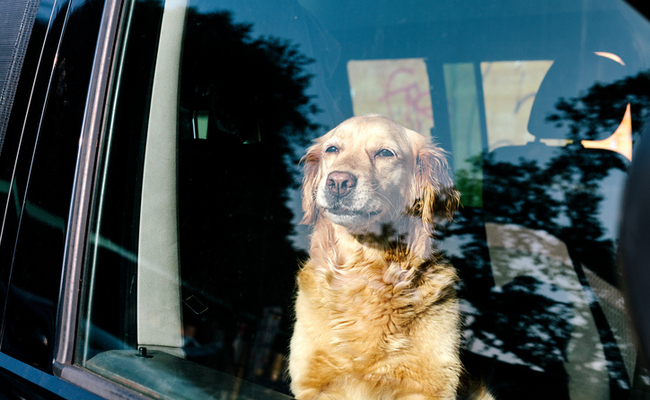
When it comes to ways to avoid heatstroke risk, never, ever leave a pet in a hot car. The temperature inside a car can reach over 120 degrees in minutes, Dr. Mandell says. And no, cracking the window doesn’t make enough of a difference to help.

Should you see an animal locked inside a hot car, there are ways to safely rescue it. The Humane Society of the United States and the ASPCA recommend that you write down the car’s make, model and license plate; attempt to locate the owner; and call animal control or your local police department for help.

ThinkstockPhotos-495739266-1-e1464380465591Obesity and Thick Fur

Obesity can make dogs more susceptible to a whole host of health issues, including heatstroke. That’s because not all heat escapes dogs through the respiratory system; in fact, some heat loss occurs through the skin. But the layer of fat in obese pets can limit their ability to cool themselves that way.

That layer of fat under the skin serves as insulation and can prevent some of that heat from getting to the skin to be released. Thick fur can create the same problem, so furry dog breeds, like Newfoundlands and Great Pyrenees are at similar risk.

By Kristen Seymour | Vetstreet.com

ooOOoo

If any reader has further advice and tips to help others then please don’t hesitate to leave a comment.