Tag: Contentedness.net

Habituated to eating

A startling and counter-intuitive essay from George Monbiot.

Hariod Brawn, she of the blog Contentedness.net, left a response to yesterday’s post in this place. Here is what Hariod said:

Yes Paul, I too recognise the value in understanding the neural substrates involved, regardless of what may in any case be reliably inferred and readily apparent in behavioural evidence. The social intelligence of the dog seems remarkably advanced of course, and so naturally provides a rich source for such research. Having said that, I am struck by the amount of academic funding that goes into confirming what is already self-evident, and wonder if the apportioning of funds is done quite as effectively as it could be. Much is determined by commercial interests of course.

“Much is determined by commercial interests …”

I have been a resident of the United States since April 2011. There has been much to take in and embrace at so many levels. However, one of the things that has seemed very foreign to my eyes was the extent of the obesity seen almost everywhere that one is out and about. At first it seemed more of an American issue, but over the last few years watching news items from the UK and seeing other general items on the internet from ‘the old country’ I came to realise that countries both ‘sides of the pond’ are grappling with what could be fairly described as an epidemic.

Yesterday, George Monbiot published an essay called Slim Chance. As with so many of Mr. Monbiot’s essays this one highlights issues that I am sure are not widely appreciated. It is republished here with Mr. Monbiot’s kind permission.

ooOOoo

Slim Chance

11th August 2015

New evidence suggests that obesity might be incurable. So why does the government propose to punish sufferers?

By George Monbiot, published in the Guardian 12th August 2015

Is overeating more addictive than crack cocaine? It’s hard to compare addiction rates, or to produce a clear definition that holds true across all substances and behaviours. But consider this crude contrast. Between 10 and 20% of people who use crack cocaine become addicted to it. Across a 9-year study of 176,000 obese people, 98.3% of the men and 97.8% of the women failed to return to a healthy weight. Once extreme overeating begins, it appears to be almost impossible to stop.

A paper published in the journal Neuroscience and Biobehavioral Reviews proposed that “food addiction” is a less accurate description of this condition than “eating addiction”. There is little evidence that people who are driven to overeat become dependent on a single ingredient; instead they tend to seek out a range of highly palatable, energy-dense foods, of the kind with which we are now surrounded.

The activation of reward systems in the brain and the loss of impulse control are similar to those involved in dependency on drugs. But eating addiction appears to be more powerful. As the same paper notes, in laboratory experiments “a majority of rats will prefer a sweet reward over a cocaine reward.”

Once you become obese, an article published in the Lancet this year explains, biological changes lock you in. Fat cells proliferate. The brain becomes habituated to dopamine signalling (the reward pathway), driving you to compensate by increasing your consumption. If you try to lose weight, the body perceives that it is being starved, and powerful adaptations (such as an increase in metabolic efficiency) try to bounce you back to your previous state. People who manage, against great odds, to return to a normal weight must consume 300 fewer calories per day than those who have never been obese, if they are not to put the weight back on. “Once obesity is established, … bodyweight seems to become biologically stamped in”. The more weight you lose, the stronger the biological pressure to get back to your former, excessive size.

The researchers find that “these biological adaptations often persist indefinitely”: in other words, if you have once been obese, staying slim means sticking to a strict diet for life. The best you can hope for is not a dietary cure, but “obesity in remission”. The only effective, long-term treatment for obesity currently available, the same paper says, is bariatric surgery. This can cause a number of grim complications.

I know this statement will be unwelcome. I too hate the idea that people cannot change their circumstances. But the terrible truth is that, except through surgery, for the great majority of sufferers, obesity is an incurable disease. In one respect it resembles cancer: the changes in lifestyle that might have prevented it are unlikely to be of use in curing it.

Fat-shaming is worse than useless. Another paper found that the more weight-conscious people are, the more likely they are to overeat: the stress it induces is a trigger for comfort eating. As Sarah Boseley points out in her book The Shape We’re In, “the diet industry … is one of the biggest frauds of our time”. For the obese, temporary reductions in weight will almost inevitably be reversed.

People who are merely overweight, rather than obese (in other words who have a BMI of between 25 and 30) appear not to suffer from the same biochemical adaptations: their size is not “stamped in”. For them, changes of diet and exercise are likely to be effective. But urging obese people to buck up produces nothing but misery.

The crucial task is to reach children before they succumb to this addiction. As well as help and advice for parents, this surely requires a major change in what scientists call “the obesogenic environment” (high energy foods and drinks and the advertising and packaging that reinforces their attraction). Unless children are steered away from overeating from the beginning, they are likely to be trapped for life.

You might have expected this knowledge to lead to acceptance, empathy and an end to stigmatisation. Fat chance. A fortnight ago, just after the figures I mentioned at the top of this article were published, David Cameron announced a review that could lead to obese people being deprived of social security payments if they fail to accept “treatment” for their condition.

This review, conducted by Dame Carol Black, has already pre-empted its conclusions: eight times it describes obesity as “treatable”. Really? How? It will consider the case “for linking benefit entitlements to take up of appropriate treatment”. Are Cameron and Black proposing that benefit claimants will be forced to undergo surgery? Or will they be pressed into a useless and punitive dietary regime? These proposals look to me like a transfer of blame for the disease away from food manufacturers and advertisers and onto those afflicted.

Why do we have an obesity epidemic? Has the composition of the human species changed? Have we suffered a general collapse in willpower? No. The evidence points to high-fat, high-sugar foods that overwhelm the impulse control of children and young adults, packaged and promoted to create the impression that they are fun, cool and life-enhancing. Many are placed in the shops where children are bound to encounter them: around the tills, at grasping height.

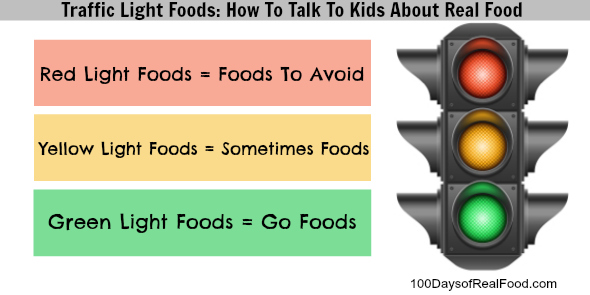
The disease will keep ravaging the population (and slowly overwhelm the health service) until these circumstances change. But the government’s sole contribution has been to tear down mandatory controls, replacing them with a voluntary – and therefore useless – “responsibility deal” with manufacturers and retailers. It allows them to choose whether or not to use the traffic light system, which is the most effective way of informing people about the likely impact of what they eat. And many corporations, unsurprisingly, choose not to. As far as nutritional content is concerned, food manufacturing is effectively unregulated.

Industry and government will resist the obvious solutions until they can be resisted no longer. Eventually, the change will have to happen: similar restrictions on advertising, sponsorship, display and accessibility to those imposed on the tobacco pedlars. One day, though not before many thousands have needlessly died, it will become illegal to advertise any food or drink that merits a red traffic light warning. They will be sold only in plain packaging, with health warnings, on high shelves.

Does this seem draconian to you? If so, remember that obesity afflicts a quarter of the adult population, and is rising rapidly. It causes a range of hideous conditions, just one of which – diabetes – accounts for one sixth of NHS admissions and 10% of its budget. If smoking demands fierce intervention, why not overeating?

This is the choice we face. To recognise that the only humane and effective means of addressing the obesity epidemic is to prevent more people from being hooked, by restricting the pushers. Or to continue a programme of fat-shaming, bullying and compulsory treatment, whose only likely outcome is unhappiness. Now ask yourself again: which of these two options is draconian?

www.monbiot.com

ooOOoo

Let me close with an image. The image that George Monbiot believes will be seen very widely and representing the same common-sense in eating that we have been used to with regard to No Smoking signs.
9129948_orig

Synecdoche : Little World

The concluding part of Hariod Brawn’s wonderful essay.

Haroid’s opening part was republished by me in this place yesterday, under the blog title of Alone in a sea of many. For the concluding part, I have named this blog post in accordance with Hariod’s chosen name. Thank you to all who read Part One and I hope you find Part Two equally stimulating.

ooOOoo

Synecdoche (Part Two): Little Person

Fool’s Cap Map of the World. Unknown origin c.1580-1590

In the first part of this article, we discussed how each person, in coming to understand how they construct themselves as the self-entity they take themselves to be, must in the process come to understand how all others do too. In other words, self-knowledge is not particular to the individual, because the self – in essence an embedded, accumulating and by graduation morphing narrative and body schema – comes into being by identical means in our species. Each of us remains unique in many ways, such as in our formative experience, our psychological make-up, conditioned traits, genetic inheritance, and in our individuated physicalities. Yet that which we regard as our quintessence, the enduring internalised construct we each unquestioningly hold as the self and the aspect of ourselves which we most intimately cling to, is little more than a formulaic pretence determined and governed solely by means of evolved, unbidden and unconscious processes.

Each character has a given name, societal position, cultural identity and perhaps a hierarchical status; yet all such markers are in part a figure of speech, or synecdoche, denoting an undeniable correlation with countless others. The markers delineate superficial distinctions alone, and the greater the number of them, the more we remove from our understanding the underlying truth of the other’s commonality with us. In much the same way, in our coming to understand how the worlds we ourselves inhabit are constructed, we see also that same world as a synecdoche for all others. How I relate to my home and environment, my relatives and loved ones, those I engage with out of chance or necessity, and those whom I depend upon or those who depend upon me, human or non-human, all make up my little world. It is a relational world, an interactive adventure forged from myriad connections, surprisingly few of which do I have great control over.

The argument against this is to assert that such correlations are facile, that how can I, a materially secure Westerner living in a largely strife-free state, possibly share any commonality with the oppressed and malnourished other on, say, the Indian sub-continent? Are these conditions not worlds apart, if only qualitatively? Well, in examining human suffering, we find it has a common genesis, proceeding as it does from the mind. For example, we commonly mistake unpleasant bodily sensations for suffering, failing to distinguish between physical pain and the attendant overlay of mental anguish. Is the suffering of the wealthy financier who contemplates suicide at her portfolio’s decimation greater than that of the homesteader in sub-Saharan Africa facing a crop failure of a few sacksful of grain? Objectively, then yes, these are worlds apart, yet the subjective suffering of each may be qualitatively indistinct, even in their wildly differing experiential settings.

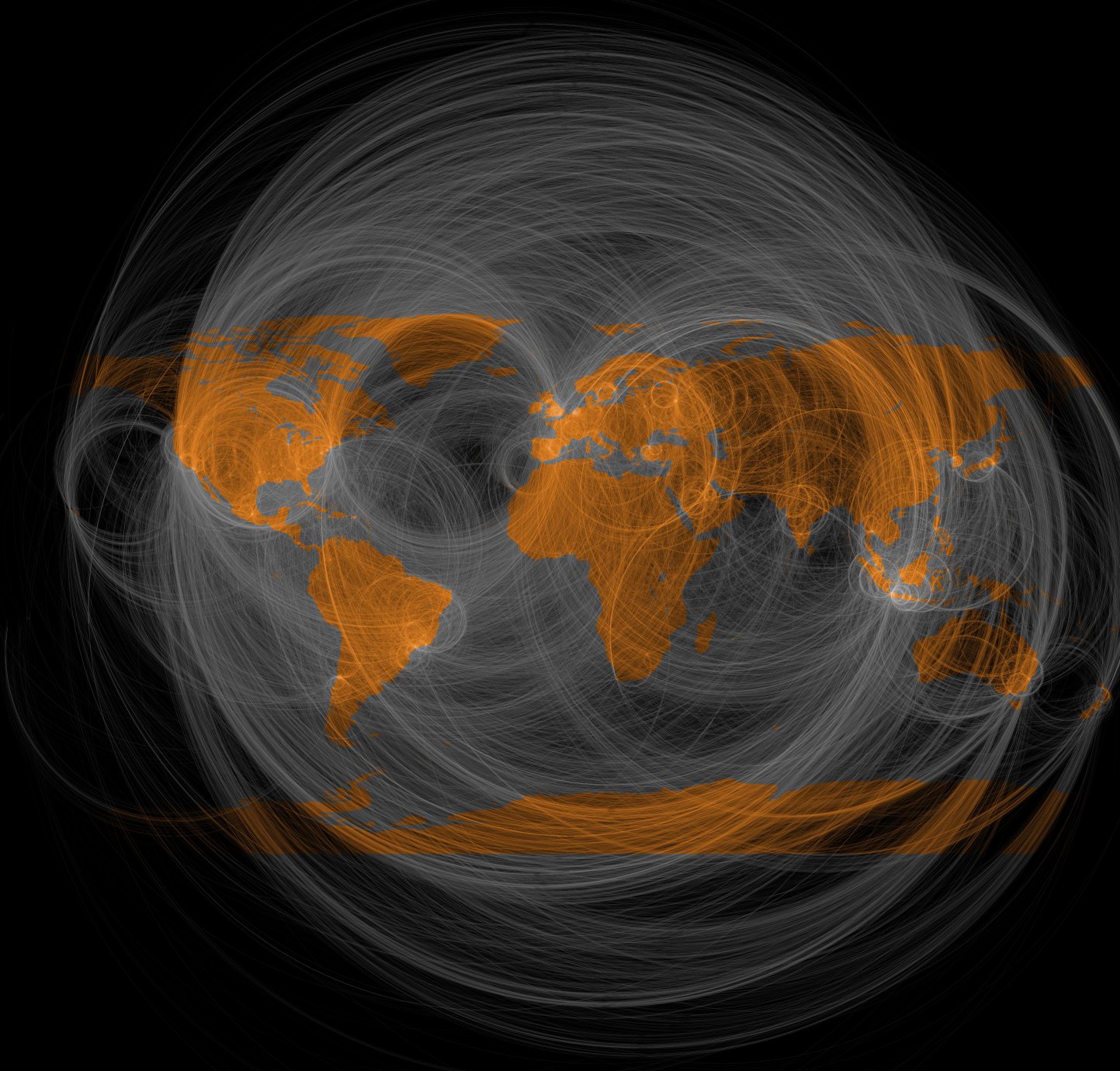
Geography of Twitter. By Eric Fischer, Washington, DC

And what of care and affection; are we to suppose that our world as comprising love is any the lesser or greater than others? Ought we to suppose the human instinct to loving solicitude is greater than that of our fellow creatures? Who amongst us knows what human love is as distinct from other forms of animal love, and whether it is qualitatively superior? Am I so arrogant as to suggest my altruistic benevolence is any the greater than that of my pet Border Collie, for it seems far from being so? If I am unable to define precisely what constitutes this world aspect, how am I to know that those of other animals are not simulacra of my own, there being no original and authentic love-world other than the one as represented by the many – is this not a truth hard to refute? I may describe a personal world of felt affection, yet in doing so prescribe but a figure of speech alone, a synecdoche for all worlds inhabited perhaps by most beings of sentience.

My little world is forged at the interface between psyche and otherness, between ideas and the world as impressed upon my senses. Those impressions and the precise nature of that otherness differ in every detail from the next person’s, yet the means of forging are identical. This shared action results in distinct narratives of course, and it is these that are held to in our bids to assert the pre-eminence of individuality over commonality. I want to believe I am, if not special, then unique; yet that is only true in the differing stories of what I am and what my little world is. To those without privilege to my narratives of self and world, my assumed mantle of uniqueness is meaningless, and the same is true of theirs to me. We may here be at a cold and sterile juncture, yet it also is a starting point from which we may begin to introduce the binding agents of humankind – our innate qualities of kindness and compassion, of empathic understanding.

So what, why should I care about such ideas when I have altogether more pressing concerns? What is the point in abstracting notions such as these from the warp and weft of daily living, the place where I earn my crust, feed my children, and work on my betterment as a means of personal fulfilment? Perhaps the answer lies somewhat starkly in the evidence, and which seems to me to be in a state of constant deterioration. We live in a polarised world, where theists fight theists and atheists argue against both, where the wealthy seldom flinch in their impoverishment of others, and where power-hungry and psychopathic leaders crush the potential of all they have dominion over. Is it not time to find our common humanity, or even our common animality? We humans are destroying our sole environment; we are chasing down the darkening corridors of economic systems at the point of failure. Can we not rest awhile so as to perceive our little worlds as one?

ooOOoo

My sense is that for quite a few readers who read yesterday’s and today’s postings, they were not the easiest read that has been seen on Learning from Dogs. But in a world where the dumbing down of the English vocabulary seems ever more present, to read Hariod’s essay slowly and carefully, and let the deeper meanings of her arguments settle within the mind, is a profound and compelling reminder of the beauty and elegance of the English language.

This introspective mood continues tomorrow: you have been warned!

Alone in a sea of many

A few days of inner contemplation.

I suspect that many, if not most, originally came to this place expecting the blog to be directly about dogs. And, in many instances, the posts are directly about canis lupus familiaris. But the original idea behind choosing the blog name Learning from Dogs was the sense that we, as in mankind, have to change our ways if we are to offer our grandchildren a viable planet upon which they may live. More succinctly expressed in The Vision for this blog:

Our children require a world that understands the importance of faith, integrity and honesty,

Learning from Dogs will serve as a reminder of the values of life and the power of unconditional love – as so many, many dogs prove each and every day,

Constantly trying to get to the truth …

The power of greater self-awareness and faith; faith that the only way forward for us is through the truth …

If you have read this far you may be wondering if the old guy has lost yet another marble!

So what has prompted this introspection? I’ll tell you.

I subscribe to Hariod Brawn’s blogsite Contentedness.net For those that do not know Hariod’s writings then her About page offers (in part):

We’re here to discuss aspects of human well-being as they relate to our sense of self, our personal identity and whatever other notions we may hold for our own uniquely human sense of being. This means the discussion centres upon the pragmatic or real-life dimensions of experience – things like our sense of contentedness, of personal meaningfulness, and other tangibly perceived aspects of well-being. The discussion is positive, respectful, non-judgemental, considerate.

That, as you can see, resonates very much with me thinking of Learning from Dogs as a means, metaphorically so, of finding greater self-awareness.

On June 10th, Hariod published the first part of an essay called Synecdoche: Little Person. I found the essay extraordinarily interesting and wanted to share it with you in this place. Hariod generously gave me permission, so here is Part One.

ooOOoo

Synecdoche (Part One): Little Person

Hariod1

I am just a little person, one person in a sea of many little people who are not aware of me, yet each potentially a simultaneous understanding of the other; each, in a sense, a simulacrum or synecdoche for all others: if I understand myself sufficiently deeply, then in that moment I understand the other, however remote my presence to them. This is not to say I can appreciate their specific complexities, of course, and the detail, the true intricacy of any given life, remains forever removed from that quota of awareness I am privileged to. Each little person, tagged with their own unique package of characteristics, is still a synecdoche though, potentially at least, for all the little people out in the sea of otherness. The word means literally ‘take with something else’, so conveying the idea that even a partial representation alone is sufficient to apprehend the whole, or vice versa.

This sounds rather fanciful to the contemporary mind, conditioned as it is in a belief as to the total, inarguable individuality of each little person. What an appealing belief this is too, for this same little person here finds a seemingly plausible counter to a reluctantly intuited sense of homogeneity, which word itself derives from the Greek ‘homogene’, meaning ‘of the same kind’: Homo Sapiens. Even though each of the little person’s internal organs are replaceable with those fished from the sea of many little people, even though their blood, hair, bones, limbs, eyes and hands can be substituted with biological or manufactured alternatives, still the little person resists the evidence, demanding their status as a uniquely enduring entity. It is of course the mind itself that insists upon countering the intuited and actual homogeneity, and the mind, so the little person believes, belongs to them.

Hariod2

This raises a problem, for if the little person’s physicality is all but totally interchangeable, then at what point during this theoretical process does the supposed possessor of the mind cease to exist? When does the point arrive at which we can no longer claim the mind belongs to any little person? If we hold to Physicalism, or Hard Materialism, we assert the mind belongs, if not to the little person, then to the organ of the brain. Should we be an Eliminative Materialist, we say there is no mind, and so no such question arises. I resist these philosophical perspectives, for to me there is a non-locality of awareness, meaning it arises both within as well as about what we think of as the little person, and whilst we call this aware experience ‘mind’, I do not adhere to any Cranialism; it’s not exclusively headstuff. In accepting this, we logically must ask whether the mind is under ownership.

Ownership implies agency, or self-determination, and it is belief in this that makes the little person feel unique and autonomous, directing their life just as all others would theirs. Yet this owning agent is never verifiable other than as consciousness, for it is only ever a belief that resides within and as that consciousness. Now, all conscious displays are themselves non-local simulacra, representations of otherness that are neither the little person nor any owning agent, and which clearly may never be evidenced outside of consciousness. This means the little person is always a thought-construct, a put-up job forged by mind and subsisting in otherness but never in essence itself. Should this hypothesis obtain, then the little person is a synecdoche for the entirety of others in kind; this is because every little person, being a fabrication of mind, comes into apparent existence in an identical manner.

Hariod3

Where are we? We heard that the mind persists in countering a reluctantly intuited homogeneity of all the little persons. Further, we said the mind forges each little person as a thought-construct, and that the little person does not exist as an enduringly instantiated entity – just like a house, a car, or a computer, its parts are interchangeable. Beyond this, we learned the mind produces only conscious effects as verification of its own fabrications, and that these subsist universally for all the apparent little persons, being as they are culled from the same sea of otherness. And lastly, we found that the hypothesis as a whole demonstrates that each apparent little person is a synecdoche for the sea of many little people. So, in understanding myself sufficiently deeply, then in that moment I understand the other, which was the assertion of the opening paragraph and a challenge to the curious mind.

In the ‘Ship of Theseus’ paradox, a parallel question is raised: in replacing a wooden ship plank by plank, are the ongoing resultants still the original ship? In point of fact, only the conception itself endures across the constant transitioning. The ship, as known, is not a wooden construct; it is a thought-construct, a fixed conception presenting to any observing little person, all of whom create each the other in identical fashion. Each parallel the ship in that their structure constantly mutates whilst a sense of enduring selfhood smears out across the whole, forged in mind in homogeneous ways. Now, if the little person turns the mind in on itself reflectively, they in time realise that they must be more than a thought-construct, a belief. They see that the little person whom they believed they existed as was a synecdoche: a motif in play which in its perfectly clear seeing brings knowledge of all of its kind.

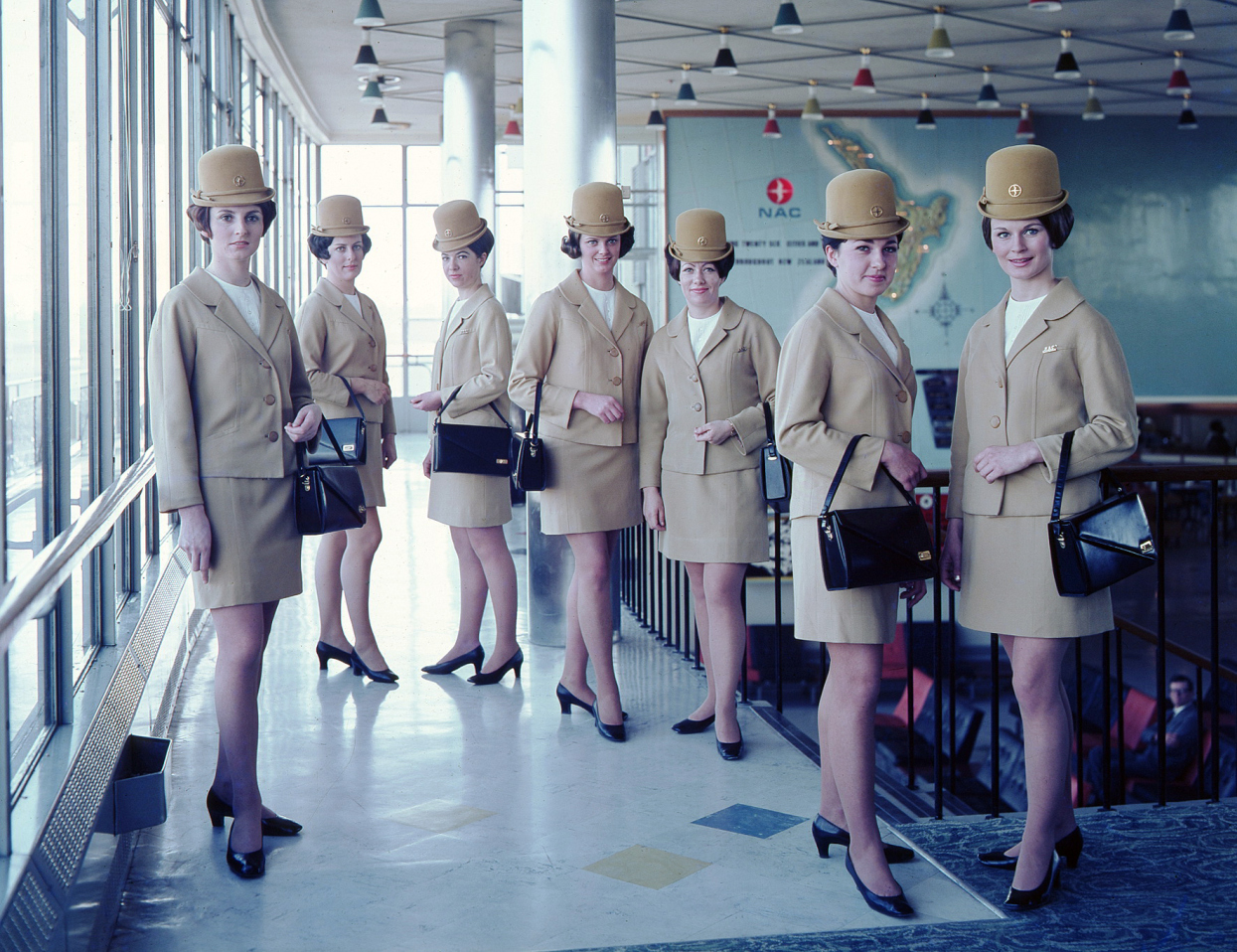
Images courtesy of New Zealand Government Archives.

ooOOoo

The concluding part of Hariod’s essay is published tomorrow.