Once again I am delighted to publish another post from Penny. This is a relatively short post but nevertheless of supreme importance.
With no more ado from me, here it is:
ooOOoo
Protecting Our Pets: Resources for Volunteering at Animal Shelters
By Penny Martin
August 10th, 2022
If animal welfare is close to your heart, you might want to consider helping out at a pet shelter for abandoned or unwanted animals. There are always a number of charities in the USA and beyond looking for eager volunteers.
Before You Apply
Animal welfare work can be challenging for an individual, even if you’re just volunteering. It’s important to take precautions before you commit to your decision.
Read about the experience of working at a shelter to better understand the challenges and obstacles you might encounter.
Often, volunteers need to undergo training, orientation, and background checks before they’re allowed to contribute.
Connect with your local shelters on social media to see the kind of work they do and whether there are opportunities to volunteer.
Organizations
Shelters for abandoned and neglected pets are frequently found throughout the country. If you want to do your part, the logical first step is to locate one close to you.
Institutions like Guide Star have been established to hold animal rescue services accountable and ensure they are being maintained properly.
Take some time to learn about the listed charities in your area.
If you find an abandoned pet and you’re not aware of shelters in your area, try reaching out to American Humane.
Ways to Help
If you’re unable to volunteer in person, there are still plenty of ways to get involved and do your part.
There’s good work to be done online via social media and you can help out by engaging in discussion and sharing posts about missing or unwanted pets.
If you have any spare supplies that you’re willing to donate, these can make a profound impact on the lives of animals.
If you’re purchasing supplies to donate, read expert reviews to choose the highest-quality products.
Unfortunately, across the USA and beyond, there are a great many pets in need of our help but even small acts of kindness can take us a significant way towards eradicating the problem altogether. Reach out to your local shelter and see how you can help.
Read the Learning from Dogs book for a reminder of the unconditional love dogs give us every day.
With seventeen pets here at home Jean and I should live forever!
Another Saturday and another gentle post about the power of our wonderful pets. (Oh, and who, as I did, missed the fact that yesterday was not only a Friday the Thirteenth but the third one this year!)
Anyway, back to the plot!
Last Monday, Mother Nature Network published an item about how good pets are for our health. It seemed the perfect item to share with all of you this Saturday.
ooOOoo
11 studies that prove pets are good for your health
Check out the ways your 4-legged friends enhance your physical and emotional health.
By: Sidney Stevens, November 9, 2015.
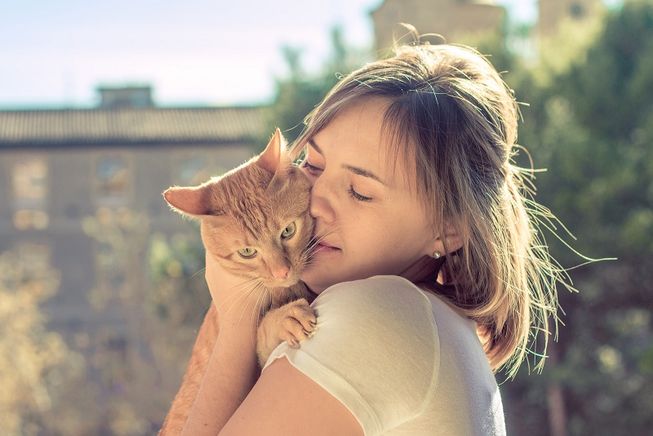
Pets strengthen our hearts, calm our nerves and a whole lot more. (Photo: Juanedc.com /flickr)
If you have pets you already know the joy and love they bring to your life. Now science is confirming just how good they really are for you — both mentally and physically.
How do they help? One theory is that pets boost our oxytocin levels. Also known as the “bonding hormone” or “cuddle chemical,” oxytocin enhances social skills, decreases blood pressure and heart rate, boosts immune function and raises tolerance for pain. It also lowers stress, anger and depression.
No surprise then that keeping regular company with a dog or cat (or another beloved beast) appears to offer all these same benefits and more. Read on to discover the many impressive ways a pet can make you healthier, happier and more resilient.
1. Pets alleviate allergies and boost immune function
One of your immune system’s jobs is to identify potentially harmful substances and unleash antibodies to ward off the threat. But sometimes it overreacts and misidentifies harmless stuff as dangerous, causing an allergic reaction. Think red eyes, itchy skin, runny nose and wheezing. You’d think that having pets might trigger allergies by kicking up sneeze-and-wheeze-inducing dander and fur. But it turns out that living with a dog or cat during the first year of life not only cuts your chances of having pet allergies in childhood and later on but also revs up your immune system and lowers your risk of eczema and asthma. In fact, just a brief pet encounter can invigorate your disease-defense system. In one study, petting a dog for only 18 minutes raised immunoglobulin A (IgA) levels in college students’ saliva, a sign of robust immune function.
2. Pets up your fitness quotient
This one applies more to dog owners. If you like walking with your favorite canine, chances are you’re fitter and trimmer than your non-dog-walking counterparts and come closer to meeting recommended physical activity levels. One study of more than 2,000 adults found that regular dog walkers got more exercise and were less likely to be obese than those who didn’t walk a dog. In another study, older dog walkers (ages 71-82) walked faster and longer than non-pooch-walkers, plus they were more mobile at home.
Dog owners who take their canine companions on walks tend to be trimmer and fitter than their fellow dog-less peers. (Photo: AMatveev/Shutterstock)
3. Pets dial down stress
When stress comes your way, your body goes into fight-or-flight mode, releasing hormones like cortisol to crank out more energy-boosting blood sugar and epinephrine to get your heart and blood pumping. All well and good for our ancestors who needed quick bursts of speed to dodge predatory saber-toothed tigers and stampeding mastodons. But when we live in a constant state of fight-or-flight from ongoing stress at work and the frenetic pace of modern life, these physical changes take their toll on our bodies, including raising our risk of heart disease and other dangerous conditions. Contact with pets seem to counteract this stress response by lowering stress hormones and heart rate. They also lower anxiety and fear levels (psychological responses to stress) and elevate feelings of calmness.
4. Pets boost heart health
Pets shower us with love so it’s not surprising they have a big impact on our love organ: the heart. Turns out time spent with a cherished critter is linked to better cardiovascular health, possibly due to the stress-busting effect mentioned above. Studies show that dog owners have a lower risk of heart disease, including lower blood pressure and cholesterol. Dogs also benefit patients who already have cardiovascular disease. They’re not only four time more likely to be alive after a year if they own a dog, but they’re also more likely to survive a heart attack. And don’t worry, cat owners — feline affection confers a similar effect. One 10-year study found that current and former cat owners were 40 percent less likely to suffer a heart attack and 30 percent less likely to die of other cardiovascular diseases.
5. Make you a social — and date — magnet
Four-legged companions (particularly the canine variety that pull us out of the house for daily walks) help us make more friends and appear more approachable, trustworthy and date-worthy. In one study, people in wheelchairs who had a dog received more smiles and had more conversations with passersby than those without a dog. In another study, college students who were asked to watch videos of two psychotherapists (depicted once with a dog and once without) said they felt more positively toward them when they had a dog and more likely to disclose personal information. And good news for guys: research shows that women are more willing to give out their number to men with a canine buddy.
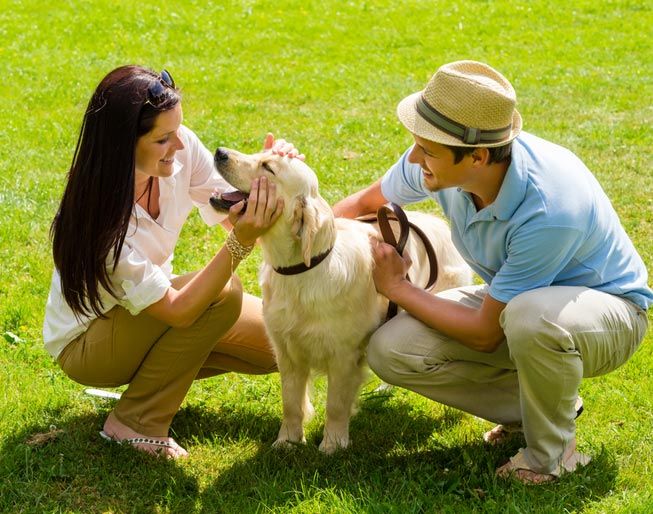
A dog can make you appear friendlier and more approachable to others. (Photo: CandyBox Images/Shutterstock)
6. Provides a social salve for Alzheimer’s patients
Just as non-human pals strengthen our social skills and connection, cats and dogs also offer furry, friendly comfort and social bonding to people suffering from Alzheimer’s and other forms of brain-destroying dementia. Several canine caregiver programs now exist to assist at-home dementia patients with day-to-day tasks, such as fetching medication, reminding them to eat and guiding them home if they’ve wandered off course. Many assisted-living facilities also keep resident pets or offer therapy animal visits to support and stimulate patients. Studies show creature companions can reduce behavioral issues among dementia patients by boosting their moods and raising their nutritional intake.
7. Enhances social skills in kids with autism
One in nearly 70 American kids has autism (also known as autism spectrum disorder, or ASD), a developmental disability that makes it tough to communicate and interact socially. Not surprisingly, animals can also help these kids connect better to others. One study found that youngsters with ASD talked and laughed more, whined and cried less and were more social with peers when guinea pigs were present. A multitude of ASD animal-assisted therapy programs have sprung up in recent years, featuring everything from dogs and dolphins to alpacas, horses and even chickens.
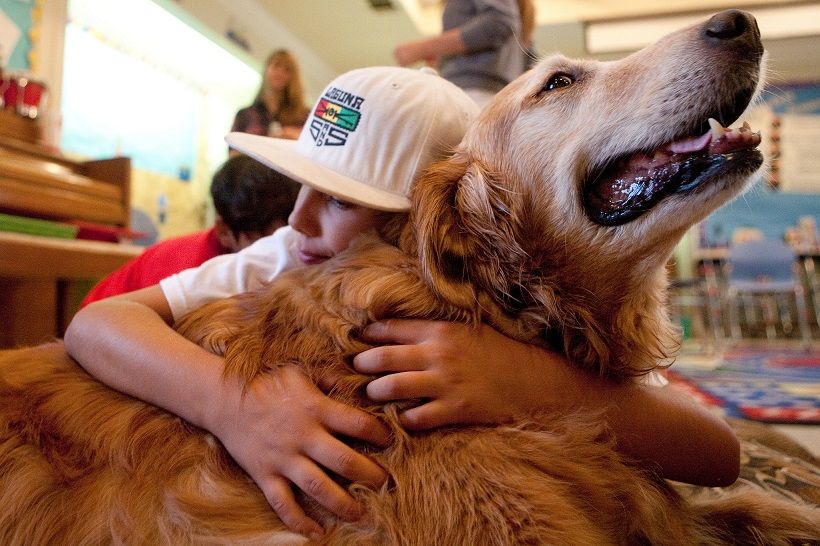
Animal-assisted therapy helps kids with autism and other developmental disabilities learn social skills. (Photo: UCI UC Irvine/flickr)
8. Dampens depression and boosts mood
Pets keep loneliness and isolation at bay and make us smile. In other words, their creature camaraderie and ability to keep us engaged in daily life (via endearing demands for food, attention and walks) are good recipes for warding off the blues. Research is ongoing, but animal-assisted therapy is proving particularly potent in deterring depression and other mood disorders. Studies show that everyone from older men in a veterans hospital who were exposed to an aviary filled with songbirds to depressed college students who spent time with dogs reported feeling more positive.
9. Defeats PTSD
People haunted by trauma like combat, assault and natural disasters are particularly vulnerable to a mental health condition called post-traumatic stress disorder (PTSD). Sure enough, studies show that the unconditional love — and oxytocin boost — of a pet can help remedy the flashbacks, emotional numbness and angry outbursts linked to PTSD. Even better, there are now several programs that pair specially trained service dogs and cats with veterans suffering from PTSD.
10. Fights cancer
Animal-assisted therapy helps cancer patients heal emotionally and physically. Preliminary findings of an on-going clinical trial by the American Humane Association shows that therapy dogs not only erase loneliness, depression and stress in kids fighting cancer, but canines can also motivate them to eat and follow treatment recommendations better — in other words participate more actively in their own healing. Likewise, new research reveals a similar lift in emotional well-being for adults undergoing the physical rigors of cancer treatment. Even more astounding, dogs (with their stellar smelling skills) are now being trained to literally sniff out cancer.
11. Puts the kibosh on pain
Millions live with chronic pain, but animals can soothe some of it away. In one study, 34 percent of patients with the pain disorder fibromyalgia reported pain relief (and a better mood and less fatigue) after visiting for 10-15 minutes with a therapy dog compared to only 4 percent of patients who just sat in a waiting room. In another study, those who had undergone total joint replacement surgery needed 28 percent less pain medication after daily visits from a therapy dog than those who got no canine contact.
ooOOoo
When I was setting this post up and copying across all the many links I was aware that there was a mountain of information out there. You may want to take some time and explore those links. For example, the link to HABRI- Human-Animal Research Initiative looks incredibly interesting. Then there was the link to the work being undertaken by the American Humane Association, that link being to this video that I am presenting here to close off today’s post.
Wherever you are in the world look after yourself and care for all those lovely pets out there. Love them so dearly!


 Learning from Dogs