The Isle of Mull

A guest post.

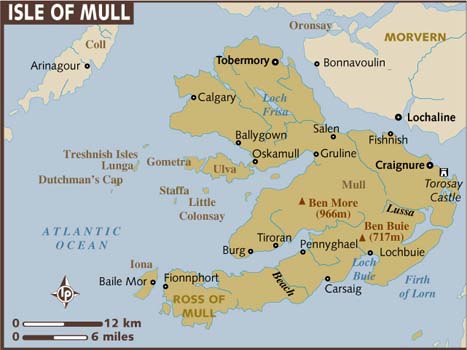
With a difference in that the guest author is my son, Alex. Recently Alex and his partner, Lisa, went on a trip to the Isle of Mull. But I will let Alex continue in his own words after I have explained a little more about the island. And where better to start than with the opening paragraphs of an article on the Isle of Mull from Wikipedia.

The Isle of Mull[6] (Scottish Gaelic An t-Eilean Muileachpronounced [ən ‘tjelan ˈmuləx]) or just Mull (English and Scots[mʌl]Scottish GaelicMuile[ˈmulə] (listen)) is the second-largest island of the Inner Hebrides (after Skye) and lies off the west coast of Scotland in the council area of Argyll and Bute. Covering 875.35 square kilometres (338 sq mi), Mull is the fourth-largest island in Scotland – and also in the United Kingdom as a whole.

The island’s 2020 population was estimated at 3,000.[7] In the 2011 census, the usual resident population was 2,800.[2] In 2001, it was 2,667.[8] (In the summer, these numbers are augmented by an influx of many tourists.) Much of the year-round population lives in colourful Tobermory, the island’s capital, and, until 1973, its only burgh.

There are two distilleries on the island: the Tobermory distillery (formerly called Ledaig), which is Mull’s only producer of single malt Scotch whisky;[9] and another one located in the vicinity of Tiroran, which produces Whitetail Gin (having opened in 2019, it was the island’s first new distillery in 220 years). The isle is host to numerous sports competitions, notably the annual Highland Games competition, which is held in July. It also has at least four castles, including the towering keep of Moy Castle. A much older stone circle lies beside Lochbuie, on the south coast.
ooOOoo

This is now from Alex:

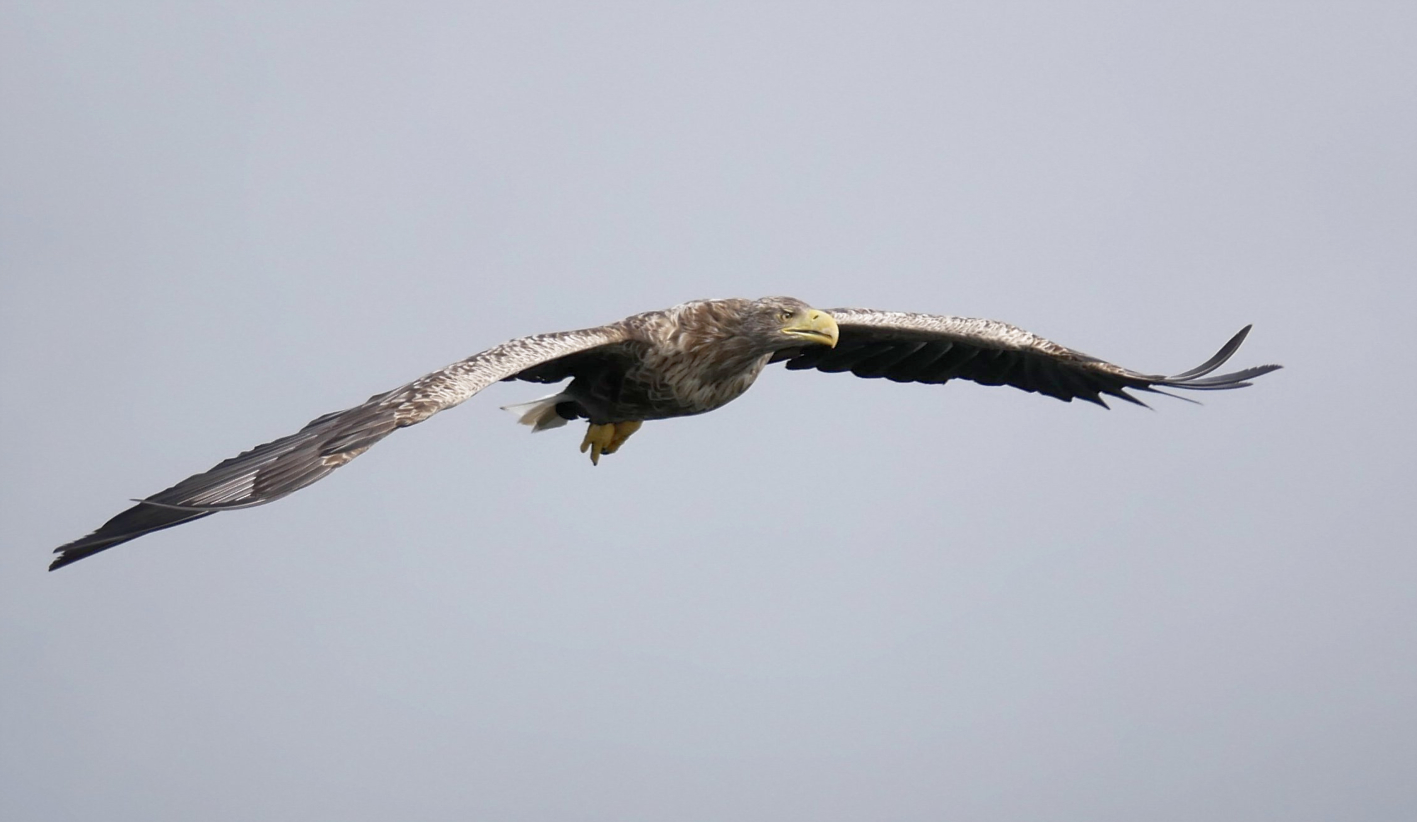
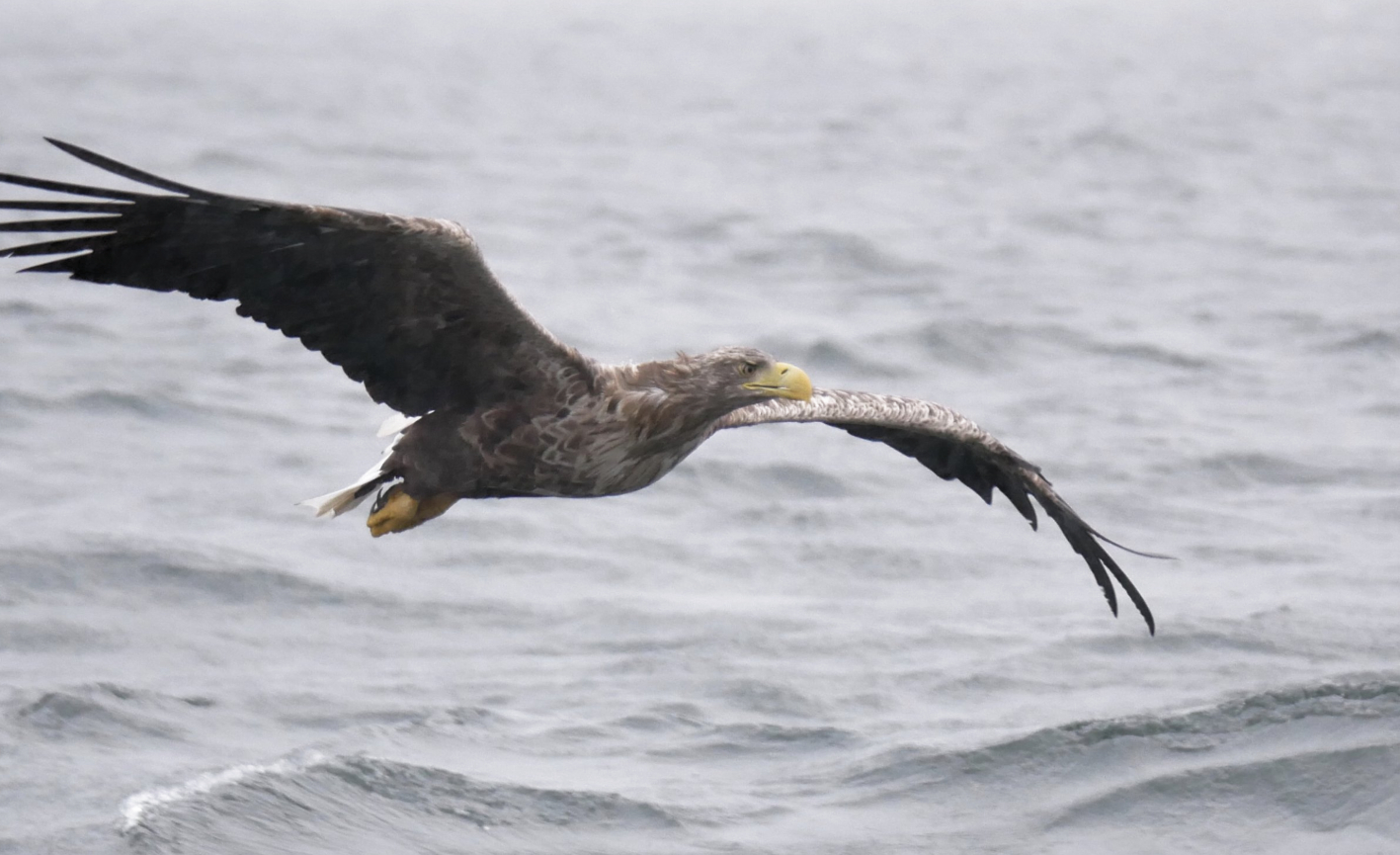
We decided to go to the Isle of Mull after reading about the amazing wildlife it has to offer. It’s famous for its white tailed eagles, which are the largest eagle in the U.K. and fourth largest in the world, with an average wingspan of 7-8ft and a perched height of 1m. After securing a place on a Mullcharters.com eagle photography boat trip, we waited with excitement as the boat left the small harbour at Ulva ferry in force 5 winds and intermittent rain showers, cruising out of the harbour, we where very lucky to spot an Otter swimming along.

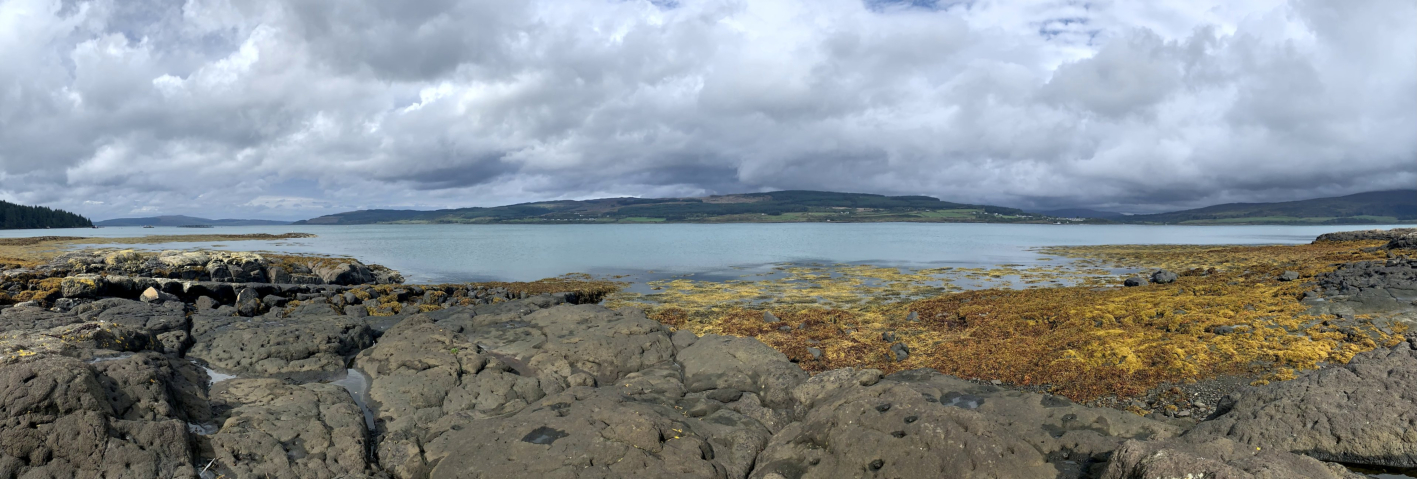
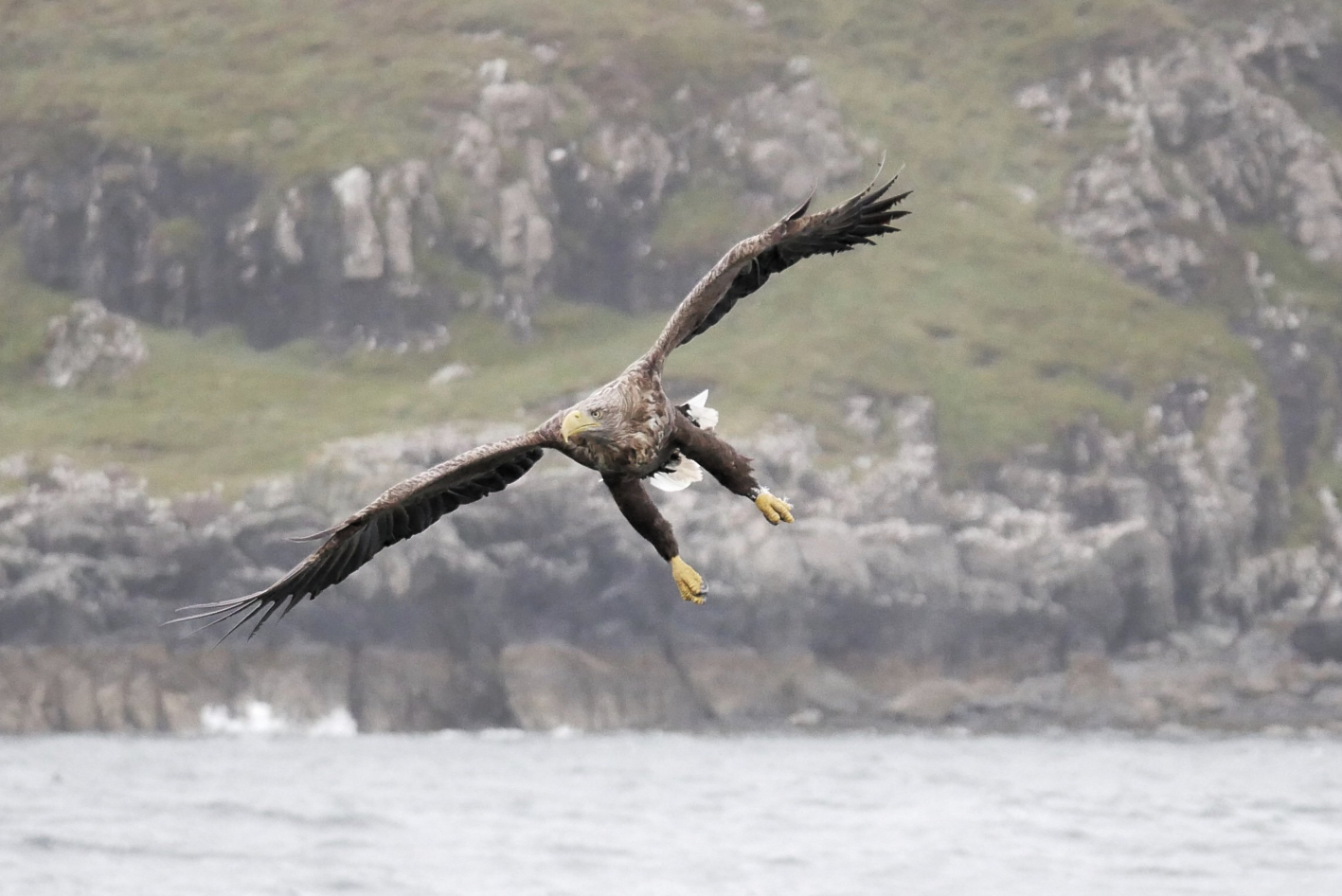
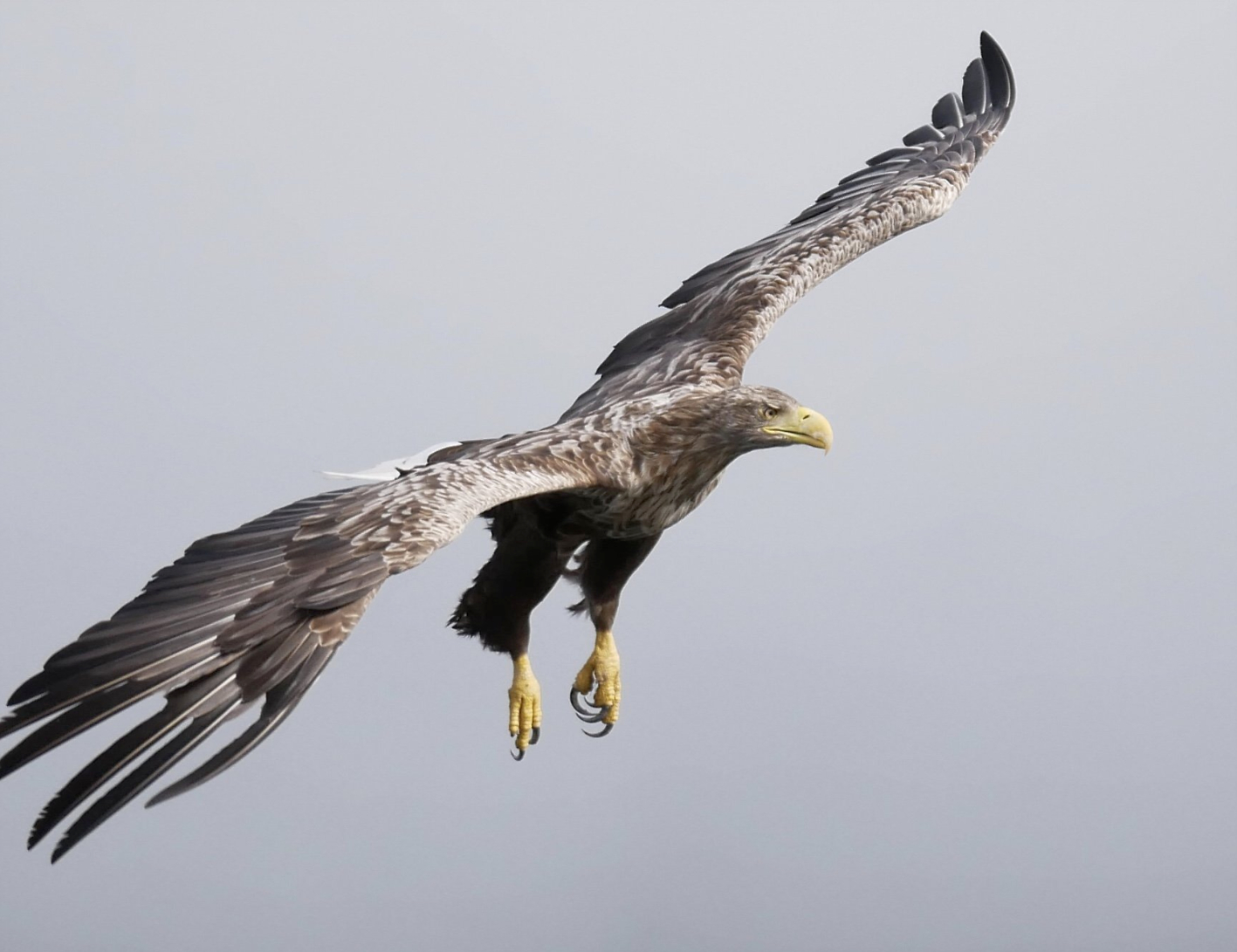
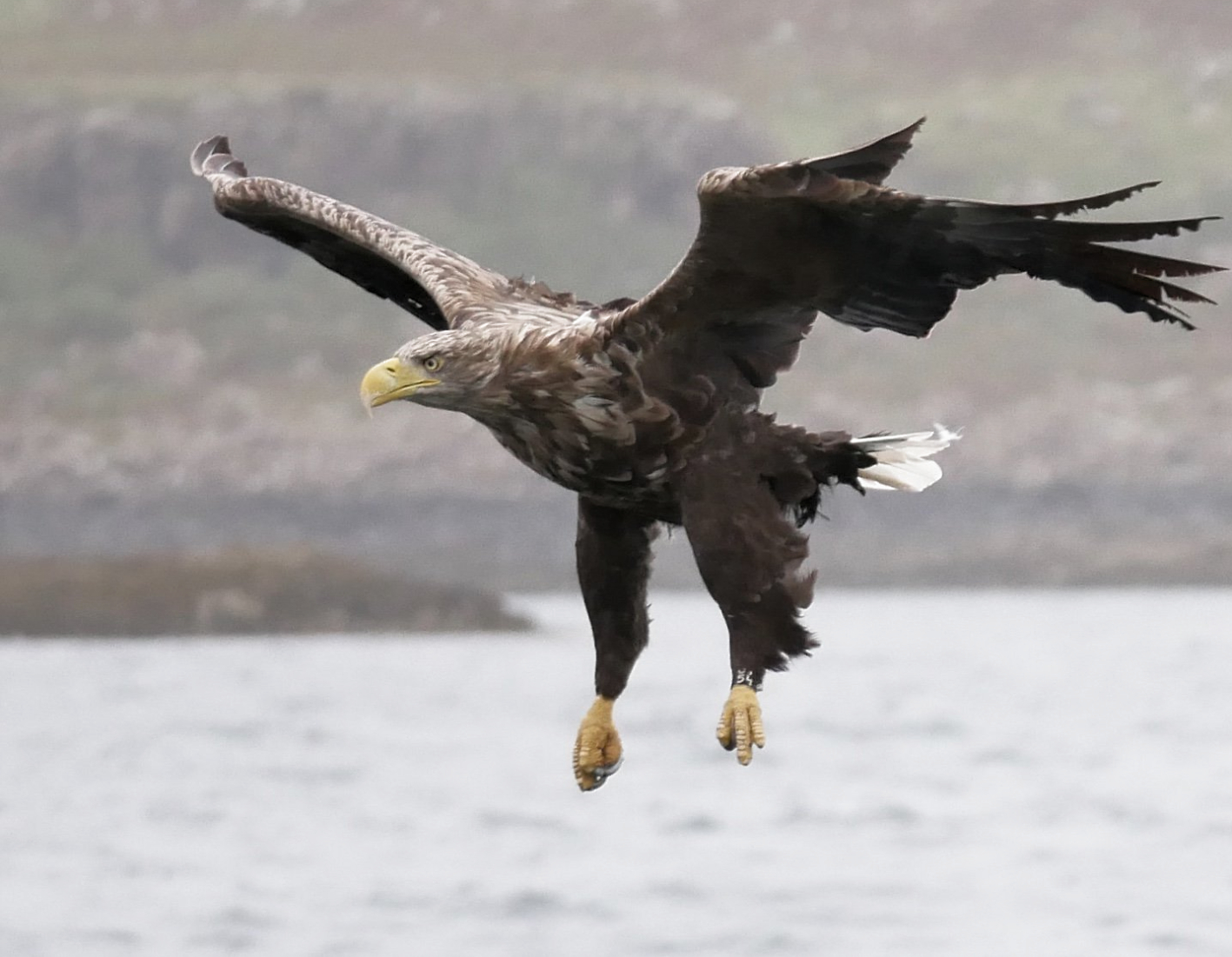
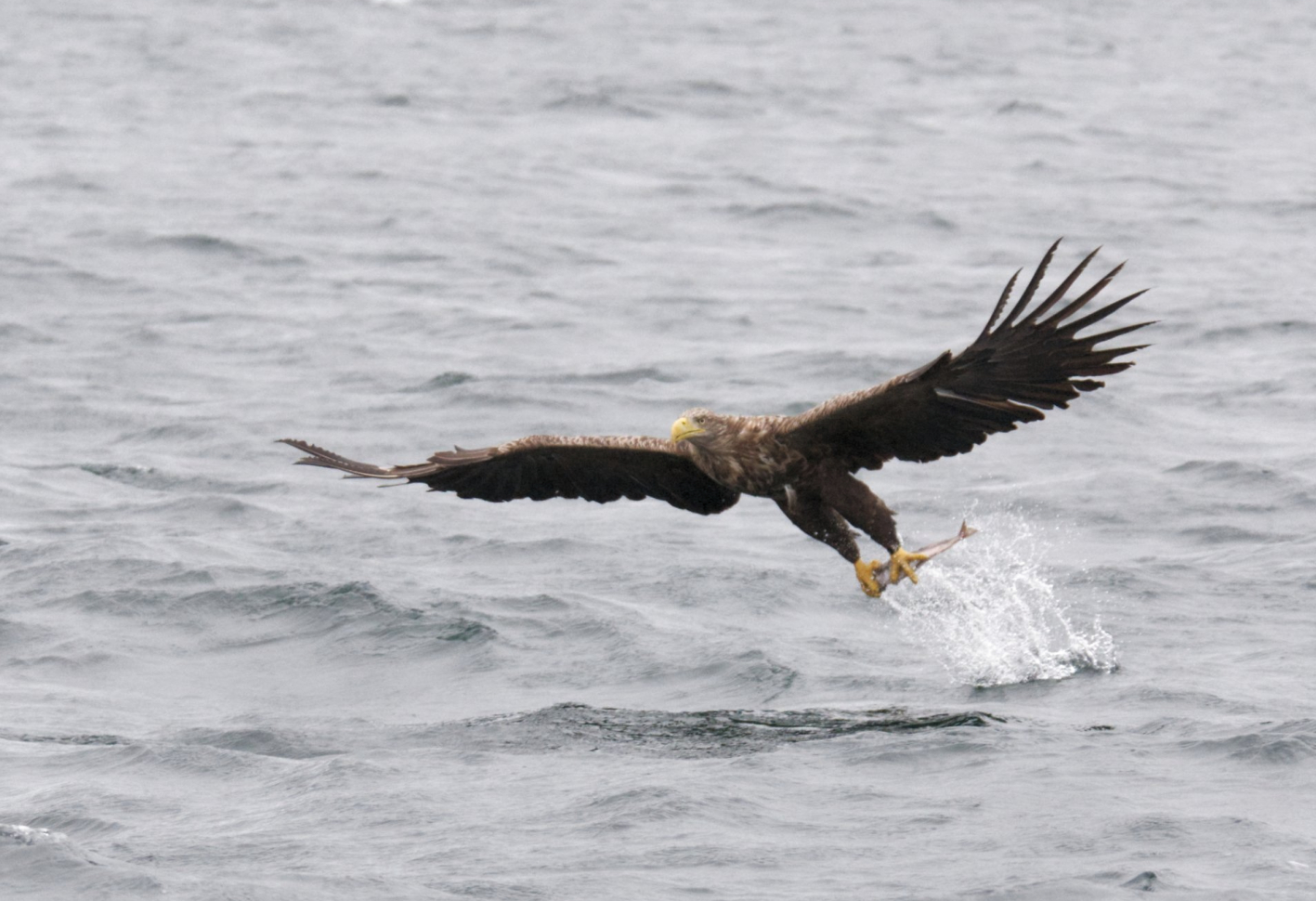
On reaching Loch Na Keal, we where told to keep an eye out for an eagle approaching, they apparently recognise the boat from around 1-2 miles away and know that it offers them an opportunity to get some free fish! It wasn’t long before looming out of the distance, a white tailed eagle appeared and started circling the boat, one of the boats crew told us he was going to throw a fish out and exactly where he was throwing it, so we could aim our cameras in that direction, we where treated to the amazing spectacle of an adult white tailed eagle swooping down to collect its fish, which was about 20-30ft away. This enabled us to get some excellent pictures of the eagle picking up its fish on numerous occasions, we saw at least six different birds on the trip and at one point had two pairs of eagles overhead the boat. Even with the challenging conditions, we all managed to get some excellent photos, it’s just a shame we didn’t get any sun to really show the eagles colours off.

oooo
oooo

oooo
oooo
oooo
oooo
oooo

oooo
oooo
To round off these wonderful photographs, here are two of an otter. They are notoriously difficult to photograph.

oooo

ooOOoo

What a wonderful journey for Alex and Lisa. The camera was a Panasonic Lumix G85 with Leica 100-400 lens.

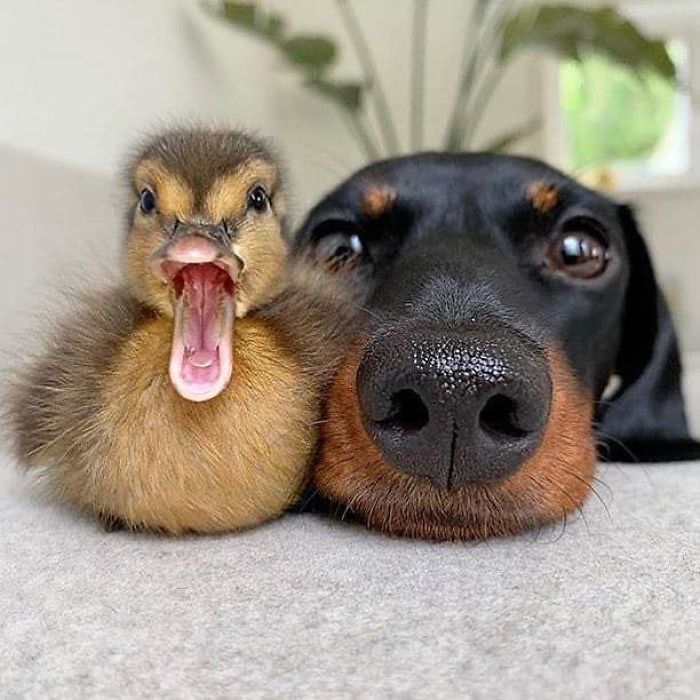
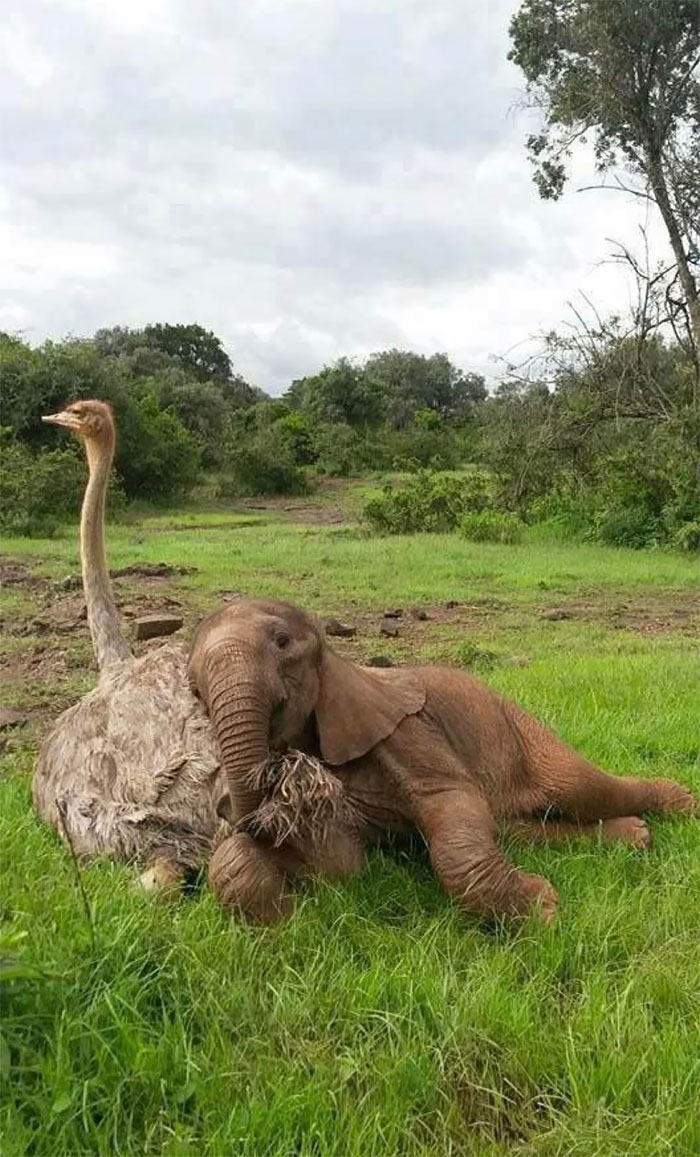
Another example of a dog’s love

This time between a dog and a parrot.

Again, Jess and Cheryl sent me this YouTube link. It has the subtitles coming up because I won’t subscribe to whatever service is being promoted. But it doesn’t detract from the pleasure of this video.

A smile for the weekend!

Senior dogs

We are all on the same journey!

Well here we are in October! No reason why it is so but sensation wise when one gets into the senior years time seems to go faster. Wonder if it is the same for our four-legged friends.

A recent post courtesy of The Dodo spoke of this, in a roundabout way.

ooOOoo

Dog Walker Finds A Mysterious Box With A Heartwarming Message On It

“I thought it was an incredible gesture.”

By Lily Feinn, Published on the 16th September, 2021.

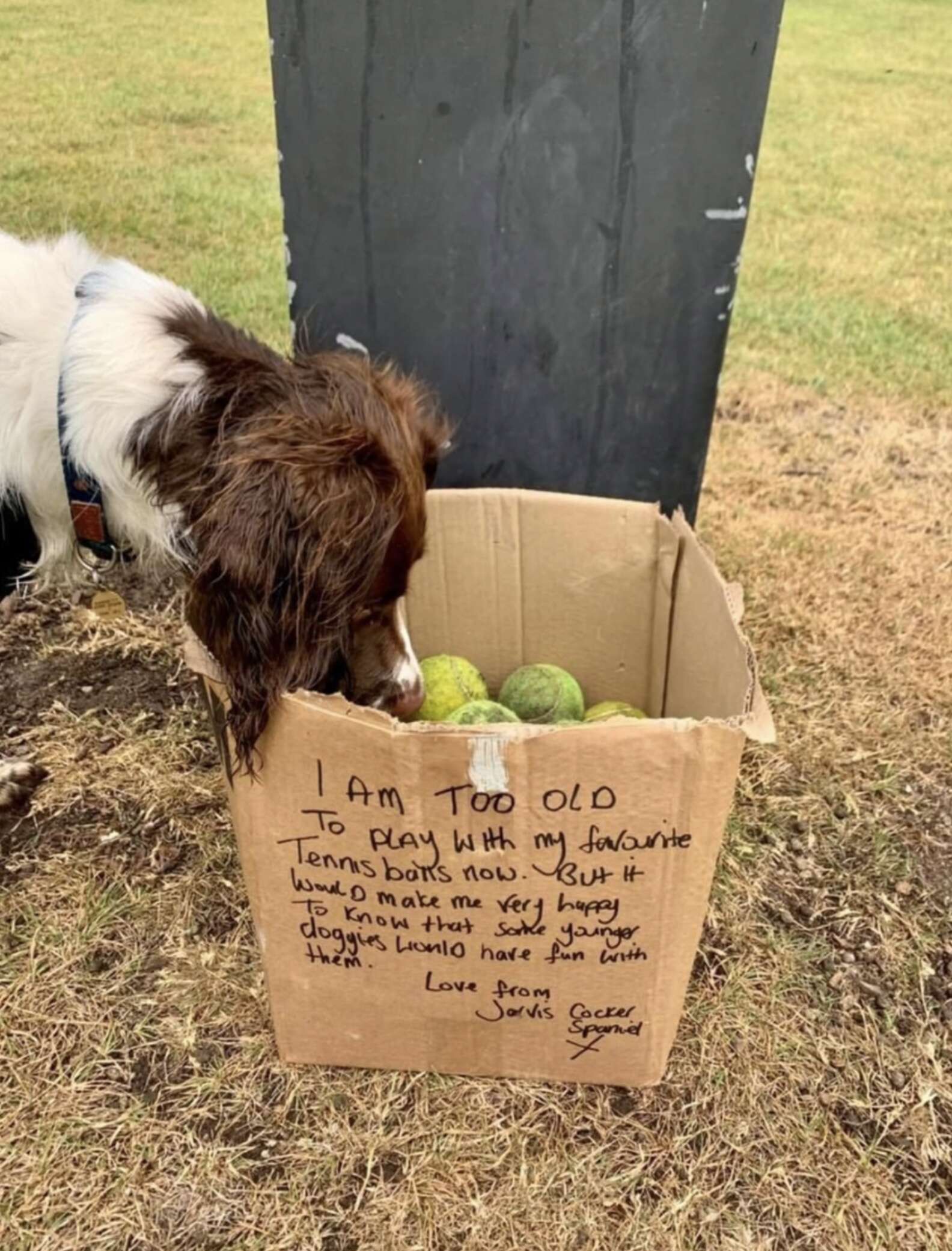
Last week, Kayley Drewitt was walking a dog in Ely Country Park when she stumbled across a cardboard box in the grass. Drewitt runs The Animal Ark Pet Services and spends a lot of time outside with her clients’ dogs — but she’d never seen anything like this in the park before.

“I was curious at first,” Drewitt told The Dodo. “Once we had approached it and I read the message written on the side of it, I couldn’t believe it. I had never seen anything like that before.”

“I thought it was an incredible gesture,” she added. “Something really heartwarming.”

INSTAGRAM/THE ANIMAL ARK

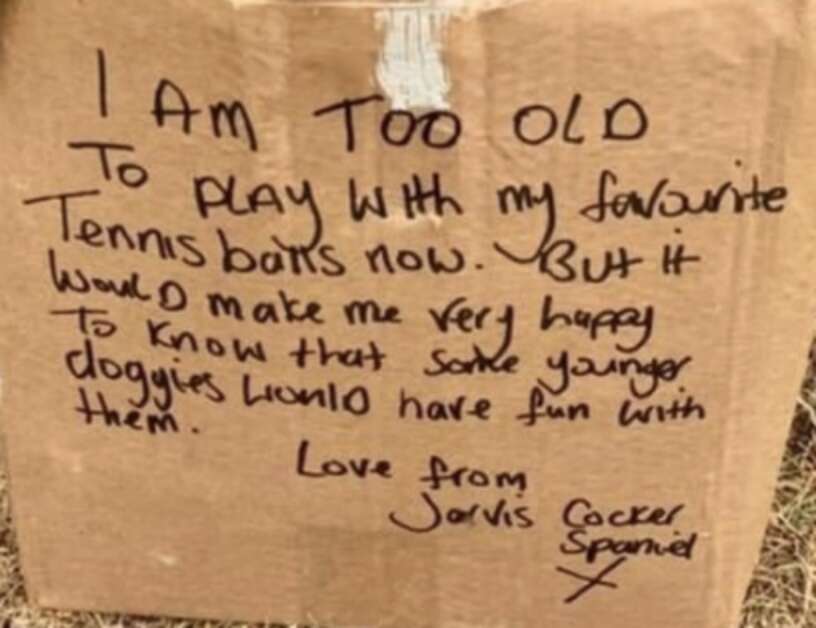
Written in Sharpie on the side of the box was a message reading: “I am too old to play with my favorite tennis balls now. But it would make me very happy to know that some younger doggies would have fun with them. Love from Jarvis.

INSTAGRAM/THE ANIMAL ARK

The dog Drewitt was walking didn’t need to read the message to know exactly what to do. He stuck his nose in the box and pulled out a ball.

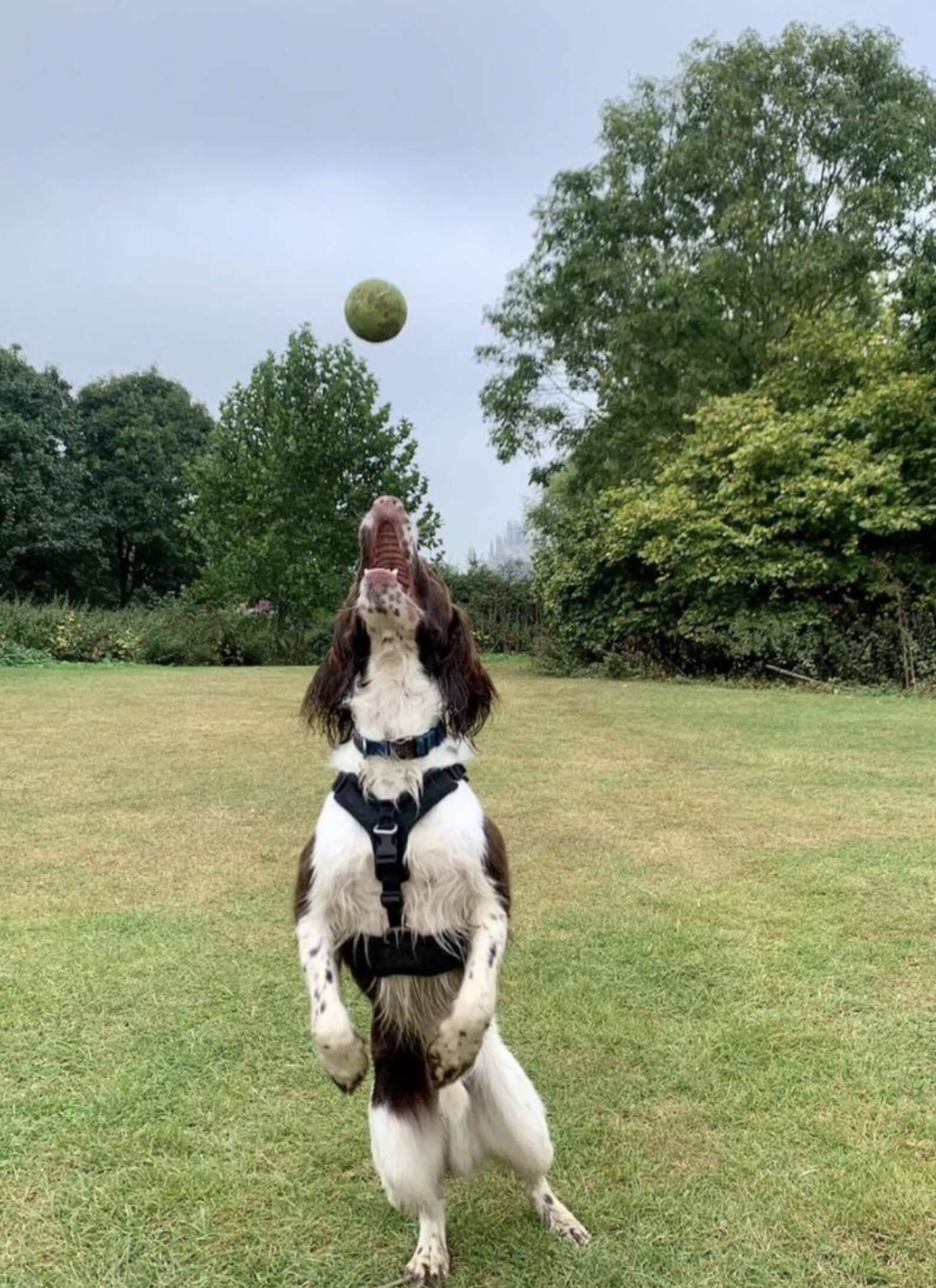
“We played fetch for quite a while [and] he tried out lots of different balls,” Drewitt said.

INSTAGRAM/THE ANIMAL ARK

Drewitt was so touched by the sweet gesture that she snapped a few pictures of the box of donated balls and posted them on social media. “I wanted to thank [Jarvis’ owner] and make other dog owners aware of this lovely idea,” Drewitt said.

Her social media post quickly gained attention, and Jarvis’ mom reached out to let Drewitt know how happy seeing other dogs playing with the balls made her feel.

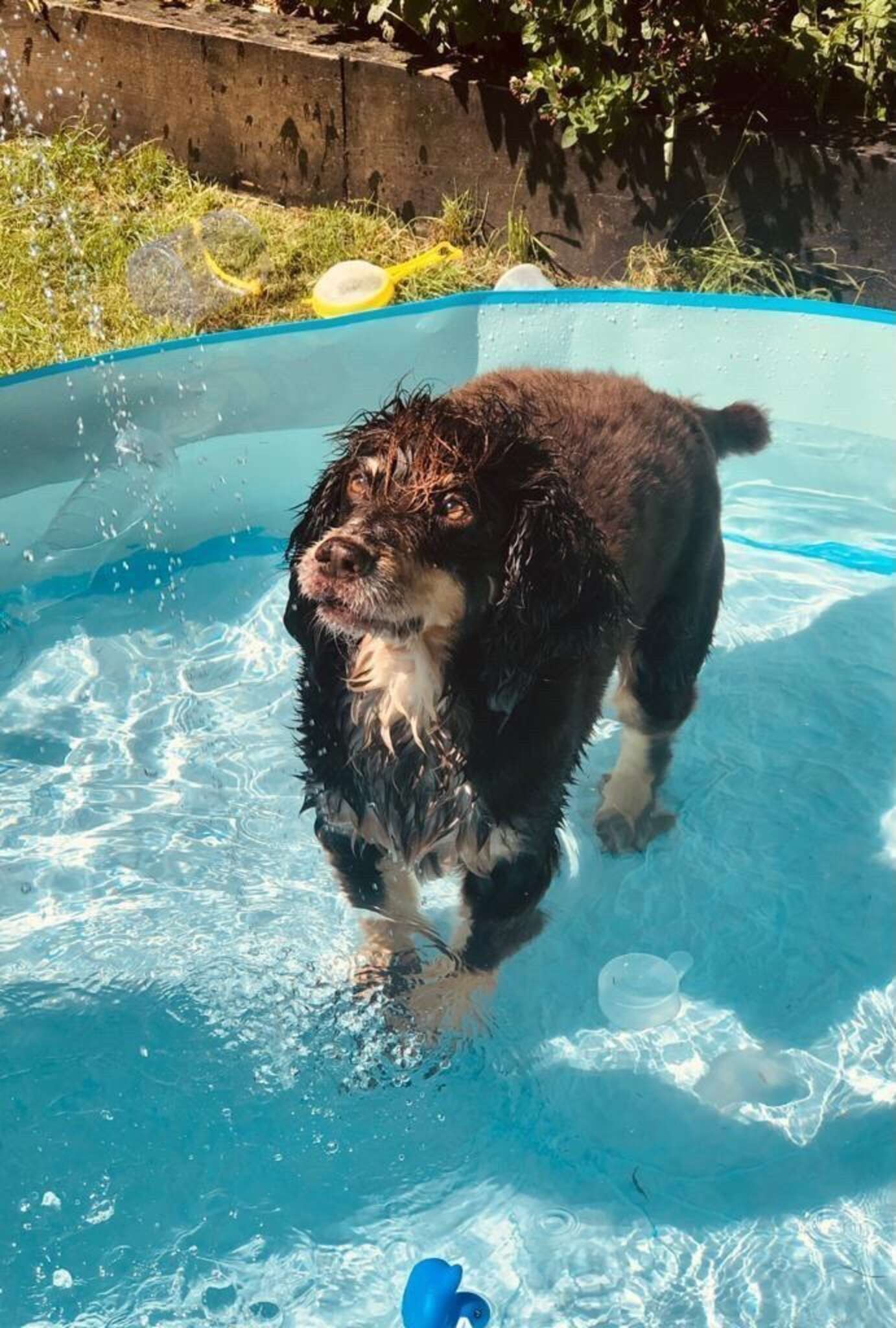
Jarvis, a cocker spaniel, is nearly 11 and has severe arthritis. He can’t play like he used to, but his mom knew he’d want someone to enjoy his beloved tennis balls.

KAYLEY DREWITT

Jarvis may no longer be able to chase balls, but the senior pup still loves to socialize and will get a special surprise on his next trip to the park.

“We have agreed to meet up for a dog walk sometime soon,” Drewitt said, “so Jarvis can meet some of the younger dogs now benefiting from all the balls he’s gifted.”

ooOOoo

Time after time people do wonderful things connected to dogs. Dogs are so perfect and the phrase unconditional love really does have meaning when it comes to our dogs.

Now that’s not to say that people who do not have dogs don’t do wonderful things. But it is my guess that dogs help bring out the best in humans.

The Wise One

Fond memories of June, 2007.

I have been trying to tidy up my office these last few days and came across a tribute that I wrote for Pharaoh in 2007. I flew out to California in June, 2007 and stayed with Dan Gomez and, quite by chance, Suzanne, Dan’s sister, called by and invited me to stay with her and her husband, Don, in Mexico. I flew from Los Angeles to Hermosillo on the 14th December, 2007. That was where Jean and I met for the first time!

ooOOoo

Pharaoh

June 3rd, 2003 – June 19th, 2017

Just being a dog!

I am your dog and have something I would love to whisper in your ear. I know that you humans lead very busy lives. Some have to work, some have children to raise, some have to do this alone. It always seems like you are running here and there, often too fast, never noticing the truly grand things in life.

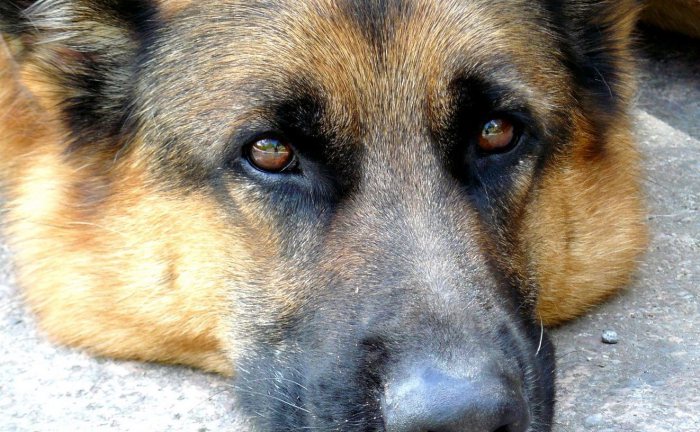
Look down at me now. While you sit at your computer. See the way my dark, brown eyes look at yours.

You smile at me. I see love in your eyes. What do you see in mine? Do you see a spirit? A soul inside who loves you as no other could in the world? A spirit that would forgive all trespasses of prior wrong doing for just a single moment of your time? That is all I ask. To slow down, if even for a few minutes, to be with me.

So many times you are saddened by others of my kind passing on. Sometimes we die young and, oh, so quickly, so suddenly that it wrenches your heart out of your throat. Sometimes we age slowly before your eyes that you may not even seem to know until the very end, when we look at you with grizzled muzzles and cataract-clouded eyes. Still the love is always there even when we must take that last long sleep dreaming of running free in a distant, open land.

I may not be here tomorrow. I may not be here next week. Someday you will shed the water from your eyes that humans have when grief fills their souls and you will mourn the loss of just one more day with me. Because I love you so, this future sorrow even now touches my spirit and grieves me. I read you in so many ways that you cannot even start to contemplate.

We have now together. So come and sit next to me here on the floor and look deep into my eyes. What do you see? Do you see how if you look deeply at me as we talk, you and I, heart to heart. Come not to me as my owner but as a living soul. Stroke my fur and let us look deep into the other’s eyes and talk with our hearts.

I may tell you something about the fun of working the scents in the woods where you and I go. Or I may tell you something profound about myself or how we dogs see life in general. I know you decided to have me in your life because you wanted a soul to share things with. I know how much you have cared for me and always stood up for me even when others have been against me. I know how hard you have worked to help me be the teacher that I was born to be. That gift from you has been very precious to me. I know too that you have been through troubled times and I have been there to guard you, to protect you, and to always be there for you. I am very different to you but here I am. I am a dog but just as alive as you.

I feel emotion. I feel physical senses. I can revel in the differences of our spirits and souls. I do not think of you as a dog on two feet; I know what you are. You are human, in all your quirkiness, and I love you still.

So come and sit with me. Enter my world and let time slow down if only for a few minutes. Look deep into me eyes and I will know your true self. We may not have tomorrow but do have now.

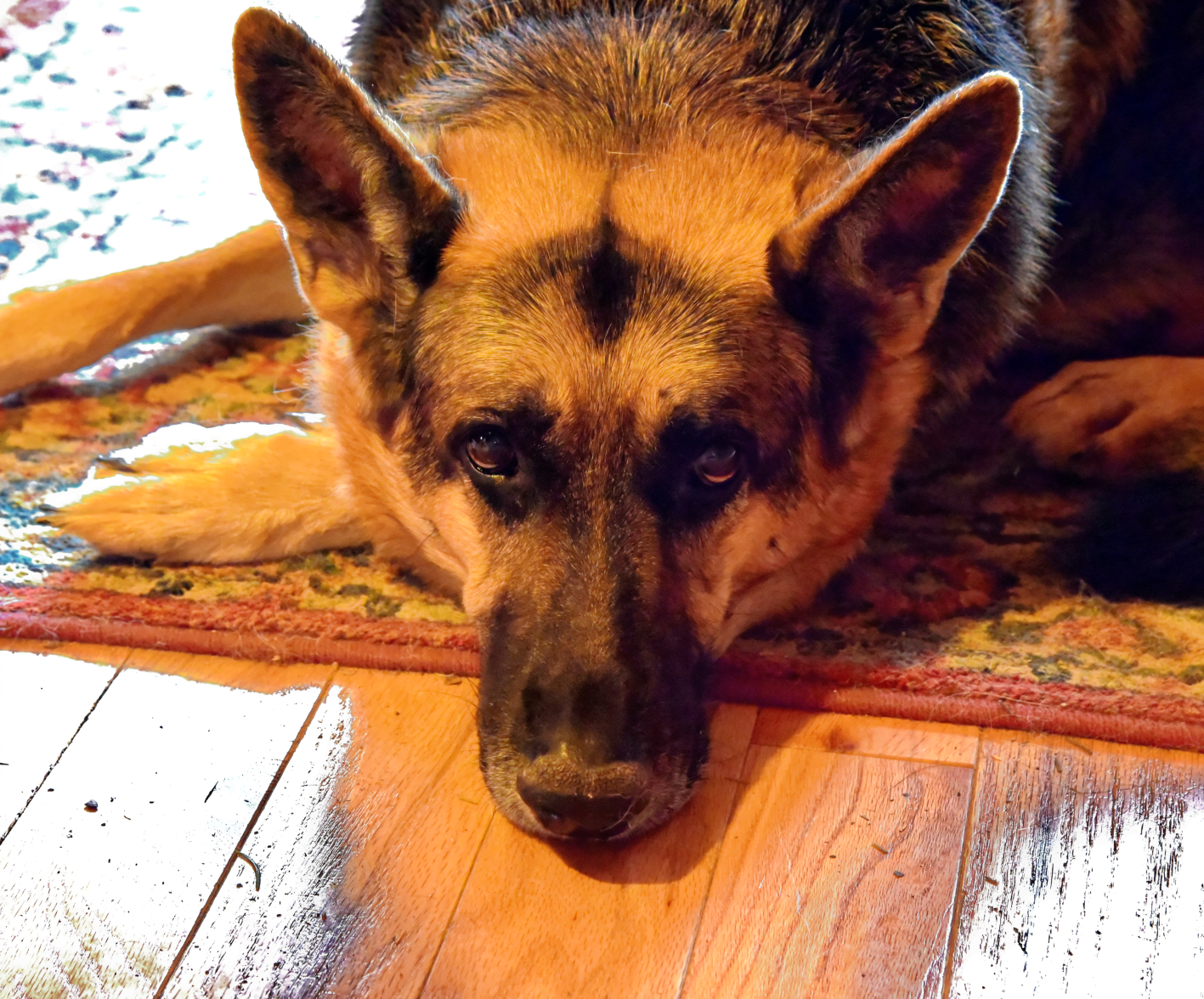
(Written on the 14th September, 2007 to reflect the special relationship that I have with me and my 4-year-old German Shepherd.)

ooOOoo

I first got Pharaoh as a puppy from a breeder. When he was sufficiently old to start training I learnt that he was a beta dog. Let me explain. In a dog pack there are three dogs with status. The first is always a female and she is the pack leader, or alpha dog. The alpha has first pick of the male dogs as a mate. The second-in-command is the beta dog and is always a male. The beta dog is to keep control and break up fights and squabbles. The third dog, either gender, is the omega dog or the clown dog and its role is to keep the pack happy.

The training was suitably modified and Pharaoh quickly became a perfect friend to me.

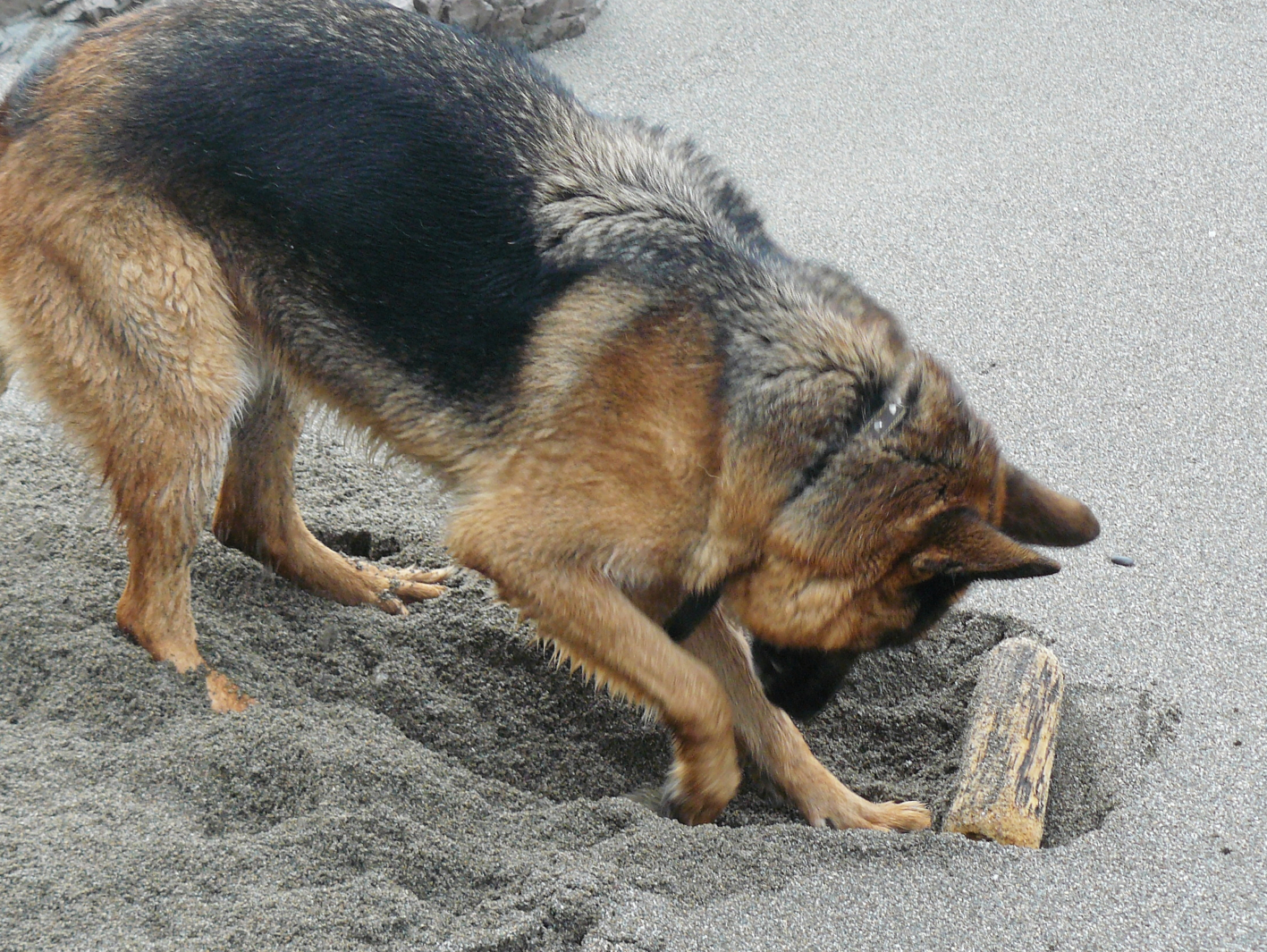
On the beach in Devon

Taken near the end of Pharaoh’s life.

So you can see that the above tribute to Pharaoh makes more sense. Especially as on the 20th December, 2006, the 50th anniversary of my father’s death, when I had turned 12 on November 8th 1956, my then wife walked out on me.

Pharaoh was a huge comfort to me at that time. I wasn’t to know then that on the 14th December, nearly a year later, I was to meet the woman of my life. Then in 2008 I flew out to Mexico with Pharaoh to start the most beautiful relationship I have ever had. Pharaoh died in June, 2017.

I still miss him badly. But that, dear folks, is life!

Oh dear, I meant deer!

A timely reminder from The Conversation.

We live in a rural part of Southern Oregon. The number of deer hit on our roads is appalling. Not infrequently when out cycling I come across a deer that seems uninjured. Often I get off my bike and stroke the animal, or drag it from the centre of the road to the shoulder. But it is dead.

Once recently the deer was still warm. What surprises me is that they are always dead. There never seems to be a deer that has been wounded. Probably just as well as I wouldn’t want to leave the animal.

We feed the deer at home on a daily basis and there is a young stag that has become familiar with me and starts eating the COB (corn, oats and barley mixed together) even before I have finished setting out the six piles of food. They are very dear creatures.

So this article has to be shared with you!

ooOOoo

Fall means more deer on the road: 4 ways time of day, month and year raise your risk of crashes

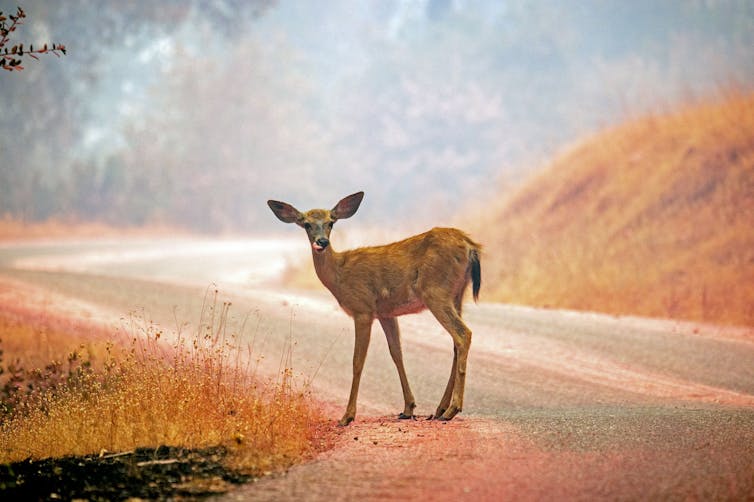
Deer cross roads whenever they wish, but some time periods are higher risk than others. Josh Edelson/AFP via Getty Images

Tom Langen, Clarkson University

Autumn is here, and that means the risk of hitting deer on rural roads and highways is rising, especially around dusk and during a full moon.

Deer cause over 1 million motor vehicle accidents in the U.S. each year, resulting in more than US$1 billion in property damage, about 200 human deaths and 29,000 serious injuries. Property damage insurance claims average around $2,600 per accident, and the overall average cost, including severe injuries or death, is over $6,000.

While avoiding deer – as well as moose, elk and other hoofed animals, known as ungulates – can seem impossible if you’re driving in rural areas, there are certain times and places that are most hazardous, and so warrant extra caution.

Transportation agencies, working with scientists, have been developing ways to predict where deer and other ungulates enter roads so they can post warning signs or install fencing or wildlife passages under or over the roadway. Just as important is knowing when these accidents occur.

My former students Victor Colino-Rabanal, Nimanthi Abeyrathna and I have analyzed over 86,000 deer-vehicle collisions involving white-tailed deer in New York state using police records over a three-year period. Here’s what our research and other studies show about timing and risk:

Time of day, month and year matters

The risk of hitting a deer varies by time of day, day of the week, the monthly lunar cycle and seasons of the year.

These accident cycles are partly a function of driver behavior – they are highest when traffic is heavy, drivers are least alert and driving conditions are poorest for spotting animals. They are also affected by deer behavior. Not infrequently, deer-vehicle accidents involve multiple vehicles, as startled drivers swerve to miss a deer and collide with a vehicle in another lane, or they slam on the breaks and are rear-ended by the vehicle behind.

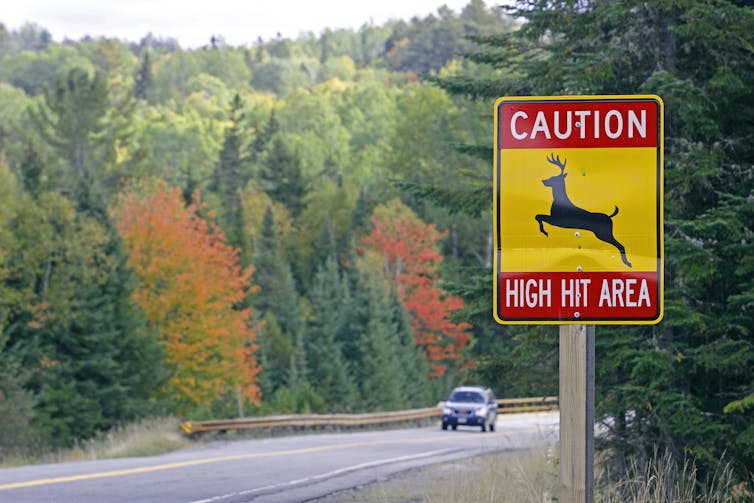
Car on road during the start of leaf colors with road sign reading: Caution: High Hit Area
A sign warns of deer traffic on Route 16 in Franklin County, Maine. Education Images/Universal Images Group via Getty Images

In analyzing thousands of deer-vehicle collisions, we found that these accidents occur most frequently at dusk and dawn, when deer are most active and drivers’ ability to spot them is poorest. Only about 20% of accidents occur during daylight hours. Deer-vehicle accidents are eight times more frequent per hour of dusk than daylight, and four times more frequent at dusk than after nightfall.

During the week, accidents occur most frequently on days that have the most drivers on the road at dawn or dusk, so they are associated with work commuter driving patterns and social factors such as Friday “date night” traffic.

Over the span of a month, the most deer-vehicle accidents occur during the full moon, and at the time of night that the moon is brightest. Deer move greater distances from cover and are more likely to enter roadways when there is more illumination at night. The pattern holds for deer and other ungulates in both North America and Europe.

Over a year, by far the highest numbers of deer-vehicle accidents are in autumn, and particularly during the rut, when bucks search and compete to mate with does. In New York state, the peak number of deer-vehicle accidents occurs in the last week of October and first weeks of November. There are over four times as many deer-vehicle accidents during that period than during spring. Moose-vehicle accidents show a similar pattern.

That high-risk period is also when daylight saving time ends – it happens on Nov. 7, 2021, in the U.S. Shifting the clock one hour back means more commuters are on the road during the high-risk dusk hours. The result is more cars driving at the peak time of day and during the peak time of the year for deer-vehicle accidents.

Overall, given that most U.S. states and more than 70 countries have seasonal “daylight saving” clock shifts, elevated ungulate-vehicle accident rates caused by clock shift may be a widespread problem.

[Over 100,000 readers rely on The Conversation’s newsletter to understand the world. Sign up today.]

There is a longstanding debate about the benefit of a daylight saving clock shift, given how it disrupts humans’ circadian rhythms, causing short-term stress and fatigue. Risk of deer-vehicle accidents may be another reason to reconsider whether clock shifts are worthwhile.

Deer still cross roads at any time

It’s important to remember that deer-vehicle accidents can occur at any time of day or night, on any day of the year – and that deer can show up in urban areas as well as rural ones.

The insurance company State Farm found that on average, U.S. drivers have a 1 in 116 chance of hitting an animal, with much higher rates in states such as West Virginia, Montana and Pennsylvania. Over the 12 months ending in June 2020, State Farm counted 1.9 million insurance claims for collisions with wildlife nationwide. Around 90% of those involved deer.

Where deer or other ungulates are likely to be present, drivers should always be alert and cautious, especially at dawn, dusk, on bright moonlit nights and during the fall rut.

Tom Langen, Professor of Biology, Clarkson University

This article is republished from The Conversation under a Creative Commons license. Read the original article.

ooOOoo

Nothing else to say but we drivers need to slow down and extra vigilant. Driving safely means always allowing for the unexpected and never following the vehicle in front too close. The minimum safe distance is one vehicle length for every 10 miles per hour in speed!

Canine Behavior.

Canine Behavior Friends from the start

In this month’s Science magazine, on page 1213, there is a short piece under the heading of In Other Journals.

I share it with you.

ooOOoo

Canine Behavior Friends from the start

By Sacha Vignieri.

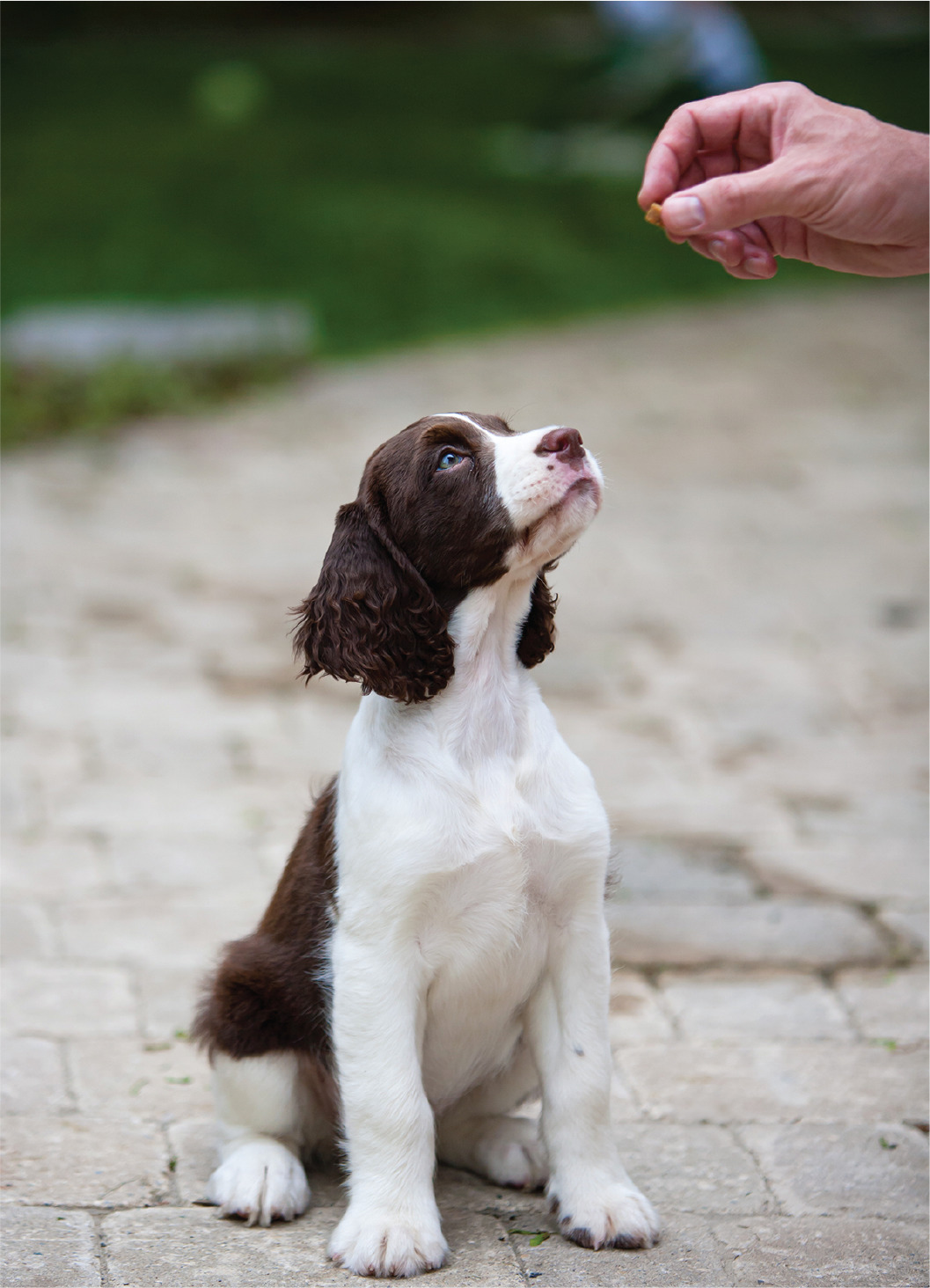
Dogs, unlike wolves, are highly responsive to human voice, gestures, and eye contact.
CREDIT: ISTOCK.COM/HNIJJAR007

The closest relative to dogs, “man’s best friend,” is the wolf, a wily predator that generally avoids human interaction. For decades, researchers and dog owners have wondered how the leap to domestication occurred.

The main hypothesis invoked very early selection for wolves that “liked”—or least tolerated—humans, and the connection strengthened from there.

However, there is still some debate about whether the degree to which dogs interact and communicate with humans is a learned trait.

Two recent studies appear to close the book on this learning hypothesis. Bray et al. looked at about 400 puppies and found that at this young age and without much human interaction, they were adept at following human gestures and positively responded to high-pitched “puppy talk.” Further, there was variation in these responses with an association between relatedness and social communication skills, which supports a genetic driver.

Salomons et al. compared dog and wolf puppies and found no difference in general cognitive responses, but much greater responsiveness to human gestures and eye contact, in dog puppies. Importantly, this happened even though the dog pups had received less actual human interaction than did the wolf pups.

These studies confirm that dogs’ interest in communication with humans is an evolved trait unique to their lineage.

Curr. Biol.31, 3132, 3137 (2021).

ooOOoo

That is fascinating. Dogs have evolved this trait on their own, so to speak. It further underlines the precious nature of the relationship between dogs and humans.

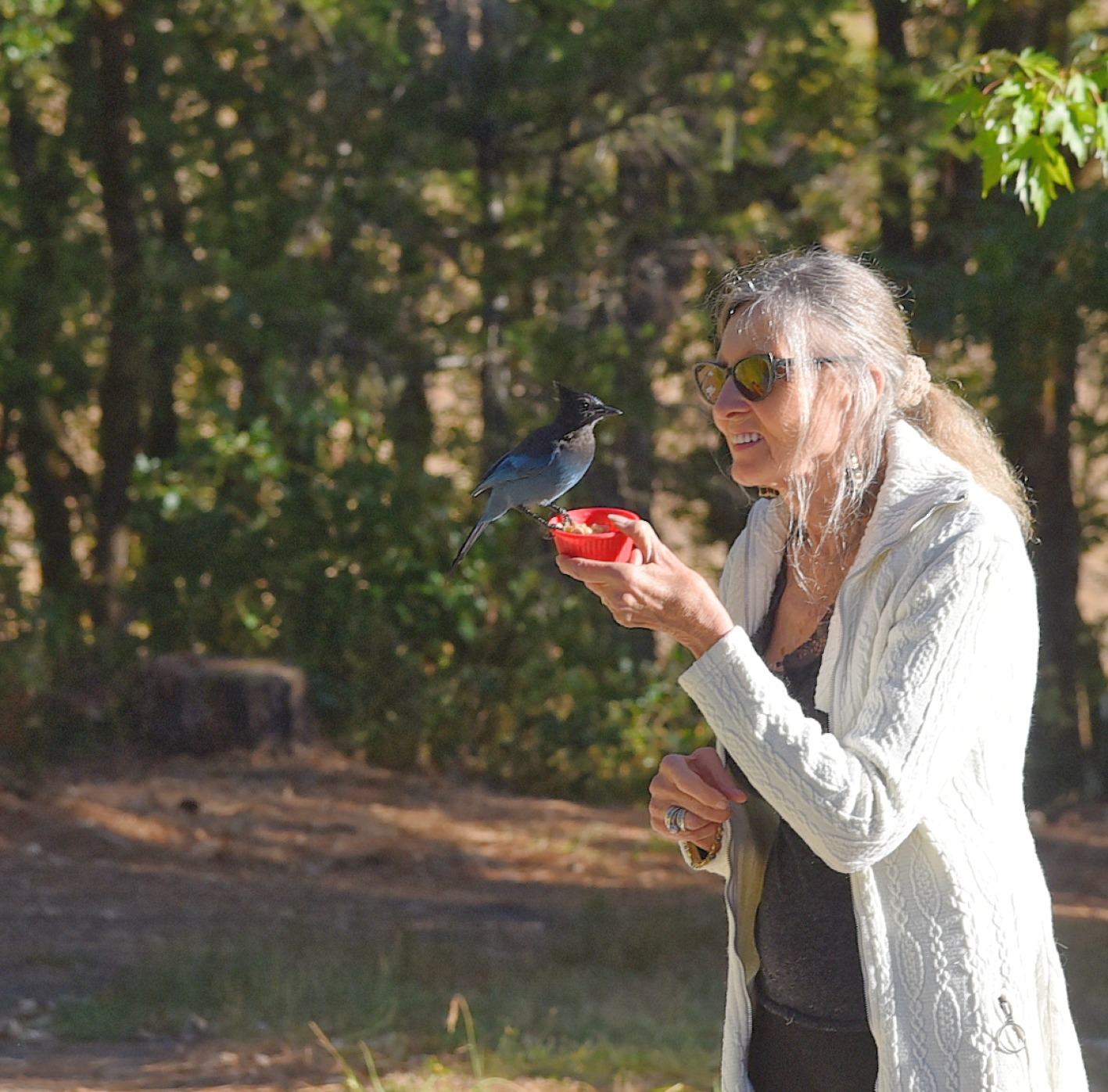
Brandy et moi! Taken 6th April, 2018.