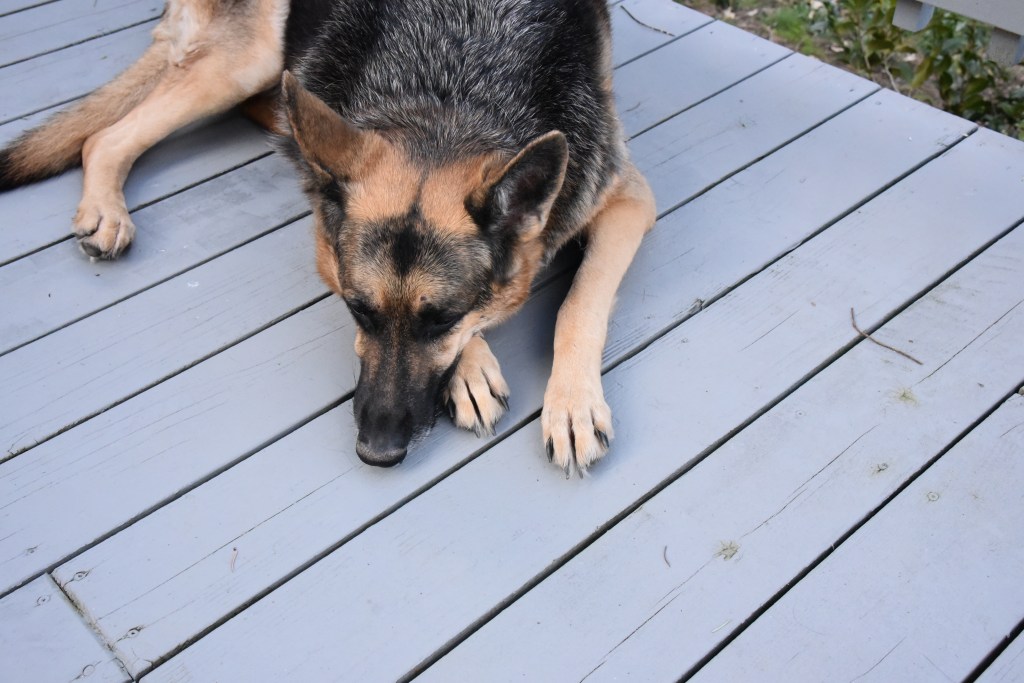
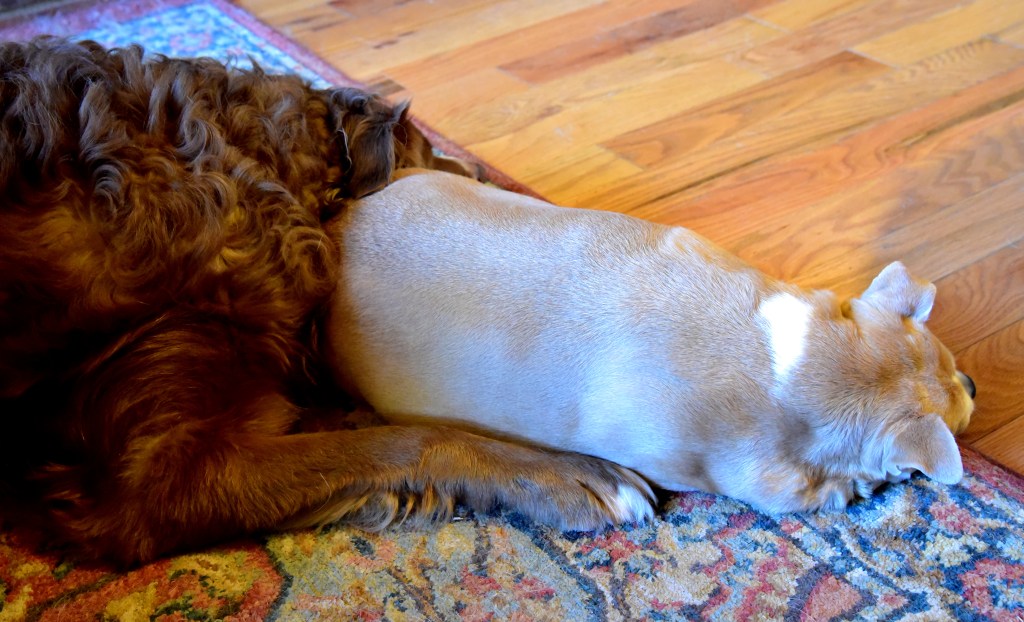
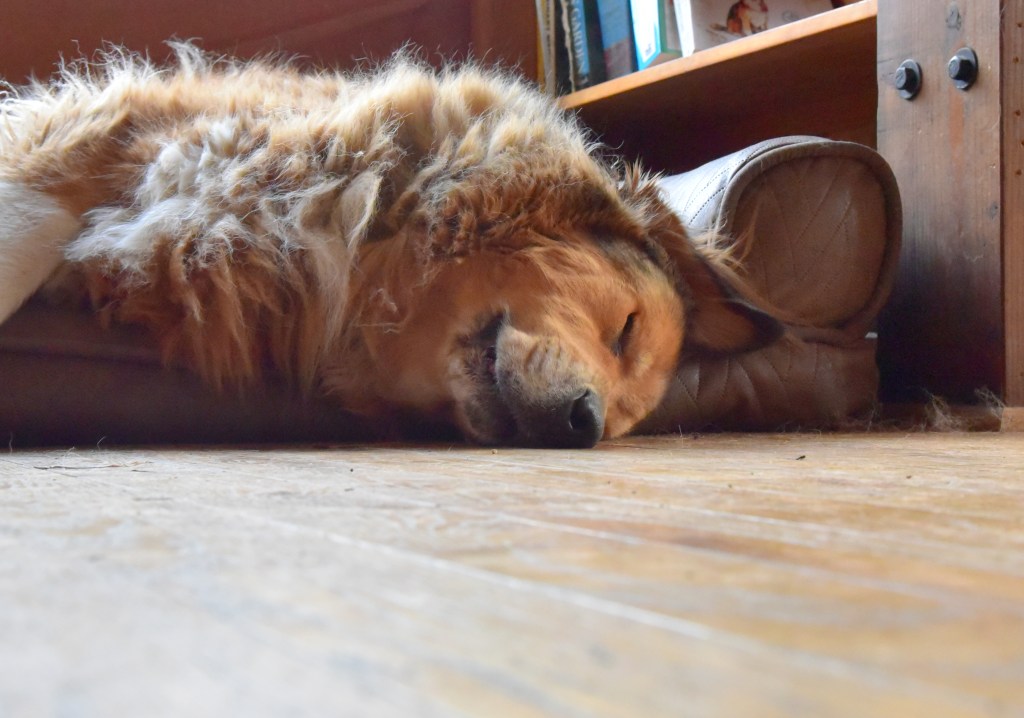
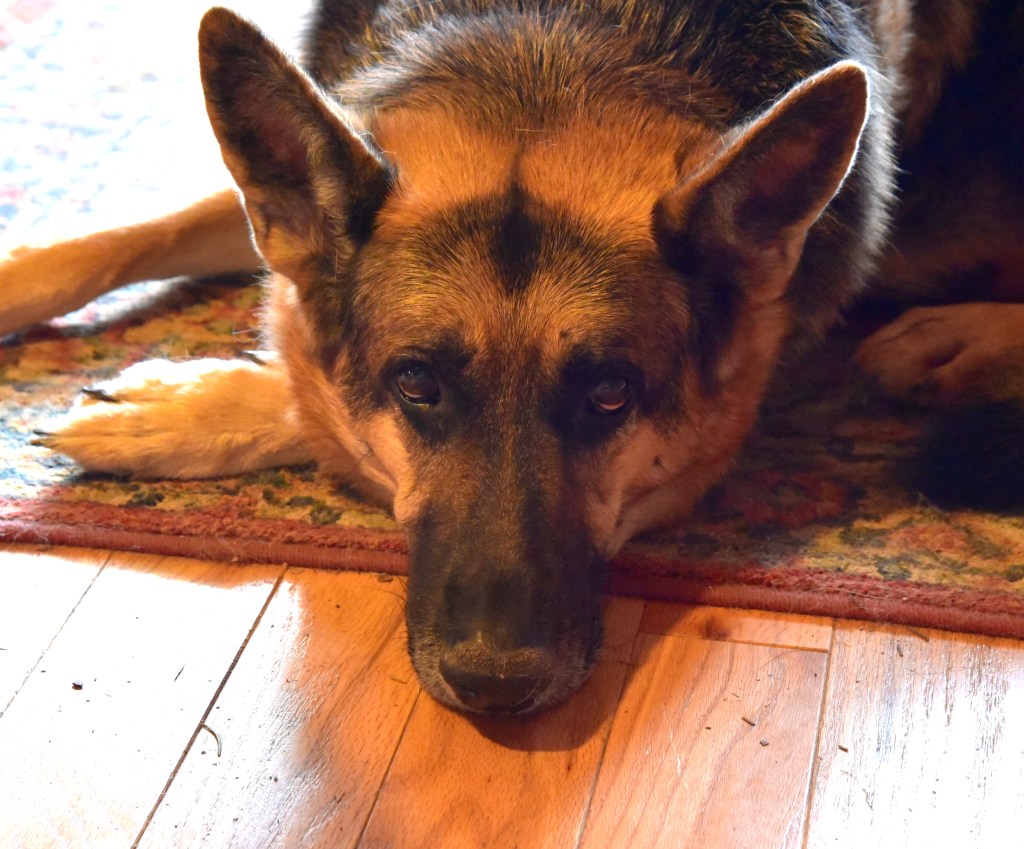
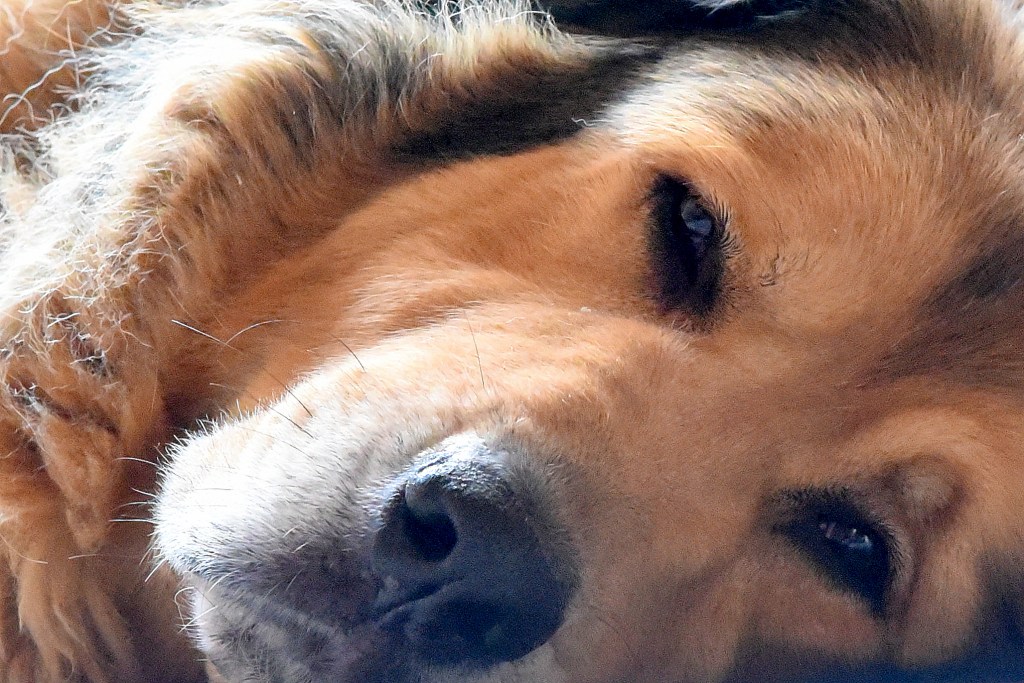
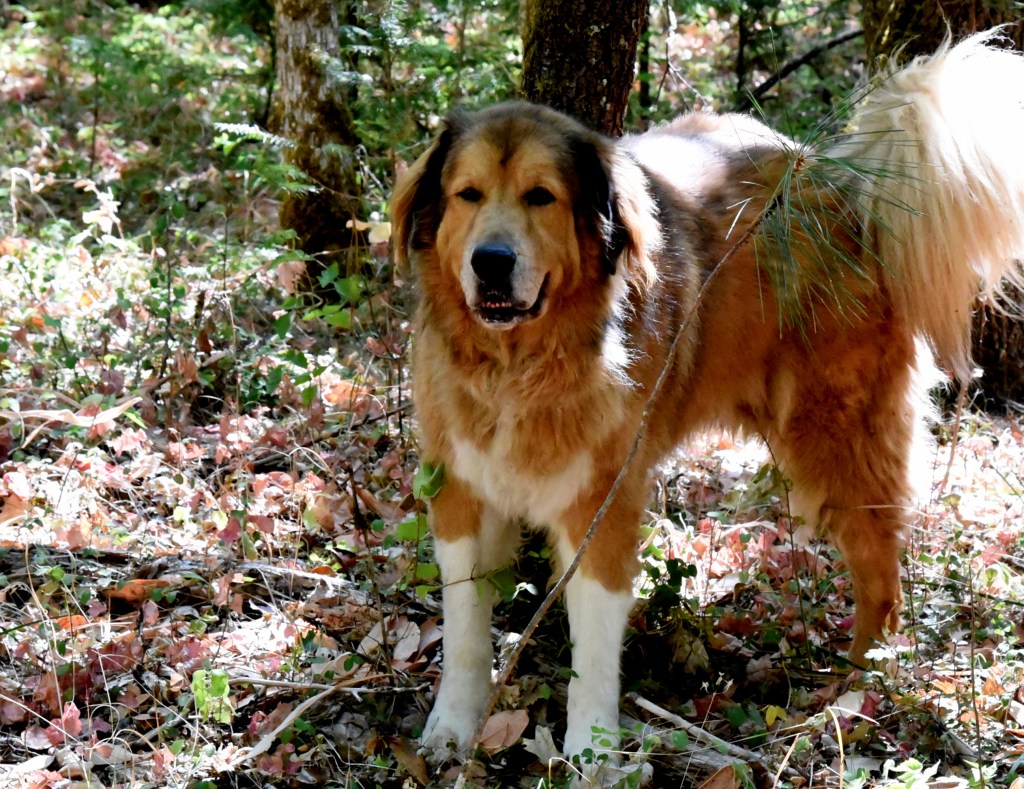
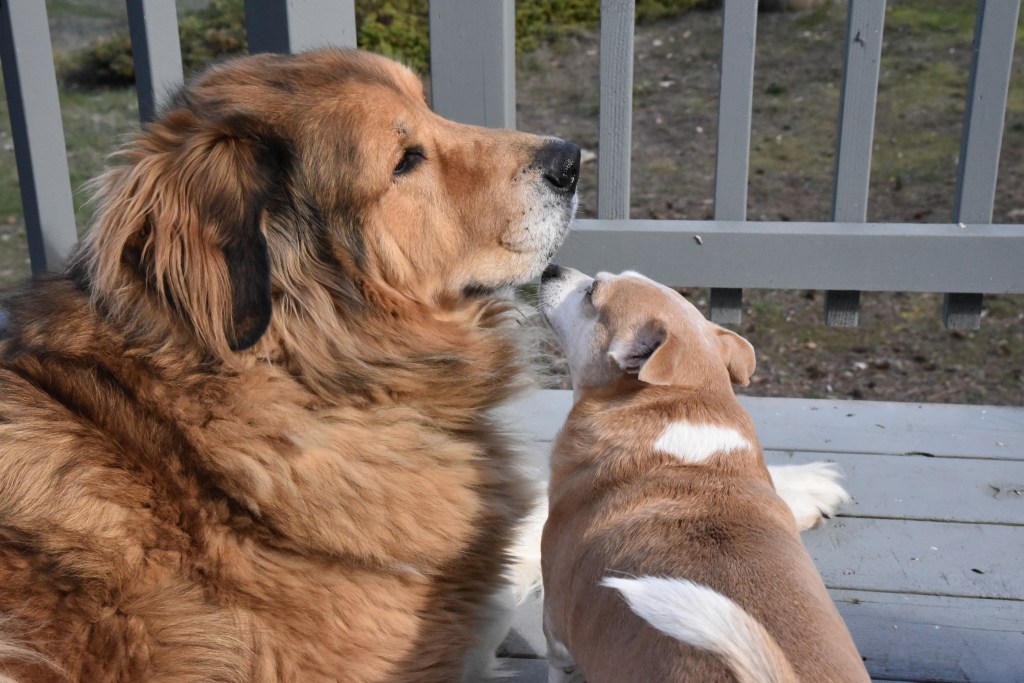
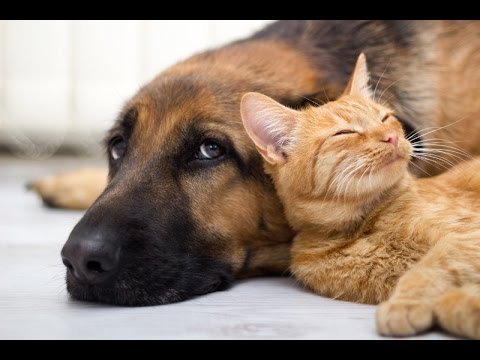
The dog’s nose!

Yet another amazing story about the dog’s nose.

There is so much about dogs in general to be amazed at.

But the nose is something to really marvel at.

There are many sources of information about how incredible is the dog’s nose. For example, I am looking at the page on The Dogington Post that speaks of the dog’s nose.

Nature has provided dogs with a nearly perfect sense of smell. If you have a dog, you probably already know that your dog will smell something long before you can. In fact, the average dog has over 300 million olfactory receptors in their noses (compared to a relatively tiny six million for humans). That means, your dog’s sense of smell is over fifty times greater than your own!

It’s a great article, by the way, and one you should read.

But for now read this:

ooOOoo

Very Good Dogs Can Detect the Scent of Seizures, Study Finds

But can they predict seizures before they occur?

(David Osberg / iStock)
smithsonian.com
April 1, 2019
Service dogs can offer vital assistance to those who suffer from epilepsy, helping to prevent injury and signal for help when a seizure episode occurs. Whether dogs can detect seizures before they happen is another, more complicated question; anecdotal reports suggests that they can, but the evidence is inconclusive, and it hasn’t been clear what signals might trigger dogs to anticipate an oncoming seziure. But as Megan Schmidt reports for Discover, a small and intriguing new study suggests that people with epilepsy emit a specific odor when they are having seizures—and dogs can be trained to detect it.
The study’s very good subjects were five service dogs from Medical Mutts in Indianapolis, trained to respond to the bodily odors of people with diabetes, anxiety and epilepsy. To test the dogs’ seizure-detecting abilities, researchers recruited five patients with different types of epilepsy to collect sweat samples at various intervals: either during or right after a seizure, after moderate exercise and at random points in the day during calm activity. Seven samples from each patient were then placed in opaque cans, which the dogs were given a chance to sniff. Each dog underwent nine trials in total: five of those trials were repeat tests with the odor of one patient, and the rest were conducted with samples from the four remaining patients. The dogs had not been exposed to the patients’ scents prior to the experiment.

The results, the study authors write in Scientific Reports “were very clear: all dogs discriminated the seizure odor.” Some of the pooches had a better track record than others—the dogs correctly identified the seizure samples between 67 and 100 percent of the time—but all of their performances were “well above” the margins of chance, according to the researchers.

It’s not entirely surprising that dogs have super-powered noses when it comes to detecting human ailments. Our best animal buddies have been used to sniff out diseases like cancer and diabetes “with some success,” the researchers note. The new study, however, not only shows that dogs can smell seizures, but also offers the first known proof that different types of seizures are associated with common scents; the patients, after all, did not all have the same kind of epilepsy.

Granted, the study was small and limited in scope. It suggests that dogs can smell seizures as they happen, but the verdict is still out on whether the animals can detect seizures that are about to happen. Further research is also needed to determine precisely what bodily chemicals the dogs are smelling in the sweat of epileptic patients. But “[a]s far as implications go, the results are very exciting,” Tim Edwards, a behavioral analyst and senior lecturer at New Zealand’s University of Waikato, who was not involved in the study, tells Scientific American’s Emily Willingham. Perhaps understanding how dogs detect seizures can help pave the way for artificial intelligence technology that is able to do the same.

Additionally, the study authors maintain that their findings dispel the “belief that epilepsy and seizure types were too individual-specific for a general cue to be found.” And this, the researchers say, offers “hope” that people with epilepsy can be warned of oncoming seizures by their furry, faithful friends.

ooOOoo

Wouldn’t that be fabulous! That people with epilepsy could be warned of oncoming seizures. All as a result of a dog’s keen, very keen, sense of smell.
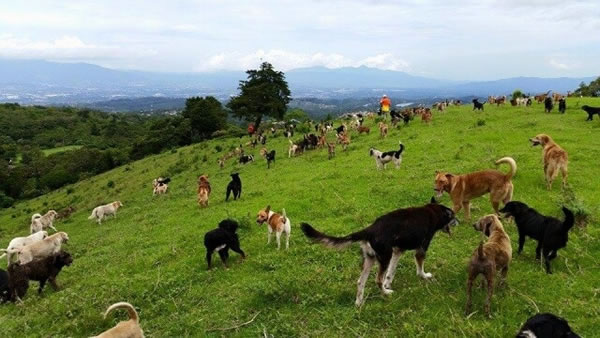
Territtorio de Zaguates

A compelling Netflix documentary.

There is a series on Netflix called Dogs. It consists of a series of 1-hour films showing many different qualities of our special dogs.

Last Monday evening we watched the episode that took the viewer to Costa Rica.

Territorio de Zaguates – Land of the Strays

Territorio de Zaguates is an extraordinary dog shelter located in the mountains above Heredia Costa Rica an hour from downtown San José.

Dog Walk at Territorio Zaguates

It was incredible. Almost too much to put into words.

Firstly, there were the huge number of homeless dogs, in all states of health, that roamed Costa Rica.

Secondly, the dog sanctuary was founded by Lya Battle and Alvaro Saumet who are still hard at it.

Thirdly, they have somewhere between 700 and 1,100 dogs in the sanctuary.

Finally, let me let them say it in their own words.

WE ARE…

A non profit organization, founded by Lya Battle and Alvaro Saumet. During the last eight years we’ve been promoting well-being and respect for animals.
HOW WE DO IT?
Veterinarian: We take care of our mutts with deworming, sterilization and any other care they need. The cost of maintaining a dog healthy is $5 per month.

Shelter: Territorio is home for hundreds of doggies. We give them here a safe place to live, free of maltreatment, and full of love. The cost of providing a home is $11 per month for each of our unique specimens.

Food: Each mont we consume thousands of kilos of dog food, to keep our pack healthy. Giving a full small plate to each mutt cost us $20 per month.

There is much, much more on their website that I encourage you to go to. Here are some photographs of the dogs that they rescue.

oooo

oooo

oooo

oooo

oooo

oooo

There are a number of videos on YouTube to watch.

Here’s a short one.

And here’s a slightly longer one by National Geographic.

Finally, if you feel so minded here is the donate page. It’s a good cause and, for example, for just $36 you can sponsor one dog. That’s what Jeannie and I did.

Anyway, we hope you can spare something.


End the Yulin Dog Meat Festival – now!

This was forwarded to me by John Zande.

ooOOoo

Dogs in the cage in animal shelter.

Tens of Thousands of Dogs Die Each Year During China’s Dog Meat Festivals. This Is Our Chance To End The Slaughter!

John,

The yearly Yulin Dog Meat Festival is responsible for the slaughter of tens of thousands of dogs each year. Now, we have a chance to end it once and for all.

Two Chinese governing bodies plan to introduce new legislation that will provide special protections to canines by classifying them as companion animals. This would exclude dogs from being used for human consumption.

Sign and show your support for this new measure to protect dogs and help end the Yulin Dog Meat Festival.

If you are unfamiliar with the festival, it is notorious for its bloodshed and cruelty. Because dog meat consumers believe that the meat tastes better when dogs have more adrenaline in their blood, dog meat butchers torture the animals. Dogs are beaten, burned alive with blowtorches, or tossed into pots of boiling water.

Thanks to public outcry, the festival’s popularity has decreased and restrictions have been set, however, that hasn’t been enough to end the festival for good. Now’s our chance.

John, will you sign the petition today and help end the Yulin Dog Meat Festival and save thousands of dogs?

Thank you,
Ashley A.
The Care2 Petitions Team

ooOOoo

Now you will want to go to the page where you can sign this important petition.

You will go here.

Thank you, thank you, and thank you!

Picture Parade Two Hundred and Eighty-Three

And some more of our dogs from home.

Cleo. She is the only dog that was purchased as a puppy, to keep Pharaoh active.

oooo

Pedy.

oooo

Oliver and Pedy.

oooo

Brandy.

oooo

Cleo.

oooo

Brandy.

oooo

Pedy and Oliver.

Still got Ruby and Sweeny to come.

Dogs also provide the eyes to those that need them.

A recent inspiring item from the BBC.

This news item was featured on the BBC the other day and I made a note to share it with you.

ooOOoo

Blind man runs New York half marathon with three guide dogs

18th March, 2019

Thomas Panek and his guide dog Gus running the New York City Half Marathon

Thomas Panek has completed 20 marathons, however, he made history on Sunday at the New York City Half Marathon.

While visually impaired runners usually use human guides, Mr Panek became the first person to complete the race supported by guide dogs.

A trio of Labradors – Westley, Waffle and Gus – each accompanied him for a third of the race.

The team finished in two hours and 21 minutes.

Mr Panek, who lost his sight in his early 20s, told CNN that while he appreciated the support of human volunteers, he missed the feeling of independence.

“It never made sense to me to walk out the door and leave my guide dog behind when I love to run and they love to run,” he said. “It was just a matter of bucking conventional wisdom and saying why not.

In 2015, Mr Panek established the Running Guides programme which trains dogs to support runners.

When selecting his canine companions for the New York race, Mr Panek chose siblings Waffle and Westley to join Gus, who is his full-time guide dog.

(L-R) Thomas Panek, Waffle, Westley and Gus show off their medals after the race

“The bond is really important. You can’t just pick up the harness and go for a run with these dogs,” Mr Panek told CNN. “You’re training with a team no matter what kind of athlete you are, and you want to spend time together in that training camp.”

Each dogs sets its own pace – Westley runs an eight minute mile, while his sister Waffle can cover the same distance in six minutes – and helps Mr Panek avoid obstacles such as kerbs and cones.

Each dog wears a special harness and set of running boots, to protect their paws.

Gus was chosen to run the final leg of the race and cross the finish line with Mr Panek. He retired from his duties as a guide dog at the end of the race.

“It’s a little emotional for me because he’s been there with me the whole time,” Mr Panek said.

Gus, Mr Panek’s personal guide dog, entered retirement after the race

Before the race, Mr Panek told Time magazine that guide dogs give visually impaired people the freedom to “do whatever it is a sighted person does, and sometimes, even run a little faster than them”.

ooOOoo

“It’s a little emotional for me because he’s been there with me the whole time,”

It’s not just Mr. Panek who finds the report a little emotional!

As I have said many times before and undoubtedly will continue to say: Dogs are truly amazing animals.

Darwin’s Natural Dog Food

Yet another dog food alert.

Dear Fellow Dog Lover,
The U.S. Food and Drug Administration is warning pet owners not to feed 3 specific lots of Darwin’s Natural dog food because Salmonella bacteria were discovered in the product.
To learn which products are affected, please visit the following link:

FDA Warning: Do Not Feed These Lots of Darwin’s Natural Dog Food

Please be sure to share the news of this alert with other pet owners.

If you go to that link then you will see the following:

FDA Warning: Do Not Feed These Lots of Darwin’s Natural Dog Food

March 26, 2019 — The U.S. Food and Drug Administration is cautioning pet ownersnot to feed their pets 3 lots of Darwin’s Natural Pet Products raw dog food after samples from these lots tested positive for Salmonella.

No images were provided by the FDA in its announcement.

The following image was previously retrieved from the brand’s website and is provided in good faith by The Dog Food Advisor. It may not be an accurate representation of the affected products.

What Products Are Affected?

The codes for each product affected are listed in the second group of numbers found just below the barcode on the package.

Here are the affected products:

  • Darwin’s Natural Pet Products Natural Selections Chicken Recipe with Organic Vegetables for Dogs
    Package: 5309(11)181019
    Manufacture Date: October 19, 2018
  • Darwin’s Natural Pet Products Natural Selections Chicken Recipe with Organic Vegetables for Dogs
    Package: 5375(11)181106
    Manufacture Date: November 11, 2018
  • Darwin’s Natural Pet Products Natural Selections Turkey Recipe with Organic Vegetables for Dogs
    Package: 5339(11)181026
    Manufacture Date: October 26, 2018

These products are manufactured by Arrow Reliance Inc., doing business as Darwin’s Natural Pet Products.

They are sold online direct to consumers.

What Caused This Alert?

The FDA is issuing this alert because the affected lots of Darwin’s raw dog food represent a serious threat to human and animal health.

They are are considered adulterated under the Federal Food, Drug, and Cosmetic Act because they contain Salmonella bacteria.

The FDA collected and analyzed unopened samples of products from these 3 lots in response to a consumer complaint.

Samples from all three lots tested positive for Salmonella.

Because these products are sold and stored frozen, the FDA is concerned that people may still have them in their possession.

About Salmonella

Salmonella is a bacterium that can cause illness and death in humans and animals, especially those who are very young, very old, or have weak immune systems.

According to the Centers for Disease Control and Prevention (CDC), people infected with Salmonella can develop diarrhea, fever and abdominal cramps.

Most people recover without treatment. But in some people, the diarrhea may be so severe that they need to be hospitalized.

In these patients, the Salmonella infection may spread from the intestines to the blood stream and then to other body sites unless the person is treated promptly with antibiotics.

Consult your health care provider if you have symptoms of Salmonella infection.

Pets do not always display symptoms when infected with Salmonella, but signs can include vomiting, diarrhea (which may be bloody), fever, loss of appetite and/or decreased activity level. If your pet has these symptoms, consult a veterinarian promptly. You should also be aware that infected pets can shed the bacteria in their feces without showing signs of being sick.

Consult a veterinarian if your pet has symptoms of Salmonella infection.

What to Do?

If you have any of the affected Darwin’s Natural Pet Products in your possession, stop feeding it to your pets.

Discard the product in a secure container where other animals, including wildlife, cannot access it.

Consumers who have had the affected products in their homes should clean refrigerators and freezers where they were stored.

Clean and disinfect all bowls, utensils, food prep surfaces, pet bedding, toys, floors, and any other surfaces that the food or pet may have had contact with.

Clean up the pet’s feces in yards or parks where people or other animals may become exposed.

Consumers should thoroughly wash their hands after handling the recalled product or cleaning up potentially contaminated items and surfaces.

U.S. citizens can report complaints about FDA-regulated pet food products by calling the consumer complaint coordinator in your area.

Or go to https://www.fda.gov/petfoodcomplaints.

Canadians can report any health or safety incidents related to the use of this product by filling out the Consumer Product Incident Report Form.

Get Dog Food Recall Alerts by Email

Get free dog food recall alerts sent to you by email. Subscribe to The Dog Food Advisor’s emergency recall notification system.

ooOOoo

Please do all your best to ensure the news gets out!

Picture Parade Two Hundred and Eighty-Two

Just a few of our dogs from home.

Jeannie and Oliver

oooo

Those eyes! Dearest Oliver.

oooo

Brandy!

oooo

Another photograph of Brandy!

oooo

Brandy and Pedy

That’s not all our dogs but nevertheless some of the better photographs!

A dog food advisory.

This came in late yesterday.

ooOOoo

Dear Fellow Dog Lover,

Because you signed up on our website and asked to be notified, I’m sending you this special recall alert. If you no longer wish to receive these emails, please click the “unsubscribe” link at the bottom of this message.

Hill’s Pet Nutrition is expanding its recall of specific lots of its Prescription Diet and Science Diet dog foods due to elevated levels of vitamin D.

Very high levels of vitamin D can lead to serious health issues in dogs, including kidney dysfunction.

To learn which products are affected, please visit the following link:

Hill’s Prescription Diet and Science Diet Dog Food Recall Expands

Please share the news of this alert with other pet owners.

Mike Sagman, Editor
The Dog Food Advisor

If one then follows up that link then you will see this:

Hill’s Prescription Diet and Science Diet Dog Food Recall Expands

March 20, 2019 — Hill’s Pet Nutrition is expanding its voluntary recall of canned dog food products due to elevated levels of vitamin D.

This recall expansion relates to the same vitamin premix that led to the January 31 voluntary recall previously announced on The Dog Food Advisor website.

Vitamin D, when consumed at very high levels, can lead to serious health issues in dogs including kidney dysfunction.

What’s Recalled?

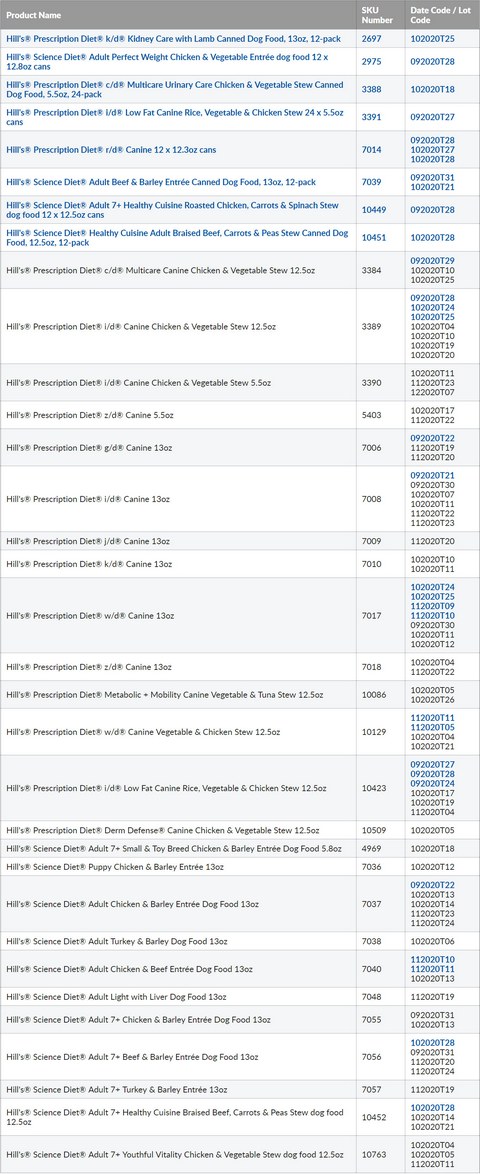
The following products and lot numbers are affected by the recall.

Items marked in blue are new SKUs that were added to the list on March 20, 2019.

About Excessive Levels of Vitamin D

While vitamin D is an essential nutrient for dogs, ingestion of elevated levels can lead to potential health issues depending on the level of vitamin D and the length of exposure.

Dogs may exhibit symptoms such as vomiting, loss of appetite, increased thirst, increased urination, excessive drooling, and weight loss.

Pet parents with dogs who have consumed any of the products listed and are exhibiting any of these signs should contact their veterinarian.

In most cases, complete recovery is expected after discontinuation of feeding.

What to Do?

If your SKU, Date and Lot codes are found in the list above, you have an affected product.

You should stop feeding it and should return to the place of purchase for a full refund.

If you have questions, you may contact Hill’s Consumer Affairs at 800-445-5777.

U.S. citizens can report complaints about FDA-regulated pet food products by calling the consumer complaint coordinator in your area.

Or go to https://www.fda.gov/petfoodcomplaints.

Canadians can report any health or safety incidents related to the use of this product by filling out the Consumer Product Incident Report Form.

Get Dog Food Recall Alerts by Email

Get free dog food recall alerts sent to you by email. Subscribe to The Dog Food Advisor’s emergency recall notification system.

ooOOoo

Hopefully, there are not people that are affected by this alert. But, nonetheless, it needs promulgating.

Living harmoniously together!

Another guest post from Emily Parker.

I can’t believe that the last time we had a post from Emily was back in July, 2016.

You may not recall but Emily’s background is a cat parent to 2 lovely cats, Gus and Louis “Gus only has one eye, but we love him all the same!”. She has lived with dogs in the past and can’t wait to add a dog to the family again. She writes about all things cats at her blog, Catological.com.

OK, that’s enough from me.

Here is Emily’s guest post.

ooOOoo

Adapting and Overcoming Stereotypes: How Dogs and Cats Can Live Harmoniously Together

By Emily Parker, Catological.com

For a dog and a cat to live harmoniously in one home is a goal that many pet owners want to achieve. Before this happens, some variables need to be considered to make a good relationship between pets work.

As the pet parent, it’s important to be in tune with the tendencies and personalities of your pre-existing pet, be it a dog or a cat, and the inclinations of your new pet if you want them to live harmoniously together.

Personality is More Important than Breed

While most people pay attention to the breeds of dogs and cats when it comes to the aspect of getting along, experts argue that taking their energy and personalities into account is more important. For example, if you already have a dog that’s known for its aggressive ways don’t adopt a skittish cat. In a similar manner, an aging dog may not enjoy living in one household with a lively and playful kitten who is always interrupting the peace.

If you already have pets whose personalities don’t match, this is where your backup plan should be used. You should set up a living arrangement wherein they are separated as much as possible, while providing them each with as much loving attention as possible.

If you’re adopting a new pet, do your research and ask the caretakers if it has lived with other pets before or if the pet has a hard time getting along with others.

Give a Cat its Own Space Before Introducing it to the Dog

While most dogs are quite extroverted animals, cats need space – something that they can call their own. It’s just their nature, and you should respect that. Make sure that you provide a space that your dog won’t be allowed to navigate, so your cat can confidently mind her own business without triggering a fight with her canine brother.

Cats are natural climbers, so it should be easy to take advantage of your home’s vertical space. Prepare a cat bed atop a shelf or a bookcase, or install a cat tree that your dog can’t reach. This will allow your cat to observe your dog from across a room or from a distance.

Make sure the cat’s litter box is away from the dog, too. Cats have long been observed to hide while doing their business, and there’s also the tendency of dogs to chew on cat poo that you should be concerned about.

You can install baby gates if you must – just make sure to do everything in your power to keep a dog away from a pooping cat!

Make Sure Your Dog Has Plenty of Physical and Mental Exercise

It’s important for dogs to have their energy released someplace else other than your home so they can slow their brains down and practice restraint whenever they’re around your cat.

These are creatures that require a lot of stimulation; otherwise, they might end up chasing the cat. To prevent this from happening, practice high-intensity trick training, lure coursing, or herding-type activities with your dog.

Don’t settle for just walking, if you can help it. You can do a sit several times on each block and do direction changes now and then. You can also practice speed changes.

Dogs should be able to let go of their herding instincts around cats, and you can help them achieve this by ensuring that your pet is always active, both in mind and in body.

Should you lack time for these activities, you can always enroll your dog in daycare or hire a dog walker instead.

Allow Your Pets to Follow Their Noses

Before introducing the dog and the cat to each other, allow them to sniff each other’s toys or beddings first.

This will satisfy their curiosity as to who the other pet is in the house, and serve as an introduction. It can also prevent turf wars in the future.

While your new pet is safely tucked away in a spare room, rub him down with a clean towel, and then present it to your existing pet to sniff, and vice versa.

Plan the First Meeting Properly

As with most humans, first impressions count, so make sure it all turns out well for the dog and the cat.

After you’ve introduced scents, you can have a visual meeting, preferably behind the safety of a baby gate or most-closed door.

After they’ve been able to smell and see each other a few times, it’s time for the main event.

Your cat should always have a clear escape route during this meeting, and you should not force the issue. If possible, take control of your dog without being aggressive about it, to ensure that he doesn’t chase the cat.

You may have to do this multiple times before everyone is comfortable with each other, always making sure you praise your dog for calm behavior, while ensuring the cat isn’t forced into a meeting from which she has no escape.

When it comes to food, the choice you make may depend on how well the two pets get along together, though I’d recommend having meal time in separate places or times if possible.

Separate Each Other’s Toys and Food

Always keep your pets’ separate. Some cats are known to be nonchalant with the company of an eating dog, even walking around the dog while he’s eating to try to eat from the bowl. Many dogs will allow this, but don’t be so sure on your pet. Don’t assume that your dog won’t get overprotective with his food bowl. (Not to mention dog food is not appropriate for cats to eat.) You can prevent mealtime wars by scheduling regular mealtimes and place the bowls in separate parts of the house.
While some pets won’t make an issue of this, you can give yourself the best chance of a peaceful home by making sure their toys don’t get mixed up. Competition over toys can start a fight. Some dogs have taken into catnip as well. So always segregate.

Consider Raising a Cat and Dog Together

Compared to introducing them to each other as adults, it’s easier if each pet meets each other at a young age

Puppies are typically easier to train than adult dogs who have become set in their ways, and they can be taught to not harm a kitten or just to leave it to its own devices. Kittens are incredibly curious and playful, and will associate the dog as a friend and will get used to its company as she grows into a mature cat.

But then again, it never hurts to be cautious!

At the end of the day, your duty as a pet parent is to keep watch over your pets and make sure they’re well fed and safe within your home. With proper guidance, training, and a whole lot of patience, it’s not impossible for a dog and cat to live together peacefully.

ooOOoo

Now I took the following picture from another blog and when you visit that page you can read another account of cats and dogs living together.

But I will close with that image because it is so perfect!

The equinox!

Have you seen the moon?

It’s a particularly beautiful moon and more so because it coincides with the equinox.

Taken from here.

ooOOoo

Full supermoon at March 2019 equinox

By in

Photo above: Bruce Tennant captured the March 2014 full moon rising over Santiago Peak, Alamitos Bay, Long Beach, California.

The March 20-21, 2019, full moon ushers in the first full moon of spring for the Northern Hemisphere, and the first full moon of autumn for the Southern Hemisphere. This full moon is also a supermoon, particularly close to Earth. It comes less than four hours after the arrival of the March 20 equinox.

This is the closest coincidence of a full moon with the March equinox since March 2000 – 19 years ago. The full moon and March equinox won’t happen less than one day apart again for another 11 years, or until March 2030.

March 2000 full Moon: March 20 at 4:44 UTC
March 2000 equinox: March 20 at 7:35 UTC

March 2030 full moon: March 19 at 17:56 UTC
March 2030 equinox: March 20 at 13:51 UTC

This month’s full moon also presents the third and final supermoon of 2019. Will it appear bigger in your sky? No, not unless you happen to catch the moon just after it has risen in the east, around sunset. Then its larger-than-usual size has less to do with the supermoon, but more from a psychological effect known as the moon illusion.

Supermoons don’t look bigger to the eye to most people, but they do look significantly brighter. If you’re in the suburbs or a rural area, notice the bright moonlight cast on the landscape at this full moon.

Also, supermoons have a stronger-than-usual effect on Earth’s oceans. Watch for higher-than-usual tides to follow the supermoon by a day or so, especially if a coastal storm is happening in your part of the world.

This March supermoon isn’t 2019’s closest supermoon, by the way. That happened last month. See photos of last month’s supermoon.

The Virtual Telescope Project will show the March 20 supermoon live, as it rises above the skyline of Rome. Click here for more info.

At U.S. time zones, the equinox arrives on March 20, at 5:58 p.m. EDT, 4:58 p.m. CDT, 3:58 p.m. MDT, 2:58 p.m. PDT, 1:58 p.m. AKDT and 11:58 a.m. HST.

At U.S. time zones, the full moon falls on March 20, at 9:43 p.m. EDT, 8:43 p.m. CDT, 7:43 p.m. MDT, 6:43 p.m. PDT, 5:43 p.m. AKDT and 3:43 p.m. HST.

In Universal Time, the equinox arrives on March 20, at 21:58 UTC, and the full moon comes on March 21, at 1:43 UTC. Here’s how to convert Universal Time to your local time.

At the equinox, the sun is at zenith (straight overhead) at the Earth’s equator. Because the Earth’s atmosphere refracts (bends) sunlight, a tiny bit more than half of the globe is covered over in daylight.Generally, the first full moon of a Northern Hemisphere spring heralds the imminent coming of the Christian celebration of Easter. Since Easter Sunday – by proclamation – occurs on the first Sunday after the first full moon in spring, some of us might expect the upcoming Sunday on March 24 to be Easter Sunday. However, by ecclesiastical rules, the equinox is fixed on March 21, so that places this year’s Easter Sunday (for Western Christendom) on April 21, 2019.

By the Gregorian calendar, the last time that an ecclesiastical Easter and an astronomical Easter didn’t occur on the same date was 38 years ago, in 1981. The next time won’t be until 19 years from now, in 2038.

(Easter Sunday for Eastern or Orthodox Christendom actually falls on April 28, 2019. That’s because the Eastern Church bases Easter on the old style Julian calendar, instead of the revised Gregorian calendar used by Western Christianity and most of the world.)

For our friends in the Southern Hemisphere, this March full moon counts as your Harvest Moon. The Harvest Moon is the full moon occurring closest to the autumnal equinox. On the average, the moon rises about 50 minutes later with each passing day. But for several days around the time of the Harvest Moon, the lag time between successive moonrises is reduced to a yearly minimum. For instance, at 40 degrees south latitude, the moon now rises some 30 to 35 minutes later (instead of the average 50 minutes later) each day for the next several days.

Like Earth, Saturn has equinoxes too! The ringed planet last had an equinox in 2009, and will have its next equinox in 2025. From Earth, Saturn’s rings disappear from view at a Saturn equinox, because these rings are then edge-on from our vantage point. But this near-equinox view of Saturn’s rings is readily visible from the Cassini spacecraft, because it’s 20 degrees above the ring plane. Image via NASA.

Here in the Northern Hemisphere, where it’s the closest full moon to the spring equinox, the lag time between successive moonrises is at a yearly maximum. At 40 degrees north latitude, the moon now rises around 70 to 75 minutes later daily. In the Northern Hemisphere, we ‘ll have to wait for the September full moon to bring forth our procession of early evening moonrises.

Last but hardly least, this March 2019 full moon gives us the first of four full moons in one season (between the March equinox and June solstice). Most of the time, a season – the time period between an equinox and a solstice, or vice versa – only harbors three full moons. But since this March full moon comes very early in the season, that allows for a fourth full moon to take place before the season’s end.

March 2019 equinox: March 20 at 21:58 UTC

March 2019 full moon: March 21 at 1:43 UTC
April 2019 full moon: April 19 at 11:12 UTC
May 2019 full moon: May 18 at 21:11 UTC
June 2019 full moon: June 17 at 8:31 UTC

June 2019 solstice: June 21 at 15:54 UTC

Some people call the third of four full moons in one season a Blue Moon. So our next Blue Moon (by the seasonal definition of the term) will fall on May 18, 2019.

The next Blue Moon by the monthly definition – second of two full moons in one calendar month – will come on October 31, 2020.

Resources:

Astronomical and Gregorian Easter Sunday
Phases of the moon: 1901 to 2000
Phases of the moon: 2001 to 2100
Solstices and equinoxes: 2001 to 2100
Equinox and solstice calculator

Bottom line: Enjoy the equinox full moon on March 20-21, 2019. It’s the third and final full supermoon of 2019, and the first of four full moons in the upcoming season (spring for the Northern Hemisphere, autumn for the Southern Hemisphere).

Bruce McClure has served as lead writer for EarthSky’s popular Tonight pages since 2004. He’s a sundial aficionado, whose love for the heavens has taken him to Lake Titicaca in Bolivia and sailing in the North Atlantic, where he earned his celestial navigation certificate through the School of Ocean Sailing and Navigation. He also writes and hosts public astronomy programs and planetarium programs in and around his home in upstate New York.

ooOOoo

It’s not about dogs. But then again maybe it is. For I’m thinking of dogs howling at the moon.