Category: Uncategorized

That blue sky!

A fascinating article from The Conversation.

I am sorting out tax documents so no time for long introductions. But although this was written for young people I thought it worthy of sharing.

ooOOoo

Why is the sky blue?
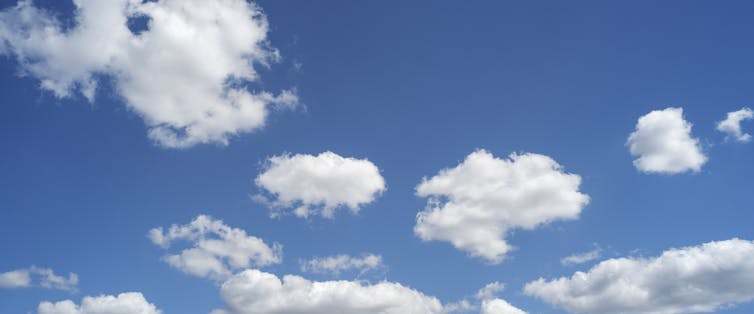
Light at the blue end of the rainbow is scattered more efficiently than the other colors. shomos uddin/Moment via Getty Images

Daniel Freedman, University of Wisconsin-Stout

Curious Kids is a series for children of all ages. If you have a question you’d like an expert to answer, send it to CuriousKidsUS@theconversation.com.


Why is the sky blue? – Mariana A-E., age 11, Tucson, Arizona


You might think that explaining why the sky is blue would be kind of simple. But even a brief explanation of it requires a lot of science. The colors of everything you see are produced in different ways. Some of those colors are explained with physics, others by my own field of chemistry.

The nitrogen and oxygen that you are breathing right now are made up of very small particles called molecules. A molecule of nitrogen or oxygen is really, really small. Each molecule is only about 0.4 nanometers, or 16 billionths of an inch. It would take 250,000 nitrogen molecules to equal the width of one strand of your hair. You can think of the molecules as behaving like very tiny balls that constantly bounce around.

When sunlight travels through the atmosphere, it passes between lots of those teensy nitrogen and oxygen molecules. Sometimes the light runs right into one of them.

In short, the sky looks blue because the blue portion of sunlight is much more likely to bounce off the molecules in the atmosphere than the other colors of light.

Tennis balls and marbles

Now, picture the nitrogen and oxygen molecules as tennis balls and the light as heaps of marbles.

When one of those light marbles hits a nitrogen or oxygen tennis ball, the tennis ball “eats” the marble and then very quickly spits it back out again, but in a random direction. That process is what physicists call scattering.

It was around 1870 when the British physicist John William Strutt, better known as Lord Rayleigh, first found an explanation for why the sky is blue: Blue light from the Sun is scattered the most when it passes through the atmosphere. His discovery is why the scientific term for this effect is called Rayleigh scattering.

The other gases in the atmosphere can be really important too, such as the effects of carbon dioxide or methane on the global climate. But they have only a very small effect on the color of the sky.

If there were no scattering, the sky would be dark like it is on the Moon, which does not have an atmosphere.
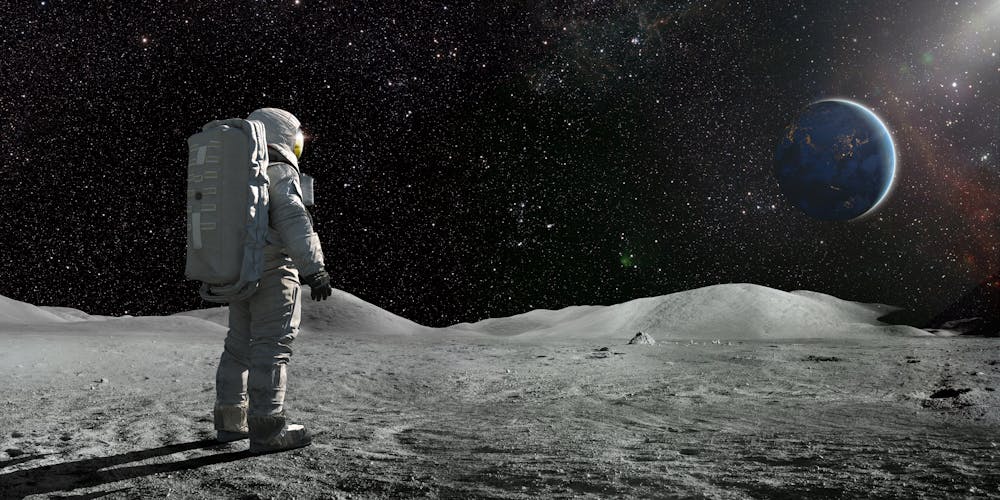
A lone astronaut standing facing away from the camera dressed in full space suit with backpack, stands still looking towards a distant planet Earth. The sun illuminates a side of Earth and hundreds of stars are visible in deep space.
The Moon’s sky isn’t blue. peepo/E+ via Getty Images

A rainbow represents all the different components that make up sunlight. As that light passes through the water droplets suspended in the air, it is broken up into the component colors called the visible spectrum – red, orange, yellow, green, blue, indigo and violet, more easily remembered as ROY G. BIV.

Light at the blue end of the rainbow is scattered more efficiently than the other colors. It is as if the tennis balls are very selective in terms of which marbles they eat, and they prefer the blue ones over the other colors.

The result is that the blue light is scattered across the sky so you see blue everywhere on sunny days. The rest of the colors mainly travel straight through the atmosphere.

Redder when the Sun sets and rises

Of course, the sky is not always blue.

And Rayleigh scattering also explains why the sky tends to be reddish when the Sun is close to the horizon – at sunrise and sunset.
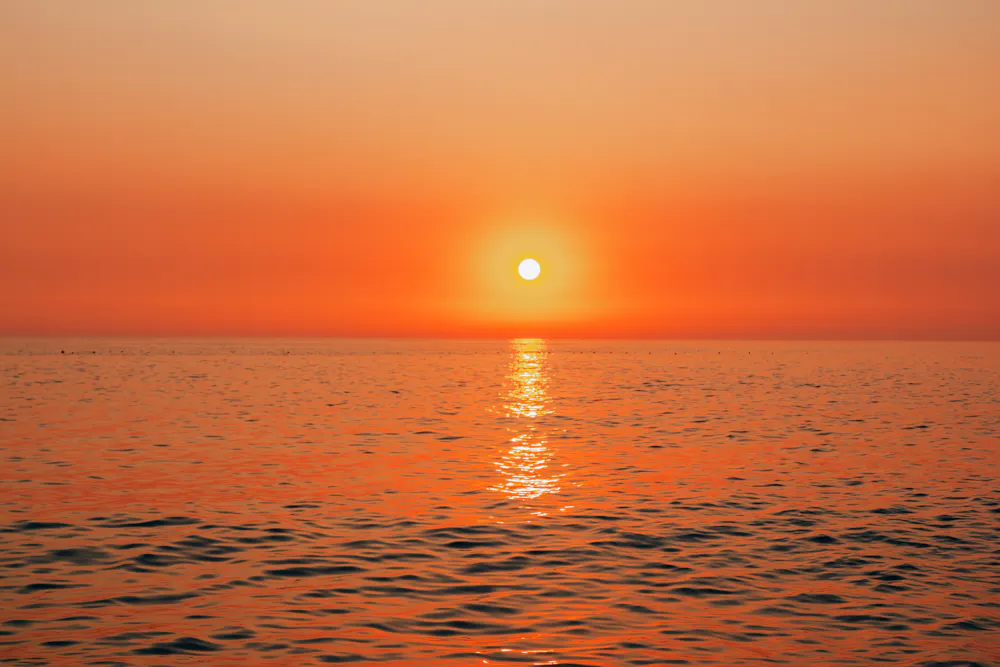
Beautiful landscape - beach on sunset -red and orange sky and sunlight reflecting on sea water.
There’s a scientific explanation for why red and orange streaks stretch aross the sky at dawn or twilight. Elenakirey/iStock via Getty Images Plus

When the Sun is near the horizon, its light passes through a lot more of the atmosphere to reach the Earth’s surface than when it is directly overhead. The blue and green light is scattered so well that you can hardly see it. The sky is colored, instead, with red and orange light.

Colors mean a lot to us in so many different ways. Understanding the science behind colors and expressing ourselves through art with colors have been important for humans for our entire recorded history. That’s something to keep in mind as you decide what color shirt to wear tomorrow morning. https://www.youtube.com/embed/ehUIlhKhzDA?wmode=transparent&start=0 NASA’s Space Place explains why the sky is blue.


Hello, curious kids! Do you have a question you’d like an expert to answer? Ask an adult to send your question to CuriousKidsUS@theconversation.com. Please tell us your name, age and the city where you live.

And since curiosity has no age limit – adults, let us know what you’re wondering, too. We won’t be able to answer every question, but we will do our best.

Daniel Freedman, Dean of the College of Science, Technology, Engineering, Mathematics & Management, University of Wisconsin-Stout

This article is republished from The Conversation under a Creative Commons license. Read the original article.

ooOOoo

As the article says: ‘And since curiosity has no age limit …’

Three Dog Bites

A guest post from Lisa.

One of the caregivers that recently came to the house wrote a guest post for the blog.

Here it is:

ooOOoo

A tale about three dog bites.

The first was many years ago, when I was just seven years old. A close neighbour lived just around the corner and practically every day I would go and play with the daughter who was just about my age.

The family included an Australian Shepard named Tipsy. It was my habit to give Tipsy a big hug around her neck each day when I arrived. Then I gave Tipsy another hug before I left to go home. This went on for many months and I was very fond of Tipsy.

Then one day, just as I was getting ready to leave, something strange, and upsetting, happened.

My friend had gone inside the home and I was heading to the gate and, as usual, I went to give Tipsy her hug around her neck.

I turned for the gate.

Tipsy without any warning hit me from behind and immediately knocked me down. Then Tipsy used her paws to roll me over.

With a face contorted in anger she attacked me. Tipsy then vigorously mauled my face and head. Then just as suddenly she stopped.

I remember then most clearly Tipsy’s entire face changing to a look of shame and remorse. She proceeded to lick all my wounds clean, and then laid down and put her head on my chest. Tipsy then stayed with me until the door of her home opened at which point she ran to hide in the corner of the yard.

Even at that young age I understood that Tipsy had not wanted to hurt me. I was convinced then, and still am, that somehow me hugging Tipsy had caused her pain resulting in the attack.

It took two plastic surgeons three hours and 136 stitches to rebuild my face.

But I was convinced that the incident was my fault and not Tipsy’s. I felt no fear or anger, only sadness and compassion for what I had done.

The second bite.

This happened thirty-five years later when I was forty-two.

My great love for dogs led me into a career in dog grooming.

I was running a grooming business from my home in Guadalajara in Mexico.

On this particular day I had only one appointment. It was a new client who came with a big Old English Sheepdog. He was very sweet and well behaved but he was badly matted so I shaved him before giving him a bath. Afterwards I brought him over to the grooming table. He was soaking wet and to my discredit I forgot to down a towel for him and me to stand on. As I said, he was very well behaved and let me lift his front feet onto the table. Unfortunately, when I started to life his hind quarters my feet slipped on the wet floor and I fell with my full weight across his extended spine.

In the dog’s surprise, and pain, he turned towards me and took one single snap at me.

It was not my lucky day because that snap broke two of my teeth and perforated my lower lip in two places.

When the dog saw that I was bleeding he let out a mournful whine and lent his forehead against my hip as an apology.

I could not stop the bleeding, and could barely speak enough to call a cab. A friend helped me explain to the cabbie that I needed to go to the hospital. The friend also called the owner of the dog to have him picked up, still very wet and with the grooming unfinished.

Again, at the hospital, it took twenty-five stitches to close up the two wounds, and all I could think of was how bad I felt for that sweet Old English Sheepdog.

The Third Bite.

I am now fifty-five years old.

I had taken on a 130-pound Cane Corso Mastiff who, as a puppy, had been attacked and traumatised by an aggressive adult dog.

I put him through a boarding and training program, costing $4,000, in an attempt to socialise him. He did very well at the training facility and it appeared that his fear issues were starting to come under control.

My son has a very sweet and submissive nine-year-old American bulldog. It was decided to try a weekend visit to see how my Mastiff would behave in a real-world setting. We allowed the dogs to socialise but they were supervised at various times over the next two days. Then on the last night of my visit my Mastiff attacked my son’s bulldog.

I grabbed the Mastiff and forced him to let go of my son’s dog. I then began pushing him out of the back door. He was fighting to get at my son’s bulldog and I was in between them.

Then I felt pressure on my calf. One moment of extreme pressure and then a release. I am not sure which dog bit me but I am certain that neither one was attacking me. My instinct was that each dog was trying to protect me from the other one.

Either way it was another twenty-five more stitches and six weeks rehabilitation for my leg.

Conclusion.

In thirty-five years as a groomer and these three dog bites, it is my opinion what when a dog bites a human it is almost never the dog’s fault!

ooOOoo

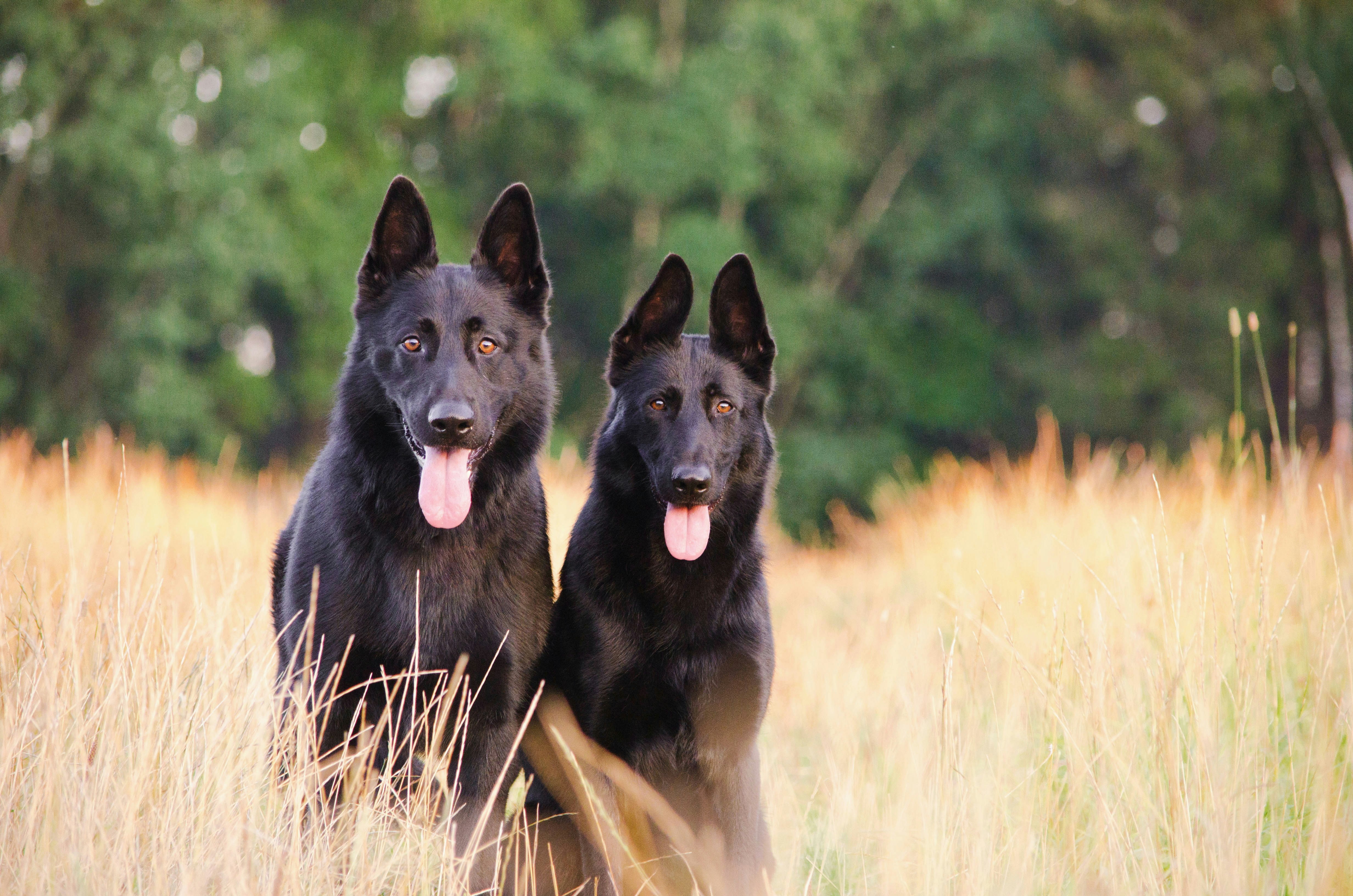
Only way to finish this post from Lisa is with a photo, of a dog!

Photo by Kieran White on Unsplash

Picture Parade Four Hundred and Fifty-Two

Back to dogs! (And apologies if there are some that I have shown before!)

oooo

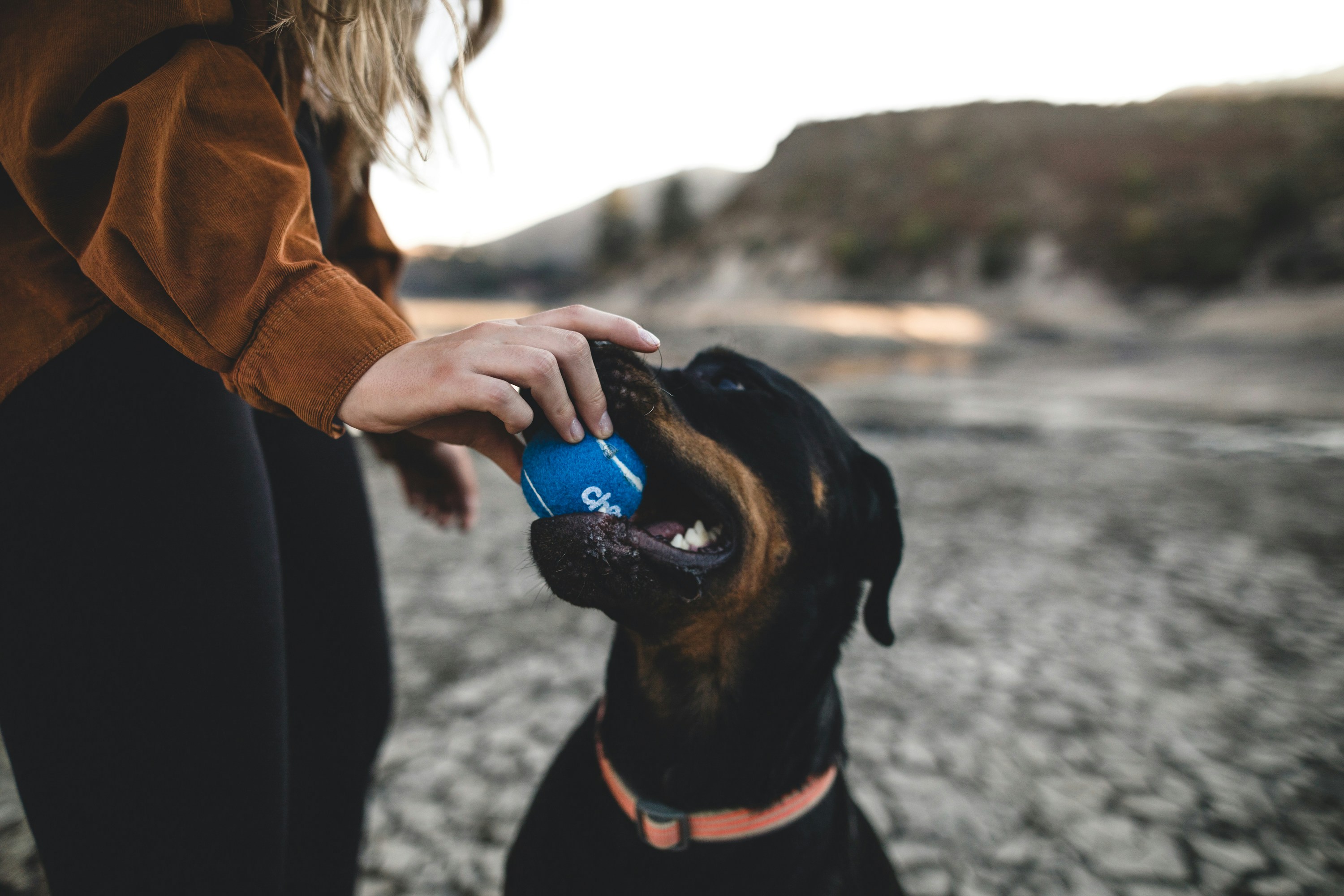
Both the above are Photos by Chewy on Unsplash

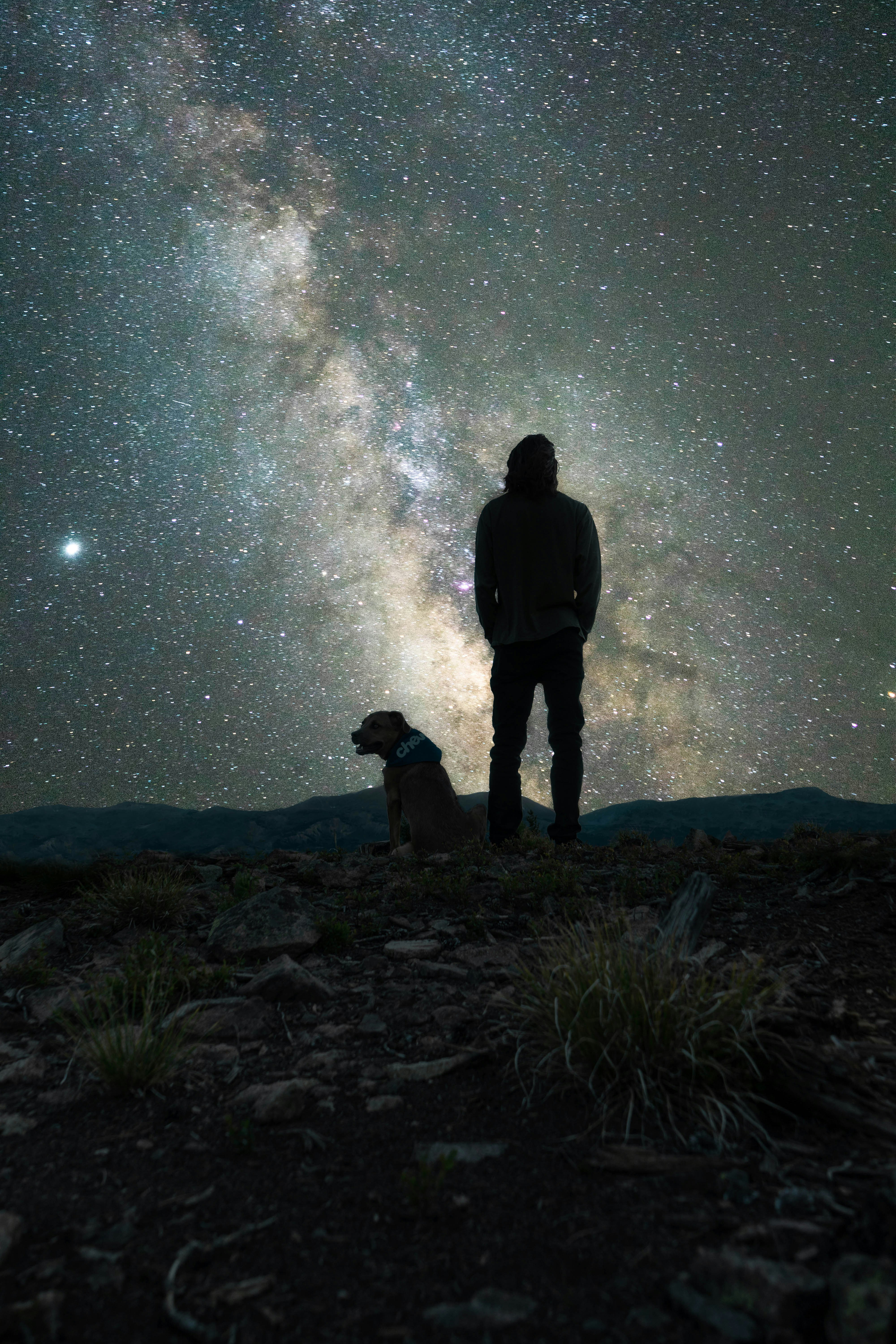
And so is this one of the starry night.

And yet another photo from Chewy!

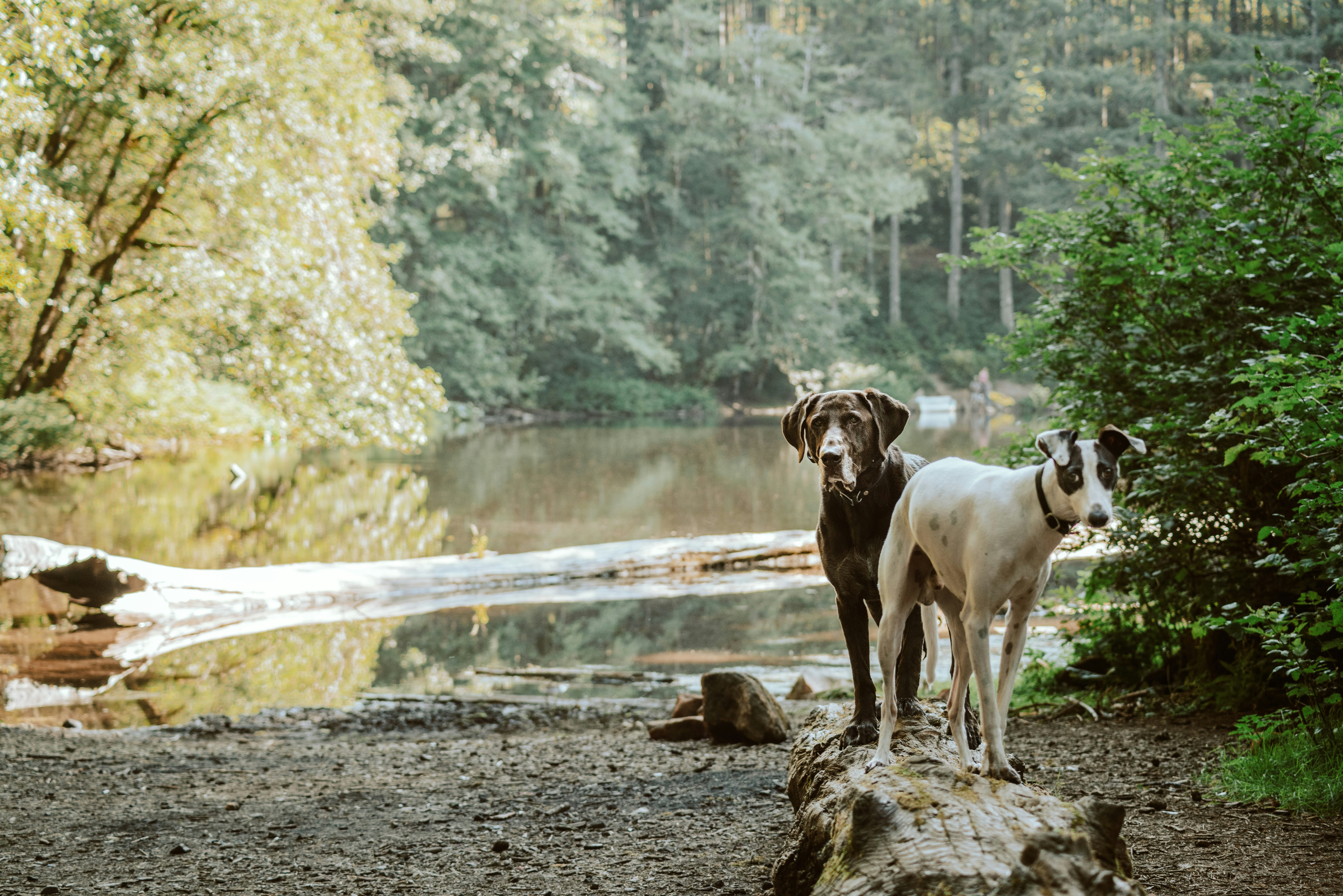
Photo by Anna Dudkova on Unsplash

Aren’t they fabulous!

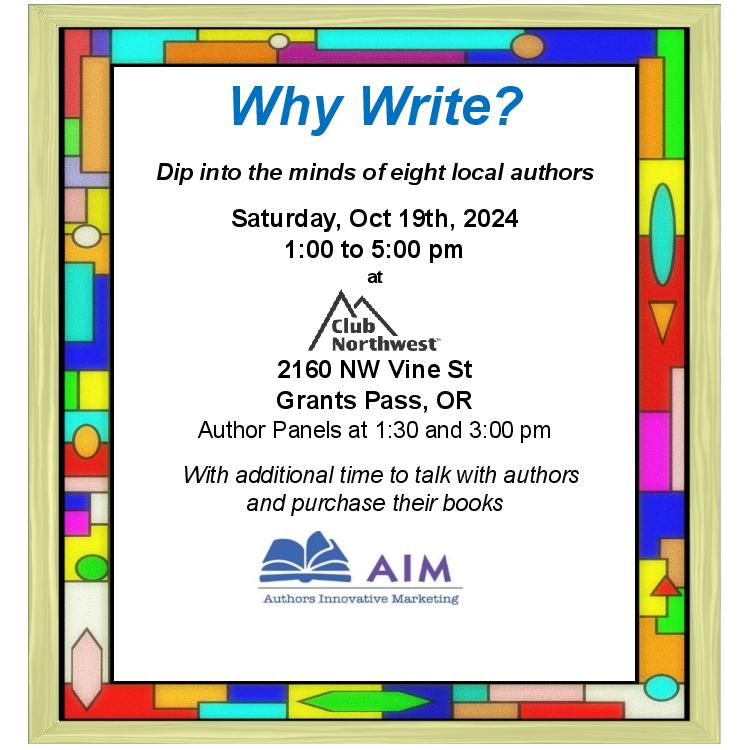
Why Write?

This poster will be displayed frequently until October 19th.

Author’s Innovative Marketing (AIM) is pleased to present a unique opportunity to dip into the minds of eight local authors, on Saturday, October 19th, 2024. Why Write is a free event taking place in the lobby and conference room at Club Northwest, 2160 NW Vine St., in Grants Pass from 1:00 to 5:00 pm. Two panels of four authors each are scheduled to speak about why they write at 1:30 and at 3:00 pm. Hear about their backgrounds, what inspires their writing, how writing benefits them, and be able to ask questions. Talk with the authors and purchase signed copies of their books before and after the panel sessions. Food and beverages will be available for purchase. For more information, please visit Authors Innovative Marketing website.

If you are at all within range of Grants Pass, we would love to see you at the event.

An article on love.

It is a pure emotion yet it can be complex!

So many know this already but that won’t stop me repeating it. As a result of me seeing a psychologist in early 2007 I became aware of me having a fear of rejection. Now a conscious fear but it had been an unconscious fear since my father died in 1956.

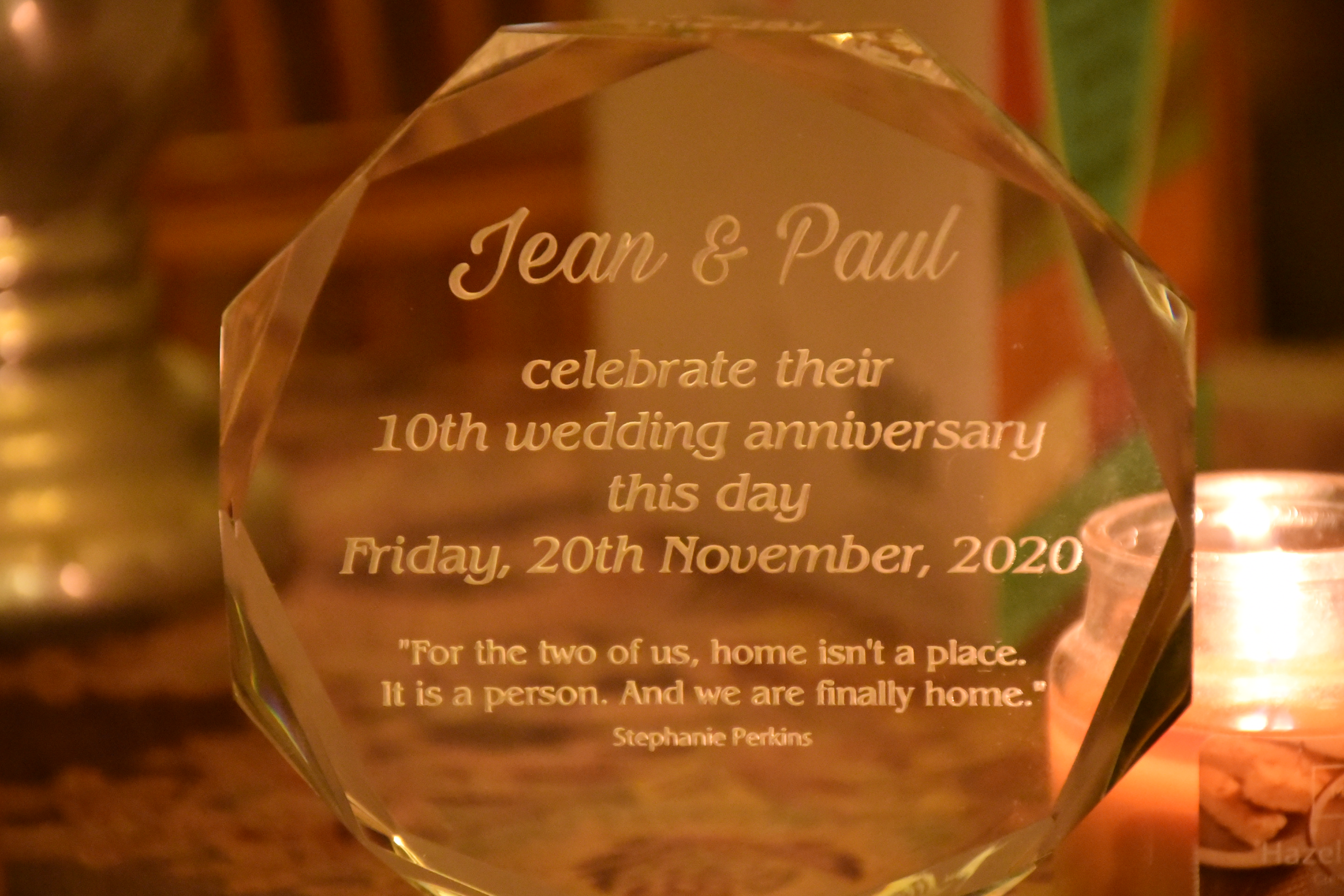
So me meeting Jean in December, 2007 was the first time that I found true love despite when we were married Jean becoming my fourth wife.

Thus the following post that is copied from The Conversation is brilliant and is shared with you all.

ooOOoo

What is love? A philosopher explains it’s not a choice or a feeling − it’s a practice

How we understand love shapes the trajectory of our relationships. MicroStockHub/iStock via Getty Images Plus

Edith Gwendolyn Nally, University of Missouri-Kansas City

Love is confusing. People in the U.S. Google the word “love” about 1.2 million times a month. Roughly a quarter of those searches ask “what is love” or request a “definition of love.”

What is all this confusion about?

Neuroscience tells us that love is caused by certain chemicals in the brain. For example, when you meet someone special, the hormones dopamine and norepinephrine can trigger a reward response that makes you want to see this person again. Like tasting chocolate, you want more.

Your feelings are the result of these chemical reactions. Around a crush or best friend, you probably feel something like excitement, attraction, joy and affection. You light up when they walk into the room. Over time, you might feel comfort and trust. Love between a parent and child feels different, often some combination of affection and care.

But are these feelings, caused by chemical reactions in your brain, all that love is? If so, then love seems to be something that largely happens to you. You’d have as much control over falling in love as you’d have over accidentally falling in a hole – not much.

As a philosopher who studies love, I’m interested in the different ways people have understood love throughout history. Many thinkers have believed that love is more than a feeling.

More than a feeling

The ancient Greek philosopher Plato thought that love might cause feelings like attraction and pleasure, which are out of your control. But these feelings are less important than the loving relationships you choose to form as a result: lifelong bonds between people who help one another change and grow into their best selves.

Similarly, Plato’s student Aristotle claimed that, while relationships built on feelings like pleasure are common, they’re less good for humankind than relationships built on goodwill and shared virtues. This is because Aristotle thought relationships built on feelings last only as long as the feelings last.

Imagine you start a relationship with someone you have little in common with other than you both enjoy playing video games. Should either of you no longer enjoy gaming, nothing would hold the relationship together. Because the relationship is built on pleasure, it will fade once the pleasure is gone.

Two smiling people lying on grass, one with hands over eyes and the other whispering into their ear
Relationships that endure are based on more than just feelings of pleasure. Westend61/Westend61 via Getty Images

Compare this with a relationship where you want to be together not because of a shared pleasure but because you admire one another for who you are. You want what is best for one another. This kind of friendship built on shared virtue and goodwill will be much longer lasting. These kinds of friends will support each other as they change and grow.

Plato and Aristotle both thought that love is more than a feeling. It’s a bond between people who admire one another and therefore choose to support one another over time.

Maybe, then, love isn’t totally out of your control.

Celebrating individuality and ‘standing in love’

Contemporary philosopher J. David Velleman also thinks that love can be disentangled from “the likings and longings” that come with it – those butterflies in your stomach. This is because love isn’t just a feeling. It’s a special kind of paying attention, which celebrates a person’s individuality.

Velleman says Dr. Seuss did a good job describing what it means to celebrate a person’s individuality when he wrote: “Come on! Open your mouth and sound off at the sky! Shout loud at the top of your voice, ‘I AM I! ME! I am I!’” When you love someone, you celebrate them because you value the “I AM I” that they are.

You can also get better at love. Social psychologist Erich Fromm thinks that loving is a skill that takes practice: what he calls “standing in love.” When you stand in love, you act in certain ways toward a person.

Just like learning to play an instrument, you can also get better at loving with patience, concentration and discipline. This is because standing in love is made up of other skills such as listening carefully and being present. If you get better at these skills, you can get better at loving.

If this is the case, then love and friendship are distinct from the feelings that accompany them. Love and friendship are bonds formed by skills you choose to practice and improve.

Person wrapping two hands around another person's hand
Love is a skill that takes practice. PeopleImages/iStock via Getty Images Plus

Does this mean you could stand in love with someone you hate, or force yourself to stand in love with someone you have no feelings for whatsoever?

Probably not. Philosopher Virginia Held explains the difference between doing an activity and participating in a practice as simply doing some labor versus doing some labor while also enacting values and standards.

Compare a math teacher who mechanically solves a problem at the board versus a teacher who provides students a detailed explanation of the solution. The mechanical teacher is doing the activity – presenting the solution – whereas the engaged teacher is participating in the practice of teaching. The engaged teacher is enacting good teaching values and standards, such as creating a fun learning environment.

Standing in love is a practice in the same sense. It’s not just a bunch of activities you perform. To really stand in love is to do these activities while enacting loving values and standards, such as empathy, respect, vulnerability, honesty and, if Velleman is right, celebrating a person for who they truly are.

How much control do you have over love?

Is it best to understand love as a feeling or a choice?

Think about what happens when you break up with someone or lose a friend. If you understand love purely in terms of the feelings it stirs up, the love is over once these feelings disappear, change or get put on hold by something like a move or a new school.

On the other hand, if love is a bond you choose and practice, it will take much more than the disappearance of feelings or life changes to end it. You or your friend might not hang out for a few days, or you might move to a new city, but the love can persist.

If this understanding is right, then love is something you have more control over than it may seem. Loving is a practice. And, like any practice, it involves activities you can choose to do – or not do – such as hanging out, listening and being present. In addition, practicing love will involve enacting the right values, such as respect and empathy.

While the feelings that accompany love might be out of your control, how you love someone is very much in your control.


Edith Gwendolyn Nally, Associate Professor of Philosophy, University of Missouri-Kansas City

This article is republished from The Conversation under a Creative Commons license. Read the original article.

ooOOoo

Picture Parade Four Hundred and Forty-One

The Rogue River

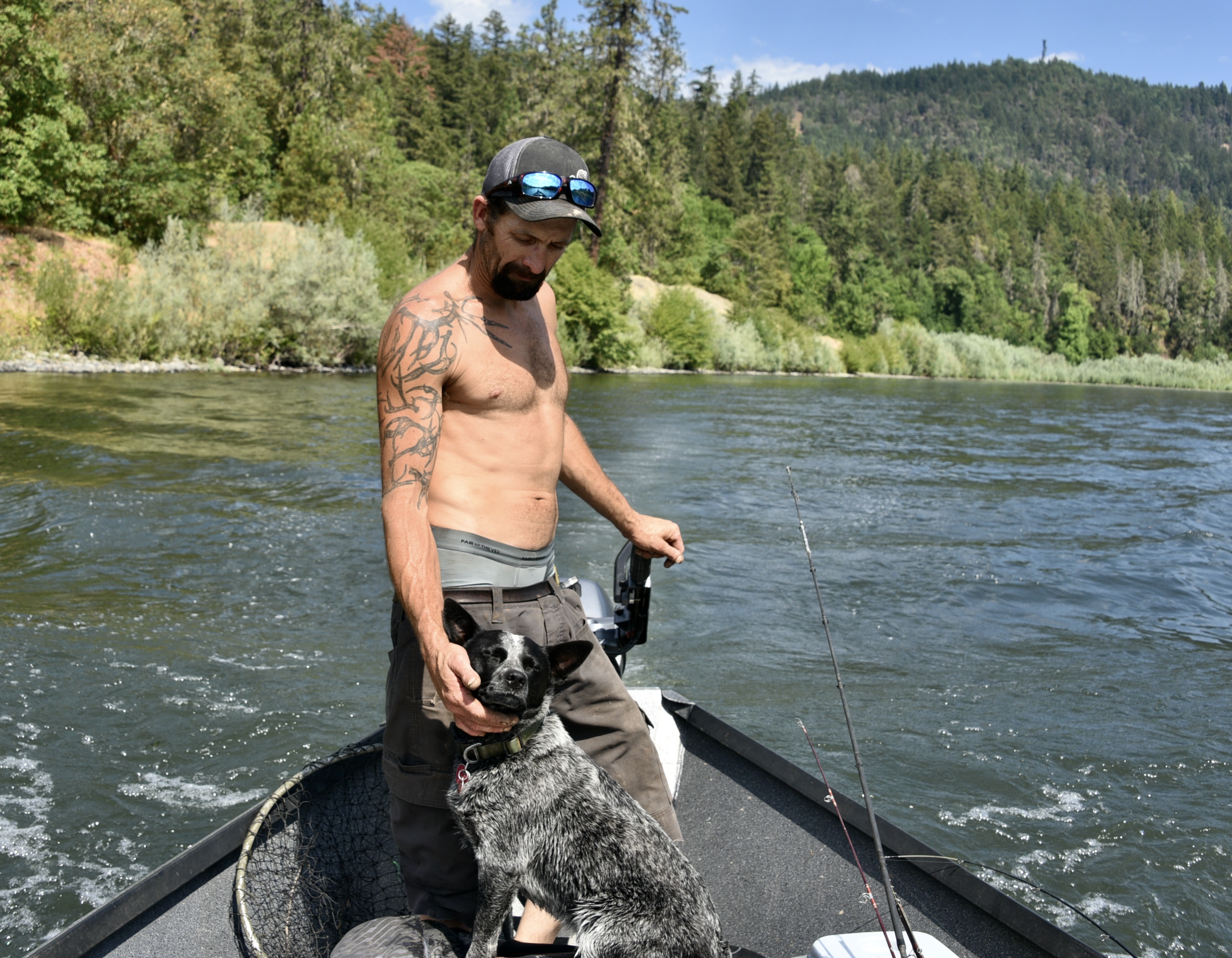
Last Tuesday, Rusty S. and his dog, Mercy, took me for a trip along the Rogue River. Jeannie decided not to come.

The river is just a few miles from home and I met Rusty and Mercy at Robertson Bridge County Park.

The Rogue River in southwest Oregon starts as a spring bursting from the slopes of the Cascade Mountains west of Crater Lake before flowing 215 miles to the Pacific Ocean.

Here are some of the photos I took; more in a week’s time.

oooo

oooo

oooo

oooo

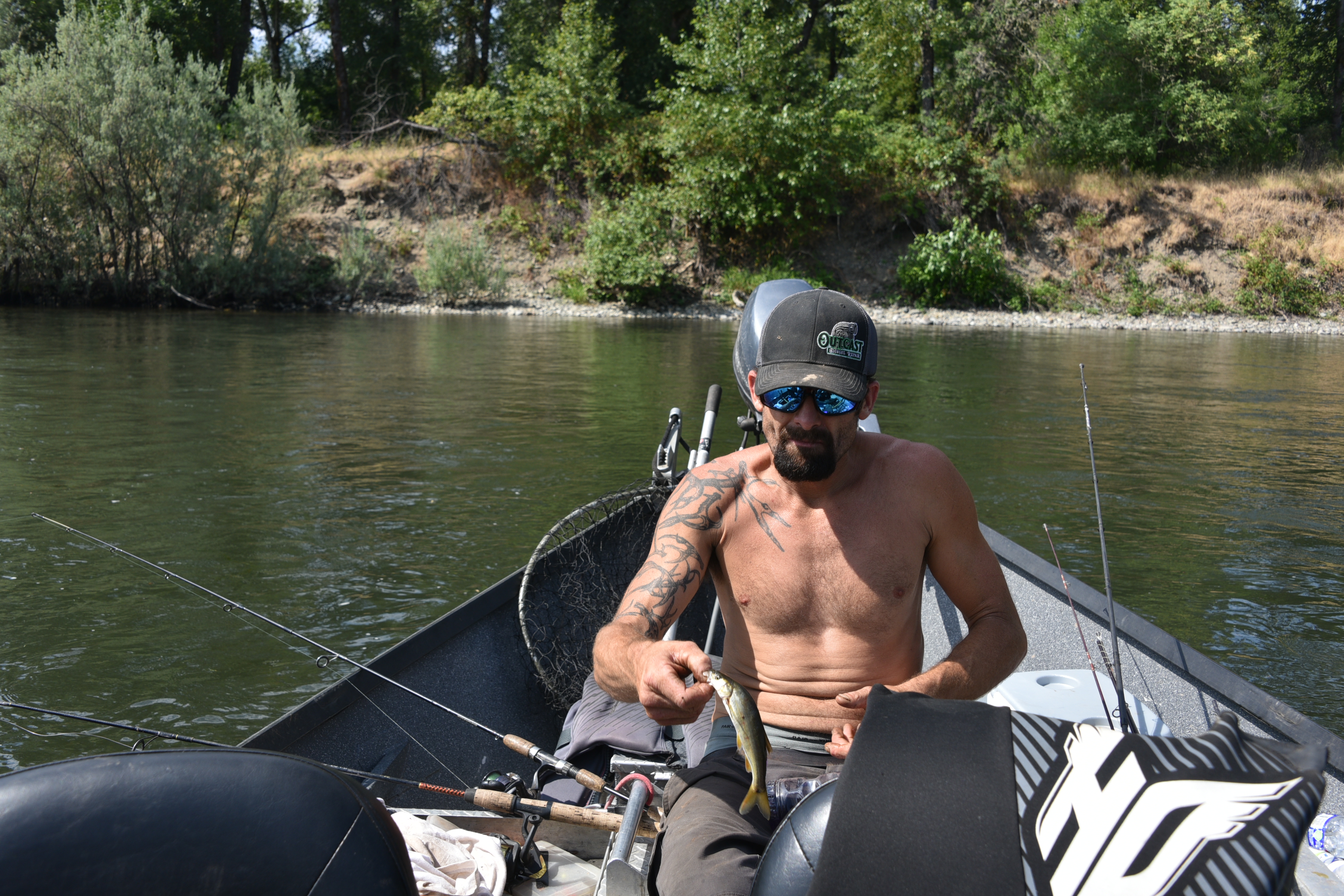
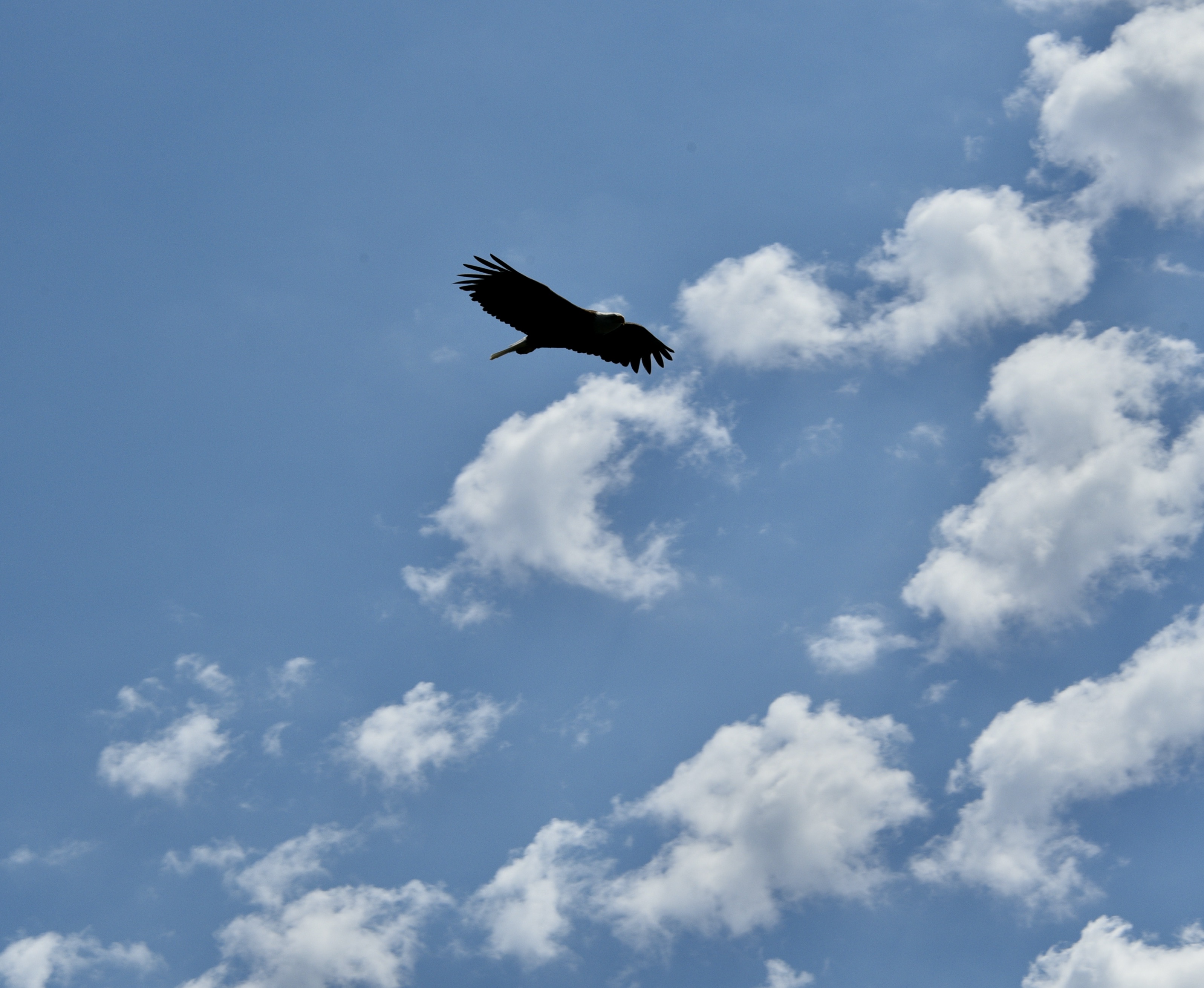
Rusty shows the small fish that he caught to feed the bald eagles; one circling overhead in the next photo.

oooo

It was a beautiful morning!