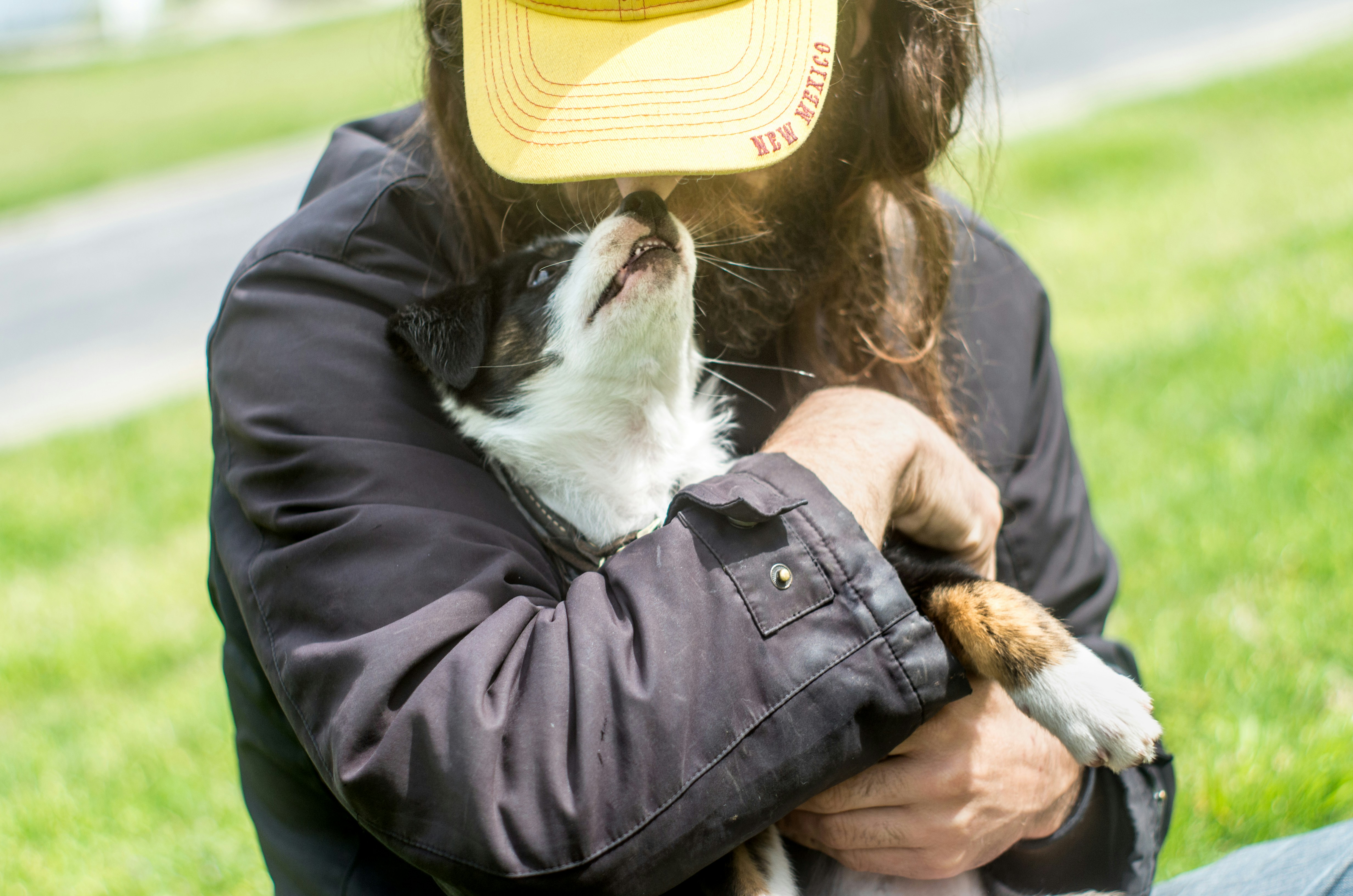
Working dogs courtesy of Unsplash.

oooo

oooo

Westerheide, Hilversum, Netherlands
oooo
oooo

oooo

That’s all for today!
Dogs are animals of integrity. We have much to learn from them.
Category: Uncategorized
Working dogs courtesy of Unsplash.
oooo
oooo
oooo
oooo
oooo
That’s all for today!
Some nostalgic memories.
For some odd reason I have been thinking about The Beatles.
All four singers were born before me and when I was growing up in London they were the first pop music group that I liked very much. The Beatles were formed in 1960. There are many of their tracks available on YouTube.
It is not possible to share the tracks with you (Presumably for copyright reasons). So please go to the track on YouTube and listen to: Let it Be.
Meanwhile here are the lyrics.
Let It Be
Song by The Love Beatles ‧ 1970
When I find myself in times of trouble, Mother Mary comes to me
Speaking words of wisdom, let it be
And in my hour of darkness she is standing right in front of me
Speaking words of wisdom, let it be
Let it be, let it be, let it be, let it be
Whisper words of wisdom, let it be
And when the broken hearted people living in the world agree
There will be an answer, let it be
For though they may be parted, there is still a chance that they will see
There will be an answer, let it be
Let it be, let it be, let it be, let it be
There will be an answer, let it be
Let it be, let it be, let it be, let it be
Whisper words of wisdom, let it be
Let it be, let it be, let it be, let it be
Whisper words of wisdom, let it be, be
And when the night is cloudy there is still a light that shines on me
Shinin’ until tomorrow, let it be
I wake up to the sound of music, Mother Mary comes to me
Speaking words of wisdom, let it be
And let it be, let it be, let it be, let it be
Whisper words of wisdom, let it be
And let it be, let it be, let it be, let it be
Whisper words of wisdom, let it be
Source: Musixmatch
Matthew Walker addresses how sleep can be our superpower.
‘Sleep is your life-support system and Mother Nature’s best effort yet at immortality, says sleep scientist Matt Walker. In this deep dive into the science of slumber, Walker shares the wonderfully good things that happen when you get sleep — and the alarmingly bad things that happen when you don’t, for both your brain and body. Learn more about sleep’s impact on your learning, memory, immune system and even your genetic code — as well as some helpful tips for getting some shut-eye.’ It is fascinating.
Before we go to the TED Talk video here is biographical information on Matthew Walker:
Matt Walker is a brain scientist trying to understand why we sleep.
Matt Walker’s research examines the impact of sleep on human health and disease. He got his PhD from the Medical Research Council in London, UK, and subsequently became a Professor of Psychiatry at Harvard Medical School. He’s currently a Professor of Neuroscience and Psychology at the University of California, Berkeley, and Director of the Center for Human Sleep Science.
Walker has received funding awards from the National Science Foundation and the National Institutes of Health, and he’s a Kavli Fellow of the National Academy of Sciences. He has shared his research on the importance of sleep on television and radio outlets including CBS’s “60 Minutes,” National Geographic, NOVA Science, NRP and the BBC. He is the author of the international bestseller Why We Sleep and host of the TED original series Sleeping with Science.
Matt has eighteen videos on sleep. He has these videos under the general approach to the subject:
Sleep is your life-support system and Mother Nature’s best effort yet at immortality, says sleep scientist Matt Walker. In this deep dive into the science of slumber, Walker shares the wonderfully good things that happen when you get sleep — and the alarmingly bad things that happen when you don’t, for both your brain and body. Learn more about sleep’s impact on your learning, memory, immune system and even your genetic code — as well as some helpful tips for getting some shut-eye. This text taken from here.
Then more generally one can go here and read:
ooOOoo
Sleep is far more than just a period of rest—it’s a complex, active process during which the brain cycles through distinct stages, each marked by unique patterns of brain activity.
While scientists still debate sleep’s true purpose, research has proven it to be essential for survival. Both humans and animals suffer severe consequences without sleep, including cognitive decline, emotional instability, and eventual death. More than a third of adults regularly experience poor sleep, leading to increased risks of heart attack, Alzheimer’s disease, and motor vehicle accidents.
During both wake and sleep states, the brain generates electrical rhythms called brainwaves, which represent oscillating patterns of brain cells (known as neurons) working together. Different brainwaves are associated with specific states of consciousness. For example, high-frequency beta waves dominate during alertness, while sleep features primarily theta and delta waves.
The drive to sleep is regulated by our circadian rhythm, a sort of body clock mediated by a brain region called the hypothalamus. Once asleep, the human sleep cycle proceeds through four stages, each characterized by unique brainwave patterns and physiological changes.
Light sleep (stages 1-2) begins as our heartbeat and breathing slow, muscles relax, and brainwaves transition from wakeful alpha waves to relaxed theta waves. Brief bursts of electrical activity called sleep spindles are especially prevalent during stage 2 and play a critical role in memory consolidation and learning.
Deep sleep (stage 3) is characterized by further decreased heart rates and slow delta brainwaves. This stage is most prevalent in the first half of the night and provides the majority of sleep’s restorative benefits.
Rapid eye movement sleep occurs in stage 4, about 90 minutes after falling asleep. During this stage, brain activity surges to near-waking levels, eyes move rapidly behind closed eyelids, and major muscles are temporarily paralyzed to prevent us from acting out our vivid dreams (how dreams work). After REM, the cycle begins again, with adults typically completing four to five cycles per night.
During sleep, the brain performs several critical functions: consolidating short-term memories into long-term storage, preparing neurons for learning the following day, repairing tissues, and boosting the immune system.
Recent science has even shed light on a specialized “cleaning system” where cerebrospinal fluid is pumped through the brain to carry away toxic compounds that accumulate during wakefulness.
Sleep disorders are exceedingly common and highlight the importance of a functioning sleep cycle. As an example, narcolepsy occurs when patients lack hypocretin, a brain chemical essential for regulating the sleep cycle. Patients with narcolepsy experience sudden, irresistible sleep episodes and can fall directly into REM sleep rather than progressing through the normal stages.
Other common disorders include insomnia (difficulty falling or staying asleep), sleep apnea (interrupted breathing during sleep), and REM behavior disorder (muscle paralysis fails during REM sleep).
Scientists continue to explore promising avenues for improving our sleep and treating sleep disorders. Advanced brain imaging may soon allow us to visualize sleep’s cleaning mechanisms in real-time.
Meanwhile, the rise of wearable sleep trackers is generating unprecedented amounts of sleep data—though researchers caution that current technology may not accurately measure sleep stages. Future developments in wearable sensors will likely bridge this gap, enabling earlier detection and better management of altered sleep.
ooOOoo
Clearly this is an area of research that continues and, presumably, will come up with more detailed evidence. As was stated just a few paragraphs above: ‘Sleep disorders are exceedingly common … ‘
One of the common characteristics of Parkinson’s Disease (PD) is sleep interruption. Not every single night but maybe two or three times a week.
Hopefully it will not be many years before PD sufferers can rely on getting a good nights sleep practically every night.
A fascinating article from The Conversation.
I am sorting out tax documents so no time for long introductions. But although this was written for young people I thought it worthy of sharing.
ooOOoo

Daniel Freedman, University of Wisconsin-Stout
Curious Kids is a series for children of all ages. If you have a question you’d like an expert to answer, send it to CuriousKidsUS@theconversation.com.
Why is the sky blue? – Mariana A-E., age 11, Tucson, Arizona
You might think that explaining why the sky is blue would be kind of simple. But even a brief explanation of it requires a lot of science. The colors of everything you see are produced in different ways. Some of those colors are explained with physics, others by my own field of chemistry.
The nitrogen and oxygen that you are breathing right now are made up of very small particles called molecules. A molecule of nitrogen or oxygen is really, really small. Each molecule is only about 0.4 nanometers, or 16 billionths of an inch. It would take 250,000 nitrogen molecules to equal the width of one strand of your hair. You can think of the molecules as behaving like very tiny balls that constantly bounce around.
When sunlight travels through the atmosphere, it passes between lots of those teensy nitrogen and oxygen molecules. Sometimes the light runs right into one of them.
In short, the sky looks blue because the blue portion of sunlight is much more likely to bounce off the molecules in the atmosphere than the other colors of light.
Now, picture the nitrogen and oxygen molecules as tennis balls and the light as heaps of marbles.
When one of those light marbles hits a nitrogen or oxygen tennis ball, the tennis ball “eats” the marble and then very quickly spits it back out again, but in a random direction. That process is what physicists call scattering.
It was around 1870 when the British physicist John William Strutt, better known as Lord Rayleigh, first found an explanation for why the sky is blue: Blue light from the Sun is scattered the most when it passes through the atmosphere. His discovery is why the scientific term for this effect is called Rayleigh scattering.
The other gases in the atmosphere can be really important too, such as the effects of carbon dioxide or methane on the global climate. But they have only a very small effect on the color of the sky.
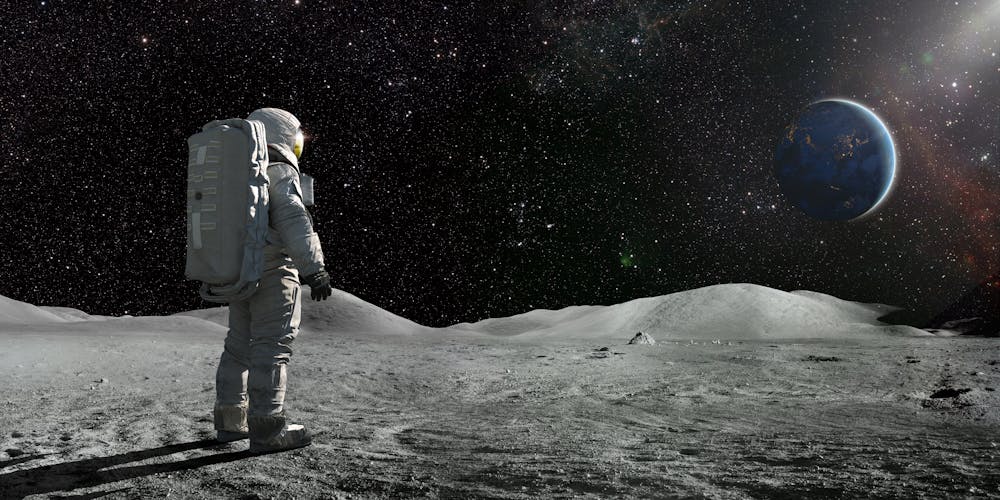
If there were no scattering, the sky would be dark like it is on the Moon, which does not have an atmosphere.
A rainbow represents all the different components that make up sunlight. As that light passes through the water droplets suspended in the air, it is broken up into the component colors called the visible spectrum – red, orange, yellow, green, blue, indigo and violet, more easily remembered as ROY G. BIV.

Light at the blue end of the rainbow is scattered more efficiently than the other colors. It is as if the tennis balls are very selective in terms of which marbles they eat, and they prefer the blue ones over the other colors.
The result is that the blue light is scattered across the sky so you see blue everywhere on sunny days. The rest of the colors mainly travel straight through the atmosphere.
Of course, the sky is not always blue.
And Rayleigh scattering also explains why the sky tends to be reddish when the Sun is close to the horizon – at sunrise and sunset.

When the Sun is near the horizon, its light passes through a lot more of the atmosphere to reach the Earth’s surface than when it is directly overhead. The blue and green light is scattered so well that you can hardly see it. The sky is colored, instead, with red and orange light.
Colors mean a lot to us in so many different ways. Understanding the science behind colors and expressing ourselves through art with colors have been important for humans for our entire recorded history. That’s something to keep in mind as you decide what color shirt to wear tomorrow morning. https://www.youtube.com/embed/ehUIlhKhzDA?wmode=transparent&start=0 NASA’s Space Place explains why the sky is blue.
Hello, curious kids! Do you have a question you’d like an expert to answer? Ask an adult to send your question to CuriousKidsUS@theconversation.com. Please tell us your name, age and the city where you live.
And since curiosity has no age limit – adults, let us know what you’re wondering, too. We won’t be able to answer every question, but we will do our best.
Daniel Freedman, Dean of the College of Science, Technology, Engineering, Mathematics & Management, University of Wisconsin-Stout
This article is republished from The Conversation under a Creative Commons license. Read the original article.
ooOOoo
As the article says: ‘And since curiosity has no age limit …’
A guest post from Lisa.
One of the caregivers that recently came to the house wrote a guest post for the blog.
Here it is:
ooOOoo
A tale about three dog bites.
The first was many years ago, when I was just seven years old. A close neighbour lived just around the corner and practically every day I would go and play with the daughter who was just about my age.
The family included an Australian Shepard named Tipsy. It was my habit to give Tipsy a big hug around her neck each day when I arrived. Then I gave Tipsy another hug before I left to go home. This went on for many months and I was very fond of Tipsy.
Then one day, just as I was getting ready to leave, something strange, and upsetting, happened.
My friend had gone inside the home and I was heading to the gate and, as usual, I went to give Tipsy her hug around her neck.
I turned for the gate.
Tipsy without any warning hit me from behind and immediately knocked me down. Then Tipsy used her paws to roll me over.
With a face contorted in anger she attacked me. Tipsy then vigorously mauled my face and head. Then just as suddenly she stopped.
I remember then most clearly Tipsy’s entire face changing to a look of shame and remorse. She proceeded to lick all my wounds clean, and then laid down and put her head on my chest. Tipsy then stayed with me until the door of her home opened at which point she ran to hide in the corner of the yard.
Even at that young age I understood that Tipsy had not wanted to hurt me. I was convinced then, and still am, that somehow me hugging Tipsy had caused her pain resulting in the attack.
It took two plastic surgeons three hours and 136 stitches to rebuild my face.
But I was convinced that the incident was my fault and not Tipsy’s. I felt no fear or anger, only sadness and compassion for what I had done.
The second bite.
This happened thirty-five years later when I was forty-two.
My great love for dogs led me into a career in dog grooming.
I was running a grooming business from my home in Guadalajara in Mexico.
On this particular day I had only one appointment. It was a new client who came with a big Old English Sheepdog. He was very sweet and well behaved but he was badly matted so I shaved him before giving him a bath. Afterwards I brought him over to the grooming table. He was soaking wet and to my discredit I forgot to down a towel for him and me to stand on. As I said, he was very well behaved and let me lift his front feet onto the table. Unfortunately, when I started to life his hind quarters my feet slipped on the wet floor and I fell with my full weight across his extended spine.
In the dog’s surprise, and pain, he turned towards me and took one single snap at me.
It was not my lucky day because that snap broke two of my teeth and perforated my lower lip in two places.
When the dog saw that I was bleeding he let out a mournful whine and lent his forehead against my hip as an apology.
I could not stop the bleeding, and could barely speak enough to call a cab. A friend helped me explain to the cabbie that I needed to go to the hospital. The friend also called the owner of the dog to have him picked up, still very wet and with the grooming unfinished.
Again, at the hospital, it took twenty-five stitches to close up the two wounds, and all I could think of was how bad I felt for that sweet Old English Sheepdog.
The Third Bite.
I am now fifty-five years old.
I had taken on a 130-pound Cane Corso Mastiff who, as a puppy, had been attacked and traumatised by an aggressive adult dog.
I put him through a boarding and training program, costing $4,000, in an attempt to socialise him. He did very well at the training facility and it appeared that his fear issues were starting to come under control.
My son has a very sweet and submissive nine-year-old American bulldog. It was decided to try a weekend visit to see how my Mastiff would behave in a real-world setting. We allowed the dogs to socialise but they were supervised at various times over the next two days. Then on the last night of my visit my Mastiff attacked my son’s bulldog.
I grabbed the Mastiff and forced him to let go of my son’s dog. I then began pushing him out of the back door. He was fighting to get at my son’s bulldog and I was in between them.
Then I felt pressure on my calf. One moment of extreme pressure and then a release. I am not sure which dog bit me but I am certain that neither one was attacking me. My instinct was that each dog was trying to protect me from the other one.
Either way it was another twenty-five more stitches and six weeks rehabilitation for my leg.
Conclusion.
In thirty-five years as a groomer and these three dog bites, it is my opinion what when a dog bites a human it is almost never the dog’s fault!
ooOOoo
Only way to finish this post from Lisa is with a photo, of a dog!

Photo by Kieran White on Unsplash
Again, a reminder for those that would be interested.
Again, a reminder for those that would be interested.
Back to dogs! (And apologies if there are some that I have shown before!)
oooo
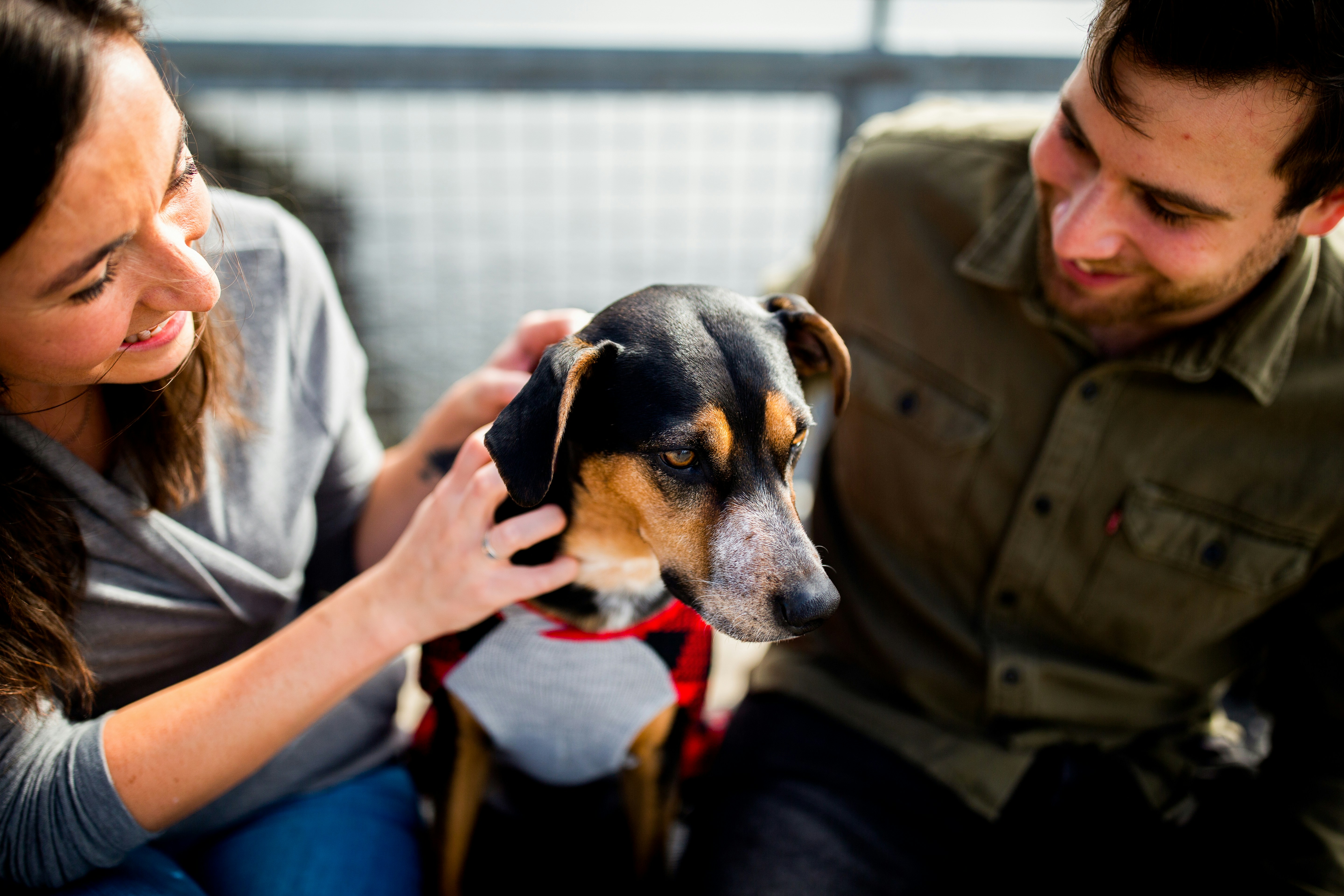
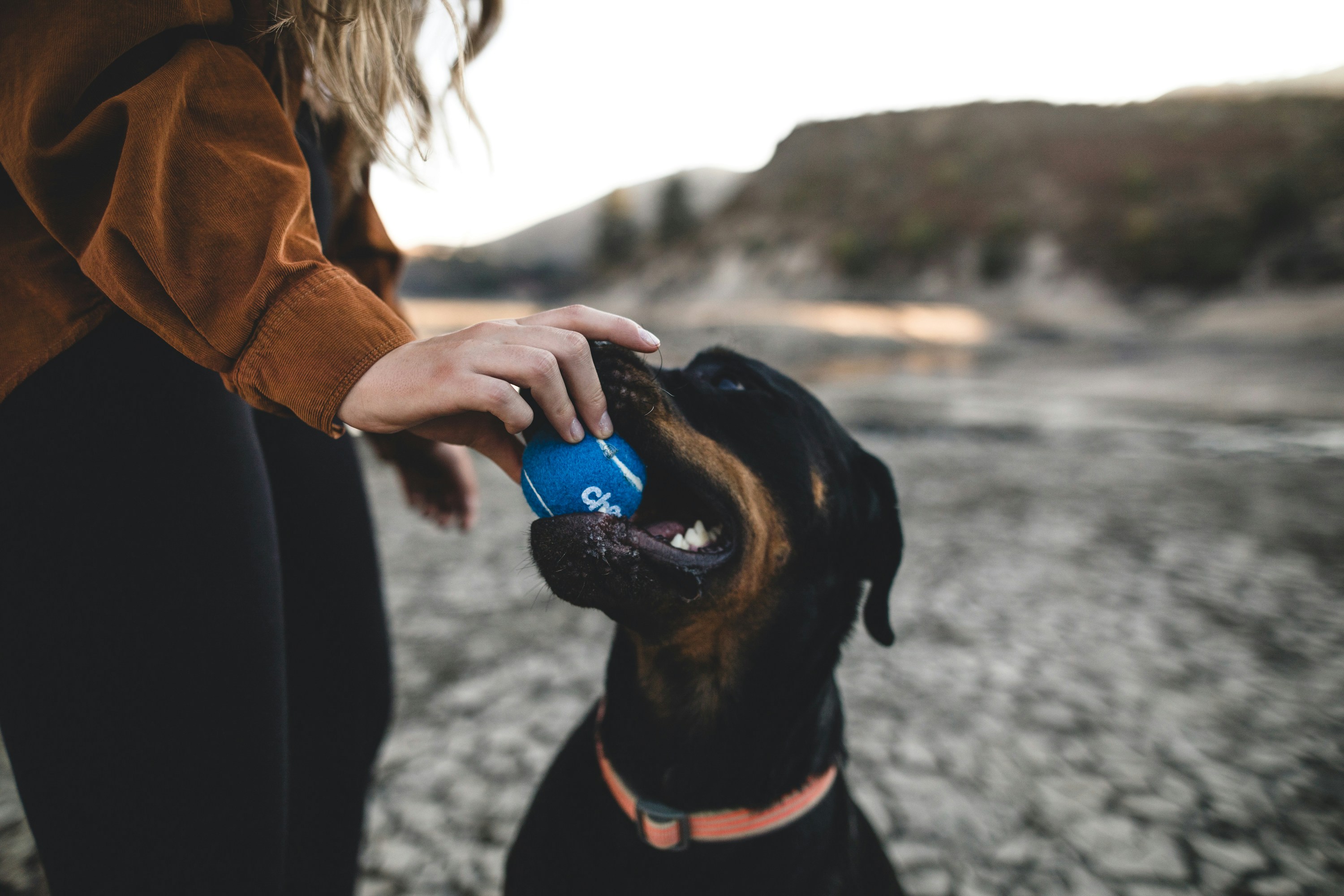
Both the above are Photos by Chewy on Unsplash
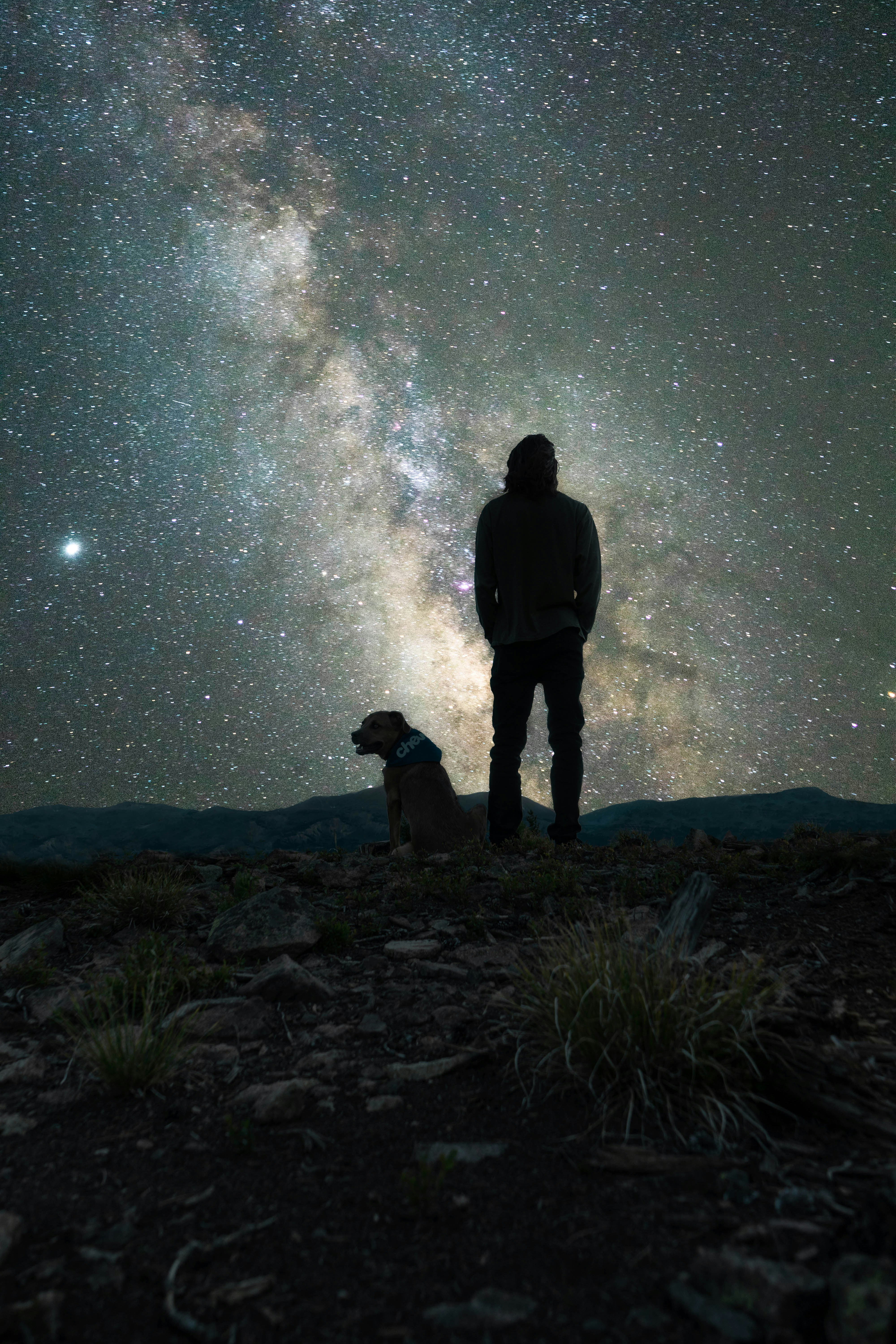
And so is this one of the starry night.
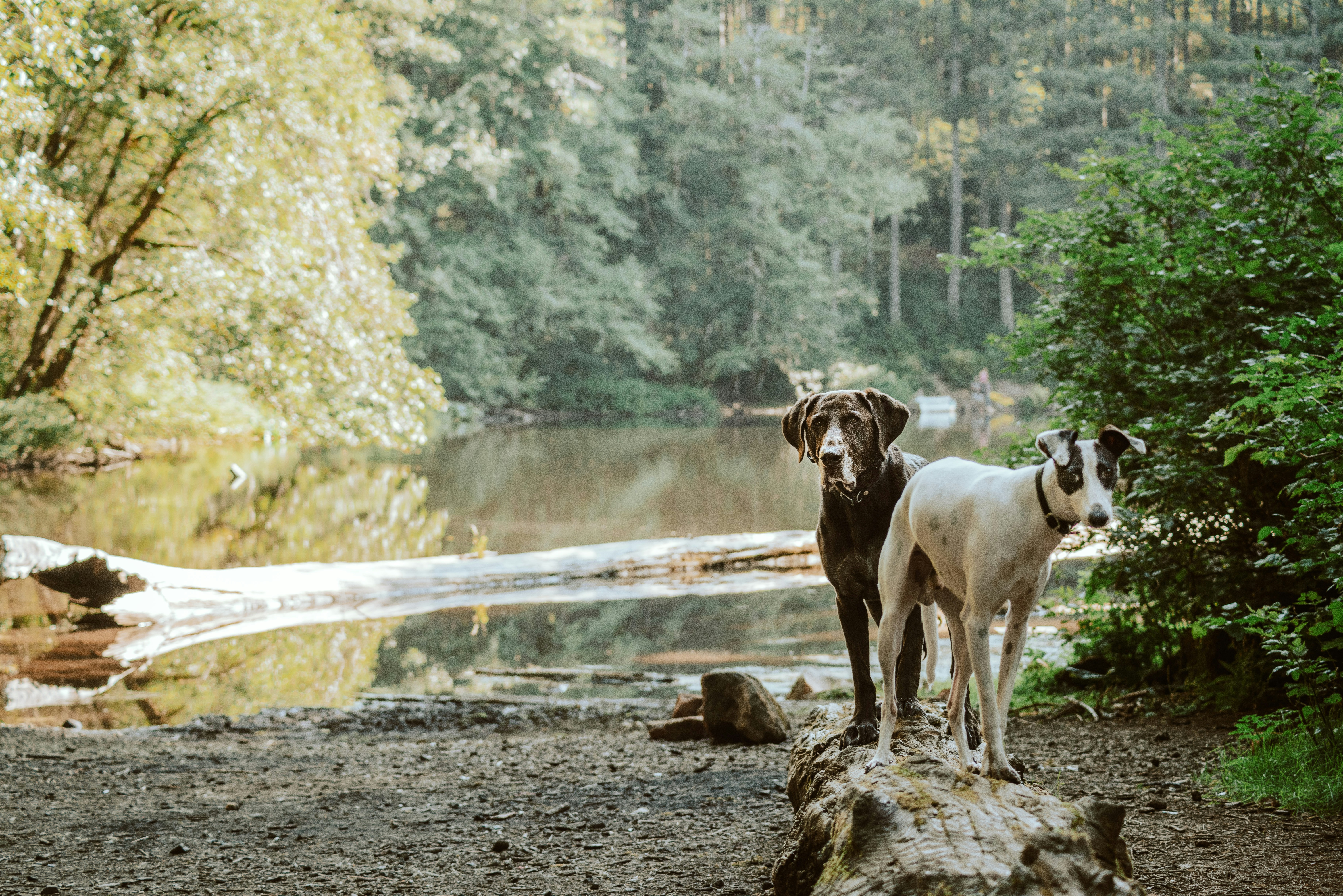
And yet another photo from Chewy!
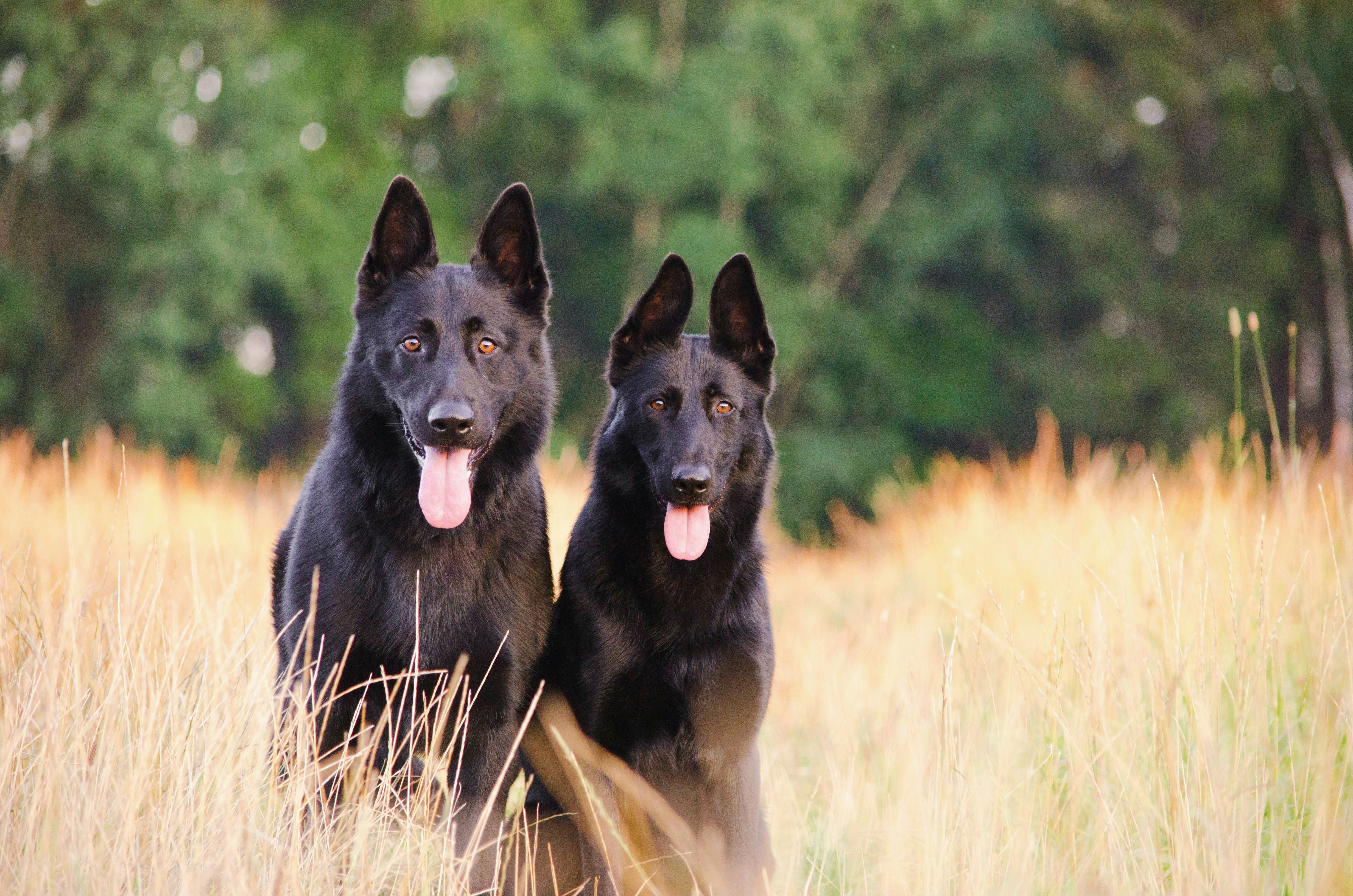
Photo by Anna Dudkova on Unsplash
Aren’t they fabulous!
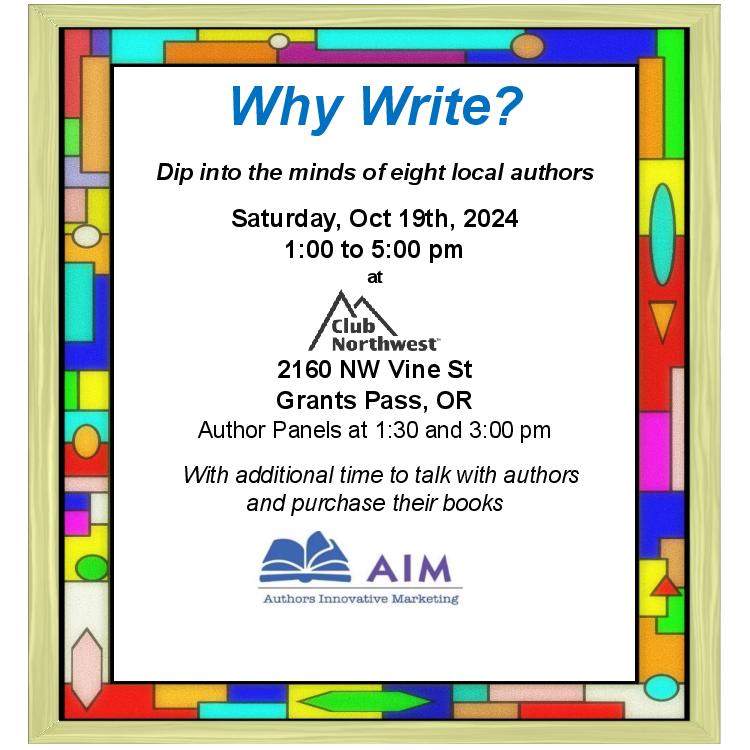
This poster will be displayed frequently until October 19th.

Author’s Innovative Marketing (AIM) is pleased to present a unique opportunity to dip into the minds of eight local authors, on Saturday, October 19th, 2024. Why Write is a free event taking place in the lobby and conference room at Club Northwest, 2160 NW Vine St., in Grants Pass from 1:00 to 5:00 pm. Two panels of four authors each are scheduled to speak about why they write at 1:30 and at 3:00 pm. Hear about their backgrounds, what inspires their writing, how writing benefits them, and be able to ask questions. Talk with the authors and purchase signed copies of their books before and after the panel sessions. Food and beverages will be available for purchase. For more information, please visit Authors Innovative Marketing website.
If you are at all within range of Grants Pass, we would love to see you at the event.
Just ran out of time yesterday!
So I am sorry but there is no post today!

