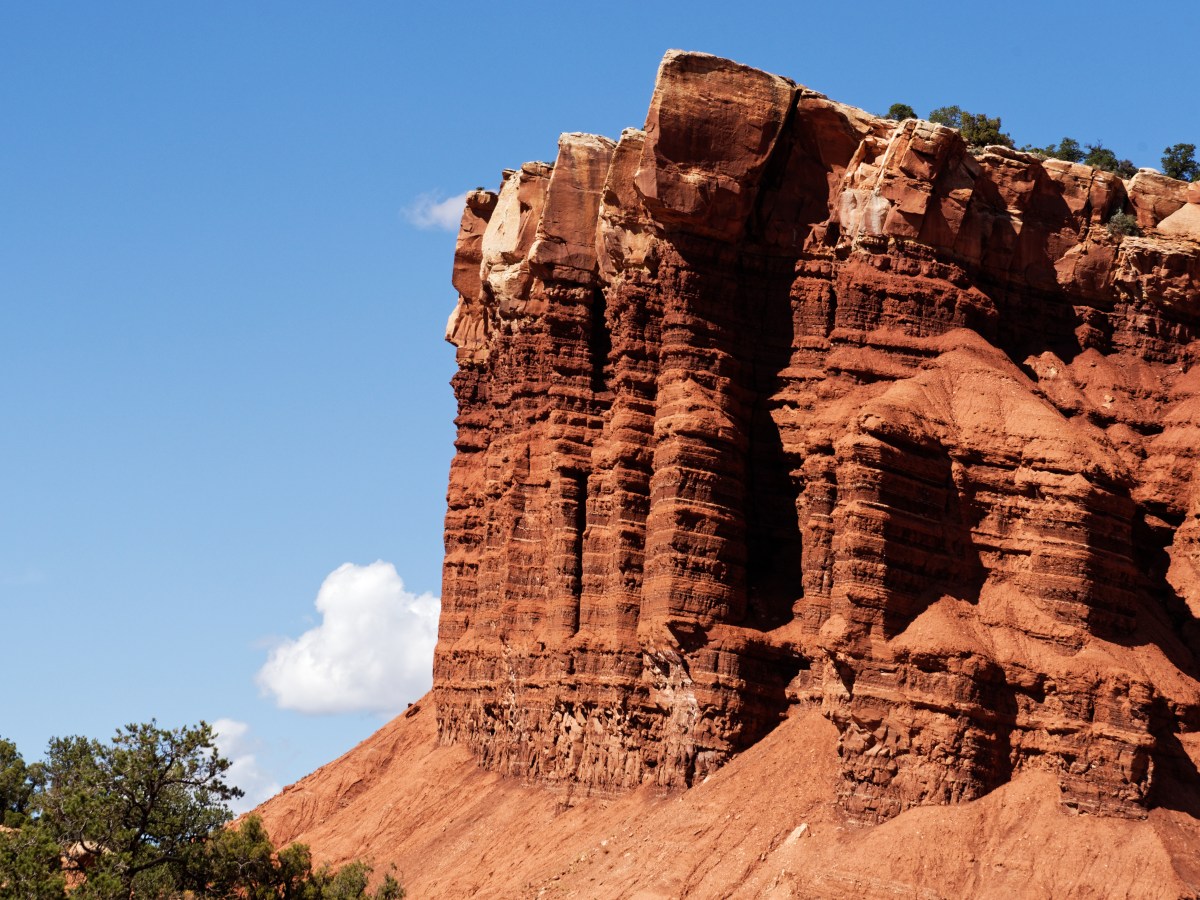
The final set of my edited photos of Utah.
oooo

oooo

oooo

oooo

oooo

oooo

oooo

What superb scenery!
Dogs are animals of integrity. We have much to learn from them.
Category: Photography
The final set of my edited photos of Utah.
oooo
oooo
oooo
oooo
oooo
oooo
oooo
What superb scenery!
A treat for an explosive detection dog!
This is another story from The Dodo blogsite. And, yes, about a dog. But not any old dog; he used his sense of smell to protect us humans. He has, in my opinion, an unusual name but it is still his name: TTirado. TTirado was an explosive detection dog at Indianapolis Airport and after eight years of service he was retired.
Here’s the full story!
ooOOoo
His last find was a good one 😁
By Lily Feinn
Published on the 18th June, 2020
As an explosive detection canine, TTirado isn’t always allowed to play with tennis balls like normal pets. Tennis balls — his favorite toy — are used as a reward for a job well done at the Indianapolis Airport.
So when it came time for TTirado to retire after eight long years of service, his handler came up with the perfect way to celebrate — with a massive ball drop.
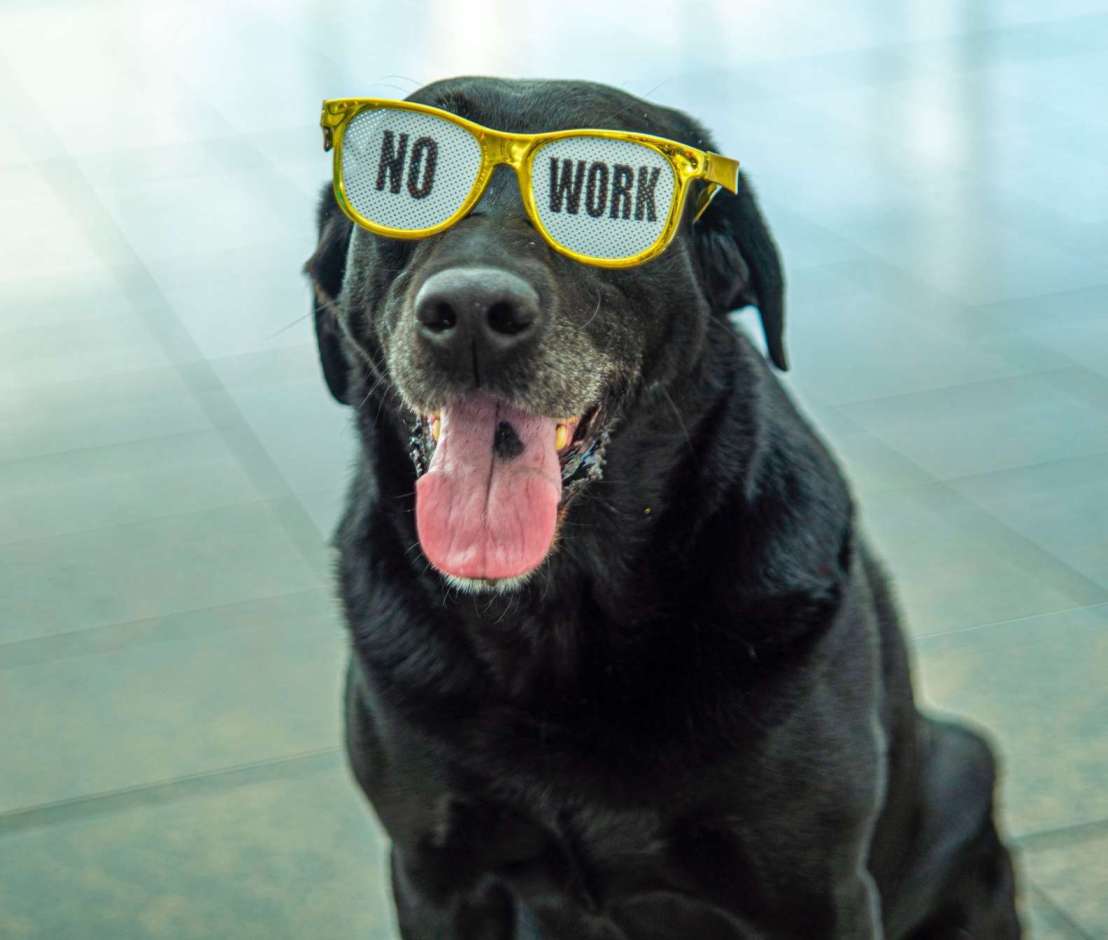
“It’s a coveted item during their career,” Keith Gray, TTirado’s handler, told The Dodo. “They know that they have to work for it to get it and that’s what keeps them going and keeps their motivation up.”

TTirado is top of the class when it comes to detection, and has passed every single evaluation and test. For TTirado, scent detection is a game, and he’s always been happy to go into work with his dad.
“He was the first dog that was assigned to me and the dog I kept my entire career,” Gray said. “He’s a black Lab, so he’s a fantastic, lovable pup. He’s been such a great dog to work with and I’ve learned so much from him over the years.”
To surprise the pup on his special day, Gray ordered 200 tennis balls online and set up a special final search for him.
“We had a couple of handlers that were behind the scenes ready to drop the balls when he showed up,” Gray said. “The handlers knew what to do when the dog alerts, which is basically him coming around the corner, sniffing that bag like he’s supposed to and dropping his butt to sit down.”
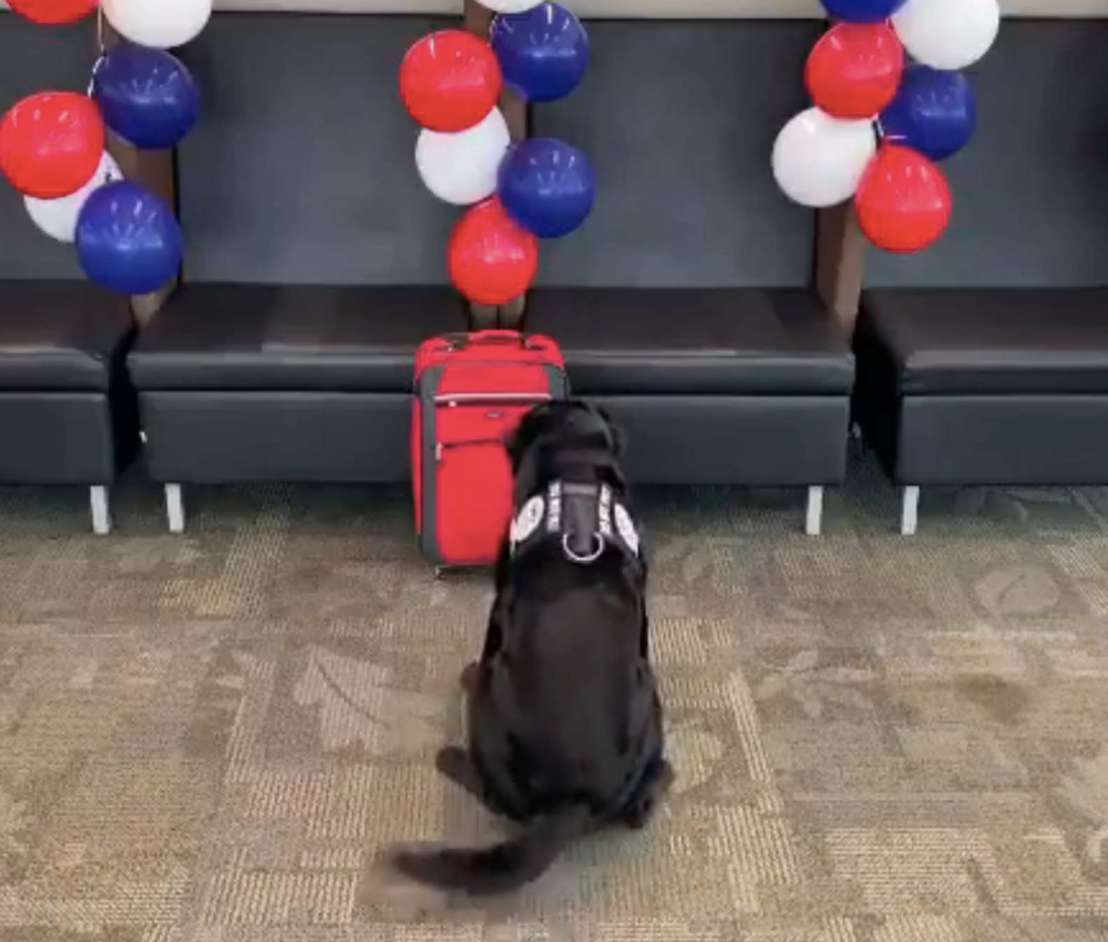
When TTirado signaled to his dad that he had found something, all 200 tennis balls dropped from the sky. TTirado was in heaven.
TTirado loves to play fetch, and everyone joined in throwing balls for the senior dog to chase.
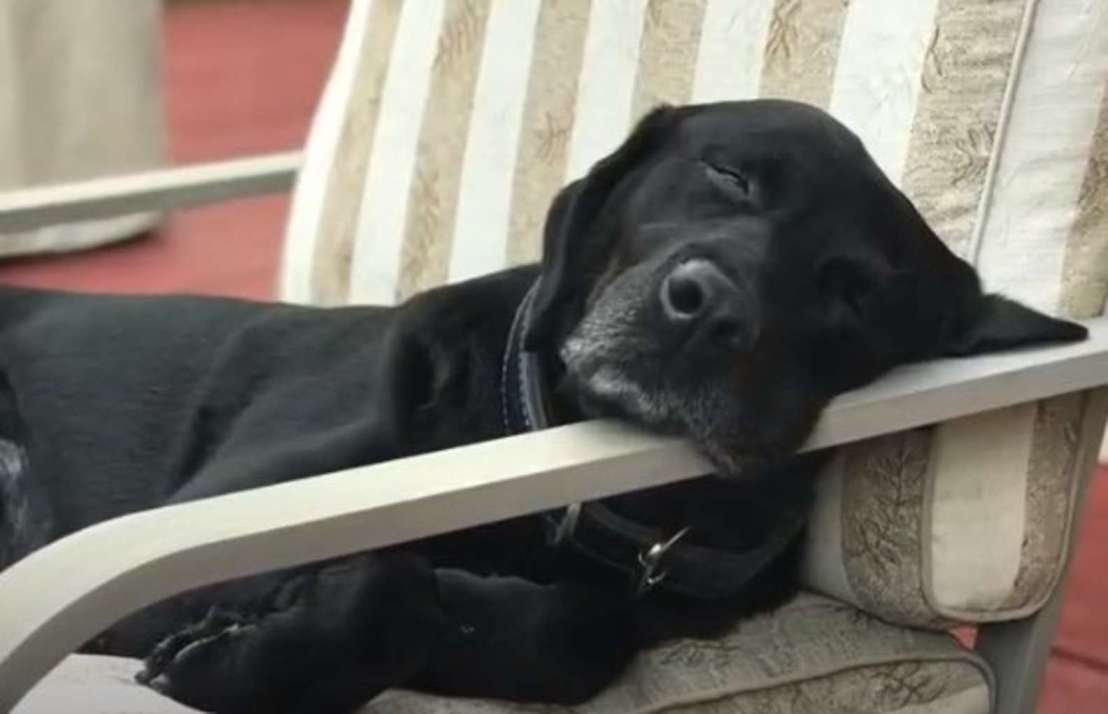
After putting in countless 40-hour workweeks, TTirado is finally learning to enjoy his retirement. While TTirado was always part of the family, Gray has officially adopted him and plans on taking the pup on lots of fun trips in the future.
But perhaps the biggest change for TTirado is that he gets to hang out on the couch with his favorite toy every single day: “Now that he’s retired, he can have all the toys and tennis balls he wants and play around with them at home,” Gray said.
ooOOoo
It’s a wonderful story about a great dog. TTirado, you have a fantastic retirement and may you live happily for a long time to come!
Here’s an article about a dog that thinks he is a cat!
Dogs are amazing animals. Not only have they been associated with humans for, literally, thousands of years, in the main they bond so very closely with us. I should add that the lucky ones do.
But they are also independent animals and show it.
Here’s an article from The Dodo that shows how Mako demonstrated his own uniqueness of spirit; by thinking he was a cat!
ooOOoo
“Whenever Mako sees the boys on the counters or cabinets he hops up to join them.”
When Bethany Castiller and her family went to a local rescue to adopt a dog, Mako immediately made it very clear that he would be the one going home with them.
“We joke that we didn’t really pick him, he picked us,” Castiller told The Dodo. “When we went to the rescue shelter he had his back against the cage so we started petting him and he looked over his shoulder and gave direct eye contact and we just fell in love with the little guy.”

The family had been hoping to adopt a dog who would get along with their cats at home, Pecan and Gizmo. The shelter assured them that Mako got along with cats really well — and they quickly realized it was probably because Mako totally thinks he’s a cat.
Though they can’t know for sure, everyone thinks that Mako was probably raised with cats, because all of his favorite things to do are classic cat activities. He doesn’t bark, he loves cat treats and he absolutely adores sitting on top of counters and cabinets, just like his cat siblings do.

When they first caught Mako climbing on top of tables and counters, his family thought it was a little weird — but quickly accepted that that’s just who Mako is, and that they’d basically adopted another cat instead of a dog.

“We went online and found a dog toy that looks like a cat one so we go to the backyard and he chases and jumps after it like the cats,” Castiller said. “He also likes to lay on the tables with my cats and look out the window at the birds with them. When he sees one of my cats lay on their backs for a tummy rub he comes over and does the same thing!”

Mako is obsessed with his cat siblings and loves hanging out with them every chance he gets, and his family can’t help but laugh whenever they come into the room and find Mako on top of something right alongside the cats, just one of the gang.
“Whenever Mako sees the boys on the counters or cabinets he hops up to join them,” Castiller said. “He really just wants to be around the cats all the time. If he is not in the room with one of us humans, he’s with the cats.”

Mako is definitely a little different and will always be way more into cat activities than typical dog ones — and his family wouldn’t have him any other way.
ooOOoo
So, what to make of this! Seriously, it goes to show how at one level we really don’t have a clue as to what a dog is thinking of. Yet they are still our very best of companions and the fact that many of you will read this and enjoy it just proves my case.
Now for something completely different.
The International Dark-Sky Association (IDA) held its first annual Capture the Dark photography competition during May 2020. The goal was to portray the meaning of the night for people around the world. Participants were invited to submit images in five categories: Connecting to the Dark, International Dark Sky Places, Impact of Light Pollution, Bright Side of Lighting, and Youth. In two weeks, IDA received nearly 450 submissions from people around the world. An international panel of judges made the final selections. The winning entries in each category are on this page.
I’m not going to show you all the winning entries; you can go onto the website if you wish to see them. But what I am going to share is the winning entry.

It’s magnificent and very beautiful.
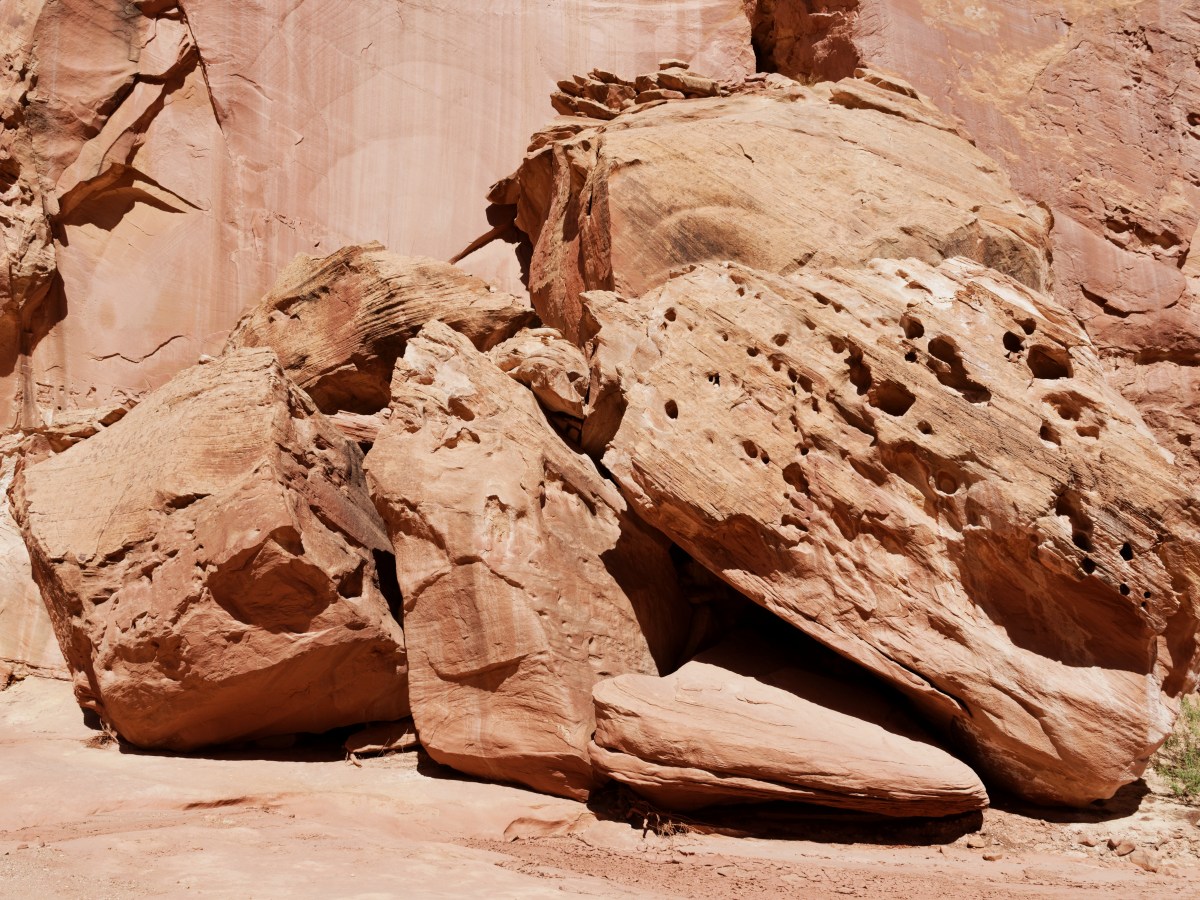
Yet more of my photos to share with you.

oooo

oooo

oooo

oooo

oooo
oooo

oooo

The final set of photos in another week’s time.
Stay safe all of you!
This is a gorgeous story about a Corgi.
There was a story in the Daily Dodo that is just lovely.
I wondered why the Corgi was named Potato but that’s another question!
Enjoy the story!
ooOOoo
By Lily Feinn
Published on 6/8/2020.
Potato the corgi never misses an opportunity to say hi to her neighbors. So when social distancing started in Portland, Oregon, Potato’s parents, Cee and Pan, knew their dog wouldn’t be getting the kind of attention she was used to.

“She loves everyone — any dog, any kid, any adult human, doesn’t matter,” Cee told The Dodo. “Even dogs who snarl at her she’s like, ‘It’s OK, I’ll check back in five minutes.’”
“She’s in a polyamorous relationship with all of the mail, UPS and FedEx delivery people but the UPS man is her primary partner,” Cee added. “If you’re having a picnic at the park she will invite herself to your blanket and join in on the gossip.”

Potato knows a number of tricks, including how to ring a bell when she wants to go outside to the yard and socialize with the passersby. Cee, who works from home running a web agency, is always there to keep an eye on Potato when she goes out. And they noticed right away how difficult it was for Potato when her friends started ignoring her.
“Potato takes her job of getting pats through the fence very seriously and honestly seemed depressed that people stopped saying hi to her when social distancing started,” Cee said. “People kept looking really guilty when we’d catch them patting Potato through the fence, or others would ask if they could still pat her.”

To put an end to the confusion, they decided to make a little sign letting everyone know that it was still OK to give Potato the pets she craved, along with a few facts about her. “She’d bark at people she knew who normally would pat her when they’d walk by without saying hi,” Cee said. “So we wanted to make it known that it was consensual for us to take that slight risk of exposure.”
They laminated the sign and tacked it above Potato’s favorite spot on the fence. Potato was instantly happier.

The sign reads: “This is Potato! She’s friendly and yes you can pet her, even now with the virus. She also loves every dog so feel free to intro your dog!”
The sign has done more than cheer up Potato — it’s helped to connect Cee and Pan with neighbors they hadn’t met before. “People approach us more if we’re in the yard, or they send us little notes on [Potato’s] Instagram account,” Cee said. “There’s also an older neighbor lady who specifically comes by every single day to give her treats. It’s pretty wholesome.”
ooOOoo
That’s a really great good-news story!
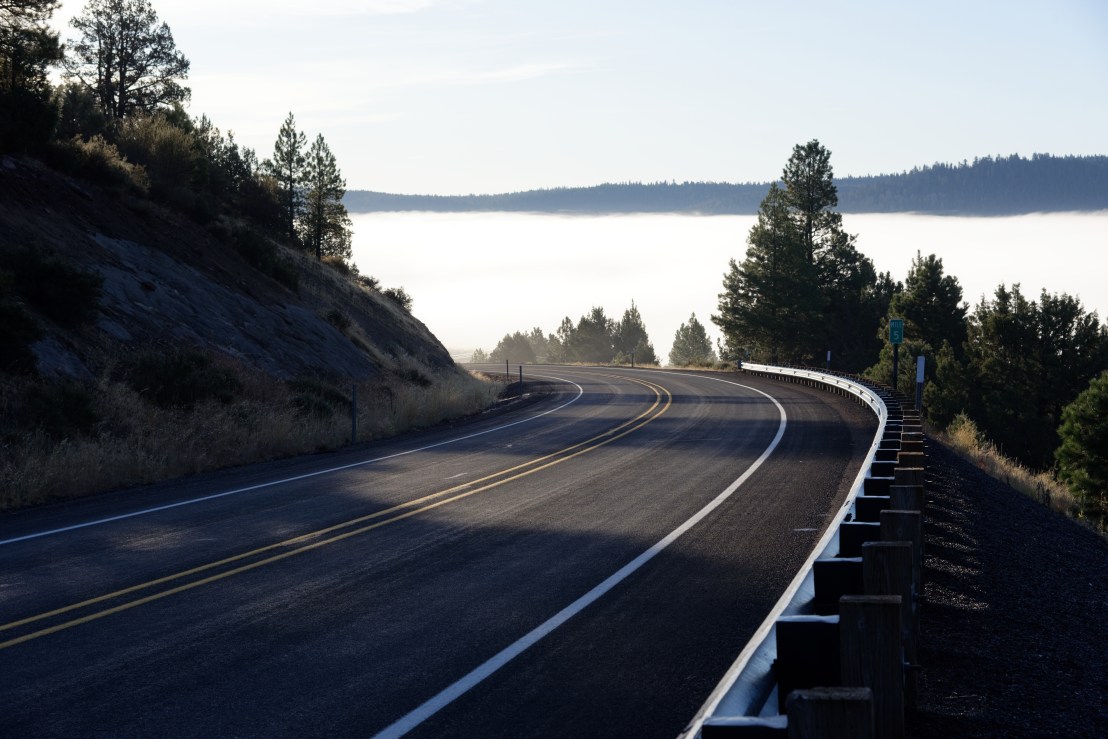
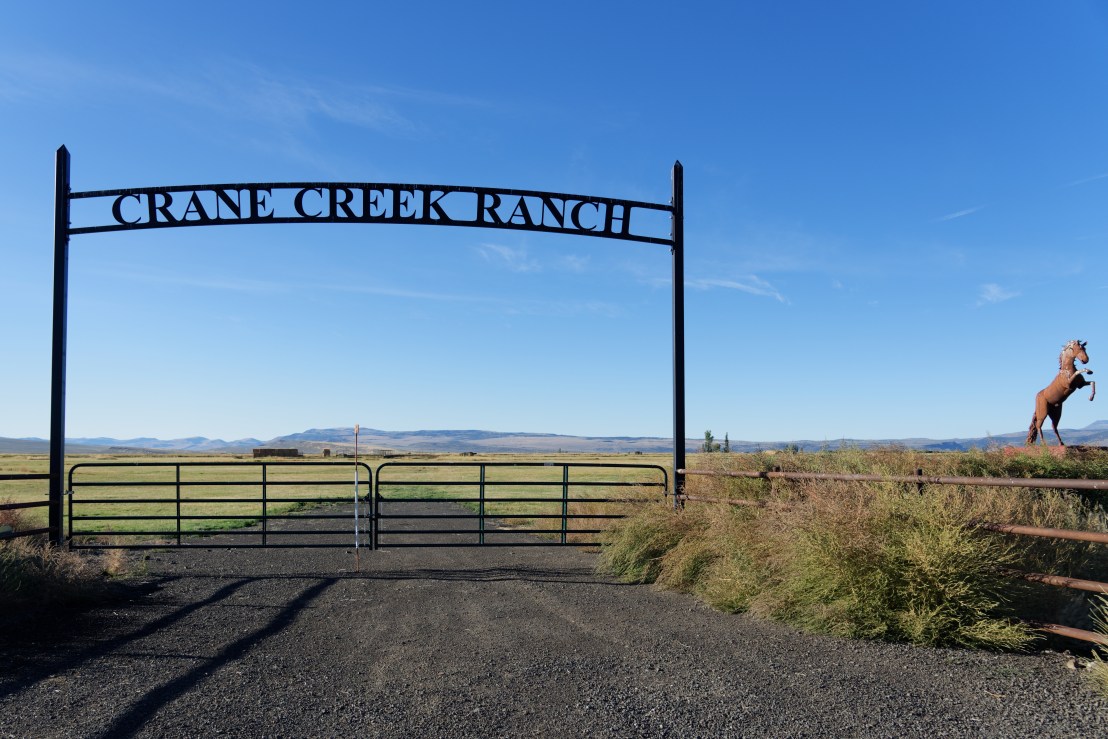
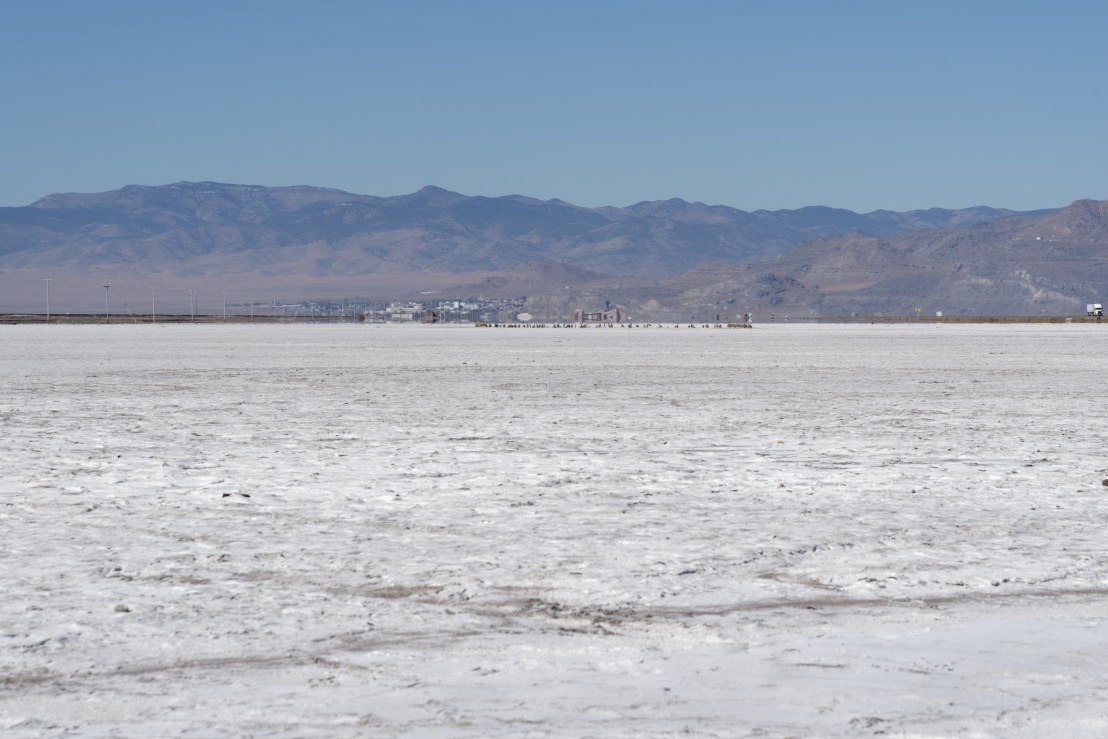
More photographs of Utah
Today and for the next two Sundays I am going to display more pictures of Utah. They are further to the photographs shown over six days back in October 2019.
To be honest these new photographs are more to show off the facilities of my new editing software DxO PhotoLab.

oooo
oooo

oooo
oooo

oooo
oooo
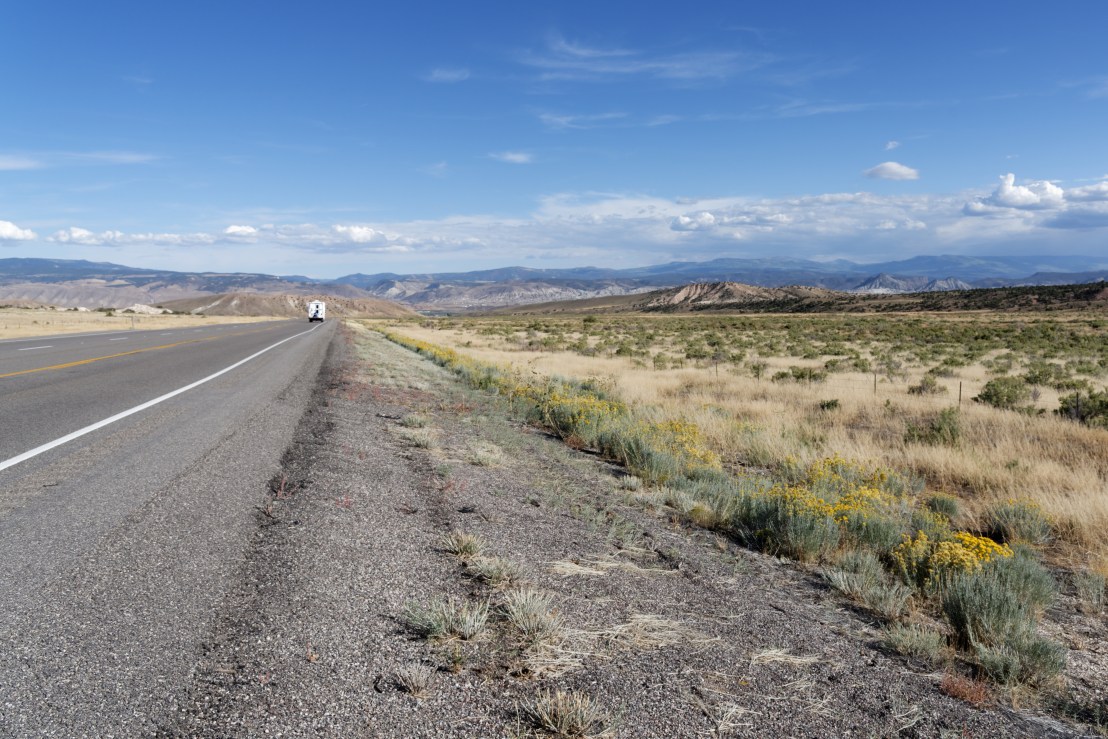
oooo
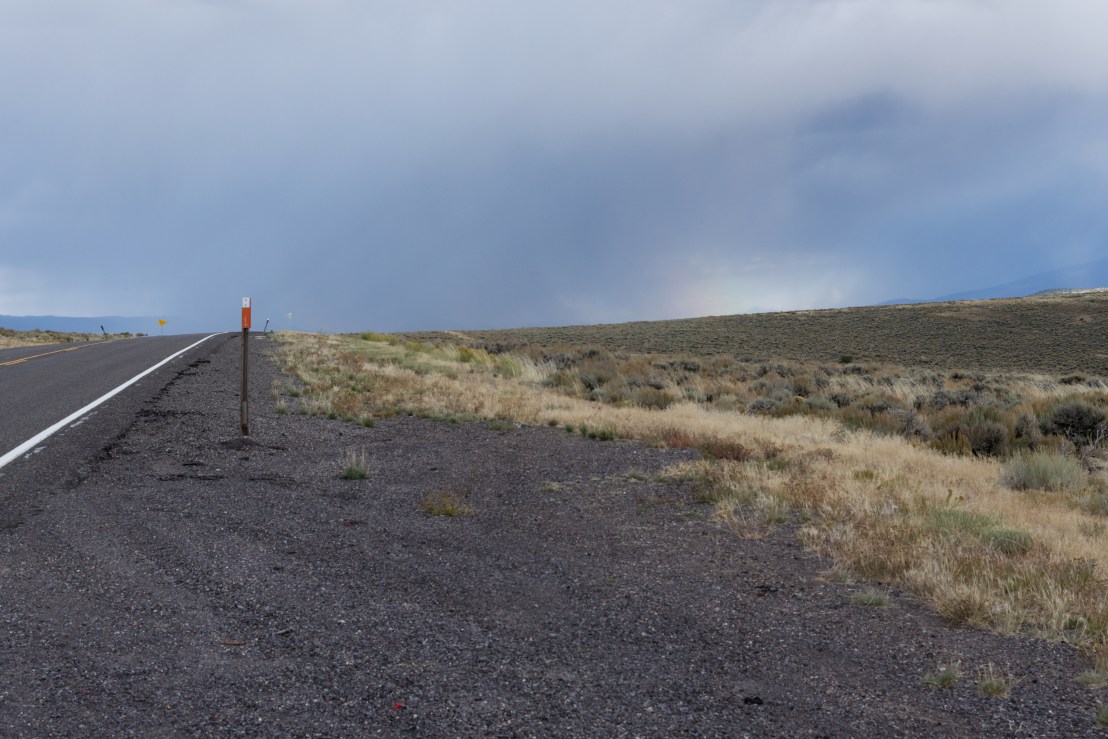
I sincerely hope you enjoy these; I’m conscious that I have become engrossed in the facilities of PhotoLab.
There’s another eight of them in a week’s time!
Alexandra is a writer about dogs!
I can’t remember how long ago it was that I came across Alexandra Horowitz but the name stuck. For Alexandra is an author of many titles although many of them are about dogs.
But here’s a quote from someone who reviewed her book, On Looking: A Walker’s Guide to the Art of Observation.
“Horowitz writes like a poet, thinks like a scientist, and ventures like an explorer. Her book will have you looking in a new way at the world around you, and make you glad you did.” – Susan Orlean, author of Rin Tin Tin
If you haven’t already read some of her books then don’t delay!
Now I want to introduce a different side of Alexandra. That of her being a broadcaster, for want of a better description.
This is not a short video, it is 49 minutes long. But that’s a reason to sit down and thoroughly immerse oneself in her talk.
It is introduced thus:
It’s a really fascinating and interesting talk and, I suspect, you will learn things about your dog’s nose that you didn’t know before.
If you want more news on Alexandra then go here!
And, forgive me, I can’t resist showing you a picture I took yesterday of Sheena!

More of my fiddling!
I am trying out a new photo editing software program called DxO PhotoLab.
It’s powerful and full of features that I am still nowhere used to. But I am taking a shine to it.
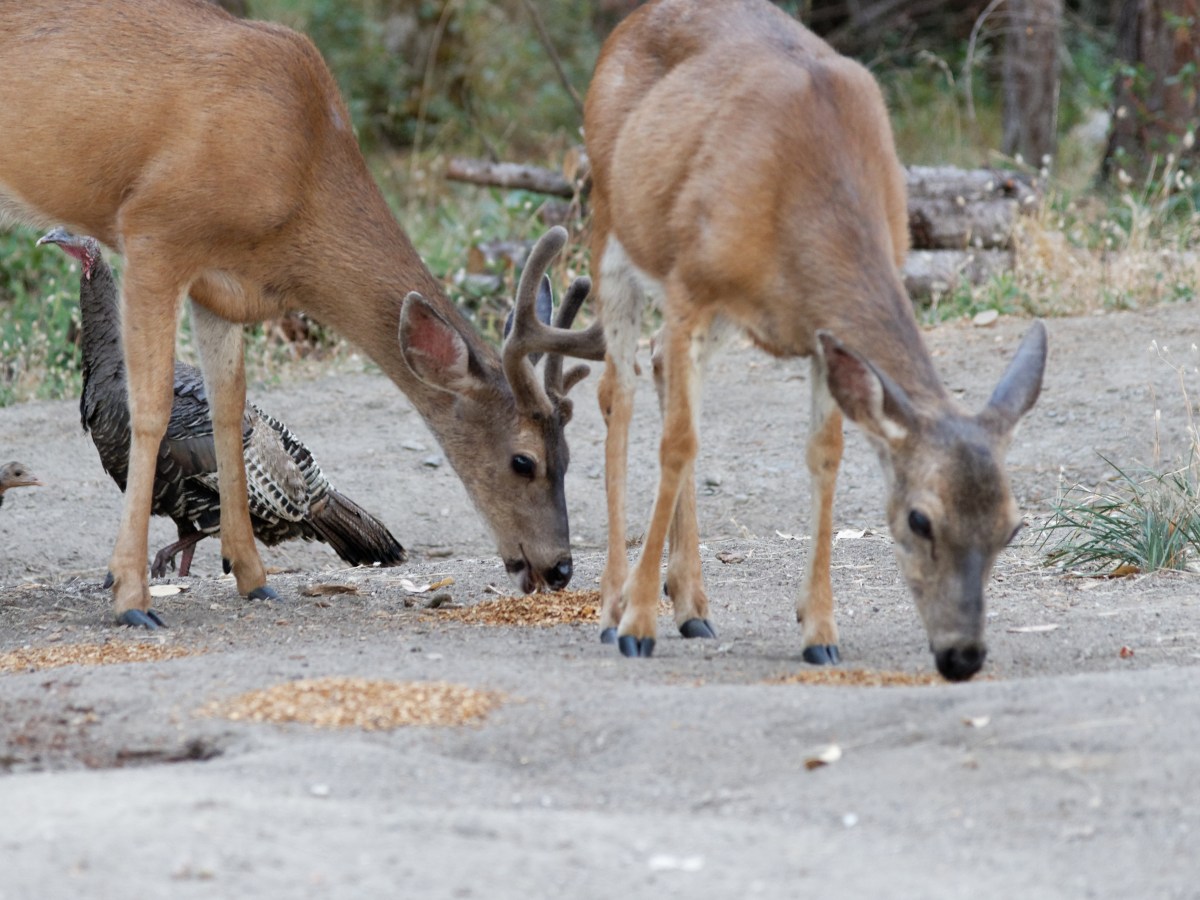
But here are a few of my photographs for you to look at.
First, a shot taken yesterday, at the moment of Solstice here in Merlin – 14:43 PDT

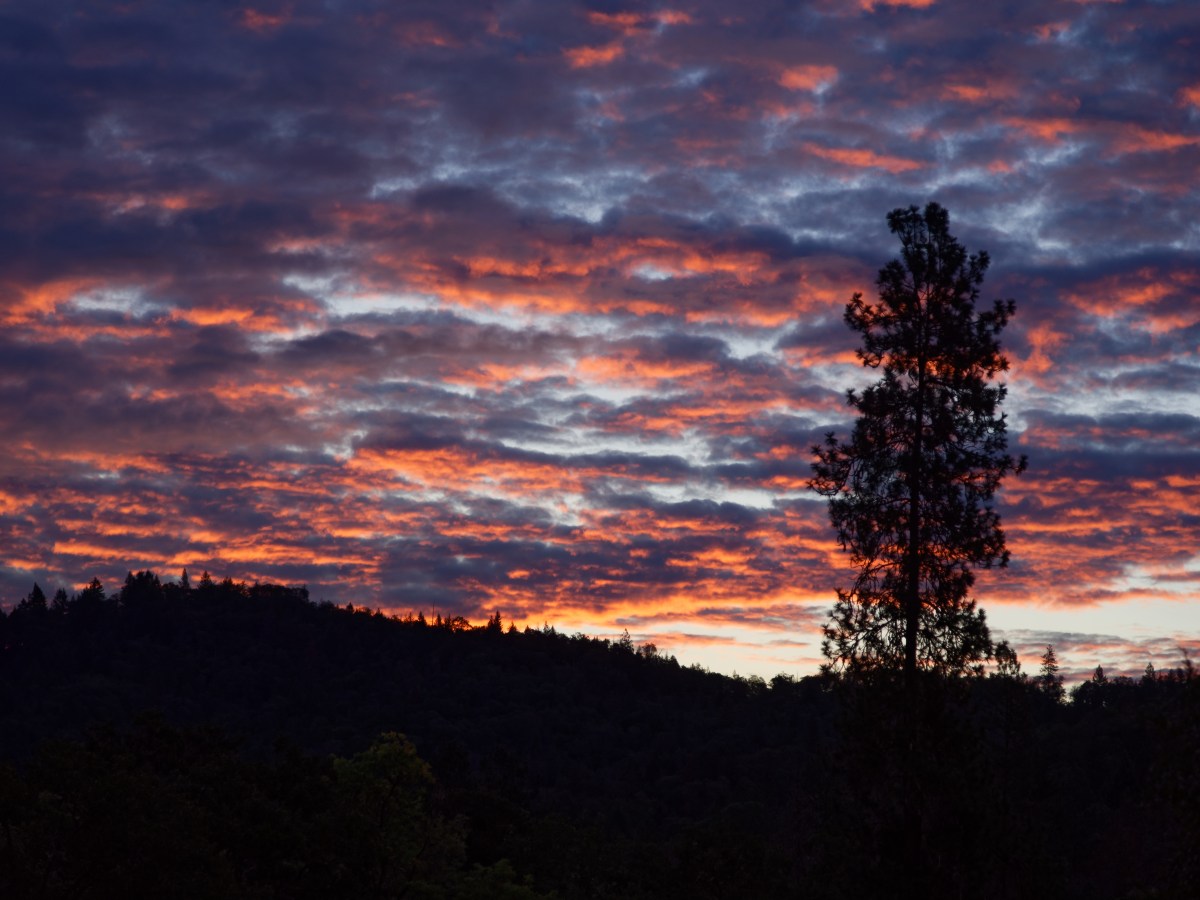
oooo
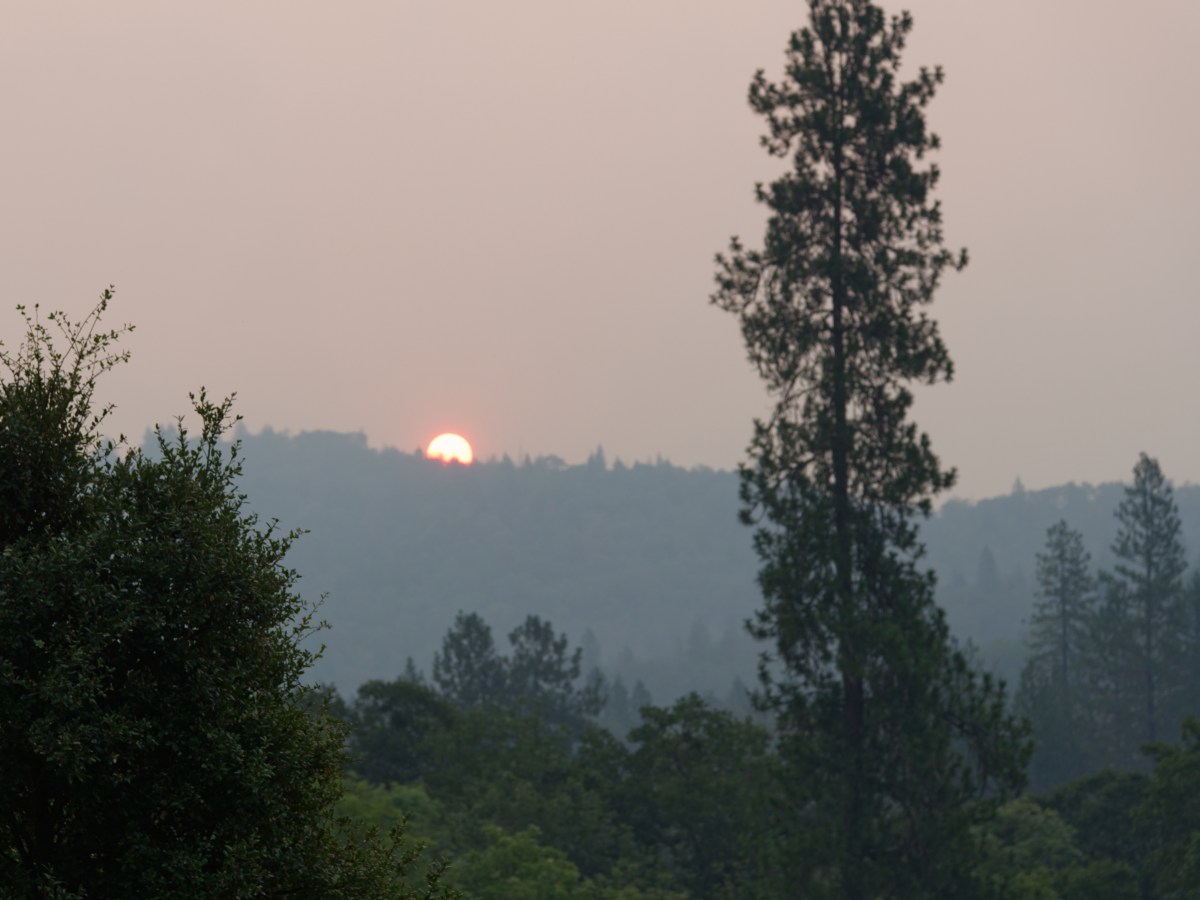
oooo

oooo

oooo
oooo

oooo

All photographs taken with my Nikon D750.
As old as time itself!
 The point at which the sun reaches its farthest point north of the equator is the Summer Solstice, well it is for the Northern Hemisphere. This occurs annually on June 20 or June 21, depending on your time zone.
Here in Southern Oregon, the moment of the Summer Solstice will be at 2:43 PM or 14:43 PDT on Saturday, i.e. today! For the United Kingdom it will be at 22:43 BST on the same day or 21:43 GMT/UTC.
A quick web ‘look-up’ finds that the word solstice is from the Latin solstitium, from sol (sun) and stitium (to stop), reflecting the fact that the Sun appears to stop at this time, albeit momentarily.
At the ancient stone circle of Stonehenge in Southern England, the prehistoric monument that took Neolithic builders an estimated 1,500 years to erect, for many years the Druids have celebrated the Solstice and, undoubtedly, will be doing so again.

There’s a good article over at EarthSky on this year’s Solstice. I would like to quote a little from it:
At the June solstice, Earth is positioned in its orbit so that our world’s North Pole is leaning most toward the sun. As seen from Earth, the sun is directly overhead at noon 23 1/2 degrees north of the equator, at an imaginary line encircling the globe known as the Tropic of Cancer – named after the constellation Cancer the Crab. This is as far north as the sun ever gets.
All locations north of the equator have days longer than 12 hours at the June solstice. Meanwhile, all locations south of the equator have days shorter than 12 hours.
and
Where should I look to see signs of the solstice in nature? Everywhere. For all of Earth’s creatures, nothing is so fundamental as the length of the day. After all, the sun is the ultimate source of almost all light and warmth on Earth’s surface.
If you live in the Northern Hemisphere, you might notice the early dawns and late sunsets, and the high arc of the sun across the sky each day. You might see how high the sun appears in the sky at local noon. And be sure to look at your noontime shadow. Around the time of the solstice, it’s your shortest noontime shadow of the year.
If you’re a person who’s tuned in to the out-of-doors, you know the peaceful, comforting feeling that accompanies these signs and signals of the year’s longest day.
Is the solstice the first day of summer? No world body has designated an official day to start each new season, and different schools of thought or traditions define the seasons in different ways.
In meteorology, for example, summer begins on June 1. And every schoolchild knows that summer starts when the last school bell of the year rings.
Yet June 21 is perhaps the most widely recognized day upon which summer begins in the Northern Hemisphere and upon which winter begins on the southern half of Earth’s globe. There’s nothing official about it, but it’s such a long-held tradition that we all recognize it to be so.
It has been universal among humans to treasure this time of warmth and light.
For us in the modern world, the solstice is a time to recall the reverence and understanding that early people had for the sky. Some 5,000 years ago, people placed huge stones in a circle on a broad plain in what’s now England and aligned them with the June solstice sunrise.
We may never comprehend the full significance of Stonehenge. But we do know that knowledge of this sort wasn’t limited to just one part of the world. Around the same time Stonehenge was being constructed in England, two great pyramids and then the Sphinx were built on Egyptian sands. If you stood at the Sphinx on the summer solstice and gazed toward the two pyramids, you’d see the sun set exactly between them.
How does it end up hotter later in the summer, if June has the longest day? People often ask:
If the June solstice brings the longest day, why do we experience the hottest weather in late July and August?
This effect is called the lag of the seasons. It’s the same reason it’s hotter in mid-afternoon than at noontime. Earth just takes a while to warm up after a long winter. Even in June, ice and snow still blanket the ground in some places. The sun has to melt the ice – and warm the oceans – and then we feel the most sweltering summer heat.
Ice and snow have been melting since spring began. Meltwater and rainwater have been percolating down through snow on tops of glaciers.
But the runoff from glaciers isn’t as great now as it’ll be in another month, even though sunlight is striking the northern hemisphere most directly around now.
So wait another month for the hottest weather. It’ll come when the days are already beginning to shorten again, as Earth continues to move in orbit around the sun, bringing us closer to another winter.
And so the cycle continues.
Indeed, so the cycle continues as it has for time immemorial!
Yesterday was a very sad day!
So soon after we welcomed Sheena, Ruby had a severe downturn.
Ruby had had one operation for the removal of a mast cell tumor back in February but we were advised by the vet that almost certainly it would grow back. Late on Saturday Ruby became very tired and went off her food and Jean and I were discussing having to take her to be put down on Monday (today).
Then overnight Saturday it was clear that her breathing was very laboured and on Sunday she was weak and struggling. It was time.
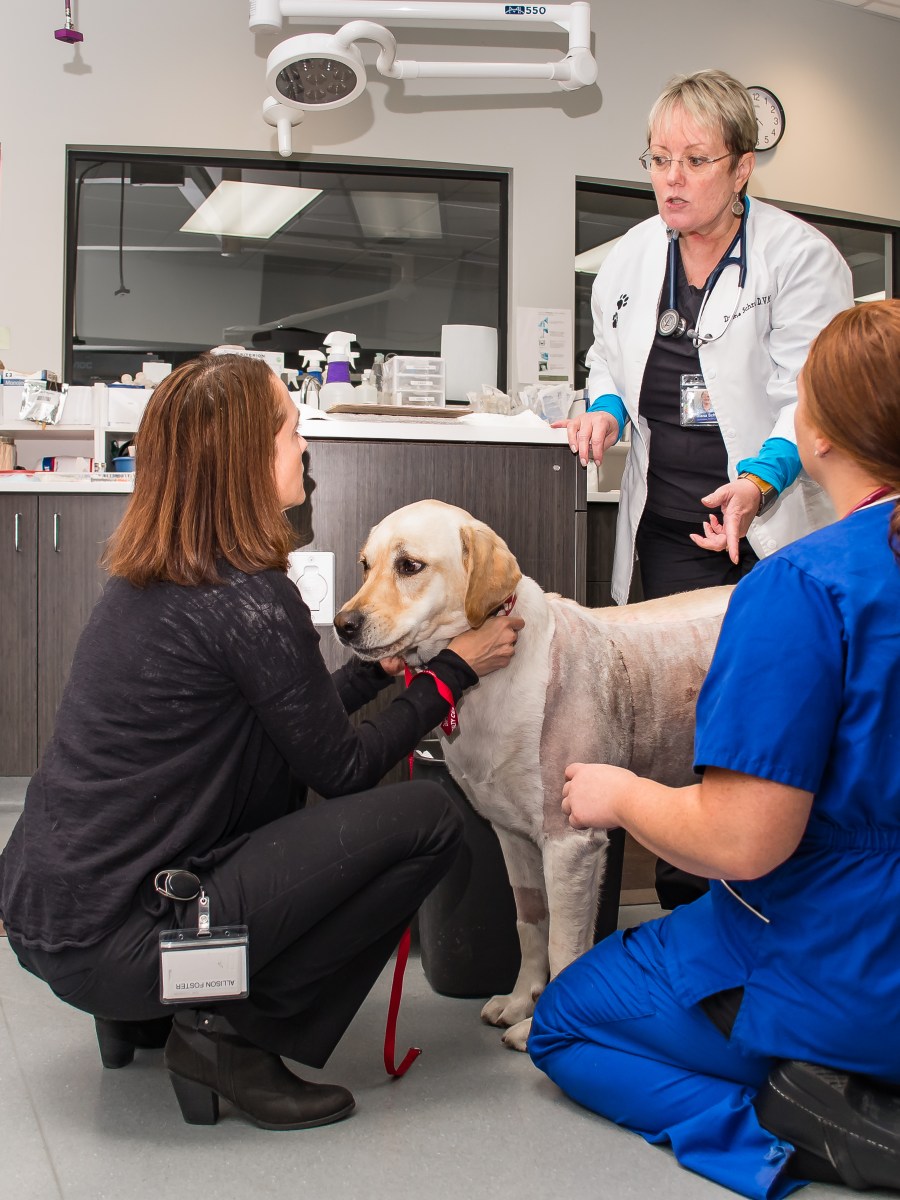
Being a Sunday we had no option other than to go to the Southern Oregon Veterinary Specialty Center, or SOVSC. We called them and they asked a few questions about Ruby and then told us to come straight over. They are at Biddle Road, Central Point and it took us 45 minutes to get there.
A little bit from their website:
Outstanding Team
Our team includes board certified specialists and highly trained doctors and staff, who have been chosen for their skill and expertise, as well as their compassion and dedication to veterinary medicine.
Then a couple of photographs from us.

oooo
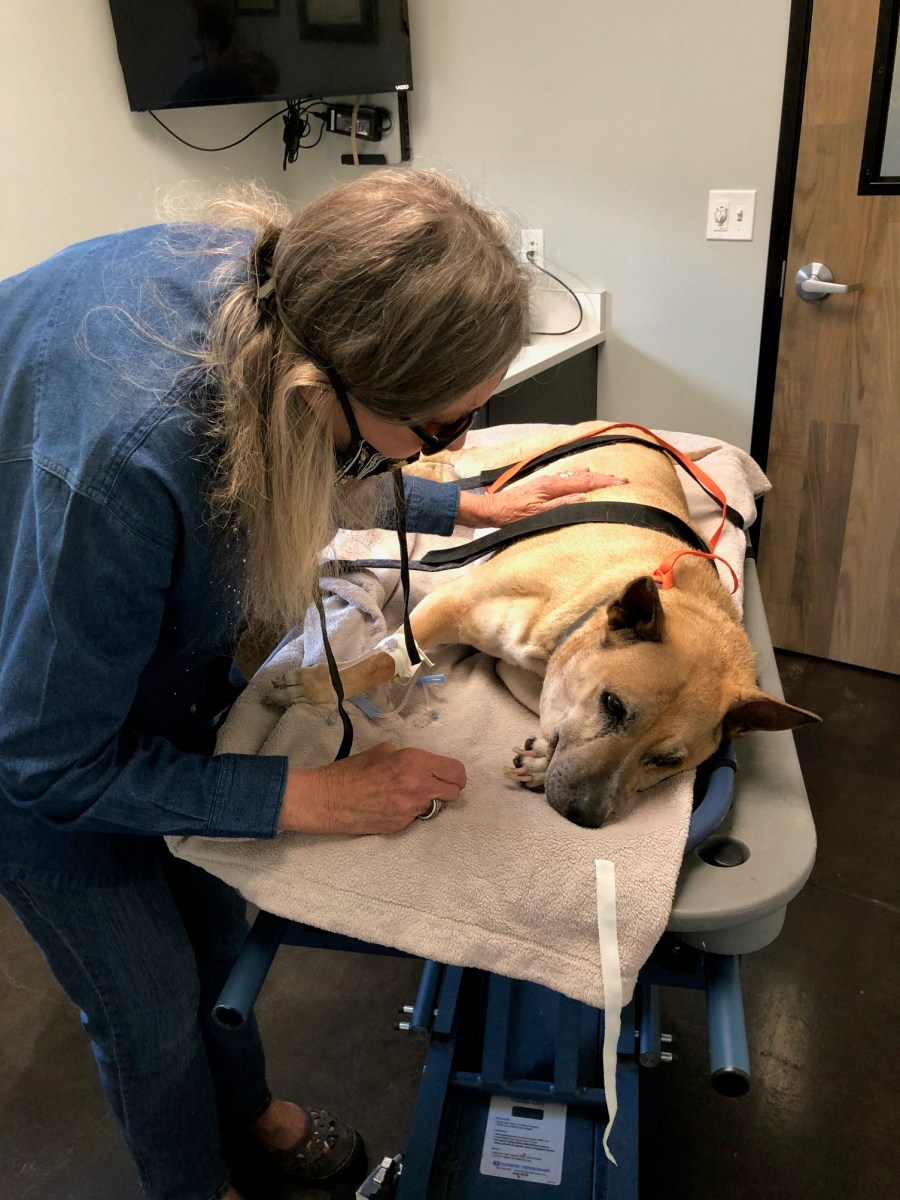
Ruby was the last of Jean’s Mexican rescues. She will be sorely missed!
 Learning from Dogs