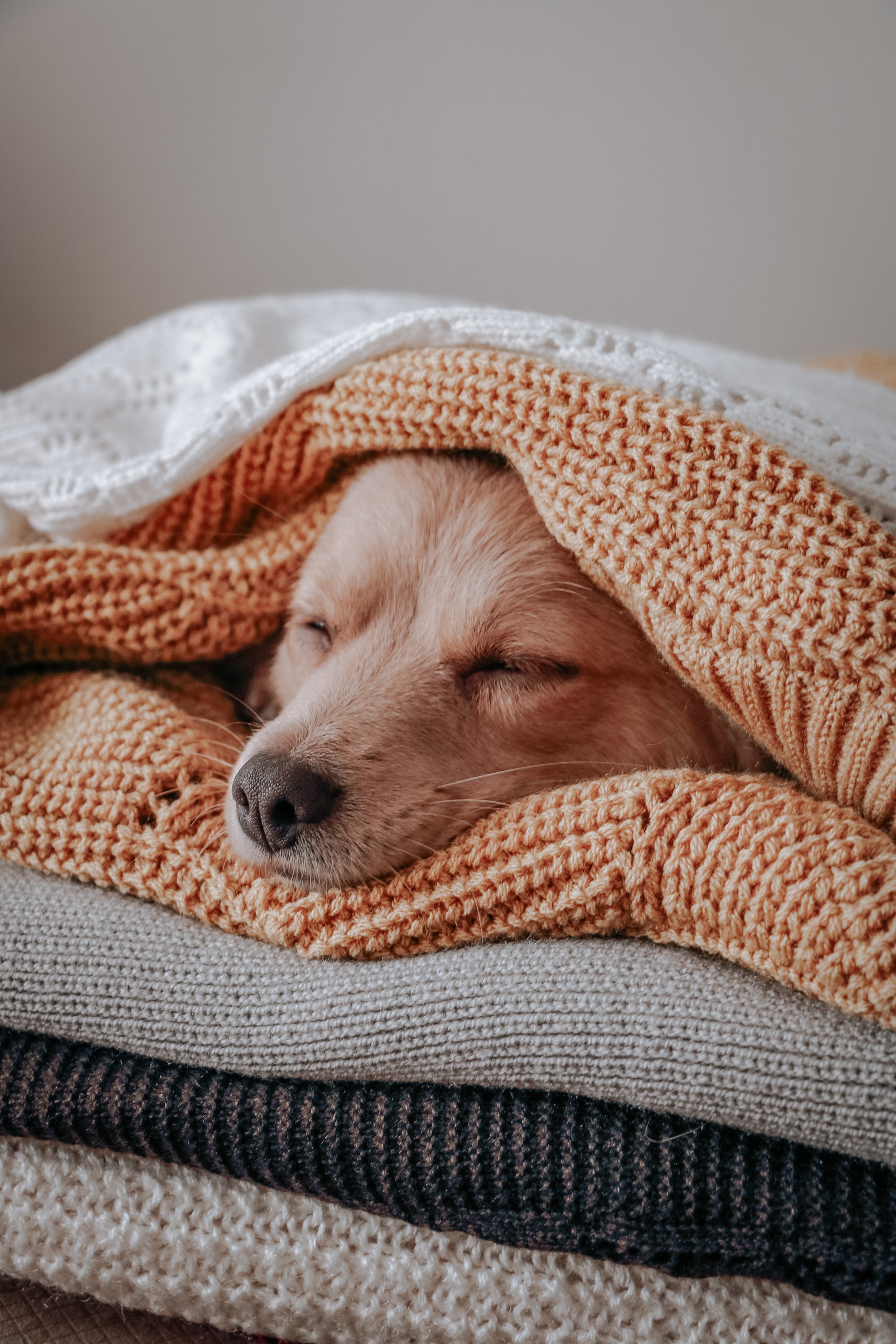
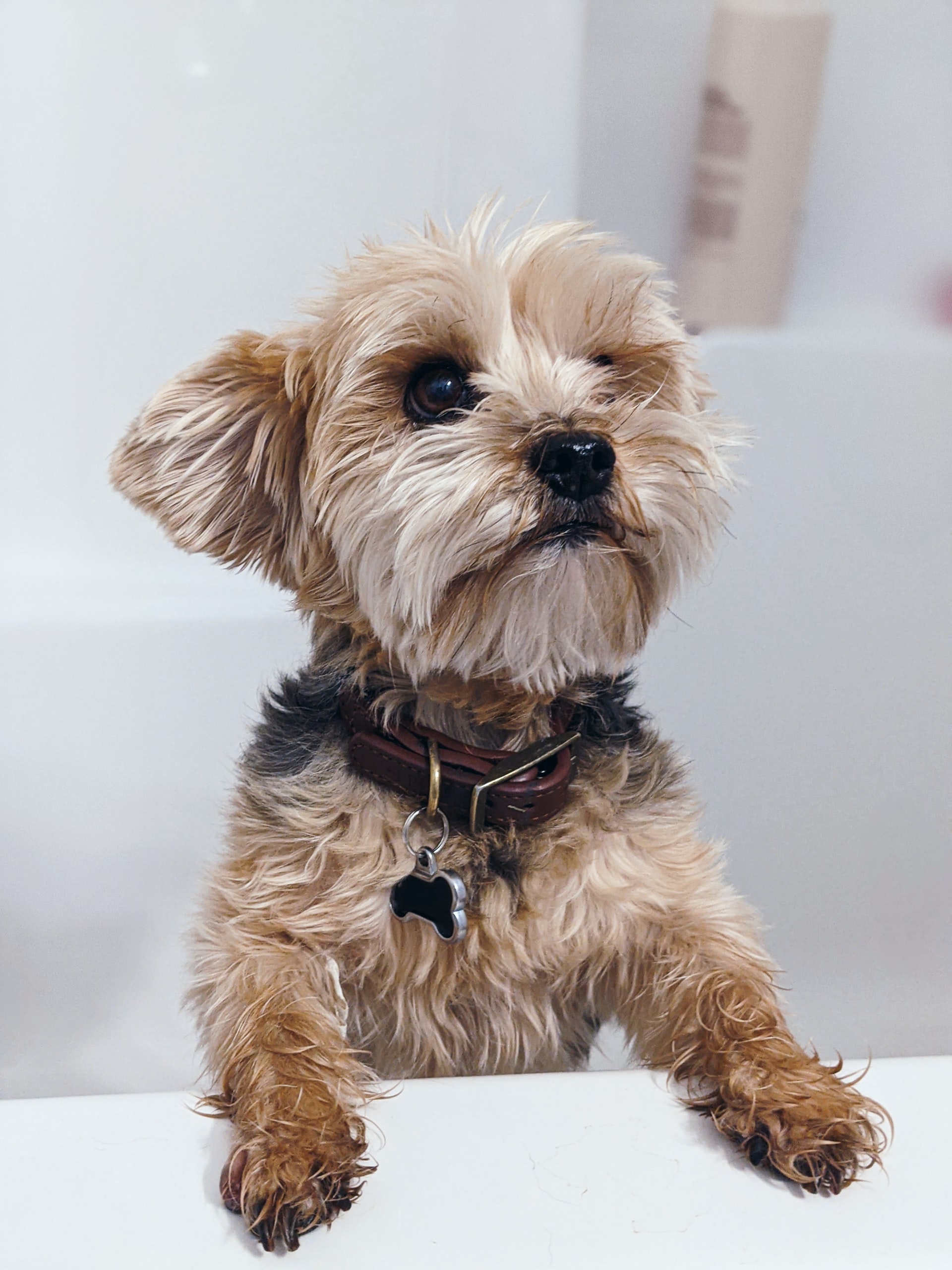
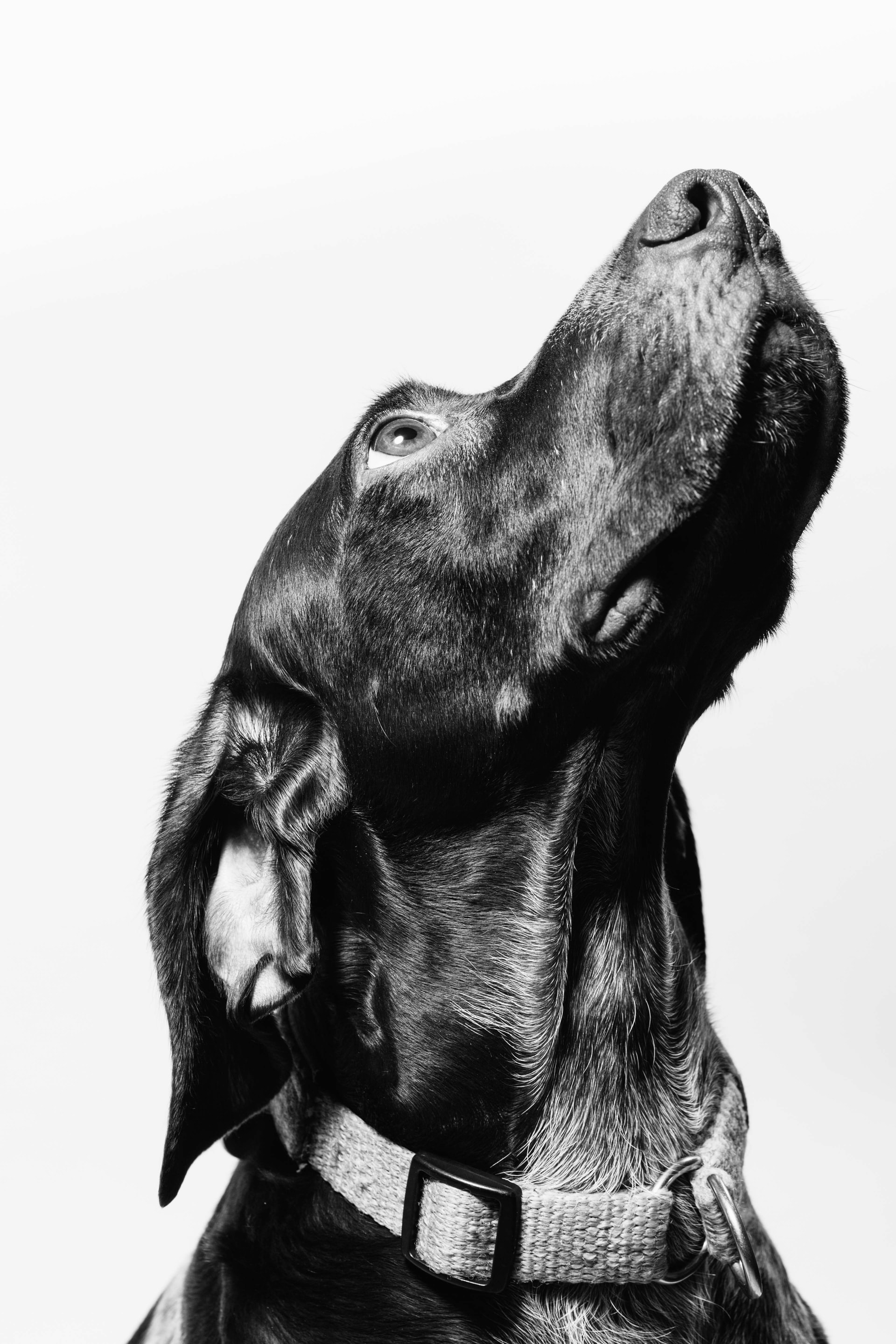
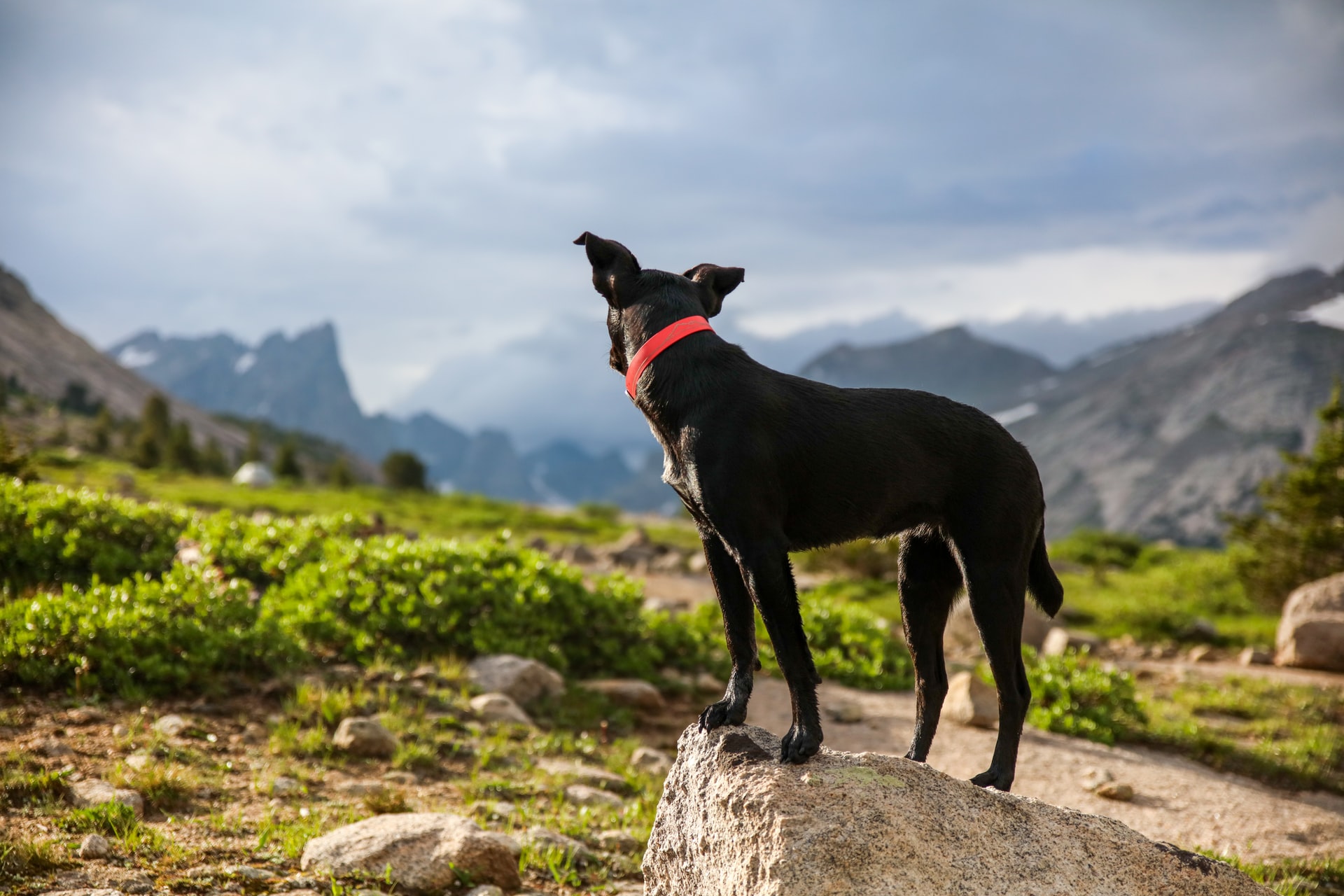
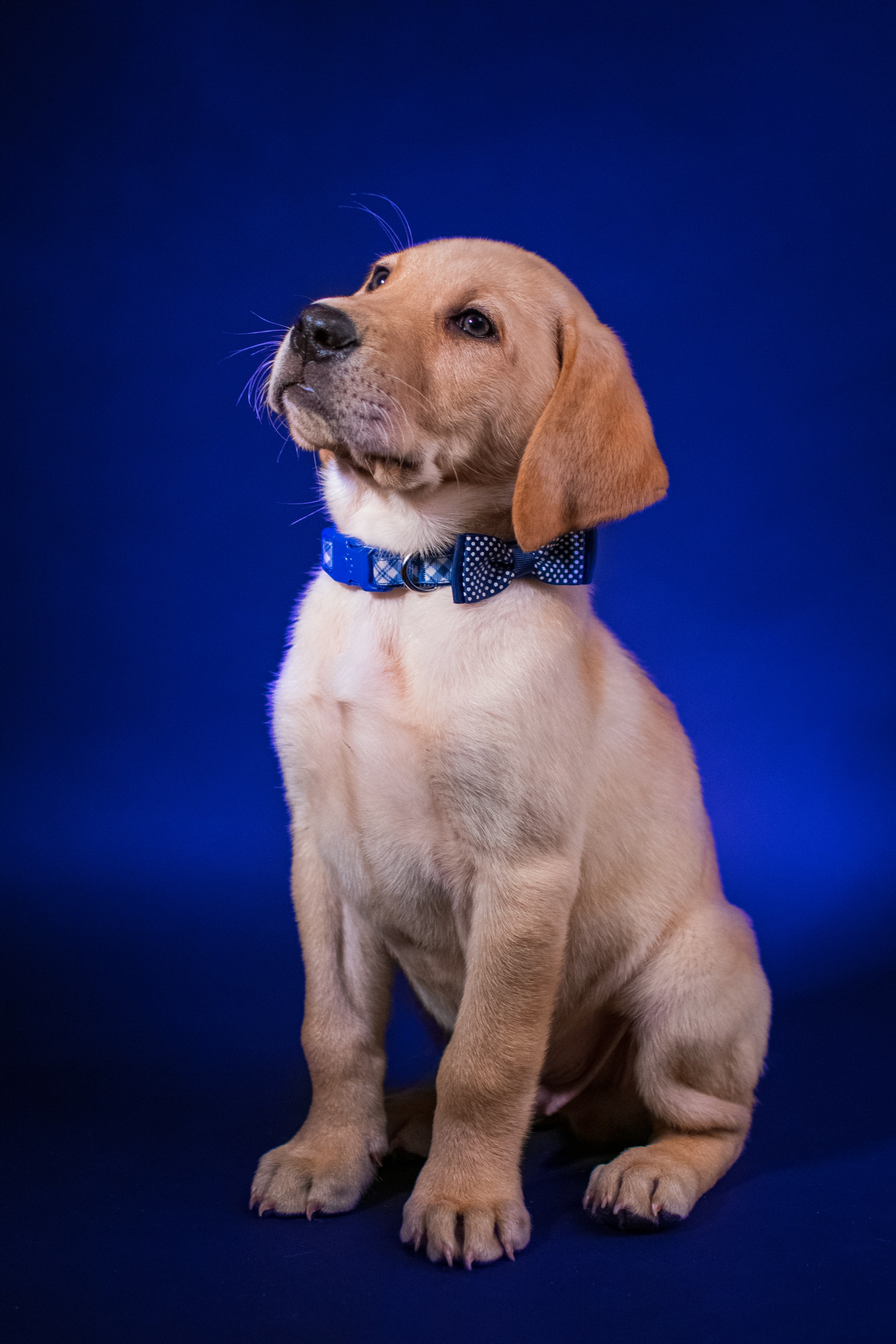
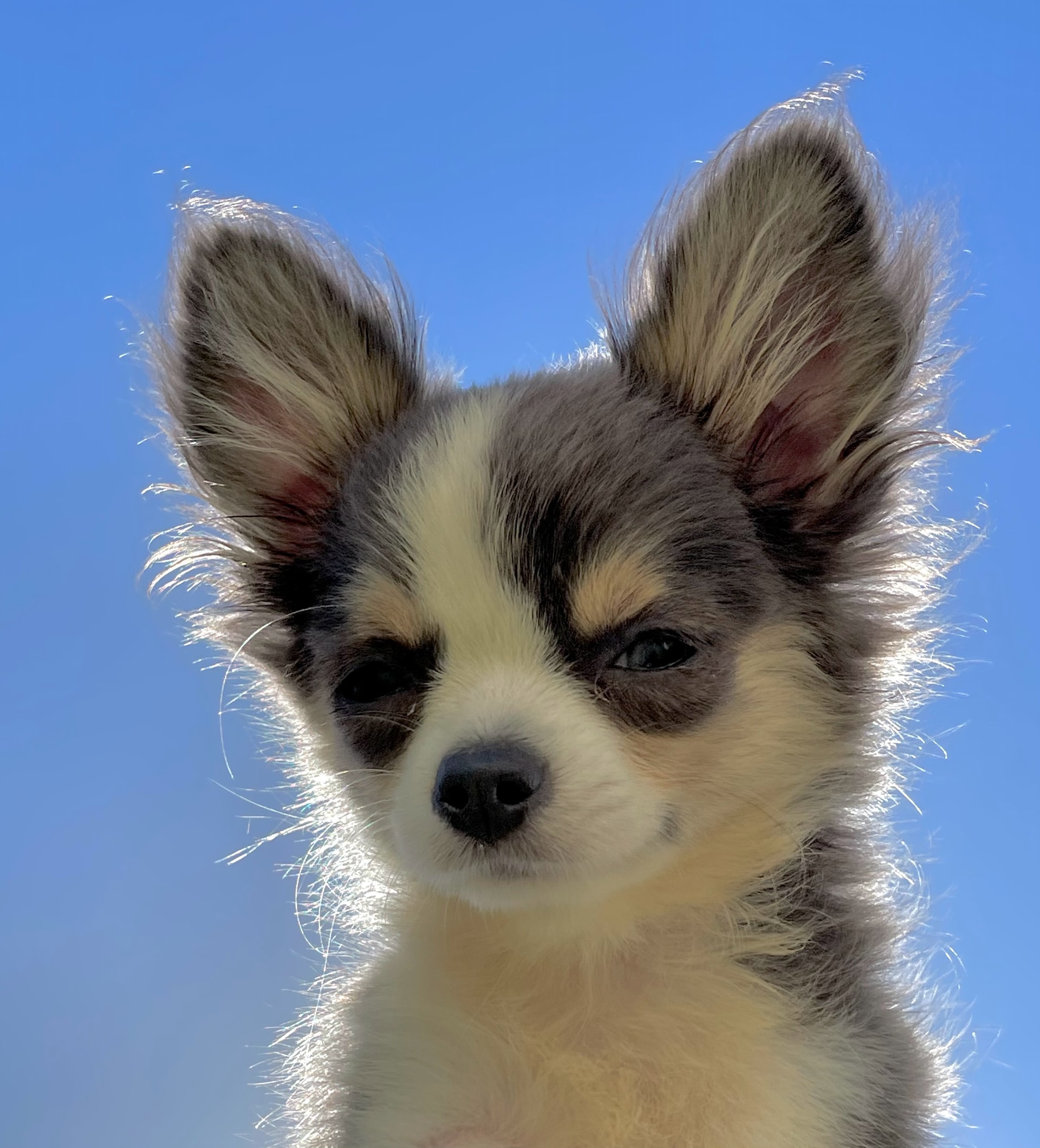
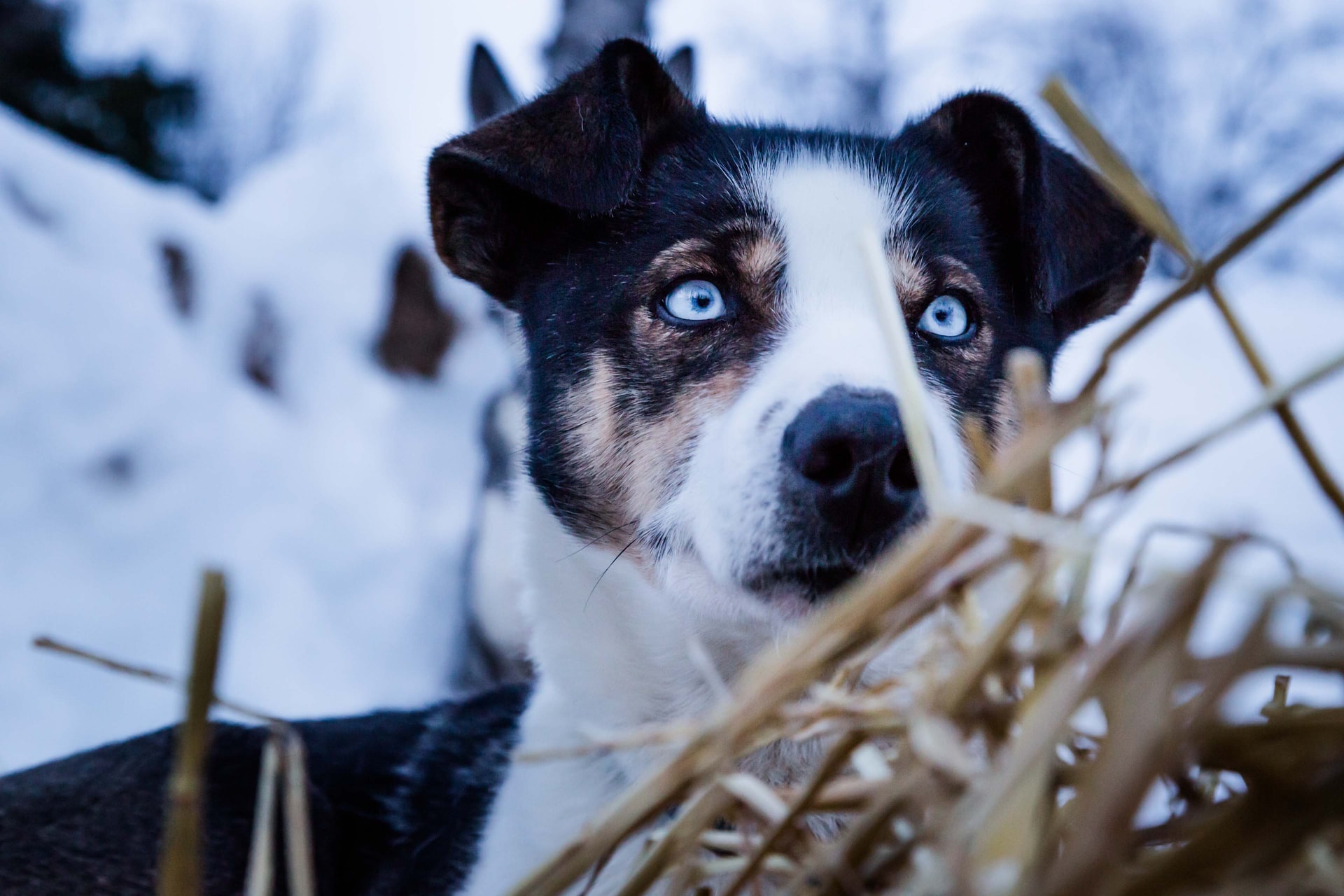
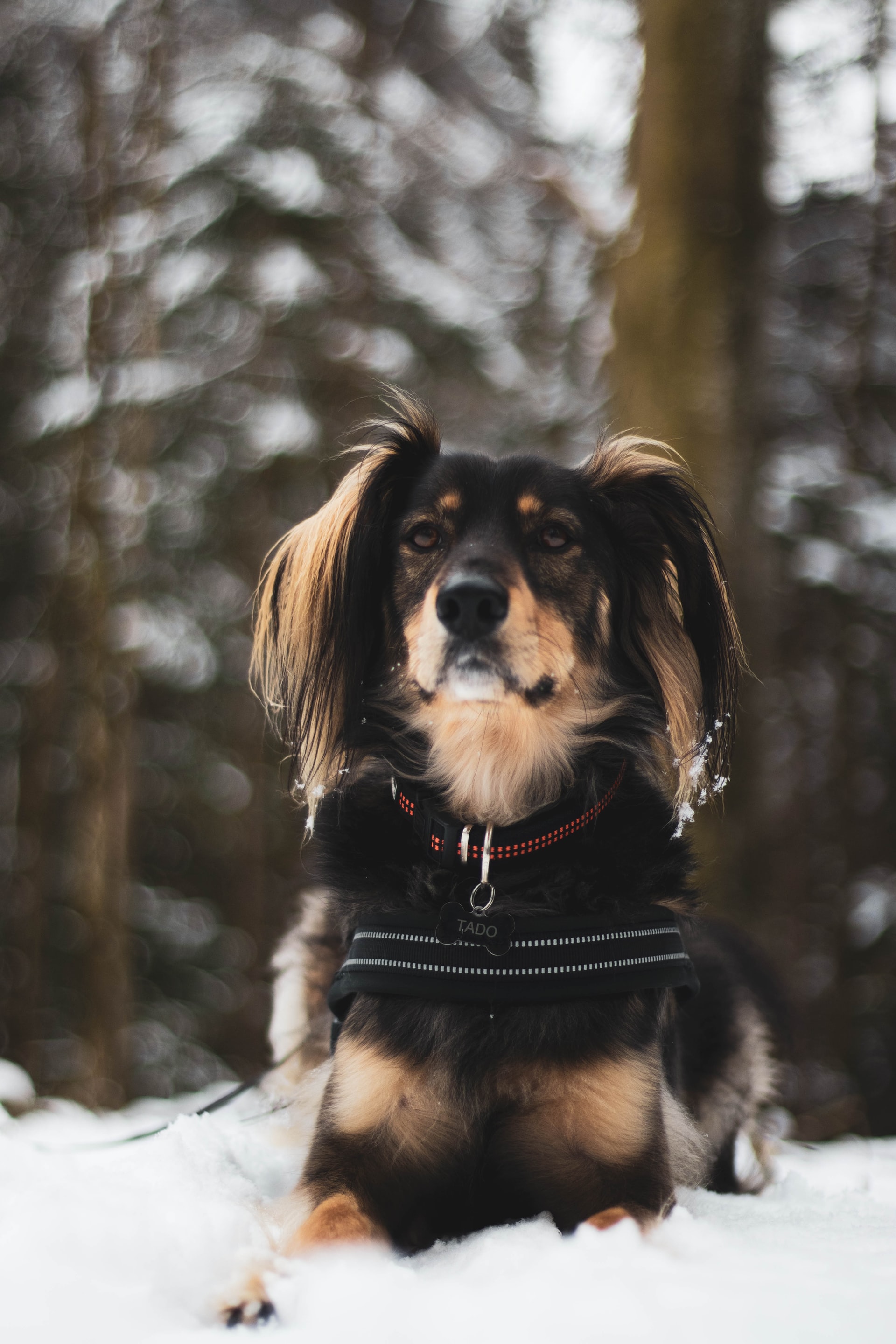
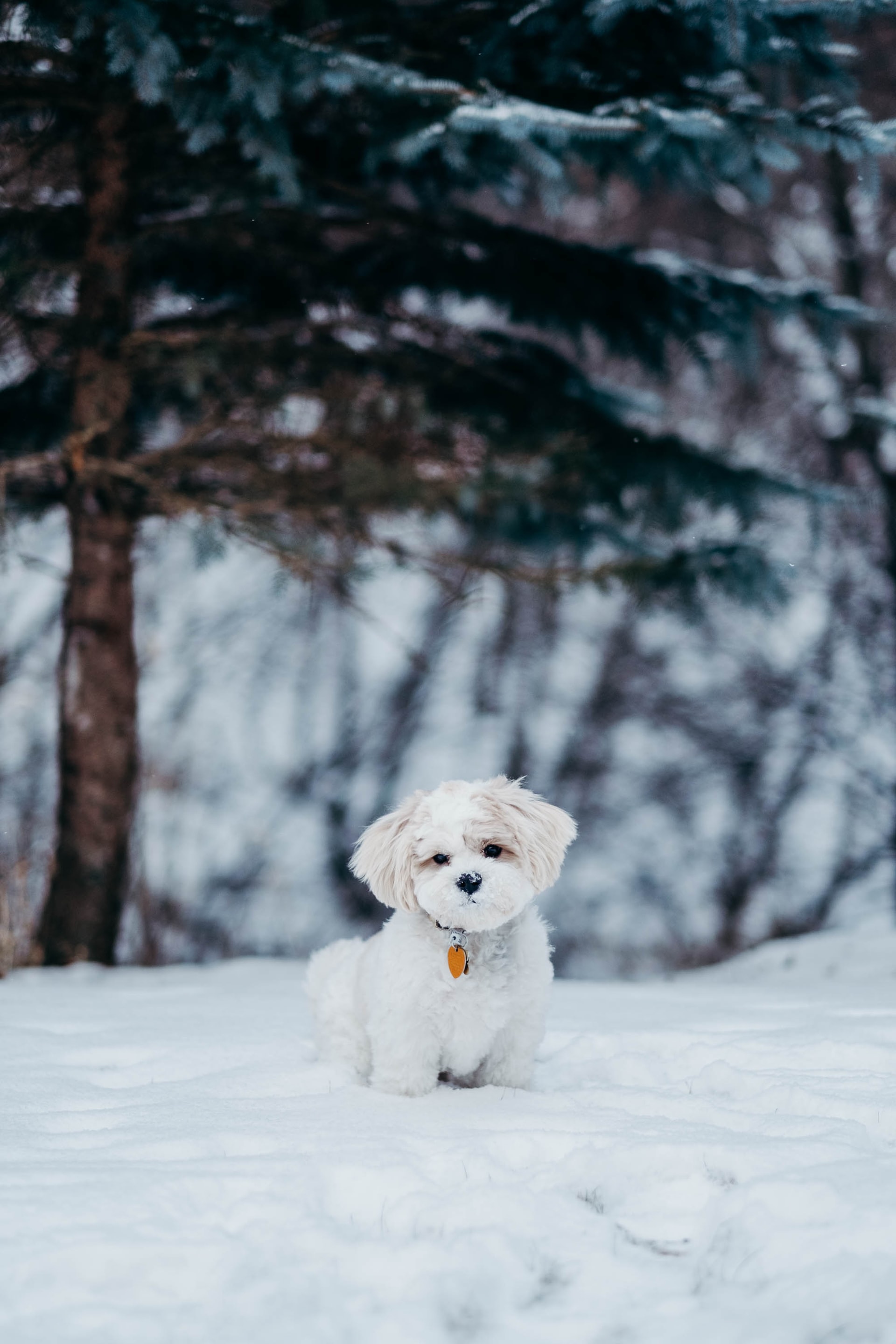
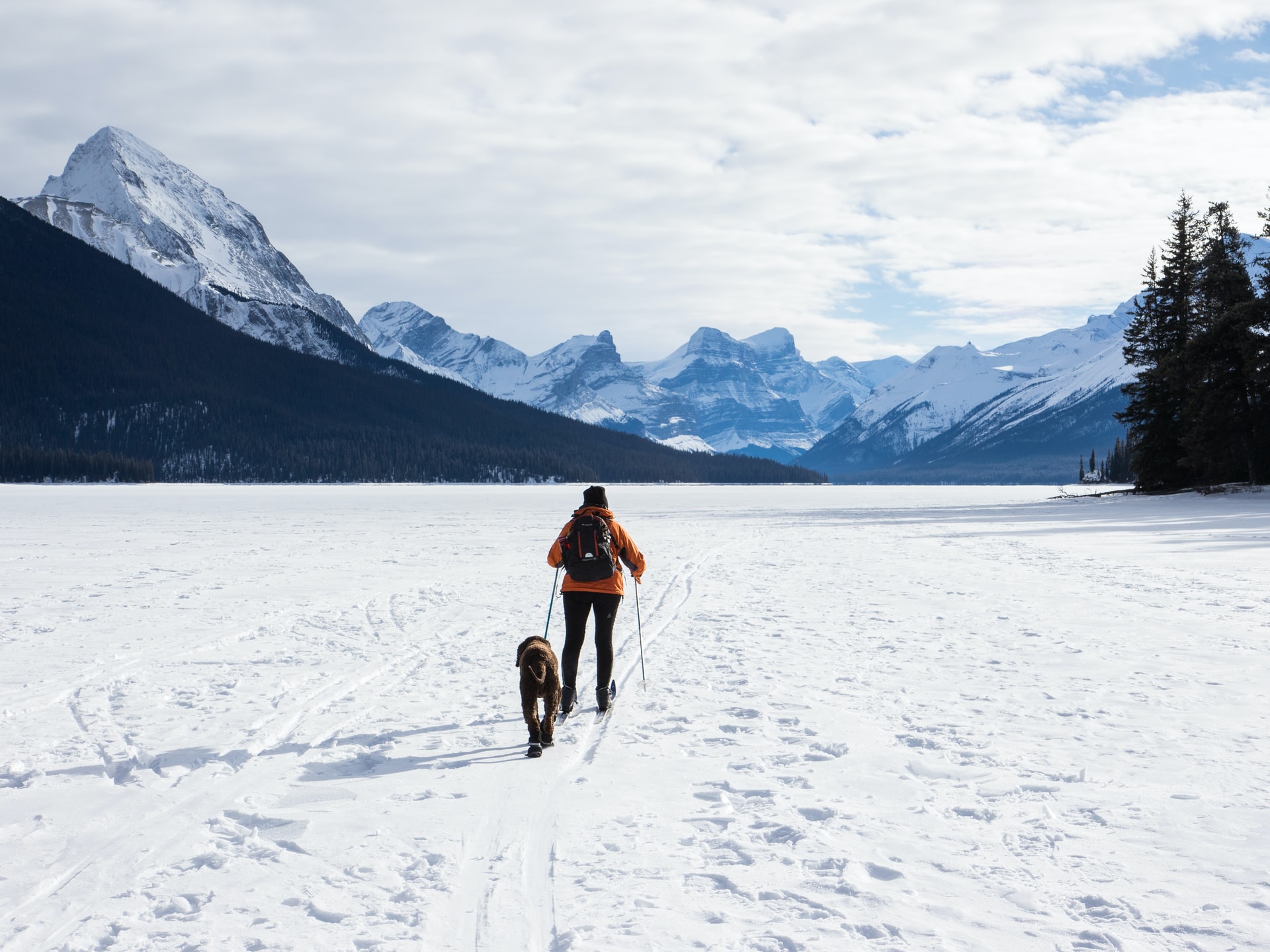
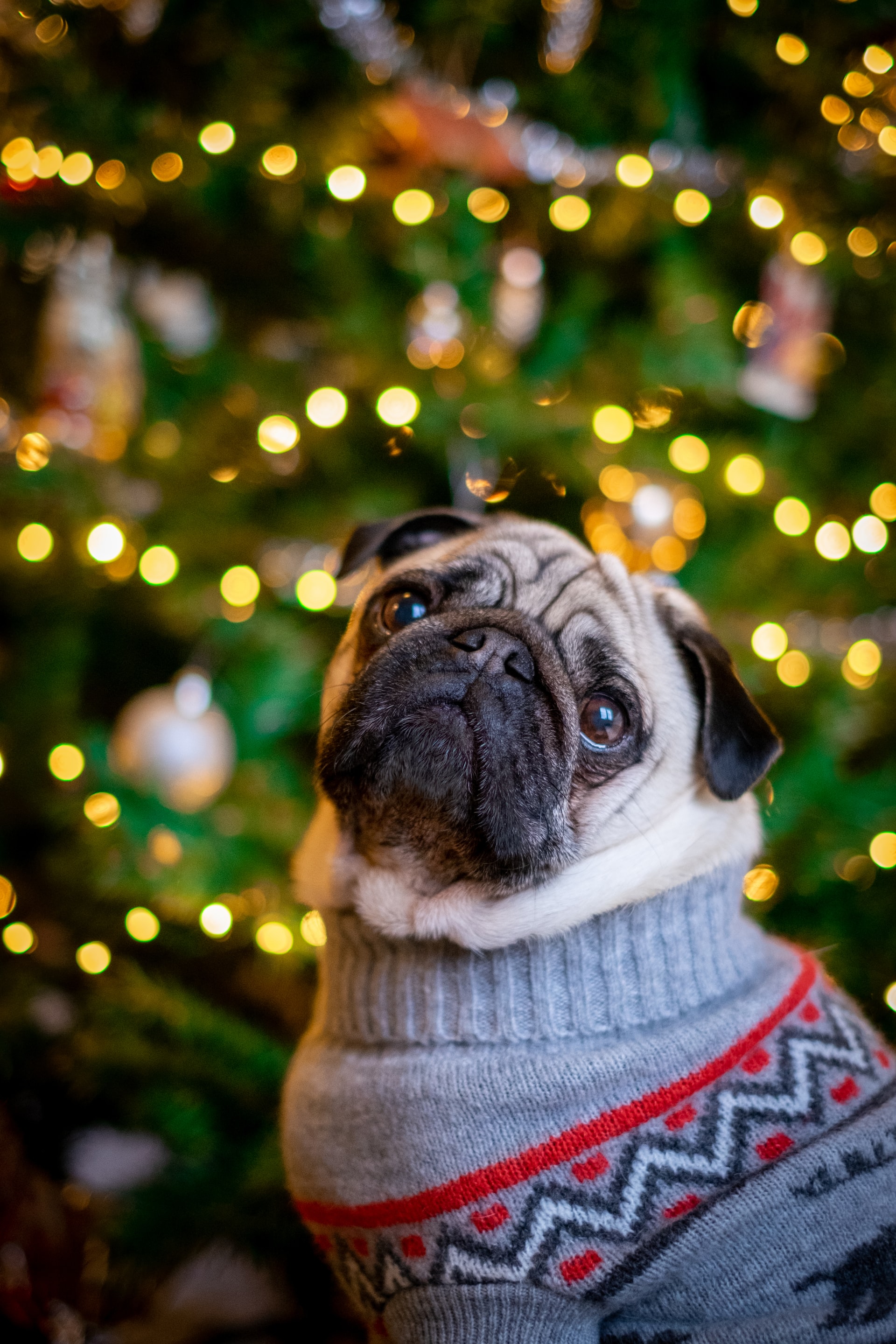
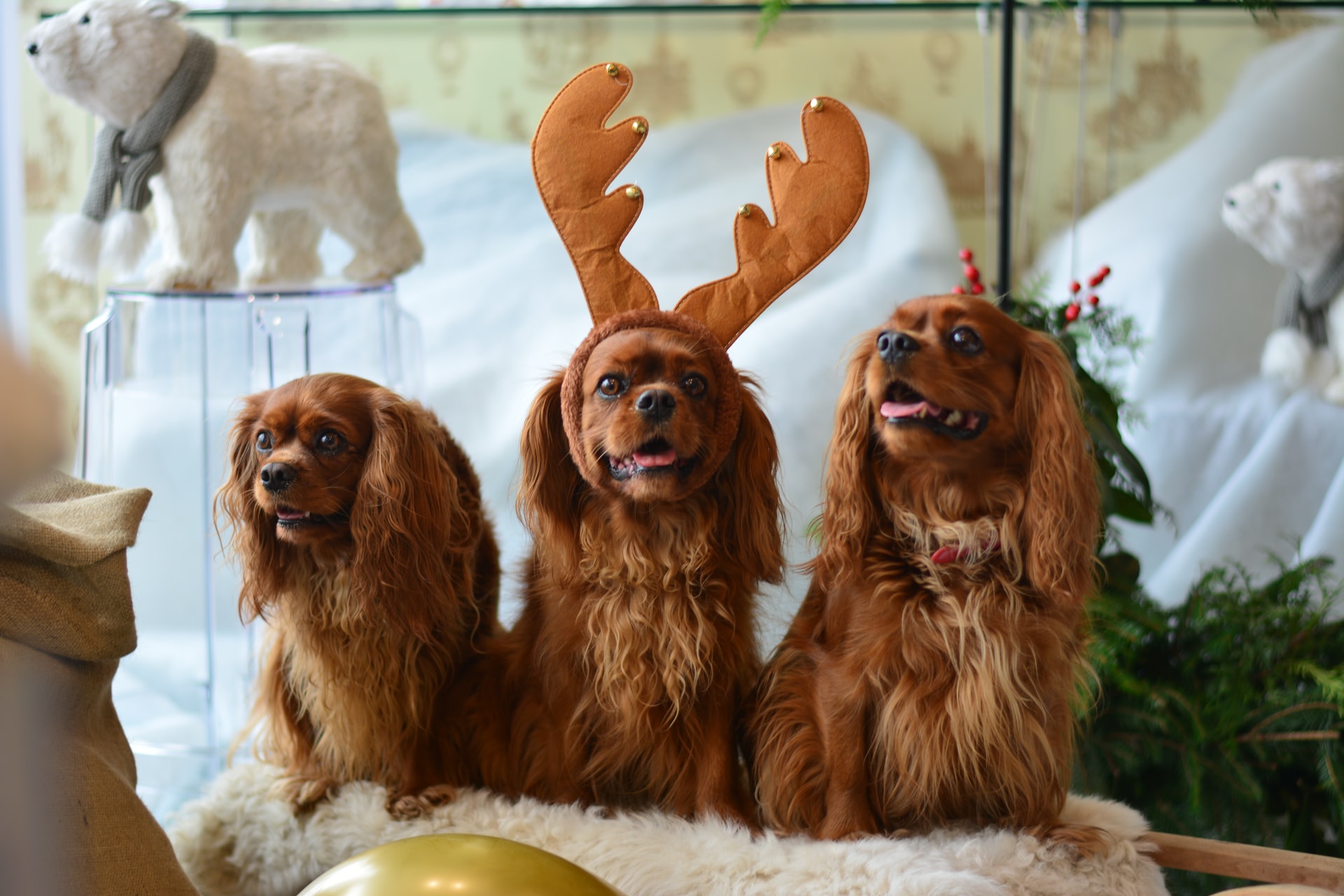
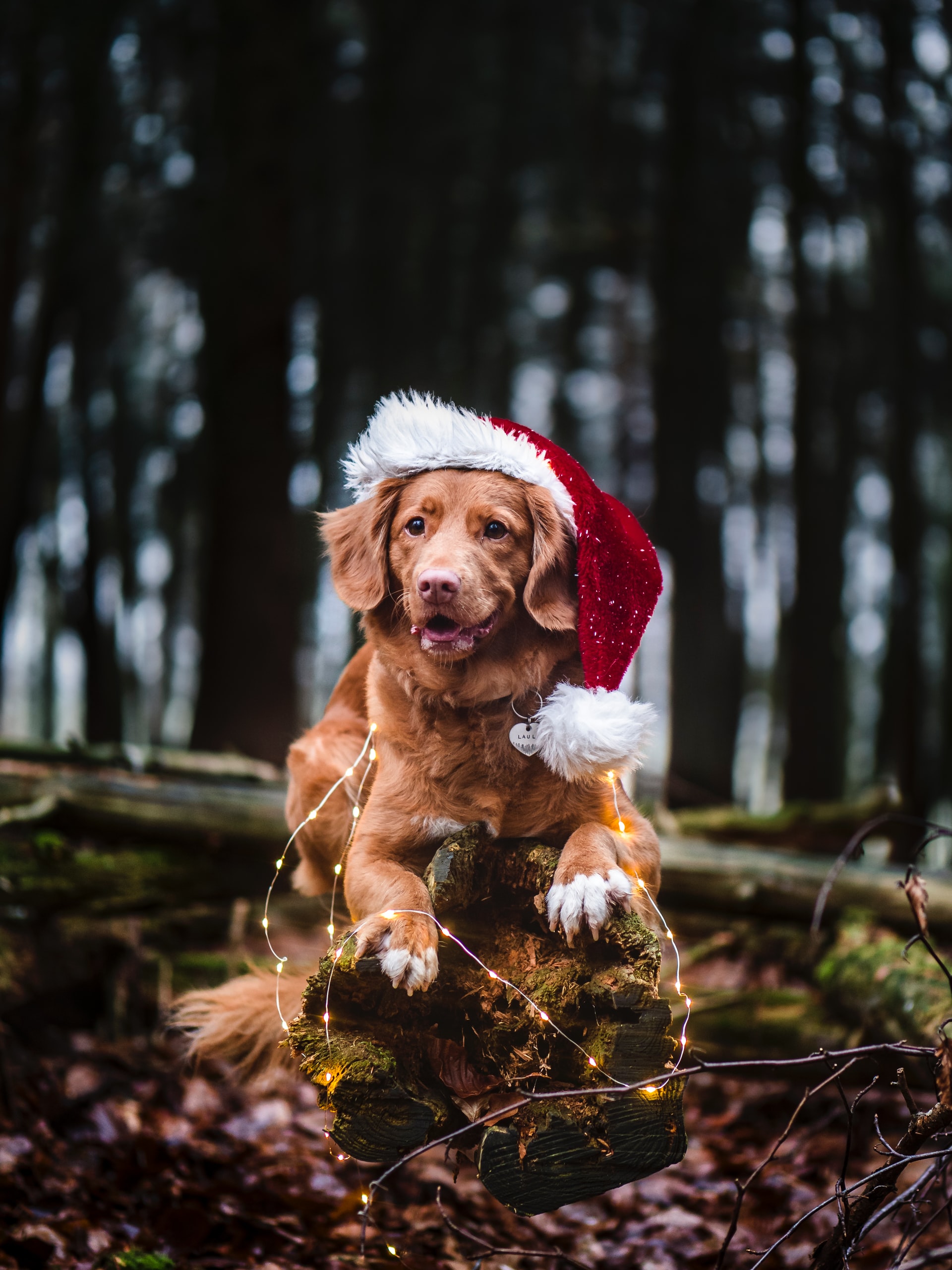
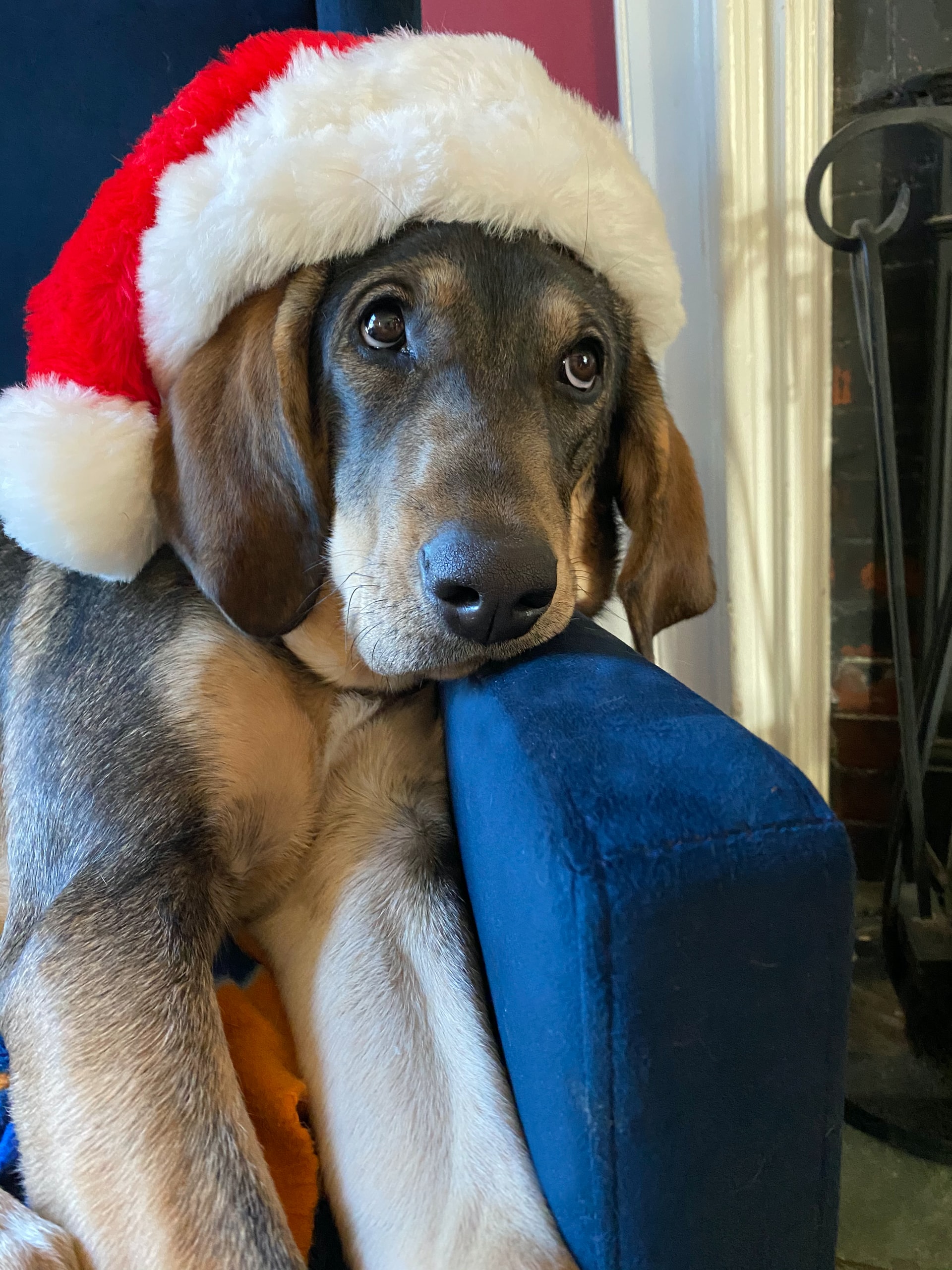
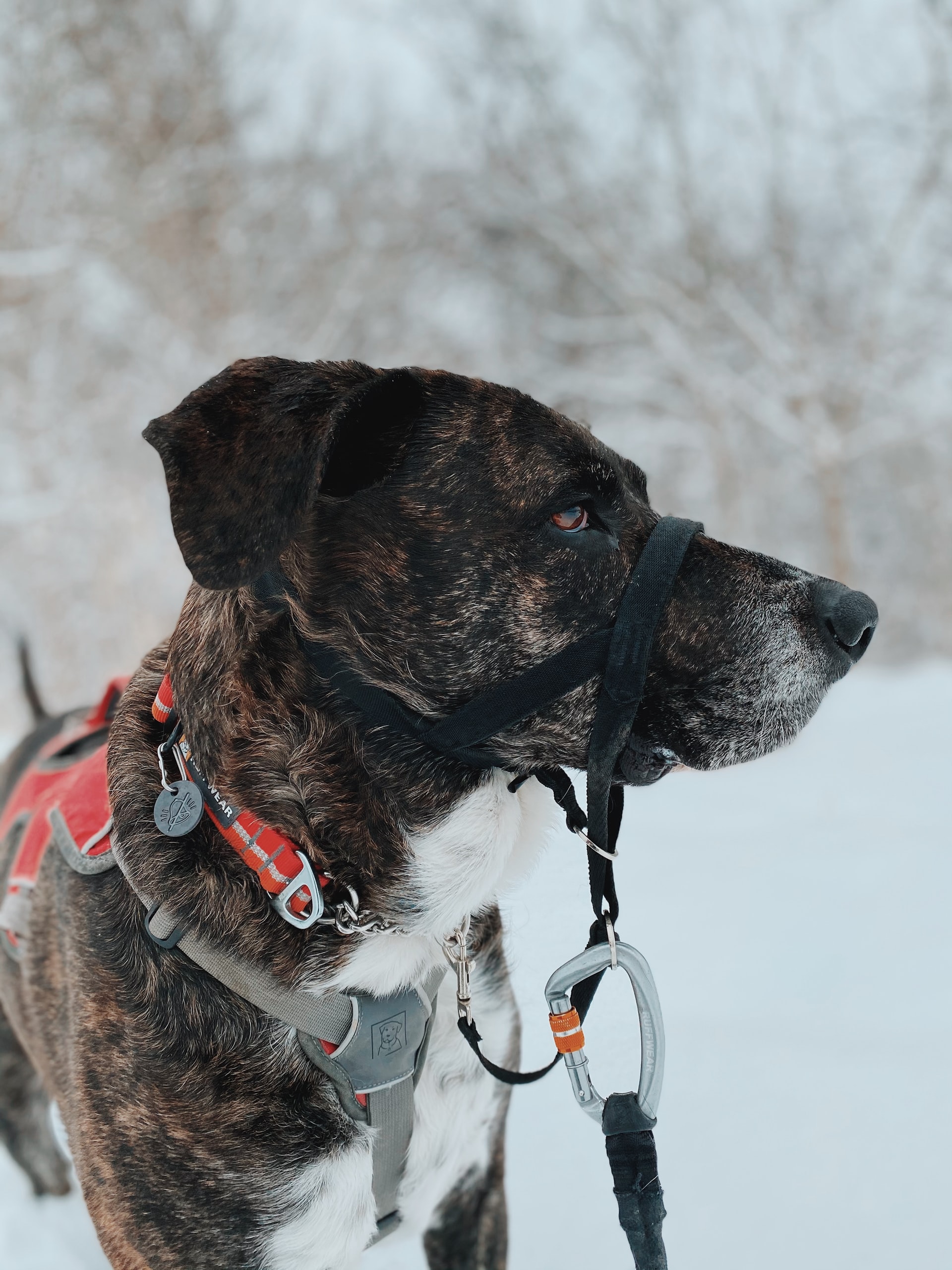
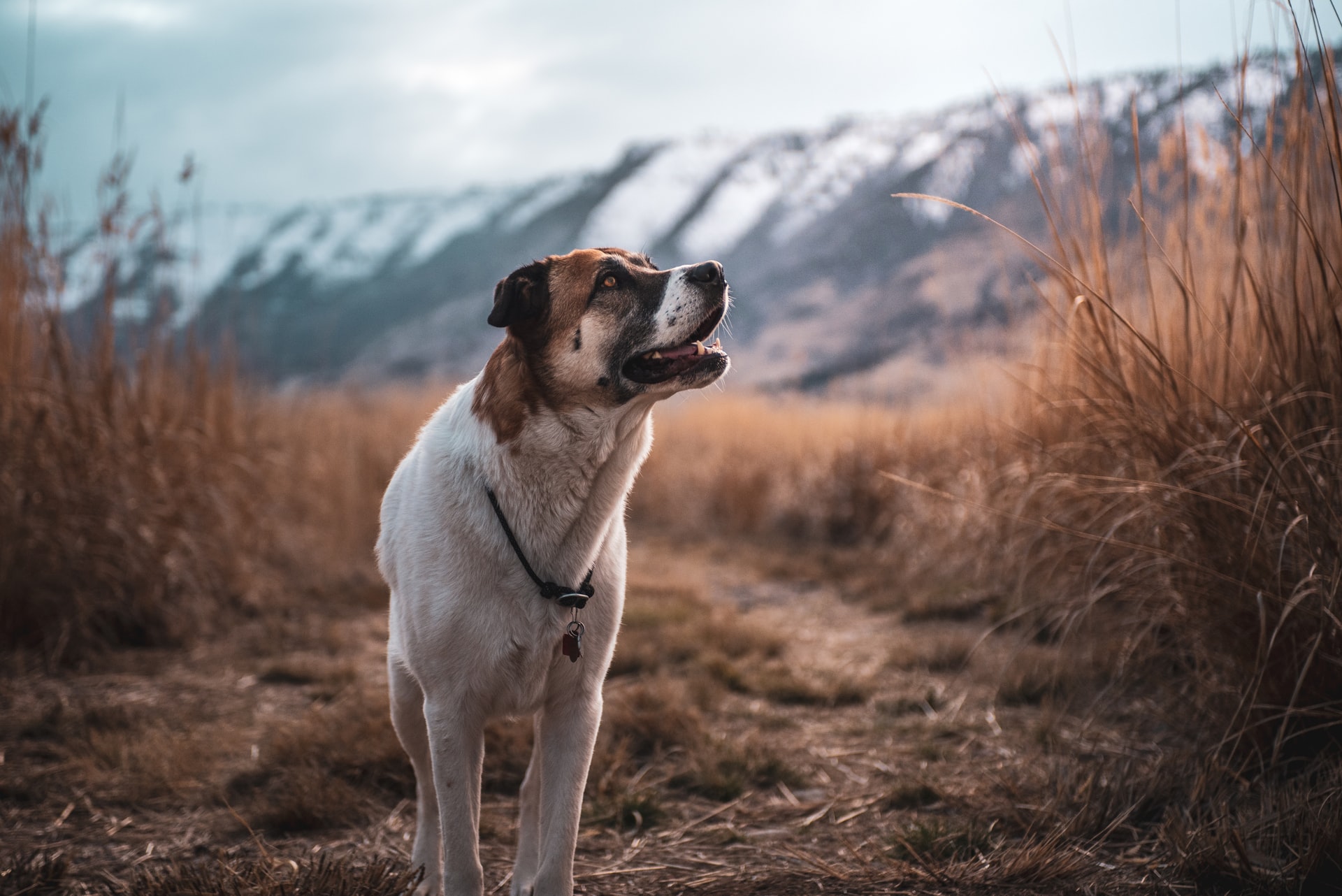
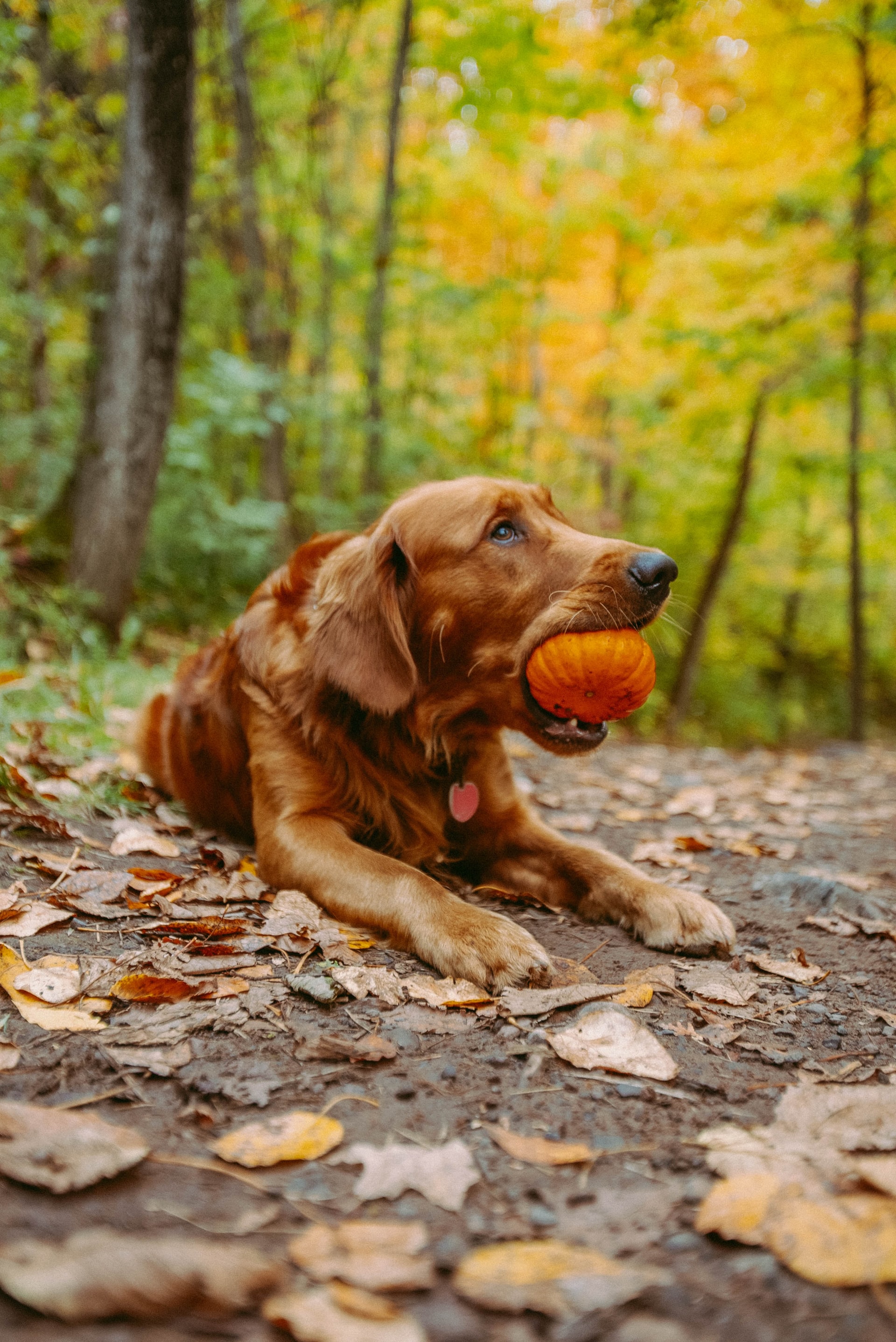
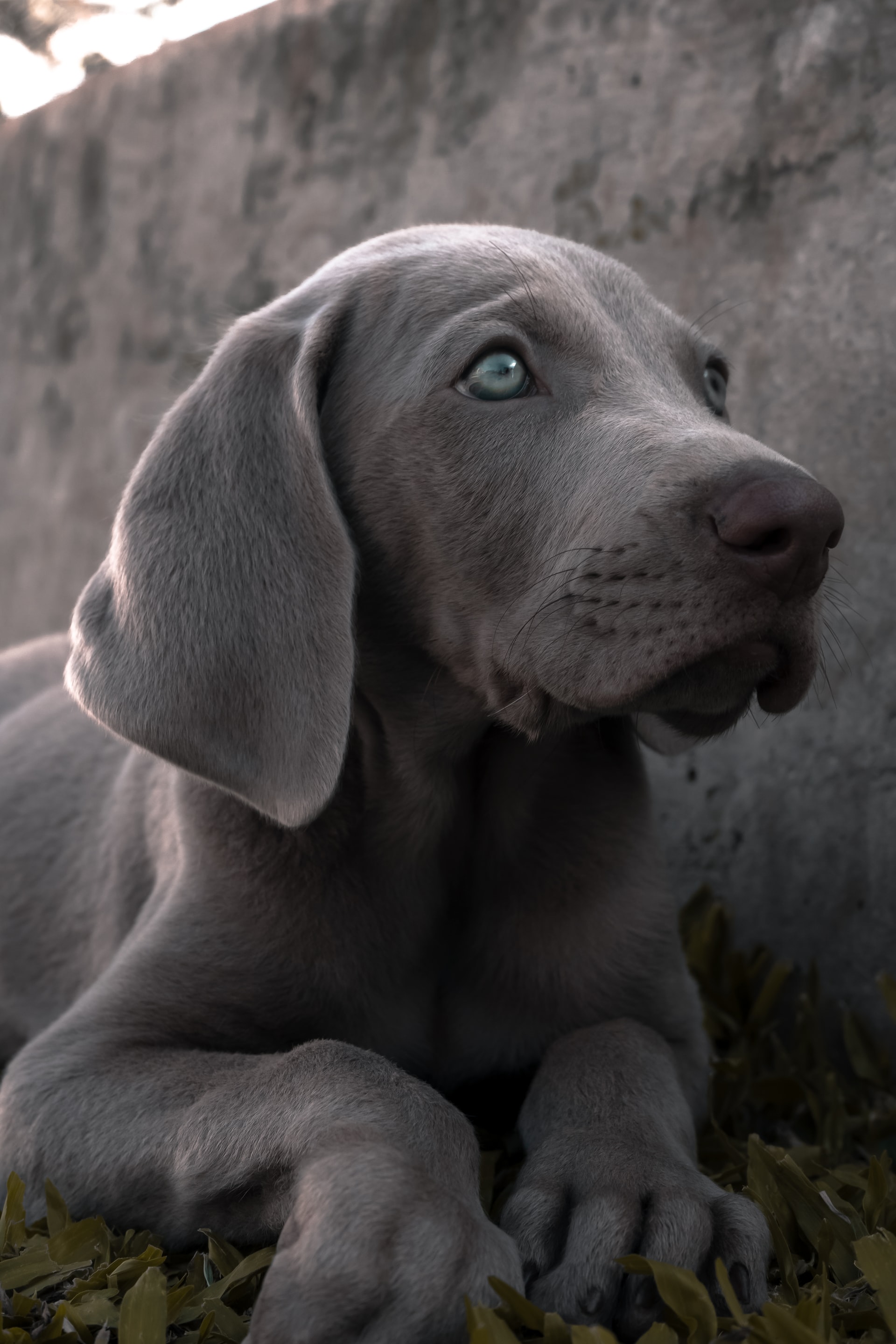
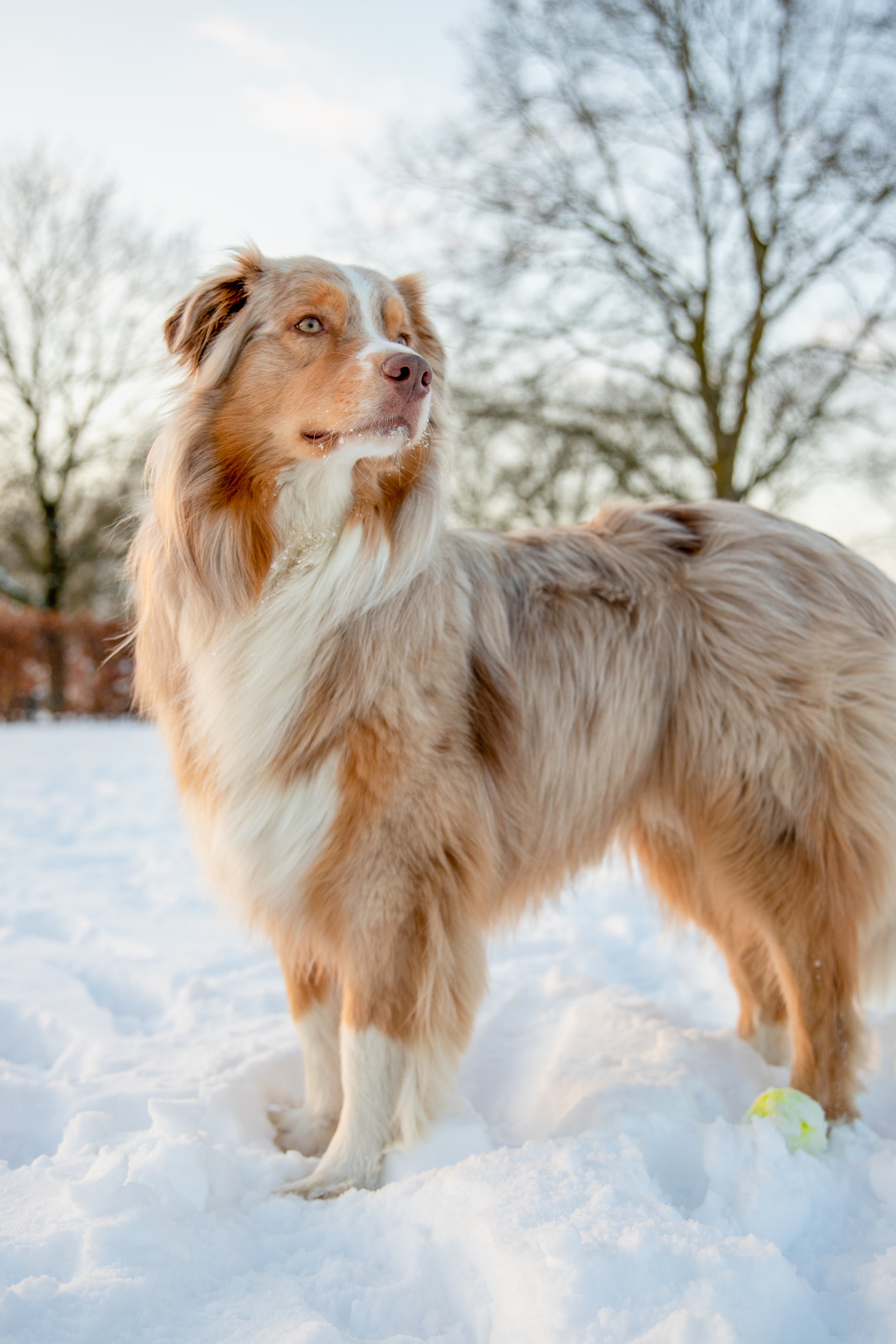
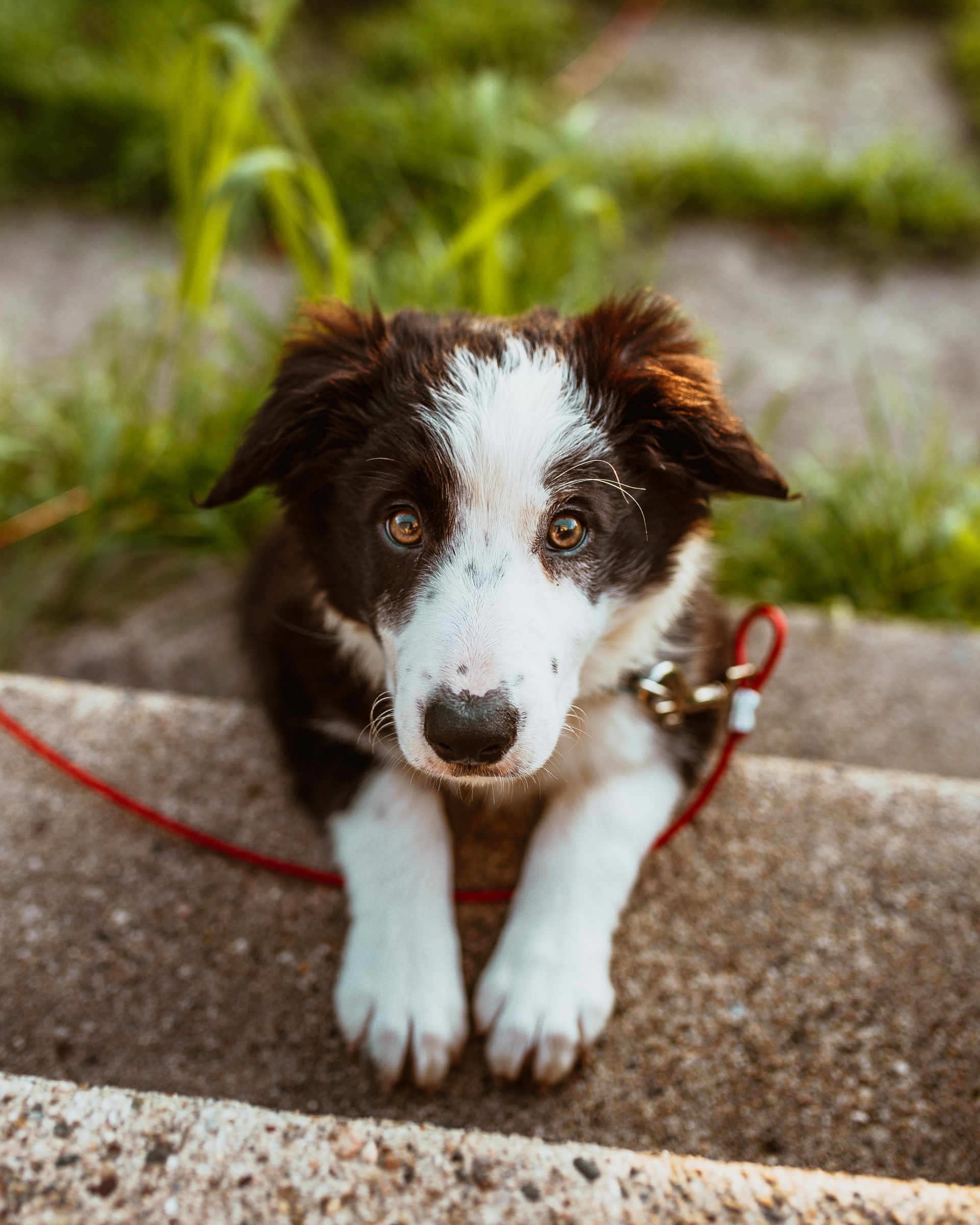
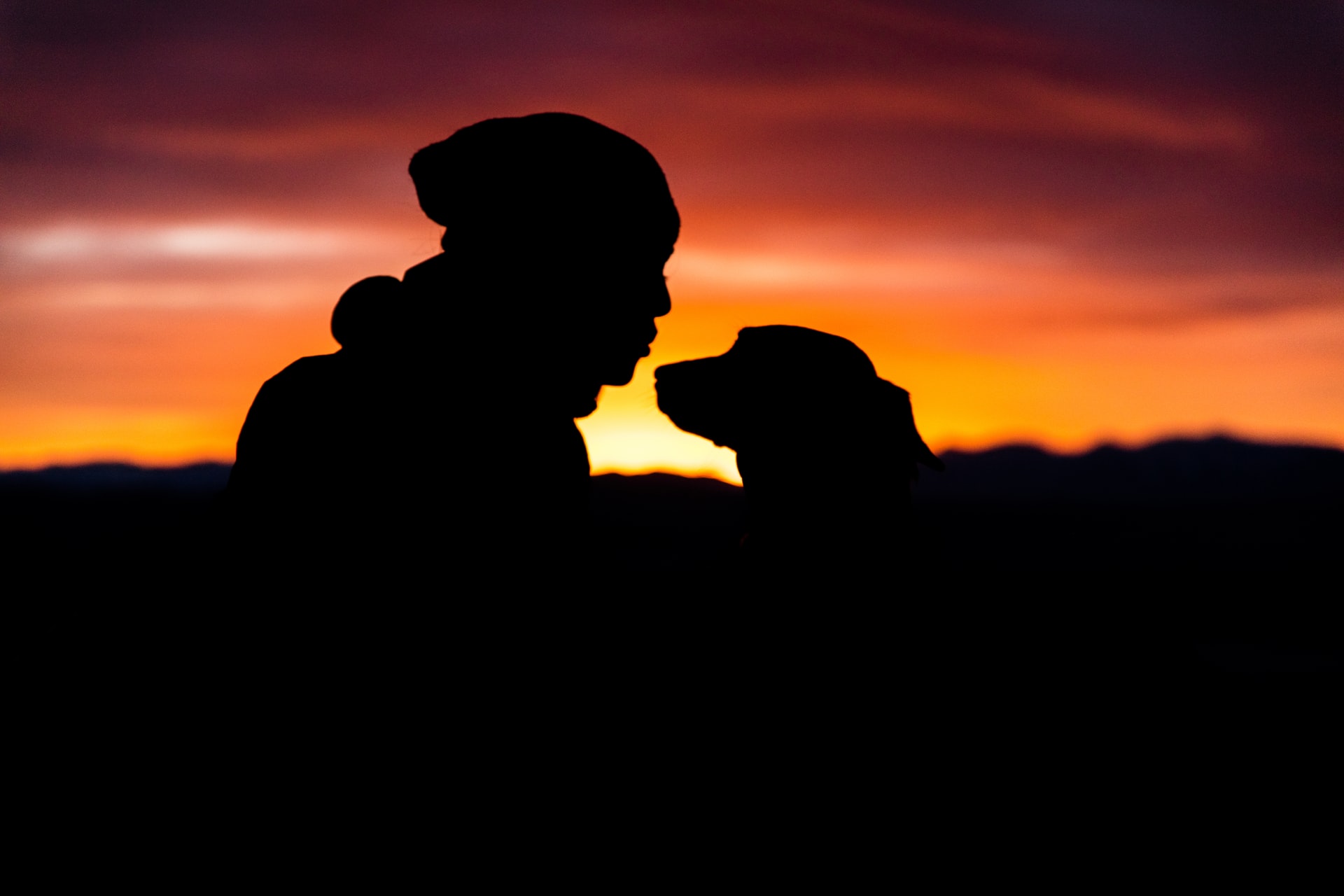
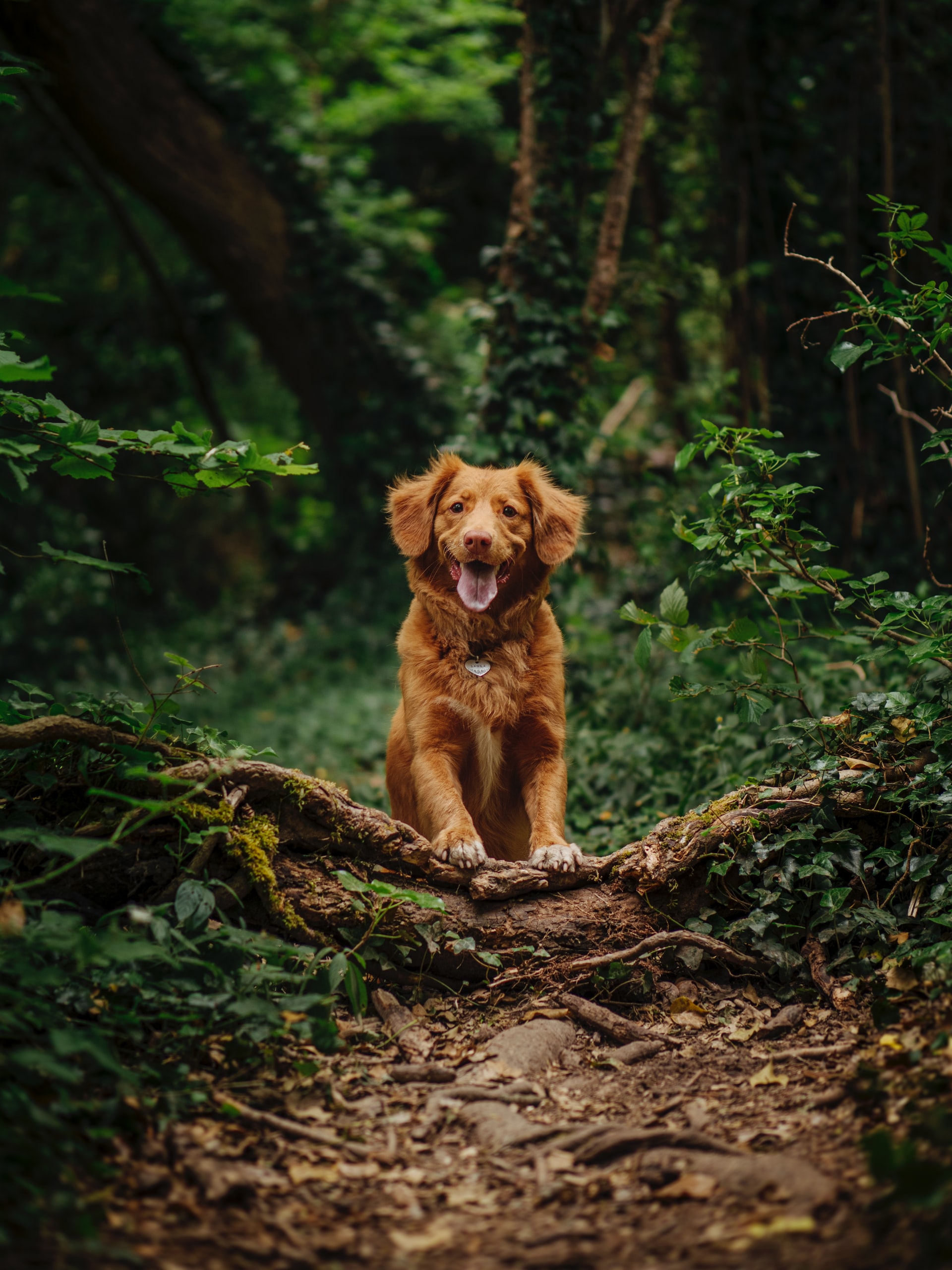
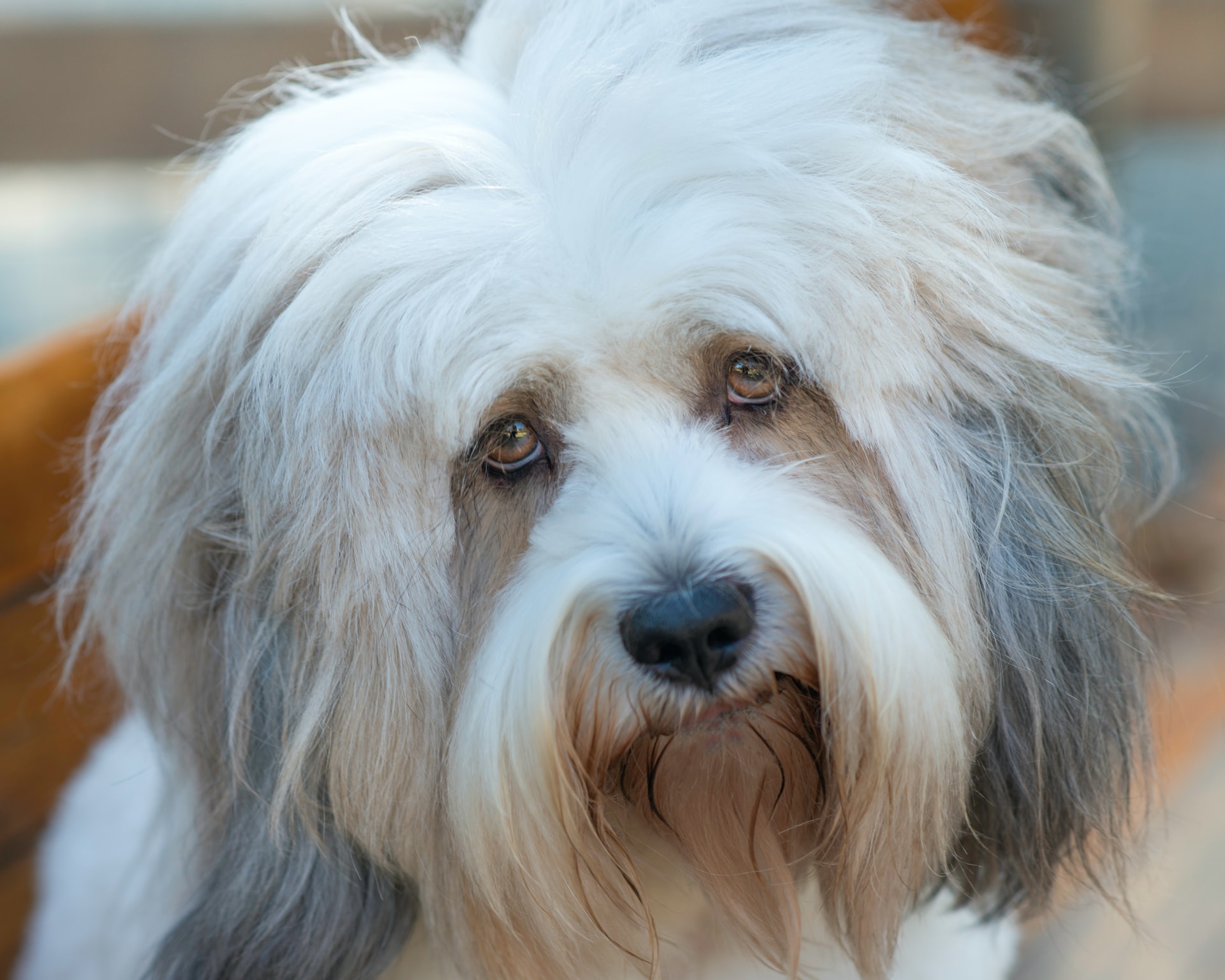
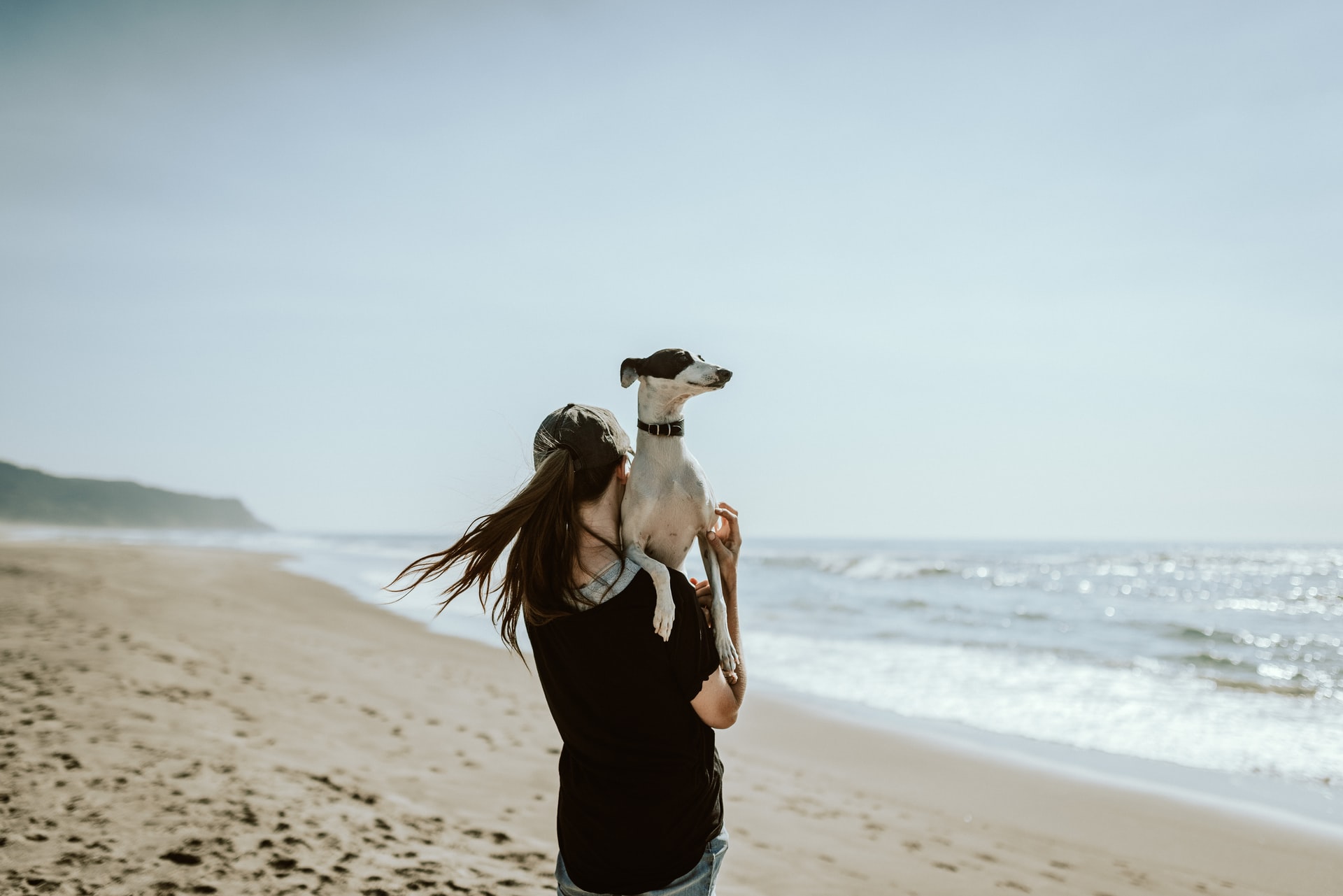
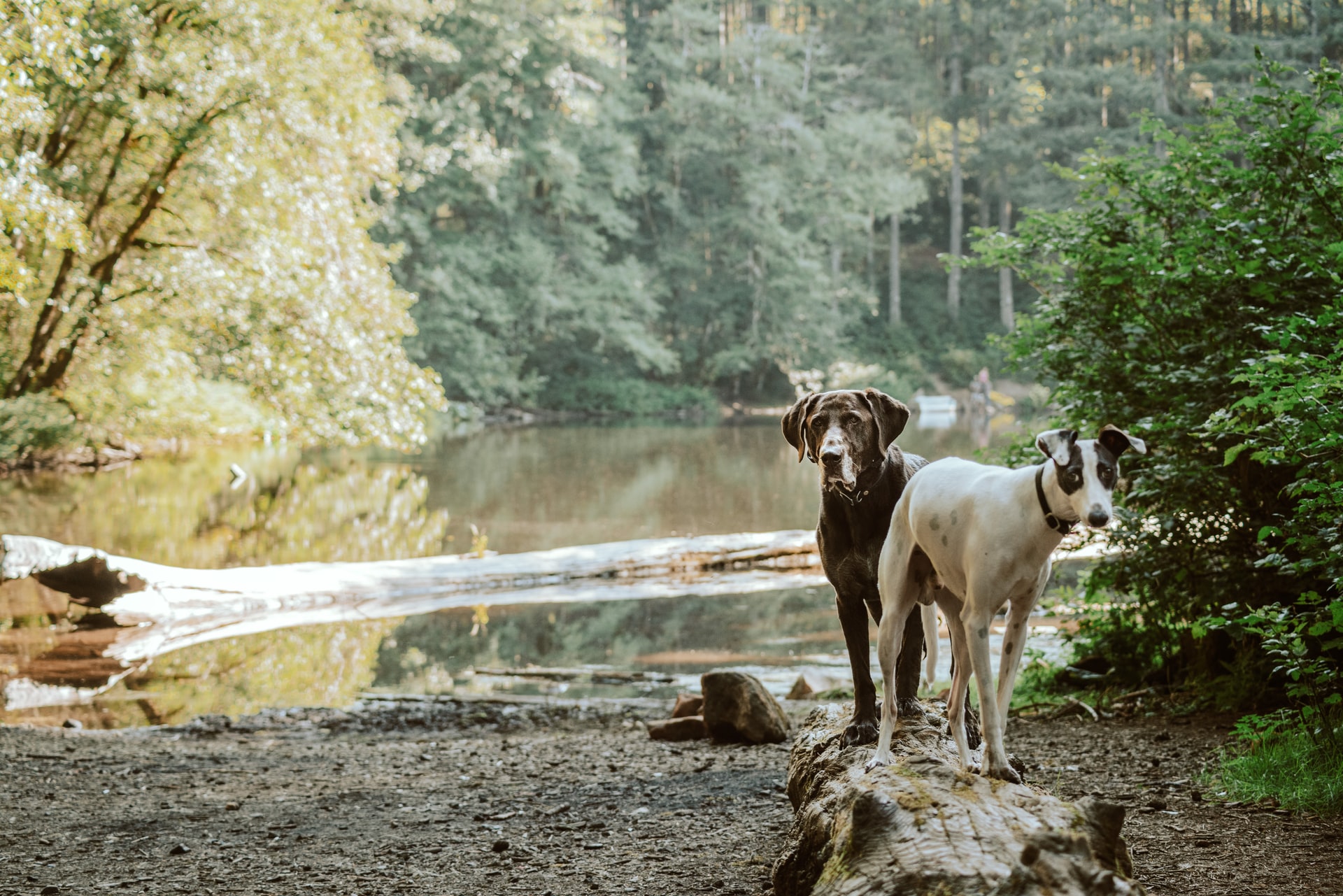
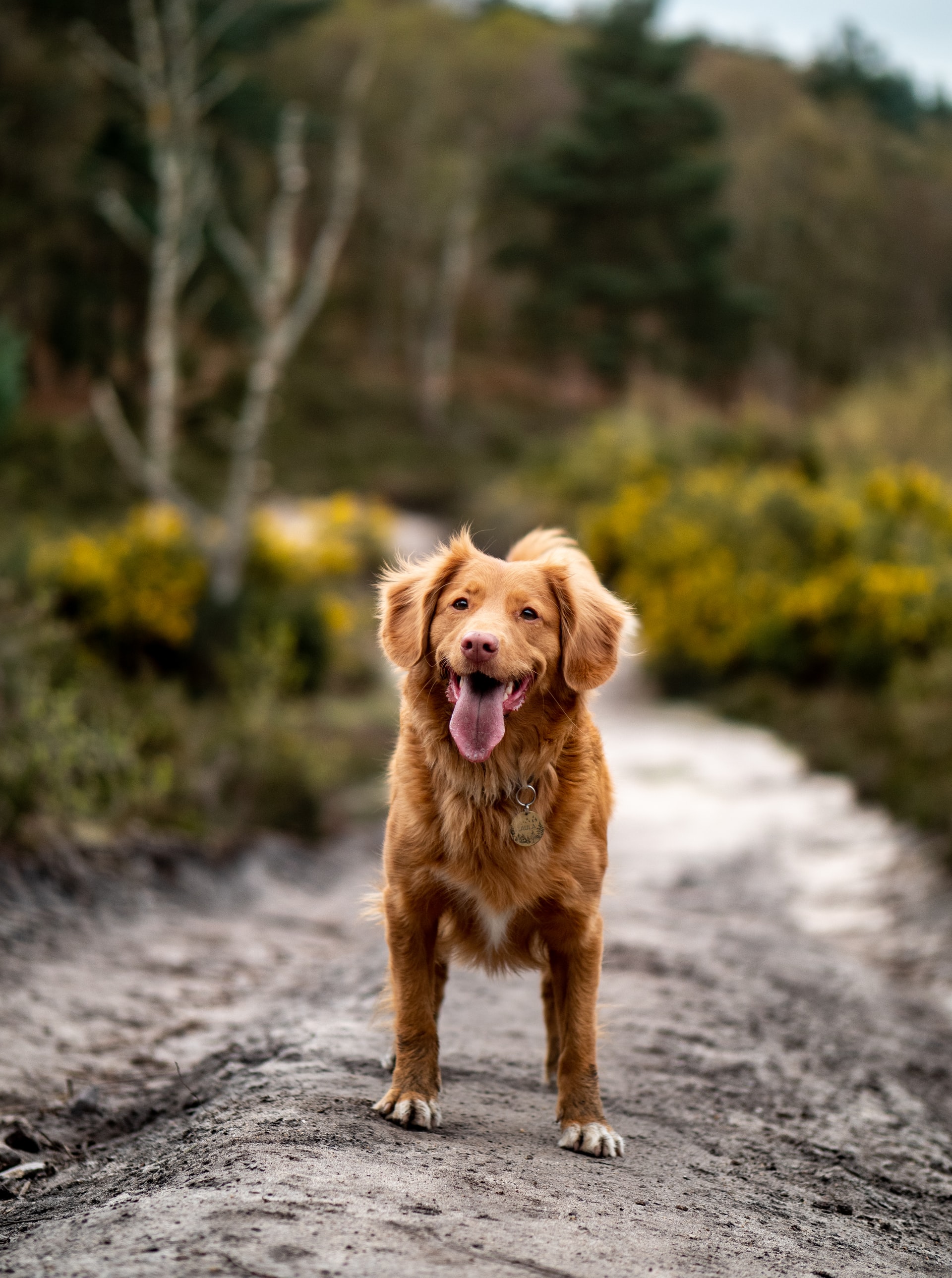
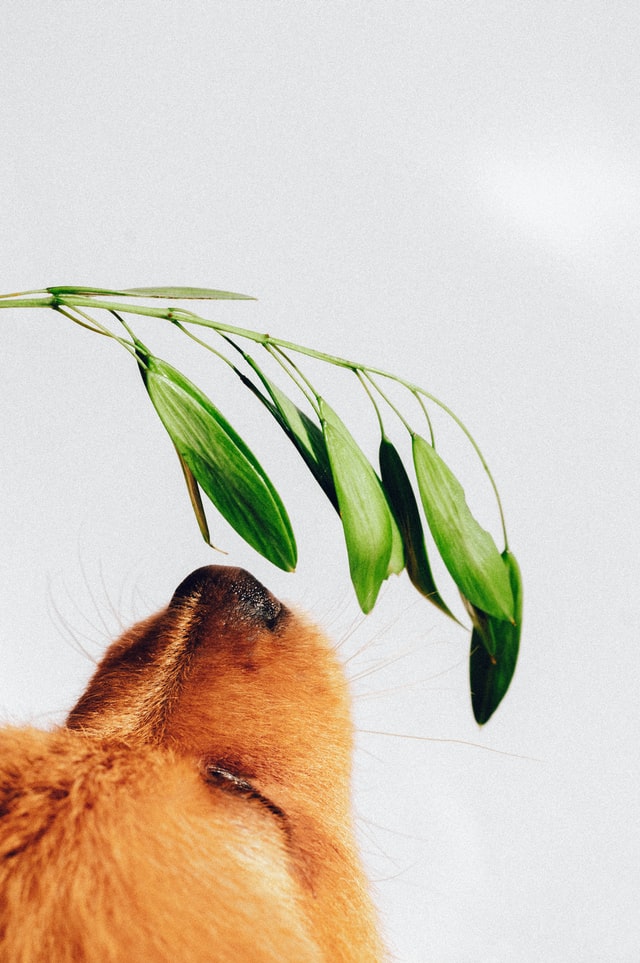
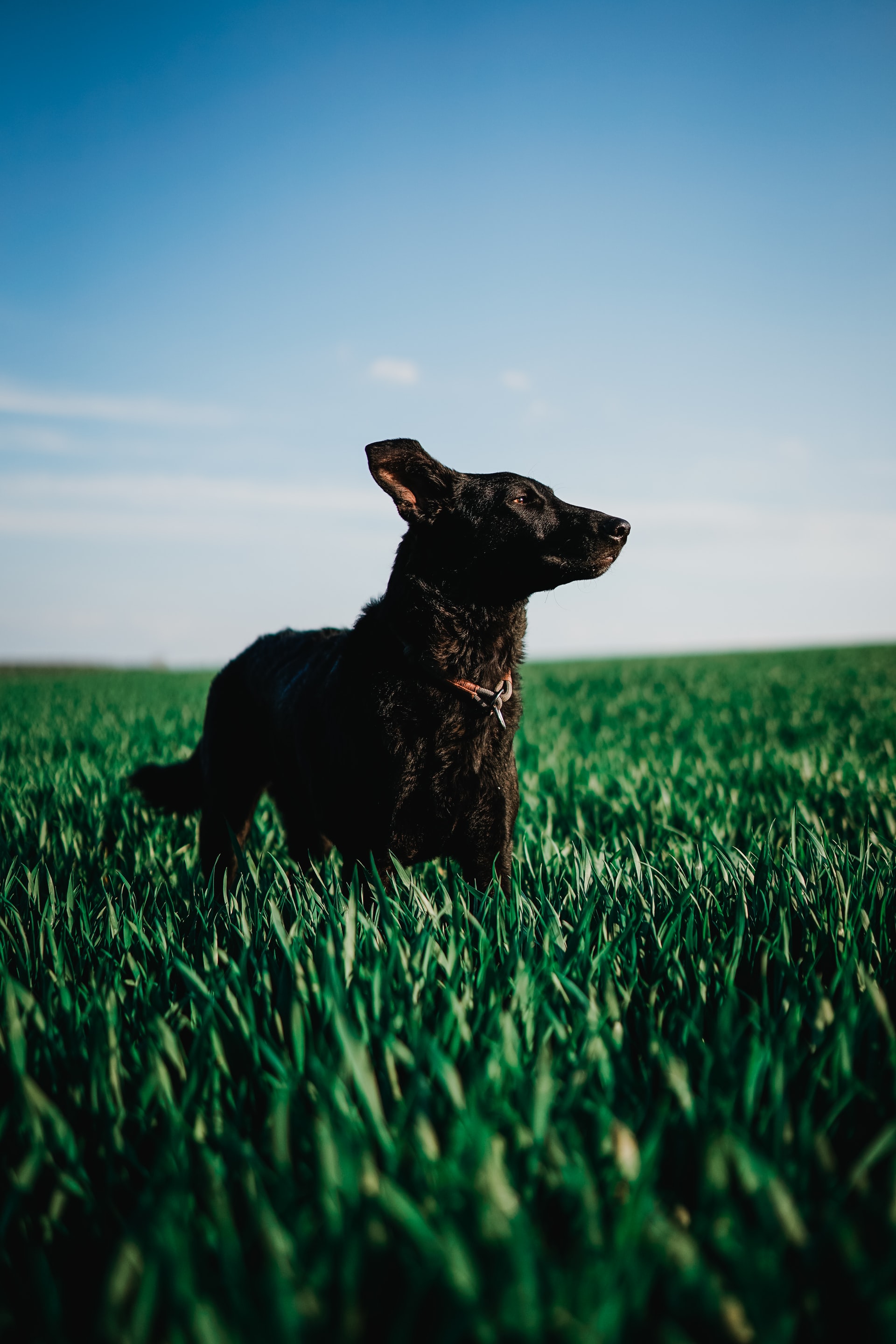
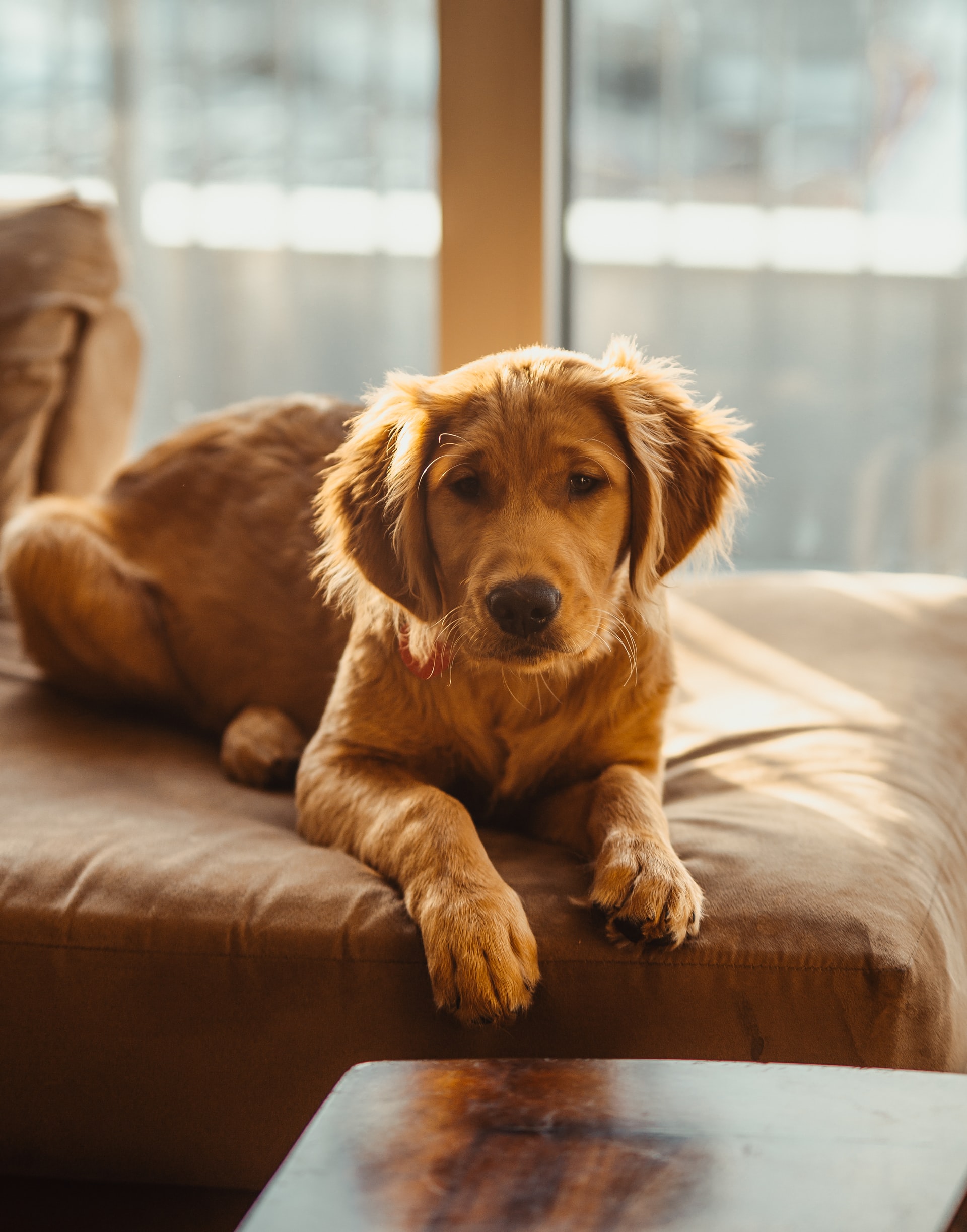
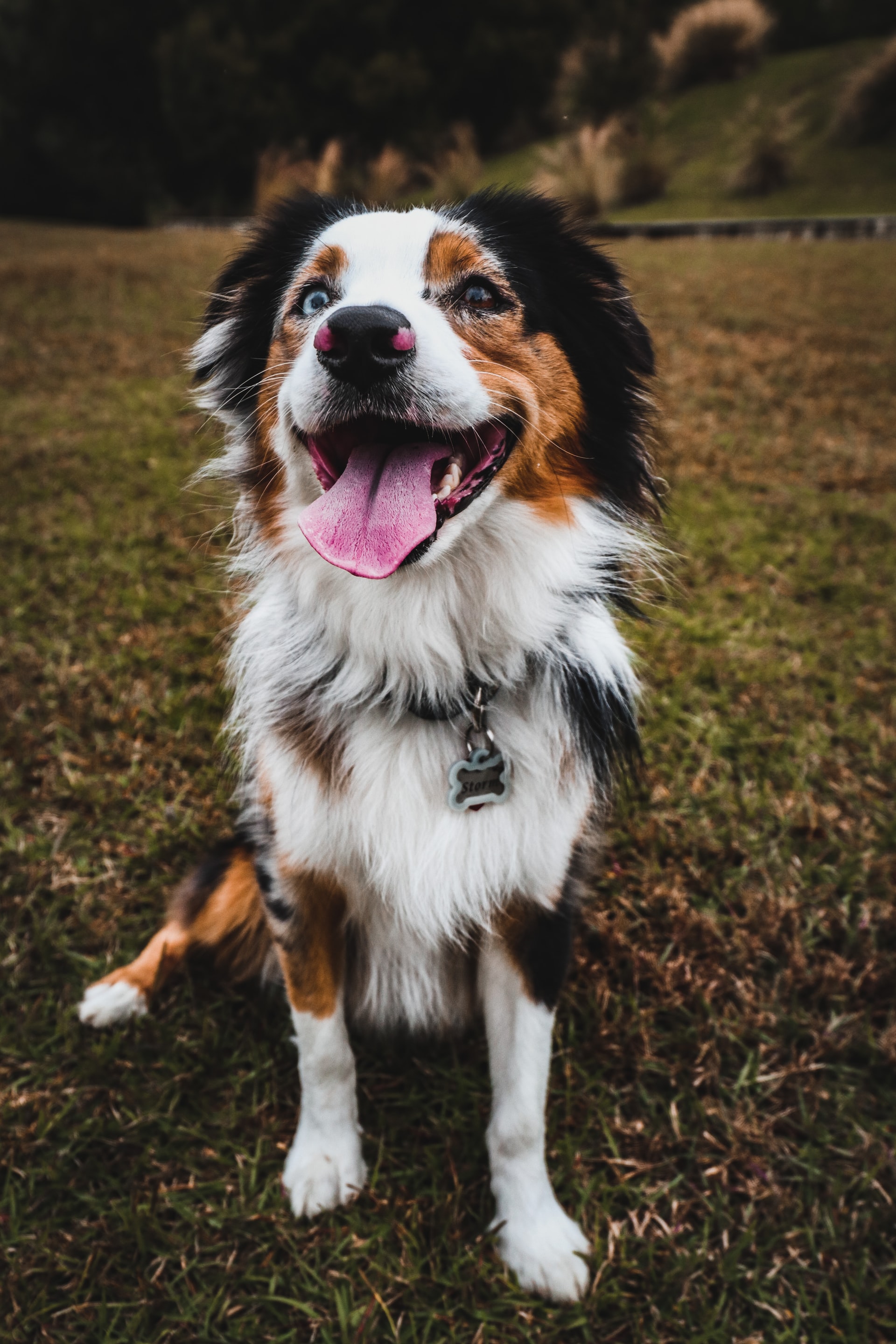
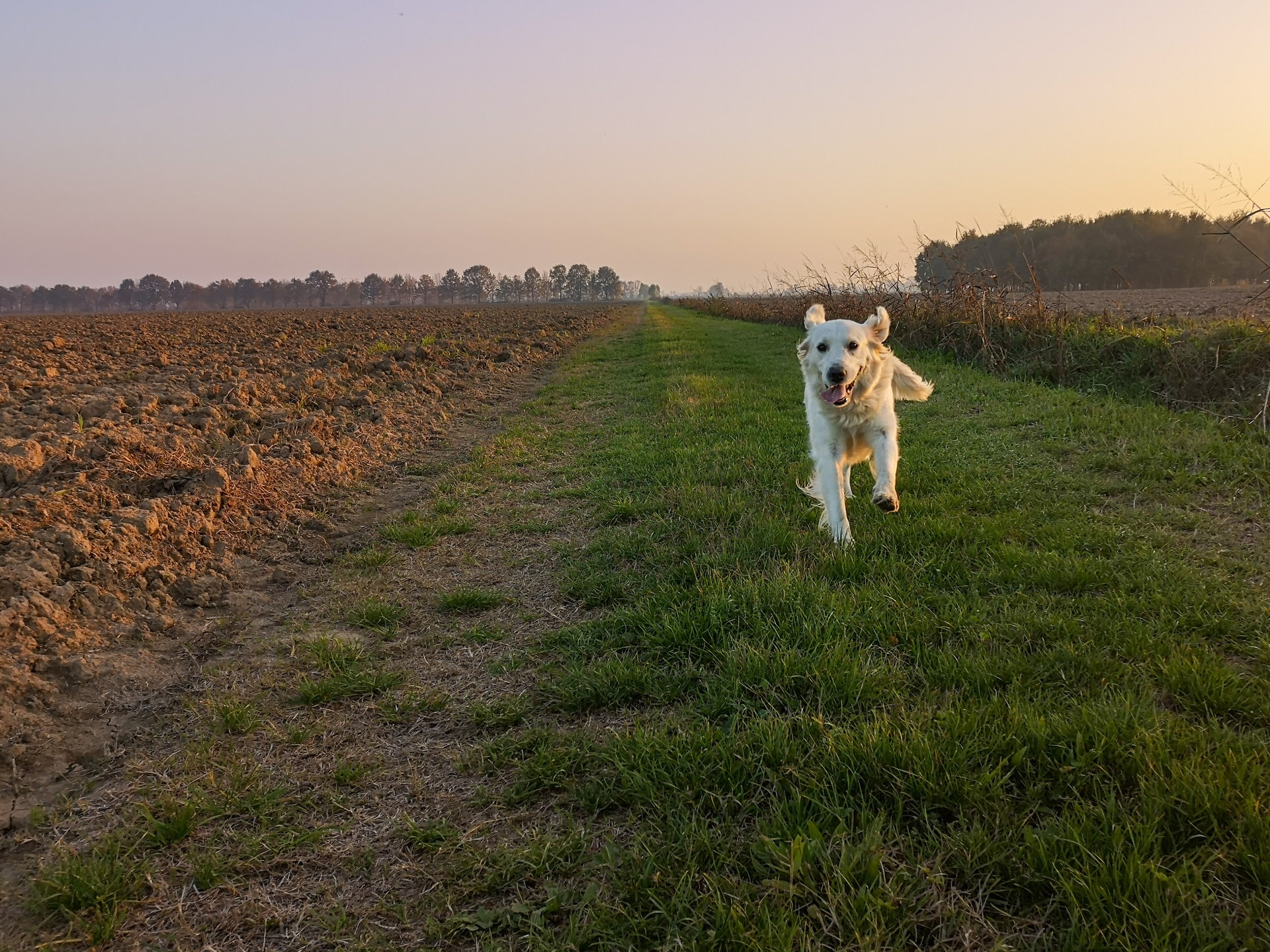
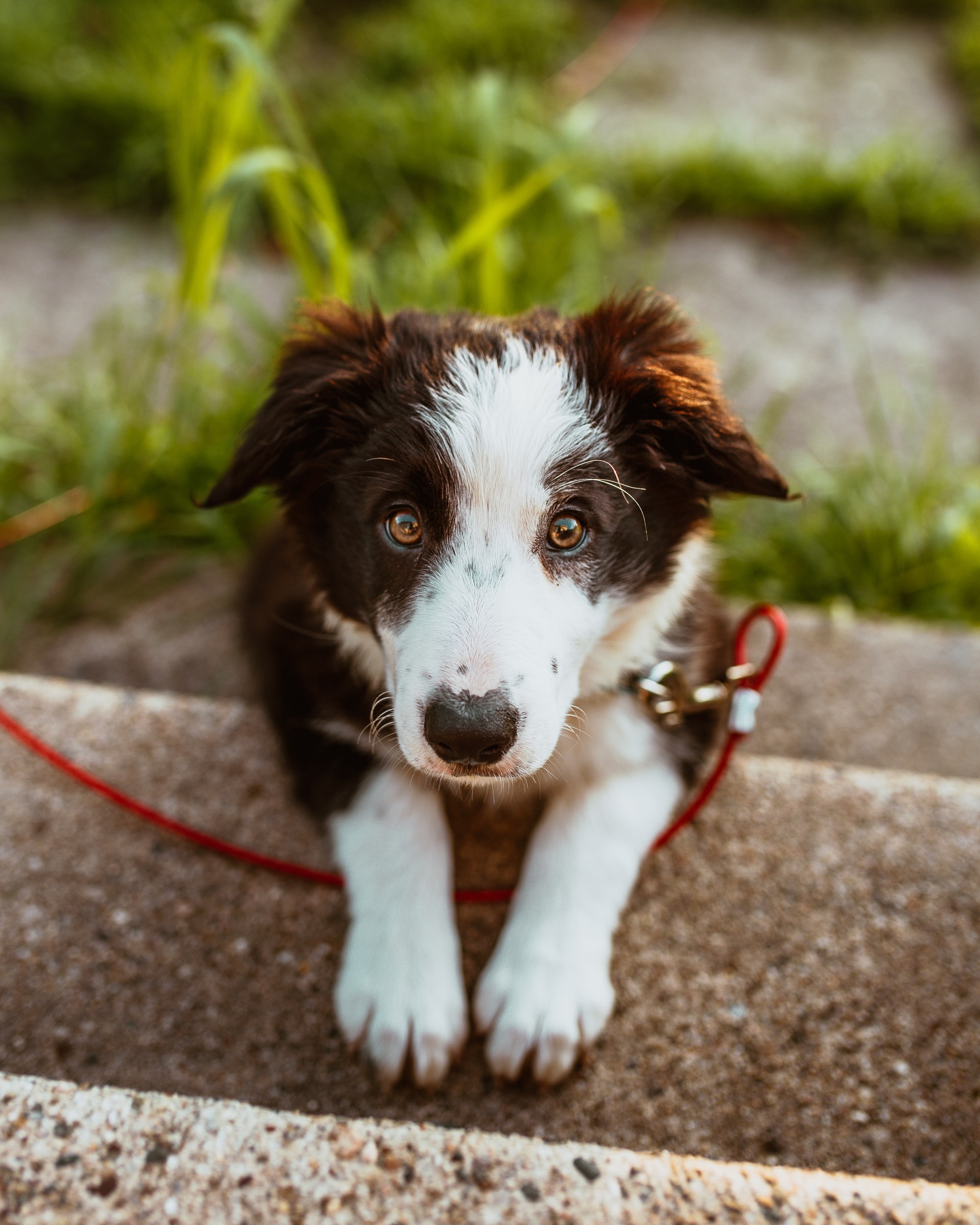
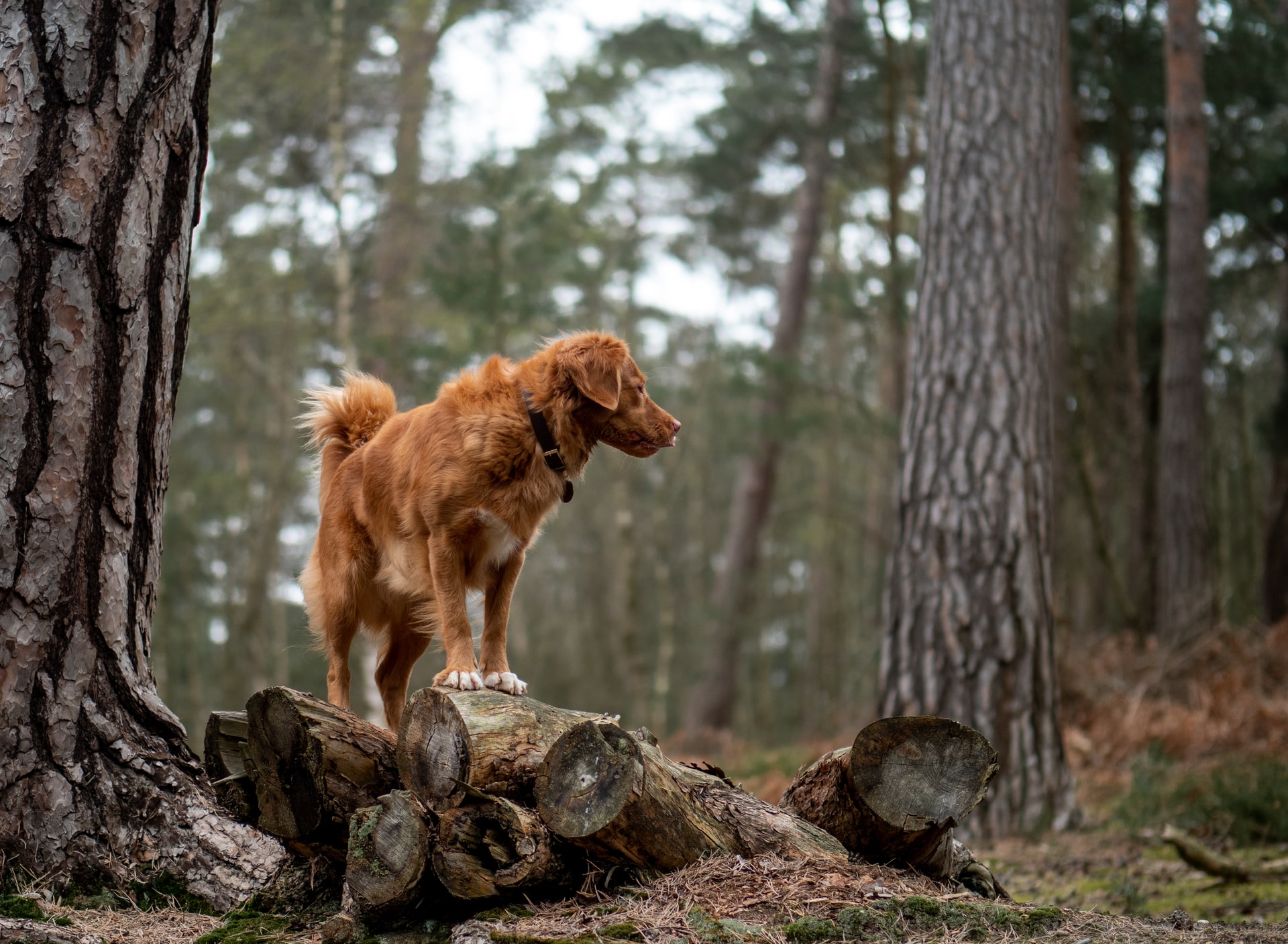
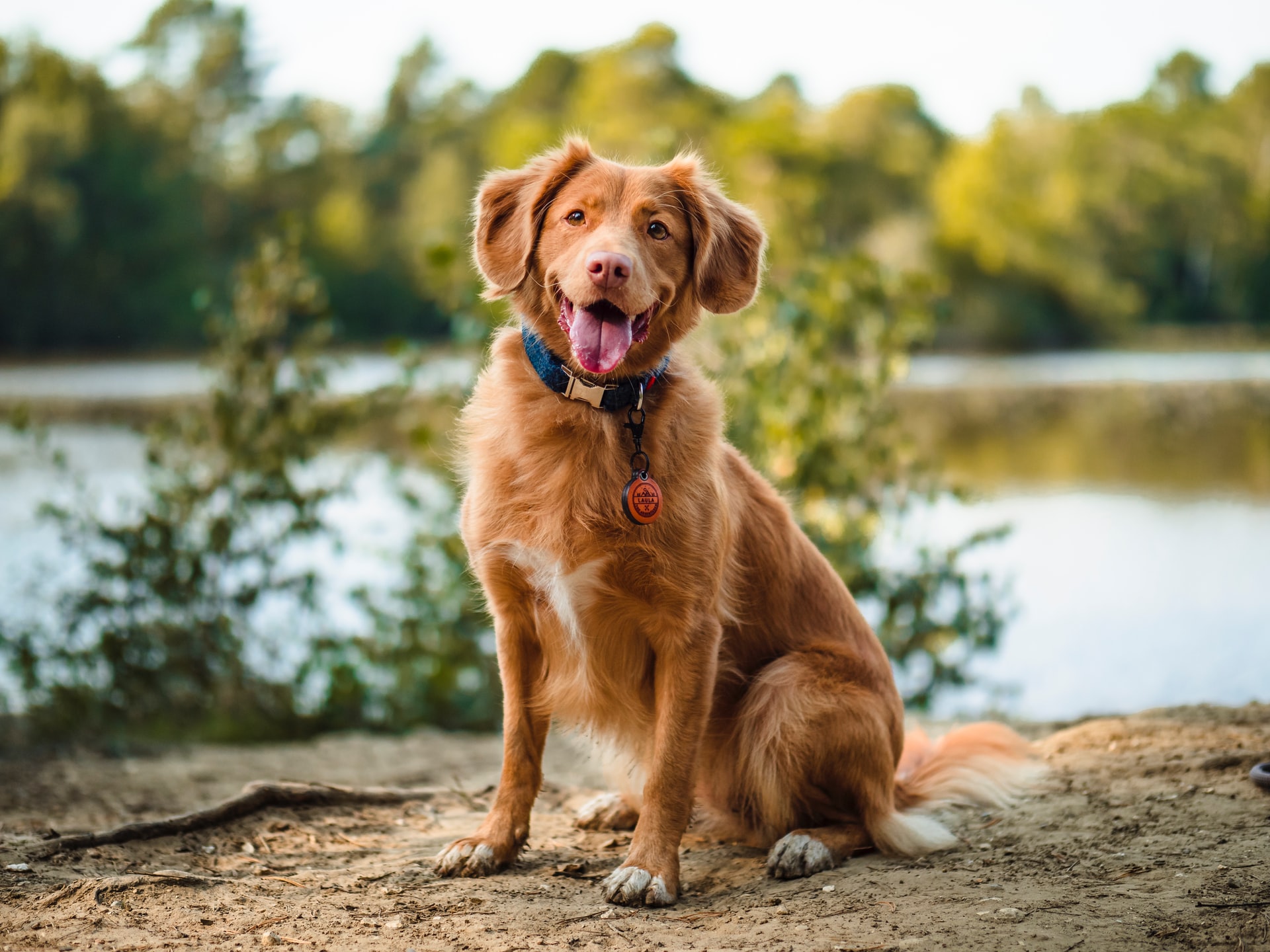
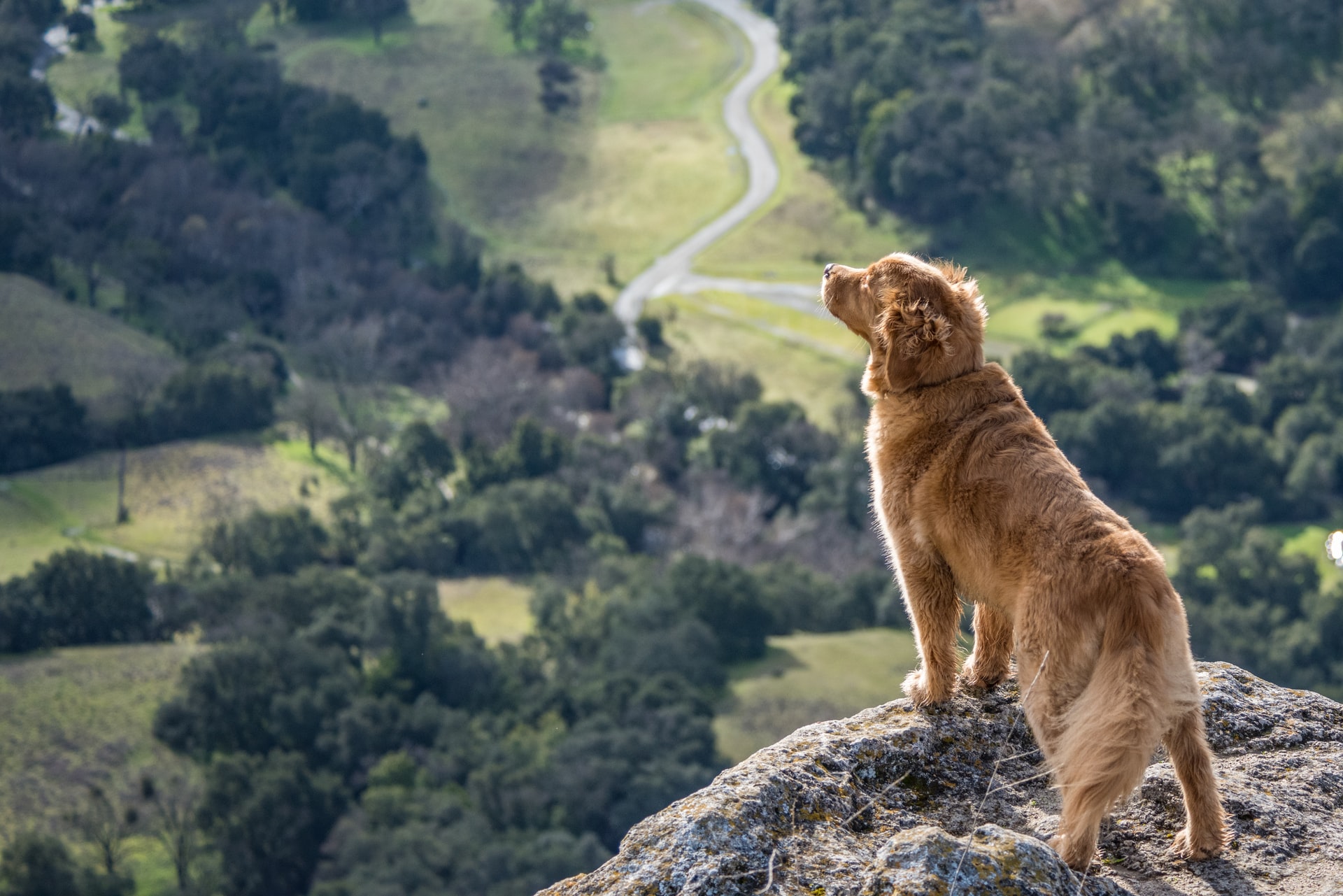
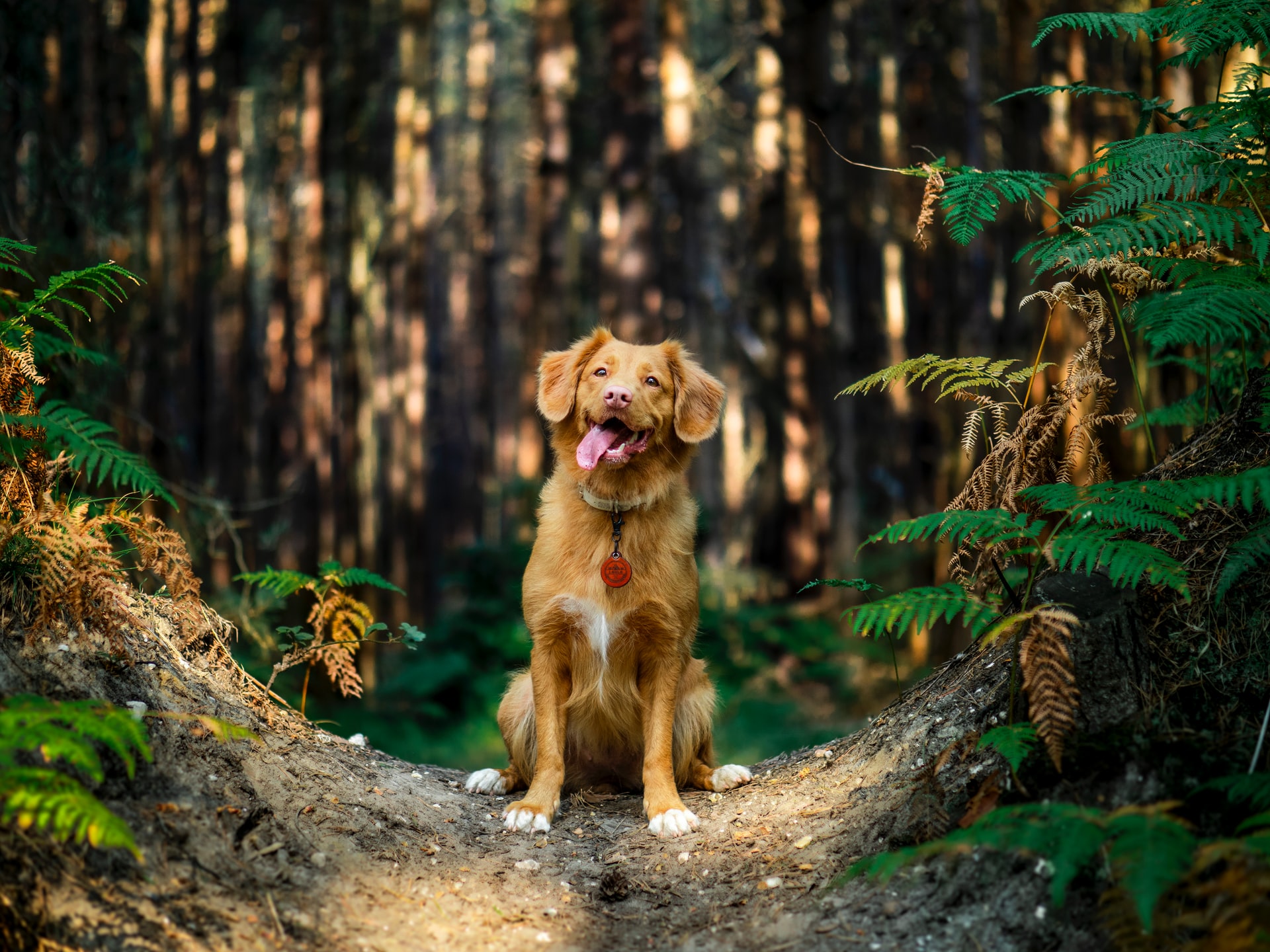
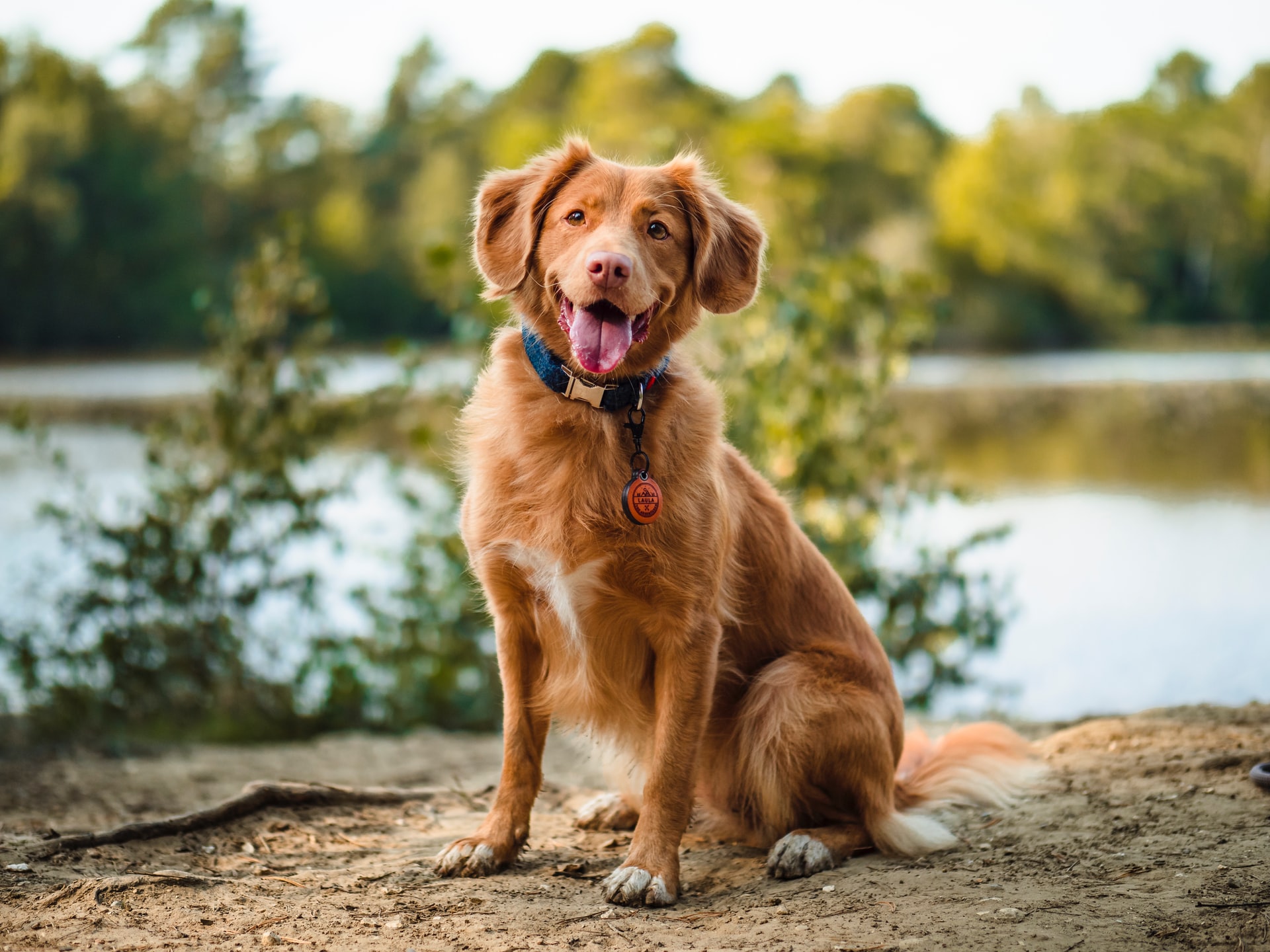
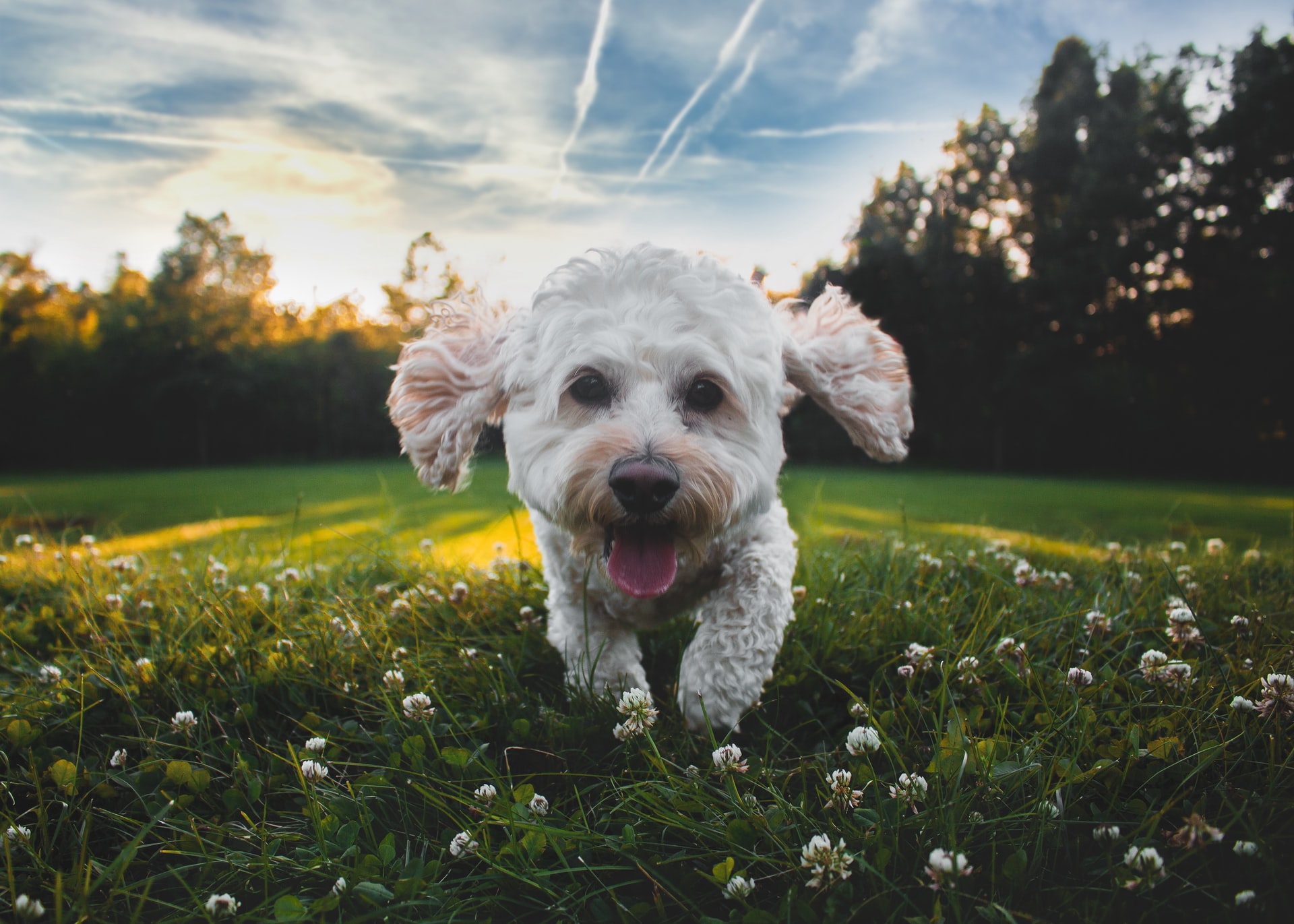
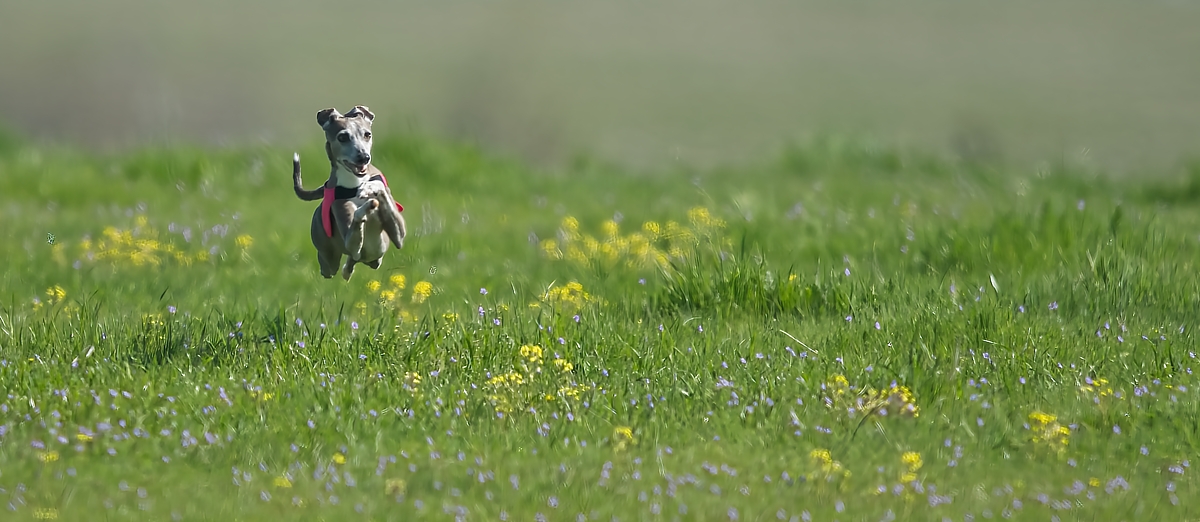
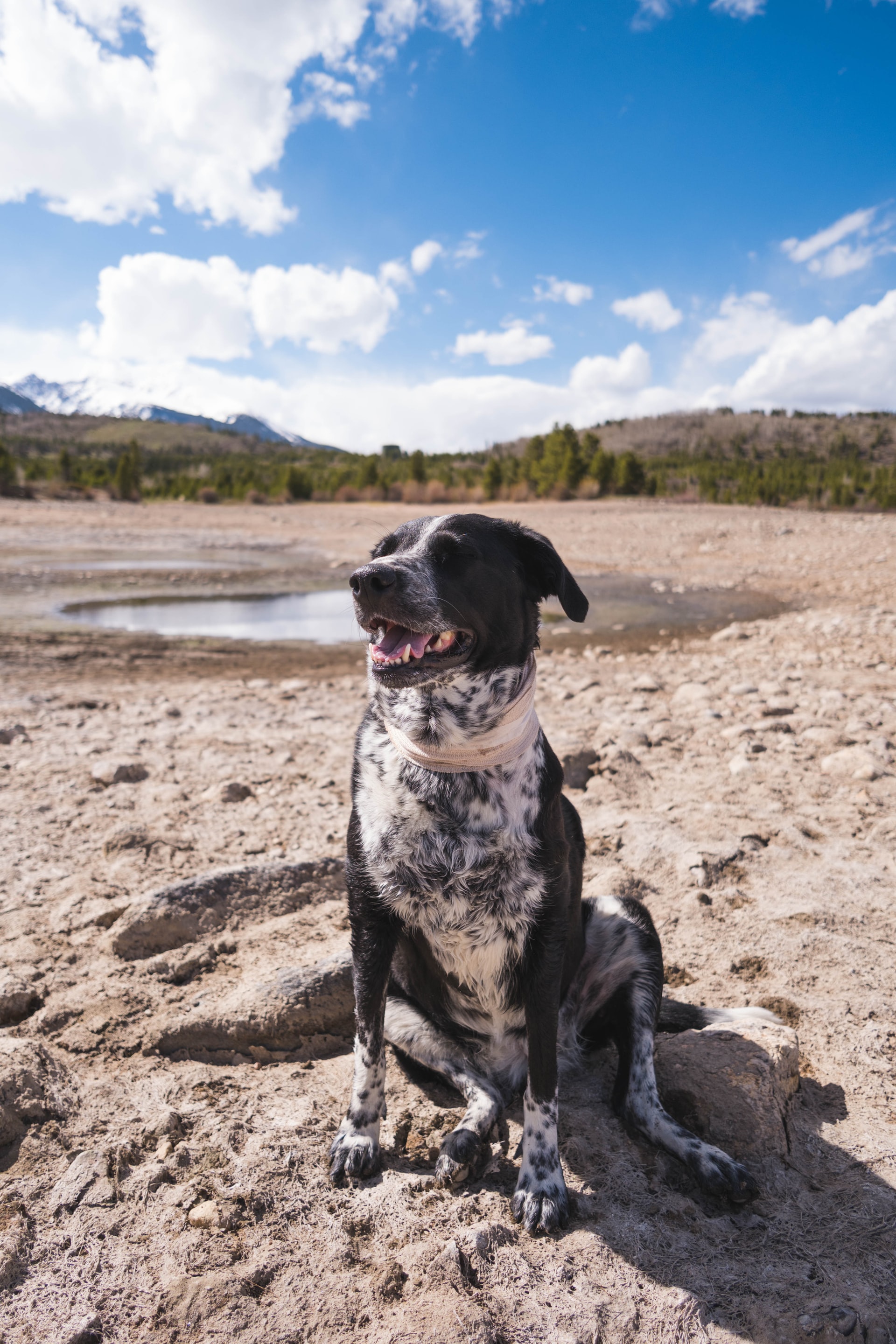
More gorgeous dogs (would you expect anything else!)
Taken from the Unsplash website.
oooo
oooo
oooo
oooo
oooo
oooo
oooo
As usual, just fabulous photographs.
Dogs are animals of integrity. We have much to learn from them.
Category: Photography
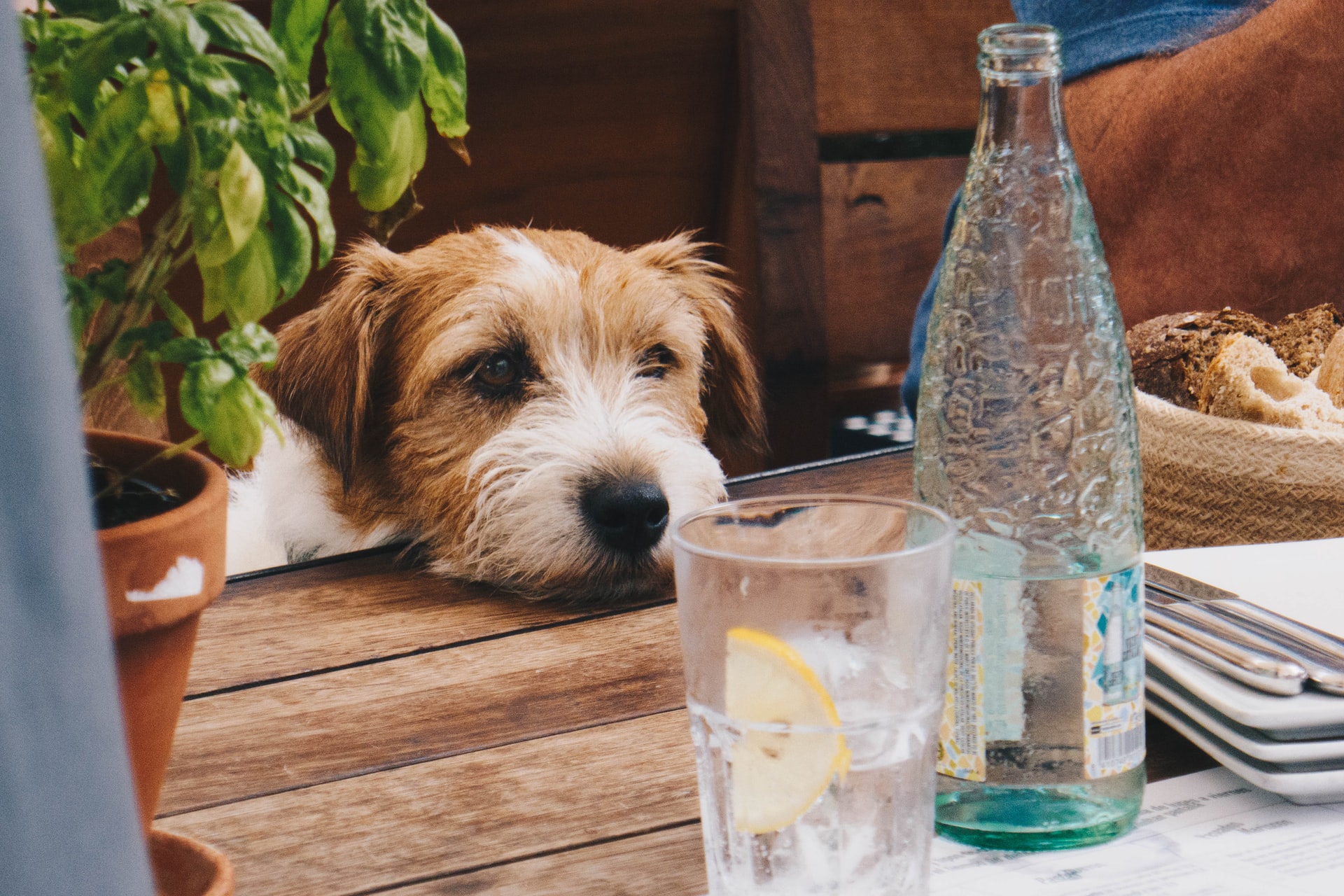
More gorgeous dogs (would you expect anything else!)
Taken from the Unsplash website.
oooo
oooo
oooo
oooo
oooo
oooo
oooo
As usual, just fabulous photographs.
A very close relative to the domestic dog.
Indeed until a short time ago it was thought that the dog evolved from the grey wolf but recently I read that the dog evolved as its own species.
But the following is a republication of an article on Oregon Wild about wolves returning to the State of Oregon.
ooOOoo
Wolves in Oregon
Gray wolves (Canis lupus) were once common in Oregon, occupying most of the state. However, a deliberate effort to eradicate the species was successful by the late 1940s.
In fact, trouble for wolves began almost 100 years earlier, in the years before Oregon became a state. In 1843 the first wolf bounty was established and Oregon’s first legislative session was called in part to address the “problem of marauding wolves.” By 1913, people could collect a $5 state bounty and an Oregon State Game Commission bounty of $20. The last recorded wolf bounty was paid out in 1947.
After an absence of over half a century, wolves began to take their first tentative steps towards recovery. Having dispersed from Idaho, the native species is once again trying to make a home in Oregon. One of the first sightings came in 1999 when a lone wolf was captured near the middle fork of the John Day River, put in a crate and quickly returned to Idaho by government wildlife agents. In 2000, two wolves were found dead – one killed by a car, the other illegally shot.
In 2006, a flurry of sightings led biologists to believe a number of wild wolves were living in Northeast Oregon near the Wallowa Mountains and the Eagle Cap Wilderness. Sadly, a wolf found shot to death near La Grande in May 2007 clearly indicated wolves had arrived in the area.
After that sad chapter, wolves began to establish a fragile foothold in the state. In July 2008 pups were confirmed to a wolf named Sophie by the Oregon Wild wolf pack (and B-300 to government biologists). Those pups represented the first wolves in Oregon in nearly 60 years! A second set of six pups were confirmed and videotaped in November 2009. The following July, a third litter of pups was confirmed.
Unfortunately, the news was tempered with additional poaching and heavy-handed state management. After peaking at 26 confirmed wolves, wolf recovery stalled out in 2011. While some wolves dispersed from the Imnaha Pack, only one pup was confirmed to Oregon’s best-known pack, and two pups were confirmed in one of the state’s other two packs (the Walla Walla and Wenaha). Oregon’s confirmed wolf population fell to 17, and then to 14, when the state killed three more wolves (two on purpose) and poachers killed a fourth.
In 2011, wolves in Eastern Oregon lost their federal protections due to an unprecedented congressional budget rider sponsored by Montana Sen. John Tester. Hours later, Oregon used their new authority to kill two wolves and issue dozens of landowner kill permits at the request of the livestock industry.
Meanwhile, anti-wildlife interests and their political allies pushed over half a dozen bills in Salem aimed at making it easier to kill wolves and undermine wolf recovery. Most of the bills were defeated, but a compensation fund and new predator killing fund were approved.
Wolf hunts in nearby states also threaten the region’s fragile recovery. When wolves were federally delisted the region was home to an estimated population of about 1,700 wolves. Over 1,000 were killed in the first two seasons alone.
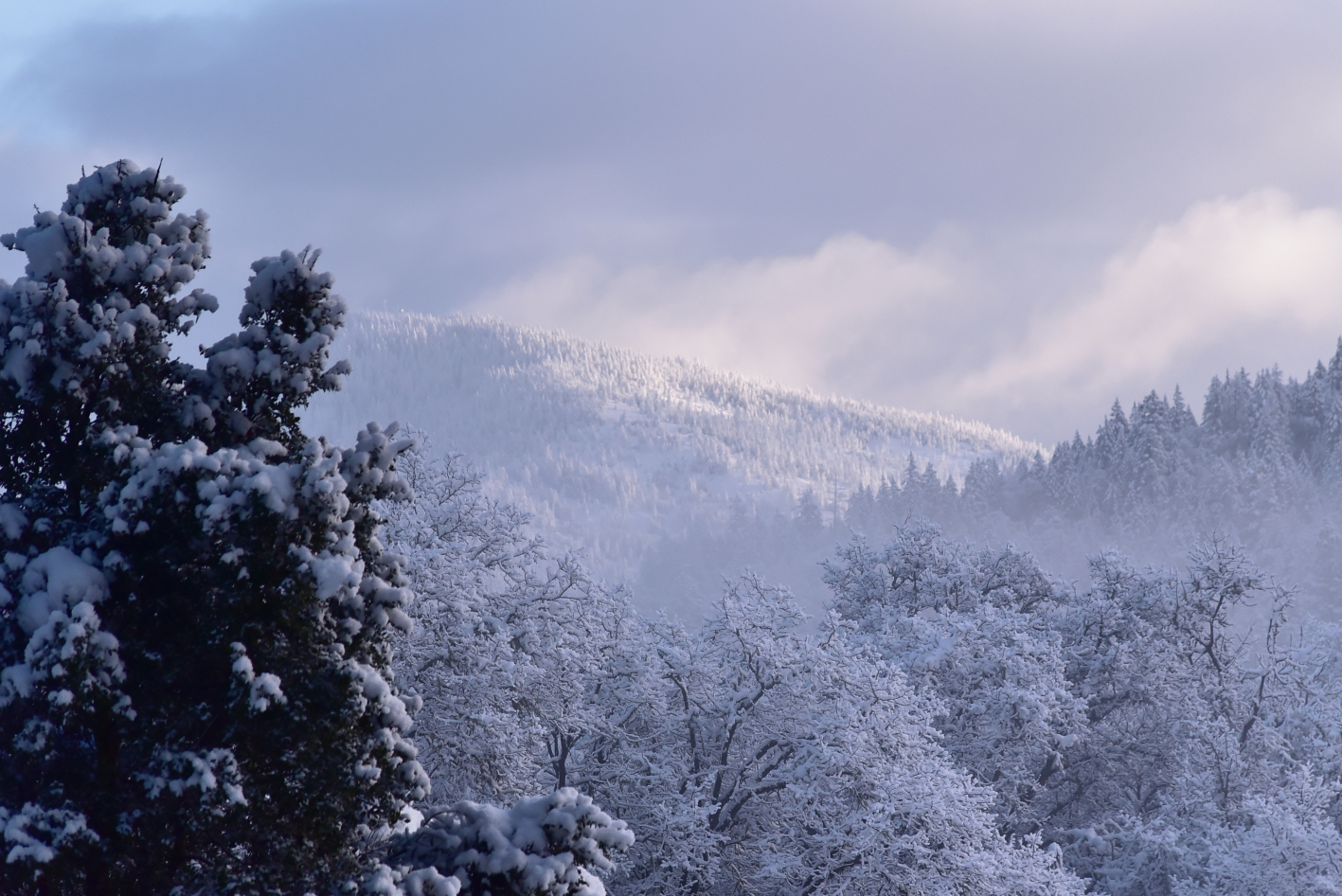
The large tracts of pristine and unspoiled Wilderness and roadless areas in Northeast Oregon are vital components in the successful recovery of wolves, and other wildlife too. (Ed: see the photograph below of the wild lands of Oregon.) The reappearance of wolves, wolverines, and other endangered wildlife in Oregon further underscores the importance of protecting those roadless areas that remain on public land.
Anticipating the eventual return of wolves, the state of Oregon completed a Wolf Conservation and Management Plan in 2005 aimed at making rational decisions in the light of day that would lead to wolf recovery. Though state polling put support for wolf recovery at over 70 percent, the plan was weak, allowed the state to kill wolves, and set scientifically indefensible recovery goals.
Even so, the plan was actively opposed by the Oregon Cattlemen’s Association. They argued in their minority report that “wolves are being used as a biological weapon” and that wolves are a non-native species that citizens should have the right to shoot without permits.
Oregon Wild and other conservationists generally – if reluctantly – agreed to honor the compromise embodied in the plan. Most believed lethal control would be an option of last resort and conservation would be a priority.
After the state shot two young wolves in response to the first livestock depredations in over half a century, it was clear the state was willing to address the concerns of the livestock industry by killing wolves.
In 2010, the plan was reviewed and revised. The public process took the better part of a year and demonstrated that support for wolf recovery had grown. Over 90 percent of a staggering 20,000 public comments were in favor of stronger protections for Oregon’s endangered gray wolves. Oregon Wild joined other conservationists and the Oregon public in defending the plan against continued attacks. Though the plan survived relatively intact, most of the approved changes made it easier to kill wolves.
In 2011, a lone wolf from the Imnaha Pack generated international headlines when he became the first in Western Oregon since 1947, and then the first in California in nearly a century. The story of Journey (OR-7) provided a welcome opportunity to step away from the unnecessary controversy manufactured by those opposed to wolf recovery and instead reflect on the positive story of a native species retaking its rightful place on the landscape.
Since 2012, wolf recovery in Oregon has slowly started to get back on track. Although the population has increased over the last several years, in 2015, and with only 78 known adult wolves in the state, the Oregon Department of Fish and Wildlife and its Commission decided to prematurely strip wolves of state Endangered Species Act protections — despite what peer reviewed, independent scientists recommended. Shortly after, lawmakers in Salem passed HB 4040: a bill that statutorily affirmed the delisting of Oregon’s wolves. The passage of HB 4040 essentially blocked the ability of conservation organizations to bring forth a lawsuit challenging the merits of the Commission’s decision.
The latest update to the Wolf Conservation and Management Plan — which was approved by the Commission in June of 2019 — significantly erodes protections for wolves by lowering the threshold for when the state can kill wolves, removing requirements for non lethal conflict deterrence, and opening the door toward public hunting and trapping.
For many, wolves are a symbol of freedom, wilderness, and the American west, and Oregon’s wolf country contains some of the most spectacular landscapes in the world. Science continues to demonstrate the positive impacts of wolves on the landscape and the critical role played by big predators, and interest in their return is fueling tourism in Oregon’s wolf country and elsewhere in the west.
Still, wolves are threatened by a purposeful campaign of misinformation and fear. This webpage shoots down many of the common myths about wolves. A small number of vocal anti-wolf activists, along with industry lobbyists and their political allies, continue to work to undermine already weak protections for wolves and other wildlife.
The Future
For a state that prides itself on its green reputation, the extermination of wolves is one of our greatest environmental tragedies. Their return represents an opportunity at redemption.
Most Oregonians value native wildlife and believe wolves have a rightful place on the landscape. We are happy to know the silence of a hike in the Eagle Cap might be broken by the lonely howl of a wolf. If that howl is to remain, it’s critical that those who value wolves and other native wildlife stand up and speak up on their behalf.
ooOOoo
Plus there were photographs embedded within the text that I thought would be better appreciated if they were offered separately. Here they are:
Finally a collection of wolf photographs from a link on Oregon Wild that is no longer in use. I downloaded these pictures in 2016!
Long may they prosper!
I was mistaken. No more gorgeous photographs from our neighbour!
Back to Unsplash!
oooo
oooo
oooo
oooo
oooo
A guest post.
With a difference in that the guest author is my son, Alex. Recently Alex and his partner, Lisa, went on a trip to the Isle of Mull. But I will let Alex continue in his own words after I have explained a little more about the island. And where better to start than with the opening paragraphs of an article on the Isle of Mull from Wikipedia.
The Isle of Mull[6] (Scottish Gaelic An t-Eilean Muileach, pronounced [ən ‘tjelan ˈmuləx]) or just Mull (English and Scots: [mʌl]; Scottish Gaelic: Muile, [ˈmulə] (listen)) is the second-largest island of the Inner Hebrides (after Skye) and lies off the west coast of Scotland in the council area of Argyll and Bute. Covering 875.35 square kilometres (338 sq mi), Mull is the fourth-largest island in Scotland – and also in the United Kingdom as a whole.
The island’s 2020 population was estimated at 3,000.[7] In the 2011 census, the usual resident population was 2,800.[2] In 2001, it was 2,667.[8] (In the summer, these numbers are augmented by an influx of many tourists.) Much of the year-round population lives in colourful Tobermory, the island’s capital, and, until 1973, its only burgh.
There are two distilleries on the island: the Tobermory distillery (formerly called Ledaig), which is Mull’s only producer of single malt Scotch whisky;[9] and another one located in the vicinity of Tiroran, which produces Whitetail Gin (having opened in 2019, it was the island’s first new distillery in 220 years). The isle is host to numerous sports competitions, notably the annual Highland Games competition, which is held in July. It also has at least four castles, including the towering keep of Moy Castle. A much older stone circle lies beside Lochbuie, on the south coast.
ooOOoo
This is now from Alex:
We decided to go to the Isle of Mull after reading about the amazing wildlife it has to offer. It’s famous for its white tailed eagles, which are the largest eagle in the U.K. and fourth largest in the world, with an average wingspan of 7-8ft and a perched height of 1m. After securing a place on a Mullcharters.com eagle photography boat trip, we waited with excitement as the boat left the small harbour at Ulva ferry in force 5 winds and intermittent rain showers, cruising out of the harbour, we where very lucky to spot an Otter swimming along.
On reaching Loch Na Keal, we where told to keep an eye out for an eagle approaching, they apparently recognise the boat from around 1-2 miles away and know that it offers them an opportunity to get some free fish! It wasn’t long before looming out of the distance, a white tailed eagle appeared and started circling the boat, one of the boats crew told us he was going to throw a fish out and exactly where he was throwing it, so we could aim our cameras in that direction, we where treated to the amazing spectacle of an adult white tailed eagle swooping down to collect its fish, which was about 20-30ft away. This enabled us to get some excellent pictures of the eagle picking up its fish on numerous occasions, we saw at least six different birds on the trip and at one point had two pairs of eagles overhead the boat. Even with the challenging conditions, we all managed to get some excellent photos, it’s just a shame we didn’t get any sun to really show the eagles colours off.

oooo

oooo

oooo

oooo

oooo

oooo

oooo
oooo

oooo

To round off these wonderful photographs, here are two of an otter. They are notoriously difficult to photograph.

oooo

ooOOoo
What a wonderful journey for Alex and Lisa. The camera was a Panasonic Lumix G85 with Leica 100-400 lens.
A rare treat
The following photographs were sent to me by Jess Anderson. But first here is the story:
For years, photographer Tanja Brandt has made it her mission to capture magnificent photos of animals and wildlife and has drawn accolades in the German and international photography world with her heart-warming animal portraits.
Recently, the German artist found a new challenge when she photographed the unique bond between two unlikely friends: Ingo, a Belgian Shepherd, and Poldi (Napoleon), a one-year-old owlet.
The owlet and canine have a special protector-protected relationship. Their affection toward each other couldn’t be any more evident. Ingo lovingly guards Poldi, who apparently doesn’t know how to live free.
The owlet hatched two days after his six brothers and sisters, therefore, has always been very vulnerable due to his small size. They respect each other and they can read each other, says the photographer.

oooo

oooo

oooo

oooo

oooo

oooo

oooo

oooo

oooo

These photographs are truly unique. Plus they are astoundingly beautiful.