A fascinating and revealing interview in the Sunday Times.
This article in the British Sunday Times was published on November 8th and I’m sure many will have read it. But for those that didn’t it really is worth settling down to a reasonably long read. For you will learn that Goldman Sachs:
It’s the site of the best cash-making machine that global capitalism has ever produced, and, some say, a political force more powerful than governments. The people who work behind the brass-trim glass doors make more money than some countries do. They are the rainmakers’ rainmakers, the biggest swinging dicks in the financial jungle. Their assets total $1 trillion, their annual revenues run into the tens of billions, and their profits are in the billions, which they distribute liberally among themselves. Average pay this recessionary year for the 30,000 staff is expected to be a record $700,000. Top earners will get tens of millions, several hundred thousand times more than a cleaner at the firm. When they have finished getting “filthy rich by 40”, as the company saying goes, these alpha dogs don’t put their feet up. They parachute into some of the most senior political posts in the US and beyond, prompting accusations that they “rule the world”. Number 85 Broad Street is the home of Goldman Sachs.
The world’s most successful investment bank likes to hide behind the tidal wave of money that it generates and sends crashing over Manhattan, the City of London and most of the world’s other financial capitals. But now the dark knights of banking are being forced, blinking, into the cold light of day. The public, politicians and the press blame bankers’ reckless trading for the credit crunch and, as the most successful bank still standing, Goldman is their prime target. Here, politicians and commentators compete to denounce Goldman in ever more robust terms — “robber barons”, “economic vandals”, “vulture capitalists”. Vince Cable, the Lib Dem Treasury spokesman, contrasts the bank’s recent record results — profits of $3.2 billion in the last quarter alone — and its planned bumper bonus payments with what has happened to ordinary people’s jobs and incomes in 2009.
and later on in conversation with the Chairman and CEO, Lloyd Blankfein:
“Is it possible to have too much ambition? Is it possible to be too successful?” Blankfein shoots back. “I
don’t want people in this firm to think that they have accomplished as much for themselves as they can and go on vacation. As the guardian of the interests of the shareholders and, by the way, for the purposes of society, I’d like them to continue to do what they are doing. I don’t want to put a cap on their ambition. It’s hard for me to argue for a cap on their compensation.”
So, it’s business as usual, then, regardless of whether it makes most people howl at the moon with rage? Goldman Sachs, this pillar of the free market, breeder of super-citizens, object of envy and awe will go on raking it in, getting richer than God? An impish grin spreads across Blankfein’s face. Call him a fat cat who mocks the public. Call him wicked. Call him what you will. He is, he says, just a banker “doing God’s work”

Indeed!
By Paul Handover


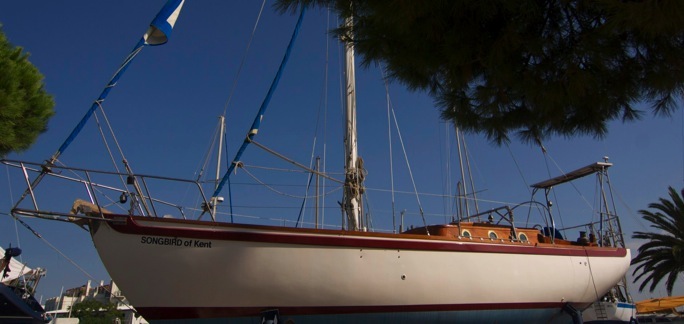


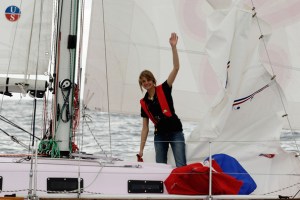
 unassisted around the World. Whatever modern materials and technology can do to make sailing easier, sailing solo for weeks on end is grindingly tough at any age. She’s a wonderful example of the next generation!
 I had a very interesting session recently. I did some coaching work with a client company who managed a small team. The day was split into two – the morning with the client and the afternoon with the whole team.
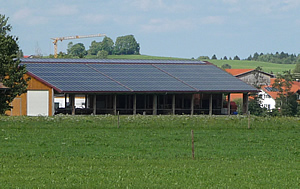
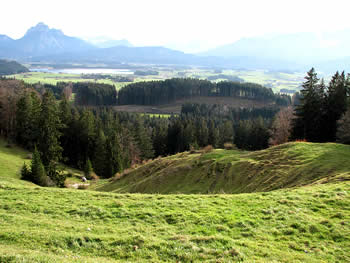 I went for a bike ride this afternoon ….. there is a super 6km circuit that goes from our village Unterthingau along a country road, up past a farm with magnificent views over the Allgäu countryside then along to Oberthingau and back home ….. On the way there are horses and cows munching happily in fields and of course the snow-capped Alps in the background …. The exercise and the fresh air were great, but during the ride I was struck by a couple of things. On the skyline in the direction of Kempten was – as usual – a line of a dozen wind turbines. All were – as usual – immobile, save one which was doing its best to turn languidly, and hardly succeeding.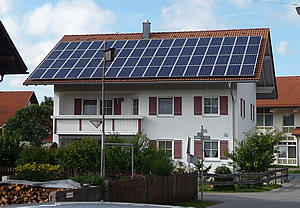

 Learning from Dogs