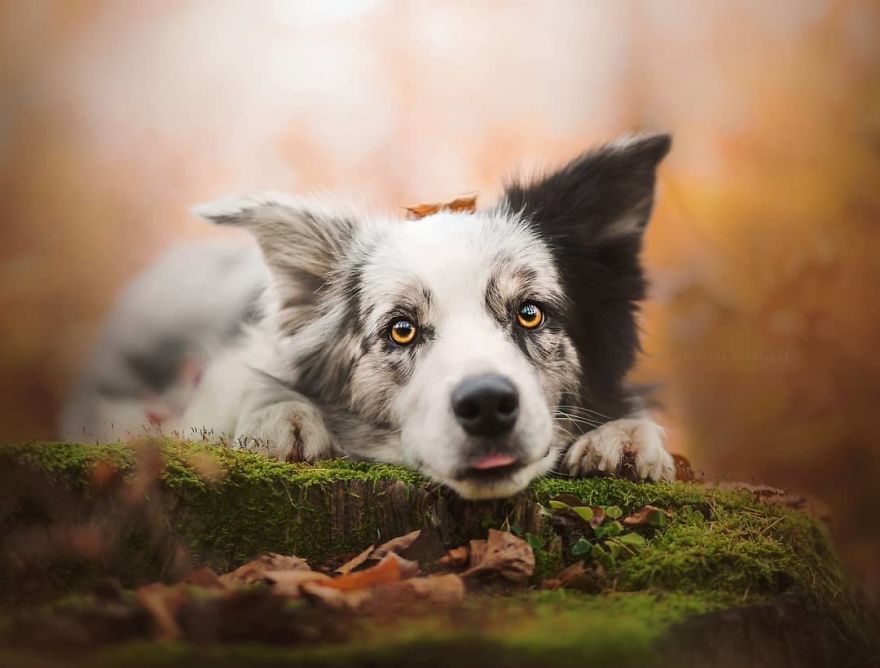
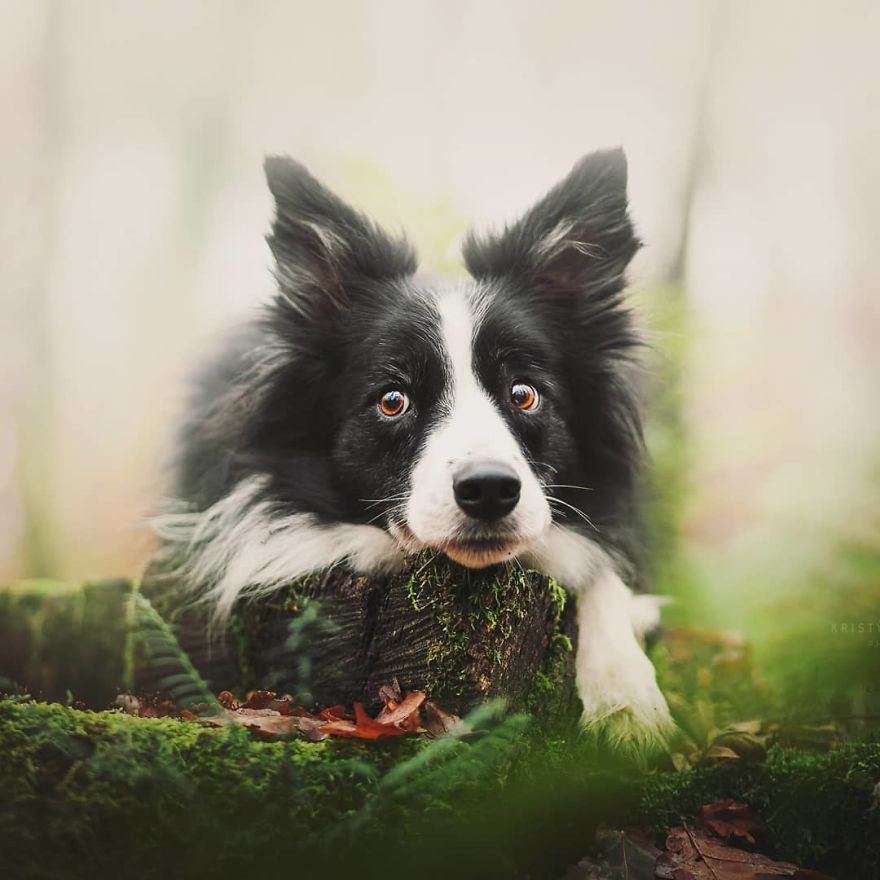
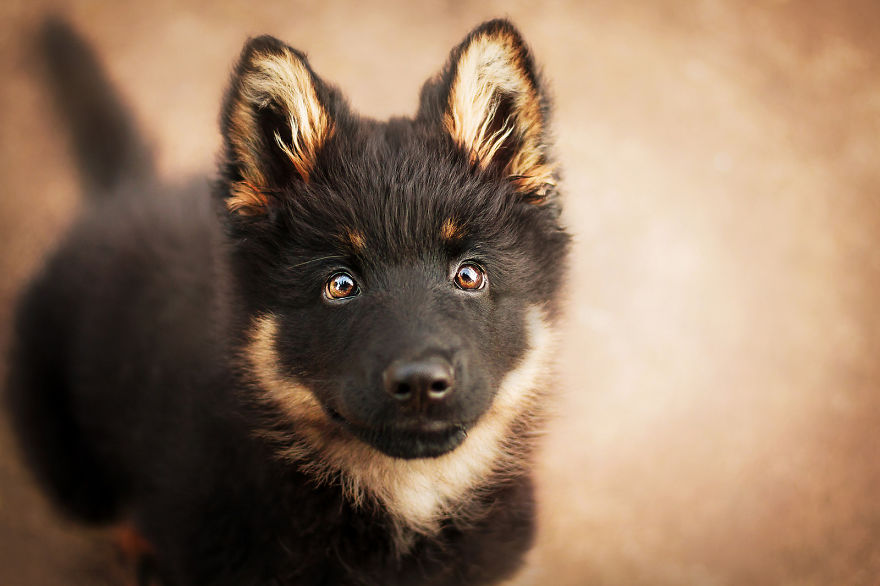
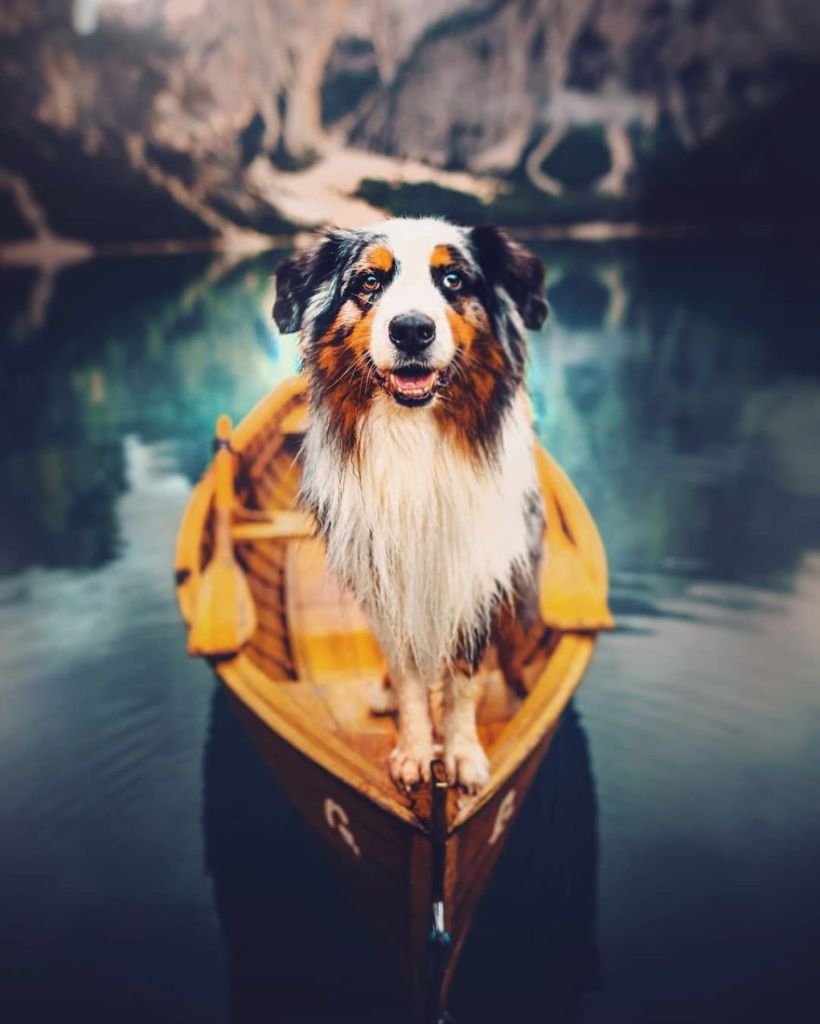
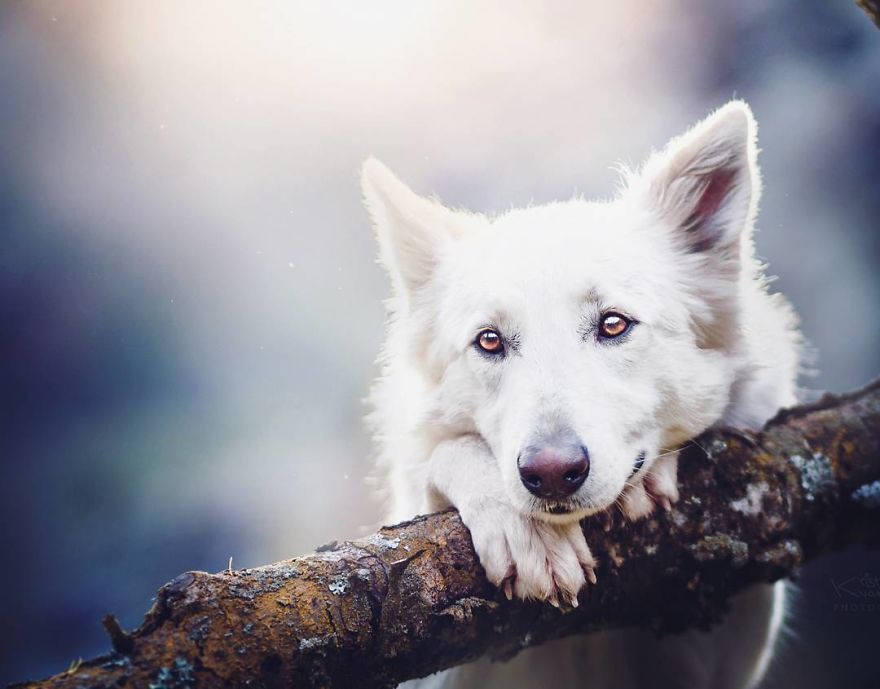
Category: People and their pets

Cutting your dog’s nails

Another guest post.

There’s been a flurry of requests to share a guest post with you all.

To be honest, I love it. So long as the author is not trying to sell something.

Anyway, here’s David Huner with a very useful guest article.

ooOOoo

10 Tips to Clip Dog Nails When Dog is Scared of It

Why are Long Dog Nails a Problem?

Fear of nail trims is a quite common issue dog guardian’s face and therefore the concern will vary from a mild dislike to outright terror, depending on the dog. For a few pet parents, the only way to trim a dog’s nails is under anesthesia that is certainly not a choice that works each week. Several give up making an attempt and simply permit the dog’s nails to stay long. Whereas the frustration is comprehensible, this selection will result in health drawbacks for dogs. Overgrown nails have an effect on a dog’s posture, eventually resulting in joint issues and inflammatory disease. They’re also a lot of vulnerable to splitting and breaking in painful ways. Long nails are a problem for humans likewise. Dogs with longer nails are more likely to destroy furniture and alternative objects, unwittingly, further as break human skin once jumping up to mention hello or when playing.

The most common reasons for avoiding nail trims are that the owner is frightened of “quicking” the dog, or that the dog fusses and creates unhealthy feelings round the procedure. Nail cutting becomes a happening encircled by angst and drama. For very active dogs who run all day long on varied surfaces, cutting nails might not be necessary. High mileage wears them down naturally.

But among town or community dogs who are lucky to induce a mile or 2 walk daily, excessively long toenails are more common than not.

Reducing stress once trimming your dog’s nails

If your dog is fearful of having nails cut, what are you able to do? Here are some ideas:

Some dogs’ nails can reside a healthy length if they’re exercised frequently on a rougher surface like concrete or pavement.

Another innovative plan is to make a filing “board” that consists of a sheet of wood lined with sandpaper. You teach your dog a paw target behavior so apply that behavior to the board, therefore the dog effectively is filing down his own nails as he paws the board.

Nail trim mats are essentially doormats with a rough surface that files the dog’s nails each time he walks on the mat.

While these concepts are often useful, a desirable choice is to be ready to trim your dog’s nails whenever you need to. A good set up is to do away with your nail clippers all at once and switch to a nail grinder.

Here are 8 Best Tips to Clip Dog Nails When Dog is Scared of It

1. PREPARATION IS PARAMOUNT!

First, be ready. It’s essential that you simply recognize specifically however your tools work, this includes where and how the blade slides and moves. Without this knowledge, you will not be able to totally make sure that you’re cutting the nail properly and within the correct place. In addition, if you’ve got any queries or uncertainties with the tool, take care to look up the answers before using the product on your dog’s nails. Cutting nails are some things that ought to never be a ‘learn as you go’ task.

2. Don’t Pressure Him

If you do not dare to cut your nails and take your dog to the vet to try and do it, attempt to be as delicate as potential with your pet. A trick? Choose an extended walk together with your furry friend before going, thus your pet is going to be tired and cannot be thus stressed before this dreaded moment.

3. Observe It With A Prize:

After that ‘tragic’ moment provide a prize to your pet as a ‘snack or a chuche’, during this approach you’ll build a process that may be ‘traumatic’ a pleasant moment for your dog. There’s nothing higher than the relationship of ideas and experiences to form it less tedious.

Whether you head to the vet to cut your dog’s nails or if you opt to do it at home, discuss with your dog during a loving way, this fashion you’ll feel more secure and calm.

4. Safety First

If you’re not a professional, never cut your dog’s nails, you may get to the hyponychial and cause injuries. If you’re feeling more secure, you’ll be able to prefer to file your pet’s nails rather than cutting them. There’s presently a series of very effective electric files on the market. But beware, the sound they emit scares many dogs, thus before you buy one make sure you’ll not be afraid of your furry friend.

5. Get your Time

While each you and your dog might want to finish the nail trimming as shortly as doable, it’s necessary to take your time. Dog nail clipping is tough even for the specialists. To stop accidents, go slowly and cautiously.

6. Firm Grip

The next step in nail trimming has a firm grip on their paw and pushing back any hair that’s within the way of the nail. You will need to make sure that you are able to see specifically wherever you’ll be cutting.

It is necessary for pet homeowners to understand that if the dog’s nails are overgrown, their paw can likely be sore and tender. Stay alert and responsive to your dog’s behavior after you take their paw in your hand. If they yelp, be gentler. However, your grip ought to be firm enough that their paw doesn’t accidentally slip one direction or the other during the cutting method.

7. Dogs Nails are Totally Different than Our Nails

Next, it’s necessary for dog homeowners to acknowledge that our nails are very different from our dog’s nails and should be cut consequently. Most significantly, you must never place the dog’s entire nail within the clipper or cut the whole nail. The nail ought to be cut from beneath and at a 45-degree angle.

Now, fastidiously place the gap of the nail clippers over the tip of the white nail. It’s imperative that you only cut within the white nail area. Again, if you’ve got any question concerning this it’s crucial that you get an accurate answer before cutting the dog’s nails. Cutting past the white nail area means you’re cutting within the pink area of the nail (also referred to as the “quick”). The pink area of the nail is wherever blood vessels are live. Cutting into this space are unbelievably painful and might cause a considerable quantity of bleeding. Trust us, you’ll be wanting to avoid this at all costs.

8. Creating a Clean Cut

Finally, hold the paw steady and create a clean, swish cut by gently squeezing on the handle of the nail trimmer. It’s necessary to have an educated idea of however tightly you’ll need to squeeze so as to urge a clean cut, however not unknowingly hurt your pup’s tender paw.

Precautions of Dog Nail Trimming

There are some necessary precautions that pet homeowners should remember of before cutting their dog’s nails.

THE “QUICK”

First, as we previously mentioned, the “quick” is that the living a part of the nail. It’s the area of the nail that contains blood vessels and nerve endings. Unknowingly cutting the quick can usually lead to a bleeding toenail and a substantial quantity of pain.

DARK NAILS

Additionally, the color of your dog will have an effect on the color of their nails which may increase the problem of determining where the “white nail” ends. For example, several black and dark brown dogs can have black nails. Black dog nails will prove to be unbelievably difficult and sometimes lead to the owner accidentally cutting the nail too short.

NAIL SHAPE

Finally, pet homeowners will make sure that they’re cutting the nails appropriately just by paying attention to the shape of the nail. The bottom of the nail should form a triangle area. Above all, go slowly. You’ll be able to invariably cut additional nail, however there’s no going back if too much is cut off.

What to try and do if you cut Nails Too Short

The main factor that the majority pet homeowners worry once cutting their dog’s nails is what happens if you narrow too deep. First, we urge our readers to actually try to avoid this. Always cut the minimum off and go from there depending if you wish to cut more. However, we all know that accidents happen. Here’s what to own reachable just in case you narrow your dog’s nails too short.

1. STYPTIC POWDER

Professional groomers and veterinarians ordinarily use a substance referred to as styptic powder to help stop bleeding from cutting nails, minor cuts, and scratches. Styptic powder not only stops bleeding but also serves as an antiseptic, serving to stop infections and creating it safe to use.

2. BAR OF SOAP

If you do not have styptic powder in your home, you’ll be able to use a fragrance-free bar of soap. Merely hold the bar against the toenail for some minutes and permit the blood to clot.

3. BAND-AID

Finally, if you’ve got nothing else reachable you’ll be able to use a Band-Aid to help control the bleeding. However, please recognize that this is often simply a temporary solution. If the bleeding continues it’ll be necessary to get one of the aforementioned tools so as to clot the blood. In severe cases, veterinary treatment may be necessary.

The Final Decision

Your ability to clip your dog nails without inflicting a lot of pain assure him and create him more at home another time you need to try and do a similar.

Author Bio:

David Huner is the founder of the pettrainingtip, where he and his team provides all necessary information related to pet care, supplies, health and even more. His team also always doing research on new pet related article topics to cover information from all bases including training tips.

ooOOoo

I don’t know about you but I found this article extremely useful.
Why dogs are so good for us.

A delightful share.

I only recently came across this blog and loved it.

There is more and more great stuff about dogs it seems to me.

Anyway, I have permission to share it with you.

ooOOoo

Why you are better off with a Dog…

I have always had dogs around me. I remember my first dog, Sugar, from when I was a baby. She was always by my side. I am very grateful to be raised that way and in fact it made me a healthier person! Here are proven facts and studies that show dogs are very beneficial for humans!

10 reasons life is beneficial with a dog…

  1. Dogs reduce stress levels. Did you know just the act of petting a dog can lower your heart rate and blood pressure. Petting a dog for just 10 to 15 minutes can release “feel good” hormones to also help cope with depression and other mental illness.
  2. Dogs can smell cancer. It is known that Dogs have the ability to smell cancer on a human body. Many studies state that dogs have pointed out cancer sites to their owners by licking or repeatedly sniffing a mole or lump!
  3. Dogs force you to exercise. All dogs need exercise, although some more than others. Dogs can keep you healthy and at a healthy weight by getting out and getting that fresh air! Don’t forget to take your shoes off for even more grounding benefits!
  4. Dogs are personal security. When you have a dog you never have to be alone. Even though my dogs are sweet, they can sound mean when they hear something or scare the mail man! Studies have shown that potential break ins are put off by barking dogs.
  5. Dogs teach responsibility. Children especially benefit from growing up with a dog. They need to be fed, watered, exercised, potty-time, etc. A dog is like a child and needs around the clock attention.
  6. Dogs can reduce allergies. I know it sounds backwards but it’s true! Studies have shown growing up with a dog in your house reduces your chance to develop allergies over the course of your life.
  7. Dogs can help you be social. People tend to gravitate towards people with dogs. Plus it gives off an impression that you are trust worthy.
  8. Dogs make work more enjoyable. Bringing dogs to work is increasing as it shows to lower work stress and keep staff more energized. They can pet, walk or play with their dog at work which make them more productive and satisfied. That is why I love working from home!!!
  9. Dogs teach compassion. Studies have shown children with dogs show more empathy and show more positive attitude towards animals. Dogs love humans more than themselves so we feel that heart and soul.
  10. Dogs connect with our souls! I wrote another blog about just how connected dogs are to our souls. It is said they can reincarnate and be our pet again and again.

ooOOoo

Give your dog/s a hug and remember why they are so special.

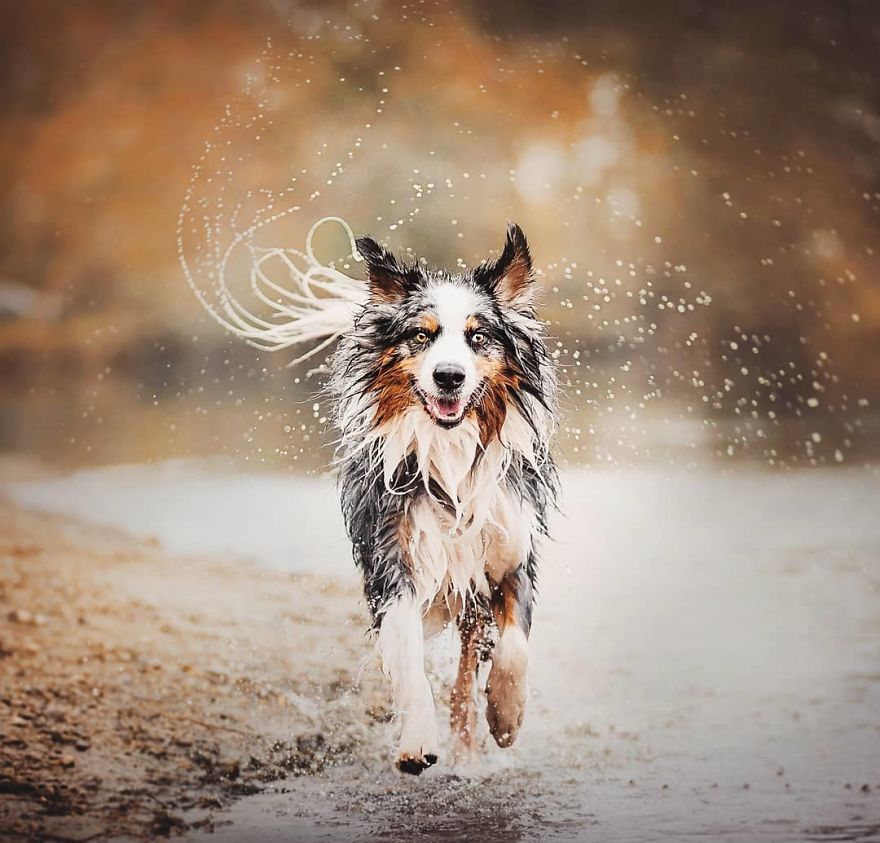
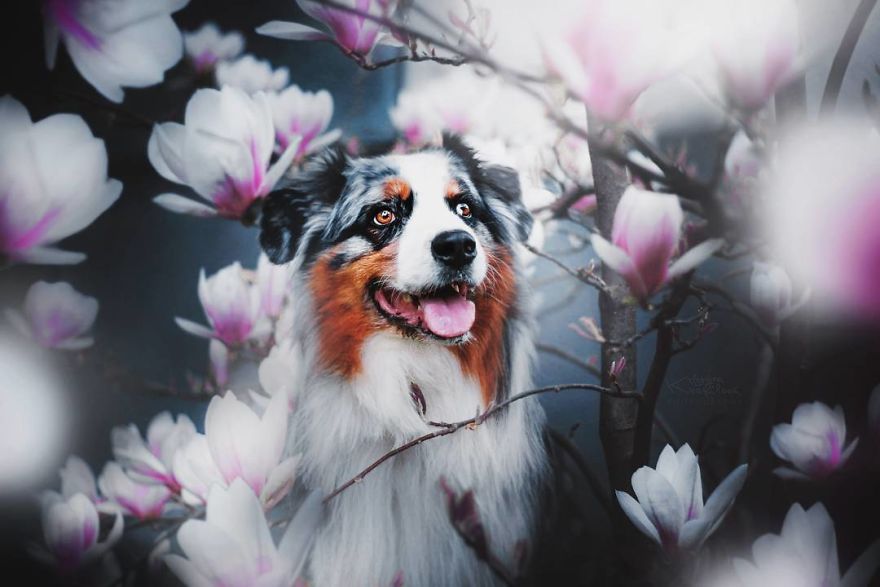
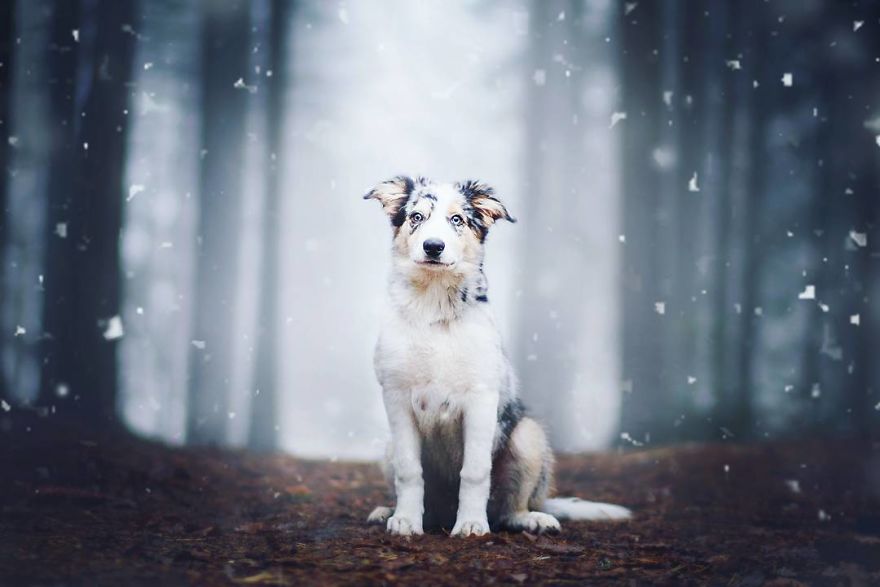
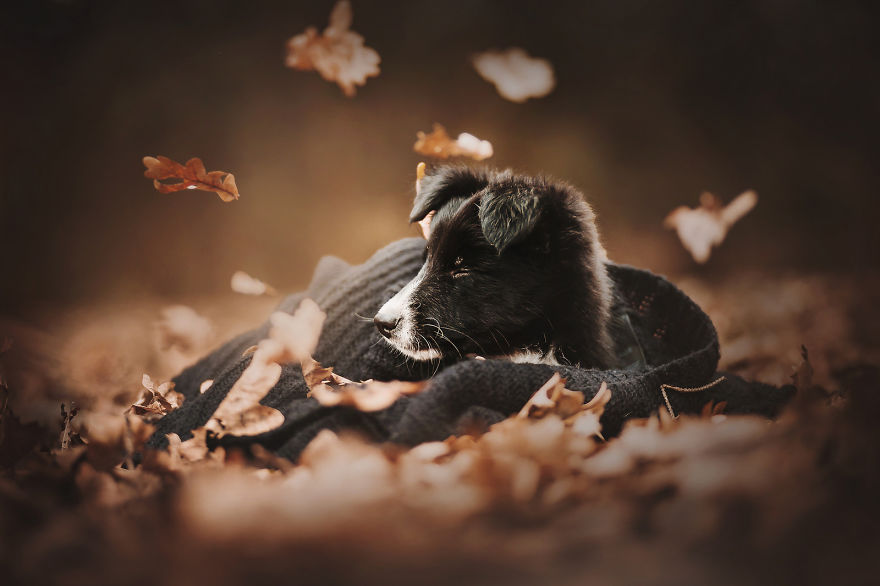
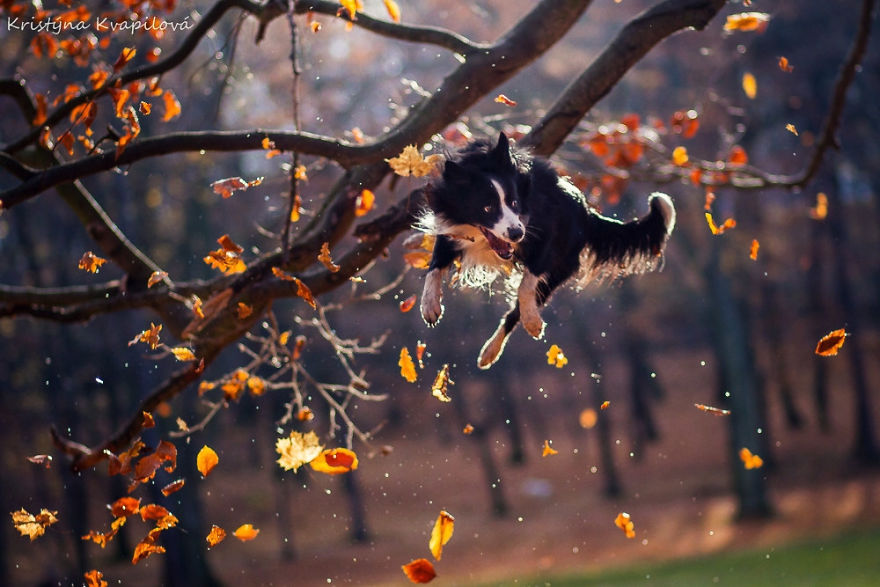
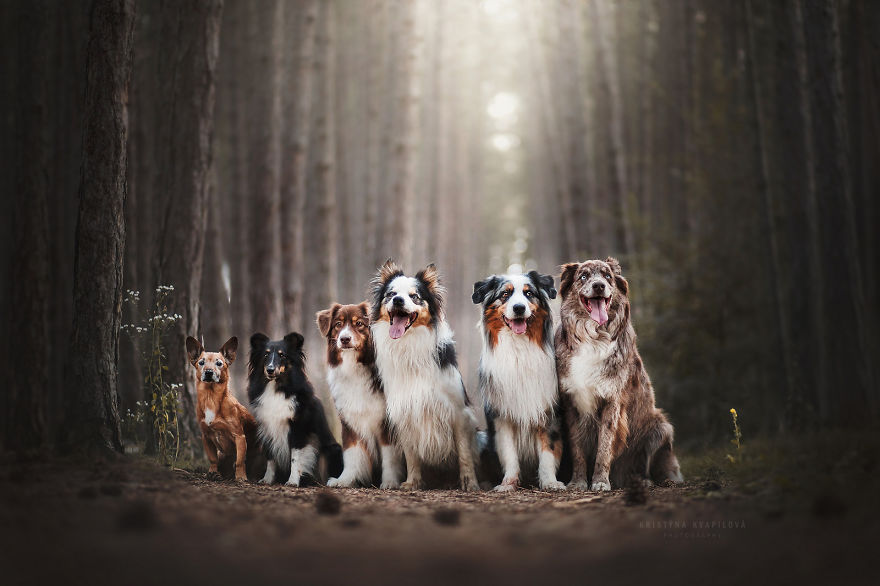
Picture Parade Two Hundred and Seventy-Four

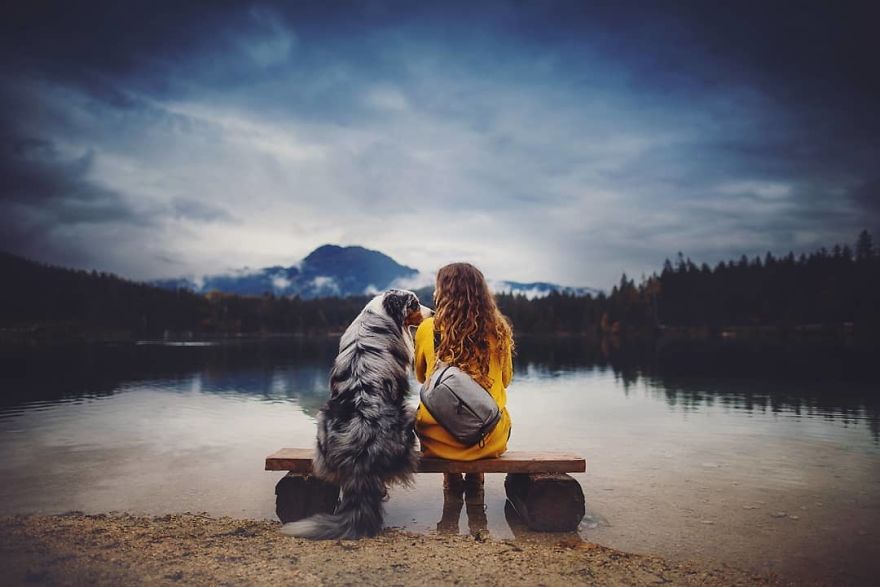
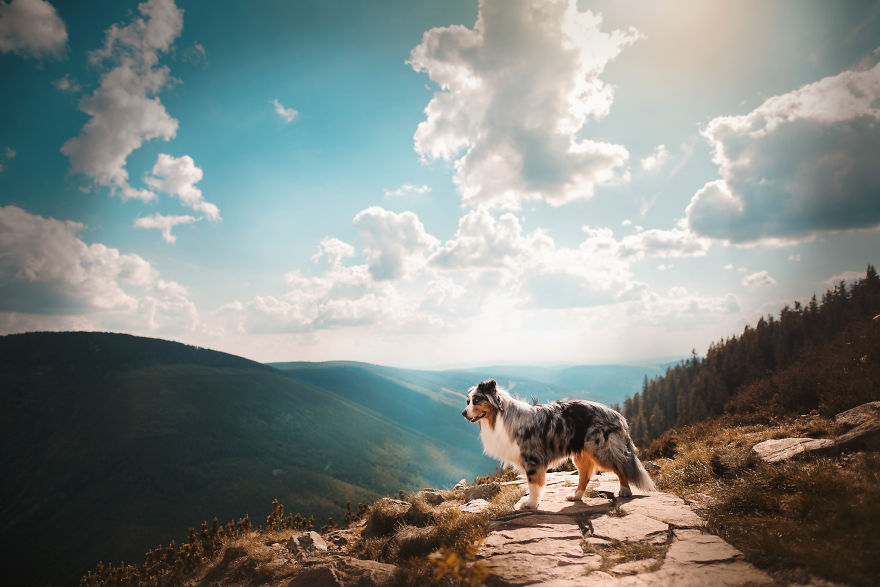
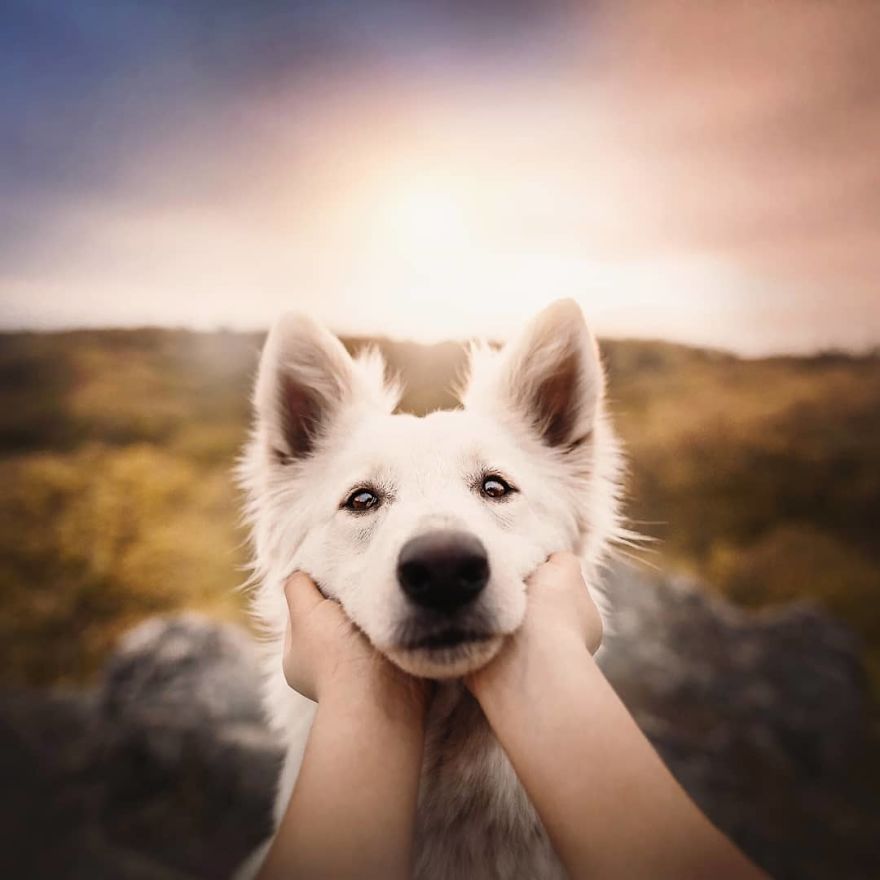
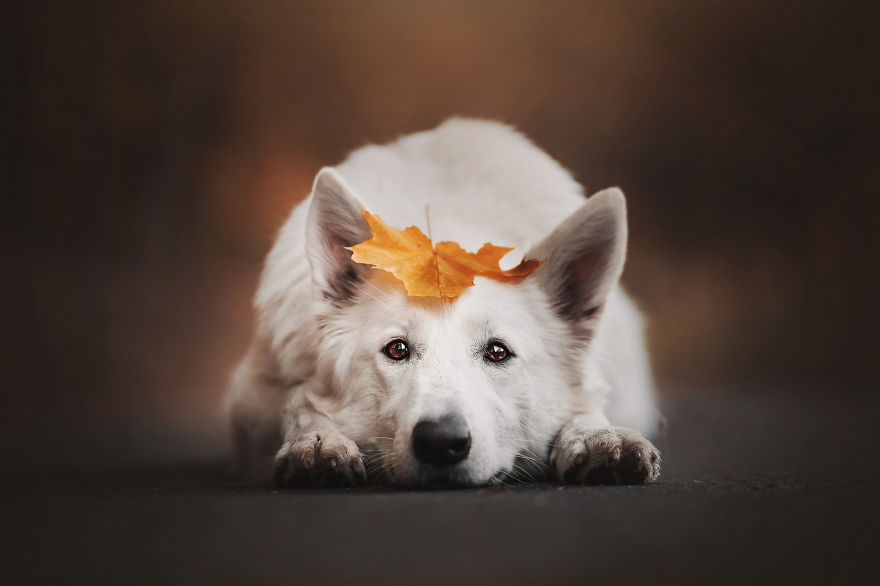
The last set of photographs from Kristýna Kvapilová

As before taken from here.

oooo

oooo
oooo
oooo
oooo

oooo

What a wonderful set of photographs these have been.

I think they will take some beating!

How to walk your dog on a pet leash.

A guest post from Anoop Nain.

From time to time I receive inquiries as to whether or not I publish guest posts. And if they are not trying to sell something then I am more than happy to do so.

So here is a guest post from Anoop Nain.

ooOOoo

How to walk your dog on a leash?

By Anoop Nain.

Walking with your dogs should be a fun activity, free from stress and worries. Unfortunately, for many dog parents it can be more complicated. Here are some common problems faced by the people when walking their dogs and some solutions to address those problems.

Preventing Pulling
Leash pulling is one of the most common dog walking challenges. There may be a number of factors at play, but often pulling is due to excitement on the walk and a lack of focus. If your pleasant dog walking dream has turned into a tug-of-war game with your pooch, here are some tips you can try to stop them from pulling on the leash.

  • The first step to stop your dog from being a major-league puller is to make sure your dog is paying attention to you and not everything around you while you walk.
  • Walk in front of your dog. This will allow you to be seen as the pack leader. You should always be the first one out the door and the first one in.
  • Keep the leash really short (This will allow you to have more control).
  • With your dog calmly by your side or behind you, make different moves, such as – start, st
    op and turn. This way, he/she will start paying attention to you in order to keep up.
  • Stop walking if your dog begins to pull. When he stops pulling, begin walking forward again. Repeat this until your dog understands that pulling will prevent him from moving forward.
  • If your dog obeys you and shows good behavior, reward him/her by allowing him to sniff around.

Stop Constant Sniffing

Does your dog want to sniff everything on walks, or mark his territory? Rest assured; you are not alone! Sniffing is totally normal in dogs but constant sniffing while walking, especially when you have not allowed him to do so is not acceptable. As a responsible pet parent, you should not allow your furry kid to decide when and where to sniff.

Dogs, who pull on walks to sniff do so because they find it rewarding. Everytime your pooch pulls on the leash he gets to sniff something, which is a form of reward for him/her. You have to teach him/her that pulling no longer works and good behavior will get him/her reward from you. Here are some tips to try:

  • Keep the leash short but not tight. Walk in front of your dog and make sure his head is up during the walk. Stay focused on your destination and maintain your calm-assertive energy. When your dog starts following you, allow him brief breaks to relieve himself and explore the area around him. These breaks are your dog’s reward for obeying you.
  • Never reward your dog when he stops to sniff. Many people think treats will lure their dog to get up and walk again. But, it is wrong as you’re rewarding them for stopping.
  • Don’t pull on the leash because your dog will only strain harder due to “oppositional reflex.” It means when you try to pull your dog to make him move, he/she will pull in the other direction to maintain balance.
  • Instead of pulling your dog, stop and say your dog’s name or do something strange that distracts them, like squeaking a toy, whistling or anything to capture their attention and distract them from the thought that they don’t want to move anymore. When using a squeaky toy to distract him/her, remember not to actually give your dog the toy as your dog will see it as a reward for stopping.

Lunging and barking at other dogs and people

If you always have to walk to the other side of the street to prevent your dog from lunging, barking and snapping at other dogs and people, then you need to fix this problem as soon as possible. This problem is commonly known as leash reactivity. Most leash reactivity is caused by fear, anxiety or discomfort. Dogs bark and lunge at others to warn them.
Here’s what you can do to fix it:

  • To ‘heal’ your leash reactive dog, you have to identify the triggers and then avoid them altogether for some time. After some time, you have to gradually reintroduce them after desensitization and counter conditioning. For example: you can initially walk your dog when there are no other dogs or people around.
  • Then gradually, you have to figure out what your dog’s threshold is with other dogs – Does he/she get triggered when the other dogs are just a few meters away, or just seeing one on the other side of the park makes them agitated?
  • Once you have figured out your dog’s threshold with other dogs, you can ask a friend with a well behaved dog for help. You friend has to walk his/her dog within sight of yours. Each time the dog is in sight, shower your dog with lots of praise and treats. By doing this you will make an association between seeing the dog and getting lots of treats and praise.

Important thing to remember: Never punish your dog for his reactivity. Doing so will make the problem even worse. Dogs learn by making associations, and you want your dog to associate other dogs with pleasant things. So, make all the sessions positive by using lots of rewards.
When reframing your dog’s opinion of seeing other dogs and people, be protective of what he is exposed to and be careful where you take him. Just one fight is enough to trigger leash reactivity.
As you reframe your dog’s opinions of other dogs, consider not walking your dog for some time. Instead, just sit on your front porch with your dog on leash, and practice giving him rewards every time another dog comes into your dog’s line of sight.
When desensitization and counter-conditioning is done right, your dog will turn his head away on seeing another dog and look into your eyes, expecting a reward. Over time he will come to tolerate or even look forward to meeting other dogs.

WALKING TOOLS YOU CAN USE TO TRAIN YOUR POOCH

Training your dog to be a ‘good boi or gal’ on a leash can take few weeks to months of regular practice and patience. To make your job a bit easier, here are some humane walking tools that can be used:
Head harnesses

Head harnesses are designed to fit around your dog’s snout, with the leash attaching in front to gently turn his head when he starts pulling. This tool can be effective for short-term pull-prevention but it must be properly fitted and used appropriately to avoid stress and injuries.
Front-hook harnesses

These harnesses work exactly like head harnesses but they are fastened on your dog’s chest. When your dog starts pulling, it turns your dog back towards you, discouraging pulling.
No-pull harnesses
When the dog starts pulling, these specially designed harnesses discourage pulling by applying gentle pressure to the dog’s chest or legs.
All these tools can be quite effective for training your dogs but they must be gradually introduced, properly fitted, and used appropriately.
Wrap up
Training your pooch is an important and necessary part of your life together. It is a great bonding experience and well worth the effort! So train your dog to put his/her best paw forward and you will soon be able to enjoy the world with your happy, fun and leash friendly four legged companion.

ooOOoo

So it needs little else from me save to explain Anoop’s background. In response to me asking for him to provide a little about himself he wrote:

Anoop Nain is a proud father of four rescued dogs and two Flemish giant rabbits. Besides being a full-time dog father, he is a freelance content writer/blogger and an educationist, with more than 6 years experience in the field of content writing.

I hope you enjoyed this guest post.

Picture Parade Two Hundred and Seventy-Three

More photographs from Kristýna Kvapilová

As before taken from here.

oooo

oooo

oooo

oooo

oooo

oooo

oooo

Now all good things come to an end and next week will be the last of these gorgeous photographs of dogs.

I better start thinking of what else to share with you.


A good news story!

We welcome with open arms this change in the law!

From the BBC.

ooOOoo

Californian law change means pet shops can sell only rescued animals

December 30th, 2018.

It is hoped the law will encourage pet adoptions.

California is set to become the first state in the US to ban the sale of non-rescue animals in pet shops.

The new law, known as AB 485, takes effect on 1 January. Any businesses violating it face a $500 (£400) fine.

The change means cats, dogs and rabbits sold by retailers cannot be sourced from breeders, only from animal shelters.

Animal rights groups have heralded it as a step forward against so-called “kitten factories” and “puppy mills”.

They say the current “high-volume” industries, where pets are bred for profit, can lead to inhumane treatment and long-term emotional and physical health problems in some animals.

The new state-wide law, approved in late 2017, will now require shops to maintain sufficient records of where they sourced each animal, for periodic checks by authorities.

It does not, however, affect sales from private breeders or owner-to-owner sales.

Some Californian shop owners have raised concern the law could put them out of business. The measure has also seen resistance from the American Kennel Club, which said it limits pet owners.

According to American Society for the Prevention of Cruelty to Animals (ASPCA) estimates, more than 6.5 million pets enter shelters across the country every year, of which about 1.5 million are put down.

It is estimated that more than than 860,000 cats are euthanised in the US every year

The California assembly member who introduced the legislation, Patrick O’Donnell, has insisted the legislation is not just “a big win” for “four-legged friends”, but for California taxpayers too, as they spend hundreds of millions on sheltering animals across the state.

A couple hoping to adopt a cat from a San Diego shelter on Friday, told NBC News the move was a step forward for the state.

“It takes the emphasis off the profit of animals and puts the emphasis back on caring for and getting these cats and dogs a good home,” prospective owner Mitch Kentdotson said.

AB 485 is the first state-wide law of its kind, although other places have enacted similar regulations on pet sales on a local level.

Earlier this month, a similar ban on third-party puppy and kitten sales was confirmed in England.

Lucy’s law, named after a mistreated cavalier King Charles spaniel, also aims to combat low-welfare animal breeding.

ooOOoo

Slowly but surely we are recognising that these animals are more, much more, than ‘belongings‘.

Dog Food Recall – Answers Brand

Salmonella Discovered in Answers Brand Dog Food

ooOOoo

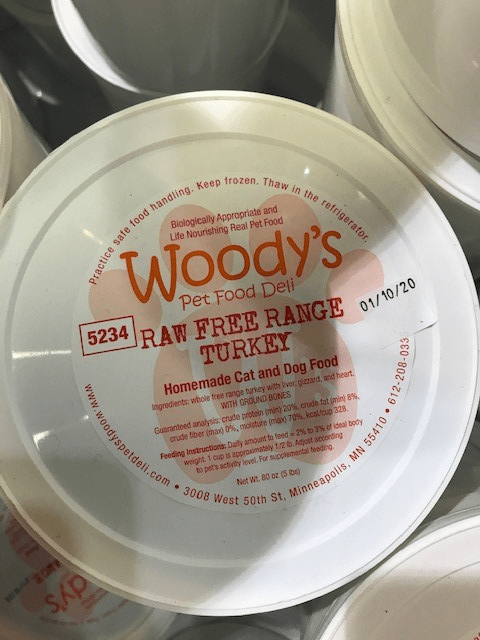
January 14, 2019 — The U.S. Food and Drug Administration is warning pet owners not to feed one specific lot of A+ Answers Straight Beef Formula for Dogs after the Nebraska Department of Agriculture discovered Salmonella in the food.

Which Products?

The following product is affected:

  • A+ Answers Straight Beef Formula for Dogs
    Lot # 2018 20/08 20

Why FDA Issuing This Warning

The FDA is issuing this warning because the affected product represents a serious threat to human and animal health and is adulterated under the Federal Food, Drug, and Cosmetic Act.

Lystn LLC (doing business as Answers Pet Food) recalled the affected product from distribution and retail locations in the state of Nebraska on December 20, 2018, but has not yet recalled the product nationwide.

The FDA is still working with Lystn to gather comprehensive distribution information and is issuing this warning to alert consumers about this public health risk.

About Salmonella

Salmonella is a bacterium that can cause illness and death in humans and animals, especially those who are very young, very old, or have weak immune systems.

People infected with Salmonella can develop diarrhea, fever and abdominal cramps.

Most people recover without treatment, but in some people, the diarrhea may be so severe that they need to be hospitalized.

In these patients, the Salmonella infection may spread from the intestines to the blood stream and then to other body sites unless the person is treated promptly with antibiotics.

Consult your health care provider if you have symptoms of Salmonella infection.

Pets do not always display symptoms when infected with Salmonella, but signs can include vomiting, diarrhea (which may be bloody), fever, loss of appetite and/or decreased activity level.

If your pet has these symptoms, consult a veterinarian promptly.

Why FDA Concerned About Salmonella in Pet Food

Pet foods contaminated with pathogens such as Salmonella are of particular public health importance because they can affect both human and animal health.

Pets can get sick from Salmonella, and may also be carriers of the bacteria and pass it onto their human companions without appearing to be ill.

Once Salmonella gets established in the pet’s gastrointestinal tract, the animal can shed the bacteria when it has a bowel movement, and the contamination will continue to spread.

Because animals can shed the bacteria when they have bowel movements, it’s particularly important to clean up the animal’s feces in yards or parks where people or other animals may become exposed, in addition to cleaning items in the home.

Federal law requires all pet food to be free of pathogens, including Salmonella.

Pet food manufacturers must effectively manage sourcing of ingredients, processing and packing to control pathogens.

Without an effective control, such as cooking, raw pet food is more likely than other types of pet food to contain pathogens such as Salmonella.

Pet owners who choose to feed raw pet food should be aware of the risks associated with these products.

What to Do?

Pet owners who have this lot of A+ Answers Straight Beef Formula for Dogs should discard it in a secure container where other animals, including wildlife, cannot access it.

Consumers who have had this product in their homes should clean refrigerators/freezers where the food was stored and clean and disinfect all bowls, utensils, food prep surfaces, pet bedding, toys, floors, and any other surfaces that the food or pet may have had contact with.

Clean up the pet’s feces in yards or parks where people or other animals may become exposed.

U.S. citizens can report complaints about FDA-regulated pet food products by calling the consumer complaint coordinator in your area.

Or go to https://www.fda.gov/petfoodcomplaints.

Canadians can report any health or safety incidents related to the use of this product by filling out the Consumer Product Incident Report Form.

ooOOoo

Please share this as widely as you can! Especially among fellow dog lovers!

Picture Parade Two Hundred and Seventy-Two

And guess what? Another Sunday, another set of photographs from Kristýna Kvapilová

oooo

oooo

oooo

oooo

oooo

oooo

As before the photographs were copies of those here.

They continue to be superb.


Now here’s a thing!

Dogs eating insects and helping climate change.

I had to look twice at this but it wasn’t April 1st and it appeared to be a serious article. It’s from the BBC website.

Will say no more. You have a read of it.

ooOOoo

Climate change: Will insect-eating dogs help?

By Roger Harrabin, BBC environment analyst

10th January, 2019

Do you fret that your pet pooch is blamed by environmentalists for turning rainforests into poo in the park?

Have no fear – you can now fatten Fido on black soldier flies instead of Brazilian beef.

A pet food manufacturer now claims that 40% of its new product is made from soldier flies.

It’s one of many firms hoping to cash in on the backlash against beef by people concerned that the cattle are fed on soya.

These soya plantations are responsible for the release of greenhouse gases in significant quantities.

Is it good for the dog?

The key question is whether a diet of 40% soldier flies meets the nutritional needs of your beloved canine.

We put the question to a pet diet expert at the Royal Veterinary College, Aarti Kathrani. Her conclusion was a cautious “yes”.

“Insects can be a very useful source of protein,” she told us. “More studies are needed to show how much of these nutrients can actually be absorbed by a dog’s body – but some studies suggest that insects can provide nutrients for dogs.”

Does it help the climate if dogs eat flies?

At first sight it seems obvious that feeding your dog meaty food is bad for the environment. The link between humans eating meat and the allied emissions of CO2 and methane is well established – and pets are estimated to eat 20% of global meat.

It’s also true that flies produce protein much more efficiently than cows – using a small percentage of the water and land.

But actually the analysis is more subtle than that – because as societies become more wealthy, people often turn to muscle meat and reject the animal’s offal.

The flies are brought to maturity in about 14 days

That offal is just as nutritious – and it gets made into pet food. That means that dog food is just as sustainable – or unsustainable – as humans eating meat.

In fact, if dogs were weaned off meat and on to insects, the industry would have to find another purpose for the offal. More sausage, perhaps? Or more humans eating insect protein. Or more going vegan?

Could cat food be made out of insects, too?

Dogs are omnivores – they eat more or less anything. Cats are much more choosy, because they can’t make an essential amino acid, taurine. They find it instead in meat and fish.

But Dr Kathrani says studies show that insects do contain taurine, so it’s possible that insects could also form a useful part of the moggie diet.

The new product is from Yora, a UK start-up. The insect grubs are fed on food waste in the Netherlands.

There are several competitors which also produce pet food incorporating fly protein. They include Insectdog, Entomapetfood, Chippin and Wilderharrier.

ooOOoo

Now I have heard of some strange things but in essence this does make very good sense.

Picture Parade Two Hundred and Seventy-One

Guess what! More pictures from Kristýna Kvapilová

oooo

oooo

oooo

oooo

oooo

oooo

oooo

Once again, taken from here.

More of these gorgeous photographs in a week’s time.