Category: People and their pets

Dogs foraging!

A plant list from the ASPCA.

This list came in from the ASPCA recently and I though it worth sharing with you. But just before I do that let me select from the About Us page on the ASPCA website.

We Are Their Voice

The American Society for the Prevention of Cruelty to Animals® (ASPCA®) was the first humane society to be established in North America and is, today, one of the largest in the world.

Our organization was founded on the belief that animals are entitled to kind and respectful treatment at the hands of humans and must be protected under the law. Headquartered in New York City, the ASPCA maintains a strong local presence, and with programs that extend our anti-cruelty mission across the country, we are recognized as a national animal welfare organization. We are a privately funded 501(c)(3) not-for-profit corporation, and are proud to boast more than 2 million supporters across the country.

The ASPCA’s mission, as stated by founder Henry Bergh in 1866, is “to provide effective means for the prevention of cruelty to animals throughout the United States.”

Plus there is a YouTube video.

Now to that plant list. It is a long list and I am going to only show you the first few dozen plants. If you want to see more of the list then you are going to have to go here and look it up for yourself.

ooOOoo

Toxic and Non-Toxic Plant List – Dogs

Plants Toxic to Dogs

Adam-and-Eve (Arum, Lord-and-Ladies, Wake Robin, Starch Root, Bobbins, Cuckoo Plant) | Scientific Names: Arum maculatum | Family: Araceae 

African Wonder Tree () | Scientific Names: Ricinus communis | Family:

Alocasia (Elephant’s Ear) | Scientific Names: Alocasia spp. | Family: Araceae 

Aloe () | Scientific Names: Aloe vera | Family: Liliaceae 

Amaryllis (Many, including: Belladonna lily, Saint Joseph lily, Cape Belladonna, Naked Lady) | Scientific Names: Amaryllis spp. | Family: Amaryllidaceae 

Ambrosia Mexicana (Jerusalem Oak, Feather Geranium) | Scientific Names: Chenopodium botrys | Family:Chenopodiaceae 

American Bittersweet (Bittersweet, Waxwork, Shrubby Bittersweet, False Bittersweet, Climbing Bittersweet) | Scientific Names: Celastrus scandens | Family: Celastraceae 

American Holly (English Holly, European Holly, Oregon Holly, Inkberry, Winterberry) | Scientific Names: Ilex opaca | Family: Aquifoliaceae 

American Mandrake (Mayapple, Indian Apple Root, Umbrella Leaf, Wild Lemon, Hog Apple, Duck’s Foot, Raccoonberry) | Scientific Names: Podophyllum peltatum | Family: Berberidaceae 

American Yew (Canada Yew, Canadian Yew) | Scientific Names: Taxus canadensus | Family: Taxaceae 

Andromeda Japonica (Pieris, Lily-of-the-Valley Bush) | Scientific Names: Pieris japonica | Family: Ericaceae 

Angelica Tree (Hercules’ Club, Devil’s Walking Stick, Prickly Ash, Prickly Elder) | Scientific Names: Aralia spinosa | Family:Araliaceae 

Apple (Includes crabapples) | Scientific Names: Malus sylvestrus | Family: Rosaceae 

Apricot (Group also includes Plum, Peach, Cherry) | Scientific Names: Prunus armeniaca | Family: Rosaceae 

Arrow-Head Vine (Nephthytis, Green Gold Naphthysis, African Evergreen, Trileaf Wonder) | Scientific Names: Syngonium podophyllum | Family: Araceae 

Arum (Cuckoo-pint, Lord-and-Ladies, Adam-and-Eve, Starch Root, Bobbins, Wake Robin) | Scientific Names: Arum maculatum | Family: Araceae 

Arum Lily (Calla Lily, Pig Lily, White Arum, Trumpet Lily, Florist’s Calla, Garden Calla) | Scientific Names: Zantedeschia aethiopica | Family: Araceae 

Asparagus Fern (Asparagus, Emerald Feather, Emerald Fern, Sprengeri Fern, Plumosa Fern, Lace Fern, Racemose Asparagus, Shatavari) | Scientific Names: Asparagus densiflorus cv sprengeri | Family: Liliaceae 

Australian Ivy Palm (Schefflera, Umbrella Tree, Octopus Tree, Starleaf) | Scientific Names: Brassaia actinophylla | Family:Araliaceae 

Australian Nut (Macadamia Nut, Queensland Nut) | Scientific Names: Macadamia integrifolia | Family: Proteaceae 

Autumn Crocus (Meadow Saffron) | Scientific Names: Colchicum autumnale | Family: Liliaceae 

Azalea (Rosebay, Rhododendron) | Scientific Names: Rhododendron spp | Family: Ericaceae 

Baby Doll Ti Plant (Ti-Plant, Good-Luck Plant, Hawaiian Ti Plant) | Scientific Names: Cordyline terminalis | Family:Agavaceae 

Barbados Aloe (Medicine Plant, True Aloe) | Scientific Names: Aloe barbadensis | Family: Aloaceae 

Barbados Lily (Amaryllis, Fire Lily, Lily of the Palace, Ridderstjerne) | Scientific Names: Hippeastrum spp. | Family:Amaryllidaceae 

Barbados Pride (Peacock Flower, Dwarf Poinciana) | Scientific Names: Caesalpinia pulcherrima | Family:

Barbados Pride 2 (Bird of Paradise, Poinciana, Brazilwood) | Scientific Names: Poinciana gilliesii | Family: Leguminosae 

Bay Laurel (Sweet Bag, Bay Tree, Tree Laurel, Laurel Tree, Laurel) | Scientific Names: Laurus nobilis | Family: Lauraceae 

Bead Tree (China Ball Tree, Paradise Tree, Persian Lilac, White Cedar, Japanese Bead Tree, Texas Umbrella Tree, Pride-of-India, Chinaberry Tree) | Scientific Names: Melia azedarach | Family: Meliaceae 

Begonia (Over 1,000 species and 10,000 hybrids) | Scientific Names: Begonia spp. | Family: Begoniaceae 

Bergamot Orange (Bergamot, Citrus bergamia) | Scientific Names: Citrus Aurantium | Family: Rutaceae 

Bird of Paradise (Peacock Flower, Barbados Pride, Poinciana, Pride of Barbados) | Scientific Names: Caesalpinia gilliesii | Family: Leguminosae 

Bird of Paradise 2 (Peacock Flower, Barbados Pride, Poinciana, Pride of Barbados) | Scientific Names: Poinciana gilliesii | Family: Leguminosae 

Bird of Paradise Flower (Crane Flower, Bird’s Tongue Flower) | Scientific Names: Strelitzia reginae | Family: Strelitziaceae 

Bird’s Tongue Flower (Bird of Paradise Flower, Crane Flower) | Scientific Names: Strelitzia reginae | Family: Strelitziaceae 

Bishop’s Weed (Greater Ammi, False Queen Anne’s Lace) | Scientific Names: Ammi majus | Family: Apiaceae 

Bitter Root (Dogbane Hemp, Indian Hemp) | Scientific Names: Apocynum androsaemifolium | Family: Apocynaceae 

Black Calla (Solomon’s Lily, Wild Calla, Wild Arum) | Scientific Names: Arum palestinum | Family: Araceae 

Black Cherry () | Scientific Names: Prunus serotina | Family: Rosaceae 

Black Laurel (Dog Hobble, Dog Laurel, Fetter Bush, Sierra Laurel) | Scientific Names: Leucothoe spp. | Family: Ericaceae 

Black Nightshade (Nightshade, Deadly Nightshade) | Scientific Names: Solanum nigrum | Family: Solanaceae 

Black Walnut () | Scientific Names: Juglans nigra | Family: Juglandaceae 

Bobbins (Arum, Lord-and-Ladies, Adam-and-Eve, Starch Root, Wake Robin, Cuckoo Plant) | Scientific Names: Arum maculatum | Family: Araceae 

Bog Laurel (Pale Laurel, Bog Kalmia) | Scientific Names: Kalmia poliifolia | Family: Ericaceae 

Borage (Starflower) | Scientific Names: Borage officinalis | Family: Boraginceae 

Boxwood () | Scientific Names: Buxus spp. | Family: Buxaceae 

Branching Ivy (English Ivy, Glacier Ivy, Needlepoint Ivy, Sweetheart Ivy, California Ivy) | Scientific Names: Hedera helix | Family: Araliaceae 

Brazilwood (Bird of Paradise, Poinciana, Barbados Pride) | Scientific Names: Poinciana gilliesii | Family: Leguminosae 

Bread and Butter Plant (Indian Borage, Spanish Thyme, Coleus, Maratha, Militini, East Indian Thyme) | Scientific Names:Coleus ampoinicus | Family: Labiatae 

Brunfelsia (Yesterday, Today, Tomorrow, Kiss-Me-Quick, Lady-of-the-Night, Fransiscan Rain Tree) | Scientific Names:Brunfelsia species | Family: Solanaceae 

Buckeye (Horse Chestnut) | Scientific Names: Aesculus spp | Family: Hippocastanaceae 

Buckwheat () | Scientific Names: Fagopyrum spp. | Family: Polygonaceae 

Buddhist Pine (Yew Pine, Japanese Yew, Southern Yew, Podocarpus) | Scientific Names: Podocarpus macrophylla | Family: Podocarpaceae 

Burning Bush (Wahoo, Spindle Tree) | Scientific Names: Euonymus atropurpurea | Family: Celastraceae 

Buttercup (Butter Cress, Figwort) | Scientific Names: Ranunculus spp. | Family: Ranunculaceae 

Butterfly Iris (Spuria Iris) | Scientific Names: Iris spuria | Family: Iridaceae

ooOOoo

That was only the ‘A’ and ‘B’ selection!

I did say it was a long list. Again, if you want to go there here is the link.

If by sharing this information one dog’s life is saved then it was worthwhile.

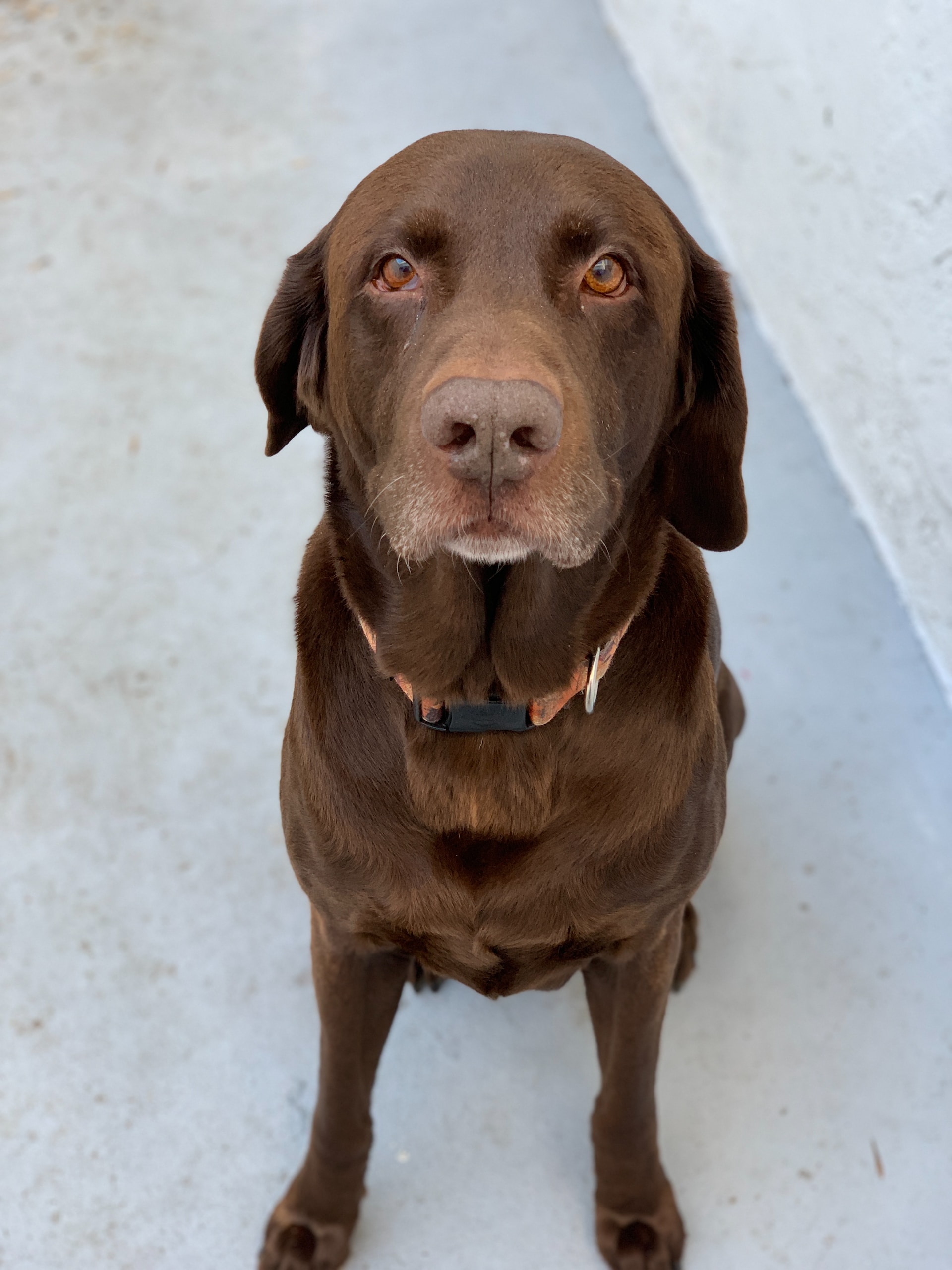
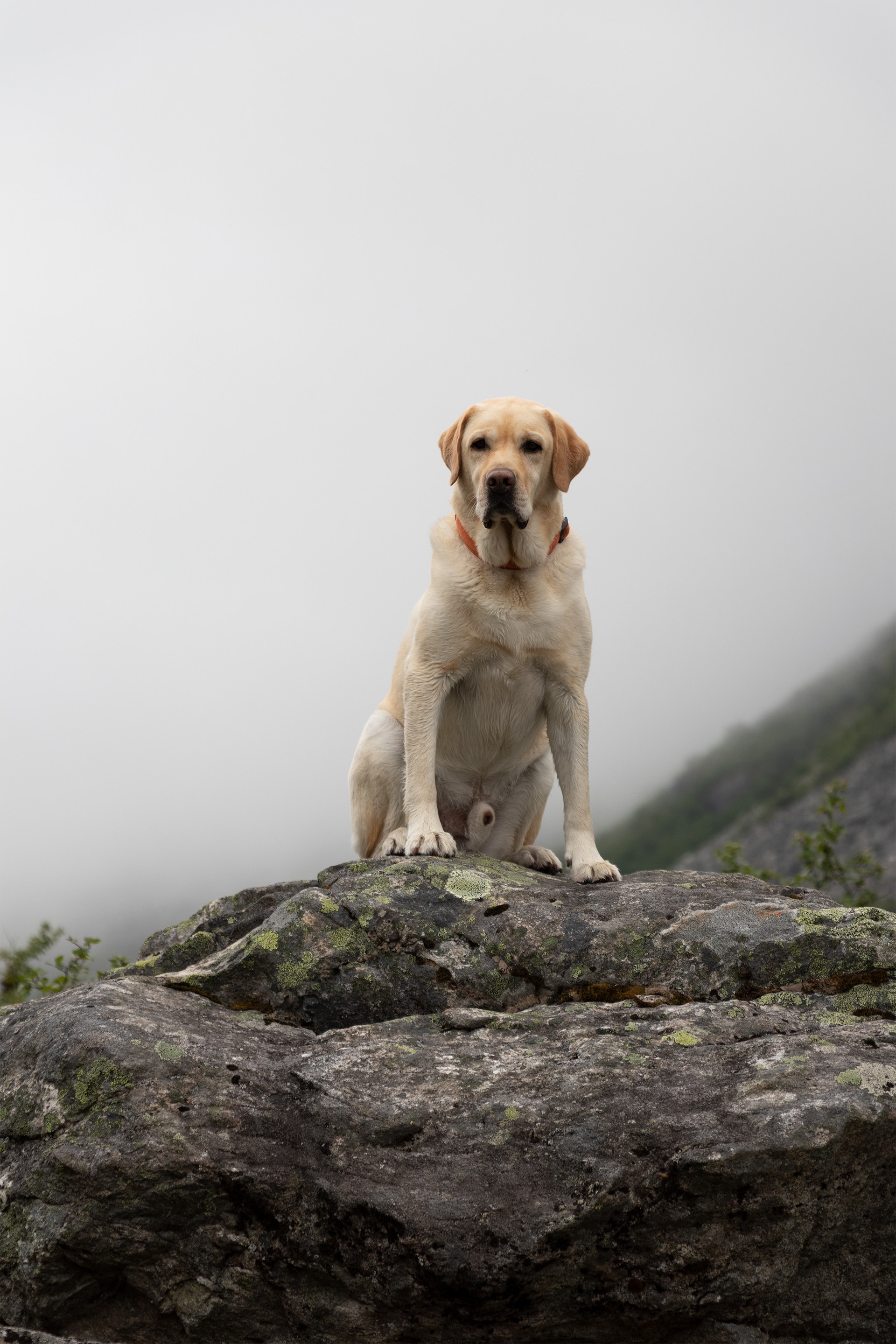
Picture Parade Four Hundred and Eighty-One

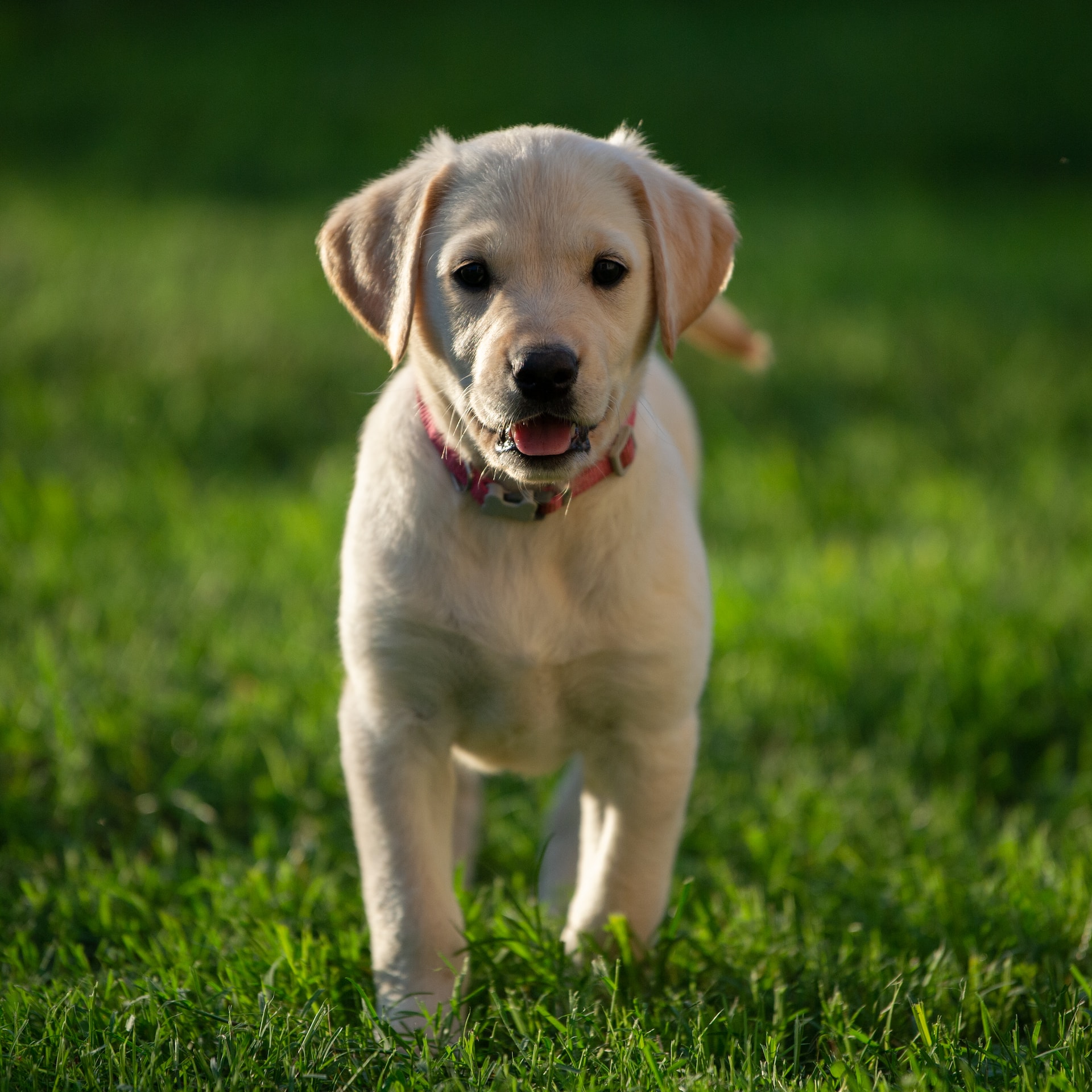
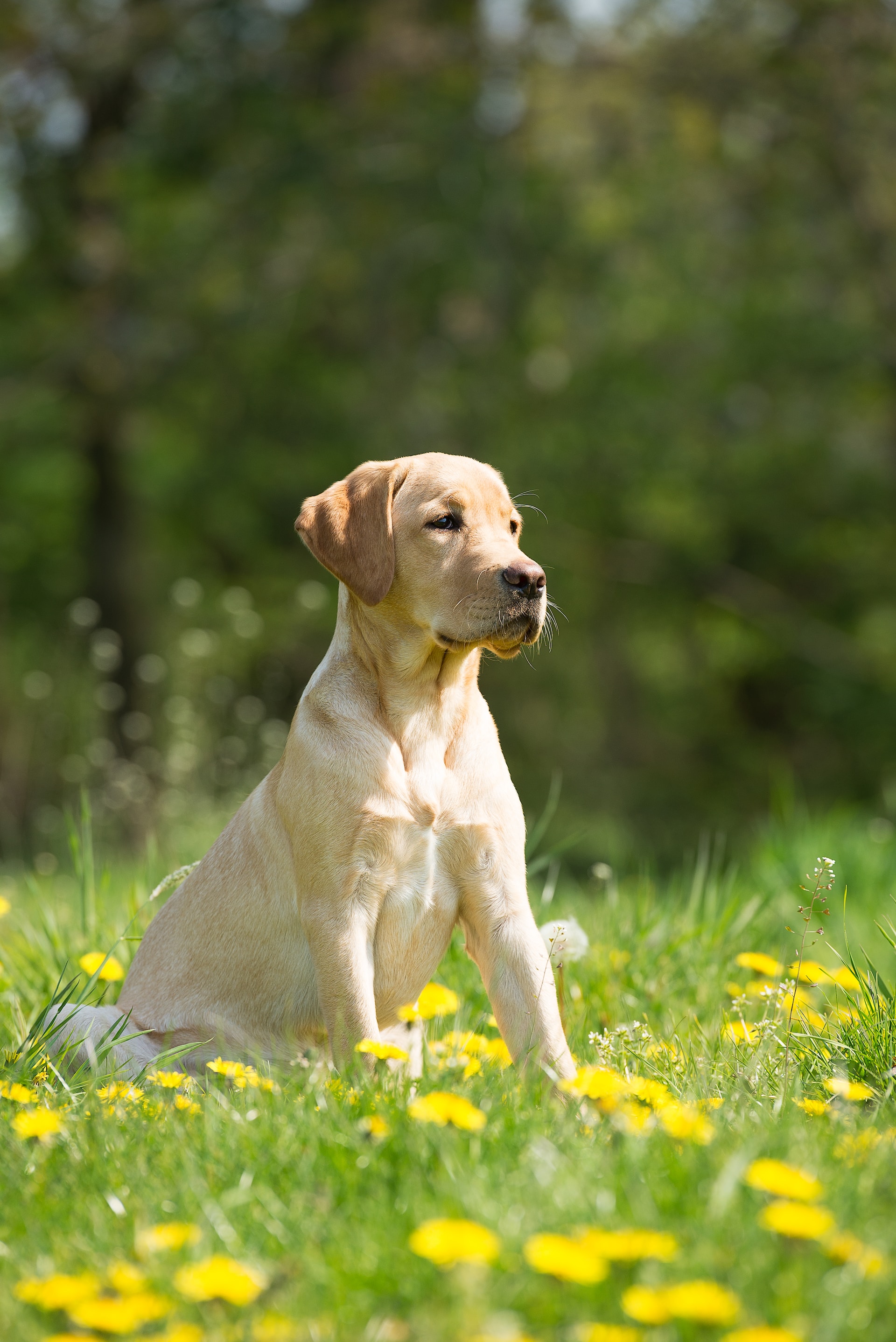
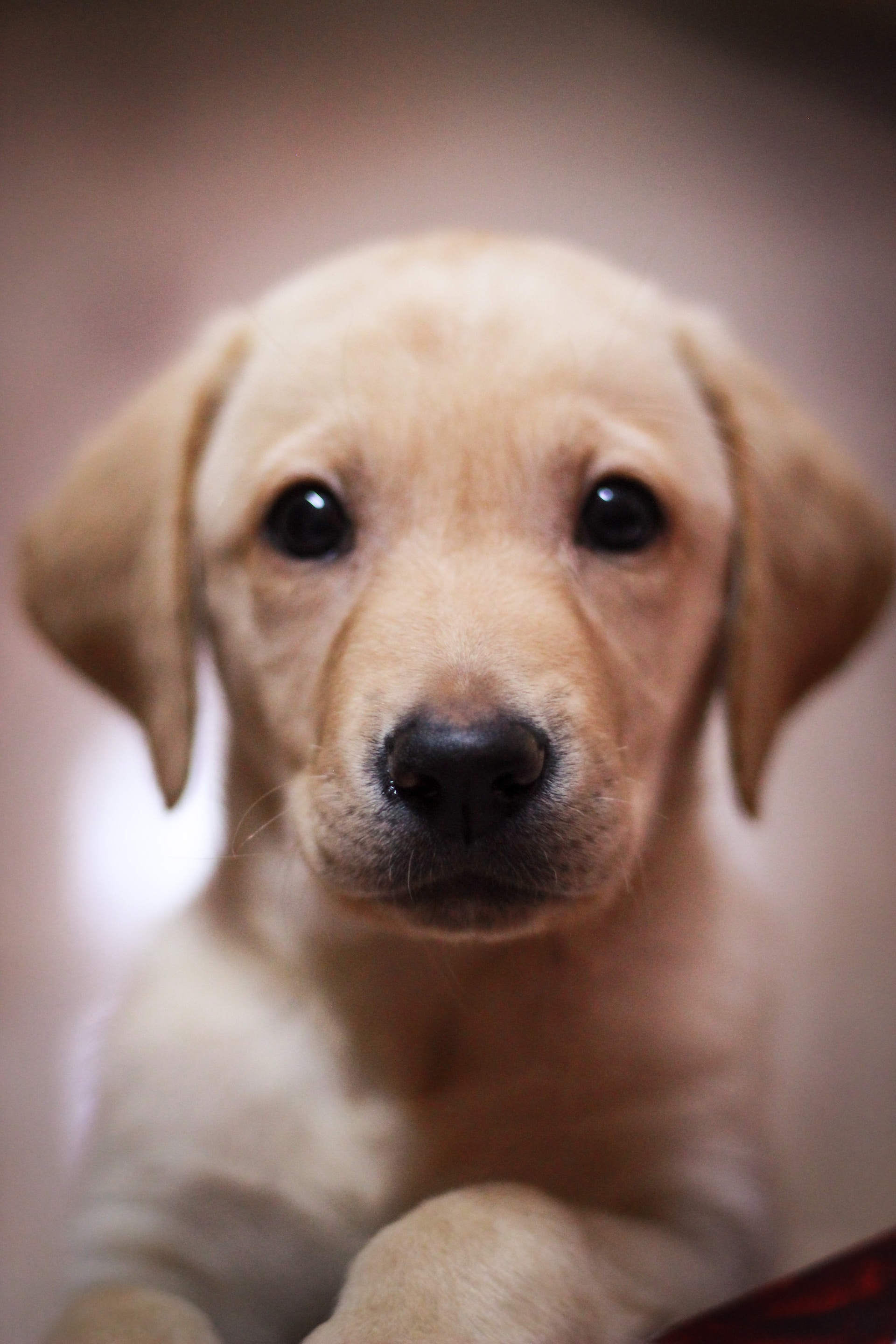
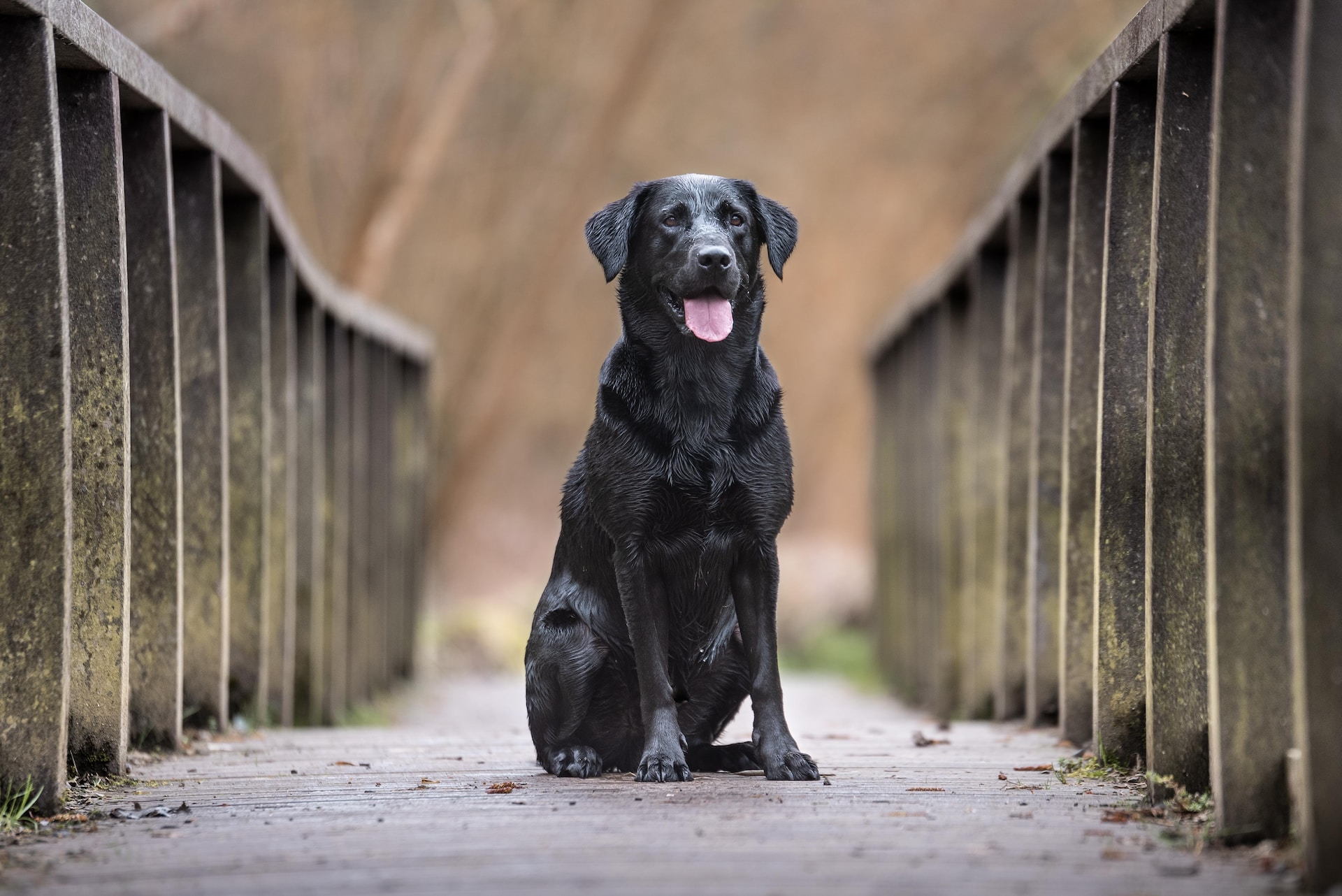
This time, pictures of Labradors; again from Unsplash.

oooo

oooo

oooo

oooo

oooo

oooo

oooo

Another wonderful set of pictures! Thank you, Unsplash.

His first working dog.

I have permission from Jason to republish his post.

When I receive notice that there has been a new follower of Learning from Dogs I go across to their blog site and leave a ‘thank you’ note..

So it was with Jason who, I assume, is a relatively new member of the WordPress club. He has published a blog Life Journeys and Passions. The first post is How I met my first working dog.

As soon as I read it I contacted Jason and asked his permission to share it with you all.

Here it is!

ooOOoo

How I met my first working dog.

April 6th, 2023

Hello, my name is Jason. For as long as I can remember, I have loved dogs. Dogs have been a big part of my life while growing up. They have also been a big part of having a family with kids. 

I am super lucky, because over the last couple of years, I have had the job of my dreams. I get to work with a dog every day. This dog has become my best friend, she has become my work partner, and she has become a very important part of my family.

I am excited to share my stories about this big, floppy eared, wrinkly faced, hard working Bloodhound. Would it surprise any of you that the job that Sophie and I do every day is to help find people that have gone missing?

Her nose, second to none in the dog world, has helped the community where we work to find people in many aspects. We have found criminals that have ran away from law enforcement, we have found missing children that ran away from home, and we have helped look for people that for any number of circumstances were in danger if they weren’t found in a timely manner.

This is Sophie!

I hope to be able to entertain you with stories of this wonderful dog. She’s got a stubborn streak both while working and while at home. She has made life interesting to be sure, and more entertaining and loving than I deserve in a friend and partner. I want to share my story of how I met her. 

Unfortunately, her story wasn’t one without a few struggles of her own. She had to deal with some struggles before I was able to be lucky enough to have her stumble head first into my life. Maybe in some ways though, her and I were better off having to work through some of the repercussions of moving away from multiple families. Maybe because of what she went through, it opened my eyes to the opportunity to train with her in more than just search and rescue type work. 

It’s been a long road from the time that I got her. Trying to help her get through her anxiety and stress that led to her sometimes biting people, dog aggression, and sometimes just not wanting to listen to me at all.

The dog that I live with now is still a working machine. She loves the hunt more than anything else. So much so that if we go too many days without it, she starts destroying my house. Instead of the biting and hating other dogs, she now gets to live with my family of a wife and two children. She has grown to love and co-exist with a stubborn Rottweiler that constantly gives her a run for her money.

I still wonder how I had the opportunity to have a dog that was born and raised in Massachusetts. At least for the first two years of her life.

Her story started with a hound handler that had many years, and many hounds during his time of working with dogs. Sophie was still really young when her handler had an unfortunate thing happen to him. He injured his back to where he was no longer able to run with a hound the same way he had in the past.

With her age, abilities, and ultimately what she was bred for, her first owner decided that he still wanted the world to have the opportunity to have Sophie provide her assistance to a community somewhere.

Across the United States in the state of Utah was a small police department that had been in contact with the organization that Sophie’s handler was part of. The police chief with this department had attended a seminar where this organization presented the abilities and benefits of a hound working for a local police department.

This police chief made quick friends with the people of this organization. He was also invited to Massachusetts where he spent some time watching the hounds work. Learning first hand what these amazing dogs can do to help find missing people.

When this organization realized that Sophie needed a new home, they contacted this chief from Utah and told them of a rare opportunity they wanted to offer him. They told him that they had a hound that needed to be re-homed. That she was a couple of years old, and was fully trained in her abilities. All she needed was a handler and a department willing to use her. The chief of police sent his lieutenant to Massachusetts where he spent about a week learning the basics of how Sophie worked. The lieutenant then drove back to Utah to start a bloodhound unit program with this police department.

A couple of years in of getting this program off of the ground, another incident happened. Sophie’s new handler got injured. For month’s it was thought that the lieutenant would be back to work. He was adamant that he wanted to stay with the department until Sophie retired so he could take her with him. He came to the realization though, that he was going to have to leave before Sophie could retire.

It was rumored around the police department that Sophie was just going to retire with the lieutenant even though she had years left available to keep working and providing for the community. One day, the lieutenant announced that he wanted officers to put in letters of interest to be the new hound handler for the department. He told those interested that there was going to be a panel of three officers, all hound handlers from Utah, that would decide who the best candidate would be for Sophie.

I was about two years into my career as a law enforcement officer at this same police department where Sophie worked. When I first started in law enforcement, my goal and biggest dreams were to work with a dog in some capacity. When I heard that they were looking for people that wanted the position, I didn’t think much of it. I was newer, other more experienced officers were putting in for the position, and I didn’t know if I wanted to run a tracking/trailing dog. I had always dreamed of having a dog that helped find drugs or had a more known job as a police officer.

I was called by my lieutenant shortly after the position to be Sophie’s handler opened up. He was aware that I have always wanted to be a K9 handler. He knew that I spent a lot of time working with another officer with the department that has a dog used to find drugs. He told me that he wanted me to put in for the position.

I wrote my letter of interest, then started the process of getting ready to interview. I had a small amount of experience with training a dog that I had previously that had behavior issues. My experience was no more than working with a company that helped with behavioral modification for my dog that had health and anxiety issues.

During the interview, among many questions, I was asked what experience I had working with dogs. I shared the small bit of experience that I had. Among all the other questions that stood out to me was asking if my family was prepared for the time and energy it took to be a police K9 handler. I was able to explain to them that my wife was very aware that having a dog in a working capacity has been a dream of mine even before meeting her. That I probably have no idea how big of a commitment this really was, but if given the opportunity, I would give it my all and put forth all the effort I could to succeed.

Hours after the interview, my lieutenant called me and one other officer that made it to the final interview process. The call was to announce to the two of us who had gotten the position. I expected this other officer, almost a 20 year veteran officer, to get the position. Well, I was pleasantly surprised and shocked that my name was the one called to be Sophie’s next handler!

ooOOoo

I hope you read it completely through because you would agree with me that this is most interesting. Hopefully, Jason will be publishing more posts.

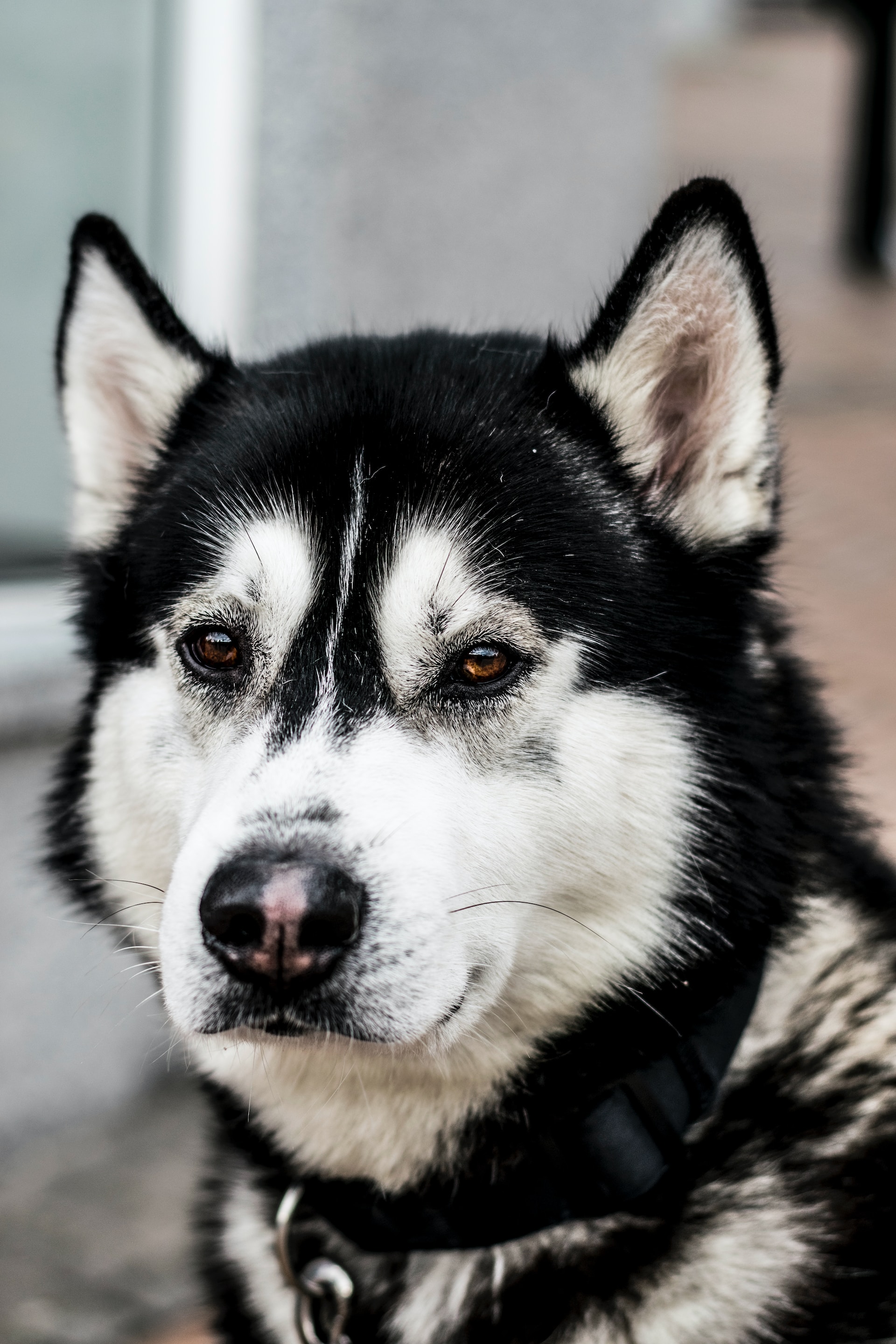
Picture Parade Four Hundred and Eighty.

More dogs from Unsplash.

This time Siberian Husky Dogs!

oooo

oooo

oooo

oooo

oooo

oooo

What a fantastic group of photographs; apologies if I have shown these before.

Keeping dogs from fighting each other.

A video courtesy of Zak George’s Dog Training Revolution.

I was in a bit of a hurry yesterday and looked through my folder of blog posts and came across this video.

ooOOoo

The words that accompanied the video are also presented:

Discover the secrets to successful dog training in a multi-dog household! We delve into the challenges and rewards of training multiple dogs, offering practical tips and expert advice to help you create a harmonious home. From establishing routines and managing individual training sessions to addressing common behavioral issues, we’ve got you covered in this informative and insightful video. I’ll guide you through essential techniques for managing multiple dogs, including establishing boundaries, promoting positive reinforcement, and tailoring training approaches to each dog’s unique personality and needs. Whether you’re a seasoned dog owner or new to multi-dog households, these expert tips will help you transform potential chaos into a well-coordinated, stress-free environment. Don’t miss out on this valuable resource for training multiple dogs effectively and efficiently. Be sure to like, share, and subscribe to our channel for more dog training tips and tricks. We’d love to hear about your own experiences with multi-dog households and training, so leave a comment below to join the conversation!

Sponsored by PupBox! Get your first PupBox for ONLY $5!!! Use code: ZAK5 at https://pupbox.com

ooOOoo

Needless to say I have no affiliation with PupBox.

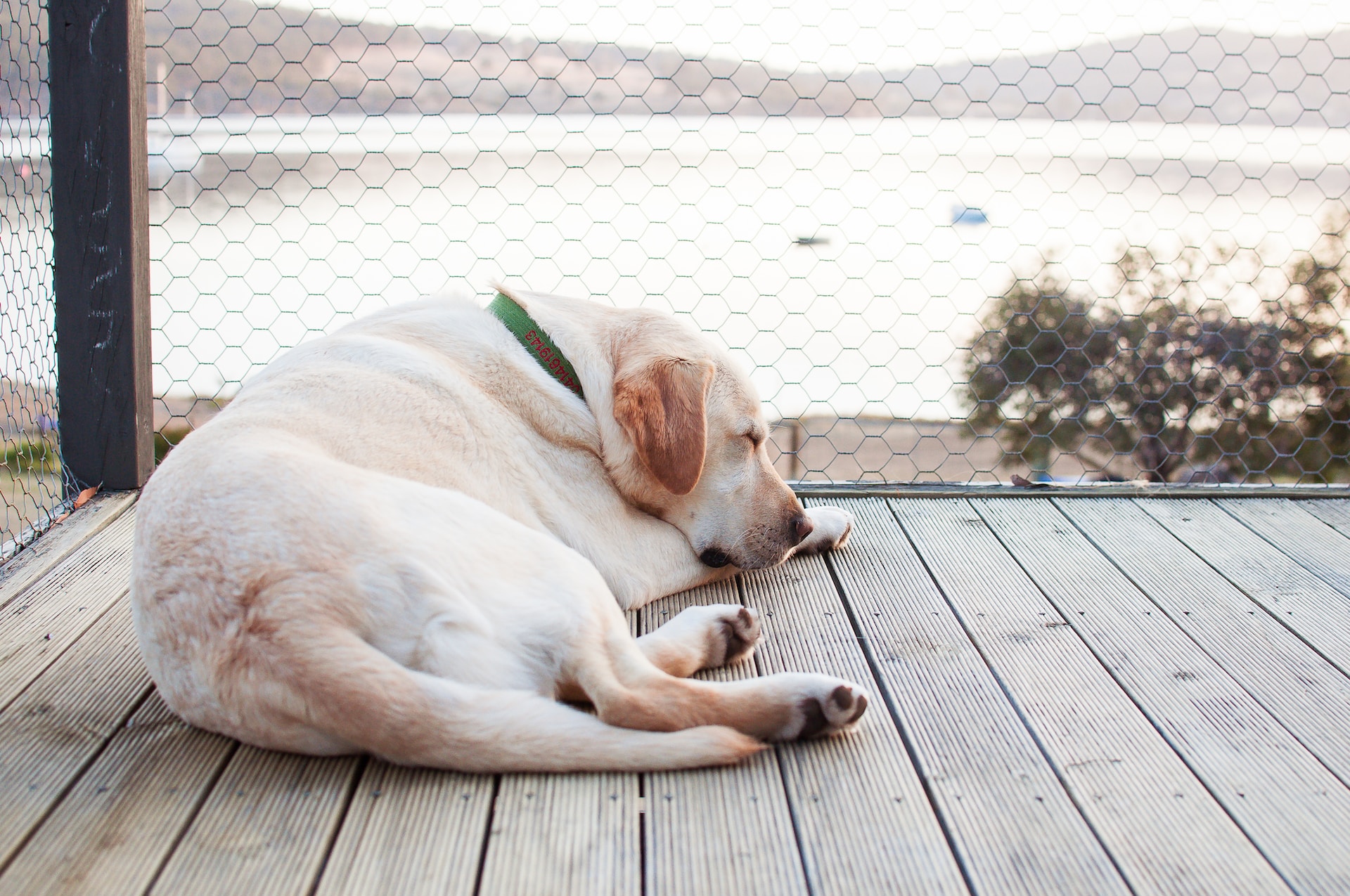
Picture Parade Four Hundred and Seventy-Nine

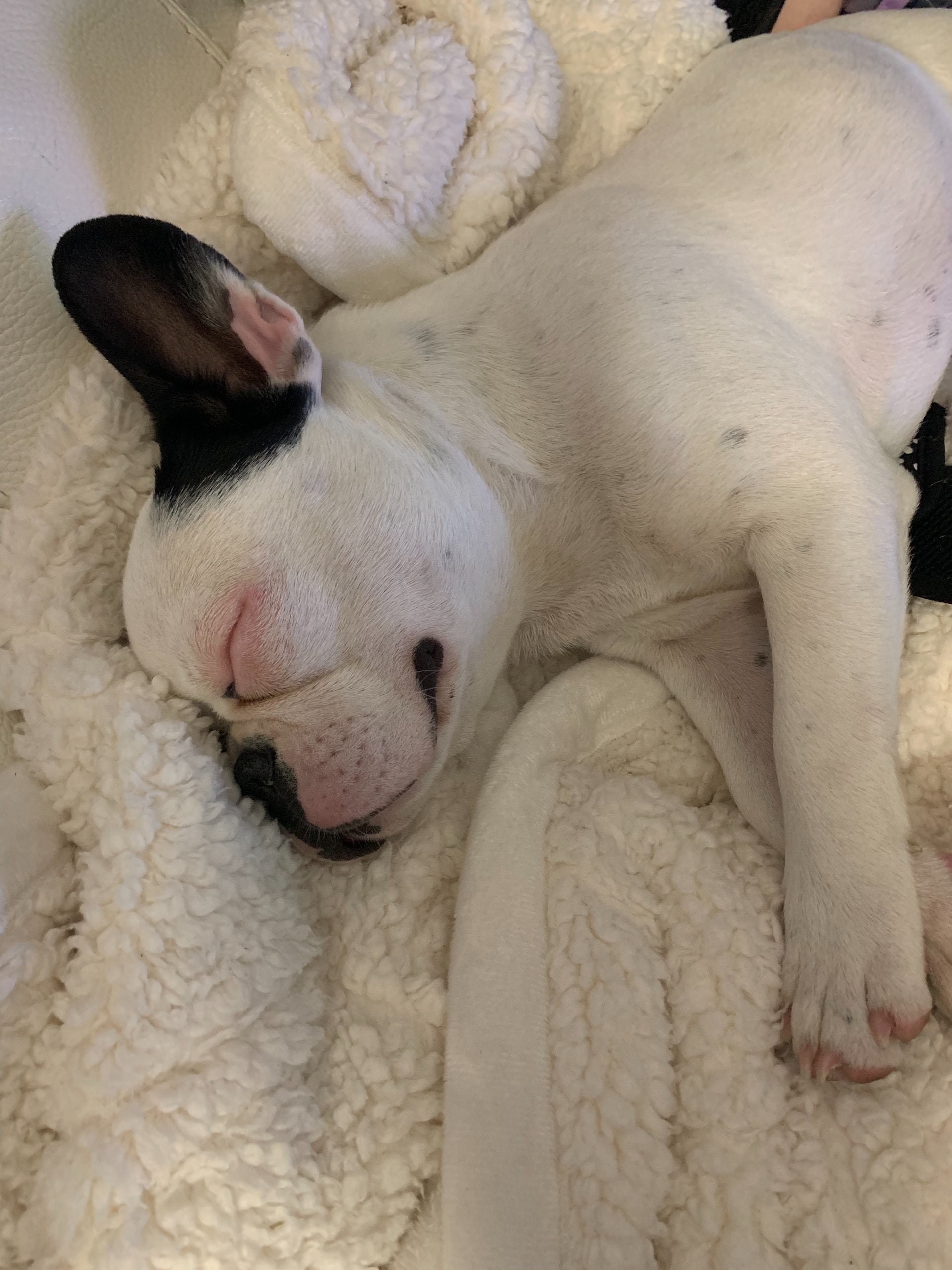
Back to Unsplash and Sleeping Dogs!

oooo

oooo

oooo

oooo

oooo

oooo

oooo

Perfect photographs! Thanks to Unsplash; it is a great site!

This is just a beautiful Picture Parade

In other words, Picture Parade Four Hundred and Seventy-Eight.

Introducing A guest post (sort of) by Cara Sue Achterberg.

Read this! It tells the story of the volunteers who spend their time at the Animal Control centre in Bernie County.

ooOOoo

Animal Control And/Or Care

By Cara Sue Achterberg

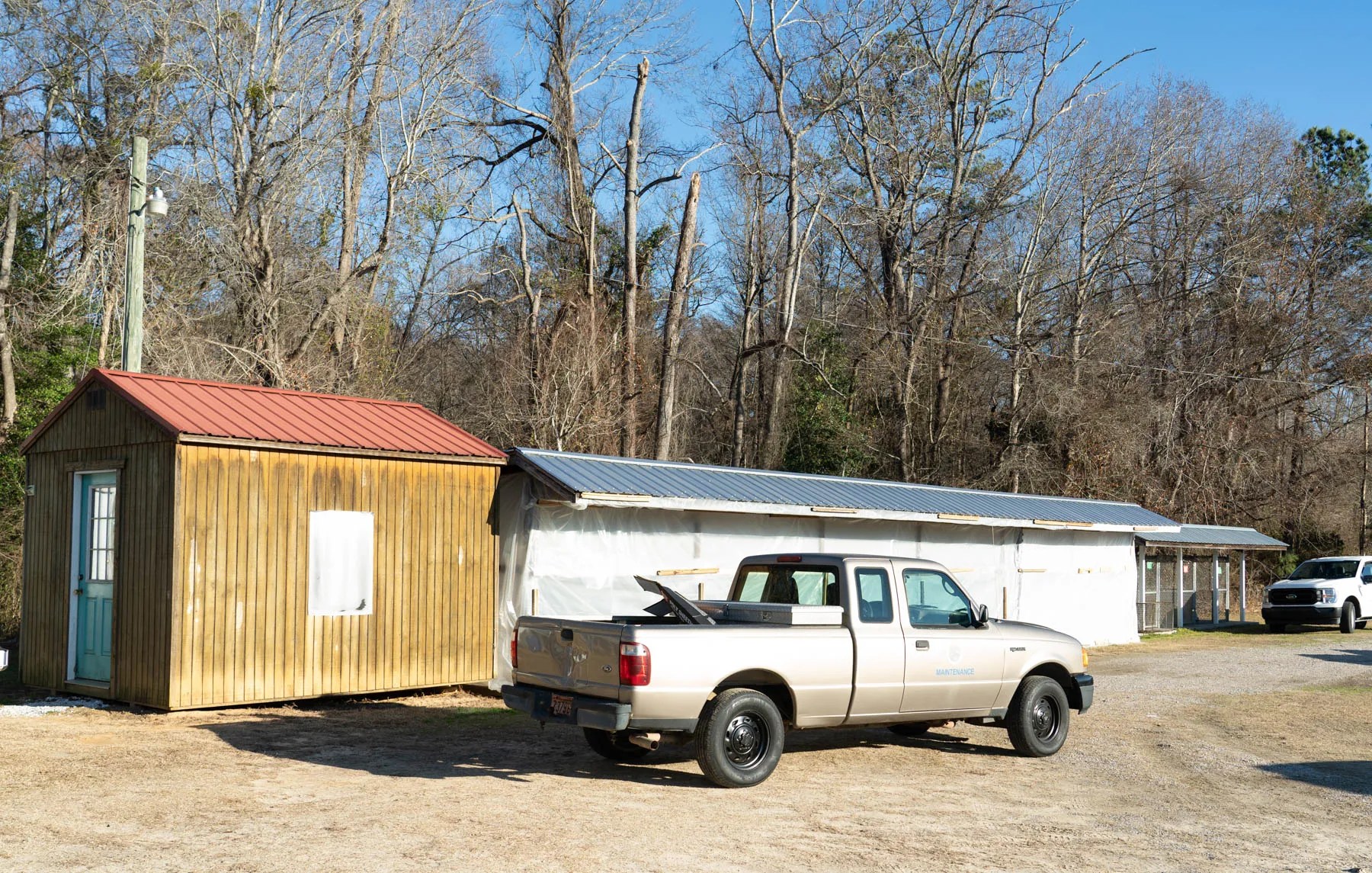
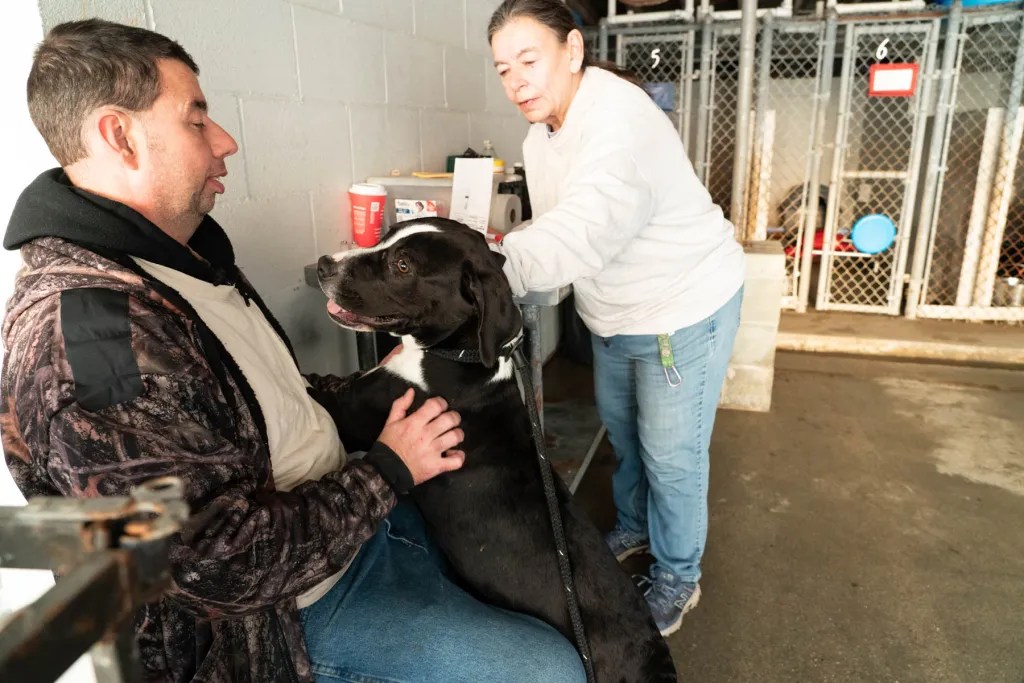
Bertie County is a small county most people pass through on their way to vacation on the Outer Banks. The county’s tiny shelter is the next to last stop on a road that ends at the regional jail. The shelter sits on a property prone to flooding, and although the county has had plans to move it, the folks we talked to were skeptical that the collection of sheds, trailers, and kennels would leave the spot it has occupied as long as anyone can remember.

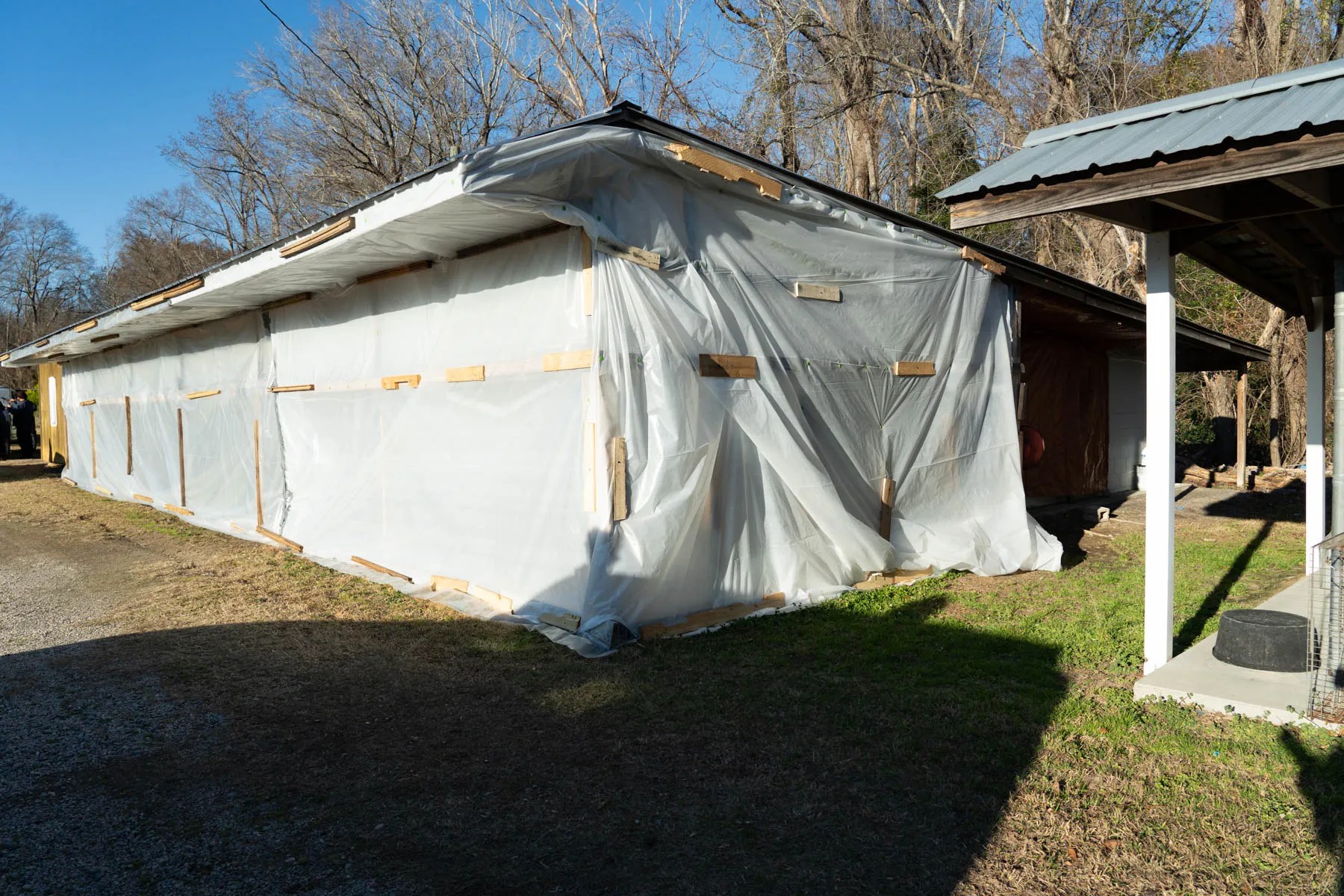
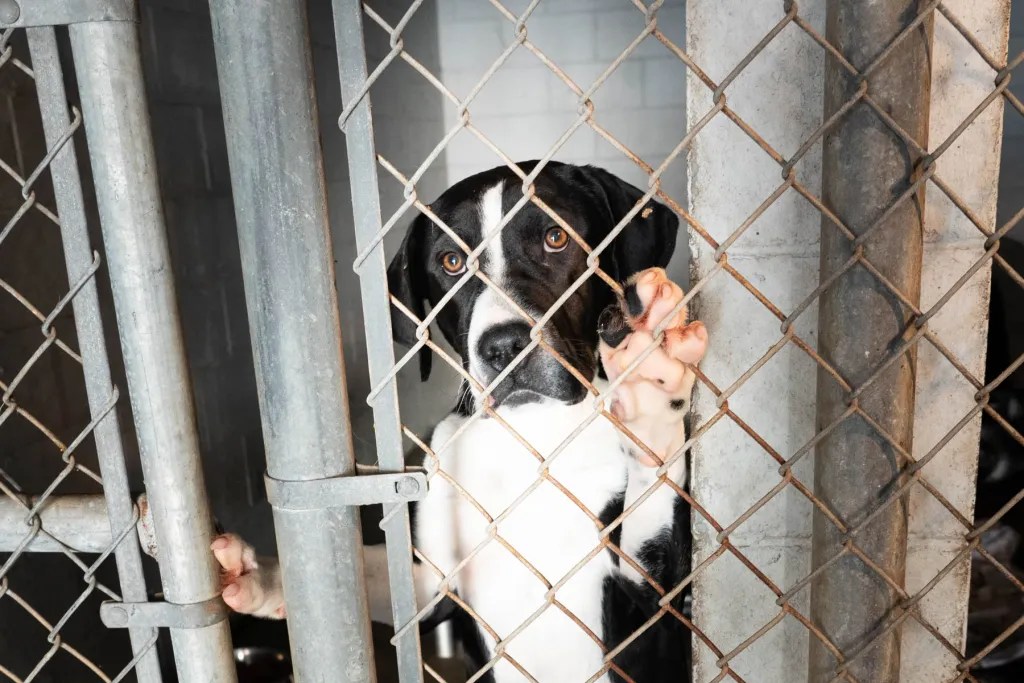
Bertie County Animal Control in Windsor is a municipal, open-intake shelter comprised of ten kennels on a concrete pad with a roof, plus two quarantine kennels, and three puppy runs.

There is no heat or AC or walls, for that matter. The day we arrived, county maintenance workers were busy wrapping plastic around the kennels to try to give the dogs some protection from the cold.

The county has two full-time Animal Control officers and one part-time ACO, but the care of the dogs is done by Josh, a full-time kennel tech. The county pays for Josh (and a part-time person who comes in once on Saturday and Sunday to feed/clean), plus the ACO salaries, and the property utilities, but everything else is left up to the Bertie County Humane Society.

Beyond the $2000/year the county gives the Humane Society, they must raise the money to pay for everything else – veterinary needs, vaccinations, spay/neuter, food/treats, transport to rescues, beds, heartworm preventative, flea/tick treatment, dewormers and anything else.

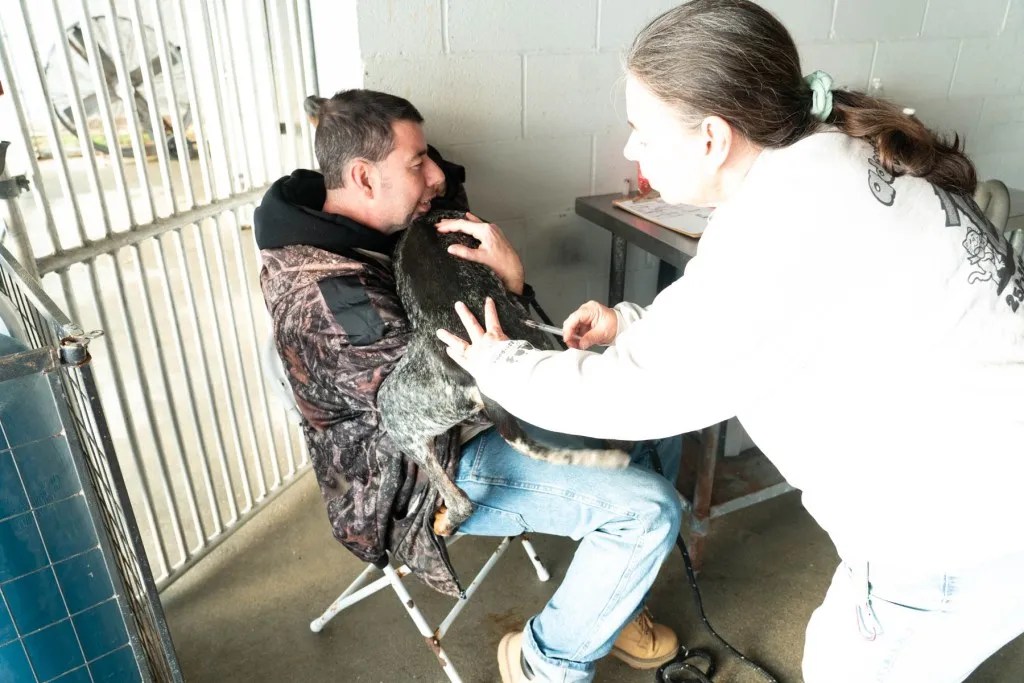
Pretty much every dog that comes in is heartworm positive. As Vicky, a volunteer who used to be the kennel manager at the shelter, told me, “If we get one that’s negative, I go buy a lottery ticket!”

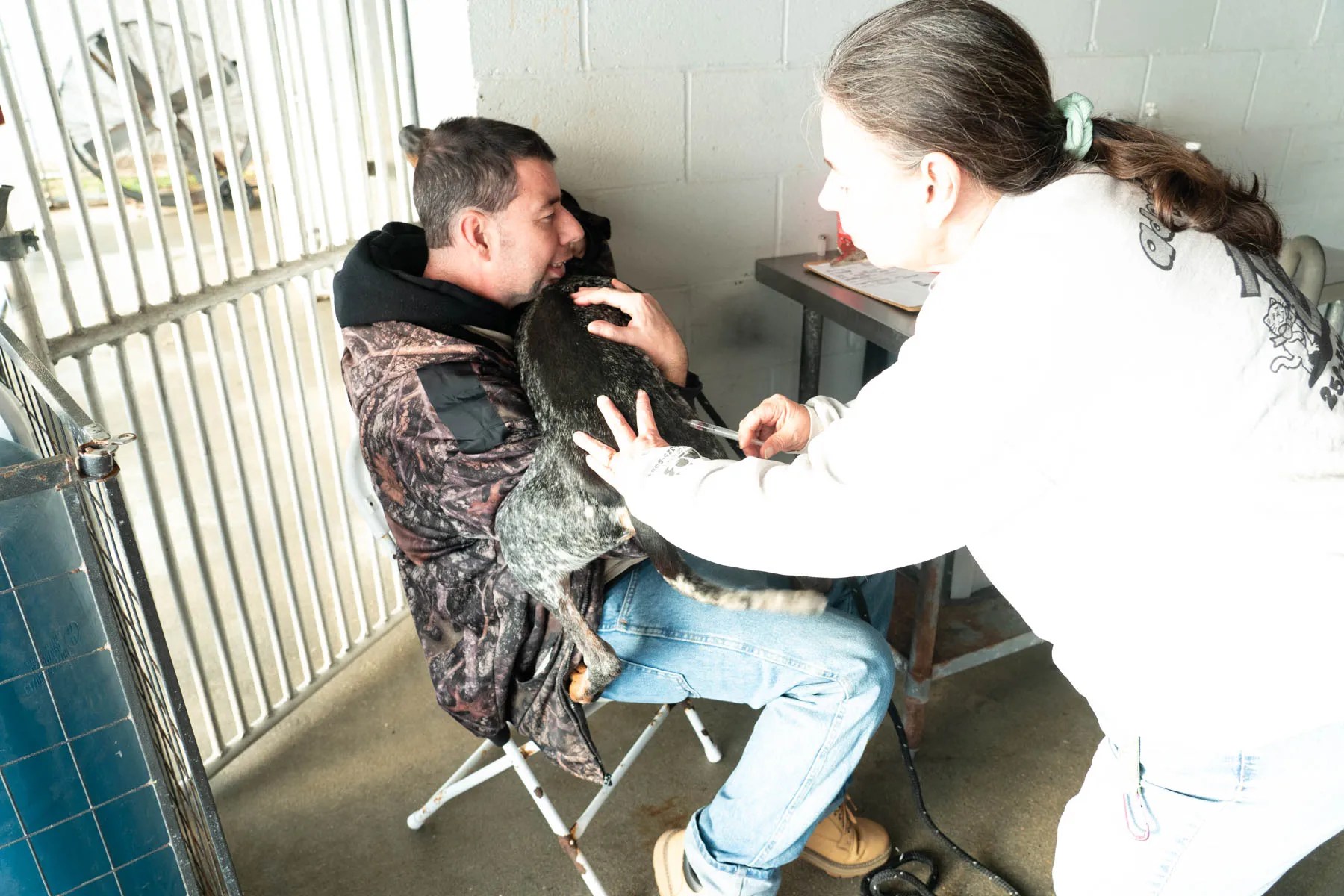
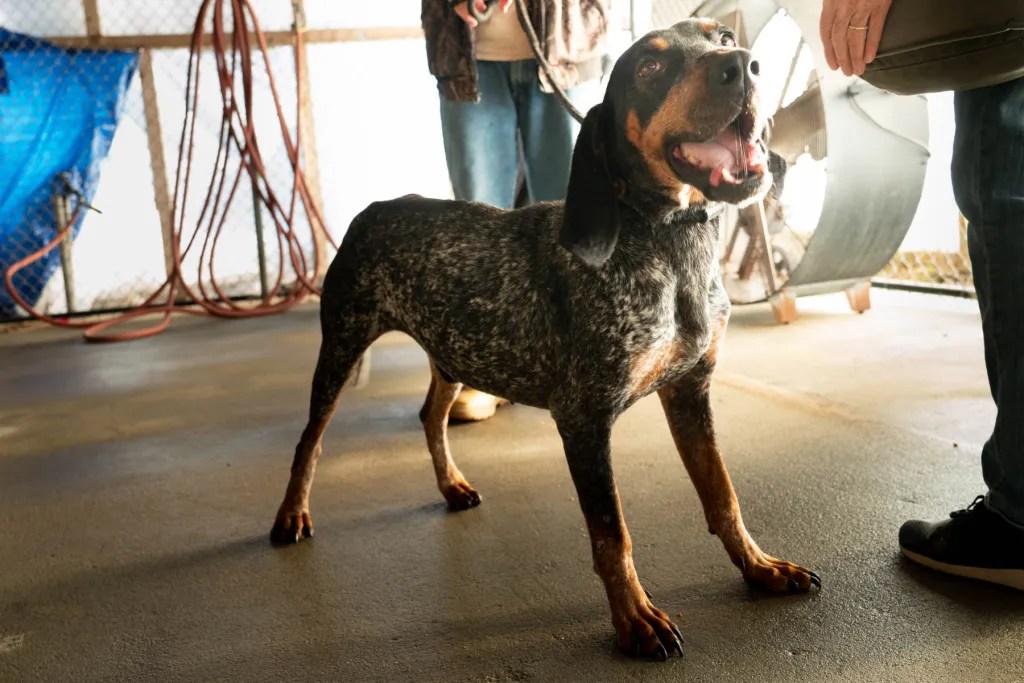
Vicky was at the shelter that day to give rabies vaccines to Cooper and Spot, two young dogs at the shelter. (NC is the first state I’ve discovered that doesn’t require that rabies vaccines be given by a veterinarian.)

oooo

oooo

We learned about Bertie County after we connected with another of their volunteers, Gina. Gina lives two hours away, but she is a tireless advocate for the dogs and the shelter. She networks the dogs to rescues, arranges for veterinarian appointments and transports, even finds donors to pay for heartworm treatment. Gina is one of those rescue warriors with a heart that just slays me. It’s inhuman how many hours and how much work she puts in to save these dogs, many she has never met.

Gina has been involved with BCHS ever since she discovered how many dogs were being killed in Bertie County. She began pulling dogs to foster within her rescue operation and eventually called on other rescues to get involved. Because she lives so far away, she depends on Diane, who lives in Bertie County and is the president of the Humane Society, and Vicky, who used to be the kennel manager at the shelter and still volunteers her time there.

There were only six dogs (and lots of cats) the day we visited thanks to Gina’s work to find rescues to empty the shelter just before the holidays and the bitter, record cold that came. The shelter normally handles about 100 dogs a year.

oooo

oooo

oooo

oooo

ooOOoo

Because of the number of photographs, beautiful photographs I would add, this is today’s Picture Parade.

Dogs and cats

A guest post from Ashly Brown

This is a great post. As I just said a guest post that covers an important question; for those that have cats and dogs read on!

ooOOoo

How to Stop a Dog Aggression Towards Cats

By Ashly Brown.

Meta Description

Learn how to stop dog aggression towards cats with these helpful tips and techniques. Discover how to train and manage your dog to live peacefully with cats and prevent any dangerous incidents.

How to Stop a Dog Aggression Towards Cats

Dogs and cats are known to be natural enemies, and it’s not unusual for dogs to act aggressively towards cats. Even though it’s natural for a dog to feel territorial or defensive around a cat, this can be dangerous for the cat and stressful for the owner. So, it’s important to do something to stop a dog from being mean to cats. Here are some tips:

  • Watch out for your dog around cats.

The first thing you can do to stop your dog from being mean to cats is to always watch your dog when it’s around cats. Even if you think your dog is friendly towards cats, you should never leave your dog alone with a cat. Dogs can be hard to predict, and their instincts to hunt can come out at any time.

  • Slowly get your dog used to the cat.

It’s important to go slowly and carefully when bringing a new cat into your home or letting your dog meet a cat for the first time. Keep your dog on a leash and let your cat come up to it at its own speed. Give your dog treats for being good, and keep a close eye on them at all times.

  • Teach your dog the basic commands for obedience.

If you teach your dog basic obedience commands like “sit,” “stay,” and “leave it,” it will be less likely to attack cats. By teaching your dog to do what you say, you can take its mind off the cat and keep it from chasing or hurting it.

  • Give your dog and cat separate places to live.

If your dog and cat don’t get along, you may need to give them each their own place to live. This could mean putting your cat in a different room or putting a baby gate between your cat and dog. Make sure your cat’s separate living space has a place to eat, drink, and go to the bathroom.

  • Use training with positive reinforcement

Positive reinforcement is a great way to teach your dog how to behave well. When your dog acts well around your cat, praise them or give them treats. This will make them more likely to keep behaving well and make them feel good about the cat behavior.

  • Think about asking an expert.

If your dog is very mean to cats, you may need to get help from a professional dog trainer or behaviorist. They can help you come up with a plan for training your dog that fits its needs and habits. They might also be able to give you more advice on how to stop your dog from being mean to cats.

  • Think About Medications

In some cases, a dog may need to be put on medicine to stop being mean to cats. Talk to your vet about whether your dog can take a certain medicine. They might be able to give you medicine to help your dog feel less anxious or less likely to attack cats.

  • Be steady and patient.

Stopping a dog from being mean to a cat can take a long time and patience and consistency. Don’t stop working with your dog if you don’t see results right away. You can teach your dog to get along with cats if you give it time and work at it.

  • Figure out the cause

Find out what makes your dog act mean towards cats. This can help you stop the behavior. It could be a certain sound or smell, or it could be something the cat does. You can work to get rid of the trigger or get your dog used to it if you know what it is.

  • Desensitize Your Dog

Desensitizing your dog means slowly exposing them to the thing that makes them aggressive towards cats, while keeping them far away. This can help them feel less scared or worried about the trigger and keep them from getting angry. Start by showing the trigger to your dog from a distance where they don’t show any signs of aggression. Over time, you can slowly get closer.

  • Use a muzzle or head collar.

Putting your dog in a head collar or giving it a muzzle can help keep it from attacking the cat. Dog bark collars can help you keep your dog from moving around too much, and muzzles can stop them from biting or attacking. It’s important to know how to use these tools right and to never leave your dog alone while they are on.

  • Manage Your Dog’s Environment

Taking care of your dog’s environment can help stop your dog from being mean to cats. This could mean keeping your dog on a leash when there are cats around or putting up baby gates to keep them apart. It’s important to give your dog and cat a safe and secure place to live.

Conclusion 

In conclusion, it is possible to stop a dog from being mean to a cat, but it takes time, patience, and consistent work on the part of the owner. Understanding why your dog is mean to cats is very important for coming up with a good plan to stop the behavior. You should never punish or hurt your dog physically if he or she is mean to cats. This can make the problem worse and cause fear and anxiety.

Focus instead on training with positive reinforcement, desensitization, and management techniques like making a safe space and using head collars or muzzles. Your dog can learn to live peacefully with cats with consistent training and management. This can prevent any dangerous or harmful situations from happening.

It’s important to remember that every dog is different, and what works for one dog might not work for another. Talking to a professional dog trainer or behaviorist can help you come up with a custom plan to stop your dog from being mean to cats.

Author Bio:

Ashly Brown is an experienced writer and pet enthusiast who loves to share her knowledge and insights on the latest trends in pet care. As a dedicated pet cat owner, Ashley understands the importance of finding the best gadgets to keep your feline friend healthy, happy, and entertained in the pet cats world. With her expertise in technology and pet care, Ashley provides valuable information and advice to help cat owners make informed decisions about the latest gadgets for their furry friends

ooOOoo

Ashly shows her experience as a pet lover and being a writer; in spades!

There will be many that have cats and dogs who take her advice with great interest and many of you that will find in Ashly’s tips some very educational ideas.

Thank you, Ashly!
Picture Parade Four Hundred and Seventy-Six

Another set of photographs that show sleeping dogs, courtesy Unsplash.

oooo

oooo

oooo

oooo

oooo

oooo

They are all so exquisite.

I am hoping there will be more sleeping dogs in a week’s time.