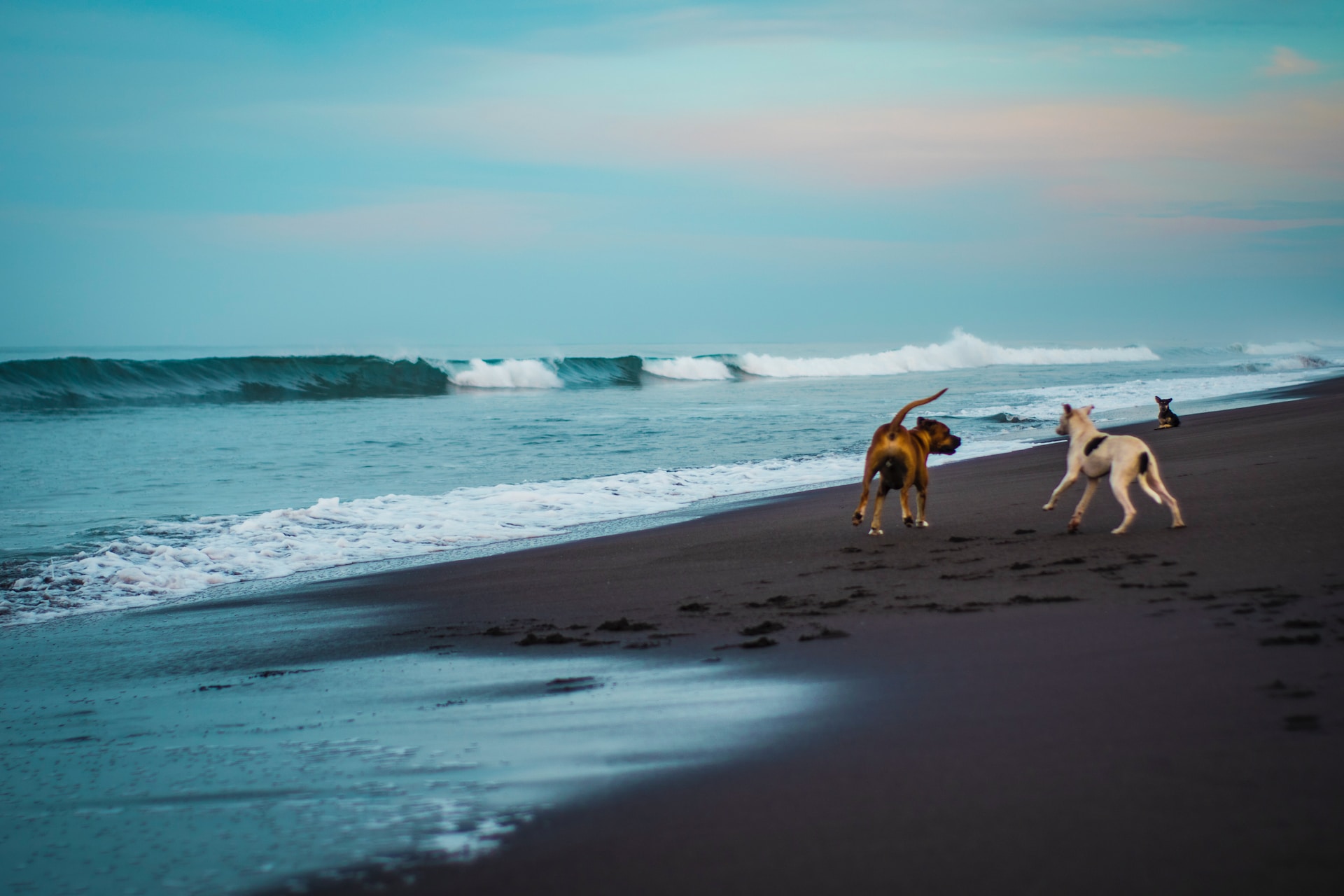
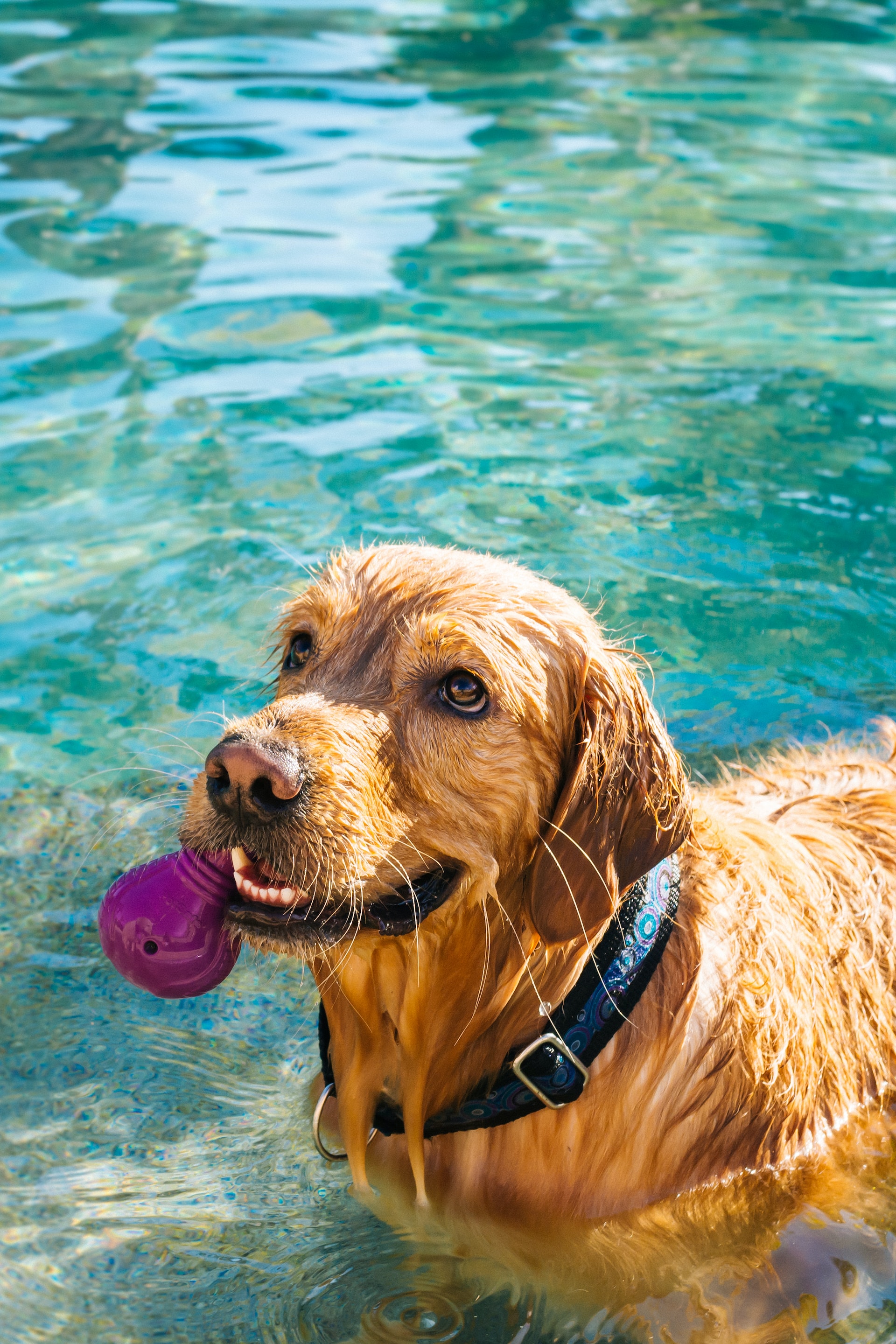
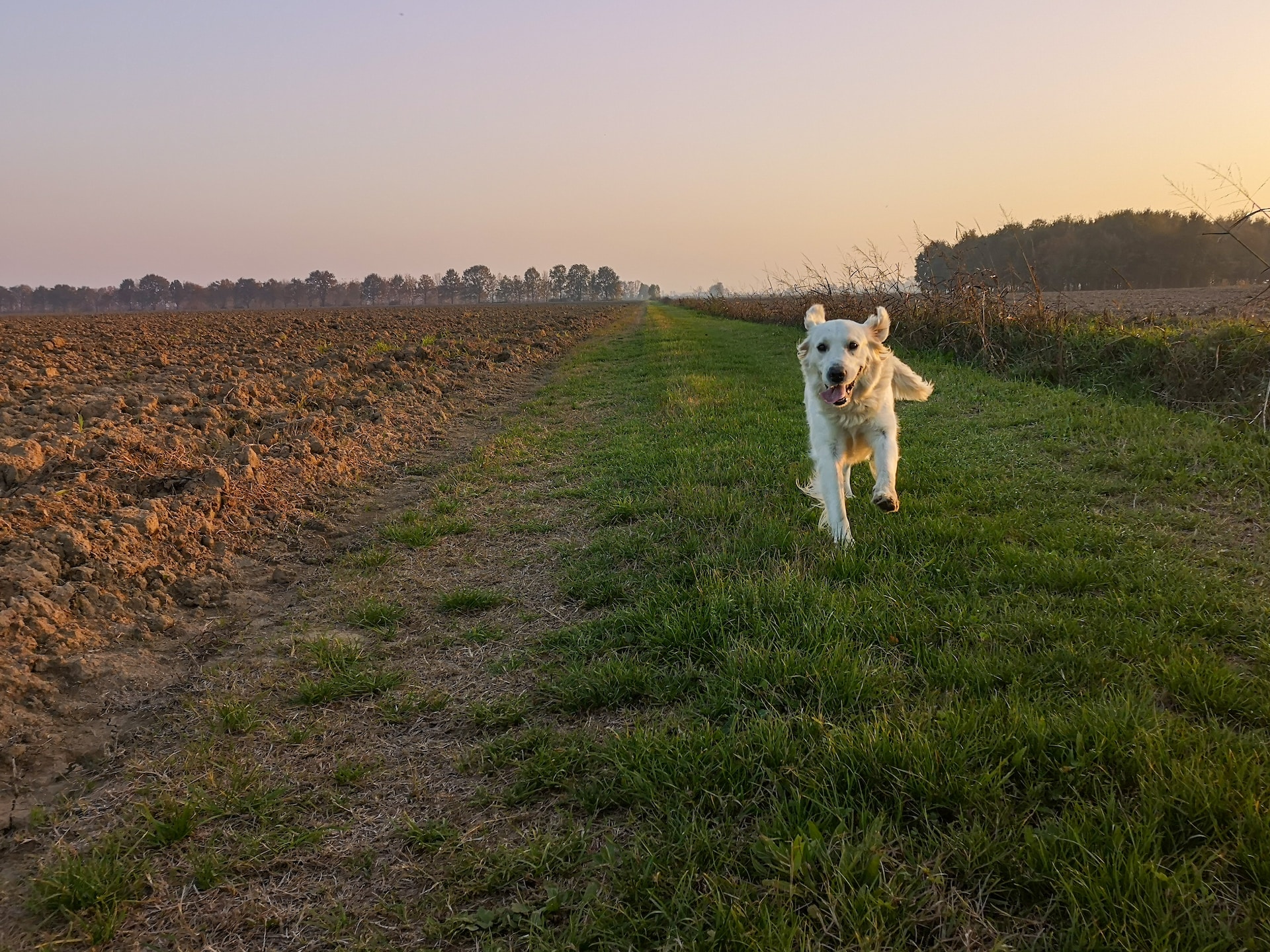
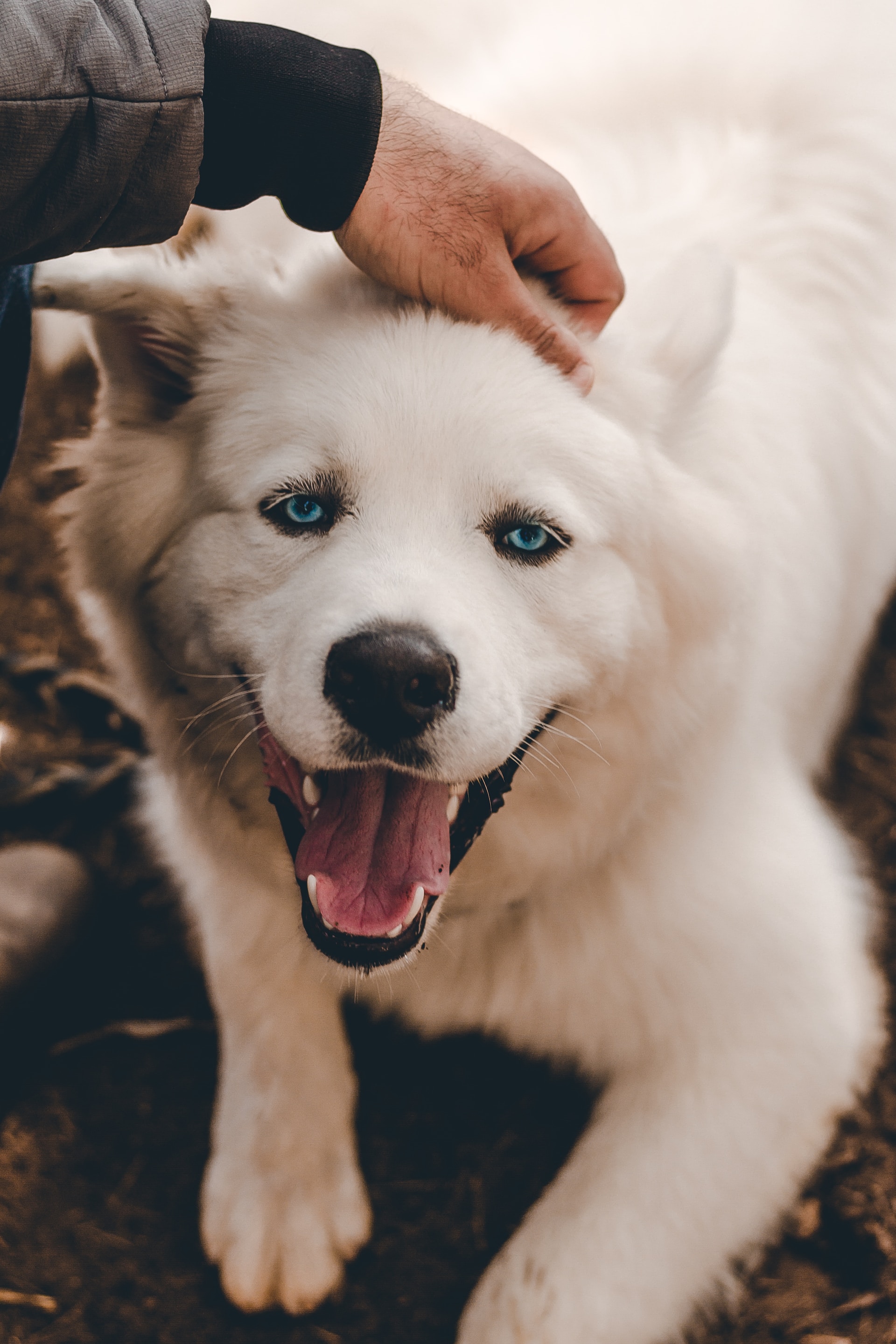
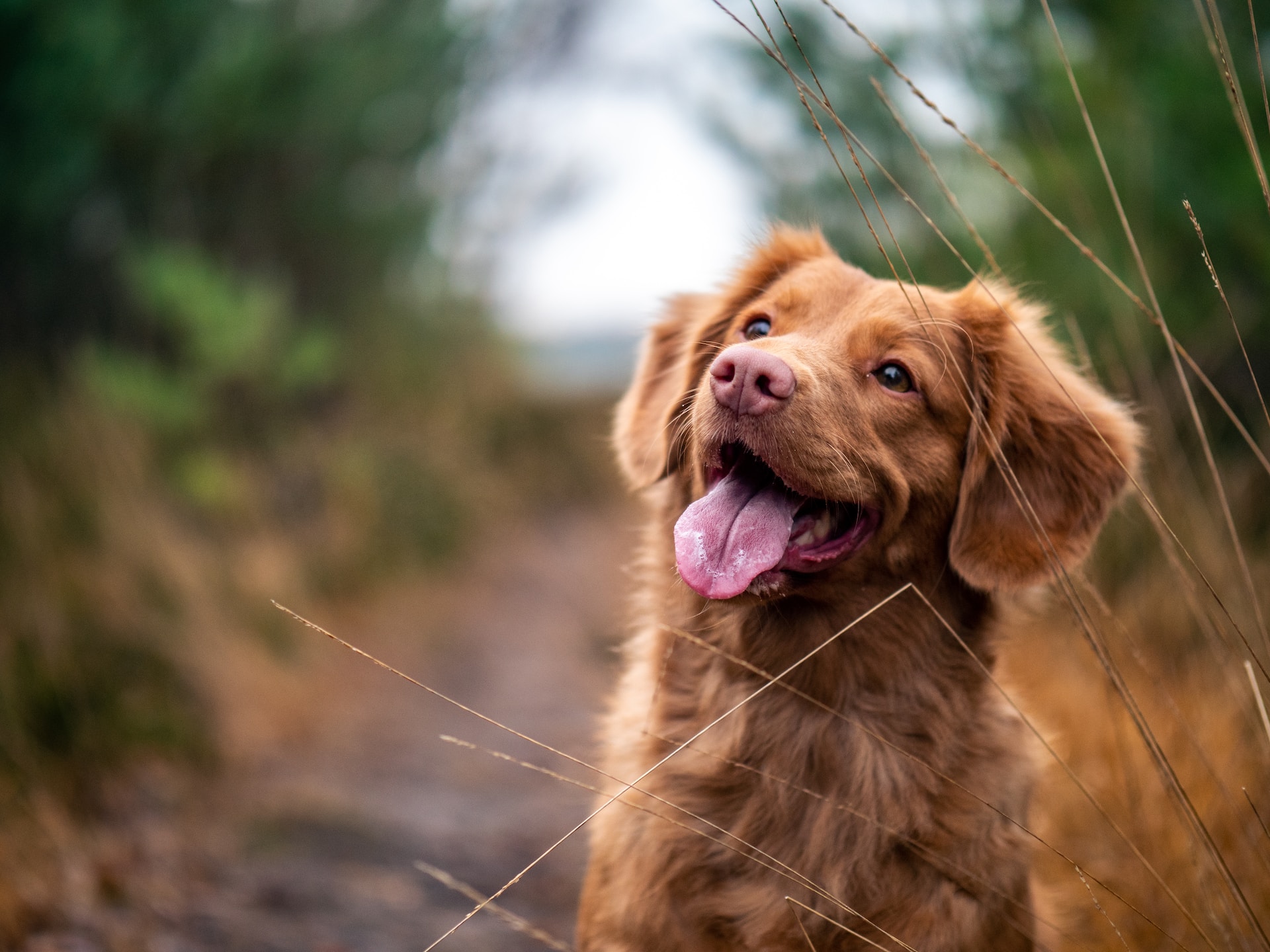
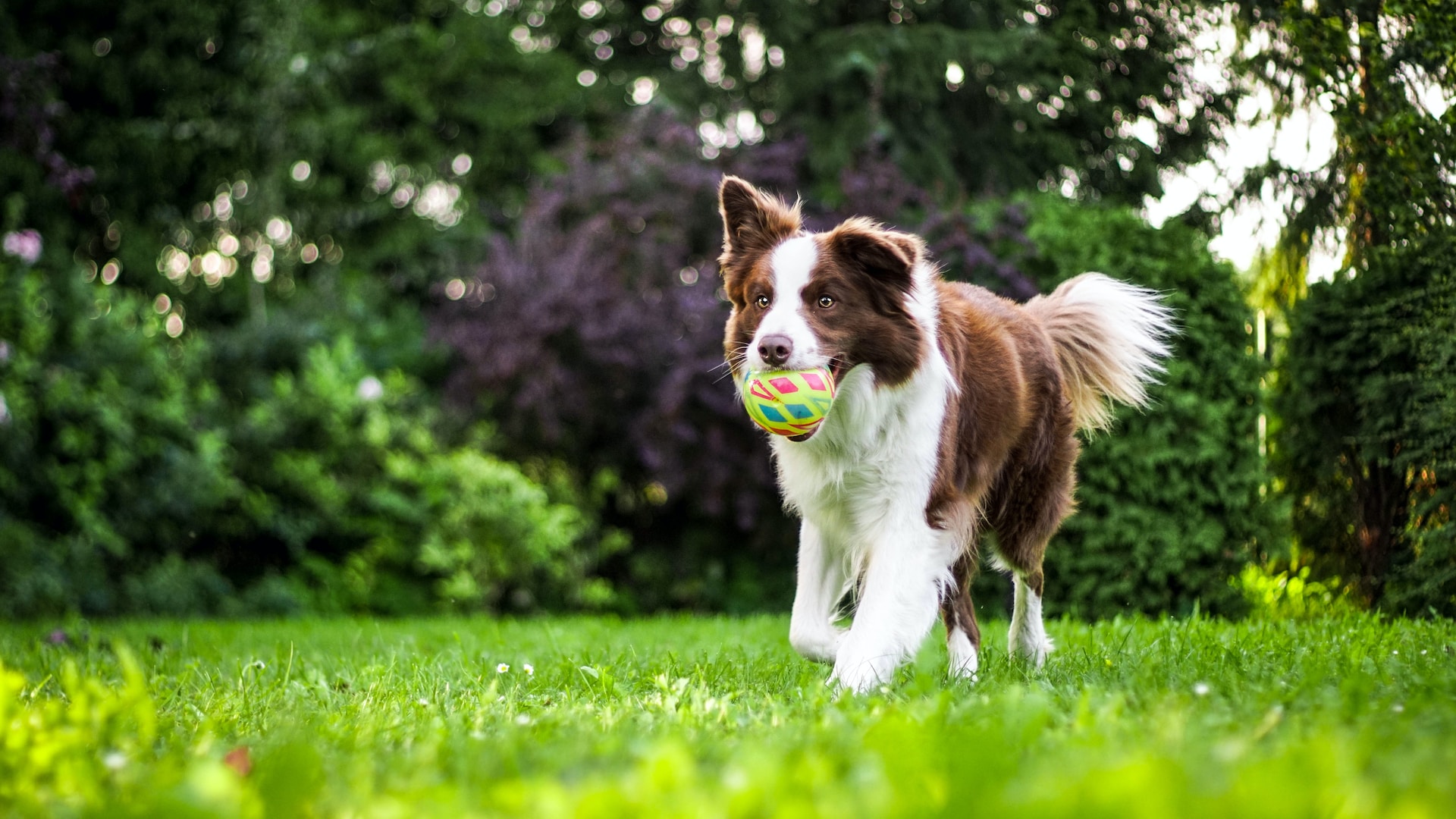
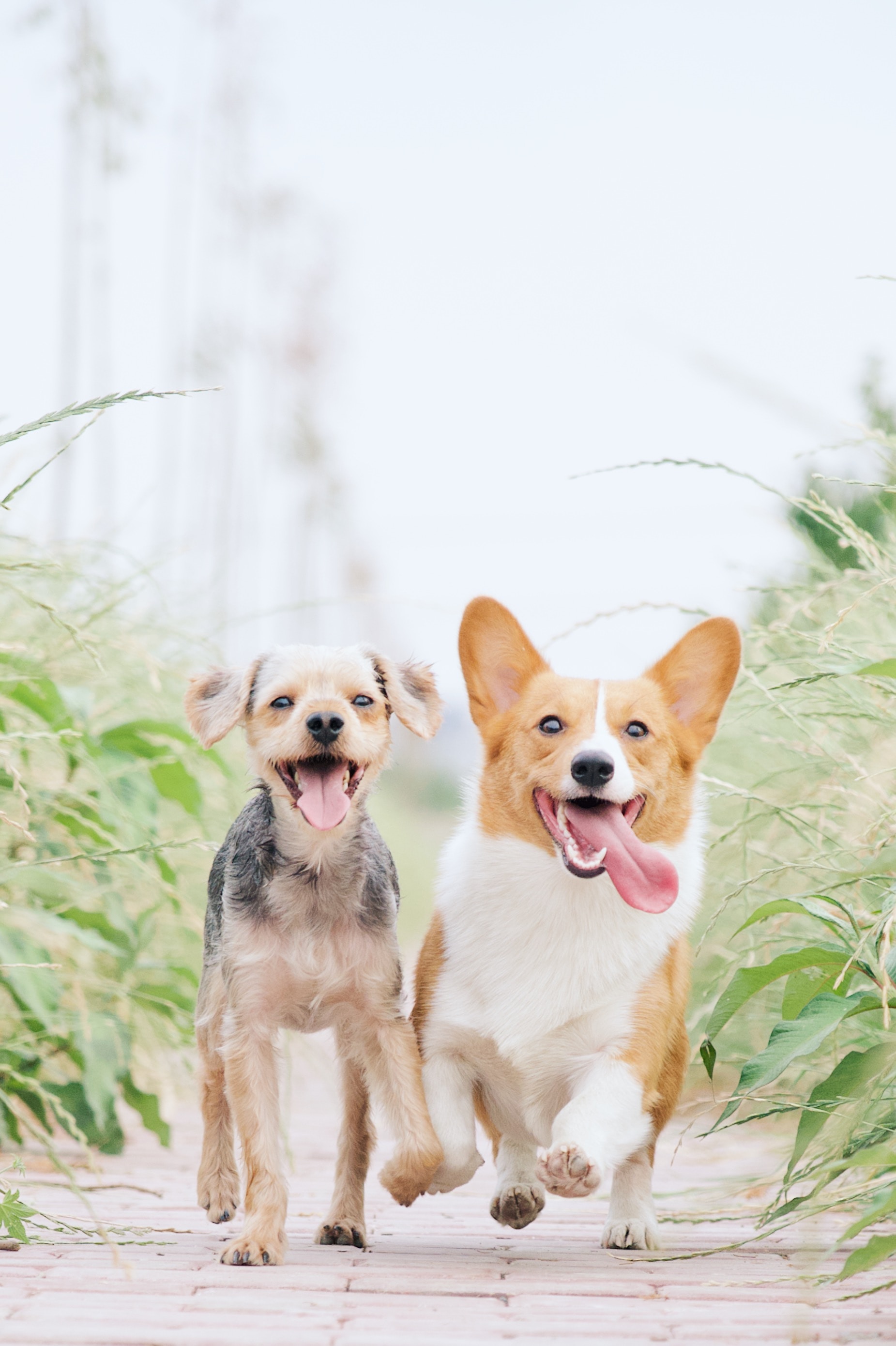
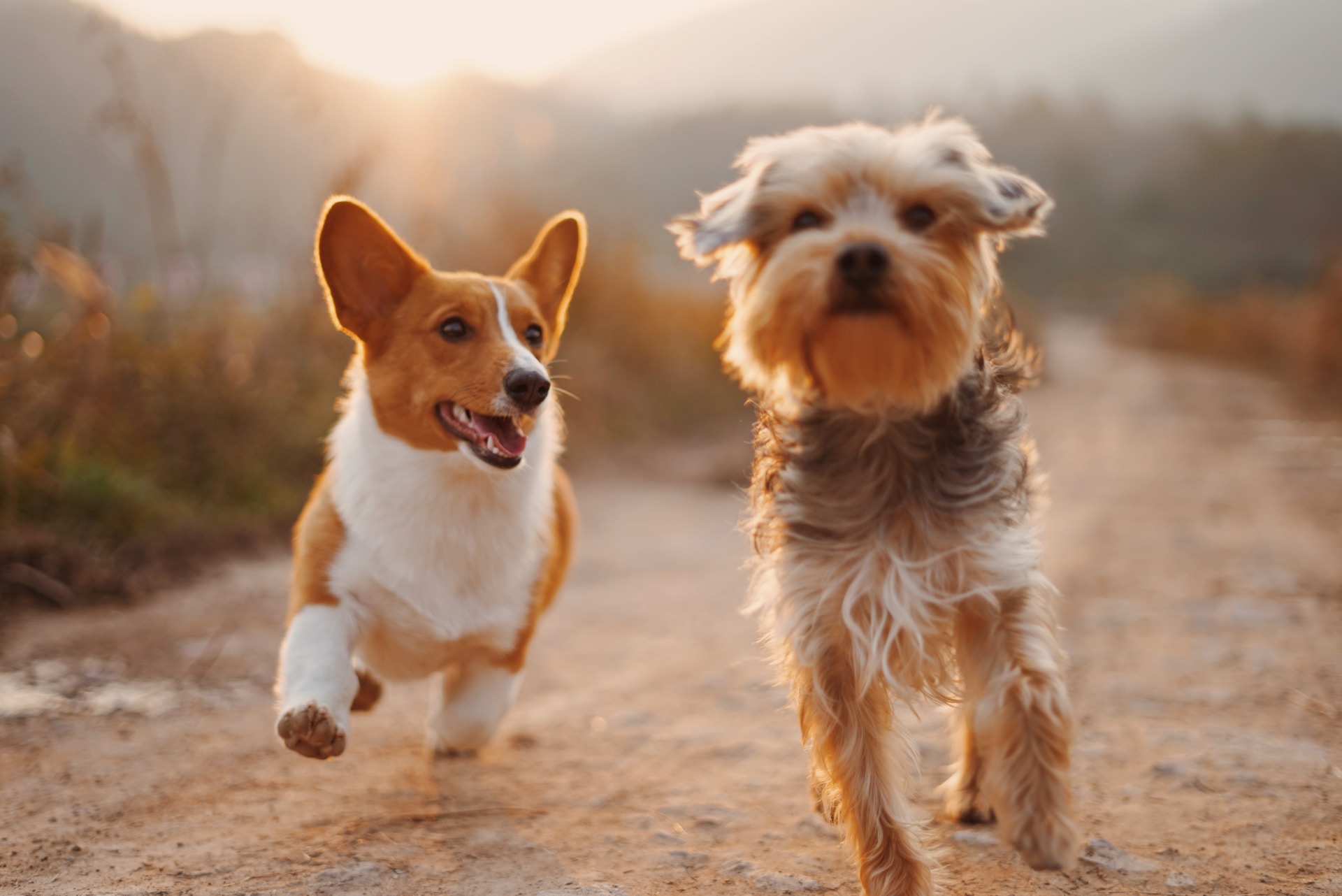
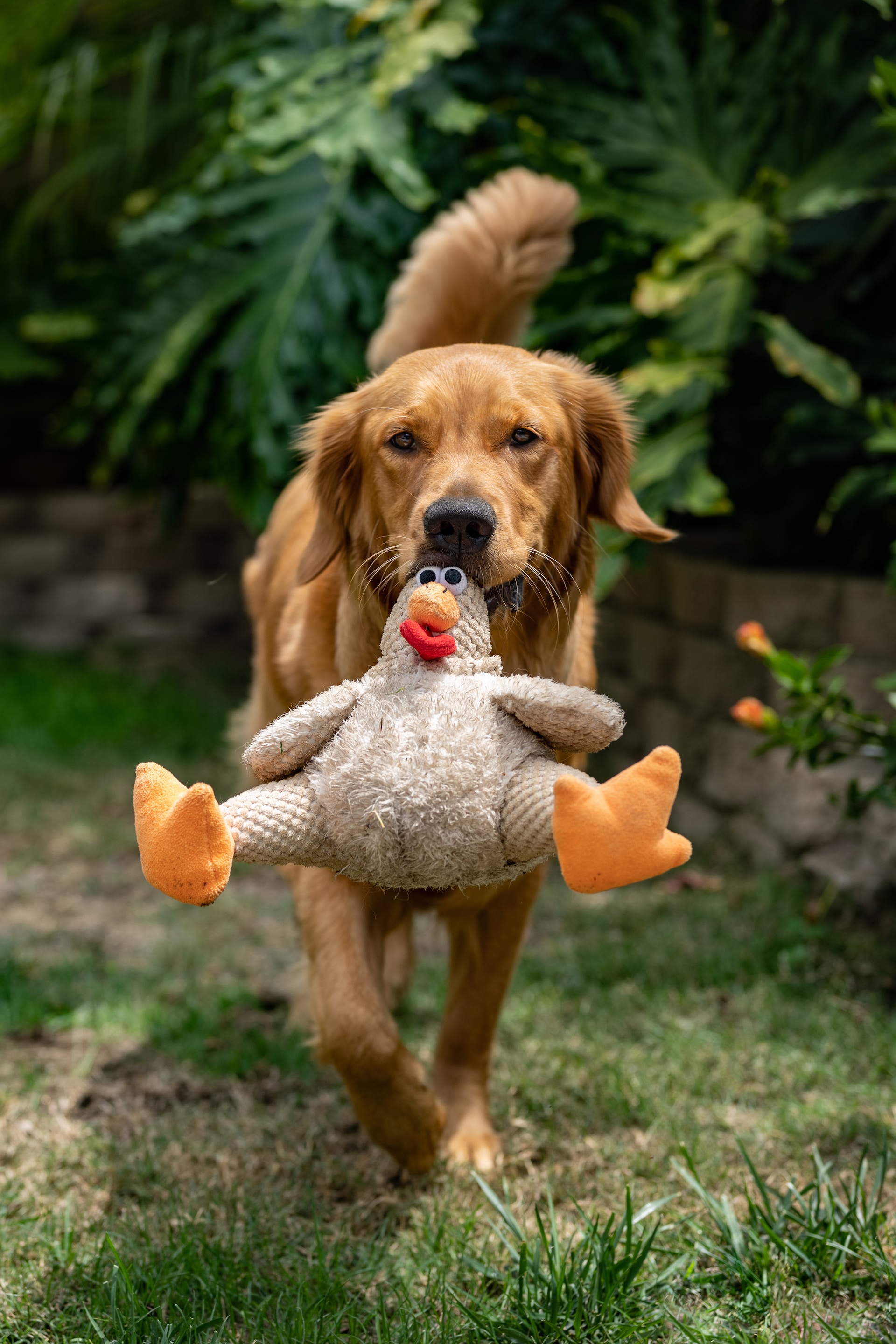
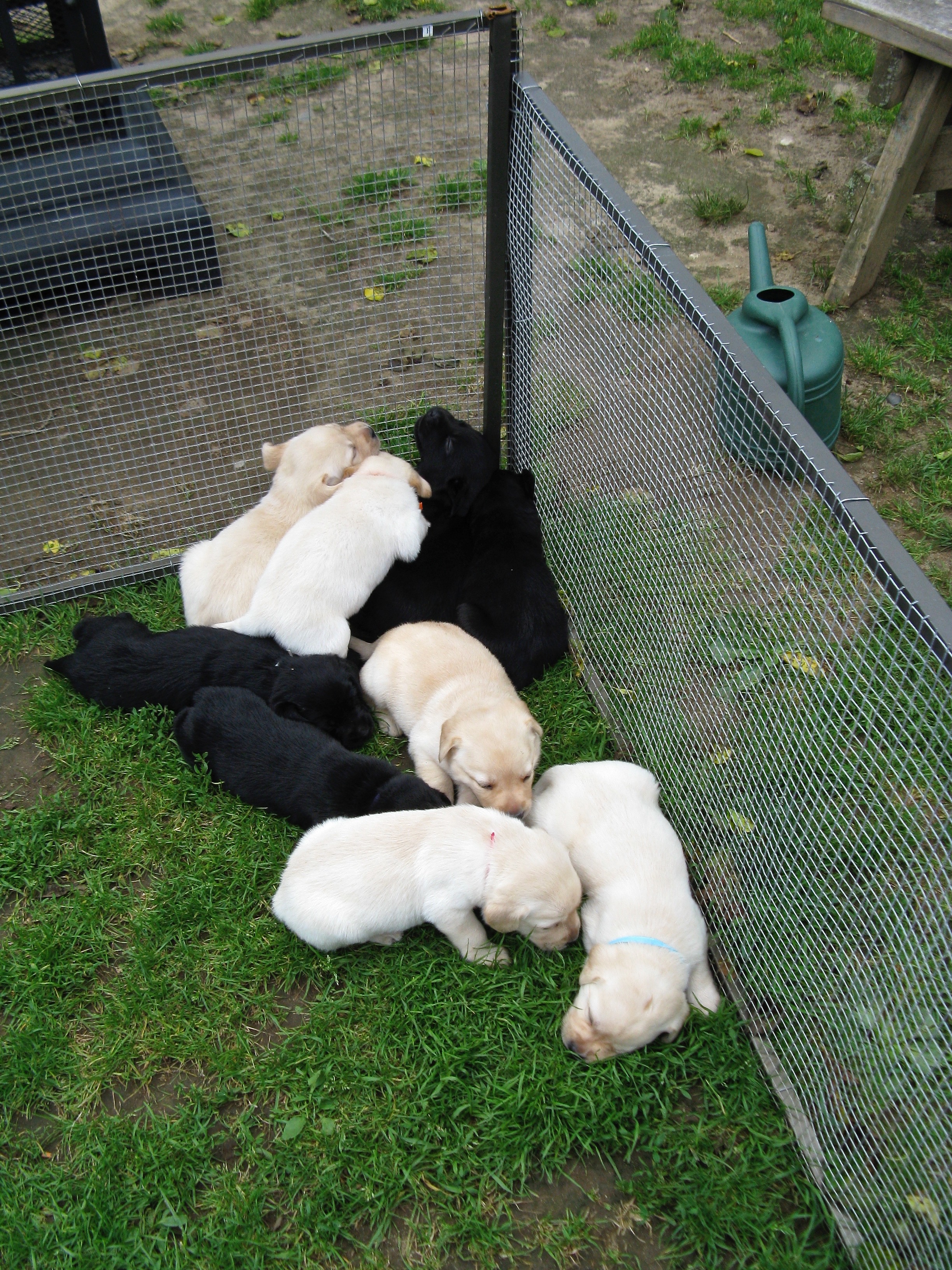
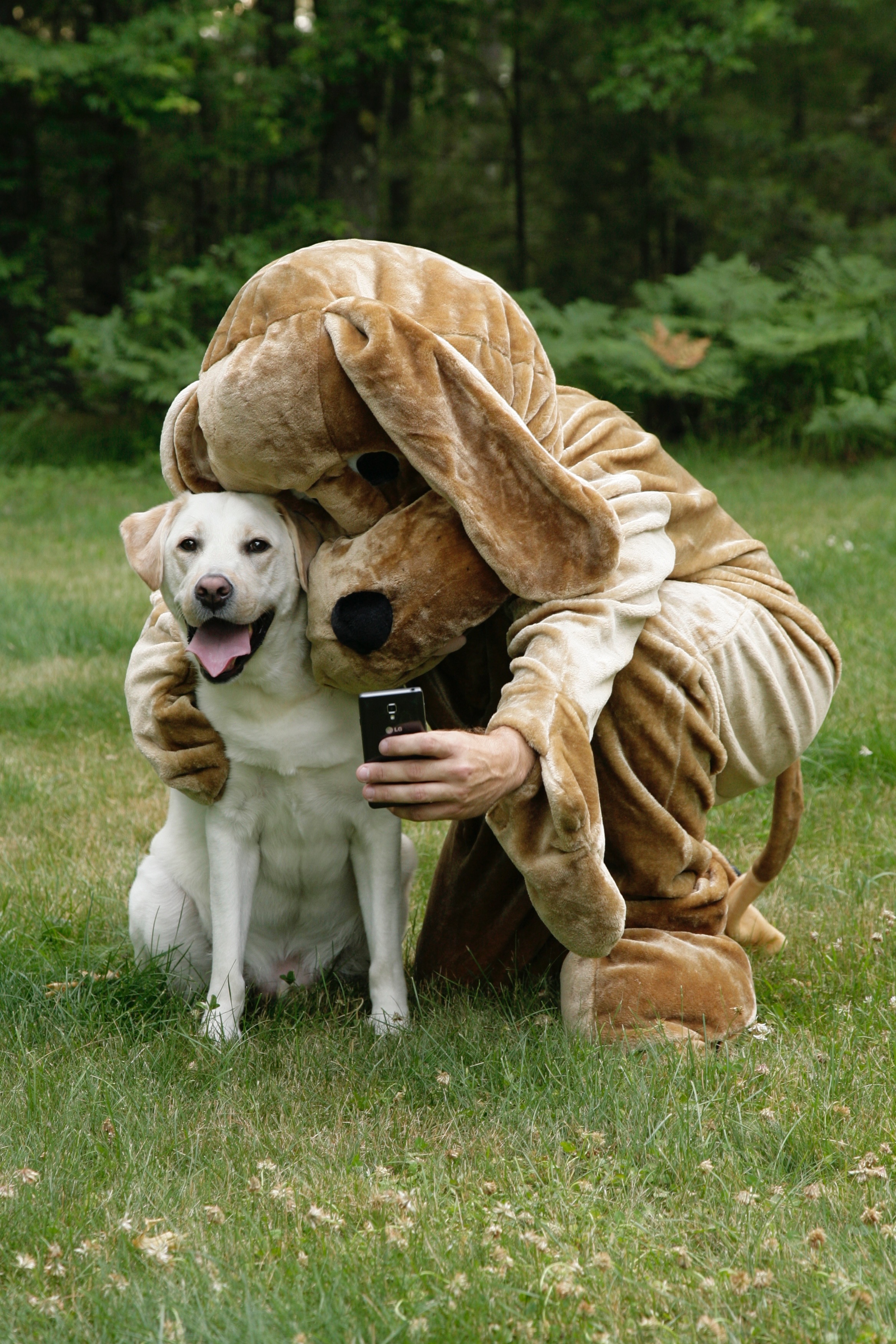
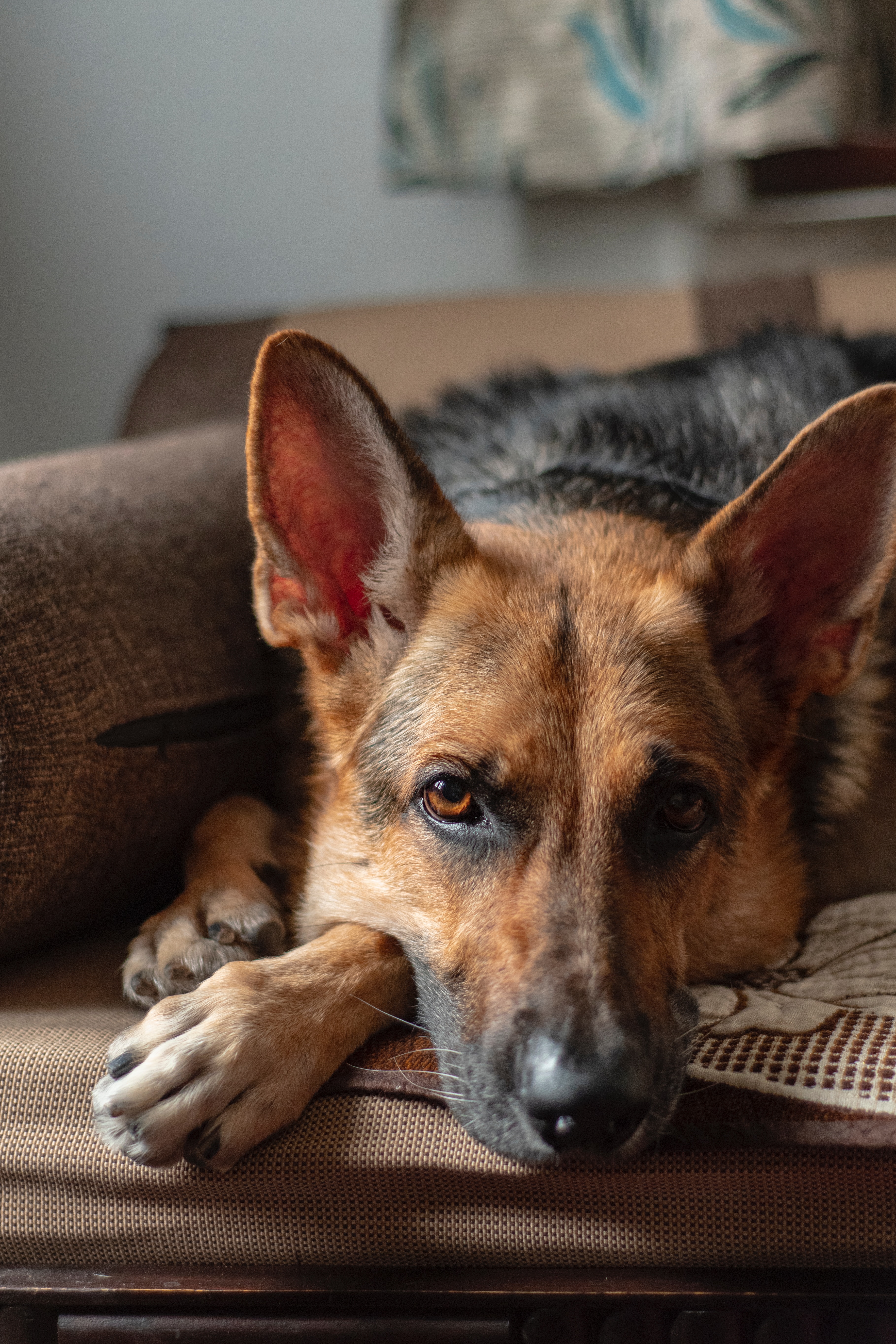
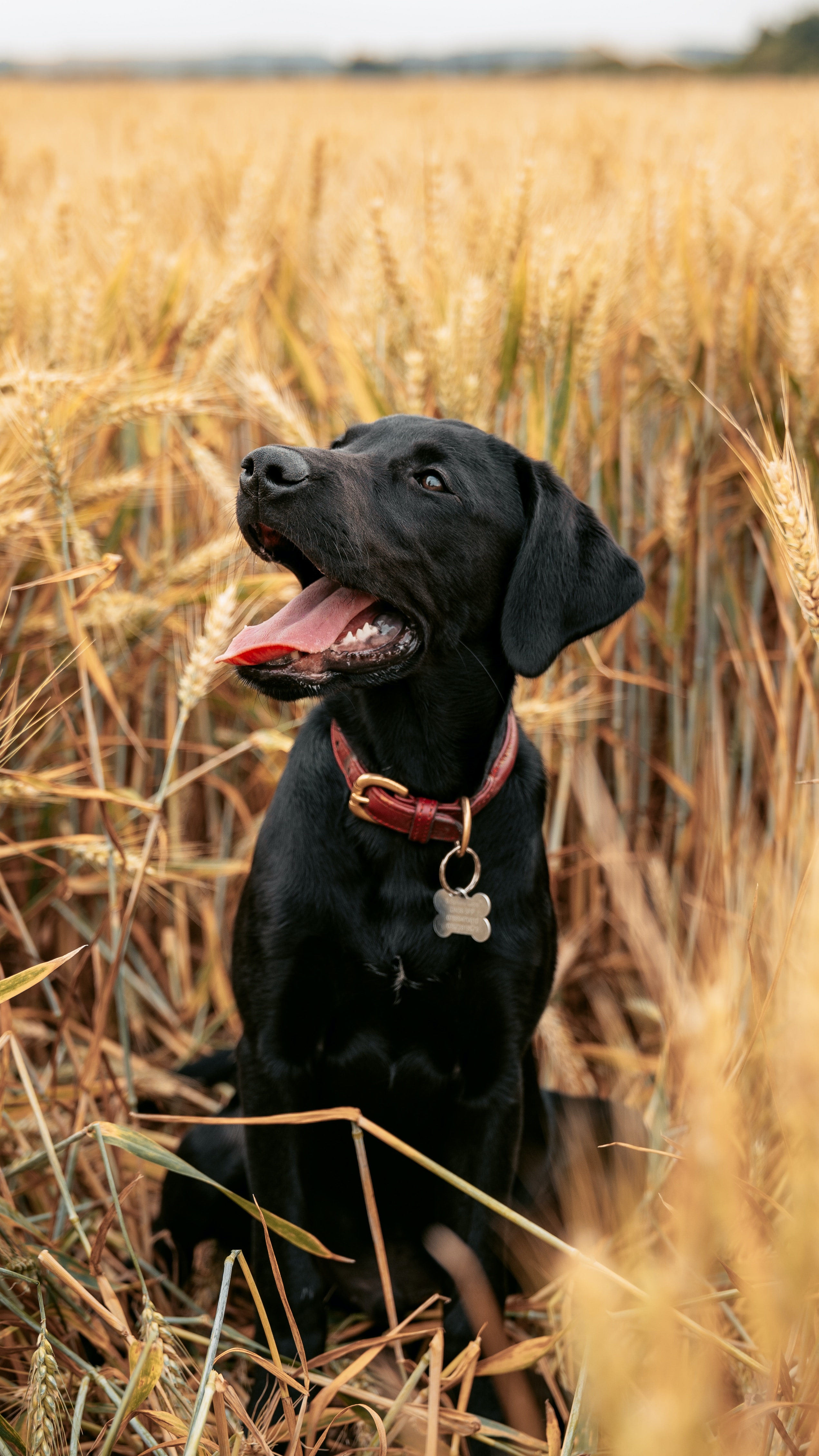
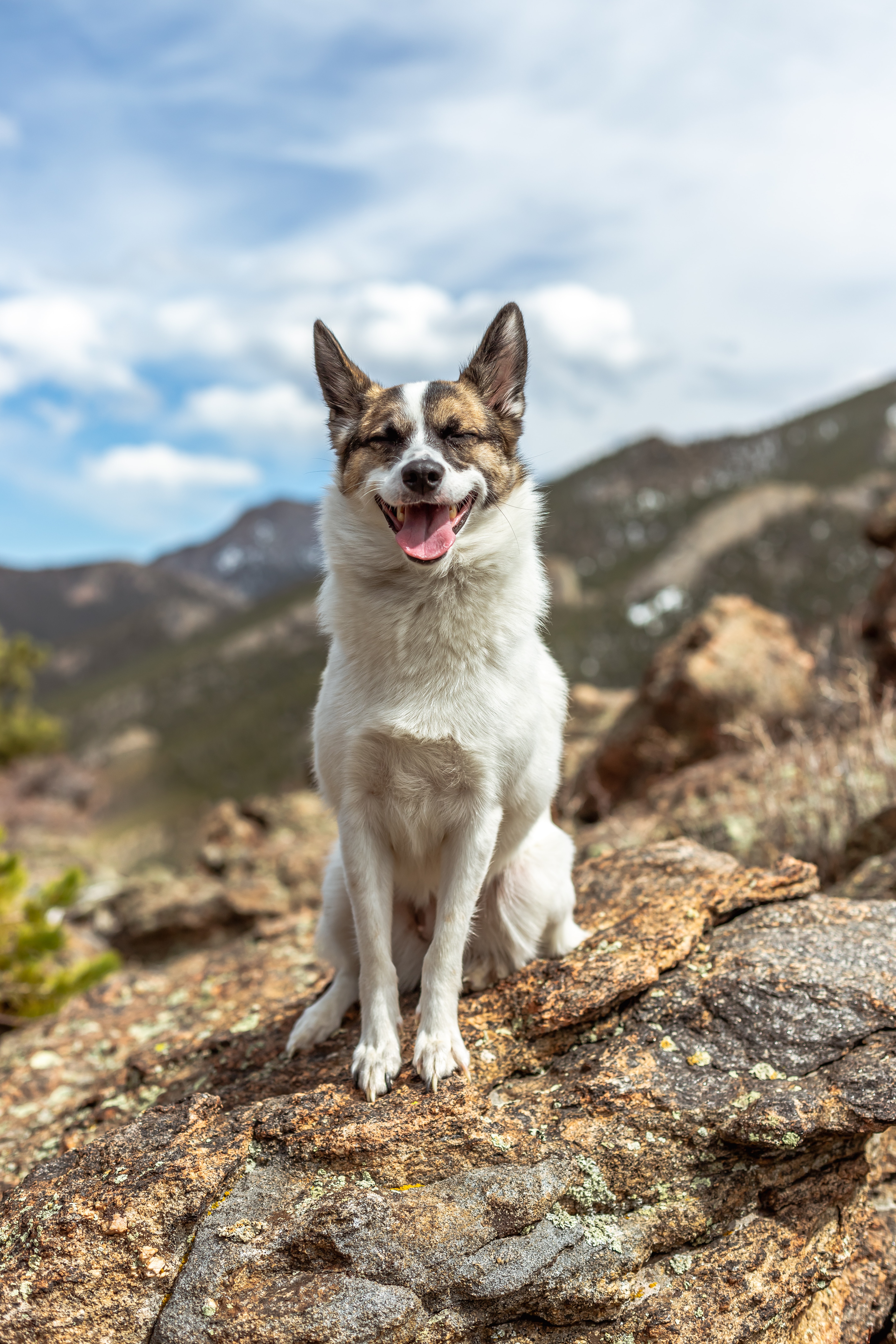
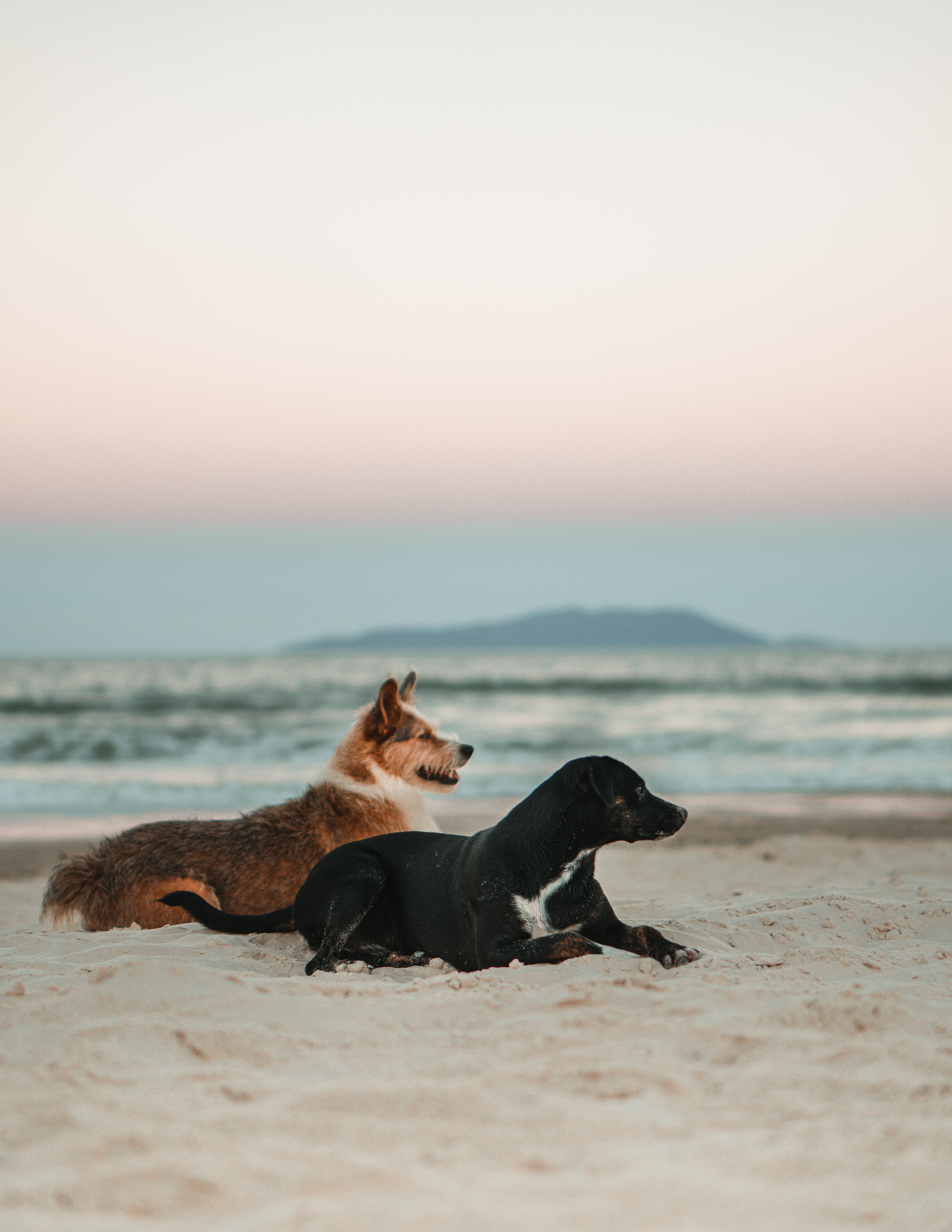
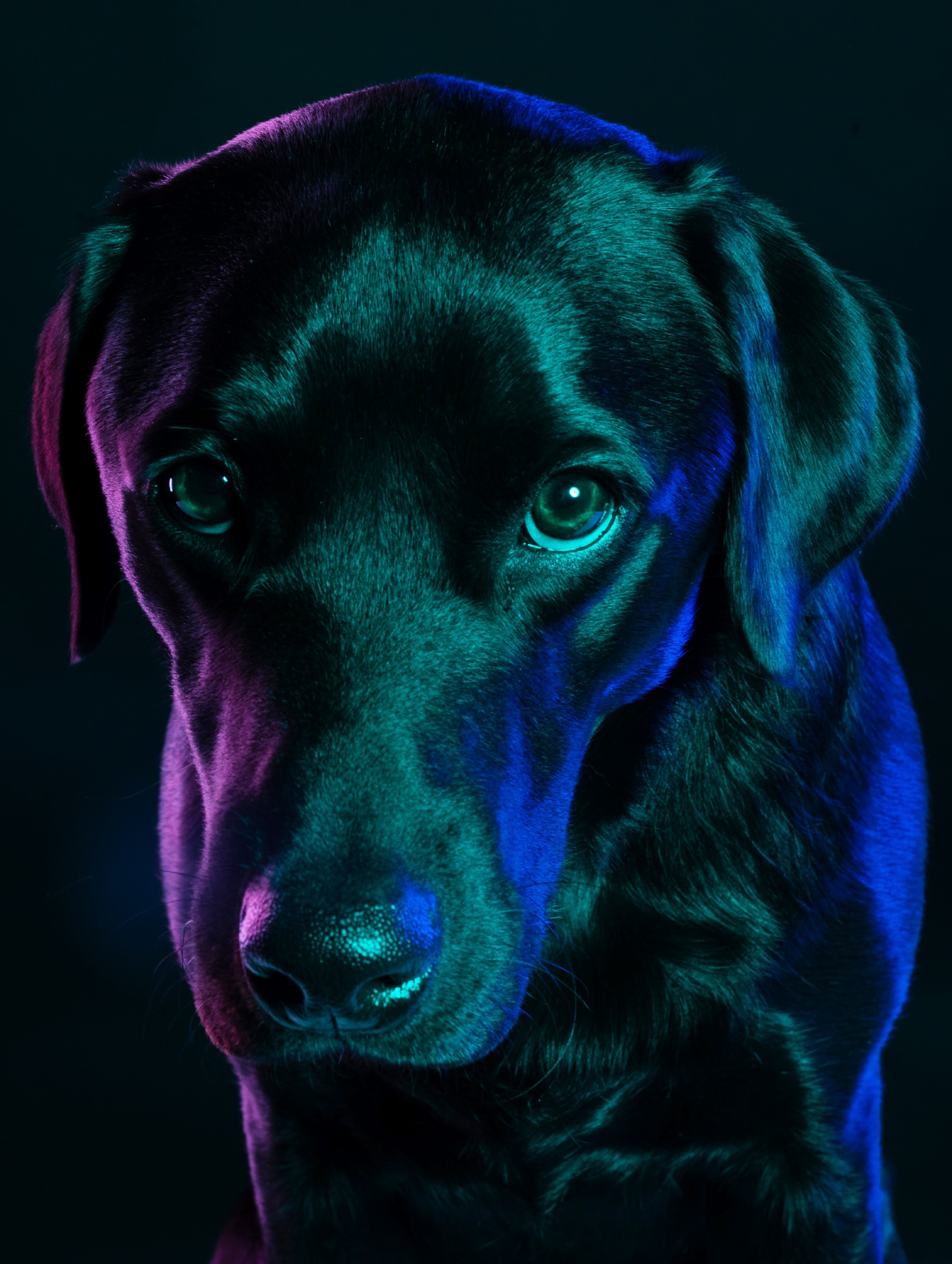
More dogs for the first day of the month of October.
Again, these pictures are taken from Unsplash. Frankly I do not know what I would do if the many photographers had not put their photos for free on this website. I have found a relatively easy way of crediting each photographer.
Back on September 19th I received an email offering me a guest post. It was from Luna Angeni. At first I was highly suspicious thinking of scams and the like and replied: “Before responding further please explain what your niche is?”
Luna replied: “Thank you for your response. I’m working on Animal Health care. It’s the perfect fit for your site.”
I agreed and this is her article.
ooOOoo
How to Control and Prevent Common Dog Diseases Effectively
By Luna Angeni
“Man’s best friend” is a phrase that perfectly defines the deep bond between humans and their canine companions.
It’s our duty to ensure the health and well-being of our furry friends. One of the most critical aspects of canine care is disease prevention and control. This is what we are going to focus on here.
In this blog, we will learn about some effective ways we can control and prevent common dog diseases to keep our canine fellows happy and healthy.
Let’s get started!
Understanding Common Dog Diseases
Dogs, like humans, are susceptible to a range of diseases and health issues.
To effectively control and prevent these complications, we need to understand them first.
Let’s review some common canine diseases:
Canine Parvovirus (Parvo)
Canine parvovirus is a highly contagious and potentially fatal disease that affects puppies and unvaccinated dogs.
It spreads through direct contact with an infected dog or contaminated environment.
Symptoms include:
1. Severe diarrhea
2. Vomiting 3. Lethargy 4. Loss of appetite
To prevent parvo, ensure your dog is up-to-date on vaccinations and avoid areas where the virus may be present.
Canine Distemper
Canine distemper is another contagious viral disease that can be fatal, particularly in puppies.
It affects various body systems and presents symptoms such as:
1. Fever 2. Nasal discharge
3. Coughing 4. Neurological signs
Vaccination is the most effective way to prevent distemper.
Heartworm Disease
Heartworm disease is transmitted through mosquito bites and can be life-threatening if left untreated.
It affects the heart and lungs, leading to symptoms like:
1. Coughing 2. Exercise intolerance
3. Weight loss
Prevention through vaccination is key for this common dog disease.
Preventive Measures for Common Canine Diseases
Preventing common dog diseases is often more manageable than treating them.
Here are some essential preventive measures every dog owner should follow:
Vaccination
Regular vaccination is the cornerstone of disease prevention in dogs.
As your veterinarian recommends, ensure your dog receives all necessary vaccinations against parvovirus, distemper, rabies, and others.
Regular Exercise
Exercise not only keeps your dog physically fit but also mentally stimulated.
Engaging in regular exercise helps boost dogs’ overall health and keeps obesity-related diseases at bay.
Proper Nutrition
A balanced diet is crucial for maintaining a healthy immune system.
Consult your veterinarian to determine the best diet for your dog’s specific needs.
Avoid feeding your canine human food, as some ingredients can be toxic to them.
Hygiene and Cleanliness
Maintaining proper hygiene for your dog and their living environment is essential.
In this regard, you must ensure:
1. Regular grooming 2. Cleaning your dog’s bedding 3. Keeping their living area free from parasites and bacteria
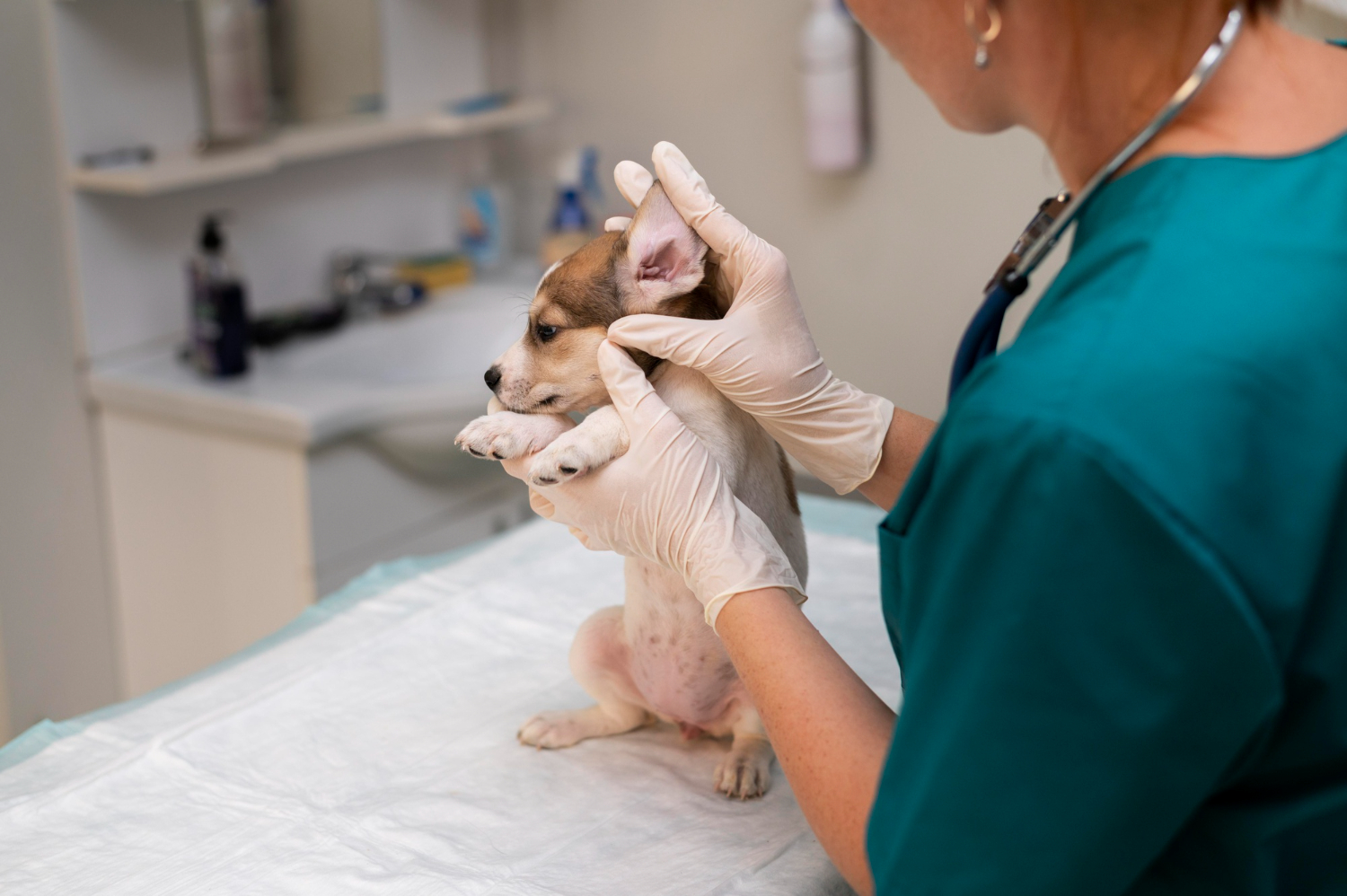
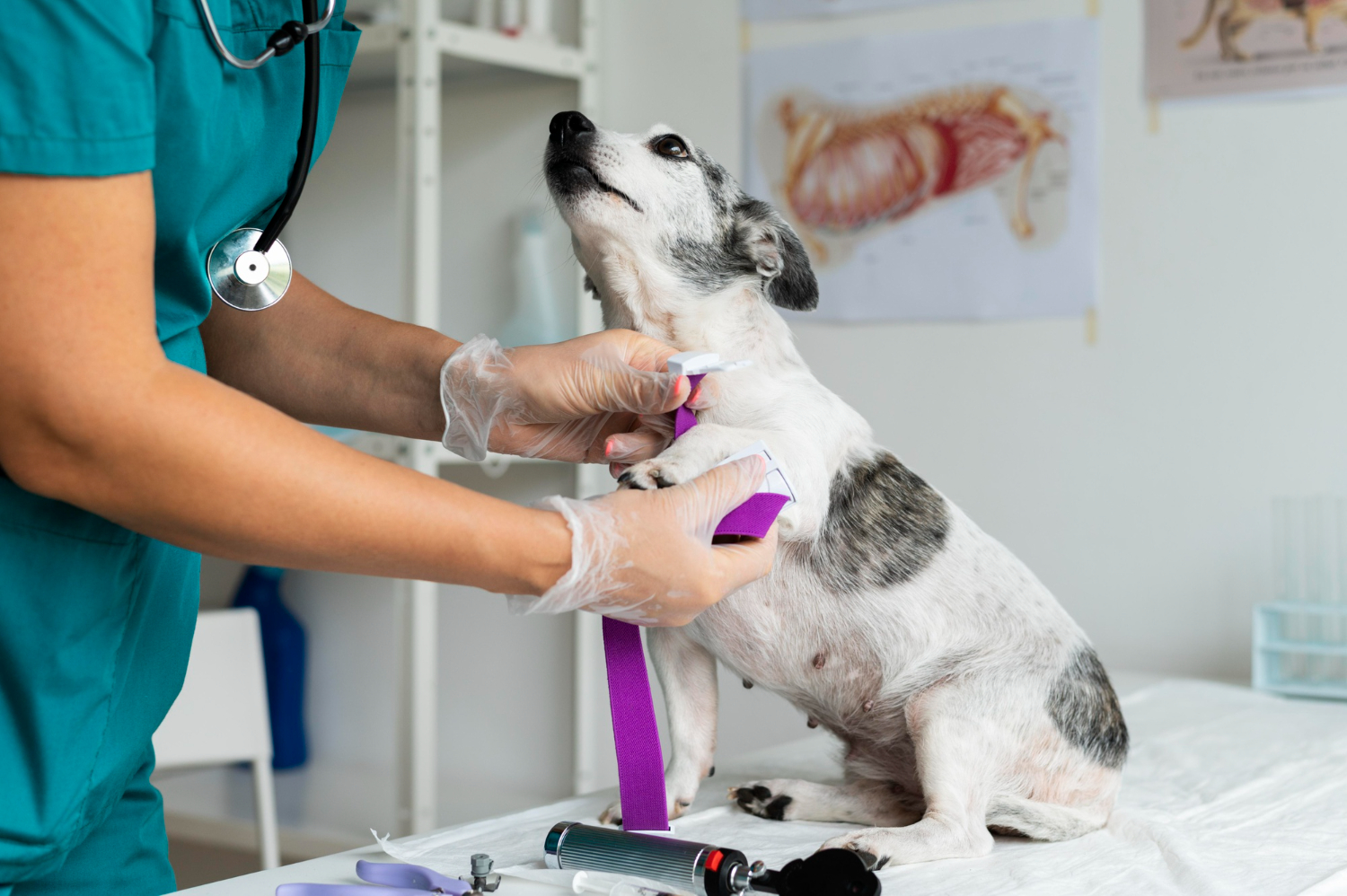
Regular Vet Check-ups
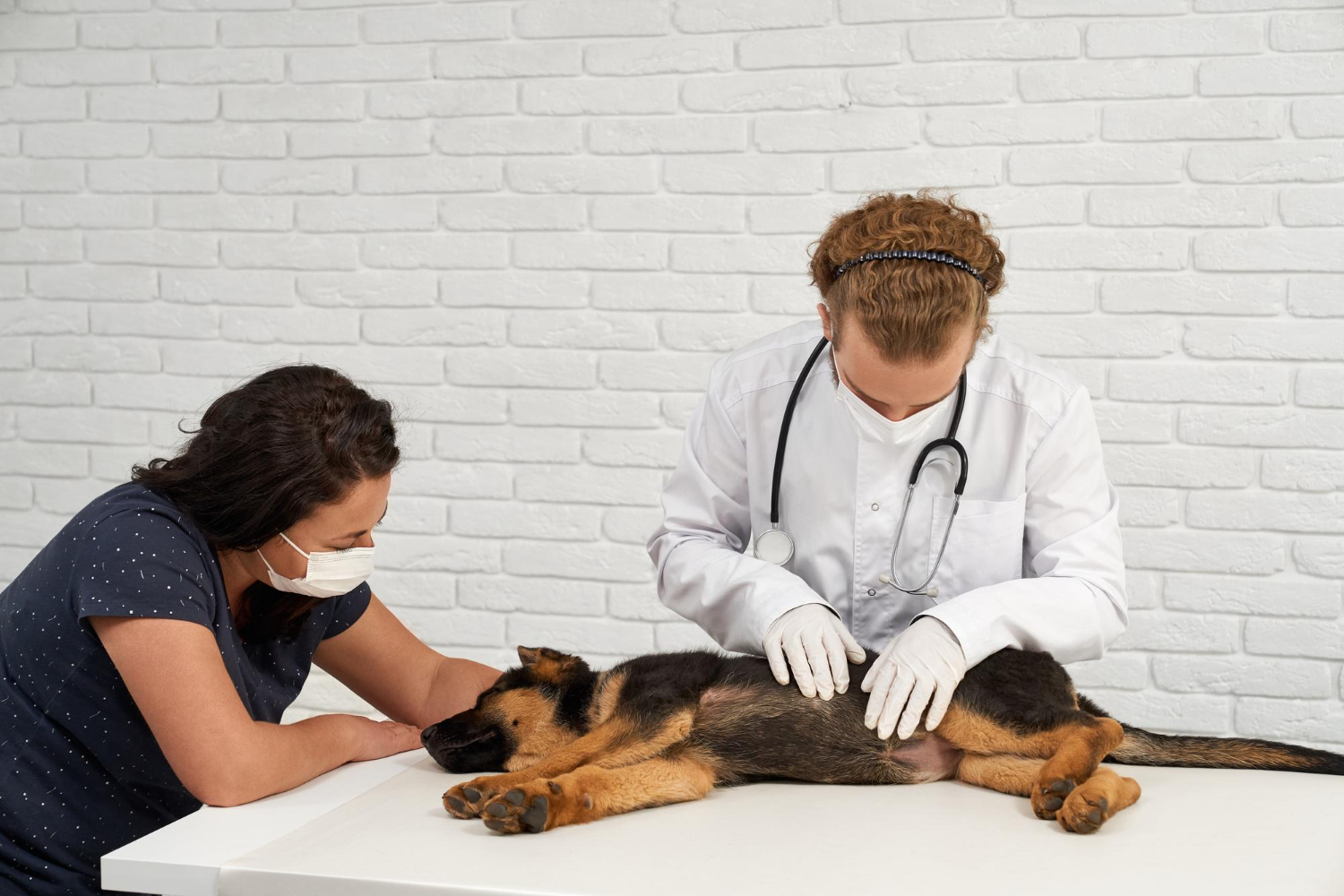
Routine visits to the veterinarian are crucial for early disease detection and prevention.
Your vet can identify potential health issues before they become severe and provide guidance on maintaining your dog’s health.
Recognizing the Signs of Illness
Despite your best efforts, your dog may still fall ill occasionally.
Recognizing the early signs of common dog diseases is essential for prompt treatment.
Here are some common signs of complications in dogs:
Changes in Appetite
A sudden loss of appetite or excessive hunger can indicate a health issue.
So, you must monitor your dog’s eating habits closely.
Changes in Behavior
Drastic changes in behavior, such as increased aggression, withdrawal, or excessive vocalization, can be indicative of pain or discomfort.
Vomiting and Diarrhea
Frequent vomiting or diarrhea can be symptomatic of various diseases, including gastrointestinal complications.
Lethargy
If your dog is unusually lethargic or lacks energy, it could be a sign of an underlying problem.
In such cases, seek a veterinarian’s help immediately.
Breathing Problems
Labored breathing, coughing, or wheezing may suggest respiratory or cardiac problems.
Immediate Action and Veterinary Care
Taking immediate action is essential if you notice any signs of illness or discomfort in your dog.
Contact your veterinarian and follow their guidance.
Early intervention can often make a significant difference in the outcome of the disease.
Conclusion
Your dog’s health is in your hands.
Effective disease control and prevention are crucial for ensuring your furry friend’s long and happy life.
Understanding common dog diseases and treatment and following preventive measures can significantly reduce the risk of complications and provide them with the best possible care.
For more guides on animal health solutions and tips for healthy dogs, you must visit Vet and Tech – a source for online veterinary education.
FAQs
What Vaccinations Does My Dog Need?
Consult your vet for a personalized vaccination schedule. Common dog vaccinations include rabies, distemper, parvovirus, and kennel cough.
What’s the Best Diet for My Dog?
High-quality commercial dog food is a good option. Still, you need to consult your vet for a diet tailored to your dog’s age, breed, and health.
How Often Should I Take My Dog to the Vet?
Generally, annual check-ups are recommended, but older dogs can benefit more from biannual visits. And–puppies may need more frequent check-ups.
ooOOoo
That is a wonderful set of recommendations and advice. Really of no surprise when one considers Luna’s biography:
I am a clinical veterinarian, researcher, and professional content writer. Being a medical professional and a content writer, I hold key writing skills such as Blog writing. I shall provide beautifully crafted, interesting to read, easily understood, highly informative, 100% original, error, and plagiarism-free content.
Luna Angeni
I sincerely hope this will be far from the one and only post!
P.S. I also openly admit that I have featured her blog site Vet and Tech but will also explain that I have no special association with her blog or with Luna Angeni.
Let me quote from a post on Ugly Hedgehog because it will make a good introduction to today’s Picture Parade.
We made our way to get a new pup. Before I could get to the litter to choose, one of them decided to walk over to me and sit right between my feet. Clearly he was telling me that he was the one. From the start he was comfortable with anything and anyone around him. No matter what the situation, it was his pleasure and he made it ours. He loved strangers and playmates of all kinds – even taking selfies with them. You could hide his toys anywhere and he had an amazing sense to find them. He was a gentle soul who enriched our hearts for nearly 14 years. Brady surrendered to a medical condition he endured for a couple of years without ever showing an ounce of complaint. Some days its tough to walk without him by my side, but no sympathy is needed because he left us with too much joy. Instead, give your pets the unconditional love they give you for as long as you are so blessed.
I was very short of time yesterday so my apologies for going straight into this post. Plus, it is a post that talks about the learning process for dogs and, as such, looking more thoroughly will discover more material.
ooOOoo
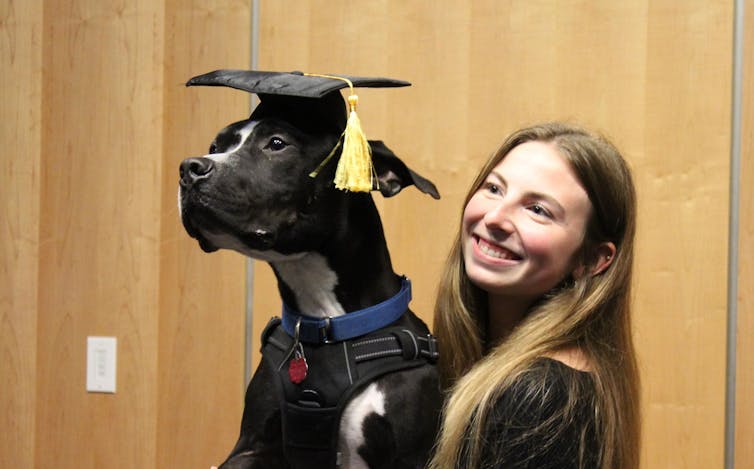
Canines go to college in this class that seeks to give shelter dogs a fresh start
Associate Professor of Psychology, Saint Francis University
Published August 24th, 2023
Shelter animals often display problematic behaviors. Can they be retrained? Shlomit Flaisher-Grinberg
What prompted the idea for the course?
When I was growing up, my love for animals led me to volunteer at animal shelters. But it wasn’t until I started teaching psychology that I found another way to support the well-being of shelter animals. During my first year of teaching a psychology course about learning, I realized that the course’s content could be used to train shelter dogs.
Since some shelter dogs display problematic behaviors, such as fearfulness, destructiveness and disobedience, they are less likely to get adopted. I wanted my students to use their knowledge, passion and care to train shelter dogs and improve their chances of finding a permanent home.
What does the course explore?
The course teaches students how to apply behavioral analysis and modification techniques toward the training of shelter dogs. Students work with dogs on learning to follow cues such as “sit,” “down,” “stay” and “come”; perform tricks such as “high-five,” and “roll over”; and complete agility courses made of tunnels, hoops and weaving poles.
The course also explores the emotional, psychological and physiological benefits of the human-animal bond, such as reduced stress, by integrating the dogs into educational and therapeutic environments. For instance, the students train the dogs to sit by them calmly for the entire duration of a lecture. This skill may be important for future adopters who work within an educational setting or need their dog to accompany them into the classroom.
The students also train the dogs to visit our clinical educational facility, the Experiential Learning Commons, which was built as a mock hospital. Within our simulated emergency room, intensive care room, patient room, maternity room and exam room, students train the dogs to walk next to simulated patients’ wheelchairs, sit by patients’ beds and provide them with affectionate and nurturing companionship.
Finally, the course instructs students on how to apply for grants for nonprofits, with the idea being to secure funding to support animal shelters.
Why is this course relevant now?
This course creates a collaborative and reciprocal partnership between a university and the community in which it is located. Focusing on the care for shelter dogs, it allows for faculty, students and a shelter’s staff and volunteers to exchange knowledge and resources. As such, it uses an instructional approach known as community engagement.
What’s a critical lesson from the course?
Working alongside our animal shelter community partners, and under the direction of my co-instructor, talented dog trainer Megan Mills, students learn that they can make a true and visible impact on society, one dog at a time.
Students will learn to use psychological learning principles to work effectively with shelter dogs – and this knowledge can later be translated to other domains of their lives. I believe that by training shelter dogs and learning to write nonprofit grant proposals, my students will develop into ethical and responsible citizens – both locally and globally.
Back in mid-May I received an email from Jess. It said:
Paul, as of about two years ago I’ve been writing my life story. I wanted my kids and grandkids to know what it was like when I was a kid. Some of my best memories are times spent with my dogs. This is one story I wrote about Koko’s last hunt.
It was a lovely story and I have no idea why I have left it so long before publishing it. But here it is!
ooOOoo
Koko
By Jesse Anderson
When I was just a young boy, I was gifted a puppy that was a Chesapeake/setter cross. Because of his chocolate color, we called him Koko. Koko was my constant companion thru everything I did as a kid. When I was old enough to hunt, he was my bird dog, and a good one he was.
My family was a very poor one. Our house was about 750 square feet, and there were eight of us living in it. There were four boys in the same bed, and there was still room for Koko.
It just got too crowded in that little house, so in my junior year I went to the old barn and took over one of the calf sheds, turning it into my very own bedroom. It would be my very first one! I made a bunk, covered it with straw, swept the dirt floor and put an old rug on it, then hung some of my paintings on the walls. It was far from perfect, but Koko and I thought it was incredible. He slept, with me, inside my sleeping bag on the straw. No one was allowed inside unless they were invited.
With six kids and a disabled father, it took a lot to keep things going. We all worked in the fields, even at a very young age. When hunting seasons started, it was my que to get out there and put as much game in the freezer as I could. My mother had worked for a meat packing company, and when they bought new equipment, they gave us the old freezer. I tried my best to keep it full.
Koko and I were tied at the hip. When we hunted, even with others, he was always aware to my presence. Anytime a bird was shot, it was always brought back to me. I could control him with nothing more than a hand signal. Some of the best times I had, as a kid, were out in the field with that dog. He was my very best friend.
As he grew older his hips started going bad. One morning I got my shotgun out and headed for the car. He could hardly get up, whimpering as he tried. I decided to leave him behind, thinking it would be the best for him. I was very wrong.
For the entire day he sat in front of the window, waiting for my return. When I got home, I walked into the house with my days harvest, only to be met at the door by Koko. He stood very still, staring me right in the eyes, for a long time. Then he just turned and walked away. He said everything he wanted to say. I just felt terrible. I had let my best friend down. After that, if I knew his hips were bad that day, and some were worse than others, I would sneak out the back bedroom window before I left.
I went into the Army shortly after I graduated from High School. After basic, I came home, bringing one of the recruits from Guam with me. He got to see this wonderful dog in action. Again, I had to leave, this time being stationed in Alabama. A year later the Army thought I should be in Germany. I, once again, came home on leave. By this time, old Koko was completely deaf, couldn’t smell a skunk, and his eyes were failing. It really hurts me to see my dogs get old. That’s the only real fault they have.
I decided that I had to take him out for the last big hunt. I owed him that much after all the years we had together. I had to pick him up and put him in the car, but he knew we were going hunting, and the look on his face was incredible! Don’t tell me that a dog can’t smile. That smile said it all!
When we got into the field, he knew he couldn’t hear, and after every ten or twelve steps, he would look at me to see if he was doing what I wanted. A big rooster pheasant flew up and I shot it. Koko didn’t even hear the shot. When he looked up to get directions, I guided him right to the bird. You have never seen a happier dog in your life. He laid that bird at my feet and looked me right in the eye and had the hugest smile on his face. I knelt down to him and cried such happy tears, hugging him the entire time. I was so happy that I was able to bring such joy into that old man’s life.
That would be the last time I would see him. Germany kept me for another year and a half, and his age caught up to him. I was notified thru the mail that he had died. The vision that has stuck with me my entire life, and now I’m 76, is the look on that old dog’s face the day we had his last hunt. It could not have been planned better. JESS
ooOOoo
What a beautiful account of Koko.
Jesse is just a couple of years younger than me so I resonate with him. I still miss Pharaoh, my German-Shepherd, and he died in 2017. Dogs are incredible companions.
Jesse has his own website that is here. I share with you a little bit about Jesse from his website.
Born in Nampa, Idaho, Jesse Anderson has been doing artwork most of his life. There wasn’t a time, as a youngster, that he wasn’t sitting and drawing whatever his fancy was at the moment. He was given his first set of oil paints at age 11. In High School he was encouraged by his art teacher, Dorothy Long, to pursue art as far as he could go and they stayed in touch for the next 40 years. After high school, Jess went directly into the U.S. Army. Upon learning of his art abilities, Uncle Sam saw fit to put him in charge of the Battalion Training-Aids Department (aka, the art department). Following his discharge in 1968, he enrolled in Boise State College in hopes of getting a degree in Commercial Art. The College would only allow ONE art class the first year, and it was beginning drawing. This was not what he was looking for as the next step in his art career so he dropped out. Before leaving college, he met Cheryl, his wife of over 50 years. With Cheryl working as a bookkeeper to keep the bills paid, he enrolled in the “Advertising Art School” in Portland, Oregon where he graduated top of his class. He started his own commercial art business and his dream of making a living as a full time artist was in motion.

















 Learning from Dogs