Queen Elizabeth’s death was announced early this evening, UK time.

Dogs are animals of integrity. We have much to learn from them.
Category: History
Queen Elizabeth’s death was announced early this evening, UK time.
There are not many who achieve so much, but Sir David most definately has!
This is our planet. It is the only one we have (stating the obvious!).
This beautiful photograph taken from the Apollo 11 mission says it all. That Commander Neil Armstrong and lunar module pilot Buzz Aldrin landed the Apollo Lunar Module Eagle on July 20, 1969 changed everything.
But one thing that was not on anyone’s mind then; the state of the planet!

How that has changed since 1969.
David Attenborough is a giant of a man, and I say this out of humility and respect for what he has done in his long life, he was born in May, 1926, and he is still fighting hard to get us humans to wake up to the crisis that is upon us.
Wikipedia has an entry that lists all the television shows, and more, that David Attenborough has made. As is quoted: “Attenborough’s name has become synonymous with the natural history programmes produced by the BBC Natural History Unit.”
Please take 45 minutes and watch this film. It is so important.
But before you do please read this extract taken from this site about the film:
For decades David Attenborough delighted millions of people with tales of life on Earth, exploring wild places and documenting the living world in all its variety and wonder. Now, for the first time he reflects upon both the defining moments of his lifetime as a naturalist and the devastating changes he has seen.
Honest, revealing and urgent, the film serves as a witness statement for the natural world – a first-hand account of humanity’s impact on nature, from Australia’s Great Barrier Reef to the jungles of central Africa, the North Pole and Antarctica. It also aims to provide a message of hope for future generations.
“I’ve had a most extraordinary life. It’s only now I appreciate how extraordinary,” Sir David says in the film’s trailer, in which he also promises to tell audiences how we can “work with nature rather than against it”.
The film retraces Sir David’s career, his life stages and natural history films, within the context of human population growth and the loss of wilderness areas. “I don’t think that the theoretical basis for the reason why biodiversity is important is a widely understood one,” he told the Guardian in September.
This autumn, a series of publications warned that “humanity is at a crossroads” in its relationship with nature, culminating in a UN report that the world has failed to meet a single target to stop the destruction of nature in the past decade.
Sir David has been vocal about the threat of climate change in recent years, calling on politicians to take their “last chance” to act rather than continue to “neglect long-term problems”.
“We need to learn how to work with nature, rather than against it”, according to Sir David. In the film, he is going to tell us how.
Now watch the film. Please!
As you can see, in the film Sir David states that the only way out of this mess is a massive focus on rewilding.
Coincidentally, Patrice Ayme last Sunday wrote about rewilding: California Grizzly: Rewilding Is A Moral Duty. In the latter half of that essay, he wrote: “One should strive to reintroduce American megafauna, starting with the more innocuous species (and that includes the grizzly). By the way, I have run and hiked in grizzly country (Alaska), with a huge bear pepper spray cannister at the ready. I nearly used the cannister on a charging moose (with her calf which was as big as a horse). The calf slipped off, and I eluded the mom through a thicket of very closely spaced tough trees. But I had my finger on the trigger, safety off. Moose attack more humans than grizzlies and wolves combined (although a bear attack is more dangerous). In any case, in the US, stinging insects kill around 100, deer around 200 (mostly through car collisions), and lightning around three dozen people, per year.
As it is, I run and hike a lot in California wilderness, out of rescue range. I generally try to stay aware of where and when I could come across bears, lions and rattlers. My last close call with a large rattlesnake, up a mountain slope, was partly due to hubris and not realizing I was moving in dangerous terrain. Fortunately I heard the slithering just in time. Dangerous animals make us aware of nature in its full glory, and the real nature of the human condition. They keep us more honest with what is real, what humanity is all about.
And that should be the primordial sense.“
I will close by offering you this photograph. May it inspire you to rewild, in small ways and also, if you can, in bigger ways. All of us must be involved. Otherwise…

…otherwise… (sentence left unfinished).
Yes, you heard that correctly!
I was just idly browsing dog websites a couple of days ago and came across the Dog Aging Project. As their About page reports:
The goal of the Dog Aging Project is to understand how genes, lifestyle, and environment influence aging. We want to use that information to help pets and people increase healthspan, the period of life spent free from disease.
I have taken the liberty of sharing one of their blog posts with you (I can’t see that isn’t allowed!)
ooOOoo
Longer, healthier lives. Together.
Dog and Human Genetics: Similarity and Difference
July 26th, 2022
Your pup may be your “fur baby,” but how similar are you genetically? You may be surprised!
Did you know that dogs and people share over 17,000 special genes called orthologs? Each pair of orthologs is derived from the same common ancestor via vertical descent (speciation) and they tend to have similar functions. They are one of the main reasons why your pup is such an invaluable comparative animal model for studying human health. In fact, humans and dogs have numerous similarities even in those parts of the genome that aren’t genes (the noncoding part of the genome). When it comes to better understanding human health, your pup is our best friend!
Sometimes, the effects of a gene are identical between dogs and people. For example, the same version of EPAS1, a gene triggered by low-oxygen conditions, is shared by people living in the Tibetan Plateau and the dog lineages that developed there. Genetic changes in this gene have taken place to help kickstart the body’s responses to hypoxia, or low oxygen levels, at high altitudes.
In other cases, the effects of a gene may be similar but not identical. For instance, the gene SCN3A is important to brain function and affects the development of speech. In children, mutations in SCN3A have been reported to cause disorders like epilepsy. But in dogs, genetic changes near the canine ortholog of SCN3A are associated with the frequency of howling in dogs.[1] The functions of this gene seem distinct (speech versus howling) but related!
For other health conditions shared by dogs and people, the same genes may not be responsible, but that doesn’t mean that research on those conditions in dogs isn’t helpful for humans! By learning more about how a dog’s genes are connected with a shared health condition, we can investigate the biological mechanisms involved and potentially make links to human health.
For example, people long suggested that narcolepsy might be a disease of the immune system: an autoimmune attack that causes daytime drowsiness and sudden sleep. In human studies, it was difficult to confirm the immune system link. It wasn’t until 1999[2] that this connection was discovered in a lineage of Doberman pinscher dogs. The researchers discovered a gene that is involved in the interface between the nervous system and immune system.
Finally, you and your pup share more than just genetics. Your environments are also very similar! You sleep in the same house—maybe even the same bed!—go on walks together, and breathe the same air. Interactions between these environmental variables and your genetics (called gene by environment interactions) can have an important impact on health. For example, smoking is well known to increase risk of bladder cancer in humans[3], but it is still unknown how secondhand smoke affects risk of bladder cancer in dogs.[4]
Data from the Dog Aging Project should help us answer important questions like these!

1. Kathleen Morrill et al. 2022. Ancestry-inclusive dog genomics challenges popular breed stereotypes. Science 376: https://www.science.org/doi/10.1126/science.abk0639
2. Ling Lin et al. 1999. The Sleep Disorder Canine Narcolepsy Is Caused by a Mutation in the Hypocretin (Orexin) Receptor 2 Gene. Cell 98 (3): 365-376. https://doi.org/10.1016/S0092-8674(00)81965-0
3. JD Figueroa et al. 2014. Genome-wide interaction study of smoking and bladder cancer risk. Carcinogenesis 35 (8):1737-44. https://pubmed.ncbi.nlm.nih.gov/24662972/
4. Deborah Knapp. Canine Bladder Cancer. https://www.vet.purdue.edu/pcop/files/docs/CanineUrinaryBladderCancer.pdf (PDF)
ooOOoo
This is, in my opinion, an important project.
Many may want to nominate their own dog and there is a page where a number of FAQ’s are addressed. If you wish to proceed then go to this page.
It all makes sense now.

“Do what you can, with what you have, where you are.” “Believe you can and you’re halfway there.” “It is hard to fail, but it is worse never to have tried to succeed.”
“It is not the critic who counts; not the man who points out how the strong man stumbles, or where the doer of deeds could have done them better.”
This famous quotation by Teddy Roosevelt (1858-1919), the 26th President of the USA, seems apt for today’s post.
Exactly one week ago I published a post called Musings from a 77 year old! I wrote that the future was uncertain. Summed up at one point by me writing: “I have no idea of the global changes that are afoot and how they will affect us in Merlin. Indeed, I have no idea how long I have to live.“
Margaret (from Tasmania) was one of the many people who responded. She included a video interview of Meg Wheatley by Michael Shaw. It is an hour long. Last Friday afternoon Jean and I watched it in full and it was incredibly interesting. Thank you very much, dear Margaret.
But before I present Meg’s video again I want to show you another video. It is a talk by Richard Grannon about the collapse of our civilisation. Now Richard Grannon is an author, YouTuber and life coach so one needs to remain impartial to his views, certainly before one does further research. But in the 46-minute talk I think there is much sense in what he says. See for yourself:
Moving on! The interview of Meg Wheatley is very good indeed. It’s a broad look at the issues and problems governing society but done in such a way that the people who watch her will also take away a number of tools for avoiding depression and anxiety. Meg places great store on the Hopi Native American Indians: “The Hopi maintain a complex religious and mythological tradition stretching back over centuries.“
Meg quotes one of the more famous Hopi prophecies, that is reproduced below:
This could be a good time! There is a river flowing now very fast. It is so great and swift that there are those who will be afraid. They will try to hold on to the shore. They will feel they are being torn apart and will suffer greatly. Know the river has its destination. The elders say we must let go of the shore, push off into the middle of the river, keep our eyes open, and our heads above the water.
And I say, see who is in there with you and celebrate. At this time in history, we are to take nothing personally, least of all ourselves. For the moment that we do, our spiritual growth and journey come to a halt.
The time of the lone wolf is over. Gather yourselves! Banish the word ’struggle’ from your attitude and your vocabulary. All that we do now must be done in a sacred manner and in celebration.
We are the ones we’ve been waiting for.

Here is that Meg Wheatley interview. (It is an hour long but very interesting; please watch it!)
I want to pick up the topic that was at the end of her interview; that of societal collapse. How would one define it? I chose Wikipedia for a reference.
Societal collapse (also known as civilizational collapse) is the fall of a complex human society characterized by the loss of cultural identity and of socioeconomic complexity, the downfall of government, and the rise of violence.[1]Possible causes of a societal collapse include natural catastrophe, war, pestilence, famine, economic collapse, population decline, and mass migration. A collapsed society may revert to a more primitive state, be absorbed into a stronger society, or completely disappear.
Virtually all civilizations have suffered such a fate, regardless of their size or complexity, but some of them later revived and transformed, such as China, India, and Egypt. However, others never recovered, such as the Western and Eastern Roman Empires, the Maya civilization, and the Easter Island civilization.[1] Societal collapse is generally quick[1] but rarely abrupt.[2] However, some cases involve not a collapse but only a gradual fading away, such as the British Empire since 1918.[3]
Anthropologists, (quantitative) historians, and sociologists have proposed a variety of explanations for the collapse of civilizations involving causative factors such as environmental change, depletion of resources, unsustainable complexity, invasion, disease, decay of social cohesion, rising inequality, secular decline of cognitive abilities, loss of creativity, and misfortune.[1][4] However, complete extinction of a culture is not inevitable, and in some cases, the new societies that arise from the ashes of the old one are evidently its offspring, despite a dramatic reduction in sophistication.[4] Moreover, the influence of a collapsed society, such as the Western Roman Empire, may linger on long after its death.[5]
The study of societal collapse, collapsology, is a topic for specialists of history, anthropology, sociology, and political science. More recently, they are joined by experts in cliodynamics and study of complex systems.[6][4]
The article is much more extensive than I have quoted above and for anyone deeply interested then I do recommend you going to the article and reading it extensively.
Now Meg is of the opinion that it is too late to turn back but next Tuesday I want to talk to you about Sir David Attenborough’s film A Life on our Planet. That he believes there is a chance to undo the harm we are causing to the planet; through rewilding.
Until then!
Nasa’s James Webb telescope is awesome beyond words.
The recent launch of this telescope, as a successor to Hubble, can see right back more than 13.5 billion years. The universe was formed 13.78 billion years ago. The reach of the James Webb telescope is therefore 98% (97.96) of the life of the universe. But the superlatives about this telescope are almost never-ending. For example it will, in time, be able to explore the tiny planetary worlds far, far away. We may in time see signs of life, as in water, vegetation, or industrialisation, connected with those planets.
The James Webb is in orbit some million miles away from Earth and will, in fact, be orbiting the sun.
One could go on and on speaking about this achievement but I will resist. I want to share a three things with you.
First the release of this early image and a portion of the associated text:
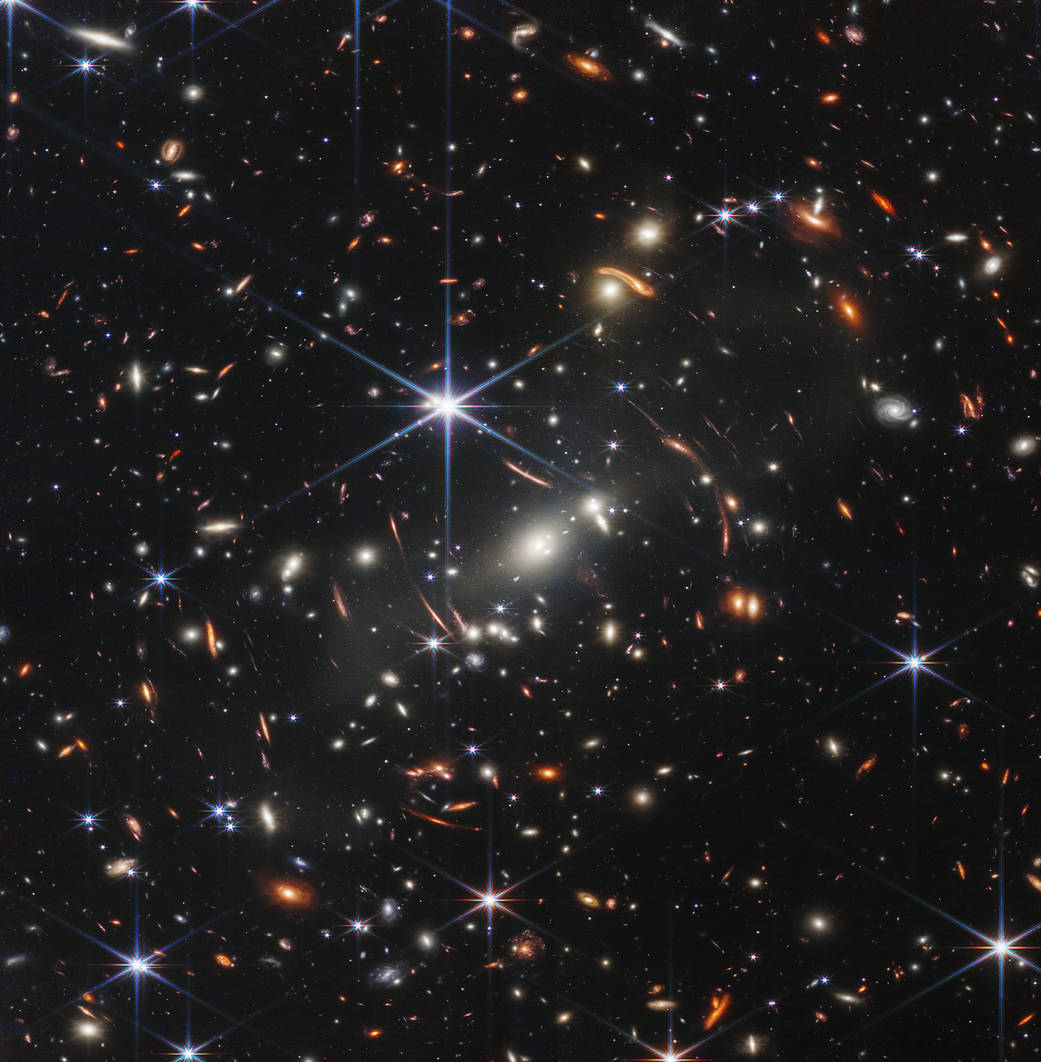
NASA’s James Webb Space Telescope has delivered the deepest and sharpest infrared image of the distant universe so far. Webb’s First Deep Field is galaxy cluster SMACS 0723, and it is teeming with thousands of galaxies – including the faintest objects ever observed in the infrared.
Webb’s image is approximately the size of a grain of sand held at arm’s length, a tiny sliver of the vast universe. The combined mass of this galaxy cluster acts as a gravitational lens, magnifying more distant galaxies, including some seen when the universe was less than a billion years old. This deep field, taken by Webb’s Near-Infrared Camera (NIRCam), is a composite made from images at different wavelengths, totaling 12.5 hours – achieving depths at infrared wavelengths beyond the Hubble Space Telescope’s deepest fields, which took weeks. And this is only the beginning. Researchers will continue to use Webb to take longer exposures, revealing more of our vast universe.
Second, why is it named after James E. Webb (1906- 1992)? James Webb was NASA’s second administrator and known for leading Apollo, the series of lunar exploration programs that landed the first humans on the Moon. (A good Q&A is here: https://www.jwst.nasa.gov/content/about/faqs/faq.html )
Last thing to share is some music! ‘Floating in Heaven’ by Graham Gouldman and Brian May
It is indeed wonderful to be alive at this time!
We wanted to recognise the Queen’s Platinum Jubilee.
So I thought that I would find some photos of the Queen’s corgis that I could share with you. Unfortunately all the photographs were copyrighted.
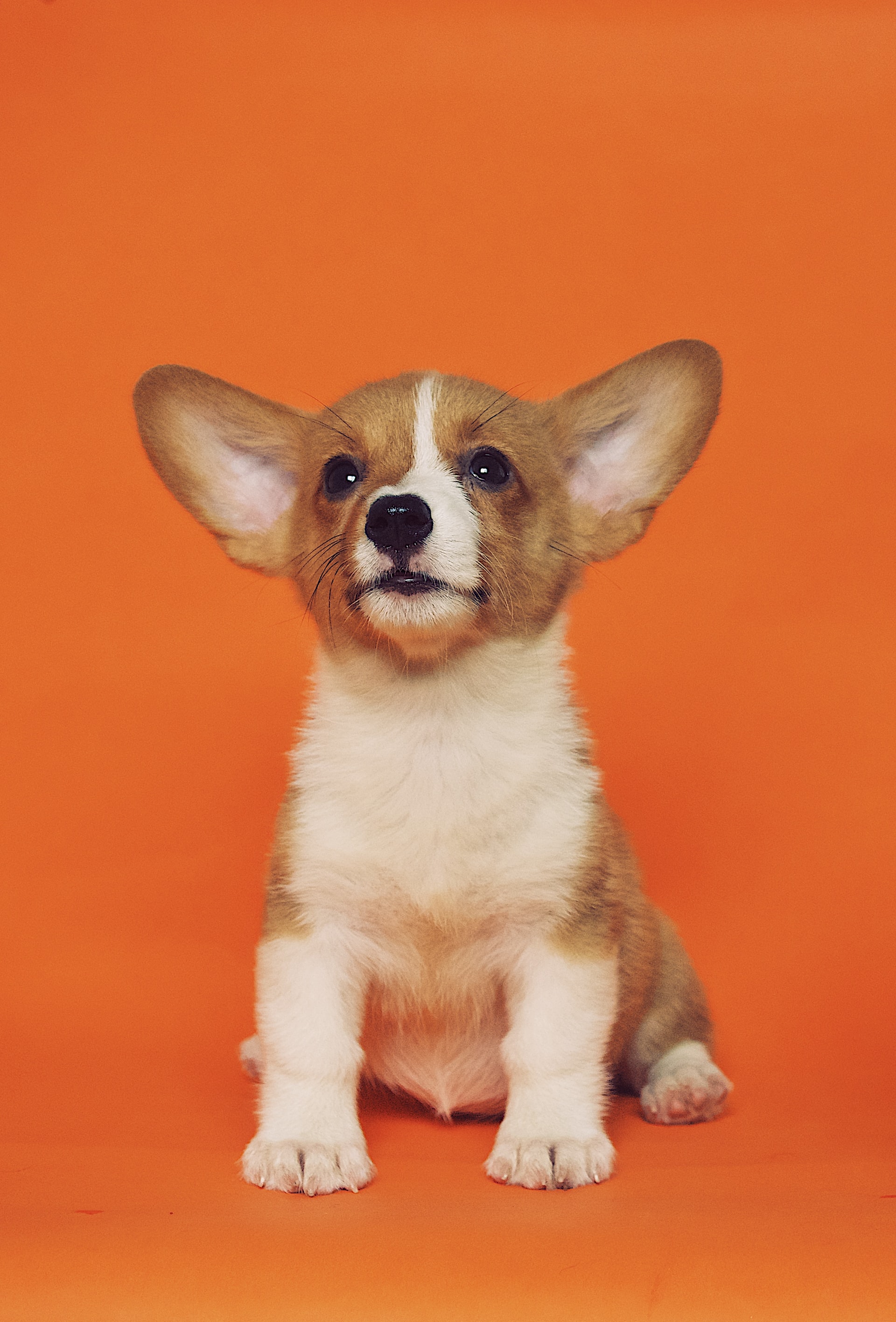
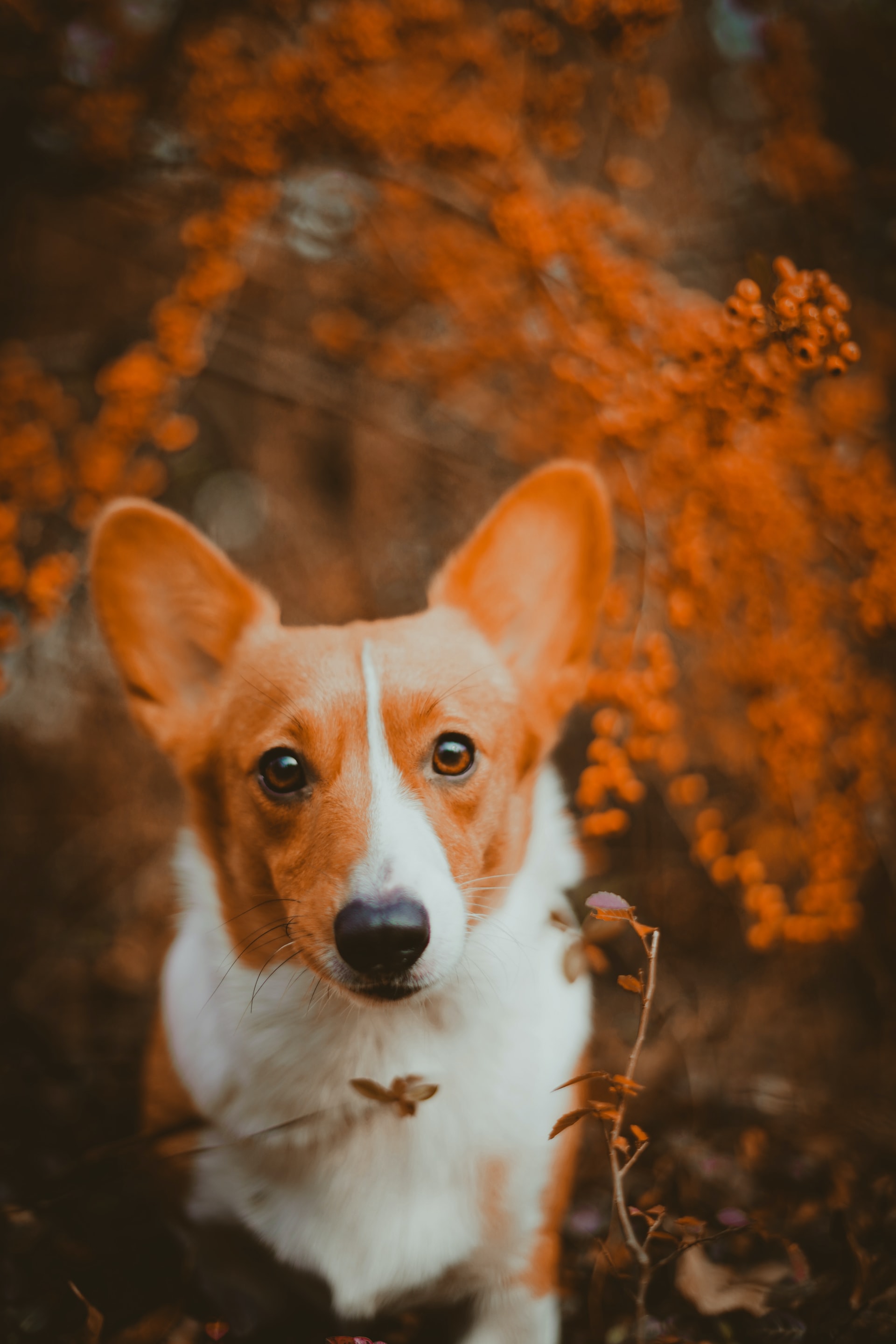
It is a well-known fact that Her Majesty Queen Elizabeth II is a dog lover and has been all her long life. There is a delightful story about the Queen and her corgis on the BBC at this moment and you may like to read it. Meanwhile today’s picture parade is all Corgis!

oooo

oooo

oooo

oooo

oooo
oooo

oooo
That’s it folks for another week.
I will close by thanking Her Majesty for all that she done over the years. Her Majesty gave her promise when she was 21 to devote her life to the Crown and all that flows from that commitment. Whatever her private thoughts have been over the years she has remained loyal to the Nation and the Commonwealth and it is an unparalleled record that will never be surpassed!
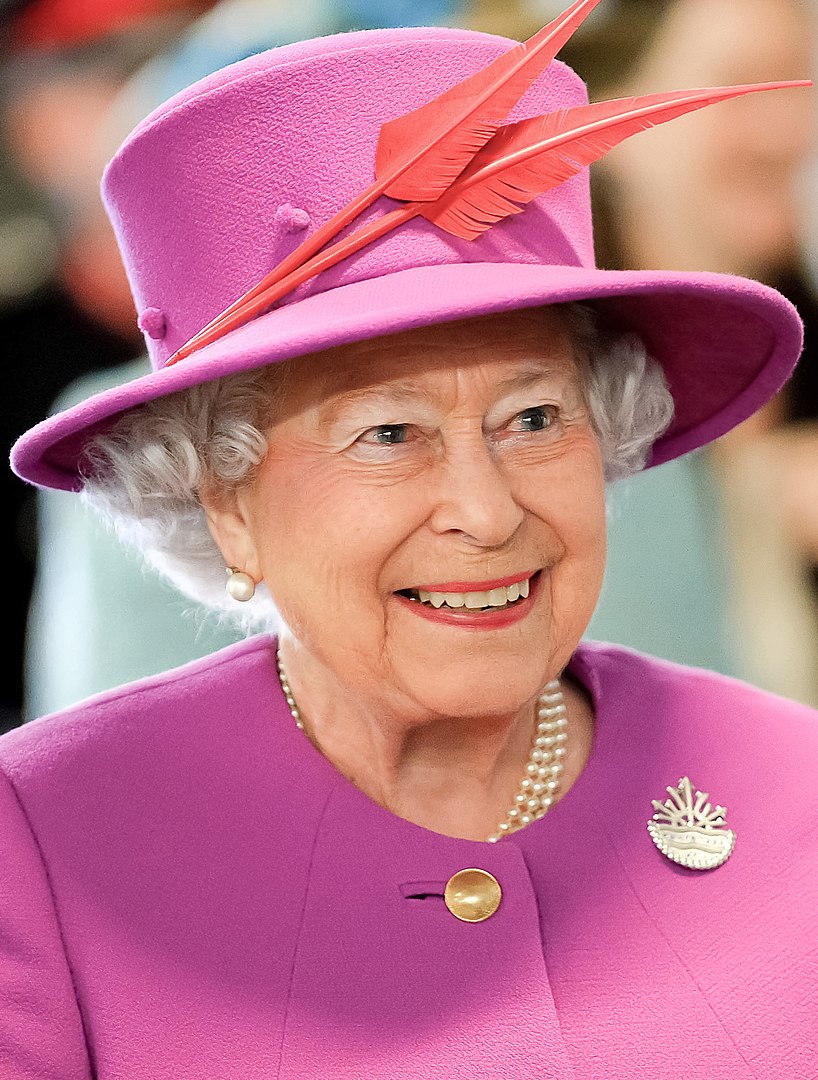
A final photograph of Queen Elizabeth II that is attributed to the author, see below, and I hope it is alright to show it.
A beautiful story about a senior dog.
Getting old is a fact of life. It applies to all living things. But the life expectancy is increasing, I’m pleased to say. There are some interesting facts on the Our World in Data website. But that is for humans. I don’t know if it applies also to dogs but I suspect that it does.
Bully is such a dog and his story was recently written up on The Dodo site. I have pleasure in sharing that with you.
ooOOoo
By Lily Feinn
Published on the 15th April, 2022
Since his birth in 1999, Bully has lived through five presidencies, the launch of the first iPhone, the rise of social media and many more historical events — but the Chihuahua probably can’t tell you about any of them.
But when the little dog recently turned 23 years old, his owners celebrated the milestone by throwing a party he’ll remember for years to come.

Bully spent the first 21 years of his life with a loving family, enjoying the companionship of his humans, playing outside and going for runs in the local park. When his elderly owner could no longer care for him, the super senior found his way to The Mr. Mo Project, a senior dog rescue run by Chris Hughes and his wife.

His former owner described Bully as a “big dog in a little dog’s body,” and Hughes quickly found that despite Bully’s advanced age, he hadn’t changed one bit.
“Bully is feisty, naughty, sweet, independent, gentle, calm and he has an old man bark,” Hughes told The Dodo. “Even at his age, he likes to try to push around another one of our Chihuahuas.”

Now that Bully is older, he needs more rest than the average pup. “Bully loves to sleep and he has earned that right,” Hughes said. “He will fall asleep absolutely anywhere, sometimes on the middle of the floor in the kitchen, on a potty pad or on the biggest, most comfortable bed in the corner.”
For Bully’s birthday party, the Hughes family decorated their house in honor of the little dog and gave him the two things he loves most in the world — treats and a nap. “He doesn’t have too many teeth, so we got a soft biscuit and crumbled it up for him to enjoy,” Hughes said. “He really enjoys sleeping, so that’s the best gift to give him.”

Hughes makes sure all the senior dogs in their care feel special by throwing parties to commemorate every possible event with them.
“We try to celebrate all the great things that happen in our home because so often there are not-so-great things that happen,” Hughes said. “We celebrate when dogs finish chemo treatments, birthdays, adoptions and have been known to have Christmas in July if we think someone won’t make it until Christmas.”

Thanks to the Hughes family, Bully will have many more celebrations to look forward to. And at the age of 23, he’s earned it.
ooOOoo
All pictures courtesy of the Mr Mo Project.
Twenty-three years old! This is quite a remarkable age for a dog even taking into account that Bully is a Chihuahua.
How about this for a story from Peru.
Not only do dogs come in a myriad of sizes and shapes, witness our own Brandy and Pedi, but they are also conscious creatures, as in they remember and grieve; albeit in a dog fashion.
The Dodo presented this story back on the 4th March about just a dog. Read it and be swept away in the world of dogs.
ooOOoo
Woman At The Beach Meets A Dog Who Won’t Stop Staring Out To Sea
The reason why touched her heart ❤️️
Published on the 4th March, 2022
The other day, Jolie Mejía and her family decided to visit Punta Negra, a small seaside community near their home in Peru.
It was there, along a rocky shore overlooking the sea, that they came to learn a story of love in its purest form.

After Mejía and her family settled down along the shore, they were approached by a random dog who appeared to be all by himself.
“He didn’t seem abandoned. He wore a ribbon around his neck and his fur was clean,” Mejía told The Dodo. “I pet him, waiting for his owner, but minutes passed and no one came.”

The dog enjoyed Mejía’s pets, but all the while his gaze remained fixed upon the ocean.
And Mejía soon came to learn the touching reason why.

Mejía and her family considered adopting the dog themselves, assuming he had indeed been abandoned. So, when a man local to the area walked by, Mejía asked him if he knew the dog’s status.
“He explained that practically everyone in the area knows the dog and is very fond of him,” Mejía said. “He told us that the dog’s owner was a fisherman who passed away some time ago, and that the dog comes to the beach every day and stares out to sea.”

The dog, it seems, has been holding vigil — awaiting the return of his friend who will never come home.
“We were very moved,” said Mejía.

Mejía believes the dog’s owner died at sea about a year ago, and that the dog has been watching out for him daily ever since.
But though the dog’s owner may never return, the dog isn’t without friends who care for him.

The dog’s sad story is evidently well-known by people in the community, who feed him, shelter him and provide him with health care when he needs it.
A local veterinarian in Punta Negra confirmed to The Dodo that the dog’s name is Vaguito, and that he’s currently in the care of a woman who lives nearby.

By day’s end, Mejía and her family eventually parted ways with Vaguito, his eyes still cast out to sea. But his bittersweet story — one of loyalty to a love he lost, and the loyalty and love he found in the community — is one she won’t soon forget.
“I have a dog at home,” Mejía said. “I love dogs in general. His story really touched my heart.”
(Photos by Jolie Mejía)
ooOOoo
This is the perfect story. But it is more! It is the perfect story of how special a dog is. For this particular dog, Vaguito, clearly was loved by his fisherman and even after a year Vaguito still holds a vigil for him. It is a very lovely article, but that is the unconditional love shown by dogs to humans who care and love them back.
A long-overdue task!
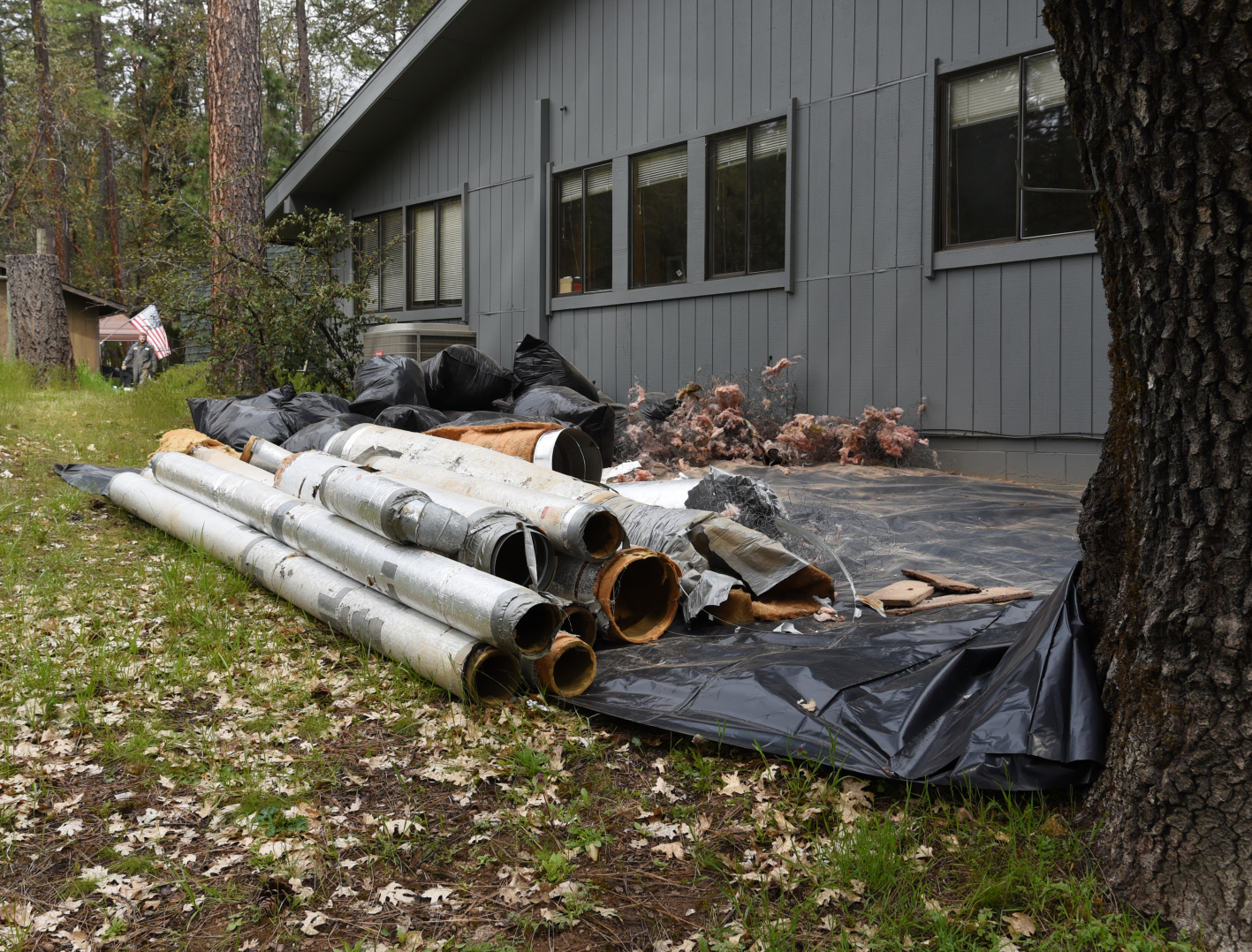
Some weeks ago we heard animals, probably squirrels, in the crawl space underneath our singe-storey home. After some thinking about the problem we got a company to come out and take a look. They said that the original insulation was poorly installed, that would have been around 1977, and that it had to be removed and a more modern type installed.
The area, some 2,400 square feet, apparently is larger than the team usually work in and it may be five of more days before they are finished.
oooo

oooo

oooo

I do not envy the crew who spend long hours in the crawl space. The firm that was selected were TerraFirma.
John Zande loses a dear doggy friend.
In a comment to a recent post on this blog, John said: “Just sent you an email.“
I went to that email and read:
Hi Paul — just a personal note to let you know Bela died yesterday at 3.30pm. Her old beaten up body couldn’t do it any longer. A week after the last of her two operations she started going downhill. Her walks were more laboured. Last Tuesday I stopped walking her because (although she wanted to keep going) she was failing. She deteriorated over the weekend… Monday was spent racing her between vets, diagnostic clinics, and finally to the emergency care hospital. She made it through the night. She made it to us going there to see her. She was in a terrible state, her kidneys dissolving, her heart giving up. She was thankfully without pain, and although barely conscious (she was on heavy, heavy opioids), she managed to lift her head one last time. The vet there later said it was like she was waiting for you to say goodbye. She died thirty minutes later. Her heart gave out, and they could not revive her.
John subsequently emailed me the details of when he found Bela.
I caught sight of something out of the corner of my eye driving home one day. I *thought* it looked like a dog. I turned around, and that’s how we found her… skin and bones, leg broken, paw smashed. And as we’d later discover, megaesophagus. We scooped her up and raced her to the vet. First time in my life after a rescue I actually asked the vet that day if we should just end her misery right then and there. Four years is what she gave us, and our lives are richer for it. Four short years.
Since then Bela has had four or five major operations, the last two to remove cancers were in January and March of this year. As John puts it: “In my mind we were setting her up for many more years of health.“
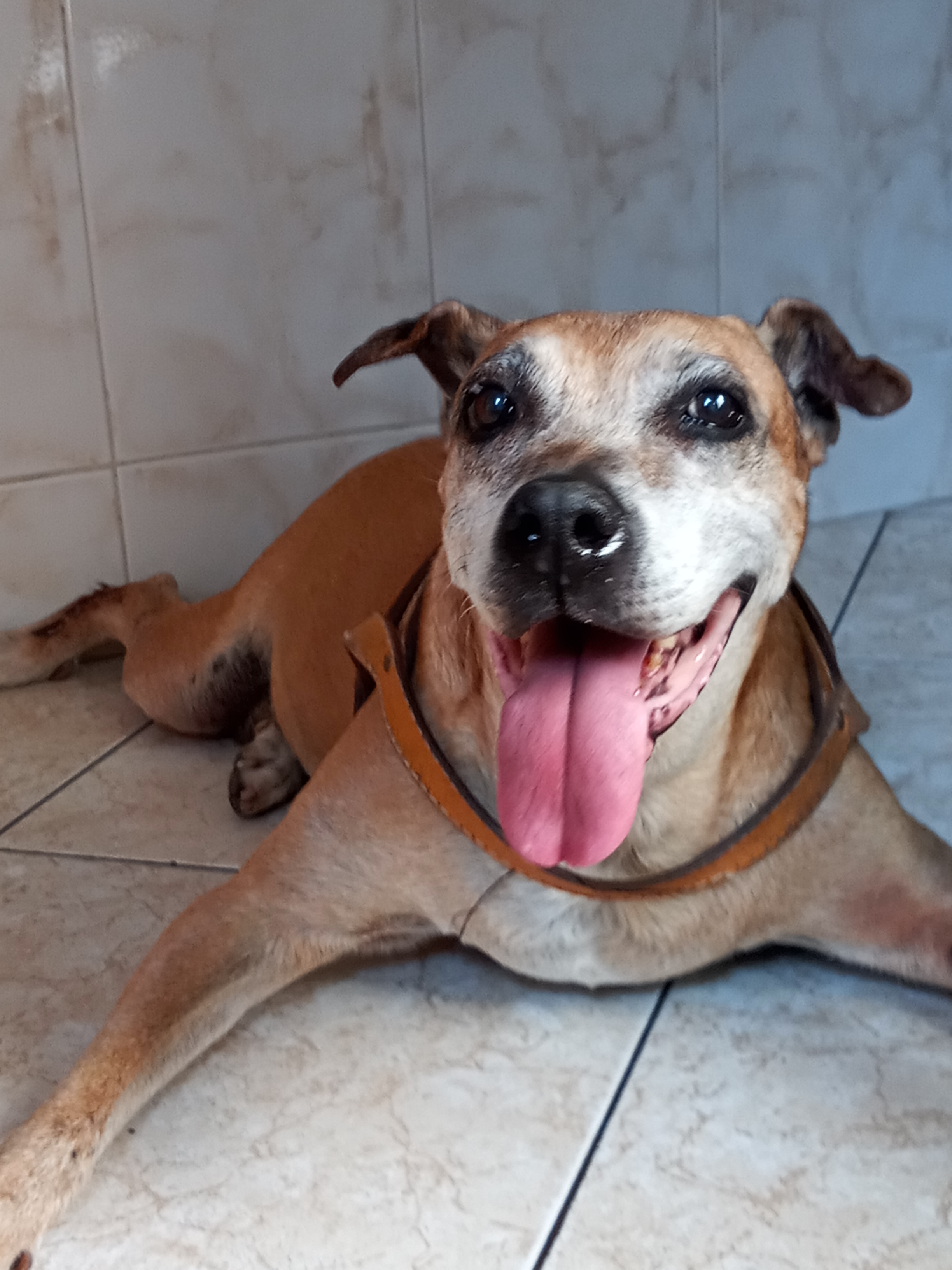
Finally, here is a video of Bela. It is rather poor quality because the original is far too large. But it doesn’t matter at all because it just shows Bela alive and well!
Be in peace, dear Bela.

