Category: Health

Return to Predators!

The critical value of predators.

Not so long ago there was some discussion about how important it was for the natural way of things to include predators. I mentioned how this had been the topic of a post published some time ago in this place.

It was back in February, 2014 and I have republished it today.

oooo

The critical value of predators in our wild lands.

February 24th, 2014

The consequences of the reintroduction of wolves to Yellowstone National Park.

I have two people to offer my thanks to for today’s post: Suzann and Ginger. Both of them within hours of each other sent me an email recommending the following video. So, without further ado, here is that video. (Oh, would you believe this. The video was released on February 13th, 2014 and, at the time of me writing this post, has been viewed 1,453,345 times! Wow!)

Published on Feb 13, 2014

Visit http://sustainableman.org/ to explore the world of sustainability.

For more from George Monbiot, visit http://www.monbiot.com/ and for more on “rewilding” visit http://bit.ly/1hKGemK and/or check out George Monbiot’s book Feral: rewilding the land, the sea and human life: http://amzn.to/1dgdLi9

“When we try to pick out anything by itself, we find it hitched to everything else in the Universe.” – John Muir

When wolves were reintroduced to Yellowstone National Park in the United States after being absent nearly 70 years, the most remarkable “trophic cascade” occurred. What is a trophic cascade and how exactly do wolves change rivers? George Monbiot explains in this movie remix.

Narration from TED: “For more wonder, rewild the world” by George Monbiot. Watch the full talk, here: http://bit.ly/N3m62h

B-Roll Credits:
“Greater Yellowstone Coalition – Wolves” (http://bit.ly/1lK4LaT)
“Wolf Mountain” (http://bit.ly/1hgi6JE)
“Primodial – Yellowstone” (https://vimeo.com/77097538)
“Timelapse: Yellowstone National Park” (http://bit.ly/1kF5axc)
“Yellowstone” (http://bit.ly/1bPI6DM)
“Howling Wolves – Heulende Wölfe” (http://bit.ly/1c2Oidv)
“Fooled by Nature: Beaver Dams” (http://bit.ly/NGgQSU)

Music Credits:
“Unfoldment, Revealment, Evolution, Exposition, Integration, Arson” by Chris Zabriskie (http://bit.ly/1c2uckW)

FAIR USE NOTICE: This video may contain copyrighted material. Such material is made available for educational purposes only. This constitutes a ‘fair use’ of any such copyrighted material as provided for in Title 17 U.S.C. section 106A-117 of the US Copyright Law.

For any concerns or questions, you may contact us athttp://sustainableman.org/contact/

If you want to read more on a general level, then my post on the 11th January, 2014, An echo in the hills! may be worthwhile. It included this from William Ripple, of Oregon State University:

ooOOoo

Top dogs keep ecosystems in order

Many of these large carnivore species are endangered and some are at risk of extinction, either in specific regions or entirely. Ironically, they are vanishing just as we are learning about their important ecological effects, which is what led us to write a new paper in the journal Science to document their role.

From a review of published reports, we singled out seven species that have been studied for their important ecological role and widespread effects, known as trophic cascades. These are the African lion, leopard, Eurasian lynx, cougar, gray wolf, sea otter and dingo.

Based on field research, my Oregon State University co-author Robert Beschta and I documented the impact of cougars and wolves on the regeneration of forest tree stands and riverside vegetation in Yellowstone and other national parks in western North America. Fewer predators, we found, lead to an increase in browsing animals such as deer and elk. More browsing disrupts vegetation, reduces birds and some mammals and changes other parts of the ecosystem. From the actions of the top predator, widespread impacts cascade down the food chain.

Similar effects were found in studies of Eurasian lynx, dingoes, lions and sea otters. For example in Europe, absence of lynx has been closely tied to the abundance of roe deer, red fox and hare. In Australia, the construction of a 3,400-mile dingo-proof fence has enabled scientists to study ecosystems with and without dingoes which are closely related to gray wolves. They found that dingoes control populations of herbivores and exotic red foxes. The suppression of these species by dingoes reduces predation pressure, benefiting plants and smaller native prey.

In some parts of Africa, the decrease of lions and leopards has coincided with a dramatic increase in olive baboons, which threaten crops and livestock. In the waters off southeast Alaska, a decline in sea otters through killer whale predation has led to a rise in sea urchins and loss of kelp beds.

Predators are integral, not expendable

We are now obtaining a deeper appreciation of the impact of large carnivores on ecosystems, a view that can be traced back to the work of landmark ecologist Aldo Leopold. The perception that predators are harmful and deplete fish and wildlife is outdated. Many scientists and wildlife managers now recognise the growing evidence of carnivores’ complex role in ecosystems, and their social and economic benefits. Leopold recognised these relationships, but his observations were ignored for decades after his death in 1948.
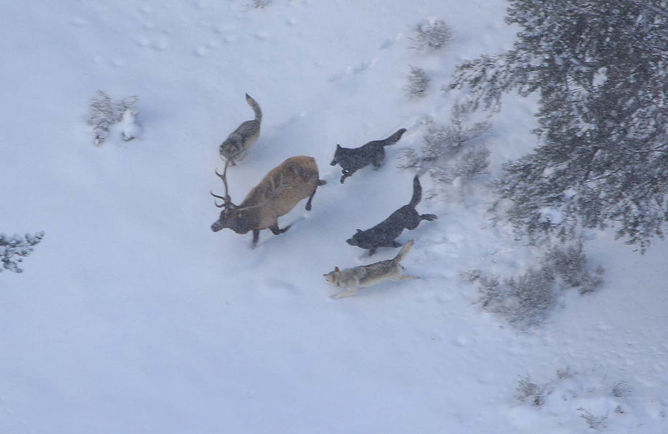
op carnivores, at work keeping things in check. Doug Smith
Top carnivores, at work keeping things in check. Doug Smith

Human tolerance of these species is the major issue. Most would agree these animals have an intrinsic right to exist, but additionally they provide economic and ecological services that people value. Among the services documented in other studies are carbon sequestration, restoration of riverside ecosystems, biodiversity and disease control. For example, wolves may limit large herbivore populations, thus decreasing browsing on young trees that sequester carbon when they escape browsing and grow taller. Where large carnivore populations have been restored – such as wolves in Yellowstone or Eurasian lynx in Finland – ecosystems appear to be bouncing back.

I am impressed with how resilient the Yellowstone ecosystem is, and while ecosystem restoration isn’t happening quickly everywhere in this park, it has started. In some cases where vegetation loss has led to soil erosion, for example, full restoration may not be possible in the near term. What is certain is that ecosystems and the elements of them are highly interconnected. The work at Yellowstone and other places shows how species affect each another through different pathways. It’s humbling as a scientist to witness this interconnectedness of nature.

My co-authors and I have called for an international initiative to conserve large carnivores in co-existence with people. This effort could be modelled after a couple of other successful efforts including the Large Carnivore Initiative for Europe, a non-profit scientific group affiliated with the International Union for the Conservation of Nature, and the Global Tiger Initiative which involves all 13 of the tiger-range countries. With more tolerance by humans, we might be able to avoid extinctions. The world would be a scary place without these predators.

William Ripple does not work for, consult to, own shares in or receive funding from any company or organisation that would benefit from this article, and has no relevant affiliations.

ooOOoo

The ConversationMan! We are a strange species at times!

Starting Out on The Meditation Journey

If meditation really works then we want to engage in it.

Those who watched the video that was the central component of yesterday’s post will not have missed the references by Ted Meissner that scientific, double-blind evidence shows that meditation offers benefits for us humans.

Both Jean and I are especially interested in learning more and, hopefully, finding an appropriate meditation group in our nearest town, Grants Pass.

We would also welcome feedback and advice from any of you good people who have trod this path before.

For example, when one conducts a quick internet search into the different forms of meditation there are dozens of websites that are returned in the search findings. Almost choosing one website at random, the Visual Meditation website declares there are 7 Types of Meditation.  As in:

  • Transcendental Meditation (TM)
  • Heart Rhythm Meditation (HRM)
  • Kundalini
  • Guided Visualization
  • Qi Gong
  • Zazen
  • Mindfulness

To my uneducated eye, not one of those types seems to accord with the type supported by the American Meditation Society:

OUR MISSION

  • To provide instruction in meditation as taught by the founder of AMS, Gururaj Ananda Yogi.
  • To preserve and share the universal teachings of Gururaj with integrity and wisdom.
  • To provide a place where those who wish to unfold the inner self may do so in the company of other like-minded people.

Back to the plot! For this post is about the science.

The following video seemed worthy of sharing with you.

I watched the first 10 minutes before deciding it should be shared. By the time this post is published Jean and I will have watched it to the end. [20:45 yesterday evening. Jean and I have just finished watching the Bob Roth video below. It was both fascinating and very helpful!!]

The Aspen Institute

Published on Jun 26, 2016

Published studies have documented the many physical and mental health benefits of meditation, including decreased pain, better immune function, less anxiety and depression, a heightened sense of well-being, and greater happiness and emotional self-control. Google Scholar turns up almost 700,000 research documents on meditation, among them imaging studies that show increased activity in brain regions associated with attention, a higher volume of grey matter, and lessened amygdala response to emotional stimuli. What actually happens in the brain when we meditate? Why is meditation so nourishing to the mind, body and spirit?

Perri Peltz, Interviewer
Bob Roth

But a search of the YouTube website using the search term “meditation science” brought up many other links to shorter videos.

I selected the following (2:23 mins) because it is presented by Ferris Jabr who is an Associate Editor with Scientific American magazine.

Bottom line to my way of thinking is that this is something worth committing to once we know much more about engaging in meditation.

Your experiences most welcomed.

(And, of course, when it comes to chilling out for hours regularly each day then there’s another thing we can learn from our beloved dogs! No better demonstrated than by Brandy yesterday morning in the following photograph!)

Buddhism and Humanism

Reflections on a very interesting meeting of our local Freethinkers group.

Last Saturday was the regular monthly meeting of our local Rogue Valley Freethinkers and Humanists. Many know that Jean and I are secular humanists and go as often as we can to these meetings in Grants Pass, Oregon.

Saturday’s meeting was all about Buddhism or more accurately as Jerry Reed, the group’s administrator, put it in a recent email:

For Saturday, Aug 5: Brenda will be our presenter/discussion leader. She will introduce us to Secular Buddhism, including comments on basic principles of Buddhism, and how traditional and secular Buddhism compare with each other, as well as on overlapping philosophical views of Buddhism and Humanism.

This video link provides a discussion between a humanist, Scott Lohman, and a secular Buddhist, Ted Meissner, which may help to familiarize you with Brenda’s topic prior to our meeting. It is about 29 minutes long, all interesting, but if you are cramped for time, especially the segment from about 10:30 to 16:30 which discusses basic Buddhist principles that might also relate to humanism, and another segment from about 19:30 to 27:00 on advice to a beginner who might want to try meditation, and how Star Trek borrowed from Buddhism, and also about the similarity of ethical focus of Buddhism and Humanism.

What I would hope is that if any of you are interested in this subject, then do watch the interview with Ted Meisser conducted by Scott Lohman .
Here it is.

Here follow links to the organisations represented by Scott and Ted Meissner. For Scott the Humanists of Minnesota, and for Ted the Secular Buddhist Association.

If you do watch the video you will undoubtedly pick up on the science now discovering that meditation does change the brain … for the better!

More on that tomorrow!

Visiting the Vet – Jefferson’s heart!

Welcome to August!

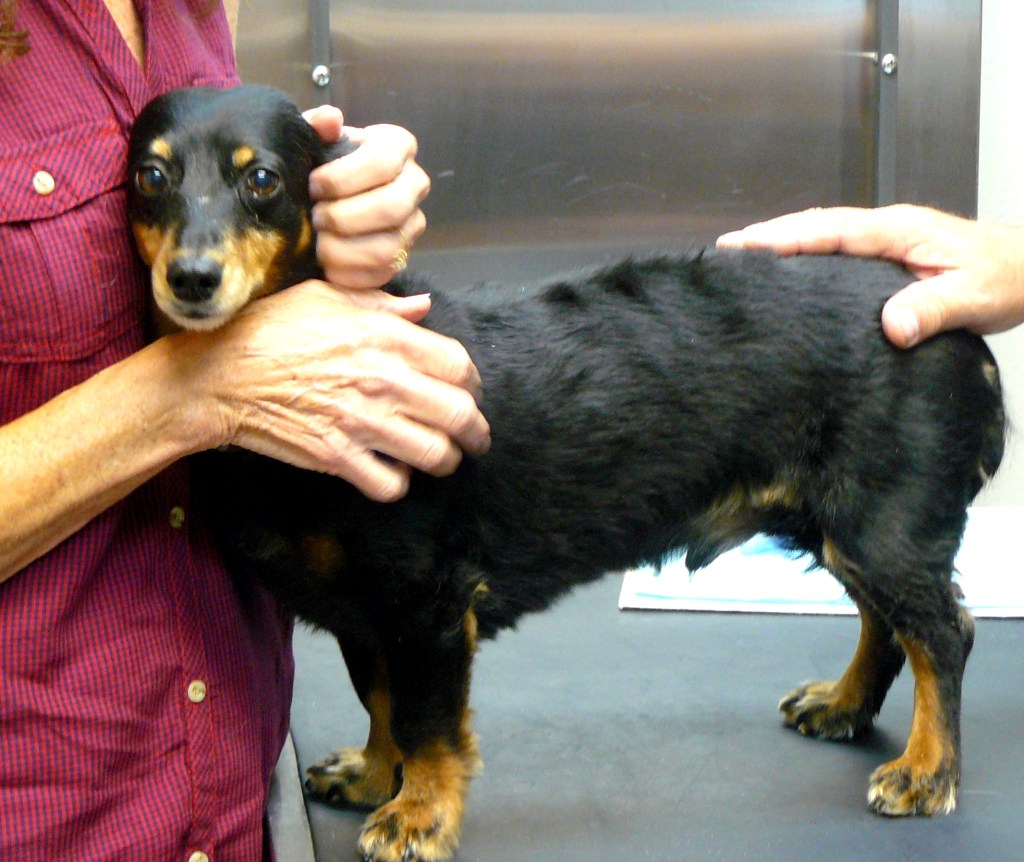
July 13th. 11:00 The second case that I sat in on was Linda bringing in Jefferson.

Jefferson is an eight-year-old long-haired male Dachshund. Linda had decided to bring her dog into Lincoln Road because recently Jefferson had started coughing but only when he was pulling on his leash.

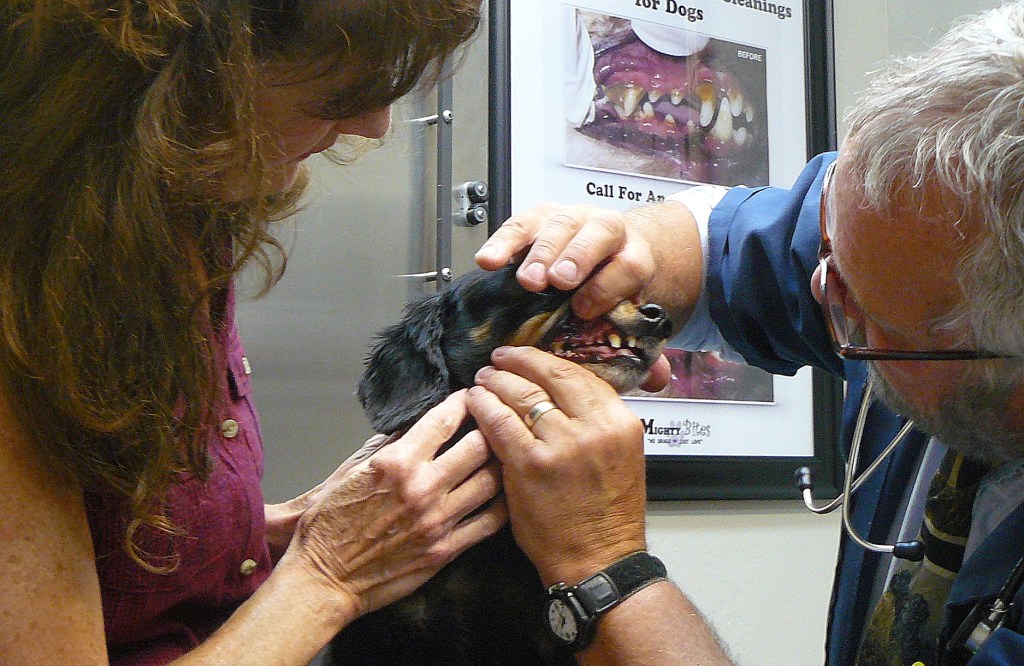
Linda added that Jefferson seemed to be chewing on a number of pine cones just now.

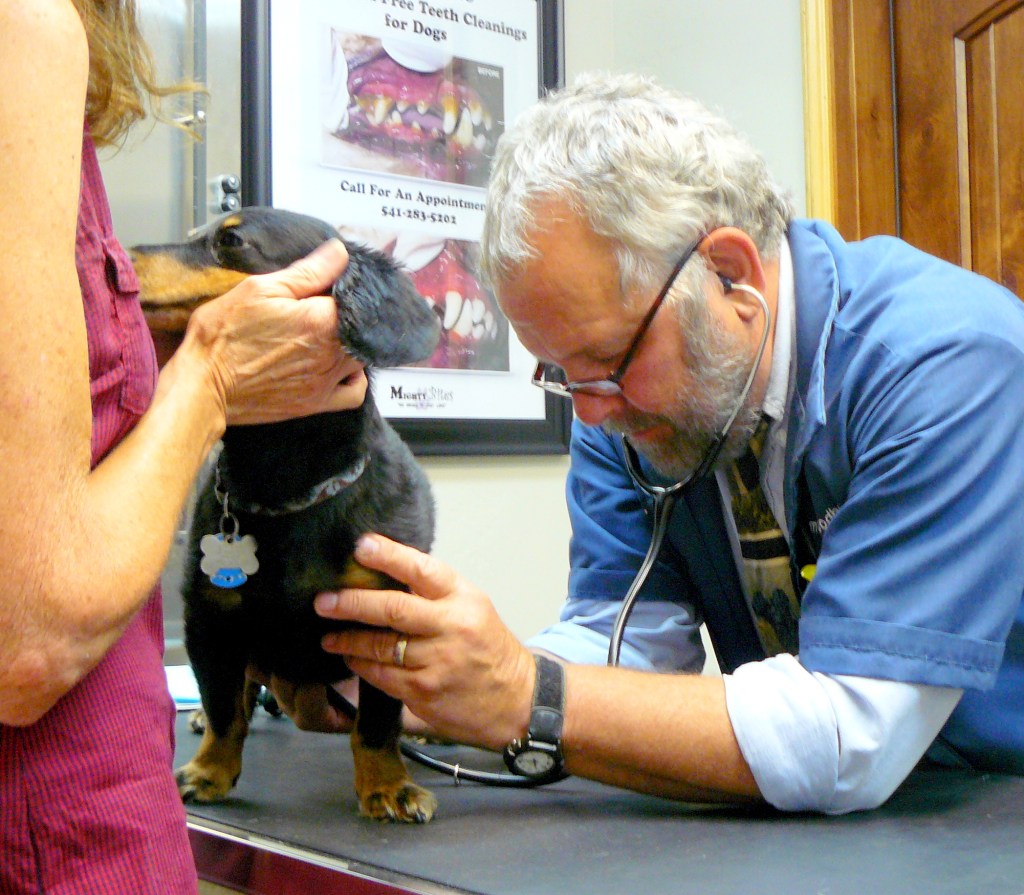
Jim examined Jefferson. First examining the dog’s lymph node and then listening to either side of the dog’s chest.

While everything sounded fine on Jefferson’s right side, Jim detected a very small heart murmur when listening to Jefferson’s left side.

Jim also noted that the lymph node was prominent but not enlarged. Dogs can get lymphoma.

Nothing arose to give cause for concern but in view of the chewing of pine cones, Jim thought that giving Jefferson an injection of ‘Lepto’ would be no bad thing.

11:20 All done!

I subsequently did a web search on ‘Lepto’ and came across this on the Vetstreet website: (in part)

It’s scary to think that a fun stroll through the woods or swim in a favorite watering hole can lead to a terrible illness, but it can –– for you as well as your dog. Leptospirosis is caused by a bacteria spread through soil, water, and the urine of infected animals, and if not caught early it can be deadly. There is a vaccine available for the most common subtypes of the bacteria that infect dogs, but it’s not always a recommended part of the routine vaccination protocol. Ask your veterinarian if the leptospirosis vaccine is right for your dog.

Overview

Leptospirosis is a potentially serious disease caused by the bacterium Leptospira interrogans. It affects dogs but can also infect a wide variety of domestic and wild animals as well as humans.

The organism is usually spread through infected urine, but contaminated water or soil, reproductive secretions, and even consumption of infected tissues can also transmit the infection. Introduction of the organism through skin wounds can also occur. Common carriers of the organism include raccoons, opossums, rodents, skunks, and dogs.

To be continued:

(Please note: These observations are mine alone and because of the busy environment it must be assumed that my interpretation of what was taking place might not be totally accurate. Nothing in this blog post should be used by a reader to make any medical judgment about an animal. If you have any concern about an animal do make an appointment to see a properly qualified veterinarian doctor.)

Visiting the Vet – Hyperthyroidism

Lady Jessica isn’t feeling too well.

09:50 July 13th, 2017.

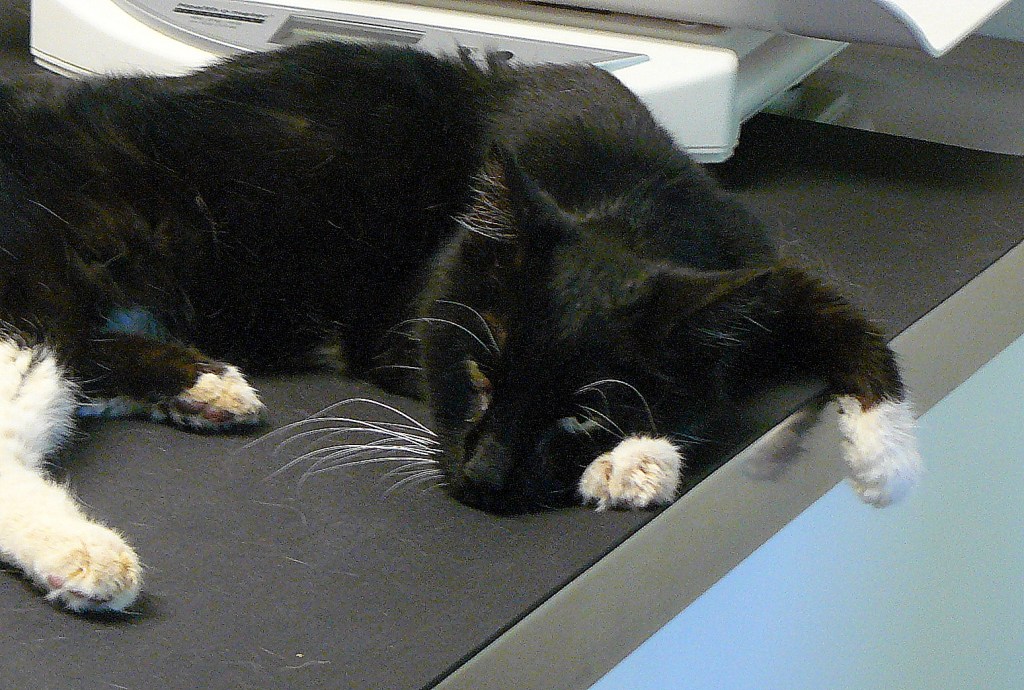
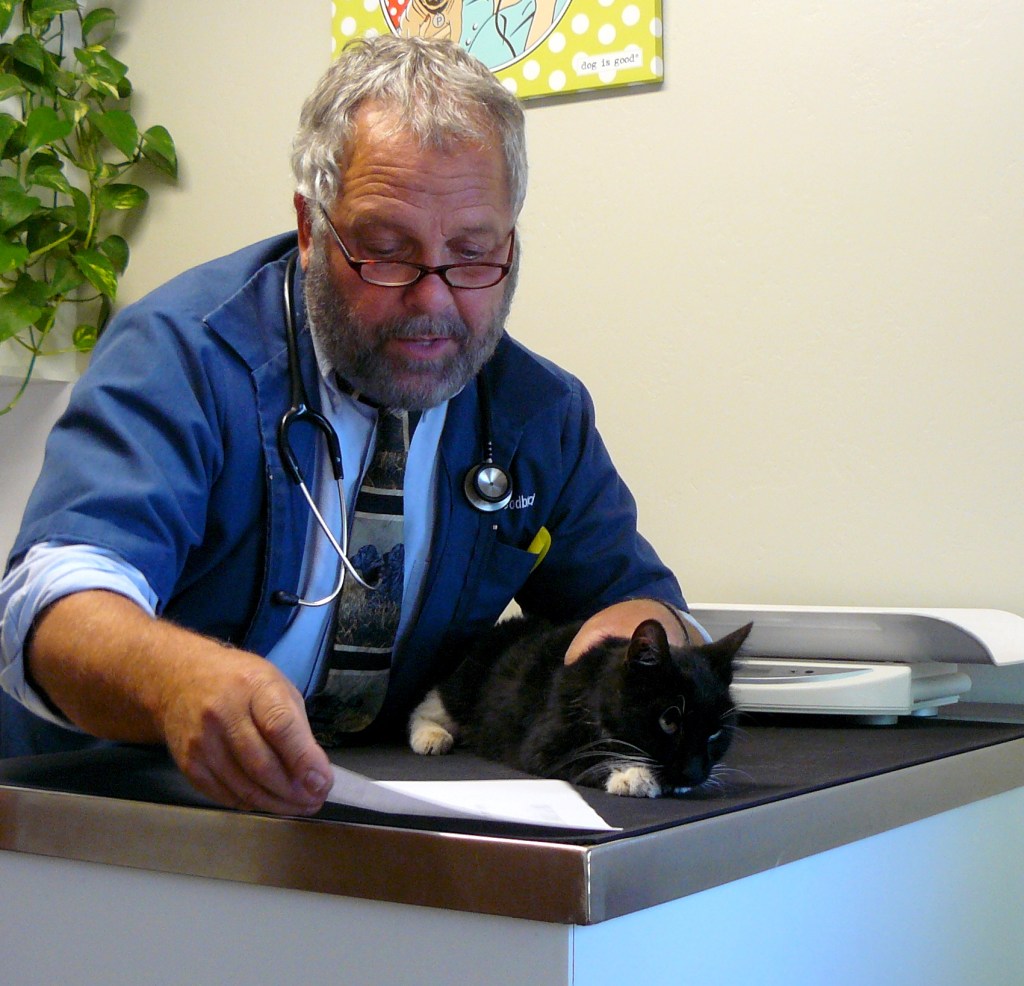
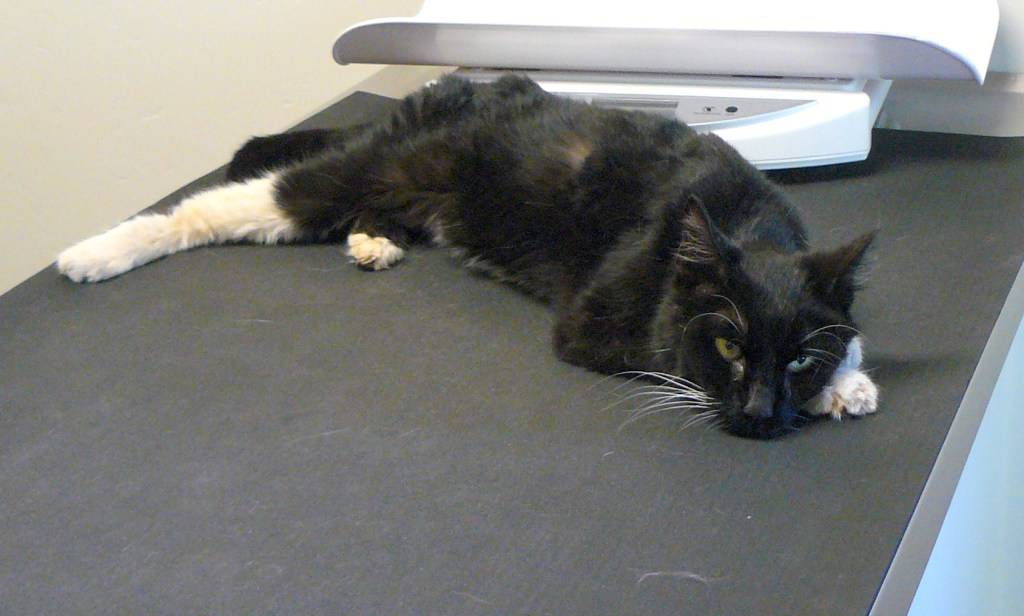
Jessica Louise is a 14-year-old cat that normally lives happily outside. But in recent times ‘Jessie’ has become very thin despite constantly eating and has now preferred to be inside the home even accounting for the fact of there being dogs in the house.

Jim’s pretty certain that he is looking at a cat with a hyperthyroid thyroid gland. No question that a blood test is needed and the blood sample is taken without delay.

The results are soon back and confirm that Jessie’s T4 readings of >8.00 mg/dL are very high, indeed beyond the upper limit of their testing equipment. Jim explains that the normal range for T4 is between 0.80 – 4.70 mg/dL.

The puzzled look on my face is seen by Jim and he takes a few minutes out to explain what a blood test accomplishes.

There are three parts to the blood test:

  1. The Complete Blood Count (CBC), that is the cellular part of the test.
  2. The chemistry of the blood, measuring the condition of the kidneys, liver, electrolytes, diabetic status as in blood glucose level, and more.
  3. The optional Part, a test for T4 Total Thyroxine level.

A very quick web search found this from which one reads:

Your dog or cat’s T4 (Total T4) is a useful screening test to detect an under-active thyroid gland (hypothyroidism) in dogs or an over-active one (hyperthyroidism) in cats. But total T4 levels are a considerably more accurate way to diagnose an overly active thyroid gland in your cat than an under-active thyroid gland in your dog.

Jim prescribes Methimazole. Once again, back at my desk a quick web search for Methimazole For Cats finds:

What is Methimazole?

Methimazole is used to treat hyperthyroidism in cats. It has largely replaced propylthiouracil in this treatment process since it has a lower incidence of adverse side effects. Methimazole requires a prescription from your veterinarian, and is sold per tablet.

(This is only one of many products found online!)

Jim weighs Jessie and finds that she is 4lbs 12 oz. Her weight should be in excess of 8 lbs.

The clinic protocol is that Jessie should not be seen until at least 45 days has elapsed. But Dr. Jim underlines that Jessie should be brought back in to the clinic before then if there is no weight gain soon or, especially, if Jessie continues to lose weight.

10:05 All done.

To be continued:

(Please note: These observations are mine alone and because of the busy environment it must be assumed that my interpretation of what was taking place might not be totally accurate. Nothing in this blog post should be used by a reader to make any medical judgment about an animal. If you have any concern about an animal do make an appointment to see a properly qualified veterinarian doctor.)

ooooo

Good people, may I ask for your assistance.

Best explained by sharing part of a recent email sent to Yvonne D. who has offered her help with my book project. In past times, Yvonne was a Veterinary Technician.

Dear Yvonne,

My Visiting the Vet theme on Learning from Dogs has awakened within me the interest and passion to write my second book. Or, to put it more accurately, to switch away from the present theme that I have been struggling to get stuck into for months.

I spoke with Russel Codd at the clinic and he is really keen to support me.

The overall idea that is forming in my mind is to write a book that alternates, chapter by chapter, between observing the medical and clinical goings-on at a number of vet clinics in town, including specialist processes, surgery, cardiac, etc., and chapters that look deeply into the many different relationships that individuals have with their pets; primarily with dogs and cats.

I want to get into the ‘mindset’ of people who have pets in their lives across the whole range of feelings of those said people. From those who love their pets practically without any limit, to the homeless people (almost 100% men) whom one sees with a dog or two in tow alongside the highway. But also exploring those who seem so hateful. E.g. our pet sitter knows a man who threw his elderly dog away in some local woods. What causes someone to be like this? I want to find out!!

The book will be called: Of Pets, and Of People.

With very kind wishes,

Paul

Copyright (c) 2017 Paul Handover

Any feedback at all would be fabulous! What would you like to see in such a book? What would you most definitely not want to read?

Protecting our dogs from being stolen!

Can you imagine anything more awful!

I’m not sure if we are out and about with our dogs more frequently in the Summer but one would assume so.

But whatever the season, the number of people that do take their dogs with them when they are out is very significant.

So a recent article published by Care 2 about how thieves do steal dogs seemed timely.

ooOOoo

5 Ways Thieves Could Steal Your Dog

Editor’s note: This Care2 favorite was originally posted on January 1, 2013. Enjoy!

Sergeant Kenneth Chambers was playing Frisbee with his dog in the parking lot of a Jacksonville, Florida, grocery store recently when lightning struck out of the clear blue sky. The young American veteran, in recovery for post traumatic stress disorder, rolled down the car windows and placed his Australian Shepard/Blue Heeler Mix inside the vehicle just briefly, while he went inside to help his mother with the bags. When he came out moments later, Adalida was gone.

Unfortunately for Sergeant Chambers, and for Adalida, the parking lot scenario placed them in two of the top five high-risk situations for pet theft. And while Sergeant Chamebers’ search continues for Adalida, there are measures that all of us can take to prevent a similar tragedy.

Here are five of the top high-risk pet theft scenarios to avoid: 

1. Dogs in cars

In the blink of an eye, a partially opened window can be forced down or smashed. It takes 20 seconds or less to abduct a dog, and by the time a pet owner returns to the car, their dog is long gone. The American Kennel Club reports a 70 percent rise in dog theft in 2012 and a 40 percent rise the year before. A weak economy has fueled financially motivated dog-napping — and a dog in a car is, quite simply, a sitting duck.

2. Highly prized breeds or dogs with special abilities

A purebred dog or a dog with special skills is a bit like a gold watch. Thieves see dollar signs, and that’s more than enough temptation. Any dog left unattended can be taken, but there is far greater motivation for criminals to walk off with a dog who can bring in a large sum of cash.

3. Pets left in fenced backyards

Everyone loves the convenience of a doggy door — especially criminals. Homeowners who let their pet explore the fenced yard without supervision maintain the illusion of safety, but police departments across the country will tell you that this isn’t enough.

In broad daylight on a single Saturday in November, Corning Animal Shelter Manager Debbie Eaglebarger documented the theft of four Dobermans, four Australian shepherds and two Rottweilers. One neighbor witnessed a man and a woman lure one of the dogs out of a backyard and into their vehicle. All dogs taken that day were purebred, but that is not always the case.

4. Pets left tied in front of businesses

This one may sound like a no-brainer, but particularly in urban areas where pets accompany their owners on errands, it’s not uncommon to find dogs tied up in front of a bank or grocery store. Typically, these are dogs with a gentle demeanor — and that makes them highly susceptible to the commands of a would-be thief.

“Leaving your dog tied up in front of a store is about as ludicrous as leaving your child out front and saying, ‘Wait right there, I’ll be back in 10 minutes,” explains Howard Simpson of Integrated Security and Communications in Tyngsboro, Massachusetts. “Do yourself a favor and realize that there are security risks in even the safest of neighborhoods. Being naive makes you a target.”

5 Strangers in the neighborhood

Any strangers on your property can be a risk to your pets. Whether they are invited contractors, deliverymen or political campaigners, visitors could easily grab a pet during a moment when the homeowner is distracted. In some cases, they are making a mental note of homes with valuable breeds or easy-to-subvert home security that will facilitate a quick dog-napping at a later time. It bears mentioning that it’s not uncommon for cats to jump into the back of truck beds for a snooze and to be unwittingly carried off at the end of the day.

Which breeds are most likely to be stolen?

According to the American Kennel Club, the most stolen dog of 2011 was the Yorkshire terrier, followed by the Pomeranian, Maltese and Boston terrier. Small breeds are targeted by thieves because of their size but also because of their value on the market — a single dog can fetch well over $1,000! Among the large breeds, Labrador retrievers are a frequent target, as well as pit bull terriers and pit bull mixes – perhaps for a much more sinister purpose.

Why do thieves target pets?

1. Bait dogs and laboratory dogs

This is every dog guardian’s worst nightmare. Indeed people involved in dog fighting will gather “bait” dogs to be used as training tools for fighting dogs. It happens in both urban and rural areas, and there has been no measurable decline in dog fighting in recent years. Despite some legislation intended to stop the sale of undocumented dogs to research laboratories, under-the-table sales continue — and, in some countries, these exchanges are not considered a crime.

2. Financially motivated theft

“For the first time ever we’ve seen a trend now where shelters are being broken into and purebred and mixed breed dogs are being stolen,” said Lisa Peterson, spokesperson for the American Kennel Club. In fact, any purebred dog, particularly puppies, is considered a high-value commodity. Even with a microchip, it’s often too late when a pet buyer discovers that they have purchased a stolen dog.  By then, the thief is long gone.

3. Emotionally driven theft

What’s often overlooked are the emotionally motivated crimes that rob dogs of their families. This can happen because the perpetrator feels that a dog is not being properly cared for. Some animal lovers will feel justified in stealing a dog that is tied in front of a store or who gets  loose one day. Other times it’s an act of revenge, and, in many cases, a former romantic partner is considered the prime suspect.

Whatever the scenario or the motivation, dog guardians can best protect their dogs with watchfulness. Never leave a dog unattended. Secure your home, including all doors and windows, to the best of your ability and budget. And be wary of strangers in your neighborhood at all times.

Brought to you by the Harmony Fund, an international animal rescue charity.

One very lucky dog!

Don’t try this yourself!

(NB: For much of the next three days I am going to have my attention diverted elsewhere. So, apologies in advance if I am not as attentive as I try to be.)

This was seen on the BBC News website last Sunday.

ooOOoo

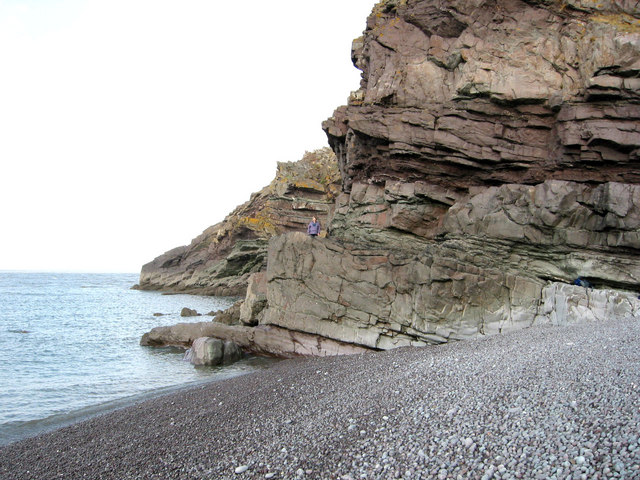
Dog survives after chasing stone off 150ft cliff

A cocker spaniel has survived a 150ft (46m) fall from a cliff in Somerset.

The dog, called Indy, plunged off Hurlstone Point, near Porlock, while chasing a stone during a walk with her owners.

Minehead’s lifeboat crew was scrambled to rescue her and found her among boulders at the foot of the cliff.

A spokesman said: “She had a few scratches and bumps and was very shaken up, but it could have been much worse.” (Ed: Understatement of the year!)

ooOOoo

A quick search brought up this item on Wikipedia:

Hurlstone point (grid referenceSS898492) is a promontory of land between Porlock Weir and Minehead in the Exmoor National Park on the coast of Somerset, England.

Hurlstone Point marks the boundary between Porlock Bay and Blue Anchor Bay in the Bristol Channel and is on the South West Coast Path.[1] There is a coastguard lookout shelter on the point.[2]

The rocks, including a large slab known as “coastguard wall” are popular with climbers.[3]

In 2007 a cyclist was rescued after falling 40 feet (12 m) down the cliff.[4]

References

  1. “Bossington to Selworthy”. Official Guide to the South West Coast Path. Natural England. Retrieved 24 March 2010.
  2. “Coastguard’s lookout at Hurlstone Point, Selworthy, Somerset”. Viewfinder National Monuments Record. English Heritage. Archived from the original on 6 June 2011. Retrieved 24 March 2010.
  3. “Hurlstone point”. UK Climbing.com. Retrieved 2008-08-09.
  4. “Cyclist rescued after cliff fall”. BBC News. BBC. 2007-05-03. Retrieved 2008-08-09.

Plus this photograph that only underlines how very lucky was Indy.

Visiting the Vet – Updates

How this theme is taking shape!

But first, let me offer an update and a correction.

In my first report, published on June 28th, the very first patient for Dr. Jim was Ginger.Here’s an extract from that report:

It was immediately clear to Jim when he listened to Ginger’s heart that it was racing; Jim thought at something like 200 beats per minute. Jim continued to check Ginger over although, as he told me later, he had an idea that Ginger’s medical problem was a cardiac issue. Jim arranged for Ginger to be given an X-ray as well as blood work.

A number of you wanted me to check on Ginger’s status. Jim said that in a follow-up call made by the clinic they were told that Ginger was doing well.

The second item is a correction. In the report that described Lynn bringing in a stray kitten that had terrible puss oozing from one eye, I wrote: “Moments later Jim has not only cleaned out all the puss but found and removed the cause of the infection that was behind the kitten’s eyeball.”

When I queried with Jim what was the cause of the infection, he said that there was nothing physical behind the eye but that the kitten had contracted a severe eye infection probably a viral infection. The kitten was also doing well.

So last Thursday, the 13th July, I returned to Lincoln Road, arriving at 09:45. My plan was to spend the morning with Jim and then the afternoon with Dr. Russel  Codd the owner of the clinic.

It was another wonderfully interesting day and I have sufficient material for the next two to three weeks.

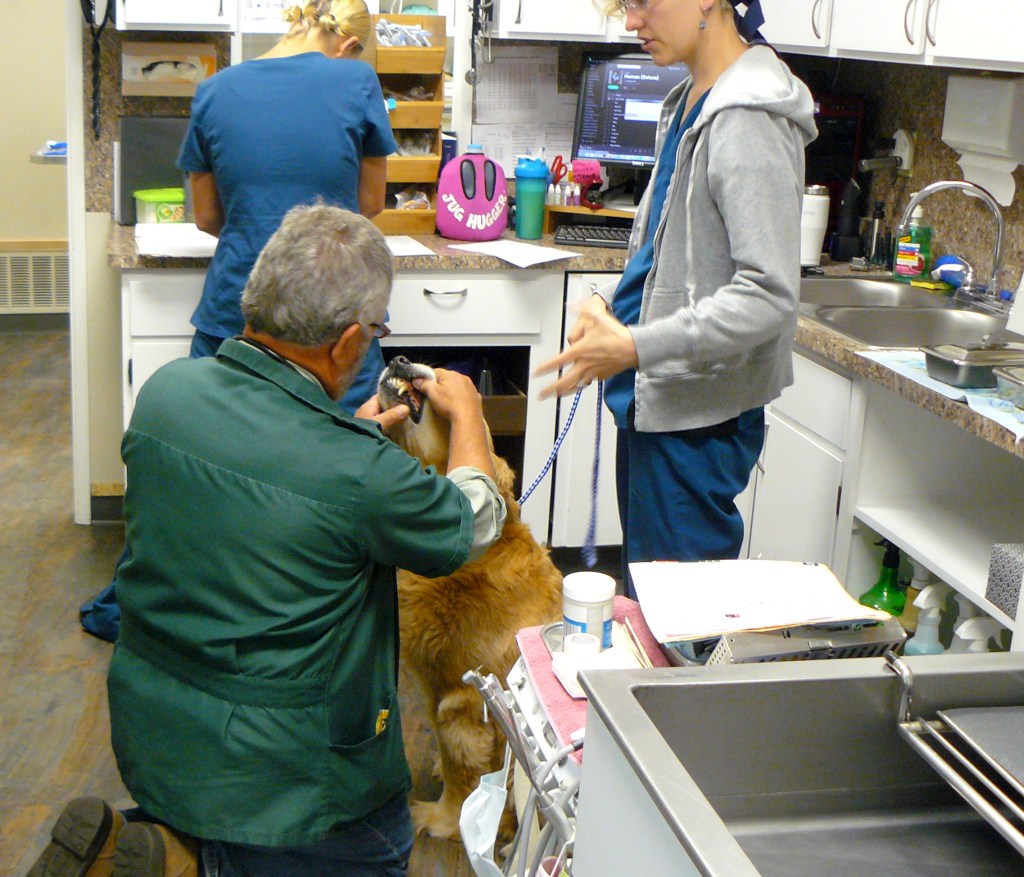
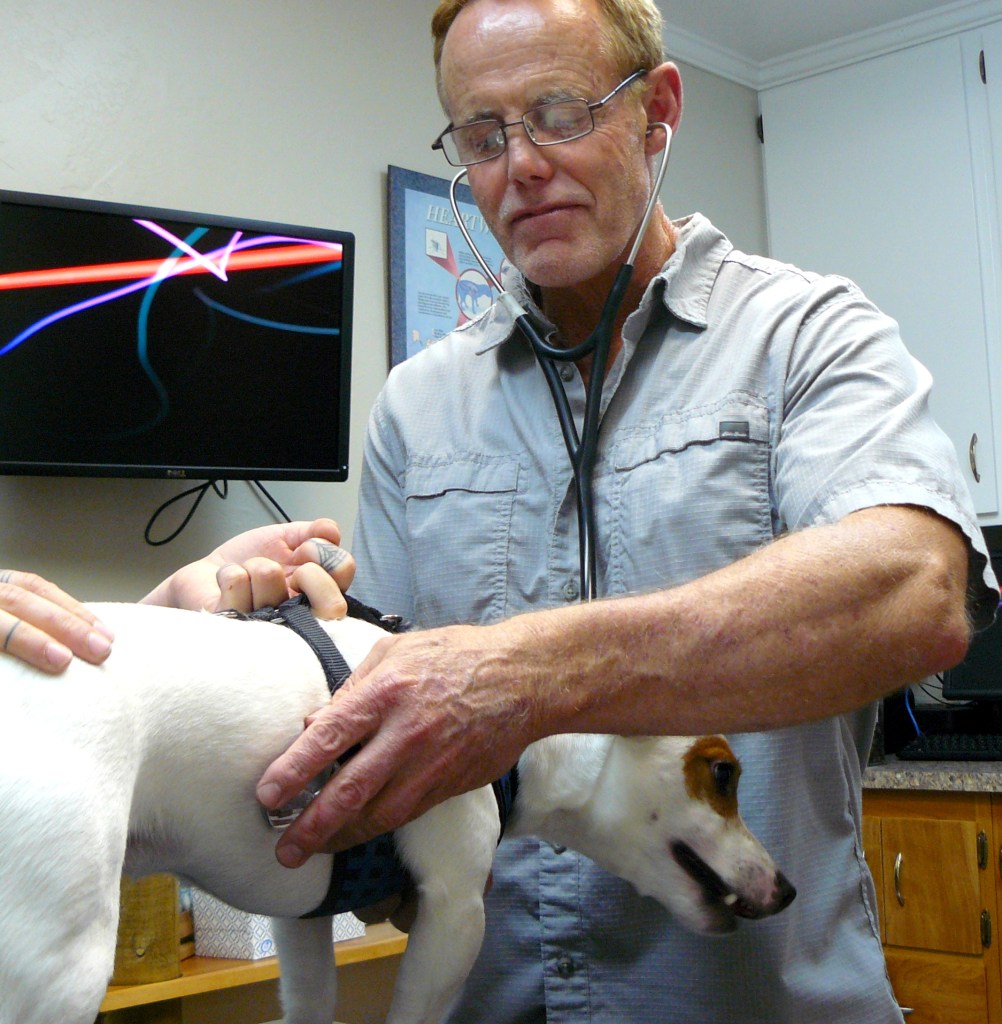
This is Cooper, a male Jack Russell, being checked out by Dr. Russ.

Dr. Russ started the afternoon at 14:30 so there was a bit of a wait after Jim had finished his morning at 12:05. That prompted me to see if future sessions watching Dr. Russ at work could be morning ones.

In other words, I would go across to Lincoln Road on two mornings a month; one to spend with Dr. Jim and one with Dr. Russ. I have yet to speak to Russ about that but can’t envisage an issue.

What Russel Codd did say to me that afternoon was that he really supported this theme and that he might arrange for me to ‘shadow’ one or two specialists who work locally in Grants Pass.  Plus, I did venture the idea that maybe there was book potential and Russ was very happy with that possible development as well.

So Sue, there’s the answer to you writing last week: “Lots of information here perhaps for a second book?” Great suggestion! (Indeed, good people, I am giving the idea of turning this series into a book very careful thought and will ask for feedback from you in a subsequent post once I am clearer about the purpose and objectives of such a book.)

So the first of my reports from my visit on the 13th will be published either later this week or early next week.

Thank you, everyone, for your interest, suggestions and support. You really are a great group of readers!

Visiting the Vet – Transformations.

This is why some choose to become veterinary doctors.

Today I write about the last animal that Dr. Jim attended to from my morning at Lincoln Road on June 22nd. I have been blown away by the interest in this theme from so many of you. Thank you!

Indeed, today I am back at the clinic spending both the morning and some of the afternoon watching and recording.

My plan from now on, subject to Dr. Codd supporting the idea, is to spend time at the clinic roughly one day a month. For in just the five or six hours of a day’s visit there is such a variety of events that it will provide more than enough material for me to present Visiting the Vet posts regularly each week during the following month.

OK! Now to the last patient that morning.

12:20

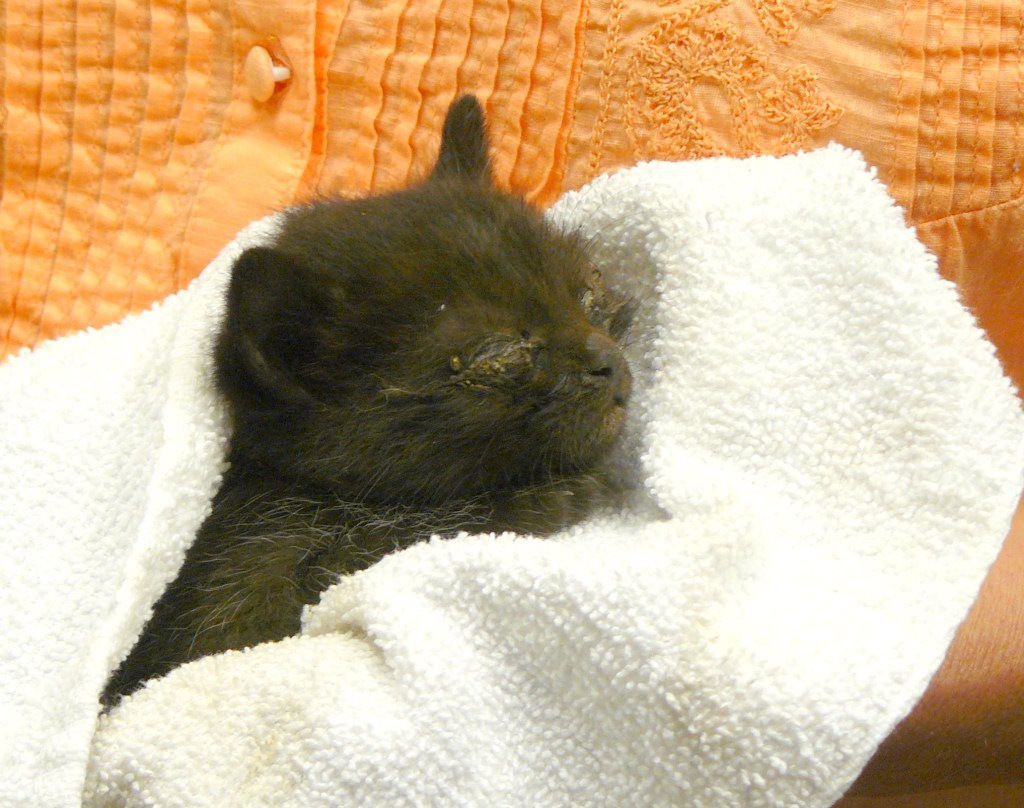
A woman carries in a stray kitten that had been found on the premises of a local scrap metal dealer.

The woman, Lynn, didn’t hesitate to bring the kitten to Lincoln Road because it had an infected right eye.

Jim takes some blood, in itself a bit of a challenge with such a young kitten, and looks more closely at the male kitten. He observes that the eye is most terribly infected with puss pouring out and Jim is of no doubt that the kitten had this eye infection since birth just a few weeks ago.

I come closer to take a photograph (the one above) and am in awe of the delicate way that Jim uses a tiny swab, Lynn holding the kitten for Jim, to clear the puss away from the eye. Moments later Jim has not only cleaned out all the puss but found and removed the cause of the infection that was behind the kitten’s eyeball.

12:40 The kitten sees with both eyes. What a transformation in just twenty minutes.

Jim looks up at Lynn: “Lynn, you do know you have saved his life!”

Lynn replies: “I didn’t really want another cat!”

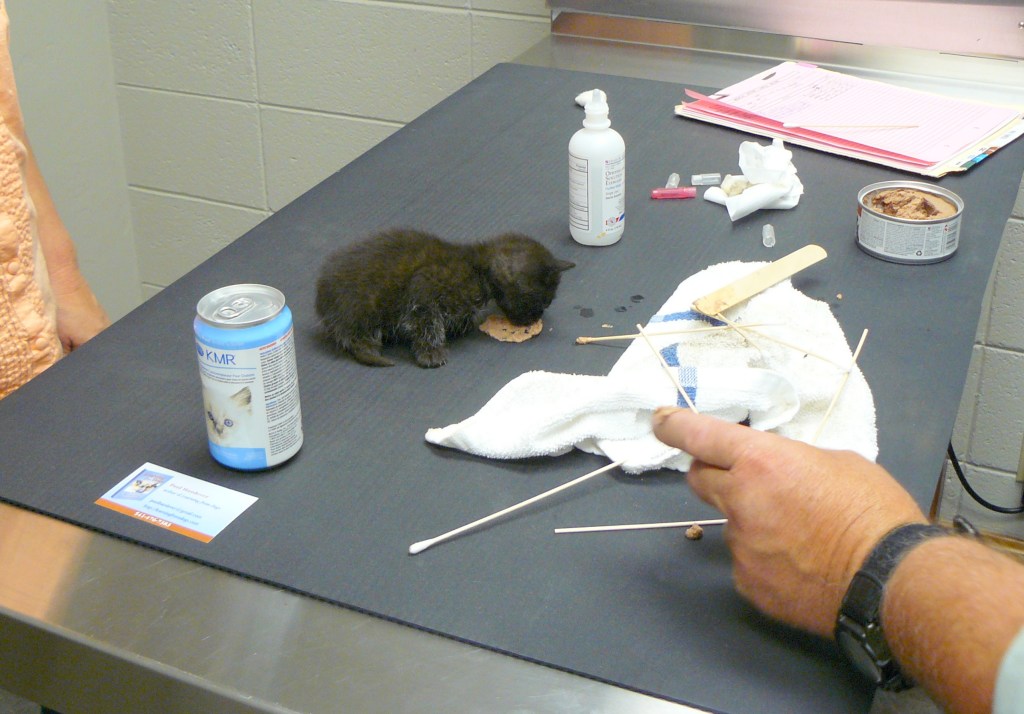
Jim then gets some food for the kitten and gives it time to settle down.

Lynn and I chat and I am flattered to learn that Lynn has previously purchased a copy of my book. It can be such a small world at times!

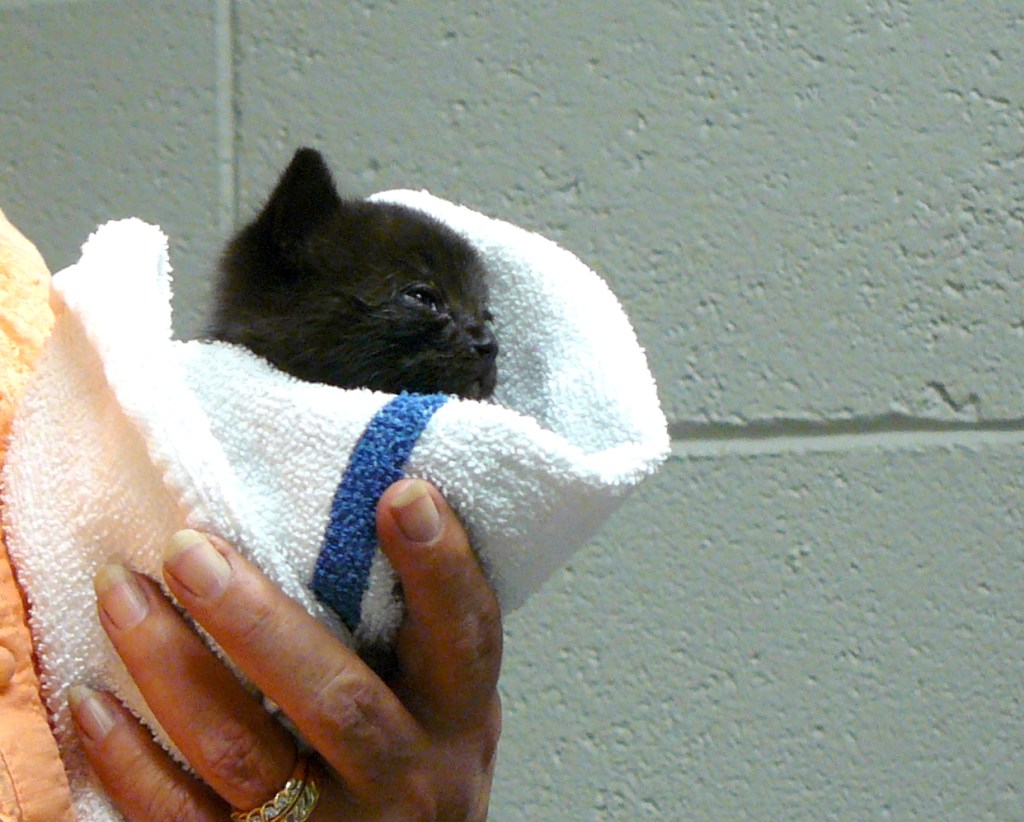
12:30 All done. Lynn wraps the kitten back into the same towel that was used to bring it in to the clinic such a short time ago.

Thus ended my first experience of being behind the scenes of a busy vet practice.

The experience has profoundly affected me.

For as well as the astounding level of medical skill that I have observed it was also clear, as Jim put it, that he has to play counselor, psychotherapist, and even bartender. Why bartender? Because Jim quietly offers the observation that quite a few persons come in with their pets when they are the worse for drink! The owner that is not the animal!

Seriously though, let me offer what I concluded after just this one visit to Lincoln Road. That Jim and, I’m sure, Dr. Russ and many thousands of DVMs across the world, have many more demands on them than just being a good doctor.

They must display attention to detail and have an inquiring mind. They must be genuinely empathetic for the animal owner’s circumstances. But also good record keepers! Also they will have to endure a great deal of kneeling. Then, again, those knees have to be topped with a head that is jam-packed full of knowledge and experience to avoid jumping to incorrect conclusions. More subjectively, their emotions have to be kept under control for they frequently will see animals that have not been best cared for and, again all too frequently, they will have to end the life of a dear pet as gently and painlessly as is possible.

To be continued!