It’s fair to say that our relationships in life require mental presence and a willingness to connect in order to thrive. Well, the same goes for your relationship with your dog.
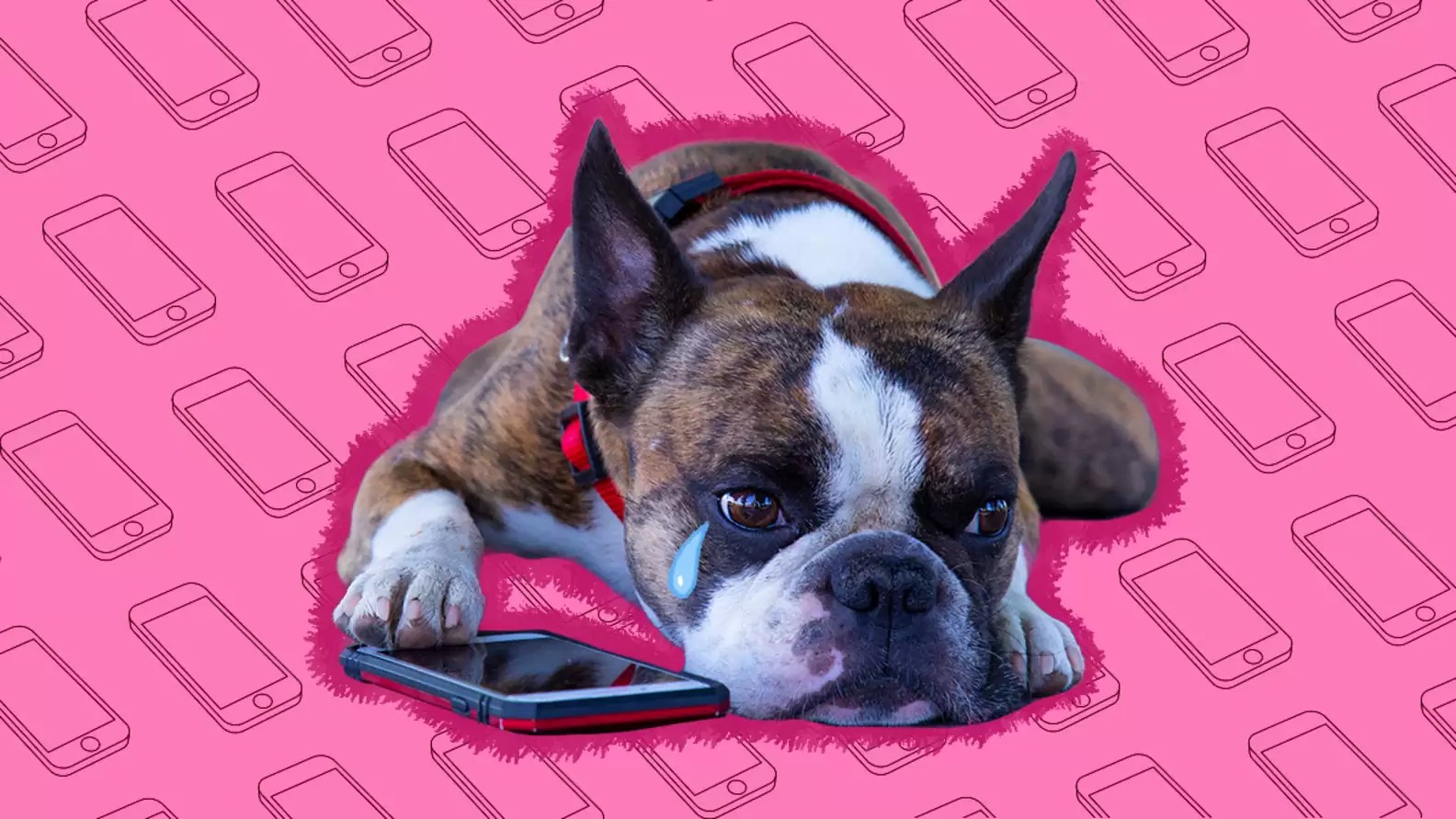
In a busy world of daily distractions (social media being a prime example), what happens when we spend too much time on our phones — do our pets notice? Is your phone making your dog depressed?
Dr. Iain Booth, a veterinary surgeon in the United Kingdom, made this assertion more than four years ago. We’ve decided to revisit the topic because during the pandemic, many people became pet parents while simultaneously spending more time on their phones.
We spoke with Colleen Safford, a dog trainer, behavior expert and owner of Far Fetched Acres, for more insight on our relationship with our pets and what dogs might be thinking when we’re on our phones.
Is your phone making your dog depressed?
While no two relationships are the same, each benefits from communication and attention. When it comes to the friendship between humans and dogs, we should try and understand their wants and needs so every pet can live their best life. While we rely on our dogs for love and companionship, they rely on us for, well, everything.
“While I hesitate to ever say that humans can fully understand exactly what is going on in the brain of man’s best friend, dogs by their very nature are deeply dependent on humans,” Safford told The Dodo. “We control every resource in their life, including food, exercise, affection, guidance and support. By their very nature, dogs are codependents in the world of domestic living! Simply put, we are their everything.”
While the larger issue of our dependence on phones is worth countless studies, a few things are clear: Too much screen time can lead to depression and anxiety in humans, among other issues. And it can isolate us from anyone in our presence — including our dogs.
“In relationship to dog depression, if an owner has thumbs too busy to provide petting, eyes too distracted to see that their dog is trying to play fetch, and a brain too busy to provide all those verbal ‘good boys,’ it is easy to understand why phone use can impact a dog’s overall health,” Safford said. “By not supplying our dogs with exercise, verbal attention or physical contact, we are ignoring their needs and increasing the chances of behavior issues and anxiety.”
As Booth said in his interview (in reference to ignoring your dog in favor of your phone), “You do that consistently for weeks, months and years on end, and you’re going to get some real behavioral issues.” So some dogs may even start misbehaving to get your attention.
While wholly dependent on the individual dog, this is something that every dog parent should be aware of, especially considering current events — as mentioned above, during the pandemic, dog adoptions went up as did smartphone usage.
Putting the phone down is step one
“Humans and dogs both release oxytocin from petting and affection, and release endorphins during exercises,” Safford said. “No petting or affection — no love hormone. No movement — no feel-good hormones. It’s as simple as that.”
Physical activity is necessary to maintain a bond with your dog. “Grab a ball and leash, and nurture and deepen that bond. Give your dog all those words of affirmation,” Safford said.
He definitely deserves it.
ooOOoo
I guess the question is how much is too much. But I have my doubts that the majority of dog owners are that disconnected from their precious animals
Indiana sends me a ‘doc’ file with his guest post and I convert it to ‘Mac OS’ by using the software Pages. This time I missed the last section as it was on another page.
Three Simple Ways to Prioritize Your Dog’s Mental Health
Dogs provide unconditional love, companionship, and so much more. They can even improve your physical and mental well-being with their presence alone. For many people, dogs are more than just pets – they’re members of the family.
There’s actually more truth to that thought than you may realize. According to contemporary science, dogs go through similar chemical and hormonal changes as humans when they’re experiencing emotions. Simply put, dogs have feelings just like we do.
Dogs can experience stress, anxiety, depression, grief, and more. Because they depend on us for care, it’s important to make sure you’re prioritizing their mental well-being as well as their physical health. Your dog can’t ask you for help when they’re feeling stressed or depressed. It’s up to you to recognize some of the common signs and understand what you can do to help.
So, how can you prioritize your dog’s mental well-being? Let’s cover a few tips that can make a difference for your four-legged friend.
1. Recognize Signs of Distress
If someone in your family is feeling anxious or depressed, they can talk to you about it. They can reach out for help when it’s needed. You might even have an easier time picking up on some of the common signs, including a sense of hopelessness or social isolation.
While your dog can’t ask for help when they’re feeling stressed or depressed, there are still signs you should look out for. According to the American Kennel Club, some of the most common symptoms of depression in dogs include
Clingy behavior
Loss of interest in things they typically love
Withdrawing from people
You know your dog better than anyone. If it seems like their demeanor has changed and they look sadder or seem lethargic, don’t ignore it. Depression can be brought on by everything from grief to chronic pain. Rule out any medical issues that could be causing those changes by working with your dog’s vet. If they’re otherwise healthy, it’s fairly safe to assume their mental health is suffering and they need help.
2. Keep Them Active
Like humans, dogs need regular exercise. It benefits their physical health, but it also promotes mental wellness. Different breeds need different amounts of physical activity. However, a good rule of thumb is anywhere from 30-45 minutes each day.
A sedentary lifestyle isn’t just harmful to your dog’s physical health. It can fuel symptoms of depression. How would you feel if you had to lay around all day with no mental or physical stimulation? It might be fine for a while, but it would be easy to fall into a “funk” without something to look forward to.
Taking your dog for a walk each day, going to the local park to let them run around, or even hiking with your four-legged friend can improve their mental health as well as yours. Exercising together will also strengthen your bond and provide your dog with the mental stimulation they need to reduce stress and feel calmer.
You’ve probably heard the saying that a tired dog is a well-behaved dog. However, a dog that’s tired from an hour or so of exercise is also likely to be a happier dog!
3. Learn What They Love
Dogs often get stereotyped as being happy or excited all the time. While there’s no better feeling than seeing your furry friend wag their tail when you get home each day, it’s important to understand that they can have interests and hobbies they enjoy more than others.
Finding out what your dog loves to do can make it easier to improve their mental well-being.
You’ll boost your own social connections (and mental health) in pet-friendly environments by meeting like-minded people and getting more support. You can also quickly learn more about your dog’s interests, simply through exploration. Maybe they prefer long nature hikes as opposed to walking in the city. Maybe they get really excited when they’re around other dogs, so you can spend more time at local parks or pet-friendly restaurants.
Don’t be afraid to try new things with your canine companion. Even bringing them to work with you can help to improve your bond and keep them from feeling lonely all day.
The most important thing you can do for your dog’s mental health is to pay attention. Look for any changes in their behavior, and get to the bottom of it as soon as possible. Your dog depends on you for everything, and it’s not fair to assume that their mental health can’t change and fluctuate as much as anyone else’s.
ooOOoo
(That’s better this time)
Right on! Dogs sleep a great deal more than we humans but they still need their exercise. Just as we humans need it, exercise is key. Key to their physical fitness but also key to their mental fitness as well. This is a great post from Indiana and I shall conclude with this video:
Three Simple Ways to Prioritize Your Dog’s Mental Health
Dogs provide unconditional love, companionship, and so much more. They can even improve your physical and mental well-being with their presence alone. For many people, dogs are more than just pets – they’re members of the family.
There’s actually more truth to that thought than you may realize. According to contemporary science, dogs go through similar chemical and hormonal changes as humans when they’re experiencing emotions. Simply put, dogs have feelings just like we do.
Dogs can experience stress, anxiety, depression, grief, and more. Because they depend on us for care, it’s important to make sure you’re prioritizing their mental well-being as well as their physical health. Your dog can’t ask you for help when they’re feeling stressed or depressed. It’s up to you to recognize some of the common signs and understand what you can do to help.
So, how can you prioritize your dog’s mental well-being? Let’s cover a few tips that can make a difference for your four-legged friend.
1. Recognize Signs of Distress
If someone in your family is feeling anxious or depressed, they can talk to you about it. They can reach out for help when it’s needed. You might even have an easier time picking up on some of the common signs, including a sense of hopelessness or social isolation.
While your dog can’t ask for help when they’re feeling stressed or depressed, there are still signs you should look out for. According to the American Kennel Club, some of the most common symptoms of depression in dogs include
Clingy behavior
Loss of interest in things they typically love
Withdrawing from people
You know your dog better than anyone. If it seems like their demeanor has changed and they look sadder or seem lethargic, don’t ignore it. Depression can be brought on by everything from grief to chronic pain. Rule out any medical issues that could be causing those changes by working with your dog’s vet. If they’re otherwise healthy, it’s fairly safe to assume their mental health is suffering and they need help.
2. Keep Them Active
Like humans, dogs need regular exercise. It benefits their physical health, but it also promotes mental wellness. Different breeds need different amounts of physical activity. However, a good rule of thumb is anywhere from 30-45 minutes each day.
A sedentary lifestyle isn’t just harmful to your dog’s physical health. It can fuel symptoms of depression. How would you feel if you had to lay around all day with no mental or physical stimulation? It might be fine for a while, but it would be easy to fall into a “funk” without something to look forward to.
Taking your dog for a walk each day, going to the local park to let them run around, or even hiking with your four-legged friend can improve their mental health as well as yours. Exercising together will also strengthen your bond and provide your dog with the mental stimulation they need to reduce stress and feel calmer.
You’ve probably heard the saying that a tired dog is a well-behaved dog. However, a dog that’s tired from an hour or so of exercise is also likely to be a happier dog!
ooOOoo
Right on! Dogs sleep a great deal more than we humans but they still need their exercise. Just as we humans need it, exercise is key. Key to their physical fitness but also key to their mental fitness as well. This is a great post from Indiana and I shall conclude with this video:
On the morning of the 1st June I read the latest from the Parkinson’s Foundation. It was a report that covered Can We Put the Brakes on Parkinson’s Progression? Essentially it said that diet and exercise were key. I quote:
Making nutritious food the mainstay of your meals and enjoying regular exercise has countless proven benefits. Studies show targeted nutrition may slow Parkinson’s advancement. Eating a whole-food, plant-based, Mediterranean-style diet — including fresh vegetables, fruit and berries, nuts, seeds, fish, olive and coconut oils and more — may be linked to slower PD progression. When you live with PD, exercise is also critical to optimal health. In fact, the Parkinson’s Outcomes Project shows at least 2.5 hours a week of physical activity can slow PD symptom progression. Research reveals regular exercise also shows neuroprotective effects in animal models with Parkinson’s.
I showed the article to Jean. Later that morning Jean had her regular visit with Doctor David Tullar at our local Asante hospital. He is described on the Asante website as: David is a certified physician assistant with specialized expertise in neurology. But Jean sees him more as a neurologist in her own mind. I attend the appointment just to listen to David for we find him a most interesting man.
Here are some of the key messages from that meeting:
Parkinson’s is not a disease, it is a life condition. Just the same as diabetes. One doesn’t call it diabetes disease! These life conditions will be there at the end of life. Some people escape them, some do not.
Levodopa produces dopamine. It needs to be taken consistently. Levodopa is not taken at night because the brain requires far less dopamine because the brain is far less active. Don’t skip your doses.
Lifestyle does make a real difference. A non-meat diet and exercise really do make a difference with exercise being key. Aim for 150 minutes of exercise per week split into 20 minutes a day. Try to do more!
Having a dog extends your life and there is evidence that this is so. So love a dog and be loved by your dog back in return.
Make your lifestyle changes as early as you can.
An excellent resource of information is the Davis Phinney Foundation. The Foundation has an audio download of the book Every Victory Counts. You can also purchase the book from booksellers.
Then David Tullar turned to the question of freezing. Freezing when one has Parkinson’s is the temporary, involuntary inability to move. For Jean this happens occasionally in the kitchen area especially when she goes to turn around. David recommended practising ‘freezing’ where Jean deliberately stops what she is doing and actively ‘trembles’ on the spot.
The other thing was that while the cause of freezing is unknown, David said that the likelihood was that the brain became overwhelmed with extra, different thoughts when Jean was turning. Most likely with other thoughts that were in her inner mind. Such as what she was she turning for? Maintaining a balance? Doing things with her arms or hands?
In other words Jean was thinking about other stuff! All of these thinking processes were exercising the brain, of course, and the amount of brain power devoted to just the business of turning was smaller than it should be.
Answer: Focus on the business of turning first and foremost. Complete the turn and then think of the next item.
For other people who also suffer from Parkinson’s and have different spots in their lives where they freeze, then the advice from Dr. David Tullar is the same. Focus only on what you are doing at that moment.
For example some of his patients freeze when they are walking through a doorway. Answer: Focus on a point that you are walking towards and do not think of anything else.
Here’s a YouTube video on the topic (and it is very short but you will get the idea):
In conclusion, this is nothing more than me reporting back from Jean’s meeting with Dr. Tullar. If this strikes you as sensible advice and you have Parkinson’s then see your doctor responsible for your condition and discuss it with him or her.
Finally a little more about David Tullar from the Asante website:
David is dedicated to providing advanced care to patients of all ages. He has a special interest in evaluating and treating neurological concerns such as headaches, dementia, movement disorders, multiple sclerosis, and other neurodegenerative diseases.
Services
Evaluating and treating patients with neurological health issues
Treating headaches, dementia and movement disorders
We wanted to recognise the Queen’s Platinum Jubilee.
So I thought that I would find some photos of the Queen’s corgis that I could share with you. Unfortunately all the photographs were copyrighted.
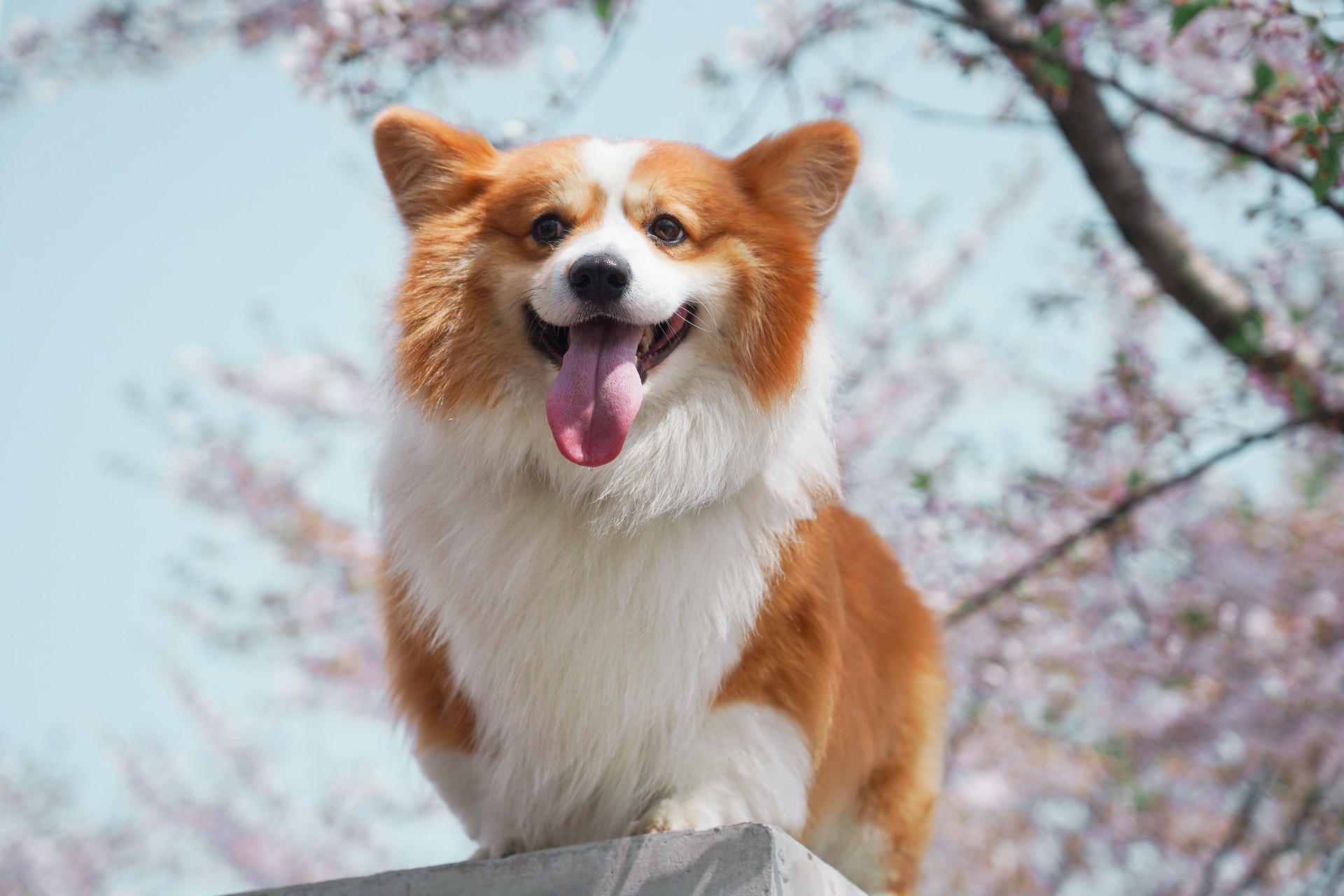
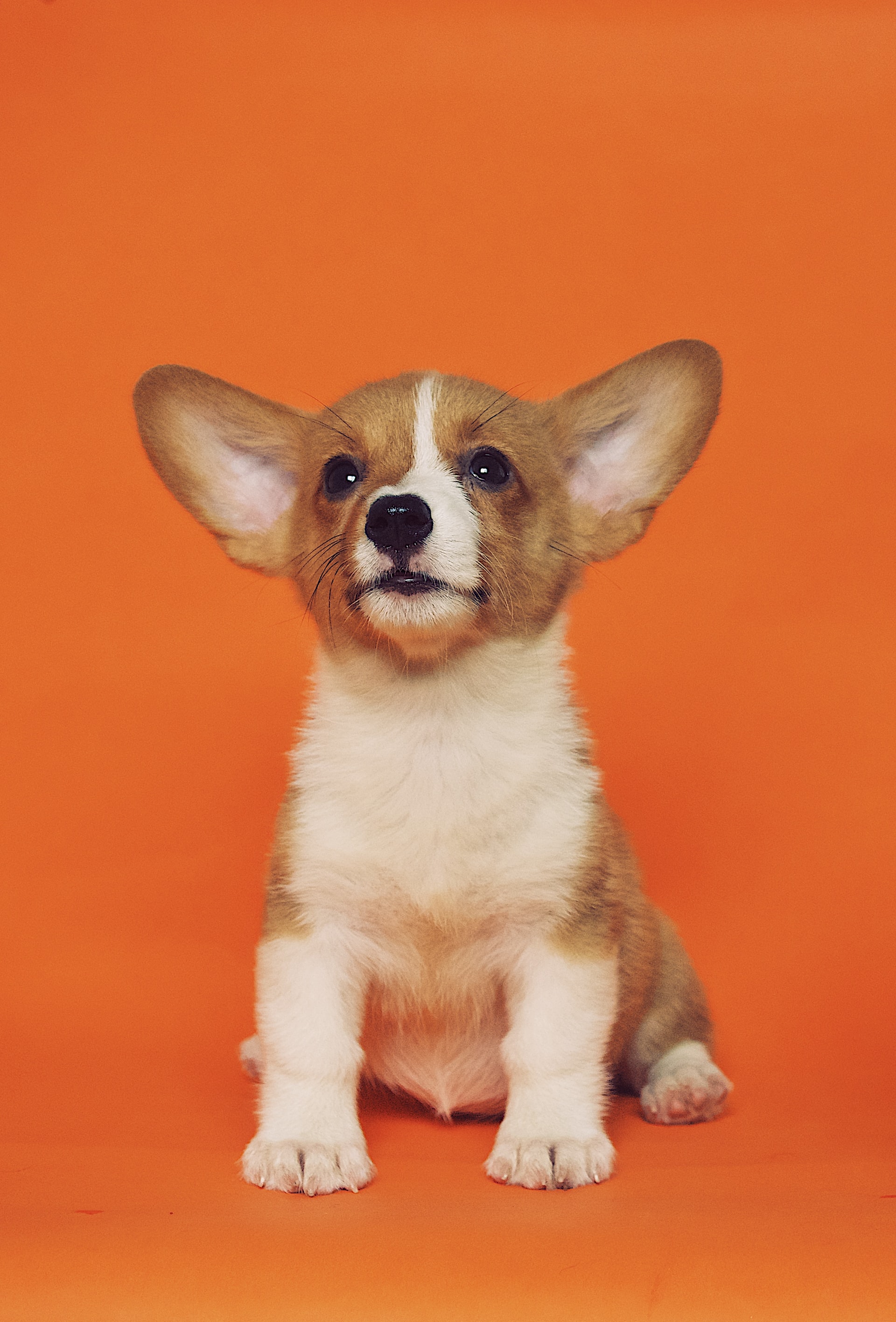
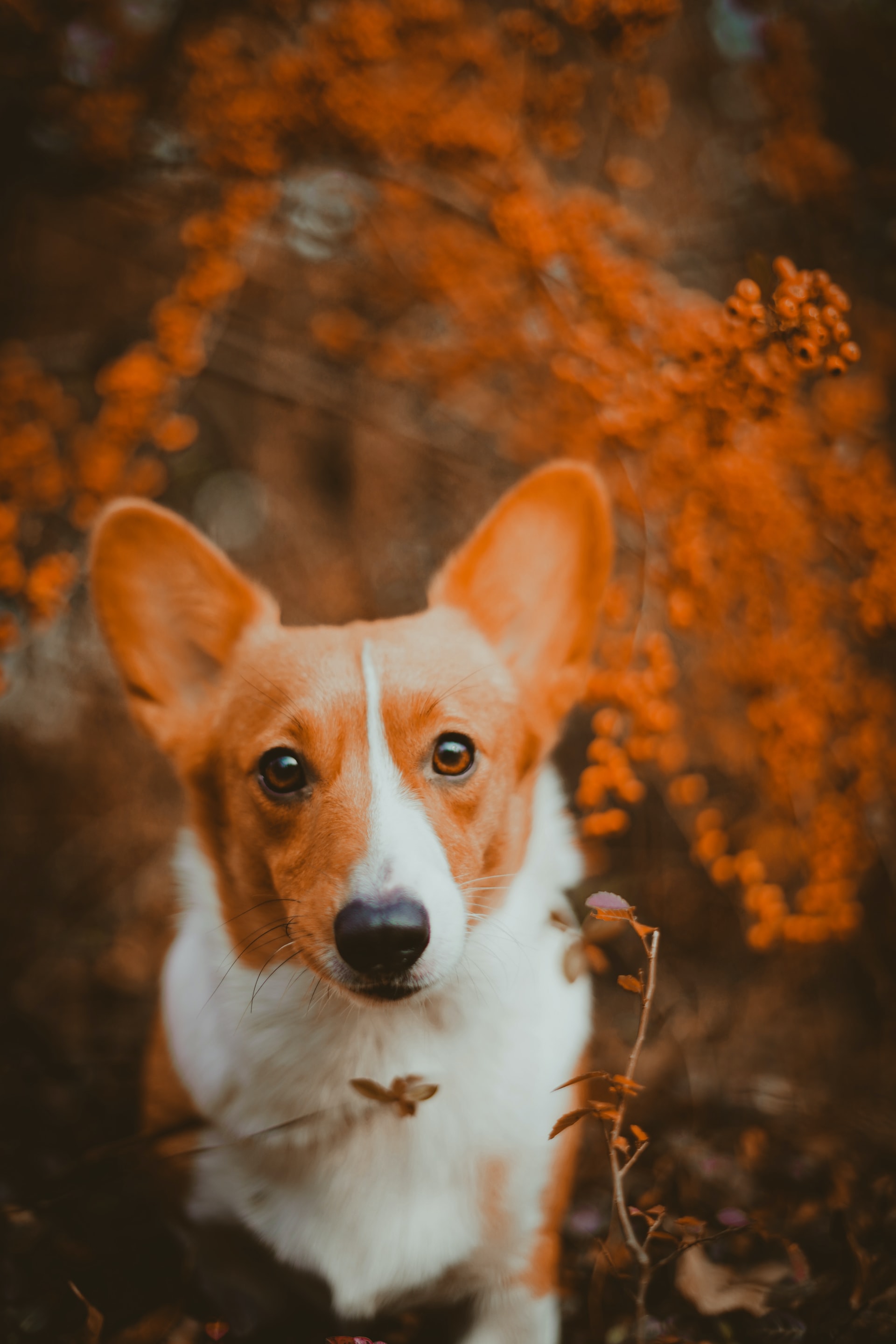
It is a well-known fact that Her Majesty Queen Elizabeth II is a dog lover and has been all her long life. There is a delightful story about the Queen and her corgis on the BBC at this moment and you may like to read it. Meanwhile today’s picture parade is all Corgis!
oooo
oooo
oooo
oooo
oooo
oooo
oooo
That’s it folks for another week.
I will close by thanking Her Majesty for all that she done over the years. Her Majesty gave her promise when she was 21 to devote her life to the Crown and all that flows from that commitment. Whatever her private thoughts have been over the years she has remained loyal to the Nation and the Commonwealth and it is an unparalleled record that will never be surpassed!
A final photograph of Queen Elizabeth II that is attributed to the author, see below, and I hope it is alright to show it.
Dogs and cats, but especially dogs, are the perfect animals for giving us emotional support.
The topic of dogs came up in Jean’s regular review yesterday at the Department of Neurology, Asante. But more on that next Tuesday, which is my next non-doggie day.
Today I want to republish an article presented by the American Kennel Club from February, 2021. The article was a very good one on the emotional support given to us by our dogs.
ooOOoo
Everything You Need to Know About Emotional Support Animals
Emotional support dogs (ESAs) are pets and not service dogs.
Mental health professionals prescribe emotional support animals under the law.
Airlines are no longer required to accommodate emotional support animals.
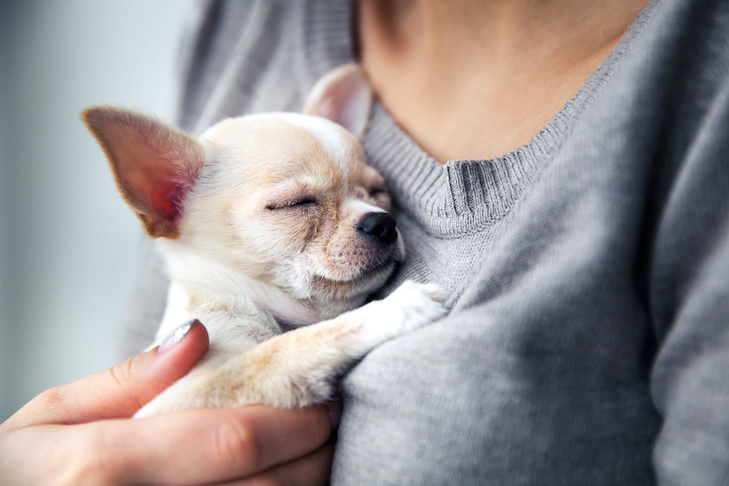
A chihuahua puppy in the hands of a girl.
Every dog owner knows there are many benefits to having a dog, from getting themselves out for exercise to receiving loyal companionship. However, for some people with mental or emotional conditions, the presence of a dog is critical to their ability to function normally on a daily basis. The pet provides emotional support and comfort that helps them deal with challenges that might otherwise compromise their quality of life. These pets are known as emotional support animals (ESAs).
What Is an Emotional Support Dog?
Although all dogs offer an emotional connection with their owner, to legally be considered an emotional support dog, also called an emotional support animal (ESA), the pet needs to be prescribed by a licensed mental health professional to a person with a disabling mental illness. A therapist, psychologist, or psychiatrist must determine that the presence of the animal is needed for the mental health of the patient. For example, owning a pet might ease a person’s anxiety or give them a focus in life. The dogs can be of any age and any breed.
Emotional Support Dog vs. Service Dogs
ESAs provide support through companionship and can help ease anxiety, depression, and certain phobias. However, they are not service dogs, and ESA users do not receive the same accommodations as service dog users.
A service dog, such as a guide dog or psychiatric service dog, is generally allowed anywhere the public is allowed; ESAs are not. For example, ESAs generally cannot accompany their owners into restaurants or shopping malls.
The Americans With Disabilities Act (ADA) defines service animals as “dogs that are individually trained to do work or perform tasks for people with disabilities.” The act clearly states that animals that simply provide emotional comfort do not qualify as service animals. Some state and local laws have a broader definition, so be sure to check with local government agencies to learn if ESAs qualify for public access in your area.
The key difference between a service dog and an emotional support dog is whether the animal has been trained to perform a specific task or job directly related to the person’s disability. For example, service dogs are trained to alert a hearing-impaired person to an alarm or guide a visually impaired person around an obstacle or provide pressure on someone with PTSD who is suffering from a panic attack.
Behaviors such as cuddling on cue, although comforting, do not qualify. The tasks need to be specifically trained to mitigate a particular disability, not something instinctive the dog would do anyway.
Emotional Support Dogs Are Not Psychiatric Service Dogs
There are service dogs, known as psychiatric service dogs that require extensive training to work specifically with people whose disability is due to mental illness. These dogs detect the beginning of psychiatric episodes and help ease their effects. Although this sounds similar to the role of an ESA, the difference between a psychiatric service dog and an ESA is again in the tasks performed by the dog and the training received to perform these tasks.
Psychiatric service dogs (recognized by the ADA as service dogs) have been trained to do certain jobs that help the handler cope with a mental illness. For example, the dog might remind a person to take prescribed medications, keep a disoriented person in a dissociative episode from wandering into a hazardous situation such as traffic or perform room searches for a person with post-traumatic stress disorder. If it is simply the dog’s presence that helps the person cope, then the dog does not qualify as a psychiatric service dog.
Housing Accommodations for Individuals Who Use Emotional Support Dogs
Individuals who use ESAs are provided certain accommodations under federal law in the areas of housing and air travel. The Fair Housing Act includes ESAs in its definition of assistance animals. Under the act, people cannot be discriminated against due to a disability when obtaining housing. Rules such as pet bans or restrictions are waived for people who have a prescription for an ESA, and they cannot be charged a pet deposit for having their ESA live with them.
Are Emotional Support Dogs Allowed on Flights?
In December 2020, the United States Department of Transportation (DOT) announced final revisions to its Air Carrier Access Act (ACAA). The final rule, effective in January 2021, defines a service animal as a dog, regardless of breed or type, that is individually trained to do work or perform tasks for the benefit of a qualified individual with a disability, including a physical, sensory, psychiatric, intellectual, or other mental disability. This change in the DOT’s definition of “service animal” aligns closely with the definition that the Department of Justice uses under the federal Americans with Disabilities Act.
The changes also clarify that emotional support animals (ESAs), comfort animals, companionship animals, animals being trained to be service animals, and species other than dogs are not considered to be “service animals” under the new DOT definition. Instead, airlines may recognize and accommodate emotional support animals as pets. For most airlines, the new no-fly policy for ESAs started on January 11. Some airlines now require passengers with service dogs to complete a DOT-authorized form prior to travel that confirms their training, health, and certification.
In the past, the AKC has expressed concern for safety with the previous recognition of ESAs as service animals, including the growing number of people misrepresenting their pets as service animals.
Emotional support dogs can perform an important role in the life of a person with mental or emotional conditions. When people who do not have a disability abuse the system by misrepresenting a pet as an ESA to obtain special accommodation, they undermine important accommodations for individuals with a legitimate need for this assistance.
ooOOoo
We continued to be overwhelmed by the capacity of the gorgeous dog to undertake specialist tasks for us humans that they wouldn’t normally do.
I notice the AKC have a free booklet on the subject and one hopes it is still available. Go to the original document and just after the end of the article that I republished one will find the link.
Last Sunday week, the 22nd May, seems both a long time ago and yet seems as though it was yesterday. Having my son here was fabulous and he was able to take plenty of mountain bike rides and photographs of birds, in particular hummingbirds at our hummingbird feeder.
But that picture does not make a post. What does is an article written by Cara Achterberg about very special mothers and their work in rescuing dogs. It was published on the website Who Will Let the Dogs Out.
Polk County, Florida is ranked first in Florida and fourth in the nation for the number of dogs ‘euthanized’ each year. The Polk County shelter killed 5000 dogs in 2020. Which is even more remarkable considering 2020 was the year so many shelters were emptied (momentarily).
The only way a dog labeled a bully breed can leave the Polk County Shelter alive is if a rescue pulls it. They are not allowed to adopt out any bully breeds. In 2020, the county took in 16,000 dogs; they killed nearly a third of them.
This is the harsh reality that Shannon and Angie, of the Polk County Bully Project stepped into. Like so many others, they never set out to create a rescue. They met through their children, and their relationship should have revolved around play dates and pool parties, but when they learned the plight of bully breeds in Polk County, they instead bonded over saving lives.
Initially, they volunteered with the Polk County SPCA to secure rescues and transport dogs out of Polk County a handful at a time. That simply wasn’t enough for these smart, driven, passionate women and they realized that with their own rescue they could save more than a handful of dogs. The Polk County Bully Project was born. PCBP saves about 600 dogs a year – almost all bully breeds, but also dogs with medical needs and lots of heartworm positive dogs—the dogs that would otherwise be killed at the shelter.
I asked how they were able to save so many of the breed of dog that others struggle to rescue or find placement for and Shannon shrugged, “We hustle,” she said.
But it’s also that they don’t know any different. They’ve never tried to rescue any other kind of dog. They don’t know there are easier dogs to rescue. To my mind, they jumped right in the deep end of rescue with very little swimming experience. And the remarkable thing is they are succeeding in every measure.
When we visited the rescue a few months ago, the dogs we met were sweet and happy and obviously well-cared for. The shelter is small, a remodeled brick rancher in a nondescript neighborhood. The dogs are divided into separate rooms with maybe four dogs in a room. We arrived at naptime when everyone was contentedly in their kennels, listening to soft music or watching TV. The staff had already had everyone out for walks and playtime, something that happens several times a day.
PCBP is big on enrichment—something critical to these smart, active dogs who need to be challenged. At Christmas they had 25 days of enrichment and every day brought the dogs special treats (anchovies, cheeseburgers, special individual cakes baked by a volunteer) and special activities (like a bubble machine and dog art, which they’ll be auctioning off).
On rainy days, the staff keeps the dogs busy with puzzles and their doggy treadmill. In their play area, where they also have regular play groups (all the staff has been trained to run playgroups), there is AstroTurf, lots of toys, even an agility teeter.
PCBP is a 501c3 run on 100% donations. Many of their adopters become their supporters, but they work hard with fundraising and events to pay for not just the staff (although Angie and Shannon do not take a salary and both work the rescue fulltime and more), but for their medical bills. Last year their bill was 115K! (If you’d like to donate directly towards their vet bills, give Lakeland Vet a call 863-648-4886.)
Beyond treating so many heartworm positive dogs, the rescue takes on lots of medical cases who would otherwise not make it out of the shelter. We met Aspen, a sweet little pitmix whose scarred face, protruding teeth, and wiggly butt combine to make him adorable. He was removed from a home where he’d had a leash wrapped so tightly and permanently around his nose that it was embedded in his skin. He’s had eight reconstruction surgeries to repair his face. But now he’s ready for an adopter.
Other dogs have had amputations, orthopedic surgeries, and Agatha, a sweet senior bulldog mix, has had vaginal reconstruction and eye surgery. We watched as Pippi, one of the staff brought her out to meet us off-leash. She’s 102 pounds of sweetness. When it was time to go back inside, Pippi pointed the way and Agatha ran/ambled back inside to her kennel on her own. Agatha is 11-12 years old, but the rescue would love to find an adopter, or even a foster for her because every dog deserves to live out their lives in a home not a shelter, even one as nice as this.
oooo
oooo
Polk County is a tough county for dogs, but even tougher for pit bulls. There are no animal laws, no spay/neuter vouchers available for community animals, and backyard breeders abound. At the time of our visit (January), the rescue had 64 puppies.
Beyond that, it’s simple prejudice (my words, not theirs). The leadership in Polk County judges these dogs not adoptable and condemns them based on their appearance. The rescue hopes that with education and advocacy, they can influence the commissioners in the county to enact anti-tethering laws, require dog licenses and breeder permits, and prioritize spay/neuter resources. Any of those would help to turn the tide.
To reach the next generation (these are two moms after all), they created an Ambassador program to get kids ages 8 and up involved at the rescue. They make toys, treats, and paint rocks in honor of the dogs at the shelter, but more than that they learn about the situation and how important it is we do better for our animals.
Rescues that focus on pit bulls are few and far between, but rescues who do it so well in such numbers are even harder to find. The Polk County Bully Project is saving the dogs who are the hardest to save. As their van says, “We fight for them, so they don’t have to.”
Shannon and Angie are positive people who operate on a currency of hope—that they can change the narrative here in Polk County.
They save the dogs that need them the most through sheer determination with the resourcefulness and creativity of moms, counting on their dog-loving community to come through for them. And they have.
Spending just an hour or so with them, it was clear that these two women are game-changers, rescue warriors, and then some. I believe they will do it, but they will need even more support to fight this battle.
If you’d like to help, you can donate through the secure link on their website, or by calling Lakeland Vet and donating to their vet bills directly (863-648-4886).
We are getting ready to head out on another shelter tour in two weeks. If you’d like to support our tour or sponsor one of the shelters, find out more here.
Until each one has a home,
Cara
Please help us raise awareness by subscribing and sharing this blog. You can also keep track of us on Facebook, Instagram, YouTube, and now Tik Tok!
The mission of Who Will Let the Dogs Out (we call it Waldo for short) is to raise awareness and resources for homeless dogs and the heroes who fight for them.
You can learn more about what is happening in our southern shelters and rescues in the book, One Hundred Dogs & Counting: One Woman, Ten Thousand Miles, and a Journey Into the Heart of Shelters and Rescues (Pegasus Books, 2020). It’s the story of a challenging foster dog who inspired me to travel south to find out where all the dogs were coming from. It tells the story of how Who Will Let the Dogs Out began. Find it anywhere books are sold. A portion of the proceeds of every book sold go to help unwanted animals in the south.
Amber’s Halfway Homeis our short documentary film produced in partnership with Farnival Films. It follows the work of a remarkable woman and one day of rescue in western Tennessee. Selected for sixteen film festivals (to date), it’s won eight awards (including Best Short Doc, Best Soundtrack, Best of Fest, and Audience Choice), and was nominated for an Emmy! It is a beautiful, heartbreaking, inspiring story we hope will compel viewers to work for change. Please watch it and share it far and wide.
I was searching my files for something light-hearted to post for today and came across this article.
For some reason I hadn’t really noticed that our dogs are bothered by their farts and, thanks to a broken nose years and years ago, I have a very poor sense of smell.
Anyway, I wanted to share the article with you.
ooOOoo
Why Do Dogs Get Scared Of Their Own Farts? 3 Reasons Passing Gas Spooks Them
Have you ever noticed that when your dog farts, he’ll jump up and just stare at his butt totally confused — and even a little spooked — by the gas that just came out?
It seems hard to believe that your pup can actually be caught off-guard by a totally normal bodily function that happens to him on the regular, but here we are. Another day, another fart that’s totally bamboozled your dog.
We spoke with Dr. Sara Ochoa, a small- and exotic-animal veterinarian in Texas and a veterinary consultant for doglab.com, to find out why dogs get scared of their own farts.
And there are a few reasons why your pup’s own flatulence might spook him.
Your dog didn’t know he farted
This might be hard for you to imagine, but there’s a decent chance that your dog just has no idea what a fart even is.
“Most dogs do not know what their farts are,” Dr. Ochoa told The Dodo. “They do not have the mental capacity to process that they just farted.”
Not only does your dog not understand the scientific concept of passing gas, but he also doesn’t expect this gas to be expelled from his body, even if it happens often.
“I think some dogs are surprised to know that some air just came out of them,” Dr. Ochoa said. “The air leaving them is a surprise to them and sometimes a smelly surprise for us.”
Your dog’s farts are loud
An unexpected loud noise can startle anyone, so if your dog rips a particularly noisy fart, he’s probably going to be a little confused and scared.
“Just like with people, some farts are louder and some farts are smellier,” Dr. Ochoa said.
And if you’re wondering why sometimes your dog’s farts are super loud, while others are the silent-but-deadly type, that simply has to do with how much air is coming out of him and how intensely it’s being expelled.
“The sound intensity of the fart is due to the amount of air and force behind the farts,” Dr. Ochoa said.
It happened at the same time as another bodily function
Have you ever sneezed and happened to fart at exactly the same time? (This is a safe space, no one’s judging you.) Well, it probably surprised you when you realized you broke a little wind while you sneezed, because you were only expecting one bodily function.
The same can happen to your dog, too.
“My little dog will commonly cough and fart at the same time, which scares her,” Dr. Ochoa said. “I don’t think she is expecting the fart. When she is coughing, everything just lets loose and she farts, scaring herself.”
Why does my dog fart so much?
It’s actually pretty natural for dogs to fart a bunch.
“Some dogs will fart every day, [and] other dogs will never fart,” Dr. Ochoa said. “I find dogs who snore also fart a lot.”
But if you noticed your pup’s farting a little too frequently, it’s probably related to what he ate. If he’s eaten something nasty or you recently changed his diet, his gastrointestinal (GI) system may need to adjust by releasing a bunch of gas.
Why do my dog’s farts smell so bad?
According to Dr. Ochoa, the reason your dog’s farts smell so bad is because he’s not exactly eating great-smelling food.
“Dog food does not smell like flowers, so the farts are also not going to smell good,” Dr. Ochoa said.
However, that doesn’t mean it’s a great sign if he’s regularly passing some putrid gas. In fact, if your dog’s farts are particularly rancid all the time, you should call your vet just to make sure everything’s OK with his GI system.
So even though passing gas is a common occurrence for your pup, dogs still get scared of their farts because they don’t quite realize what’s going on. But at least you’ll always know exactly when it’s accurate to blame it on the dog.
We independently pick all the products we recommend because we love them and think you will too. If you buy a product from a link on our site, we may earn a commission.
ooOOoo
I hope you learnt something from this post; I certainly did.
















 Learning from Dogs