Inspired by hearing a young boy shoot a wild turkey early on Saturday morning.
Preface
Because we have horses, friends living close to us called to warn that early on Saturday morning, a young lad, accompanied by his father, would be experiencing what it was like to shoot a wild turkey at close range. The turkeys are easy targets; almost pets.
So it was that around 6:30am last Saturday morning that a single shot rang out and we knew that a turkey had been killed. Now in fairness to American history it’s not that long ago that the early settlers relied on hunting to survive. The first permanent European settlement in Oregon wasn’t until 1811. Thus hunting may be something close to the American’s heart; so to speak. However, this eight-year-old lad is facing a future that demands that he and all his generation accept that embracing nature, totally and whole-heartedly, is their only hope of not being the last generation of humans on this beautiful planet.
Jean and I thought the following was an appropriate way of expressing our feelings.
ooOOoo
Dear Jimmy,
What was it like to point your gun at that turkey and pull the trigger? What did you feel as you saw the bullet hit and the turkey fall to the ground?
Now I wasn’t there with you, of course, but I could imagine the thrill and excitement that you would have felt. Not many young lads of your age get to handle a gun and shoot a turkey.
But Jimmy, what we feel as an eight-year-old is a very poor indicator for what we feel when we are much older. Possibly the only exception is love, which is a golden feeling at any age.
So, if you will forgive this sixty-nine-year old from reading an eight-year-old a very short bedtime story, I will get started.
The world, this enormous world, must seem infinitely huge to you. Even if you stand on the shoulders of your Dad, your eyes ten feet above the ground, the horizon is just four miles away. You could run to that horizon in less than an hour. However, to run all the way around the world at that same speed would take you, dear Jimmy, nearly two hundred and sixty days of running; running twenty-four hours a day! It’s a very big planet!
Look at this wonderful picture of our planet. Have you ever seen anything more beautiful!
It must seem to you that there is nothing an eight-year-old could do to harm this planet we all live on.
That’s true! There is nothing you could do to harm the planet.
However, when you get older and reach the point where you have a job, drive a car, fly to places on an aeroplane, heat your house and a million other things that we grown-ups do, then all of us together, all the millions of people living on this green planet can hurt it.
Indeed, Jimmy, you may have already heard of things like climate change and global warming being spoken about on the television. All of the people living on this planet are hurting it. And the people who are really going to see how we humans are hurting the planet, and how the planet is changing, are all the people who, like you Jimmy, are not yet even finished school.
So what does shooting a wild turkey have to do with caring for your planet throughout the many years ahead for you?
If we care for nature then we care for the health of our lands, for our forests and for our seas. We are careful with how we live our lives. If we care for nature then as we live our lives we do our best to leave things better for those that come after us.
Jimmy, sleep well my young man. Wake knowing the death of that turkey was not in vain. Wake with love in your heart. Love for every living creature.
Only love for all creatures will offer all creatures a future.
Years ago I recall hearing the retort, “What part of the word no are you having trouble with!”
It made me laugh out loud.
It comes to mind again, and this is why.
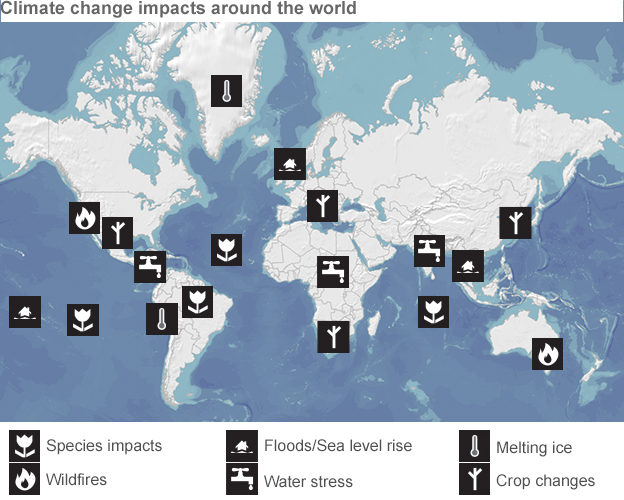
The accumulation of evidence mounts almost on a daily basis that mankind is critically affecting the viability of Planet Earth. Not only threatening a sustainable home for tens of thousands of species but, most importantly, for homo sapiens.
Yesterday, I included a report that suggested we may be on the verge of one of the largest El Ninos in history. The presumption being that the extra heat energy in the atmosphere is transferring to the Pacific waters.
Today, I want to stay with the theme that it is nature, not mankind, that is dictating our future; that our leaders, are way ‘behind the drag curve’ to use an aviation expression.
But let me offer yet another lesson from dogs. Learnt from understanding the role of the ‘alpha’ dog; the leader.
When dogs lived in the wild the size of their pack, or community, was around fifty animals. The most senior in status was the alpha dog. The alpha dog was a female who had two important roles on behalf of the pack. First, the alpha dog had the pick of the male dogs to ensure the optimum genetic health of the entire group.
Second, it was alpha dog that, in the rare circumstances of their pack’s territory becoming unsustainable, made the decision for her pack to find a new territory.
Humans are on the verge of understanding that our ‘territory’ is rapidly becoming unsustainable. Just a great shame we don’t have any ‘alpha leaders’ to find ‘a new territory’. Clearly in a metaphorical sense. Because the last time I looked a ‘backup’ to Planet Earth wasn’t anywhere close!
No better illustrated than by a recent essay from George Monbiot that I am republishing in full within his blanket permission to so do. The essay is called Loss Adjustment and was published in the Guardian newspaper on the 1st April 2014.
ooOOoo
Loss Adjustment
When people say we should adapt to climate change, do they have any idea what that means?
By George Monbiot
To understand what is happening to the living planet, the great conservationist Aldo Leopold remarked, is to live “in a world of wounds … An ecologist must either harden his shell and make believe that the consequences of science are none of his business, or he must be the doctor who sees the marks of death in a community that believes itself well and does not want to be told otherwise.” (1)
The metaphor suggests that he might have seen Henrik Ibsen’s play An Enemy of the People (2). Thomas Stockmann is a doctor in a small Norwegian town, and medical officer at the public baths whose construction has been overseen by his brother, the mayor. The baths, the mayor boasts, “will become the focus of our municipal life! … Houses and landed property are rising in value every day.”
But Dr Stockmann discovers that the pipes were built in the wrong place, and the water feeding the baths is contaminated. “The source is poisoned …We are making our living by retailing filth and corruption! The whole of our flourishing municipal life derives its sustenance from a lie!” People bathing in the water to improve their health are instead falling ill.
Dr Stockmann expects to be treated as a hero for exposing this deadly threat. After the mayor discovers that re-laying the pipes would cost a fortune and probably sink the whole project, he decides that his brother’s report “has not convinced me that the condition of the water at the baths is as bad as you represent it to be.” He proposes to ignore the problem, make some cosmetic adjustments and carry on as before. After all, “the matter in hand is not simply a scientific one. It is a complicated matter, and has its economic as well as its technical side.” The local paper, the baths committee and the business people side with the mayor against the doctor’s “unreliable and exaggerated accounts”.
Astonished and enraged, Dr Stockmann lashes out madly at everyone. He attacks the town as a nest of imbeciles, and finds himself, in turn, denounced as an enemy of the people. His windows are broken, his clothes are torn, he’s evicted and ruined.
Yesterday’s editorial in the Daily Telegraph, which was by no means the worst of the recent commentary on this issue, follows the first three acts of the play (3). Marking the new assessment by the Intergovernmental Panel on Climate Change, the paper sides with the mayor. First it suggests that the panel cannot be trusted, partly because its accounts are unreliable and exaggerated and partly because it uses “model-driven assumptions” to forecast future trends. (What would the Telegraph prefer? Tea leaves? Entrails?). Then it suggests that trying to stop manmade climate change would be too expensive. Then it proposes making some cosmetic adjustments and carrying on as before. (“Perhaps instead of continued doom-mongering, however, greater thought needs to be given to how mankind might adapt to the climatic realities.”)
But at least the Telegraph accepted that the issue deserved some prominence. On the Daily Mail’s website, climate breakdown was scarcely a footnote to the real issues of the day: “Kim Kardashian looks more confident than ever as she shows off her toned curves” and “Little George is the spitting image of Kate”.
Beneath these indispensable reports was a story celebrating the discovery of “vast deposits of coal lying under the North Sea, which could provide enough energy to power Britain for centuries.” (4) No connection with the release of the new climate report was made. Like royal babies, Kim’s curves and Ibsen’s municipal baths, coal is good for business. Global warming, like Dr Stockmann’s contaminants, is the spectre at the feast.
Everywhere we’re told that it’s easier to adapt to global warming than to stop causing it. This suggests that it’s not only the Stern review on the economics of climate change (showing that it’s much cheaper to avert climate breakdown than to try to live with it (5)) that has been forgotten, but also the floods which have so recently abated. If a small, rich, well-organised nation cannot protect its people from a winter of exceptional rainfall – which might have been caused by less than one degree of global warming – what hope do other nations have, when faced with four degrees or more?
When our environment secretary, Owen Paterson, assures us that climate change “is something we can adapt to over time” (6) or Simon Jenkins, in the Guardian yesterday, says that we should move towards “thinking intelligently about how the world should adapt to what is already happening” (7), what do they envisage? Cities relocated to higher ground? Roads and railways shifted inland? Rivers diverted? Arable land abandoned? Regions depopulated? Have they any clue about what this would cost? Of what the impacts would be for the people breezily being told to live with it?
My guess is that they don’t envisage anything: they have no idea what they mean when they say adaptation. If they’ve thought about it at all, they probably picture a steady rise in temperatures, followed by a steady rise in impacts, to which we steadily adjust. But that, as we should know from our own recent experience, is not how it happens. Climate breakdown proceeds in fits and starts, sudden changes of state against which, as we discovered on a small scale in January, preparations cannot easily be made.
Insurers working out their liability when a disaster has occurred use a process they call loss adjustment. It could describe what all of us who love this world are going through, as we begin to recognise that governments, the media and most businesses have no intention of seeking to avert the coming tragedies. We are being told to accept the world of wounds; to live with the disappearance, envisaged in the new climate report, of coral reefs and summer sea ice, of most glaciers and perhaps some rainforests, of rivers and wetlands and the species which, like many people, will be unable to adapt (8).
As the scale of the loss to which we must adjust becomes clearer, grief and anger are sometimes overwhelming. You find yourself, as I have done in this column, lashing out at the entire town.
Published on Apr 6, 2014
Hollywood celebrities and respected journalists span the globe to explore the issues of climate change and cover intimate stories of human triumph and tragedy. Watch new episodes Sundays at 10PM ET/PT, only on SHOWTIME.
It’s the biggest story of our time. Hollywood’s brightest stars and today’s most respected journalists explore the issues of climate change and bring you intimate accounts of triumph and tragedy. YEARS OF LIVING DANGEROUSLY takes you directly to the heart of the matter in this awe-inspiring and cinematic documentary series event from Executive Producers James Cameron, Jerry Weintraub and Arnold Schwarzenegger.
Hardly seems necessary to say this but natural forces are ‘top of the pyramid‘!
As is so often the case, a few outwardly disconnected events offered a deeper picture; well they did for me!
The first was a recently published post by Alex Jones over on his blog The Liberated Way. Alex lives in Colchester, Essex, North-East of London, a place where I ran a business way back in the ’80’s’ and lived not far away in the village of Great Horkesley. Many people, including many Brits are unaware that Colchester, or Camulodunon as the Celtics called it, meaning “the Fortress of Camulos” (Camulos was the Celtic god of war), was the Capitol city in Roman days and that evidence of man’s settlement goes back 3,000 years.
Anyway, back to the thread of today’s post.
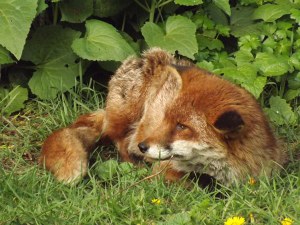
That first post from Alex. A post under the title of Catching a fox. Alex has generously given me permission to republish it.
Catching a fox.
After two years of hunting I catch a fox with my camera.
After two years of frustration I finally photograph a fox, which appeared out of nowhere in my garden.
Nature is a shifting tapestry of life, often catching me by surprise with magical manifestations of wildlife that abruptly vanish before I can catch a brief record of its passing through my life. It is a matter of chance that I get lucky with my camera, and I was in luck today.
This morning a fox manifested in my garden. The fox sat looking at me, it had a forlorn look about it, but the fox was content to sit and watch me as it sun bathed in the warmth of a tranquil garden. I had my camera with me, so I made up for two years of frustration by firing off dozens of photographs of my elusive wary model. The fox made my day.
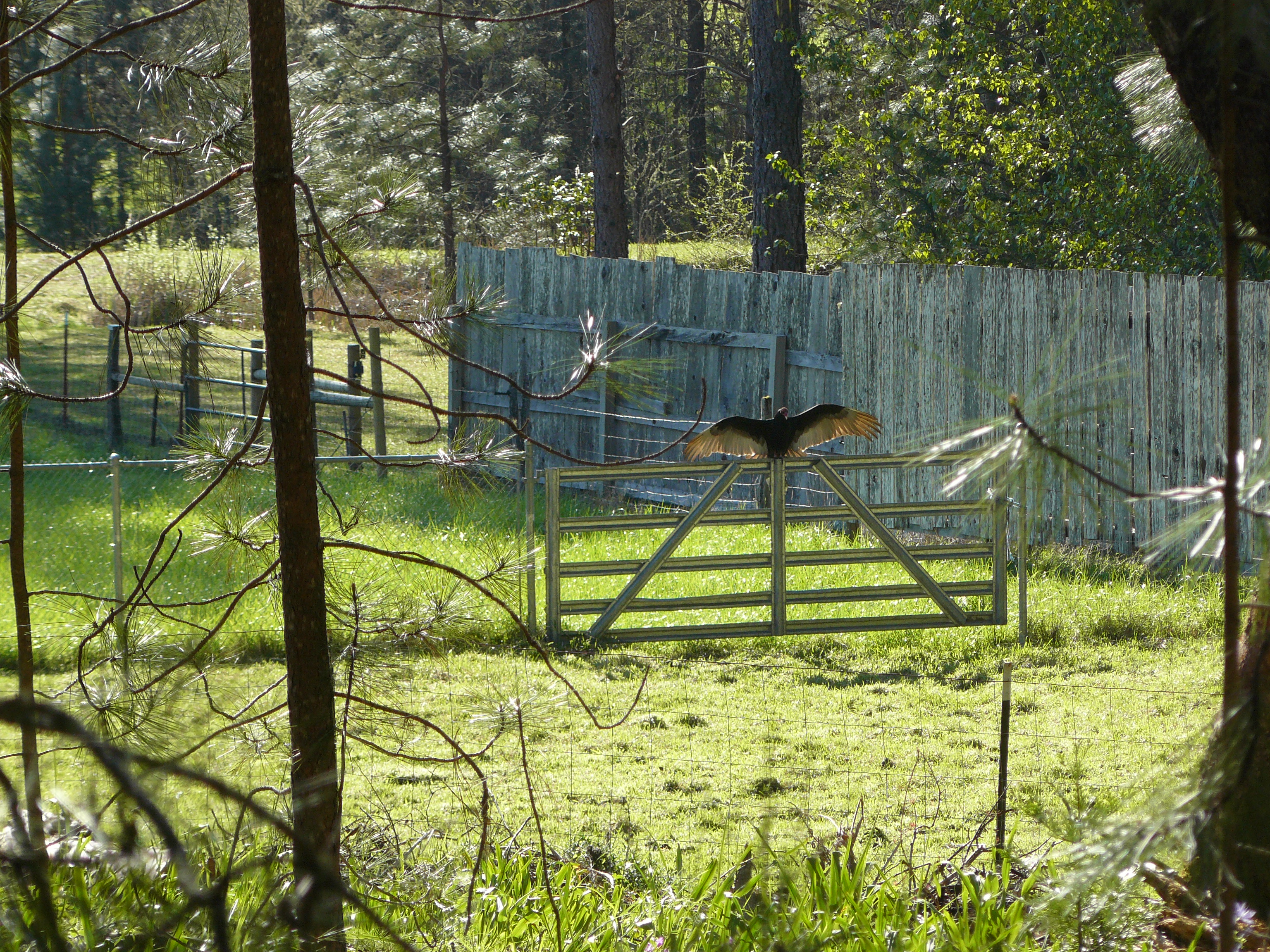
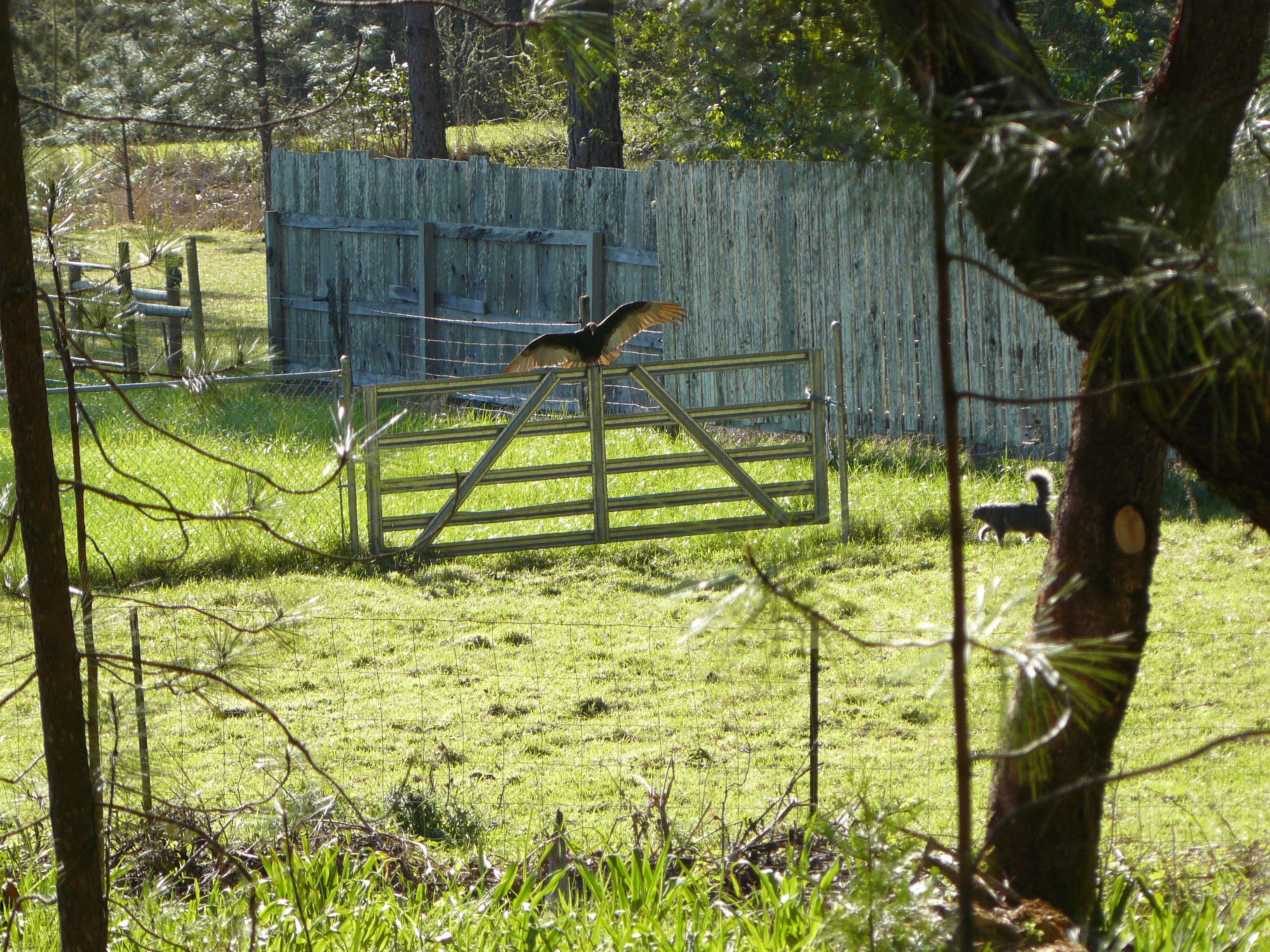
The second event was a chance photograph of a vulture taken two days ago here at home.
Ah, that early morning sun feels good on my back feathers!
oooo
Damn! Thought it was too good to last!
Now I’m sure that readers so far will find these three photographs, of the fox and the vulture, are producing feelings of pleasure; feelings of wonderment about the natural world around us.
That world of nature ‘speaks’ to us. If we are prepared to listen.
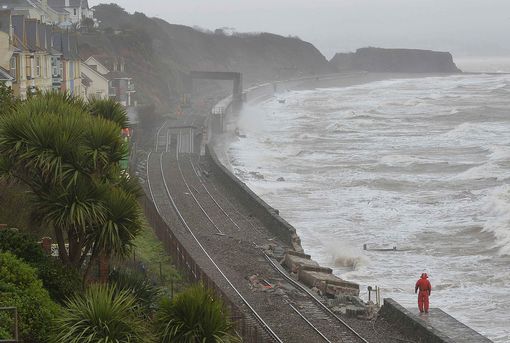
It spoke to South-West England in February earlier this year:
Dawlish – Rail emergency workers inspect damaged track along the seafront.
There are signs that Mother Nature will be speaking to us again; fairly soon. From EarthSky:
Warm water in Pacific could spark a monster El Nino in 2014
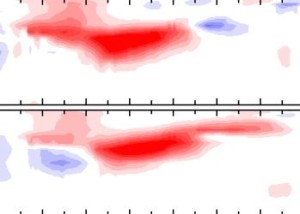
Scientists are watching a giant mass of sub-surface water in the Pacific. When this water reaches the sea surface, it could set off a powerful El Nino.
The giant red blob in this image is a huge, unusual mass of warm water that currently spans the tropical Pacific Ocean. Eric Holthaus, a meteorologist who writes about weather and climate for Slate, says the volume of water is big enough to cover the United States 300 feet deep. And that’s a lot of warm water, he says. Holthaus also says that, as the sub-surface warm water in the Pacific moves eastward – propelled by anomalous trade winds – it’s getting closer to the ocean’s surface. Once the warm water hits the sea surface, it will begin to interact with the atmosphere. Why? Because Earth’s oceans and atmosphere are always interacting. In this case, the warm water will likely boost temperatures and change weather patterns … and possibly bring on a monster El Nino in 2014. There are signs this is already beginning to happen. Read more at Slate.
If one clicks on the link to that Slate article, one then reads:
By Eric Holthaus
The odds are increasing that an El Niño is in the works for 2014—and recent forecasts show it might be a big one.
As we learned from Chris Farley, El Niños can boost the odds of extreme weather (droughts, typhoons, heat waves) across much of the planet. But the most important thing about El Niño is that it is predictable, sometimes six months to a year in advance.
That’s an incredibly powerful tool, especially if you are one of the billions who live where El Niño tends to hit hardest—Asia and the Americas. If current forecasts stay on track, El Niño might end up being the biggest global weather story of 2014.
The most commonly accepted definition of an El Niño is a persistent warming of the so-called “Niño3.4” region of the tropical Pacific Ocean south of Hawaii, lasting for at least five consecutive three-month “seasons.” A recent reversal in the direction of the Pacific trade winds appears to have kicked off a warming trend during the last month or two. That was enough to prompt U.S. government forecasters to issue an El Niño watch last month.
Forecasters are increasingly confident in a particularly big El Niño this time around because, deep below the Pacific Ocean’s surface, off-the-charts warm water is lurking:
Now I’m not going to post the whole of that article so for that reason strongly recommend you read the rest here. However, I am going to offer a couple more extracts.
Like this:
The warm water just below the ocean’s surface is on par with that of the biggest El Niño ever recorded, in 1997-98. That event caused $35 billion in damages and was blamed for around 23,000 deaths worldwide, according to the University of New South Wales. The 1997-98 El Niño is also the only other time since records begin in 1980 that sub-surface Pacific Ocean water has been this warm in April.
Or like this:
One of the theories put forth by the mainstream scientific community to explain the slow-down since 1998 has been increased storage of warm water in the Pacific Ocean. If that theory is true, and if a major El Niño is indeed in the works, the previously rapid rate of global warming could resume, with dramatic consequences.
As I wrote last fall, the coming El Niño could be enough to make 2014 the hottest year in recorded history, and 2015 could be even warmer than that. The 1997-98 super El Niño was enough to boost global temperatures by nearly a quarter of a degree Celsius. If that scale of warming happens again, the world could approach a 1ºC departure from pre-industrial times as early as next year. As climate scientist James Hansen has warned, that’s around the highest that temperatures have ever been since human civilization began.
Now I’m not trying to be a ‘drama queen’ but there are times when one does wonder what it will take for those who govern us to wake up to the fact that Mother Nature is getting more and more restless.
Musings on truth and the corrosive nature of fear.
Yesterday, in Part One, I explored how easy it is to signal to the public that they are not to be trusted. I used the case of PayPal’s changes to their ‘privacy’ policy which, as Wolf Richter wrote, only partially tongue-in-cheek perhaps, made “the NSA, which runs the most expansive spying dragnet in history, is by comparison a group of choirboys.”
Truth
Again, back to Roget’s Thesaurus.
truth noun
1. Correspondence with fact or truth: accuracy, correctness, exactitude, exactness, fidelity, veraciousness, veracity
2. Freedom from deceit or falseness: truthfulness, veracity
So that’s all clear then!
If only it was that easy. So many aspects of our modern lives are exposed to complex issues. None more complex than, of course, the issue of humans having a damaging effect on the planet’s climate. Or if one wants something more esoteric then try the origins of the universe. (So far as the former is concerned, then my personal belief is that mankind is damaging the global climate. But do I have the scientific background to support that belief? No Sir!)
However, one thing that our complex society does offer is the opportunity to spread fear. Indeed, fear pervades popular culture and the media. I picked up that theme from an essay published by David L. Altheide and R. Sam Michalowski of Arizona State University.
Fear pervades popular culture and the news media. Whether used as a noun, verb, adverb, or adjective, an ongoing study finds that the word “fear” pervades news reports across all sections of newspapers, and is shown to move or “travel” from one topic to another. The use of fear and the thematic emphases spawned by entertainment formats are consistent with a “discourse of fear,” or the pervasive communication, symbolic awareness and expectation that danger and risk are a central feature of the effective environment. A qualitative content analysis of a decade of news coverage in The Arizona Republic and several other major American news media (e.g., the Los Angeles Times, and ABC News) reveals that the word “fear” appears more often than it did several years ago, particularly in headlines, where its use has more than doubled. Comparative materials obtained through the Lexis/Nexis information base also reveals that certain themes are associated with a shifting focus of fear over the years (e.g., violence, drugs, AIDS), with the most recent increases associated with reports about children. Analysis suggests that this use of fear is consistent with popular culture oriented to pursuing a “problem frame” and entertainment formats, which also have social implications for social policy and reliance on formal agents of social control.
No passion so effectually robs the mind of all its powers of acting and reasoning as fear. [my italics]
That last sentence offers the words of Edmund Burke, the Irish statesman and author from over 200 years ago. So, perhaps, nothing changes in this regard!
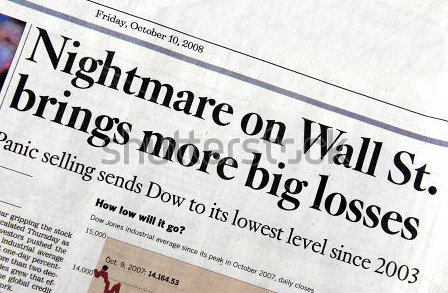
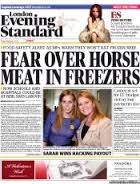
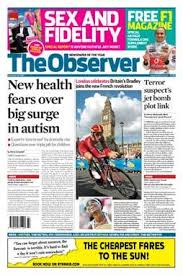
In my old country, the British press love to sell their newspapers on the back of fear. Here are some examples of lurid front pages.
oooo
oooo
However, it doesn’t end there. Fear of the unknown, of forces beyond our control, are behind the incredible number of conspiracy theories, many of them quite famous. WikiPedia lists dozens of them. One that was voiced by friends of ours concerned HAARP, which is an acronym for High Frequency Active Auroral Research Program. It was a perfectly legitimate research programme, one that was unclassified, albeit a program that was shut down in July, 2013.
But that didn’t stop it being regarded by many as deeply suspicious, “Many conspiracy theories surround HAARP. Some theorists believe that it is being used as a weather-controlling device that can trigger catastrophic events, such as floods, hurricanes, etc. Others believe that the government uses HAARP to send mind-controlling radio waves to humans.” Taken from here.
As it happens, this was a programme that I was acquainted with back in my UK days.
OK, time to round this off.
This new, digital world allows the sharing and spreading of information in a manner unimaginable from, say, 25 years ago. It has many positive attributes, as I will touch upon in tomorrow’s post. But it also has the power to spread fear and misinformation. In a world that is becoming more complex and more uncertain year by year, it takes effort by every one of us to stop, think and check on anything that has the potential to upset one.
It takes the power of community to keep us rooted in the stuff of our daily lives, to live calmly and stay in touch with the truth. More on the power of community tomorrow.
Yesterday, I posted about the prediction that in four billion years the Milky Way galaxy would collide with the Andromeda galaxy. I called the post Not of immediate concern.
Today, I am writing about something that is of immediate concern. That is if you regard the next couple of decades as ‘immediate’.
The post is prompted by an item that was published on the BBC News website two days ago. It carried the title Climate inaction catastrophic – US
Climate inaction catastrophic – US
By Matt McGrath
Environment correspondent, BBC News, Yokohama, Japan
The costs of inaction on climate change will be “catastrophic”, according to US Secretary of State John Kerry.
Mr Kerry was responding to a major report by the UN which described the impacts of global warming as “severe, pervasive and irreversible”.
He said dramatic and swift action was required to tackle the threats posed by a rapidly changing climate.
Our health, homes, food and safety are all likely to be threatened by rising temperatures, the report says.
Scientists and officials meeting in Japan say the document is the most comprehensive assessment to date of the impacts of climate change on the world.
In a statement, Mr Kerry said: “Unless we act dramatically and quickly, science tells us our climate and our way of life are literally in jeopardy. Denial of the science is malpractice. There are those who say we can’t afford to act. But waiting is truly unaffordable. The costs of inaction are catastrophic.”
Putting to one side the mild irony of a representative of the US Government wringing his hands about what mankind is doing to our climate, the report is valuable and potentially significant.
The report was from the Intergovernmental Panel on Climate Change (IPCC) which is, as their website explains:
The Intergovernmental Panel on Climate Change (IPCC) was established by the United Nations Environmental Programme (UNEP) and the World Meteorological Organization (WMO) in 1988 to assess the scientific, technical and socio-economic information relevant for the understanding of human induced climate change, its potential impacts and options for mitigation and adaptation.
Watch this 5-minute video of Stanford professor Dr. Chris Field, co-chair of that IPCC working group, addressing some of the key questions raised by this latest report. In particular, focus on Dr. Field discussing the potential of the loss of the Greenland ice cap around 3 min 30 seconds.
Back to the BBC report (which you should read in full!). Back to Dr. Chris Field being quoted as saying:
I think the really big breakthrough in this report is the new idea of thinking about managing climate change as a problem in managing risks. Climate change is really important but we have a lot of the tools for dealing effectively with it – we just need to be smart about it.
It would be easy to get into the mindset that humanity is not going to change its ways in time.
But, then again, the pace of growing awareness about what the changes are that we all need to make, and make relatively soon, is dramatic.
Maybe, just maybe, this will turn out alright!
For all the young people in the world, I do so hope!
A most fitting guest essay after yesterday. The following is published with the kind permission of the author, Jeremy Nathan Marks. I have done a ‘screen grab’ of the image associated with his blog post so you can experience it as you would see and read it from The Sand County. It seemed perfect as a follow-on to yesterday’s post Life, and mortality.
ooOOoo
The Sand County
“In wildness is the preservation of the world.” -Henry David Thoreau
My Wish for the World
If I could leave behind but one lasting accomplishment from my life it would be to have changed the hearts and minds of all those people who accept or practice cruelty towards animals. Now there are a great many worthy causes in this world which fully deserve the attention of all those who believe in justice, in fairness, and in mercy. But I also know that each of us -perhaps- has a cause that stands above and beyond all of the other noble concerns that we know exist. For me this cause is the humane treatment of animals. And when I say animals I mean ALL animals. Permit me to explain. My wife and I have two dogs. Both are mutts and both were adopted through the Animal Rescue Foundation of Ontario (ARF). I have blogged about ARF before and can only offer the highest praise for the organization. Courtesy of ARF, we have been provided with free dog training classes which have proved to be an invaluable resource in learning about dog behaviour. Better yet, the dog trainer we have worked with has made herself available for our questions outside of class. Whenever we have encountered a behavioural challenge that we have not understood or have been unsure of a proper method of approach, this trainer has been very obliging. Importantly, she believes in positive reinforcement and does not believe in the use of pain, dominance, or stress as a means of conditioning dogs. For my wife and me, this fits in with our moral beliefs and our ethics. Our eldest dog, who just turned one year old, is a 60 lbs. shepherd mix who has a “leash anxiety,” if I may call it that. When we are out on a walk and she sees another dog she becomes quite agitated and will bark loudly and lunge at the other dog. This has puzzled us because our dog loves to play with others and is frequently socialized. We grew increasingly concerned because our use of treats and positive reinforcement was not working. And because our dog is a large shepherd, we both have worried that she might develop a reputation and become a source of fear or suspicion by other people in our neighbourhood. In due course, we contacted our trainer for advice. She suggested that rather than putting our dog in a stressful situation by repeatedly walking her past other dogs (and trying to control her behaviour when she becomes agitated) we should take her out of the situation instead. So, when we see another dog approaching we turn around and walk in a different direction, all the while rewarding our dog with treats and telling her she is a good girl. We have recently started doing so and the improvements are showing. So, let us fast forward to today. . . This afternoon we took both of our dogs on a 20 km hike along the Thames River. The trail is like so many other trails; it forms a narrow path through the woods which makes passing other trail goers challenging at points. If another dog were to come toward us this narrowness would pose something of a challenge because we cannot turn around (and head home). Also, because the trail runs through the woods, there aren’t often places to step aside and let other dogs pass by without our oldest detecting them. Inevitably we encountered another dog. We were approached by a small dog that was off leash (which is posted as unlawful, actually). We heard the dog before we saw it and prepared ourselves for some nervousness on the part of our oldest. When the dog approach some barking ensued and I tried to move our dog, as best I could, off the trail to let the family that was approaching us pass by with their dog. When we informed the family that our dog is uncomfortable around other dogs when she is leashed they did not seem to understand that we wanted them to pass by us quickly. When our eldest became excited one of the women turned to us and said that we should “knee our dog in her side to show her who is dominant.” I was appalled. Some woman, whom I have never met, who knows nothing about our dog or our relationship with our dog, was suggesting we use violence against her to show her who is boss. . . And this is a woman with a dog of her own! My wife later remarked to me, as we were driving home, that she would not feel entitled to the love and affection our dogs offer us if we used violence on them in any way. I thought what she said was beautiful and captured the principle of the matter perfectly. We want our dogs to love us and to trust us. How would we have any right to their love and affection if we were to lead them to believe that -at any moment and for no apparent reason- we might use painful force on them? Dogs do not understand why you use violence against them. They do not reason or understand cause-and-effect the same way that humans do. This is not a fault. It does not mean they are stupid or of lesser value than human beings. It does not mean they deserve to be treated with cruelty or brutality. Dogs experience violence as pain and suffering that is inflicted out of the blue. They are not only unprepared for it, but are often completely defenceless against it. How could we ever defend such an inhumane practice? It troubles me immensely that someone, whom I do not know, could so nonchalantly counsel me to violence against my dog. Her arrogant presumption aside, this was a monstrous act. It was barbaric. Nowhere in polite society would someone get away with counseling violence against a child. . . or against someone who is weaker. Yet violence against animals, even against dogs who supposedly occupy a place closer to human hearts than most other animals, is countenanced and even endorsed. (I won’t even begin to explain why the Dog Whisperer horrifies and saddens me.) If a young child was caught torturing animals we would all raise the alarm. The torture of animals, by a young child, is seen as an early warning sign of severe mental disturbance and has been linked to homicidal tendencies and highly violent behaviour. One of the great villains of American literature, the character Popeye from William Faulkner’s novel Sanctuary is depicted as a torturer of animals in his youth. Now I know that increasingly there are laws on the books in many nations that are designed to prevent cruelty to animals and to prosecute perpetrators. This is a positive development that I certainly applaud. But I would argue that there is something broader, more troubling in our relationship with animals that goes beyond the bounds of this current posting. It is a topic I will return to time and again at this blog. What troubles me is how animals are frequently seen as objects if they are even seen or thought of at all. The damage that our destruction of the forests, deserts, plains, and oceans of this world does to countless species is something that has been well documented. We do this because we are interested in acquiring the resources we feel are vital to ensuring our survival. . . but often it is our comfort or our “way of life” that really is the central reason for our pursuit of these things. There is a deep seated human arrogance which treats animals as inferior forms of life. We see them as less sophisticated because they cannot compete with us for power on this planet. We suffer from what Aldo Leopold called an “Abrahamic view” toward the land. Somewhere biblical “dominion” over nature became domination. This is tragic. And it is not necessary. I was deeply troubled by what I experienced today and it reminded me that if I could leave behind but one lasting accomplishment it would be to somehow awaken a sense of love, of mercy, and a thirst for justice where the animal life on this planet is concerned. Just imagine what realizing that love would really mean. By achieving a love that transcends the will to power, the will to control, and the will to domination our embrace of animals really is, after all, the achievement of that revelatory love that is at the heart of the great religions and the religious spirit. Love for animals is love for justice and mercy. It is reverence for life. And it is peace. I think Henry Beston captures these sentiments beautifully: “Remote from universal nature, and living by complicated artifice, man in civilization surveys the creature through the glass of his knowledge and sees thereby a feather magnified and the whole image in distortion. We patronize them for their incompleteness, for their tragic fate in having taken form so far below ourselves. And therein we err, and greatly err. For the animal shall not be measured by man. In a world older and more complete than ours they move finished and complete, gifted with extensions of the senses we have lost or never attained, living by voices we shall never hear. They are not brethren; they are not underlings; they are other nations, caught with ourselves in the net of life and time, fellow prisoners of the splendour and travail of the earth.” -from The Outermost House, by Henry Beston (quoted from Farley Mowat’s A Whale For The Killing)
ooOOoo
I’m sure you will join me in thanking Jeremy for writing such a beautiful and heart-felt essay.
Regular readers of Learning from Dogs will remember a post just over a month ago The lone Ranger. Essentially, that explained that we had visited Strawberry Mountain Mustangs in Roseburg, Oregon and, subject to their approval, had decided to adopt Ranger, a 15-year-old gelding.
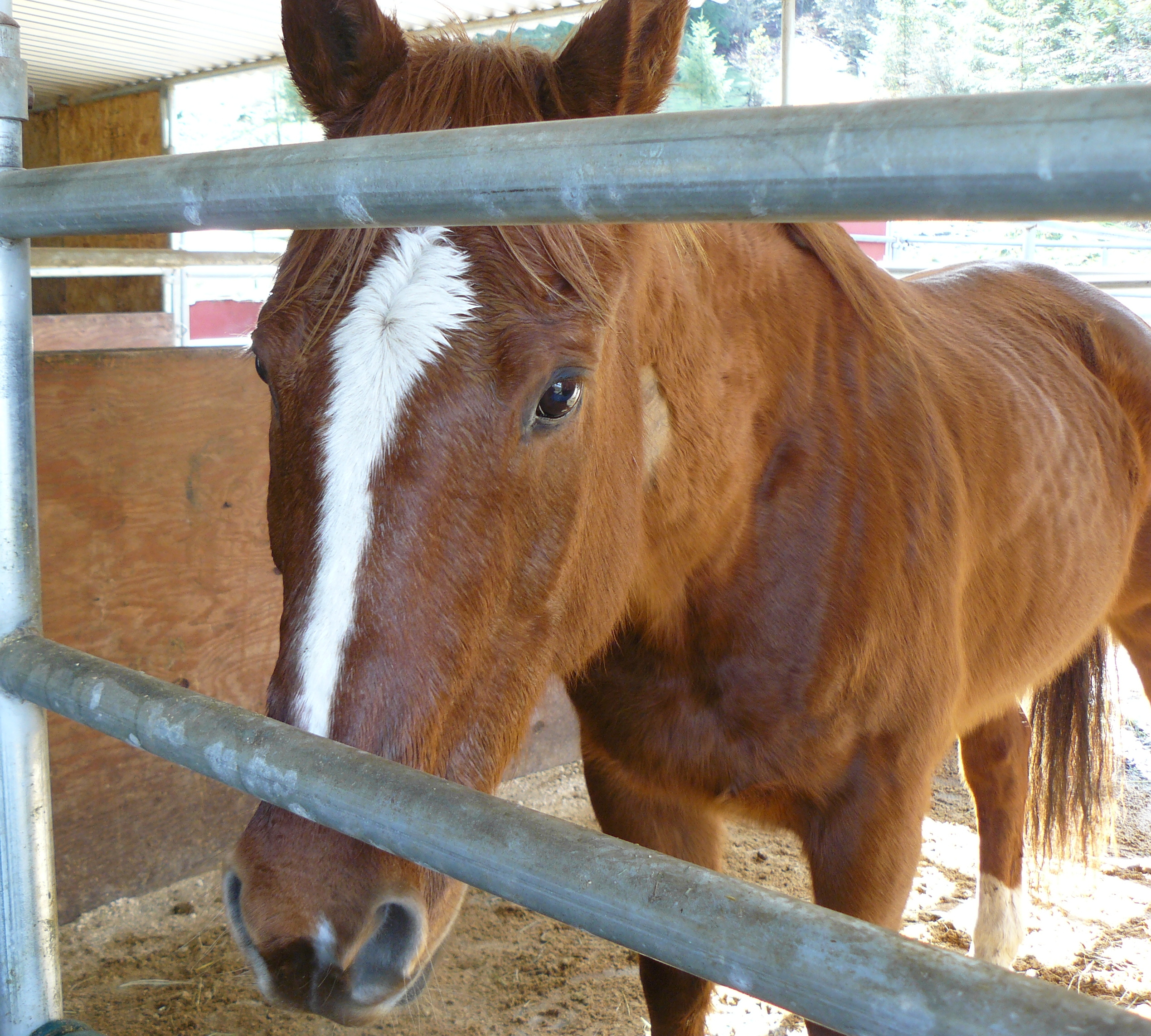
Ranger, when first seen in February.
Thus it proceeded to the point where two-days ago Darla, of Strawberry Mountain, ably assisted by Cody, brought Ranger and Ben to us here in Merlin. It’s been a wonderful twenty-four hours (at the time of writing this). Why Ben? Please read on.
Destination!
Darla and Cody making a safe and timely arrival a little before 10am last Tuesday.
Ben, our new foster, being coaxed out by Darla on the lead-line and Cody behind him.
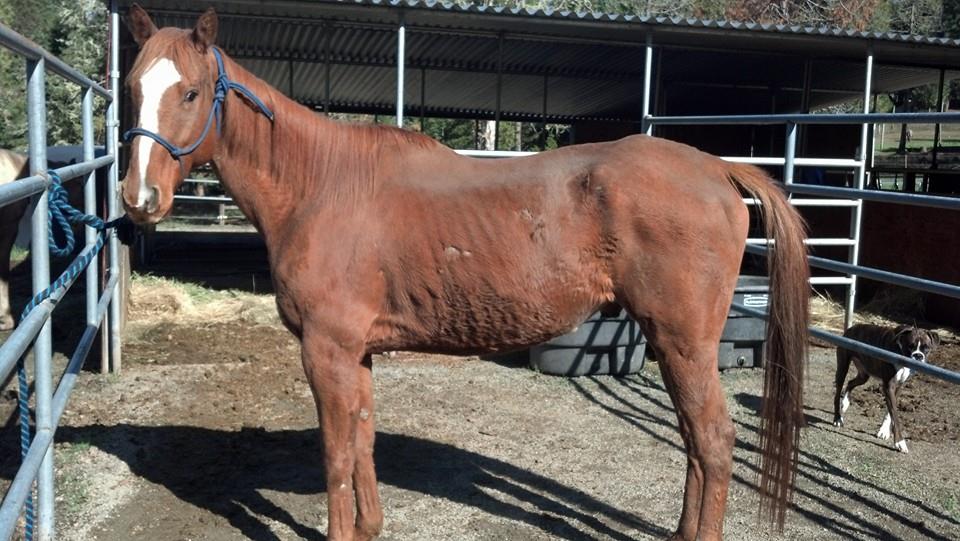
Why did we take the two? Last October, Ben had been found starved and showing the signs of a great lack of confidence. He was ‘rescued’ on orders of Darla’s local sheriff because of Ben’s condition despite being in private ownership. Darla was certain that Ben had been physically beaten in recent times, hence him being very wary of strangers. Thus his relationship with Ranger was part of his journey of returning to a healthy, confident horse. Darla offered us the opportunity of fostering Ben because Ranger had become a good companion for him. Darla explained that Ben was a very wary horse, especially of sudden movements from men.
Jean leading Ranger; Darla leading Ben.
Another 100 yards and the start of a new life for these two gorgeous animals.
Hey Ranger, is this for real!!
In the those first few minutes after Jean and Darla led the horses to the grass paddock, Ben seemed to have an expression on his face that suggested it was all too difficult to believe! Ranger just got stuck into munching! But not to the extent of not enjoying a back-rub!
“I think I’m going to like this, Ben!”
In the afternoon, it was time to bring Ben and Ranger for an overnight in the top area where the stables, food and water were. Ben was very nervous at coming through the open gate and for a while there seemed to be a complication in that Ranger kept thrusting at Ben as if to keep him away from the fence line separating the horses from Allegra and Dancer, our miniature horses.
But in the morning, yesterday, things seemed much more relaxed. To the point that when Ben and Ranger went back out to the grass, Ben was much more relaxed towards Jean and me, as the following pictures reveal.
Jean offering Ben some treats.
oooo
Yours truly doing likewise.
OK, want to turn back to Darla.
To give an insight into the awe-inspiring work of Darla and her team (and many others across the Nation) and to recognise the need of the authorities to have such outlets as Strawberry Mountain, here are two photographs of Ben shortly after he was removed from the people who had stopped loving and caring for him.
Ben as seen last October.
oooo
Ben close to starving.
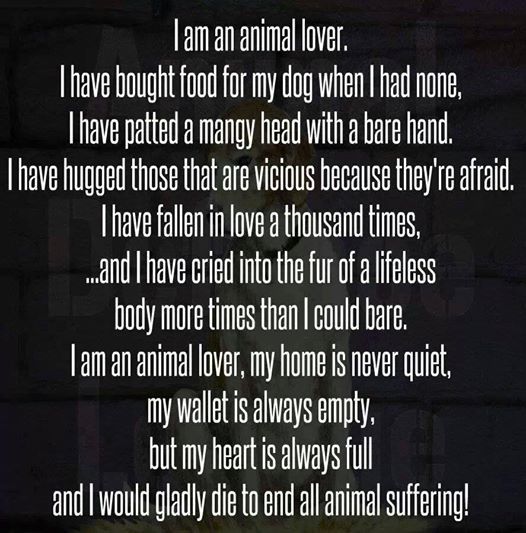
Strikes me as only one way to end this post is with the following as seen on Darla’s Facebook page.
Author unknown.
Thus this post is offered in dedication to the good people all over the world who know the value of the unconditional love we receive from animals and do not hesitate to return the same.
Darla, Cleo and Cody setting a wonderful example of unconditional love.
How about giving the nearest animal, or human, a big hug telling them at the same time how much you love them!
Regular followers know that many of the items that get published here on Learning from Dogs are as a result of followers sending me stuff.
No less so than a recent item from Suzann where in a short email she included the link to a video.
Watch the video first.
I’m sure, like me, you were intrigued to find the background story. The YouTube page offers that background.
Elk vs. Photographer | Great Smoky Mountains National Park
Published on Nov 12, 2013
Update: I’ve been in contact with the photographer in the above video and we would both like to issue a statement regarding the news of the National Park Service’s decision to put the elk down. Vince M Camilo.
My statement:
I am deeply saddened by the fate of the elk. It has certainly pulled a black cloud over this whirlwind “viral video” experience.
I spoke to the reporter who broke the story and she assured me the decision was based on a pattern of aggressive behavior that began prior to the incident documented in this video. The behavior was the result of visitors feeding the elk and conditioning them to seek food from humans. This video only serves as an example of the elk’s dangerous behavior, not an impetus to it.
Again, it brings me great sadness to learn of this beautiful animal’s demise and the unfortunate circumstances surrounding it. I’m looking into a destination for proceeds from this video to help the NPS educate visitors on the dangers and consequences of feeding wildlife.
I also want to be clear that James, the photographer, was not complicit in a behavior that led to the elk’s demise, but rather was made an example of the result of such behaviors. The elk approached him from behind, likely looking for food as he was conditioned to do.
Statement from James (the photographer):
I love and respect animals and that’s why I photograph them and don’t hunt them. I am deeply hurt by the loss of such a beautiful creature that in its own way bonded with me. I looked forward to watching him grow to a mature bull as the years passed.
I’m truly heartbroken to know he is gone.
Original video description:
While photographing elk at sunrise in the Cataloochee Valley of Great Smoky Mountains National Park I turned around to see what appeared to be just a curious young bull sniffing a photographer’s camera. I snapped a few frames of the apparent harmless encounter.
But the elk became more interested in making trouble than simply the scent of a camera. He started physically harassing the photographer, escallating to full on head-butts.
I quickly switched the camera to video and let it roll (much of the time wondering when I should seriously consider intervening).
Most people who see this ask why the photographer seems to just take the abuse. I asked him in an email what was going through his head. This is his response:
“My first thoughts were “wow, he’s getting pretty damn close here.” But I’ve been up close before without incident. I hoped being still and passive would see him pass on. When he lowered his antlers to me, I wanted to keep my vitals protected and my head down. I felt that standing up would provoke him more and leave me more vulnerable to goring. I think that while protecting myself with my head down, having my head down was a signal that I was rutting with him. I was concerned at first, but when he started rearing back and lunging at me later on, I got scared and pissed off. That’s when I wagged my finger at him to cut that shit out. I was relieved to see the Ranger coming.
So I guess at some point if the Ranger hadn’t of pulled up, I would have had to disengage the best I could. I’ve joked with my friends that at least he took me for a buck and not a cow!”
This video is managed by Newsflare. To use this video for broadcast or in a commercial player email newsdesk@newsflare.com or call +44 (0)843 2895191.
“That’s why I photograph them and don’t hunt them.” Clearly, if I was to be objective in this post I would have to seek a explanation from the National Parks Service as to why the Ranger thought it necessary subsequently to kill the elk. You can tell that I am more than saddened by the outcome.
“Study nature, love nature, stay close to nature. It will never fail you.”Frank Lloyd Wright.
Until we learn that we are part of the natural order, that we don’t stand above it, then there is little hope for humanity.
Tried to find more background information but the best I could do was from here:
This is Sqwark the Australian Magpie, and Whiskey and the dog and they are the best of friends! Sqwark is Whiskey’s friend, not a chew toy. It may look rough, but they are just playing like they do all the time and having fun.
In addition, there was a comment on the YouTube page:
The “grey back” is an indication that it’s a juvenile. When it’s an adult, the grey bit will be snowy white.
Wherever you are in the world, have a peaceful and fun-loving day!
(And a big thanks to Dan Gomez for sending it my way.)
ooOOoo
Went Fishing, Caught 4 Deer
A once in the history of mankind kind of thing. The Best Day Of Fishing Ever!
Some fishing stories are a little hard to believe but this guy has pictures to prove his story. Like me, you will heard of salmon jumping into boats, but never anything quite like this…
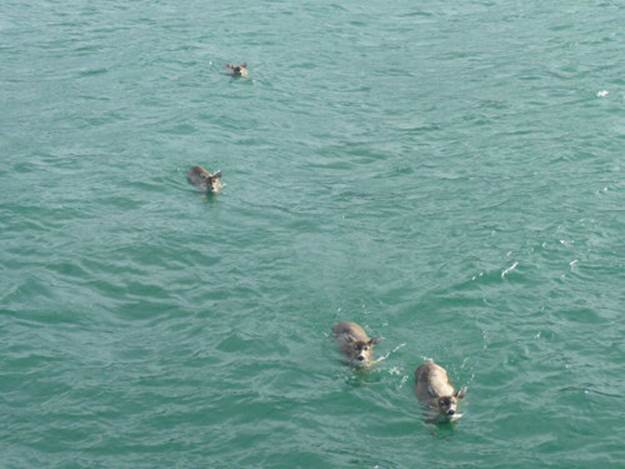
Tom Satre told the Sitka Gazette that he was out with a charter group on his 62-foot fishing vessel when four juvenile black-tailed deer swam directly toward his boat.
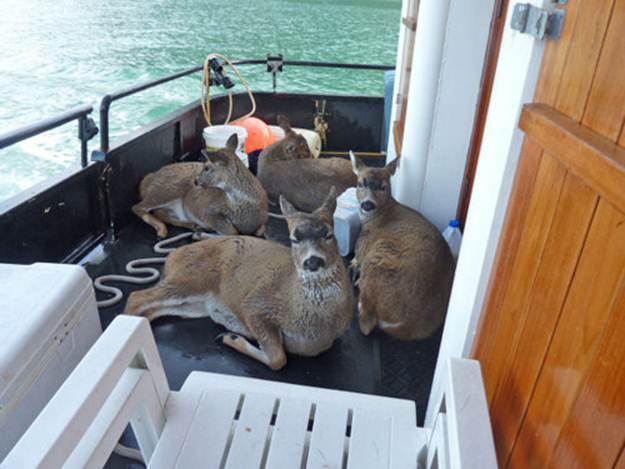
Once the deer reached the boat, the four began to circle the boat, looking directly at us. We could tell right away that the young bucks were distressed. I opened up my back gate and we helped the typically skittish and absolutely wild animals onto the boat. In all my years fishing, I’ve never seen anything quite like it! Once on board, they collapsed with exhaustion, shivering.
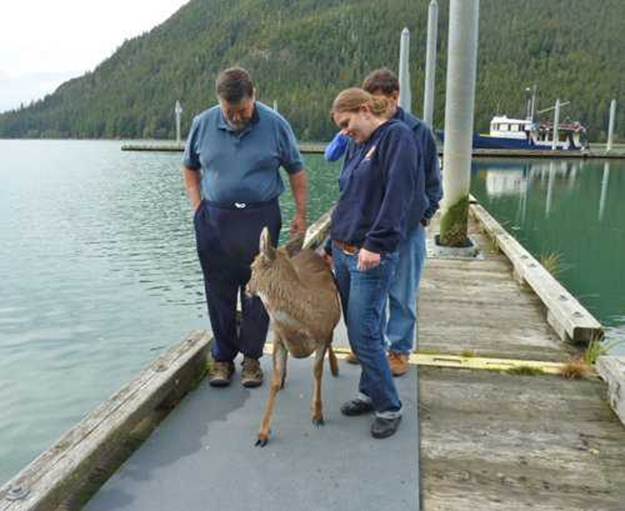
This is a picture I took of the rescued bucks on the back of my boat, the Alaska Quest. We headed for Taku Harbour. Once we reached the dock, the first buck that we had pulled from the water hopped onto the dock, looked back as if to say ‘thank you’ and disappeared into the forest. After a bit of prodding and assistance, two more followed, but the smallest deer needed a little more help.
This is me carrying the little guy.
oooo
My daughter, Anna, and son, Tim, helped the last buck to its feet. We didn’t know how long they had been in the icy waters or if there had been others who did not survive. My daughter later told me that the experience was something that she would never forget, and I suspect the deer felt the same way as well!”
“Kindness is the language the blind can see and the deaf can hear.” – Mark Twain
Story dated October, 2010
ooOOoo
I have no idea if it is a true story, although the photographs suggest it is, but so what! Any reminder of how precious our wild life is will always be welcomed on Learning from Dogs!