And guess what? Another Sunday, another set of photographs from Kristýna Kvapilová
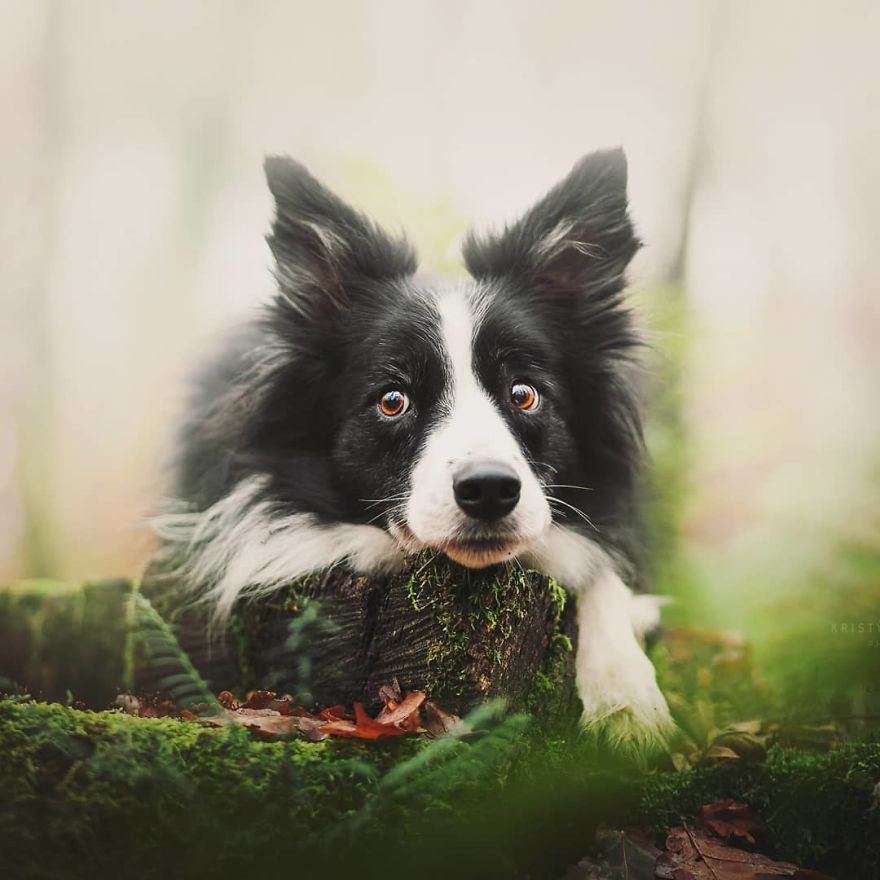
oooo
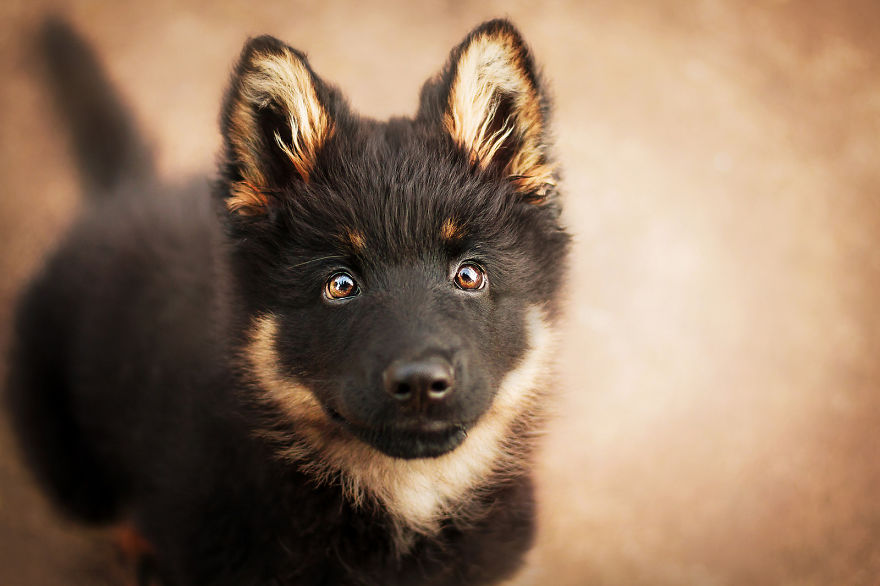
oooo
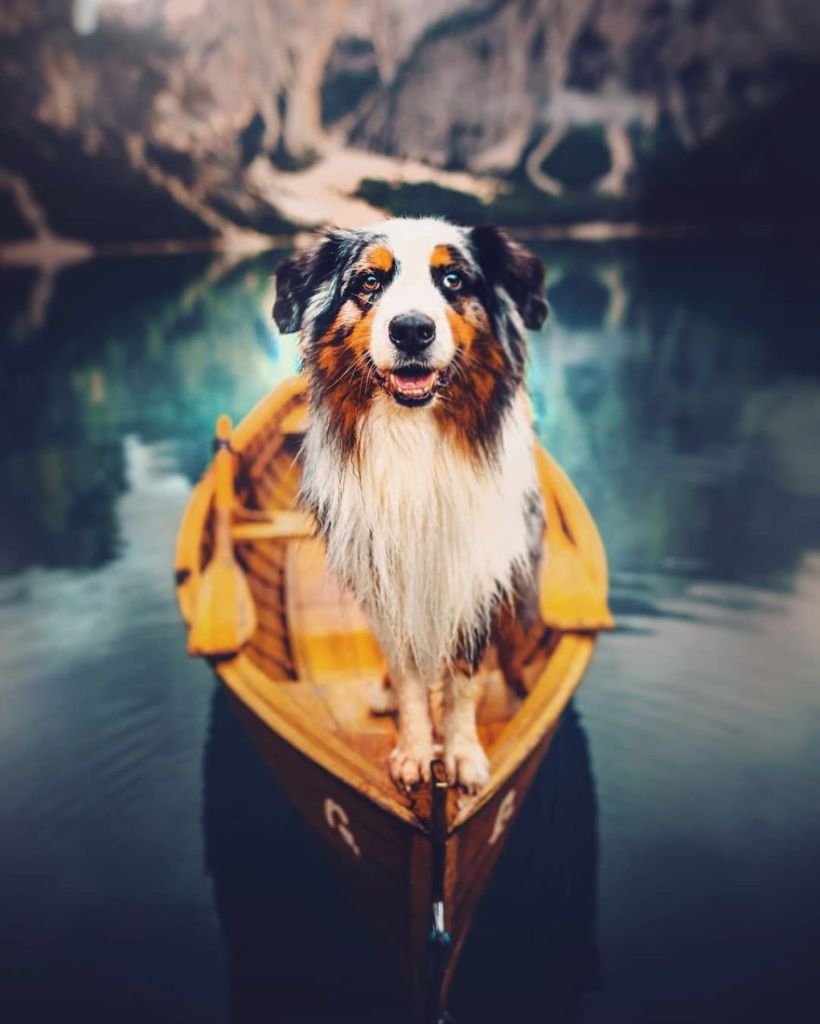
oooo
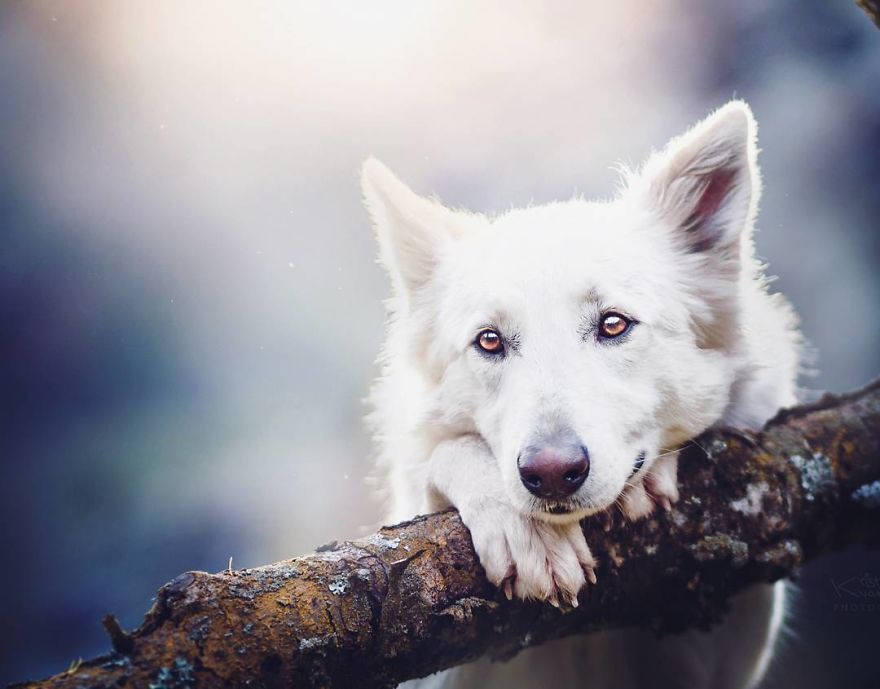
oooo
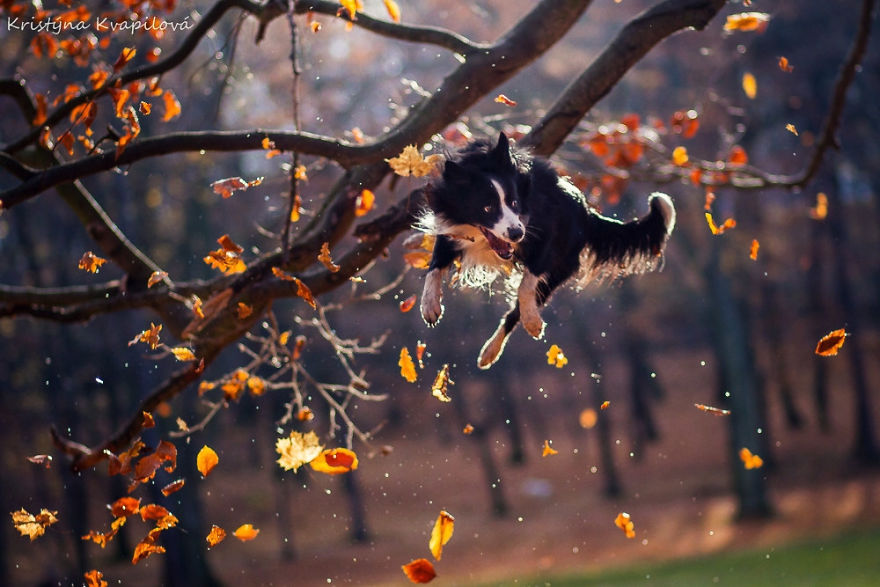
oooo
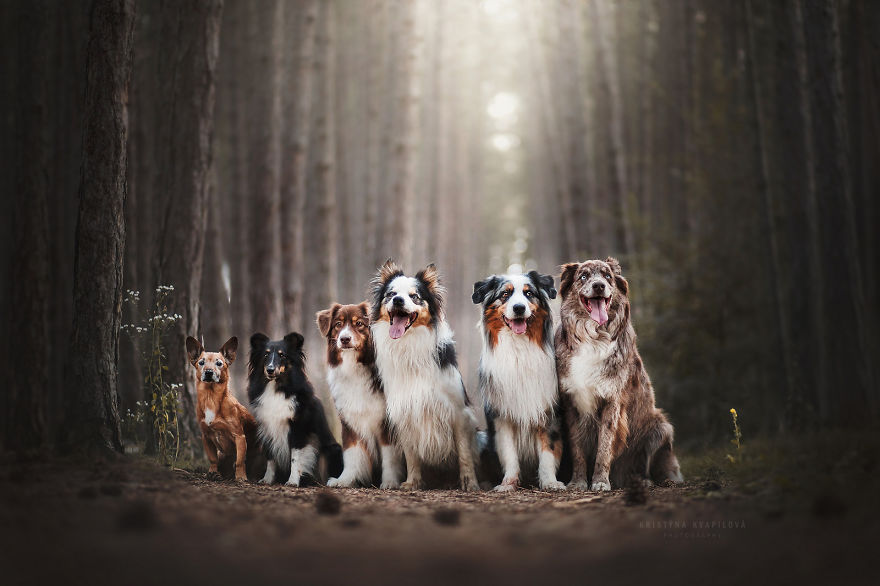
oooo
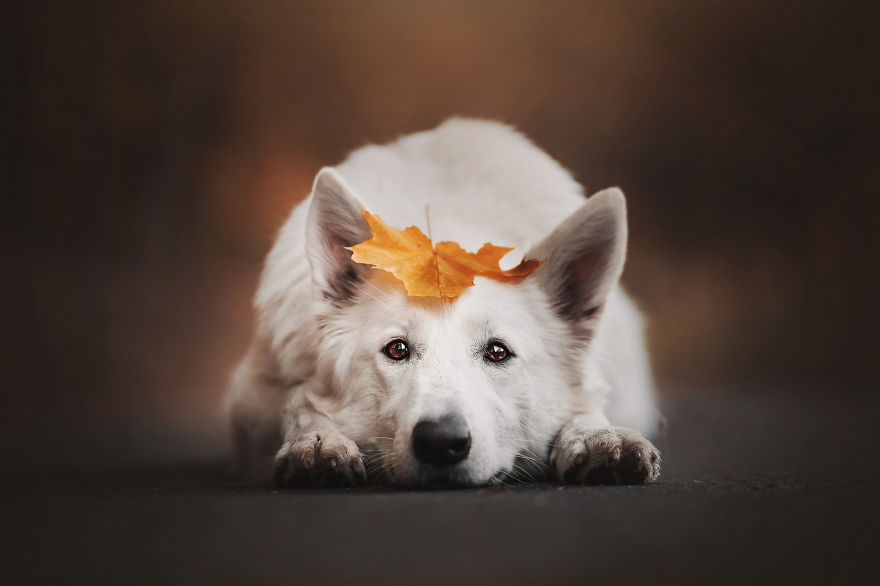
As before the photographs were copies of those here.
They continue to be superb.
Dogs are animals of integrity. We have much to learn from them.
Category: Environment
And guess what? Another Sunday, another set of photographs from Kristýna Kvapilová
oooo
oooo
oooo
oooo
oooo
oooo
As before the photographs were copies of those here.
They continue to be superb.
A timely article, again from the Beeb.
On the back of yesterday’s article about dogs obtaining protein from eating soldier ants comes another piece from the BBC about fibre. It has much information some of which I hadn’t come across before.
So it’s another share with you.
ooOOoo
By James Gallagher, Health and science correspondent, BBC News
January 11th, 2019.

If I offered you a superfood that would make you live longer, would you be interested?
Naturally it reduces the chances of debilitating heart attacks and strokes as well as life-long diseases such as type-2 diabetes.
And it helps keep your weight, blood pressure and cholesterol levels down.
I should mention it’s cheap and widely available in the supermarket.
What is it?
Fibre – it’s not the sexiest thing in the world but a major study has been investigating how much fibre we really need to be eating and found there are huge health benefits.
“The evidence is now overwhelming and this is a game-changer that people have to start doing something about it,” one of the researchers, Prof John Cummings, tells BBC News.
It’s well known for stopping constipation – but its health benefits are much broader than that.
How much fibre do we need?
The researchers, at the University of Otago, in New Zealand, and the University of Dundee say people should be eating a minimum of 25g of fibre per day.
But they call this an “adequate” amount for improving health and say there are benefits for pushing past 30g (1oz).
Is that all?
Well, a banana on its own weighs about 120g but that’s not pure fibre. Strip out everything else including all the natural sugars and water, and you’re left with only about 3g of fibre.
Most people around the world are eating less than 20g of fibre a day.
And in the UK, fewer than one in 10 adults eats 30g of fibre daily.
On average, women consume about 17g, and men 21g, a day.

What other foods have more fibre in them?
You find it in fruit and vegetables, some breakfast cereals, breads and pasta that use whole-grains, pulses such as beans, lentils and chickpeas, as well as nuts and seeds.
BBC Food: How carb-clever are you?
What does 30g look like?
Elaine Rush, a professor of nutrition at Auckland University of Technology, has put together this example for getting into the 25-30g camp:
But she says: “It is not easy to increase fibre in the diet.”
Prof Cummings agrees. “It’s a big change for people,” he says. “It’s quite a challenge.”

Are there any quick and easy tips?
The UK’s National Health Service has a page full of them.
They include:
BBC Food: High fibre breakfasts
What will the benefit be?
Well, after analysing 185 studies and 58 clinical trials, the results are in and have been published in the Lancet medical journal.
It suggests if you shifted 1,000 people from a low fibre diet (less than 15g) to a high-fibre one (25-29g), then it would prevent 13 deaths and six cases of heart disease.
That’s during the course of these studies, which tended to follow people for one to two decades.
It also showed lower levels of type-2 diabetes and bowel cancer as well as lower weight, blood pressure and cholesterol levels.
And the more fibre people ate, the better.
What is fibre doing in the body?
There used to be a view that fibre didn’t do much at all – that the human body could not digest it and it just sailed through.
But fibre makes us feel full and affects the way fat is absorbed in the small intestine – and things really become interesting in the large intestines, when your gut bacteria get to have their dinner.
The large intestines are home to billions of bacteria – and fibre is their food.
It’s a bit like a brewery down there, admittedly one you wouldn’t want a pint from, where bacteria are fermenting fibre to make a whole load of chemicals.
This includes short-chain fatty acids, which are absorbed and have effects throughout the body.
“We have this organ set up to digest fibre, which a lot of people just don’t use very much,” says Prof Cummings.
Why is this relevant now?
The fact fibre and whole-grains and fruit and vegetables are healthy should not come as a surprise.
But there is concern people are turning their back on fibre, with the popularity of low-carb diets.
Prof Nita Forouhi, from the University of Cambridge, says: “We need to take serious note of this study.
“Its findings do imply that, though increasingly popular in the community at large, any dietary regimes that recommend very low-carbohydrate diets should consider the opportunity cost of missing out on fibre from whole-grains.
“This research confirms that fibre and whole-grain intakes are clearly important for longer term health.”
The study has been done to help the World Health Organization come up with official guidelines for how much fibre people should be eating to boost health and they are expected next year.
Follow James on Twitter

Analysis from BBC Reality Check
One of the suggested ways of boosting the amount of fibre in your diet is to switch from white bread to brown or wholemeal.
This is what has been happening to sales of those products, based on a succession of government surveys of household spending since 1974.

From the mid-seventies to the mid-eighties, white bread fell while brown and wholemeal rose.
Since then, white bread sales have continued to fall, but brown and wholemeal bread sales have been falling for most of that period, although at a slower rate.
So it looks as if while overall demand for bread has been falling, a higher proportion of bread sold has been higher fibre.
Whole wheat pasta has made less of an impact on sales than higher fibre breads, with a survey for the British Journal of Nutrition finding that pasta accounted for less than 1% of the occasions on which people were consuming whole grains.
ooOOoo
Well nothing much more to be said other than going vegan.
Dogs eating insects and helping climate change.
I had to look twice at this but it wasn’t April 1st and it appeared to be a serious article. It’s from the BBC website.
Will say no more. You have a read of it.
ooOOoo
By Roger Harrabin, BBC environment analyst
10th January, 2019

Do you fret that your pet pooch is blamed by environmentalists for turning rainforests into poo in the park?
Have no fear – you can now fatten Fido on black soldier flies instead of Brazilian beef.
A pet food manufacturer now claims that 40% of its new product is made from soldier flies.
It’s one of many firms hoping to cash in on the backlash against beef by people concerned that the cattle are fed on soya.
These soya plantations are responsible for the release of greenhouse gases in significant quantities.
Is it good for the dog?
The key question is whether a diet of 40% soldier flies meets the nutritional needs of your beloved canine.
We put the question to a pet diet expert at the Royal Veterinary College, Aarti Kathrani. Her conclusion was a cautious “yes”.
“Insects can be a very useful source of protein,” she told us. “More studies are needed to show how much of these nutrients can actually be absorbed by a dog’s body – but some studies suggest that insects can provide nutrients for dogs.”
Does it help the climate if dogs eat flies?
At first sight it seems obvious that feeding your dog meaty food is bad for the environment. The link between humans eating meat and the allied emissions of CO2 and methane is well established – and pets are estimated to eat 20% of global meat.
It’s also true that flies produce protein much more efficiently than cows – using a small percentage of the water and land.
But actually the analysis is more subtle than that – because as societies become more wealthy, people often turn to muscle meat and reject the animal’s offal.

That offal is just as nutritious – and it gets made into pet food. That means that dog food is just as sustainable – or unsustainable – as humans eating meat.
In fact, if dogs were weaned off meat and on to insects, the industry would have to find another purpose for the offal. More sausage, perhaps? Or more humans eating insect protein. Or more going vegan?
Could cat food be made out of insects, too?
Dogs are omnivores – they eat more or less anything. Cats are much more choosy, because they can’t make an essential amino acid, taurine. They find it instead in meat and fish.
But Dr Kathrani says studies show that insects do contain taurine, so it’s possible that insects could also form a useful part of the moggie diet.
The new product is from Yora, a UK start-up. The insect grubs are fed on food waste in the Netherlands.
There are several competitors which also produce pet food incorporating fly protein. They include Insectdog, Entomapetfood, Chippin and Wilderharrier.
ooOOoo
Now I have heard of some strange things but in essence this does make very good sense.
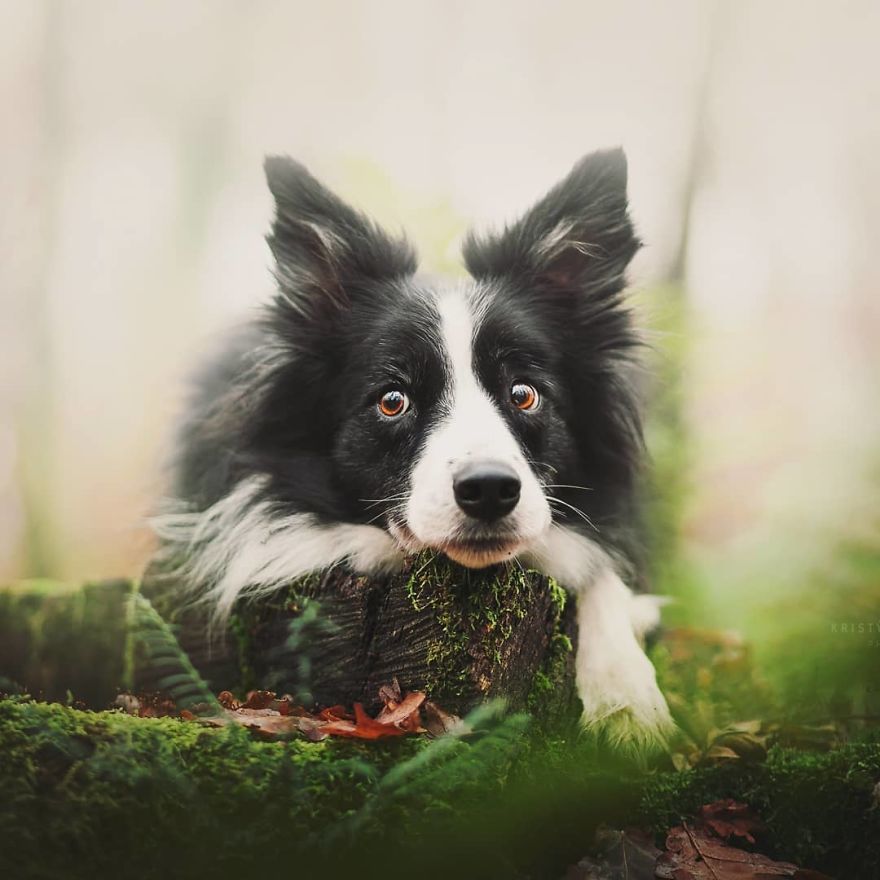
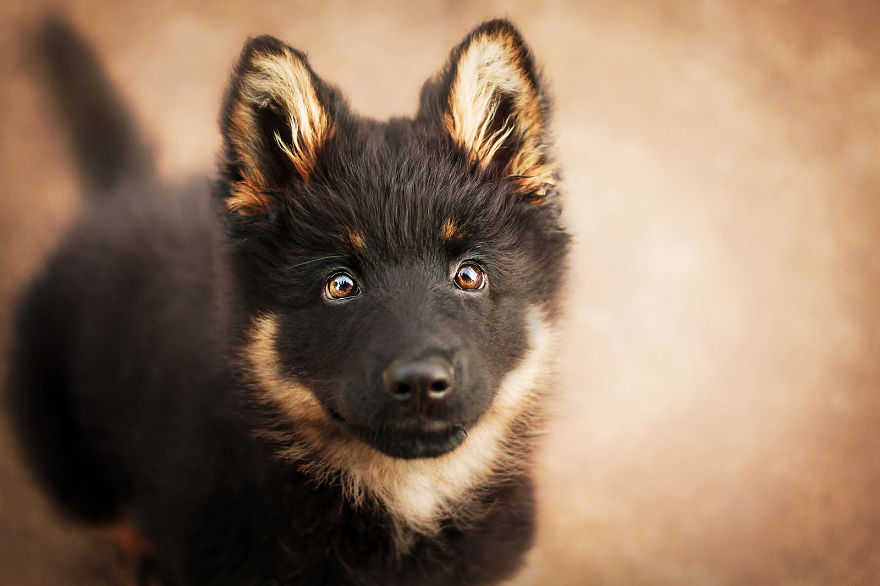
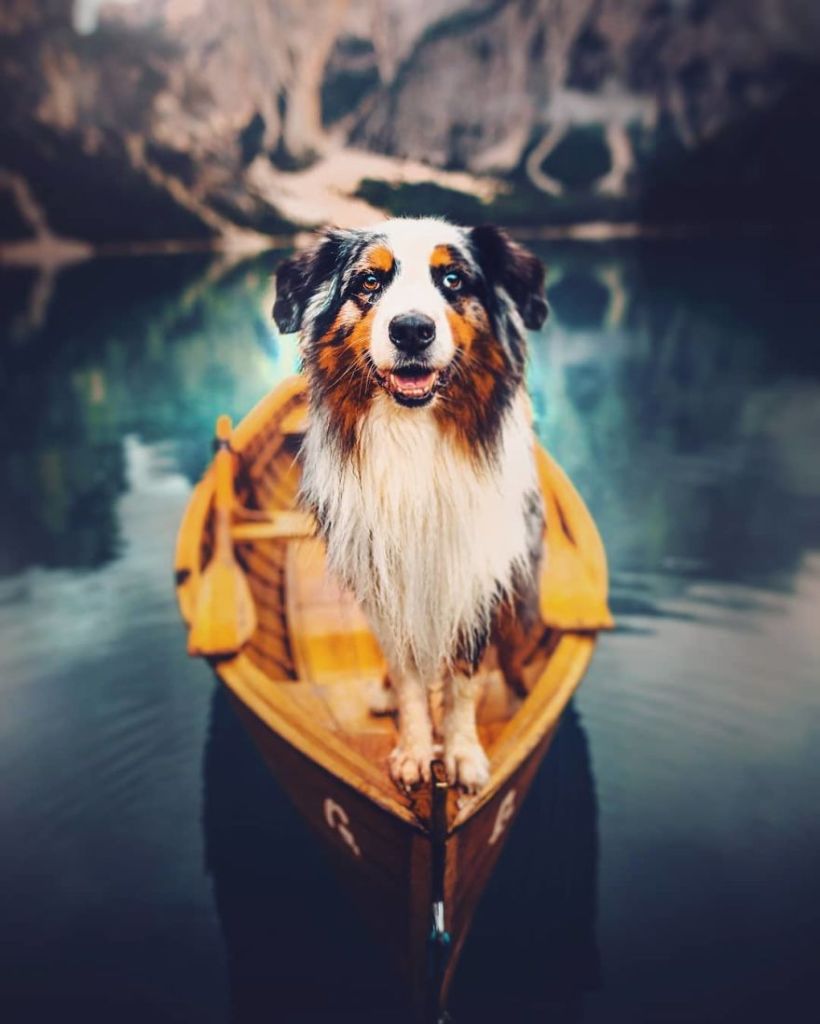
Guess what! More pictures from Kristýna Kvapilová
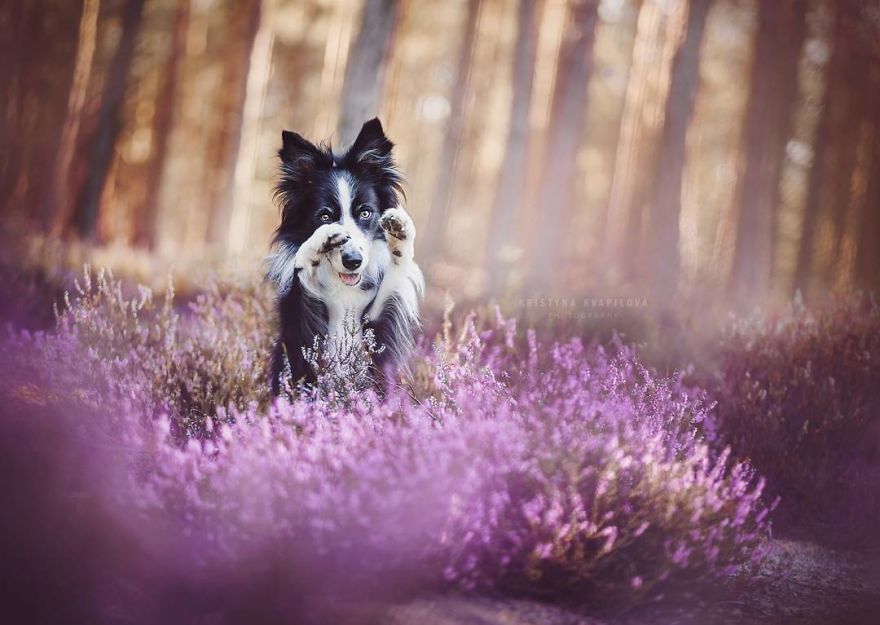
oooo

oooo

oooo

oooo
oooo
oooo
oooo
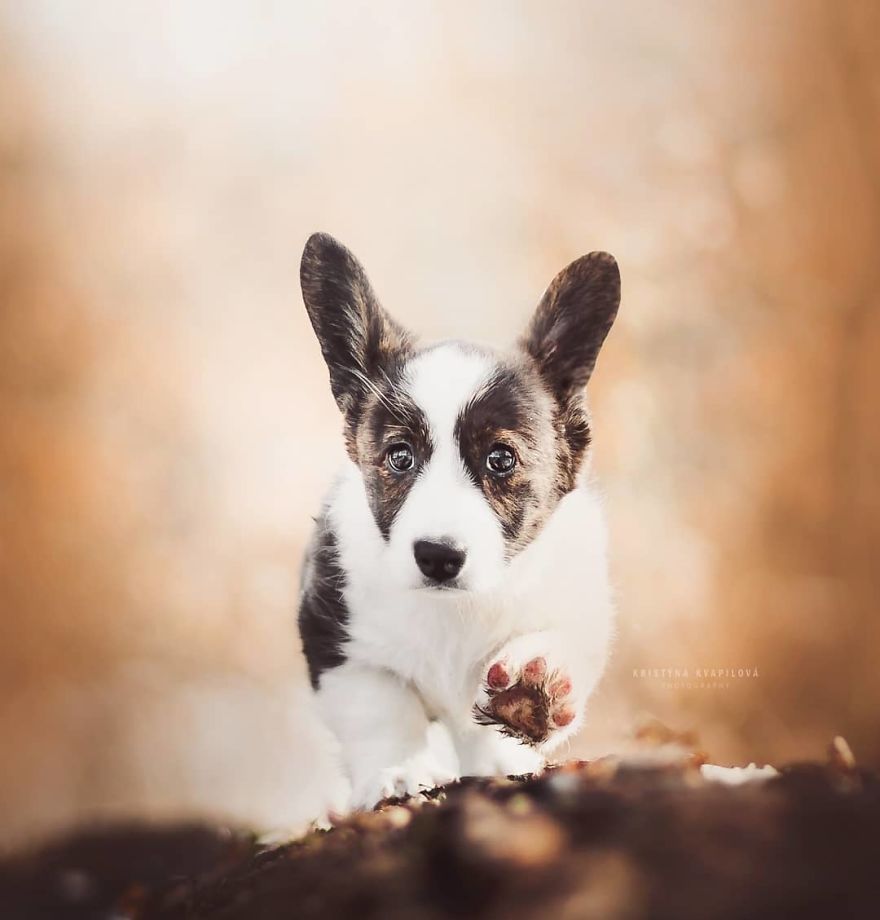
Once again, taken from here.
More of these gorgeous photographs in a week’s time.
And what a great story!
This article really demonstrates the power of love, good training and inspiration.
ooOOoo
November 6th, 2018.

What happens to those dogs that are just too much dog for people to handle? “You know them — you go to your friend’s barbecue, their dog is so happy to see you that she pees on your feet, and she drops a slobbery ball in your lap,” says Megan Parker (TEDxJacksonHole talk: Dogs for Conservation), a wildlife biologist and dog expert based in Bozeman, Montana. “You throw it to get as much distance between you and the dog as possible, but she keeps coming back with the ball. By the 950th throw, you’re thinking, Why don’t they get rid of this dog?” All too often, their owners reach the same conclusion and leave their pet at a shelter.
Thanks to Parker and the team at Working Dogs for Conservation (WD4C), some of these dogs have found a new leash lease on life. They’re using their olfactory abilities and unstoppable drive in a wide variety of earth-friendly ways, working with human handlers to sniff out illegal poachers and smugglers, track endangered species, and spot destructive invasive plants and animals.

Parker first considered using dogs in conservation when she worked on the reintroduction of wolves to Yellowstone Park and was asked how researchers could track wolves through their scat, or droppings. “I started thinking how best to detect their scat off a large landscape, and the idea came up for dogs,” she says. In 2000, she cofounded WD4C to train and use canines in conservation work. Most of their dogs are adopted from shelters or from organizations or work settings where they didn’t quite fit in.
While it’s fair to say almost all dogs love toys, wildlife-detection dogs are obsessed with them. “They’ll do anything to chase a ball or a tug toy,” says Parker. If their preferred plaything is thrown far into the brush or buried in a massive pile of leaves, no worries — they won’t stop looking until they find it. No food, obstacle or distractions can deter them, and WD4C staff have turned this single-minded focus into a powerful incentive. Their canine friends are rewarded with their favorite toy every time they locate a desired wildlife-related scent, anything from elephant ivory and poachers’ guns in Zambia and trafficked snow leopards in Tajikistan to predatory Rosy wolf snails in Hawaii and invasive Argentine ants on California’s Santa Cruz Islands. The dogs are careful not to disturb or touch any specimens they pinpoint; it’s all about the toy.
Lily, a yellow Lab, is one of the group’s many sad-start-happy-ending stories. When the then-three-year-old came to the attention of WD4C trainers, she’d already bounced her way in and out of five different homes. She couldn’t sit still and she never, ever wanted to stop playing. Oh, and she was a bit of a whiner. Since joining WD4C in 2011, she has been trained to recognize a dozen different conservation-related scents and been deployed to track grizzly bears and sniff out the eggs, beetles and larvae of emerald ash borers, an insect that has killed millions of trees in the US and Canada.
The three-dozen-strong WD4C pack also includes purebred working dogs who weren’t right for their intended occupations. Orbee, a border collie, had the enthusiasm and live-wire energy required of ranch dogs, but there was one problem: he had zero interest in herding sheep. He also barked a lot. Since joining WD4C in 2009, Orbee has had a globe-trotting career — he has spotted invasive quagga and zebra mussels on boats in Alberta and Montana, monitored the habitats of the endangered San Joaquin kit fox in California, and assisted scientists in northern Africa in counting up Cross River gorillas, the world’s rarest gorilla.
Jax is a Belgian malinois, a sturdy breed frequently used by the police and military. He was in training to serve with the US Army’s special unit, the Green Berets, until his handlers realized Jax doesn’t like to bite people — just toys. And, boy, does he loves toys; he’s even tried to climb trees to reach prized objects. Since 2017, Jax’s athleticism and high spirits have been used by the WD4C to perform tasks such as mapping the movements of bobcats in the western US.
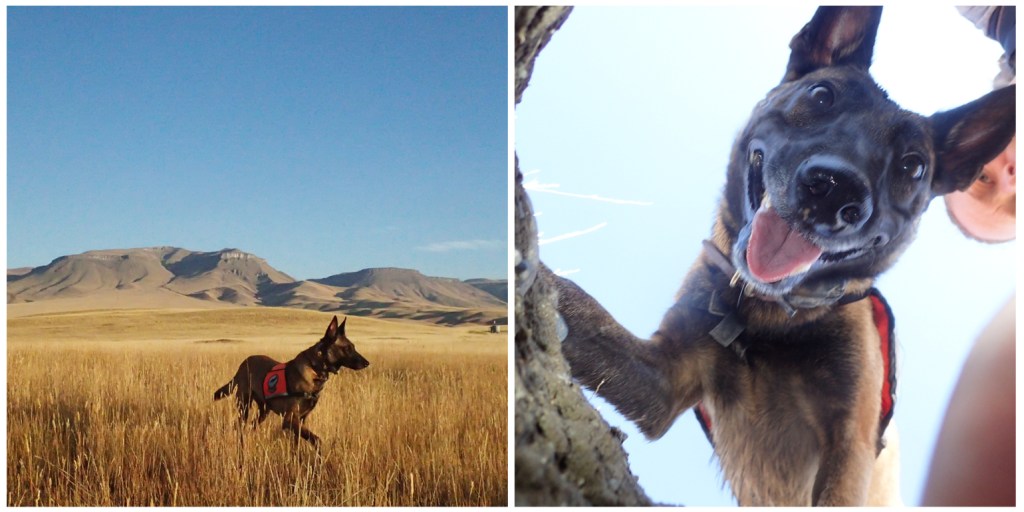
“Different dogs have different strong suits,” says Parker. She and the WD4C team try to place their charges in environments that match their skillset, likes and dislikes. Unlike many dogs, Tule (above), a Belgian malinois who flunked out of a job with US Customs and Border Patrol, has absolutely no desire to chase small animals such as cats, squirrels and rabbits. This made her the perfect fit to help researchers monitor black-footed ferrets, which live in the same territory as a large, scampering prairie-dog population. The ferrets, once thought extinct in the US, were reintroduced in Wyoming in recent years. Tule alerts her handlers to the scent of live ferrets or their scat, information that allows state wildlife officials to map their distribution and see if the population is recovering. Without Tule and her pack, researchers would be forced to study the elusive creatures with cameras or live traps, undependable methods at best.
The dogs’ efforts have resulted in positive, substantial changes. The organization teamed up with the nonprofit Wildlife Conservation Society so their dogs could track the scat of four keystone carnivores (grizzly bears, black bears, mountain lions and wolves) through the Centennial Mountains in Idaho and Montana. Five years of doggie data showed that all four species depended on the mountains to move between the Greater Yellowstone ecosystem and central Idaho wilderness areas. Thanks to this information, activists were able to stop construction of a housing development that would have interrupted their migratory pathway.
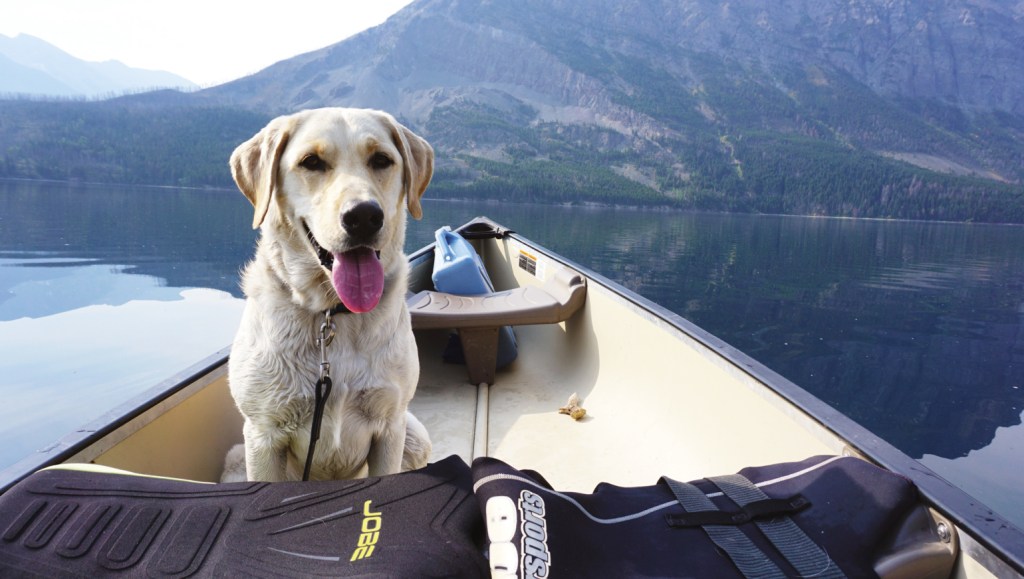
Some dogs are searching for animals and plants that are most wanted for the opposite reason: they’re invasive species proliferating where they don’t belong and driving out native flora and fauna. There’s the previously mentioned zebra and quagga mussels, which spread by clinging to boats and watercraft, and which clog water and sewage pipes, foul up power plants, and destroy good algae. Tobias (above) is a specialist in finding them. In one test, WD4C dogs identified 100 percent of the boats with mussels aboard (human screeners spotted 75 percent). The dogs did the job more quickly, and they could also detect the mussels’ microscopic larvae.
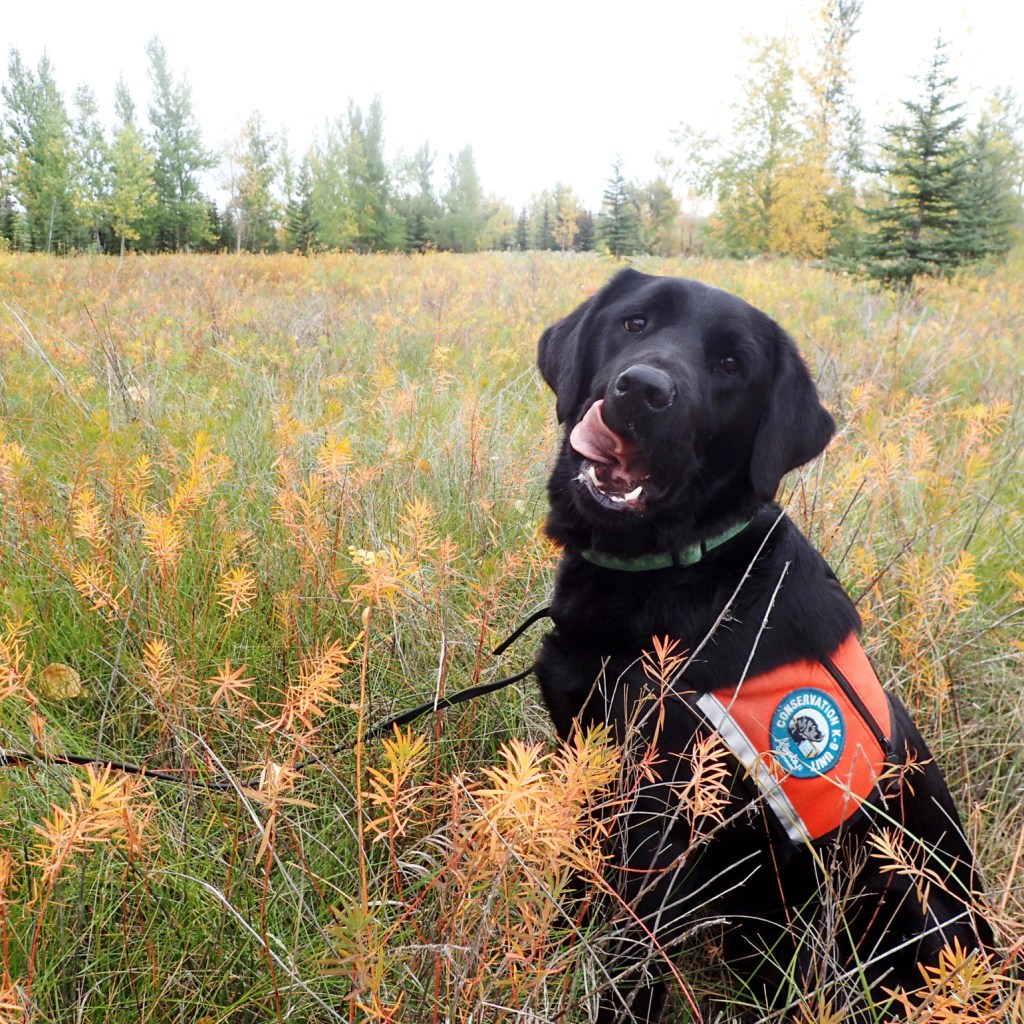
Former shelter dog Seamus (shown at the top of the post), a border collie, is an expert in searching out dyer’s woad on Mount Sentinel in Montana. Humans have tried to eradicate the invasive weed by spotting its flowers and pulling out plants by hand, but these attempts barely made a dent. By the time it’s found, it’s often already seeded (and a single plant can produce up to 10,000 seeds). Seamus’s keen nose, along with those of three canine colleagues, learned to sniff out woad before it flowered, a time when it’s extremely hard for human eyes to see. They also found root remnants left in the ground. At a recent checkup, just 19 of the invasive plants were found on the mountain. “It will be a complete extermination,” says Parker. “It’s just going to take a long time because we don’t know how long their seeds last in the soil.”
The dogs’ hunting grounds even extend into the water. Although prized in their native habitat, brook trout are an invasive species elsewhere; in some places in the Western US, they are pushing out the native cutthroat trout. WD4C was brought to Montana by the US Fish and Wildlife Service, the US Geological Survey and the Turner Endangered Species Fund to see whether their animals could learn to sniff out live fish in moving water. Reports Parker, “This project confirmed what we long suspected: that dogs can detect and discriminate scents in water.”

Pepin (above), who worked on the brook trout project, is part of an ambitious charge to train the dogs to detect infectious diseases in animals.“He’s done the first of a lot of things for us, because he’s so game,” says Parker. Some wildlife carry brucellosis, a bacterial disease that is particularly harmful to cattle. It’s difficult to tell when animals are first infected because they typically don’t display symptoms, so in areas where the disease is prevalent, ranchers tend to keep livestock and wildlife as far away from each other as possible — severely limiting the territory and movement of both kinds of animals. The hope is that dogs could provide a fast, reliable way to identify infected herds. So far, Pepin has shown he can discriminate infected elk scat with higher and lower concentrations of the bacteria, and WD4C is eager to explore this use of dog power. “We have proof of concept,” says Parker. “I’d like to move that work forward.”
There are so many other unexplored capacities and environments where dogs could help, Parker believes. To that end, WD4C started a program in 2015 called Rescues 2the Rescue, which aims to help shelters around the world identify would-be detection dogs and place them with wildlife and conservation organizations. What kind of dogs are they looking for? Ones that are, uh, crazy.
To clarify that adjective, we’ll close by telling you about Wicket, a black Lab mix who retired from WD4C in 2017 at the top of her game, having detected 32 different wildlife scents in 18 states and seven countries. Wicket languished in a Montana shelter for six months, barking up a storm and scaring away potential owners, until WD4C cofounder Aimee Hurt found her there in 2005. When she went to adopt her, the shelter director said, “You don’t want that dog — that dog’s crazy!” To which Hurt replied, “I think she might be the right kind of crazy.”
All photos courtesy of Working Dogs for Conservation.
Watch Megan Parker’s TEDxJacksonHole talk here:
Rebekah Barnett is the community speaker coordinator at TED, and knows a good flag when she sees one.
ooOOoo
Dogs give us so much. They are inspiring, loving and happy creatures.
This was too good to ignore.
ooOOoo
A puppy was saved from a frozen lake by a police diver in Turkey. The rescuer feared the worst but said it was miracle that she survived.
(Now try as I may I can’t embed the video but, please, follow the link to the page.)
https://www.bbc.com/news/av/world-europe-46709311/police-diver-adopts-dog-rescued-from-icy-lake
ooOOoo
It’s inspiring and beautiful what a human will do for a dog!
Last but not least Happy New Year to you.
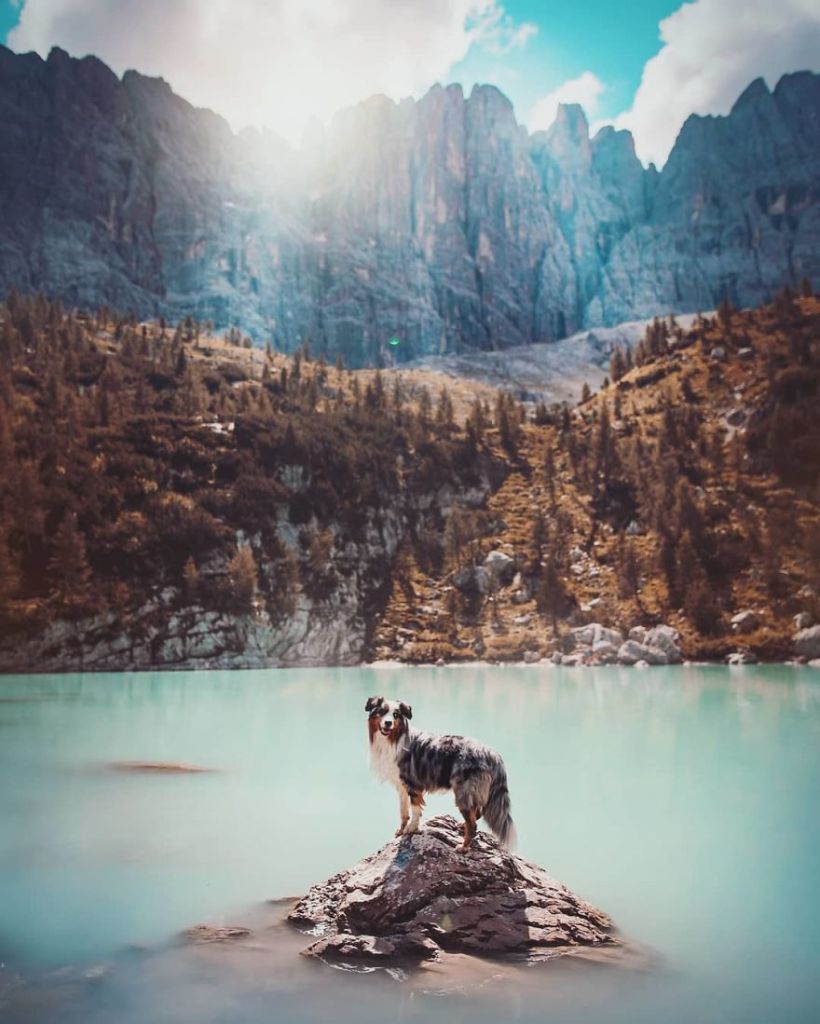
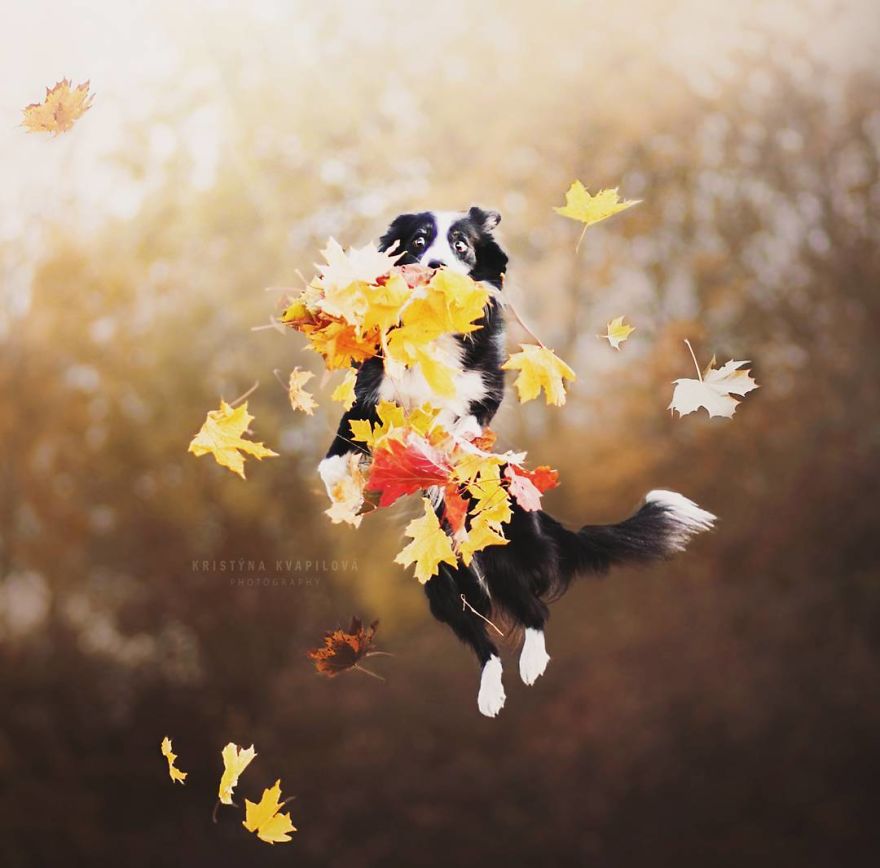
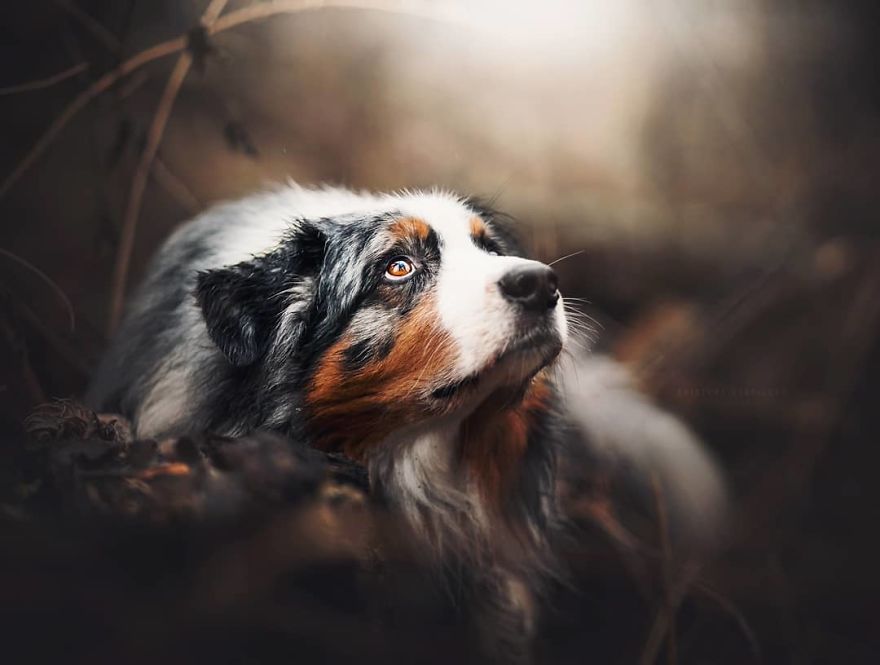
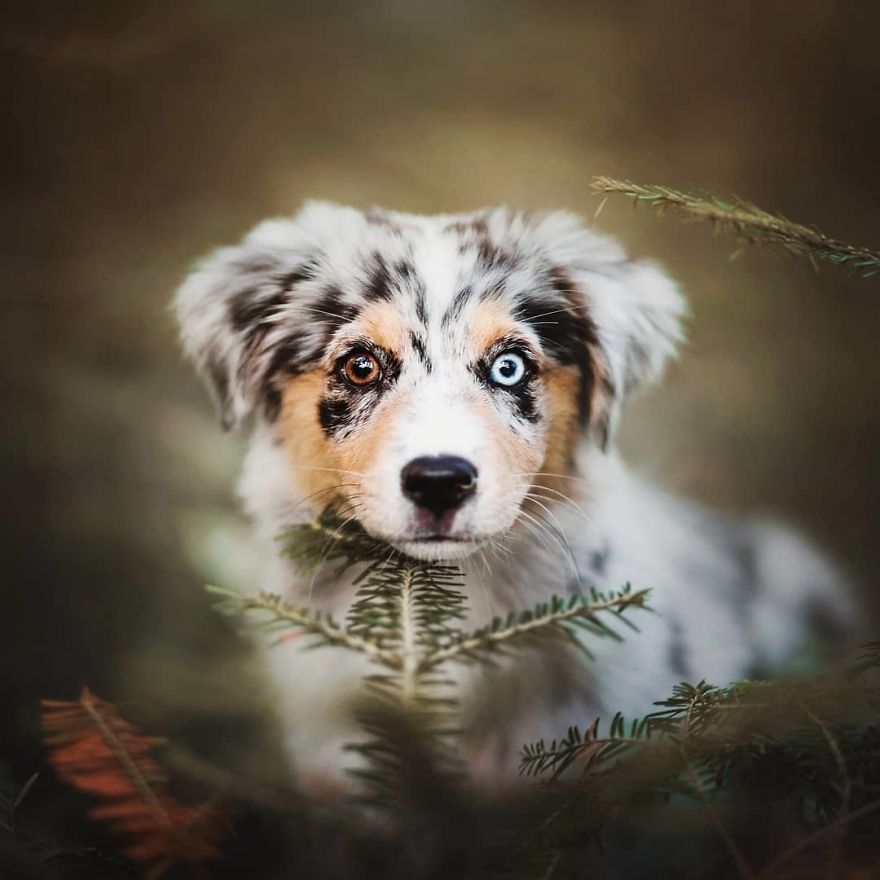
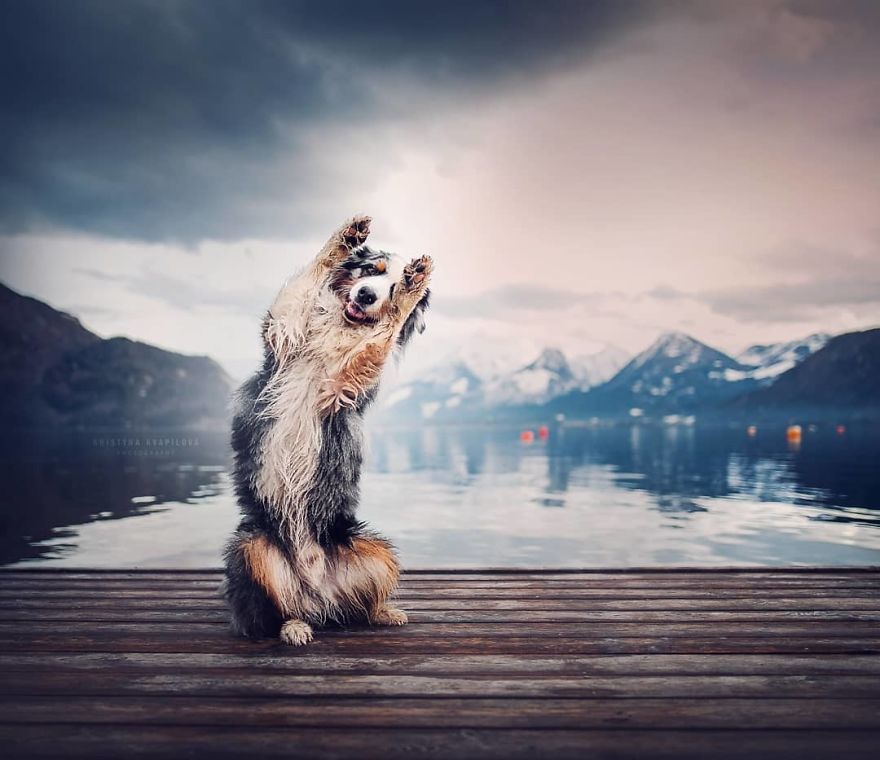
Yet more of those gorgeous photos by Kristýna Kvapilová.
oooo
oooo
oooo
oooo

oooo
oooo
oooo
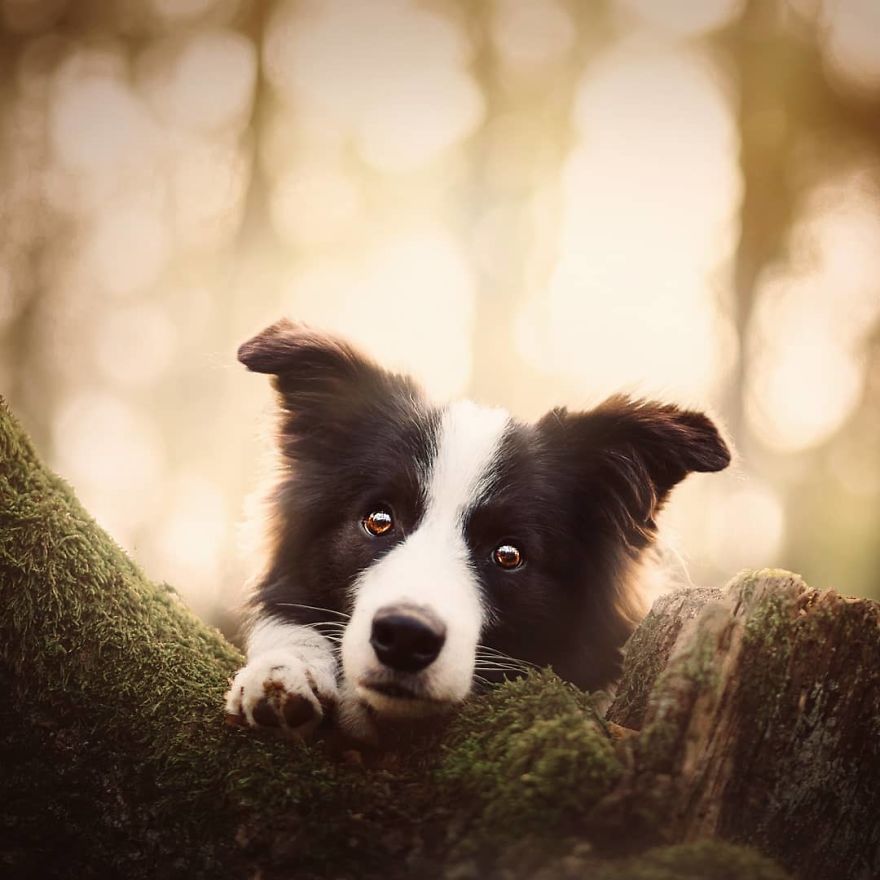
As I said last week these were all taken from here.
Again, I am going to take a short break and will see you all in the New Year; on January 2nd, 2019.
Times they are a changing!
I am speaking of the summer months and the risk of animals being burnt. Mind you, as the following article shows, summer is stretching it a bit. This article was published on December 10th!
But whenever it was published it’s a good news story.
ooOOoo
By JACQUELINE GULLEDGE December 10, 2018.
Just this past month, California suffered its worst wildfire in the state’s history. Camp Fire in Paradise, California burned 220 acres and claimed the lives of 85 people. The vast majority of residents had little-to-no warning to evacuate, and many pets were left behind and left to fend for themselves along with the wildilfe.
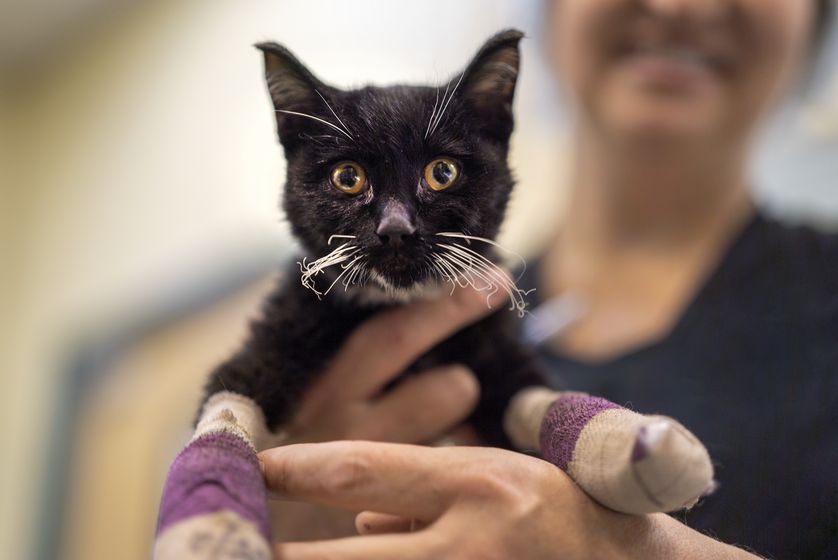
Several dogs and cats burned in the fire ended up at Valley Oak Veterinary Center in Chico. When Dr. Jamie Peyton, chief of the Integrative Medicine Service at the UC Davis Veterinary Medical Teaching Hospital, heard about the animals, she volunteered to treat them with the innovative method of using tilapia skin on their burns. (This is the first time dogs and cats have been treated with tilapia skin for burns.) The kitten pictured above suffered third degree burns on some of his paws and lost the pads to all his feet.
“Their paws have been badly burned,” said Dusty Spencer, a veterinary surgeon at VCA Valley Oak Veterinary Center. “Their whiskers are singed or gone. Some of them have had really bad burns on their eyelids and nose.”

An 8-year-old Boston terrier mix named Olivia was one of the first dogs to receive treatment.
Olivia’s owners, Curtis and Mindy Stark, were out of town when the blaze began. Fortunately, Olivia has a microchip and was reunited with her owners. She suffered second-degree burns to her paws, legs and side, but it wasn’t long till she was feeling better thanks to the tilapia skin.
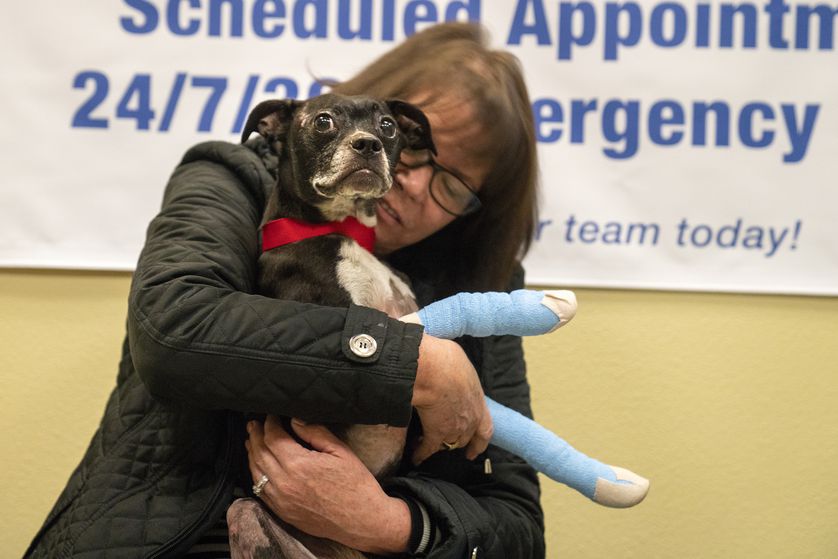
“It was a day and night difference,” said Curtis Stark. “She got up on the bed and did a back flip. That is the first time we saw her acting like she was before.”
Treatment also works for the most severe burns
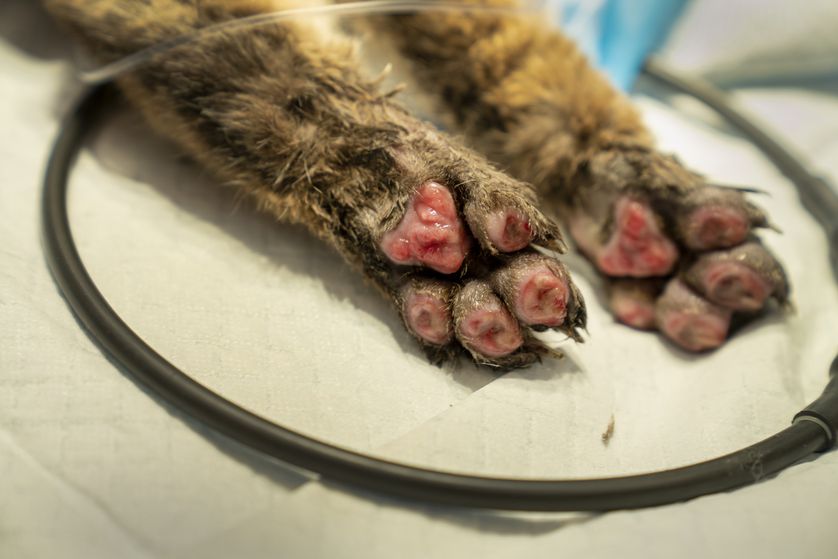
Pets weren’t the only animals to suffer during the wildfire. Many wild animals desperately tried to flee but couldn’t.
A bobcat was also brought in for treatment. Peyton tells MNN the bobcat suffered third- to fifth-degree burns on his paws. A fifth-degree burn means the burn goes down to the bone. The animal was very thin due to his inability to hunt for food and lack of food sources after the fire. In the week since the bobcat received his first treatment, he has had three tilapia bandage changes. “Each one seems to be showing marked improvement and he is moving well and showing a lot of spunk at his rehabilitation home,” said Peyton.
It will be several months before the bobcat can be released back in the wild, but Peyton’s goal is to “help him heal as soon as possible to allow him to get back to his home.”
Previously, Peyton treated a bear cub injured in California’s Carr Fire back in August and before that two bears and a mountain lion from the Thomas Fire earlier this year.
Previous success for other injured wildlife
This summer, the Carr Fire near Redding, California burned for more than a month and scorched more than 229,000 acres — also forcing many wild animals to try and escape.
On Aug. 2, a Pacific Gas & Electric Company contractor spotted an injured black bear cub lying in the ash, unable to walk on her paws. She was the latest victim of the Carr Fire — and luckily, one the contractor knew he could help. The contractor called Lake Tahoe Wildlife Care, a certified wildlife rehabilitation facility.
A team was quickly mobilized to rescue the cub. Officers from the California Department of Fish and Wildlife (CDFW) cleared a safe path and tranquilized the cub to carry her to safety. The cub was brought to a lab to be treated by a team of veterinarians from CDFW and the University of California, Davis.
“Generally speaking, an animal that has survived a fire and is walking around on its own should be left alone, but that wasn’t the case here,” CDFW’s Environmental Program Manager Jeff Stoddard said. “In addition to her inability to stand or walk, there were active fires burning nearby, and with the burn area exceeding 125 square miles and growing, we weren’t sure there was any suitable habitat nearby to take her to.”
How does tilapia skin work for treating burns?
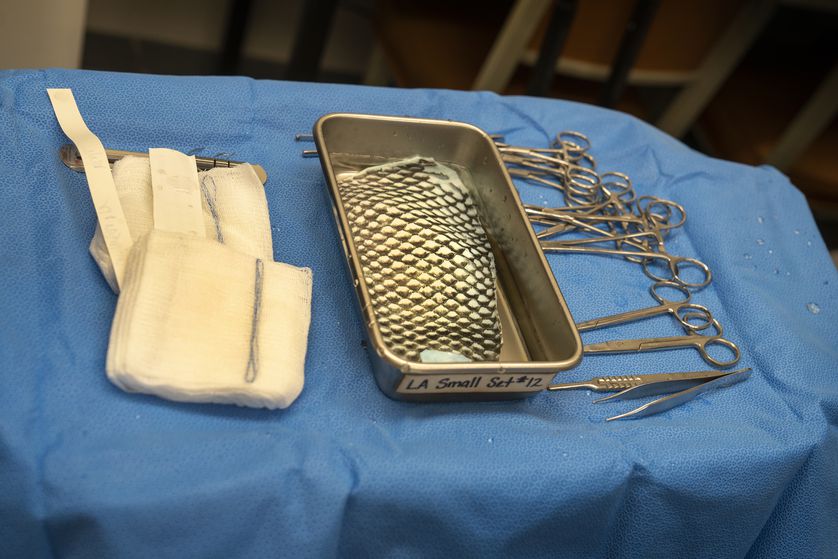
“The tilapia skins provide direct, steady pressure to the wounds, keep bacteria out and stay on better and longer than any kind of regular, synthetic bandage would,” Peyton said. “The complete treatment also includes application of antibiotics and pain salve, laser treatments and acupuncture for pain management.”
The cub is the third bear in the state to be treated for burns with tilapia skin. Earlier this year after the Thomas fire, two bears and a mountain lion also received similar treatment. With each animal being treated, Peyton and her team grow more optimistic that tilapia skin is an effective treatment for burns that can be used in veterinary hospitals around the world.
“Just like we’ve seen in other species, we’re seeing increased pain relief. We’re seeing wound healing and an overall increased comfort,” said Peyton. “One of the most important things about being at UC Davis VMTH is that we are learning new techniques, but they don’t make much of a difference unless we can use them in the community.”
Editor’s note: This article has been updated since it was originally published in August 2018.
ooOOoo
Reading this article leaves me with the impression that there are a great number of good people out there!
As seen on the EarthSky website.
There were a number of photographs of Comet 46P/Wirtanen on this site.
But the one that really leapt off the page, so to speak, was this one:
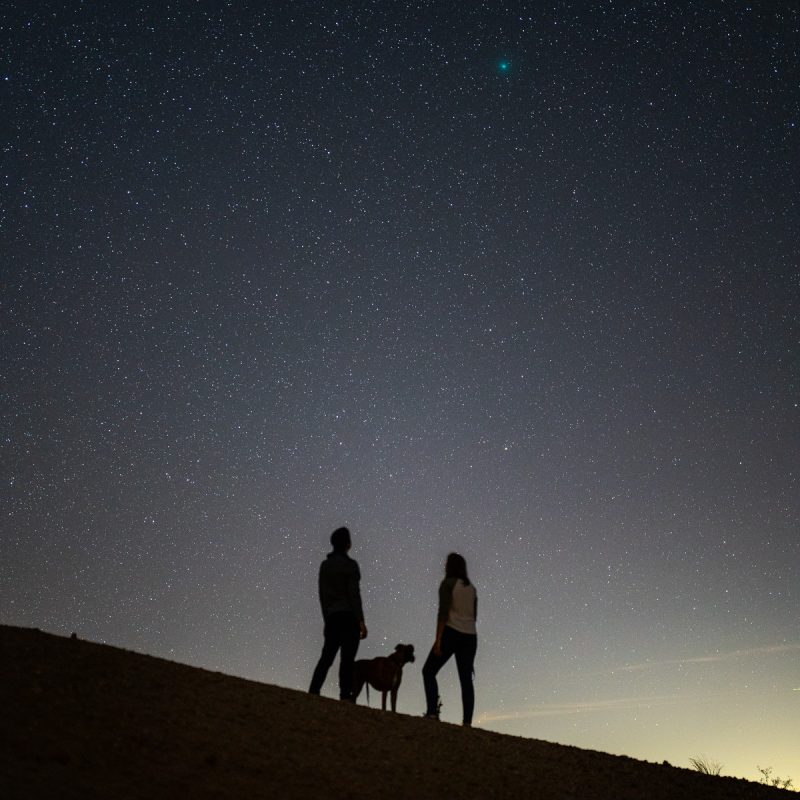
Jack Fusco Photography in California wrote: “Hi EarthSky! I’m so excited to share my 1st photo of comet 46P/Wirtanen! We took our boxer, Kona, out to the Anza Borrego Desert with us and came home with a new family photo. : ) I shared some behind-the-scenes and outtakes over on my blog as well.” Awesome photo, and thanks for the how-to-photograph info on your blog, Jack!
Amazing!
Good people, this is mid-Winter.
(Northern Hemisphere only.)
OK, not in the sense of weather because the worse is yet to come I’m sure. But in terms of the movement of the Planet Earth in its orbit around the Sun. And that’s what matters!
This is a really ancient moment as the following article published in The Conversation explains in much more detail.
ooOOoo
By Associate Professor of Environmental Studies, The University of Montana
December 13th, 2018.
On the day of winter solstice, many Native American communities will hold religious ceremonies or community events.
The winter solstice is the day of the year when the Northern Hemisphere has the fewest hours of sunlight and the Southern Hemisphere has the most. For indigenous peoples, it has been a time to honor their ancient sun deity. They passed their knowledge down to successive generations through complex stories and ritual practices.
As a scholar of the environmental and Native American religion, I believe, there is much to learn from ancient religious practices.
Ancient architecture
For decades, scholars have studied the astronomical observations that ancient indigenous people made and sought to understand their meaning.
One such place was at Cahokia, near the Mississippi River in what is now Illinois across from St. Louis.

In Cahokia, indigenous people built numerous temple pyramids or mounds, similar to the structures built by the Aztecs in Mexico, over a thousand years ago. Among their constructions, what most stands out is an intriguing structure made up of wooden posts arranged in a circle, known today as “Woodhenge.”
To understand the purpose of Woodhenge, scientists watched the sun rise from this structure on winter solstice. What they found was telling: The sun aligned with both Woodhenge and the top of a temple mound – a temple built on top of a pyramid with a flat top – in the distance. They also found that the sun aligns with a different temple mound on summer solstice.
Archaeological evidence suggests that the people of Cahokia venerated the sun as a deity. Scholars believe that ancient indigenous societies observed the solar system carefully and wove that knowledge into their architecture.
Scientists have speculated that the Cahokia held rituals to honor the sun as a giver of life and for the new agricultural year.
Complex understandings
Zuni Pueblo is a contemporary example of indigenous people with an agricultural society in western New Mexico. They grow corn, beans, squash, sunflowers and more. Each year they hold annual harvest festivals and numerous religious ceremonies, including at the winter solstice.
At the time of the winter solstice they hold a multiday celebration, known as the Shalako festival. The days for the celebration are selected by the religious leaders. The Zuni are intensely private, and most events are not for public viewing.
But what is shared with the public is near the end of the ceremony, when six Zuni men dress up and embody the spirit of giant bird deities. These men carry the Zuni prayers for rain “to all the corners of the earth.” The Zuni deities are believed to provide “blessings” and “balance” for the coming seasons and agricultural year.
As religion scholar Tisa Wenger writes, “The Zuni believe their ceremonies are necessary not just for the well-being of the tribe but for “the entire world.”
Winter games
Not all indigenous peoples ritualized the winter solstice with a ceremony. But that doesn’t mean they didn’t find other ways to celebrate.
The Blackfeet tribe in Montana, where I am a member, historically kept a calendar of astronomical events. They marked the time of the winter solstice and the “return” of the sun or “Naatosi” on its annual journey. They also faced their tipis – or portable conical tents – east toward the rising sun.
They rarely held large religious gatherings in the winter. Instead the Blackfeet viewed the time of the winter solstice as a time for games and community dances. As a child, my grandmother enjoyed attending community dances at the time of the winter solstice. She remembered that each community held their own gatherings, with unique drumming, singing and dance styles.
Later, in my own research, I learned that the Blackfeet moved their dances and ceremonies during the early reservation years from times on their religious calendar to times acceptable to the U.S. government. The dances held at the time of the solstice were moved to Christmas Day or to New Year’s Eve.
 The solstice. Divad, from Wikimedia Commons
Today, my family still spends the darkest days of winter playing card games and attending the local community dances, much like my grandmother did.
Although some winter solstice traditions have changed over time, they are still a reminder of indigenous peoples understanding of the intricate workings of the solar system. Or as the Zuni Pueblo’s rituals for all peoples of the earth demonstrate – of an ancient understanding of the interconnectedness of the world.
ooOOoo
Let me pick up on the last sentence: “Or as the Zuni Pueblo’s rituals for all peoples of the earth demonstrate – of an ancient understanding of the interconnectedness of the world.”
We are all of us interconnected across the world. We have been for a very long time.
The importance of understanding this, truly understanding this, is critical to our future.
 Learning from Dogs