Category: Education

A Tilt of the Head

Head-tilting in dogs.

There have been two recent articles on head-tilting in dogs. One was published by Springer Link and was a scientific report; the Abstract as follows:

Little is known about head-tilts in dogs. Based on previous investigations on the head turning and the lateralised brain pattern of human speech processing in dogs, we hypothesised that head-tilts may be related to increased attention and could be explained by lateralised mental functions. We observed 40 dogs during object-label knowledge tests and analysed head-tilts occurring while listening to humans requesting verbally to fetch a familiar toy. Our results indicate that only dogs that had learned the name of the objects tilted their heads frequently. Besides, the side of the tilt was stable across several months and tests. Thus, we suggest a relationship between head-tilting and processing relevant, meaningful stimuli.

The other report was a more easy read, so to speak, and is from Treehugger and that is the one that I shall share with you.

ooOOoo

Why Brilliant Dogs Tilt Their Heads.

They’re processing relevant information.

By Mary Jo DiLonardo

Mary Jo DiLonardo

Published November 12, 2021

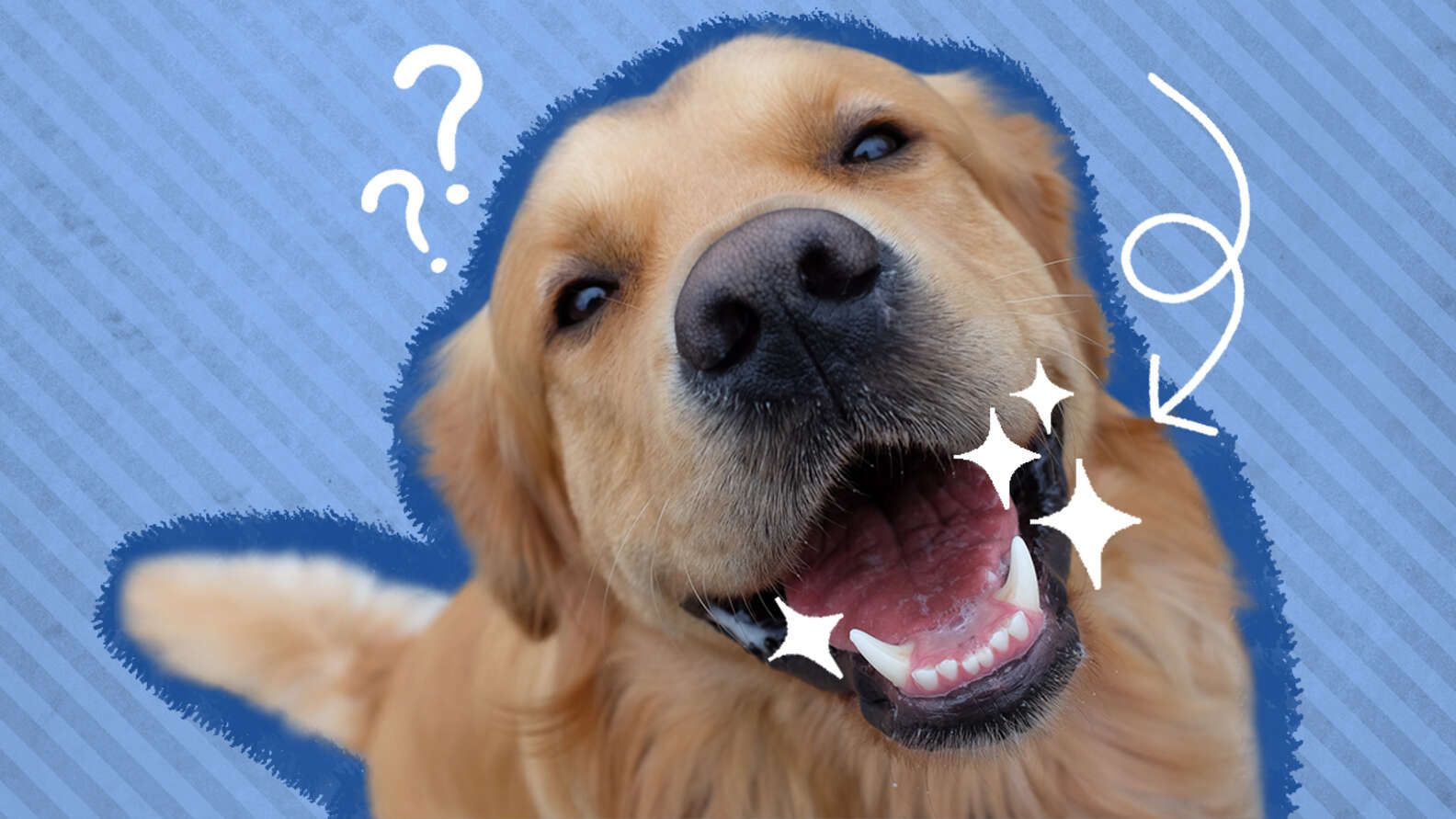
Tetra Images – Jessica Peterson / Getty Images

Ask your dog a question, and there’s a good chance he’ll tilt his head as he ponders his response.

The head tilt is a cute canine maneuver that gives the impression your pup is paying attention to you. But there’s been little scientific research analyzing the behavior.

In a new study of “gifted” dogs, researchers found that dogs that can easily learn the names of their toys tilt their heads when their owners ask them to fetch a specific toy. And they typically tilt their heads consistently to the same side.1

Data was collected during the Genius Dog Challenge, a series of experiments that were broadcast on social media, showing dogs retrieving their toys by name. The information was also collected during an earlier study that researched how some dogs are able to learn the names of many of their toys.2

These dogs were dubbed “gifted word learners” by researchers.

“We started studying this phenomenon after we realised that all of us observed this behaviour very often when we were testing the gifted word learner (GWL) dogs,” lead researcher Andrea Sommese, from the Family Dog Project at the Eötvös Loránd University in Budapest, tells Treehugger. 

“It’s such a cute, common behaviour but we didn’t know why our dogs were doing it and most of all, why so often!”

Gifted Learners 

For their work, researchers searched globally for two years, looking for dogs that had the ability to quickly memorize the names of their toys. They also created the Genius Dog Challenge, a research project and social media campaign, to find even more brilliant pups.3

They found six border collies that live in different countries, who all learned toy names just while playing with their owners. For the challenge, these gifted word learners had a week to learn the names of six toys. During the second stage, they had a week to try to learn the names of a dozen toys.4

“In all our experiments we found that the GWL dogs were tilting the head very often. It wasn’t just during the challenge but also when we were testing them every month,” Sommese says.

“We believe that there is a relationship between head tilting and processing relevant, and meaningful stimuli as our GWL dogs only showed this behaviour during the test when their owners were saying the name of a toy.”

In one experiment, researchers observed 40 dogs for three months as they attempted to learn the names of two new toys. The dogs sat or stood in front of their owners when they were asked to fetch one of the toys by pronouncing its name. (For example, “bring rope!”) The dogs would then go to another room and attempt to retrieve the correct toy.1

The researchers found that the gifted word learner dogs tilted their heads 43% of the time versus the typical dogs that only tilted in 2% of trials.1

The results were published in the journal Animal Cognition.

Choosing Sides

Dogs, horses, and other animals—including humans—show asymmetry in the way they perceive the world around them. They prefer one ear, eye, hand (or paw) over the other when interacting with the environment.5

“A typical way to show asymmetry, especially in humans, is handedness. Most of us are right-handed but there are still left-handed people around. The same can happen to animals,” Sommese says.

“Of course, it doesn’t always have to be a ‘hand’ or a paw in their case, it can be an eye or an ear. For instance, in dogs, even the inclination their tails have when they’re wagging is a sign of asymmetrical behaviour.”

In the study, researchers found that the dogs also showed asymmetry, nearly always tilting their heads to the same side.1

What About Typical Dogs?

Researchers say the findings suggest there’s a connection between head tilting and processing relevant and meaningful stimuli.5

But their results are limited because they only studied these brilliant pups who have learned toy names.

“Even if typical dogs are not able to learn the names of many toys as we showed with our previous study, typical dogs still tilt their head,” Sommese says. “It seems that even in them this might be in response to meaningful stimuli—but we don’t know what meaningful means for a typical dog just yet.”

Article Sources

  1. Sommese, Andrea, et al. “An Exploratory Analysis of Head-Tilting in Dogs.” Animal Cognition, 2021, doi:10.1007/s10071-021-01571-8
  2. Talk-To-Tilt: Head Tilting In Dogs.” ELTE Institute of Biology, 2021.
  3. Shany Dror, from the Family Dog Project, Eötvös Loránd University in Budapest
  4. The Challenge.” Genius Dog Challenge.
  5. lead researcher Andrea Sommese, from the Family Dog Project at the Eötvös Loránd University in Budapest

ooOOoo

Now I see The Smithsonian magazine has jumped on the bandwagon. Here is a small piece from their article:

“The next step is asking more questions to get at what the head tilt really means,” says Monique Udell, a human-animal interaction researcher at Oregon State University who wasn’t involved in the work, to Rachel Fritts of Science. “Can we use head tilting to predict word-learning aptitude, or attention, or memory?”

But The Smithsonian has to be thanked for mentioning Monique Udell because one can quickly find her details:

Monique Udell

Dr. Udell is the Director of the Human-Animal Interaction Laboratory and teaches courses on Animal Behavior & Cognition, Applied Animal Behavior, Animal Learning, Behavior Modification and Enrichment within the Department of Animal & Rangeland Sciences at OSU.

Her research interests include:

  • Human-animal interactions & bonding, including animal training and animal assisted intervention programs aimed at improving the lives of humans and animals through mutually beneficial interactions.
  • Lifetime and evolutionary factors influencing the social development and wellbeing of canines (dogs and wolves), domestic cats, and other captive and domesticated species.
  • Evaluating and improving the welfare of animals living as companion, working, or production animals.

More details can be found at the Human-Animal Interaction lab website: TheHumanAnimalBond.com

If anyone wants to contact her then her email address is: monique.udell@oregonstate.edu

I think I will simply because I would like to know more about her work!
Science on the business of loving our dogs (and cats).

A fascinating article!

I have long subscribed to The Conversation and shared quite a few stories with you good people. But this recent one was a terrific report.

Read it yourself and I am sure you will agree with me.

ooOOoo

New research suggests cat and dog ‘moms’ and ‘dads’ really are parenting their pets – here’s the evolutionary explanation why.

Pet parenting can provide love and companionship to both human and animal. Willie B. Thomas/DigitalVision via Getty Images

Shelly Volsche, Boise State University

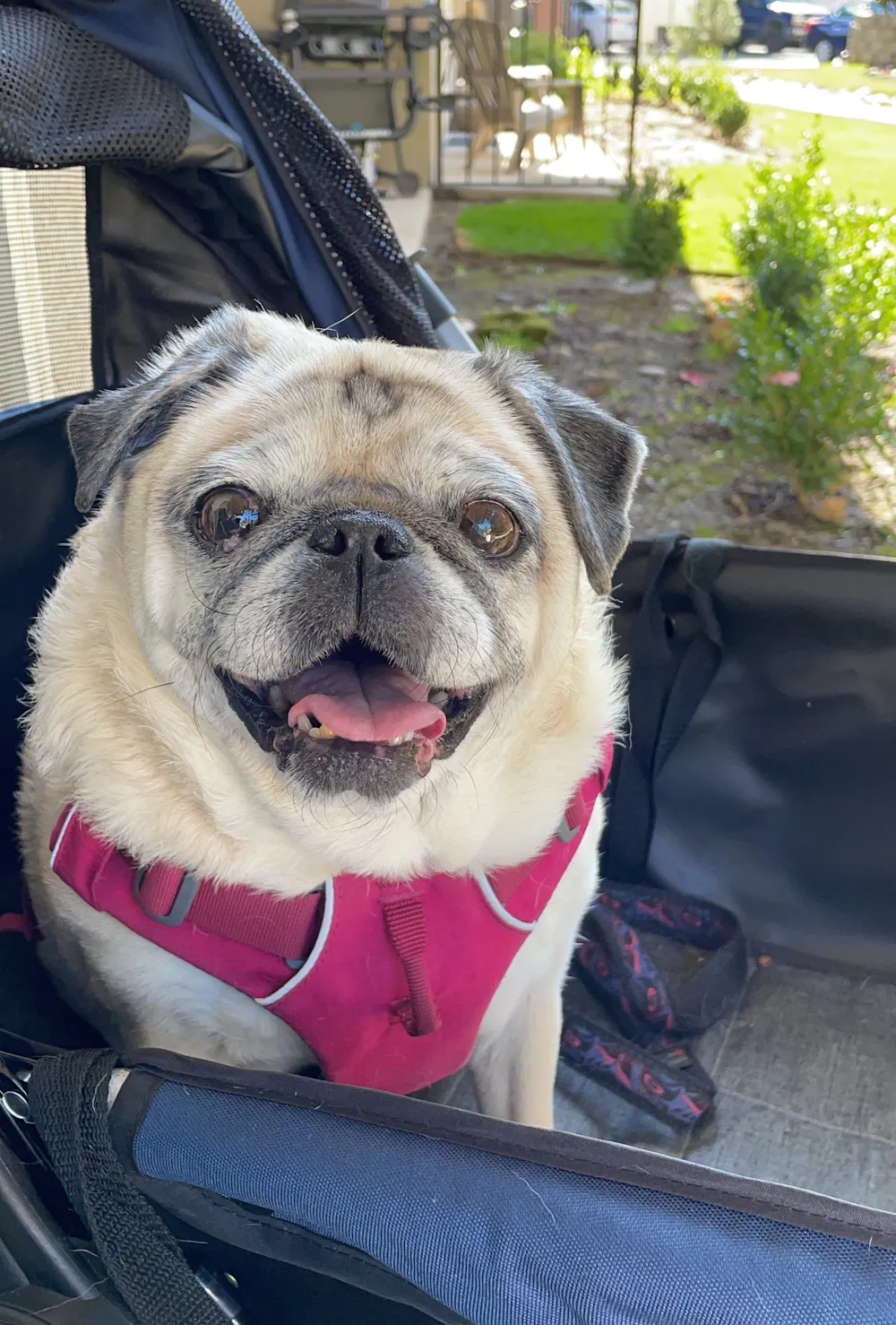
old pug dog in a stroller and harness
A pup out for a stroll, without paws touching the ground. Shelly Volsche, CC BY-ND

Have you noticed more cats riding in strollers lately? Or bumper stickers that read, “I love my granddogs”? You’re not imagining it. More people are investing serious time, money and attention in their pets.

It looks an awful lot like parenting, but of pets, not people.

Can this kind of caregiving toward animals really be considered parenting? Or is something else going on here?

I’m an anthropologist who studies human-animal interactions, a field known as anthrozoology. I want to better understand the behavior of pet parenting by people from the perspective of evolutionary science. After all, cultural norms and evolutionary biology both suggest people should focus on raising their own children, not animals of a completely different species.

More child-free people, more pet parents

The current moment is unique in human history. Many societies, including the U.S., are experiencing major changes in how people live, work and socialize. Fertility rates are low, and people have more flexibility in how they choose to live their lives. These factors can lead people to further their education and value defining oneself as an individual over family obligations. With basics taken care of, people can focus on higher order psychological needs like feelings of achievement and a sense of purpose.

The scene is set for people to actively choose to focus on pets instead of children.

In earlier research, I interviewed 28 self-identified child-free pet owners to better understand how they relate to their animals. These individuals pointedly shared that they had actively chosen cats and dogs instead of children. In many cases, their use of parent-child relational terms – calling themselves a pet’s “mom” for instance – was simply shorthand.

They emphasized fulfilling the species-specific needs of their dogs and cats. For example, they might fulfill the animal’s need to forage by feeding meals using a food puzzle, while most children are fed at the table. These pet owners acknowledged differences in the nutrition, socialization and learning needs of animals versus children. They were not unthinkingly replacing human children with “fur babies” by treating them like small, furry humans.

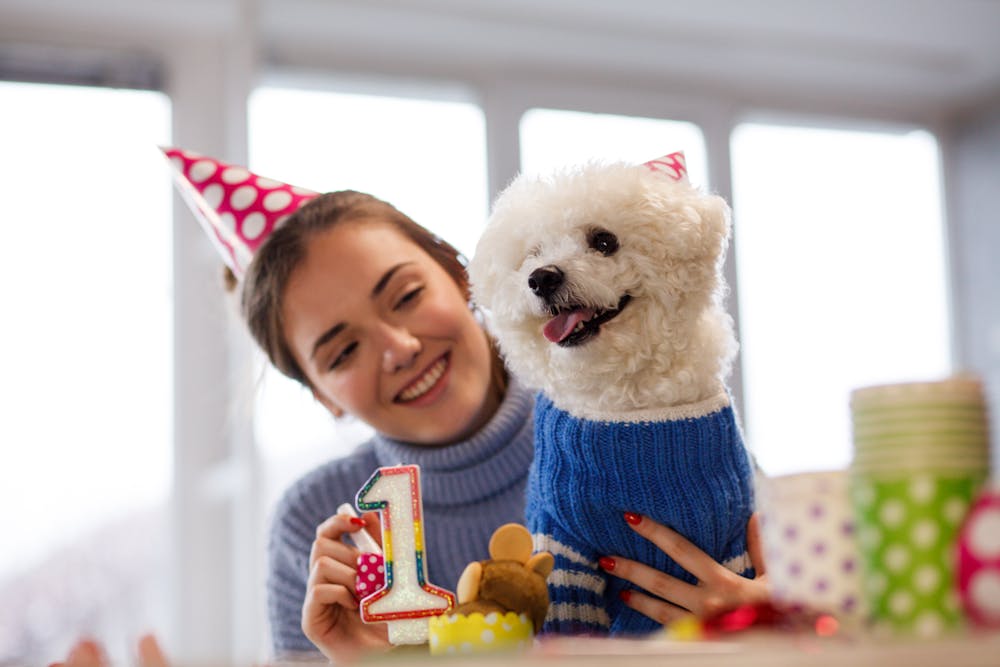
woman with party hat with dog
Pet parents might celebrate their dog’s big day – but with a doggy treat and not chocolate cake. fotostorm/E+ via Getty Images

Other researchers find similar connections, showing that child-free pet owners perceive their companions as emotional, thinking individuals. This way of understanding the mind of the animal helps lead to the development of a parent identity toward companion animals. In other cases, uncertain individuals find their need to nurture sufficiently fulfilled by caring for pets, cementing their fertility decisions to remain child-free.

Nurturing others is part of being human

Yet, these findings still do not answer this question: Are people who choose pets over children truly parenting their pets? To answer, I turned to the evolution of parenting and caregiving.

Evolutionary anthropologist Sarah Hardy wrote in 2009 that humans are cooperative breeders. This means it is literally in our DNA and our ancestral history to help care for offspring who are not our own. Anthropologists and biologists call this trait alloparenting. It is an evolutionary adaptation that helped human beings who cooperatively raised children survive. For early humans, this ancient environment was likely made up of small, foraging societies in which some people exchanged child care for food and other resources.

I propose that it is this evolutionary history that explains pet parenting. If people evolved to alloparent, and our environment is now making caring for children more difficult or less appealing to some, it makes sense for people to alloparent other species entering their homes. Alloparenting companion animals can offer a way to fulfill the evolved need to nurture while reducing the investment of time, money and emotional energy compared to raising children.

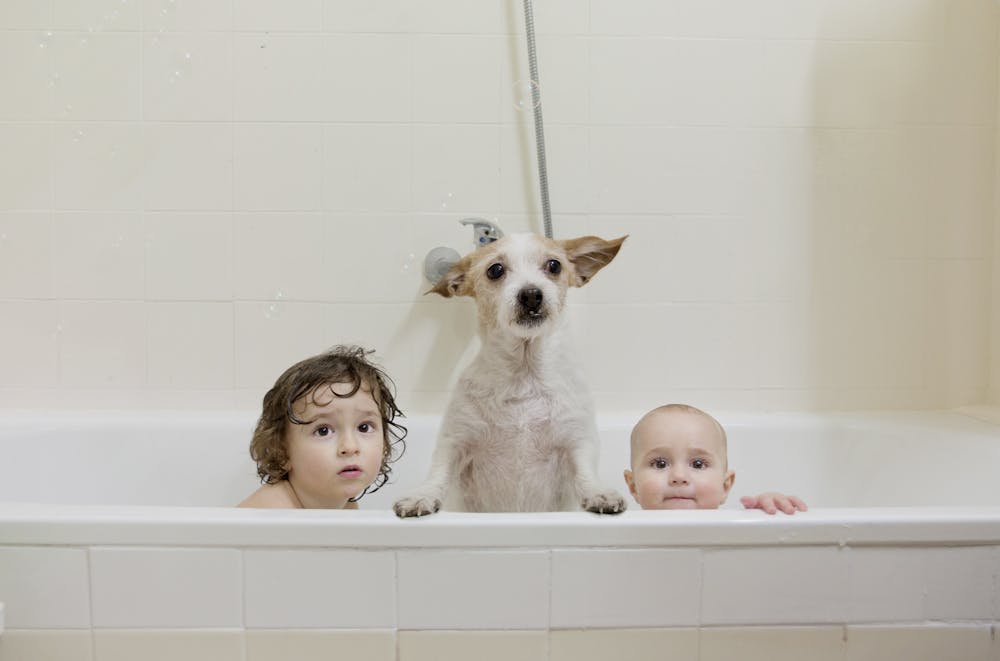
two kids and dog bathing in tub
Do people relate to animals differently in families with children? Mayte Torres/Moment via Getty Images

Untangling differences in caring for pets

To further understand this phenomenon of child-free adults parenting pets, I launched an online survey via social media, seeking responses from U.S.-based dog and cat owners over the age of 18. The survey included questions about attachment and caregiving behaviors using the Lexington Attachment to Pets Scale. It also asked a series of questions I developed to probe specific human caretaking behaviors oriented toward pets – things like feeding, bathing and training – as well as how much autonomy companion animals had in the home.

The final sample of 917 respondents included 620 parents, 254 nonparents and 43 people who were undecided or did not answer. Most of the respondents were also married or in a domestic partnership for over one year (57%), between the ages of 25 and 60 (72%) and had at least a bachelor’s degree (77%). They were also mostly women (85%) and heterosexual (85%), a common situation in human-animal interactions research.

Both parents and nonparents reported high amounts of training and play with their pets. This finding makes sense given that all pet owners need to help their dogs and cats learn how to navigate a human world. Survey respondents reported socializing, training and enrichment, including play, for their animals.

Nonparents were more likely to be the one providing general care for the animal. This finding also makes sense since parents often adopt or purchase companion animals as a way to help their children learn responsibility and to care for others. Child-free animal owners invest time, money and emotional energy directly in their pets.

Nonparents reported higher rates of general attachment to their animals. They more frequently viewed their pets as individuals. Nonparents were also more likely to use family terms such as “parent,” “child,” “kids” and “guardians” when referring to their relationships with their pet.

woman on couch petting cat
Caring for another being can be fulfilling and rewarding. Delmaine Donson/E+ via Getty Images

It is this difference, combined with the evidence from my earlier research that these individuals address the species-specific needs of the dogs and cats in their care, that suggests pet parenting is, truly, parenting pets. Though the details may look quite different – attending training classes instead of school functions, or providing smell walks for dogs instead of coloring books for children – both practices fulfill the same evolved function. Whether child or pet, people are meeting the same evolved need to care for, teach and love a sentient other.

My colleagues and I continue to collect data from all over the world about how people live with animals. For now, this study provides evidence that, perhaps rather than being evolved to parent, humans are evolved to nurture. And as a result, who and when we parent is much more flexible than you might initially believe.

[Get our best science, health and technology stories. Sign up for The Conversation’s science newsletter.]

Shelly Volsche, Clinical Assistant Professor of Anthropology, Boise State University

This article is republished from The Conversation under a Creative Commons license. Read the original article.

ooOOoo

Shelly does a fabulous job of looking more closely at the science and it is a science that has a very wide appeal. For in the UK, according to the RSPCA, “In the UK, it’s estimated that 12 million (44 percent of) households have pets with around 51 million pets owned.

Here in America The Washington Post reported that: “Google the U.S. pet population, and you’re quickly confronted with two oft-cited, and contradictory, sources. The American Pet Products Association (APPA) found that 68 percent of U.S. households owned some sort of pet in 2016 — “equal to the highest level ever reported,” it gushed in the executive summary. Among those pets were about 90 million dogs and 94 million cats, the group said.

That is just two countries. The worldwide population of dogs and cats must be gigantic.

Dream on, dear dog!

An article as to whether dogs dream.

James Dean was an American actor. He was killed in a highway accident on September 30, 1955. But he left a quote:

Dream as if you’ll live forever. Live as if you’ll die today.

My article today is yet another one from The Dodo. It was published in early August this year and I am surprised that I have not shared it before. It is whether dogs dream or not.

ooOOoo

Do Dogs Dream?

Those little foot twitches 🥺

By Sam Howell, published on the 2nd August, 2021.

There’s nothing cuter than when your dog’s little paws are twitching in her sleep.

But it’s probably made you wonder: Is your dog actually dreaming?

The Dodo spoke with Dr. Megan Dundas, veterinarian and practice owner at Lincolndale Veterinary Center in New York, to find out just what’s going on in your sleepyhead’s sleepy head.

Do dogs have dreams?

For a long time, no one actually knew if dogs could even have dreams.

Since your pup can’t just wake up from a nap and tell you all about the weird dream she just had, scientists had to figure it out by discovering similarities between dogs’ sleep stages and ours (since we know for sure that people dream).

“It is thought that dogs do dream because studies have shown that dogs have sleep stages, including the REM stage, which is when most dream activity occurs in people,” Dr. Dundas told The Dodo.

But just because dogs go through a REM stage, does that mean they actually dream?

Well, scientists studied rats and found that they do, in fact, dream. So, researchers concluded that dogs must dream, too!

How do dogs’ dreams work?

In order to know how your dog’s dreams work, you’ve got to know about how her sleep cycles work.

“Dogs typically sleep anywhere from 9 to 14 hours in 45-minute sleep periods, with the phases of sleep divided into a wakefulness state, drowsiness, non-REM sleep and REM sleep,” Dr. Dundas explained.

REM stands for rapid eye movement, and it means exactly what it sounds like: Your dog is asleep, but her eyes are moving rapidly and her brain is almost acting like she’s awake (even though she’s asleep).

That’s when she’s going to be dreaming.

“During REM sleep, the neurons of the brain are still active,” Dr. Dundas said. “However, there is a ‘switch’ of sorts that disconnects the motor neurons in the spinal cord from the neuronal activity of the brain.”

Basically, your dog’s brain is still going during REM sleep, but that “switch” keeps her legs from moving.

Why do dogs twitch in their sleep?

“During REM sleep, most muscles are immobile with the exception of some facial muscles, the larynx, paws, tail, diaphragm and muscles of the ribs,” Dr. Dundas explained. 

That means that when your dog’s neurons are firing — signaling her to chase that car she’s dreaming about — only her paws, tail or nose will twitch, since those muscles aren’t immobile like her legs are.

It’s also the reason why you can hear your pup whimpering in her sleep.

“What seems like whining could be attributed to the movement of the muscles of the diaphragm pushing air through the larynx or voice box,” Dr. Dundas said.

And sometimes, that neuron switch that’s supposed to keep your dog’s legs from moving doesn’t actually shut off her motor functions, which is why you might feel like you can see your dog dreaming super intensely.

“The brain’s activity is then allowed to become motor activity, and the dog’s movements can become vigorous or even violent,” Dr. Dundas explained. “The behaviors seen in these situations are thought to be similar to humans acting out dreams.”

“I think it’s fair to say that it is similar to sleepwalking in humans,” Dr. Dundas said. “We can’t know what dogs are dreaming about, and we are making the assumption that they are dreaming in the first place. So we’re assuming that if they are running in their dreams that the coordinated foot movements seen when sleeping, or growling/gnashing behavior, is a sign that the dog is acting out a dream.”

What do you do when your dog is dreaming?

Honestly, nothing.

“As the old saying goes, it is usually best to let sleeping dogs lie,” Dr. Dundas said.

Even if you think your dog is having a nightmare, you’re going to want to let her ride it out.

“If you suspect your dog is having a bad dream, wait until the outward signs of the dream have ended and you can then wake your dog to give some comfort,” Dr. Dundas explained.

That’s because it could be super startling for your pup if she’s suddenly woken up out of nowhere — just like how you feel really weird when you abruptly snap awake in the middle of a nightmare.

“The combination of the excited state of a bad dream and being woken up from a deep sleep could lead to an inadvertent bite,” Dr. Dundas explained.

So if your dog is dreaming, just let her dream! Besides, it’s super cute to watch those teeny toes twitching away.

ooOOoo

Cleo, our female German Shepherd is a great one for moving her legs when she is asleep. So, too, is our Brandy. There are times when Brandy is sleeping on his side against one of our walls and his leg movements can be incredibly loud as his paws hammer against the wood wall.

But in one way or another all our dogs can move their limbs when in a deep sleep.

It is a shame they cannot report to us humans what they were dreaming about!

Darkness!

Chris Impey writes about his specialty in observational cosmology.

This has nothing to do with life, nothing that we are dealing with in our daily affairs, and has nothing to do with our dear dogs. BUT! This is incredibly interesting! Incredibly and beautifully interesting!

ooOOoo

The most powerful space telescope ever built will look back in time to the Dark Ages of the universe

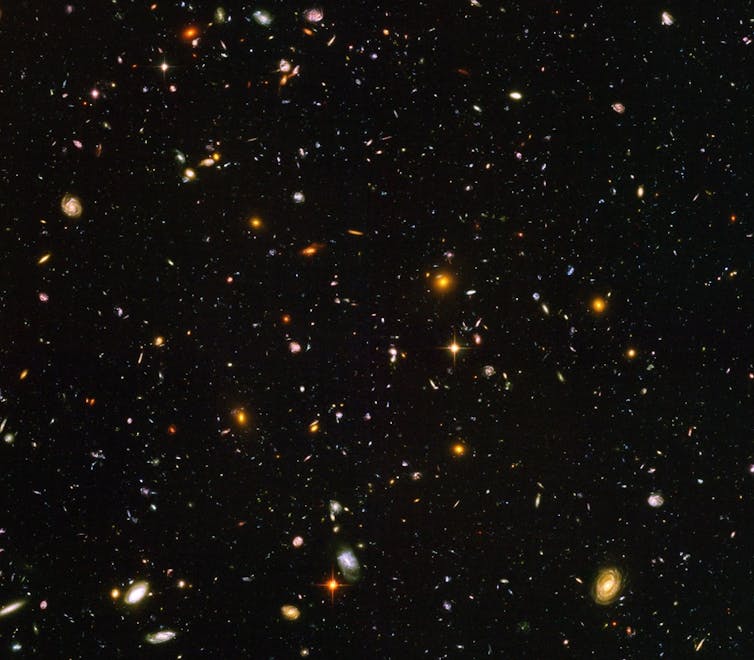
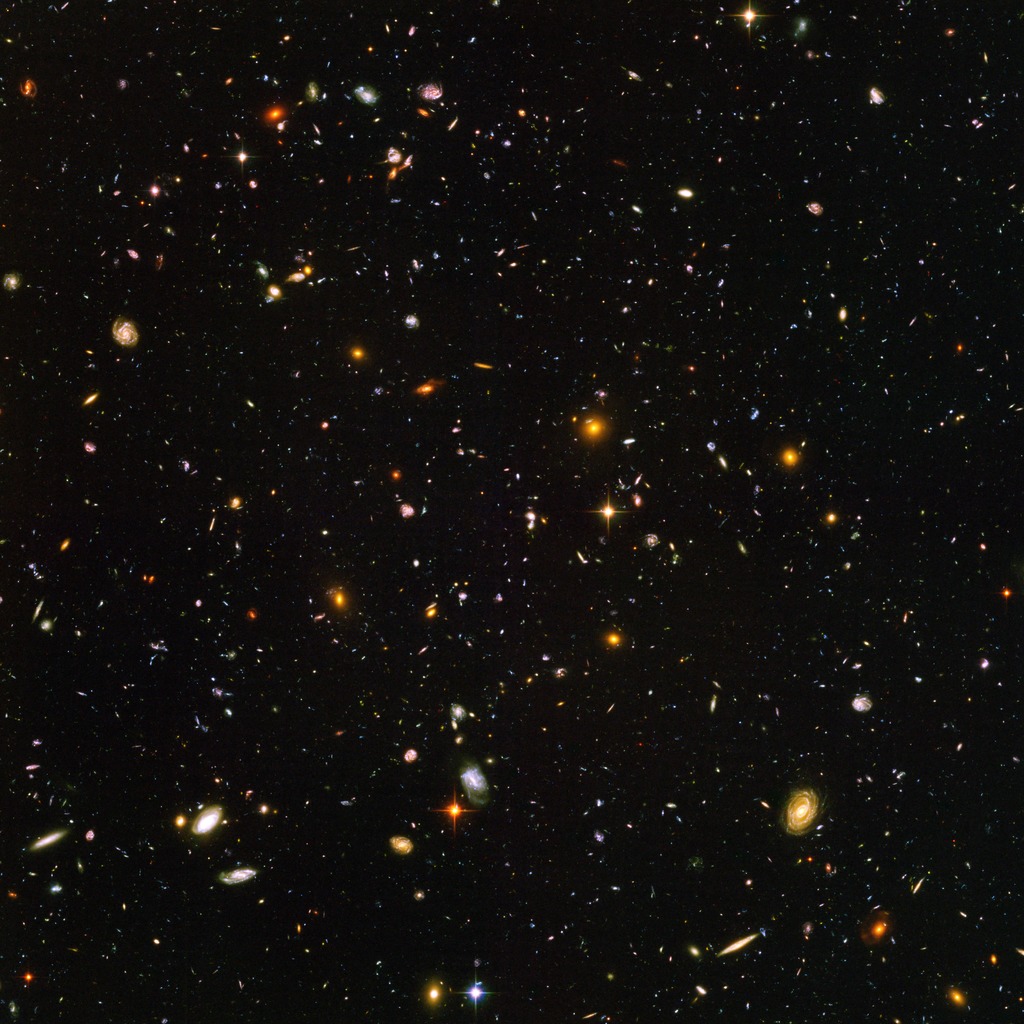
Hubble took pictures of the oldest galaxies it could – seen here – but the James Webb Space Telescope can go back much farther in time. NASA

Chris Impey, University of Arizona

Some have called NASA’s James Webb Space Telescope the “telescope that ate astronomy.” It is the most powerful space telescope ever built and a complex piece of mechanical origami that has pushed the limits of human engineering. On Dec. 18, 2021, after years of delays and billions of dollars in cost overruns, the telescope is scheduled to launch into orbit and usher in the next era of astronomy.

I’m an astronomer with a specialty in observational cosmology – I’ve been studying distant galaxies for 30 years. Some of the biggest unanswered questions about the universe relate to its early years just after the Big Bang. When did the first stars and galaxies form? Which came first, and why? I am incredibly excited that astronomers may soon uncover the story of how galaxies started because James Webb was built specifically to answer these very questions.

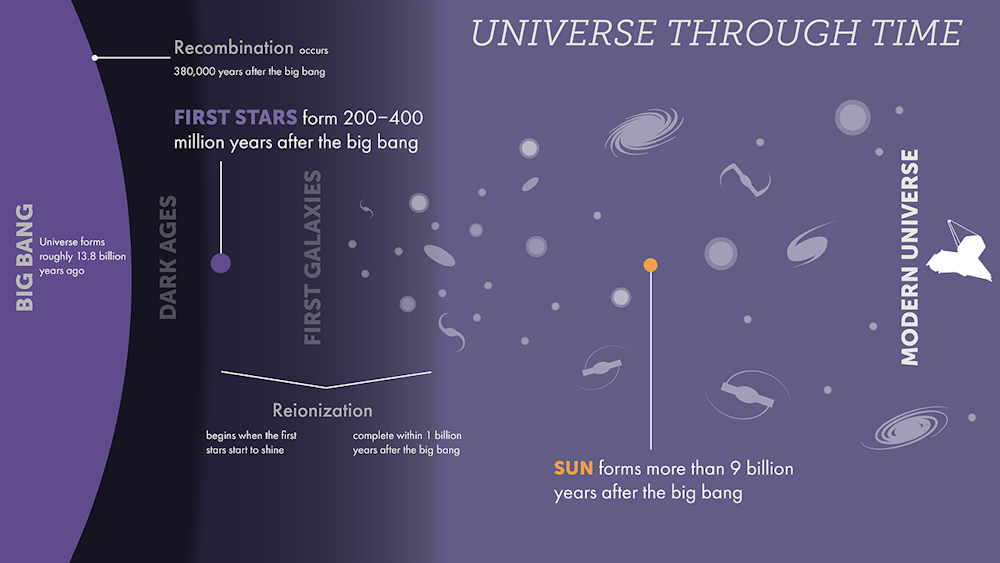
A graphic showing the progression of the Universe through time.
The Universe went through a period of time known as the Dark Ages before stars or galaxies emitted any light. Space Telescope Institute

The ‘Dark Ages’ of the universe

Excellent evidence shows that the universe started with an event called the Big Bang 13.8 billion years ago, which left it in an ultra-hot, ultra-dense state. The universe immediately began expanding after the Big Bang, cooling as it did so. One second after the Big Bang, the universe was a hundred trillion miles across with an average temperature of an incredible 18 billion F (10 billion C). Around 400,000 years after the Big Bang, the universe was 10 million light years across and the temperature had cooled to 5,500 F (3,000 C). If anyone had been there to see it at this point, the universe would have been glowing dull red like a giant heat lamp.

Throughout this time, space was filled with a smooth soup of high energy particles, radiation, hydrogen and helium. There was no structure. As the expanding universe became bigger and colder, the soup thinned out and everything faded to black. This was the start of what astronomers call the Dark Ages of the universe.

The soup of the Dark Ages was not perfectly uniform and due to gravity, tiny areas of gas began to clump together and become more dense. The smooth universe became lumpy and these small clumps of denser gas were seeds for the eventual formation of stars, galaxies and everything else in the universe.

Although there was nothing to see, the Dark Ages were an important phase in the evolution of the universe.

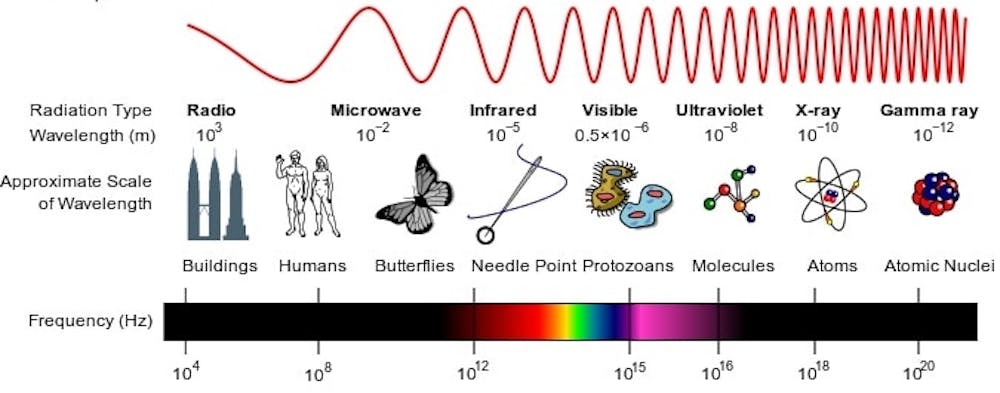
A diagram showing different wavelengths of light compared to size of normal objects.
Light from the early universe is in the infrared wavelength – meaning longer than red light – when it reaches Earth. Inductiveload/NASA via Wikimedia Commons, CC BY-SA

Looking for the first light

The Dark Ages ended when gravity formed the first stars and galaxies that eventually began to emit the first light. Although astronomers don’t know when first light happened, the best guess is that it was several hundred million years after the Big Bang. Astronomers also don’t know whether stars or galaxies formed first.

Current theories based on how gravity forms structure in a universe dominated by dark matter suggest that small objects – like stars and star clusters – likely formed first and then later grew into dwarf galaxies and then larger galaxies like the Milky Way. These first stars in the universe were extreme objects compared to stars of today. They were a million times brighter but they lived very short lives. They burned hot and bright and when they died, they left behind black holes up to a hundred times the Sun’s mass, which might have acted as the seeds for galaxy formation.

Astronomers would love to study this fascinating and important era of the universe, but detecting first light is incredibly challenging. Compared to massive, bright galaxies of today, the first objects were very small and due to the constant expansion of the universe, they’re now tens of billions of light years away from Earth. Also, the earliest stars were surrounded by gas left over from their formation and this gas acted like fog that absorbed most of the light. It took several hundred million years for radiation to blast away the fog. This early light is very faint by the time it gets to Earth.

But this is not the only challenge.

As the universe expands, it continuously stretches the wavelength of light traveling through it. This is called redshift because it shifts light of shorter wavelengths – like blue or white light – to longer wavelengths like red or infrared light. Though not a perfect analogy, it is similar to how when a car drives past you, the pitch of any sounds it is making drops noticeably. Similar to how a pitch of a sound drops if the source is moving away from you, the wavelength of light stretches due to the expansion of the universe.

By the time light emitted by an early star or galaxy 13 billion years ago reaches any telescope on Earth, it has been stretched by a factor of 10 by the expansion of the universe. It arrives as infrared light, meaning it has a wavelength longer than that of red light. To see first light, you have to be looking for infrared light.

Telescope as a time machine

Enter the James Webb Space Telescope.

Telescopes are like time machines. If an object is 10,000 light-years away, that means the light takes 10,000 years to reach Earth. So the further out in space astronomers look, the further back in time we are looking.

A large golden colored disc with a sensor in the middle and scientists standing below.
The James Webb Space Telescope was specifically designed to detect the oldest galaxies in the universe. NASA/JPL-Caltech, CC BY-SA

Engineers optimized James Webb for specifically detecting the faint infrared light of the earliest stars or galaxies. Compared to the Hubble Space Telescope, James Webb has a 15 times wider field of view on its camera, collects six times more light and its sensors are tuned to be most sensitive to infrared light.

The strategy will be to stare deeply at one patch of sky for a long time, collecting as much light and information from the most distant and oldest galaxies as possible. With this data, it may be possible to answer when and how the Dark Ages ended, but there are many other important discoveries to be made. For example, unraveling this story may also help explain the nature of dark matter, the mysterious form of matter that makes up about 80% of the mass of the universe.

James Webb is the most technically difficult mission NASA has ever attempted. But I think the scientific questions it may help answer will be worth every ounce of effort. I and other astronomers are waiting excitedly for the data to start coming back sometime in 2022.

Chris Impey, University Distinguished Professor of Astronomy, University of Arizona

This article is republished from The Conversation under a Creative Commons license. Read the original article.

ooOOoo

The dark ages of the universe that lasted for millions of years until gravity started to form some order out of the ‘soup’.

I don’t know about you but the winter nights, when the sky is clear, have me waiting outside for the dogs to come in looking up at the night sky just lost in the sheer wonder of it all.

The very best of luck to NASA on December 18th!

Is there more to licking paws?

I am speaking of dogs!

Speaking for myself I haven’t ever given any notice to a dog licking its paws. Jeannie, however, would spot if a dog was over-licking, (you know what I mean), and would find out the cause.

This comes to the fore because The Dodo published a post in May, 2020, that I reckoned was worth republishing.

ooOOoo

Why Does My Dog Always Lick Her Paws?

Here’s how to tell when it’s a problem.

By DANIELLE ESPOSITO , Published on May 5th, 2020

You’ve seen your dog do it a thousand times — that cute paw licking that can quickly turn to “Hey! Stop that!” once it becomes a total obsession.

In general, paw licking is normal behavior for many dogs. They do it after they eat; they do it after they’ve been playing outside; they even sometimes do it before taking a nap. While all these are expected, you should start to take it more seriously if you’re noticing a sudden increase in licking, raw or irritated spots between their toes, or even loss of fur.

When it crosses the line between normal grooming and excessive paw licking, it’s probably time to try to figure out the root of the problem — so we chatted with one of our favorite veterinarians to get some expert advice.

Allergies

“There are a number of reasons why dogs lick their paws, but one of the most common reasons is allergies,” Dr. Alex Blutinger, a veterinarian from BluePearl Pet Hospital in New York City, told The Dodo.

“This behavior can be caused by environmental allergies, food allergies and even fleas or ticks,” he said. 

Dr. Blutinger said many everyday substances can also cause an allergic reaction, including things like pollen, grass that’s been treated with insecticide, certain plastics or rubber materials on food bowls, and even certain medications or shampoos.

“There are other caustic chemicals that dogs encounter in their environment,” he said, “[like] deicing salts to melt ice.”

This means that if you’ve noticed your dog is licking her paws more than usual, she’s likely experiencing allergies. If that’s what you suspect, it’s a good idea to chat with your vet about how to help her feel better.

Trauma to the Paws

Aside from allergies, excessive paw licking — which includes paw chewing — can also be caused by various types of injuries.

According to Dr. Blutinger, some of these types of trauma can include burns from walking on hot surfaces like cement or blacktop, splinters, broken nails, injured bones or ligaments, or even insect bites.

It’s a good idea to inspect your dog’s paws to see if you can find any physical trauma, and consult your vet if you think it’s something that may need extra attention.

Gastrointestinal Issues

“Interestingly, dogs that have gastrointestinal disorders (like pancreatitis) have also been shown to lick their paws,” Dr. Blutinger said.

He added that certain hormonal imbalances like hypothyroidism and Cushing’s disease can also cause dogs to lick their paws — which means a trip to the vet is definitely in order to sort out your pup’s health!

Anxiety

Finally, sensitive dogs can also display anxiety by licking their paws, in the same way some people bite their nails as a sign of nervousness. If you think this is the case, it might be a good idea to figure out why your dog is feeling anxious and find ways to help her feel better.

So while paw licking is generally normal for most dogs, if you worry it’s becoming obsessive, and you can’t figure out an obvious cause, it’s a good idea to check with your vet to make sure your dog doesn’t need extra care.

ooOOoo

I call that very sound advice.

Out of interest have any readers of this post had a case of excessive licking with their dogs?

Furry life saver!

The story of Rhys the dog!

I have known Keith Edmunds from a long time ago and we chat from time to time. Keith has his own company Tiger Computing, Linux specialists, (We provide managed cloud services and Linux support services for high-tech businesses), and we had a business connection many moons ago. But in an effort to stay connected with friends in the old country I have subscribed for quite some time to Keith’s newsletter. Although Keith clearly is speaking to potential clients his newsletter is quite readable for non-technical peeps such as myself.

At the end of September this year Keith’s newsletter was a little different. Here it is:

ooOOoo

Rhys the dog saved my wife’s life last week.

She was alone in the house. She put some flatbread in a pan on the hob, then went to check something on her PC. And forgot about the flatbread.

The flatbread got hotter, started smoking, and then the smoke alarm went off. That would be a clue for most of us that something may be amiss.

But my wife is deaf. She can’t hear the smoke alarm.

That’s when Rhys, the Hearing Dog, leapt into action. He found her and butted her hard with his nose. “What is it?”, she asked him. He squatted down on all fours, the signal that the smoke alarm is going off. He only makes that move for the smoke alarm so it’s clear what the problem is.

My wife ran to the kitchen, turned off the hob and opened windows to disperse the smoke. Without Rhys alerting her there would have been a fire. The consequences of that can only (fortunately) be imagined.

So here’s how it works. Rhys is trained to notify my wife when he hears certain sounds. He notified her when he heard one, and corrective action was taken.

Here at Tiger Computing we have sophisticated monitoring systems that keep an eye on our clients’ Linux systems. They’re configured to alert our support staff if things start going wrong, and the support staff can take corrective action.

Our monitoring probably won’t save your life. But it might save your bacon.

Until next week –
Keith

ooOOoo

It is a delightful account of yet another aspect of dogs. Dogs can undertake many things and some of our dogs are really clever. Rhys is an example of how highly trained dogs can be.

I spoke to Keith and asked permission to republish this, gladly and readily given, and whether Keith had any photographs of Rhys.

Rhys and Mrs. Edmunds

Beautiful!

Who wants to kiss a dog!

Well Jeannie does for sure.

All our six dogs are beautifully friendly but there’s one dog that just loves to be kissed and returns the favour just as much. That is Oliver!

Oliver

I don’t have a photograph of Oliver and Jean kissing and that’s me being lazy rather than anything else.

Now for whatever deep-seated reason I won’t give Oliver or any of the other dogs a tongue-to-tongue kiss but I am envious of Jean and Oliver; they both love it!

All of which serves as a preamble to an article from The Dodo on dogs’ mouths! Here it is, and it is quite a lengthy one, so settle yourself down and quietly read it completely:

ooOOoo

Are Dogs’ Mouths Cleaner Than Humans’?

For everyone who kisses their pup on the mouth 😘

By LAUREN TAYLOR, Published on the 24th September, 2021

If anyone has ever shamed you for letting your dog give you a kiss, you might have told them that dogs’ mouths are cleaner than humans’ mouths. But is that actually true, or is it just something obsessed dog parents made up to justify letting their dogs lick them?

The truth is that dogs’ mouths actually aren’t cleaner than human mouths — but they’re not really dirtier either. We just have different germs.

The Dodo spoke to Dr. Jonathan Roberts, a remote veterinarian with DoggieDesigner.com, to find out everything you need to know about dog saliva.

Why dogs’ mouths aren’t cleaner than human mouths.

Your dog’s mouth isn’t exactly clean. Just like people have bacteria living in our mouths, dogs do too.

“Multiple studies have discovered that dogs have many unique and potentially dangerous bacteria and other parasites lurking in their mouths,” Dr. Roberts told The Dodo. “Around 600 different species of bacteria have been discovered in both canine and human mouths.”

The type and amount of bacteria living in a dog’s mouth depends on the level of periodontal (dental) disease present, which is determined by a number of factors, including:

  • Diet
  • Breed (smaller dogs tend to be at greater risk because they have smaller teeth and mouths, leading to more food getting stuck, and they have less bone mass, leading to tooth loss)
  • Frequency of teeth brushing
  • Frequency of professional dental cleaning by a vet

What diseases can you get from dog saliva?

There are lots of bacteria in a dog’s mouth that are different from what humans have in our mouths. Some of these are harmless, but some could make you sick.

Some of the bacteria found in dogs’ mouths that can be dangerous to people include:

  • E. coli, Clostridia, Salmonella and Campylobacter — “[These are] bacteria that can cause severe gastrointestinal illness in people,” Dr. Roberts said. “Dogs are often carriers of these bacteria, yet they do not become ill from them. They usually get these bacteria in their mouths through licking their anuses or ingesting other animals’ feces. Another common source of these illness-causing bacteria is from ingesting raw food.”
  • Pasteurella — This can cause skin infections that can travel to your lymph nodes and cause severe disease, such as cellulitis or meningitis.
  • Capnocytophaga canimorsus — “[This] enters the wounds in skin after being licked by a dog’s tongue,” Dr. Roberts said. “Mostly only immune-compromised people are susceptible to this disease that develops into septicemia [blood poisoning].”
  • Giardia and Cryptosporidium — These are actually protozoa, not bacteria, but they can still make you sick by your dog licking your face and can cause gastrointestinal illnesses.
  • Parasites — If your dog has parasites, such as worms, and licks his anus and then your face, you could contract the parasite.

So what is the risk of getting sick from your dog licking you? Even with all those germs, if you’re healthy and don’t have a compromised immune system, the risk is luckily pretty low.

“Most human immune systems will neutralize these parasites before they can cause illness,” Dr. Roberts said. “Those with weakened immune systems, such as persons going through chemotherapy, persons with HIV, very young and very old people should be more careful around pets.”

Ultimately, it’s up to you to determine if it’s a risk you want to take.

But to be safe, you can follow these steps to avoid getting sick from dog saliva:

  • Keep your dog up to date on his deworming medications and flea and tick medications.
  • Get checked out by a doctor if you get bitten or scratched by a dog.
  • Don’t let a dog lick your wounds.
  • Frequently wash items that your dog’s mouth touches, like toys and food and water bowls.
  • Don’t let your dog lick you if you’re immunocompromised, and don’t let him lick others who are immunocompromised.

Does dog saliva heal wounds?

It’s an old belief that dog saliva heals wounds. But is it actually true?

“There may be some truth to this after all,” Dr. Roberts said. “The action of licking helps to remove debris and necrotic tissue from the wound.”

Dog saliva also contains proteins that can be beneficial in healing.

“Mammal saliva contains a protein called histatin,” Dr. Roberts said. “This protein is able to kill bacteria before they can cause infection.”

Histatins have antimicrobial and antifungal properties and are part of the immune system. They have been found to play a role in wound closure.

But while it’s possible that dog saliva could help to heal a paper cut, you shouldn’t let your dog lick all of your cuts and scrapes — there are much better ways to take care of your injuries, and you always run the risk of infecting your wound instead of making it better.

“I would still not allow my dog to lick my wounds,” Dr. Roberts said. “We have excellent wound care products on the market these days that not only do a better job of keeping wounds clean but also come without the risk of introducing nasty infections or potential parasites.”

How to keep your dog’s mouth clean

If you do let your dog give you occasional kisses (and even if you don’t), you should try to keep his mouth as clean as possible since it’s also important for his health.

You can do this by regularly brushing his teeth and by providing toys that help clean his teeth.

Try this dog toothpaste from Chewy for $4.99.

“The most important way to keep your dog’s mouth clean and healthy is (just like humans) through regular teeth brushing and dental cleaning by a professional,” Dr. Roberts said. “Start introducing your dog to teeth brushing from a young age and aim to brush at least twice a week.”

You can also let your dog chew on dental treats to clean his teeth in between brushing. (These treats received The Dodo’s Paw of Approval, and you can get them from Amazon for $4.98.)

So dogs’ mouths aren’t actually cleaner than people’s, and you shouldn’t let your dog lick your wounds. But if you keep your dog’s mouth and teeth clean, a kiss from your pup every now and then should be fine (if it’s something you’re comfortable with).

We independently pick all the products we recommend because we love them and think you will too. If you buy a product from a link on our site, we may earn a commission.

ooOOoo

I suggest that if you want to purchase any of the products described above then you go directly to The Dodo website and place your order via The Dodo.

Overall I find this a very useful article and I am grateful to The Dodo for allowing me to republish it.

Oh dear, I meant deer!

A timely reminder from The Conversation.

We live in a rural part of Southern Oregon. The number of deer hit on our roads is appalling. Not infrequently when out cycling I come across a deer that seems uninjured. Often I get off my bike and stroke the animal, or drag it from the centre of the road to the shoulder. But it is dead.

Once recently the deer was still warm. What surprises me is that they are always dead. There never seems to be a deer that has been wounded. Probably just as well as I wouldn’t want to leave the animal.

We feed the deer at home on a daily basis and there is a young stag that has become familiar with me and starts eating the COB (corn, oats and barley mixed together) even before I have finished setting out the six piles of food. They are very dear creatures.

So this article has to be shared with you!

ooOOoo

Fall means more deer on the road: 4 ways time of day, month and year raise your risk of crashes

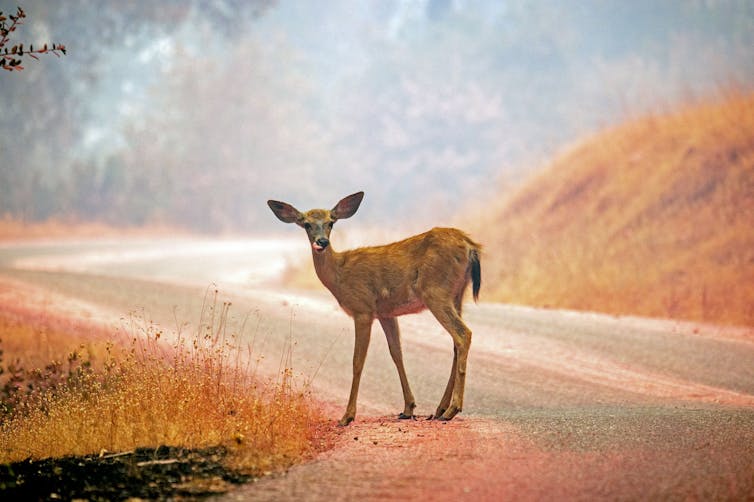
Deer cross roads whenever they wish, but some time periods are higher risk than others. Josh Edelson/AFP via Getty Images

Tom Langen, Clarkson University

Autumn is here, and that means the risk of hitting deer on rural roads and highways is rising, especially around dusk and during a full moon.

Deer cause over 1 million motor vehicle accidents in the U.S. each year, resulting in more than US$1 billion in property damage, about 200 human deaths and 29,000 serious injuries. Property damage insurance claims average around $2,600 per accident, and the overall average cost, including severe injuries or death, is over $6,000.

While avoiding deer – as well as moose, elk and other hoofed animals, known as ungulates – can seem impossible if you’re driving in rural areas, there are certain times and places that are most hazardous, and so warrant extra caution.

Transportation agencies, working with scientists, have been developing ways to predict where deer and other ungulates enter roads so they can post warning signs or install fencing or wildlife passages under or over the roadway. Just as important is knowing when these accidents occur.

My former students Victor Colino-Rabanal, Nimanthi Abeyrathna and I have analyzed over 86,000 deer-vehicle collisions involving white-tailed deer in New York state using police records over a three-year period. Here’s what our research and other studies show about timing and risk:

Time of day, month and year matters

The risk of hitting a deer varies by time of day, day of the week, the monthly lunar cycle and seasons of the year.

These accident cycles are partly a function of driver behavior – they are highest when traffic is heavy, drivers are least alert and driving conditions are poorest for spotting animals. They are also affected by deer behavior. Not infrequently, deer-vehicle accidents involve multiple vehicles, as startled drivers swerve to miss a deer and collide with a vehicle in another lane, or they slam on the breaks and are rear-ended by the vehicle behind.

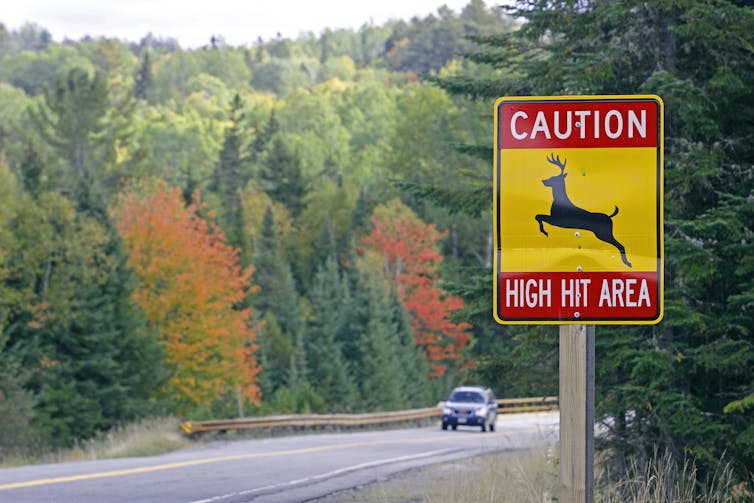
Car on road during the start of leaf colors with road sign reading: Caution: High Hit Area
A sign warns of deer traffic on Route 16 in Franklin County, Maine. Education Images/Universal Images Group via Getty Images

In analyzing thousands of deer-vehicle collisions, we found that these accidents occur most frequently at dusk and dawn, when deer are most active and drivers’ ability to spot them is poorest. Only about 20% of accidents occur during daylight hours. Deer-vehicle accidents are eight times more frequent per hour of dusk than daylight, and four times more frequent at dusk than after nightfall.

During the week, accidents occur most frequently on days that have the most drivers on the road at dawn or dusk, so they are associated with work commuter driving patterns and social factors such as Friday “date night” traffic.

Over the span of a month, the most deer-vehicle accidents occur during the full moon, and at the time of night that the moon is brightest. Deer move greater distances from cover and are more likely to enter roadways when there is more illumination at night. The pattern holds for deer and other ungulates in both North America and Europe.

Over a year, by far the highest numbers of deer-vehicle accidents are in autumn, and particularly during the rut, when bucks search and compete to mate with does. In New York state, the peak number of deer-vehicle accidents occurs in the last week of October and first weeks of November. There are over four times as many deer-vehicle accidents during that period than during spring. Moose-vehicle accidents show a similar pattern.

That high-risk period is also when daylight saving time ends – it happens on Nov. 7, 2021, in the U.S. Shifting the clock one hour back means more commuters are on the road during the high-risk dusk hours. The result is more cars driving at the peak time of day and during the peak time of the year for deer-vehicle accidents.

Overall, given that most U.S. states and more than 70 countries have seasonal “daylight saving” clock shifts, elevated ungulate-vehicle accident rates caused by clock shift may be a widespread problem.

[Over 100,000 readers rely on The Conversation’s newsletter to understand the world. Sign up today.]

There is a longstanding debate about the benefit of a daylight saving clock shift, given how it disrupts humans’ circadian rhythms, causing short-term stress and fatigue. Risk of deer-vehicle accidents may be another reason to reconsider whether clock shifts are worthwhile.

Deer still cross roads at any time

It’s important to remember that deer-vehicle accidents can occur at any time of day or night, on any day of the year – and that deer can show up in urban areas as well as rural ones.

The insurance company State Farm found that on average, U.S. drivers have a 1 in 116 chance of hitting an animal, with much higher rates in states such as West Virginia, Montana and Pennsylvania. Over the 12 months ending in June 2020, State Farm counted 1.9 million insurance claims for collisions with wildlife nationwide. Around 90% of those involved deer.

Where deer or other ungulates are likely to be present, drivers should always be alert and cautious, especially at dawn, dusk, on bright moonlit nights and during the fall rut.

Tom Langen, Professor of Biology, Clarkson University

This article is republished from The Conversation under a Creative Commons license. Read the original article.

ooOOoo

Nothing else to say but we drivers need to slow down and extra vigilant. Driving safely means always allowing for the unexpected and never following the vehicle in front too close. The minimum safe distance is one vehicle length for every 10 miles per hour in speed!

Canine Behavior.

Canine Behavior Friends from the start

In this month’s Science magazine, on page 1213, there is a short piece under the heading of In Other Journals.

I share it with you.

ooOOoo

Canine Behavior Friends from the start

By Sacha Vignieri.

Dogs, unlike wolves, are highly responsive to human voice, gestures, and eye contact.
CREDIT: ISTOCK.COM/HNIJJAR007

The closest relative to dogs, “man’s best friend,” is the wolf, a wily predator that generally avoids human interaction. For decades, researchers and dog owners have wondered how the leap to domestication occurred.

The main hypothesis invoked very early selection for wolves that “liked”—or least tolerated—humans, and the connection strengthened from there.

However, there is still some debate about whether the degree to which dogs interact and communicate with humans is a learned trait.

Two recent studies appear to close the book on this learning hypothesis. Bray et al. looked at about 400 puppies and found that at this young age and without much human interaction, they were adept at following human gestures and positively responded to high-pitched “puppy talk.” Further, there was variation in these responses with an association between relatedness and social communication skills, which supports a genetic driver.

Salomons et al. compared dog and wolf puppies and found no difference in general cognitive responses, but much greater responsiveness to human gestures and eye contact, in dog puppies. Importantly, this happened even though the dog pups had received less actual human interaction than did the wolf pups.

These studies confirm that dogs’ interest in communication with humans is an evolved trait unique to their lineage.

Curr. Biol.31, 3132, 3137 (2021).

ooOOoo

That is fascinating. Dogs have evolved this trait on their own, so to speak. It further underlines the precious nature of the relationship between dogs and humans.

Brandy et moi! Taken 6th April, 2018.

The Autumn Equinox

Day and Night are equal.

(Technically it is early on the 22nd.)

Please enjoy the following video:

In next to no time it will be the Winter solstice and a hop, skip and a jump into 2022!