Category: Dogs

The easiest breeds to own

Twenty-one breeds no less!

The following article was seen a couple of months ago over on the Cheatsheet site.

I thought it would so easily spread itself out over a couple of days. Ergo, Part One today and Part Two tomorrow.

Enjoy!

ooOOoo

The 21 Easiest Dog Breeds to Own

Hoping to bring a dog into your home? Some people are happy to adopt any dog who’s at the shelter. And some opt to follow the pack and choose one of the most popular breeds in America. But others want to do their research and make sure they choose the right dog. Some dog breeds are easier to own than others, especially for novice dog parents. To find the easiest dog breeds to own, we took a look at a variety of important characteristics. And you might be surprised by the traits that matter most.

You might think you want a smart dog. But highly intelligent dogs aren’t always the easiest to train because trainability is more about a dog’s willingness to follow instructions than his ability to understand them. And you might assume an active dog will be the simplest to keep healthy. But a dog with a lower energy level and no genetic predisposition to disease will actually be easier to handle. Plus, choosing a dog with an easygoing temperament — and minimal grooming needs — will go a long way toward keeping you sane.

Ready to find the perfect dog? Check out 21 of the easiest dog breeds to own.

1. Basset hound

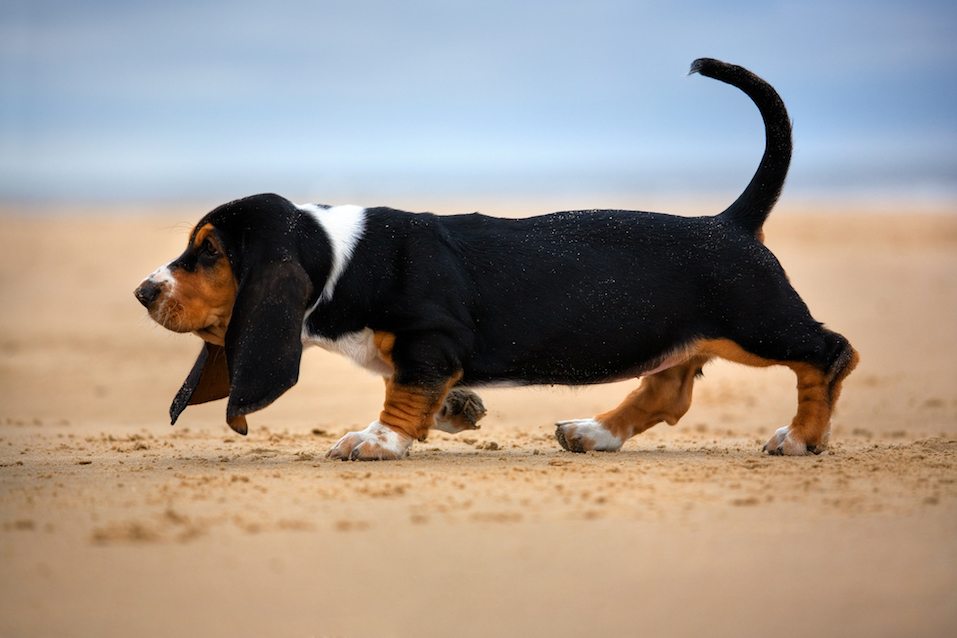
Basset puppy | iStock.com/imants

Want a low-key dog? You might just love the basset hound, a dog breed the American Kennel Club characterizes as “easygoing, laid-back, and even a bit lazy.” These medium-sized dogs aren’t very active. (They do still need regular walks to stay healthy though.) Most dog owners won’t put the basset hound’s hunting prowess to the test. But they will appreciate the breed’s extreme patience with children. Plus, the AKC reports these dogs are “easy to train, and despite their plodding pace, they do well at various dog sports.”

Because the basset hound is prone to obesity, you’ll want to make a point of taking your dog on daily walks. A basset hound is an extreme people-pleaser, and he’ll love to bond with you in obedience classes. These dogs have a short coat, which does shed. But they need minimal grooming. And generally, basset hounds are a healthy breed.

2. Beagle

Small dog sitting on the wooden floor. Beagle puppy

Some of the easiest dog breeds to own are the ones that are friendly and outgoing, rather than hyper-intelligent. The beagle is a great example. The breed’s AKC profile characterizes these dogs as “merry,” “friendly,” and “curious.” The organization promises, “Beagles are loving and lovable, happy, easygoing, and companionable.” They are very active little dogs who need plenty of exercise. But they love to play, and a beagle will likely have you laughing constantly with his antics.

VetStreet reports the beagle is one of the most outgoing, approachable, and people-pleasing breeds. “The beagle is among the top 10 most popular breeds for good reason: He has a bigger-than-life personality and a merry nature that make him a warm and cheerful companion.”

Plus, the beagle is generally a very healthy dog breed. And somewhat controversially, the beagle’s easygoing personality — and the breed’s freedom from genetic diseases — explains why researchers choose beagles for animal testing.

3. Bichon frisé

Another dog breed to consider if you want a friendly and easygoing pup? The bichon frisé. This small dog is a great companion both for adults and older children. He’s happy and curious. And he’s both “playful” and “peppy,” according to the AKC. The organization reports that bichons are “bundles of energy, so they’ll need daily play sessions and walks.” They make great family pets. And they are easy to train because they love not only to perform, but also to please their people.

PetWave describes bichon frisés as “little puffs of personality.” This dog breed loves people. And a bichon wouldn’t mind going everywhere with you, whether you’re walking, running, or driving around town.

The AKC adds that “owners might even delight in watching their dog suddenly experience a burst of energy, known as the ‘Bichon Blitz,’ during which they’ll comically sprint around their space. That period is usually followed by some serious cuddle time to satisfy their lovable side.”

4. Border terrier
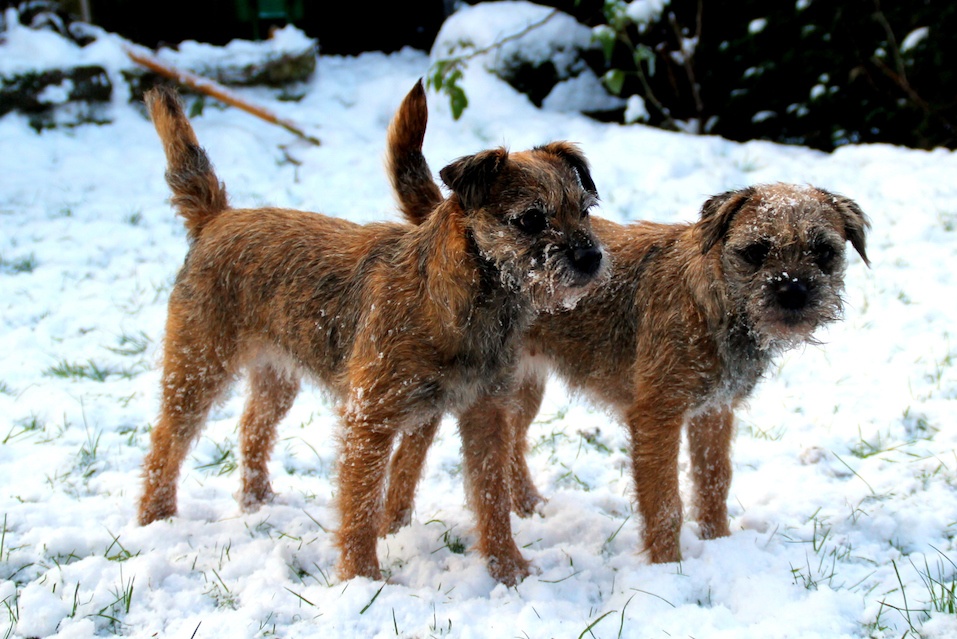
Border terriers | iStock.com/shellhawker

Not everybody knows about the border terrier. But you might want to get familiar with this dog breed, which the AKC characterizes as “plucky,” “happy,” and “affectionate.” The border terrier has a moderate energy level but a more laid-back personality than many other terriers. And the AKC explains that even though this dog breed loves exploring outdoors and was bred to be a country dog, “border terriers adapt well to city life — as long as they get plenty of exercise.”

Border terriers get along well with other dogs. But the AKC warns that “their hunting instincts can be aroused when cats or squirrels cross their path.” Nonetheless, the organization notes the border terrier “is good tempered, affectionate, obedient, and easily trained.”

PetWave explains though personalities vary, every border terrier is “curious by nature and will want to be included in all family activities.” The publication recommends a mix of “consistency, confident leadership, and lots of positive reinforcement” when training a border terrier.

5. Bulldog

English bulldog puppies | iStock.com/onetouchspark

If you want a patient and mellow dog, you can’t go wrong with the bulldog. The AKC explains this dog breed is “calm, courageous, and friendly,” plus “dignified but amusing.” What a winning combination. This medium-sized dog has a moderate energy level. And the AKC notes, “Bulldogs won’t beg to be exercised, but they require regular walks and the occasional romp.” Because the bulldog is very intelligent, he does his own thinking. (Hence the breed’s reputation for stubbornness.)

Nonetheless, you can successfully train your bulldog. The AKC advises, “Training is most successful when begun at an early age with elaborate praise and rewards given for good behavior. It also helps if the owner/trainer has a sense of humor and appreciation of the bulldog’s ability to ‘do it my way’ in very innovative ways!”

Rover characterizes the bulldog’s personality as “sleepy.” All jokes aside, bulldogs have an easygoing temperament and won’t bark nearly as much as other breeds (though they make up for it with adorable snorting, grunting, and snoring).

6. Cavalier King Charles spaniel

Cavalier King Charles spaniel | iStock.com/Banepx

Want a dog who really, really loves people? Then, consider the Cavalier King Charles spaniel. According to the AKC, these friendly little dogs “do equally well with active types and homebodies — they can be loyal hiking partners or shameless couch potatoes, depending on the owner’s personality — as long as they get a satisfying walk each day.” They have a moderate energy level so need some exercise. But they are friendly and easy to train. You can trust them with children, and they make a great addition to a family.

According to VetStreet, “The little spaniels are attracted to people the way strawberry jam is to peanut butter. If a Cavalier sees an empty lap, he is likely to jump into it, whether he knows the person or not. And a Cavalier who sees a stranger on the street may just veer in that person’s direction, anxious to make a new friend.”

And though PetWave reports this dog breed loves running around outside as much as curling up inside, this spaniel is a true companion dog. That means you shouldn’t leave him alone for too long.

7. Chihuahua

When you think Chihuahua, you might envision a yappy little dog. But it’s poorly trained dogs who have earned the breed that reputation. According to the AKC, “Inside each little Chihuahua is a miniature king or queen ready to rule their realms, so they need to be taught what is acceptable in human kingdoms.” Nonetheless, this dog breed is intelligent, enthusiastic, trainable, and generally low-maintenance despite their regal attitude.

Chihuahuas can do well in families, particularly if the children in the household are gentle and patient with their dog. Because they’re so small, they require little exercise. That means they adapt well to life in cities, but the breed is hardy enough to enjoy life in rural setting, as well. (Just watch out for cold temperatures to which the Chihuahua can be sensitive.) Plus, many Chihuahuas get along with other pets, especially companions of their own breed.

8. Collie

Collie | iStock.com/Eudyptula

Want a dog who’s both smart and eager to please his owners? You won’t be disappointed by the collie. The AKC explains that collies have “legendary” herding and protecting abilities. But this dog breed isn’t too intelligent — or too proud — to crave your attention and approval. The AKC notes, “Collies can do well in the country or the city but need companionship.” The organization adds that the collie is “great at understanding human’s moods” and gets along well with children. They learn quickly and easily.

According to the Collie Club of America, this dog breed “falls in the mid-range of responsibility when it comes to the practical concerns that influence the choice of a breed as a family dog.” Collies show a gentle, laid-back personality. They are also clean and quiet around the house, and they housebreak easily. They do need to be brushed every week or two. But they are generally odor-free — a plus for any would-be pet owner worried about a smelly dog.

9. Corgi
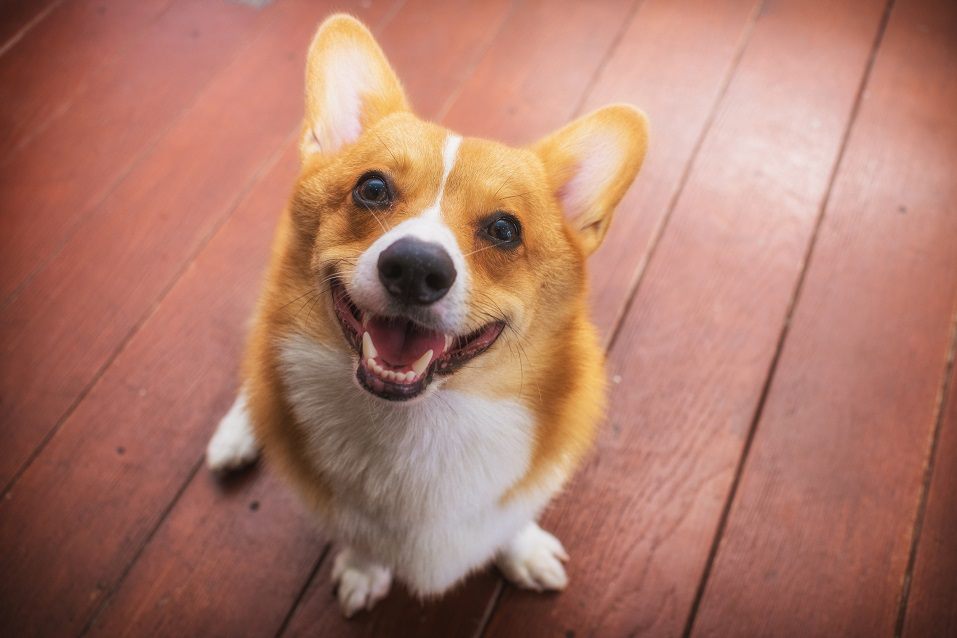
The corgi will definitely steal your heart if you want an easygoing dog with a lot of personality. The AKC describes this dog breed as “smart and alert, affectionate but not pushy, bold but kindly.” These little dogs are active, but they can adapt to just about any living situation as long as they get regular exercise. The corgi responds well to training.

As the AKC reports, “The time you spend in training, especially during the first year of your pet’s life, will be repaid many times over by giving you a well-behaved companion, one that is bonded to you and your family for the rest of his life.” The organization also notes that a corgi “without a job will often assign himself work, like herding children or his fellow dogs.” This dog breed craves activity and togetherness and will prove incredibly loyal to a family who can provide both. Corgis have a medium-length coat that requires regular weekly grooming, plus an occasional bath.

10. French bulldog
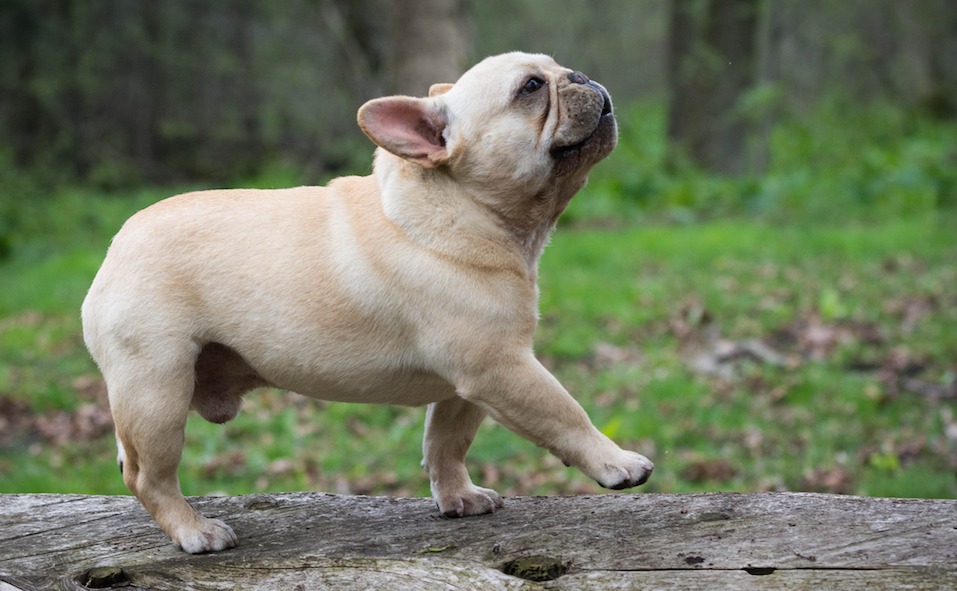
The French bulldog might just be the perfect dog breed for someone who wants an outgoing and people-pleasing companion. These lively little dogs always want attention, and they show a knack for entertaining the people around them. According to the AKC, this friendly dog breed is playful, but smart. They aren’t very active nor particularly athletic. That means brisk walks will be enough to keep them trim and healthy.

Plus, the Frenchie has a well-documented sense of humor. According to the AKC, “You won’t have to worry about a yappy dog bothering your neighbors because Frenchies rarely bark. That said, you can count on them to alert their owners to danger (Look! The UPS guy is coming!).”

French bulldogs, and other dogs with short faces, breathe less efficiently than longer-nosed dog breeds. So you’ll need to keep your dog cool in warm weather and avoid overly strenuous exercise. But they are intelligent dogs, and training is easy as long as you make it a game.

ooOOoo

Come back tomorrow for the final set!

Another fabulous guest post from Rohit.

Three years have passed by; just like that!

In the first couple of weeks of the New Year in 2014 I received an email from Rohit Agawal asking if I would like to receive a guest post. Of course I said yes.

That started a wonderful series of guest posts coming in from Rohit.

Here is his latest.

ooOOoo

Five Questions to Ask Before Adopting a Dog
Dogs are like children in a broader sense and when you decide to adopt one, there are many things that you need to be responsible for. There is not much difference between adopting a dog and having a child as you will need to take responsibility for another living being by giving him the necessary care and support.

Therefore, adopting a dog is a huge decision and should not be taken on a random impulse. You need to be aware of all the pros and cons before taking your decision and a major part of estimating them involves asking yourself some important questions. To help you get ready for an important life changing decision, we have listed a couple of questions that you need to ask yourself before adopting a dog and therefore without any further ado, let us get started!

  1. Can You Afford to Buy and Maintain a Dog?

The first question that you need to add yourself is quite obvious because a dog will need constant love and support throughout its whole life. To give him the best, you will need to shell extra bucks. The expenses that are involved include adoption or buying fees, spraying (no needed if you are adopting a dog from any rescue shelter), dog food, dog accessories like collar, dog crates (you can visit this website to explore your options) etc and annual veterinarian checkups for your pet’s well being.

Additional expenses can also include monthly heartworm medicines and flea and tick prevention but these vary from dog to dog.

  1. Do you have the time?

Dogs are tactile beings and they need to be given a suitable amount of time. Young puppies without their mothers will need an extra touch and support. The amount of tactile contact is different for different breeds but all domesticated dogs do need their owner’s love and affection to survive. You would also need to dedicate some time to go on walks as a dog needs to out at least 8 hours a day. If you are busy with work the n employ dog walkers.

  1. Are you prepared to commit for a long time?

This is an important question that you need to ask yourself at every step of the process. Dogs can live up to 18 years and therefore you need to be prepared for a lifelong commitment and not change your mind after actually adopting one. Abandoned dogs are a common sight and this is even true with fancier and smaller breed that people adopt for certain reasons and wash their hands off their pets after a few years, citing reasons like job relocation, marriage etc. A dog deserves a stable home and if you can’t provide that for a long duration then it is better to not adopt.

  1. Select the Dog Breed That Suits Your Lifestyle

When you finally decide to adopt, the first thing that you need to select is the breed that you want. Now different types of breeds have different needs and wants. You need to know everything about the same before you select any breed and therefore concentrate on conducting an extensive research about the same.

Also make sure that the dog you adopt will be able to adapt to your lifestyle.

  1. Dogs get sick and are you ready to handle that?

Dogs are prone to sickness and you need to accept that you would need to shell out extra money for healthcare emergencies. It can be something simple as a weight issue or it can also be a serious condition that might require surgery. Pet insurance is a great option that dog owners can look into to cover any emergencies.

So these were some significant questions that you need to ask yourself when you adopt a dog. It might seem too much of work but the joy that a dog will bring in your life will be second to no other and I promise that you will never regret your decision if you take all the necessary steps.

ooOOoo

Author Bio: Rohit is a dog lover and pet enthusiast; he owns two adorable and wonderful dogs that include a German shepherd and a Labrador retriever. As work keeps him away from home, concerns arise about the safety and comfort of his pet friends, which made him try out various products that facilitate the same.

As Rohit makes so clear at the end, the joy that a dog will bring in your life will be second to none

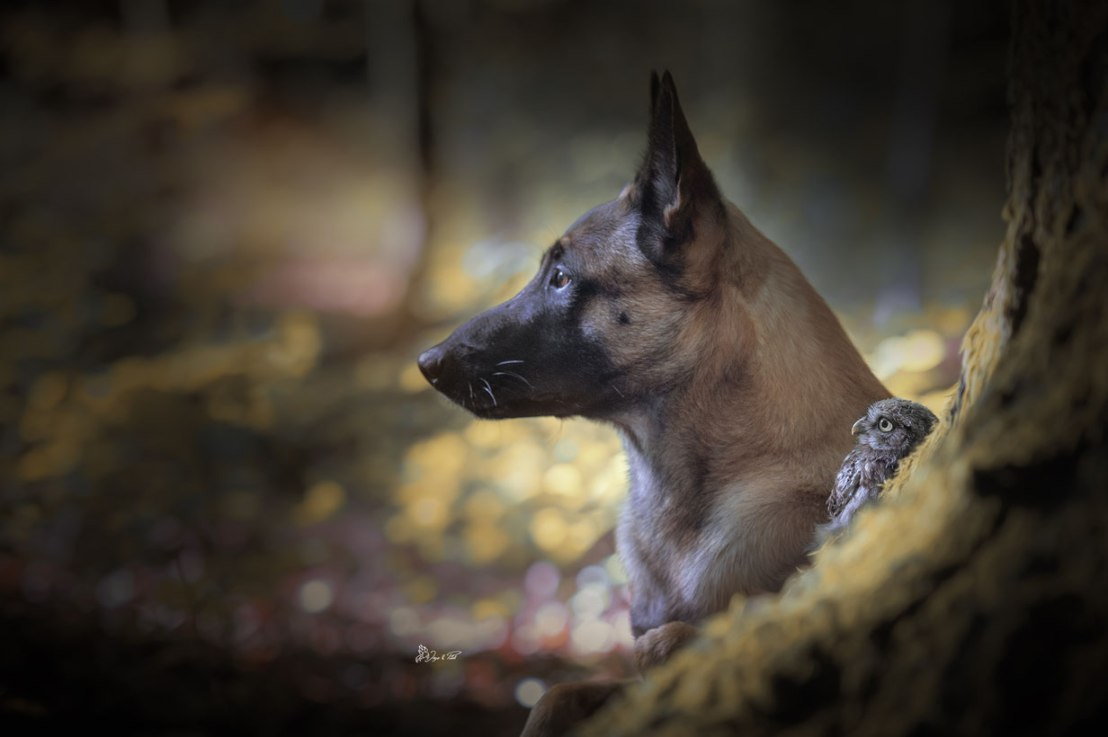
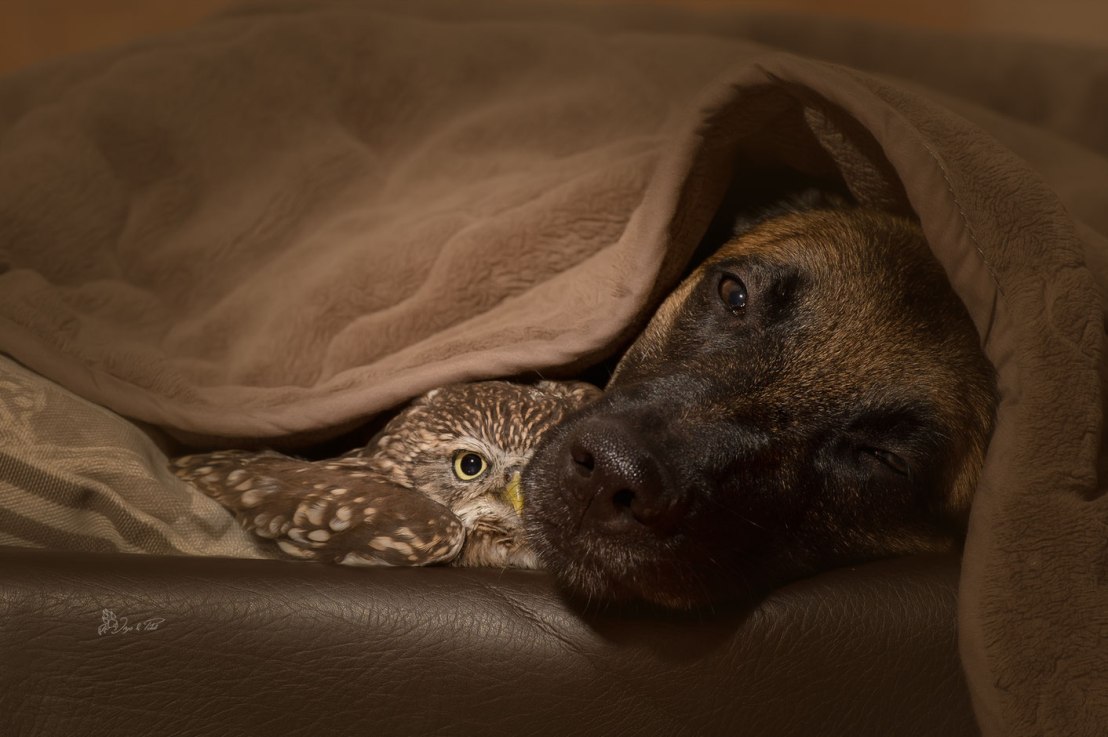
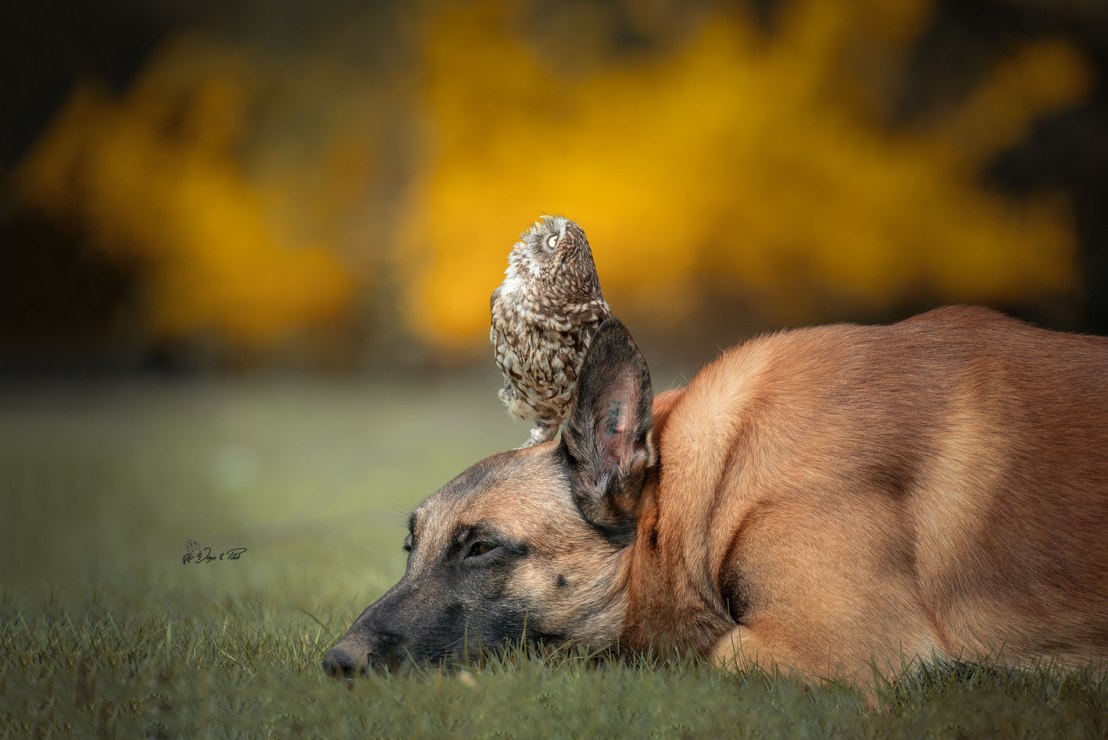
Picture Parade Two Hundred and Twenty-Five

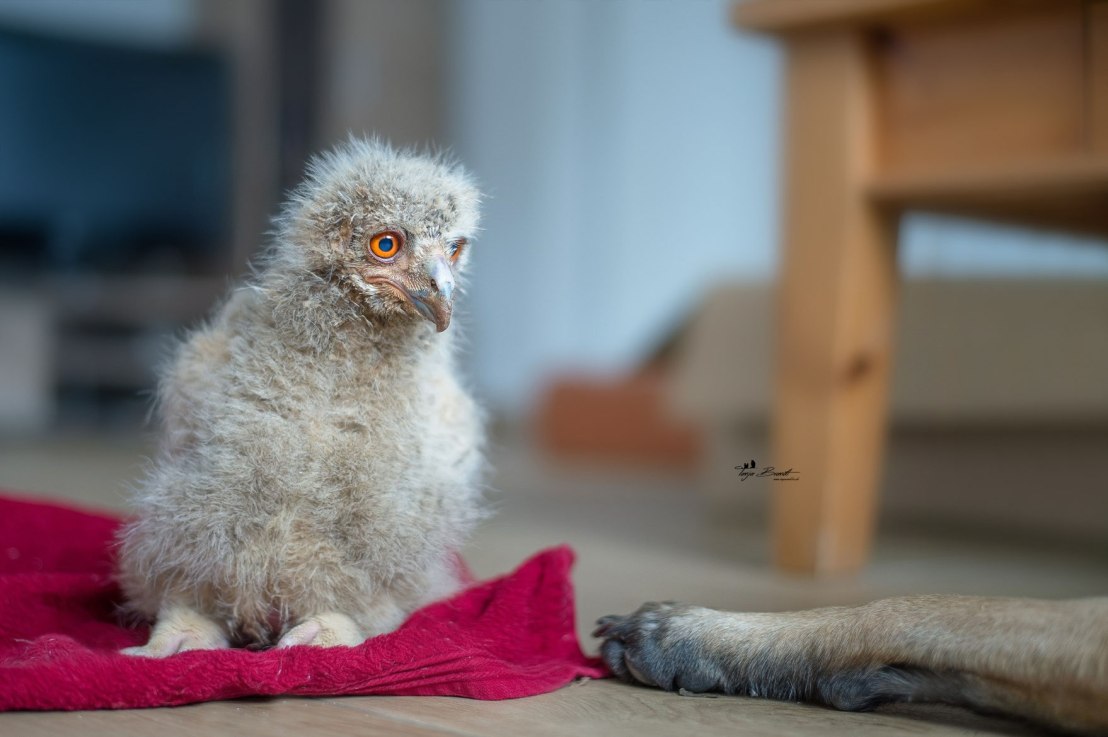
Yet more of the wonderful Tanja Brandt.

Again, taken from here.

oooo

oooo

oooo

oooo

oooo

oooo

Beyond beautiful!

And more care required

Yet another dog food alert.

Reminds me of that wonderful quip about London buses. The one about waiting for ages for a bus and then two come more-or-less together!

For it was just twelve days ago that I republished a dog food alert concerning bone treats; or as the FDA described it:

The FDA reports it has received about 68 reports of pet illnesses related to “bone treats”.

Bone treats differ from regular uncooked butcher-type bones because they’re processed and packaged for sale as “dog treats”.

Then just early last Saturday there was an email that warned:

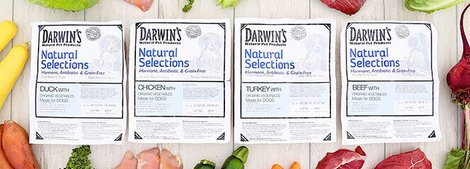
Darwin’s Natural Pet Products of Tukwila, Washington, has notified its customers that it is recalling 2 lots of its Natural Selections raw dog food products because they have the potential to be contaminated with Salmonella bacteria.

To learn which products are affected, please visit the following link:

Darwin’s Dog Food Recall of December 2017

Please be sure to share the news of this alert with other pet owners.

Mike Sagman, Editor
The Dog Food Advisor

Here are the full details of that alert.

ooOOoo

Darwin’s Dog Food Recall of December 2017

December 8, 2017 — Darwin’s Natural Pet Products of Tukwila, Washington, has notified distributors that it is recalling select lots of its Darwin’s Natural Selections dog food due to possible contamination with Salmonella bacteria.

What’s Recalled?

The product was shipped to distributors between September and early October 2017.

The affected product includes the following:

  • Natural Selections Turkey Meals for Dogs
    Net wt 2 lbs
    Lot #39937
    Manufacture date 08/24/17
  • Natural Selections Duck Meals for Dogs
    Net wt 2 lbs
    Lot #40487
    Manufacture date 09/29/17

Why Is It Recalled?

Through testing, the company determined that the products listed above, have the potential to be contaminated with Salmonella.

About Salmonella

Salmonella is a bacterial organism that can cause serious and sometimes life-threatening infections in people, particularly young children, frail or elderly people, and those with weakened immune systems.

There is risk to humans from handling contaminated products, especially if they have not thoroughly washed their hands after having contact with the product or any surfaces exposed to these products.

Some healthy individuals who are infected may experience fever, diarrhea, nausea, vomiting and abdominal pain.

In rare circumstances, infections can result in the organism getting into the bloodstream and producing more severe or chronic illness.

According to the FDA, it is uncommon for healthy dogs to become sick from Salmonella.

However, dogs with weakened immune systems (such as puppies or older dogs) have a higher risk of becoming sick.

Pets with infections may be lethargic and have diarrhea or bloody diarrhea, fever, and vomiting.

Some pets will have only decreased appetite, fever and abdominal pain.

Further information about Salmonella can be found on the Food and Drug Administration website.

Message from the Company

In an email message to distributors, Darwin’s president, Gary Tashjian writes…

We have not received any reports from customers regarding these meals, and are taking these steps out of an abundance of caution.

However, if your pet has consumed the recalled product and has any of the above symptoms, please contact your veterinarian if they persist.

We are recommending that you inspect your inventory of Darwin’s meals to determine if you have any left from the lot listed above.

If any of the above product is still in your inventory, please take the following steps:

Write down the lot number, date/time of manufacture and quantity of any product from the above lot remaining in your inventory.

Dispose of the product by placing it in a plastic bag, then placing the bag in the trash in a secure manner.

Contact us at productsafety@darwinspet.com to confirm that you have taken the above steps and to arrange for replacement of any unused product.

Please note the following:

Your name and address (or customer number)

The date and time of manufacture and quantity of food from this lot that you have remaining in your inventory

Confirmation that you have disposed of it.

We anticipate that some of our customers will have questions or concerns regarding this matter.

We welcome the opportunity to talk with you about it.

Toward that end, we have set up a special toll-free number for you to call: 866-832-8319 (Monday through Friday from 6 AM to 6 PM and Saturday 7 AM to 3 PM Pacific Time).

Please note that we may not be able to talk with each of you at once, so we do ask that you be patient, particularly if your issue is not of an urgent nature.

We regret any concern and/or inconvenience that this causes you.

We are taking steps to reduce the opportunity for this to occur again.

What to Do

U.S. citizens can report complaints about FDA-regulated pet food products by calling the consumer complaint coordinator in your area.

Or go to http://www.fda.gov/petfoodcomplaints.

Canadians can report any health or safety incidents related to the use of this product by filling out the Consumer Product Incident Report Form.

Get Dog Food Recall Alerts by Email

Get free dog food recall alerts sent to you by email. Subscribe to The Dog Food Advisor’s emergency recall notification system.FDA

ooOOoo

As always, please share this with other dog lovers.

Life and Dogs

Or more specifically living a long and healthy life assisted by our dogs!

Recently the Care 2 site published a wonderful item about the real benefits of having a dog in our life when we are the ‘wrong’ side of (fill in your own number!).

So here it is for all you good people. I know without a doubt that there will be many nodding heads out there as the article is being read.

ooOOoo

Owning a Dog May Help You Live Longer

According to a 2016 Gallup poll, 44 percent of Americans own a dog. That is a pretty significant number. In fact, dogs are easily the most popular pet among US pet owners—sorry cat lovers. But what is it that makes dogs so great? Well, they’re fun loving, energetic, make excellent companions and… may actually help you live longer.

A recent Swedish study suggested that owning a dog may be linked to a reduced risk of cardiovascular disease and premature death. According to the study, owning a dog was associated with a 20 percent reduced risk of overall death and a 23 percent reduced risk of dying from cardiovascular disease. The study tracked 3.4 million people over the course of 12 years, including both dog owners and non-dog owners. Interestingly, the effects of dog ownership were most pronounced when subjects lived alone and were the sole caretakers for the dog, as they experienced a 33 percent reduced risk of death.

So what is it that makes dogs so beneficial to our health and our lives? Here are a few theories:

EXERCISE

Dogs need exercise as much as we do, but, oftentimes people prioritize their pup’s needs above their own. Many people would more readily take their dog on a walk than walk alone down the block to get some fresh air and take care of themselves. But lucky for us, exercising a dog means exercising yourself, too! It is well established that regular exercise reduces your likelihood of developing cardiovascular disease. A dog may provide irrefutable motivation to get you off the couch and on a walk, which could be saving your life.

OUTDOOR TIME

Along the same lines, dogs encourage us to get outside more. Being outside reduces stress, can increase vitamin D levels and promotes happiness. It can be easy for us to get lazy and stay snuggled up inside when the weather is less than ideal, but dogs need regular outside access. Our pups encourage us to get outside on a regular basis, which can have a small but significantly healthful impact on overall mood and stress levels.

BENEFICIAL BACTERIA

Having a dog is essentially like consuming a powerful probiotic every single day. Dogs go out in nature, roll in mud and grass, chew on sticks, sniff all sorts of bacteria-ridden substances and then track little microscopic bits of this array of bacteria back into our homes. But that may actually be a good thing. According to the New York Times, “Epidemiological studies show that children who grow up in households with dogs have a lower risk for developing autoimmune illnesses like asthma and allergies — and it may be a result of the diversity of microbes that these animals bring inside our homes.” The wider the spectrum of bacteria we subject ourselves to, the more balanced our own microbiomes will become. Since the microbiome can affect all areas of our health, including the likelihood of developing cardiovascular disease, the long term health benefits of diverse bacterial populations should not be underestimated. Dogs, and other pets, do an incredible job of strengthening our microbiomes, which has a profound impact on our health.

EMOTIONAL SUPPORT

There is something to said for the emotional stability a dog provides. Chronic stress has been linked to increased risk of cardiovascular disease and premature death, which makes it even more significant that dogs are great at reducing our stress and anxiety levels. They are like our little furry therapists—they are always there for us, through good times and bad, and they always love us indiscriminately. The companionship of a dog and a human is one of the purest, most mutually beneficial relationships one can have. It’s pretty powerful.

Of course, just giving your parents a dog doesn’t mean they will necessarily live longer—especially if they aren’t ‘dog people.’ But for those who are, next time you come home to a wagging tail and a wild tongue, be grateful to your pup pal for all the amazing things they bring to your life.

ooOOoo

Again and again one realises just how incredible it is to have a dog, or several!, in one’s life!

Beautiful animals!

Let us always remember them.

Another wonderful guest post from Susan Combs

Some eighteen months ago I published a guest post from Susan entitled: How To Meet The Nutritional Needs Of Pregnant Dogs

I am delighted to offer another guest post from Susan.

ooOOoo

7 Wonderful Ways to Cherish and Honor the Memories of Your Beloved Dog

by Susan Combs.

Our relationship with our dogs is arguably the most genuine and pious one. The shear nature of dogs to shower unconditional love to their owners makes them no less a family member. Their honesty, faithfulness and a deep sense of belonging to their families is the reason as to why they are so adored across all the cultures, communities and societies.

Since it is also the hard truth that dogs tend to live much shorter lives than their owners; which renders the relationship end abruptly in their passing away. This is certainly not a happy stage for any pet owner either.

Therefore, losing a beloved pet, especially a dog is one of the most painful situations for owners. Their affection towards owners in the times of adversity is the most nostalgic part of their memories long after they have gone. By being together through thick and thin with relentless love their owners’ lives are impacted in many ways, and their absence is deeply felt.

If you are also mourning the loss of your dog, it must be difficult for you to cope with this undesirable situation. However, we have some wonderful ways with which you can cherish and honor the memories of your beloved dog.

Here are they:

  1. Plant a tree in his honor

Planting a tree in the honor of your dog is an excellent way to let his legacy live on for a long time to come. Choose a nice spot in your garden or backyard and plant a young tree, preferably an eternity plant. As the day will pass, it will grow up signifying a new life form from the previous one. Eventually, you will witness a sapling grow into a beautiful and strong tree. Till the time you live, this tree will remind you about that special bond with your canine friend.

  1. Make jewelry with his ashes

If you want to keep your furry pal all the time with you, creating jewelry with his remains would be a perfect idea. You can turn his ashes into diamond and wear it in the form of a ring. So there cannot be a better way to pacify his soul than this. Whether you make a ring or wear it as a locket, the shine of the diamond will keep on reflecting his memories. Your friends will also see in awe that the sparkle of the diamond was once your dog himself.

  1. Donate in the name of your dog

You dog meant everything to you, he still does. So, what else would be more heart-felt gesture than to donate for a good cause in the name of your dog? It is also a great way to give back what your dog gave you unflinchingly. You can give money to animal shelters because donating to these organizations is the best possible way to support the lives of other pets. In the situation of cash crunch, you can still donate another valuable asset: time. You can be there, spend some time with them and take care of them. Helping an animal in need is the best chance to remember your beloved dog.

  1. Create a picture book

Since you spent a lot of time with your dog, you must also have taken plenty of pictures of his. So collect all the past photos of your dog at one place; you can also ask your friends and family members if in case they had also taken his pictures. With these photographs you can either create a photo album or a picture book by forming a large collage. It would be better if you take printouts of these pictures and cut & paste them on the wall.

  1. Write an obituary

Didn’t you ever think to pen down the journey of your dog since he was cute little puppy? Now is the time since he is not there with you anymore. So document an insightful journey from the moment when you took him in your hands for the first time to his final moments. Write down how you used to spend time with him, how you used to play with him, what activities did he do at home, and whose life did he touch besides yours. You can post this personal obituary online.

  1. Bury him with honor

From giving him a memorable funeral to making his cemetery, your dog deserves honor in his last rites. Gather all your friends and family in order to say final goodbye to him.

You can also often visit his burial site whenever you like. You can place a gravestone at this spot and write your message for him or whatever you used to feel about him.

  1. Adopt again

If the pain of separation is not endurable for you or if you do not want to let go off your happy life with him, adopting again is the only option for you. This is also a good way to pay your tribute to him as he would also want to pass on a chance to another dog in need.

ooOOoo

As was mentioned in Susan’s previous guest post here again is her background:

Susan works as a Pet Health and Safety Expert and holds expertise in the area of animal/pet care. She has over 6 years of experience in pet healthcare and is a pet parent to a dog named chilly.

Finally, I would like to add a wonderful way of my own to remember our dear dogs. That is write up your own memories of your dog and post them to the special section on this blog: We Shall Not Forget Them.

Picture Parade Two Hundred and Twenty-Three

Back to fabulous Tanja Brandt!

Again, good people, all taken from here.

oooo

oooo

oooo

oooo

oooo

oooo

One of these days I am going to have to find some other photographs to share with you. But not quite yet!!

Be careful!

Take notice regarding buying bones for your beloved dog!

The Dog Food Advisor service released this news yesterday:

The United States Food and Drug Administration has issued an important  warning regarding store-bought bone treats for dogs.

The associated treats have already caused numerous illnesses and even death in at least 15 dogs.

To learn which products are affected, please visit the following link:

FDA Warning: Store-Bought Bone Treats Could Kill Your Dog

Please be sure to share the news of this important recall event with other pet owners.

Mike Sagman, Editor
The Dog Food Advisor

If you go to that link you will read the following.

ooOOoo

FDA Warning: Store-Bought ‘Bone Treats’ Could Kill Your Dog

November 28, 2017 — The U.S. Food and Drug Administration has issued a warning regarding the purchase and use of store-bought “bone treats”. The FDA claims the danger goes beyond the risk of regular bones.

What’s a ‘Bone Treat’?

The FDA reports it has received about 68 reports of pet illnesses related to “bone treats”.

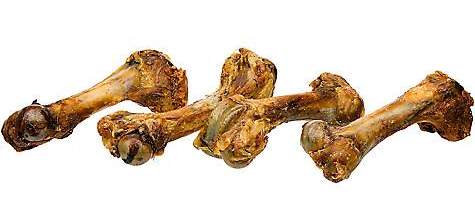
Bone treats differ from regular uncooked butcher-type bones because they’re processed and packaged for sale as “dog treats”.

Which Products?

A variety of commercially-available bone treats for dogs were listed in the reports including items described as:

  • “Ham Bones”
  • “Pork Femur Bones”
  • “Rib Bones”
  • “Smokey Knuckle Bones”

No specific brands are mentioned in the FDA bulletin.

The processed products may be dried through a smoking process or by baking. They may also contain other ingredients such as:

  • Preservatives
  • Seasonings
  • Smoke flavorings

According to Dr. Carmela Stamper, a veterinarian in the Center for Veterinary Medicine at the FDA…

“Giving your dog a bone treat might lead to an unexpected trip to your veterinarian, a possible emergency surgery, or even death for your pet.”

So, if you’re planning to give your dog a stocking full of bone treats this holiday season, you may want to reconsider.

Illnesses Reported

Illnesses reported to FDA by owners and veterinarians in dogs that have eaten bone treats have included:

  • Gastrointestinal obstruction (blockage in the digestive tract)
  • Choking
  • Cuts and wounds in the mouth or on the tonsils
  • Vomiting
  • Diarrhea
  • Bleeding from the rectum
  • Death

According to FDA, approximately 15 dogs have reportedly died after eating a bone treat.

How Widespread Is the Problem?

To date, reports submitted by pet owners and veterinarians have included about 90 dogs. Some reports included more than one dog.

In addition, FDA has received 7 reports of product problemssuch as…

  • Moldy-appearing bones
  • Treats splintering when chewed by the pet

How to Keep Your Dog Safe

FDA has included the following tips to help keep your dog safe:

  1. Chicken bones and other bones from the kitchen table can cause injury when chewed by pets, too. So be careful to keep platters out of reach when you’re cooking or the family is eating.
  2. Be careful what you put in the trash can. Dogs are notorious for helping themselves to the turkey carcass or steak bones disposed of there.
  3. Talk with your veterinarian about other toys or treats that are most appropriate for your dog. There are many available products made with different materials for dogs to chew on.

What to Do?

Dr. Stamper adds the following advice…

“We recommend supervising your dog with any chew toy or treat, especially one she hasn’t had before. And if she ‘just isn’t acting right,’ call your veterinarian right away!”

U.S. citizens can report complaints about FDA-regulated pet food products by calling the consumer complaint coordinator in your area.

Or go to http://www.fda.gov/petfoodcomplaints.

Canadians can report any health or safety incidents related to the use of this product by filling out the Consumer Product Incident Report Form.

Get Dog Food Recall Alerts by Email

Get free dog food recall alerts sent to you by email. Subscribe to The Dog Food Advisor’s emergency recall notification system.

ooOOoo

Please share this with other dog owners and carers who might not have seen the original announcement.

We must do everything we can to keep our dogs from harm!

Happy Birthday, my darling Jeannie.

Philosophising about this ageing lark!

A few days ago Jean and I listened to an episode from the BBC Radio 4 series The Art of Living. Or as the home page of the programme’s website explains, The Art of Living is a …

Documentary series revealing how engagement with art has transformed people’s lives.

Anyway, the episode that we listened to was a delightful 30-minute discussion between Marie-Louise Muir and the Belfast-born poet Frank Ormsby. The reason we selected this episode to listen to in particular is revealed by republishing how the BBC introduced the programme. (For Jean was diagnosed with Parkinson’s Disease in December, 2015.)

Frank Ormsby’s Parkinson’s

The Art of Living

When the poet Frank Ormsby was diagnosed with Parkinson’s Disease, his response was unexpected. He embarked on a newly fertile creative period, documenting his experiences and finding a voice in his poetry that he was beginning to lose in his daily communications.
His first act was to search Google – for jokes. “Which would you rather have, Parkinson’s or Alzheimer’s. Obviously Parkinson’s! I’d rather spill half my pint than forget where I left it.”

As he discusses with Marie-Louise Muir, the illness has changed him. It’s mellowed him. After a career as a school teacher, his daily life is now quieter and more solitary. There’s a poetry, almost, in his pauses and silences.
Frank belongs to the generation of Northern Irish writers that has followed in the footsteps of Seamus Heaney and Michael Longley. His medication, he believes, has aided his creativity. But it has also induced hallucinations. He finds himself sitting on his own in his study but surrounded by people, by the ghosts of his mother-in-law and unidentified visitors. And he’s also haunted by a fear that the earth will open up and swallow him.
But if you ask how he’s doing, he writes, “I’ll tell you the one about ‘parking zones disease’.
I’ll assure you that the pills seem to be working”.

Photo credit: Malachi O’Doherty, With readings by Frank himself and Ciaran McMenamin from The Darkness of Snow. Produced by Alan Hall. A Falling Tree production for BBC Radio 4.

That wonderful joke offered by Frank, this one: “Which would you rather have, Parkinson’s or Alzheimer’s. Obviously Parkinson’s! I’d rather spill half my pint than forget where I left it.” comes a little after the 5-minute point in the interview. I strongly encourage you to listen to the full interview. Here’s the link to the radio programme.   

Jean and I were sitting up in bed a couple of mornings ago reflecting on how recent it has been since we ‘got it’ in terms of what becoming old really means. For me and Jean, for different reasons, it is only in the last twelve months that ageing, the process of becoming older, the decline in one’s faculties, and more and more, has been truly understood. Yes, before then of course one understood that we were getting old. But it was an intellectual understanding not the living it on a daily basis understanding we now experience.

Back to Frank Ormsby. Or rather to a feature in the Belfast Telegraph published in 2015.

Frank Ormsby: Life at Inst was very different from my upbringing

Leading Belfast poet and former Inst. Head of English Frank Ormsby on his tough Fermanagh upbringing, losing his father when he was 12 and how humour has helped him cope with a Parkinson’s diagnosis.

Write stuff: Frank Ormsby at his home in north Belfast

March 23, 2015

As Frank Ormsby sits in the study of his beautifully-appointed 1930s home in north Belfast there is no hint of his much more austere upbringing. As befits the workspace of a poet and long-time English teacher at one of Belfast’s leading schools, the bookcases that line the walls are crammed with a wide range of literature.
It could not be a more different environment from the rural home where he grew up just after the Second World War.

When Frank was born in 1947, his father Patrick was already in his 60s. “I remember him as an old, grey-haired man”.

It was Patrick’s second marriage. His first had produced 10-12 children. “I was never totally sure of the exact number”, Frank recalls.

“I never met them as they had dispersed to Scotland and other places by the time my father, by then a widower, had married my mother. As far as I know the last one of them died last year.”

Frank’s home was about a mile and half outside Irvinestown. His mother Anne had worked on a relative’s farm – “she could build hay or cut turf as well as any man” – and his father as a farm labourer who occasionally sought work in the factories in Scotland.

“The conditions in which we lived were lacking in luxury. We had no running water. We had to carry it in buckets from a well half a mile away. There was no electricity and it was a long time before we even had a radio, or wireless as it was called then,” Frank says.

You may read the rest of that article here.

Here’s one of Frank’s poems that was published by The New Yorker in March, 2013.

BOG COTTON

By Frank Ormsby

They have the look
of being born old.
Thinning elders among the heather,
trembling in every wind.
My father turns eighty
the spring before my thirteenth birthday.
When I feed him porridge he takes his cap off. His hair,
as it has been all my life, is white, pure white.

Maybe that’s how it is. Having the look of being born old!

But there’s one thing that I treasure beyond gold itself. Having the fortune to be living out my final days, however many there are, in the company of my beautiful Jeannie and all the loving dogs around me.

Puppy Cleo coming home – April 6th, 2012


Happy Birthday, sweetheart!

Sharing our emotions

Good people, ran out of time yesterday but wanted to republish the following.

It first appeared in October, 2015. The pictures are no longer available online.

Exploring the range of emotions felt and displayed by our dogs.

Like so many bloggers, I subscribe to the writings of many others. Indeed, it’s a rare day when I don’t read something that touches me, stirring up emotions across the whole range of feelings that we funny humans are capable of.

Such was the case with a recent essay published on Mother Nature Network. It was about dogs and whether they are capable of complex emotions. Better than that, MNN allow their essays to be republished elsewhere so long as they are fully and properly credited.

Thus, with great pleasure I republished the following essay written by Jaymi Heimbuch.

ooOOoo

Are dogs capable of complex emotions?

Joy, fear, surprise, disgust, sadness. These are the basic emotions dogs feel that are also easy enough for humans to identify. But what about more complex emotions?

Many dog owners are convinced their dogs feel guilty when they’re caught misbehaving. In the same way, many owners are sure their dogs feel pride at having a new toy or bone. But it gets tricky when you assign these sorts of emotions to a dog. These are definitely emotions felt by humans, but are they also felt by dogs?

(see footnote)

Why we question the presence of complex emotions is wrapped up in the way we get to those emotions. The American Psychological Association explains, “Embarrassment is what’s known as a self-conscious emotion. While basic emotions such as anger, surprise or fear tend to happen automatically, without much cognitive processing, the self-conscious emotions, including shame, guilt and pride, are more complex. They require self-reflection and self-evaluation.”

Essentially we’re comparing our behavior or situation to a social expectation. For instance, guilt comes when we reflect on the fact that we’ve violated a social rule. We need to be aware of the rule and what it means to break it. So, can dogs feel guilt? Well, exactly how self-reflective and self-evaluative are dogs?

Among humans, children begin to experience empathy and what are called secondary emotions when they are around 2 years old. Researchers estimate that the mental ability of a dog is roughly equal to that of an 18-month-old human. “This conclusion holds for most mental abilities as well as emotions,” says Stanley Coren in an article in Modern Dog Magazine. “Thus, we can look to the human research to see what we might expect of our dogs. Just like a two-year-old child, our dogs clearly have emotions, but many fewer kinds of emotions than found in adult humans.”

In other words, if 18-month-old children can’t yet experience these emotions, and dogs are roughly equal to them in cognitive and emotional ability, then dogs can’t feel these self-reflective emotions either. At least, that’s what researchers have concluded so far.

Is that guilt or fear?

The evidence for primary emotions like love and happiness in dogs abounds, but empirical evidence for secondary emotions like jealousy and guilt is sparse. And this is partially because it’s difficult to create tests that provide clear-cut answers. When it comes to guilt, does a dog act guilty because she knows she did something wrong, or because she’s expecting a scolding? The same expression can come across as guilt or fear. How do we know which it is?

Scientific American explains it further:

“In wolves, it is thought that guilt-related behaviors serve to reinforce social bonds, as in primates, by reducing conflict and eliciting tolerance from other members of the social group. The same could be true of dogs, though their social groups would primarily include humans. The problem is that the display of the associated behaviors of guilt are not, themselves, evidence of the capacity to emotionally experience guilt… It may still be some time before we can know for certain whether dogs can experience guilt, or whether people can determine if a dog has violated a rule prior to finding concrete evidence of it.”

Guilt, and other secondary emotions, are complicated. That’s exactly why cognitive awareness and emotional capacity in dogs is still a topic under study. In fact, it’s an area that has grown significantly in recent years. We may discover that dogs have a more complex range of emotions than we’re aware of today.

Dogs are highly social animals, and social animals are required to navigate a range of emotions in themselves and those around them to maintain social bonds. It wasn’t so long ago that scientists thought that dogs (and other non-human animals) didn’t have any feelings at all. Perhaps our understanding of dog emotions is simply limited by the types of tests we’ve devised to understand their emotions. After all, we’re trying to detect a sophisticated emotional state in a species that doesn’t speak the same language.

There’s a lot we don’t know

Marc Bekoff makes the argument for leaving the possibility open. In an article in Psychology Today he writes, “[B]ecause it’s been claimed that other mammals with whom dogs share the same neural bases for emotions do experience guilt, pride, and shame and other complex emotions, there’s no reason why dogs cannot.”

Keeping the possibility open is more than just an emotional animal rights issue. There is a scientific basis for continuing the research. A recent study showed that the brains of dogs and humans function in a more similar way than we previously thought.

Scientific American reports that “dog brains have voice-sensitive regions and that these neurological areas resemble those of humans. Sharing similar locations in both species, they process voices and emotions of other individuals similarly. Both groups respond with greater neural activity when they listen to voices reflecting positive emotions such as laughing than to negative sounds that include crying or whining. Dogs and people, however, respond more strongly to the sounds made by their own species.”

Until recently, we had no idea of the similar ways human and dog brains process social information.

So do dogs feel shame, guilt and pride? Maybe. Possibly. It’s still controversial, but for now, there seems to be no harm in assuming they do unless proven otherwise.

ooOOoo

Footnote: At this point in the MNN article there was a link to a series of gorgeous photographs of dogs. If you dear readers can wait, then I will publish them this coming Sunday. If you can’t wait, then go here!