Category: Dogs

A truly wonderful woman

I shall never tire of sharing these sorts of stories!

In the last hours of 2019 Margaret Krupinski sent us a story about this amazing woman and how she loved all the dogs in her care.

It’s a real pleasure to reproduce that article here.

ooOOoo
(SWNS)

Woman Dubbed ‘Miracle Worker’ for Helping Paralyzed, Injured Dogs Walk Again

By SWNS
December 30, 2019

A woman who cares for sick and disabled pooches from around the world has been dubbed a “miracle worker” after getting many of them back on their feet again.

Claire-Louise Nixon, 48, is a dog lover and shares her modest home with 27 canines that no one else wants.

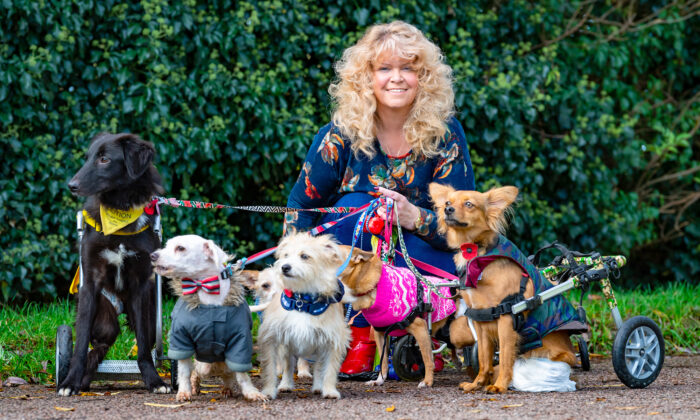
Claire walking with 8 out of the 27 dogs that she has helped to walk again. (©SWNS)
Claire-Louise Nixon, 51 out walking 8 of her 27 dogs that she has helped to walk again. See Cambridge copy SWCAdogs: Dog-lover Claire-Louise Nixon has told how she shares her semi-detached house with her family – and a staggering 27 rescued pooches.Claire-Louise, 48, rescues sick and paralysed dogs from around the world and looks after them at her humble home in Milton Keynes, Bucks.She says looking after the brood of canines is a full-time job and takes her from 6am until midnight.

Many of them are street dogs that have been abused or have lost limbs from mines and explosives in former war zones. But regardless of what conditions the dogs arrive in, Claire is determined to get them walking again through intense physio sessions and walks on wheels.

Her motley crew of dogs all live in her four-bedroom, semi-detached house in Milton Keynes with her husband, Gary, 50 and daughter, Rhia-Louise, 22. While Claire’s initial plan is usually to find forever homes for the dogs, quite often, their needs are too complex, with some even having to wear nappies.

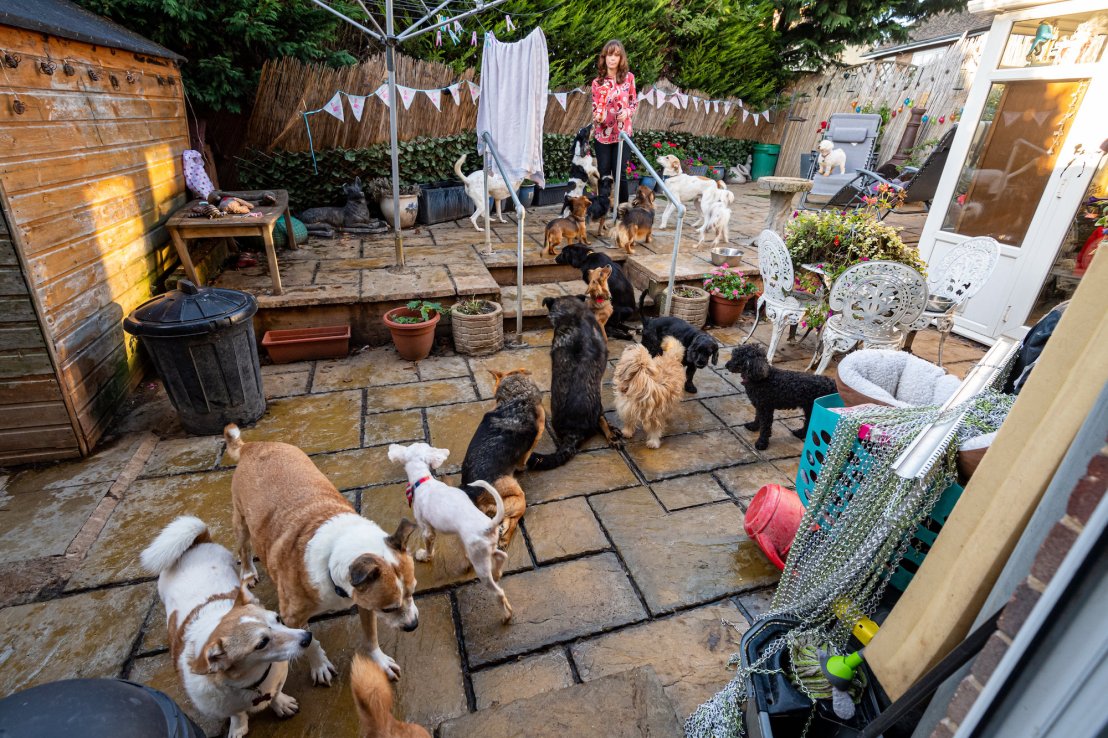
The home of Clarie-Lousie Nixon who has 27 dogs living in the house. See Cambridge copy SWCAdogs: Dog-lover Claire-Louise Nixon has told how she shares her semi-detached house with her family – and a staggering 27 rescued pooches.Claire-Louise, 48, rescues sick and paralysed dogs from around the world and looks after them at her humble home in Milton Keynes, Bucks.She says looking after the brood of canines is a full-time job and takes her from 6am until midnight.
Some of the 27 dogs that Clarie-Lousie Nixon has living at her home. See Cambridge copy SWCAdogs: Dog-lover Claire-Louise Nixon has told how she shares her semi-detached house with her family – and a staggering 27 rescued pooches.Claire-Louise, 48, rescues sick and paralysed dogs from around the world and looks after them at her humble home in Milton Keynes, Bucks.She says looking after the brood of canines is a full-time job and takes her from 6am until midnight.

She said: “When I get these dogs who are in such a bad way, the vet would say: ‘Claire, you won’t get them walking again.’

“But now they say nothing is impossible! They say we work miracles with them!

“I think all they need is love, kindness and patience. When they walk into my house they see other dogs like them so they don’t feel any different that’s why I think they do so well here.

“If you give them a reason to walk again then they will.”
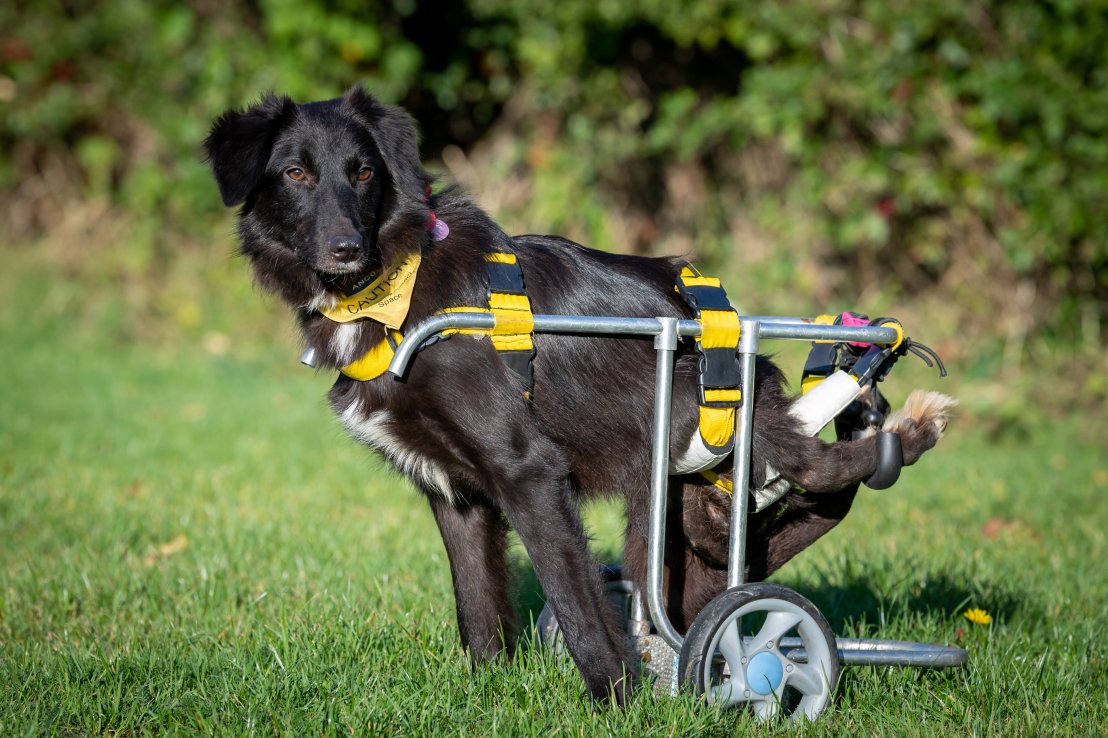
Rita Ora Collie from Romania who was abandoned on the roadside after beeing born deformed and was sent to Claire-Lousie Nixon as no one wanted her. See Cambridge copy SWCAdogs:Dog-lover Claire-Louise Nixon has told how she shares her semi-detached house with her family – and a staggering 27 rescued pooches.Claire-Louise, 48, rescues sick and paralysed dogs from around the world and looks after them at her humble home in Milton Keynes, Bucks.She says looking after the brood of canines is a full-time job and takes her from 6am until midnight.
Forest Gump a small collie crossed pomeranian who was run over on an Army base in Romania. Men on the base found Clarie-Lousie Nixon on facebook and sent Forest Gump to her for treatment. See Cambridge copy SWCAdogs: Dog-lover Claire-Louise Nixon has told how she shares her semi-detached house with her family – and a staggering 27 rescued pooches.Claire-Louise, 48, rescues sick and paralysed dogs from around the world and looks after them at her humble home in Milton Keynes, Bucks.She says looking after the brood of canines is a full-time job and takes her from 6am until midnight.

Claire, who looks after the brood of canines—seven of which are paralyzed—says it’s a full-time job and takes her from 6 a.m. until midnight. Feeding them alone is a mammoth chore involving 15 kilograms (approx. 33 pounds) of biscuits and a complete crate of dog food every single day.

Eight of the dogs have to wear nappies, with little bodysuits to keep them in place, and they all need daily baths to keep them clean and infection-free. There’s a lot of cleaning up involved, and Claire is constantly trying to keep on top of the housework.

Feeding time at The home of Clarie-Lousie Nixon who has 27 dogs living in the house. See Cambridge copy SWCAdogs: Dog-lover Claire-Louise Nixon has told how she shares her semi-detached house with her family – and a staggering 27 rescued pooches.Claire-Louise, 48, rescues sick and paralysed dogs from around the world and looks after them at her humble home in Milton Keynes, Bucks.She says looking after the brood of canines is a full-time job and takes her from 6am until midnight.

Claire’s passion to care for sick dogs all started 12 years ago when a puppy named Thomas Cook, who was only a few days old, was brought to the vets to be put down. The puppy had a hair lip and cleft palate, which prevented him from suckling milk and feeding, but Claire was determined to save him.

Claire painstakingly hand-reared Thomas Cook by feeding him a bottle every few hours, and from there, it escalated to having 27 disabled and sick dogs.

She said: “It went into having paralyzed dogs and dogs that had their legs blown off in Bosnia and dogs that had been shot and still had bullets inside them.”

All of Claire’s dogs are named after celebrities that she feels describe their personalities.

Sir Elton John, who Nixon named because of the song “I’m still standing,” was rescued from Romania after he was run over and left on the road to die. This left him with a broken spine. However, with Claire’s help, he can now go on small walks.
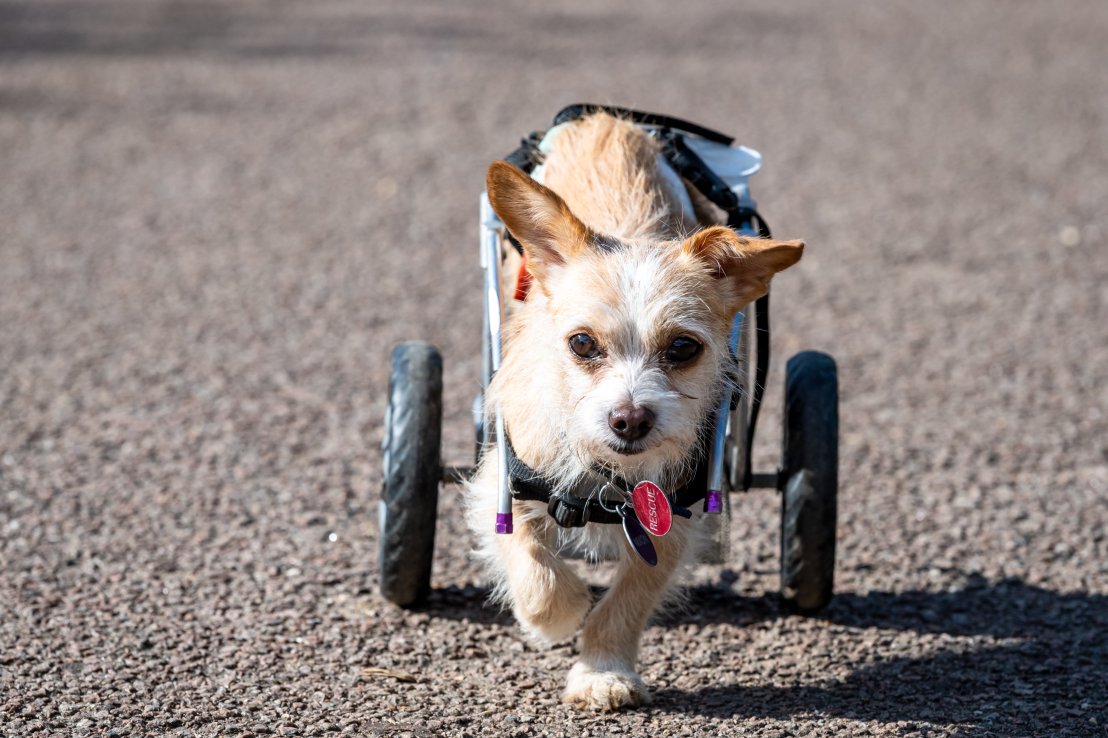
Sir Elton John, a Jack Russell cross who Clarie-Lousie Nixon has helped to walk again. See Cambridge copy SWCAdogs: Dog-lover Claire-Louise Nixon has told how she shares her semi-detached house with her family – and a staggering 27 rescued pooches.Claire-Louise, 48, rescues sick and paralysed dogs from around the world and looks after them at her humble home in Milton Keynes, Bucks.She says looking after the brood of canines is a full-time job and takes her from 6am until midnight.

Sherlock Holmes, who was rightly named for his intelligence and curiosity, was a street dog in Oman who was shot by a security guard.

The other dogs to name a few are Patrick Swayze, who twitches all the time and was previously paralyzed, Freddie Mercury, who wanted to “break free,” and David Bowie, who was “under pressure.”

Claire said: “They’re part of the family. The dogs have a free run of the house.

“They sit where they want and they sleep wherever they happen to fall asleep—often on our beds.

“The dogs arrive with the most horrible past we give them love and [a] wonderful future. They come from all over the world but with me they are home forever.”

Doris Day the pomeranian cross who Claire-Louise Nixon is helping to walk again. See Cambridge copy SWCAdogs: Dog-lover Claire-Louise Nixon has told how she shares her semi-detached house with her family – and a staggering 27 rescued pooches.Claire-Louise, 48, rescues sick and paralysed dogs from around the world and looks after them at her humble home in Milton Keynes, Bucks.She says looking after the brood of canines is a full-time job and takes her from 6am until midnight.
Rylan Clark- neal theJack Russell cross Shih tzu who Claire-Louise Nixon helped to walk again. See Cambridge copy SWCAdogs: Dog-lover Claire-Louise Nixon has told how she shares her semi-detached house with her family – and a staggering 27 rescued pooches.Claire-Louise, 48, rescues sick and paralysed dogs from around the world and looks after them at her humble home in Milton Keynes, Bucks.She says looking after the brood of canines is a full-time job and takes her from 6am until midnight.

She further added: “I’m really lucky in that all the neighbors have dogs themselves so we don’t get complaints. And although 27 dogs sounds a lot, they are really quite well behaved.”

Claire raises funds through her organization, Wheels to Paws UK, to provide them with medical treatment, rehabilitation, and the equipment they need to walk again. Vets bills can be a huge drain on resources, but local vets are sympathetic to her cause and often offer a discount.

For long walks, the dogs are put in specially made harnesses with wheels to act as false legs so they can enjoy going out for walks. Meanwhile, those that can’t walk are put in buggies.

Other dogs are regularly taken for doggy hydrotherapy, while all those that can walk are taken out for exercise in rotation.

Claire-Louise Nixon, 51 out walking 8 of her 27 dogs that she has helped to walk again. See Cambridge copy SWCAdogs: Dog-lover Claire-Louise Nixon has told how she shares her semi-detached house with her family – and a staggering 27 rescued pooches.Claire-Louise, 48, rescues sick and paralysed dogs from around the world and looks after them at her humble home in Milton Keynes, Bucks.She says looking after the brood of canines is a full-time job and takes her from 6am until midnight.

Claire said: “The dog rescue charities abroad all know of me. So if they get a badly injured or disabled dog in need of specialist care they will pay to transport them to me in the UK. I can never say no.”

She further added: “It is tremendous hard work but I can’t tell you how rewarding it is. The love these dogs give back is amazing. I would not be without any single one of them.”

ooOOoo

There are some people around who do so much more than can be expected and Claire is very much one of those people.

To be impressed with her is only just the half of it.

Thank you Margaret for bringing this wonderful story to all our attentions.

A New Start!

This has nothing to do with dogs.

Well not in a direct manner.

But all dog owners know that the odds of anxiety or depression if you have a dog or two around one are greatly reduced.

I’m chairing a discussion on depression at our local Humanists and Freethinkers group in eighteen days time; on January 18th, 2020. The core of my talk is a TED Talk given journalist Johann Hari in July of 2019.

This is how the talk is introduced.

In a moving talk, journalist Johann Hari shares fresh insights on the causes of depression and anxiety from experts around the world — as well as some exciting emerging solutions. “If you’re depressed or anxious, you’re not weak and you’re not crazy — you’re a human being with unmet needs,” Hari says.

There are sufficient numbers of people who follow this blog that it is likely that this talk will really engage a few of you. It’s twenty minutes long and very interesting!

I hope you find it engaging!

A Very Happy New Year to you!

Can dogs count?

The answer may surprise you!

Dogs use a part of their brain for processing numbers. But more than that, dogs use a similar brain region to process numbers as we humans do.

I found that fascinating.

This was one the results of reading a very interesting article published by The Smithsonian magazine earlier on in December.

Let me share it with you.

ooOOoo

Dogs’ Brains Naturally Process Numbers, Just Like Ours

Scientists stuck 11 dogs in fMRI scanners to see if their brains had a knack for quantity

How many sheep? (Arbutus Photography / flickr)

Katherine J. Wu,   smithsonianmag.com
Dec. 19, 2019,

Sit. Stay. Fetch. Count?

Sort of. A team of scientists has found that dogs naturally process numbers in a similar brain region as humans, reports Virginia Morell for Science. While that doesn’t mean mutts can do math, it seems they have an innate sense of quantity, and may take notice when you put fewer treats in their bowl, according to a study published this week in Biology Letters.

Importantly, while other research has delved into similar stunts that scientists coaxed out of canines by rewarding them with treats, the new study suggests a knack for numbers is present in even untrained dogs—and could have deep evolutionary roots. This supports the idea that the ways in which animals process quantity in their brains may be “ancient and widespread among species,” Michael Beran, a psychologist at Georgia State University who wasn’t involved in the research, tells Morell.

To test pooches’ numerical prowess, a team led by Gregory Berns, a neuroscientist at Emory University, scanned the brains of 11 dogs of different breeds as they gazed at screens serially flashing different numbers of variably-sized dots. As the images flipped rapidly past, the researchers looked for activity in a region of the canine brain called the parietotemporal cortex, analogous to humans’ parietal cortex, which is known to help people rapidly process numbers. In humans, this region lights up on a functional magnetic resonance imaging (fMRI) scanner when numbers start to vary—a sign that cells are working hard to puzzle through the difference.

Something similar seems to apply to canines, the team found. When dogs hopped into the scanner, most of their parietotemporal cortices showed more activity when the numbers of dots flashed onto the screen changed (for instance, three small dots followed by ten big dots) than when they stayed the same (four small dots followed by four large dots).

The behavior wasn’t universal: 3 out of the researchers’ 11 test subjects failed to discern the difference. But it’s not surprising that the rest did, Krista Macpherson, a canine cognition researcher at Western University in Canada who wasn’t involved in the study, tells Morell.

Of course, approximating quantities of dots isn’t the same as solving complex mathematical equations, as our brains are equipped to do. But both behaviors stem from an inherent sense for numbers—something that appears to span the 80-million-year evolutionary gap between dogs and humans, the findings suggest.

Understanding how that basic ability might evolve into “higher” mathematical skills is a clear next step, study author Lauren Aulet, a psychologist at Emory University, says in a statement. Until then, we humans can count on the fact that we have plenty in common with our canine companions.

ooOOoo

An inherent sense for numbers. Wow!

This is yet another aspect of the relationship we have with our pooches that is deeper and closer than I imagined, and I’m sure I don’t only speak for myself.

Picture Parade Three Hundred and Twenty

A repeat of Picture Parade Fifty

Some fabulous pictures sent in by Amanda Smith from Australia.

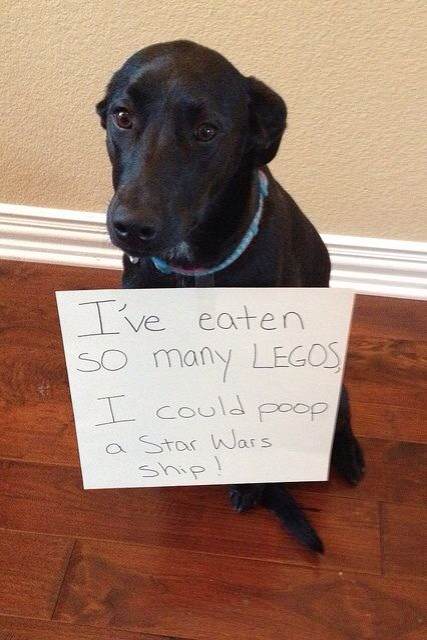
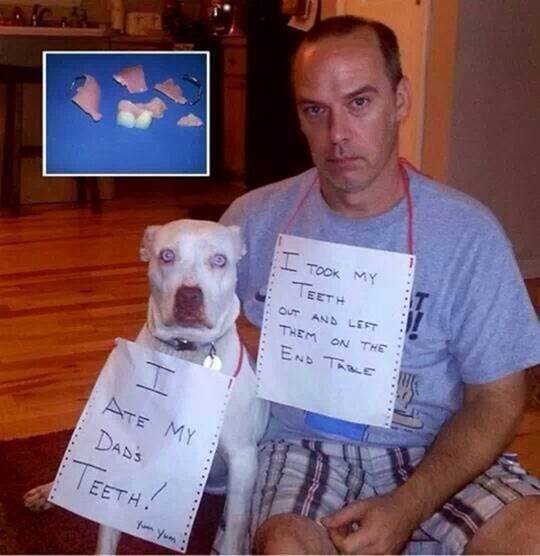
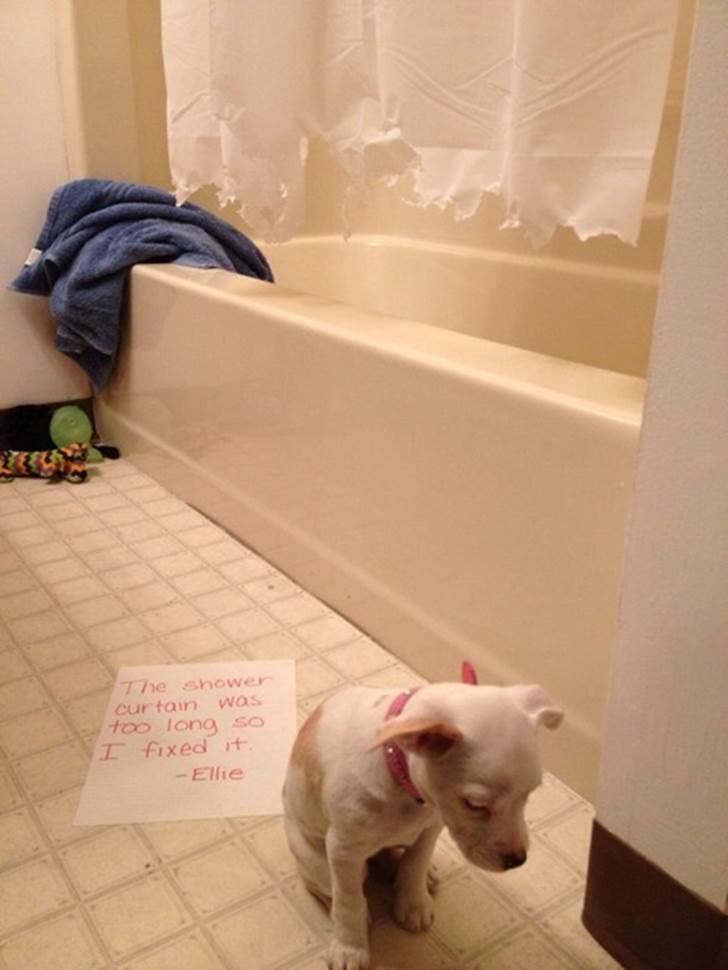
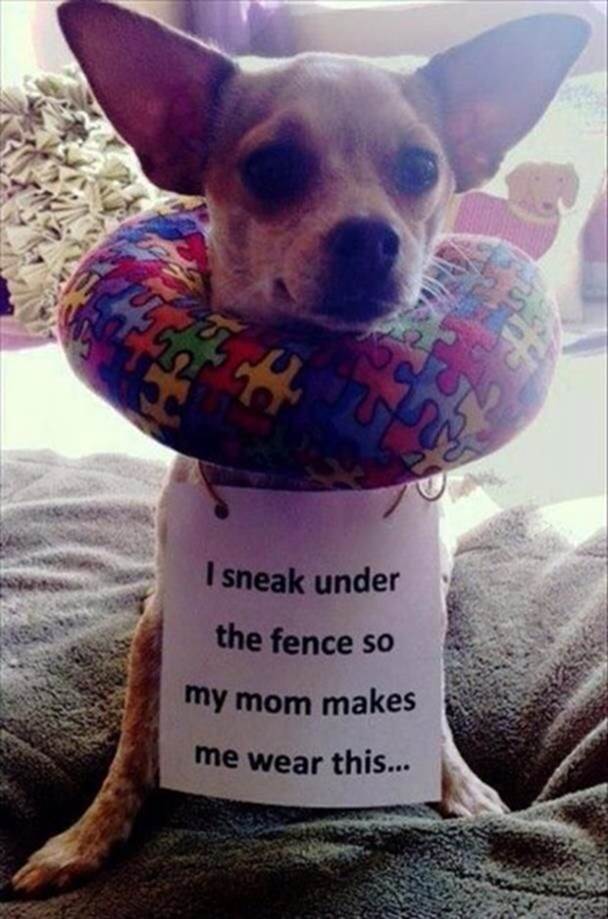
Dogs of Shame

Amanda1

oooo

Amanda2oooo

Amanda3oooo

Amanda4oooo

Amanda5oooo

Amanda6oooo

Amanda7oooo

Amanda8

Aren’t they wonderful!

Another set coming along in a week’s time!

The early beginnings.

Science has maybe found a clue to the ancestor of the dog and the wolf.

For an animal that means so much to us humans, the origins of the dog are still uncertain. Indeed, as this interesting article shows, the origins of the wolf are uncertain.

ooOOoo

Was This 18,000-Year-Old Puppy Frozen in Siberian Permafrost the Ancestor of Wolves, Dogs or Both?

DNA tests on the well-preserved remains can’t determine whether the little canine was wild or domestic

(Sergey Fedorov/NEFU)

By Jason Daley, smithsonianmag.com
Dec. 3, 2019, 10 a.m.”>December 3, 2019

Meet Dogor, an 18,000-year-old pup unearthed in Siberian permafrost whose name means “friend” in the Yakut language. The remains of the prehistoric pup are puzzling researchers because genetic testing shows it’s not a wolf or a dog, meaning it could be an elusive ancestor of both.

Locals found the remains in the summer of 2018 in a frozen lump of ground near the Indigirka River, according to the North-Eastern Federal University in Yakutsk. Parts of the animal are incredibly well-preserved, including its head, nose, whiskers, eyelashes and mouth, revealing that it still had its milk teeth when it died. Researchers suggest the animal was just two months old when it passed, though they do not know the cause of death.

The pup is so well-preserved that researchers at the Centre for Palaeogenetics in Sweden were able to sequence the animal’s DNA using a piece of rib bone. The results found that Dogor was male, but even after two rounds of analysis the team could not determine whether he was a dog or a wolf.

“It’s normally relatively easy to tell the difference between the two,” David Stanton, a Centre for Palaeogenetics research fellow, tells Amy Woodyatt at CNN. “We have a lot of data from it already, and with that amount of data, you’d expect to tell if it was one or the other. The fact that we can’t might suggest that it’s from a population that was ancestral to both—to dogs and wolves.”

The find is exciting, regardless of whether Dogor turns out to be a common canine ancestor, an early dog, or an early wolf. Hannah Knowles at The Washington Post reports that Dogor comes from an interesting time in canine evolution, when wolf species were dying out and early dogs were beginning to emerge.

“As you go back in time, as you get closer to the point that dogs and wolves converge, [it becomes] harder to tell between the two,” Stanton tells Knowles.

(Sergey Fedorov/NEFU)

The history of just how and when dogs split from wolves is unresolved. There’s a general agreement among scientists that modern gray wolves and dogs split from a common ancestor 15,000 to 40,000 years ago, explains Brian Handwerk previously for Smithsonian.com. How dogs became dogs, however, is contested. Some research suggests that dogs were domesticated by humans once, while other studies have found dogs were domesticated multiple times. Exactly where in the world wild canines became man’s best friend is also disputed. The origin of the human-animal bond has been traced to Mongolia, China and Europe.

Scientists disagree about how dogs ended up paired with people, too. Some suspect humans captured wolf pups and actively domesticated them. Others suggest that a strain of “friendly,” less aggressive wolves more or less domesticated themselves by hanging out near humans, gaining access to their leftover food.

Dorgor’s DNA could help unravel these mysteries. The team plans to do a third round of DNA testing that may help definitively place Dogor in the canine family tree, report Daria Litvinova and Roman Kutuko at the Associated Press.

ooOOoo

This is incredibly interesting, don’t you think?

Hopefully I will hear of that third round of DNA testing and, if so, will most definitely share it with you.

A treat!

A brilliant photograph!

On Saturday, our local pet food store, Lulu’s, held a free photography session. In that if we went along between noon and 4pm we could have our photographs taken of our dogs. I took my Nikon not really being sure if I could use it. We took Brandy and Pedy.

But Maria, the co-owner of the business together with her husband Rob, at one stage took my Nikon, I had set it to ‘auto’ rather than the usual RAW, and ran off some pictures.

Here’s one:

Enjoy!

What your pet dogs need to eat! Eat meat!

A fascinating article on vegetarian diets for our dogs.

We are non-meat eaters here at home. Have been for a while. Our diet is essentially vegan most of the time with some fish thrown in as well. It seems to be doing us well!

But what does us good is not what does dogs good. Not at all!

You know that dogs need meat but there was a recent article on Mother Nature Network which went into details:

ooOOoo

Is a vegetarian diet safe for my dog?

By Jessica Knoblauch
June 3, 2019.

Experts say plant-based diets don’t always give dogs the nutrition they need. (Photo: Stickler/Shutterstock)

More people are forgoing meat in their diets for a whole spectrum of reasons — from environmental to philosophical — and now vegetarians are taking a second look at their dogs’ meat-based diets too. As a result, more owners are putting their dogs on a vegetarian or even vegan diet to bypass the health and ethical dilemmas that come with a side of beef, pork or chicken in their pet’s kibble.

“I’ve been vegan for more than two years now, and I don’t wish to contribute to the slaughterhouse or factory farm industry for my own food nor for my dogs’,” explains Debra Benfer, who together with her husband owns three vegan dogs. “If people really read what ingredients are put in dog food, I believe more people would understand why a vegetarian diet is the way to go.”

Some of those ingredients include meat from animals deemed unfit for human consumption, known in the pet food industry as the 4 Ds — dead, dying, diseased or disabled animals. In addition, many commercial pet foods contain “meat meal” or “byproducts,” which can include various animal parts and slaughterhouse waste that don’t exactly match the idyllic pictures of juicy meat chunks often seen on a bag or can of dog food. Much like commercial meat for humans, meat used in pet food can contain hormones, pesticides and antibiotics, a concern that has led many dog owners to seek alternative diets.

“If someone is saying it’s OK to give my dog these things, I would add a 5th ‘D’ to that equation and say ‘don’t,’” says Jill Howard Church, president of the Vegetarian Society of Georgia. “As a vegetarian, I know what’s in human meat and since the meat that falls below the human standard is what goes into pet food, it gives me cause for concern.”

Church’s two dogs were on a vegetarian diet for their entire lives and lived to be a healthy 15 and 19 years old. Church currently has a 3-year-old black Labrador retriever that’s also thriving on a vegetarian diet.

Church and Benfer’s positive experience with vegetarian dog diets is mirrored in hundreds of testimonials found on the internet from owners who have successfully switched their dogs to a vegetarian diet. Some owners have bypassed the dog food industry altogether by cooking their own wholesome vegetarian dog meals.

“People are taking control of their animals’ diet back into their own hands instead of relying on the pet food industry so much,” says Greg Martinez, author of “Dog Dish Diet: Sensible Nutrition for Your Dog’s Health“. “We’ve all been held hostage by industry a little bit.”

In addition to decreasing a dog’s carbon pawprint (meat production is a major contributor to greenhouse gas emissions), owners say that putting their dogs on a vegetarian diet has resulted in everything from longer life spans and shinier coats to decreased aggression.

‘It is truly unnatural for them’

It would be smart to consult with a veterinary nutritionist before switching to a vegetarian diet for your dog. (Photo: Rasulov/Shutterstock)

However, there are those who worry that vegetarian dogs may not be able to get adequate nutrition from a plant-based diet. Dogs, like humans, are omnivores, meaning they can survive on a diet of either plant or animal origin, but owners must be careful to ensure that their dogs are getting the proper nutrients from plant-based ingredients. (Cats, on the other hand, are strictly carnivores.)

According to the Association of American Feed Control Officials (AAFCO), a non-regulatory industry group that establishes pet food standards, dog food for an average adult dog should contain about 18% protein, an amount deemed necessary for good health and proper growth and development. But since every protein source contains different levels of amino acids, which are protein’s building blocks, all protein is not created equal. Some proteins are better for pets than others. For example, egg and cottage cheese are considered quality sources of protein for dogs.

“Vegetarian proteins tend not to have all the amino acids, so you have to do multiple combinations of varying types of sources of protein to get the right amino acids, which can get a little tricky to manage,” says Dr. Jessica Waldman, a veterinarian who operates a full-time pet rehabilitation clinic in Santa Monica, California. Waldman says she steers her clients away from vegetarian diets because she believes they are unnatural.

“Although I think it would be possible to put a dog on a vegetarian diet, it is truly unnatural for them,” says Waldman. “There are still dogs in the wild and they eat a vast majority of animal protein, so I think that keeping your pet’s diet as close to natural is best for limiting disease and promoting health.”

Other vets disagree, arguing that dogs can successfully be vegetarians as long as their diet is balanced and they are able to get proteins from varying sources.

Dr. Jennifer Larsen, a veterinary nutritionist at the University of California-Davis, says that both commercial and home-cooked vegetarian diets “can be used safely and can provide adequate nutrition if carefully and appropriately formulated” and as long as owners pay special attention to providing their dogs with the proper protein and amino acids.

Commercial vegetarian diets and home-cooked options are prescribed by veterinarians for dogs with specific diseases, but there currently isn’t much extensive research to prove or disprove their healthfulness. One survey conducted by PETA found that 82% of dogs that had been vegan for five years or more were in good to excellent health and that the longer a dog remained on a vegetarian or vegan diet, the greater the likelihood that the dog would have overall good to excellent health.

The study, however, also found that vegetarian dogs may be more prone to urinary tract infections as well as a form of heart disease known as dilated cardiomyopathy, which can be caused by a deficiency of the amino acids L-carnitine or taurine. But as the researchers pointed out, DCM isn’t just a problem for vegetarian dogs since L-carnitine and taurine also can be washed away in the processing of meat in commercial dog food.

To help bypass this problem, some commercial dog food companies like V-dog, a high protein vegan dog food, have added taurine and L-carnitine to their formulas to insure quality health that “exceeds the nutrient profiles established by the AAFCO,” says V-dog President David Middlesworth.

Though putting dogs on a vegetarian diet may remain controversial until further studies are conducted, veterinarians and vegetarian dog owners can agree that people considering putting their dog on a vegetarian diet should first do their own research to determine what’s best for their individual dog’s needs and/or consult their veterinarian.

Jennifer Adolphe, an animal nutritionist at the University of Saskatchewan, told The Washington Post that pet owners should do research. She advises pet owners to do “some homework to find out who is behind the company, if it employs a full-time qualified nutritionist, what kind of quality control measures do they use.”

“It just takes research and the willingness to stick by your reasons for having your dogs on a vegetarian diet,” says Benfer, who often makes homemade dog food for her three vegan dogs. “I get strange looks when I let people know my dogs are vegan, but it’s only because they aren’t educated about dogs being vegetarian and don’t realize how easy and possible it really is to do.”

Editor’s note: This story has been updated with new information since it was published in August 2010.

ooOOoo

Well not much to add from me. This article is completely clear to my mind.

Dogs need meat!

Into Diamonds

A rare post about a commercial concern.

On December 1st, David Miller emailed me with this:

Hi Paul
We feel honored that you mentioned us in your 2017 article titled “Let Us Always Remember Them”! https://learningfromdogs.com/2017/12/05/let-us-remember-them/

“Susan Combs” has published this post for us, but I was wondering if we could have a new guest post and pay the fees for that post directly to you? We would ghostwrite this, so it would have to published under your name.

Do let me know what you think and what you would charge for this!<

David

I then replied:

David,

I write my blog purely for pleasure, there is no charge.

Having said that, I also try hard not to promote commercial concerns and I’m unsure whether or not this applies to your goodself, I suspect not.

Please give me some further details about your intended article plus some information about yourself.

Regards,

Paul

Well the article came through a couple of days ago and it is a commercial, profit-seeking, company. I’m also in the unknown as to whether there are others in the same vein out there.

But I decided to publish it anyway because, who knows, there may be some out there who are interested in the service.

ooOOoo

A company turns people and pet’s ashes and hair into diamonds

By Melodie Beattie, a motivational author.

These powerful words ring true for the staff at Heart in Diamond (HID), where they make the impossible happen by taking cremated ashes or hair from a loved one or pet and turning it into diamonds.

Heartache led Anita to work with Heart in Diamond to help others

In particular, there is one employee at Heart in Diamond that can personally attest to this quote, and that is Anita Bolton. In 2011, Anita suffered the loss of her beloved husband. She was completely devastated following his death and Central England Cooperative Funeral Care was there to help her make the necessary plans for a memorial service and cremation for him.

Not only did the organization take care of all the arrangements for her, but they also informed her about Heart in Diamond, which is a company that allows people to pay tribute to the deceased by having a diamond created from some of their cremated ashes or a lock of hair. Anita talks about her first introduction to HID:

“I went to collect the ashes and that was when I was given a Heart in Diamond leaflet. I thought it was a beautiful way for me to remember my husband. I had never heard of the process at all. I had a white diamond created and my young son had a blue diamond.”

Anita also said that the beautiful white diamond ring has filled her with love, happiness, and it has created an everlasting bond. She believes that clients who reach out to the company to have their very own cremation diamond made will look at it and be reminded of their eternal love and it will become a treasured keepsake for many generations to come.

The company made such a great impact on Anita, that she decided to work with Heart in Diamond and became the business operations manager. In this role, she actually works very closely with the good people at Central England Cooperative Funeral Care, who are the same ones who helped her in those very dark and dreary days in her life. When talking about the work she does for Heart in Diamond, Bolton says:

“I’m very proud that Heart in Diamond has given me the opportunity to share my experience in a product I truly believe in and work within a dedicated professional caring team.”

If you would like to learn more about Anita, feel free to visit her employee page at the Heart in Diamond website.

HID is committed to providing personalized service

With an incredible combination of genuine love for people and an unerring passion for doing a good job, the team of dedicated professionals at Heart in Diamond was formed in 2005 when it set out to provide an extraordinary experience to every client they serve. According to the company’s About Us page:

“We pride ourselves by offering a personal service for your commemorative diamond.”

All the individuals that make up the HID team share a common vision and passion to demonstrate real care and love, inherent in each and every diamond they create. Some of the guiding principles of the company include:

  • We treat all samples with respect
  • Every customer is an individual and not a number
  • We provide personal service to each customer
  • We are committed to delivering a product of the highest quality
  • We are committed to delivering the best price on the market
  • We are committed to providing the shortest production time
  • We guarantee a genuine product through our unique authentication program.

Creating everlasting bonds worldwide since 2005

Heart in Diamond is a UK-based company that is also recognized as a world-renowned manufacturer of laboratory diamonds. If you or a loved one is dealing with grief from the loss of a close friend, spouse, family member, or even a pet, Heart in Diamond can provide you with unique tribute gifts that last a lifetime.

Carbon is extracted from either the ashes or hair of pets or people. Then, it is exposed to a laboratory-controlled environment that mimics the natural processes deep within the earth in order to grow the sample into a diamond. Lab-grown diamonds from HID are identical to mined diamonds in terms of physical, chemical, and optical properties, but they cost 20 to 30 percent less on average and they are a more ethical choice than conflict diamonds.

When you buy a commemorative diamond from HID, you not only receive a high-quality gem, but your cremation jewelry also serves as a living memory you can pass on to generation after generation.

ooOOoo

I then went across to the website hoping to get some pictures to share with you but they are not clear enough to view here.

But there’s a great deal of information that you may want to consider.

And, to state the obvious, I did not receive any compensation for publishing this.

Picture Parade Three Hundred and Eighteen

Enjoy

This was seen on the photographic forum Ugly Hedgehog and I just loved it.

It is fully republished with permission.

ooOOoo

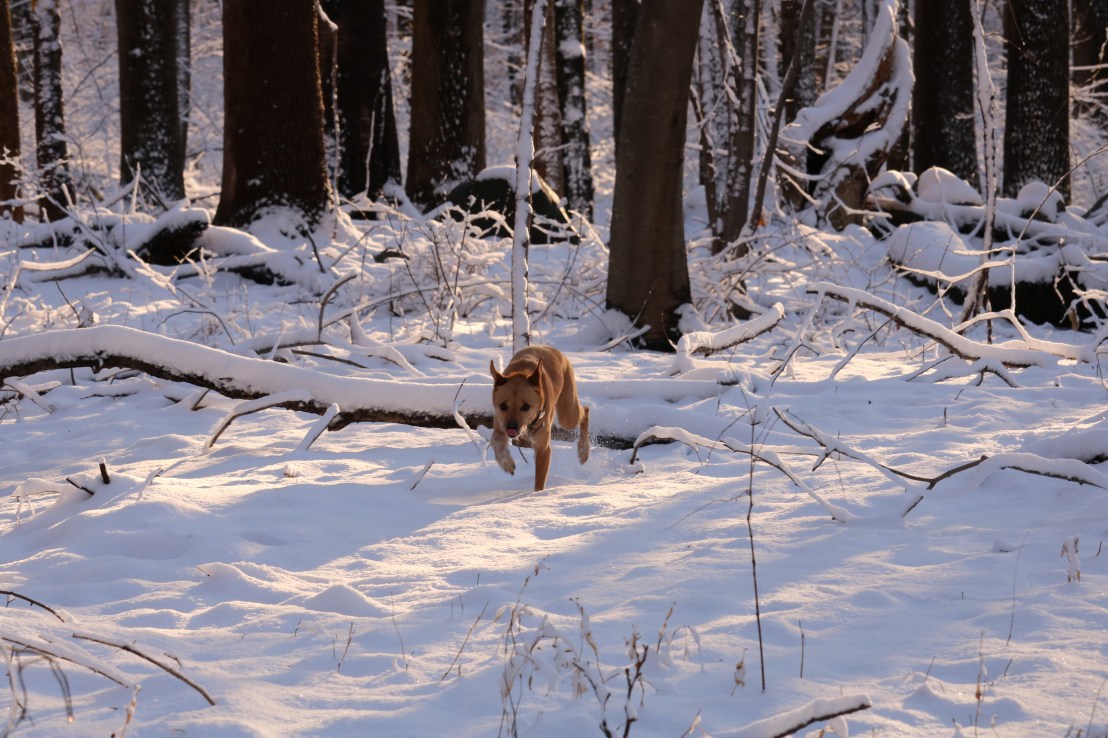
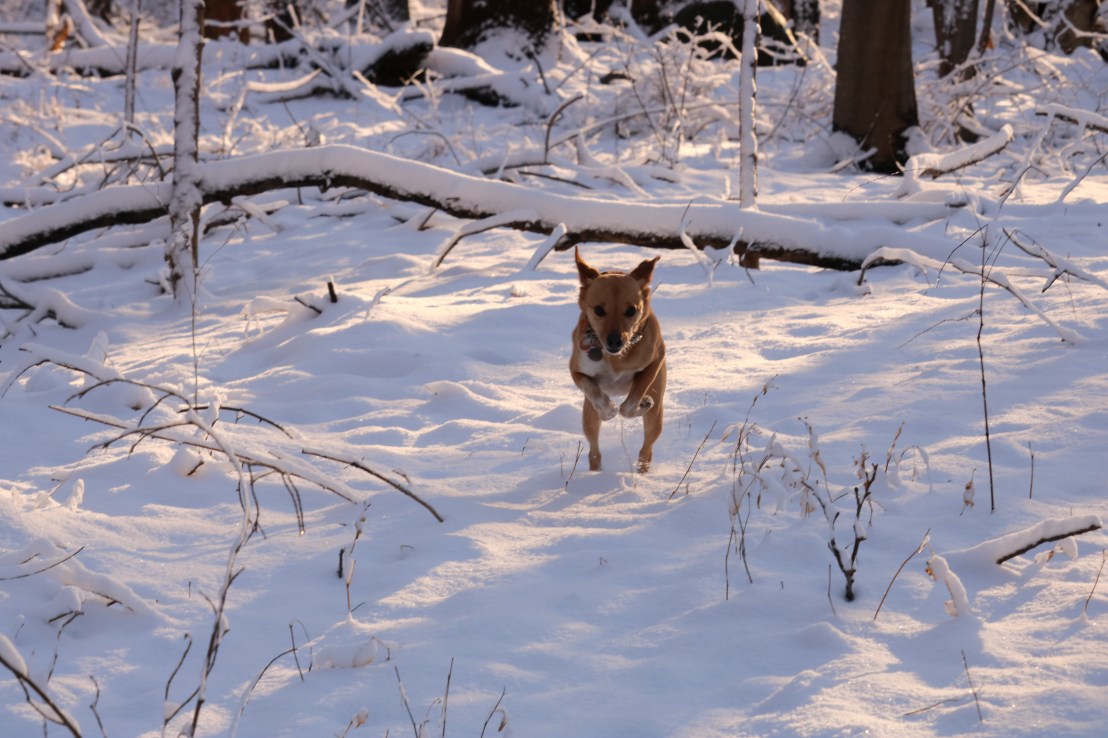
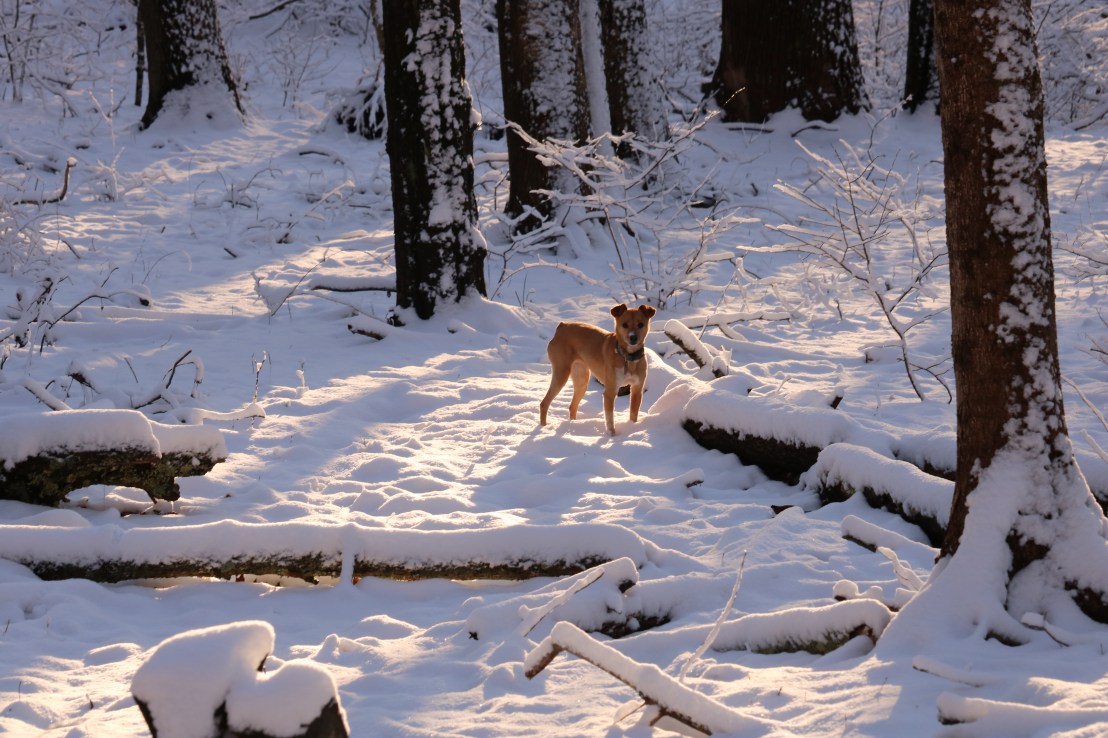
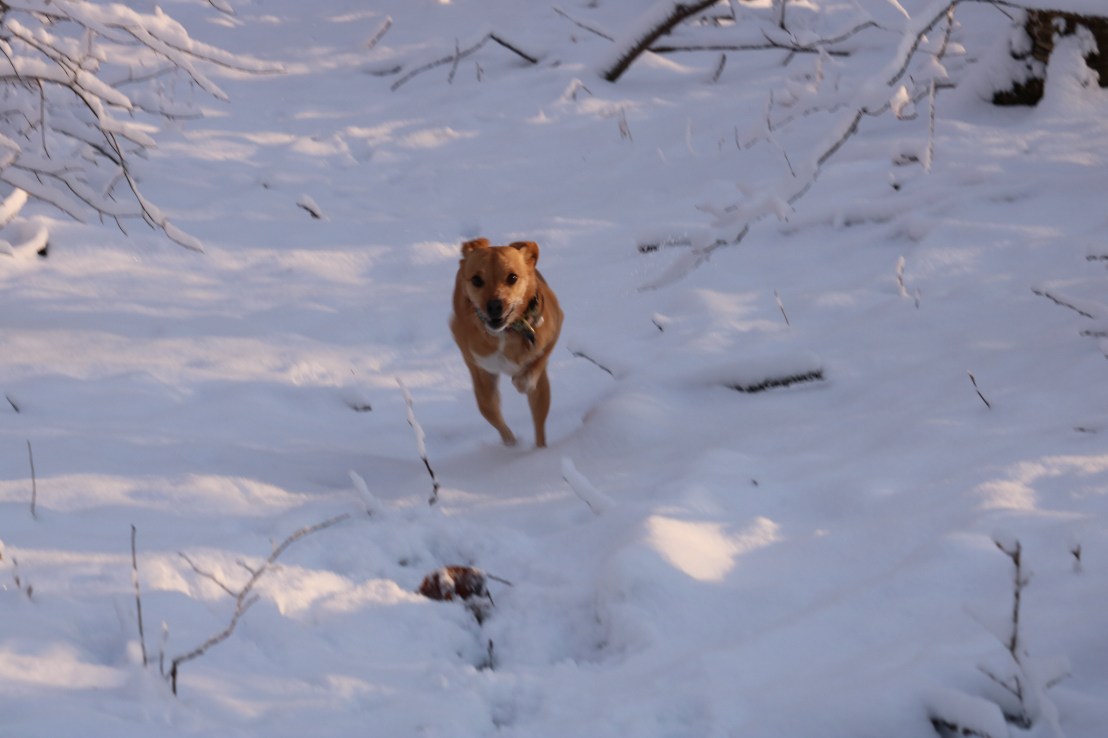
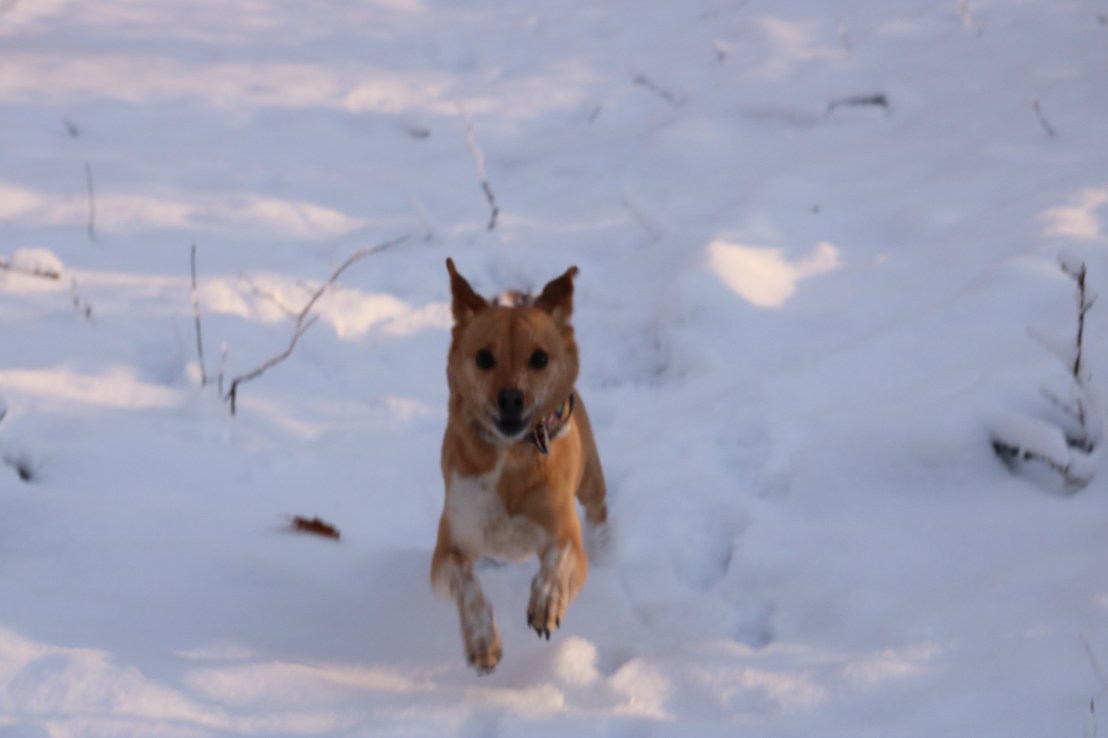
I took our little dog for a woods walk after the snow.

We went for a walk in the woods behind our house this afternoon. We got about 3 inches of snow that stuck to the trees. Norah loves to run in the new snow!

oooo

oooo

oooo

oooo

oooo

oooo

oooo

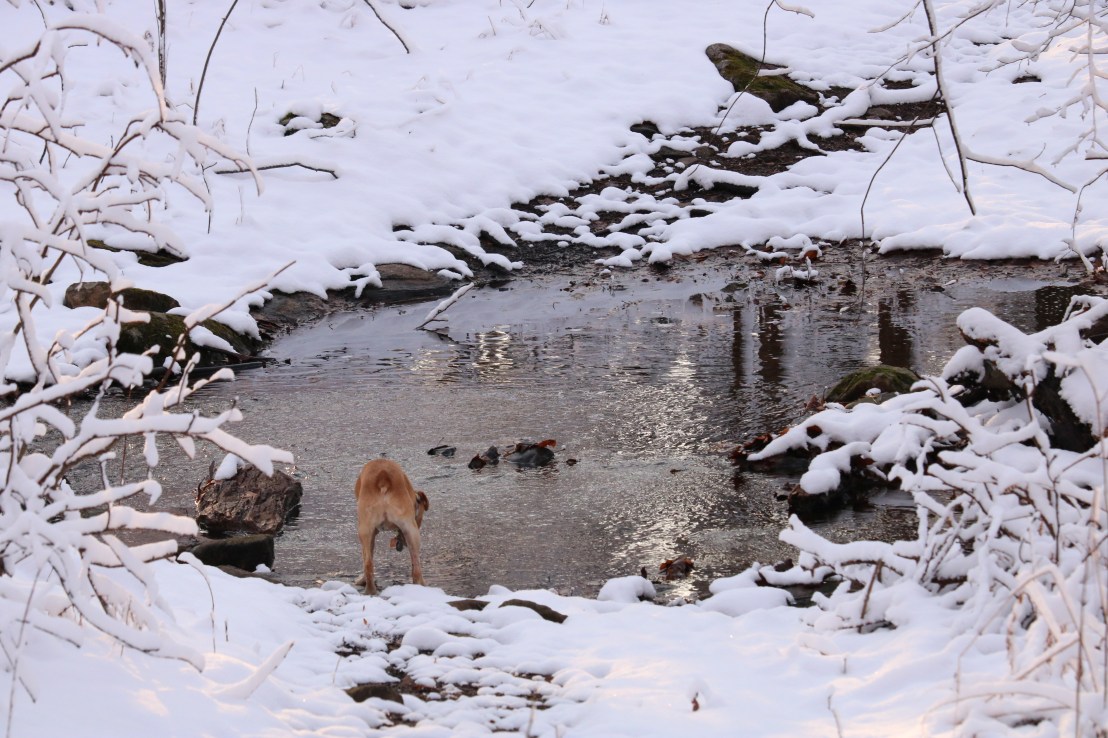
By the stream. She doesn’t like to get her dainty paws wet.

oooo

ooOOoo

I think these are wonderful.

The dog’s name is Norah as you may have gathered and she is a tailless dog. As was said on the forum: ” Her name is Norah. She’s the best (only) tailless dog we’ve every had! Our best guess is that she may be part Jack Russell but we don’t know. She’s a rescue dog.”

For next Sunday I’m going to repeat a few of these but using my Luminar photo-editing software. I have a feeling that a few of these wonderful photographs can produce some great edits.

This is a gorgeous story, and it’s true!

Piper lost and found!

There’s something almost beyond the world of words, pictures and blogging. That’s when a dog goes missing and then is found. Especially if the lover of the dog is a young boy who fears the worst.

Dogs bring out so much that is good in us. Dogs cross gender, age, country and ethnic boundaries.

This is what struck me with some force I will admit when I read this article on the Daily Dodo yesterday. It is republished for your own delight!

Oh, and welcome to Friday the 13th!

ooOOoo

Family Surprises Boy At School With His Lost Dog

So many happy tears 😭❤️️🐶

Photo Credit: Facebook/April Licata

The holidays aren’t about what’s under the tree; it’s who you’re with that matters. And no one understands that better than Carter Licata and his dog, Piper.

The 2-year-old pug loves everyone in her family, but her bond with her brother is special. “It was love at first sight for the two of them,” April Licata, Carter’s mom, told The Dodo.

But the family’s holiday season was nearly destroyed when the unthinkable happened — Piper went missing.

Photo Credit: April Licata

Last month, Licata let Piper and her other dog outside to use the bathroom. But when she opened the door to let them back in, Piper was nowhere to be seen.

The family searched everywhere, posted on social media, and reached out to neighbors and community groups. They prayed for Piper’s safe return, but as days turned to weeks, they feared that they would never see their pug again.

“We were all sick,” Licata said. “The older kids wanted nothing to do with decorating the Christmas tree and it was a very somber Thanksgiving for them.”

Then, Licata received a Facebook message from the Genesee County Animal Shelter. A dog matching Piper’s description had been dropped off at the shelter by a person who wanted to remain anonymous. “My husband and I were going out to dinner and honestly, there was an outcry of joy in the truck,” Licata said. “We were shocked and elated!”

Carter was out of town when they learned about Piper, so they decided to keep it a secret and surprise him with a special reunion when he returned. Piper, meanwhile, wandered around the house looking for her brother, until finally, their reunion day arrived.

Photo Credit: Facebook/April Licata

When Carter saw Piper in the front seat of the truck, decked out in bows, he immediately broke down in tears.

Piper’s tail went crazy at the sight of her brother and as soon as he stepped in the truck, she jumped in his arms, showering him with kisses.

The family couldn’t be happier to have Piper back again — and just in time for Christmas.

“My son loves his dog so much, was sick while she was gone, and tonight she’s sleeping next to him again,” Licata wrote on Facebook. “What a Christmas miracle for our family.”

You can see the heart-warming video below.

ooOOoo

I know that for the main part I just republish the work that others do. But that doesn’t mean that I’m not affected by the articles. This one in particular had me in tears.

Dogs mean so, so much to us!