Category: Culture

To England and France, Part Two.

Fun days with my daughter’s family!

We had arrived in England, via Gatwick airport, yesterday, as in Monday the 9th April, and were staying with Maija and family until Friday when Jean and I travelled up to London to meet my sister Eleanor.

So these three days were to be spent doing as many fun things as we could; it being the Easter school holiday week so Morten was at home each day.

Thus today’s post is a fairly quick run through of all the things that we did.

First thing on Tuesday morning was to see how adept young Morten was in riding his bike.
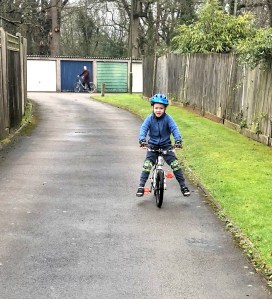
Thankfully it was dry but still overcast. The forecast was for the weather to improve over the coming days. But whatever the weather we were not going to let it get in the way.

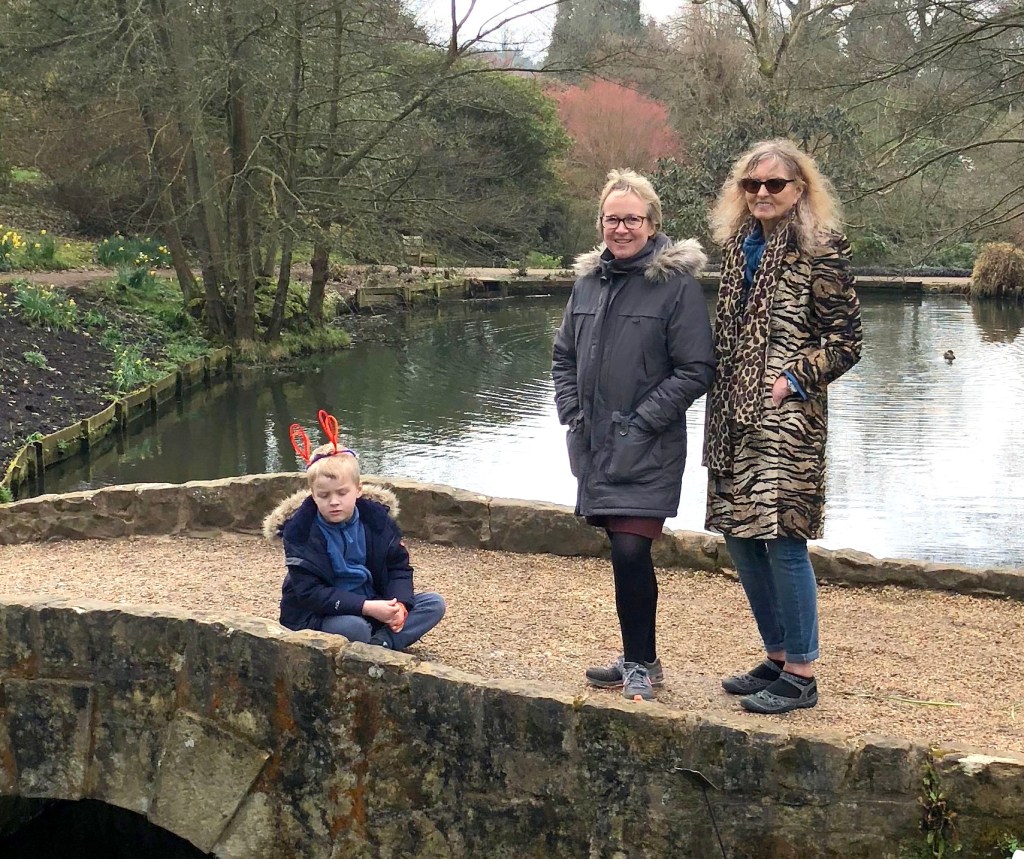
Maija mentioned that Wakehurst, part of Kew Royal Botanical Gardens was close by and we readily agreed to go there. As the Kew website explains:

Our wild botanic garden on the High Weald of West Sussex has over 500 acres of beautiful ornamental gardens, woodlands and a nature reserve. Wakehurst is also home to the Millennium Seed Bank, the largest wild seed conservation project in the world.

Morten got it into his head to ‘dress up’!

He is a very lively young man!

Wakehurst was a very tranquil place.


As well as the beautiful grounds it was possible to buy plants.

Slowly the weather improved.

In the blink of an eye it was Wednesday and the plan that day was a visit to the Bluebell Railway. As the website offers:

The volunteer-run Bluebell Line was the UK’s first preserved standard gauge passenger railway, re-opening part of the Lewes to East Grinstead line of the old London Brighton & South Coast Railway in 1960. Since then it has developed into one of the largest tourist attractions in Sussex, yet it still remains true to its objectives of the preservation for posterity of a country branch line, its steam locomotives, coaches and goods stock, signalling systems, stations and operating practices.

One’s never too old to go on a steam railway!

Sheffield Park Station, East Sussex

As the above photograph shows it was another day of intermittent rain and low clouds.

But did that stop four people having a fun time???
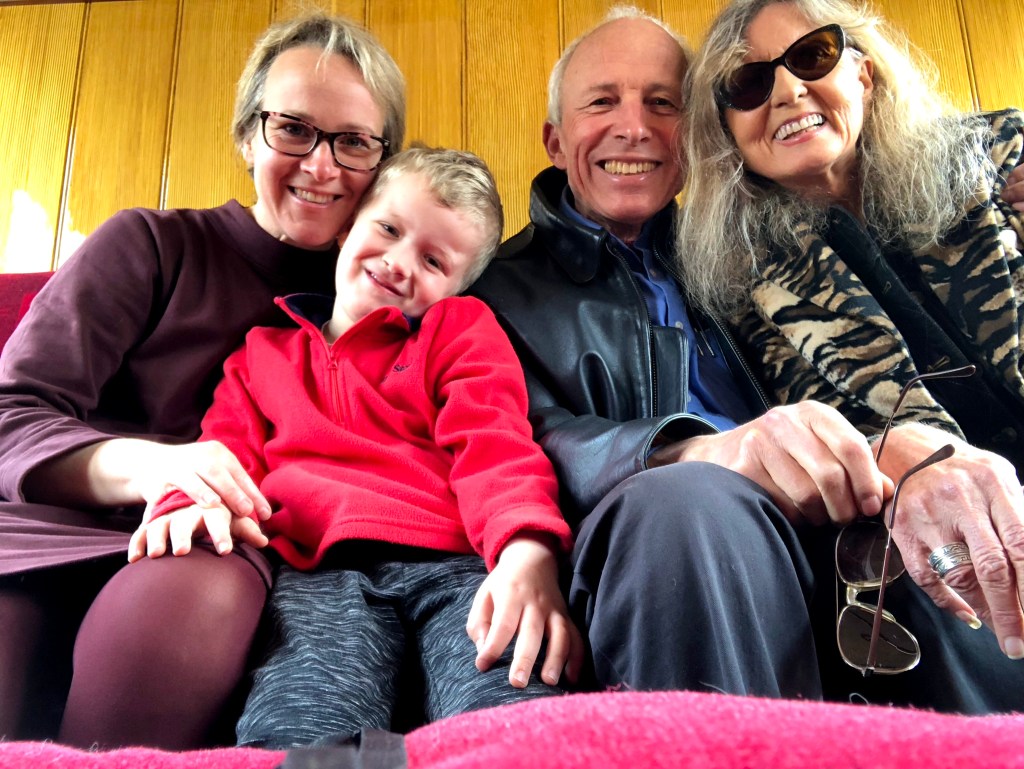
A ‘self-pic’ of four happy faces aboard the Bluebell train.

On the Thursday, the 12th, Maija had an engagement in London in connection with her company, SOUND UK, and Jeannie and I were in charge of Morten for the day.

Well I think that was the arrangement although Morten woke up with very clear ideas as to how the day was to be spent. Primarily walking into Lindfield village so he could show Jean and me all the places of note!
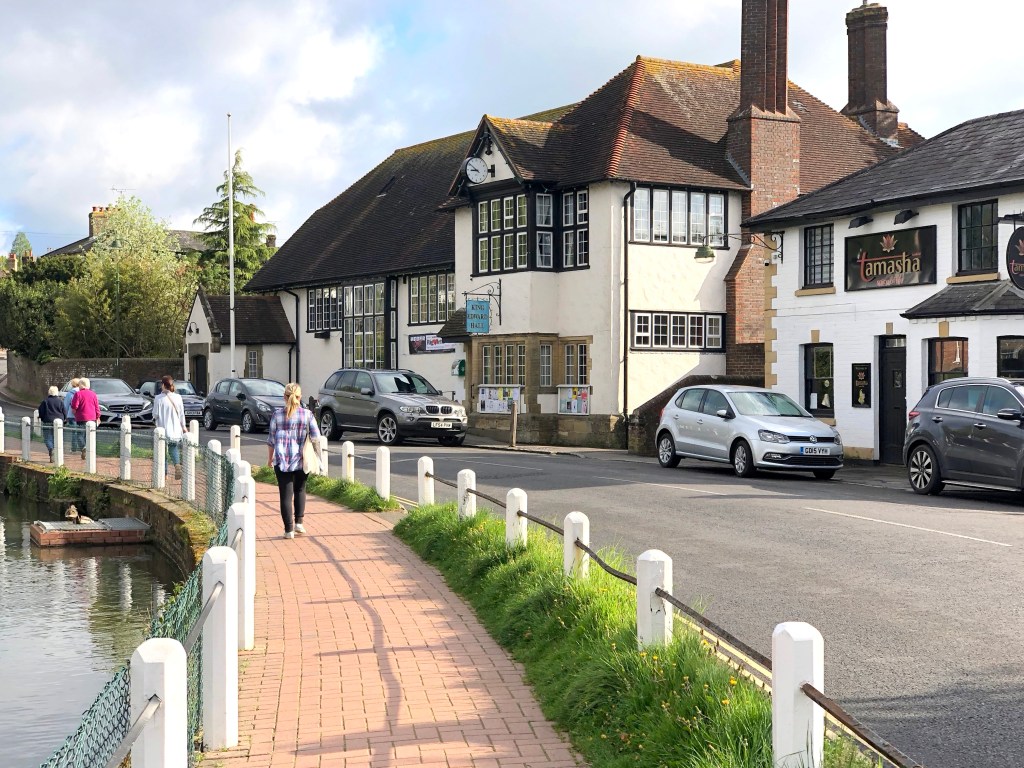
Lindfield is the classic English village complete with cricket field, village pond and a pub or two. As Wikipedia offers:

The village stands on high ground above the upper reaches of the River Ouse. It is situated close to both the natural beauty of the High Weald and to Haywards Heath with its amenities and station on the main London-Brighton railway line.

Lindfield has a rich historic and architectural heritage. The ancient High Street, lined with lime trees, has over forty medieval and post medieval timber-framed houses, with many individual shops. At the bottom of the High Street is a natural spring-fed pond with fish, ducks, and herons. Beyond lies the Common which, over the centuries, has witnessed many events – fairs, festivals, bonfire celebrations and sporting activities; cricket has been played there since 1747. Today, it is still central to village celebrations and leisure activities. In addition to the Common there is Pickers’ Green, providing pitches for cricket, football, stoolball and a children’s play area.

History

The High Street follows an ancient north-south track that has existed for thousands of years, long before the Romans built a major road, the London to Brighton Way, a mile to the west of the village.

Lindfield first appeared as Lindefeldia, ‘open land with lime trees’, in a Saxon charter of 765 AD, in which King Ealdwulf granted lands for the building of a Minster church. When the Domesday Book was compiled the lands were held by the Archbishop of Canterbury.[4]

King Edward III recognised the importance of medieval Lindfield and in 1343 granted the town a royal charter to hold a market every Thursday and two annual eight-day fairs. For centuries the fairs continued each April and August with the summer fair becoming one of the largest sheep sales in Sussex.[5]

Lindfield was once part of the thriving Wealden iron industry. As early as 1539, William Levett of Buxted, a county curate with a thriving sideline in iron and armaments, was recorded as extracting iron ore at Lindfield. Later the Henslowe family of Lindfield were actively engaged in the iron milling business in association with Ralph Hogge, parson Levett’s former servant and later a major ironmaster in his own right.

In 1841 the London-Brighton railway opened, passing to the west of the parish with a ‘Station for Cuckfield and Lindfield Towns’ on open land that was to become the town of Haywards Heath. The construction of the Ouse Valley branch line reached Lindfield in 1866 with a proposed station to the north of All Saints’ Church but the line was abandoned for financial reasons.

Charles Eamer Kempe, a leading church stained glass designer and manufacturer lived at Lindfield until his death in 1907. Kempe renovated and redecorated an Elizabethan manor house near the village which he renamed Old Place,[6] from where he entertained clients and professional partners. Internally the house was appointed to the highest standard of Victorian splendour. After his death in the 1930s, the house was partitioned into six individual residences, with the main reception rooms forming part of the new “East Wing”.[7]

Lindfield also had a children’s play area which is where I snapped this photograph of Morten on that Thursday.

Then before we knew it the morning of Friday, 13th was upon us and it was time to catch the train up to London.
However these days with Morten had put in place a precious bond that was one of the primary reasons for us coming to England.

In tomorrow’s post I offer the experiences of meeting Eleanor, Richard and my son Alex.
To England and France, part one

Our recent vacation to see family in England and France.

Dear friends, I have my fingers tightly crossed that today’s post and the posts for the rest of the week aren’t going to come across as too indulgent!

For what I have planned this week is to share the experiences that Jean and I had when we flew from Oregon to Europe, leaving on 8th April and returning on the 26th.

Come the day of our departure the morning presented low clouds and persistent rain. It was a four-hour drive North on Highway I-5 and our plan was to be away by 8am. Our home-sitter cum pet-sitter, Jana, would be arriving around 9:30.

Inevitably, I couldn’t sleep that well and it was not long after 7:30am that Jean and I drove down our driveway to start the journey to Portland International Airport. It was rain the whole way and not an easy drive; to say the least. Especially when overtaking the many trucks when the spray was pretty grim!

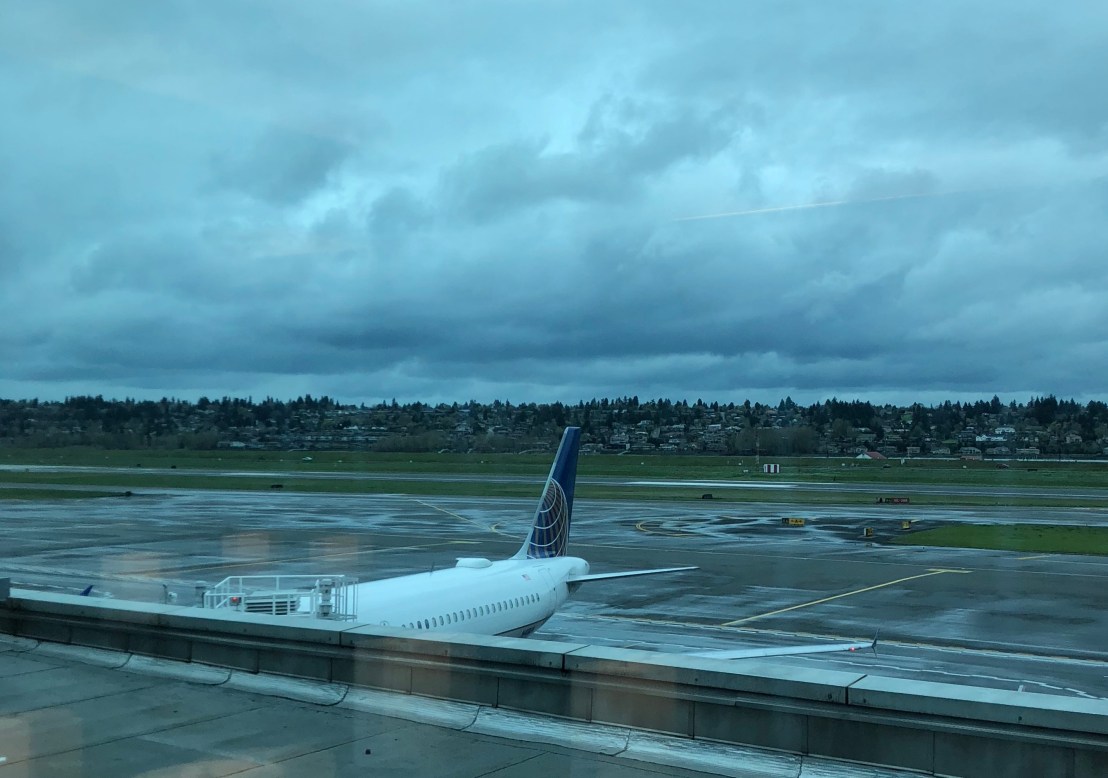
The Portland skies were just as wet and dreary as the drive up had been.

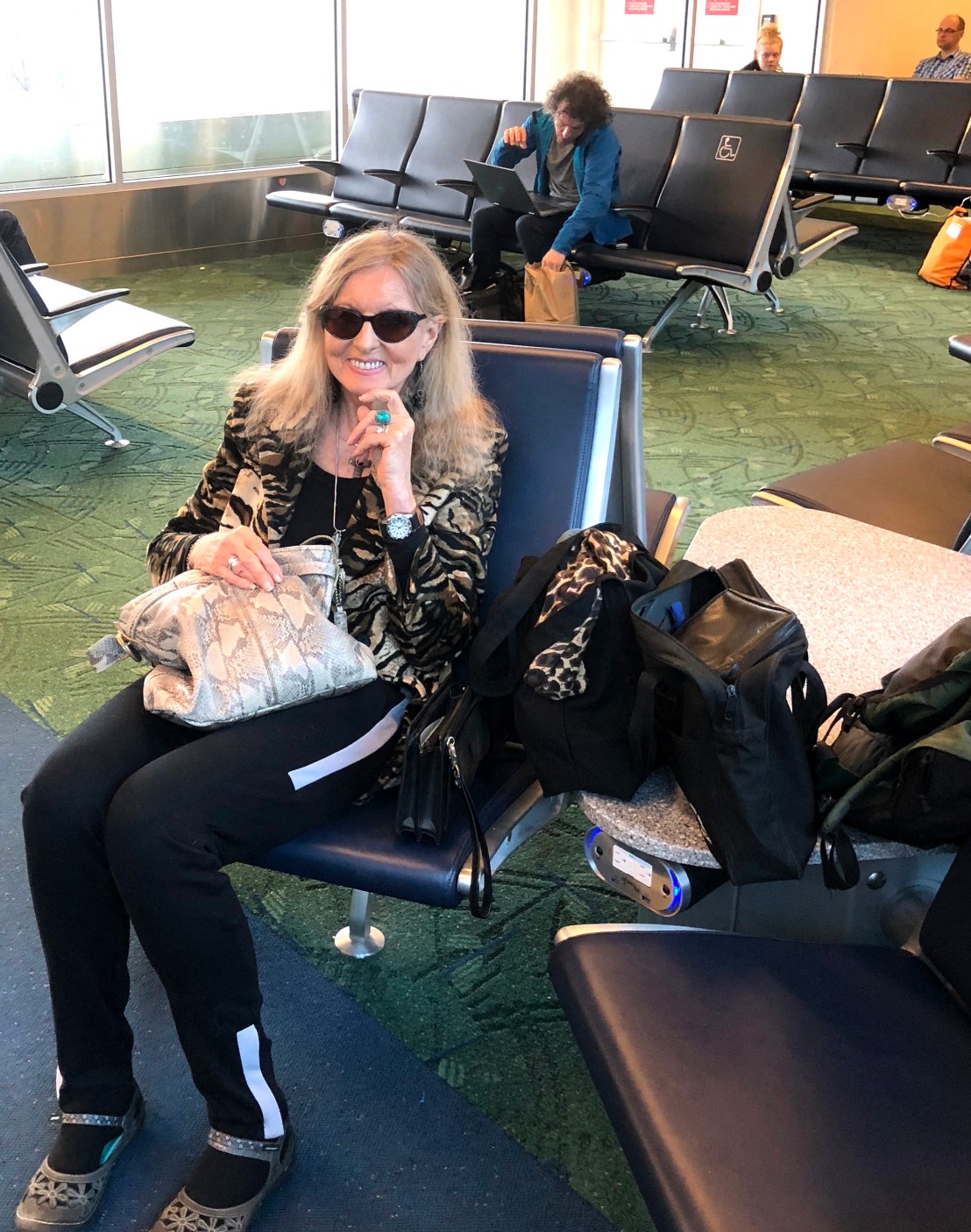
Anyway, we had arrived without any hitches and it was time to forget about the car for nearly three weeks and start getting ourselves into holiday mood.

Then on the very dot of the scheduled time for departure, as in 15:40, our Icelandic Air flight FI664 rotated skywards en route for London Gatwick via a short stop at Reykjavik.

Airborne!

To our great amazement the total flight time of over ten hours passed reasonably smoothly and before we knew it we were catching a taxi from London Gatwick to my daughter’s house in the village of Lindfield just 20 minutes away from the airport.

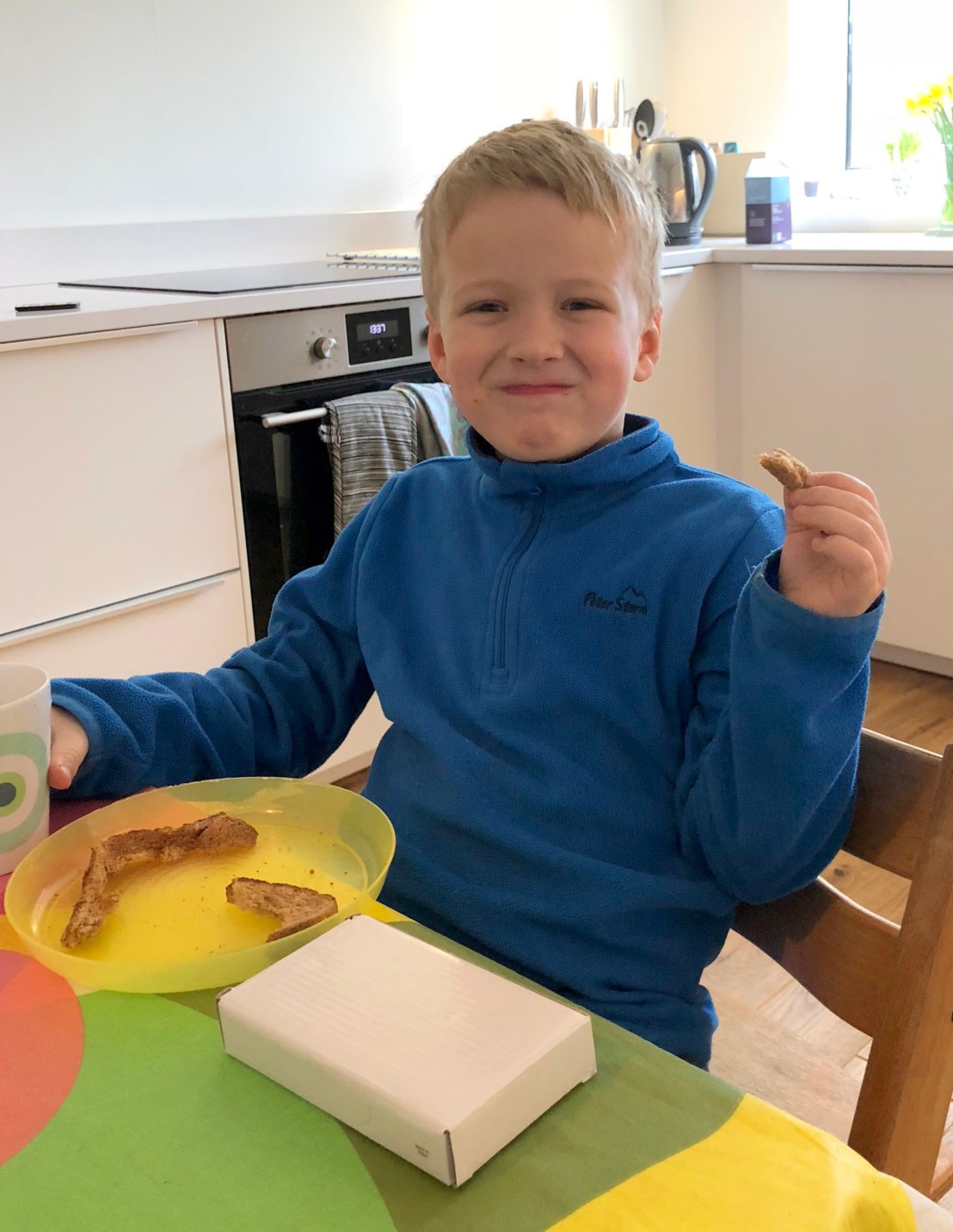
By mid-day on Monday the 12th we were at my daughter’s house and sitting down to a lunch snack with Maija, my daughter, and Morten, my seven-year-old grandson.

The plan was to spend a few days with Maija, and her husband Marius, and above all with Morten and I will cover what we did over those days in tomorrow’s post.

Wolves and Rivers

Connections!

Just a few days ago, on May 1st to be precise, I published the post Dogs and Humans.

Colin Reynolds, he of the blog Wibble, left the following comment:

Good to see you back, glad to hear you had an enjoyable trip.
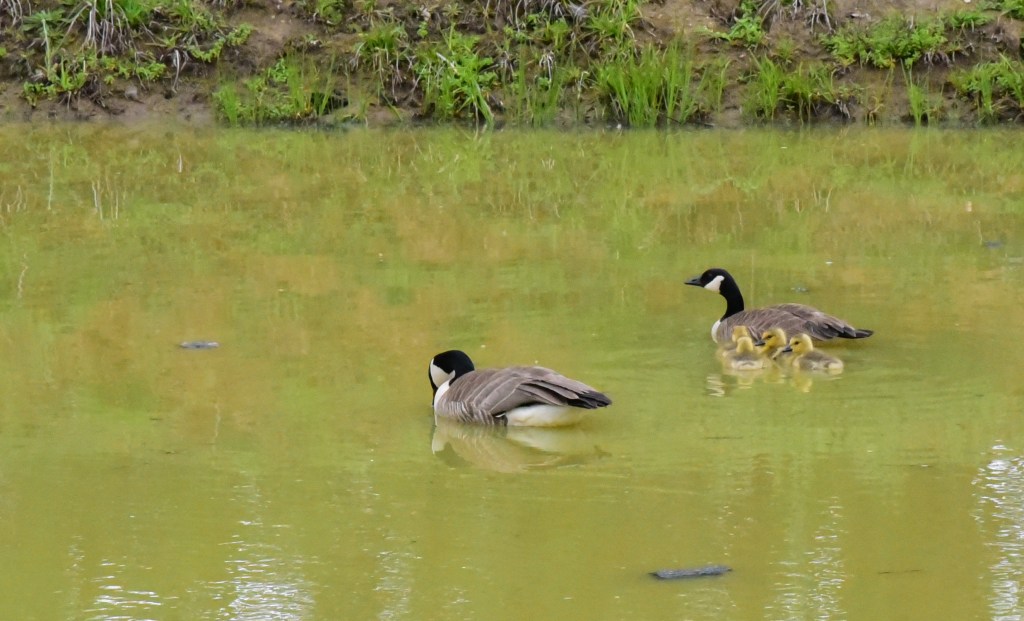
Those goslings are really cute 🙂
At risk of self-promotion: I was thinking of you when I wrote my latest blog post. Granted, wolves aren’t dogs, but they almost are… 🙂

I went across to Colin’s latest blog post and immediately wanted to share it with you all in this place.

It also seemed appropriate to ask Colin for his introduction. But here’s what he offered: “When Paul asked me if I would be willing to turn this post into a guest post for Learning from Dogs, I was more puzzled than anything else. The only words here that aren’t my own are those where I explain that all I did was transcribe George Monbiot’s words from the video.” I’m bound to say that the transcription was a grand job!

Anyway, here is Colin’s post.

ooOOoo

How Wolves Change Rivers

by Colin Reynolds

When we try to pick out anything by itself, we find it hitched to everything else in the Universe.” — John Muir

When wolves were reintroduced to Yellowstone National Park in the United States after being absent for nearly 70 years, the most remarkable ‘trophic cascade‘ occurred. In this short film, George Monbiot explains what a trophic cascade is, and how wolves do actually change rivers.

I found this so remarkable that I took the time to transcribe George’s words:

One of the most exciting scientific findings of the past half century has been the discovery of widespread ‘trophic cascades’. A trophic cascade is an ecological process which starts at the top of the food chain and tumbles all the way down to the bottom, and the classic example is what happened in the Yellowstone National Park in the United States when wolves were reintroduced in 1995. Now, we all know that wolves kill various species of animals, but perhaps we’re slightly less aware that they give life to many others.

Before the wolves turned up, they’d been absent for seventy years, but the numbers of deer — because there’d been nothing to hunt them — had built up and built up in the Yellowstone Park and despite the efforts by humans to control them, they’d reduced much of the vegetation there to almost nothing; they’d just grazed it away. But as soon as the wolves arrived, even though they were few in number, they started to have the most remarkable effects.

First, of course, they killed some of the deer. But that wasn’t the major thing: much more significantly, they radically changed the behaviour of the deer. The deer started avoiding certain parts of the park: the places where they could be trapped most easily, particularly the valleys and the gorges — and immediately, those places started to regenerate. In some areas, the height of the trees quintupled in just six years; bare valley sides quickly became forests of aspen, and willow, and cottonwood.

And as soon as that happened, the birds started moving in. The number of songbirds and migratory birds started to increase greatly. The number of beavers started to increase because beavers liked to eat the trees; and beavers, like wolves, are ecosystem engineers, they create niches for other species. And the dams they built in the rivers provided habitats for otters and musk-rats and ducks and fish and reptiles and amphibians.

The wolves killed coyotes, and as a result of that, the number of rabbits and mice began to rise, which meant more hawks, more weasels, more foxes, more badgers. Ravens and bald eagles came down to feed on the carrion that the wolves had left. Bears fed on it too, and their population began to rise as well, partly also because there were more berries growing on the regenerating shrubs. And the bears reinforced the impact of the wolves by killing some of the calves of the deer.

But here’s where it gets really interesting: the wolves changed the behaviour of the rivers. They began to meander less, there was less erosion, the channels narrowed, more pools formed, more riffle sections, all of which was great for wildlife habitats. The rivers changed in response to the wolves. And the reason was that the regenerating forests stabilised the banks so that they collapsed less often, so that the rivers became more fixed in their course. Similarly, by driving the deer out of some places and the vegetation recovering on the valley sides there was less soil erosion, because the vegetation stabilised that as well.

So the wolves, small in number, transformed not just the ecosystem of the Yellowstone National Park, this huge area of land, but also its physical geography.

Note from the video’s publisher (Sustainable Human): “There are ‘elk’ pictured in this video when the narrator is referring to ‘deer.’ This is because the narrator is British and the British word for ‘elk’ is ‘red deer’, or ‘deer’ for short. The scientific report this is based on refers to elk so we wanted to be accurate with the truth of the story.”

ooOOoo

As that quote from John Muir infers, we are all connected. No better illustrated by a very sad piece of research news that will be the topic for tomorrow’s post.

More dog food recall notices

The following came in while we were away.

On the 13th April:

K9 Natural is recalling 4 batches of its raw frozen dog food due to possible contamination with Listeria monocytogenes, an organism that can cause serious and sometimes fatal infections in humans and animals.

To learn which products are affected, please visit the following link:

K9 Natural Dog Food Recall

Please share the news of this alert with other pet owners.

April 13, 2018 — K9 Natural Ltd is voluntarily recalling 4 batches of its K9 Natural Frozen Chicken Feast that were imported into the US in June 2017 because they have the potential to be contaminatedwith Listeria monocytogenes.

Then on April 16th.

April 16, 2018 — Carnivore Meat Company of Green Bay, WI, is voluntarily recalling two of its Vital Essentials freeze-dried dog foods because they may be contaminated with Salmonella.

What’s Recalled?

The following affected products were distributed in the continental USA through independent retailers and via online retailers Chewys.com and Amazon.com through direct delivery.

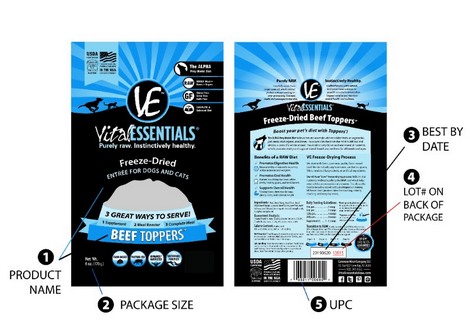
  • Vital Essentials Freeze-Dried Beef Toppers
  • 6 oounce (170 g) package size
  • Best by date: 06/04/2019 or 06/20/2019
  • Lot #: 13815
  • Product UPC: 033211006059
  • Vital Essentials Frozen Beef Chub Entrée for Dogs
  • 5 pound (2.27 kg) package size
  • Best by date: 12/27/18
  • Lot #: 13816
  • Product UPC: 033211008817

There’s more to see about this recall so please, please go here to read the details.

Then two days later, April 18th, in came this:

April 18, 2018 — TruDog is withdrawing one lot of its freeze-dried dog food from the market because it may be contaminated with Salmonella bacteria.

What’s Recalled?

The affected products were distributed in the continental USA via online retailer Chewy.com and TruDog.com through direct delivery.

The recall is limited to 400 cases and appears to include a single batch of TruDog BoostMe Mighty Meaty Beef Topper Meal Enhancer identified only as Lot #20190531 13815.

Full details here.

Then more came through on the 21st April. As in:

Dear Fellow Dog Lover,
Because you signed up on our website and asked to be notified, I’m sending you this special recall alert. If you no longer wish to receive these emails, please click the “unsubscribe” link at the bottom of this message.

Important: This email alert includes 2 different recalls.

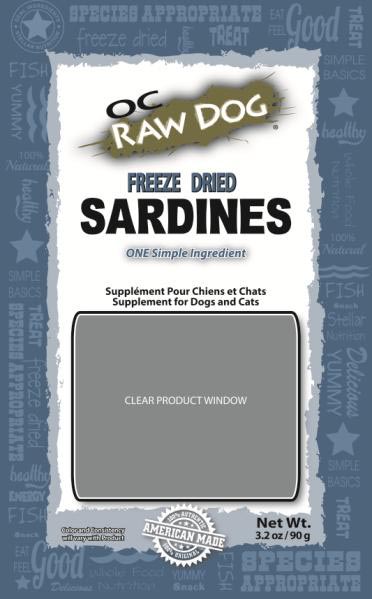
OC Raw Dog is recalling one lot of its Freeze-Dried dog treats product because it has the potential to cause botulism poisoning.

To learn which products are affected, please visit the following link:OC Raw Dog Recalls Dog Treats | April 2018

In addition…

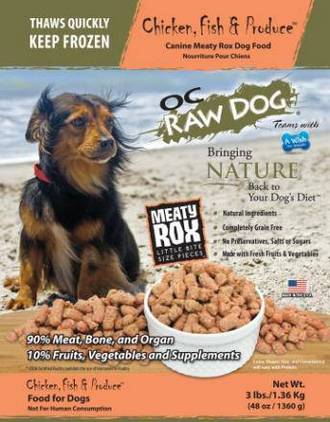
OC Raw Dog is also recalling one lot of its raw frozen dog food due to potential contamination with Listeria monocytogenes bacteria.

To learn which products are affected, please visit the following link:

OC Raw Dog Recalls Dog Food Due to Risk of Listeria

Please share the news of this alert with other pet owners.

Mike Sagman, Editor

The Dog Food Advisor

P.S. Get instant access to a list of The Dog Food Advisor’s safest and most recommended dog food brands. Click here for details.

As in:

April 20, 2018 — OC Raw Dog, LLC of Rancho Santa Margarita, CA, is recalling its OC Raw Dog Freeze Dried Sardines product because it has the potential to cause botulism.

Botulism is a deadly disease caused by a toxin-producing bacterium known as Clostridium botulinum.

The toxin itself is one of the most potent poisons known and can be fatal to both pets and humans.

Further details here.

Plus:

April 20, 2018 — OC Raw Dog, LLC of Rancho Santa Margarita, CA, is recalling a specific lot of its raw frozen dog food due to potential contamination with Listeria monocytogenes.

Further details of this one here.

But apart from that nothing in particular really happened!!

Please share these details with as many other dog lovers as you can! Thank you!!


Doggie Aromas!

Dogs! We love them to pieces but sometimes they do smell a tad!

Zara Lewis has provided two previous guest posts for you good people and both of them were well received. Very well received!

So here is Zara’s third. My intuition is that will similarly go down well with all you good people out there!

ooOOoo

8 Tips for Keeping a Dog-Friendly Home Clean and Odor-Free

The love and affection that you give your dog and that it gives back to you makes the whole relationship truly fulfilling. But it wouldn’t be lying if we said that taking care of a pet dog and keeping a clean and tidy home at the same time does requires quite a bit of effort and energy. Here are some of the most practical tips on how to confront your four-legged companion’s gift to create a mess.

1 – Brush and bathe regularly

One of the most effective ways in which you can avoid finding your pooch’s hair in your soup, ears, sock drawers, or anywhere else in your home is to brush its coat on a daily basis, preferably somewhere outside. Besides keeping a neater appearance, you will prevent tons of hair piling up in the furthest, least accessible corners and areas of your rooms.

Make sure your pet also gets a good bath whenever it needs to. The frequency depends on its coat—dogs with more oily coats may need a bath as often as once a week, while for others, it is usually no more than once a month.

2 – Keep those paws clean

Whenever you and your pooch return from a walk, thoroughly wipe its paws with a damp towel or baby wipes. That way, no mud or dirt will be spread around, and maintaining the hygiene of the whole place will be even easier.

3 – Teach your dog where to do its business

Don’t let your precious one do its business wherever and whenever it feels like doing it. It may seem like something implied and silly to even mention, but some dog owners still do disregard this advice. Train your pooch to poop or pee outside, or only at specific places in your home if it’s left alone for a longer period of time—for example, in a litter box. Even when it does happen that he or she simply can’t control it, clean the mess right away.

4 – Maintain hygiene in all rooms

Ok, this one is somewhat obvious—keep your vacuum cleaner, duster, and mop close. No matter how much hair you manage to brush off your friend, some of it will inevitably sneak its way into your surroundings. Cleaning and dusting all the surfaces in your home will significantly reduce the amount of hair lying around, but also dander, dirt, and bacteria.

5 – Wash your dog’s food bowls

Not only can the remains from your dog’s previous meals get stuck in there and start smelling pretty bad, dirty bowls and dishes can be a breeding ground for masses of bacteria. That is why you should wash them at least once a day to prevent any minor or major consequences. After all, you do it with your plates, don’t you? Same thing.

6 – Be aware of the air you breathe

Living with dogs, we quickly get used to their smell and stop noticing the unpleasant odor that they may occasionally leave behind. But your guests certainly notice. You can tackle this problem by airing all the rooms regularly, along with lighting scented candles or sticks, or using high-quality air fresheners.

An even more effective solution than scented candles and sticks would be to equip yourself with an air purifier. If you’re looking for a top-notch product with more long-lasting benefits, turn to a mold air purifier by Oransi. It contains a HEPA filter which, besides removing the unpleasant odor, keeps the air even fresher, and gets rid of dust, dander, mold, and allergens floating round your room. A highly recommendable option for people with pets.

7 – Define your pooch’s territory

If you have the luxury of living in a bigger house or apartment, set boundaries or determine the space where your pet can roam freely. For example, allow him or her to enjoy the first floor of the house, and make the second floor a ‘humans only’ area. Also, determine a specific space or object for them to sleep on, like a cushion or a cozy blanket that will always remain in the same spot.

8 – Lint rollers are your friends

Lint removers are a really convenient way of keeping your furniture, as well as your clothes, hair and dander-free. It only takes a minute and requires minimal effort. Moreover, you can use them on any kind of textile. So, in case you haven’t got one, you might want to consider changing that.

Remember that keeping a clean and odor-free home primarily means keeping you and your beloved pet healthy and happy.

ooOOoo

Let me repeat Zara’s opening sentence: “The love and affection that you give your dog and that it gives back to you makes the whole relationship truly fulfilling.” No question at all about that!

But I would word it in a more gutsy manner ( and this is in no way a criticism of Zara) especially as the coming-home greeting that Jean and I had from our dogs just last Friday is still fresh in my mind.

Pure unconditional love is very rare between humans as opposed to true love that, thankfully, is common. Our dogs offer us unconditional love. Pure, total, perfect unconditional love!

Dogs and Humans!

Great to be back to blogging again!

Jean and I flew back into Portland last Thursday evening and after a motel stay near to the airport arrived back home last Friday a little before mid-day.

It was an incredible trip covering family in both England and France and I will start writing up the details of where we went and who we stayed with over the coming days; sing out if this is not want you want to read!!

But as good as the vacation was it was fabulous to be home and I wanted to share with you a few sights of home taken over the last couple of days.

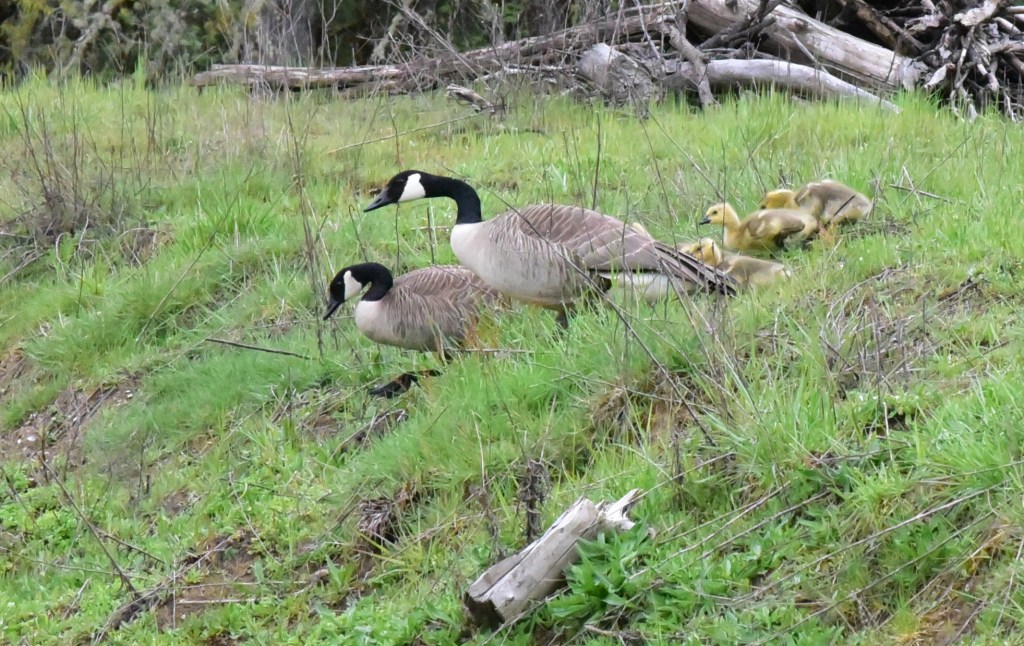
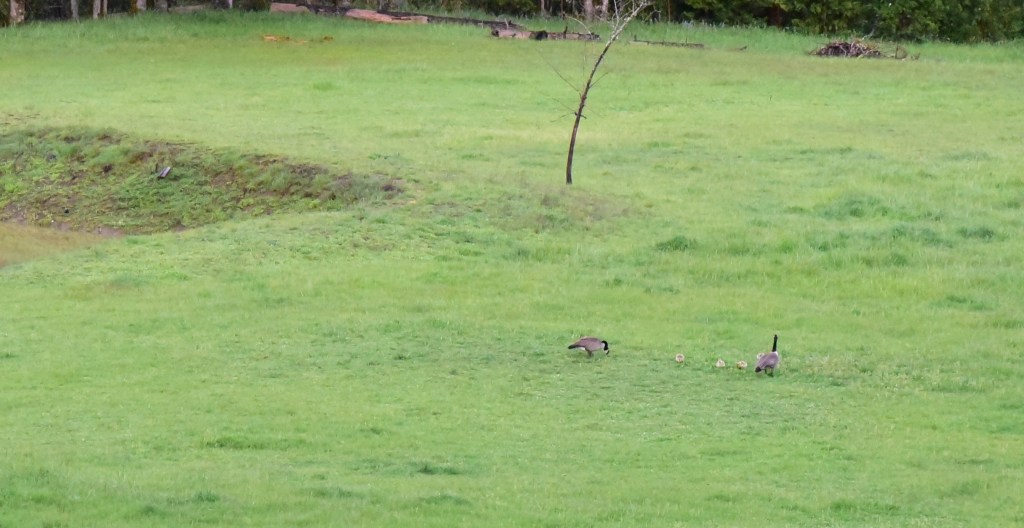
Mother Goose now has her goslings!

oooo

oooo

oooo

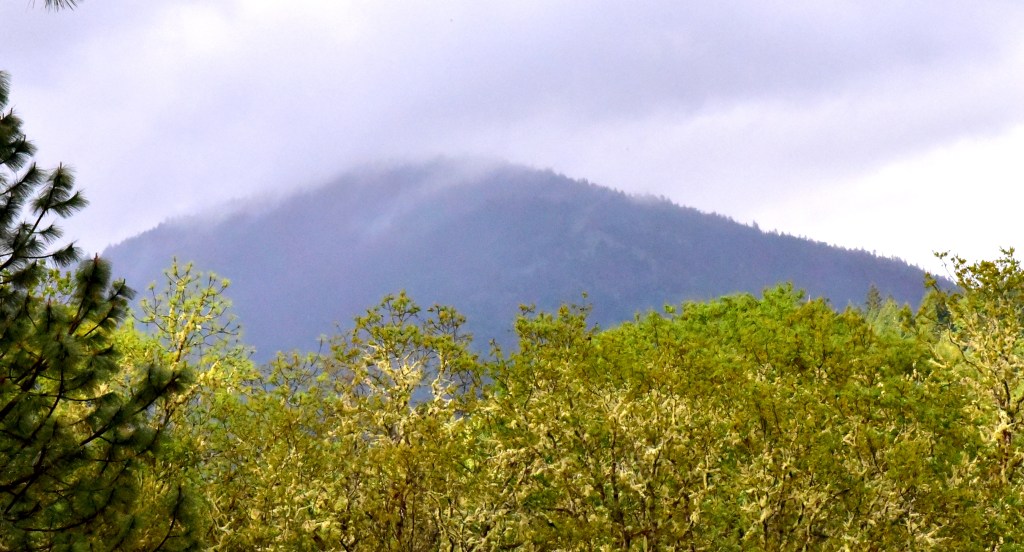
I will never tire of looking at Mount Sexton!

oooo

Nor of the beauty of where we live!

OK!

I can think of no better way of re-starting my blog posts than to republish an item that Dan shared with me back in early April.

ooOOoo

“Dogs Welcome”

A man wrote in a letter to a small hotel in a Midwest town he planned to visit on his vacation:

“I would very much like to bring my dog with me. He is well-groomed and very well behaved. Would you be willing to permit me to keep him in my room with me at night?”

An immediate reply came from the hotel owner, who wrote:

“SIR: I’ve been operating this hotel for many years. In all that time, I’ve never had a dog steal towels, bedclothes, silverware or steal pictures off the walls or use them as a coloring book.

I’ve never had to evict a dog in the middle of the night for being drunk and disorderly. And I’ve never had a dog run out on a hotel bill. Yes, indeed, your dog is welcome at my hotel. And, if your dog will vouch for you, you’re welcome to stay here, too.”

ooOOoo

Dan also shared some really gorgeous photographs that can be seen on the next two Sundays.

The Time Machine

Time!

When you read this post, assuming you will be reading it on Sunday 8th April, you may be wondering why there is no Picture Parade today.

Indeed, there are not going to be Picture Parades until the first Sunday in May.

Actually, to be completely honest, there are going to be no posts at all from tomorrow all the way through to May; the next post being a guest post on Tuesday, 1st May. Nor will I be popping into this place to acknowledge comments and replies! Sorry!

Why?

Simply because Jean and I are taking a little vacation. Will explain more when we return.

Jana Stewart will be living here at home caring for all the dogs, cats, horses, ponies, chickens and parakeets! Oh, nearly forgot! And putting out feed for the wild deer!

So this post is to share with you the aptly named The Time Machine album by Alan Parsons

Also, I wanted to specifically share with you three of the tracks from that album!


Can’t imagine you haven’t come across Alan Parsons before but in that unlikely event his website is here.

Plus, I will close with a copy of the opening WikiPedia information on Alan Parsons.

Alan Parsons (born 20 December 1948)[1] is an English audio engineer, songwriter, musician, and record producer. He was involved with the production of several significant albums, including the BeatlesAbbey Road and Let It Be, and the art rock band Ambrosia‘s debut album Ambrosia as well as Pink Floyd‘s The Dark Side of the Moon for which Pink Floyd credit him as an important contributor. Parsons’ own group, the Alan Parsons Project, as well as his subsequent solo recordings, have also been successful commercially.

Yes, I know I’m showing my age!!

Real Learning from Dogs – for our Children!

Another wonderful guest post from Zara Lewis.

Back on March 13th, Zara published her first guest post in this place. It was called Dogs and allergies and was very well received by many if not most of you.

So what a pleasure it was to receive a further email and material from Zara last Friday.

Here it is for all you good people!

ooOOoo

How Your Family Pooch Can Teach Your Youngsters Responsibility

by Zara Lewis, March 30th 2018

It’s easy to confuse pure obedience with true responsibility, simply because the former serves as the stepping stone, while the latter is a mindset that takes years to build. We as parents make choices every day that affect how well this mindset develops in our kids, but one of the best, most seamless ways for them to succeed is by nurturing their relationship with your family doggo.

With a four-legged friend by their side, kids tend to assume the role of a leader, a friend, and a caregiver with greater ease. Although it comes with its own set of parenting challenges, teaching your kids responsibility with your little fuzzy buddy is a rewarding experience that will enrich your kids’ childhood and help you be a better parent, as well!

Building healthy habits

From regular vet check-ups, vaccines, feeding on a schedule, and taking them for walks every day, your kids will quickly realize that only a healthy dog will be a happy dog. I know that some kids will be eager to split their chocolate cake with their furry pal, but when you explain to them that such a diet can be very harmful, they will be much more careful when choosing the right dog food.
When they’re young, they won’t perceive those walks and frisbee throws as exercise, but if they start embracing this lifestyle so early, they will be much more likely to stay active throughout their adulthood, too.

Learning about boundaries
No matter how in love your youngsters may be with their pet, they often don’t understand that dogs have moods, too. That means they won’t always be in the mood to be hugged, or that dogs won’t put up with having their tail pulled all the time.

The sooner they understand to respect the needs and wants of their pets, your kids will appreciate the meaning of personal preferences even in life. They will learn how to recognize certain body language signals that they are about to cross a line and transfer that knowledge to their hooman friends as well.


Mastering discipline

Just like that birthday cake is almost too irresistible not to be shared with your pooch, it’s no surprise that many kids want to take their dogs everywhere and share absolutely everything with them. My own little boy wanted to share his bed with our dog, Joey, and even though this is perfectly fine from time to time, making it into a habit wasn’t the best option for either of them.

So, we got a Snooza bed for Joey and placed it in our son’s bedroom and explained that it’s best for each of them to have their own space, since they both grow very fast. Plus, once I told my son that the cleaning of his room will be much more difficult if his bed was filled with dog hair, he immediately changed his mind!


Handling suitable tasks

Overburdening your kids with too many difficult chores is as bad as not giving them enough opportunities to be responsible. It’s best to discern how much your youngsters can handle depending on their age. For example, toddlers can tell you if their water bowl is empty or if they caught the little rascal in the potty act.

Older kids can share the entire feeding, grooming, and walking routine with you, depending on their school responsibilities and other chores. In fact, older kids can even help you train the dog by teaching them various tricks, and playing sessions are beneficial both for your kids and the dog, as they’ll help them grow stronger, and build their bond over time.

Fostering independence

Sometimes the homework will pile up and perhaps the flu season will kick in, so you’ll feel the need to spare your kids the trouble of caring for your pet. Even though it’s perfectly fine to help them manage their chores and take over a portion until they are well enough, they shouldn’t suddenly let you take over for good.
Moreover, encourage your kids to pitch in, no matter how little, with their birthday savings or their pocket money when buying dog food, or getting new chew toys. This is yet another way of sharing and learning to become more autonomous even financially with their pets.

The cycle of learning and teaching
While we’re on the subject of sharing, some kids perceive their pooch as another toy at first, or even as a chore you’ve added to their “unwanted” list. This is especially common among very young kids, and it becomes essential for parents to help them cope with these responsibilities by gradually introducing new ones.
Talk to them, see if they would actually like to take charge of a particular activity such as feeding or walking, while you share other responsibilities with them. Explain why these actions are important for keeping your pooch happy and healthy, and they will be much more likely to take on more responsibilities over time.

Finally, don’t forget to be a true role model while your kids are still in the learning stages of caring for your family pet. They will make mistakes, but they should look up to you for better behavioral patterns, and it’s your duty to be the caregiver you’d want your kids to become for your pooch.

ooOOoo

You do know if Zara carries on like this I shall hang up my keyboard and just savour Zara’s writings!!

Moving house – With A Dog

Or with 12 in our case!!

Back in February I received an email from a John Stuart:

Hi ,

I work on behalf of at kennelstore.co.uk, and I recently noticed your blog while I was looking around for a few resources on pets especially Dog! You have some great content there, I especially enjoyed this one https://learningfromdogs.com/2015/05/04/irish-wolfhound-guest-post/

I know sometimes it’s hard to create new content all the time and sometimes you probably find yourself needing blog content at learningfromdogs.com

I’m looking for high-quality sites like yours that I can contribute quality articles to in order to continue to build my profile, win a Pulitzer Prize and eventually take over the Universe.

Hopefully it’s a great opportunity for us to collaborate, you get some great content and I take a step towards world domination.

Hit me up and we can move forward from there. I’d be eager to contribute my knowledge and expertise and I’m confident I’ve got the writing chops to draw your readers in and even add value to your site.

Don’t just take my word for it though. Give me the nod and I’ll shoot across something for you to review and then we can go from there, I’d also be happy to work on something you might have had in mind for a while and not managed to get around to.

Note: I wont be charging anything for the article, it will be free of cost.

Regards,

John

Now I am pretty cautious when it comes to ‘promoting’ a guest author’s business or employer but if it’s clear that I have no direct connection with that business, and the article has real merit in being shared with you, then I think that is satisfactory. (But only if you dear readers agree with my stance in such cases: if you don’t then tell me!!)

Here is that article from John; the photographs were also supplied by him.

ooOOoo

Thinking of moving house? Here’s how to ensure it’s a dog friendly experience

Moving house can be stressful enough for us humans, and it’s even more of a confusing experience for the canine members of our household. Dogs are territorial animals by nature, and a sudden change of environment can upset the balance of their day-to-day lives. These changes can be very small; i.e. changing the room where you keep your dog’s food bowl or toys. It can also be a much greater logistical change; i.e. having to introduce your dog to a new vet, or new neighbours (human or canine)

Step One – Ensuring your new home is dog friendly 

This is arguably the most important step in ensuring your house move is as dog friendly as possible – your pooch needs to feel as happy and well-adjusted in a new house as possible. There are a number of factors to take into account when you’re first house-hunting (it’s worth noting that it’s ok if you can’t tick off all the items on this list!)

Living quarters

This is pretty essential. Your dog needs plenty of space to roam around, and probably won’t enjoy a confined space. If you’re used to keeping your dog indoors, it’s vital that your new home has plenty of space for their bed, toys and food bowl. Likewise, if your dog is kept outdoors, you need sufficient space to keep a kennel.

Security and safety

Make sure that your new residence is safe and secure for your dog to roam around. If you are keeping him/her outside, then you may wish to minimise visibility to and from the street, especially if your dog is easily excited by the site of strangers.

It’s also worth getting to know your local area and gaining a keen understanding of the potential hazards or threats which any pet owner needs to be aware of. If you are living in a highly built up area, then it’s doubly vital that your dog isn’t allowed to roam without your knowledge; likewise you may wish to familiarise yourself with any other dogs which your pet may come into contact with when you finally make the move.

Step Two – How to make your new home as dog-friendly as possible

Unfortunately, there’s no one-size-fits all, magical solution to making your dog’s home as friendly as possible. As long as you’ve got space and there are minimal hazards, the rest is a case of how much effort you’re willing to put in.

The secret of moving your dog into his/her new home smoothly is actually a relatively simple one – make your new home as similar as your old home as is humanly possible. There are several ways you can do this.

  • Establish a new routine as quickly as possible – this is very important; making sure your dog has an active routine is vital to ensuring continuity in your new home. Make this routine as similar to the old one. Feeding times and walk time should be exactly as they were in your previous residence. This routine should, of course, be as geared towards exploring your dog’s new surroundings as possible.
  • Don’t wash blankets – dogs are very responsive to familiar smells, meaning that it’s important to maintain as much familiarity as possible in the initial phases of a move. Familiar scents can make all the difference in making your dog feel more at home.
  • Transition is important – the actual experience of moving day might be unsettling for your dog, so making the transition as seamless and comfortable as possible is a good idea. Consider packing a little travel pack to make your dog as comfortable as possible. This should include blankets, toys, medication, water and food, as many things as possible to maximise comfort and continuity for your dog. As long as he/she feels at home, that’s all that matters.
  • Toilet train them immediately – when you get your dog to your new place, it’s important to make sure they know where to go to the toilet to avoid any unfortunate accidents.
  • Take special precautions for puppies – if you are moving a puppy, you may need to take extra precautions. It may be worthwhile to ask someone to puppy-sit for you if you’re planning to be out of the house for long periods of time.

Step Three – Important admin

This part is, admittedly, for you rather than your dog. However, there are some simple but important administrative tasks which can make all the difference in ensuring that your dog is happy in their new home. These can include:

  • Changing any dog tags which may have your old address on them
  • Registering with a new vet if possible. Dogs may not like visits to the vet at the best of times, so getting them adjusted to a new face is important.

Kennelstore specialise in the sale of wooden dog kennels, dog runs and dog cabins to homeowners and industry professionals.

http://kennelstore.co.uk/

ooOOoo

Your feedback as to the degree of value this post was for you would be most useful to me!

Things!

And I am not speaking of things that go bump in the night!

I switched from being a Microsoft Windows user to a Mac some time ago.

Apple products are not the cheapest by a very long shot but their operating systems are fabulous. So it was natural to follow-up having an iMac by getting myself an iPAD.

Not too many months ago I came across an application for the Apple Mac and iPAD that is called Things. As the website explains:

Things is the award-winning personal task manager that helps you achieve your goals.

This all-new version has been rethought from the ground up: it’s got an all-new design, delightful new interactions, and powerful new features.

I started off getting to know the app on the Mac and very quickly found it so useful and with such a clear and intuitive ‘user interface’ that I downloaded the version for the iPAD.

Here’s the little intro video that is on the Things website (and, please, understand that this review of this app is purely because of my own personal experience and has no connection whatsoever with the firm).

So if you are finding that keeping track of your to-do lists is becoming a bit of a headache and you are a MAC or iOS user, as in Apple MAC, iPad, iPhone or Apple Watch, then I really do recommend taking a closer look. Done so easily by looking at the features in the all-new Things!

Plus, the Things team offer great support!

For as Henry Ford is reputed to have said: “Anyone who stops learning is old, whether at twenty or eighty. Anyone who keeps learning stays young. The greatest thing in life is to keep your mind young.” (Thanks BrainyQuote.)

UPDATE: In the last 72 hours I received a newly-ordered iPhone and Apple Watch. The iPhone has had the Things 3 application installed upon it and, hey presto!, my watch now reminds me of the things coming up; even when the phone is some distance away from where I am. Plus it does tell the time rather accurately!!