Category: Culture

Almost the Ice Age again!

Just joking!

I was thinking yesterday morning that it was about time for me to publish a post.

Tuesday was a busy day with us in the morning going to collect the tractor from Runaway Tractors where it had been in for a service. Then in the afternoon I decided to go for a bike ride, something I try and do every other day. It was grand and I clocked up 18 miles.

The forecast for Wednesday was grim. And we awoke to a morning with much land covered in snow.

Looking to the North-East.

So my item that I wanted to republish from The Smithsonian Magazine seemed apt. It is about the history of dogs.

ooOOoo

How Dogs Migrated to America From Ice Age Siberia 15,000 Years Ago

Northern Siberians and ancestral native Americans may have traded pups at the time

By Elizabeth Gamillo
SMITHSONIANMAG.COM
FEBRUARY 1, 2021

All dogs with the genetic signature A2b descended from the same Siberian canines roughly 23,000 years ago (Jim Peaco; Photo has been cropped for article purposes by ZeWrestler, Public domain, via Wikimedia Commons)

Dogs have been companions to humans for many millennia, but exactly when this relationship started is highly debated among scientists.

A study published this week in the Proceedings of the National Academy of Sciences reveals that canine domestication may have first occurred in Siberia 23,000 years ago when humans and wolves were isolated together during the Last Glacial Maximum. After this initial domestication event, dogs most likely followed humans when they migrated across the Bering Land Bridge from East Asia to the Americas 15,000 years ago, reports Megan Marples for CNN.

“Wolves likely learned that scavenging from humans regularly was an easy free meal, while humans allowed this to happen so long as wolves were not aggressive or threatening,” Angela Perri, an archaeologist at Durham University and lead author of the study tells CNN.

The study was brought to fruition after Perri and her co-authors—David Meltzer, an archeologist at Southern Methodist University, and Gregor Larson, a scientist from Oxford University—were brainstorming how DNA evidence tells the story of migrating humans and dogs, reports James Gorman for the New York Times. After the authors scribbled down ideas on a whiteboard, they saw that both humans and canines had similar migration patterns and divergence that could explain how dogs and humans began their bond, reports the New York Times.

To see if the similarities between the timelines linked up with archeological evidence, Perri and her team analyzed the genome of 200 ancient dogs from around the world. They found that the canines had one genetic signature, A2b, in common. Once they reached the New World 15,000 years ago, they dispersed into four groups, reports David Grimm for Science.

The researchers found this dispersal matched a similar migration pattern of ancestral Native Americans that descended from Northern Siberia about 21,000 years ago. Connecting these timeline events between humans and dogs, the researchers concluded that humans must have brought dogs into the Americas somewhere around 15,000 years ago.

“Dogs are not going to go to the new world without people,” Meltzer tells the New York Times.

Further exploring the dogs’ genetic evidence, the team found all dogs with the genetic signature A2b descended from the same Siberian canines roughly 23,000 years ago, Science reports.

Looking back at human’s ancestral timeline and genetic evidence, the researchers found that ancient Northern Siberians intermingled with ancestral Native Americans before crossing the land bridge into the Americas. These meetings could have resulted in the two groups of people trading pups.

“People are exchanging information, they’re exchanging mates, they’re maybe exchanging their wolf pups,” Meltzer tells the New York Times.

While there is strong evidence that the initial domestication event occurred 23,000 years ago, the study relied only on mitochondrial DNA and could be missing the complete picture of domestication events, explains Pontus Skoglund, an ancient canine DNA expert from Crick Institute in London who was not involved in the study, to the New York Times. Likewise, Peter Savolainen, a geneticist at the Royal Institute of Technology, tells Science that the A2b signature has been found in other places in the world and is not unique to dogs in the Americas as the researchers suggested.

Still, the study reveals how the relationship between humans and dogs may have begun and how it may have dispersed across the globe. Perri and her team plan on looking at older dog fossils to gather more evidence.

“We have long known that the first Americans must have possessed well-honed hunting skills, the geological know-how to find stone and other necessary materials and been ready for new challenges,” Meltzer tells Peter Dockrill for Science Alert. “The dogs that accompanied them as they entered this completely new world may have been as much a part of their cultural repertoire as the stone tools they carried.”

ooOOoo

There is a huge number of dogs throughout the world. The exact figure is impossible to determine. Here’s an extract from WoofDog’s piece on the global population:

Determining the exact number of pups that inhabit our planet is a bit of a challenge. The fact that many of them live on their own, rather than side by side with people, presents the main obstacle to providing accurate figures.

According to 2012 data, there were around 525 million canines in the world. This figure has grown considerably until the present day, so today, it is estimated to be about 900 million pooches.

And from the same website, here is an estimate of the global population of owned dogs:

Statistics related to canine ownership vary across different countries. Nevertheless, the task of calculating the number of canines owned by people around the globe is far less complicated than it is the case with free-range ones.

The reason for this lies in the fact that many countries have introduced legal regulations on mandatory registration of household animals.

My analysis is that the USA is second in the league of owned dogs.

But wherever there are dogs they are a rich and bountiful addition to the ambitions of humans.

Puppies

An insight into the bringing up of young dogs out in Patagonia.

I subscribe to Treehugger. It is an online service that features Sustainability for All.

A few days ago it had an article that I just had to share with you all. It is how puppy dogs will grown up to protect pumas.

Here it is:

ooOOoo

Puppies in Patagonia Will Grow Up To Protect Pumas

By 

Published January 25th, 2021

Their main job is to guard livestock, but wildlife benefits too.

The puppies will grow up alongside the livestock they will one day protect. WCS Argentina

A new litter of livestock dogs was just delivered by Wildlife Conservation Society (WCS) Argentina. Currently cuddly and very cute, the puppies will be specially trained to protect goats and sheep from predators. Not only will this help save the livestock, but these dogs will help limit conflicts between herders and the pumas and other native carnivores living around them in the Patagonian Desert.

The puppies are a mix of Great Pyrenees and Anatolian shepherd — large, working breeds trained to guard livestock. In the early weeks of the project, the puppies bond with the livestock to form protective relationships. WCS representatives work closely with herders to provide care and training for the puppies and the livestock during what’s known as this key “imprinting” period.

“During the first eight weeks of life, puppies will create a very strong bond, first with their mother and then with their social group. During the first 40 days, puppies remain with their mother, but livestock is kept in the same pen or corral with the dogs so they can smell them, see them, and progressively make physical contact with livestock,” Martín Funes, project manager of WCS Argentina, tells Treehugger.

“Progressively, during three months the bond between puppies and livestock will get stronger, and dogs will start to show a protective behavior. After this period they will recognize a certain species (we work with sheep and goats) as their social group, and that will remain for the rest of its life.”

For many years, WCS Argentina has been working with area herders to come up with new ways to stop conflicts with area predators. In the past, herders have resorted to shooting, poisoning, or trapping wildlife that have threatened their flocks.

WCS Argentina places the puppies with herders based on their location, the amount of conflict they’re having with carnivores, and their willingness to participate in the program, which includes proper care of the dogs through adulthood.

The dogs become a very powerful tool, says Funes.

“Livestock guarding dogs (LGD) stay with livestock 24/7, which is impossible for the other methods [of predator control]. They behave as part of the flock, and they will protect it against any threat,” he says.
“They tend to be very protective but they don’t have the hunting instinct of wolves or some other dog breeds (i.e., greyhounds or lebrels). However we should always consider a basic principle for reducing livestock losses by carnivores: The more methods you use, the safer your livestock will be. Combining different strategies is always an efficient approach to reduce attacks by carnivores.”

The dogs are raised alongside the sheep and goats. WCS Argentina

In the Patagonian Desert, also known as the Patagonia Steppe, livestock face threats from several wild cats including pumas, Geoffroy’s cat, pampas cat, and the threatened Andean cats. Other predators include Patagonian foxes and Andean condors.

“Even though we have been hunting, trapping, and killing carnivores, it has never been effective in reducing our losses,” said Flavio Castillo, a herder participating in the program, in a statement. “It is our hope that [the dogs] will be a very useful tool to stop predation. With the dogs, we can co-exist with carnivores and protect our production. Wildlife belongs here and we have to protect and co-exist with it.”

In addition to saving the lives of the flocks and their predators, the presence of the guardian dogs also can have a positive impact on habitat restoration.

“As attacks from carnivores diminish, producers tend to stop trapping, hunting and poisoning of wild animals, which is an outstanding benefit for the entire ecosystem,” says Funes.
“A secondary benefit, as producers perceive a reduction in annual livestock losses, is that herders might adjust livestock stocking rates density and improve soil and vegetation conditions and its performance, reducing overgrazing and desertification, a major and widespread environmental problem in arid Patagonia for the last two centuries.”

ooOOoo

This is a powerful story of the many ways that dogs may be used to help humans.
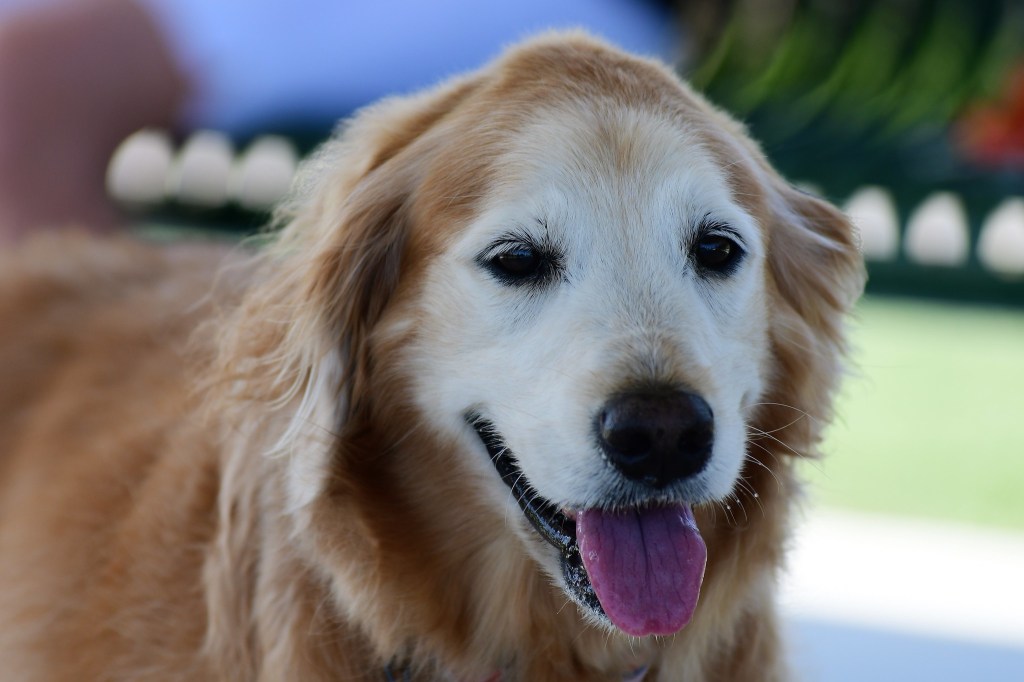
Dogs are by far the longest domesticated animal that has bonded to humans and I’m trying to receive permission to republish a wonderful article that John Zande sent me to read. It is about the Neanderthals and homo sapiens and the relationship with dogs.

Picture Parade Three Hundred and Seventy-Three

On and on!

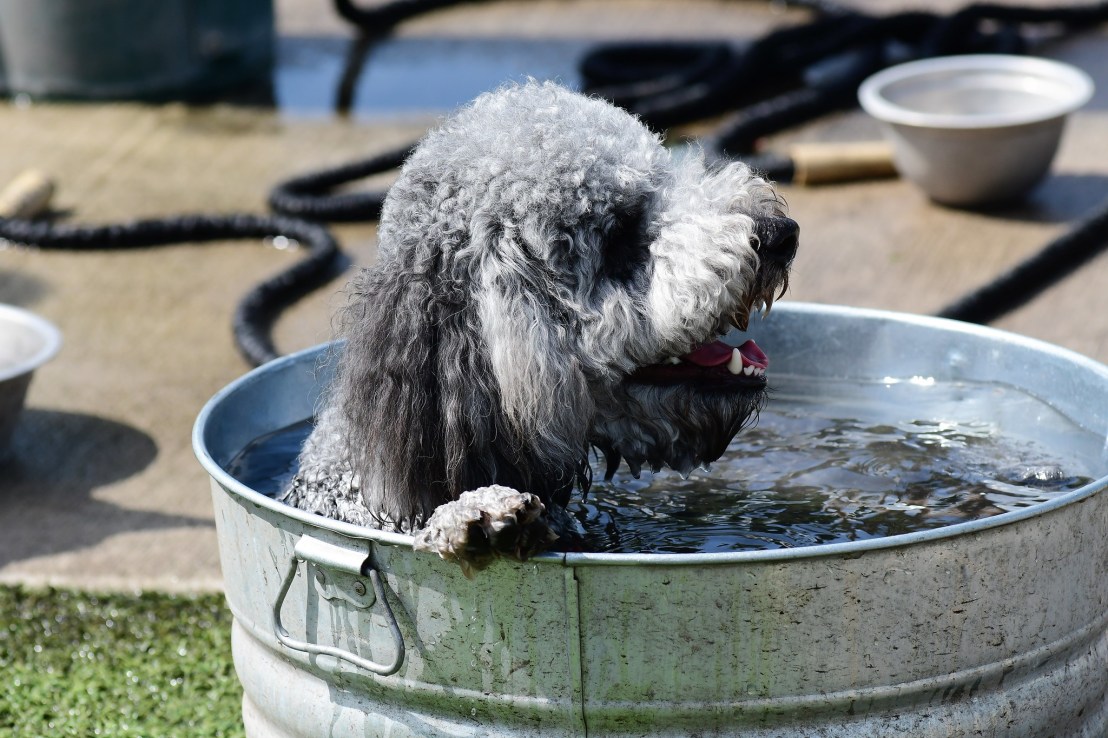
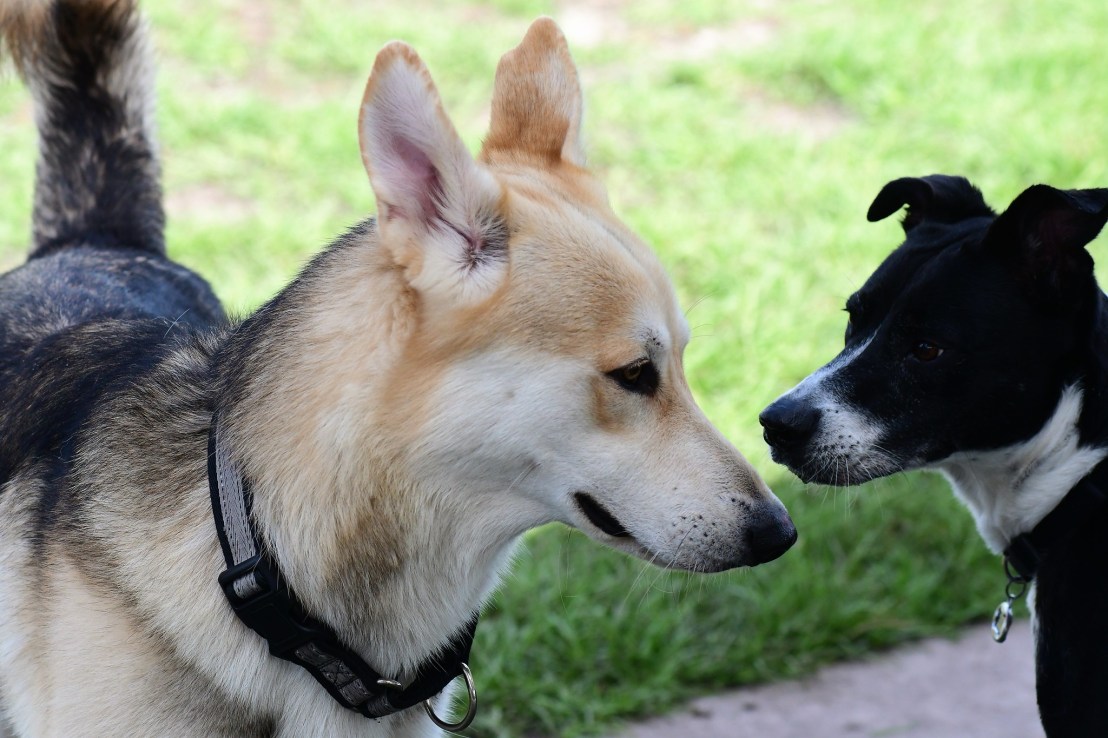
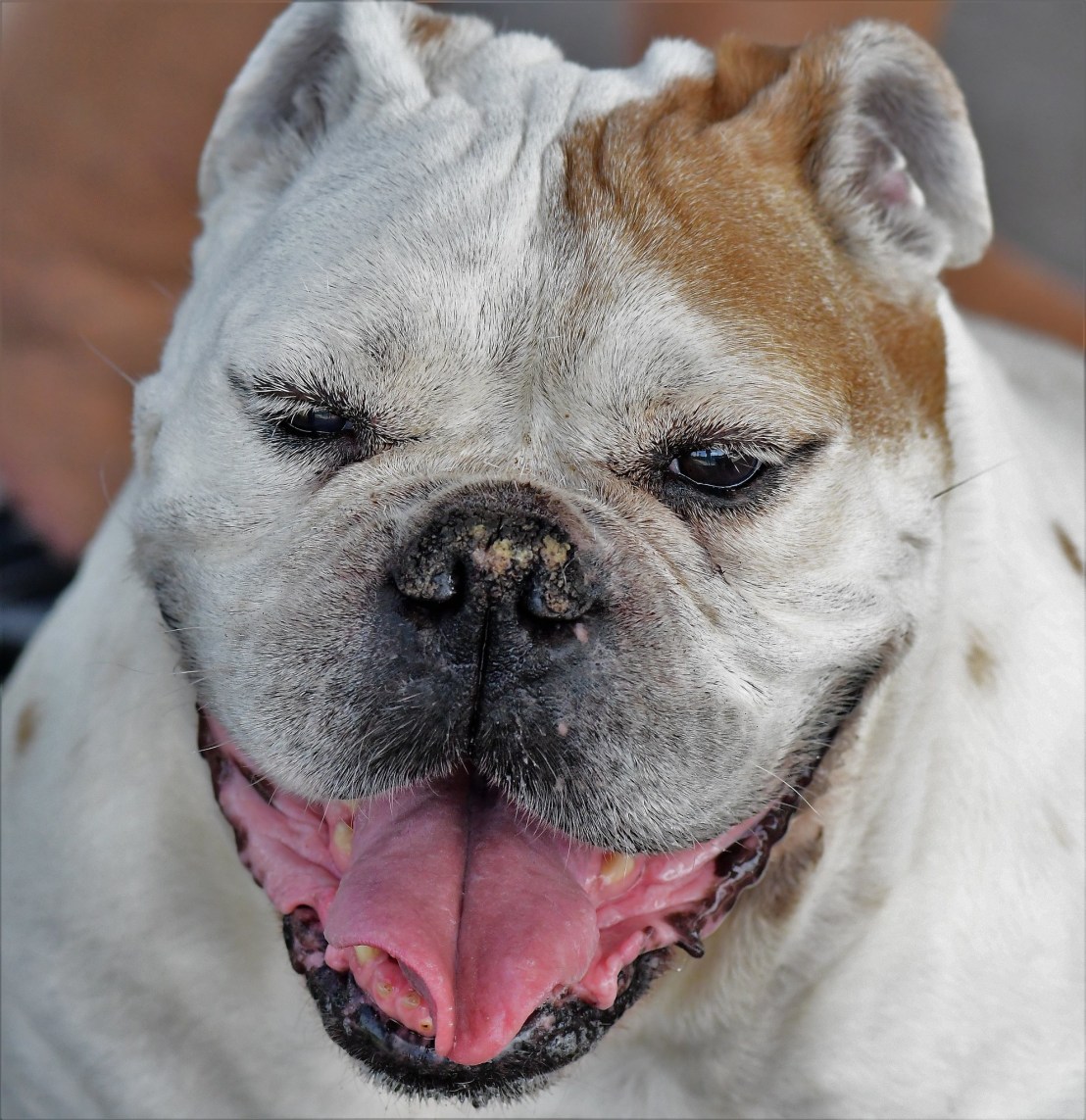
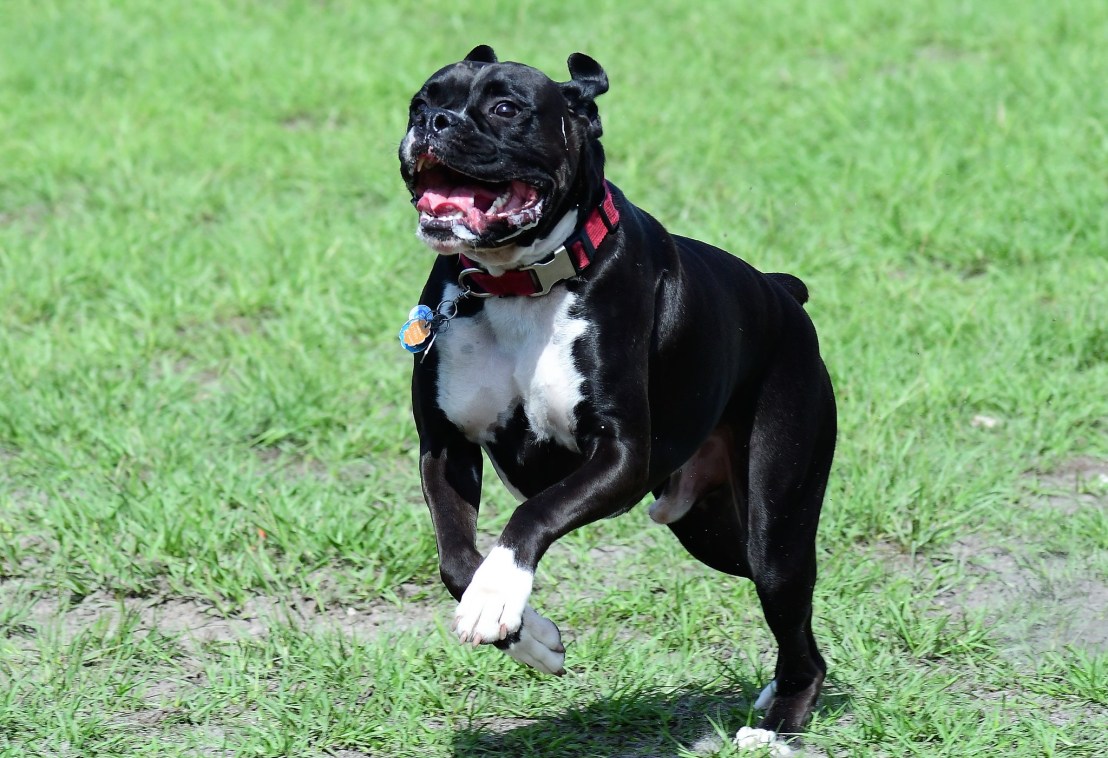
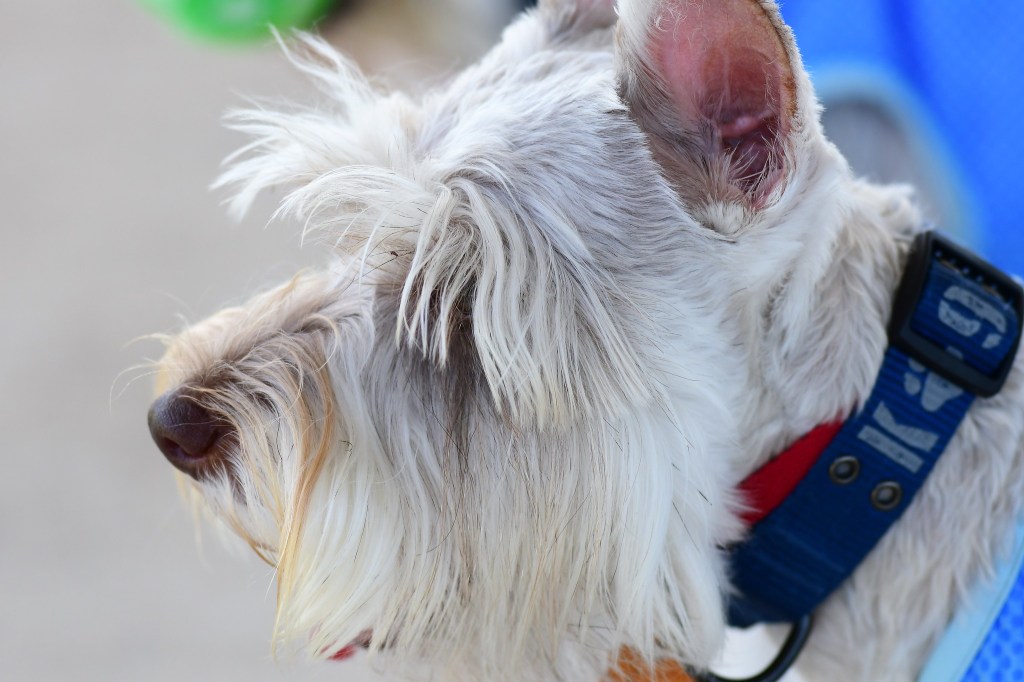
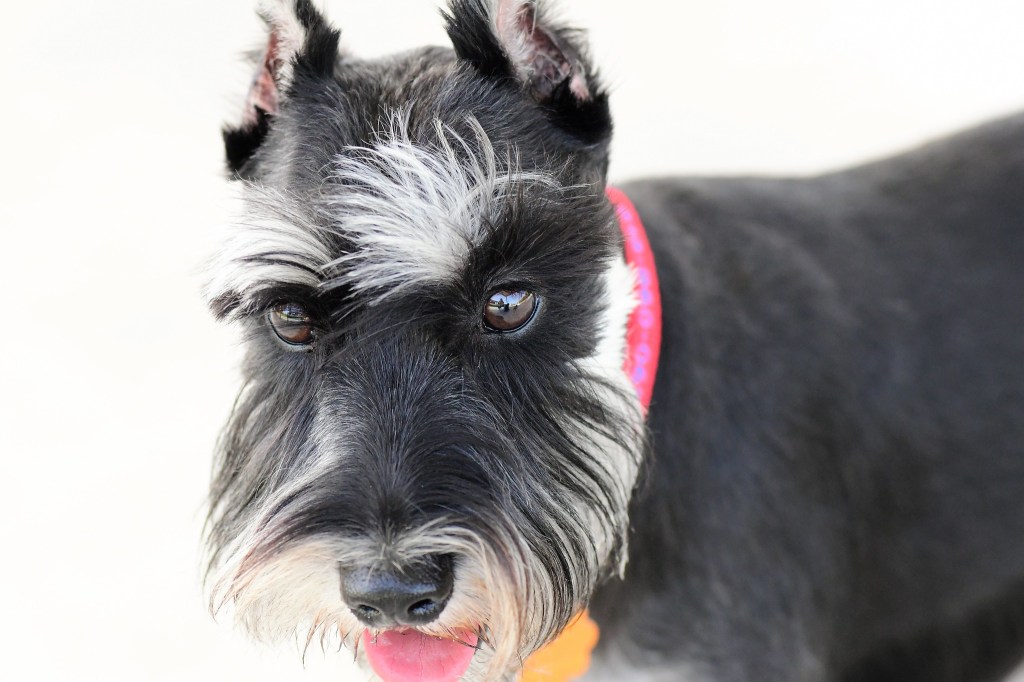
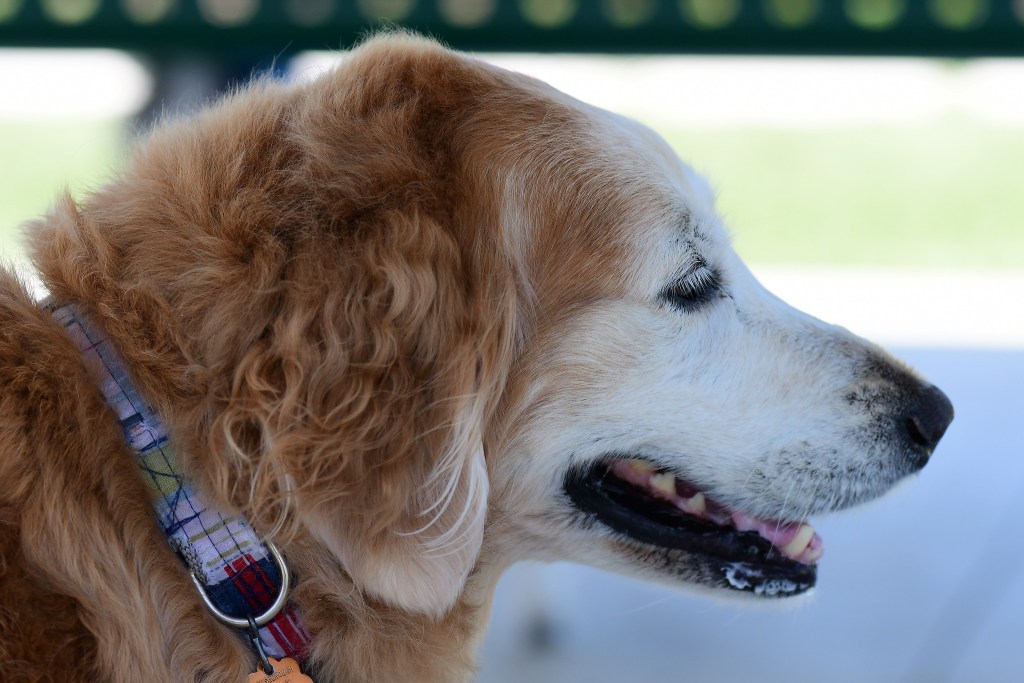
These wonderful photographs from Nimbushopper.

oooo

oooo

oooo

oooo

oooo

oooo

oooo

oooo

oooo

oooo

Just wonderful!

Hopefully some more photographs of dogs in a week’s time.

There’s no substitute to rescuing a dog!

Meet the family that has many dogs!

The joy that comes from rescuing a dog from a shelter, especially a shelter that can’t guarantee a no-kill policy, is beyond measure.

This post by Shelley Blount covers that in spades!

ooOOoo

Woman Goes To Adopt One Dog From Shelter — And Comes Out With Three

Group freedom ride 👏🤗💕

By Caitlin Jill Anders
Published on 10/31/2019.

When Shelly Blount saw a post online last week about a dog who was about to be put down in North Carolina, she called the shelter immediately. To her relief, they told her the dog had just been adopted, but it got her thinking about the other dogs who might be in danger. She asked if there were other dogs scheduled to be put down and they told her a dog named Caleb was next on the list — so Blount got in her car.

Accompanied by a friend, Blount drove four hours from Virginia to the shelter, determined to rescue Caleb. When she arrived, she realized two other dogs were about to be put down as well. Despite having three other rescue dogs already at home, Blount suddenly knew what she had to do.

Shelley Blount

“I asked the limit on how many you could adopt,” Blount told The Dodo. “They said there wasn’t one. So I decided to get all three.”

Blount had arrived at the shelter that day expecting to leave with just Caleb — and instead she left with Caleb, Charisma and Bella.

Shelley Blount

As they began the long drive home, all three dogs were so excited and couldn’t contain their happiness, and Blount knew she had absolutely done the right thing.

Shelley Blount

“Caleb was sooo excited — kept giving kisses from the back seat, and his tail was wagging so fast,” Blount said. “Bella was so content being held so she sat in my friend’s lap and literally didn’t move. Charisma, my sweet little angel, was literally hugging me and slept the entire ride.”

Shelley Blount

When Blount decided to adopt all three dogs, she hadn’t really had a plan. She knew she couldn’t leave them at the shelter to be put down, but she also didn’t have room for three more dogs at home — but luckily, within days, she’d already found the best new homes for both Caleb and Bella.

Shelley Blount

“Caleb is super happy in his new home with a friend of mine,” Blount said. “She has another Lab who he loves. Bella went to my boyfriend and let’s just say they are inseparable.”

Shelley Blount

Blount is likely going to keep Charisma, as the pair have bonded quite a bit in the days since the rescue. Either way, Charisma would need to stay with Blount for a while — because after a vet visit, she realized the sweet little dog was pregnant.

Shelley Blount

No one at the shelter had told Blount that Charisma was pregnant with five to six puppies, and later said they hadn’t known. Not only did Blount save Charisma that day, but she also saved the lives of her puppies, and for that Charisma is continuously grateful.

“My Charisma girl is very attached to me and we take lots of cat naps because she’s so sleepy,” Blount said.

Shelley Blount

Charisma is due to give birth within the next week, and her new family is so excited for her. In the meantime, she’s enjoying spending lots of time cuddling with her new mom and best friend, thanking her every day for saving her life.

ooOOoo

Shelley is a real star and, indeed, so are all the other people that rescue dogs.

At the risk of blowing our own trumpet, and I don’t intend to, here’s a photograph from home to finish today’s post.

Brandy, to the left, and Pedi. Two ex-rescue dogs that are now so happy.

The above photograph was taken in 2019!

Picture Parade Three Hundred and Seventy-Two

The wonderful photos continue!

Once more, republished with permission by Nimbushopper.

oooo

oooo

oooo

oooo

oooo

oooo

Most of these photographs are the same dog but, nevertheless, they are wonderful. That dog is Ollie.

Another treat in a week’s time!


Picture Parade Three Hundred and Seventy-One

Yet more wonderful photographs of dogs.

Again, republished with permission by Nimbushopper.

oooo

oooo

oooo

oooo

oooo

oooo

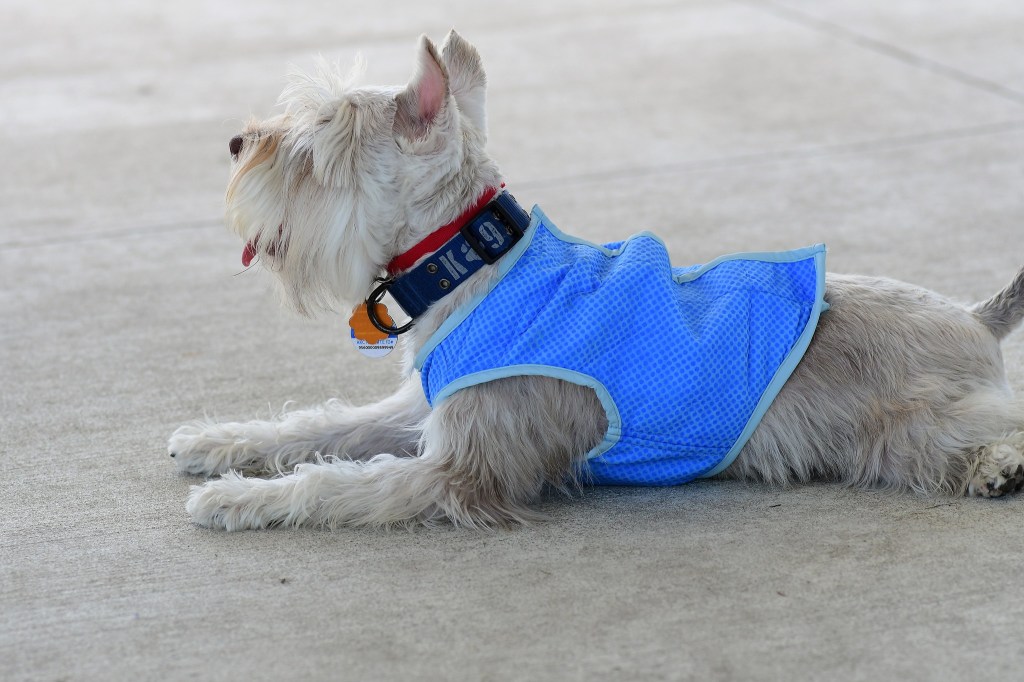
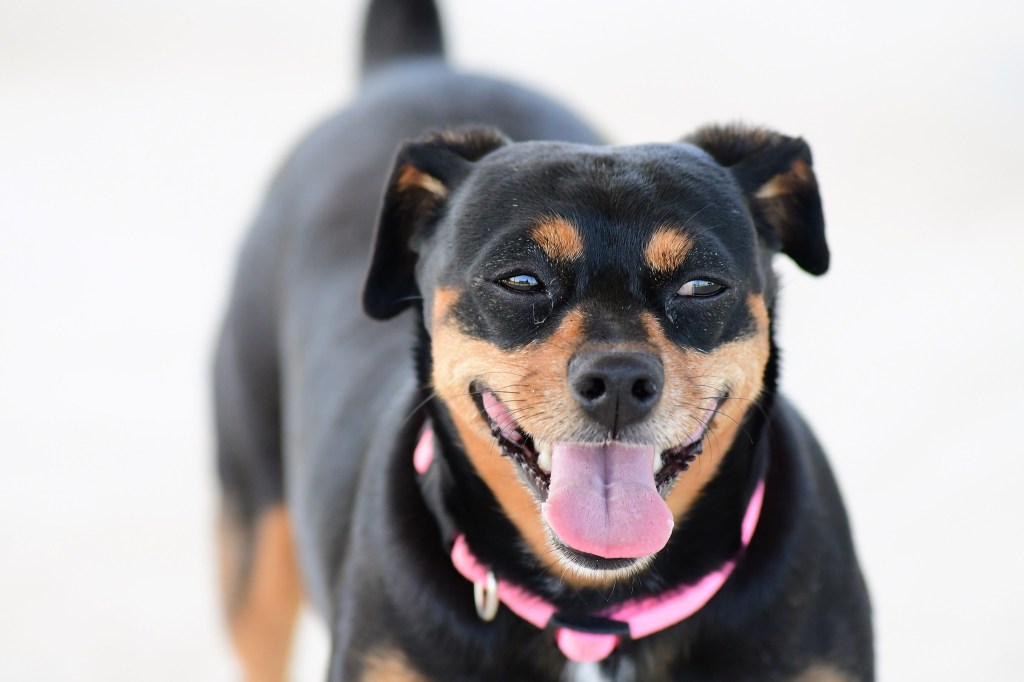
I believe that there are well over 300 photographs of dogs, all taken with extreme skill and clarity by Nimbushopper. And all of them available to the dogs’ owners to download as well as yours truly as a devotee of dogs. Actually the word ‘devotee’ is too neutral. Dogs are the most terrific  of animals and the longest human-animal relationship by far; right back to the days when we humans were hunter-gatherers: 20,000 years ago!

Learning with Lisa!

It is amazing what can be shared these days!

But to get you in the mood, I am going to start with this video about small dog breeds for young persons.

Right, now to the essence of today’s post.

My son, Alex, recently sent me details of a new teaching programme introduced by his partner, Lisa. It is called Learning with Lisa.

It consists of 32 videos each one being published at 0700 British time (presently GMT). In other words one new video each working day; i.e. Monday to Friday.

Here is the background to this new service.

Learning with Lisa.

I am a qualified primary school teacher of 26 years now teaching a series of early phase phonics lessons designed for children in the Early Years Foundation Stage (pre-school and reception).

The first series – “Preparing for reading and writing in the Early Years” aims to give children, aged 3 to 4, the best possible start with early literacy skills by providing fun yet challenging activities 5 days a week. Some of the later sections are also suitable for children aged 4 to 5.

These videos are suitable for parents, carers and their children, trainee teachers and other early-years practitioners.
Here is the link to the YouTube channel that you will need if you want to subscribe to each new video:  https://www.youtube.com/channel/UCGlsoYGeT6YOZAvbsOWe9YQ/featured

Preparing for reading and writing in the Early years.

The video gives an outline of the lessons included in the series and discusses the teacher’s philosophy. The video is aimed at parents, carers and early-years practitioners and gives an understanding of the processes involved in early phonics, reading and writing.

It will help viewers to navigate their way through the series so their child can participate in a fun and challenging experience. The series aims to give pre-school children the best possible start to early literacy.

Below, this is the first teaching video in the series.

If there are any readers willing to share and subscribe to Lisa’s channel please do.

Especially those that have 3-4 year old children and/or grandchildren, that would be great.

Have a think as to your friends who have young children and send them this link: Please!

Sangah Noona

A real find!

Jean and I belong to a local group of Freethinkers and Atheists and at our Zoom session held last Saturday someone mentioned how he was a follower of Sangah’s music. We hadn’t previously heard of the South Korean musician but these days it didn’t take much effort to find out a lot more.

Sangah has her own website from which the following is noted:

Sangah Noona was born in Seoul, South Korea. Shortly after beginning her piano lessons at the age of five, her piano teacher was able to hone her talents for music, and suggested that she seriously consider pursing music for her future. She grew up with her piano as her best friend. She loved to practice, usually spending five to seven hours a day. At the age of nine, she had all but decided to focus her attention on becoming a musician. Before moving to the United States in 2010, she was able to have many great experiences and fond memories as her musical career flourished in South Korea. After moving to the US with a fresh start, she was able to live at a more manageable performing pace, but as she can’t live without music in her life, she will never stop performing! Sangah’s overall objective for music, including her teaching, is being able to share her gift of music with others.

Plus Sangah is a dog lover!

Her dog’s name is Bubuji.

Then watch Sangah on the piano.

And for something a little more classical.

Beautiful!

Origins of the Shih Tzu Breed

A Guest post from Rick Hatfield.

For the life of me I can’t recall how the connection between Rick and me was made; sign of the times! But Rick asked for a link to his website to go onto my blogroll and then offered this guest post.

So without any further ado here it is!

ooOOoo

Origin of Shih Tzu Breed

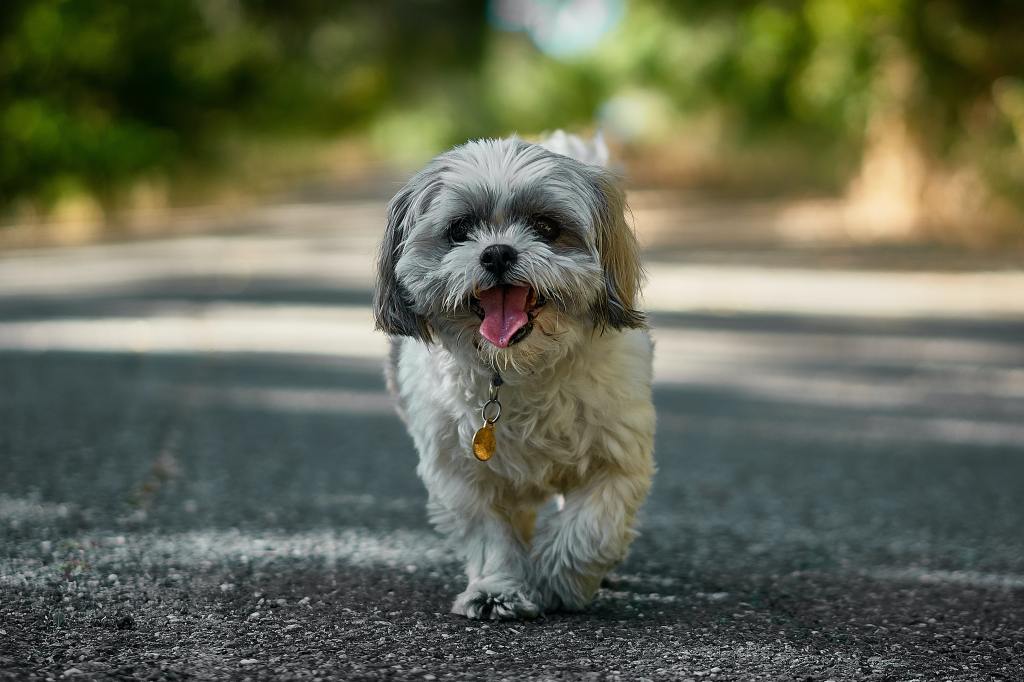
The shih tzu has enjoyed a long history, starting in its country of origin, Tibet. Although the exact date of the breed being recognized is not known, what is known is that a short, rather squat dog which fits the general description of the shih tzu was first recorded around 1000 BC. This means that it is possible to record the history of the shih tzu from that point forward, although it is believed that the dog was around for centuries before that time.

Tibet & China

While the exact origin point is not known, the shih tzu does appear to be from Tibet. You can see evidence of their presence with the famous statues of Tibetan “Lion Dogs” which are part of Buddhism. It appears that the shih tzu was bred to resemble lions, albeit in small form. In fact, the very name “shih tzu” means “lion”. Of the holy dogs that were part of Tibetan culture, the shih tzu quickly became the most famous.

It was not long before the breed spread from its origin point from the mountains of Tibet and into China itself. The fierce looking dog with the gentle nature quickly became a favorite at the royal courts of Chinese rulers. However, they would not gain their current appearance until a millennium later when trade was opened to another part of the world far away from China.

Change from Europe

Contact between China and Europe dates to the Roman Empire. And from such countries as Malta, Persia, Greece, and Turkey small dogs were provided as gifts to the Chinese rulers which in turn were bred to the “lion dogs”. The Pug and Pekingese were intermixed with other breeds and the shih tzu as we know it came about.

Although a favorite in the courts of China, their original purpose was as guard dogs that would warn the Emperor of people or animals that approached their presence. When they became smaller in size, the shih tzu was adapted to becoming a companion dog. When this occurred, it became rare for a shih tzu to leave China as they were so revered.

Explosion of Popularity

The shih tzu that we see today can be credited to Dowager Empress Cixi who had a kennel that included Pugs and Pekingese as well. However, when she died in 1908, the breed was seemingly lost as the kennels were dispersed.

But in 1930, a pair of shih tzus arrived in England. Over the next three decades, more shih tzus arrived which helped expand the breeding population. As this was happening, soldiers returning from the China theater during World War II brought the dog to America where it was quickly bred. Soon, the dog became extinct in China as they were expanding around the world.

While the breed was recognized in England in 1949, it would take another two decades before being officially recognized in the US. Today, the shih tzu is one of the most famous breeds in the world. A stark contrast to its near-extinction 80 years earlier.

ooOOoo

Rick clearly knows the history of the Shih Tzus as this fascinating account reveals. Fancy the history going back to 1000 BC! But of course the history of dogs being associated with humans goes back much beyond 3,000 years ago; to at least 20,000 years ago and there are reliable accounts of dogs going back, perhaps, another 20,000 years for a total of 40,000 years ago. What beautiful creatures!

Anyway, this was a lovely guest post as I am sure you will all agree.

Picture Parade Three Hundred and Seventy

More incredibly beautiful photographs of dogs.

Once more from Nimbushopper.

oooo

oooo

oooo

oooo

oooo

oooo

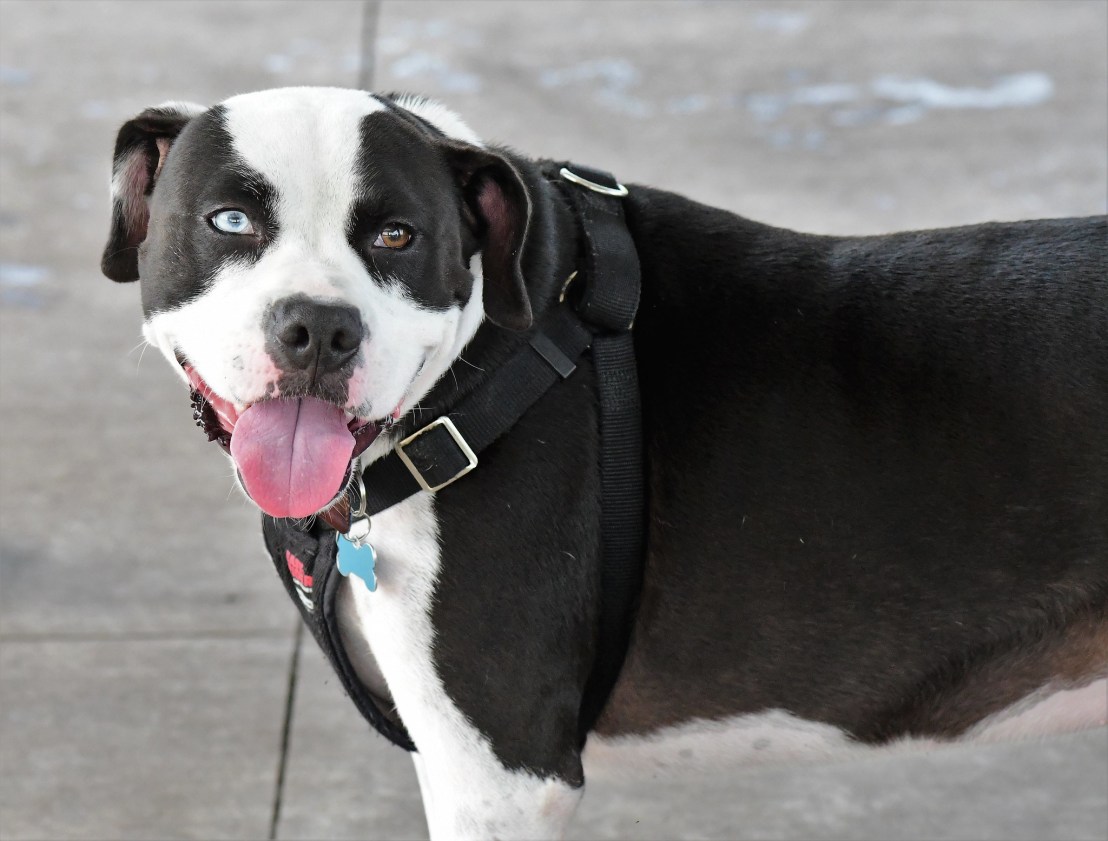
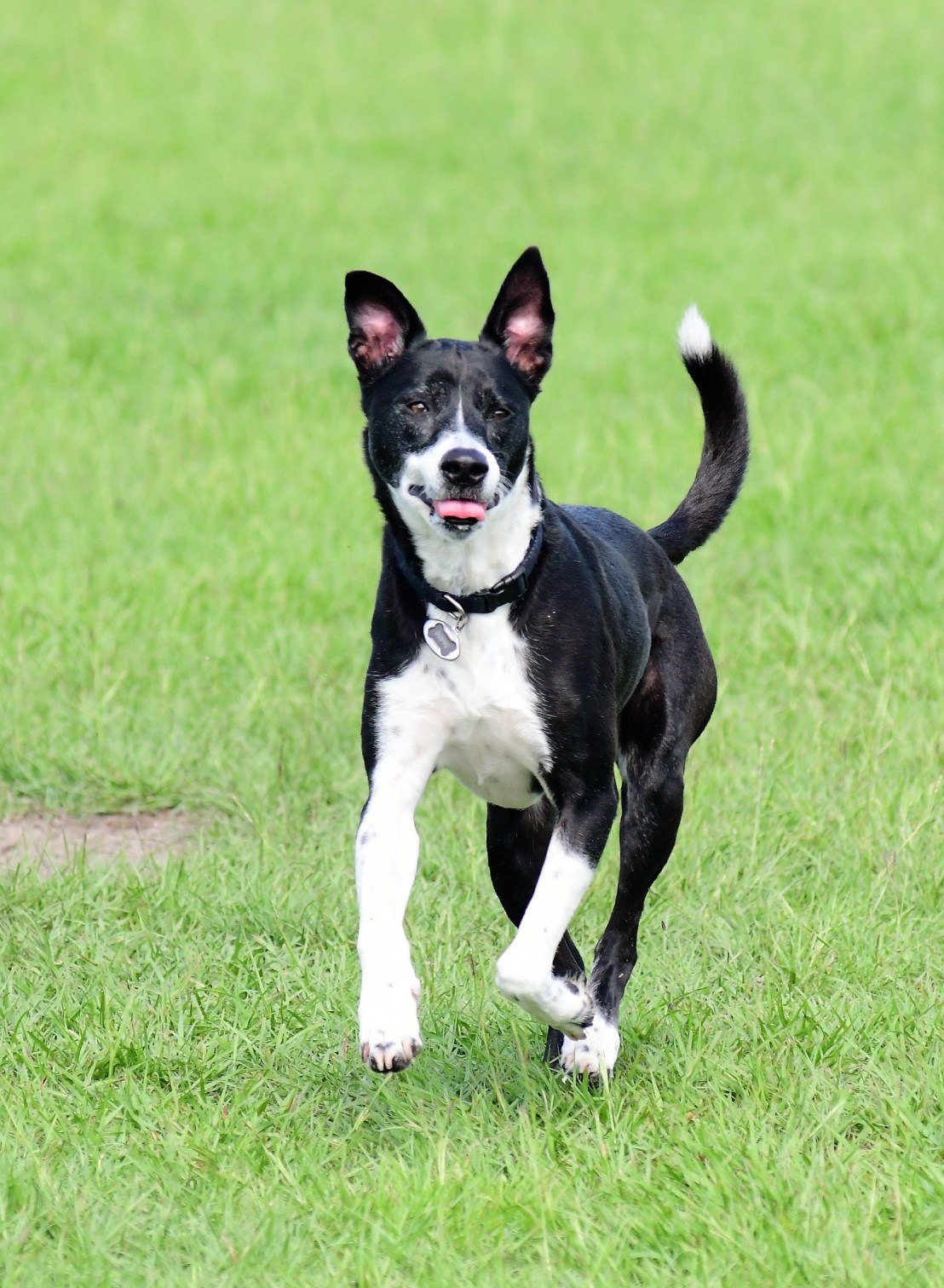
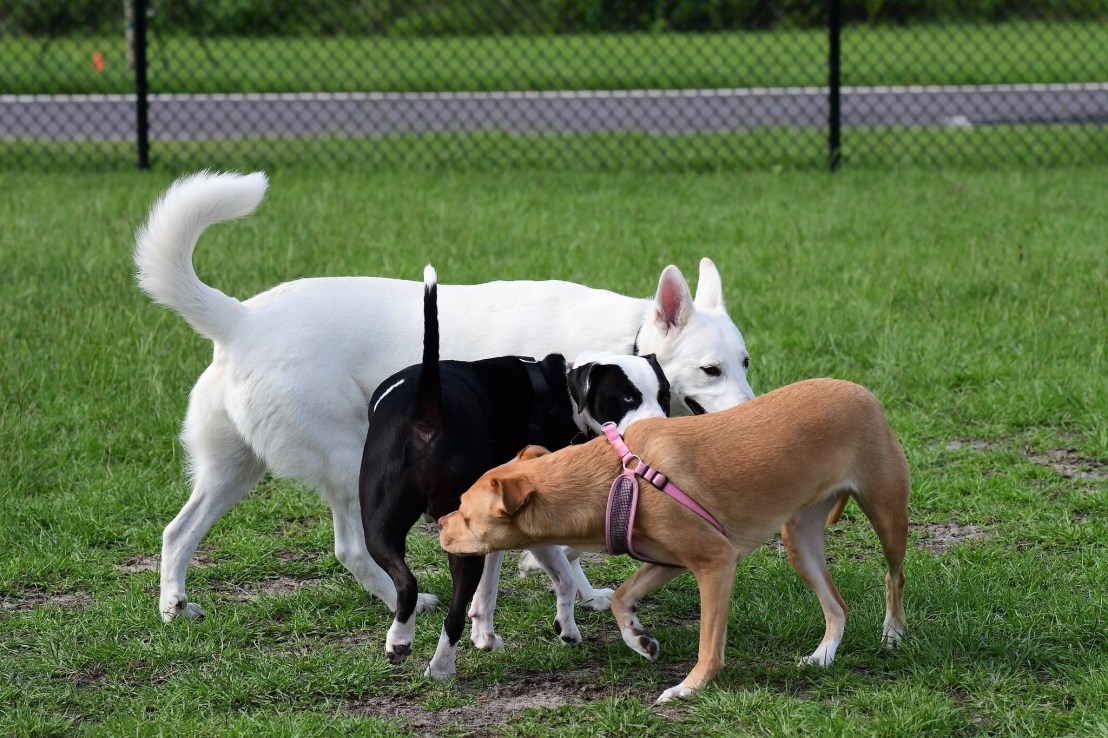
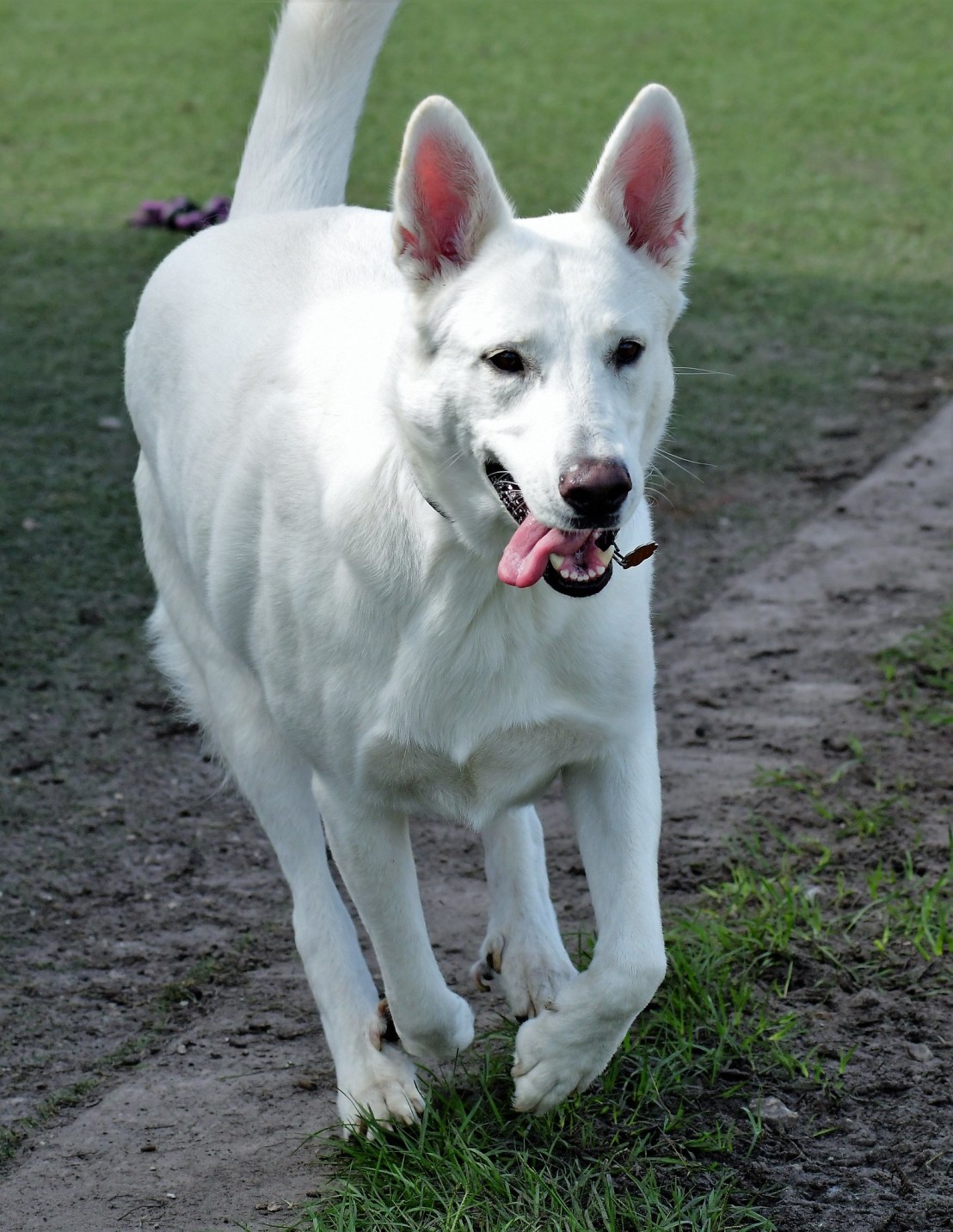
I’m struggling to find something new to say about these gorgeous dog photographs so will just leave it at priceless!