Category: Culture

One of the numerous effects of a warming climate.

An article that I wanted to share with you!

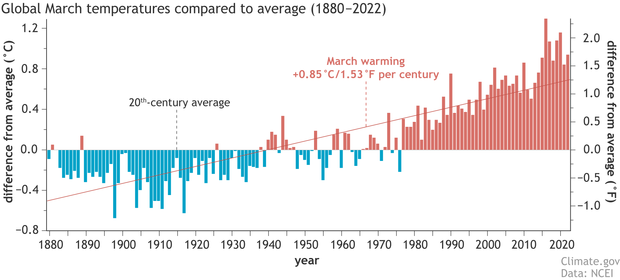
There is no question that we are warming the world, and in my mind, there’s very little doubt that it is us older persons who are the cause. Take this chart, for example, where the effects of populations in the 1980’s – 2000’s had a dramatic impact on the worsening trend:
The reason for today’s post is to share an article that writes of the science of precipitation.

ooOOoo

THE PHYSICS OF PRECIPITATION
IN A WARMING CLIMATE

WRITTEN BY DR ASHLEIGH MASSAM

The scientific consensus on climate change is that atmospheric temperatures are rising and will continue to rise. Mean global temperatures are already 1˚C warmer than preindustrial times (relative to 1850–1900), predominantly due to human activity increasing the amount of greenhouse gases in the atmosphere (IPCC, 2018a). The 2020 Paris Conference of Parties (COP) agreed on the aim of a 1.5˚C cap on climate change-induced warming, although without rapidly introducing measures to reduce carbon and greenhouse gas emissions, global warming could easily go beyond this limit. 

In fact, the Intergovernmental Panel on Climate Change (IPCC) warns that even a mean global temperature increase of 1.5˚C will lead to an increase in the frequency and intensity of rainfall events. But what links a warmer climate to an increase in intense rainfall events? This blog post will explain the physics behind the changes to precipitation rates in a warming climate.

A SIMPLE OVERVIEW OF THE PHYSICS

Climate projections simultaneously warn of higher annual mean surface temperatures, higher rates of intense rainfall and more frequent intense rainfall events. The atmospheric moisture content increases with respect to a change in temperature – essentially, the warmer the atmosphere, the more water is held in the atmosphere, and therefore higher rates of precipitation can be expected.

This is explained by the Clausius-Clapeyron relationship between surface temperature and water vapour. According to the Clausius-Clapeyron relationship, atmospheric water content increases by between 6 and 7% per 1 °C. Therefore, even just an increase of 1.5°C could result in ~9% more water in the atmosphere, which could have a major impact on storm systems and subsequent rainfall.

Storm systems travelling across oceans will have an increased moisture content from water evaporated from the sea surface, forming a larger storm system and therefore more precipitation. JBA has recently discussed the risk of flooding from intensifying rainfall due to climate change and this will be explored in respect to storm systems later in this blog.

HOW PRECIPITATION IS FORMED

In meteorology, precipitation can be liquid or solid water that falls from the atmosphere and reaches the Earth’s surface. Types of precipitation include rain, sleet, or snow, depending on the temperature of the atmosphere. During the water cycle (fig. 1), water evaporates from the surface into the atmosphere, and changes state from liquid to vapour. The water vapour forms cloud droplets, which join together until the heavy droplets fall from the clouds as precipitation. Several processes affect this simple view of the journey from evaporation to precipitation.

Figure 1: A diagram of the water cycle showing the connections between water masses, the atmosphere and the transpiration and condensation of water vapour.

THE SURFACE TEMPERATURE – PRECIPITATION RELATIONSHIP IN MORE DEPTH

The connection between precipitation and surface temperature is defined by the Clausius-Clapeyron equations. The Clausius-Clapeyron equations calculate the energy required to cause a chemical reaction at a given pressure. In terms of precipitation, the Clausius-Clapeyron equations can be used to calculate the thermal energy required to condense water vapour into droplets when the atmospheric pressure is known. 

When water droplets are evaporated into the atmosphere, they travel upwards. As the Clausius-Clapeyron relationship is dependent on atmospheric pressure, the thermal energy requirement for a phase change is lower at a lower pressure. As the water droplets travel upwards, two things happen: 

  1. The atmospheric pressure decreases, and 
  2. The atmospheric temperature cools (this is known as the temperature lapse rate and is typically estimated at -6.5°C per kilometre). 

When the water vapour reaches an elevation where the atmospheric pressure and temperature satisfy the Clausius-Clapeyron relationship, the water vapour condenses into cloud droplets. 

IMPACTS OF A WARMING CLIMATE ON THE SURFACE TEMPERATURE – PRECIPITATION RELATIONSHIP

The release of carbon dioxide, and other greenhouse gases, into the atmosphere by humans has already led to climate change in the form of atmospheric warming. Long-term measurements show that the atmosphere has already warmed by 1°C since 1900. IPCC projections suggest that additional warming is inevitable, and attempts are being made to keep global atmospheric warming to under 1.5°C. Although, as previously mentioned, this could still increase the frequency and intensity of rainfall (IPCC, 2018b). To understand how an increase in annual mean surface temperature will influence rainfall events, we can apply the Clausius-Clapeyron relationship in a geographical context. 

As the Clausius-Clapeyron equations define the relationship between vapour and pressure, they can also be used to define the saturation vapour pressure with respect to temperature. In meteorology, the saturation vapour pressure is the maximum pressure of water vapour, at a given temperature, before it condenses. Therefore, the pressure required to condense a water droplet increases exponentially with respect to a change in temperature. 

This means that the Clausius-Clapeyron relationship can be used to determine the moisture content of the atmosphere. Warmer atmospheric temperatures will increase the atmospheric moisture content before condensation because the atmospheric pressure will not be affected by climate change in the same way as temperature. This results in the previously mentioned calculation that moisture content will increase by ~6.5% in the atmosphere per 1°C increase in temperature and means that atmospheric warming of 1.5°C will yield an increase in atmospheric moisture content of ~9%.

THE EFFECT ON STORMS AND PRECIPITATION

This ~9% increase has an impact on storm systems and therefore rainfall. Hurricane Harvey made landfall on the coast of Texas in August 2017. Over seven days, areas of Texas including Galveston and Houston experienced nearly 1.5 metres of rainfall. 

Research published since the event suggests that the intensity of Hurricane Harvey is attributable to a combination of the storm stalling over one location and climate change. The Gulf of Mexico, the source of moisture for Hurricane Harvey, has experienced anthropogenic-induced sea-surface temperature warming of 1°C since preindustrial times (Pall et al., 2017; Trenberth et al., 2018). Comparing Hurricane Harvey’s precipitation records with an equivalent event from 1950, extreme value analysis concluded that climate change contributed to a 5-7% increase in rainfall rates covering the full region affected by the hurricane (Risser and Wehner, 2017). 

With an increase in rainfall events and the wider impacts of climate change, it’s important for organisations to think about the potential risk to their business. JBA’s UK Climate Change Flood Model assesses and quantifies future flood risk in the UK under a warming climate and complements our range of global Climate Change Analytics, helping clients to understand and manage the effects of climate change on their assets and to enable long-term planning.

For more information on our climate change work, including bespoke consultancy services offered by our expert team, get in touch.

REFERENCES

IPCC, 2018a: Summary for Policymakers. In: Global warming of 1.5°C. An IPCC Special Report on the impacts of global warming of 1.5°C above pre-industrial levels and related global greenhouse gas emission pathways, in the context of strengthening the global response to the threat of climate change, sustainable development, and efforts to eradicate poverty [Masson-Delmotte, V., P. Zhai, H.-O. Pörtner, D. Roberts, J. Skea, P.R. Shukla, A. Pirani, W. Moufouma-Okia, C. Péan, R. Pidcock, S. Connors, J.B.R. Matthews, Y. Chen, X. Zhou, M.I.Gomis, E. Lonnoy, T.Maycock, M.Tignor, and T. Waterfield (eds.)].]. World Meteorological Organization, Geneva, Switzerland.

IPCC, 2018b. Impacts of 1.5ºC Global Warming on Natural and Human Systems. In: Global Warming of 1.5°C. An IPCC Special Report on the impacts of global warming of 1.5°C above pre-industrial levels and related global greenhouse gas emission pathways, in the context of strengthening the global response to the threat of climate change, sustainable development, and efforts to eradicate poverty [Masson-Delmotte, V., P. Zhai, H.-O. Pörtner, D. Roberts, J. Skea, P.R. Shukla, A. Pirani, W. Moufouma-Okia, C. Péan, R. Pidcock, S. Connors, J.B.R. Matthews, Y. Chen, X. Zhou, M.I.Gomis, E. Lonnoy, T.Maycock, M.Tignor, and T. Waterfield (eds.)]. World Meteorological Organization, Geneva, Switzerland.

Pall, P., Patricola, C.M., Wehner, M.F., Stone, D.A., Paciorek, C.J., Collins, W.D. 2017. Diagnosing conditional anthropogenic contributions to heavy Colorado rainfall in September 2013. Weather and Climate Extremes, 17, pp 1-6.

Risser, M.D., Wehner, MF. 2017. Attributable human-induced changes in the likelihood and magnitude of the observed extreme precipitation during Hurricane Harvey. Geophysical Research Letters¸ 44(24), doi: 10.1002/2017GL075888.

Trenberth, K.E., Cheng, L., Jacobs, P., Zhang, Y., Fasullo, J. 2018. Hurricane Harvey links to ocean heat content and climate change adaptation. Earth’s Future, 6(5), doi: 10.1029/2018EF000825

ooOOoo

The IPCC states what is clearly known in science circles; a warmer atmosphere equals more moisture in the air and that translates into more rainfall.

It comes down to warmer atmospheric temperatures increasing the atmospheric moisture content before condensation, simply because the atmospheric pressure will not be affected by climate change in the same way as temperature, as was described earlier in the paper. The reference to Hurricane Harvey was very powerful.

The world has to focus on climate change in an urgent manner. Because there isn’t a great deal of time, something like 10 years, at most, to bring about huge changes in the way we consume energy.


Being a responsible dog owner

A guest post from Souvik Ghosh.

From time to time various persons are in touch asking if I will accept a guest post. As long as the author is not connected to a commercial organisation then I am more than willing to accept.

ooOOoo

The Benefits of Spaying or Neutering Your Puppy

By Souvik Ghosh.

Spaying is the removal of a dog’s reproductive organs, while neutering is the removal of a dog’s testicles. Both of these procedures are usually completed between the ages of six to nine months old. The decision to spay or neuter your puppy is an important one, and one that every pet parent should consider carefully. Spaying or neutering your puppy can have many benefits; both for your pet, and for pet owners. In this article, we will explore the many benefits of spaying or neutering your puppy.

1. Cost Benefits

A. Lower veterinary expenses

 By sanctioning spaying or neutering your puppy, you can spare yourself incurring costly veterinary bills. Not only that, but spayed and neutered pets often require fewer vet visits overall than unaltered animals, thus resulting in further financial savings.

B. Avoidance of unwanted litters and associated costs

 Opting to spay or neuter your puppy will avoid the costs associated with an unwanted or unexpected litter. Having a litter of puppies can involve additional health care expenses, such as vaccinations or deworming, as well as other costs such as food, housing supplies, and potential vet visits due to complications or illness. What’s more, finding homes for each of the puppies can take a considerable amount of time and money. If a litter is born and is not able to be cared for or placed in a permanent home, euthanasia may also become a cost consideration.

C. Reduced potential for destructive behaviors

 Spayed and neutered pets are less likely to display destructive behaviors associated with hormones, such as urine spraying, marking territory, escaping from the house, stray breeding, and aggression. Dealing with these behaviors can involve costly fence repair, kenneling, veterinary bills, and in extreme cases even legal fees. By taking preventative measures and having your puppy spayed or neutered, you can save yourself considerable financial hardship in the long-run.

2. Health Benefits

A. Reduced risk of certain cancers

 Spaying or neutering your pet has many potential health benefits for your pup. First, spaying or neutering your puppy can reduce their risk of certain cancers. Spayed females are at almost no risk for certain types of ovarian and uterine cancer, while neutered males are at a reduced risk of developing prostate cancer.

B. Decreased risk of infections and diseases

 In addition to curbing cancer risk, spayed or neutered puppies also have decreased risk of bacterial and viral infections, as well as other dog diseases, such as Urinary Tract Infection or “cherry eye.” Unneutered male dogs are a lot more likely to develop testicular tumors, while unspayed female pups are more likely to get vaginal infections or mammary tumors.

C. Prevention of reproductive issues

 Spaying or neutering your puppy can also prevent reproductive issues such as false pregnancies, proestrus, and ovarian cysts. Spaying can also reduce “hump” behavior – or the act of mounting other animals – as well as “marking” their territory by urinating on objects or other animals. If a male dog hasn’t been neutered, these behaviors may continue into adulthood.

3. Behavioral Benefits

A. Reduced aggression and territorial tendencies

 One of the primary behavioral benefits is that spayed or neutered puppies will have reduced aggression and territorial tendencies. Unneutered animals are more likely to attempt to protect their territory, which often manifests as aggressive behavior. By removing the instinct to mate and reproduce, these issues can be avoided.

 B. Decreased likelihood of wandering or escaping

 Another advantage is that spaying or neutering your puppy can decrease the likelihood of them wandering or escaping from home. Unneutered animals are more likely to attempt to find a mate, and as a result may be more tempted to roam. By removing this instinct, your puppy can enjoy a safe and secure living space.

C. Less marking and mounting behaviors

 Spaying or neutering your pet can help them to avoid certain sexual impulses. Unneutered animals are more likely to engage in marking and mounting behaviors, which can be embarrassing and bothersome. This can be avoided by removing the unneutered dog’s natural urges to seek out a mate.

4. Community Benefits

A. Control over population and homelessness

 The most obvious benefit of spaying or neutering your puppy is that it helps to control the overall population and reduce homelessness. When dogs reproduce without consequence, the population grows dramatically and shelters become overwhelmed with strays. These strays can be quite disruptive to the community, especially if they’re aggressive or overly vocal. By having your pet spayed or neutered, your community benefits significantly by avoiding this population surge.

B. Reduced noise and nuisance behaviors

 You can also reduce the amount of noise and nuisance behaviors that can plague a community. Dogs can become territorial if they haven’t been neutered or spayed, which can affect their overall behavior. Un-neutered dogs are more likely to bark more, roam, and even become aggressive. This can be a nuisance to neighbors, and even other pet owners in the area. By having your puppy spayed or neutered, your pup won’t be as prone to these behaviors, making it easier to live in harmony with your surrounding community.

C. Improved relationships with neighbors and other pet owners

 Having your puppy spayed or neutered can improve relationships with your neighbors as well as other pet owners. It can help ensure it’s better behaved when around people, making it much easier for neighbors or other pet owners to interact with your dog. It may even help build a friendlier, less fearful relationship between people and your pup, making it easier for your neighbor to come over for a visit. And better relations with pet owners in the area can help strengthen the bond between community members.

Conclusion

 Spaying or neutering your pet can have numerous benefits, both medically and behaviorally, and it is important to consider if it is the right fit for you and your pet. We would encourage all pet owners to take the steps needed in order to be responsible pet owners, and spay or neuter their pup. By doing so, you can help ensure your pet lives a long and healthy life, while contributing to a kinder, more compassionate society.

ooOOoo

That last sentence says it all. I quote, “By doing so, you can help ensure your pet lives a long and healthy life, while contributing to a kinder, more compassionate society.

Who doesn’t want a kinder and more compassionate society!

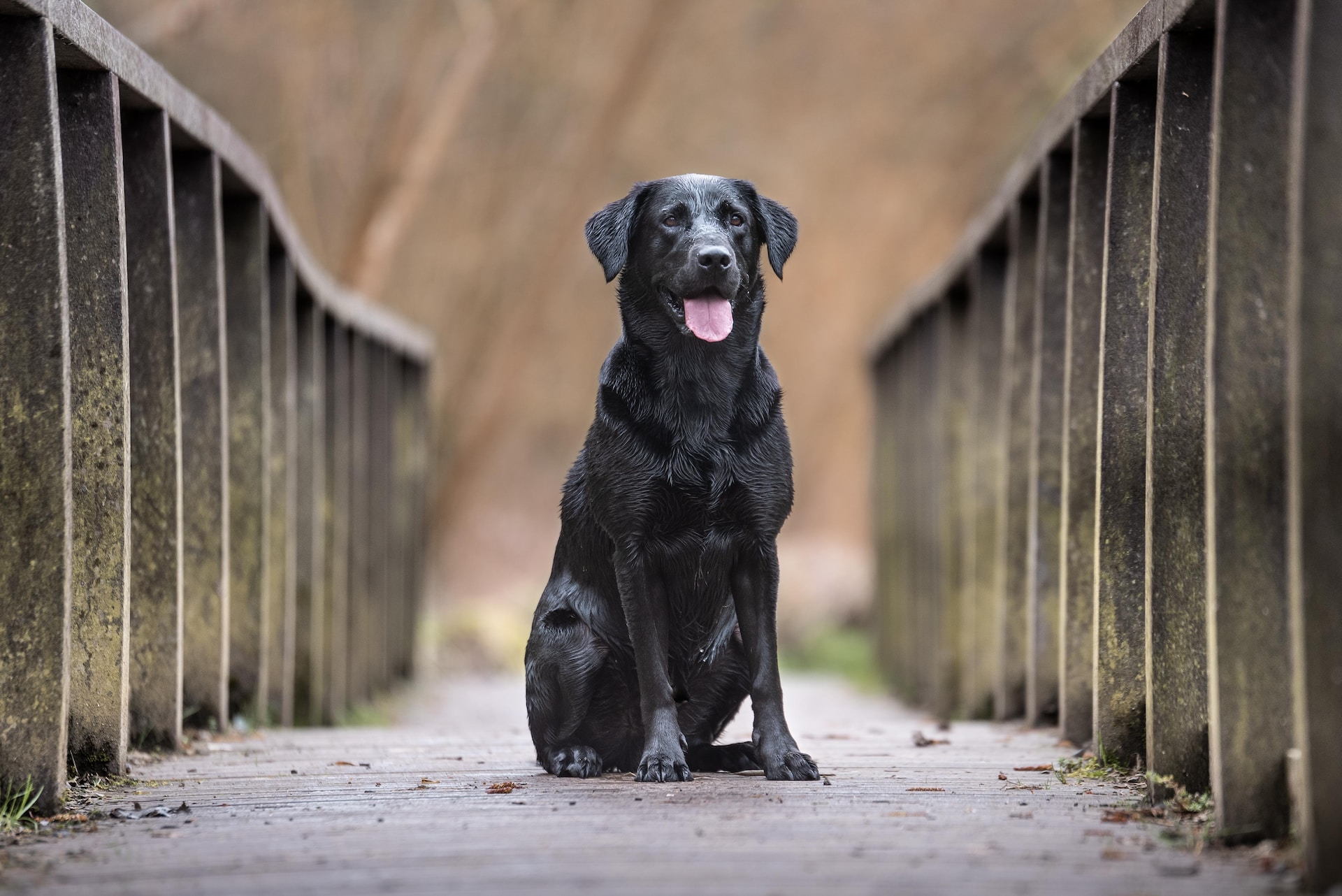
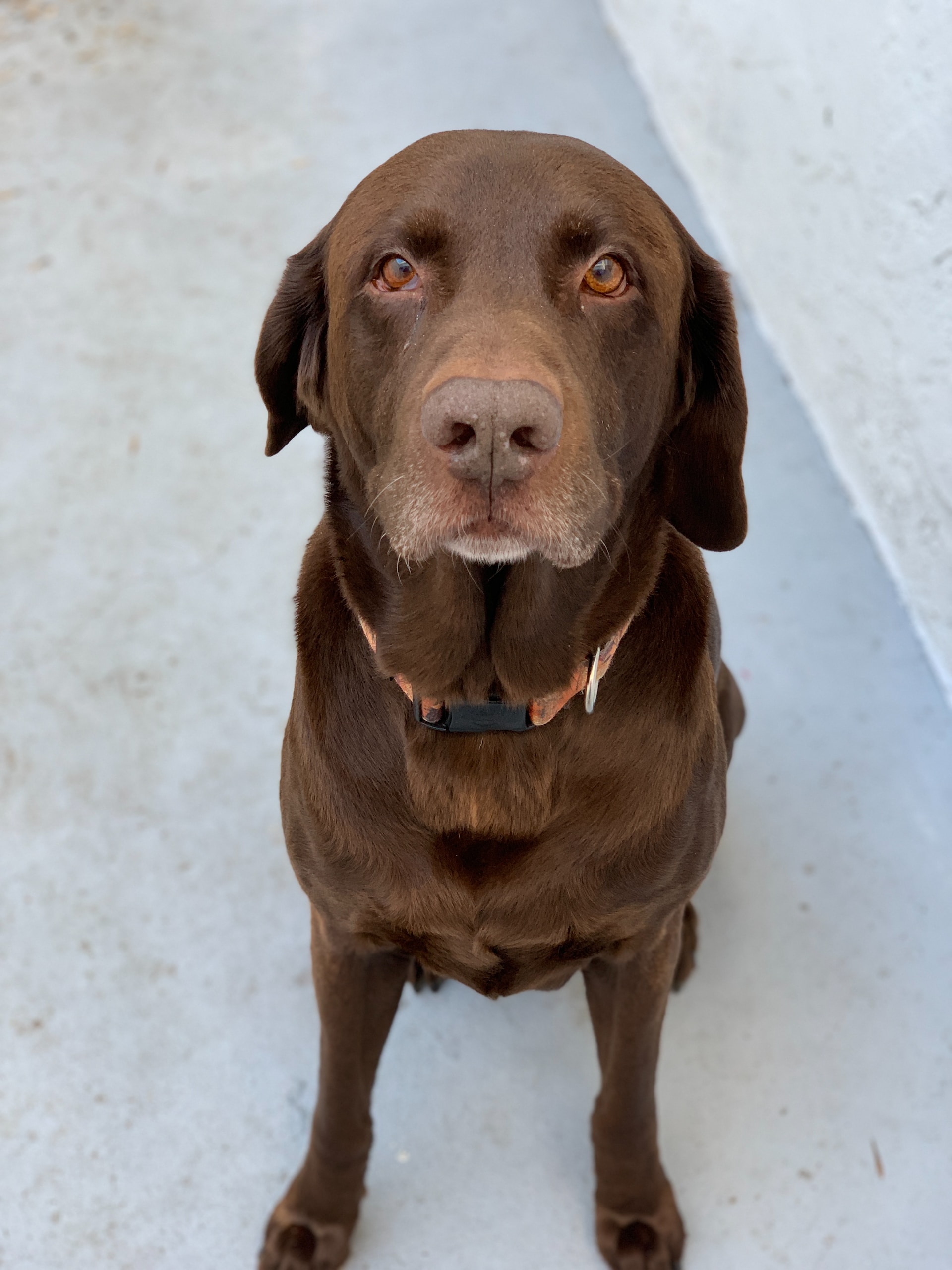
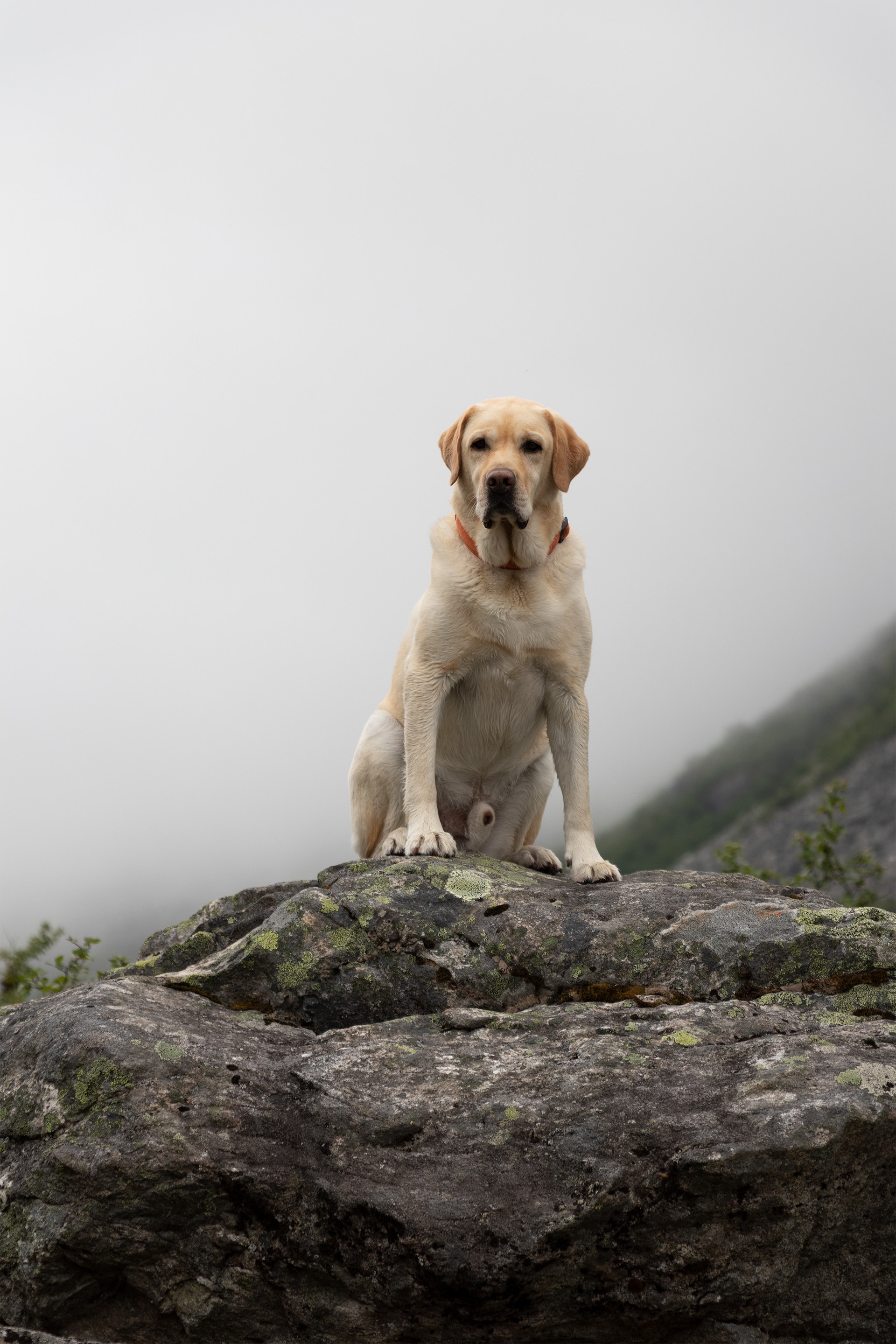
Picture Parade Four Hundred and Eighty-One

This time, pictures of Labradors; again from Unsplash.

oooo

oooo

oooo

oooo

oooo

oooo

oooo

Another wonderful set of pictures! Thank you, Unsplash.

His first working dog.

I have permission from Jason to republish his post.

When I receive notice that there has been a new follower of Learning from Dogs I go across to their blog site and leave a ‘thank you’ note..

So it was with Jason who, I assume, is a relatively new member of the WordPress club. He has published a blog Life Journeys and Passions. The first post is How I met my first working dog.

As soon as I read it I contacted Jason and asked his permission to share it with you all.

Here it is!

ooOOoo

How I met my first working dog.

April 6th, 2023

Hello, my name is Jason. For as long as I can remember, I have loved dogs. Dogs have been a big part of my life while growing up. They have also been a big part of having a family with kids. 

I am super lucky, because over the last couple of years, I have had the job of my dreams. I get to work with a dog every day. This dog has become my best friend, she has become my work partner, and she has become a very important part of my family.

I am excited to share my stories about this big, floppy eared, wrinkly faced, hard working Bloodhound. Would it surprise any of you that the job that Sophie and I do every day is to help find people that have gone missing?

Her nose, second to none in the dog world, has helped the community where we work to find people in many aspects. We have found criminals that have ran away from law enforcement, we have found missing children that ran away from home, and we have helped look for people that for any number of circumstances were in danger if they weren’t found in a timely manner.

This is Sophie!

I hope to be able to entertain you with stories of this wonderful dog. She’s got a stubborn streak both while working and while at home. She has made life interesting to be sure, and more entertaining and loving than I deserve in a friend and partner. I want to share my story of how I met her. 

Unfortunately, her story wasn’t one without a few struggles of her own. She had to deal with some struggles before I was able to be lucky enough to have her stumble head first into my life. Maybe in some ways though, her and I were better off having to work through some of the repercussions of moving away from multiple families. Maybe because of what she went through, it opened my eyes to the opportunity to train with her in more than just search and rescue type work. 

It’s been a long road from the time that I got her. Trying to help her get through her anxiety and stress that led to her sometimes biting people, dog aggression, and sometimes just not wanting to listen to me at all.

The dog that I live with now is still a working machine. She loves the hunt more than anything else. So much so that if we go too many days without it, she starts destroying my house. Instead of the biting and hating other dogs, she now gets to live with my family of a wife and two children. She has grown to love and co-exist with a stubborn Rottweiler that constantly gives her a run for her money.

I still wonder how I had the opportunity to have a dog that was born and raised in Massachusetts. At least for the first two years of her life.

Her story started with a hound handler that had many years, and many hounds during his time of working with dogs. Sophie was still really young when her handler had an unfortunate thing happen to him. He injured his back to where he was no longer able to run with a hound the same way he had in the past.

With her age, abilities, and ultimately what she was bred for, her first owner decided that he still wanted the world to have the opportunity to have Sophie provide her assistance to a community somewhere.

Across the United States in the state of Utah was a small police department that had been in contact with the organization that Sophie’s handler was part of. The police chief with this department had attended a seminar where this organization presented the abilities and benefits of a hound working for a local police department.

This police chief made quick friends with the people of this organization. He was also invited to Massachusetts where he spent some time watching the hounds work. Learning first hand what these amazing dogs can do to help find missing people.

When this organization realized that Sophie needed a new home, they contacted this chief from Utah and told them of a rare opportunity they wanted to offer him. They told him that they had a hound that needed to be re-homed. That she was a couple of years old, and was fully trained in her abilities. All she needed was a handler and a department willing to use her. The chief of police sent his lieutenant to Massachusetts where he spent about a week learning the basics of how Sophie worked. The lieutenant then drove back to Utah to start a bloodhound unit program with this police department.

A couple of years in of getting this program off of the ground, another incident happened. Sophie’s new handler got injured. For month’s it was thought that the lieutenant would be back to work. He was adamant that he wanted to stay with the department until Sophie retired so he could take her with him. He came to the realization though, that he was going to have to leave before Sophie could retire.

It was rumored around the police department that Sophie was just going to retire with the lieutenant even though she had years left available to keep working and providing for the community. One day, the lieutenant announced that he wanted officers to put in letters of interest to be the new hound handler for the department. He told those interested that there was going to be a panel of three officers, all hound handlers from Utah, that would decide who the best candidate would be for Sophie.

I was about two years into my career as a law enforcement officer at this same police department where Sophie worked. When I first started in law enforcement, my goal and biggest dreams were to work with a dog in some capacity. When I heard that they were looking for people that wanted the position, I didn’t think much of it. I was newer, other more experienced officers were putting in for the position, and I didn’t know if I wanted to run a tracking/trailing dog. I had always dreamed of having a dog that helped find drugs or had a more known job as a police officer.

I was called by my lieutenant shortly after the position to be Sophie’s handler opened up. He was aware that I have always wanted to be a K9 handler. He knew that I spent a lot of time working with another officer with the department that has a dog used to find drugs. He told me that he wanted me to put in for the position.

I wrote my letter of interest, then started the process of getting ready to interview. I had a small amount of experience with training a dog that I had previously that had behavior issues. My experience was no more than working with a company that helped with behavioral modification for my dog that had health and anxiety issues.

During the interview, among many questions, I was asked what experience I had working with dogs. I shared the small bit of experience that I had. Among all the other questions that stood out to me was asking if my family was prepared for the time and energy it took to be a police K9 handler. I was able to explain to them that my wife was very aware that having a dog in a working capacity has been a dream of mine even before meeting her. That I probably have no idea how big of a commitment this really was, but if given the opportunity, I would give it my all and put forth all the effort I could to succeed.

Hours after the interview, my lieutenant called me and one other officer that made it to the final interview process. The call was to announce to the two of us who had gotten the position. I expected this other officer, almost a 20 year veteran officer, to get the position. Well, I was pleasantly surprised and shocked that my name was the one called to be Sophie’s next handler!

ooOOoo

I hope you read it completely through because you would agree with me that this is most interesting. Hopefully, Jason will be publishing more posts.

Moore’s Law

In memory of Gordon Moore.

From Wikipedia:

Gordon Earle Moore (January 3, 1929 – March 24, 2023) was an American businessman, engineer, and the co-founder and emeritus chairman of Intel Corporation.

It was in 1965 that Gordon Moore suggested that every year there would be a doubling of the number of components per integrated circuit. In 1975 he revised his forecast to a doubling every two years; that prediction has become a reliable outcome and became known as Moore’s Law.

Just look at the left-hand scale of that graph above and ponder on the figures. From less than 10,000 in 1971 to more than 10 billion in 2021!

Incredible!

Gordon Earle Moore in 1978. He died on March 24th, 2023 aged 94 years.

What an amazing man!

An invitation from SOUND UK.

To apply to the UK’s Sound Generator.

This is the company that my daughter helps to run. She is Maija and together with Polly and Chloe they run Sound UK. I want to promote a recent item that appeared on their website.

ooOOoo

WHAT IS SOUND GENERATOR?

Now in its third year, Sound Generator is Sound UK’s research and development (R & D) programme that supports artists and seeds the development of an ambitious new project.

Each year six early career music and sound artists spend six months developing and testing their project, supported by mentoring from a range of experts.

By the end of the programme artists will have thoroughly explored their initial idea and tested that they can make it work, ready for the next stage of full commissioning and public engagement.

During the process artists will be able to try out new approaches, learn from others, increase their network and develop their practice.

Projects can be:
• For indoors or outdoors
• Suitable for venue touring or site specific
• Digital, installation or live
• Music, sound or multi-disciplinary
• Designed to reach a new audience, work with a specific community or respond to the world we live in.

Following an open call, six artists will each receive an award of £2200 to research and develop their idea across six months (June to November 2023).

In addition to £2200, the programme includes access to the Sound Generator Network with support sessions from a range of exceptional mentors, plus opportunities to connect with other artists on the programme.

The R & D will culminate in the creation of a short audio or video sample of the project, and a proposal for its delivery. These will be presented by each artist at a sharing event at the end of the programme and sent out to a wide network of industry contacts.

WHO IS IT FOR?

• UK* creators that reflect the full cultural diversity and gender spectrum of the UK
• Creators with 5 – 10 years professional experience
• Creators who want to develop a new idea that extends their practice, with public interaction in mind.
• Artists pushing the boundaries of contemporary music. Working within, but not exclusively, jazz, sound, folk, classical and electronic music, plus all points in between.

*we define a UK artist as someone who has been based and working in the UK for more than 5 years.

Find out more about our 2022 Sound Generator artists and our 2021 Sound Generator artists.

“We learnt so much and mentoring + support was very helpful in furthering our ideas. I think it also puts us in a better position to get further funding and for potential future collaborations.”
Daphnellc & Ambra, Sound Generator 2022

ooOOoo

Hopefully this is read by some people who either want to help share the message or want to apply.

Either way it was worth sharing!

A treasure of a dog story

A guest post from Connie Hart.

This is a most amazing story about Connie’s dogs and was sent to me as a guest post.

You will love it!

ooOOoo

A Dog Story

by Connie Hart, March 14th., 2023

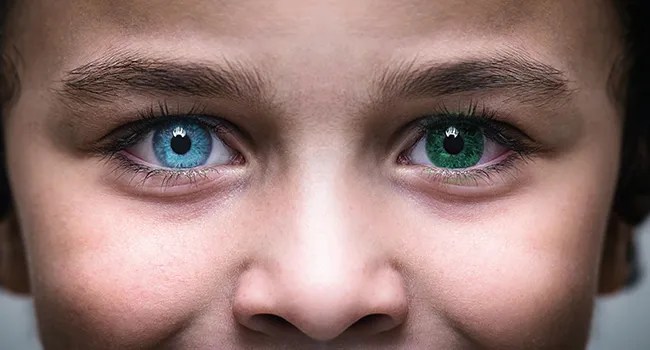
Having been raised by my father from the age of three, I spent many hours sitting on his lap as he read to me. Often, as he read, I looked up at his face, and into his eyes. It was always a marvel to me. As an adult, I know it as heterochromia, or different colored eyes. He had one brown eye, and one blue.

This is a condition that is very rare in humans; only 1% have this. But it was something that I, as a child, loved about my father.

In dogs, heterochromia is more common, but still rare. It occurs 3.5% of the time in dogs. That being said, here is my story;

This is Bernie:

Bernie is 145 lbs. of pure love. He was a gift from a friend, after a tragic loss of two of my sweet dogs. I still had one old dog, Bo. But even he passed when Bernie was about a year old. So we took Bernie to the County Shelter, and let him pick out a new friend. Hence, Rosie came into our lives.

oooo

But two years later, unfortunately, we lost Rosie.

We moved after that, but Bernie was not to be alone. Believe it or not, the people who moved out of the house we bought, moved from Oregon to Arizona and left behind their dog, Endy. Endy was a sweet, old dog. When I inquired about him, the owners simply said, ‘Oh, he can fend for himself.”

I was horrified. I couldn’t believe it as I watched those people drive out, leaving Endy crying on the porch.

But we made it up to him. We loved him and played with him. He and Bernie became inseparable. But, alas, time and age forced a sad good-bye.

Again, we took Bernie to the County Shelter to pick out a new friend. With Bernie in the ‘meet and greet’ yard, I went through and picked out a handful of dogs I liked, first. One in particular, struck me. A Shepard/Pyrenees mix, with one blue eye and one brown.

One at a time, each dog was taken out to the yard to meet Bernie. Some, he barely even sniffed, some, he totally ignored. But when the heterochromatic dog was put in the yard, there was instant frolic!

Bernie had lost three of his besties and we didn’t want him to have to go through that again. This dog, Cassie, was young and vibrant, in so many ways. They romped and played while I went in to do the paperwork. While looking through the paperwork, I noticed her birthdate. November 23….

She and my beloved father have the same birthday!

ooOOoo

This is a lovely story.

For those that want more information on Heterochromia, I took from the Mount Sinai website the following:

Heterochromia is the presence of different colored eyes in the same person. Heterochromia in humans appears either as a hereditary trait unassociated with other disease, as a symptom of various syndromes or as the result of a trauma.

What an unusual, but pretty, condition in her face.

Thank you, Connie.

This is just a beautiful Picture Parade

In other words, Picture Parade Four Hundred and Seventy-Eight.

Introducing A guest post (sort of) by Cara Sue Achterberg.

Read this! It tells the story of the volunteers who spend their time at the Animal Control centre in Bernie County.

ooOOoo

Animal Control And/Or Care

By Cara Sue Achterberg

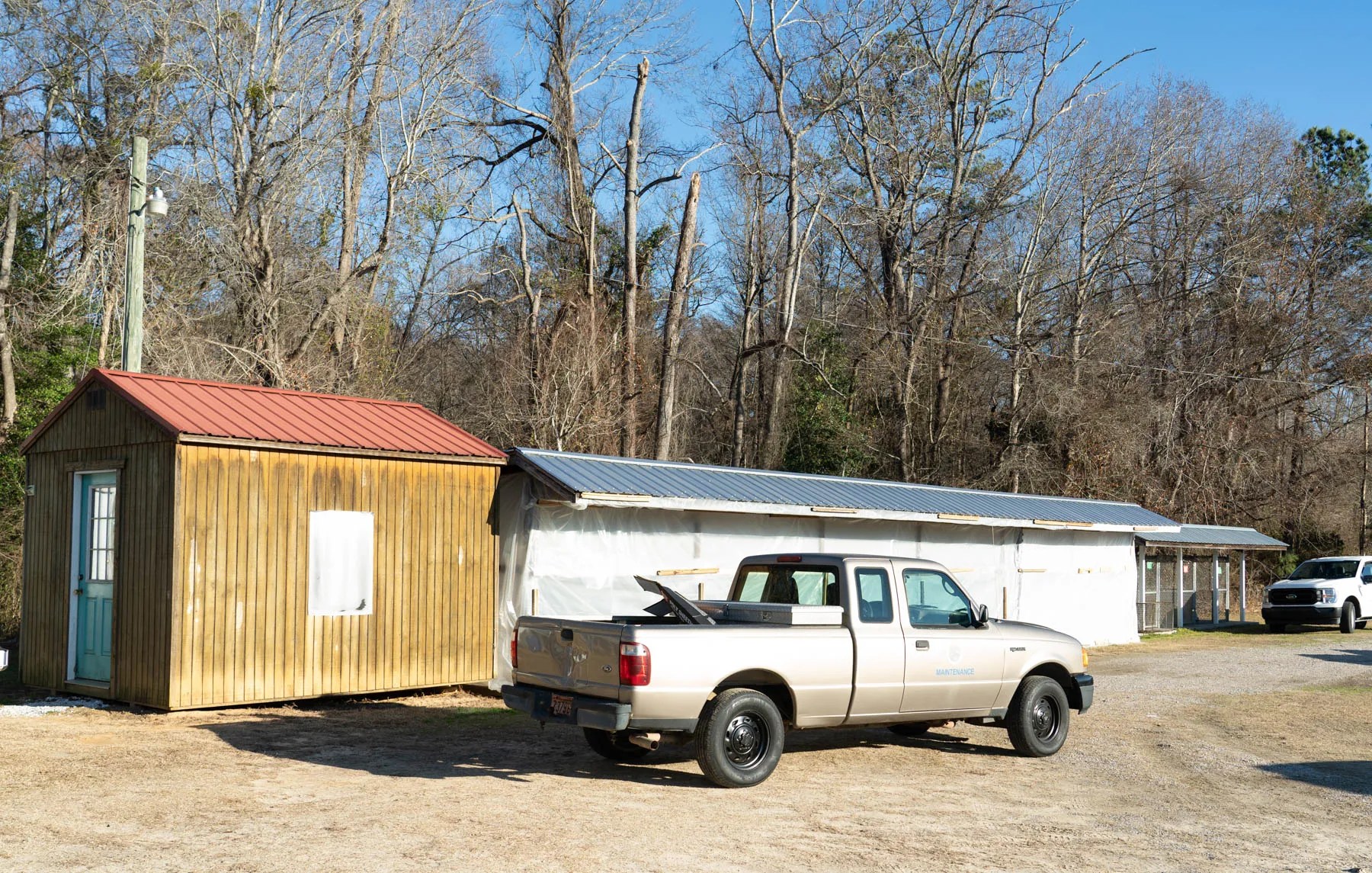
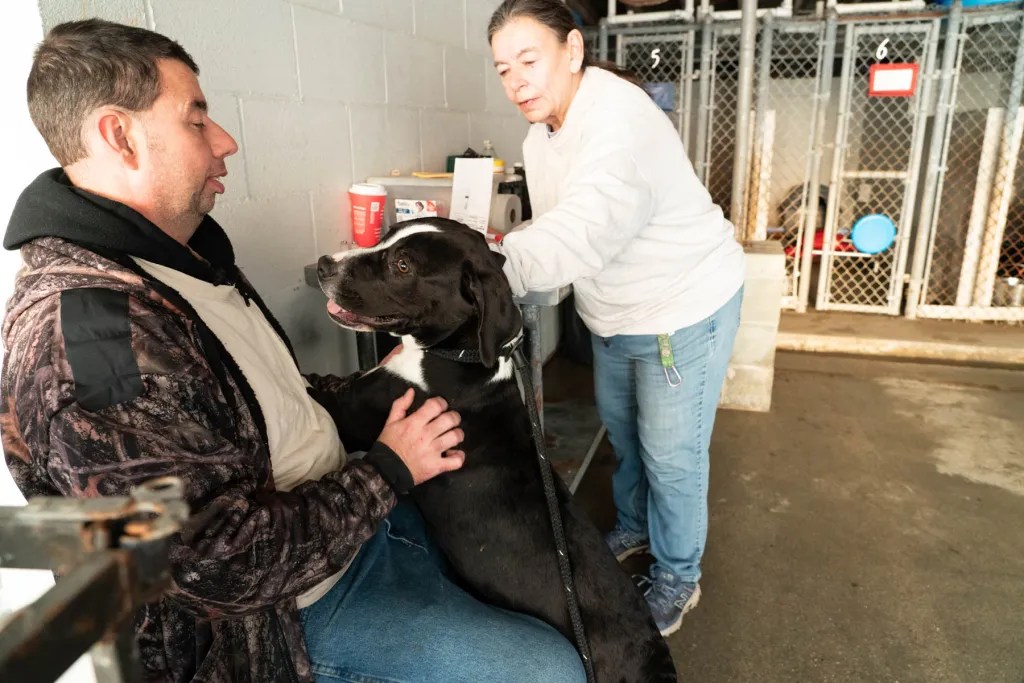
Bertie County is a small county most people pass through on their way to vacation on the Outer Banks. The county’s tiny shelter is the next to last stop on a road that ends at the regional jail. The shelter sits on a property prone to flooding, and although the county has had plans to move it, the folks we talked to were skeptical that the collection of sheds, trailers, and kennels would leave the spot it has occupied as long as anyone can remember.

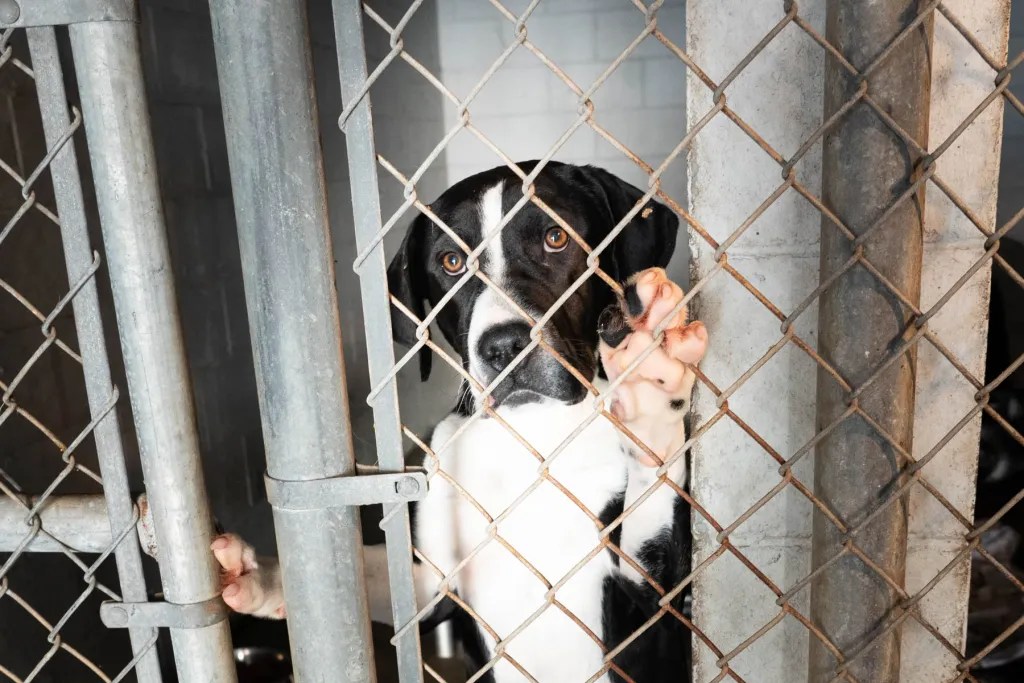
Bertie County Animal Control in Windsor is a municipal, open-intake shelter comprised of ten kennels on a concrete pad with a roof, plus two quarantine kennels, and three puppy runs.

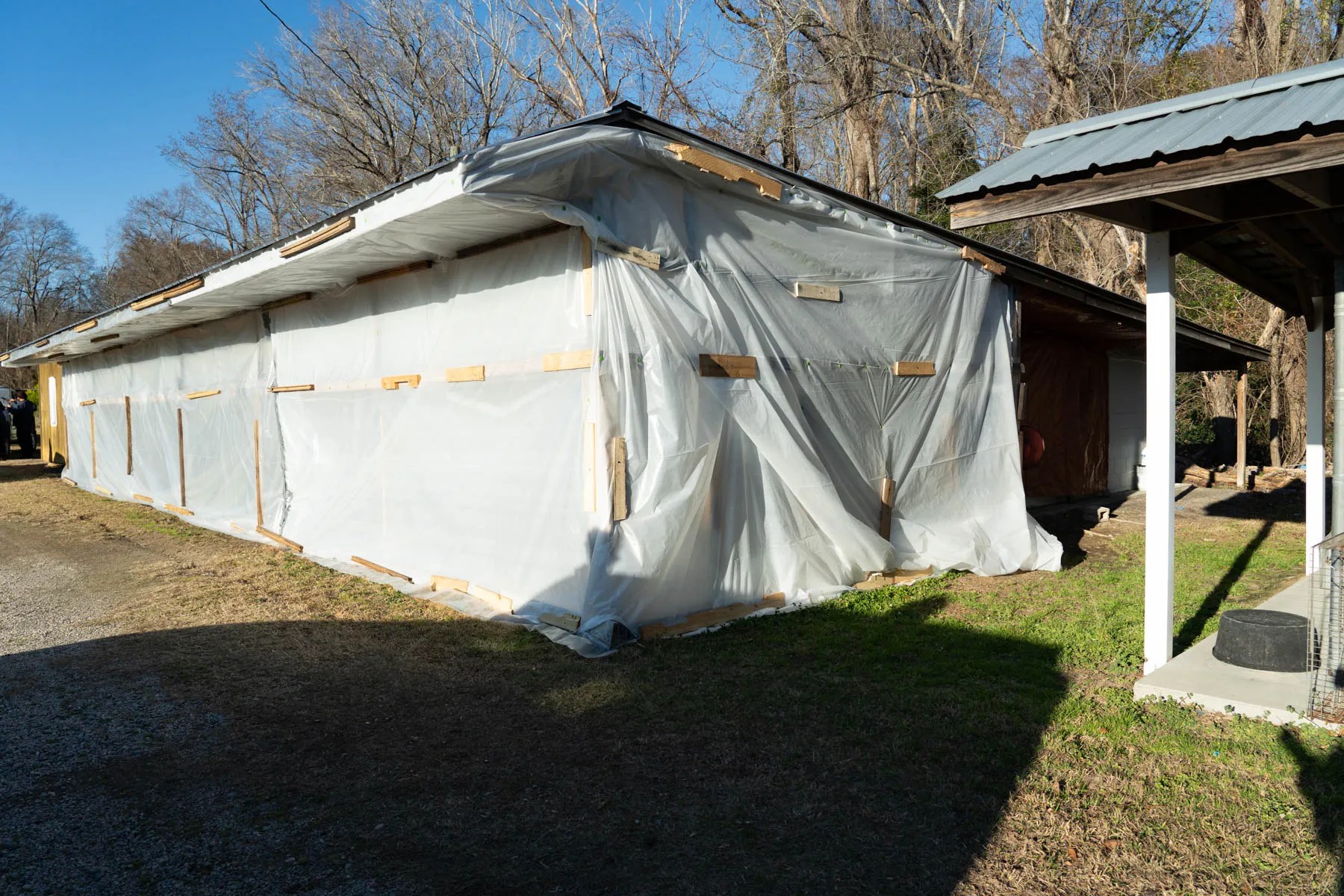
There is no heat or AC or walls, for that matter. The day we arrived, county maintenance workers were busy wrapping plastic around the kennels to try to give the dogs some protection from the cold.

The county has two full-time Animal Control officers and one part-time ACO, but the care of the dogs is done by Josh, a full-time kennel tech. The county pays for Josh (and a part-time person who comes in once on Saturday and Sunday to feed/clean), plus the ACO salaries, and the property utilities, but everything else is left up to the Bertie County Humane Society.

Beyond the $2000/year the county gives the Humane Society, they must raise the money to pay for everything else – veterinary needs, vaccinations, spay/neuter, food/treats, transport to rescues, beds, heartworm preventative, flea/tick treatment, dewormers and anything else.

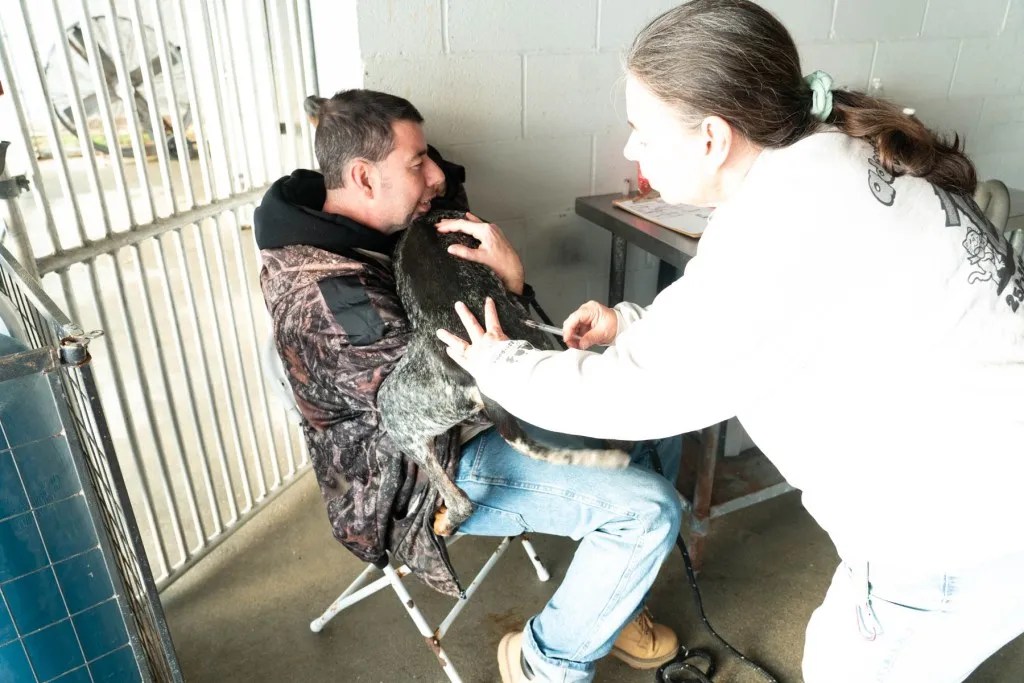
Pretty much every dog that comes in is heartworm positive. As Vicky, a volunteer who used to be the kennel manager at the shelter, told me, “If we get one that’s negative, I go buy a lottery ticket!”

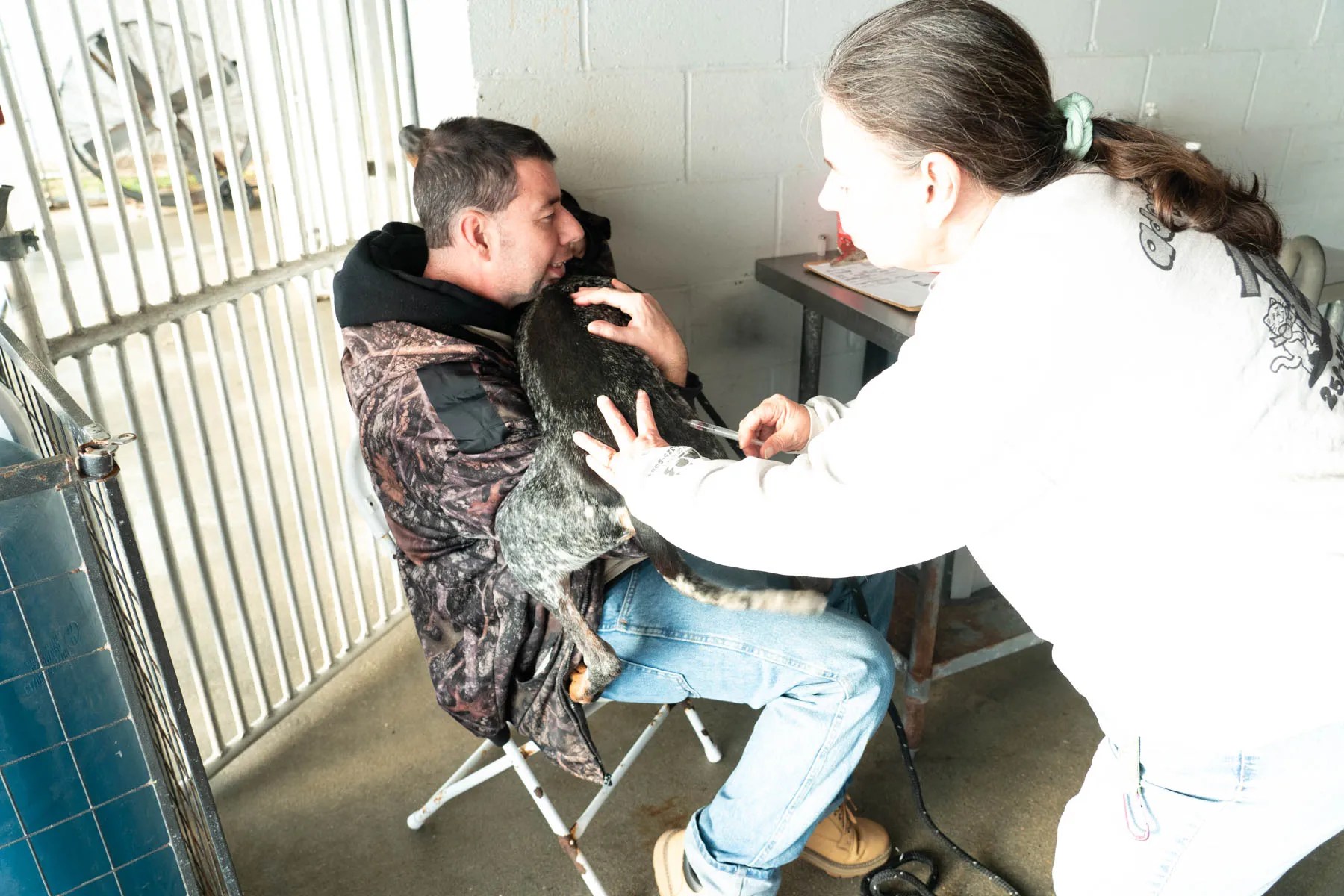
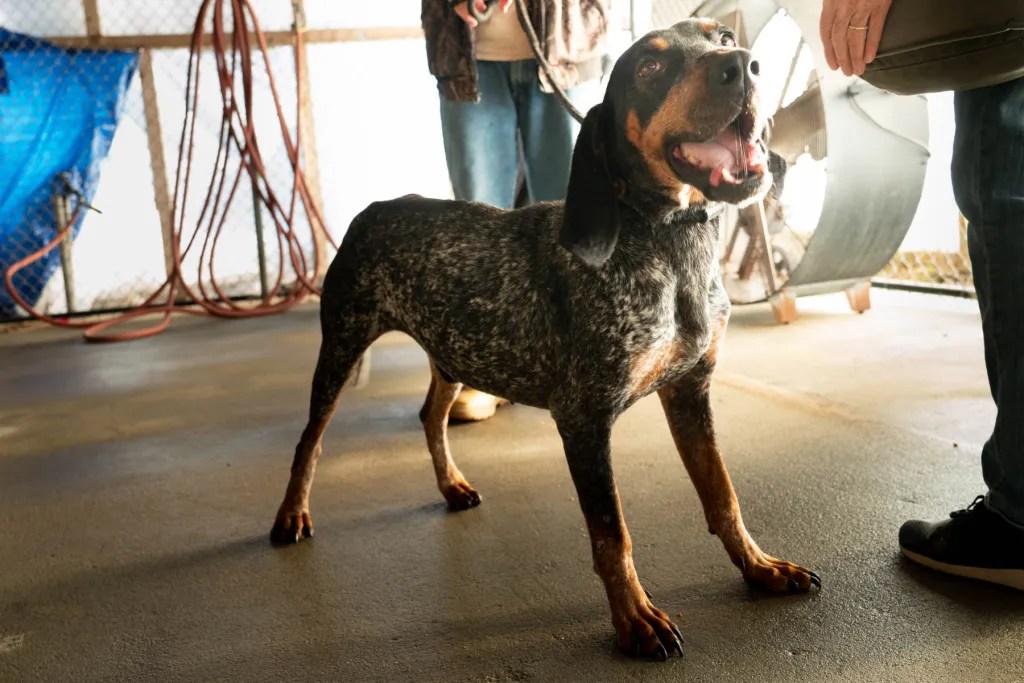
Vicky was at the shelter that day to give rabies vaccines to Cooper and Spot, two young dogs at the shelter. (NC is the first state I’ve discovered that doesn’t require that rabies vaccines be given by a veterinarian.)

oooo

oooo

We learned about Bertie County after we connected with another of their volunteers, Gina. Gina lives two hours away, but she is a tireless advocate for the dogs and the shelter. She networks the dogs to rescues, arranges for veterinarian appointments and transports, even finds donors to pay for heartworm treatment. Gina is one of those rescue warriors with a heart that just slays me. It’s inhuman how many hours and how much work she puts in to save these dogs, many she has never met.

Gina has been involved with BCHS ever since she discovered how many dogs were being killed in Bertie County. She began pulling dogs to foster within her rescue operation and eventually called on other rescues to get involved. Because she lives so far away, she depends on Diane, who lives in Bertie County and is the president of the Humane Society, and Vicky, who used to be the kennel manager at the shelter and still volunteers her time there.

There were only six dogs (and lots of cats) the day we visited thanks to Gina’s work to find rescues to empty the shelter just before the holidays and the bitter, record cold that came. The shelter normally handles about 100 dogs a year.

oooo

oooo

oooo

oooo

ooOOoo

Because of the number of photographs, beautiful photographs I would add, this is today’s Picture Parade.

There’s more to water than one might think.

This post attracted me and I wanted to share it with you.

Here in Oregon we are lucky because the ground water is of a high quality and there is plenty of it. At home we drink our water straight from our well without any filtering or chlorination. Have been doing that ever since we moved in back in 2012.

But water is a much deeper subject than I tend to think of and this article is an in-depth review of the topic. It is an article from The Conversation.

ooOOoo

Water in space – a ‘Goldilocks’ star reveals previously hidden step in how water gets to planets like Earth

The star system V883 Orionis contains a rare star surrounded by a disk of gas, ice and dust.
A. Angelich (NRAO/AUI/NSF)/ALMA (ESO/NAOJ/NRAO), CC BY

John Tobin, National Radio Astronomy Observatory

Without water, life on Earth could not exist as it does today. Understanding the history of water in the universe is critical to understanding how planets like Earth come to be.

Astronomers typically refer to the journey water takes from its formation as individual molecules in space to its resting place on the surfaces of planets as “the water trail.” The trail starts in the interstellar medium with hydrogen and oxygen gas and ends with oceans and ice caps on planets, with icy moons orbiting gas giants and icy comets and asteroids that orbit stars. The beginnings and ends of this trail are easy to see, but the middle has remained a mystery.

I am an astronomer who studies the formation of stars and planets using observations from radio and infrared telescopes. In a new paper, my colleagues and I describe the first measurements ever made of this previously hidden middle part of the water trail and what these findings mean for the water found on planets like Earth.

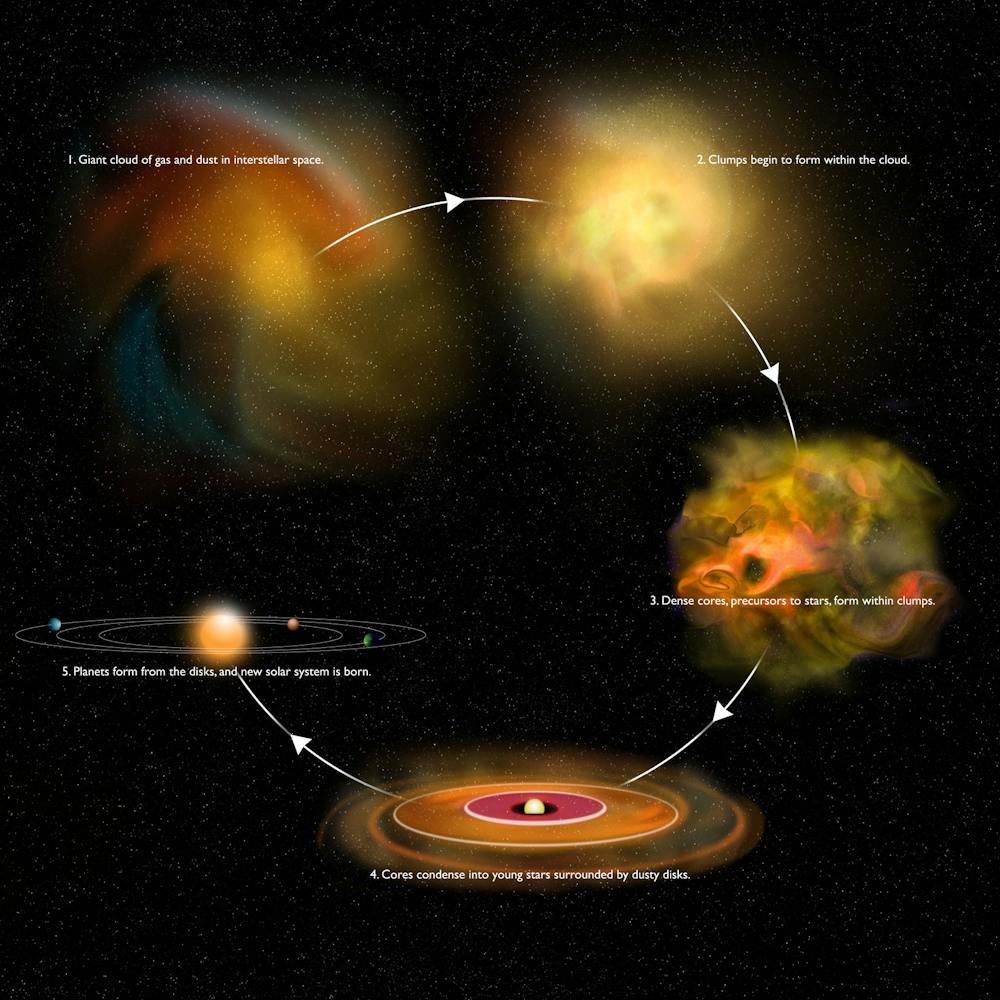
The progression of a star system from a cloud of dust and gas into a mature star with orbiting planets.

Star and planet formation is an intertwined process that starts with a cloud of molecules in space.
Bill Saxton, NRAO/AUI/NSF, CC BY

How planets are formed

The formation of stars and planets is intertwined. The so-called “emptiness of space” – or the interstellar medium – in fact contains large amounts of gaseous hydrogen, smaller amounts of other gasses and grains of dust. Due to gravity, some pockets of the interstellar medium will become more dense as particles attract each other and form clouds. As the density of these clouds increases, atoms begin to collide more frequently and form larger molecules, including water that forms on dust grains and coats the dust in ice.

Stars begin to form when parts of the collapsing cloud reach a certain density and heat up enough to start fusing hydrogen atoms together. Since only a small fraction of the gas initially collapses into the newborn protostar, the rest of the gas and dust forms a flattened disk of material circling around the spinning, newborn star. Astronomers call this a proto-planetary disk.

As icy dust particles collide with each other inside a proto-planetary disk, they begin to clump together. The process continues and eventually forms the familiar objects of space like asteroids, comets, rocky planets like Earth and gas giants like Jupiter or Saturn.

A cloudy filament against a backdrop of stars.

Gas and dust can condense into clouds, like the Taurus Molecular Cloud, where collisions between hydrogen and oxygen can form water.
ESO/APEX (MPIfR/ESO/OSO)/A. Hacar et al./Digitized Sky Survey 2, CC BY

Two theories for the source of water

There are two potential pathways that water in our solar system could have taken. The first, called chemical inheritance, is when the water molecules originally formed in the interstellar medium are delivered to proto-planetary disks and all the bodies they create without going through any changes.

The second theory is called chemical reset. In this process, the heat from the formation of the proto-planetary disk and newborn star breaks apart water molecules, which then reform once the proto-planetary disk cools.

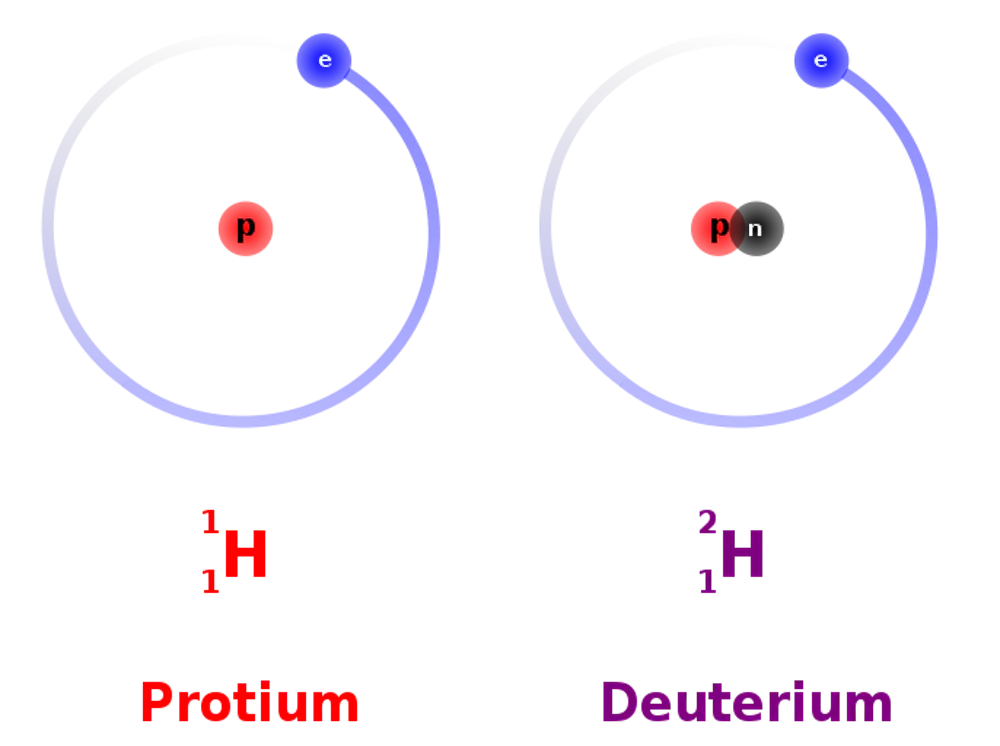
Models of protium and deuterium.

Normal hydrogen, or protium, does not contain a neutron in its nucleus, while deuterium contains one neutron, making it heavier.
Dirk Hünniger/Wikimedia Commons, CC BY-SA

To test these theories, astronomers like me look at the ratio between normal water and a special kind of water called semi-heavy water. Water is normally made of two hydrogen atoms and one oxygen atom. Semi-heavy water is made of one oxygen atom, one hydrogen atom and one atom of deuterium – a heavier isotope of hydrogen with an extra neutron in its nucleus.

The ratio of semi-heavy to normal water is a guiding light on the water trail – measuring the ratio can tell astronomers a lot about the source of water. Chemical models and experiments have shown that about 1,000 times more semi-heavy water will be produced in the cold interstellar medium than in the conditions of a protoplanetary disk.

This difference means that by measuring the ratio of semi-heavy to normal water in a place, astronomers can tell whether that water went through the chemical inheritance or chemical reset pathway.

A star surrounded by a ring of gas and dust.

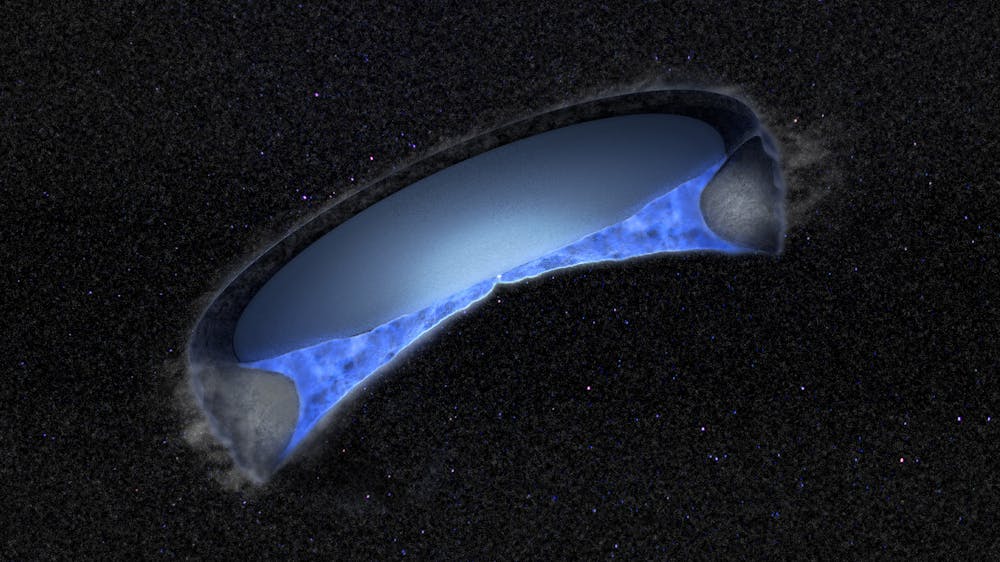
V883 Orionis is a young star system with a rare star at its center that makes measuring water in the proto-planetary cloud, shown in the cutaway, possible.
ALMA (ESO/NAOJ/NRAO), B. Saxton (NRAO/AUI/NSF), CC BY

Measuring water during the formation of a planet

Comets have a ratio of semi-heavy to normal water almost perfectly in line with chemical inheritance, meaning the water hasn’t undergone a major chemical change since it was first created in space. Earth’s ratio sits somewhere in between the inheritance and reset ratio, making it unclear where the water came from.

To truly determine where the water on planets comes from, astronomers needed to find a goldilocks proto-planetary disk – one that is just the right temperature and size to allow observations of water. Doing so has proved to be incredibly difficult. It is possible to detect semi-heavy and normal water when water is a gas; unfortunately for astronomers, the vast majority of proto-plantary disks are very cold and contain mostly ice, and it is nearly impossible to measure water ratios from ice at interstellar distances.

A breakthrough came in 2016, when my colleagues and I were studying proto-planetary disks around a rare type of young star called FU Orionis stars. Most young stars consume matter from the proto-planetary disks around them. FU Orionis stars are unique because they consume matter about 100 times faster than typical young stars and, as a result, emit hundreds of times more energy. Due to this higher energy output, the proto-planetary disks around FU Orionis stars are heated to much higher temperatures, turning ice into water vapor out to large distances from the star.

Using the Atacama Large Millimeter/submillimeter Array, a powerful radio telescope in northern Chile, we discovered a large, warm proto-planetary disk around the Sunlike young star V883 Ori, about 1,300 light years from Earth in the constellation Orion.

V883 Ori emits 200 times more energy than the Sun, and my colleagues and I recognized that it was an ideal candidate to observe the semi-heavy to normal water ratio.

A radio image of the disk around V883 Ori.

The proto-planetary disk around V883 Ori contains gaseous water, shown in the orange layer, allowing astronomers to measure the ratio of semi-heavy to normal water.
ALMA (ESO/NAOJ/NRAO), J. Tobin, B. Saxton (NRAO/AUI/NSF), CC BY

Completing the water trail

In 2021, the Atacama Large Millimeter/submillimeter Array took measurements of V883 Ori for six hours. The data revealed a strong signature of semi-heavy and normal water coming from V883 Ori’s proto-planetary disk. We measured the ratio of semi-heavy to normal water and found that the ratio was very similar to ratios found in comets as well as the ratios found in younger protostar systems.

These results fill in the gap of the water trail forging a direct link between water in the interstellar medium, protostars, proto-planetary disks and planets like Earth through the process of inheritance, not chemical reset.

The new results show definitively that a substantial portion of the water on Earth most likely formed billions of years ago, before the Sun had even ignited. Confirming this missing piece of water’s path through the universe offers clues to origins of water on Earth. Scientists have previously suggested that most water on Earth came from comets impacting the planet. The fact that Earth has less semi-heavy water than comets and V883 Ori, but more than chemical reset theory would produce, means that water on Earth likely came from more than one source.The Conversation

John Tobin, Scientist, National Radio Astronomy Observatory

This article is republished from The Conversation under a Creative Commons license. Read the original article.

ooOOoo

Now this was a long article and I hope some of you stayed with John’s piece until the very end.

It really shows how the water trail is a much greater and longer journey than I assumed.

Picture Parade Four Hundred and Seventy-Seven.

Just a single photo for today!

Lovely!

This was a photograph sent in by Jess!