Category: Communication

Picture Parade Four Hundred and Ninety-Four

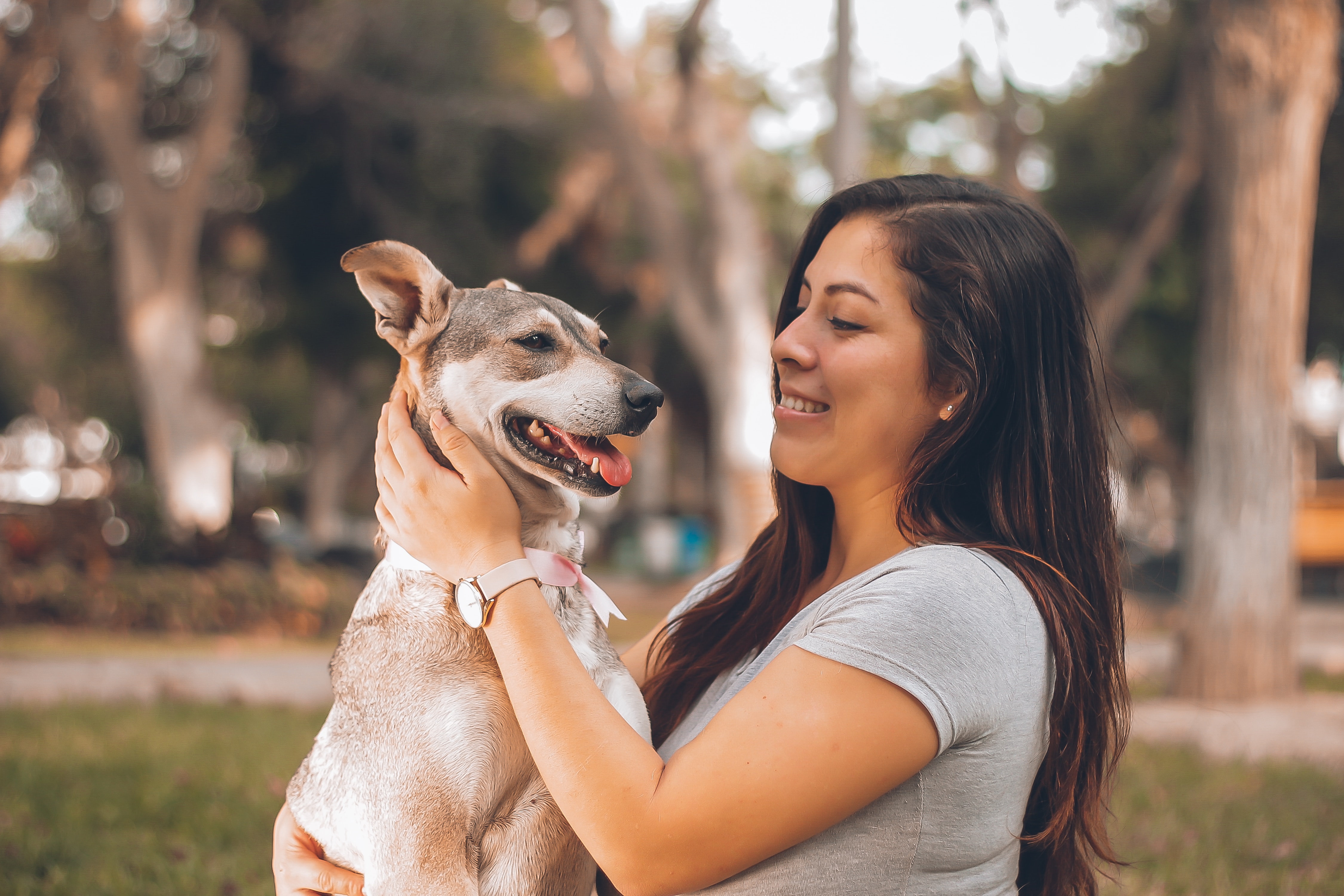
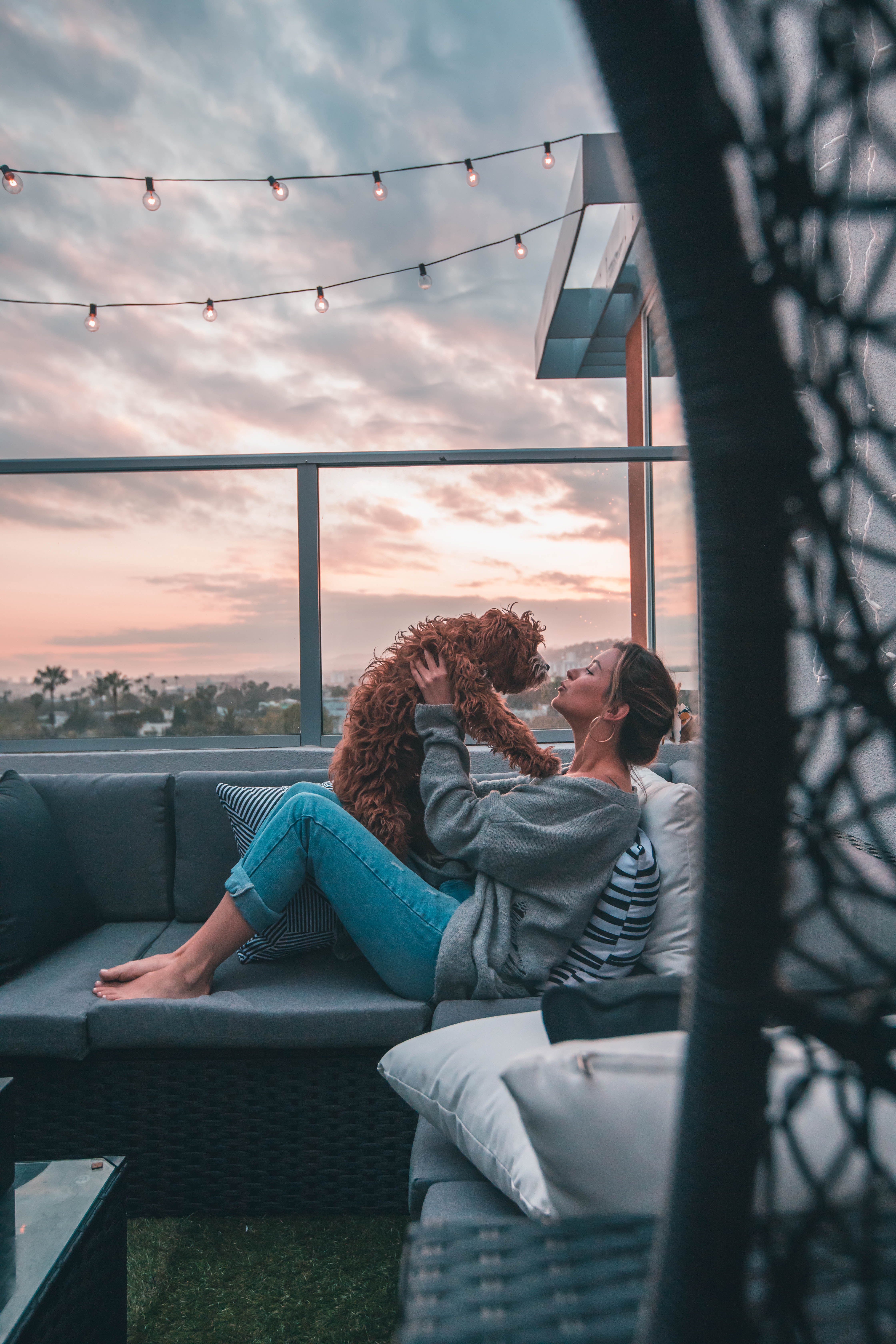
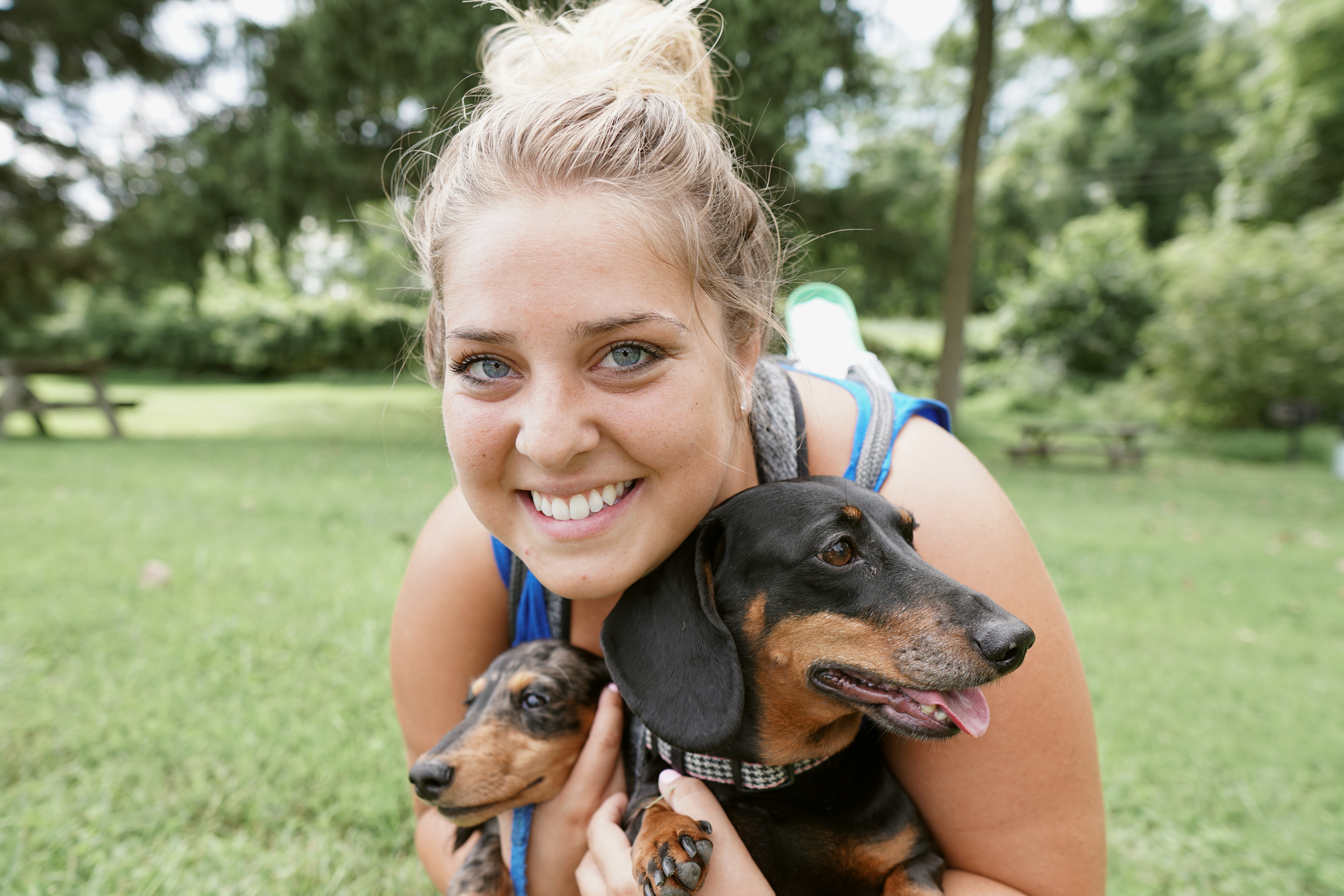
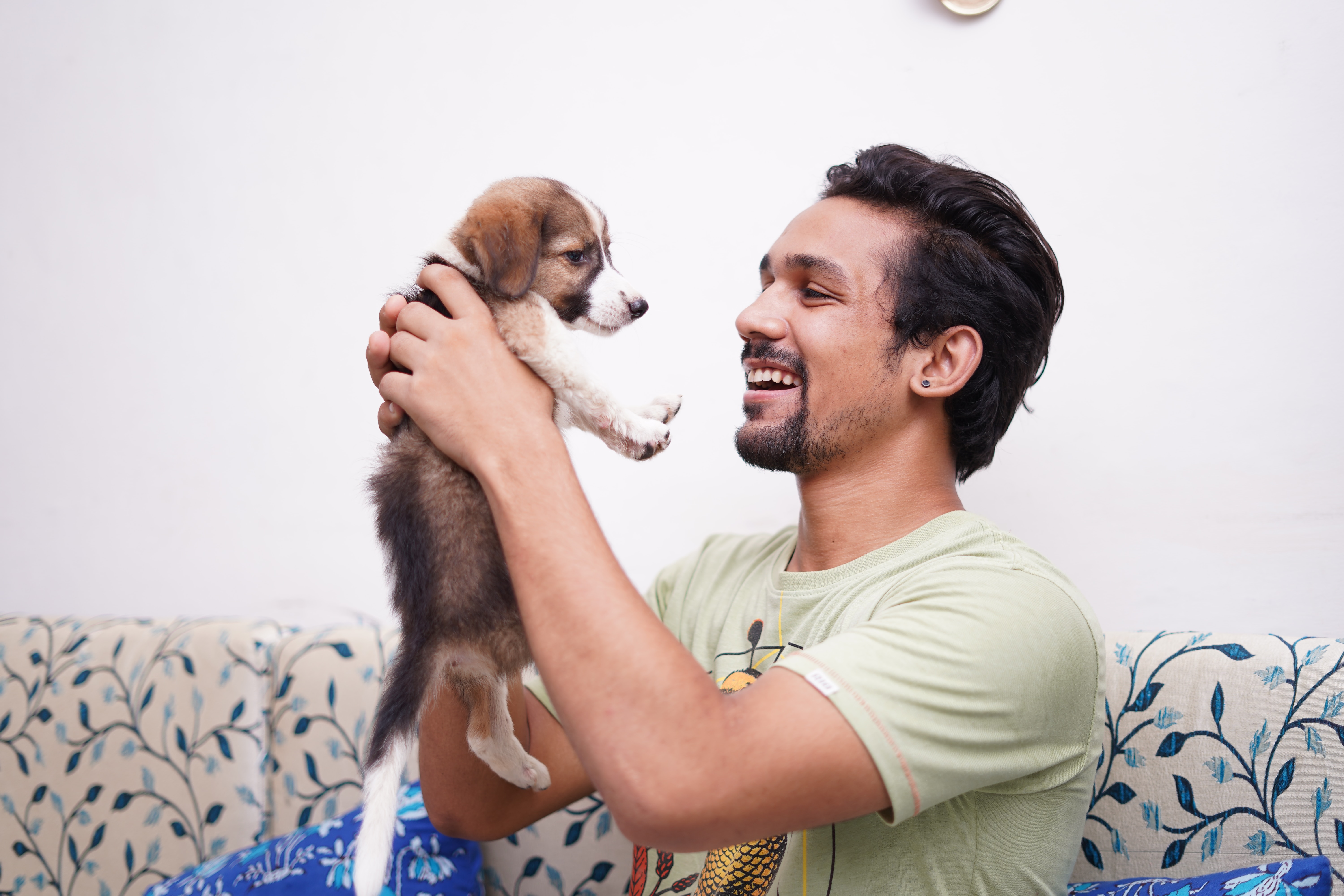
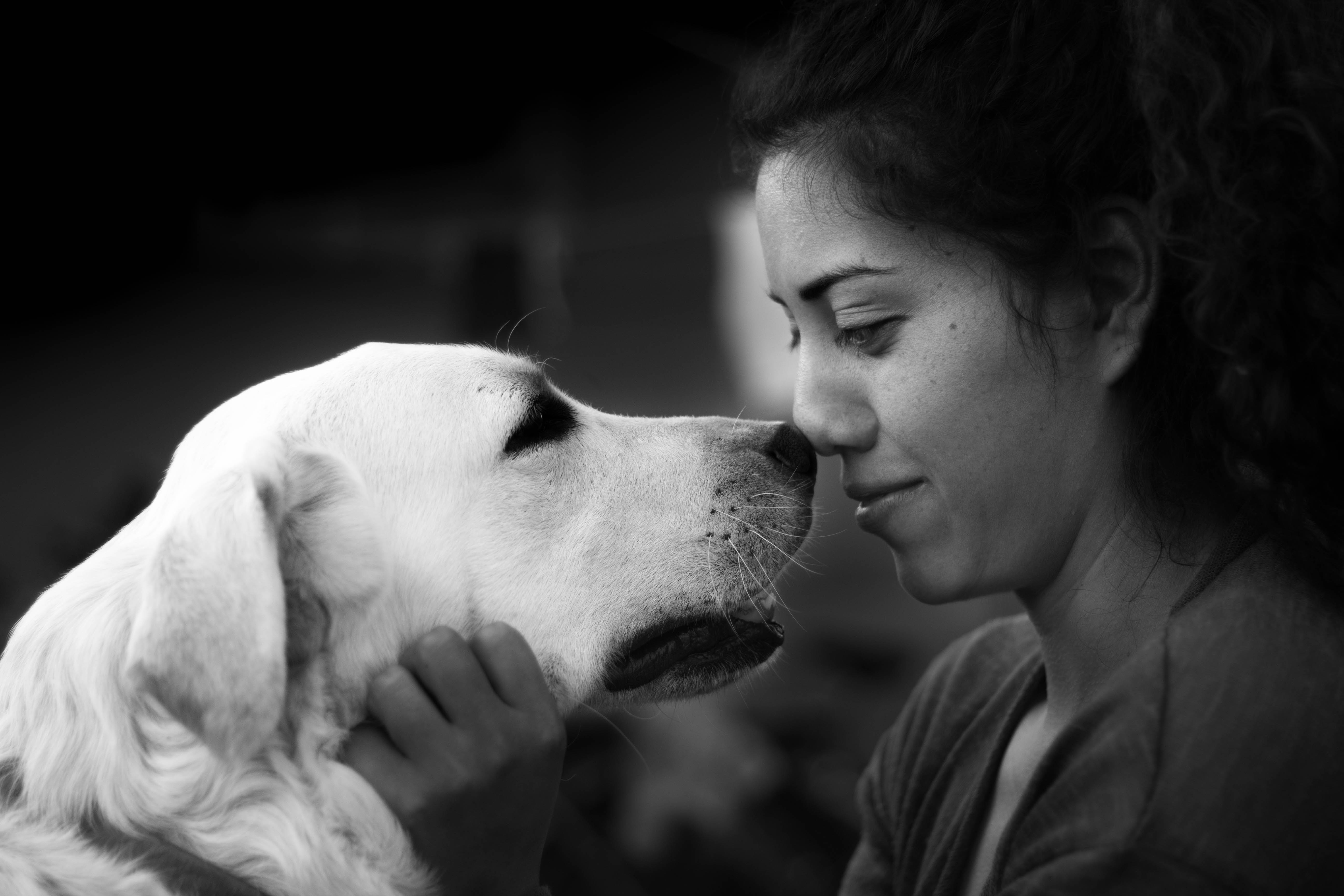
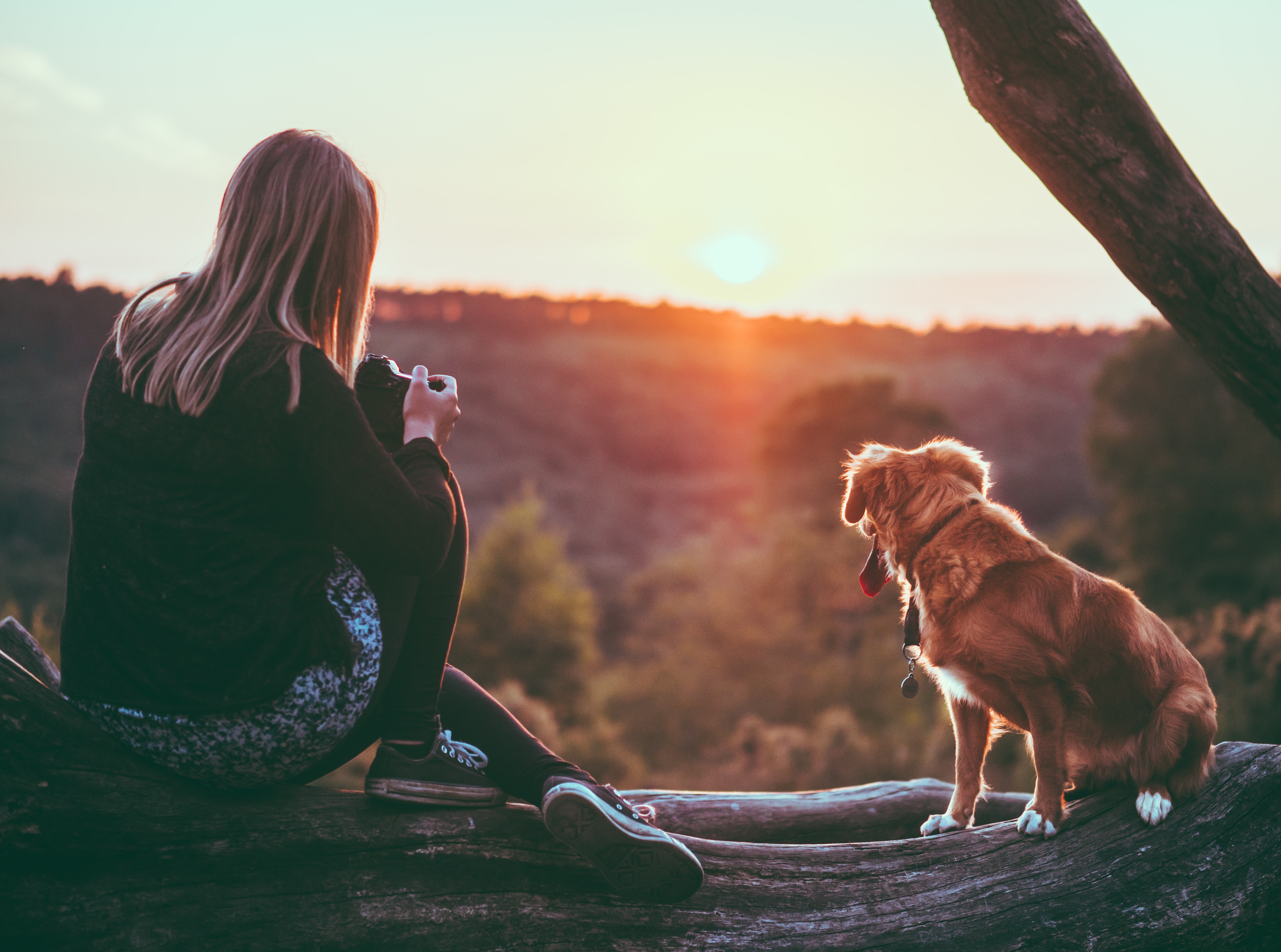
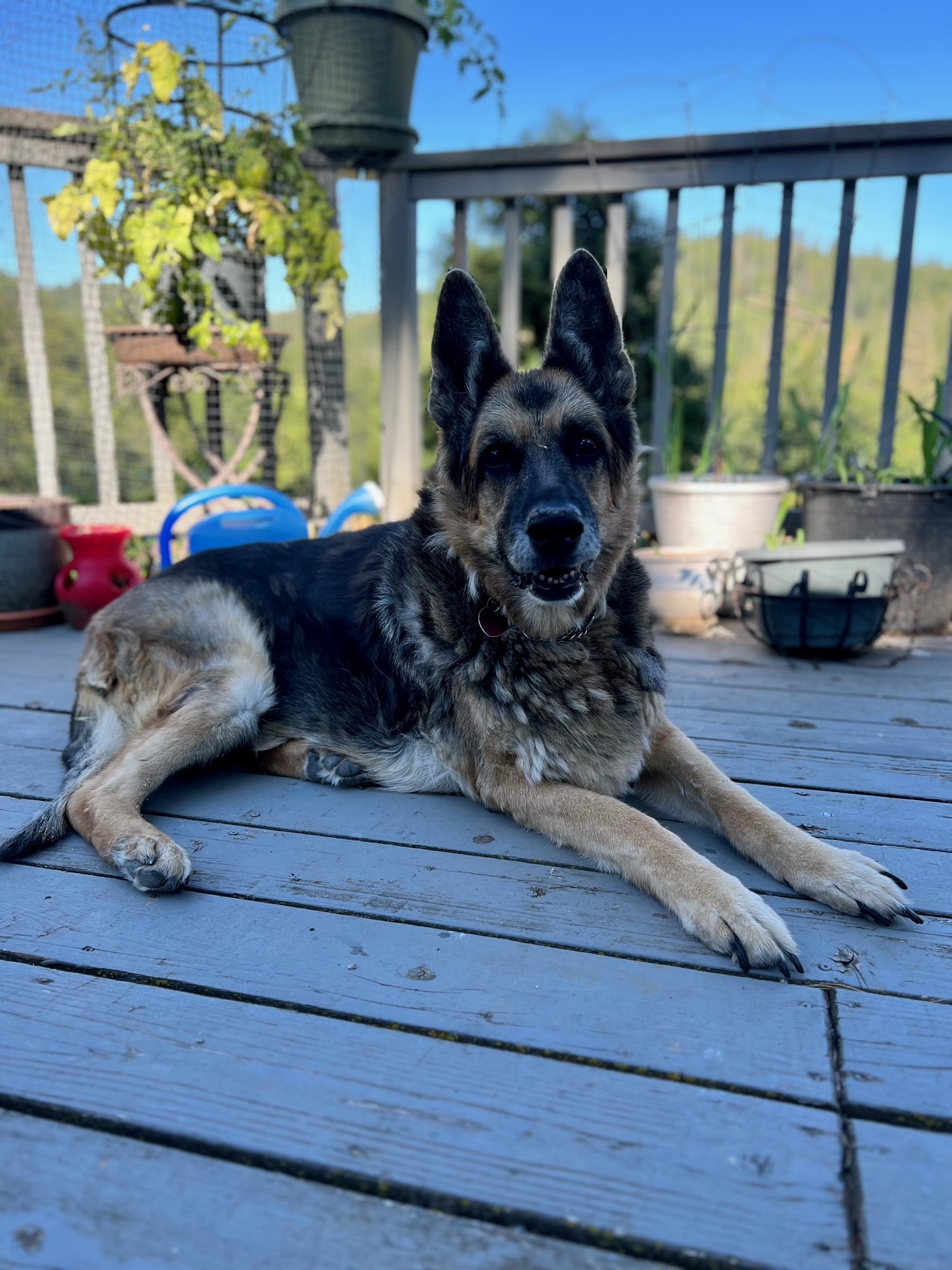
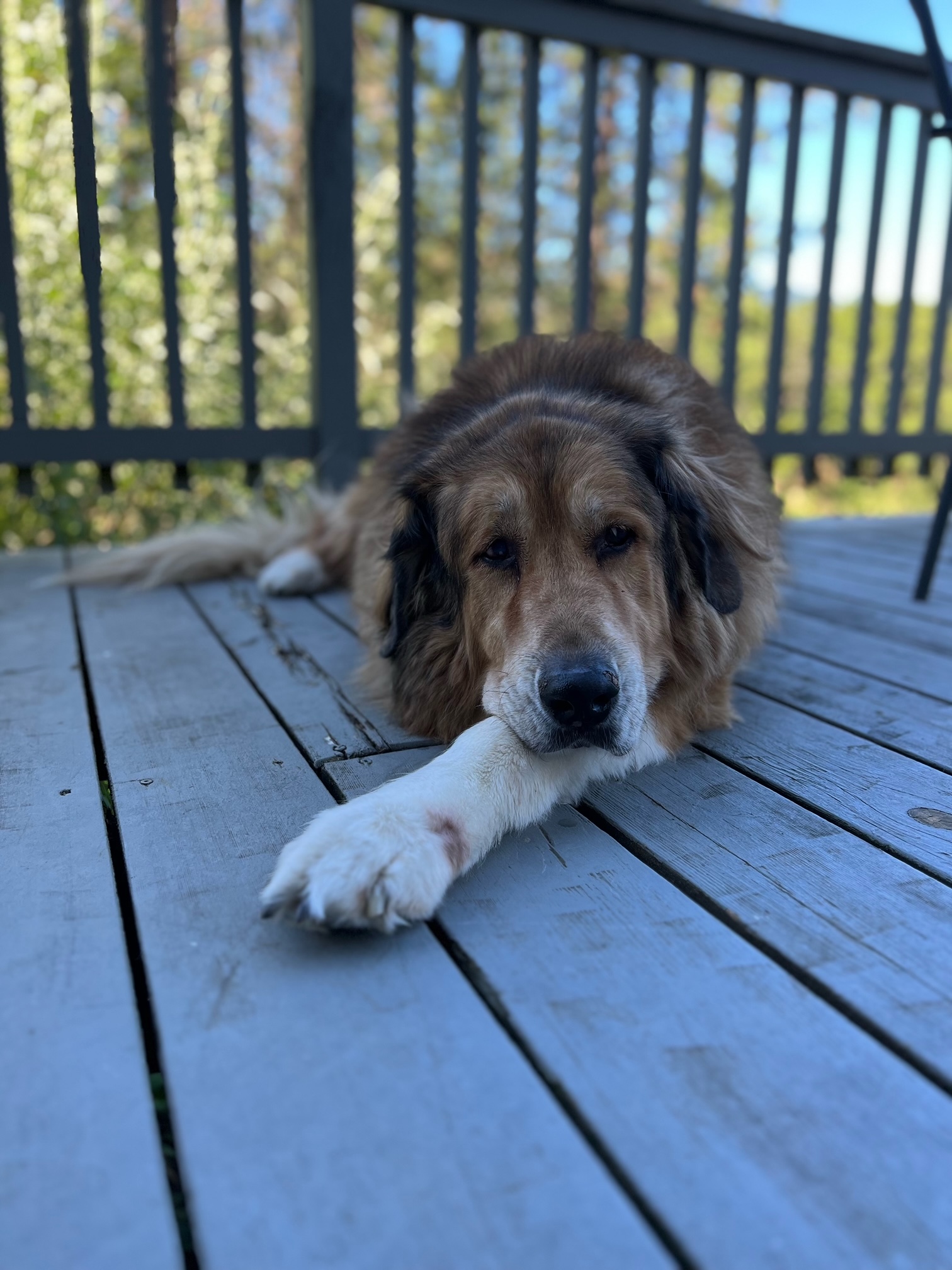
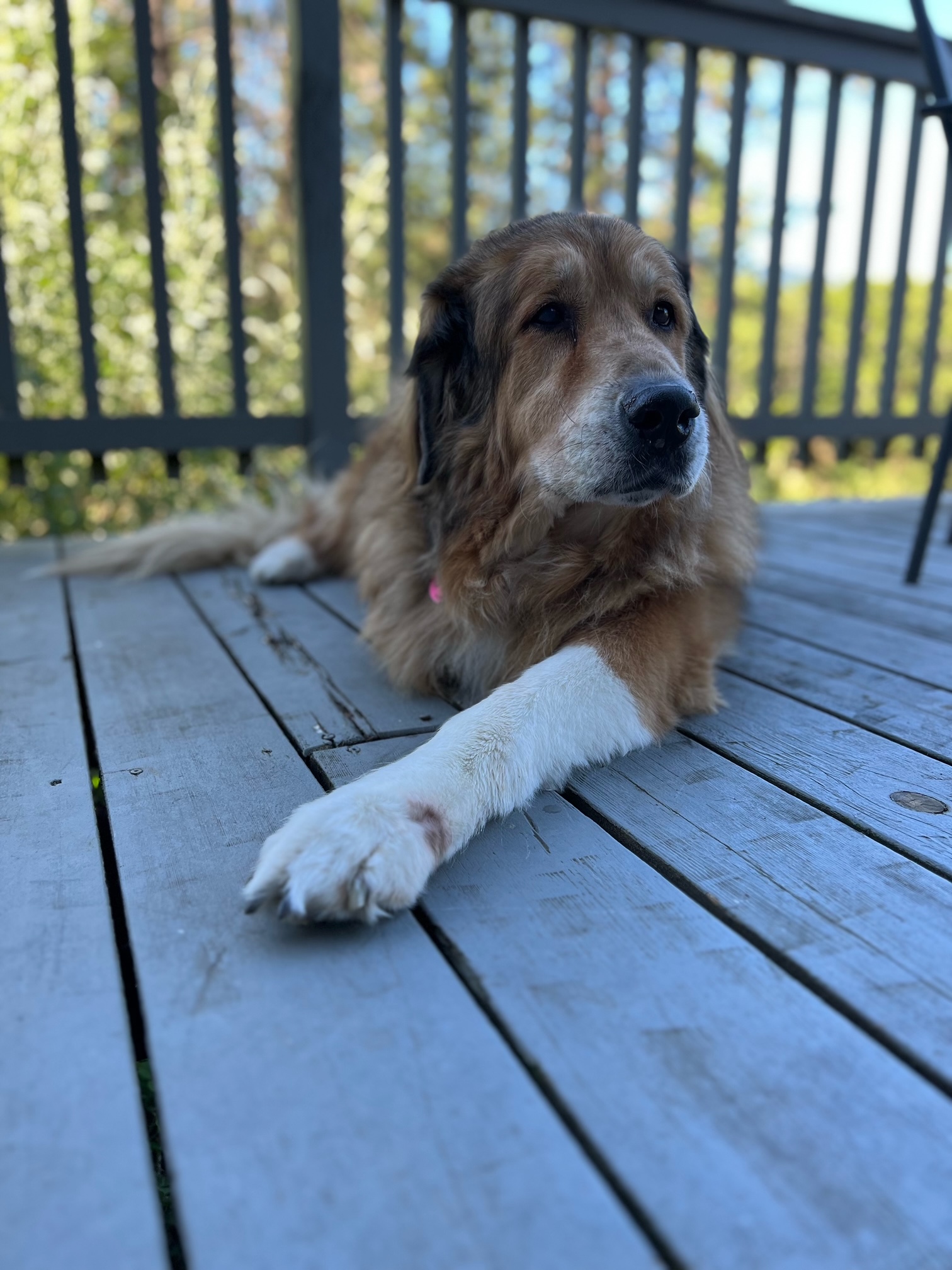
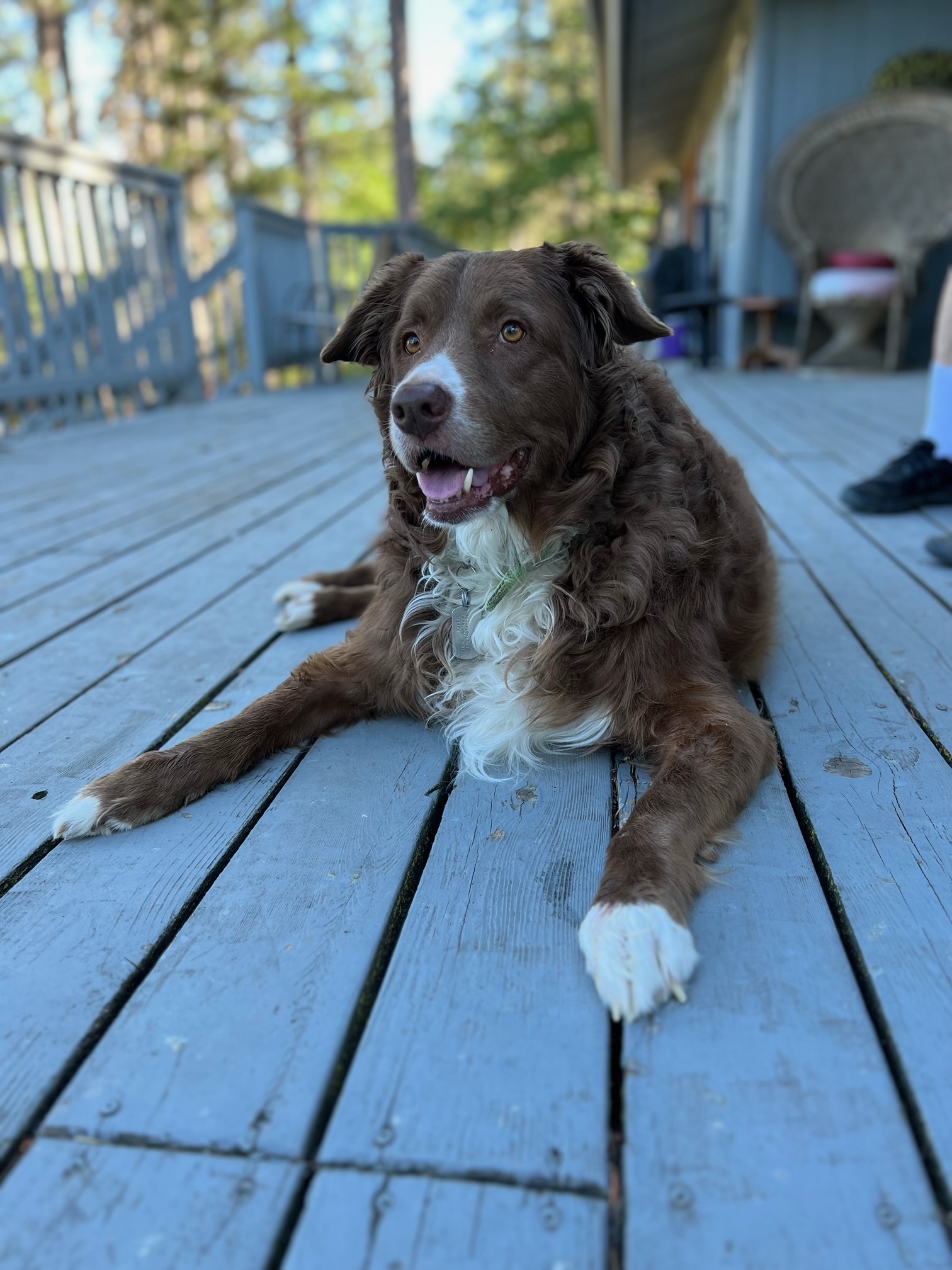
A brilliant set of lovely photographs.

These photos were shown on the website Ugly Hedgehog by a user called ‘daldds‘. I sent daldds a private message asking if I could republish the photos and he said ‘Yes’.

ooOOoo

oooo

oooo

oooo

oooo

oooo

ooOOoo

Brilliant!

Welcome to the fold, Jonathan.

Another dog lover coming to the blogging world.

Last Wednesday, the 2nd, Jonathan sent me an email. He said that he was just starting out and also attached a file and asking if there was a chance of me publishing it. Of course, I replied. Here is that article. It is a very open and beautiful account of Jonathan taking on a new dog!

ooOOoo

Remarks from a New Dog Owner!

by Jonathan, Fur The Pups

furthepupsblog.com

Backing the twenty-foot Penske rental down the freshly grated driveway, my mind is racing with thoughts, all too distracted to be driving such a large vehicle. The day has finally come. A new house. A new dog. A new town. Altogether, a new beginning. Soon after I finish backing this truck up, unloading all of my stuff, and fueling myself with whatever food I can find, I will go pick up the new dog. His name is Barry. He is a brown labradoodle whose is as small as he is energetic.

The thoughts don’t stop coming. How will I care for him? How will I be sure he is happy? What if I do something wrong? How could it possibly be that I can provide for another living being? These are thoughts that had come and gone for the last few months after deciding I would like to have Barry. As often as I convinced myself that I could do it, I questioned myself.

Anxiety and I were well acquainted far before Barry came into the picture. The prospect of owning a dog was just another medium for the anxiety to surface. Before Barry came into the picture, I had been battling anxiety for nearly six months straight. One imperfect travel experience left me rattled for quite some time and from then on I was either actively experiencing a panic attack or on the verge of one. Depression set in not long after, and I became an empty vessel for quite some time, barely recognizable from my formal self. Six months came and went until I finally sought out the help I needed. I was a broken person. Professional help was a requirement.

And the professional help was sufficient. It allowed me to at least function again and go about my day-to-day without constantly being in a state of fight-or-flight, without the irrational thoughts and worries. But I still did not feel like myself.

And then came Barry.

My original worries regarding Barry were just that: worries. As someone who grew up around dogs, cared for dogs, dog-sat plenty of times, and generally is quite responsible, there was no real reason to believe I couldn’t be a wonderful puppy parent. When Barry came home the first night we had to bath him. I know this is not always highly regarded in the dog community due to the puppy’s sensitive skin. But he needed a bath desperately, so I drew a slightly warmer-than-lukewarm bath and bathed him. His beautiful eyes gazed at me as he began to figure out this new reality. Ripped from the comfortable arms of his previous reality of familial warmth, loving siblings, and the scent of his breeders, there is no doubt he also experienced anxiety. I’m sure he felt loneliness. He was scared. But when his bath was over, I took him out, wrapped him in a warm, clean towel, and held him. He wiggled his head into a nook in the towel and promptly fell asleep. His stomach rose, fell, rose, fell. This being who just met me several hours ago, who was no more than 2 months old, gave all of his trust to me and embraced his new reality.

It did not take me long to follow in his footsteps and embrace my new reality. I fell in love with our new routine, our daily walks, and his company on my usually lonesome days. The subtle tether of Anxiety slowly began to vanish with every new command he learned, with every minuscule improvement in his loose-leash walking, with every excited tail wag at the call of his name. Embracing my new reality became effortless, and my former self reemerged. I began seeking out new hobbies, reaching out to old friends, and becoming excited about new challenges at work. This is not to say Anxiety and I have completely lost touch. That is not the case by any means. Rather I have a new relationship with Anxiety – one where the reality of these feelings can be observed, examined, and ridiculed to a point where they do not take control of my life. How our loving canine friends handle new situations and welcome change should not be taken for granted. Let us adopt their ways and come closer to living as wonderfully as they do. 🙂

ooOOoo

And now the photograph of Barry!

What a gorgeous dog. Well done!

And, please, go to Jonathan’s blog. Fur The Pup’s Blog.

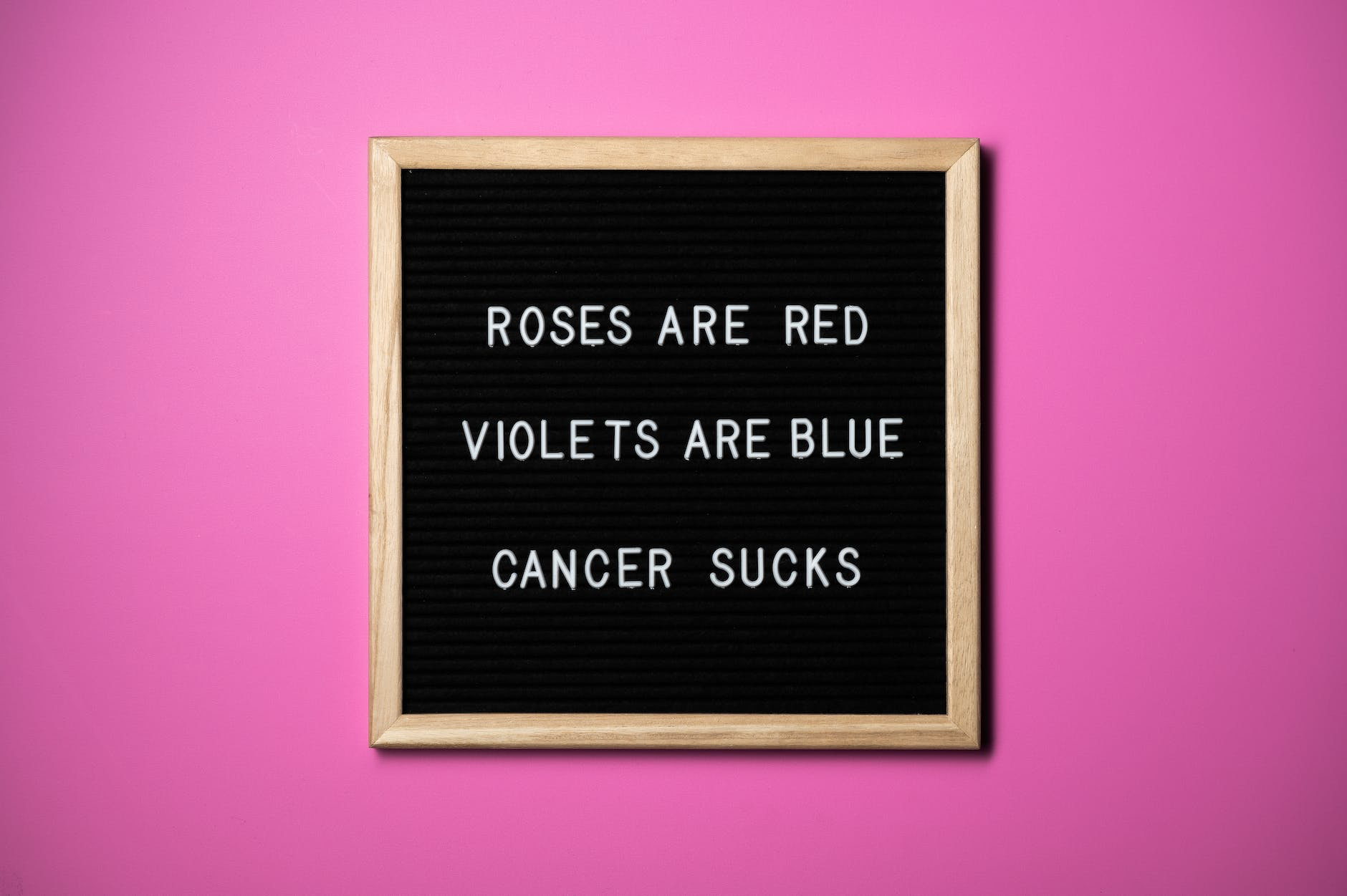
That dreadful ‘C’ word.

It is a rare family that is not touched by cancer.

My father died at the age of 55 from lung cancer. That was December 20th, 1956 and while he did not smoke he did have his regular cigar every Sunday afternoon. I suspect he may have smoked from time to time in his office. It was a tragic time for me and Elizabeth, my younger sister. Speaking personally I did not fully understand the personal implications until shortly after the 50th anniversary of his death: December 20th, 2006.

Tony is a keen blogger and he writes under the blog name of Wellness Secrets of a SuperAger. His latest post is 5 Things You Can Do to Prevent Cancer. I have pleasure in republishing Tony’s post below. Please read it!

ooOOoo

5 Things You Can Do to Prevent Cancer.

We all know that steering clear of tobacco is a crucial way to reduce your cancer risk. But there’s a lot more than you can do.

RUSH family physician Joyce Chen, MD, and clinical dietitian Kristin Gustashaw explain how we can make better choices to protect our health.

Photo by Brett Sayles on Pexels.com

You may not realize it, but aging is a risk factor for cancer. The longer your cells are turning over, the more likely miscopying can happen. Though we can’t control aging, we can control the speed at which we age. “We know, in theory, we can kind of age ourselves faster or slower, depending on how much insult we give our bodies,” Gustashaw says.

Chen explains: “Lifestyle is key. So when you are concerned about cancer from external forces, it’s important to realize that you can actually do something about a lot of them.”

Here are some key lifestyle changes you can make to reduce your cancer risk.

Cancer prevention action plan

1. Stop smoking — or better yet, don’t start.

Choosing not to use tobacco is one of the most effective forms of cancer prevention.

And it’s not just lung cancer that’s preventable either. By not smoking you can also prevent the following types of cancer:

  • Bladder cancer
  • Mouth cancer
  • Oral cancer
  • Pancreatic cancer
  • Tongue cancer
  • Throat cancer

Traditional cigarettes pose the biggest threat. But e-cigarettes, or vaping, also pose a risk of cancer. With cigarette smoking, the nicotine and tar can cause cancer. With e-cigarettes, you’re still getting the nicotine in your lungs but without the smoke and tar of regular cigarettes.

Since e-cigarettes are still relatively new to the market, the long-term health effects remain unknown, but they’re still potentially problematic.

“The vapor you’re breathing in has chemicals and particles, especially the flavored ones, that can damage or scar your lungs,” Chen says.

“It’s one of those lifestyle factors that I tell my patients, ‘We’ll do all we can as a provider to help you quit or at least cut down, but if you haven’t started, don’t start.’ Because once you start, it’s hard to stop; it’s an addiction.”

2. Watch your alcohol consumption

With alcohol, the main cancer mechanism is how it breaks down in our bodies. The ethanol in alcohol is metabolized through acetaldehyde, which is a poisonous byproduct and a known carcinogen.

After you drink, the alcohol is metabolized as acetaldehyde. It doesn’t stay around in our bodies for long because it gets further broken down into less toxic compounds, and then it’s eliminated in our bodies. That means the more you drink, the more you increase your risk for developing cancer.

“Acetaldehyde is a carcinogen that causes the cancer,” says Chen. “So when you’re drinking large quantities of alcohol then you’re going to build up acetaldehyde. And that buildup can accumulate in your saliva, your stomach acid and your GI tract.” 

Alcohol also has a solvent property, which means it allows other carcinogens to get into our cells and wreak havoc. So, for example, if you smoke and drink alcohol together, alcohol’s solvent property helps harmful chemicals in tobacco get into the cells that line your mouth, throat and esophagus — putting you at a higher risk of developing oral cancers.

Nutrient absorption, specifically the vitamin folate, can also be affected by alcohol. Folate tells our body to stay healthy so alcohol inhibits its ability to pass that message on to the body.

“Alcohol also acts as an irritant to our bodies, specifically to the cells lining our mouths, throats and stomach cells,” says Chen. “When exposed to that irritant, your cells try to repair themselves, which could lead to your cells making mistakes and mutations that lead to cancer.”

3. Maintain a healthy weight.

Maintaining a healthy weight is another opportunity to reduce your risk for cancer. That means your diet plays a large role in cancer prevention.

A recent study in The Lancet Public Health revealed that younger adults (ages 25 to 49) in the U.S. are at an increased risk of developing obesity-related cancers. The study also reports that because of the obesity epidemic over the past 40 years, due in part to poor diet, younger generations have weight issues for a longer period of time than previous generations. This indicates that in the future, cancer may be more prevalent in this generation as they age into older adults.

According to Chen, carrying excessive weight is associated with increased risk for the following cancers:

  • Colorectal cancer
  • Gallbladder cancer
  • Gastrointestinal cancers
  • Kidney cancer
  • Liver cancer
  • Ovarian cancer
  • Pancreatic cancer
  • Post-menopausal breast cancer
  • Stomach cancer

In addition to a healthy diet, exercise can also help you maintain a healthy weight and keep cancer at bay.

In fact, a recent study published in Cell Metabolism found that exercise can reduce your chances of getting cancer by improving your immune system, lowering the risk of recurrence and slows cancer progression by reducing tumor growth and lessening the harsh effects of cancer treatment on the body.

Reducing your stress is key if you’re looking at trying to avoid or outlive cancer.

4. Avoid UV exposure from the sun, tanning beds and other culprits.

Yet another lifestyle factor you can control that prevents cancer is limiting ultraviolet (UV) ray exposure. Whether it’s natural UV exposure from the sun or artificial UV exposure from tanning beds, both put you at risk for skin cancer. UV exposure causes gene mutations that can cause cancer.

A tan is a result of your skin cells being damaged. There are also spray tans and lotions that don’t give you exposure to UV radiation but have other concerns. There’s a color additive in the spray tans and lotions called dihydroxyacetone or DHA. While DHA is FDA-approved for external application to the skin, with spray tans you could be inhaling some of that ingredient.

The FDA states that it shouldn’t be inhaled or applied to areas that are covered by mucous membranes. Mucous membranes are your lips, mouth, your nose, around your eyes and your face.

“Protect yourself in a spray booth by using eye protection like goggles, nose plugs or put lip balm on beforehand and try to keep your mouth closed to not inhale that ingredient. That would be a safer way to get that sun-kissed glow that everyone wants,” Chen says.

Also, don’t be fooled into thinking that a spray tan offers protection against the sun. Just because you think you’re getting a so-called base tan, you still have to use sunscreen.

With UV exposure, certain tanning salons might propose that it’s the UV rays that help your body get vitamin D. But UVB are the UV rays needed for the body to produce vitamin D.

“The majority of tanning bulbs are actually UVA rays so you’re not getting vitamin D from a tanning bed,” Chen explains.

Like alcohol, UV exposure also builds up over time. So, for example, if you start young and go frequently to tanning beds, that will put you more at risk for skin cancer.

Gel manicures can also pose UV exposure risk that increases your likelihood for cancer. UVA rays are used to dry or set the polish. But once again, it’s dose cumulative. If you regularly get gel manicures and you started in your teenage years, you may have a greater risk for developing cancer because you’re exposing your hands to UVA rays more often.

Chen recommends giving your nails a break by not getting this type of manicure week after week.

5. Visit your doctor regularly for preventive care and well visits.

One of the best things you can do to help prevent cancer and other diseases is to see your primary care physician regularly.

“Try to prevent cancer by getting your routine care, your routine immunizations and your proper screenings,” says Chen. “It’s great that you are healthy, but preventive care/well visits are important because a lot of conditions, especially cancer, can be treated properly if we catch it early.” 

Other effective prevention strategies

All in all, your best strategy for cancer prevention, particularly for the external agents you can control, is to limit your exposures — or avoid them, if at all possible.

Gustashaw also cites the importance of stress management. “How you manage stress is associated with longevity. Stress itself is not directly associated with an increased risk of cancer, however, stress can often lead to unhealthy habits such as making unhealthy food choices, overeating, smoking, drinking and not exercising,” she says. 

Gustashaw adds: “Reducing your stress is key if you’re looking at trying to avoid or outlive cancer and to live longer and healthier overall.”

Plenty of other opportunities for cancer prevention behavior also exist. A study from JAMA Internal Medicine found that participants with the following four lifestyle factors had approximately one-third less risk of developing cancer compared to those who had none of those lifestyle factors:

  1. Never having smoked
  2. Having a body mass index (BMI) of less than 30
  3. Getting physical activity more than 3.5 hours each week (or basically 30 minutes daily)
  4. Eating a healthy diet

ooOOoo

So there we are. It is a long post but so important to us all.

The Earth became very quiet!

An essay from The Conversation aimed at our youngsters but highly relevant to us all!

I sense we are living in very strange times. As an extract from recent essay from George Monbiot said:

Above all, our ability to adapt to massive change depends on what practitioners call “metacognition” and “meta-skills”. Metacognition means thinking about thinking. In a brilliant essay for the Journal of Academic Perspectives, Natasha Robson argues that while metacognition is implicit in current teaching – “show your working”, “justify your arguments” – it should be explicit and sustained. Schoolchildren should be taught to understand how thinking works, from neuroscience to cultural conditioning; how to observe and interrogate their thought processes; and how and why they might become vulnerable to disinformation and exploitation. Self-awareness could turn out to be the most important topic of all.

Thinking about Thinking

That is why I want to share a recent post from The Conversation with you.

ooOOoo

If humans went extinct, what would the Earth look like one year later?

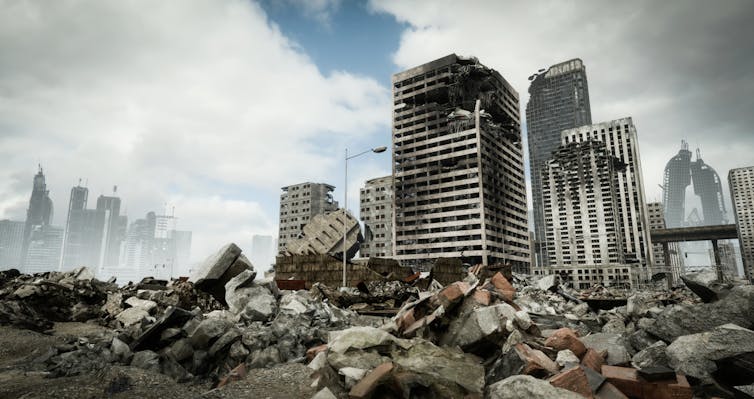
A glimpse of a post-apocalyptic world. Bulgar/E+ via Getty Images

Carlton Basmajian, Iowa State University


If humans went extinct, what would the Earth look like one year later? – Essie, age 11, Michigan


Have you ever wondered what the world would be like if everyone suddenly disappeared?

What would happen to all our stuff? What would happen to our houses, our schools, our neighborhoods, our cities? Who would feed the dog? Who would cut the grass? Although it’s a common theme in movies, TV shows and books, the end of humanity is still a strange thing to think about.

But as an associate professor of urban design – that is, someone who helps towns and cities plan what their communities will look like – it’s sometimes my job to think about prospects like this.

So much silence

If humans just disappeared from the world, and you could come back to Earth to see what had happened one year later, the first thing you’d notice wouldn’t be with your eyes.

It would be with your ears.

The world would be quiet. And you would realize how much noise people make. Our buildings are noisy. Our cars are noisy. Our sky is noisy. All of that noise would stop.

You’d notice the weather. After a year without people, the sky would be bluer, the air clearer. The wind and the rain would scrub clean the surface of the Earth; all the smog and dust that humans make would be gone.

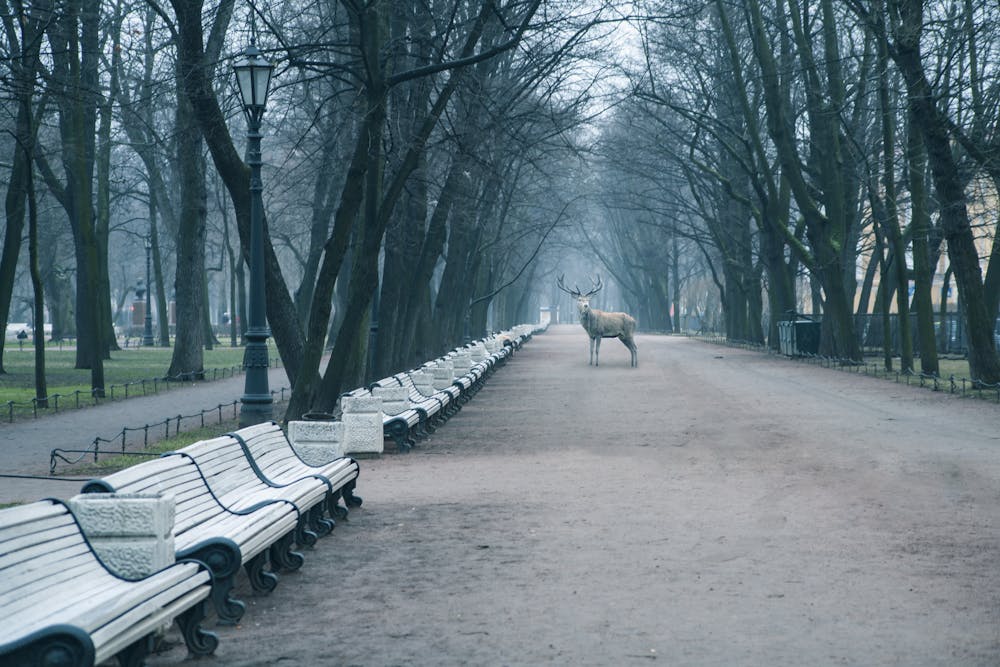
An illustration of a large city park with a deer standing in the middle of a tree-lined path.
It wouldn’t be long before wild animals visited our once well-trodden cities. Boris SV/Moment via Getty Images

Home sweet home

Imagine that first year, when your house would sit unbothered by anyone.

Go inside your house – and hope you’re not thirsty, because no water would be in your faucets. Water systems require constant pumping. If no one’s at the public water supply to manage the machines that pump water, then there’s no water.

But the water that was in the pipes when everyone disappeared would still be there when the first winter came – so on the first cold snap, the frigid air would freeze the water in the pipes and burst them.

There would be no electricity. Power plants would stop working because no one would monitor them and maintain a supply of fuel. So your house would be dark, with no lights, TV, phones or computers.

Your house would be dusty. Actually, there’s dust in the air all the time, but we don’t notice it because our air conditioning systems and heaters blow air around. And as you move through the rooms in your house, you keep dust on the move too. But once all that stops, the air inside your house would be still and the dust would settle all over.

The grass in your yard would grow – and grow and grow until it got so long and floppy it would stop growing. New weeds would appear, and they would be everywhere.

Lots of plants that you’ve never seen before would take root in your yard. Every time a tree drops a seed, a little sapling might grow. No one would be there to pull it out or cut it down.

You’d notice a lot more bugs buzzing around. Remember, people tend to do everything they can to get rid of bugs. They spray the air and the ground with bug spray. They remove bug habitat. They put screens on the windows. And if that doesn’t work, they swat them.

Without people doing all these things, the bugs would come back. They would have free rein of the world again.

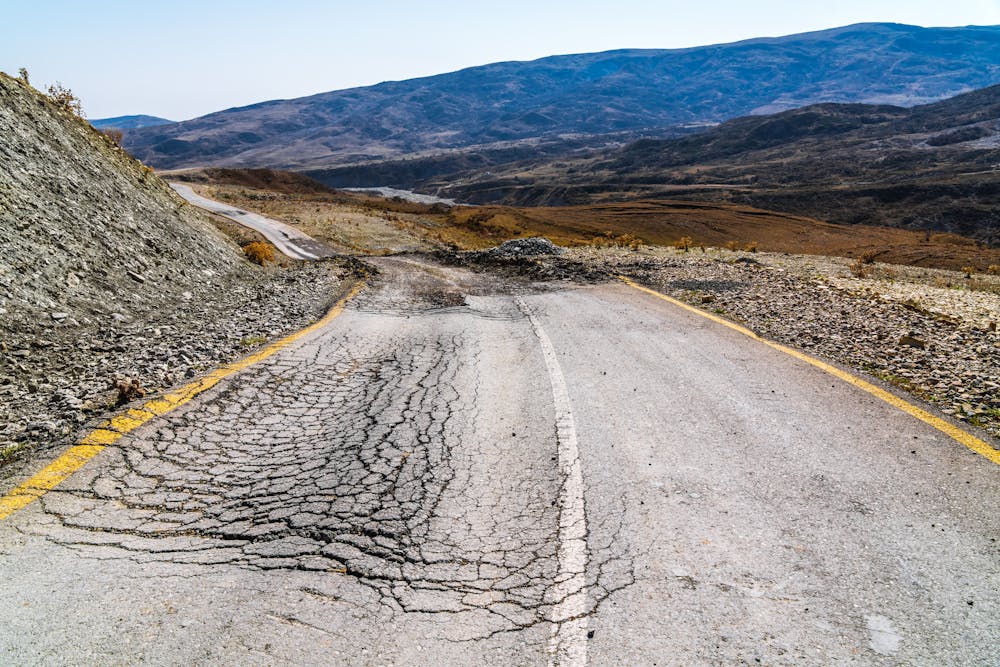
Surrounded by hills and mountains is an isolated two-lane road, cracked and crumbling.
Given enough time, roads would start to crumble. Armastas/iStock via Getty Images Plus

On the street where you live

In your neighborhood, critters would wander around, looking and wondering.

First the little ones: mice, groundhogs, raccoons, skunks, foxes and beavers. That last one might surprise you, but North America was once rich with beavers.

Bigger animals would come later – deer, coyotes and the occasional bear. Not in the first year, maybe, but eventually.

With no electric lights, the rhythm of the natural world would return. The only light would be from the Sun, the Moon and the stars. The night critters would feel good they got their dark sky back.

Fires would happen frequently. Lightning might strike a tree or a field and set brush on fire, or hit the houses and buildings. Without people to put them out, those fires would keeping going until they burned themselves out.

Around your city

After just one year, the concrete stuff – roads, highways, bridges and buildings – would look about the same.

Come back, say, a decade later, and cracks in them would have appeared, with little plants wiggling up through them. This happens because the Earth is constantly moving. With this motion comes pressure, and with this pressure come cracks. Eventually, the roads would crack so much they would look like broken glass, and even trees would grow through them.

Bridges with metal legs would slowly rust. The beams and bolts that hold the bridges up would rust too. But the big concrete bridges, and the interstate highways, also concrete, would last for centuries.

The dams and levees that people have built on the rivers and streams of the world would erode. Farms would fall back to nature. The plants we eat would begin to disappear. Not much corn or potatoes or tomatoes anymore.

Farm animals would be easy prey for bears, coyotes, wolves and panthers. And pets? The cats would go feral – that is, they would become wild, though many would be preyed upon by larger animals. Most dogs wouldn’t survive, either.

An asteroid hit and a solar flare are two of the ways the world could end.

Like ancient Rome

In a thousand years, the world you remember would still be vaguely recognizable. Some things would remain; it would depend on the materials they were made of, the climate they’re in, and just plain luck. An apartment building here, a movie theater there, or a crumbling shopping mall would stand as monuments to a lost civilization. The Roman Empire collapsed more than 1,500 years ago, yet you can see some remnants even today.

If nothing else, humans’ suddenly vanishing from the world would reveal something about the way we treated the Earth. It would also show us that the world we have today can’t survive without us and that we can’t survive if we don’t care for it. To keep it working, civilization – like anything else – requires constant upkeep.


Hello, curious kids! Do you have a question you’d like an expert to answer? Ask an adult to send your question to CuriousKidsUS@theconversation.com. Please tell us your name, age and the city where you live.

And since curiosity has no age limit – adults, let us know what you’re wondering, too. We won’t be able to answer every question, but we will do our best.

Carlton Basmajian, Associate Professor of Community and Regional Planning, Urban Design, Iowa State University

This article is republished from The Conversation under a Creative Commons license. Read the original article.

ooOOoo

Returning to that George Monbiot essay and his closing paragraphs:

Meta-skills are the overarching aptitudes – such as self-development, social intelligence, openness, resilience and creativity – that help us acquire the new competencies that sudden change demands. Like metacognition, meta-skills can be taught. Unfortunately, some public bodies are trapped in the bleak and narrow instrumentalism we need to transcend. For example, after identifying empathy as a crucial meta-skill, a manual by Skills Development Scotland reports that: “Empathy has been identified as a key differentiator for business success, with companies such as Facebook, Google and Unilever being recognised as excelling in this area.” I’ve seldom read a more depressing sentence.

Schooling alone will not be enough to lead us out of the many crises and disasters we now face. Those who are adult today must take responsibility for confronting them. But it should at least lend us a torch.

Thinking about Thinking

We live in a very strange world now. One truly wonders how those who are younger will respond to the demands.

Picture Parade Four Hundred and Ninety-Two

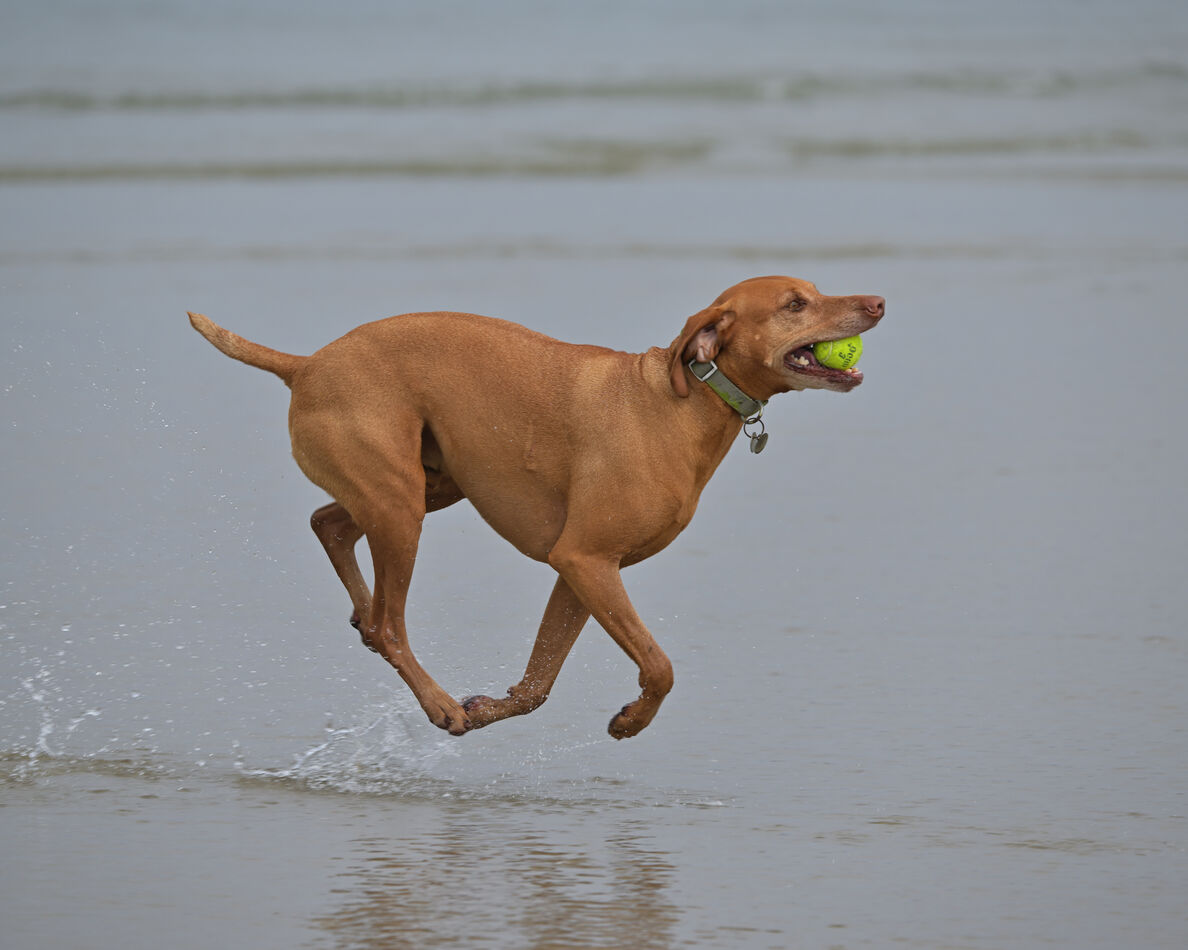
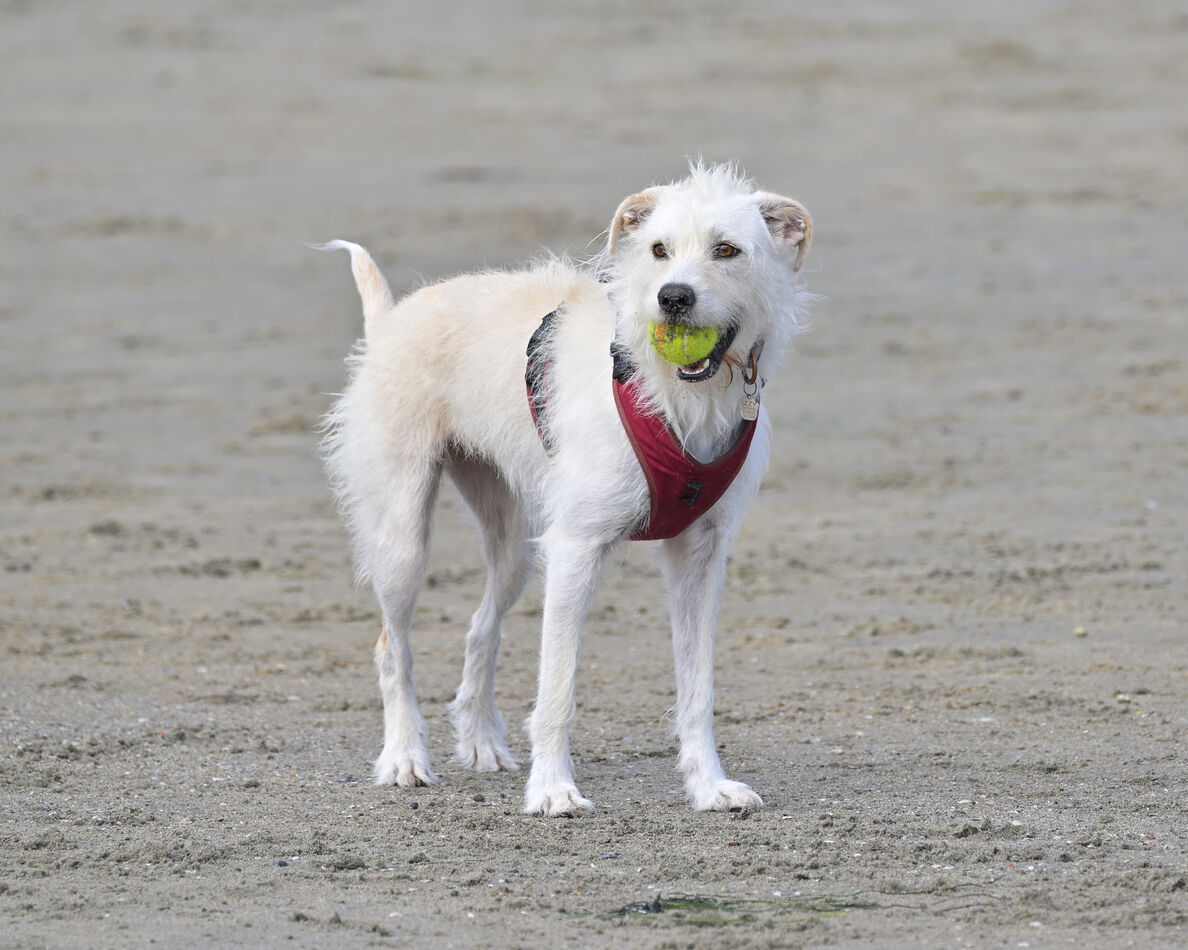
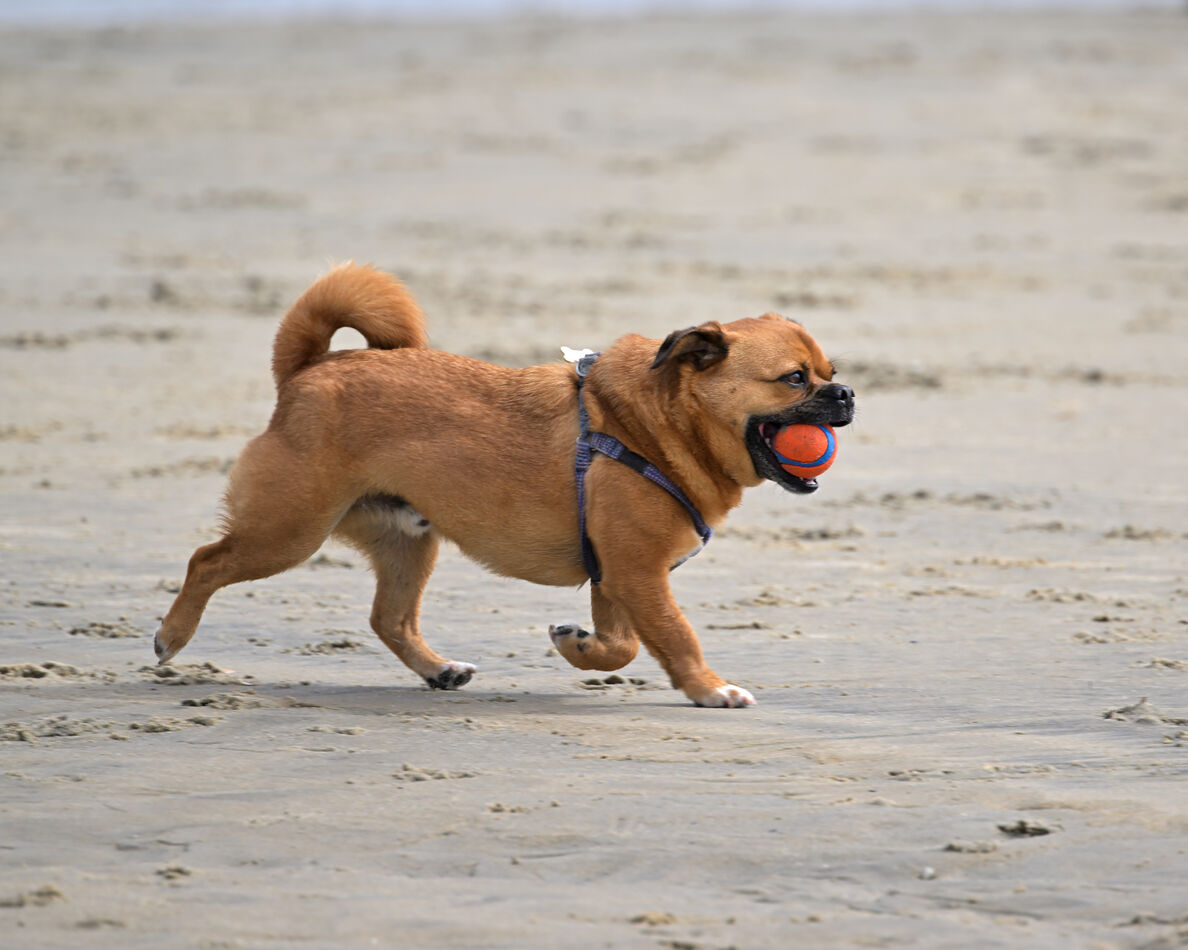
Rather than post nothing I have published the next Picture Parade. This time a series of fabulous photographs from jkm757 of Ugly Hedgehog.

The Retriever

“Look Ma, No paws! I’m Flying!”

Ready To Play

Spin Dry

Leader of the Pack

Flying Fido

Izzy

Airborne Beagle

Queen Of The Beach

Halfpint

The photos are fabulous. Thank you, ‘jkm‘.

Picture Parade Four Hundred and Ninety-One

Yes, you guessed it! Back to Unsplash.

(And a postscript: This was meant to have been published next Sunday, the 16th. So enjoy an early Picture Parade!)

oooo

oooo

oooo

oooo

oooo

oooo

They are all beautiful and underline in spades why dogs are so, so special to us humans.

Picture Parade Four Hundred and Ninety

Photos taken by Alex Handover on his recent trip to Merlin.

oooo

oooo

oooo

oooo

oooo

oooo

oooo

oooo

There you go, folks, just nine photographs but what a keepsake of Alex’s visit.

Trying to return to normal life.

Or as normal as it will be from now on!

My son, Alex, was with us from Bristol, England until the the 3rd of July and then flew back home on the 4th. As a hobby he is a very keen bird photographer.

He took the coast rode north from us and rang later saying how beautiful it was.

The coast at Lincoln City, Oregon

Meantime Jeannie is slowly getting over her hip replacement surgery.

So tomorrow I am going to try and return to my usual routine with another Picture Parade; this one being some of the photos that Alex took.

Jean is coming home!

Probably about 10am PDT today!

Just a short update to say that discussions that I had yesterday afternoon with the Discharge Officer at Regency Care, Julia H., resulted in Jean being ready to be collected by me this morning.

It is a great advance although Jean and I will have a whole series of different situations to deal with. But they will be dealt with one at a time.

The kindness shown by both the staff and Regency and our friends is overwhelming. Thank you everyone!

Wretched Parkinson’s

Jean had another fall yesterday!

You all know that Jeannie has Parkinson’s Disease but it is not without its shocks.

Yesterday, at about 3.30 am there was a crash in the kitchen. Jeannie had tripped up and fallen down. She was laying very awkwardly all crumpled up. I came into the kitchen immediately, saw her on the floor, saw that she was in agony but couldn’t lift her up without hurting her more. So I called an ambulance.

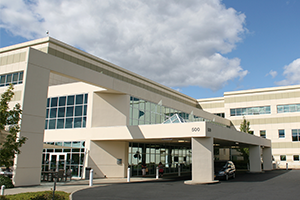
It came from Asante Hospital in Grants Pass.

I followed the ambulance in our car shortly thereafter. Jean was admitted to the emergency room.

After Jean had been given an x-ray and pain meds later on she was transferred to Room 350 in the main hospital. I was told that she needed surgery on her right hip, maybe a hip replacement, and she will be in overnight.

I had returned home before noon to let the dogs out and to have some breakfast! Then I went back to Jeannie.

I stayed with her until nearly 3pm. Jean was due to have surgery at 4:45 pm.

What the longer term implications are I do not know. I sincerely hope the surgery is successful and Jean returns home.

Another day with this terrible disease!

P.S. In the early evening it felt so lonely. I cuddled the three dogs many times but it still felt as though my world had been turned upside down. I am writing this before 6pm so do not even want to think of being on my own in bed. The dogs are acutely aware of Jean’s absence and are doing their best to comfort me. Wonderful Brandy, Oliver and Cleo!