Category: Animal rescue

The theft of dogs.

A guest post from Gabby!

Not that long ago I was contacted by Gabriella Coppolecchia, or Gabby for short, about writing a guest post. Of course that was alright especially as Gabby comes from the U.K.. In fact, as her bio explains:

Gabriella Coppolecchia is a young dog trainer and dog walker in Chelmsford, Essex. During her studies she realised that there is a lot of misinformation around the world of dogs and she vowed to help people overcome the confusion. Her fiancé suggested she would write a blog since she can’t stop talking about dogs anyway. So along with her day business, she created Cinofilo.

Indeed, the blog site is now available and the address is https://cinofilo.wordpress.com/

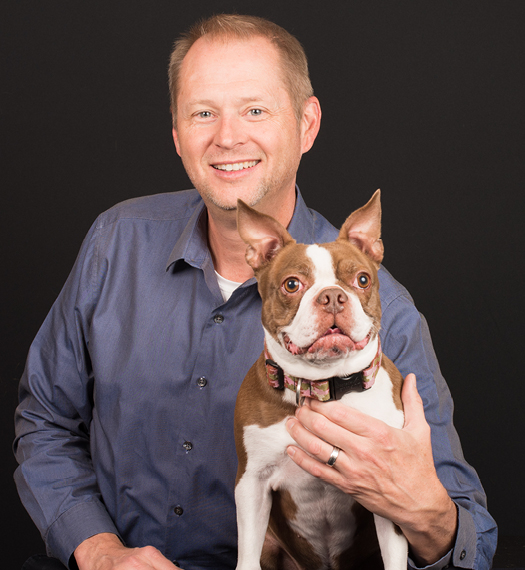
This is a photograph of Gabby:

So let’s welcome her to this world of blogging and her first guest post on Learning from Dogs. (And, hopefully, not her last!)

ooOOoo

HOW TO AVOID DOG THEFT
All-focus

Dog theft is a phenomenon always on the rise. Here in the UK, I’m seeing missing dog posts on Facebook everyday. Most people believe it’s confined to a bad neighbourhood but it’s not. It can happen anywhere and almost to anyone. There are a few dogs that are the perfect target for dog theft and these despicable people will steal your dog to make an easy buck.

Why Dogs get stolen

1. Purebred dogs

With the cost of purebred dogs on the rise and the creation of always new breeds (such as labradoodle and cockapoo), more and more people are attracted to this huge market. If not neutered or spayed, stolen dogs could end up in the hands of other dog breeders that will use them as the studs or the bitches that will produce the new generations. These people might also steal puppies and disguise themselves (or have someone else doing so) as hobby breeders with one last puppy left and sell these dogs again for half of their original value. Or they might claim to be someone that wants to sell their own pet because they can no longer take care of him. They will justify the dog’s price by saying that they don’t want to lose the money they have spent when they bought “their” dog. To unsuspecting and uninformed first time buyers these could all look like legitimate trades. These people might look like regular neighbours, with regular jobs and regular families.

2. Weak, young and small dogs

The illegal world of dog-fighting always requires some new dogs to sacrifice for training. This training needs to be pretty safe and easy for the dogs that will be enlisted in the matches. Weak, young and small dogs are considered the best choice because they have slim to none chances of survival against their opponent and because they will not be able to injure him. Bigger and strong dogs will sometimes be used but only with their mouth taped shut. This training is effective because winning all the fights during training will boost the winner’s confidence. In turn, when the real match happens, the dog will think that winning will be easy and he will not recognise the danger. Not even when it’s charging right at him, jaws open. The dogs for the training are often acquired by online ads of dogs that need re-homing and that are given away for free. But when this source starts to become scarce, these people will start stealing.

3. Fila Brasileiro, Dogo Argentino, Tosa Inu, Presa Canario and Pitt Bulls

These dogs might also be stolen for the dog-fighting world. If not neutered or spayed these dogs could become breeders that will supply new champions. Or they end up being the ones that will be trained to fight for the entertainment of horrible people.

In general

There are also dogs that are not targeted for a specific feature. These dogs might be stolen because these thieves will wait for a large ransom to be put out and then will return the dog claiming to have found him. Another reason is to sell dogs to research, veterinary and medical facilities that need them for testing and experiments. These facilities will not do a thorough research on the animal’s past, especially because they often use a third party to get the dogs.This makes it easy for the thieves to sell stolen pets to them.

Once your dog is stolen, he will likely be quickly moved many miles away and it will become very difficult to trace the bad guy’s steps. So the best course of action is to try and prevent this from happening.

How targets get chosen

To steal your pet, there are a number of tactics that they can use. Simply put, anytime your dog is out of your sight, he can become a target. But there are a few everyday situations that often occur that might make things easier for these thieves.

1. shops

We have all done it. We need to pop in a shop for a second and we think it’s easier to leave our dog tied outside. We think it’s going to be fine. We’ll only take a minute and that moment it’s enough for a thief. Especially if we end up taking longer than expected or if we can’t really keep an eye on our dog from inside the shop.

2. back gardens 

We might think that the fence of our back garden is high enough and we think that if we are home we will be able to keep an eye on our dog. But we are often wrong. These thieves will usually study their targets for a while. They will monitor the times your dogs spends outside and find the right time to strike.

3. car

A dog should never be left in a car unattended but this is not just for the risk of heatstroke. A car is not a secure place. The only thing in the way of those thieves is your car window and that’s pretty easy to break. Another problem is that when we leave our dog in a car, we feel like he is more safe than tied outside. Overestimating his safety means that we feel comfortable going farther and leaving him alone for longer.

4. off-leash walks

When on walks, your dog might be used to spend some time off leash. This often happens when you are in a park and you want to give your dog more freedom to explore in a car free space. While exploring it could be easy for a dog to go too far and out of sight for a while. This is often enough for a thief to snatch your dog right under your supervision.

How to keep them safe

There are a few things that you can do to help your pet be safer and keep your mind more at ease.

1. less information

It’s always nice, when people that we meet on a walk, stop us to compliment our dog. This can happen at every walk and often several times during the same walk. Although most people will only ask a couple of questions out of curiosity, you never know when you have a thief right in front of you. These people will often ask more information and you might start suddenly seeing them often, even when you never used to see them before. They will ask questions like your dog’s name, if he is friendly, if you can let him off, if you walk around the area around the same times, if you live close by. These are all informations that can help the bad guy see a pattern in your routine and that can uncover an opportunity for him to act. So if faced with all these questions try to remain very vague or lie about some details. You could say that you don’t always walk at the same times. Or maybe you can say that you like the area for walks but you live quite far and you actually have to drive there.

2. vary your routes

I’m sure you and your dog have a favourite route. Maybe you like the pond he can swim in or maybe you like the dogs you meet. But going to the same routes everyday might give the bad guys the opportunity to study you and gain information that they can use to put their plan into motion. Instead choose 3-4 different routes and try to alternate them in an unpredictable way.

3. keep a close eye

As I said, basically, every time you keep your eyes off your dog he could get stolen. So if you are out and you need to pop in a shop, try asking someone that works there if they can wait outside with your dog as you are shopping. This might not always be possible but it’s worth a shot. Moreover most people will happily take a break from work to pet your dog as they wait. If your dog, when off leash, tends to go so far he is often out of sight, you could try a different spot, such as a big clearing, where your dog will hardly ever be out of sight. If, instead, you are worried your dog might get stolen from your garden, try a higher fence and don’t take the habit of leaving your back door open at all times. Only let your dog out when he asks.

4. security system

Installing cameras and an alarm system around your house and your garden might be a real weapon against burglars and bad guys in general. As well as protecting your dog, they are optimal for keeping your family safe. These can be a powerful deterrent for anyone looking for an easy target, and can be an even more powerful source of information in case someone should still decide to break in.There are all sorts of pet friendly security systems that will not be accidentally activated from your dog.

5. identification

By law a dog should be microchipped and should be wearing a collar with name tag at all times. Thieves can easily remove the collar and it’s even possible for them to go to a vet and change the ownership to them, no questions asked. This is becoming more rare but it still can happen. If the vet checks the owner the dog is registered to and contacts the registered number, you could be contacted by the vets that will have your dog at that time. Something what could also happen is that your dog might be abandoned once the bad guys no longer need him. Someone could then find him and take him to a vet where he would be identified.

6. GPS tracking collars

This kind of technology is more useful for a lost pet than a stolen one, mostly because a thief can easily remove the collar and dump it somewhere. There are however collars that have an hidden GPS tracker. This can make it look like a regular collar and a thief might not feel the need to remove the collar until later. This can give an idea of where your pet is or has been and give an indication of who might be responsible. It might not be much but it can mean a higher chance of finding your beloved pet.

What to do if your dog gets stolen

If you believe your dog has been stolen there are a few things that you can do:

1. report

Report your dog missing to the microchip databases (petlog, PETtrack and Identibase). They can contact you if your dog’s microchip gets scanned and the guardianship details checked. Report to the police, making sure to give all the informations that come to mind. Even the ones that you don’t redeem relevant can help. Be sure to tell them when you last saw your pet and when and how you think he has been stolen. Tell them if you met someone suspicious during your walk or if you saw someone suspicious walking around your house. Tell them the routes you use during your walks and be sure to describe any special feature that your dog might have.

2. tell everyone

Put up posters in your local area. If your dog is still in town someone might see him. Post about your missing dog on social media and ask for help from the community. Register your pet on social media groups or on dedicated websites that help people reunite with missing dogs. Start locally but then widen your range.

Now that you have more information I hope you’ll start feeling safer. But if you are here because your pet has been stolen, here some links to websites that can help. There are a lot more but these are a start:

-https://www.petfinder.com/dogs/lost-and-found-dogs/find-lost-dog/

-https://www.doglost.co.uk/

-https://www.facebook.com/FindMissingDogsUK/

-https://www.pawmaw.com/

-https://www.rspca.org.uk/adviceandwelfare/pets/dogs/straydogs

-https://www.petsreunited.com/

ooOOoo

I think this is a terrific post and I’m delighted that Gabby contacted me and went on to post this. All over the world readers will be aware of the issue and Gabby has done a fine job in describing what one can do.

More please!

Unbridled love!
The great thing about going away is the home-coming!
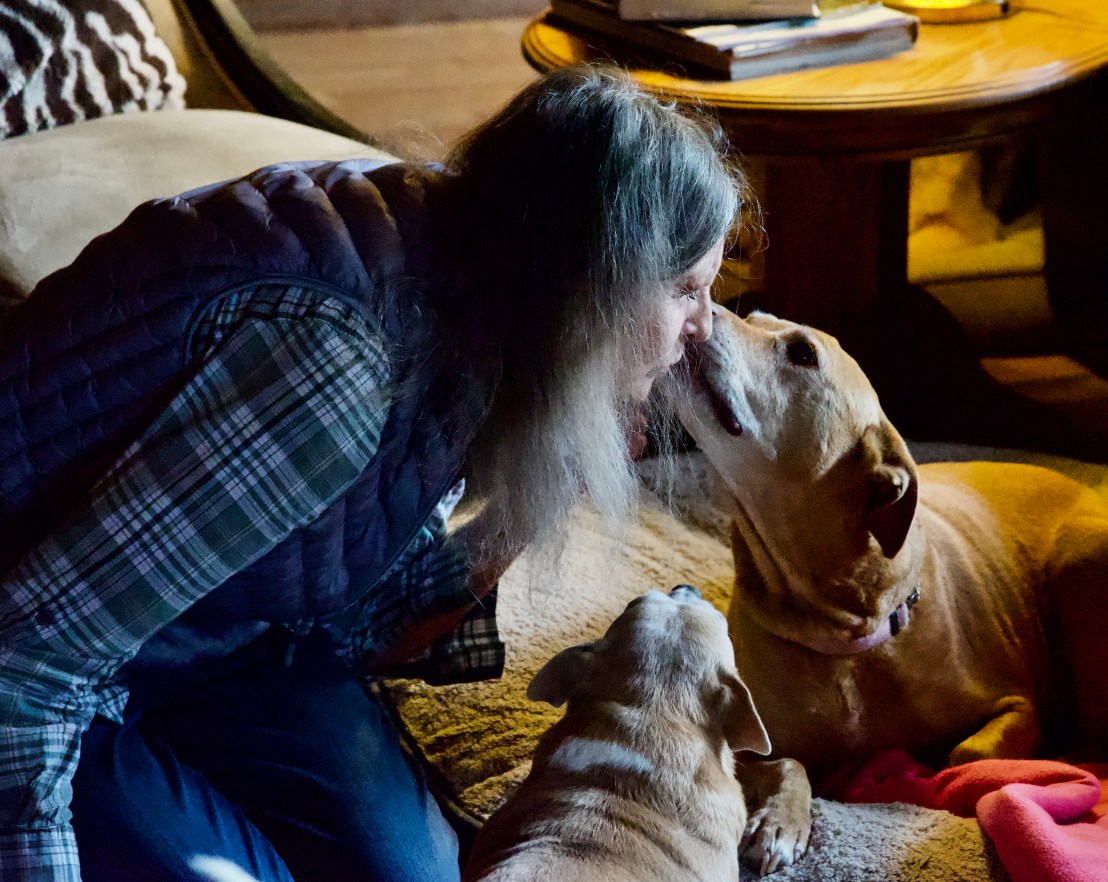
I’m speaking of coming back to one’s dogs. This theme of coming home to your dogs was prompted by something I read the other day on The Dodo newsletter. It was an article … well you read it rather than me explain it.

ooOOoo

Dogs Are So Excited When Mom Finally Comes Home From 8-Month Deployment

Photo Credit: Taryn Dennison

Bauer first met his mom when he was just a puppy, and ever since then they’ve been basically attached at the hip. Bauer follows his mom everywhere she goes and loves hanging out with her no matter what they’re doing.

“Bauer isn’t your typical husky, he doesn’t bark and he rarely howls,” Taryn Dennison, Bauer’s mom, told The Dodo. “He loves sleeping and when he’s awake he’s right next to you trying to get all the cuddles and pets he can or to get you to throw his toys.”

When Dennison found out she was going to be deployed, she knew it was going to be hard to leave Bauer behind. He stayed with her roommate and her roommate’s dog, Macie, and was cared for and loved so well, but everyone could tell that he missed his mom so much.

Photo Credit: Taryn Dennison

“Bauer didn’t understand why I was gone,” Dennison said. “I FaceTimed him a few times and he would run around my house trying to find me and then later he would end up laying down and falling asleep in front of my door.”

Finally, after eight long months apart, Dennison arrived home…and as soon as she walked in the door, Bauer completely lost it.

He was overwhelmed with joy and so thrilled that his mom was finally home, and couldn’t stop licking her and jumping all over her.

“I honestly thought he was going to pee on me because he was so excited,” Dennison said.

Photo Credit: Taryn Dennison

Even Macie was excited, especially when she saw how happy Bauer was, and both dogs jumped around Dennison as she sat on the floor with them. After so much time apart, she was so happy to finally be home with Bauer and the rest of her loved ones.

“Since I got home he’s been attached to my hip,” Dennison said. “I can’t even get up to go to the kitchen or the bathroom without him being right next to me. I wouldn’t change it for the world!”

Bauer missed his mom so much, but now that she’s home, he’s making sure he doesn’t take a single minute of being with her for granted.

ooOOoo

To keep up the theme for a little longer, here is a YouTube video of dogs and their returning owners.

I hope you enjoyed it.


Finally, Jean and I just need to go the shops in Grants Pass, about 20 minutes away, and when we return home, perhaps 1 or 2 hours later, we are greeted by all our dogs in a similar fashion. The vast majority of dogs offer unconditional, unbridled love! 😍

Dogs and cats!

Here’s an article about a dog that thinks he is a cat!

Dogs are amazing animals. Not only have they been associated with humans for, literally, thousands of years, in the main they bond so very closely with us. I should add that the lucky ones do.

But they are also independent animals and show it.

Here’s an article from The Dodo that shows how Mako demonstrated his own uniqueness of spirit; by thinking he was a cat!

ooOOoo

Rescue Dog Is Totally Convinced He’s One Of The Cats

“Whenever Mako sees the boys on the counters or cabinets he hops up to join them.”

When Bethany Castiller and her family went to a local rescue to adopt a dog, Mako immediately made it very clear that he would be the one going home with them.

“We joke that we didn’t really pick him, he picked us,” Castiller told The Dodo. “When we went to the rescue shelter he had his back against the cage so we started petting him and he looked over his shoulder and gave direct eye contact and we just fell in love with the little guy.”

Bethany Castiller

The family had been hoping to adopt a dog who would get along with their cats at home, Pecan and Gizmo. The shelter assured them that Mako got along with cats really well — and they quickly realized it was probably because Mako totally thinks he’s a cat.

Though they can’t know for sure, everyone thinks that Mako was probably raised with cats, because all of his favorite things to do are classic cat activities. He doesn’t bark, he loves cat treats and he absolutely adores sitting on top of counters and cabinets, just like his cat siblings do.

Bethany Castiller

When they first caught Mako climbing on top of tables and counters, his family thought it was a little weird — but quickly accepted that that’s just who Mako is, and that they’d basically adopted another cat instead of a dog.

Bethany Castiller

“We went online and found a dog toy that looks like a cat one so we go to the backyard and he chases and jumps after it like the cats,” Castiller said. “He also likes to lay on the tables with my cats and look out the window at the birds with them. When he sees one of my cats lay on their backs for a tummy rub he comes over and does the same thing!”

Bethany Castiller

Mako is obsessed with his cat siblings and loves hanging out with them every chance he gets, and his family can’t help but laugh whenever they come into the room and find Mako on top of something right alongside the cats, just one of the gang.

“Whenever Mako sees the boys on the counters or cabinets he hops up to join them,” Castiller said. “He really just wants to be around the cats all the time. If he is not in the room with one of us humans, he’s with the cats.”

Bethany Castiller

Mako is definitely a little different and will always be way more into cat activities than typical dog ones — and his family wouldn’t have him any other way.

ooOOoo

So, what to make of this! Seriously, it goes to show how at one level we really don’t have a clue as to what a dog is thinking of. Yet they are still our very best of companions and the fact that many of you will read this and enjoy it just proves my case.

Now for something completely different.

The International Dark-Sky Association (IDA) held its first annual Capture the Dark photography competition during May 2020. The goal was to portray the meaning of the night for people around the world. Participants were invited to submit images in five categories: Connecting to the Dark, International Dark Sky Places, Impact of Light Pollution, Bright Side of Lighting, and Youth. In two weeks, IDA received nearly 450 submissions from people around the world. An international panel of judges made the final selections. The winning entries in each category are on this page.

I’m not going to show you all the winning entries; you can go onto the website if you wish to see them. But what I am going to share is the winning entry.

Jean-Francois Graffand captured this image at the Pic du Midi International Dark Sky Reserve in France. It’s the winner in the International Dark Sky Places category. The photo is titled Dark Night in Pyrénées Mountains.

It’s magnificent and very beautiful.


Southern Oregon VC, continued.

The story continues …

We closed the first part of this interview with a look inside one of the rooms where dogs are worked on but not to the extent of requiring surgery.

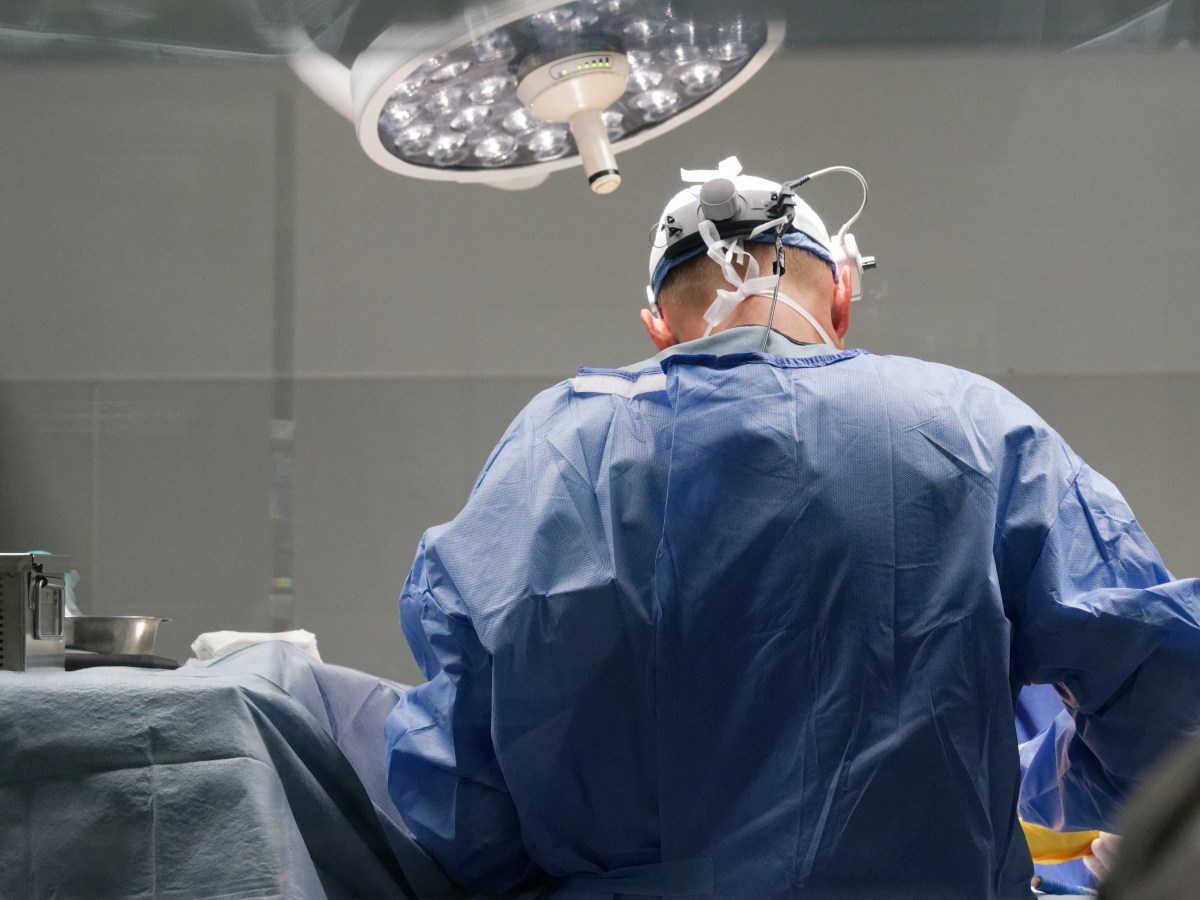
That is carried out in specialist surgical rooms. Here’s a surgeon working on a dog as we passed by outside in the corridor.

Photograph taken looking through the sealed porthole.

It is always busy with the peak being from the end of April through to October. The COVID19 pandemic has seen an enormous influx of new patients with the most critical being those dogs that have an urgent need for care.

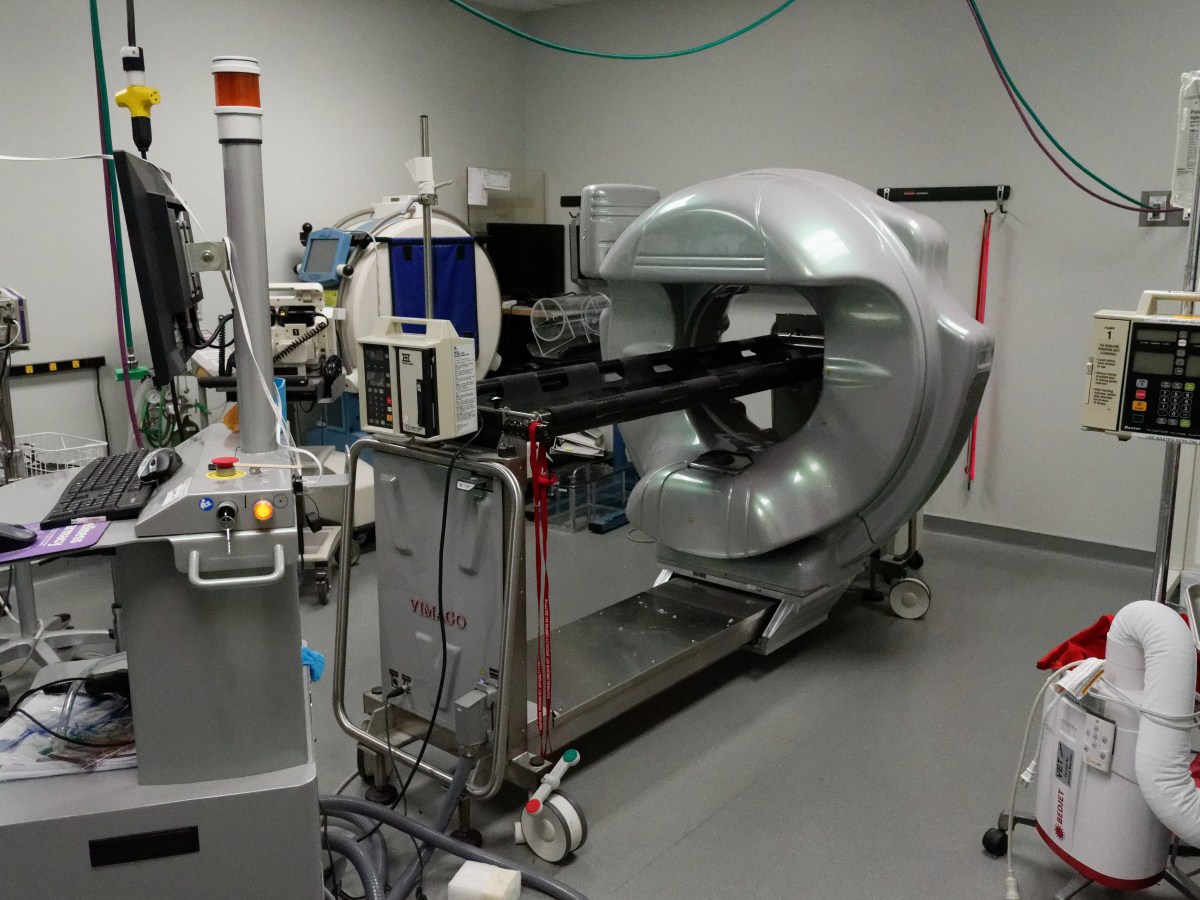
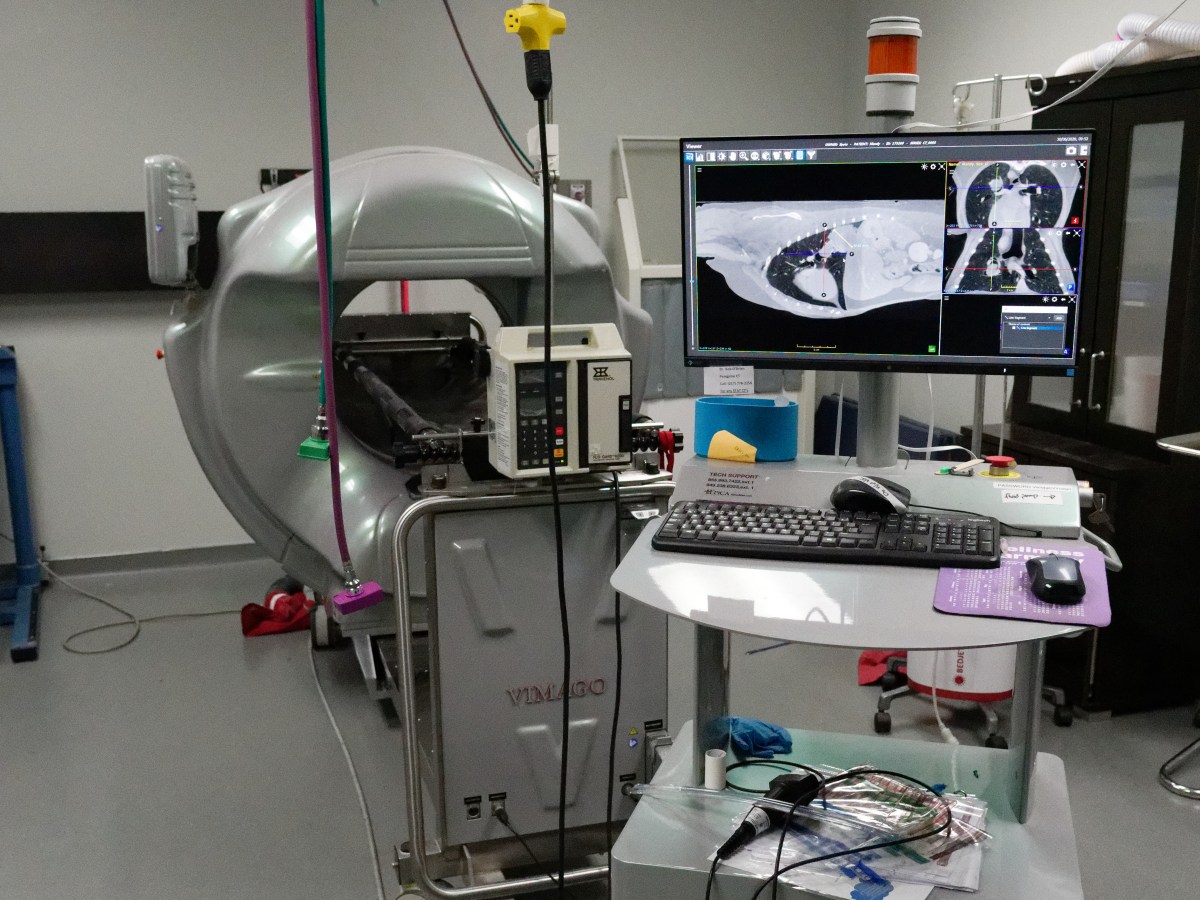
SOVC have also installed an MRI machine and here are two photographs of this incredible piece of equipment.

oooo

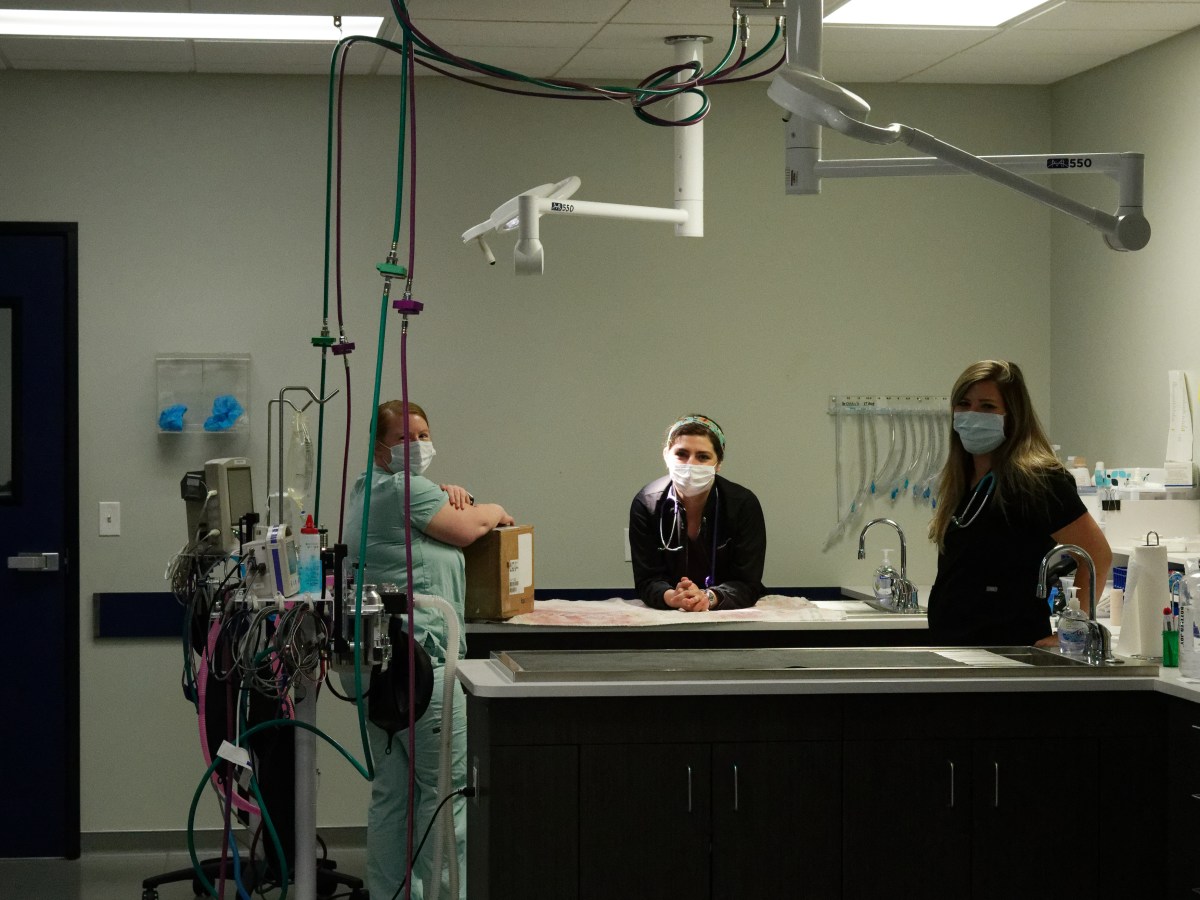
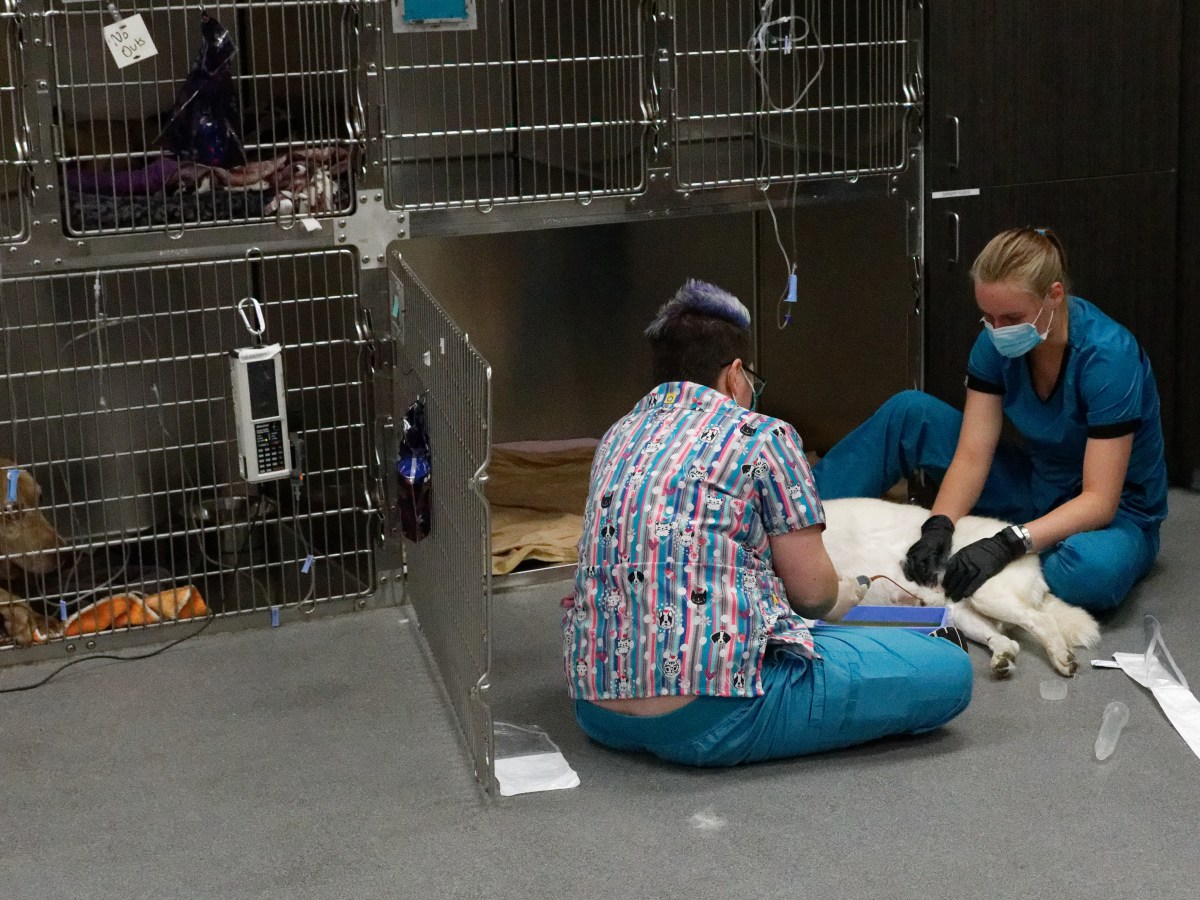
We were allowed to tour much of the inside of the building, under the care of Renee, and here is another photograph of another room with three staff looking back at the camera. (Names unfortunately not obtained.)

I also want to share the following photographs before rounding off my piece.

Another two staff attending to a dog.

oooo

The one task that no-one seems to get on top of!

I started this post on the 2nd July with a statement that I wanted to explore in a little more detail the difference between dogs and humans, especially those humans who choose to become the veterinarian doctors of this world.

Dogs are pure in mind and most often loving towards us humans. They are intuitive and caring of us humans.  I can no better support that statement than share the ‘Welcome’ page of my blog:

Beloved Pharaoh. Born: June 3rd., 2003 – Died: June 19th., 2017. A very special dog that will never be forgotten.

Dogs live in the present – they just are! Dogs make the best of each moment uncluttered by the sorts of complex fears and feelings that we humans have. They don’t judge, they simply take the world around them at face value. Yet they have been part of man’s world for an unimaginable time, at least 30,000 years. That makes the domesticated dog the longest animal companion to man, by far!

As man’s companion, protector and helper, history suggests that dogs were critically important in man achieving success as a hunter-gatherer. Dogs ‘teaching’ man to be so successful a hunter enabled evolution, some 20,000 years later, to farming, thence the long journey to modern man. But in the last, say 100 years, that farming spirit has become corrupted to the point where we see the planet’s plant and mineral resources as infinite. Mankind is close to the edge of extinction, literally and spiritually.
Dogs know better, much better! Time again for man to learn from dogs!

Veterinarian doctors are subject to enormous pressures.

Take this video as an example:

According to the CDC, the number of veterinarians who die by suicide is going up. With rising student debt, increasingly isolated offices, and pet owners with social media, the veterinary field is becoming high-risk. “Not One More Vet” CEO and veterinarian Nicole McArthur joins CBSN AM to explain why vets are struggling and how her company is trying to help vet-to-vet.

SOVC doctors note the end of an animal’s life on a ‘Blue sheet‘; a paper sheet. Renee herself worked one Christmas Day at SOVC and there were 11 Blue sheets that day. Indeed Renee had tears coming to her eyes when she spoke of that Christmas. It is a profession that faces daily challenges full of emotion as the CBS video explains. One can’t be in the profession without being fully committed, both heart and mind, and yet that means that one can’t easily put up defenses against one’s feeling.

I paused in my note taking to recall Pharaoh and couldn’t keep my eyes dry and yet he died 3 years ago and we have others that we care for and love.

I am going to finish by quoting the mission of SOVC, for I think it is very special.

Our Mission

The doctors and staff of Southern Oregon Veterinary Specialty Center recognize that there is a special bond between pets and their human family. (My italics) Our goal is to work as a team, with you and your family veterinarian, to help you make the best decisions for your pet’s medical care. We are dedicated to offering the highest level of medicine, to providing a compassionate environment to those pets entrusted to our care, and to treat each pet as we would our own.

It is a very special and caring profession!

A repeat of my unchain the dogs post.

Independence Day should also apply to our beloved dogs!

This was first published four years ago but I wonder if there has been any real change. So it’s being published again for the 2020 Independence Day.

ooOOoo

So today is July 4th. One of the key days of the year in the American calendar, if not the key day.

Freedom and independence are the corner stones of a healthy nation. That ‘nation’ should include our dogs. Ergo, I have no hesitation in republishing the following that first was seen on the Care2 site.

ooOOoo

How to Help Chained Dogs in Your Community

3182140.largeBy: Natalia Lima June 28, 2016

About Natalia Follow Natalia at @TheNatiLima

The sight is heartbreaking: a sad animal, exposed to the heat or the cold, often without shelter, chained in a backyard. Sometimes all it takes to secure them is a thin rope tied around their collar on one end and a dog house on the other, in others it’s a thick metal chain that keeps the dog from moving away from a tree. Whatever the case, it’s enough to inspire any animal lover to change that dog’s life, but how? The answer is simpler than one would imagine: build a fence.

“Building a fence really changes the relationship between dogs and owners,” explains Michele Coppola, President of Fences for Fido, a nonprofit organization that builds fences in houses that have chained dogs so the dogs can run freely in the backyard. “Many times dogs who were outside 24/7 go on to become a family member, spending time in the house and outside because they’re no longer a location.”

Since 2009, Fences for Fido has been helping dogs in the Southwest Oregon and Washington state areas. People can anonymously nominate a house with a chained dog on their website or people can nominate themselves if they don’t have the means to build their own fence. According to the Coalition to Unchain Dogs, who helped Fences for Fido get started and has been building fences since 2006 in North Carolina, that lack of resources is the most common reason why people keep dogs chained.

“When we first started we thought we would build this fence and solve a problem but we quickly saw the problem is not chained dogs, it’s poverty,” explains Lori Hensley, Director of Operations at Coalition to Unchain Dogs. “No one wants to chain a dog. They just don’t have the means to build a fence.”

Other common reasons are not understanding that dogs are social animals that need to run around, an owner not knowing how to address behavioral problems and trying to keep the dog from running away, says the Humane Society of the United States.

“People chain their dogs for a variety of reasons so we always approach them without judgement because most times we’re not seeing the whole story,” says Coppola adding that those issues are addressed when building a fence for someone to make sure they’re educated on why chaining their dogs shouldn’t be a solution. “Maybe they didn’t have a fence to start with and someone, maybe a family member, dumped a dog with them and they’re keeping it out of the goodness of their hearts but they don’t have a fence. You don’t know.”

Between the two organizations, over 3,400 dogs have been freed from chains but since they only operate locally, they have created resources for people in other parts of the country who want to help. Unchained Planet, a Facebook group of volunteer fence builders, offers advice and tips to anyone looking to start their own fence building organization and a DIY tutorial is also available for free download.

From materials needed to step by step instructions, anyone can start building a fence to help chained dogs in their communities, though to complete novices, the guidance of a seasoned builder or a professional is encouraged.

“If you’re starting out for the very first time, it might be a good idea to pair up with a fence company who may be willing to help and even donate the materials,” suggests Coppola. “Or you want to find somebody who’s done a fence before and can kind of show you how to go about it.”

Photo Credit: ThinkStock

ooOOoo

Please, please help these poor dogs in any way that you can.

Southern Oregon Veterinary Center

An outstanding center of excellence.

Let me start this review of Southern Oregon Vet Center (SOVC) with an extract from a recent blog post by Rob Mielcarski about Cognitive Biases and his presentation of the Cognitive Bias Codex :

I counted them. There are 195 distinct cognitive biases named and described in the list.

Have a look. Do you notice something very odd?

The most important and powerful of all human cognitive biases, and the one that created our unique species, is not on the list: denial of unpleasant realities.

Nor is its progenitor, denial of death.

Any half-wit who studies human history will notice that the first wacky thing our species did after evolving into behaviorally modern humans was make up stories (religions) to deny death.

Today our species aggressively denies every single unpleasant reality of substance that threatens its survival including: over-population, non-renewable resource depletion, climate change, pollution, habitat destruction, and species extinction.

The reason I started with Rob’s post is that at SOVC one comes face-to-face with the reality of the difference between dogs and humans. More of that later.

SOVC was formed in 2004 by Dr. Adam Reiss, DVM, and Dr. Steven Ferreira, DVM.

The facility at the time of formation was, and still is, the only 24-hour facility within a 250 miles radius in all directions. Now that straightforward statement needs thinking about for a moment.

Portland, Oregon is 268 miles to the North by road and Williams, California is a tiny town just off the Interstate I-5 some 254 miles to the South. It’s an enormous area and that’s without heading to the East!

I’m taking from the SOVC website more information on Dr.’s Reiss and Ferriara.

Dr. Adam Reiss

Adam Reiss,DVM, DipACVECC Emergency and Critical Care
Adam Reiss, DVM

Diplomate, American College of Veterinary Emergency and Critical Care

Dr. Reiss was born and raised in the suburbs of New York City. He graduated from New York State College of Veterinary Medicine at Cornell in 1993. Following graduation, he completed a small-animal internship at Alameda East Veterinary Hospital and residency in emergency and critical care at Denver Veterinary Specialists. Dr. Reiss obtained board certification in emergency and critical care in October 2002. Dr. Reiss has been involved in the growth and development of two large 24-hour emergency and referral centers in Denver, Seattle, Medford and Portland. He has published a paper on traumatic cardiac injuries, as well as book chapters on subjects such as dystocia and pneumonia. Dr. Reiss has special interests in trauma, transfusion medicine, critical care nutrition and pulmonary diseases.

Dr. Reiss moved to Medford from Seattle with his wife, Dawn, their daughters, Alexys and Makayla, son Deryk and a multitude of pets. His interests outside of veterinary medicine include woodworking, snowboarding and classic cars. Dr. Reiss moved to Southern Oregon to provide veterinary services not previously available in the area, as well as to enjoy the wide variety of activities the region has to offer.

oooo

Dr. Steven Ferriara.

https://www.sovsc.com/wp-content/uploads/2018/07/SOVC_Doctor15.jpg
Steven D. Ferreira, DVM
Diplomate, American College of Veterinary Surgeons

Dr. Ferreira is originally from Arizona, but was raised in Houston, Texas. He received his DVM from the Texas A&M College of Veterinary Medicine in 1994. He worked in private practice in both Seattle and Houston for three years prior to completing a small-animal surgical residency at Denver Veterinary Specialists. During his residency, Dr. Ferreira completed and published orthopedic research focused on the effect of gas plasma sterilization on demineralized bone matrix grafts at Colorado State University. In February of 2002, he became board certified into the American College of Veterinary Surgeons. After three years as staff surgeon in a large veterinary referral practice in Denver, Dr. Ferreira moved to Medford to help establish the Southern Oregon Veterinary Specialty Center. Dr. Ferreira’s special interests include general orthopedics, trauma and fracture management, TPLO stabilization for cranial cruciate ligament injury, spinal surgery for disc herniation and surgical management of abdominal disorders.

Dr. Ferreira lives in the Medford area with his wife, daughters and their Chihuahua. In his spare time, he enjoys family life, golf, reading, hiking, snowboarding, music and fly fishing.

My appointment was with Renee Self who has been with the center, as in the hospital, for four years. She started in reception having come to SOVC from running her own finger nail business. At first Renee worked for 25 hours a week but since then she has advanced to her present position responsible for a whole myriad of things.

As well as the main contact person, Renee is also responsible for the relationships with their referring veterinarians; and they have 5,000 on their database, mainly from the U.S West coast but also other parts of the U.S. continent.

I didn’t understand at first that this entails annual blood work for lots of animals, running continuing education classes on a co-sponsored basis (under normal circumstances for 55 – 80 people), fund raising, and being a partner to the Grants Pass Homeless Pet Project and No Pet Left Behind.

Renee Self, Hospital Communications Manager.

Another fact that bowled me over was hearing about the number of vets supported by SOVC. Now not all them are active at any one time, of course, but nevertheless a large number on their database nonetheless.

In Renee’s words, Dr. Reiss is a brilliant man in many areas including planning, veterinary medicine, critical care and he also engages in some surgeries. He has always had a passion for veterinary medicine and has previously started six hospitals.

Dr. Adam Reiss, DVM (with apologies for it being slightly out of focus).

The present building at 4901 Biddle Rd was purpose built as a veterinary centre and everyone moved here in 2017. Before that they were in 4,000 square feet of building that was relatively close by.

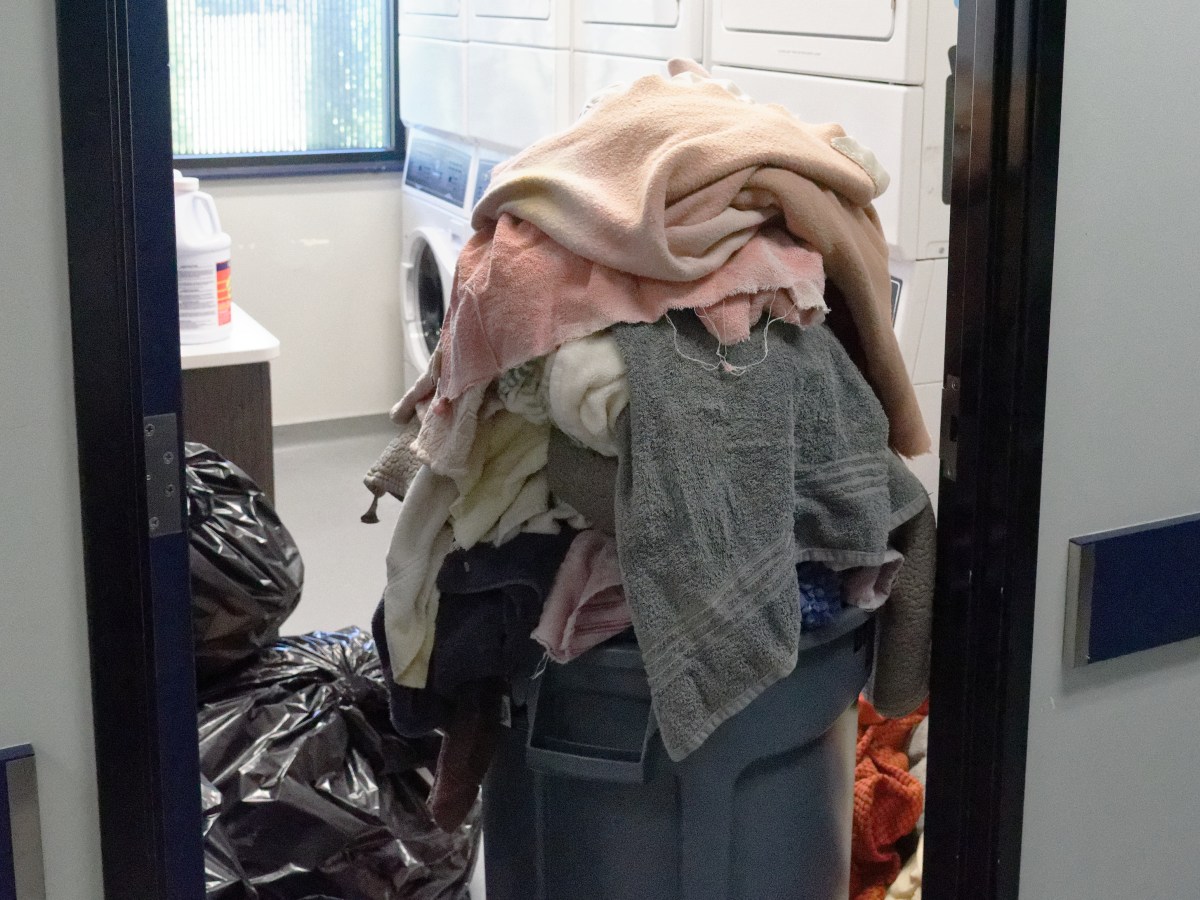
A general view of the inside of the hospital.

In view of tomorrow being a Federal holiday the next part of this article will be published on Monday, 6th July.


Zelda, incredible Zelda.

A heart-warming story.

At the end of May this year there was an article on The Dodo blog that just had to be shared with you. It was about the remarkable trait of Zelda, a foster dog that was being cared for. It is about coming home.

Read it for yourself:

ooOOoo

Dog Travels 40 Miles To Find Her Way Back To The Woman She Loves

Photo Credit: Seneca Krueger

When Seneca Krueger first picked up her foster dog Zelda last year, she could never have predicted the remarkable journey the dog would one day make to be with her again.

Krueger, who works as a psychotherapist, is a dog foster mom who specializes in helping rescued dogs learn to trust people again. She’s fostered 30 dogs so far, but Zelda was an especially difficult case.

“She came with anti-anxiety medications,” Krueger told The Dodo. “Zelda paced. All day long she was either pacing or hiding.”

Krueger noticed that Zelda seemed calmest when on a leash, so she began tether training her — and slowly the skittish dog began to open up. “When I was home, she was attached to me,” Krueger said. “Over the course of two weeks of tether training, I had also weaned her off of her anti-anxiety medications, and the pacing had decreased. She was even willing to come out of hiding on her own for brief periods of time.”

After two months of living with Krueger and her two family dogs, Zelda finally wagged her tail. At four months, she began to bark and play — though she still struggled with unexpected noises and when visitors dropped by.

Photo Credit: Seneca Krueger

Still, Krueger knew that she had helped Zelda as much as she possibly could, and it was time to let her go. “As Zelda began to gain a little more confidence, I decided it was time for her to find her forever home,” Krueger said. “This is what you are supposed to do as a dog foster; help them adjust and then happily say goodbye as they go and live their best lives.”

Krueger drove Zelda 40 miles to her new home, but parting with her was more difficult than she anticipated. “I had to pull over to the side of the road because I couldn’t see through my tears,” Krueger said. “For the first time in my 12 years of dog fostering, I felt like I had given away my dog.”

Ten days after saying goodbye, Krueger received the call that every dog owner dreads — Zelda had gone missing after slipping her leash. Krueger immediately jumped in the car to begin searching for her.

An all-volunteer dog search team called START (Search, Track and Retrieval Team) had also gotten word of Zelda’s disappearance. The team set up feeding stations and trail cams around the area, and sightings of Zelda began to pour in.

As temperatures dropped below zero, Krueger refused to give up on her search. “The coldest days were the days I spent the most time searching because I was desperate to get Zelda warm and safe,” Krueger said. “[I] spent hours out in the freezing cold, following dog tracks through ravines, frozen swamps and fields.”

Photo Credit: Seneca Krueger

Over two months later, Krueger got word that Zelda had been spotted in Minneapolis, halfway between the dog’s new home and her foster home.

Only then did Krueger realize that Zelda was trying to make her way back to her.

The adopters surrendered Zelda back to Wags and Whiskers Animal Rescue, the organization that set up the adoption, and Krueger was thrilled to have her dog back — if only on paper. “She was mine again, and I was more determined than ever to find her,” Krueger said.

Two weeks later, Krueger received news that Zelda had been spotted near her home. She put out feeding stations around her house and began dumping dirty laundry on the front lawn in hopes that the smell would coax Zelda back to safety.

A couple reached out to Krueger to let her know that they had been feeding a very skittish dog who looked like Zelda. But after so long, Krueger didn’t want to get her hopes up. “Although I really wanted this dog to be my Zelda, I knew that if there was a lost, scared dog out there on the streets, we had to help it,” Krueger said. “Even if it wasn’t the dog that I knew and loved, and missed so much.”

Finally, the couple was able to trap the emaciated dog and called Krueger in the early hours of the morning to let her know. Inside the cage, Krueger saw a small, nervous dog, who barely resembled the Zelda she once knew. But when the manager of START arrived, a quick scan of the dog’s chip confirmed the impossible.

Photo Credit: Seneca Krueger

After over three months on the run, Zelda had found her way home.

“It was a miracle, and what else do you do in the face of a miracle? I sobbed,” Krueger said. “I apologized to Zelda for not recognizing her. I touched her for the first time in 97 days. I assured her that she was going home forever and that I never stopped looking for her.”

Zelda has been adjusting well to being at home, and couldn’t be happier to be with her mom again.

“She has become my Velcro dog, and is never more than a few feet away from me at all times,” Krueger said. “My other dogs are happy to have her back as well and groom her a lot.”

For Zelda, this family is forever. “I never could have imagined that the whole time I was searching for Zelda, she was searching for me, too,” Krueger added. “Zelda is officially my dog. But let’s be honest, it’s not like I had a choice. She is very persistent.”

ooOOoo

Seneca Krueger is one hell of a lucky person and so, too, is Zelda!

Zelda was on her own for 97 days and Seneca for the same amount of time was also on her own.

This is a story that warms the cockles of your heart.

Dog & Cat food recall

A food recall that came in yesterday!

We haven’t had a recall for some time but here’s one from Health Canada.

ooOOoo

Carnivora Dog and Cat Food Recall

June 15, 2020 — Health Canada is recalling Carnivora Fresh Frozen Patties for Dogs and Cats due to a possible contamination with E. coli O157.

E. coli O157 is a particularly dangerous strain of bacteria that can cause serious and life-threatening illness in both pets and humans after eating or handling the affected food.

What’s Recalled?

The recall includes 6 varieties of Carnivora brand raw pet food.

Approximately 1,803 packages of the affected products were sold nationwide in Canada between January 13, 2020 and June, 2020.

As of June 12, four cases of illness related to the recalled product have been reported.

About E. Coli Bacteria

E. coli O157 is a bacteria that can cause serious, sometimes life-threatening illness.

Some people infected with E. coli O157 do not get sick at all, though they can still spread the infection to others.

Common symptoms observed after infection include nausea, vomiting, headache, mild fever, severe stomach cramps, and watery or bloody diarrhea.

Most symptoms end within five to ten days.

Pregnant women, those with weakened immune systems, young children and older adults are most at risk for developing serious complications and might need hospitalization.

There is no real treatment for E. coli infections, other than monitoring the illness, providing comfort, and preventing dehydration.

People should contact their health care provider if symptoms persist or worsen with time.

What to Do?

Health Canada advises consumers to stop using any of the affected pet food products and contact the retailer where it was purchased from for a full exchange or refund.

U.S. citizens can report complaints about FDA-regulated pet food products by calling the consumer complaint coordinator in your area.

Or go to the FDA’s “Report a Pet Food Complaint” page.

Canadians can report any health or safety incidents related to the use of this product by filling out the Consumer Product Incident Report Form.

Get Lifesaving Recall Alerts by Email

Get free dog and cat food recall alerts sent to you by email. Subscribe to The Dog Food Advisor’s emergency recall notification system.

There’s no cost. No spam. Cancel any time.

ooOOoo

There you are good people. I trust none of you is affected.

Ruby has died!

Yesterday was a very sad day!

So soon after we welcomed Sheena, Ruby had a severe downturn.

Ruby had had one operation for the removal of a mast cell tumor back in February but we were advised by the vet that almost certainly it would grow back. Late on Saturday Ruby became very tired and went off her food and Jean and I were discussing having to take her to be put down on Monday (today).

Then overnight Saturday it was clear that her breathing was very laboured and on Sunday she was weak and struggling. It was time.

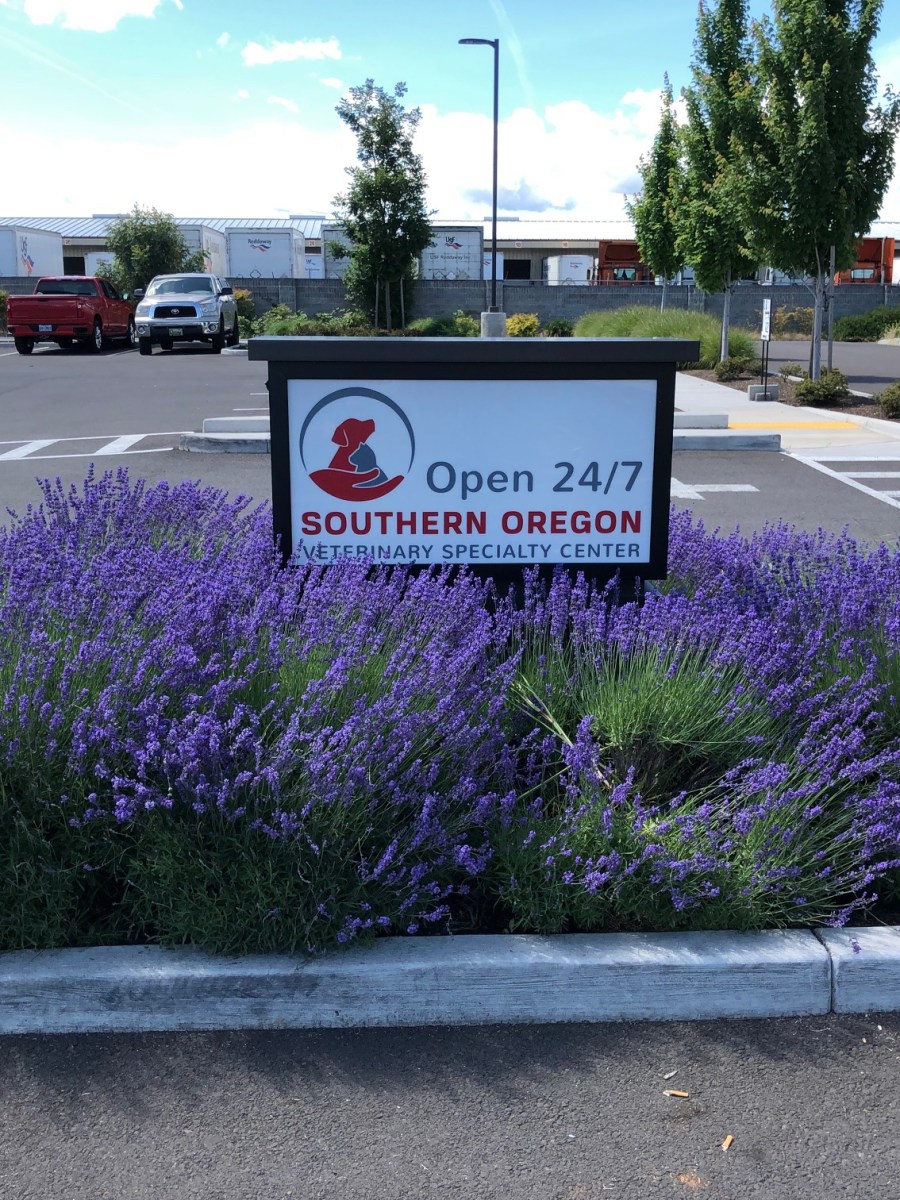
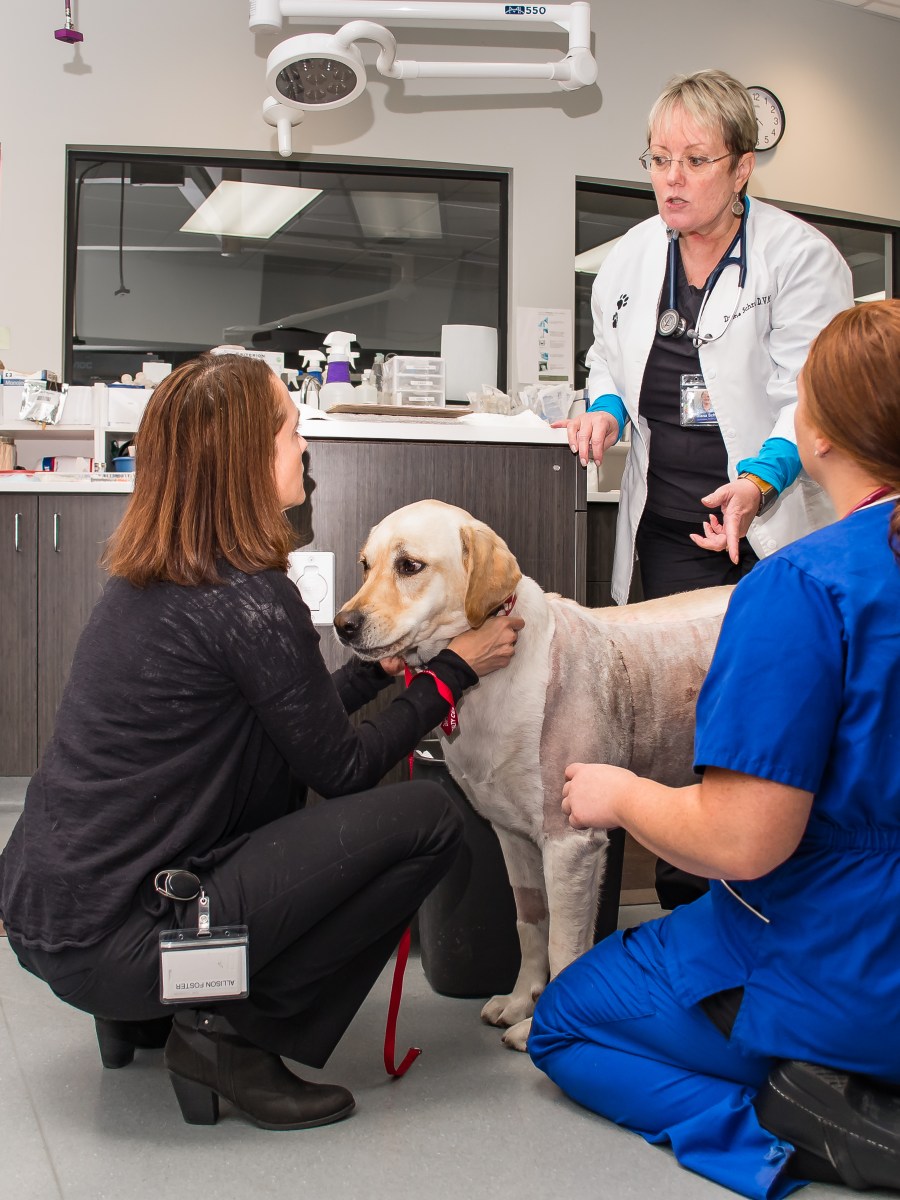
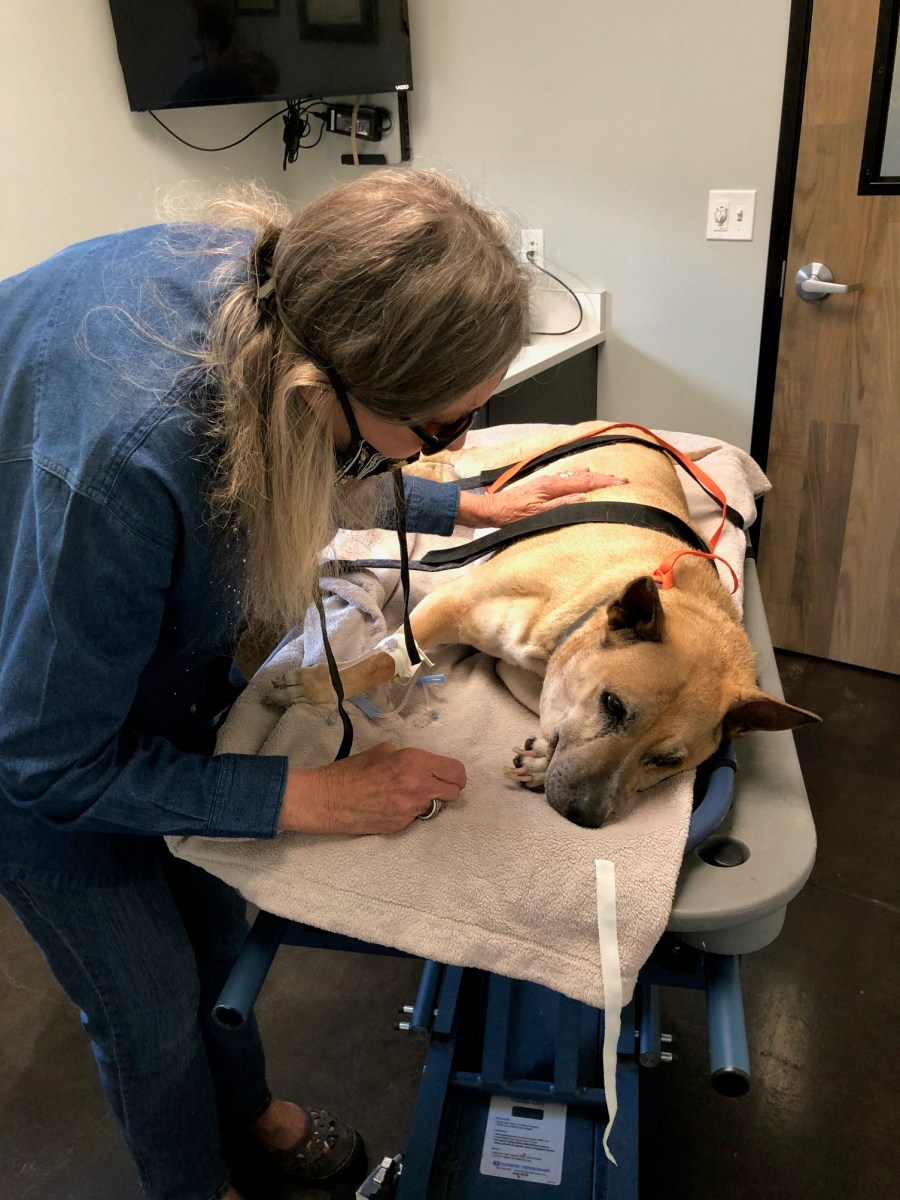
Being a Sunday we had no option other than to go to the Southern Oregon Veterinary Specialty Center, or SOVSC. We called them and they asked a few questions about Ruby and then told us to come straight over. They  are at Biddle Road, Central Point and it took us 45 minutes to get there.

A little bit from their website:

Outstanding Team

Our team includes board certified specialists and highly trained doctors and staff, who have been chosen for their skill and expertise, as well as their compassion and dedication to veterinary medicine.

Then a couple of photographs from us.

oooo

Jeannie saying goodbye.

Ruby was the last of Jean’s Mexican rescues. She will be sorely missed!


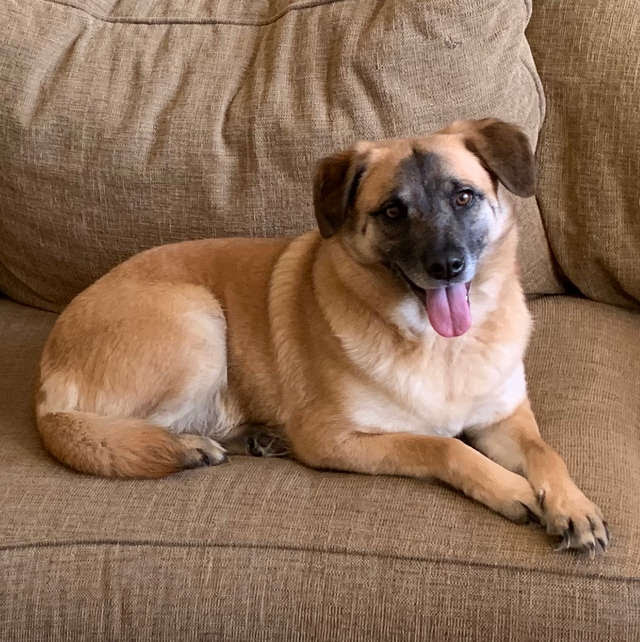
Sheena is here to stay!

“The easiest introduction ever!”

Those were Jeannie’s words not mine. When you consider the number of dogs that Jean has introduced into her pack, especially down in Mexico, that is quite a statement!

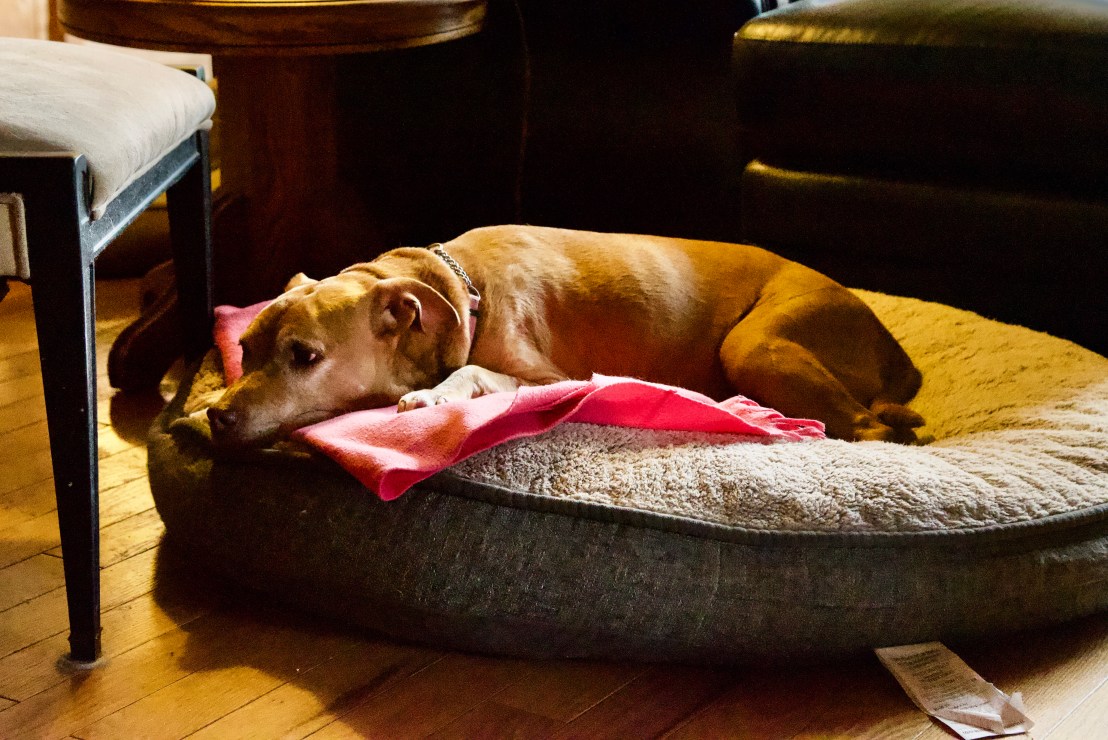
Very soon after Renate coming round to our place at 10 am yesterday morning Sheena came into the house. I tried to take a few photographs in those early moments. They are not the best I have taken!

Sheena within minutes goes to her bed.

oooo

Little Pedi watching Sheena!

oooo

oooo

oooo

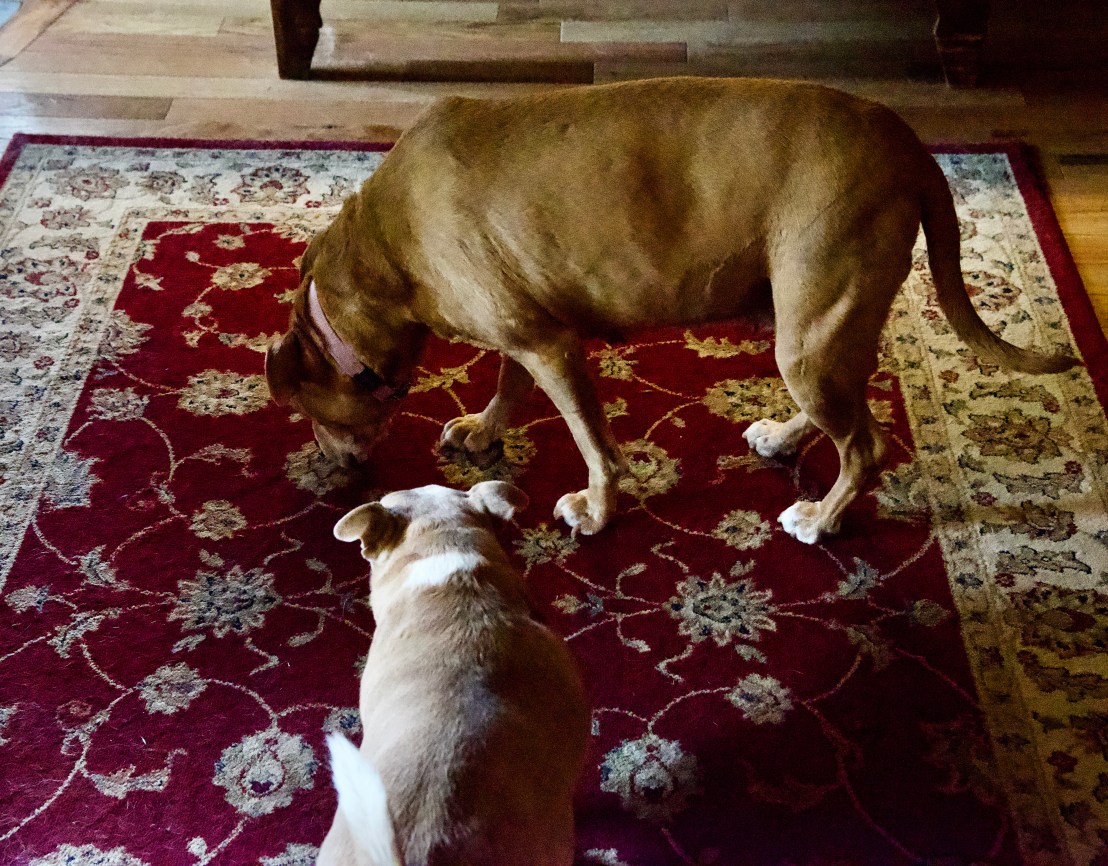
Sheena getting to know Oliver.

oooo

oooo

oooo

Now we have yet to go a full day (as this is being written on Friday for publication at midnight PDT tonight). But Jean and I have a good feeling about Sheena.