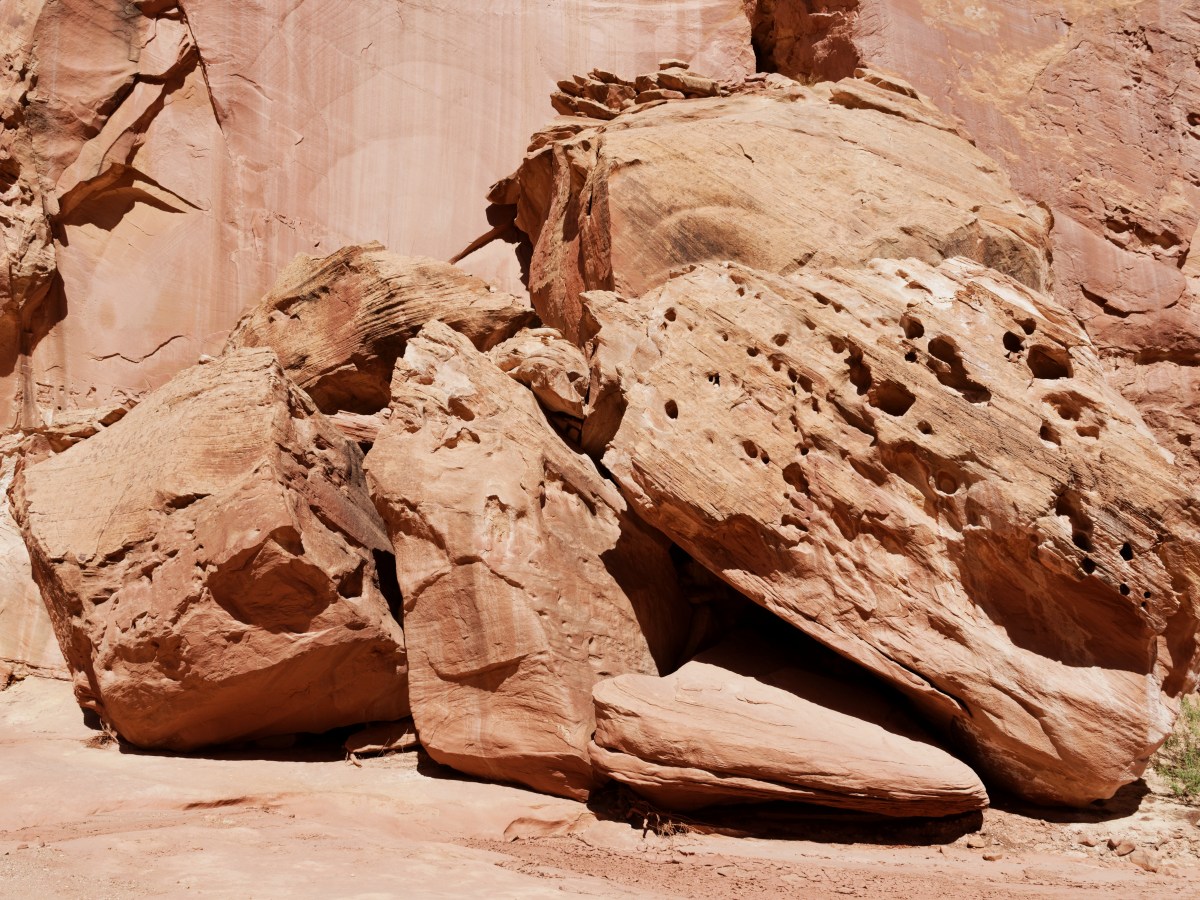
Yet more of my photos to share with you.

oooo

oooo

oooo

oooo

oooo
oooo

oooo

The final set of photos in another week’s time.
Stay safe all of you!
Dogs are animals of integrity. We have much to learn from them.
Author: Paul Handover
Yet more of my photos to share with you.
oooo
oooo
oooo
oooo
oooo
oooo
oooo
The final set of photos in another week’s time.
Stay safe all of you!
Independence Day should also apply to our beloved dogs!
This was first published four years ago but I wonder if there has been any real change. So it’s being published again for the 2020 Independence Day.
ooOOoo
So today is July 4th. One of the key days of the year in the American calendar, if not the key day.
Freedom and independence are the corner stones of a healthy nation. That ‘nation’ should include our dogs. Ergo, I have no hesitation in republishing the following that first was seen on the Care2 site.
ooOOoo
 By: Natalia Lima June 28, 2016
About Natalia Follow Natalia at @TheNatiLima
The sight is heartbreaking: a sad animal, exposed to the heat or the cold, often without shelter, chained in a backyard. Sometimes all it takes to secure them is a thin rope tied around their collar on one end and a dog house on the other, in others it’s a thick metal chain that keeps the dog from moving away from a tree. Whatever the case, it’s enough to inspire any animal lover to change that dog’s life, but how? The answer is simpler than one would imagine: build a fence.
“Building a fence really changes the relationship between dogs and owners,” explains Michele Coppola, President of Fences for Fido, a nonprofit organization that builds fences in houses that have chained dogs so the dogs can run freely in the backyard. “Many times dogs who were outside 24/7 go on to become a family member, spending time in the house and outside because they’re no longer a location.”
Since 2009, Fences for Fido has been helping dogs in the Southwest Oregon and Washington state areas. People can anonymously nominate a house with a chained dog on their website or people can nominate themselves if they don’t have the means to build their own fence. According to the Coalition to Unchain Dogs, who helped Fences for Fido get started and has been building fences since 2006 in North Carolina, that lack of resources is the most common reason why people keep dogs chained.
“When we first started we thought we would build this fence and solve a problem but we quickly saw the problem is not chained dogs, it’s poverty,” explains Lori Hensley, Director of Operations at Coalition to Unchain Dogs. “No one wants to chain a dog. They just don’t have the means to build a fence.”
Other common reasons are not understanding that dogs are social animals that need to run around, an owner not knowing how to address behavioral problems and trying to keep the dog from running away, says the Humane Society of the United States.
“People chain their dogs for a variety of reasons so we always approach them without judgement because most times we’re not seeing the whole story,” says Coppola adding that those issues are addressed when building a fence for someone to make sure they’re educated on why chaining their dogs shouldn’t be a solution. “Maybe they didn’t have a fence to start with and someone, maybe a family member, dumped a dog with them and they’re keeping it out of the goodness of their hearts but they don’t have a fence. You don’t know.”
Between the two organizations, over 3,400 dogs have been freed from chains but since they only operate locally, they have created resources for people in other parts of the country who want to help. Unchained Planet, a Facebook group of volunteer fence builders, offers advice and tips to anyone looking to start their own fence building organization and a DIY tutorial is also available for free download.
From materials needed to step by step instructions, anyone can start building a fence to help chained dogs in their communities, though to complete novices, the guidance of a seasoned builder or a professional is encouraged.
“If you’re starting out for the very first time, it might be a good idea to pair up with a fence company who may be willing to help and even donate the materials,” suggests Coppola. “Or you want to find somebody who’s done a fence before and can kind of show you how to go about it.”
Photo Credit: ThinkStock
ooOOoo
Please, please help these poor dogs in any way that you can.
An outstanding center of excellence.
Let me start this review of Southern Oregon Vet Center (SOVC) with an extract from a recent blog post by Rob Mielcarski about Cognitive Biases and his presentation of the Cognitive Bias Codex :
I counted them. There are 195 distinct cognitive biases named and described in the list.
Have a look. Do you notice something very odd?
The most important and powerful of all human cognitive biases, and the one that created our unique species, is not on the list: denial of unpleasant realities.
Nor is its progenitor, denial of death.
Any half-wit who studies human history will notice that the first wacky thing our species did after evolving into behaviorally modern humans was make up stories (religions) to deny death.
Today our species aggressively denies every single unpleasant reality of substance that threatens its survival including: over-population, non-renewable resource depletion, climate change, pollution, habitat destruction, and species extinction.
The reason I started with Rob’s post is that at SOVC one comes face-to-face with the reality of the difference between dogs and humans. More of that later.
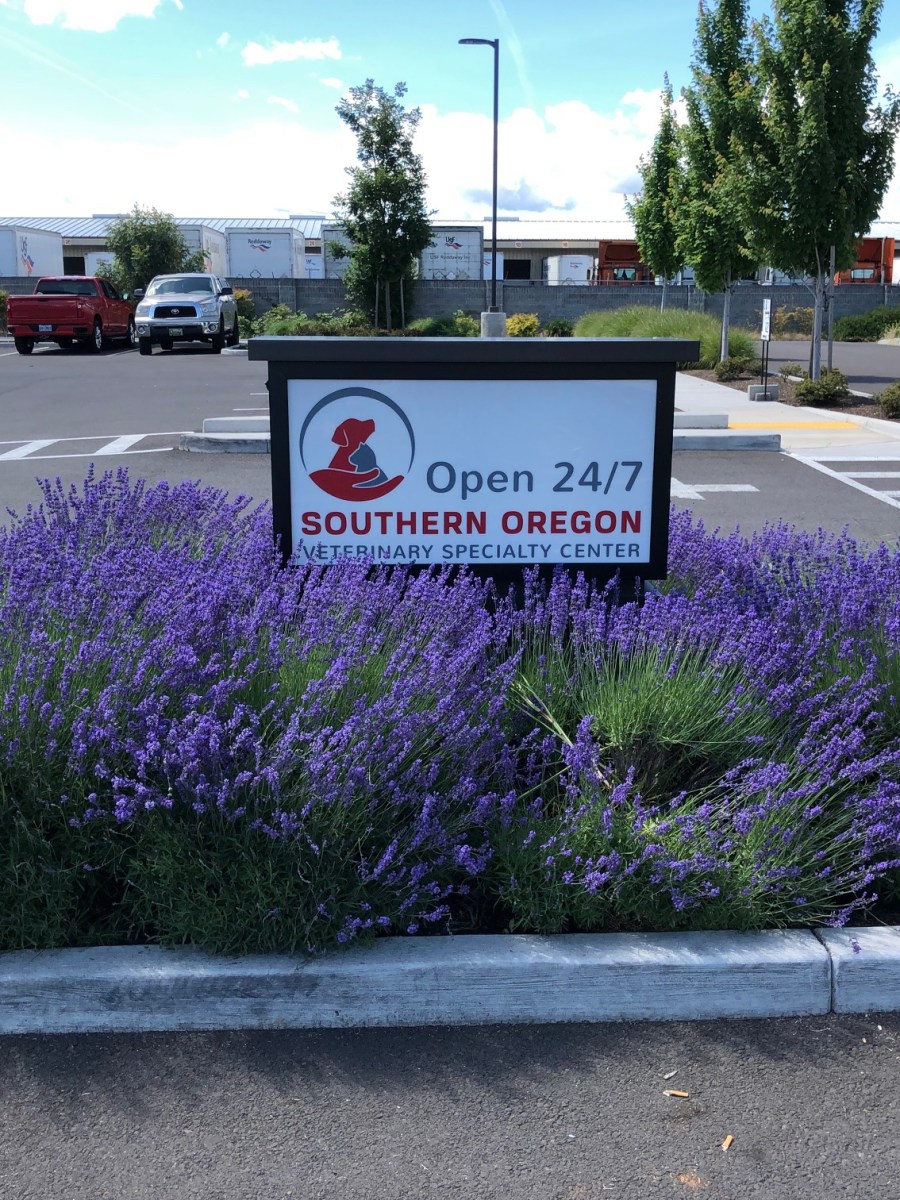
SOVC was formed in 2004 by Dr. Adam Reiss, DVM, and Dr. Steven Ferreira, DVM.
The facility at the time of formation was, and still is, the only 24-hour facility within a 250 miles radius in all directions. Now that straightforward statement needs thinking about for a moment.
Portland, Oregon is 268 miles to the North by road and Williams, California is a tiny town just off the Interstate I-5 some 254 miles to the South. It’s an enormous area and that’s without heading to the East!
I’m taking from the SOVC website more information on Dr.’s Reiss and Ferriara.
Dr. Adam Reiss
Adam Reiss, DVMDiplomate, American College of Veterinary Emergency and Critical Care
Dr. Reiss was born and raised in the suburbs of New York City. He graduated from New York State College of Veterinary Medicine at Cornell in 1993. Following graduation, he completed a small-animal internship at Alameda East Veterinary Hospital and residency in emergency and critical care at Denver Veterinary Specialists. Dr. Reiss obtained board certification in emergency and critical care in October 2002. Dr. Reiss has been involved in the growth and development of two large 24-hour emergency and referral centers in Denver, Seattle, Medford and Portland. He has published a paper on traumatic cardiac injuries, as well as book chapters on subjects such as dystocia and pneumonia. Dr. Reiss has special interests in trauma, transfusion medicine, critical care nutrition and pulmonary diseases.
Dr. Reiss moved to Medford from Seattle with his wife, Dawn, their daughters, Alexys and Makayla, son Deryk and a multitude of pets. His interests outside of veterinary medicine include woodworking, snowboarding and classic cars. Dr. Reiss moved to Southern Oregon to provide veterinary services not previously available in the area, as well as to enjoy the wide variety of activities the region has to offer.
oooo
Dr. Steven Ferriara.
Steven D. Ferreira, DVM
Diplomate, American College of Veterinary SurgeonsDr. Ferreira is originally from Arizona, but was raised in Houston, Texas. He received his DVM from the Texas A&M College of Veterinary Medicine in 1994. He worked in private practice in both Seattle and Houston for three years prior to completing a small-animal surgical residency at Denver Veterinary Specialists. During his residency, Dr. Ferreira completed and published orthopedic research focused on the effect of gas plasma sterilization on demineralized bone matrix grafts at Colorado State University. In February of 2002, he became board certified into the American College of Veterinary Surgeons. After three years as staff surgeon in a large veterinary referral practice in Denver, Dr. Ferreira moved to Medford to help establish the Southern Oregon Veterinary Specialty Center. Dr. Ferreira’s special interests include general orthopedics, trauma and fracture management, TPLO stabilization for cranial cruciate ligament injury, spinal surgery for disc herniation and surgical management of abdominal disorders.
Dr. Ferreira lives in the Medford area with his wife, daughters and their Chihuahua. In his spare time, he enjoys family life, golf, reading, hiking, snowboarding, music and fly fishing.
My appointment was with Renee Self who has been with the center, as in the hospital, for four years. She started in reception having come to SOVC from running her own finger nail business. At first Renee worked for 25 hours a week but since then she has advanced to her present position responsible for a whole myriad of things.
As well as the main contact person, Renee is also responsible for the relationships with their referring veterinarians; and they have 5,000 on their database, mainly from the U.S West coast but also other parts of the U.S. continent.
I didn’t understand at first that this entails annual blood work for lots of animals, running continuing education classes on a co-sponsored basis (under normal circumstances for 55 – 80 people), fund raising, and being a partner to the Grants Pass Homeless Pet Project and No Pet Left Behind.

Another fact that bowled me over was hearing about the number of vets supported by SOVC. Now not all them are active at any one time, of course, but nevertheless a large number on their database nonetheless.
In Renee’s words, Dr. Reiss is a brilliant man in many areas including planning, veterinary medicine, critical care and he also engages in some surgeries. He has always had a passion for veterinary medicine and has previously started six hospitals.
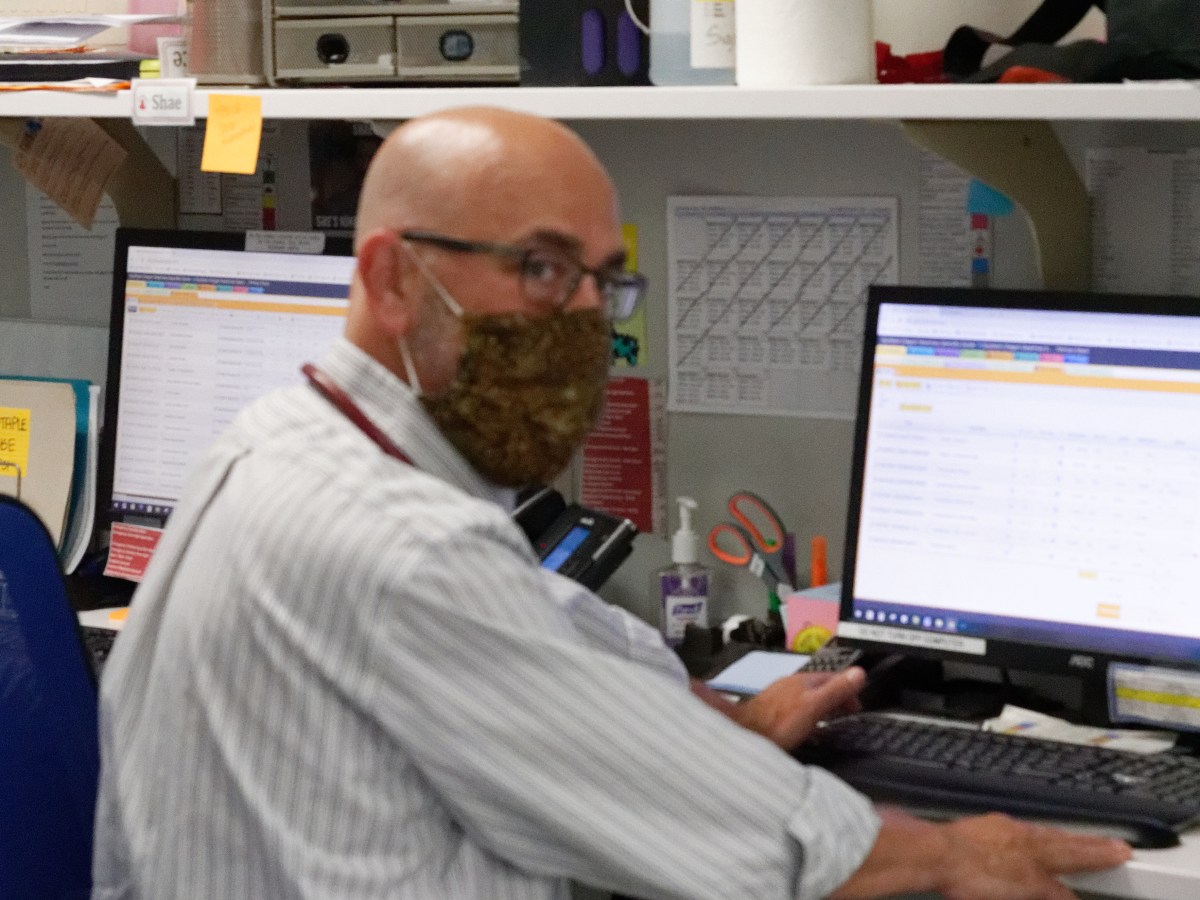
The present building at 4901 Biddle Rd was purpose built as a veterinary centre and everyone moved here in 2017. Before that they were in 4,000 square feet of building that was relatively close by.

In view of tomorrow being a Federal holiday the next part of this article will be published on Monday, 6th July.
This is a gorgeous story about a Corgi.
There was a story in the Daily Dodo that is just lovely.
I wondered why the Corgi was named Potato but that’s another question!
Enjoy the story!
ooOOoo
By Lily Feinn
Published on 6/8/2020.
Potato the corgi never misses an opportunity to say hi to her neighbors. So when social distancing started in Portland, Oregon, Potato’s parents, Cee and Pan, knew their dog wouldn’t be getting the kind of attention she was used to.

“She loves everyone — any dog, any kid, any adult human, doesn’t matter,” Cee told The Dodo. “Even dogs who snarl at her she’s like, ‘It’s OK, I’ll check back in five minutes.’”
“She’s in a polyamorous relationship with all of the mail, UPS and FedEx delivery people but the UPS man is her primary partner,” Cee added. “If you’re having a picnic at the park she will invite herself to your blanket and join in on the gossip.”

Potato knows a number of tricks, including how to ring a bell when she wants to go outside to the yard and socialize with the passersby. Cee, who works from home running a web agency, is always there to keep an eye on Potato when she goes out. And they noticed right away how difficult it was for Potato when her friends started ignoring her.
“Potato takes her job of getting pats through the fence very seriously and honestly seemed depressed that people stopped saying hi to her when social distancing started,” Cee said. “People kept looking really guilty when we’d catch them patting Potato through the fence, or others would ask if they could still pat her.”

To put an end to the confusion, they decided to make a little sign letting everyone know that it was still OK to give Potato the pets she craved, along with a few facts about her. “She’d bark at people she knew who normally would pat her when they’d walk by without saying hi,” Cee said. “So we wanted to make it known that it was consensual for us to take that slight risk of exposure.”
They laminated the sign and tacked it above Potato’s favorite spot on the fence. Potato was instantly happier.

The sign reads: “This is Potato! She’s friendly and yes you can pet her, even now with the virus. She also loves every dog so feel free to intro your dog!”
The sign has done more than cheer up Potato — it’s helped to connect Cee and Pan with neighbors they hadn’t met before. “People approach us more if we’re in the yard, or they send us little notes on [Potato’s] Instagram account,” Cee said. “There’s also an older neighbor lady who specifically comes by every single day to give her treats. It’s pretty wholesome.”
ooOOoo
That’s a really great good-news story!
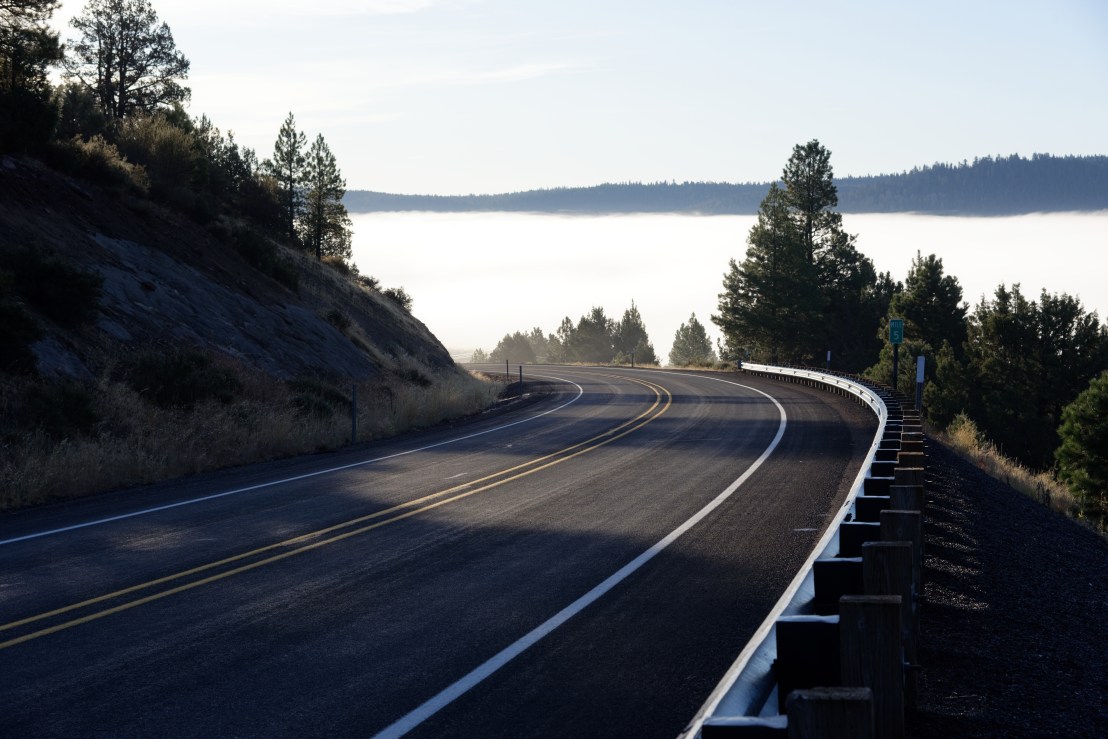
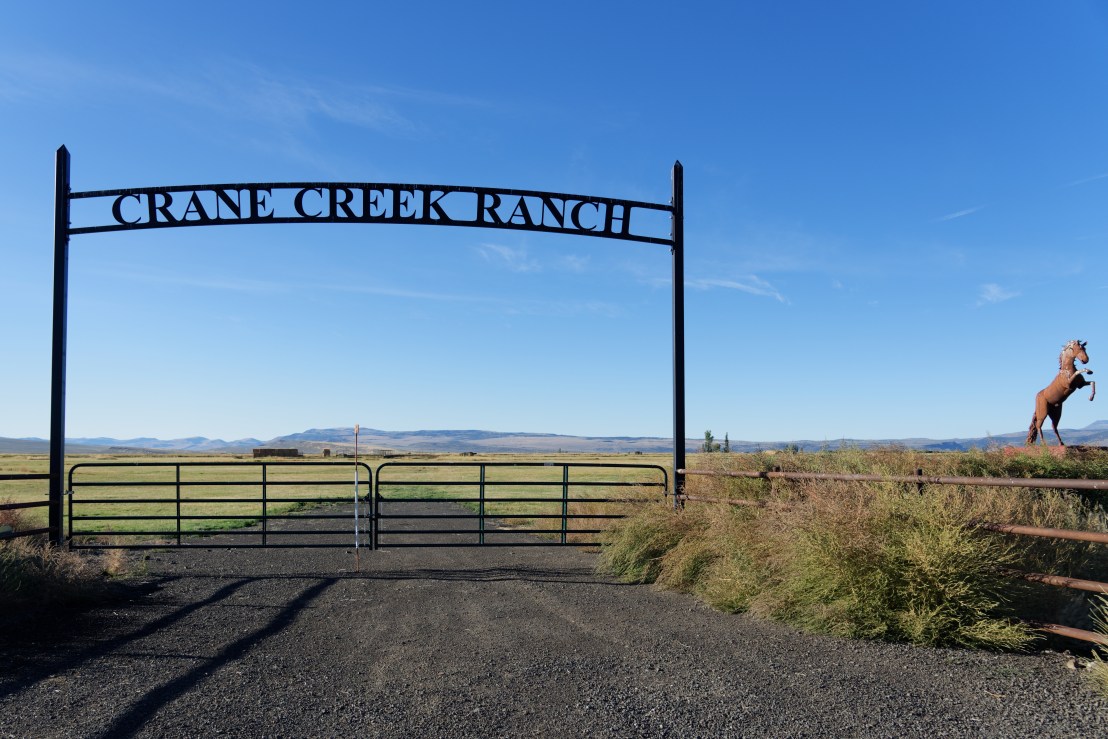
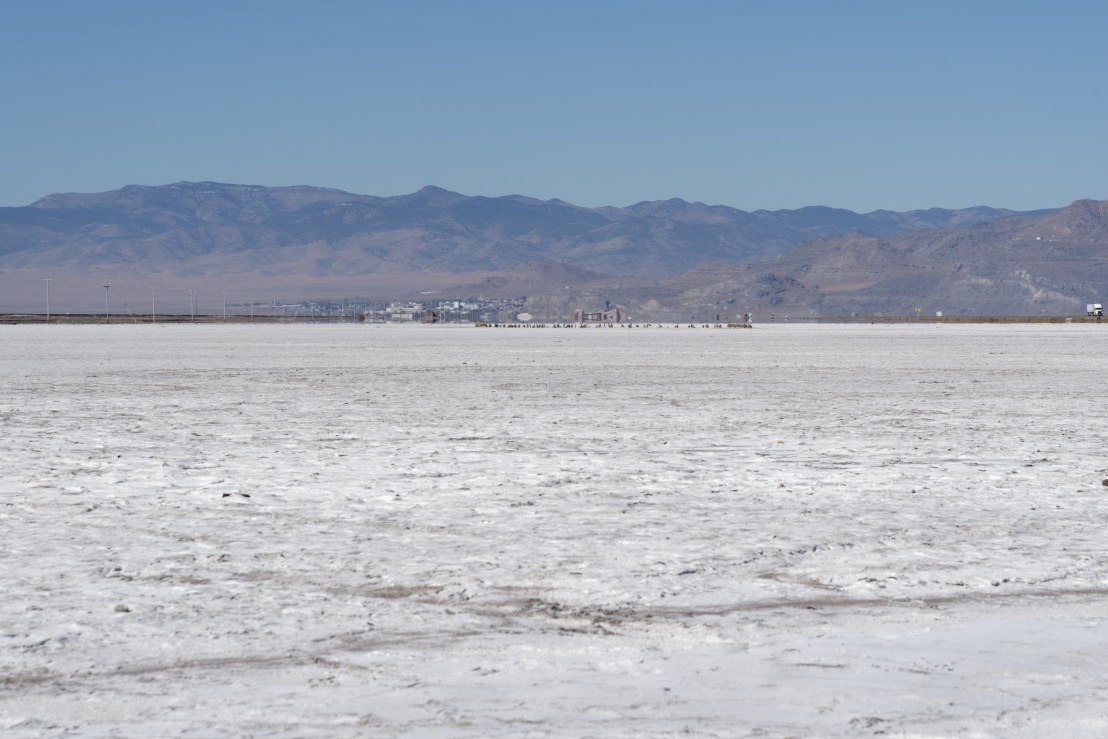
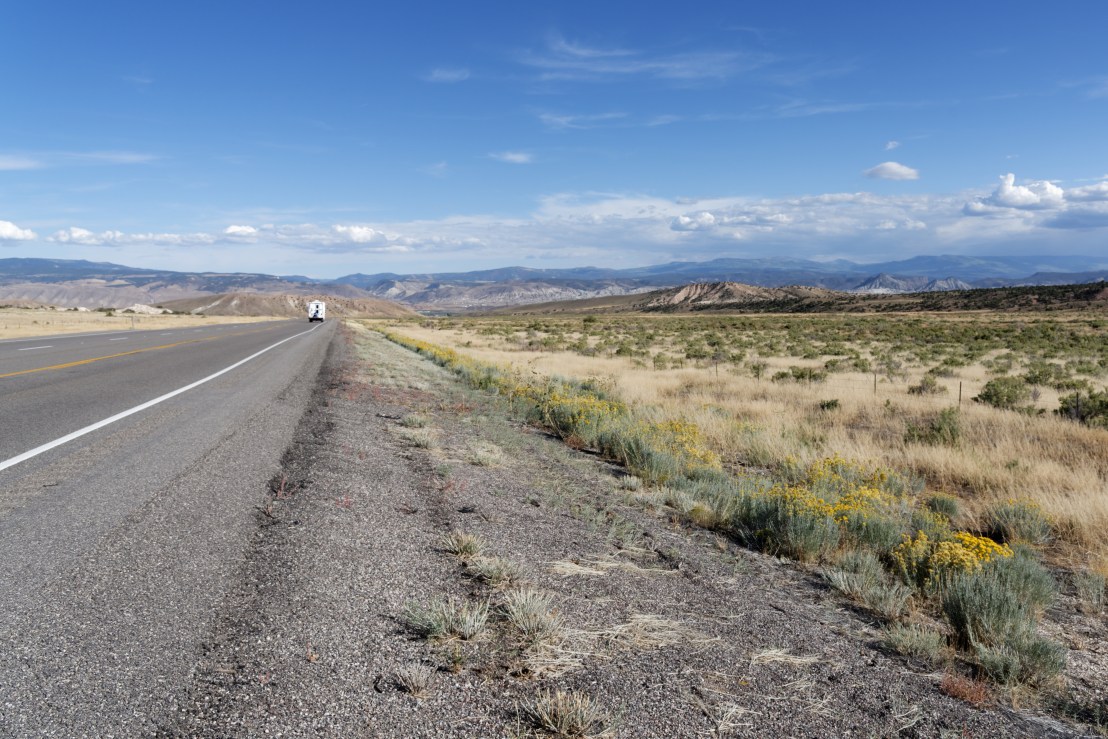
More photographs of Utah
Today and for the next two Sundays I am going to display more pictures of Utah. They are further to the photographs shown over six days back in October 2019.
To be honest these new photographs are more to show off the facilities of my new editing software DxO PhotoLab.

oooo
oooo

oooo
oooo

oooo
oooo
oooo
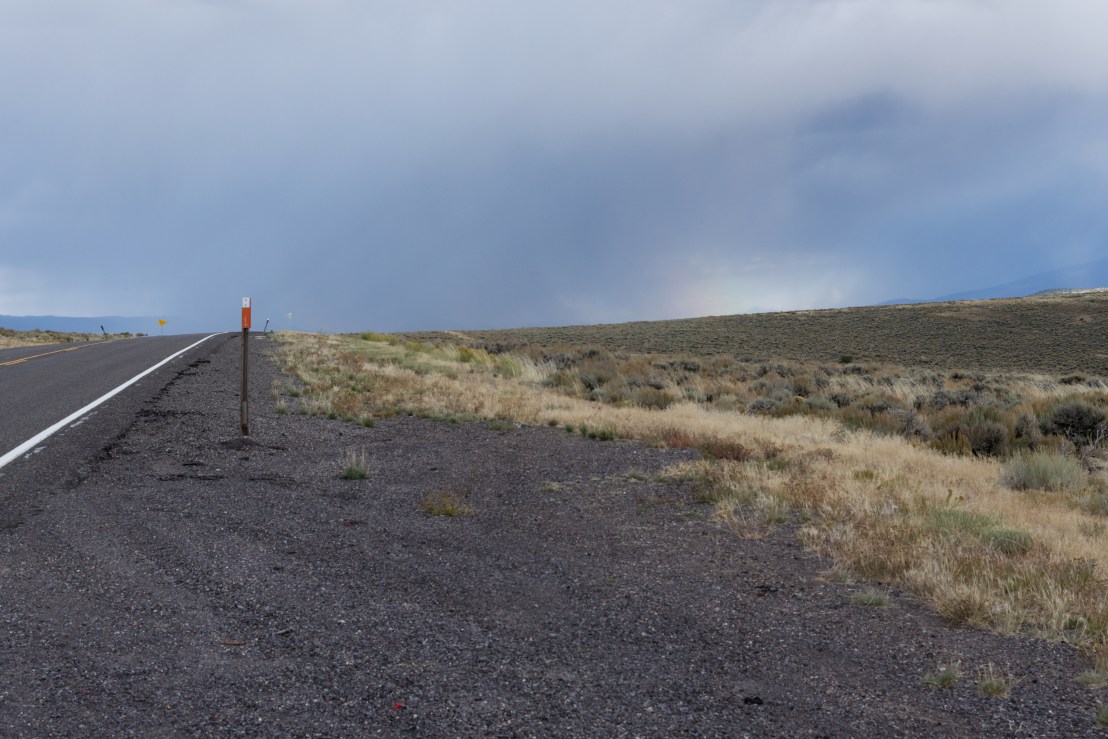
I sincerely hope you enjoy these; I’m conscious that I have become engrossed in the facilities of PhotoLab.
There’s another eight of them in a week’s time!
A new sense recently discovered in the dog’s nose.
I subscribe to AAAS and their last email newsletter contained this fascinating information.
ooOOoo

Dogs’ noses just got a bit more amazing. Not only are they up to 100 million times more sensitive than ours, they can sense weak thermal radiation—the body heat of mammalian prey, a new study reveals. The find helps explain how canines with impaired sight, hearing, or smell can still hunt successfully.
“It’s a fascinating discovery,” says Marc Bekoff, an ethologist, expert on canine sniffing, and professor emeritus at the University of Colorado, Boulder, who was not involved in the study. “[It] provides yet another window into the sensory worlds of dogs’ highly evolved cold noses.”
The ability to sense weak, radiating heat is known in only a handful of animals: black fire beetles, certain snakes, and one species of mammal, the common vampire bat, all of which use it to hunt prey.
Most mammals have naked, smooth skin on the tips of their noses around the nostrils, an area called the rhinarium. But dogs’ rhinaria are moist, colder than the ambient temperature, and richly endowed with nerves—all of which suggests an ability to detect not just smell, but heat.
To test the idea, researchers at Lund University and Eötvös Loránd University trained three pet dogs to choose between a warm (31°C) and an ambient-temperature object, each placed 1.6 meters away. The dogs weren’t able to see or smell the difference between these objects. (Scientists could only detect the difference by touching the surfaces.) After training, the dogs were tested on their skill in double-blind experiments; all three successfully detected the objects emitting weak thermal radiation, the scientists reveal today in Scientific Reports.
Next, the researchers scanned the brains of 13 pet dogs of various breeds in a functional magnetic resonance imaging scanner while presenting the pooches with objects emitting neutral or weak thermal radiation. The left somatosensory cortex in dogs’ brains, which delivers inputs from the nose, was more responsive to the warm thermal stimulus than to the neutral one. The scientists identified a cluster of 14 voxels (3D pixels) in this region of the dogs’ left hemispheres, but didn’t find any such clusters in the right, and none in any part of the dogs’ brains in response to the neutral stimulus.
Together, the two experiments show that dogs, like vampire bats, can sense weak hot spots and that a specific region of their brains is activated by this infrared radiation, the scientists say. They suspect dogs inherited the ability from their ancestor, the gray wolf, who may use it to sniff out warm bodies during a hunt.
“The study is consistent with other research that describes the combined dog nose and brain as a sophisticated platform for processing a broad range of signals,” says Gary Settles, an emeritus professor of mechanical engineering at Pennsylvania State University, University Park, who has studied dogs’ sniffing abilities. He doubts, however, “that the dog rhinarium can distinguish patterns of hot and cold objects at a distance,” suggesting dogs’ thermal detection skills may not be useful for long distance hunting. “[T]hat needs further study.”
If nothing else, the work suggests the extraordinary skills of the sled dog Buck, who tracked prey “not by sight or sound or smell, but by some other and subtler sense” in Jack London’s Call of the Wild, aren’t completely fictional after all.
ooOOoo
Dogs are in the news again. For their incredible noses; this time we are learning how they track heat.
Brilliant animals!
I stole the title of this post from Colin!
In fact, I am ‘stealing’ the whole of Colin’s post, albeit with his permission, because recently he posted on his blog Wibble a poem written by Linda Ellis that is perfect. Indeed, it is more than perfect, it is a unique view of our lifetimes: yours; mine, everyone’s.
Here is Colin’s post.
ooOOoo
 I learnt about ‘living your dash’ from Robby Robin’s Journey. ‘The dash’ is the one that goes between your dates of birth and death. Mine, for instance, is in “1960-” (because I’m not dead yet). Jane Fritz says:
This expression was popularized by Linda Ellis’s poem
The Dash; it provides a powerful metaphor for your life and helps us think about how our own dashes might be evaluated.
I went googling for the poem. It wasn’t hard to find it. However, reproducing it is subject to licence… which I applied for and was kindly granted. So here it is:
~~~~~~~~
The Dash
by Linda Ellis
I read of a man who stood to speak at the funeral of a friend.
He referred to the dates on the tombstone from the beginning… to the end.He noted that first came the date of birth and spoke of the following date with tears, but he said what mattered most of all was the dash between those years.
For that dash represents all the time they spent alive on earth
and now only those who loved them know what that little line is worth.For it matters not, how much we own, the cars… the house… the cash.
What matters is how we live and love and how we spend our dash.So think about this long and hard; are there things you’d like to change?
For you never know how much time is left that still can be rearranged.To be less quick to anger and show appreciation more
and love the people in our lives like we’ve never loved before.If we treat each other with respect and more often wear a smile…
remembering that this special dash might only last a little while.So when your eulogy is being read, with your life’s actions to rehash,
would you be proud of the things they say about how you lived your dash?
By Linda Ellis, Copyright © 2020 Southwestern Inspire Kindness, Inc., thedashpoem.com
ooOOoo
Maybe it is because I am in my mid-seventies. Maybe it is because I have never thought of it before; as in the dash! Maybe it is because I am looking for something that is beautifully clear; an antidote to the complicated world we appear to be living in.
I can’t fathom it out but that doesn’t matter in the slightest.
It is a very beautiful, inspiring poem that gets to the heart of living!
Enough said! 1944 – ????
Alexandra is a writer about dogs!
I can’t remember how long ago it was that I came across Alexandra Horowitz but the name stuck. For Alexandra is an author of many titles although many of them are about dogs.
But here’s a quote from someone who reviewed her book, On Looking: A Walker’s Guide to the Art of Observation.
“Horowitz writes like a poet, thinks like a scientist, and ventures like an explorer. Her book will have you looking in a new way at the world around you, and make you glad you did.” – Susan Orlean, author of Rin Tin Tin
If you haven’t already read some of her books then don’t delay!
Now I want to introduce a different side of Alexandra. That of her being a broadcaster, for want of a better description.
This is not a short video, it is 49 minutes long. But that’s a reason to sit down and thoroughly immerse oneself in her talk.
It is introduced thus:
It’s a really fascinating and interesting talk and, I suspect, you will learn things about your dog’s nose that you didn’t know before.
If you want more news on Alexandra then go here!
And, forgive me, I can’t resist showing you a picture I took yesterday of Sheena!

A heart-warming story.
At the end of May this year there was an article on The Dodo blog that just had to be shared with you. It was about the remarkable trait of Zelda, a foster dog that was being cared for. It is about coming home.
Read it for yourself:
ooOOoo

When Seneca Krueger first picked up her foster dog Zelda last year, she could never have predicted the remarkable journey the dog would one day make to be with her again.
Krueger, who works as a psychotherapist, is a dog foster mom who specializes in helping rescued dogs learn to trust people again. She’s fostered 30 dogs so far, but Zelda was an especially difficult case.
“She came with anti-anxiety medications,” Krueger told The Dodo. “Zelda paced. All day long she was either pacing or hiding.”
Krueger noticed that Zelda seemed calmest when on a leash, so she began tether training her — and slowly the skittish dog began to open up. “When I was home, she was attached to me,” Krueger said. “Over the course of two weeks of tether training, I had also weaned her off of her anti-anxiety medications, and the pacing had decreased. She was even willing to come out of hiding on her own for brief periods of time.”
After two months of living with Krueger and her two family dogs, Zelda finally wagged her tail. At four months, she began to bark and play — though she still struggled with unexpected noises and when visitors dropped by.
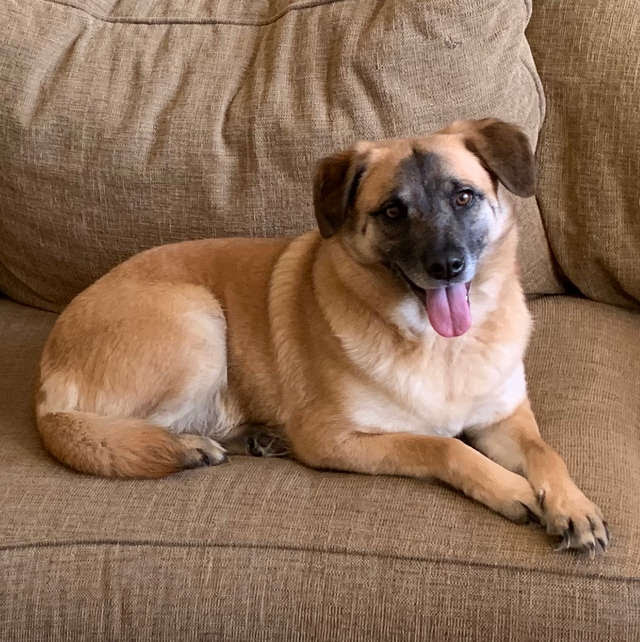
Still, Krueger knew that she had helped Zelda as much as she possibly could, and it was time to let her go. “As Zelda began to gain a little more confidence, I decided it was time for her to find her forever home,” Krueger said. “This is what you are supposed to do as a dog foster; help them adjust and then happily say goodbye as they go and live their best lives.”
Krueger drove Zelda 40 miles to her new home, but parting with her was more difficult than she anticipated. “I had to pull over to the side of the road because I couldn’t see through my tears,” Krueger said. “For the first time in my 12 years of dog fostering, I felt like I had given away my dog.”
Ten days after saying goodbye, Krueger received the call that every dog owner dreads — Zelda had gone missing after slipping her leash. Krueger immediately jumped in the car to begin searching for her.
An all-volunteer dog search team called START (Search, Track and Retrieval Team) had also gotten word of Zelda’s disappearance. The team set up feeding stations and trail cams around the area, and sightings of Zelda began to pour in.
As temperatures dropped below zero, Krueger refused to give up on her search. “The coldest days were the days I spent the most time searching because I was desperate to get Zelda warm and safe,” Krueger said. “[I] spent hours out in the freezing cold, following dog tracks through ravines, frozen swamps and fields.”
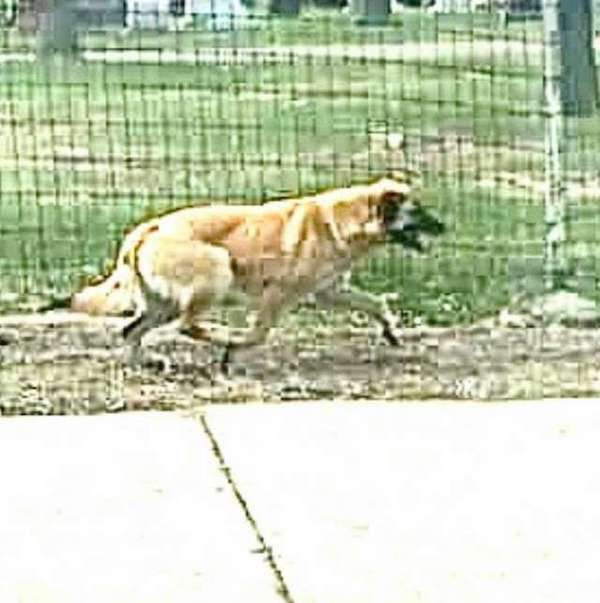
Over two months later, Krueger got word that Zelda had been spotted in Minneapolis, halfway between the dog’s new home and her foster home.
Only then did Krueger realize that Zelda was trying to make her way back to her.
The adopters surrendered Zelda back to Wags and Whiskers Animal Rescue, the organization that set up the adoption, and Krueger was thrilled to have her dog back — if only on paper. “She was mine again, and I was more determined than ever to find her,” Krueger said.
Two weeks later, Krueger received news that Zelda had been spotted near her home. She put out feeding stations around her house and began dumping dirty laundry on the front lawn in hopes that the smell would coax Zelda back to safety.
A couple reached out to Krueger to let her know that they had been feeding a very skittish dog who looked like Zelda. But after so long, Krueger didn’t want to get her hopes up. “Although I really wanted this dog to be my Zelda, I knew that if there was a lost, scared dog out there on the streets, we had to help it,” Krueger said. “Even if it wasn’t the dog that I knew and loved, and missed so much.”
Finally, the couple was able to trap the emaciated dog and called Krueger in the early hours of the morning to let her know. Inside the cage, Krueger saw a small, nervous dog, who barely resembled the Zelda she once knew. But when the manager of START arrived, a quick scan of the dog’s chip confirmed the impossible.
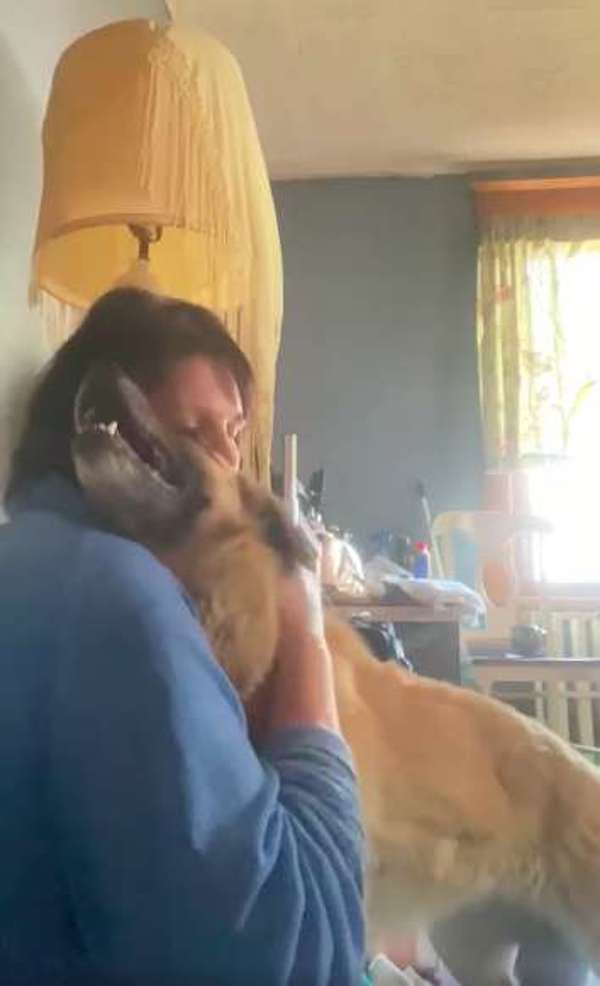
After over three months on the run, Zelda had found her way home.
“It was a miracle, and what else do you do in the face of a miracle? I sobbed,” Krueger said. “I apologized to Zelda for not recognizing her. I touched her for the first time in 97 days. I assured her that she was going home forever and that I never stopped looking for her.”
Zelda has been adjusting well to being at home, and couldn’t be happier to be with her mom again.
“She has become my Velcro dog, and is never more than a few feet away from me at all times,” Krueger said. “My other dogs are happy to have her back as well and groom her a lot.”
For Zelda, this family is forever. “I never could have imagined that the whole time I was searching for Zelda, she was searching for me, too,” Krueger added. “Zelda is officially my dog. But let’s be honest, it’s not like I had a choice. She is very persistent.”
ooOOoo
Seneca Krueger is one hell of a lucky person and so, too, is Zelda!
Zelda was on her own for 97 days and Seneca for the same amount of time was also on her own.
This is a story that warms the cockles of your heart.
More of my fiddling!
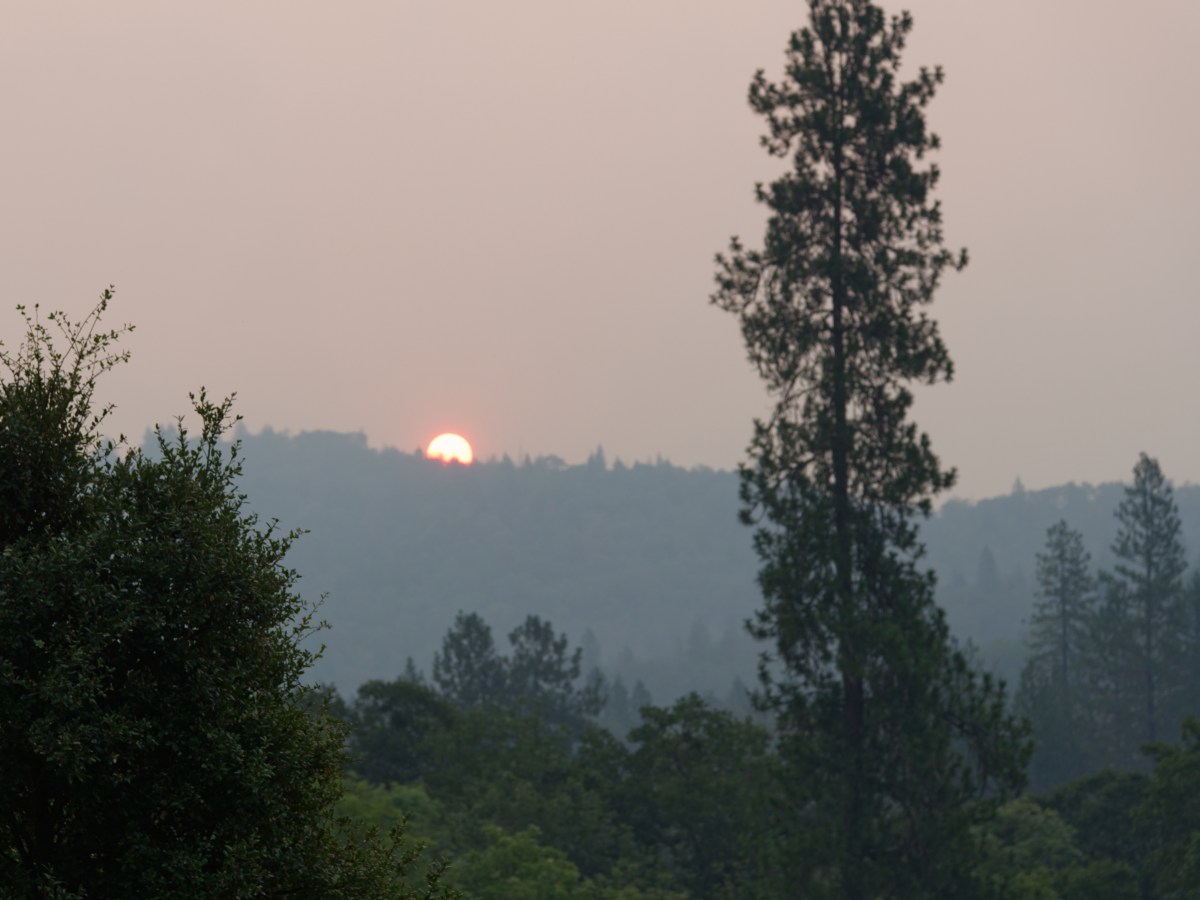
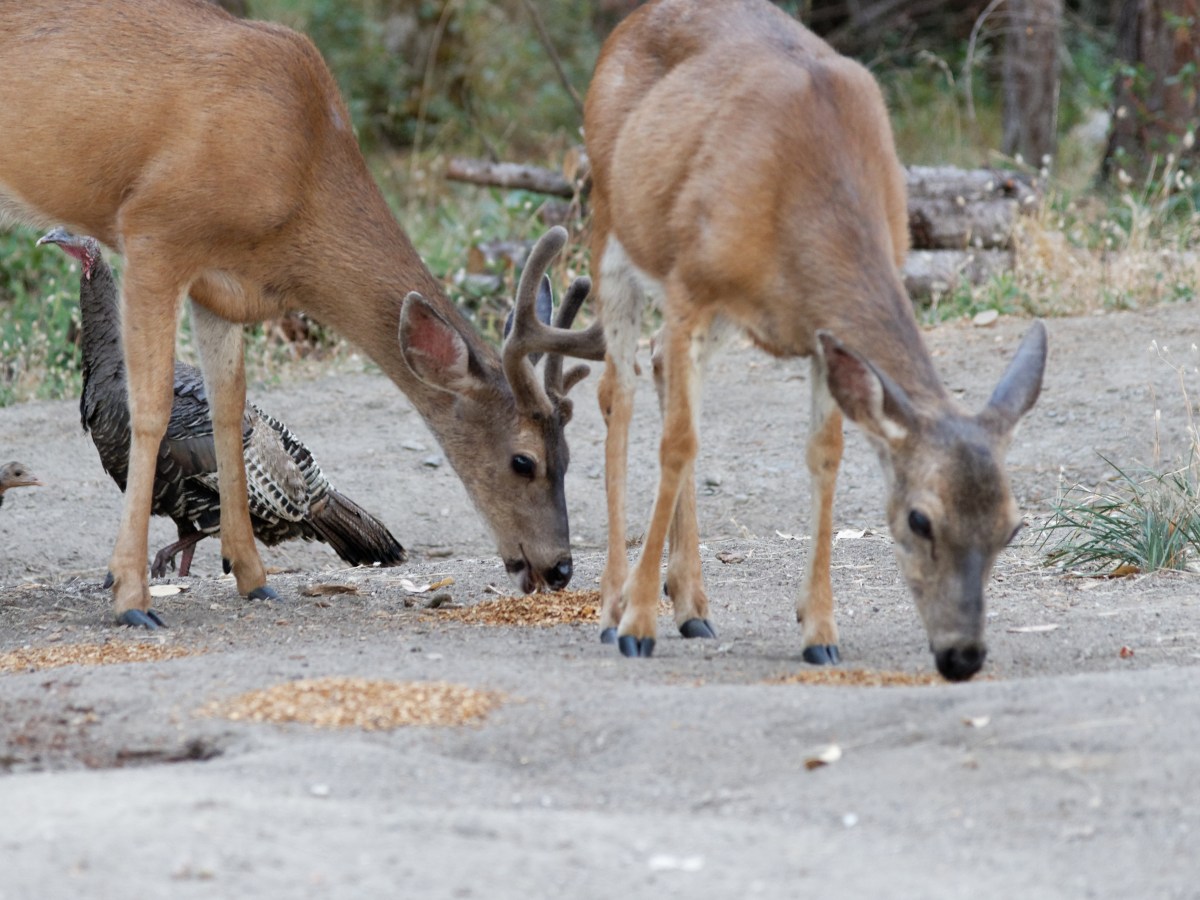
I am trying out a new photo editing software program called DxO PhotoLab.
It’s powerful and full of features that I am still nowhere used to. But I am taking a shine to it.
But here are a few of my photographs for you to look at.
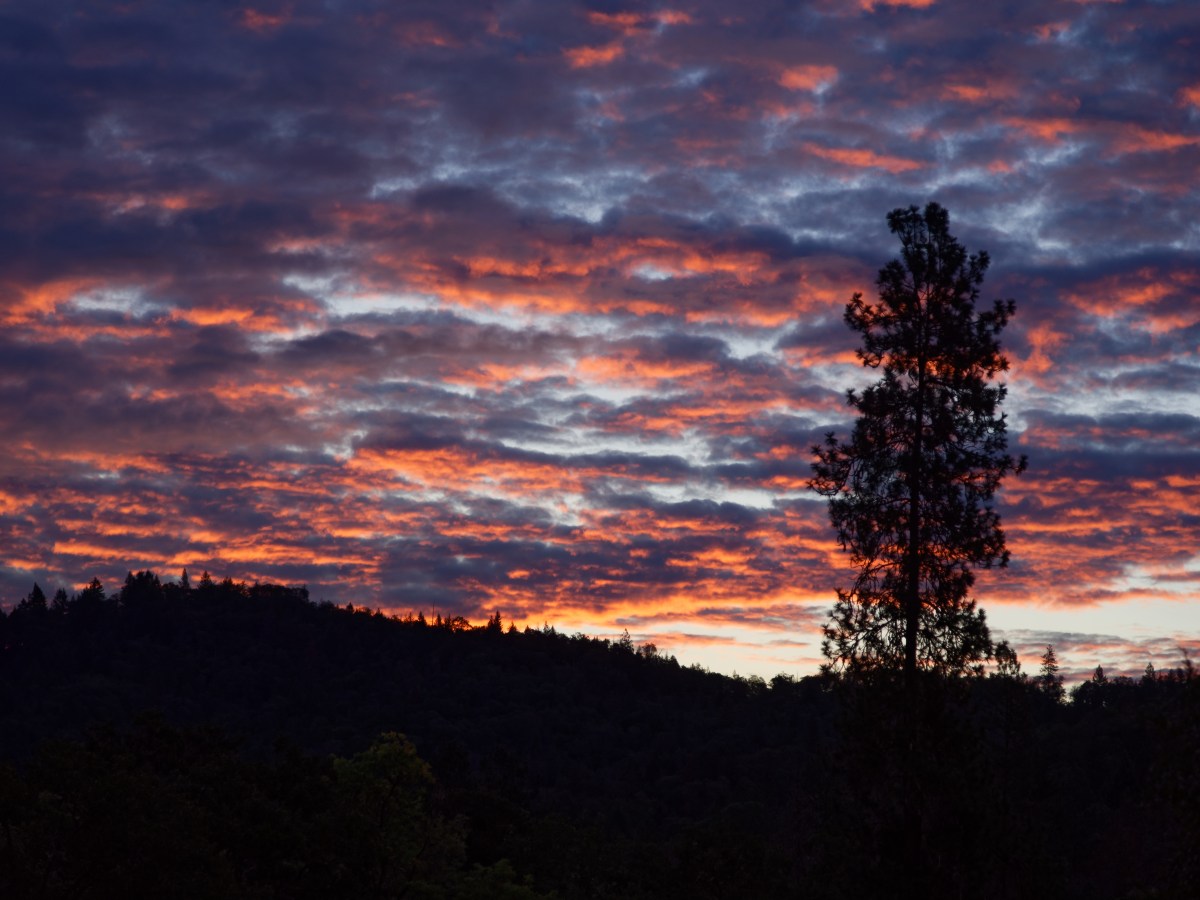
First, a shot taken yesterday, at the moment of Solstice here in Merlin – 14:43 PDT

oooo
oooo

oooo

oooo
oooo

oooo

All photographs taken with my Nikon D750.

 Learning from Dogs