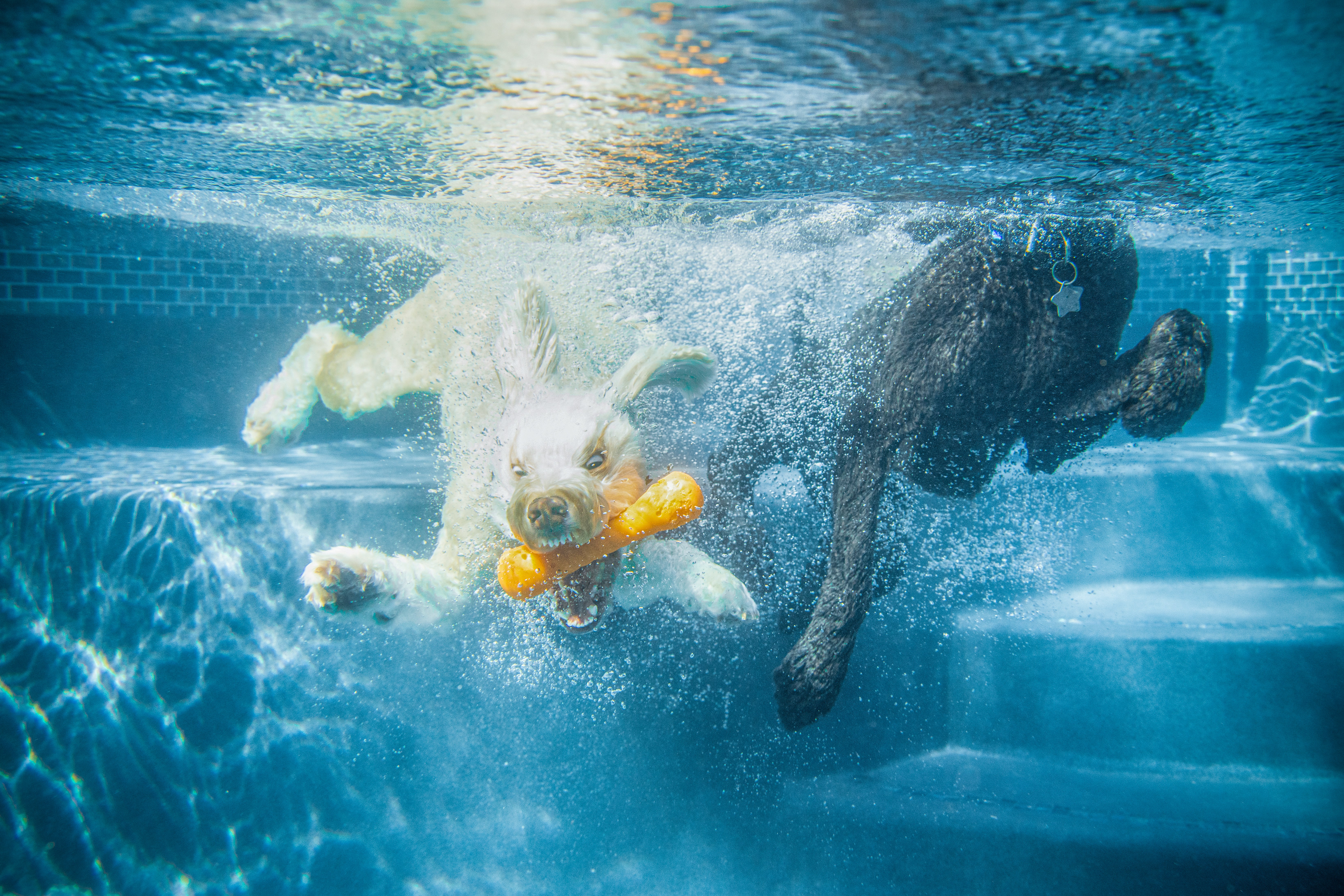
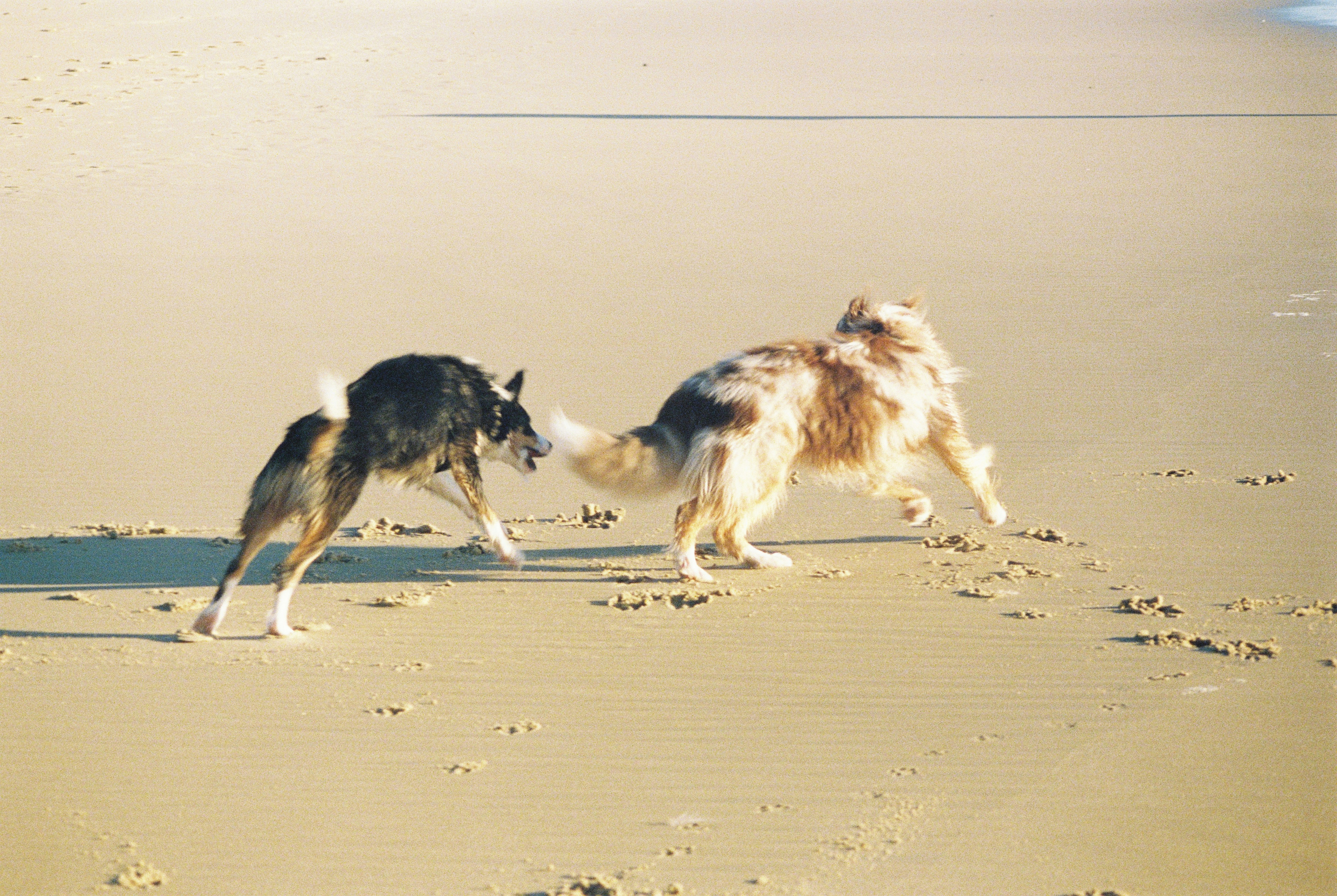
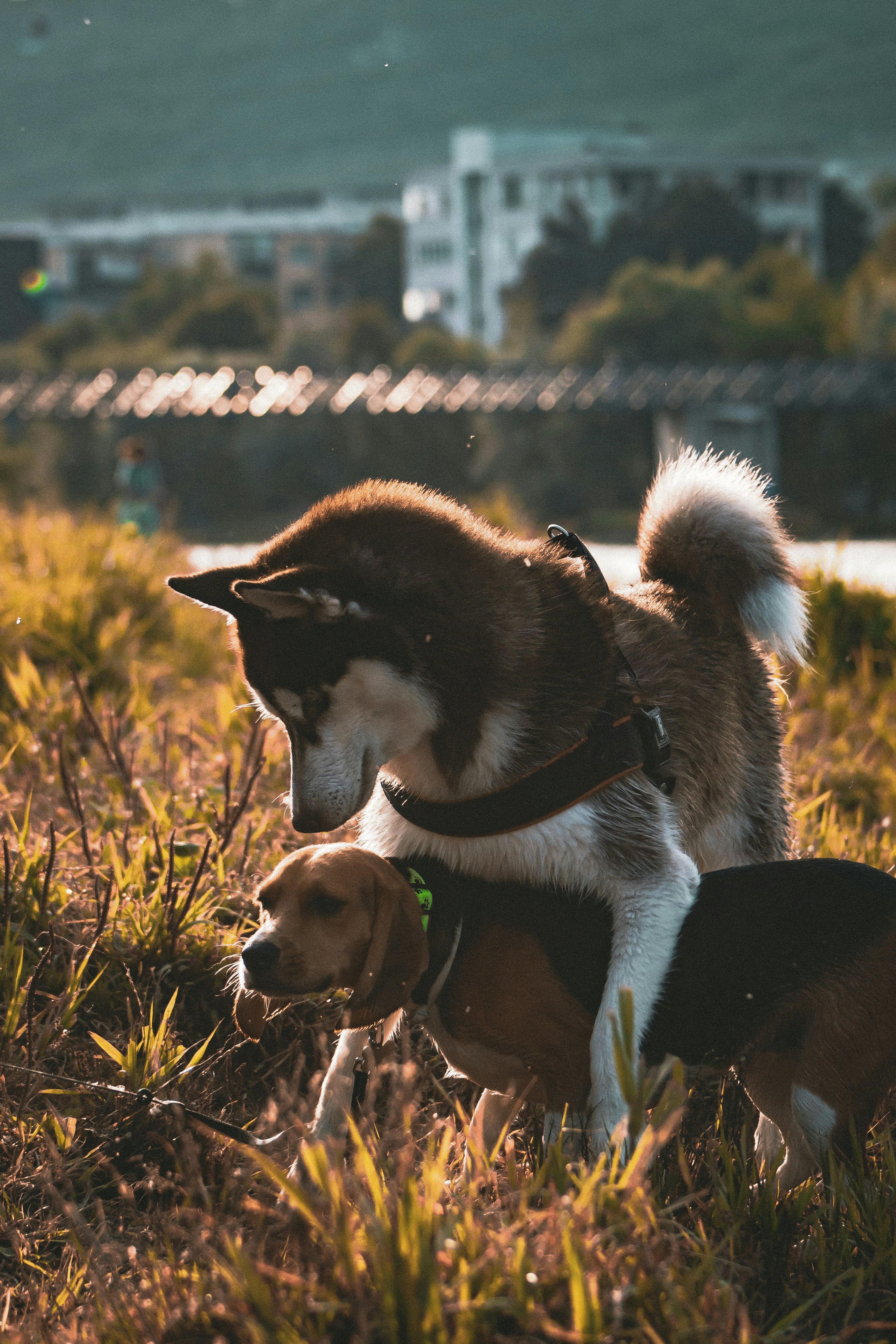
Yet more dog photos courtesy of Unsplash!
oooo

oooo
oooo

oooo

oooo
oooo

oooo
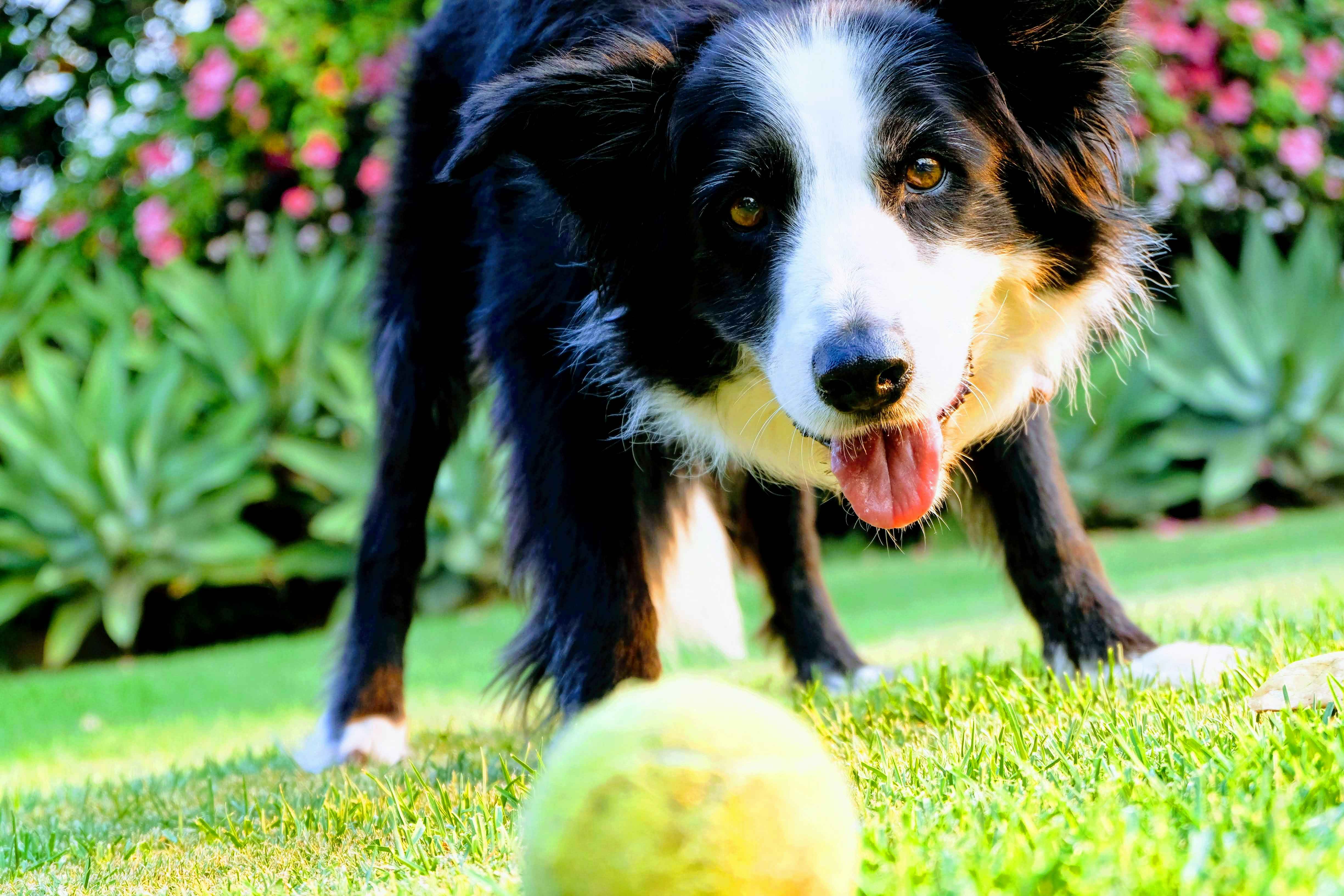
My same feeling as last Sunday! Dogs are perfect.
Dogs are animals of integrity. We have much to learn from them.
Author: Paul Handover
Yet more dog photos courtesy of Unsplash!
oooo
oooo
oooo
oooo
oooo
oooo
oooo
My same feeling as last Sunday! Dogs are perfect.
Living in a rural area has a bonus!
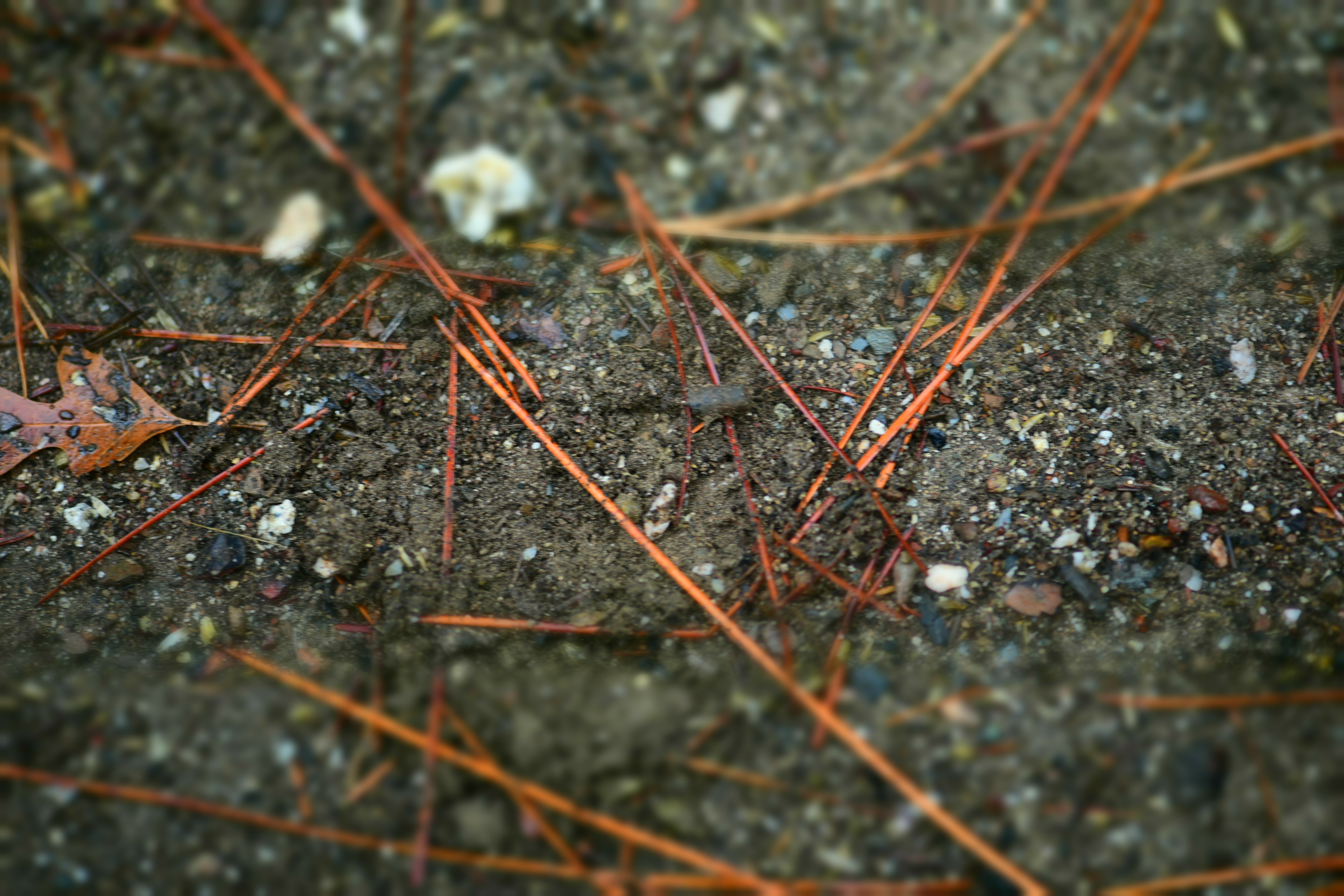
Every morning I go outside to feed the wild deer, as I have said before. However this morning, the 1st October, the rain had softened the ground and I saw animal footprints close to where I put out the COB for the deer.
Here’s a photograph albeit it is almost impossible to distinguish.
Anyway, to the post.
ooOOoo
Steven Sullivan, Miami University
Your neighborhood is home to all sorts of amazing animals, from racoons, squirrels and skunks to birds, bugs and snails. Even if you don’t see them, most of these creatures are leaving evidence of their activities all around you.
Paw prints in different shapes and sizes are clues to the visitors who pass through. The shapes of tunnels and mounds in your yard carry the mark of their builders.
Even the stuff animals leave behind, whether poop or skeletons, tells you something about the wilder side of the neighborhood.

I’m a zoologist and director of the Hefner Museum of Natural History at Miami University of Ohio, where we work with all kinds of wildlife specimens. With a little practice, you’ll soon notice a lot more evidence of your neighborhood friends when you step outside.
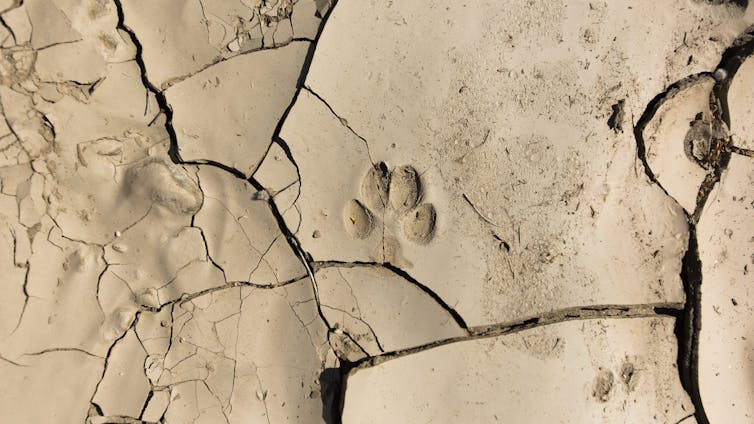
You can learn a lot from a nice, crisp paw print.
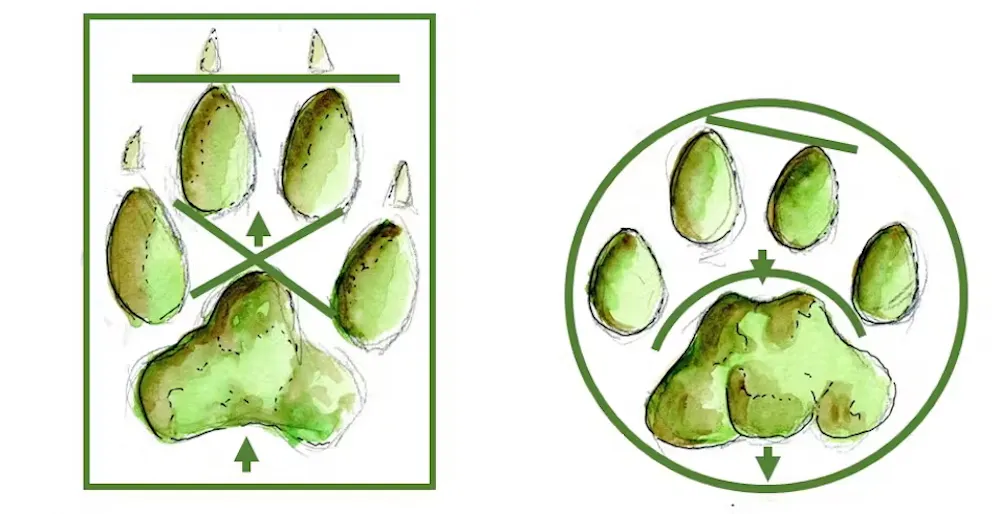
The dog family, including coyotes and foxes, can be differentiated from the cat family by the shape of their palm pads — triangular for dogs, two lobes at the peak for cats.
Both opossums and raccoons leave prints that look like those of a tiny human, but the opossum thumb is held at nearly right angles to the rest of the fingers.

Not all prints are so clear, however.
Invasive rats and native squirrels have prints that often look pretty similar to each other. Water erosion of a skunk print left in mud might connect the toe tips to the palm, making it look more like a raccoon. And prints left in winter slush by the smallest dog in the neighborhood can grow through freezing and thawing to proportions that make people wonder whether wolves have returned to their former haunts.
There are good reference books where you can learn more about track analysis, and it can be fun to go down the rabbit hole of collecting and studying prints.
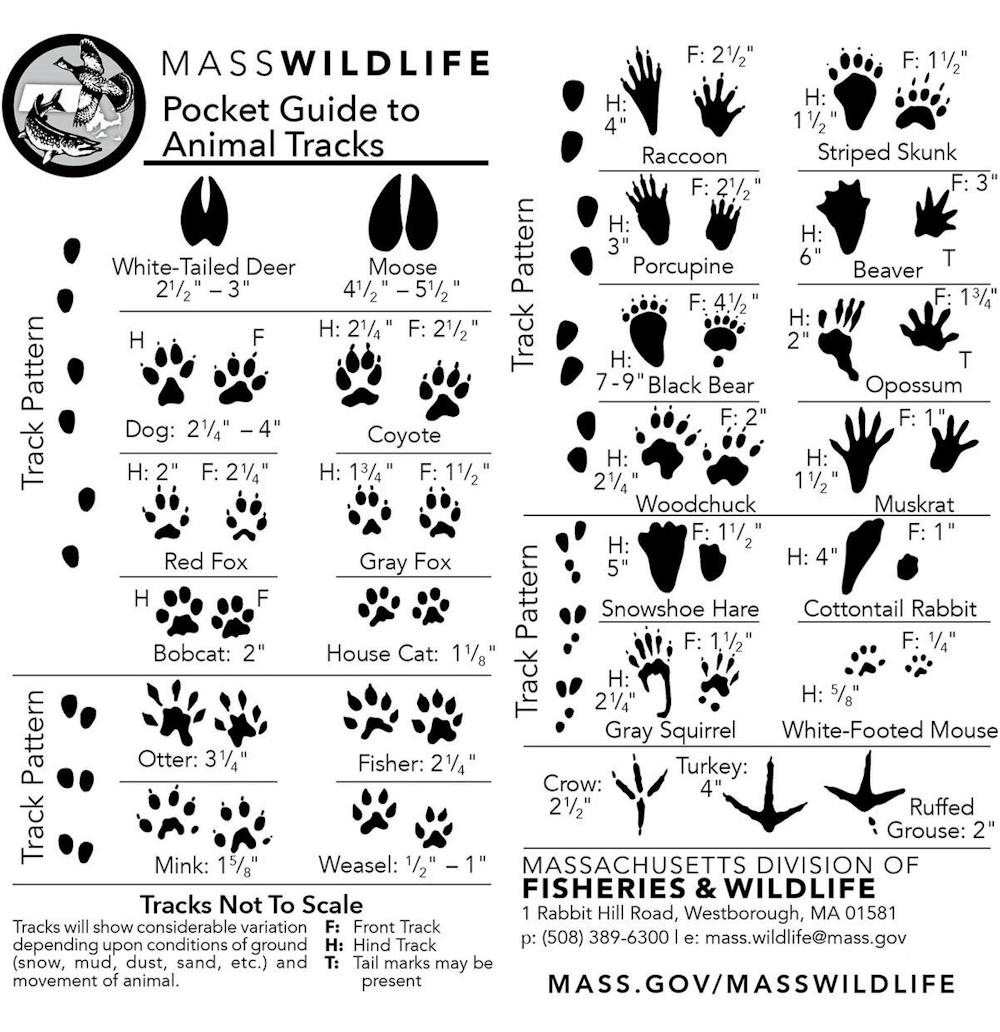
Often, it’s easiest to figure out which animal left a paw print by correlating its tracks with other evidence.
If what look like squirrel prints lead to a hole in the ground, then it wasn’t a tree squirrel. Stuff a handful of leaves or newspaper in the hole. If it gets pushed out during the day, the hole is probably inhabited by a ground squirrel, such as a chipmunk. But if the plug is pushed out at night, you probably have a rat.
I once noticed a faint trail in the soil near my porch. Using the hole-stuffing method, I determined that something spent most days under the wooden stairs that people constantly, and often loudly, traversed. When I was pretty sure my newly discovered neighbor was home, I used a mirror and flashlight to investigate the opening without exposing myself to a protective resident. Sure enough, there was a cute little skunk staring back at me. https://www.youtube.com/embed/6fCFy29aHbY?wmode=transparent&start=0 Animals that excavate in search of food or to create shelter leave different types of holes. Gardening Latest.
Skunks, and many other local animals, often leave obvious excavations in lawns.
Lawns are biological deserts where few species can live, but those that can survive there often reach high numbers. Lawn grubs – the milk-white, C-shaped caterpillars of a few beetle species – particularly love the lack of competition found in a carpet of grass. Polka dots of dead thatch are one sign of these grubs, but if you have a biodiverse neighborhood, many animals will consume this high-calorie treat before you ever notice them.
Skunks and raccoons will dig up each grub individually, leaving a small hole that healthy grass can refill quickly. Moles – fist-size insectivores more closely related to bats than rodents – live underground where they virtually swim through soil, leaving slightly raised trails visible in mowed lawns. In spring and fall, moles make volcano-shaped mounds with no visible opening.

Gophers, on the other hand, are herbivorous rodents – they eat plants rather than grubs. They also leave tunnels and mounds, but the tunnels are usually very visible and their mounds are crescent-shaped, often with a visible opening.
Voles, not to be confused with moles, are also herbivorous rodents. They’re mouse-size, with tiny, furry ears and short tails. They may dig small holes, but more obviously they leave thatch-lined runways on the surface.
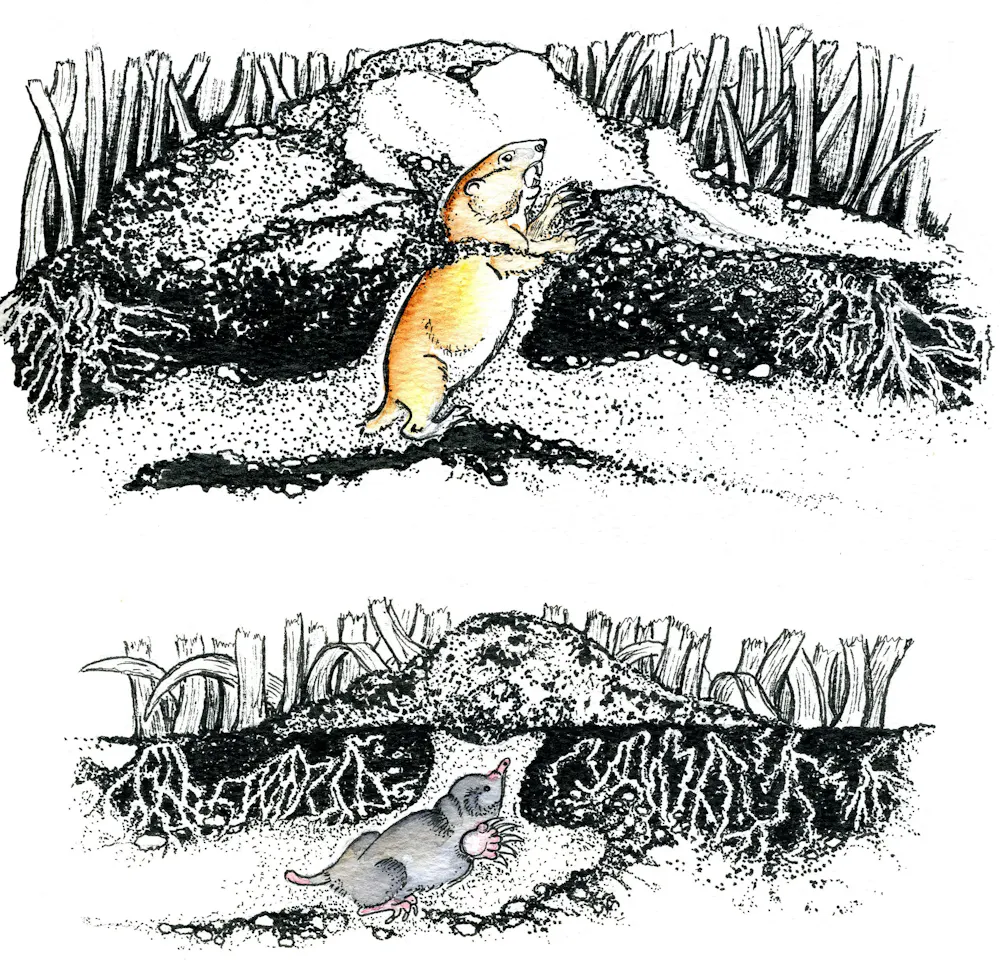
Even the cicadas singing loudly in the trees in my yard this summer left pinky-size holes in the ground as they emerged 17 years after hatching. The boom-bust cycle of cicadas has brought more moles, squirrels and birds to my neighborhood this year to munch on the nutrient-rich insects.
Where there is food, there is poop. Though the subject of feces is taboo among polite human society, it’s a fundamental, though understudied, communication method for many mammals.
Think about a dog marking its territory. Sometimes it seems they can’t go for more than a few feet before reading the pee-mail left on every prominent post. Urine, feces and gland oil act like social media posts, conveying each individual’s identity, health, height and reproductive status, the availability and quality of prey, and the extent of their territory. https://www.youtube.com/embed/-3JU_y-uI5E?wmode=transparent&start=0 Different types of animal feces from around the world.
Though most of the smell communication is lost on humans, the contents of the feces can tell a lot about the inhabitants of a neighborhood.
Domestic dog poop is usually just a big, homogeneous lump because they eat processed food, but wild canid feces is often full of bones and fur. Coyote feces is usually lumpy and larger than fox feces, which has pointy ends. Once it has weathered a bit, it’s easy to break open to find identifiable remains such as vole, rat and rabbit. Use care when inspecting feces, since it may transmit parasites.
Depending on time of year, the contents and shape of feces can vary considerably. Raccoon feces lacks the pointy ends and is often filled with seeds, but wild canids may eat lots of seeds, too. Deer feces is usually small, fibrous pellets, but those pellets may form clumps.
If you are lucky, you might find a pellet of bone and fur regurgitated by an owl near the base of a tree. Carefully break it apart and there’s a good chance you’ll find the skull of a vole or rat.

Look closely at living and dead trees to find evidence of even smaller neighbors. A fine, uniform, granular sawdust pushed from tiny holes in bark can indicate beetle larvae feces, or “frass.” A large mass of frass at the base of a tree likely indicates carpenter ants.
In contrast to dusty frass, aphids slurp sap so rich in sugar that their feces coats surrounding surfaces in, essentially, maple syrup.
All of these insects attract many species of birds. Woodpeckers are hard to miss as they loudly hammer holes into trees. But don’t blame them for tree decline – they eat the things that are killing the tree.
Dead trees are a key feature of wildlife habitat, like a bus stop, and host different occupants throughout the day and over the year.

For example, a tree buzzing with cicadas in my yard this summer is quite healthy but has one big, dead branch that has been an important way station for wildlife over the past 20 years.
A decayed cavity at the base of the branch is polished smooth with the activity of generations of squirrels, while the tip is a favorite perch of all the neighborhood birds. By night, it is visited by a great horned owl, who, I somewhat sadly note, may be scanning for my porch skunk.
This brings us to the decomposers. Animal carcasses are evidence of the neighborhood’s wild population, too, but they typically don’t last long. Insects make quick work of dead animals, often consuming the soft parts of a carcass before it is even noticed by humans.
Long after most activity around the carcass has ceased, exoskeletons left behind by the decomposers will remain in the soil. Dermestids, including the carpet beetles often found in our homes, leave fuzzy larval exoskeletons. Fly pupae look like brown pills. And sometimes adult carrion beetles keep a home underneath partially buried bones for years.


Earthworms, feasting on nutrient-soaked soil, may leave a squirt of mud like a string of hot glue, while ants will leave piles of uniformly sorted sand. Snails will visit carcasses periodically to eat the bones, leaving trails that sparkle like thin, impossibly long ribbons in the morning sun.
From snails to skunks, squirrels to cicadas, most of our neighbors are quiet and seldom interact with us, but they play important roles in the world.
As we get to know them better, through their digging, eating and decomposing, and sometimes by watching them in action, we can better understand the animals that make our own lives possible and, maybe, understand ourselves a little better, too.
Steven Sullivan, Director of the Hefner Museum of Natural History, Miami University
This article is republished from The Conversation under a Creative Commons license. Read the original article.
ooOOoo
Another super article from The Conversation.
Steven Sullivan in that last paragraph poses an interesting question “….. and sometimes by watching them in action, we can better understand the animals that make our own lives possible and, maybe, understand ourselves a little better, too.“
I wish, I wish, I wish!
I am returning to this subject.
Simply because it is so important to us humans. For the world we live in has changed, and changed drastically. Now we are ‘wired up’ and that means less time to do nothing.
In 2010 I presented a book review Mindfulness by Ellen Janger.
Now I want to share an article presented by The Conversation.
ooOOoo

Masha Remskar, Arizona State University
Most people know roughly what kind of lifestyle they should be living to stay healthy.
Think regular exercise, a balanced diet and sufficient sleep. Yet, despite all the hacks, trackers and motivational quotes, many of us still struggle to stick with our health goals.
Meanwhile, people worldwide are experiencing more lifestyle-associated chronic disease than ever before.
But what if the missing piece in your health journey wasn’t more discipline – but more stillness?
Research shows that mindfulness meditation can help facilitate this pursuit of health goals through stillness, and that getting started is easier than you might think – no Buddhist monk robes or silent retreats required.
Given how ubiquitous and accessible mindfulness resources are these days, I have been surprised to see mindfulness discussed and studied only as a mental health tool, stopping short of exploring its usefulness for a whole range of lifestyle choices.
I am a psychologist and behavioral scientist researching ways to help people live healthier lives, especially by moving more and regulating stress more efficiently.
My team’s work and that of other researchers suggests that mindfulness could play a pivotal role in paving the way for a healthier society, one mindful breath at a time.
Mindfulness has become a buzzword of late, with initiatives now present in schools, boardrooms and even among first responders. But what is it, really?
Mindfulness refers to the practice or instance of paying careful attention to one’s present-moment experience – such as their thoughts, breath, bodily sensations and the environment – and doing so nonjudgmentally. Its origins are in Buddhist traditions, where it plays a crucial role in connecting communities and promoting selflessness.
Over the past 50 years, however, mindfulness-based practice has been Westernized into structured therapeutic programs and stress-management tools, which have been widely studied for their benefits to mental and physical health.
Research has shown that mindfulness offers wide-ranging benefits to the mind, the body and productivity.
Mindfulness-based programs, both in person and digitally delivered, can effectively treat depression and anxiety, protect from burnout, improve sleep and reduce pain.
The impacts extend beyond subjective experience too. Studies find that experienced meditators – that is, people who have been meditating for at least one year – have lower markers of inflammation, which means that their bodies are better able to fight off infections and regulate stress. They also showed improved cognitive abilities and even altered brain structure.
But I find the potential for mindfulness to support a healthy lifestyle most exciting of all.

My team’s research suggests that mindfulness equips people with the psychological skills required to successfully change behavior. Knowing what to do to achieve healthy habits is rarely what stands in people’s way. But knowing how to stay motivated and keep showing up in the face of everyday obstacles such as lack of time, illness or competing priorities is the most common reason people fall off the wagon – and therefore need the most support. This is where mindfulness comes in.
Multiple studies have found that people who meditate regularly for at least two months become more inherently motivated to look after their health, which is a hallmark of those who adhere to a balanced diet and exercise regularly.
A 2024 study with over 1,200 participants that I led found more positive attitudes toward healthy habits and stronger intentions to put them into practice in meditators who practiced mindfulness for 10 minutes daily alongside a mobile app, compared with nonmeditators. This may happen because mindfulness encourages self-reflection and helps people feel more in tune with their bodies, making it easier to remember why being healthier is important to us.
Another key way mindfulness helps keep momentum with healthy habits is by restructuring one’s response to pain, discomfort and failure. This is not to say that meditators feel no pain, nor that pain during exercise is encouraged – it is not!
Mild discomfort, however, is a very common experience of novice exercisers. For example, you may feel out of breath or muscle fatigue when initially taking up a new activity, which is when people are most likely to give up. Mindfulness teaches you to notice these sensations but see them as transient and with minimal judgment, making them less disruptive to habit-building.
A classic mindfulness exercise includes observing the breath and counting inhales up to 10 at a time. This is surprisingly difficult to do without getting distracted, and a core part of the exercise is noticing the distraction and returning to the counting. In other words, mindfulness involves the practice of failure in small, inconsequential ways, making real-world perceived failure – such as a missed exercise session or a one-off indulgent meal – feel more manageable. This strengthens your ability to stay consistent in pursuit of health goals.
Finally, paying mindful attention to our bodies and the environment makes us more observant, resulting in a more varied and enjoyable exercising or eating experience. Participants in another study we conducted reported noticing the seasons changing, a greater connection to their surroundings and being better able to detect their own progress when exercising mindfully. This made them more likely to keep going in their habits.
Luckily, there are plenty of tools available to get started with mindfulness practice these days, many of them free. Mobile applications, such as Headspace or Calm, are popular and effective starting points, providing audio-guided sessions to follow along. Some are as short as five minutes. Research suggests that doing a mindfulness session first thing in the morning is the easiest to maintain, and after a month or so you may start to see the skills from your meditative practice reverberating beyond the sessions themselves.
Based on our research on mindfulness and exercise, I collaborated with the nonprofit Medito Foundation to create the first mindfulness program dedicated to moving more. When we tested the program in a research study, participants who meditated alongside these sessions for one month reported doing much more exercise than before the study and having stronger intentions to keep moving compared with participants who did not meditate. Increasingly, the mobile applications mentioned above are offering mindful movement meditations too.
If the idea of a seated practice does not sound appealing, you can instead choose an activity to dedicate your full attention to. This can be your next walk outdoors, where you notice as much about your experience and surroundings as possible. Feeling your feet on the ground and the sensations on your skin are a great place to start.
For people with even less time available, short bursts of mindfulness can be incorporated into even the busiest of routines. Try taking a few mindful, nondistracted breaths while your coffee is brewing, during a restroom break or while riding the elevator. It may just be the grounding moment you need to feel and perform better for the rest of the day.
Masha Remskar, Psychologist and Postdoctoral Researcher in Behavioral Science, Arizona State University
This article is republished from The Conversation under a Creative Commons license. Read the original article.
ooOOoo
Moments of rest are essential, grounding moments as written in the article. The article is great and has great motivation to abide by the recommendations.
Please read carefully the article and change your ways.
Looking closely at our planet!
An amazing radio programme from the BBC.
Here is the link: https://www.bbc.co.uk/programmes/m002jscf/episodes/player
More information: http://www.parkrangerdoug.com/cave-formations
The series, broadcast on BBC Radio 4, is whether there is any spot, or place, that has not been subject to man’s effects. The series consist of five fifteen-minute programmes that were broadcast last Monday to Friday.
They are still available on BBC Sounds and if you can please listen to them.
Last Picture Parade for September, 2025.
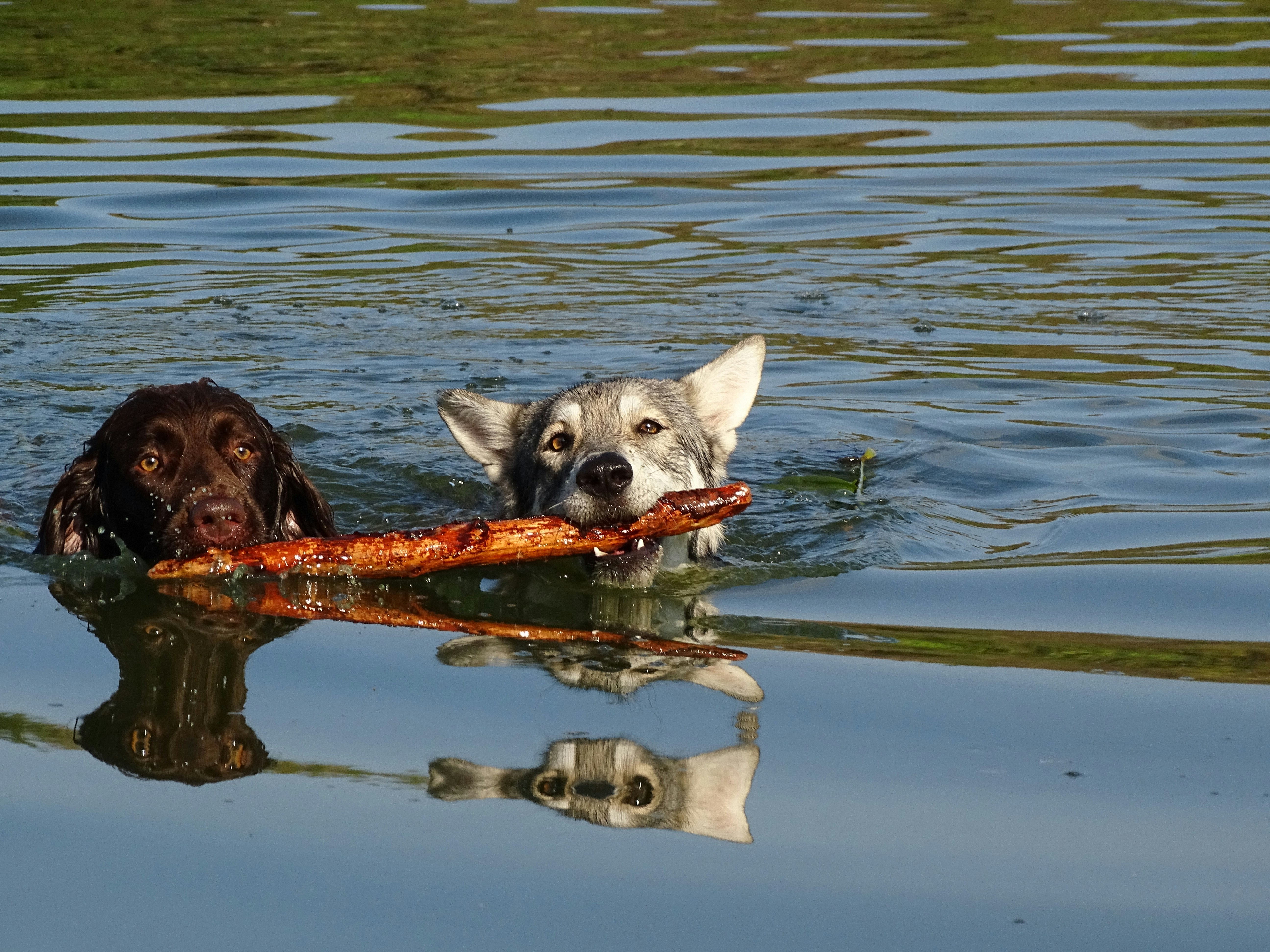
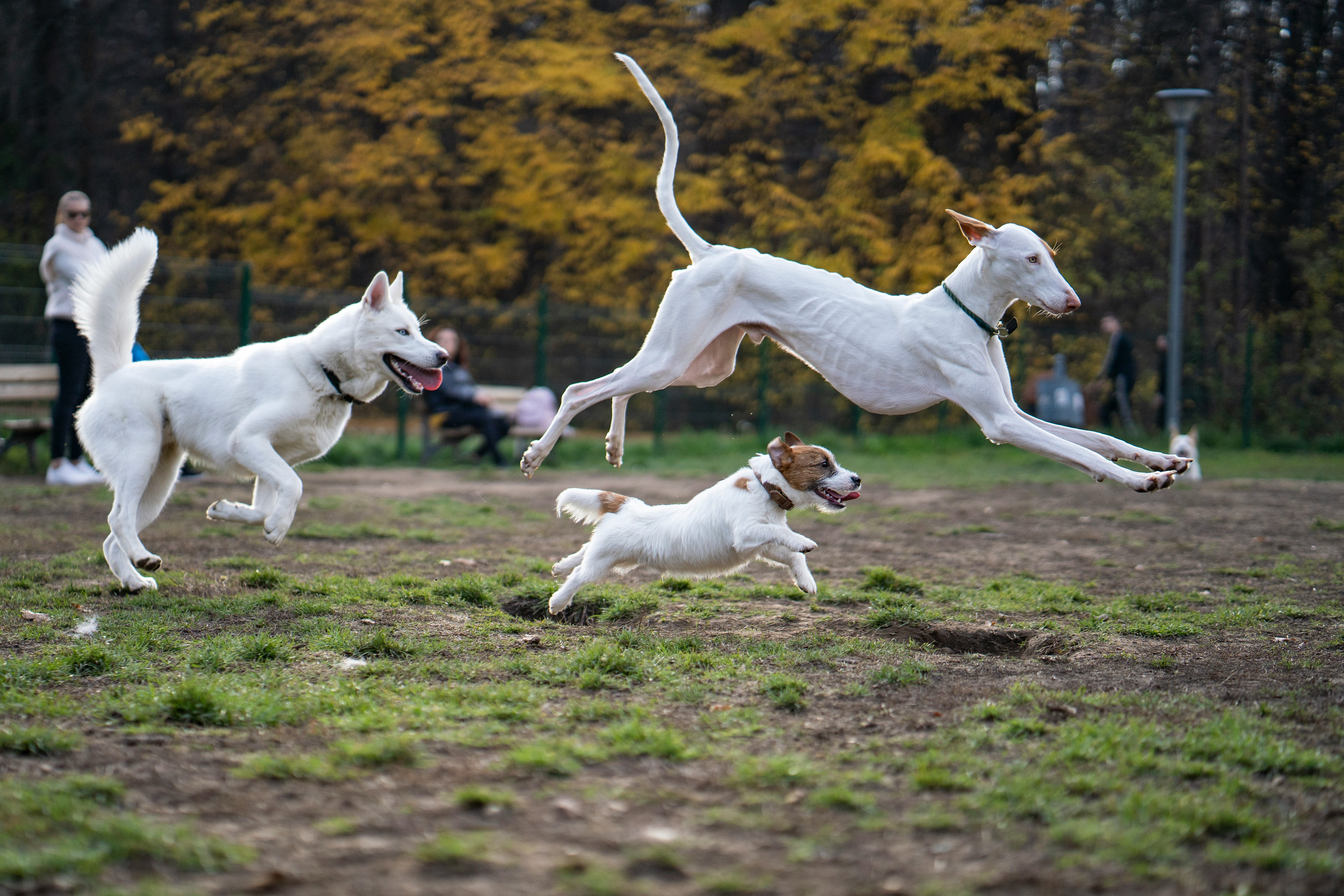
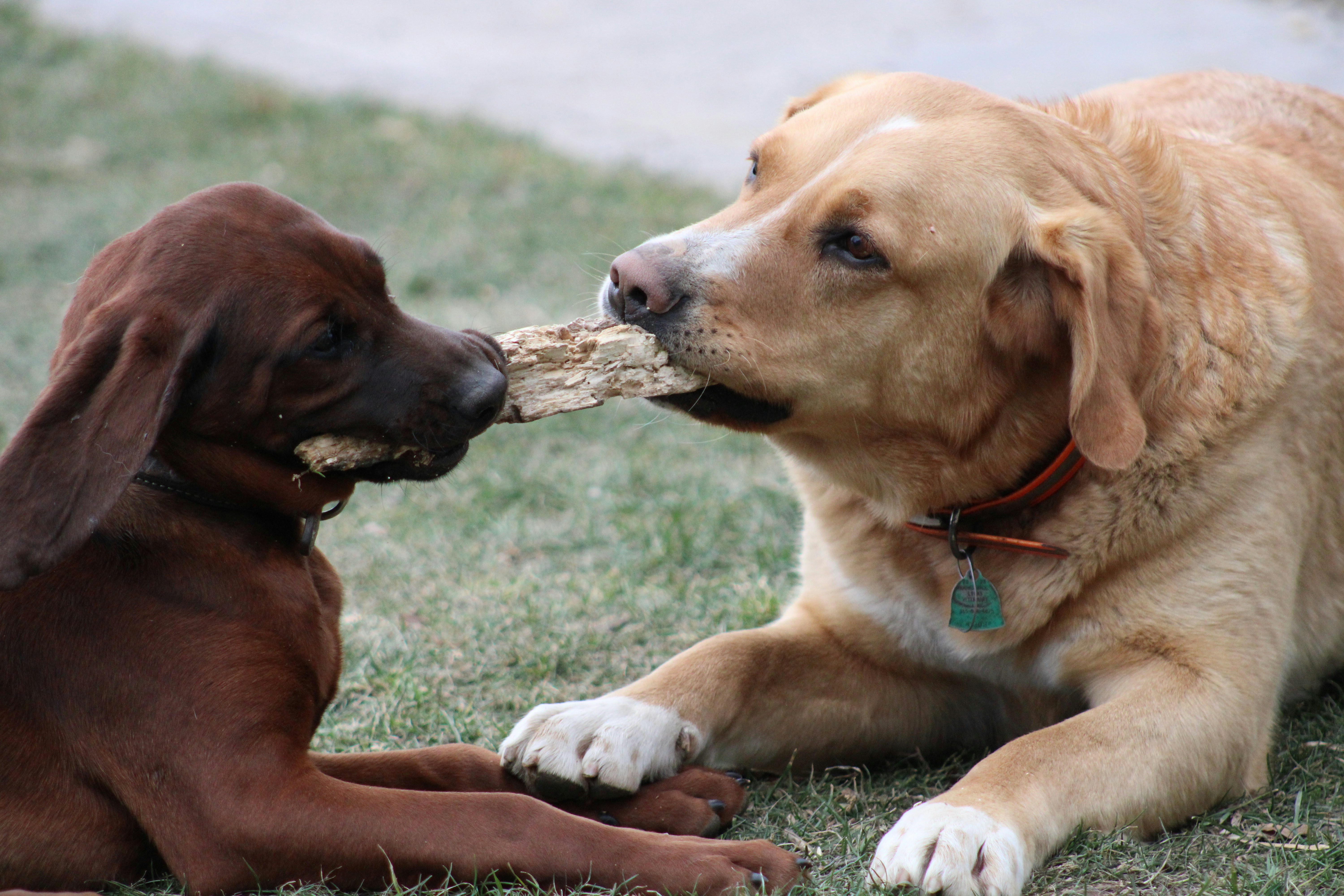
Again, the photos are downloaded from Unsplash.
oooo
oooo
oooo

oooo
oooo

oooo
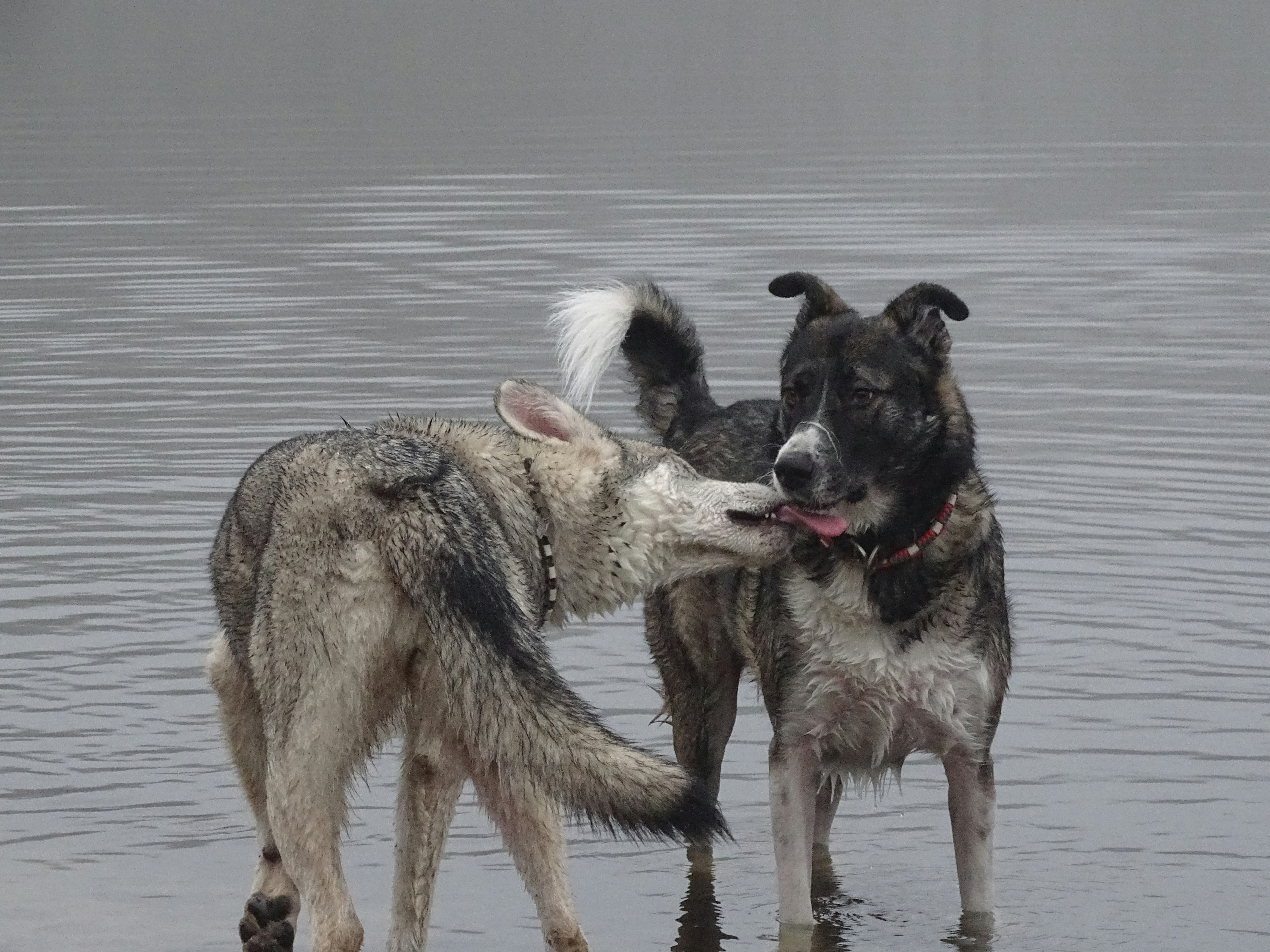
Wonderful, beautiful animals!
🐶❤️ Because the love of a dog changes your day.
Thank you, John.
A terrific set of videos!
John Zande sent me an email yesterday. It contained a link that when clicked on took me to a series of videos.
Here is the first one I looked at:
That link sent by John is here: https://www.youtube.com/@BarkBondOfc
Yesterday was the autumn equinox.
The exact time was Mon, Sep 22, 2025, 11:19 AM. This is for the Northern Hemisphere and is Pacific Time.
Hope this finds a home with some of you!
Welcome to the fall Equinox or September Eqinox Meditation on September 22nd. Autumn is a time of change – Welcome to this guided autumn meditation for letting go, renew & cleanse – recharge your inner core, find balance and prepare for the new start. Autumn Equinox in September is a season of change. Fall Equinox is a great opportunity to let go of unnecessary burdens and to self heal and prepare for the new start in the spring.
Back to dogs; this time dogs being trained.
Still with Unsplash. And apologies for any duplications.
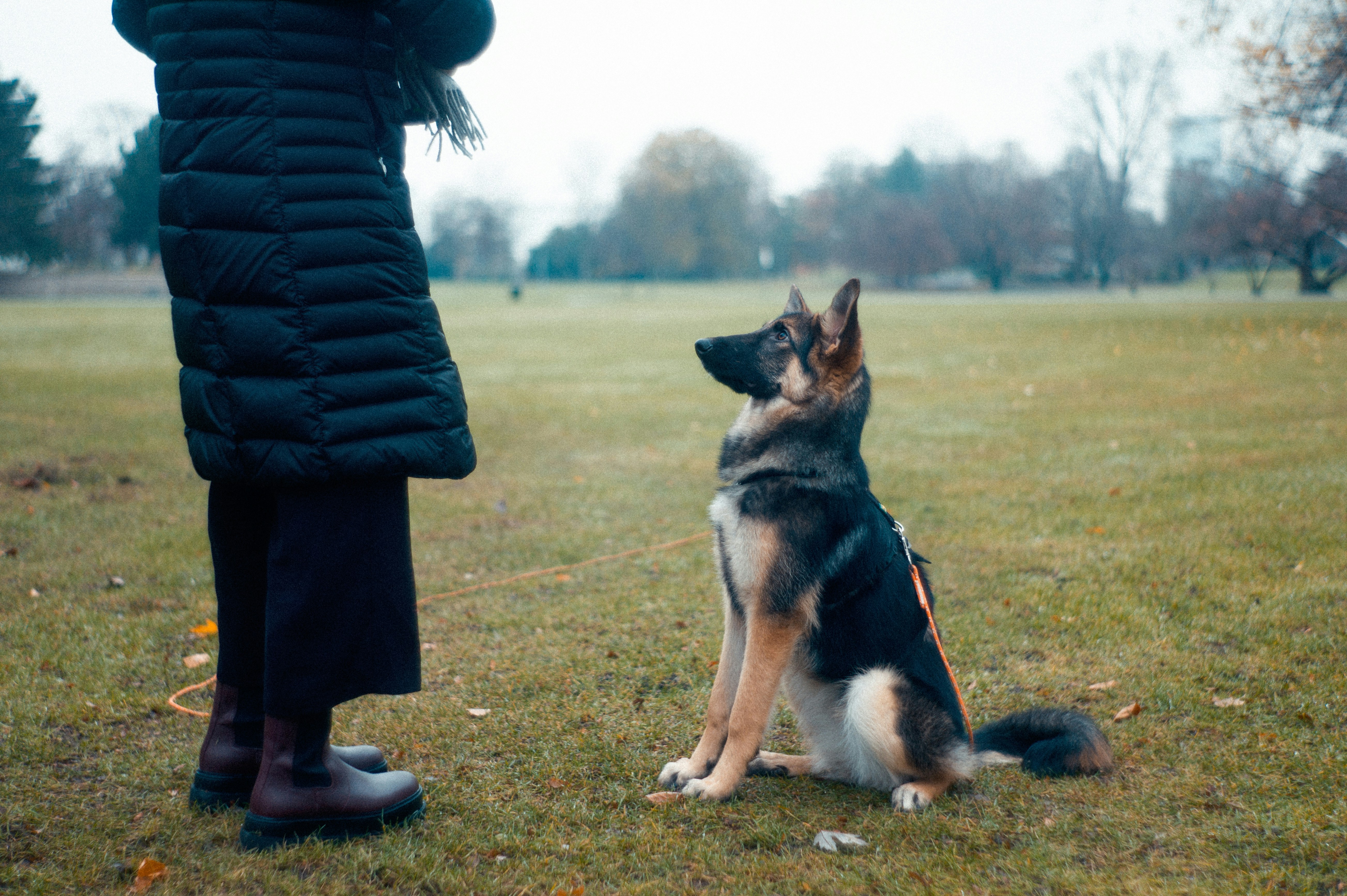
oooo
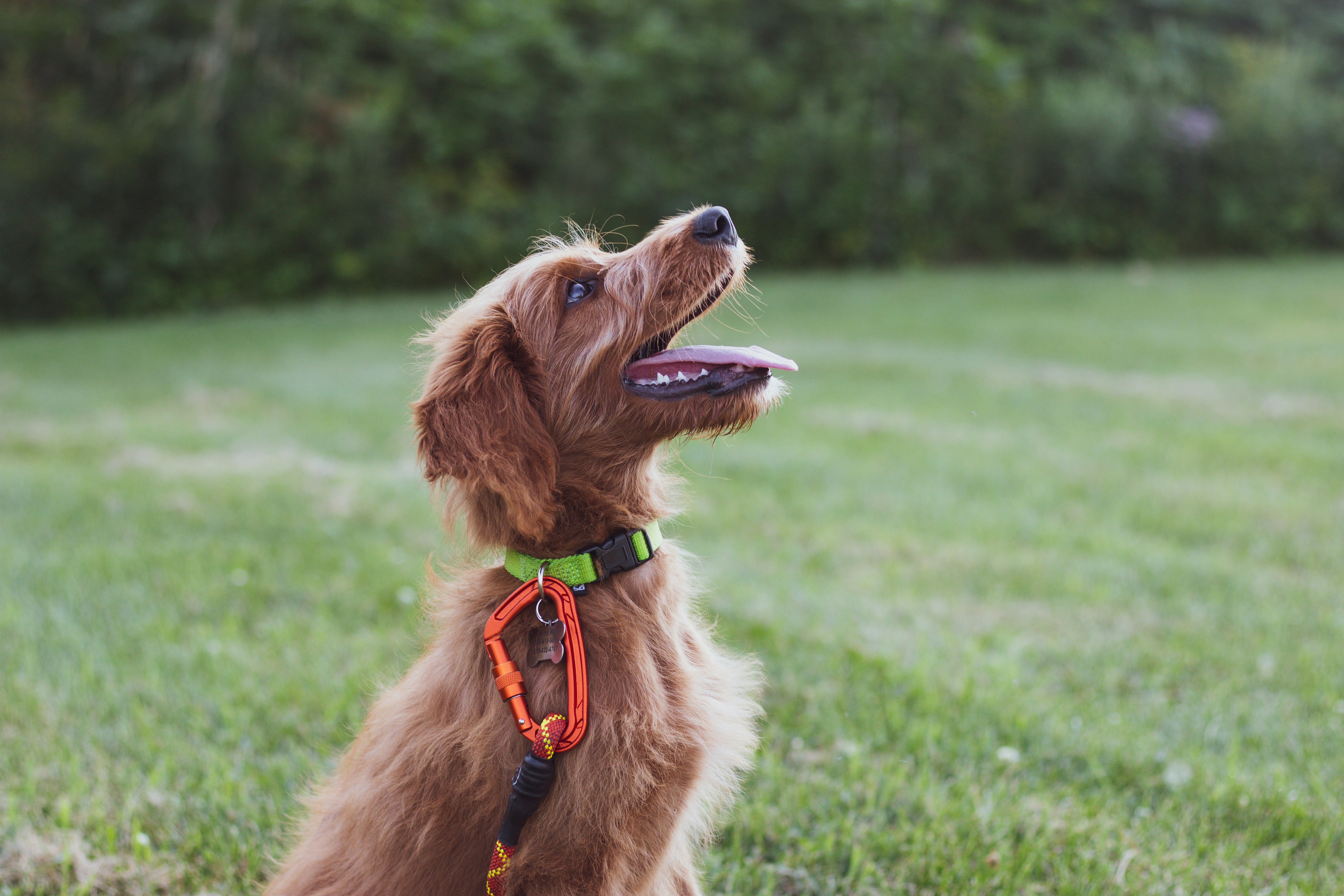
oooo
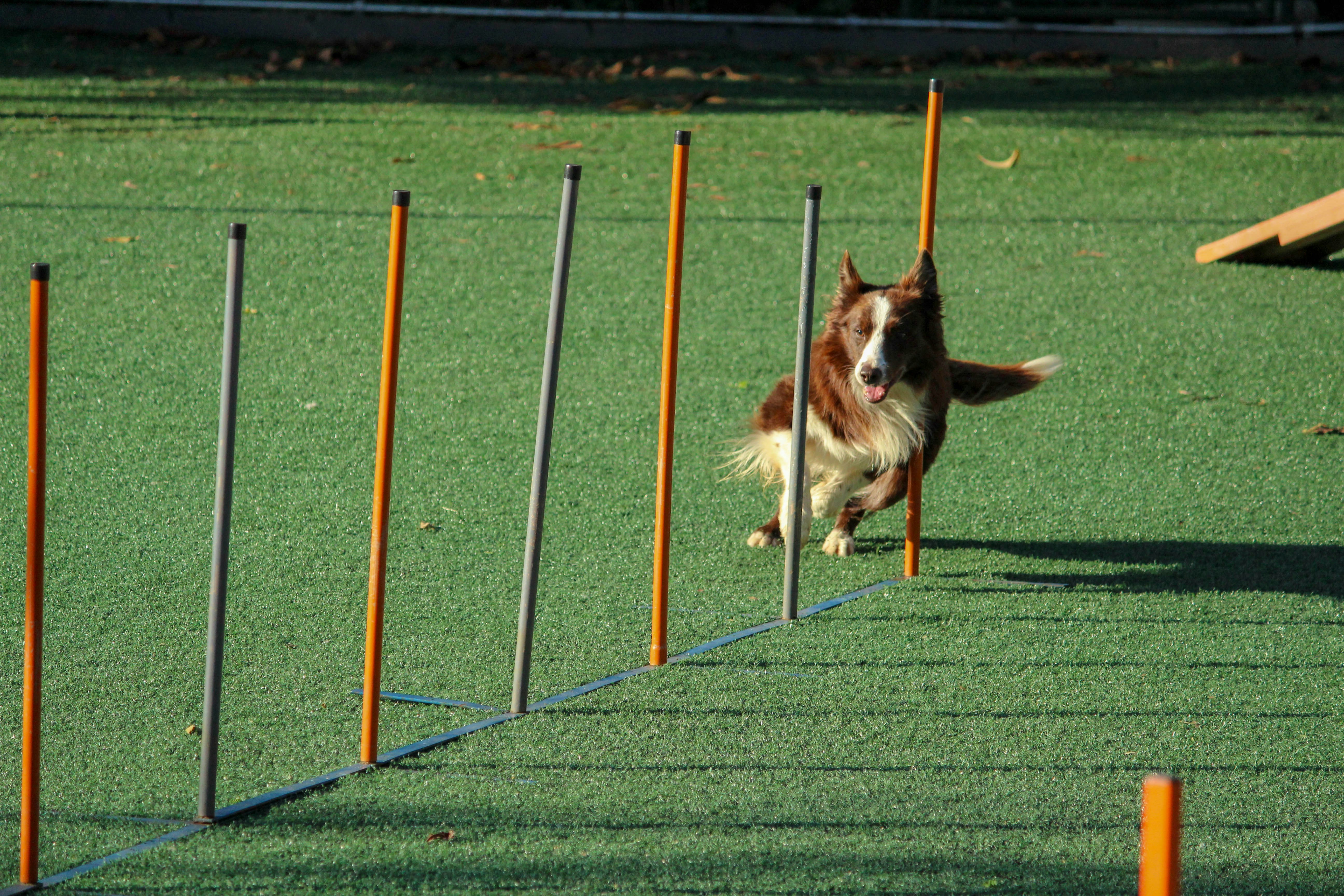
oooo
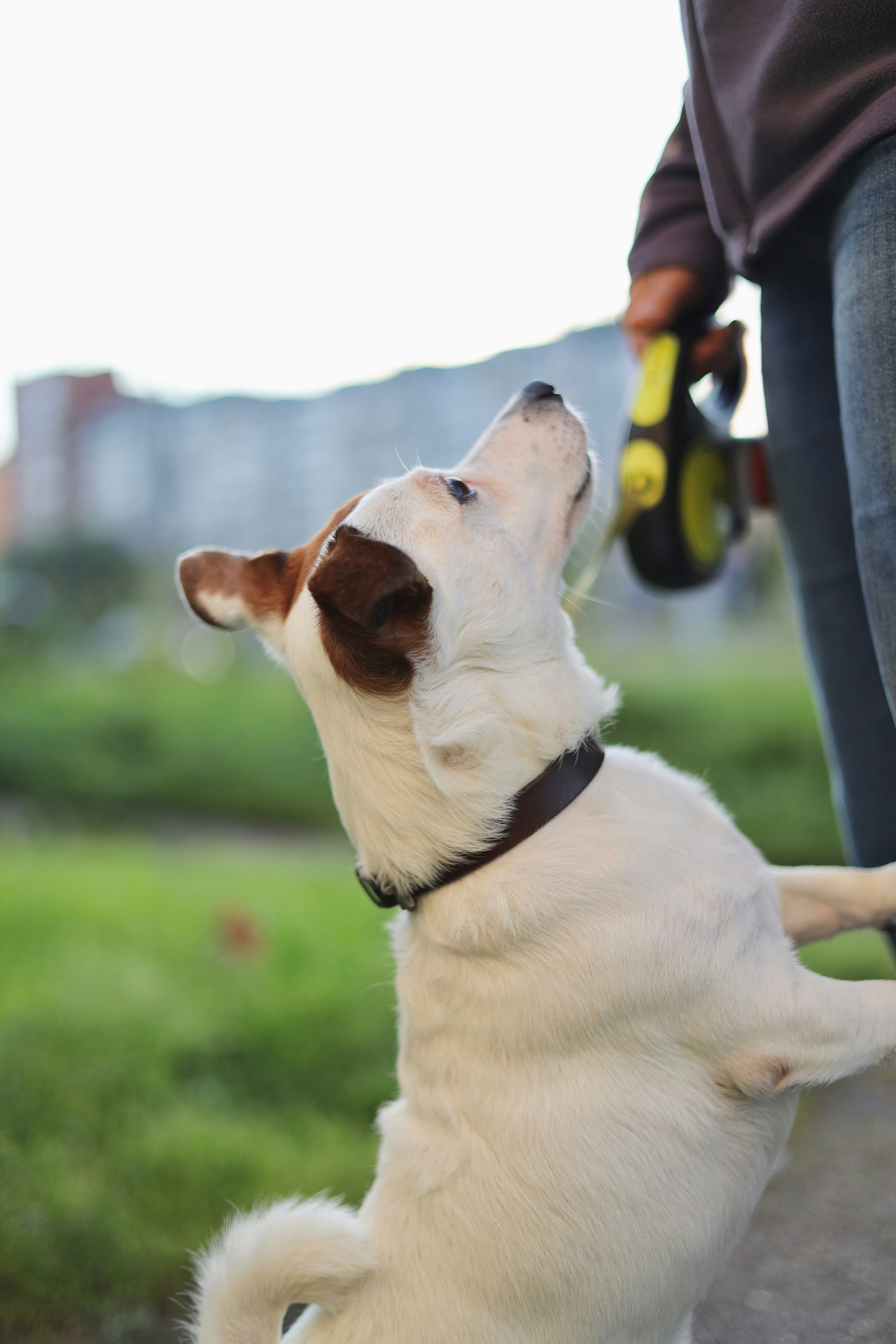
oooo
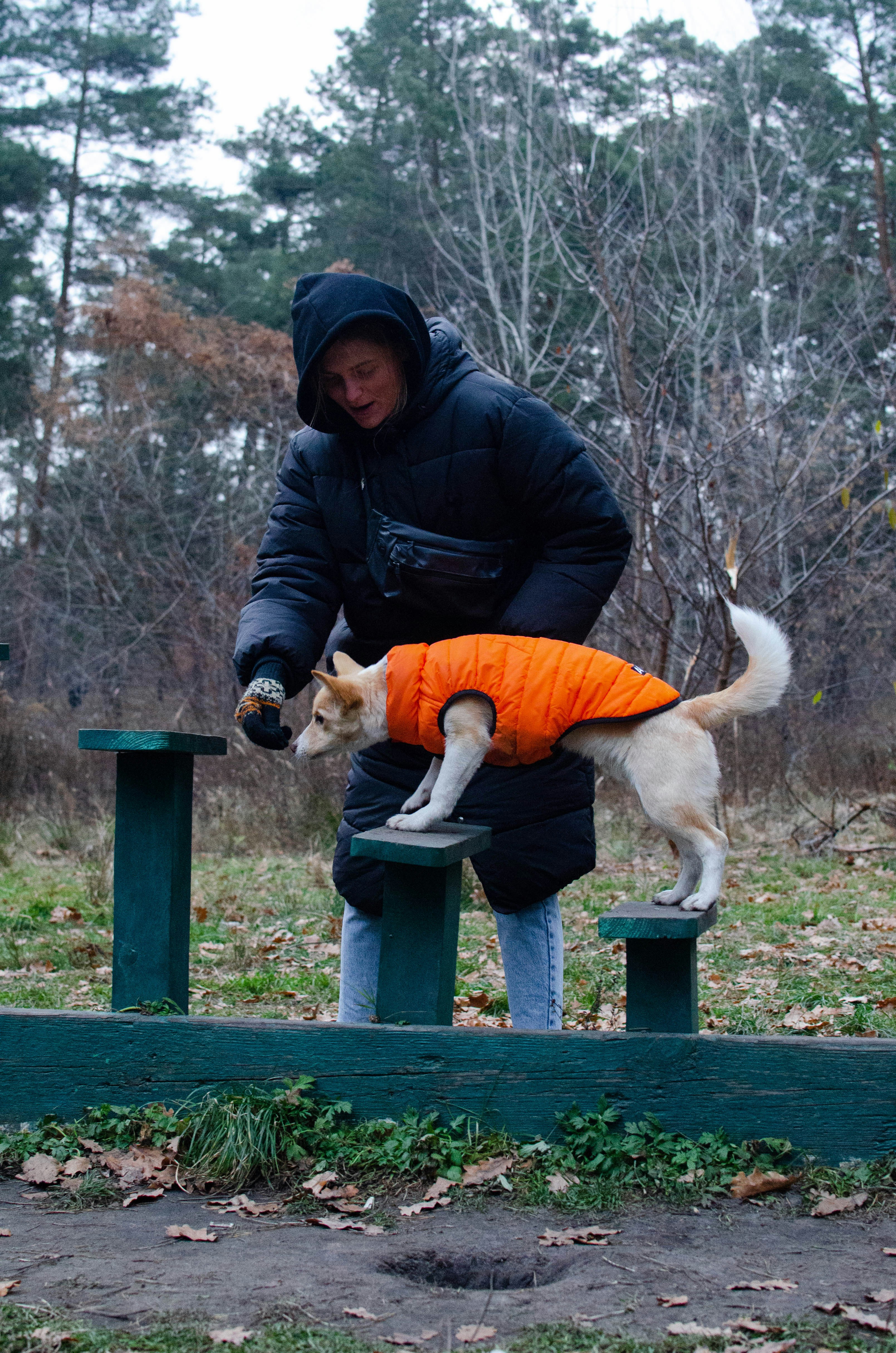
oooo
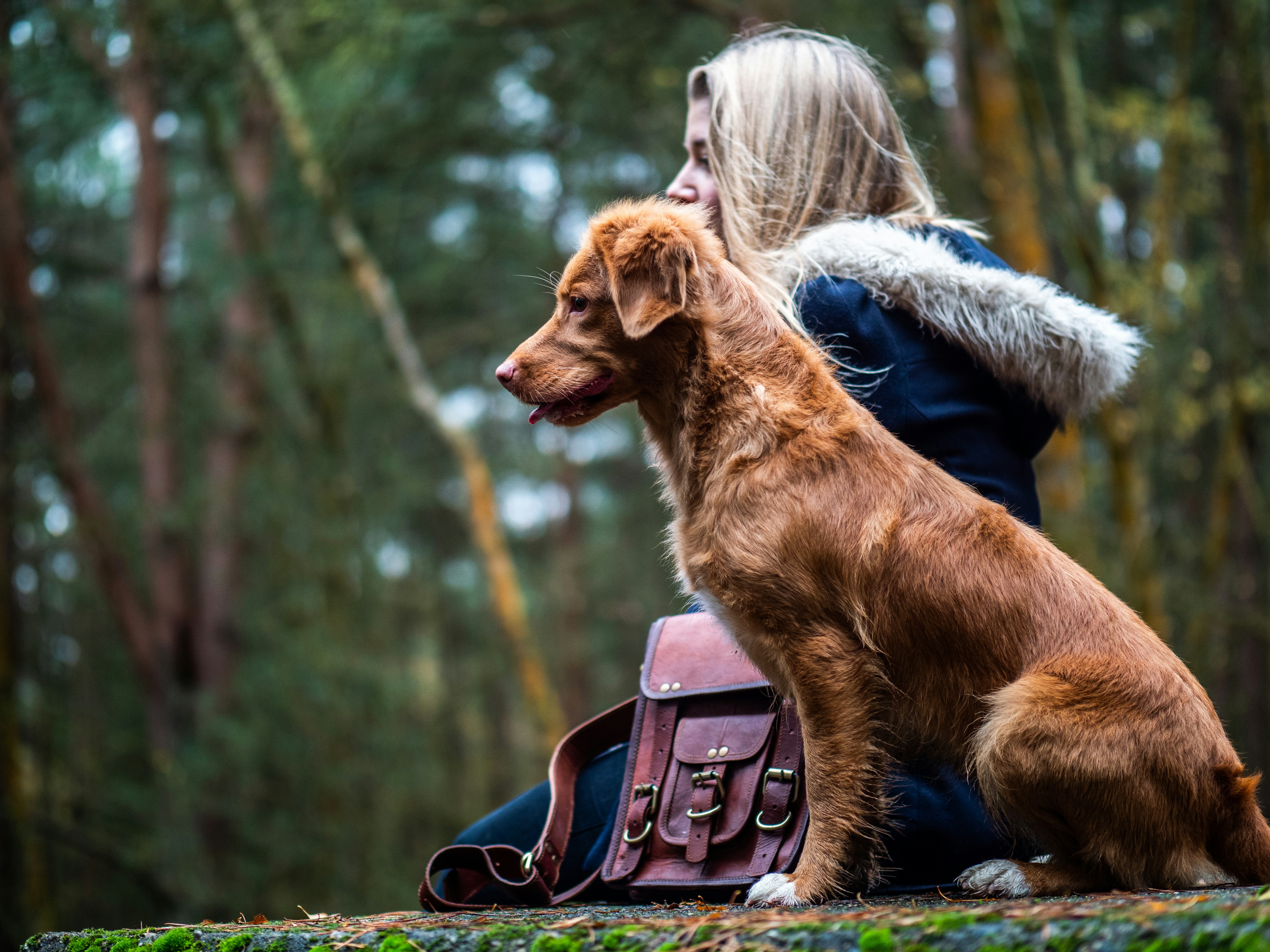
oooo
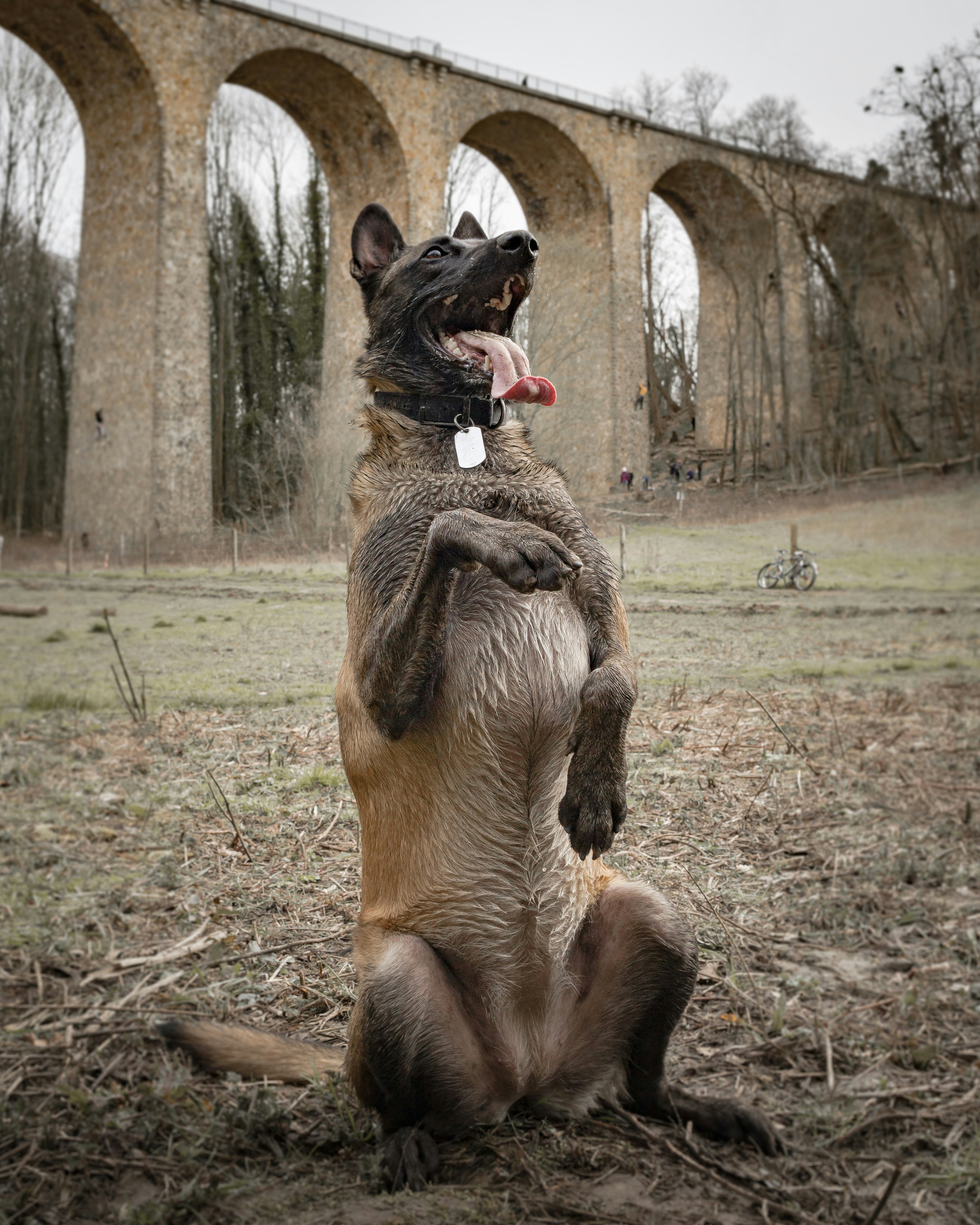
More photographs in a week’s time.
The title says it all!
We live in a world that is rapidly becoming more and more digital. But we also live in a world where the criminals are becoming better at carrying out their crimes. So a recent article in The Conversation seemed appropriate to republish.
ooOOoo

Rahul Telang, Carnegie Mellon University
Scams are nothing new – fraud has existed as long as human greed. What changes are the tools.
Scammers thrive on exploiting vulnerable, uninformed users, and they adapt to whatever technologies or trends dominate the moment. In 2025, that means AI, cryptocurrencies and stolen personal data are their weapons of choice.
And, as always, the duty, fear and hope of their targets provide openings. Today, duty often means following instructions from bosses or co-workers, who scammers can impersonate. Fear is that a loved one, who scammers also can impersonate, is in danger. And hope is often for an investment scheme or job opportunity to pay off.
Artificial intelligence is no longer niche – it’s cheap, accessible and effective. While businesses use AI for advertising and customer support, scammers exploit the same tools to mimic reality, with disturbing precision.
Deepfake scams use high-tech tools and old-fashioned emotional manipulation.
Criminals are using AI-generated audio or video to impersonate CEOs, managers or even family members in distress. Employees have been tricked into transferring money or leaking sensitive data. Over 105,000 such deepfake attacks were recorded in the U.S. in 2024, costing more than US$200 million in the first quarter of 2025 alone. Victims often cannot distinguish synthetic voices or faces from real ones.
Fraudsters are also using emotional manipulation. The scammers make phone calls or send convincing AI-written texts posing as relatives or friends in distress. Elderly victims in particular fall prey when they believe a grandchild or other family member is in urgent trouble. The Federal Trade Commission has outlined how scammers use fake emergencies to pose as relatives.
Crypto remains the Wild West of finance — fast, unregulated and ripe for exploitation.
Pump-and-dump scammers artificially inflate the price of a cryptocurrency through hype on social media to lure investors with promises of huge returns – the pump – and then sell off their holdings – the dump – leaving victims with worthless tokens.
Pig butchering is a hybrid of romance scams and crypto fraud. Scammers build trust over weeks or months before persuading victims to invest in fake crypto platforms. Once the scammers have extracted enough money from the victim, they vanish.
Pig-butchering scams lure people into fake online relationships, often with devastating consequences.
Scammers also use cryptocurrencies as a means of extracting money from people in impersonation scams and other forms of fraud. For example, scammers direct victims to bitcoin ATMs to deposit large sums of cash and convert it to the untraceable cryptocurrency as payment for fictitious fines.
Old scams don’t die; they evolve.
Phishing and smishing have been around for years. Victims are tricked into clicking links in emails or text messages, leading to malware downloads, credential theft or ransomware attacks. AI has made these lures eerily realistic, mimicking corporate tone, grammar and even video content.
Tech support scams often start with pop-ups on computer screens that warn of viruses or identity theft, urging users to call a number. Sometimes they begin with a direct cold call to the victim. Once the victim is on a call with the fake tech support, the scammers convince victims to grant remote access to their supposedly compromised computers. Once inside, scammers install malware, steal data, demand payment or all three.
Fake websites and listings are another current type of scam. Fraudulent sites impersonating universities or ticket sellers trick victims into paying for fake admissions, concerts or goods.
One example is when a website for “Southeastern Michigan University” came online and started offering details about admission. There is no such university. Eastern Michigan University filed a complaint that Southeastern Michigan University was copying its website and defrauding unsuspecting victims.
The rise of remote and gig work has opened new fraud avenues.
Victims are offered fake jobs with promises of high pay and flexible hours. In reality, scammers extract “placement fees” or harvest sensitive personal data such as Social Security numbers and bank details, which are later used for identity theft.
Technology has changed, but the basic principles remain the same: Never click on suspicious links or download attachments from unknown senders, and enter personal information only if you are sure that the website is legitimate. Avoid using third-party apps or links. Legitimate businesses have apps or real websites of their own.
Enable two-factor authentication wherever possible. It provides security against stolen passwords. Keep software updated to patch security holes. Most software allows for automatic update or warns about applying a patch.
Remember that a legitimate business will never ask for personal information or a money transfer. Such requests are a red flag.
Relationships are a trickier matter. The state of California provides details on how people can avoid being victims of pig butchering.
Technology has supercharged age-old fraud. AI makes deception virtually indistinguishable from reality, crypto enables anonymous theft, and the remote-work era expands opportunities to trick people. The constant: Scammers prey on trust, urgency and ignorance. Awareness and skepticism remain your best defense.
Rahul Telang, Professor of Information Systems, Carnegie Mellon University
This article is republished from The Conversation under a Creative Commons license. Read the original article.
ooOOoo
That last paragraph really spells out how it is in the modern world. I repeat that last sentence: “Awareness and skepticism remain your best defense.“

 Learning from Dogs
.jpg)


.jpg)