Author: Paul Handover

Keeping your dog healthy!

Another excellent guest post from Penny Martin.

I love what Penny does and it sure does take the pressure off me because I know that Penny’s posts are first class.

This is a topic that every dog owner is keen on – keeping one’s dog fit and healthy.

Over to Penny.

ooOOoo

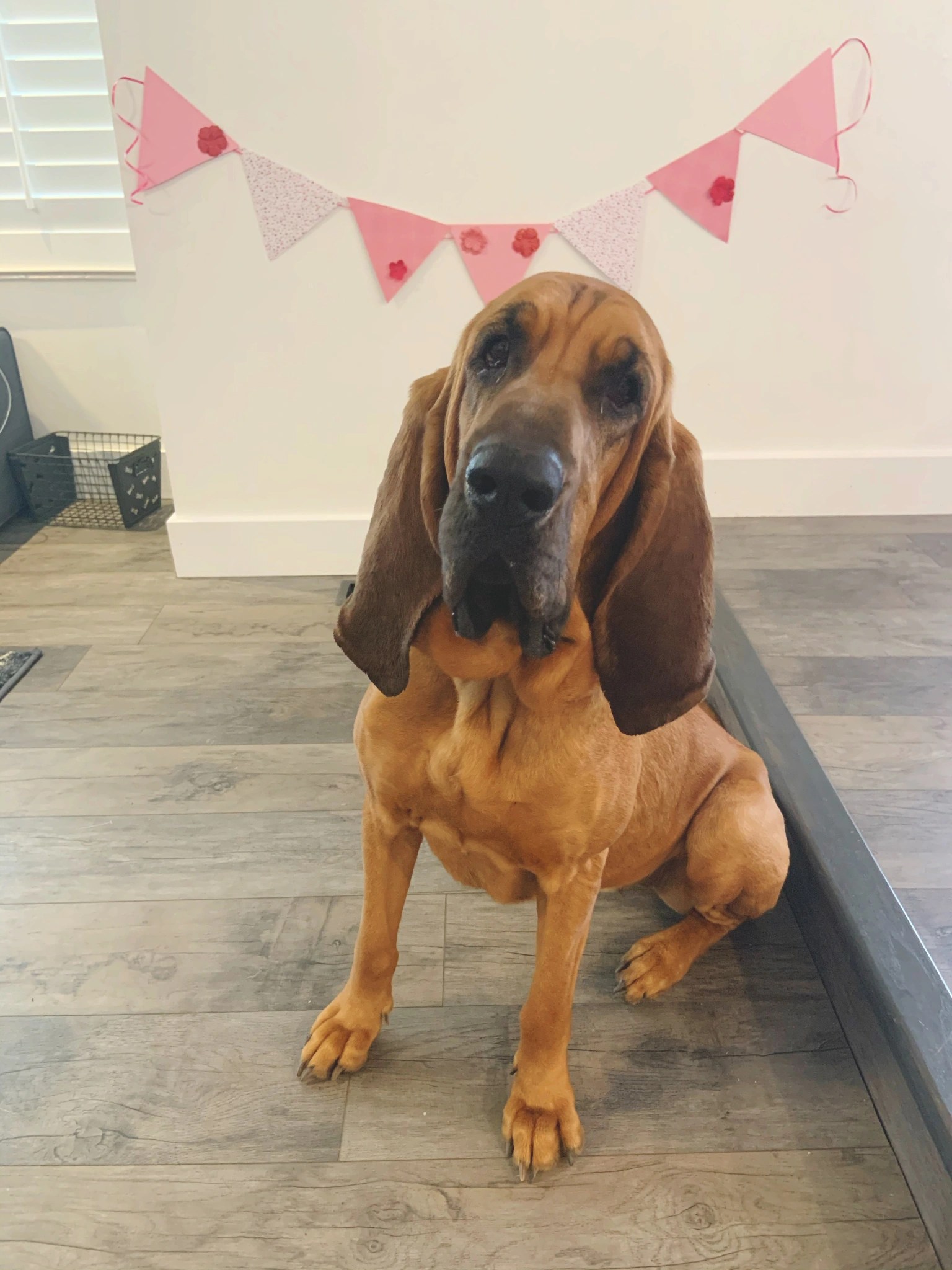
Image: Pexels

Keep Your Dog Healthy and Fit With This Essential Care Guide

Keeping your dog healthy and fit is a priority if you want to ensure he lives a long and happy life, but it can be difficult to know where to start. It’s important to make sure that your pup stays active, eats the right food, and gets the proper amount of exercise, but there’s more you can do to help him get fit and maintain great health. Use this guide from Learning from Dogs to create a wellness strategy for your four-legged friend and give him the long life he deserves.

Help Your Dog Stay Active

It’s important to keep your pup active throughout the day, especially if he spends time home alone while you’re at work. Take him on walks or let them run around in the yard; these activities will help keep them physically fit as well as mentally stimulated, and you can hire a pet sitter or dog-walker to help out. If you live in an area that isn’t very dog-friendly, look for a local dog park where he can run around safely.

Stimulate His Mind

While physical activity is crucial for your pet, there are also many toys and products available on the market that can help increase his activity levels. Investing in dog puzzles, treat dispensers, and chew toys can help keep your dog entertained while also providing an opportunity to burn off some extra energy throughout the day. This will also work to prevent behavioral issues if he spends time alone. 

Improve His Diet With Quality Food

Investing in higher-quality food for your pup is essential for their health and well-being. Look for foods that are made with natural ingredients and provide all the nutrients they need. Avoid foods with artificial colors, flavors, and preservatives as these could potentially be harmful to your dog’s health. 

You can also try air-dried food, which is cooked slowly to ensure it retains the maximum amount of nutrients and flavor. This option deserves a look, as it is also low in carbs and higher in protein than wet food options. You can even order a sample to check it out for yourself before investing.

Regulate Meals and Treats

In addition to making sure he has the right type of food, it’s important to feed your dog the required amount of food each day according to his size and age. Too little or too much could lead to health issues down the line. Additionally, limit treats, as they can contain high amounts of sugar which could lead to weight gain or other health problems over time.

Get Professional Advice

If you notice that your pup needs to lose a significant amount of weight, Chewy says that it’s best to work with a vet who can provide advice on how best to do so safely without causing harm or stress to him. Doing it this way will guarantee that your weight loss plan is secure, and you’ll still be able to give him the best possible nutrition. This is especially important if your dog is older.

Prepare With The Right Gear

Having quality gear like durable leashes and harnesses when taking your pet out for walks is essential for their safety as well as yours. Investing in quality gear now will save you money in the long run, as it will last longer than cheaper alternatives which may break easily over time due to wear and tear. Look for a harness that is comfortable and adjustable in a durable fabric.

Treat Your Dog with the Love They Deserve

Keeping your dog safe, comfortable, and healthy can go a long way toward ensuring that he’s with you for a long time. By feeding him high-quality dog food, making sure he gets enough exercise, and investing in the right gear, you can give your dog many more years. Just make sure you consult your vet with any issues along the way.

We can – and should – learn a lot from our four-legged friends and their ability to give unconditional love. Check out Learning from Dogs online to find inspiration for loving and living your life every day.

ooOOoo

All very sound advice and, once again, Penny is to be thanked for submitting this guest post. Thank you, Penny!

Good posture

Why it is so important!

We go to the local Club Northwest. Jean attends the Rock Steady class and I work for an hour with Bruce Pilgreen, one of the staff. Bruce is very knowledgeable of human bodies and, indeed, trained as a Coach some years ago.

About a month ago Bruce showed me how to lay on my back, with my legs pulled back and my head slightly raised on a small cushion. My hands were palm upwards and about forty degrees either side of my body. The point of this position was to feel my spine, particularly my lower spine, flat against the ground and practice deep breathing at the same time. It was all to do with posture and Bruce remarked how common bad posture was to be seen out in the streets.

Well I came across a MedlinePlus item on Posture and wanted to share it with you all.

ooOOoo

Guide to Good Posture

Summary

Good posture is about more than standing up straight so you can look your best. It is an important part of your long-term health. Making sure that you hold your body the right way, whether you are moving or still, can prevent pain, injuries, and other health problems.

What is posture?

Posture is how you hold your body. There are two types:

  • Dynamic posture is how you hold yourself when you are moving, like when you are walking, running, or bending over to pick up something.
  • Static posture is how you hold yourself when you are not moving, like when you are sitting, standing, or sleeping.

It is important to make sure that you have good dynamic and static posture.

The key to good posture is the position of your spine. Your spine has three natural curves – at your neck, mid back, and low back. Correct posture should maintain these curves, but not increase them. Your head should be above your shoulders, and the top of your shoulder should be over the hips.

How can posture affect my health?

Poor posture can be bad for your health. Slouching or slumping over can:

  • Misalign your musculoskeletal system
  • Wear away at your spine, making it more fragile and prone to injury
  • Cause neck, shoulder, and back pain
  • Decrease your flexibility
  • Affect how well your joints move
  • Affect your balance and increase your risk of falling
  • Make it harder to digest your food
  • Make it harder to breathe

How can I improve my posture in general?

  • Be mindful of your posture during everyday activities, like watching television, washing dishes, or walking
  • Stay active. Any kind of exercise may help improve your posture, but certain types of exercises can be especially helpful. They include yoga, tai chi, and other classes that focuses on body awareness. It is also a good idea to do exercises that strengthen your core (muscles around your back, abdomen, and pelvis).
  • Maintain a healthy weight. Extra weight can weaken your abdominal muscles, cause problems for your pelvis and spine, and contribute to low back pain. All of these can hurt your posture.
  • Wear comfortable, low-heeled shoes. High heels, for example, can throw off your balance and force you to walk differently. This puts more stress on your muscles and harms your posture.
  • Make sure work surfaces are at a comfortable height for you, whether you’re sitting in front of a computer, making dinner, or eating a meal.

How can I improve my posture when sitting?

Many Americans spend a lot of their time sitting – either at work, at school, or at home. It is important to sit properly, and to take frequent breaks:

  • Switch sitting positions often
  • Take brief walks around your office or home
  • Gently stretch your muscles every so often to help relieve muscle tension
  • Don’t cross your legs; keep your feet on the floor, with your ankles in front of your knees
  • Make sure that your feet touch the floor, or if that’s not possible, use a footrest
  • Relax your shoulders; they should not be rounded or pulled backwards
  • Keep your elbows in close to your body. They should be bent between 90 and 120 degrees.
  • Make sure that your back is fully supported. Use a back pillow or other back support if your chair does not have a backrest that can support your lower back’s curve.
  • Make sure that your thighs and hips are supported. You should have a well-padded seat, and your thighs and hips should be parallel to the floor.

How can I improve my posture when standing?

  • Stand up straight and tall
  • Keep your shoulders back
  • Pull your stomach in
  • Put your weight mostly on the balls of your feet
  • Keep your head level
  • Let your arms hang down naturally at your sides
  • Keep your feet about shoulder-width apart

With practice, you can improve your posture; you will look and feel better.

ooOOoo

There you are! I am sure that many, many people do not have good posture and the guidance above may just inspire you to aim for better posture.

Picture Parade Four Hundred and Seventy-Four

Back to Unsplash!

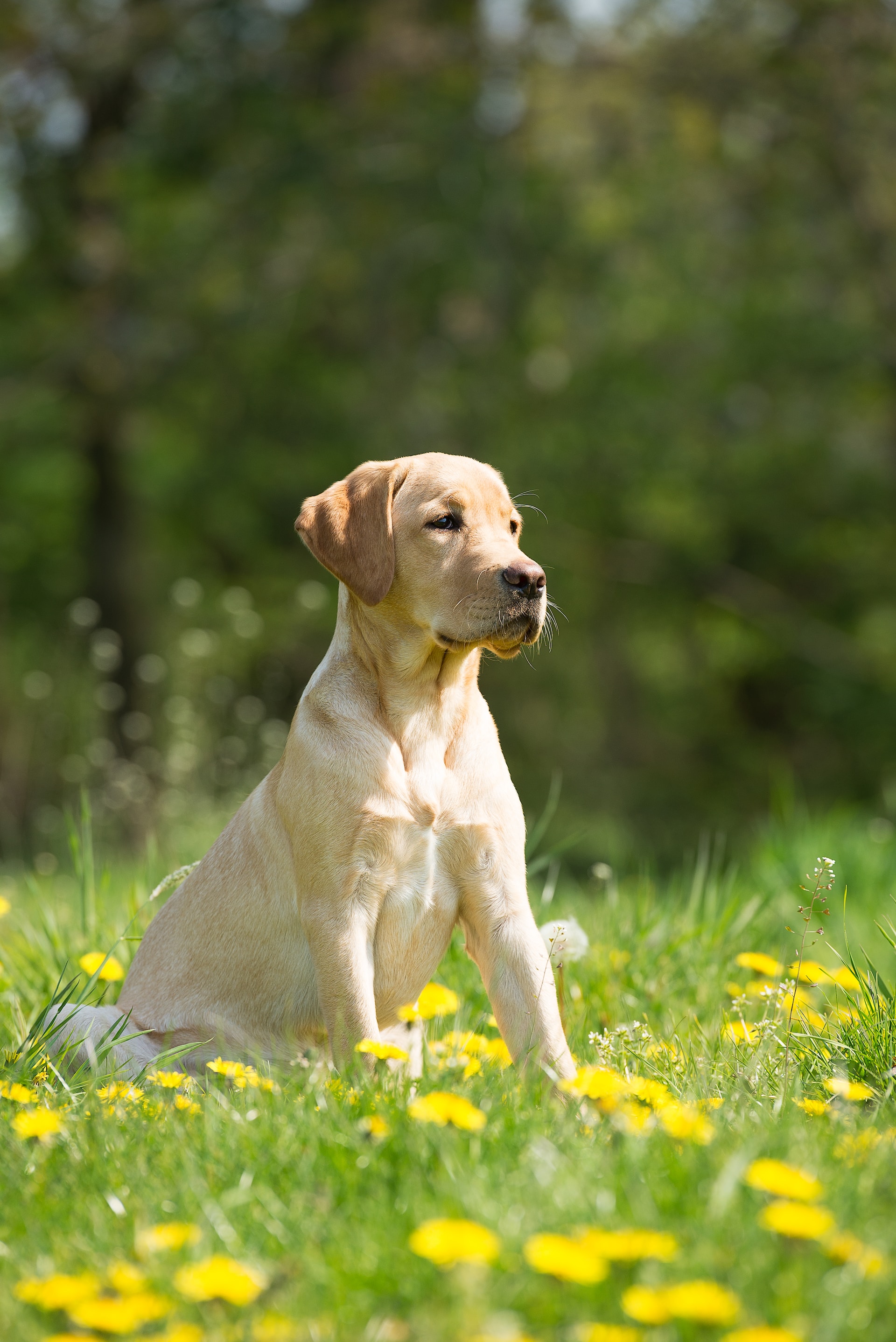
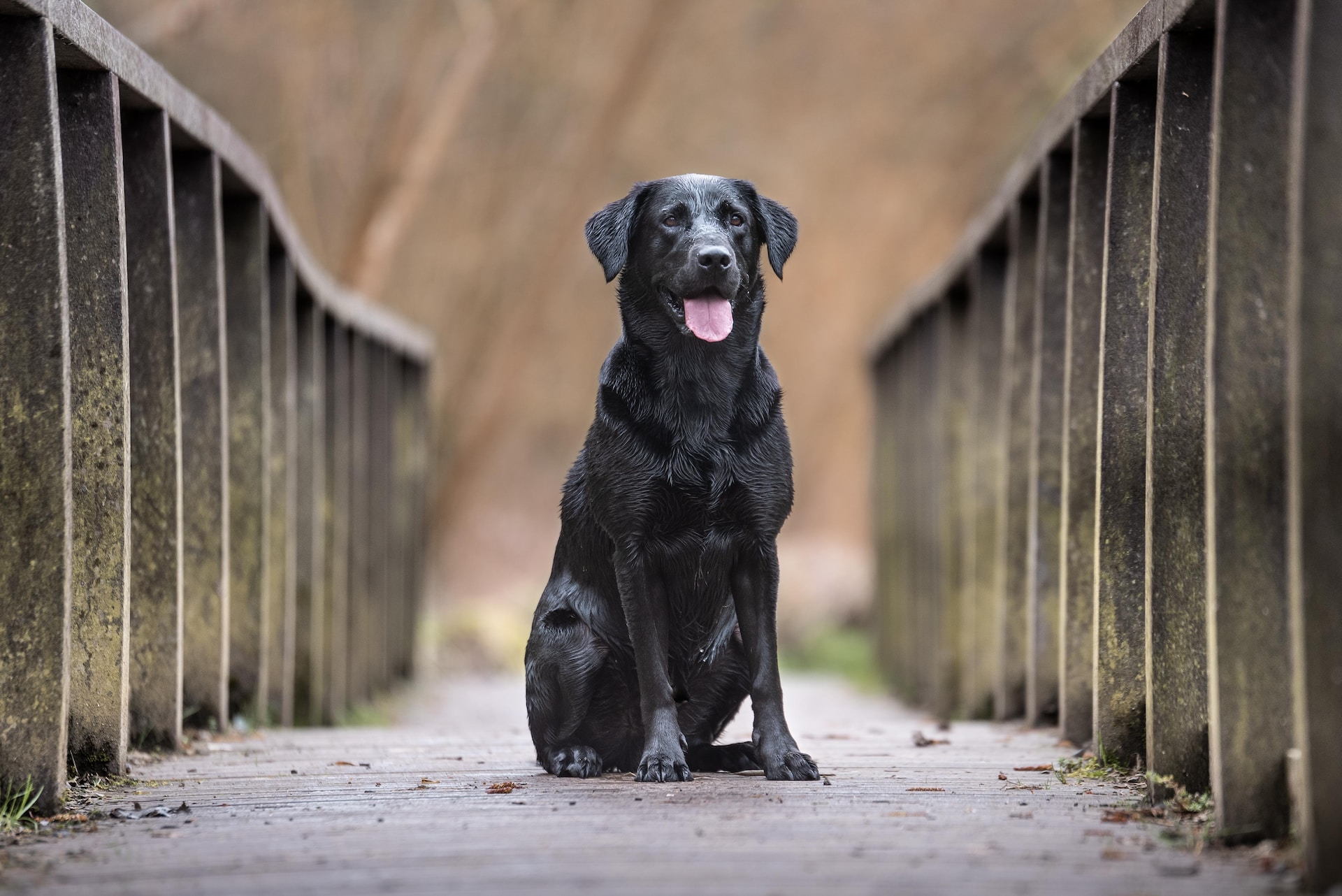
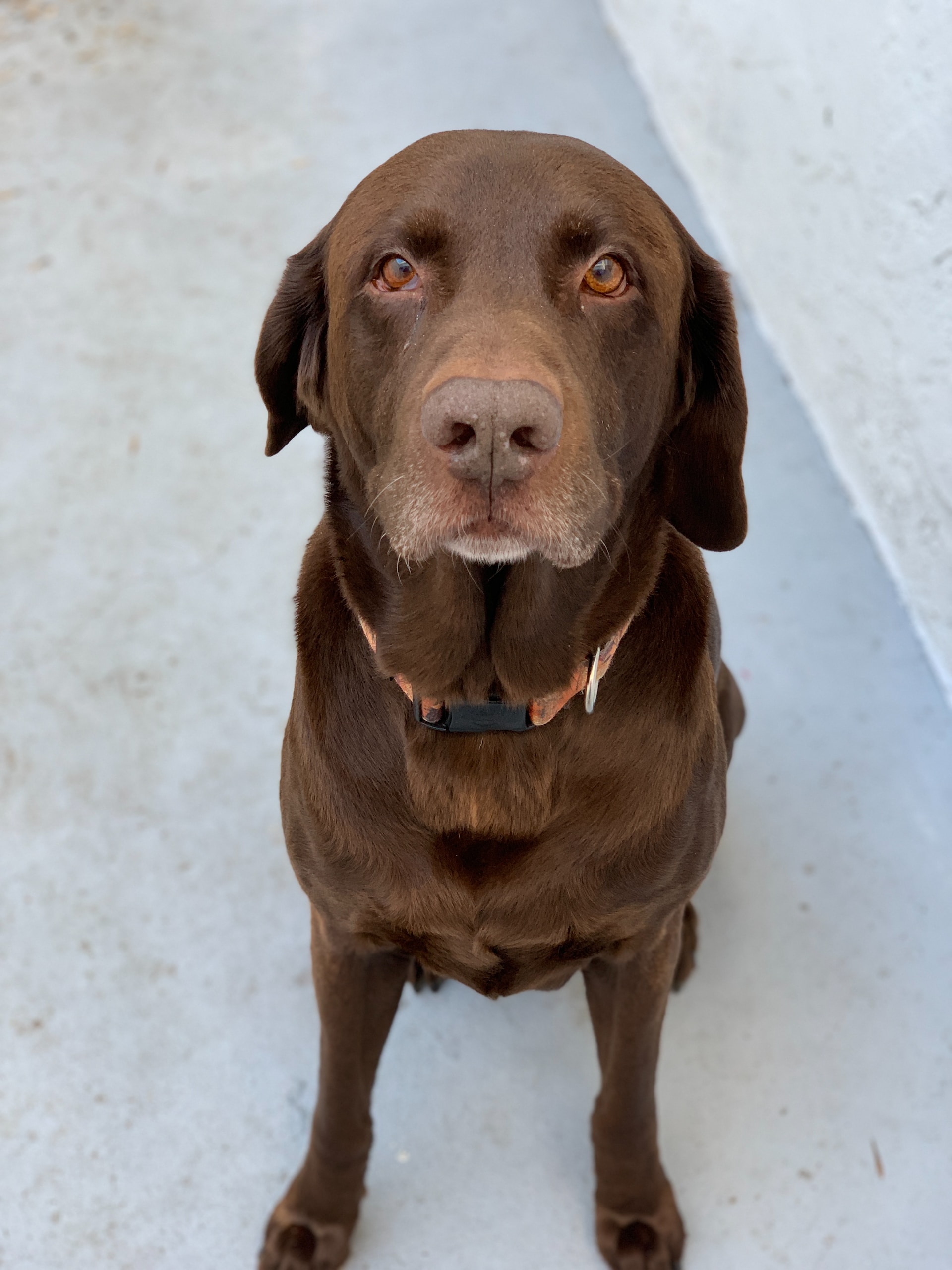
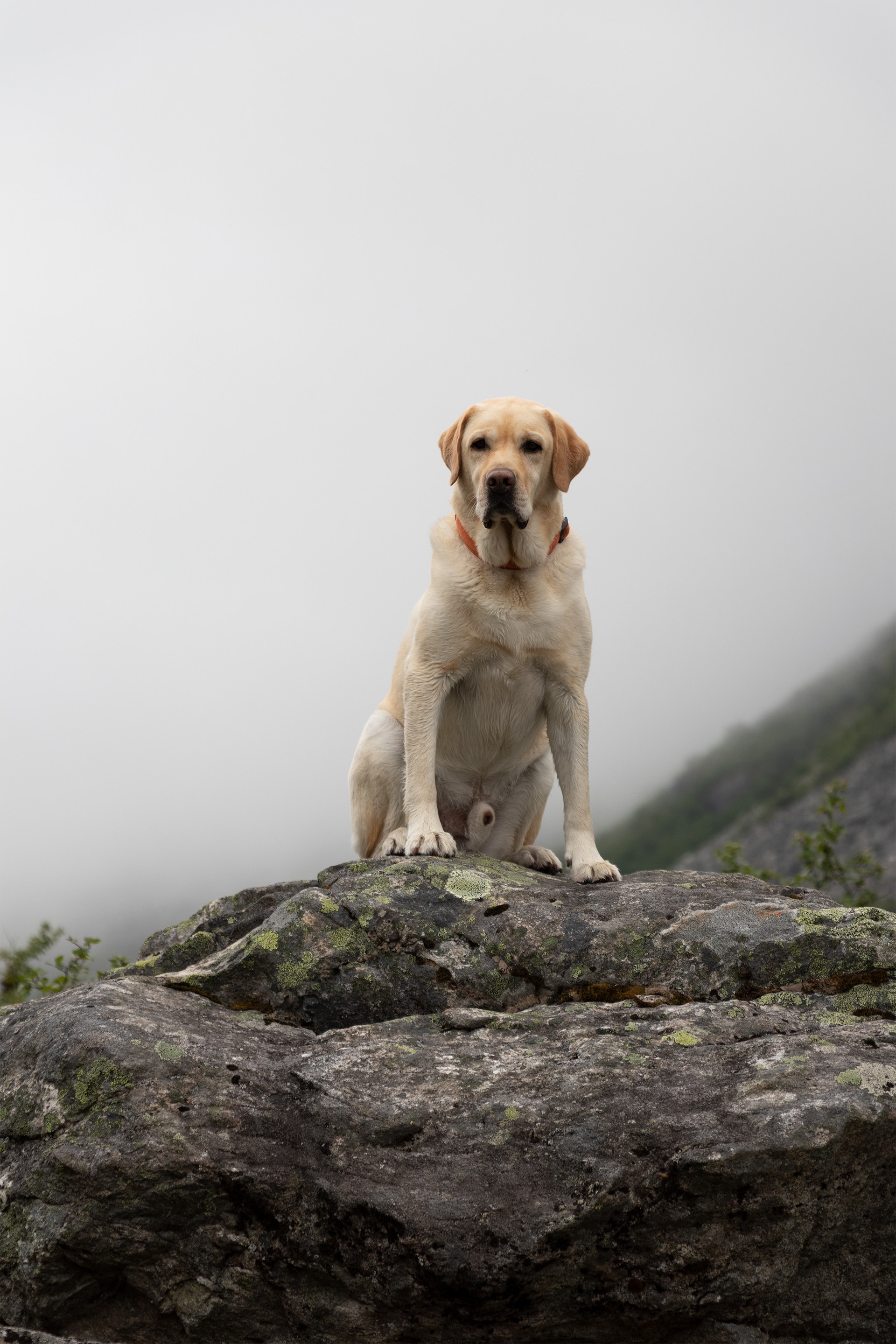
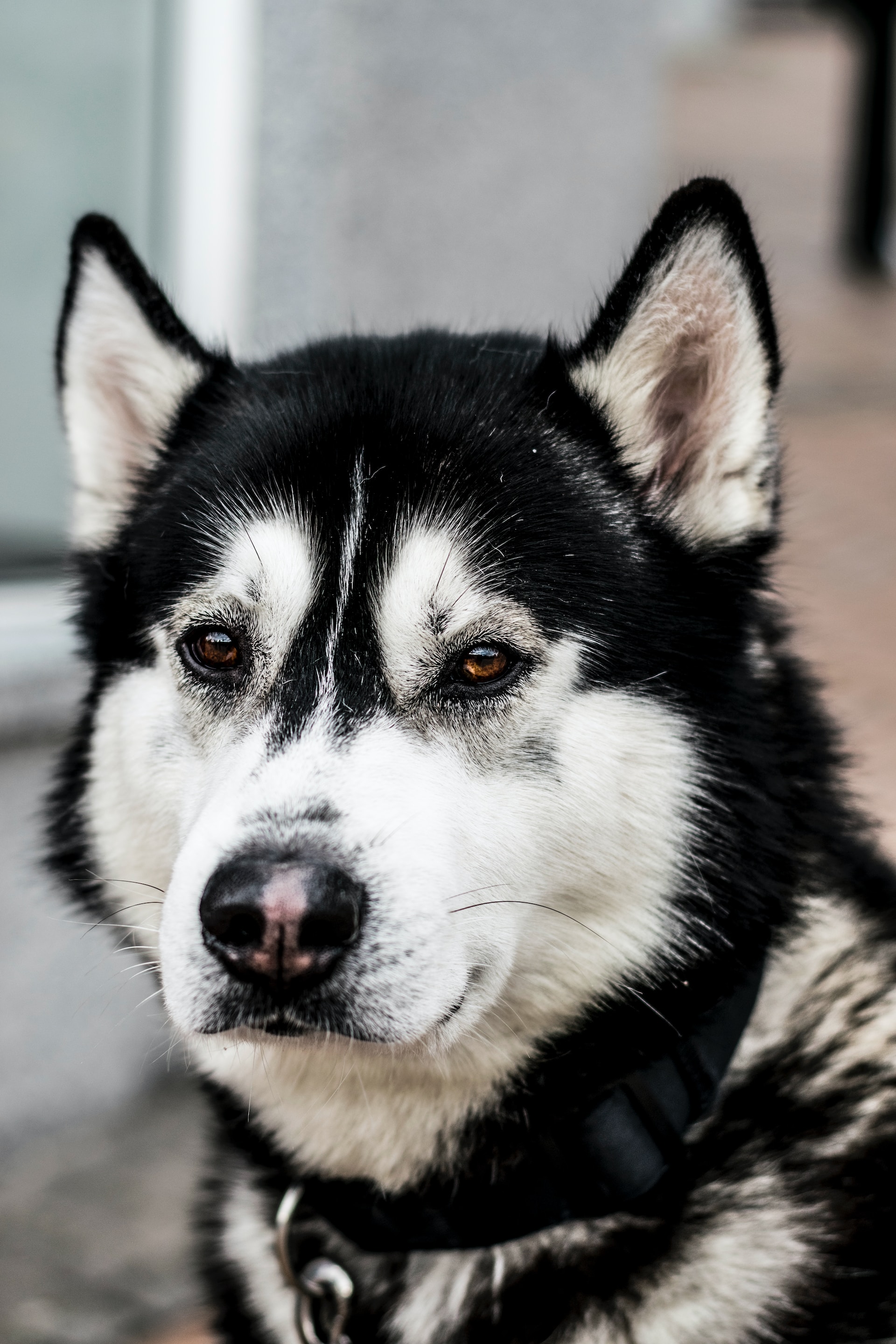
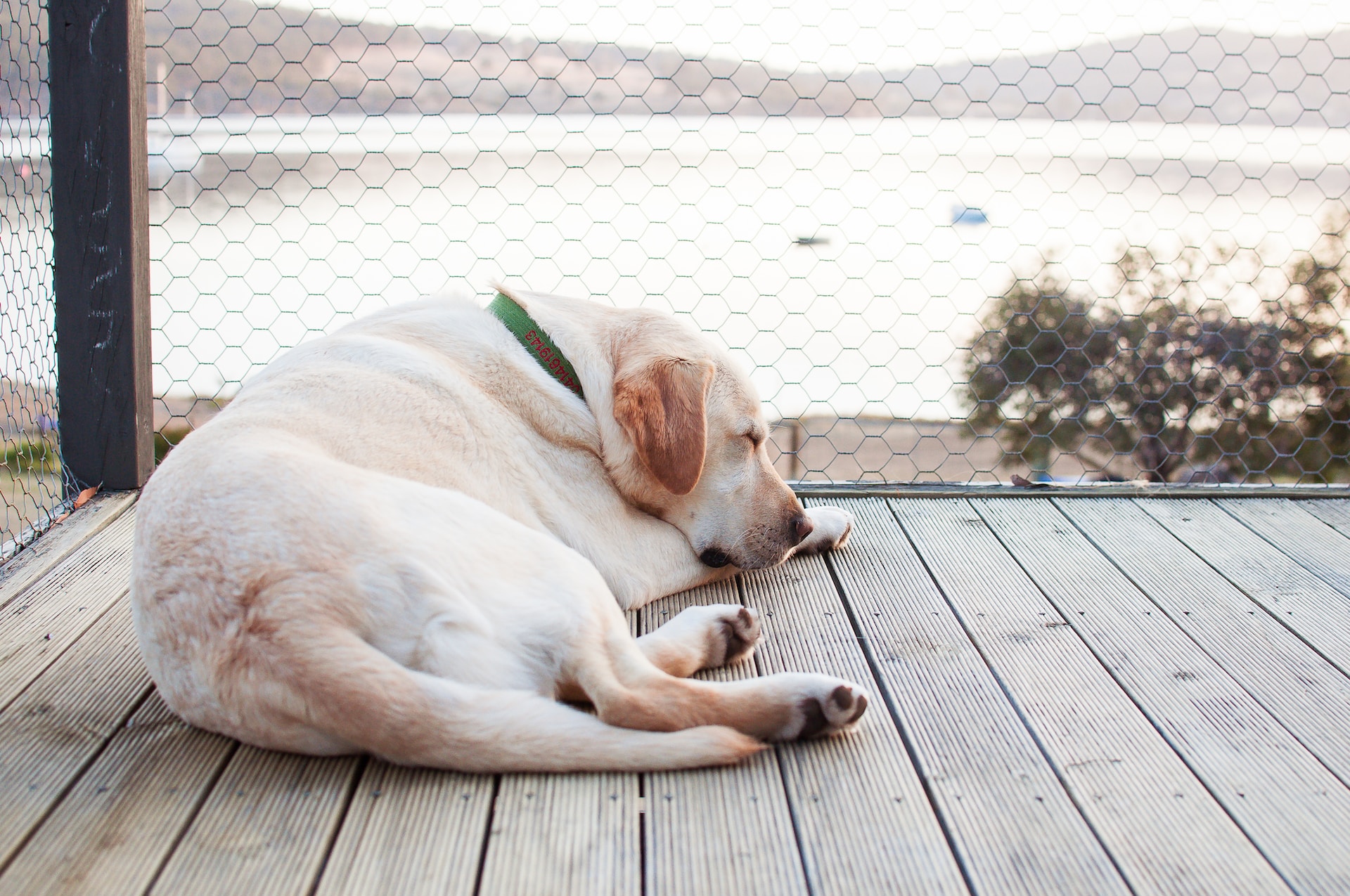
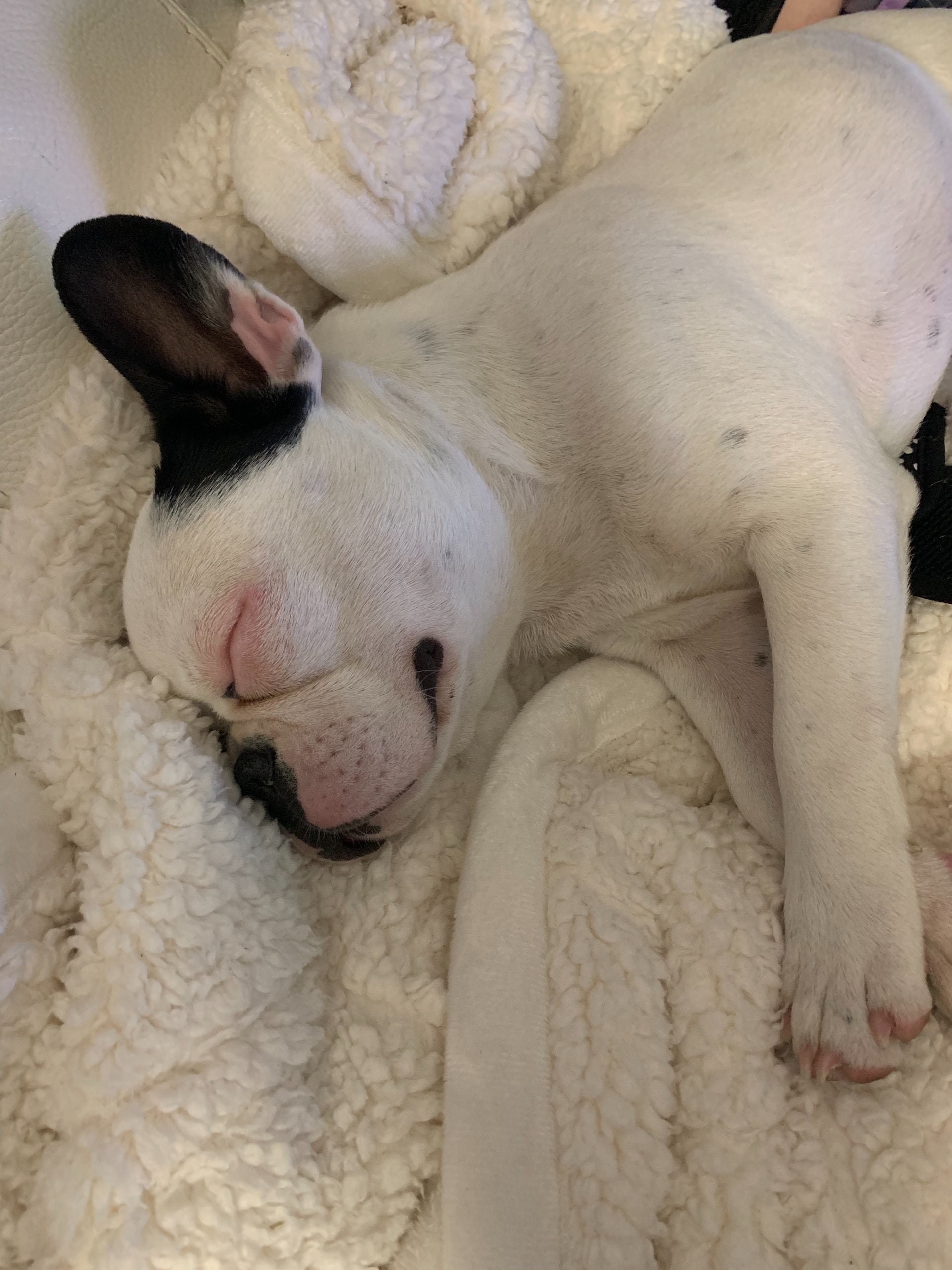
I put in the search description ‘Service dogs’ but that didn’t seem to be the correct way of describing the search. Anyway, I liked what was seen!

ooOOoo

oooo

oooo

oooo

oooo

oooo

oooo

oooo

oooo

There you are, good people!

Some less-known facts about dogs

A fascinating list!

Now I can’t recall where I saw these facts; I suspect they were emailed to me.

Whatever, it doesn’t matter, for they are amazing!

ooOOoo

1. Dogs have an incredible sense of smell—up to 100,000 times better than ours! They have more than 220 million olfactory receptors in their noses, while humans only have around 5 million.

2. Dogs can recognize up to 250 words and gestures, and they can even understand the tone of voice we use when we’re speaking to them.

3. Dogs can see in the dark better than us. They have a layer of cells in their eyes called the tapetum lucidum which reflects light back into the retina and helps them to see better in low light.

4. Dogs can sense when something is wrong or when you’re feeling down. They’ll often come and sit with you or give you extra cuddles when you’re feeling blue.

5. Dogs have an incredible sense of direction and can find their way back home from miles away. They use a combination of smell, sight and sound to remember the route they took.

6. Dogs can often tell when you’re about to sneeze. They have a special ability to sense subtle changes in our body language, and they can detect the slight changes that happen right before you sneeze.

7. Dogs can also tell when you’re happy or sad. They have the ability to sense changes in our breathing, body temperature, and even the amount of sweat we produce.

8. Dogs can sense when you’re getting sick. They can detect changes in your scent that you don’t even notice, and they’ll often come and comfort you when you’re feeling unwell.

9. Dogs can sense when someone is going to epileptic seizures or diabetic shock. They can detect the changes in smell, behavior and body chemistry that occur before a seizure or shock happens.

10. Dogs can detect certain types of cancer. They’re able to sniff out volatile organic compounds (VOCs) in the breath, urine or sweat of a person with cancer, which is why some organizations are training dogs to use their noses to detect cancer in humans.

ooOOoo

Dogs are amazing animals, in so many ways!

Plastics in the ocean

A fascinating insight into recovered plastic.

Like so many others we do our little bit regarding plastic but do not properly think about the issue. I have to admit that I am not even sure if all plastics are harmful or just some.

But I comprehend art!

That is why I am republishing, with permission, this article from The Conversation.

ooOOoo

My art uses plastic recovered from beaches around the world to understand how our consumer society is transforming the ocean

Pam Longobardi amid a giant heap of fishing gear that she and volunteers from the Hawaii Wildlife Fund collected in 2008. David Rothstein, CC BY-ND

Pam Longobardi, Georgia State University

I am obsessed with plastic objects. I harvest them from the ocean for the stories they hold and to mitigate their ability to harm. Each object has the potential to be a message from the sea – a poem, a cipher, a metaphor, a warning.

My work collecting and photographing ocean plastic and turning it into art began with an epiphany in 2005, on a far-flung beach at the southern tip of the Big Island of Hawaii. At the edge of a black lava beach pounded by surf, I encountered multitudes upon multitudes of plastic objects that the angry ocean was vomiting onto the rocky shore.

I could see that somehow, impossibly, humans had permeated the ocean with plastic waste. Its alien presence was so enormous that it had reached this most isolated point of land in the immense Pacific Ocean. I felt I was witness to an unspeakable crime against nature, and needed to document it and bring back evidence.

I began cleaning the beach, hauling away weathered and misshapen plastic debris – known and unknown objects, hidden parts of a world of things I had never seen before, and enormous whalelike colored entanglements of nets and ropes.

Three large plastic art installations, the central one a cornucopia spilling plastic objects onto the floor.
‘Bounty Pilfered’ (center), ‘Newer Laocoön’ (left) and ‘Threnody’ (right). All made of ocean plastic from the Atlantic, Pacific and Gulf of Mexico, installed at the Baker Museum in Naples, Fla., 2022. Pam Longobardi, CC BY-ND

I returned to that site again and again, gathering material evidence to study its volume and how it had been deposited, trying to understand the immensity it represented. In 2006, I formed the Drifters Project, a collaborative global entity to highlight these vagrant, translocational plastics and recruit others to investigate and mitigate ocean plastics’ impact.

My new book, “Ocean Gleaning,” tracks 17 years of my art and research around the world through the Drifters Project. It reveals specimens of striking artifacts harvested from the sea – objects that once were utilitarian, but have been changed by their oceanic voyages and come back as messages from the ocean.

Array of plastic objects, including toys, action figures and fragments of larger objects.
‘Drifters Objects,’ a tiny sample of the plastic artifacts Pam Longobardi has collected from beaches worldwide. Pam Longobardi, CC BY-ND

Living in a plastic age

I grew up in what some now deem the age of plastic. Though it’s not the only modern material invention, plastic has had the most unforeseen consequences.

My father was a biochemist at the chemical company Union Carbide when I was a child in New Jersey. He played golf with an actor who portrayed “The Man from Glad,” a Get Smart-styled agent who rescued flustered housewives in TV commercials from inferior brands of plastic wrap that snarled and tangled. My father brought home souvenir pins of Union Carbide’s hexagonal logo, based on the carbon molecule, and figurine pencil holders of “TERGIE,” the company’s blobby turquoise mascot.

On the 2013 Gyre Expedition, Pam Longobardi traveled with a team of scientists, artists and policymakers to investigate and remove tons of oceanic plastic washing out of great gyres, or currents, in the Pacific Ocean, and make art from it.

Today I see plastic as a zombie material that haunts the ocean. It is made from petroleum, the decayed and transformed life forms of the past. Drifting at sea, it “lives” again as it gathers a biological slime of algae and protozoans, which become attachment sites for larger organisms.

When seabirds, fish and sea turtles mistake this living encrustation for food and eat it, plastic and all, the chemical load lives on in their digestive tracts. Their body tissues absorb chemicals from the plastic, which remain undigested in their stomachs, often ultimately killing them.

Two piles of tiny particles of virtually identical sizes.
Plastic ‘nurdles,’ (left), tiny pellets that serve as raw materials for manufacturing plastic products, and herring roe, or eggs (right). These visually analogous forms exemplify how fish can mistake plastic for food. Pam Longobardi, CC BY-ND

The forensics of plastic

I see plastic objects as the cultural archaeology of our time – relics of global late-capitalist consumer society that mirror our desires, wishes, hubris and ingenuity. They become transformed as they leave the quotidian world and collide with nature. By regurgitating them ashore or jamming them into sea caves, the ocean is communicating with us through materials of our own making. Some seem eerily familiar; others are totally alien.

Two views of a degraded arm from a plastic doll, found on Playa Jaco in Costa Rica.
A degraded plastic doll arm, from the series ‘Evidence of Crimes.’ Pam Longobardi, CC BY-ND

A person engaging in ocean gleaning acts as a detective and a beacon, hunting for the forensics of this crime against the natural world and shining the light of interrogation on it. By searching for ocean plastic in a state of open receptiveness, a gleaner like me can find symbols of pop culture, religion, war, humor, irony and sorrow.

A rolling landscape covered with thousands of life vests.
‘Division Line,’ 2016. This photograph shows the ‘life-jacket cemetary’ in Lesvos, Greece. Traumatized asylum-seekers and migrants arriving by boat from Türkiye leave the life vests on shore as they stagger inland. Most of the waste is plastic. © Pam Longobardi, CC BY-ND

In keeping with the drifting journeys of these material artifacts, I prefer using them in a transitive form as installations. All of these works can be dismantled and reconfigured, although plastic materials are nearly impossible to recycle. I display some objects as specimens on steel pins, and wire others together to form large-scale sculptures.

A plastic bottle cap inscribed 'Endless' and a photograph of a beach littered with plastic objects.
From the series ‘Prophetic Objects,’ a plastic cap from a Greek manufacturer of cleaning products, found on the Greek island of Kefalonia. Pam Longobardi, CC BY-ND

I am interested in ocean plastic in particular because of what it reveals about us as humans in a global culture, and about the ocean as a cultural space and a giant dynamic engine of life and change. Because ocean plastic visibly shows nature’s attempts to reabsorb and regurgitate it, it has profound stories to tell.

A large sculpted anchor in the center of an art gallery, with ties to life preservers mounted on the ceiling.
‘Albatross’ and ‘Hope Floats,’ 2017. Recovered ocean plastic, survival rescue blankets, life vest straps and steel. Pam Longobardi, CC BY-ND

I believe humankind is at a crossroads with regards to the future. The ocean is asking us to pay attention. Paying attention is an act of giving, and in the case of plastic pollution, it is also an act of taking: Taking plastic out of your daily life. Taking plastic out of the environment. And taking, and spreading, the message that the ocean is laying out before our eyes.

Pam Longobardi, Regents’ Professor of Art and Design, Georgia State University

This article is republished from The Conversation under a Creative Commons license. Read the original article.

ooOOoo

Pam at one point describes the ocean plastic”… because of what it reveals about us as humans in a global culture, and about the ocean as a cultural space and a giant dynamic engine of life and change …”. It raises questions that I can only ponder the answer. Ultimately, are there too many inhabitants on this planet? What does the next generation think? Is there an answer?

Picture Parade Four Hundred and Seventy-Three

A little different for today!

Our neighbour Dordie L. sent these across earlier in the month. Enjoy!

oooo

oooo

oooo

oooo

oooo

Thank you, Dordie!

The work done by dog charities

This particular post is from ‘Who Will Let the Dogs Out‘.

The range of expertise in looking after our dear dogs is incredible. I have long followed Who Will Let the Dogs Out but today wanted to republish a very recent article, hopefully with permission.

ooOOoo

Tiny Municipal Shelter Outside Nashville Has Only One Employee

By Cara Sue Achterberg. 14th February, 2023

In Robertson County, Tennessee, just outside Nashville, there are actually three municipal shelters. In addition to the Robertson shelter written about in the previous post, we also stopped at a tiny shelter ten minutes away— Greenbrier Animal Control.

This small shelter has ten kennels and was currently housing 12 dogs. Shelbie is the only ACO and employee for the small shelter. She works seven days a week 365 days a year. The only days she’s had off since she began work there three years ago were this past winter when she had Covid.

Shelbie does everything at the tiny, age-worn shelter – the cleaning and the caring, and running the animal control calls, and pretty much anything that needs done. Several of the outdoor kennels do not have covered roofs. The roofs are at the shelter, but Shelbie is only one person (and a tiny one at that), so she can’t get them put on by herself. She could use a hand with the roofs, and with lots of things, but the only ones she and the dogs have are her own.

The city animal control budget covers food, supplies, and a few other things, like Shelbie’s uniforms, but it doesn’t cover vaccines, deworming, or spay/neuter. Shelbie knows that anything she adopts out locally is likely to send puppies back her way. She depends on CASA Transport to help get animals out, so the shelter doesn’t become overcrowded.

Shelbie took the job because she loves animals and because she’s always been an advocate for not killing shelter animals. One of the dogs, Denali, has been at the shelter almost as long as she has. “He’s special and he needs a special kind of home,” she told me.

She loves her job, but would really love for the city to hire someone to help on the weekends so that she could have more time for herself (and her FIVE children ages 4-10).

We set up a few peanut butter boards and left Shelbie with lots of food, treats, bones, and collars, but joked with her that we wished we had a person in the truck we could leave with her. Every time we make these trips we meet remarkable people like Shelbie. I’m sure she isn’t getting rich on this job and I’d guess she sees some pretty awful situations. It is not just back breaking work, it’s heartbreaking.

There are so many people, just like Shelbie, who are quietly saving lives through their own dedication and sacrifice. They inspire me to keep pushing for change, for any way to make the situation better.

I don’t understand why Robertson County, which serves 72,000 residents, has not only the county shelter, but two city shelters (we were not able to visit Springfield animal control). Greenbriar is in the county and it took us about ten minutes to get from one to the other. To me, clearly an outsider (but one who has visited over 100 shelters in 12 states), it makes more sense to combine the three shelters in the new building that Robertson County is building.

Surely, by combining budgets and staff, they could have one excellent facility with plenty of help, and likely save money in the bargain. Plus, then Shelbie wouldn’t be working seven days a week and handling animals all by herself (not that she isn’t more than capable of doing so as she’s done it for three years now). That’s just my observation, unlikely to be embraced.

Until we start looking for common sense solutions like regional public shelters, the lives of too many animals will depend on the decency and the willingness of people like Shelbie to sacrifice so much to do the work very few will.

If you’d like to help Shelbyville Animal shelter, consider shopping their Amazon wishlist.

Until each one has a home,

Cara

If you want to learn more, be sure to subscribe to this blog. And help us spread the word by sharing this post with others. Visit our website to learn more.

You can also help raise awareness by following/commenting/sharing us on FacebookInstagramYouTube, and Tik Tok!

Learn more about what is happening in our southern shelters and rescues in the book, One Hundred Dogs & Counting: One Woman, Ten Thousand Miles, and a Journey Into the Heart of Shelters and Rescues (Pegasus Books, 2020). It’s the story of a challenging foster dog who inspired me to travel south to find out where all the dogs were coming from. It tells the story of how Who Will Let the Dogs Out began. Find it anywhere books are sold. A portion of the proceeds of every book sold go to help unwanted animals in the south.

Watch our Emmy-nominated, award-winning short documentary about rescue in western Tennessee here.

For more information on any of our projects, to talk about rescue in your neck of the woods, please email whowillletthedogsout@gmail.com or carasueachterberg@gmail.com.

ooOOoo

There are many more photographs on the website that I chose not to republish because I couldn’t do it as neatly as Cara did it.

Burt Bacharach remembered

So many tuneful memories.

I grew up with the songs of Burt Bacharach in my heart, my mind and my ears. He was born on May 12, 1928 and lived until quite recently; namely the 8th February, 2023. This may be Valentine’s Day for 2023 but I think the obituary of Bacharach comes first.

The Conversation had a brilliant item on him, published on February 10th and I am going to republish that piece now.

ooOOoo

Burt Bacharach mastered the art of the perfect pop song – and that ain’t easy

A pop pioneer whose songs were performed by the great and good for decades.
Michael Ochs Archives/Getty Images

Gena R. Greher, UMass Lowell

Easy on the ear, perhaps. But the label of “easy listening” often attached to the songs of Burt Bacharach belies the mastery of his talent in crafting perfect moments in music.

Yes, Bacharach’s back catalog is filled with memorable, catchy melodies – whether they were written with longtime partner and lyricist Hal David, former wife Carole Bayer Sager or in collaboration with more contemporary artists such as Elvis Costello, Adele and Dr. Dre.

But there is a harmonic and rhythmic complexity to his music that elevates it above the sweet, often saccharine arrangements that can typify easy listening. It is full of influences from jazz chord structures and progressions, as well as rhythms.

It is why Bacharach, who died on Feb. 8, 2023, at the age of 94, appealed to generations of listeners, as well as the diverse pool of singers who chose to work with him.

Cross-generational appeal

Bacharach began his long songwriting career in the 1950s, but it was the following decade that saw him come to prominence with a series of hit songs.

But with the 1960s as a backdrop – a time of immense innovation in popular music – Bacharach may not have been taken as seriously as many of his contemporaries. It was a time when rock ‘n’ roll and the British Invasion were at the forefront, with rhythm and blues, protest music and folk rock finding their way on the musical landscape.

While Bacharach’s musical counterparts were writing and performing music that responded to and reflected the political, social and cultural upheavals that defined the era, Bacharach and David’s songs focused on different themes: Theirs was music that dealt with relationships and matters of the heart.

They also stood apart from other notable songwriting partners of the age – Lennon and McCartney, Jagger and Richards, for example – in that the songs were written for others to perform. In that way, they were a throwback to an earlier age of popular music, when the likes of Rodgers and Hart provided hit after hit for a roster of singers.

Indeed, they were a late product of Tin Pan Alley – the music industry centered around midtown Manhattan. Bacharach met David in 1957 in the storied Brill Building in New York City – a place where a young songwriter could perhaps catch a break.

Not long after they began working together, Bacharach came across a young backup singer at a recording session who seemed to have promise. The first single he produced with her, “Don’t Make Me Over,” was the first of 38 songs he and David produced with Dionne Warwick.

Her warm tones and fluid phrasing made Warwick’s voice the perfect accompaniment to Bacharach’s music.

But she was one of many collaborators. Some, like Warwick, were plucked from relative obscurity. Others, like Perry Como, were already established singers.

The list of artists who found success with Bacharach songs in that era is astonishing: Aretha Franklin, The Carpenters, Dusty Springfield, Tom Jones and The 5th Dimension, to name just a few.

Through collaborators, Bacharach’s music was able to reach a fairly diverse audience. The songs were so well written that they could easily be reworked into different genres, and break the confines of “easy listening” – a genre often maligned as unhip. In the hands of Isaac Hayes, the sweet refrains of “Walk on By” becomes a psychedelic funk classic. Years later, The White Stripes transformed “I Just Don’t Know What To Do With Myself” into a stripped-down, guitar-heavy slice of rock.

Froms Oscars to revivals

The music of David and Bacharach also worked on a different level – as the background to movie soundtracks. The 1966 Michael Caine film “Alfie” is perhaps equally known today for the title track, with versions by Cher, Warwick and British singer Cilla Black all becoming hits on the back of the film.

In 1969, Bacharach and David’s “Raindrops Keep Falling on My Head,” sung by B.J. Thomas in the western “Butch Cassidy and the Sundance Kid,” won the Academy Award for best original song. Bacharach also won the Oscar for best original score.

Adding to success on the charts and on screen, Bacharach also won acclaim for his work on Broadway. The 1968 show “Promises, Promises” was groundbreaking in its use of amplification in the orchestra, which included a rock band. The show contained a number of songs that topped the charts, most notably Warwick’s version of the show-stopping “I’ll Never Fall in Love Again.”

A mana and woman sit at a recording desk.
Burt Bacharach and Dionne Warwick recording together in 1964.
Bela Zola/Mirrorpix/Getty Images

In an NPR “Fresh Air” interview in 2010 – when the musical was being revived on Broadway – Bacharach discusses the number of rhythmic meter changes in the title song, “Promises, Promises,” and the difficulties these rhythmic changes presented for singers and musicians in the show.

The interview is also notable in that it reunited him with David – the two had a much publicized split in 1973 after working on a failed movie. The breakdown of their successful musical partnership saw Bacharach lose interest in writing music for a spell, and affected his relationship with Warwick.

This was eventually resolved with her recording of one of Bacharach’s most memorable songs, 1985’s “That’s What Friends are For,” written with his then-wife, Carole Bayer Sager. Though the song had been first recorded by Rod Stewart for the film “Night Shift,” the Warwick & Friends’ version – the friends being none other than Elton John, Gladys Knight and Stevie Wonder – is the one that became a hit and helped revive Bacharach’s career.

Though best known for the songs he wrote in the 1960s through the 1980s, Bacharach continued to write music into his old age, collaborating with Elvis Costello, Adele and Dr. Dre.

You may have noticed the sheer number – and range – of artists Bacharach worked with. It speaks to the quality and endurance of his output. Yes, he will be remembered by some as the writer of exemplary “easy listening” songs. But Burt Bacharach’s legacy will prove that he was so much more.The Conversation

Gena R. Greher, Professor of Music, UMass Lowell

This article is republished from The Conversation under a Creative Commons license. Read the original article.

ooOOoo

There are so many of his melodies on YouTube and you are free to do your own searching. But I just wanted to share one with you. It is Burt Bacharach with Barbra Streisand with Close To You and Be Aware.

Perfect!

Picture Parade Four Hundred and Seventy-Two

A British sheep dog at work.

oooo

oooo

oooo

oooo

oooo

oooo

These are photos that were shown on Ugly Hedgehog by Alan (BigAl). Plus the last two were additional from Alan. Alan kindly gave me permission to share them with you all today.