Author: Paul Handover

How well do dogs understand humans?

How well do dogs understand humans?

Another guest post; this time from Lorna D.

Dogs are so close to humans, as has been reported many times in many places. This guest post from Lorna explores the very latest in scientific thinking.

ooOOoo

Busting Myths: Do Dogs Really Understand Human Language?

By Lorna Dikoff

Dogs are often seen as more than pets. They are companions, loyal protectors, and, for many like me, family members.

Many people think dogs understand our words like we do. This idea has been around for a long time. But is it true?

Let’s look at what science tells us about how dogs communicate. Also, let’s think about what our bonds with dogs teach us. These bonds teach us about trust and loyalty. They also reveal a deeper form of connection.

The Science of Canine Communication

Dogs have been our companions for thousands of years. During this time, they have become very good at understanding human behavior.

In 2016, researchers in Hungary made an interesting discovery. They found that dogs process words and tone similarly to humans. Dogs use different parts of their brains to recognize words and emotional sounds.

But, this doesn’t mean dogs understand language like we do. Instead, they learn to connect certain sounds (words) with specific actions or results. For example, a dog might know that the sound of a leash means a walk is coming. They recognize patterns rather than understanding language.

So while dogs are good at figuring out what we do and say, they don’t understand language the same way humans do. They’ve learned to pick up on our signs, but in their own special way.

But does this mean they understand the full meaning behind those words? The answer is no.

Dogs are great at reading people. They watch our body language, listen to our tone, and look at our faces. Dogs pay more attention to these signs than to our words.

This doesn’t mean dogs are less smart. It shows that they excel in a different type of communication.

The Myth of Full Language Comprehension

People often think dogs understand human language. We want to believe our pets understand us like other people do. It’s a nice idea, but it’s not quite true.

Dogs can learn some words and follow orders. But they don’t understand language. They remember patterns and connect words with actions. It’s not the same as how we understand each other when we talk.

This myth doesn’t make our bond with dogs any less special. It actually shows something even more extraordinary. Dogs are great at connecting with us without words. They tune into our feelings and pick up on how we act. This makes our relationship with them pretty amazing.

Dogs don’t need words to sense when we are sad, anxious, or excited. Their ability to “read” our emotions is what makes their companionship so special.

Trust and Loyalty: The Real Language of Dogs

Dogs and humans have a special bond that is far more profound than language. It’s about trust and loyalty.

These things are at the heart of what we can learn from dogs. Dogs show us how to be honest and true. They teach us about connecting with feelings, not only with words.

Dogs don’t need a large vocabulary to express their loyalty or unconditional love. Instead, they show it through actions. They sit with us when we’re sad and guard us when we’re weak. And they always get super happy to see us, even if we’ve only been gone for a bit.

This speaks to a deeper truth that dogs teach us: communication isn’t only about words. It’s about the trust we build through consistent, reliable actions.

In a world where words can sometimes mislead or fall short, dogs show us a better way. Dogs remind us of the importance of honesty and integrity in our interactions.

The Lesson from Dogs

So, do dogs understand human language? The answer is no, at least not in the way we hope. But their understanding of us is something far more profound.

Dogs teach us that we don’t always need words to talk. They teach us that our actions often speak louder than language. Their loyalty, intuition, and emotional intelligence. makes our bond with them special, more than words can explain.

We often overcomplicate communication, but dogs keep it simple. They show up and act the same way every day.

This teaches us that real connections come from trust and love. Dogs prove that understanding each other is about more than using words.

About the Author:

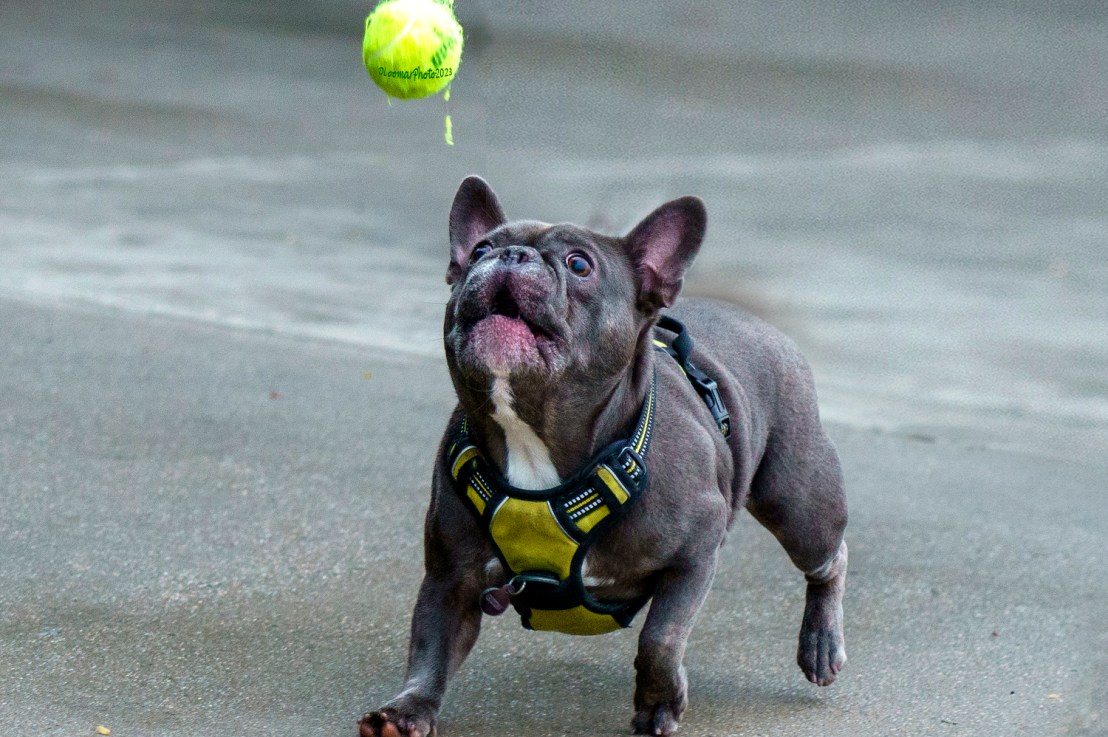
Lorna is the founder of Furry Friends Advisor. She is a passionate and experienced long-time dog owner with a deep love for animals. Lorna’s commitment to understanding and caring for dogs led her to spend countless hours researching and learning about canine health, behavior, and care. When not immersed in writing for her site, she is pampering her French Bulldog name Lucy. Her mission is to give advice about dog care and nutrition accessible to everyone. 

ooOOoo

Thank you, Lorna.

There is no question that a dog’s actions speak so much louder than words.

Trust and loyalty; they are the supreme qualities of dogs and it is a pity that in some quarters these qualities are not seen in humans.
The summer of 2024 in the Northern Hemisphere.

Once more, an article on the changing climate.

Recently, the BBC News reported that:

Global efforts to tackle climate change are wildly off track, says the UN, as new data shows that warming gases are accumulating faster than at any time in human existence.

Current national plans to limit carbon emissions would barely cut pollution by 2030, the UN analysis shows, leaving efforts to keep warming under 1.5C this century in tatters.

The update comes as a separate report shows that greenhouse gases have risen by over 11% in the last two decades, with atmospheric concentrations surging in 2023.

ooOOoo

What the jet stream and climate change had to do with the hottest summer on record − remember all those heat domes?

Shuang-Ye Wu, University of Dayton

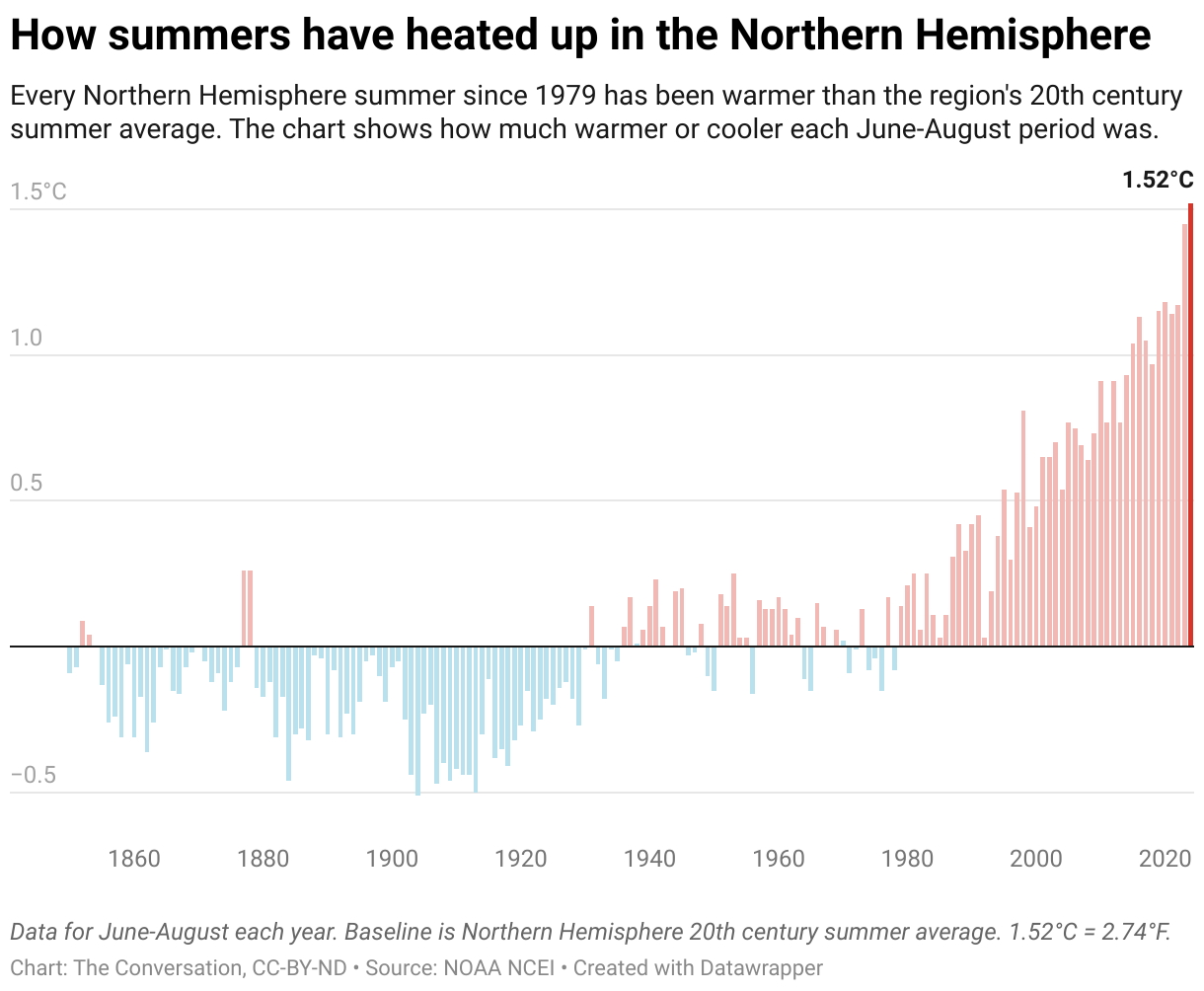
Summer 2024 was officially the Northern Hemisphere’s hottest on record. In the United States, fierce heat waves seemed to hit somewhere almost every day.

Phoenix reached 100 degrees for more than 100 days straight. The 2024 Olympic Games started in the midst of a long-running heat wave in Europe that included the three hottest days on record globally, July 21-23. August was Earth’s hottest month in the National Oceanic and Atmospheric Administration’s 175-year record.

Overall, the global average temperature was 2.74 degrees Fahrenheit (1.52 degrees Celsius) above the 20th-century average.

That might seem small, but temperature increases associated with human-induced climate change do not manifest as small, even increases everywhere on the planet. Rather, they result in more frequent and severe episodes of heat waves, as the world saw in 2024.

The most severe and persistent heat waves are often associated with an atmospheric pattern called a heat dome. As an atmospheric scientist, I study weather patterns and the changing climate. Here’s how heat domes, the jet stream and climate change influence summer heat waves and the record-hot summer of 2024.

What the jet stream has to do with heat domes

If you listened to weather forecasts during the summer of 2024, you probably heard the term “heat dome” a lot.

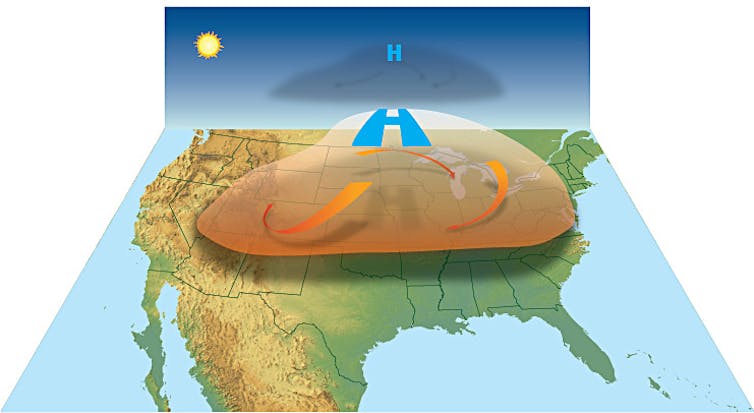
A heat dome is a persistent high-pressure system over a large area. A high-pressure system is created by sinking air. As air sinks, it warms up, decreasing relative humidity and leaving sunny weather. The high pressure also serves as a lid that keeps hot air on the surface from rising and dissipating. The resulting heat dome can persist for days or even weeks.

The longer a heat dome lingers, the more heat will build up, creating sweltering conditions for the people on the ground.

A 3D image of the US showing a heat dome above it.
High pressure in the middle layers of the atmosphere acts as a dome or cap, allowing heat to build up at the Earth’s surface. NOAA

How long these heat domes stick around has a lot to do with the jet stream.

The jet stream is a narrow band of strong winds in the upper atmosphere, about 30,000 feet above sea level. It moves from west to east due to the Earth’s rotation. The strong winds are a result of the sharp temperature difference where the warm tropical air meets the cold polar air from the north in the mid-latitudes.

The jet stream does not flow along a straight path. Rather, it meanders to the north and south in a wavy pattern. These giant meanders are known as the Rossby waves, and they have a major influence on weather.

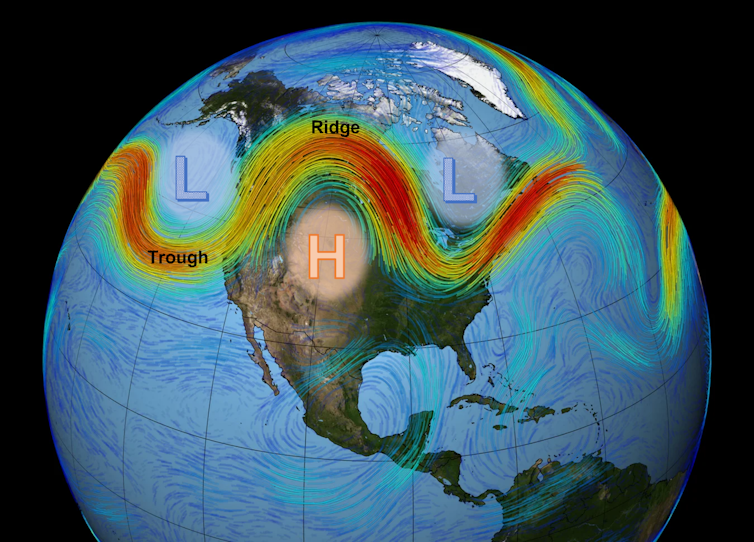
An illustration shows how ridges create high pressure to the south of them and troughs create low pressure to the north of them.
Ridges and troughs created as the jet stream meanders through the mid-latitudes create high (H) and low (L) pressure systems. Reds indicate the fastest winds. NASA/Goddard Space Flight Center Scientific Visualization Studio

Where the jet stream arcs northward, forming a ridge, it creates a high-pressure system south of the wave. Where the jet stream dips southward, forming a trough, it creates a low-pressure system north of the jet stream. A low-pressure system contains rising air in the center, which cools and tends to generate precipitation and storms.

Most of our weather is modulated by the position and characteristics of the jet stream.

How climate change affects the jet stream

The jet stream, or any wind, is the result of differences in surface temperature.

In simple terms, warm air rises, creating low pressure, and cold air sinks, creating high pressure. Wind is the movement of the air from high to low pressure. Greater differences in temperature produce stronger winds.

For the Earth as a whole, warm air rises near the equator, and cold air sinks near the poles. The temperature difference between the equator and the pole determines the strength of the jet stream in each hemisphere.

However, that temperature difference has been changing, particularly in the Northern Hemisphere. The Arctic region has been warming about three times faster than the global average. This phenomenon, known as Arctic amplification, is largely caused by the melting of Arctic sea ice, which allows the exposed dark water to absorb more of the Sun’s radiation and heat up faster.

Because the Arctic is warming faster than the tropics, the temperature difference between the two regions is lessened. And that slows the jet stream.

As the jet stream slows, it tends to meander more, causing bigger waves. The bigger waves create larger high-pressure systems. These can often be blocked by the deep low-pressure systems on both sides, causing the high-pressure system to sit over a large area for a long period of time.

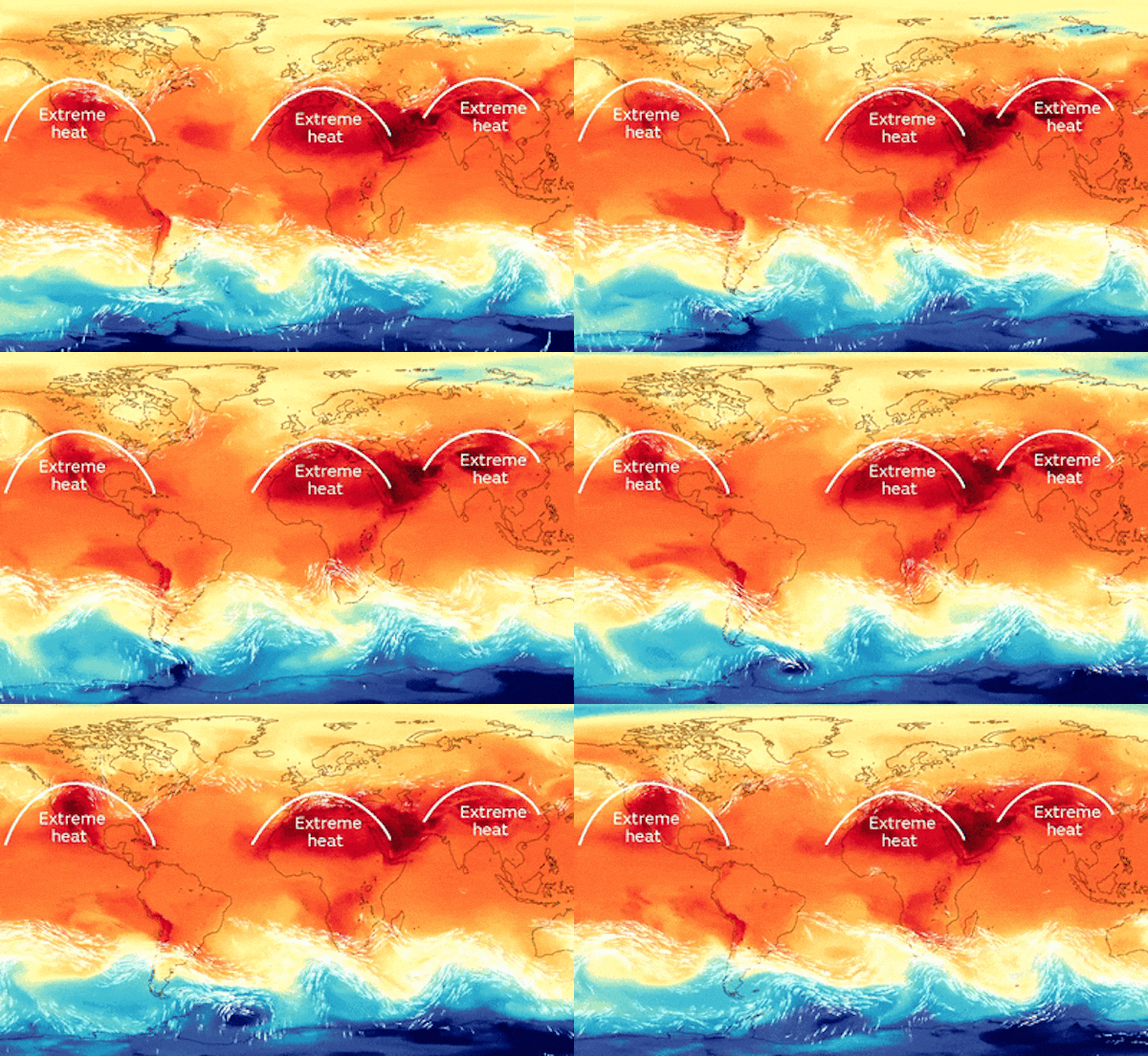
A stagnant polar jet stream can trapped heat over parts of North America, Europe and Asia at the same time. This example happened in July 2023. UK Met Office

Typically, waves in the jet stream pass through the continental United States in around three to five days. When blocking occurs, however, the high-pressure system could stagnate for days to weeks. This allows the heat to build up underneath, leading to blistering heat waves.

Since the jet stream circles around the globe, stagnating waves could occur in multiple places, leading to simultaneous heat waves at the mid-latitude around the world. That happened in 2024, with long-lasting heat waves in Europe, North America, Central Asia and China.

Jet stream behavior affects winter, too

The same meandering behavior of the jet stream also plays a role in extreme winter weather. That includes the southward intrusion of frigid polar air from the polar vortex and conditions for severe winter storms.

Many of these atmospheric changes, driven by human-caused global warming, have significant impacts on people’s health, property and ecosystems around the world.

Shuang-Ye Wu, Professor of Geology and Environmental Geosciences, University of Dayton

This article is republished from The Conversation under a Creative Commons license. Read the original article.

ooOOoo

I maybe approaching my own end of life but millions of others are younger than me. When I see a woman with a young baby in her arms I cannot stop myself from wondering what that generation is going to do.

Picture Parade Four Hundred and Fifty-Five

Just the one photograph for today.

I have been a follower of Ugly Hedgehog for some years.

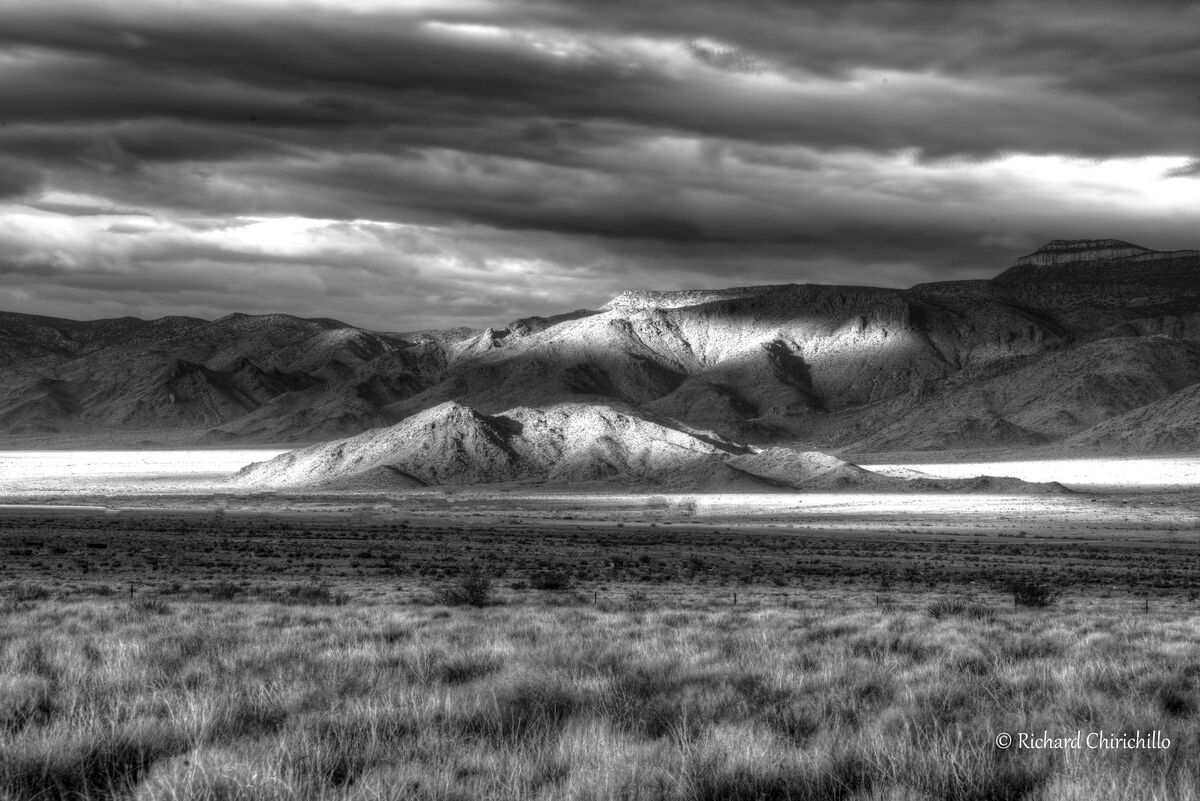
Last Sunday ‘Alphadog’ posted this photograph taken on Route 66, the Antares Road, in Kingman, Arizona. It is reproduced here with Richard’s full permission.

Copyright (C) 2024 Richard Chirichillo.

It is a stunning photograph.

Starting a veterinary clinic

Like any new start-up of a business venture, this requires knowledge, skills and quite a bit of luck!

I am delighted to offer this guest post by Penny.

ooOOoo

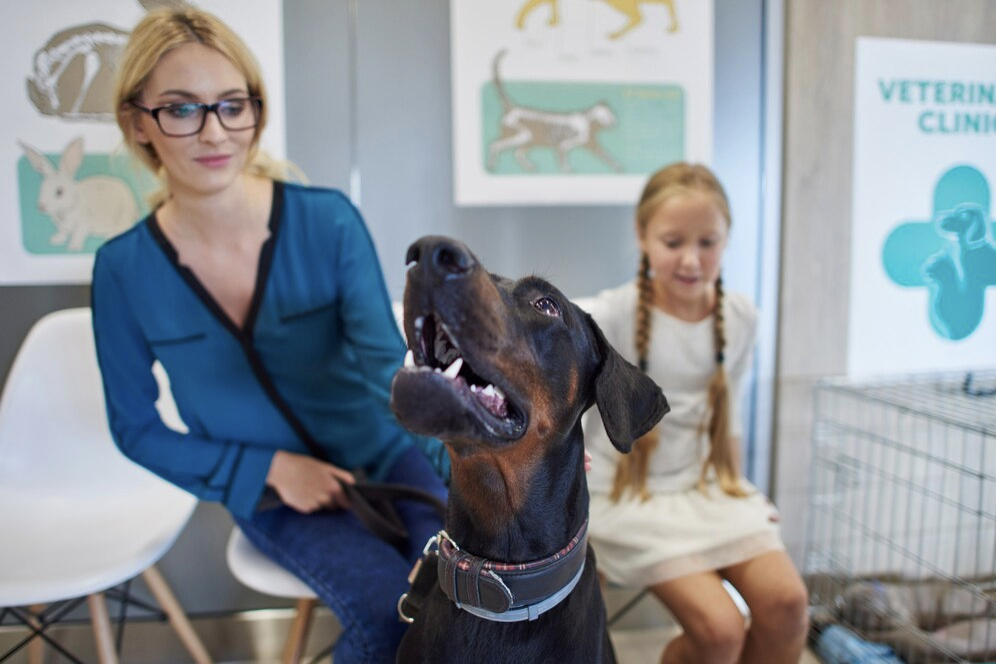
Image: Freepik

Vision to Reality: Building a Profitable Vet Clinic

Launching a veterinary clinic is a significant endeavor that requires meticulous planning and strategic decision-making. This venture combines a passion for animal care with the intricacies of managing a successful business. Aspiring clinic owners must navigate several critical steps to lay a strong foundation and ensure operational excellence. Starting your own clinic promises not only to fulfill a dream of helping animals but also to establish a thriving enterprise in the community.

Build a Strong Foundation with an Effective Marketing Strategy

A robust marketing strategy is essential to attract potential clients in the digital era. Establishing a professional online presence through a user-friendly website that details your services, team, and location builds trust among pet owners. Engage actively on social media with regular updates and client testimonials to showcase your expertise and commitment to animal care. Forge partnerships with local pet-related businesses to increase visibility and drive traffic to your clinic, enhancing both your and your partners’ customer bases.

Craft a Clear and Detailed Business Plan

A well-constructed business plan acts as your clinic’s roadmap, detailing your mission, services offered, and the specific target market. Identify your niche early—whether it’s specializing in certain animals or treatments—to attract the appropriate clientele. Include comprehensive financial projections and a marketing budget in your plan to ensure financial preparedness and support your clinic’s promotional activities.

Enhance Your Business Knowledge by Pursuing an MBA

Running a veterinary clinic demands a blend of clinical and business expertise. Pursuing a master’s of business administration online can boost your proficiency in key business areas such as strategy, management, and finance. An MBA not only deepens your understanding of business operations but also enhances leadership skills and self-assessment capabilities. These competencies are essential for balancing the medical and business demands of your clinic, ensuring its long-term success.

Safeguard Your Business with Proper Insurance

Operating a veterinary clinic comes with inherent risks, making comprehensive insurance coverage essential. Essential policies include malpractice insurance to handle legal issues and general liability insurance for accidents on your premises. Property insurance is crucial to protect your clinic’s infrastructure and equipment against unexpected events. Consulting with an insurance expert can ensure that you have thorough coverage to protect against potential financial setbacks.

Invest in High-Quality Veterinary Equipment

Providing top-tier care necessitates investing in high-quality veterinary equipment. Essential tools like X-ray machines, surgical instruments, and lab equipment should be of the highest standard to ensure accurate diagnoses and treatments. Modern technologies, such as digital imaging systems, not only enhance patient care but also improve operational efficiency. While the initial cost may be higher, investing in quality equipment pays off in the long run by boosting efficiency and minimizing errors.

Secure the Necessary Funding for Your Clinic

Securing sufficient funding is critical when starting a veterinary clinic. Estimate your startup costs accurately to understand your financial needs, including equipment, premises, staffing, and marketing. Explore diverse financing options, such as bank loans, private investors, and specialty medical practice loans that might offer favorable terms. Adequate initial funding prevents cash flow problems and supports your clinic’s growth trajectory.

Choose the Right Location for Your Clinic

The location of your clinic is pivotal to its success, necessitating a spot with a high demand for veterinary services. Conduct thorough market research to choose a community rich in pet owners who need your services. Select a location that is accessible, visible, and has ample parking to ensure convenience for your clients. Proximity to complementary services like pet groomers or dog trainers can further enhance client traffic and provide expansion opportunities.

Opening a veterinary clinic is both challenging and rewarding, demanding a careful blend of dedication and strategic foresight. Success in this field not only enhances the well-being of pets but also contributes positively to the local community. It requires ongoing commitment to adapt and grow in a dynamic environment. Ultimately, the fulfillment of running a successful veterinary clinic comes from both the impact on animal health and the achievement of entrepreneurial goals.

Discover the timeless wisdom that dogs offer at Learning from Dogs, where integrity and living in the present are celebrated. Dive into our content and embrace the lessons from our four-legged friends.

ooOOoo

This is a skilled summary of the needs of opening a vet’s clinic. And thank you, Penny, for your last paragraph. It has been a pleasure!

Picture Parade Four Hundred and Fifty-Four

Back to dogs!

Photo by Harshit Suryawanshi on Unsplash

Photo by Peter Muniz on Unsplash

Photo by Aldo Houtkamp on Unsplash

Again, a photo by Aldo Houtkamp on Unsplash

Photo by Chewy on Unsplash

Again, a very beautiful selection by yours truly!

The changing climate

Here is one explanation.

There is no question the world’s weather systems are changing. However, for folk who are not trained in this science it is all a bit mysterious. So thank goodness that The Conversation have not only got a scientist who does know what he is talking about but also they are very happy for it to be republished.

ooOOoo

Atmospheric rivers are shifting poleward, reshaping global weather patterns

Atmospheric rivers are long filaments of moisture that curve poleward. Several are visible in this satellite image. Bin Guan, NASA/JPL-Caltech and UCLA

Zhe Li, University Corporation for Atmospheric Research

Atmospheric rivers – those long, narrow bands of water vapor in the sky that bring heavy rain and storms to the U.S. West Coast and many other regions – are shifting toward higher latitudes, and that’s changing weather patterns around the world.

The shift is worsening droughts in some regions, intensifying flooding in others, and putting water resources that many communities rely on at risk. When atmospheric rivers reach far northward into the Arctic, they can also melt sea ice, affecting the global climate.

In a new study published in Science Advances, University of California, Santa Barbara, climate scientist Qinghua Ding and I show that atmospheric rivers have shifted about 6 to 10 degrees toward the two poles over the past four decades.

Atmospheric rivers on the move

Atmospheric rivers aren’t just a U.S West Coast thing. They form in many parts of the world and provide over half of the mean annual runoff in these regions, including the U.S. Southeast coasts and West Coast, Southeast Asia, New Zealand, northern Spain, Portugal, the United Kingdom and south-central Chile.

California relies on atmospheric rivers for up to 50% of its yearly rainfall. A series of winter atmospheric rivers there can bring enough rain and snow to end a drought, as parts of the region saw in 2023.

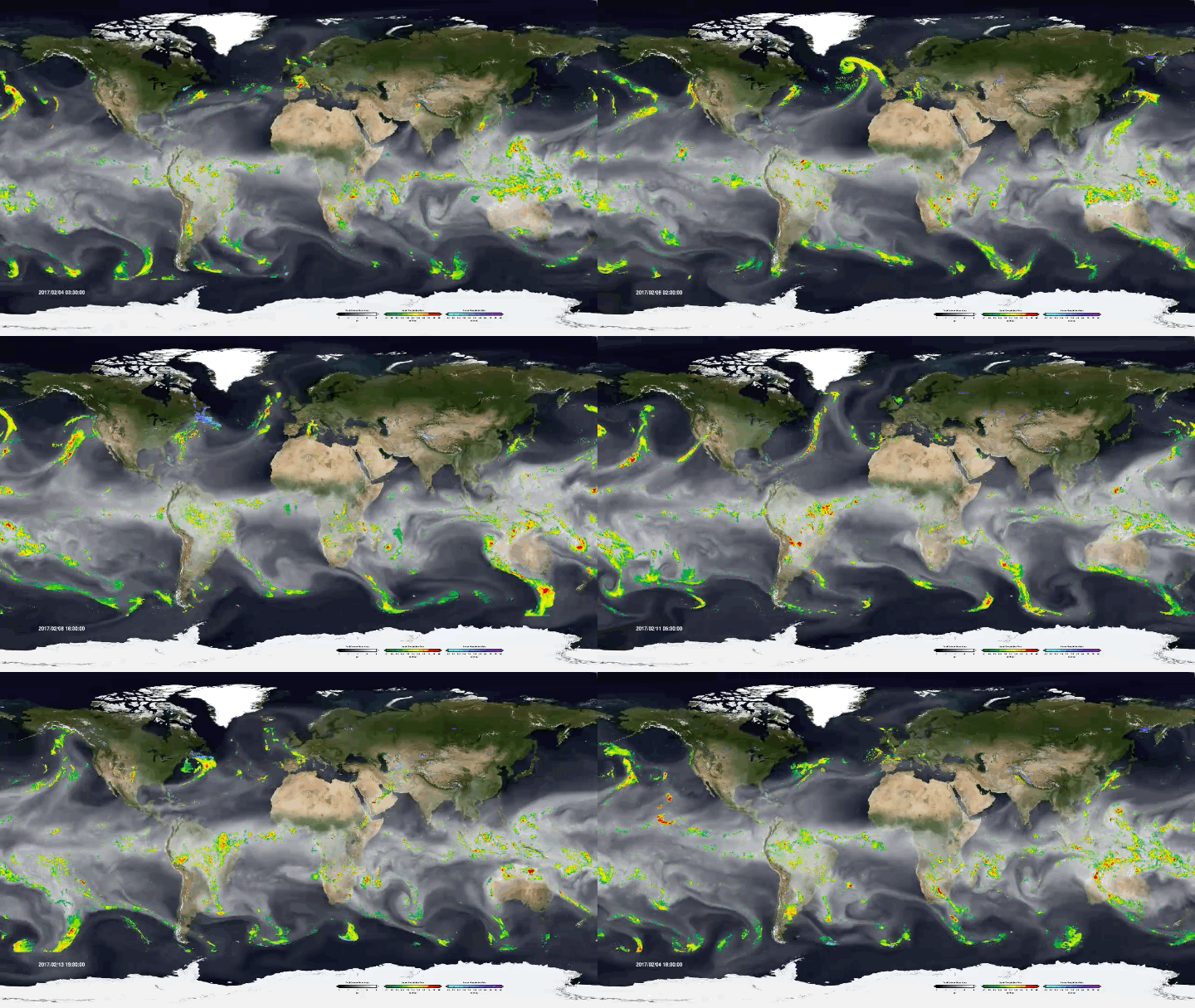
Atmospheric rivers occur all over the world, as this animation of global satellite data from February 2017 shows. NASA/Goddard Space Flight Center Scientific Visualization Studio

While atmospheric rivers share a similar origin – moisture supply from the tropics – atmospheric instability of the jet stream allows them to curve poleward in different ways. No two atmospheric rivers are exactly alike.

What particularly interests climate scientists, including us, is the collective behavior of atmospheric rivers. Atmospheric rivers are commonly seen in the extratropics, a region between the latitudes of 30 and 50 degrees in both hemispheres that includes most of the continental U.S., southern Australia and Chile.

Our study shows that atmospheric rivers have been shifting poleward over the past four decades. In both hemispheres, activity has increased along 50 degrees north and 50 degrees south, while it has decreased along 30 degrees north and 30 degrees south since 1979. In North America, that means more atmospheric rivers drenching British Columbia and Alaska.

A global chain reaction

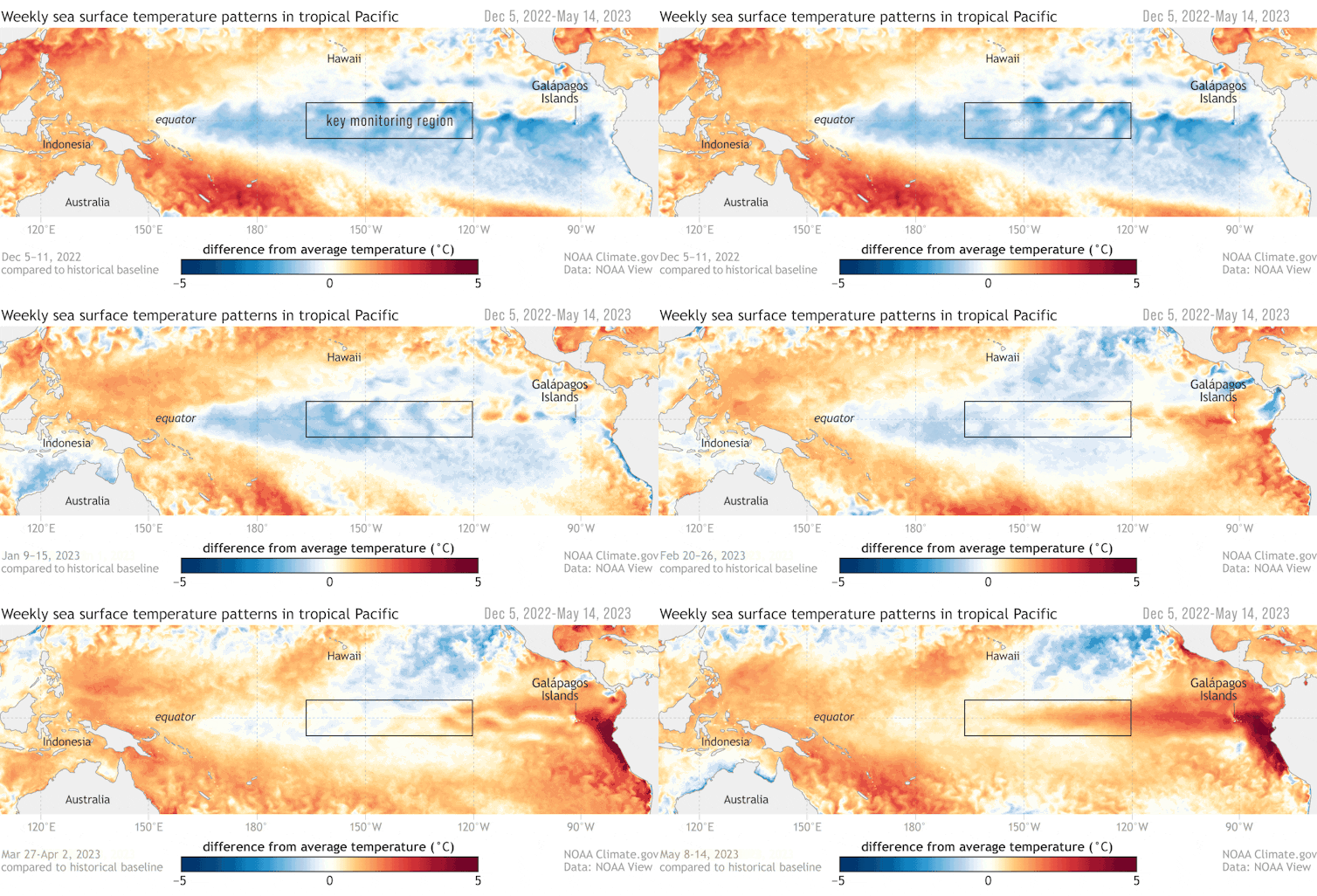
One main reason for this shift is changes in sea surface temperatures in the eastern tropical Pacific. Since 2000, waters in the eastern tropical Pacific have had a cooling tendency, which affects atmospheric circulation worldwide. This cooling, often associated with La Niña conditions, pushes atmospheric rivers toward the poles.

The poleward movement of atmospheric rivers can be explained as a chain of interconnected processes.

During La Niña conditions, when sea surface temperatures cool in the eastern tropical Pacific, the Walker circulation – giant loops of air that affect precipitation as they rise and fall over different parts of the tropics – strengthens over the western Pacific. This stronger circulation causes the tropical rainfall belt to expand. The expanded tropical rainfall, combined with changes in atmospheric eddy patterns, results in high-pressure anomalies and wind patterns that steer atmospheric rivers farther poleward.

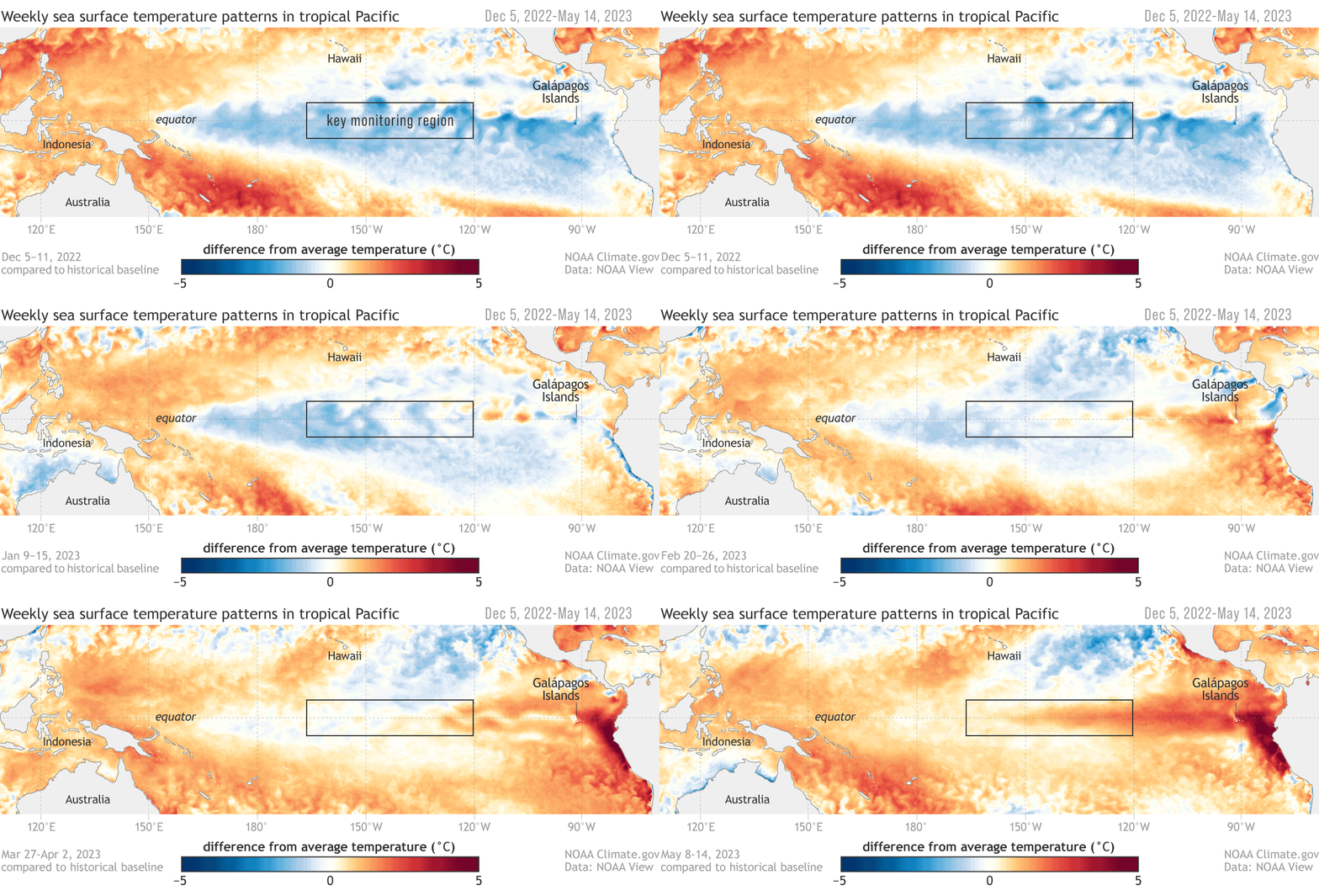
An animation of satellite data shows sea surface temperatures changing over months along the equator in the eastern Pacific Ocean. When they're warmer than normal, that indicates El Niño forming. Cooler than normal indicates La Nina.
La Niña, with cooler water in the eastern Pacific, fades, and El Niño, with warmer water, starts to form in the tropical Pacific Ocean in 2023. NOAA Climate.gov

Conversely, during El Niño conditions, with warmer sea surface temperatures, the mechanism operates in the opposite direction, shifting atmospheric rivers so they don’t travel as far from the equator.

The shifts raise important questions about how climate models predict future changes in atmospheric rivers. Current models might underestimate natural variability, such as changes in the tropical Pacific, which can significantly affect atmospheric rivers. Understanding this connection can help forecasters make better predictions about future rainfall patterns and water availability.

Why does this poleward shift matter?

A shift in atmospheric rivers can have big effects on local climates.

In the subtropics, where atmospheric rivers are becoming less common, the result could be longer droughts and less water. Many areas, such as California and southern Brazil, depend on atmospheric rivers for rainfall to fill reservoirs and support farming. Without this moisture, these areas could face more water shortages, putting stress on communities, farms and ecosystems.

In higher latitudes, atmospheric rivers moving poleward could lead to more extreme rainfall, flooding and landslides in places such as the U.S. Pacific Northwest, Europe, and even in polar regions.

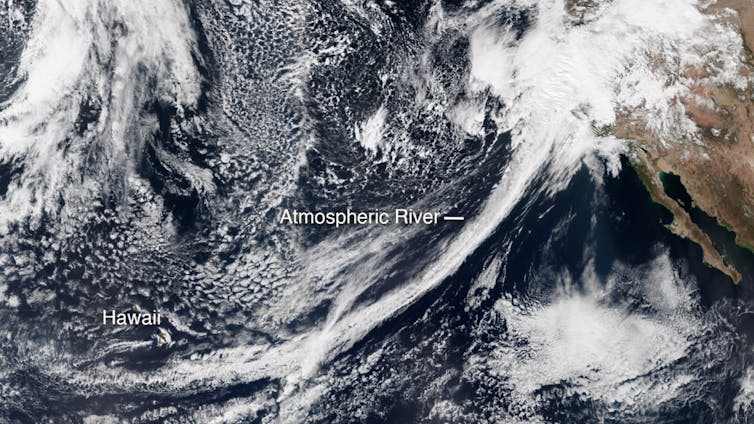
A long narrow band of moisture sweeps up toward California, crossing hundreds of miles of Pacific Ocean.
A satellite image on Feb. 20, 2017, shows an atmospheric river stretching from Hawaii to California, where it brought drenching rain. NASA/Earth Observatory/Jesse Allen

In the Arctic, more atmospheric rivers could speed up sea ice melting, adding to global warming and affecting animals that rely on the ice. An earlier study I was involved in found that the trend in summertime atmospheric river activity may contribute 36% of the increasing trend in summer moisture over the entire Arctic since 1979.

What it means for the future

So far, the shifts we have seen still mainly reflect changes due to natural processes, but human-induced global warming also plays a role. Global warming is expected to increase the overall frequency and intensity of atmospheric rivers because a warmer atmosphere can hold more moisture.

How that might change as the planet continues to warm is less clear. Predicting future changes remains uncertain due largely to the difficulty in predicting the natural swings between El Niño and La Niña, which play an important role in atmospheric river shifts.

As the world gets warmer, atmospheric rivers – and the critical rains they bring – will keep changing course. We need to understand and adapt to these changes so communities can keep thriving in a changing climate.

Zhe Li, Postdoctoral Researcher in Earth System Science, University Corporation for Atmospheric Research

This article is republished from The Conversation under a Creative Commons license. Read the original article.

ooOOoo

Those last two paragraphs of the above article show the difficulty in coming up with clear predictions of the future. As was said: ‘How that might change as the planet continues to warm is less clear. Predicting future changes remains uncertain due largely to the difficulty in predicting the natural swings between El Niño and La Niña, which play an important role in atmospheric river shifts.

Picture Parade Four Hundred and Fifty-Three

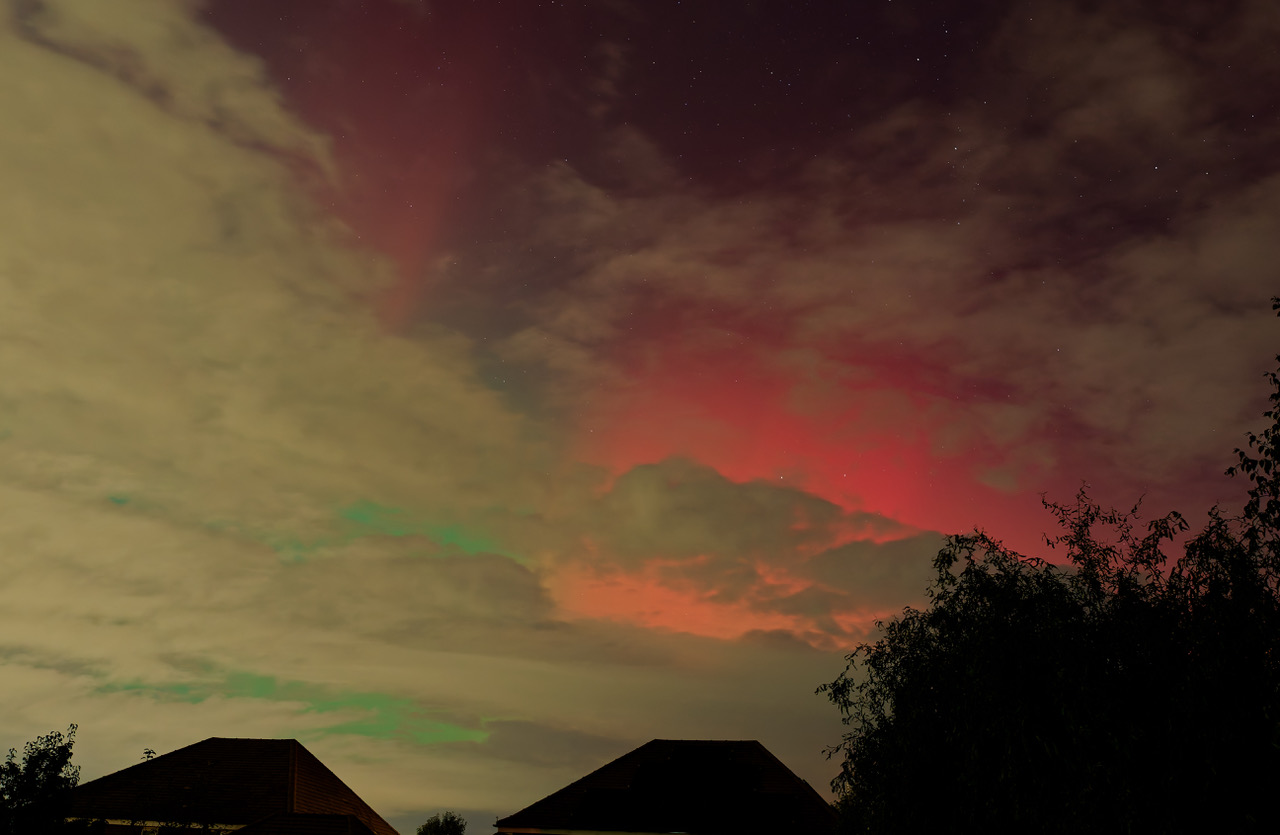
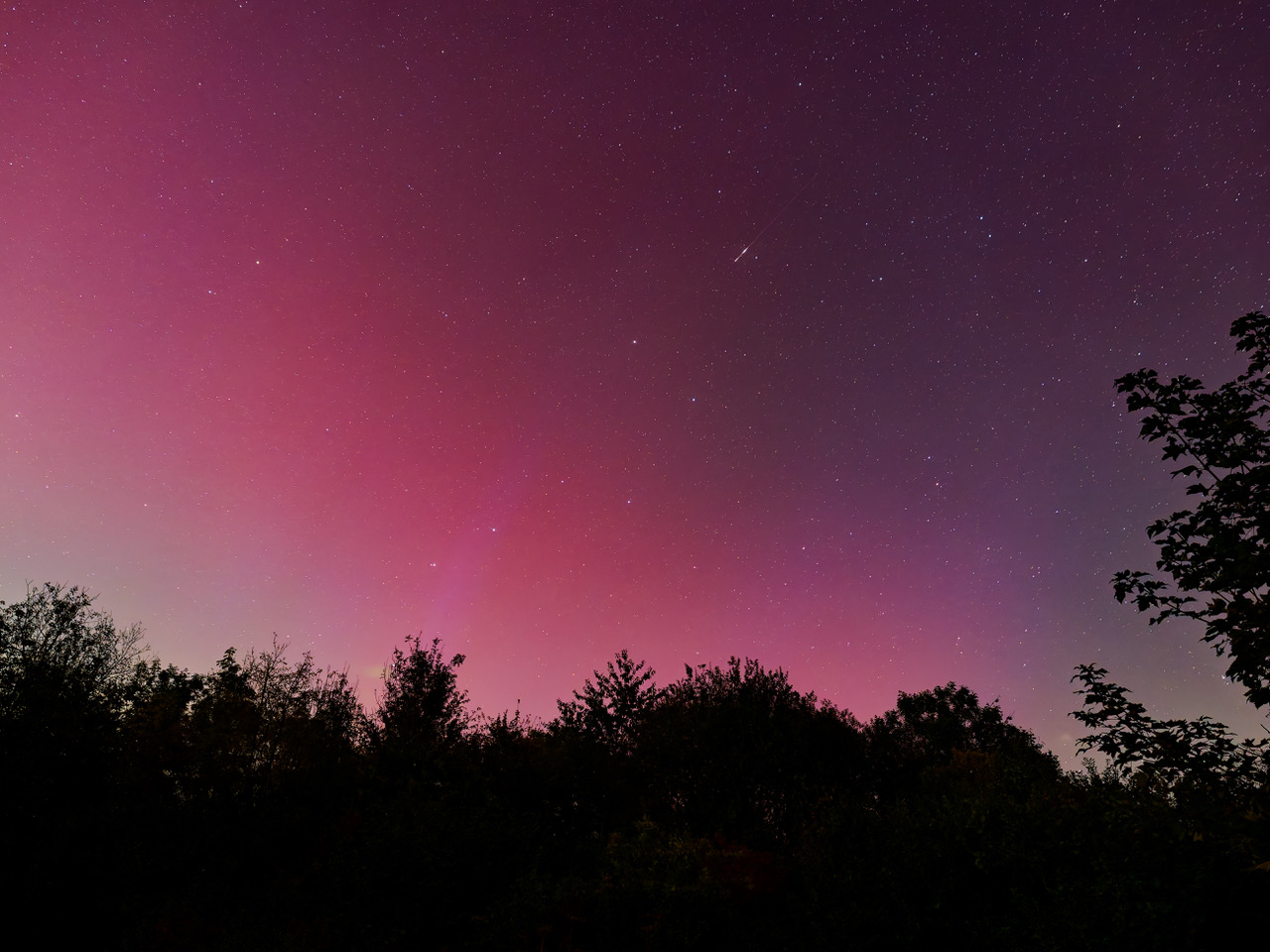
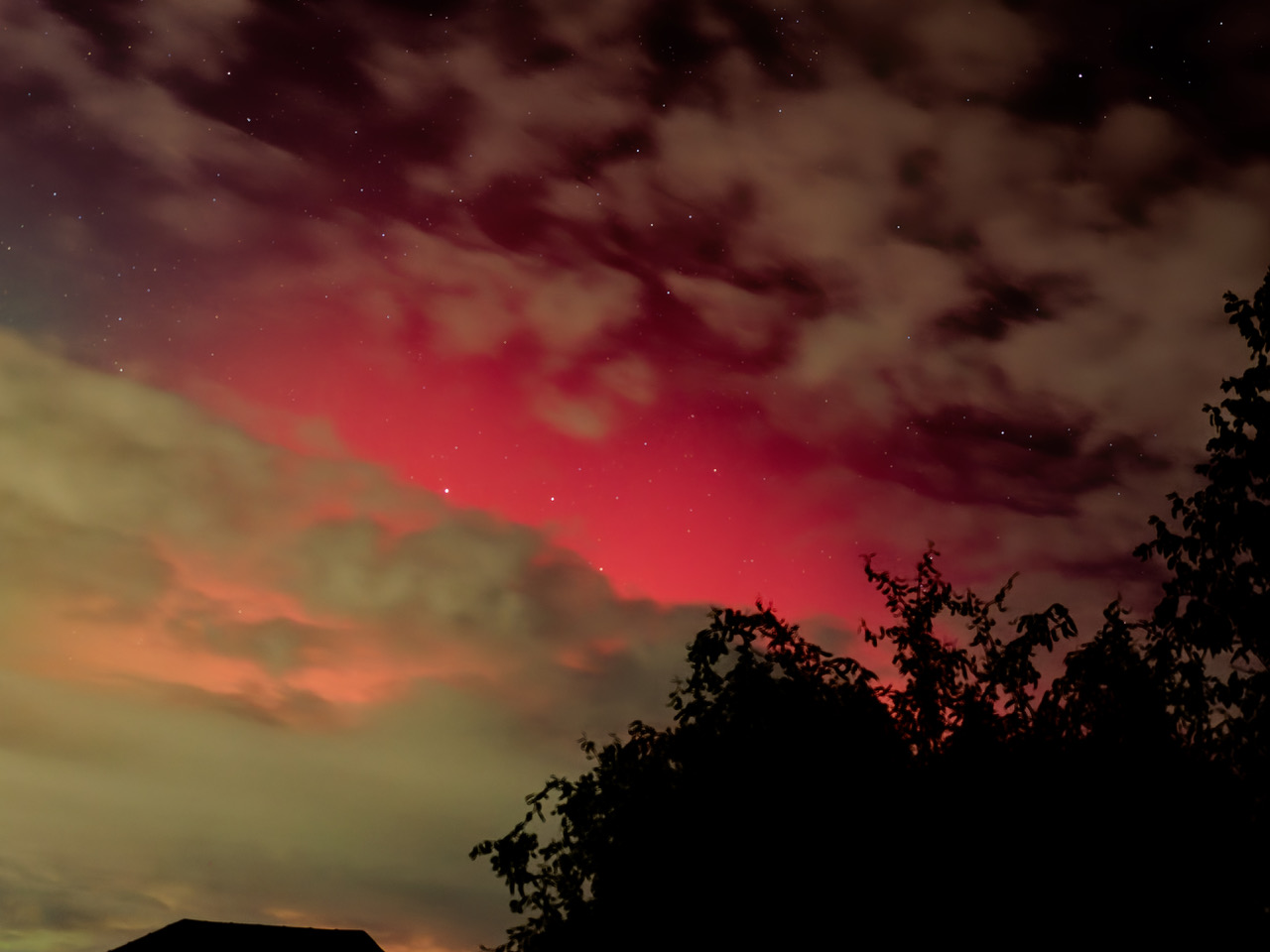
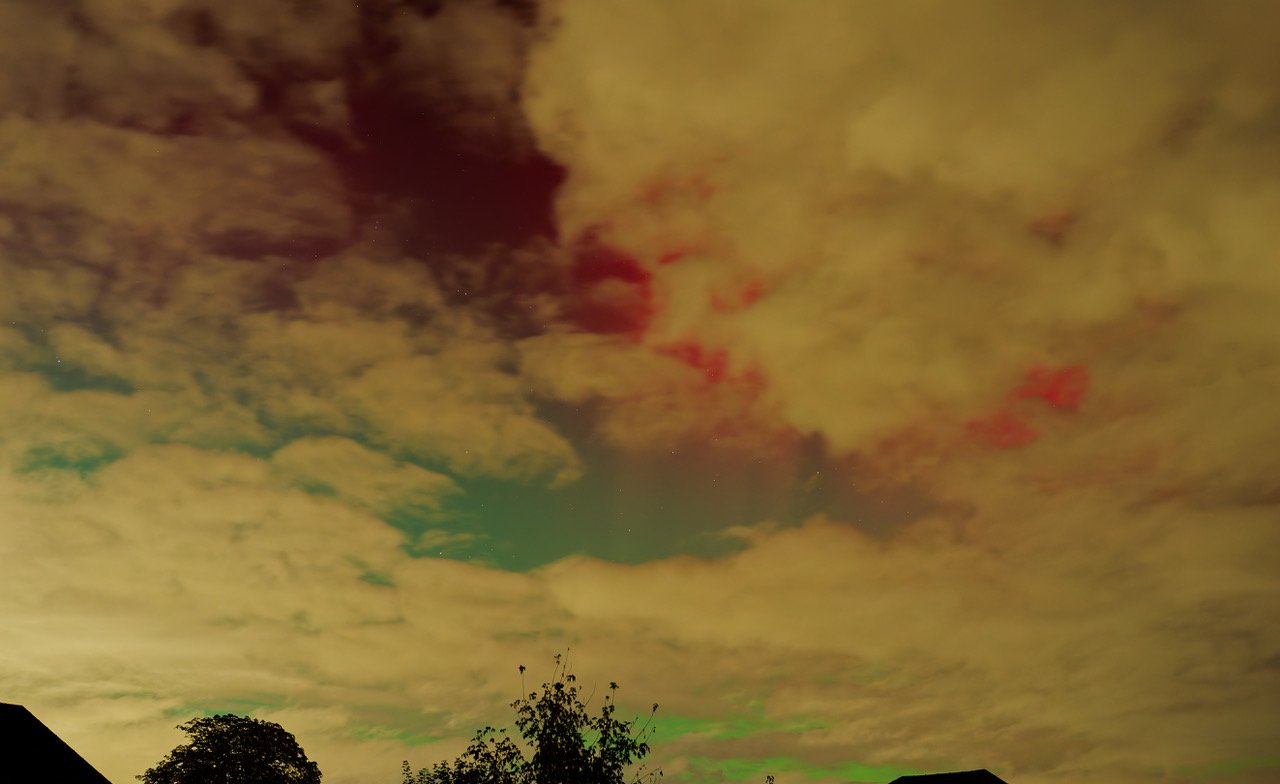
My son, Alex, took the following photographs of the Aurora..

oooo

oooo

oooo

They are fabulous. Especially so because as it happened we had mainly cloud cover here in Southern Oregon.

To close, here is an extract from yesterday’s BBC website:

On Thursday night, the stunning colours of the Northern Lights were visible once again even to the naked eye across much of the US.

Experts say the Northern Lights, or Aurora Borealis, are more visible right now due to the sun being at what astronomers call the “maximum” of its 11-year solar cycle.

What this means is that roughly every 11 years, at the peak of this cycle, the sun’s magnetic poles flip, and the sun transitions from sluggish to active and stormy. On Earth, that’d be like if the North and South Poles swapped places every decade. 

“At its quietest, the sun is at solar minimum; during solar maximum, the sun blazes with bright flares and solar eruptions,” according to Nasa, the US space agency.

The current 11-year cycle, the 25th since records began in 1755, started in 2019 and is expected to peak next year.