This is another republication of a George Monbiot post. The title of his post is Total Futility Rate.
It is another great article!
ooOOoo
Total Futility Rate
Posted on15th December 2025
Let’s focus our campaigning on things we can actually change.
By George Monbiot, published as a BlueSky thread, 15th December 2025
Because the issue of population change is so widely misunderstood, I’ll seek to lay it out simply. This note explains why there is almost nothing anyone can do to change the global population trajectory, both as numbers rise, then as they fall.
The residual rise is due to:
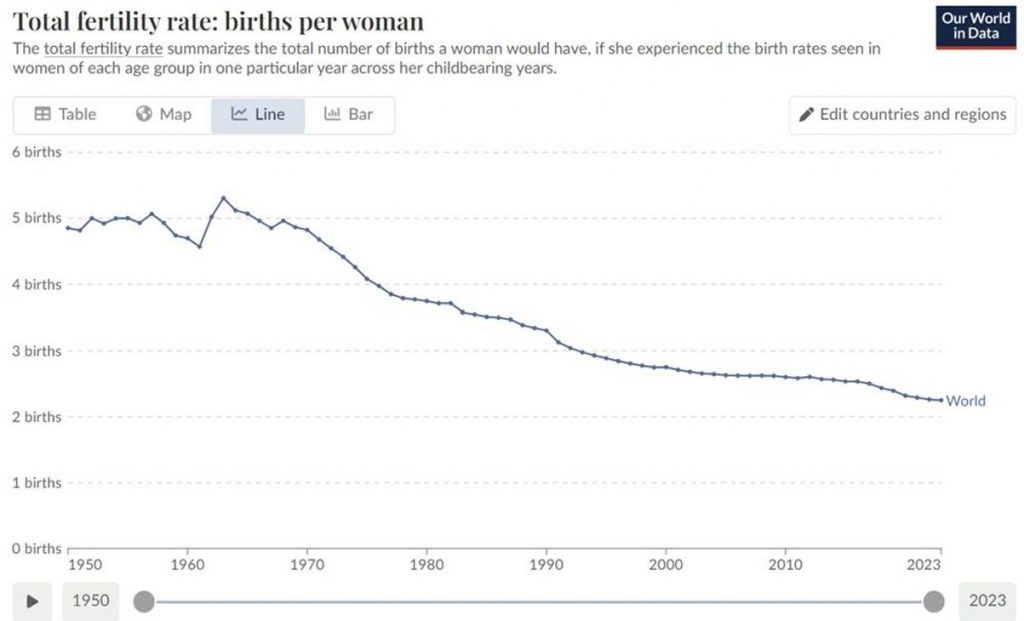
A. The birth rate 60-100 years ago, which created a larger current base population. This means more children being born even as birth rates are in radical decline. The global total fertility rate, by the way, is now 2.2, just above the replacement rate of 2.1.
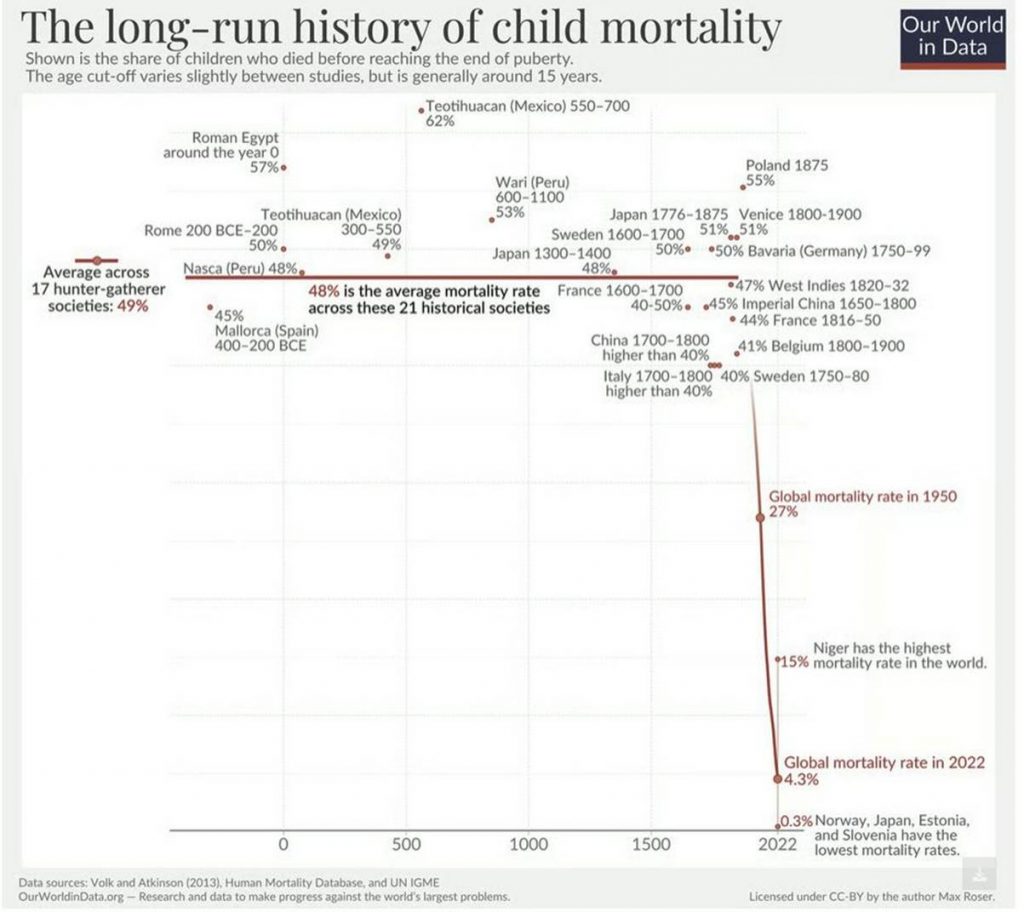
B. Infant mortality has declined very fast and longevity has risen very fast. Again, there’s nothing you can do about either of those things and, I hope, nothing you would want to.
All women should have total reproductive freedom and full access to modern birth control. Because it’s a fundamental right. Not because old men on other continents want them to have fewer children. Even if total reproductive freedom became universal now, it would scarcely nudge the curve, due to the factors mentioned above.
Before long, people will be fretting instead about the downwave, a very rapid decline in populations as the impact of 60+ years of falling birth rates overtakes the effects mentioned above. There’s almost nothing we can do about that either. It’s about as locked in as any human behaviour can be. As the opportunity costs of childcare rise (i.e. as prosperity increases), the birth rate declines.
Of course, if economic and social life collapsed, the process might go into reverse, and birth rates could be expected to rise again. But is that really what you want? For my part, I’m heartily sick of people who think collapse is the answer to anything.
In the short run, we can survive the decline in wealthy countries by reopening the door to immigrants, which would also offer sanctuary to people fleeing from the climate breakdown and conflict we’ve caused overseas. Two wins, in other words. In the long run, we’ll steadily shuffle away.
Whether you think that’s good or bad will not affect the outcome. I see demographic change as an underlying factor, like gravity, we simply have to adapt to as well as we can. If you want to pick a fight with a mathematical function, be my guest. But it seems to me as if you’re wasting your time.
But surely there’s no harm in it? Surely we can seek, however hopelessly, to change the population trajectory while also campaigning against environmental breakdown, inequality, injustice? Some people who worry about population do. But in my experience, most fixate on population to the exclusion of other issues.
Something must be done about them breeding too fast, rather than us consuming too fast. All too often, residual population growth is used as a scapegoat to shift blame from rich-world impacts, which means that the people in places where growth is still occurring are themselves scapegoated. The result, broadly speaking, is wealthy white people pointing the finger at much poorer Black and Brown people and saying, “You’re the problem.” It’s more than a distraction, it’s a grim and sometimes racist alternative to effective action. It’s an excuse for inaction.
So yes, do both if you want to, while being aware that one activity is useful and the other is futile. But be aware that for most population obsessives, it’s either/or, and is used to avoid moral responsibility and effective citizenship.
If you read this you will understand why Mr Monbiot explains clearly the changes in the global demographics: That the global population is falling. My own guess is that in the lifespans of those who today are in their teens, the global population will be remarkably lower. I can’t forecast the changes that will bring about but I’m certain they will be significant.
George’s last point is key “(It) is used to avoid moral responsibility and effective citizenship.“
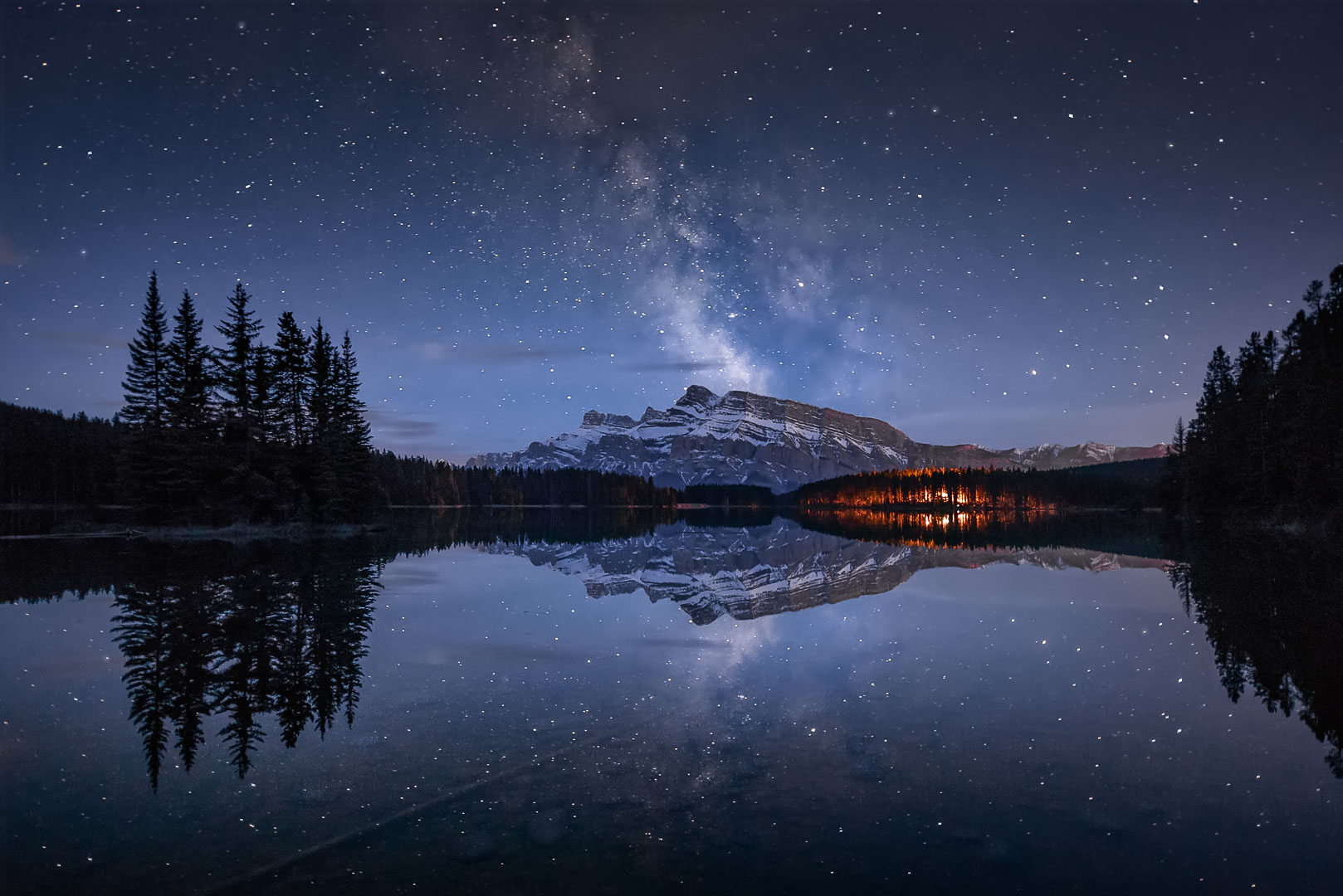
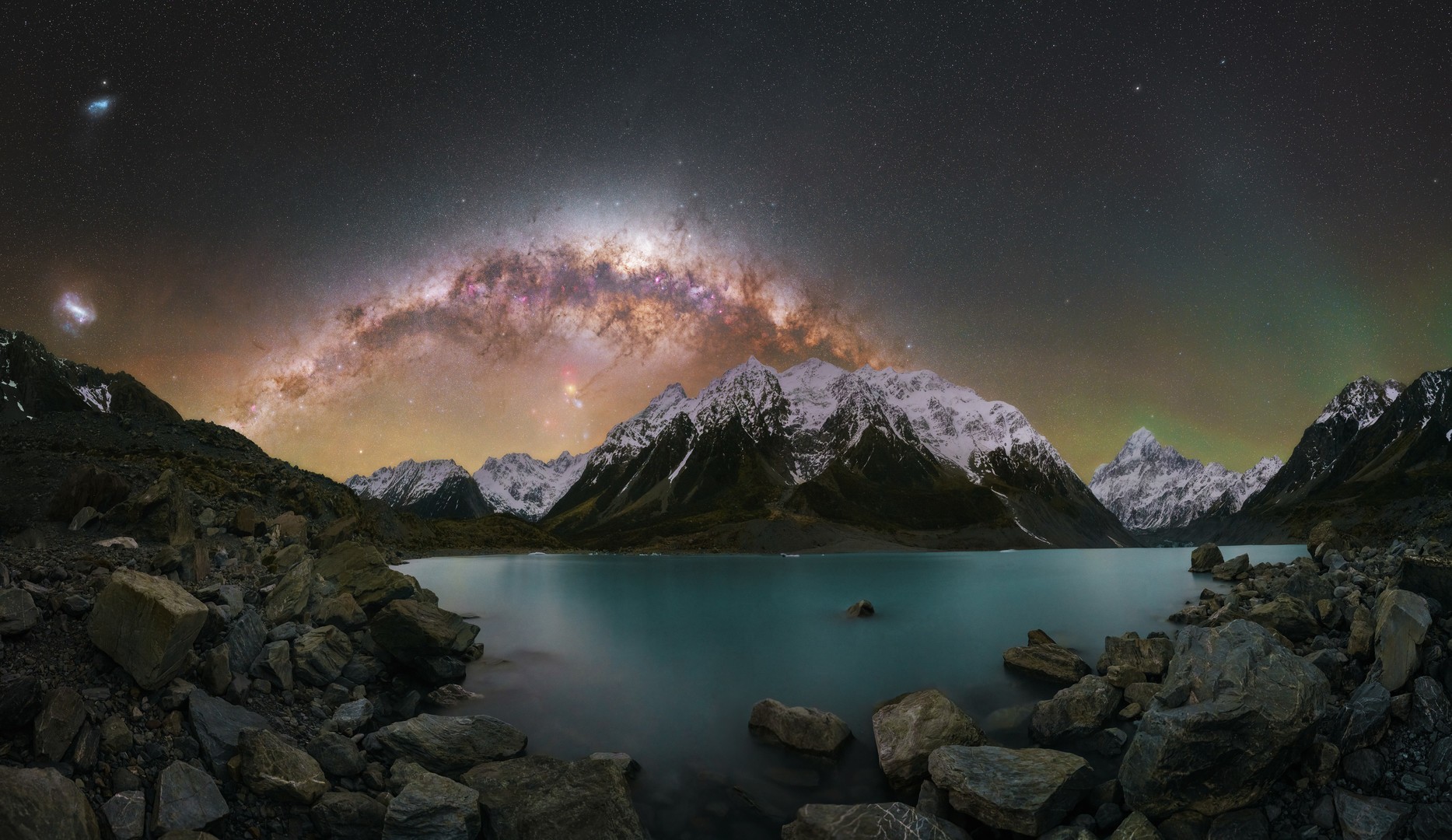
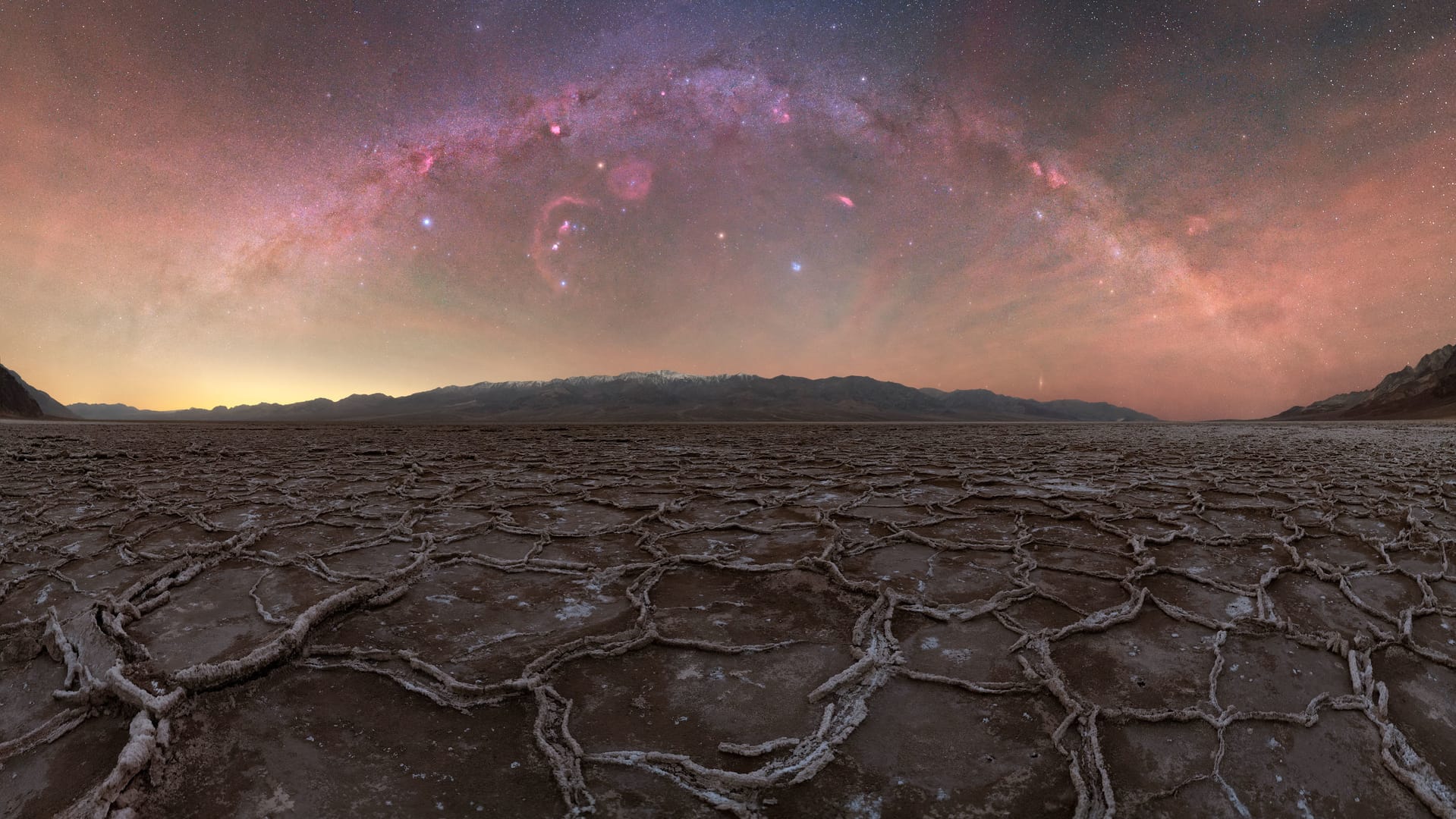
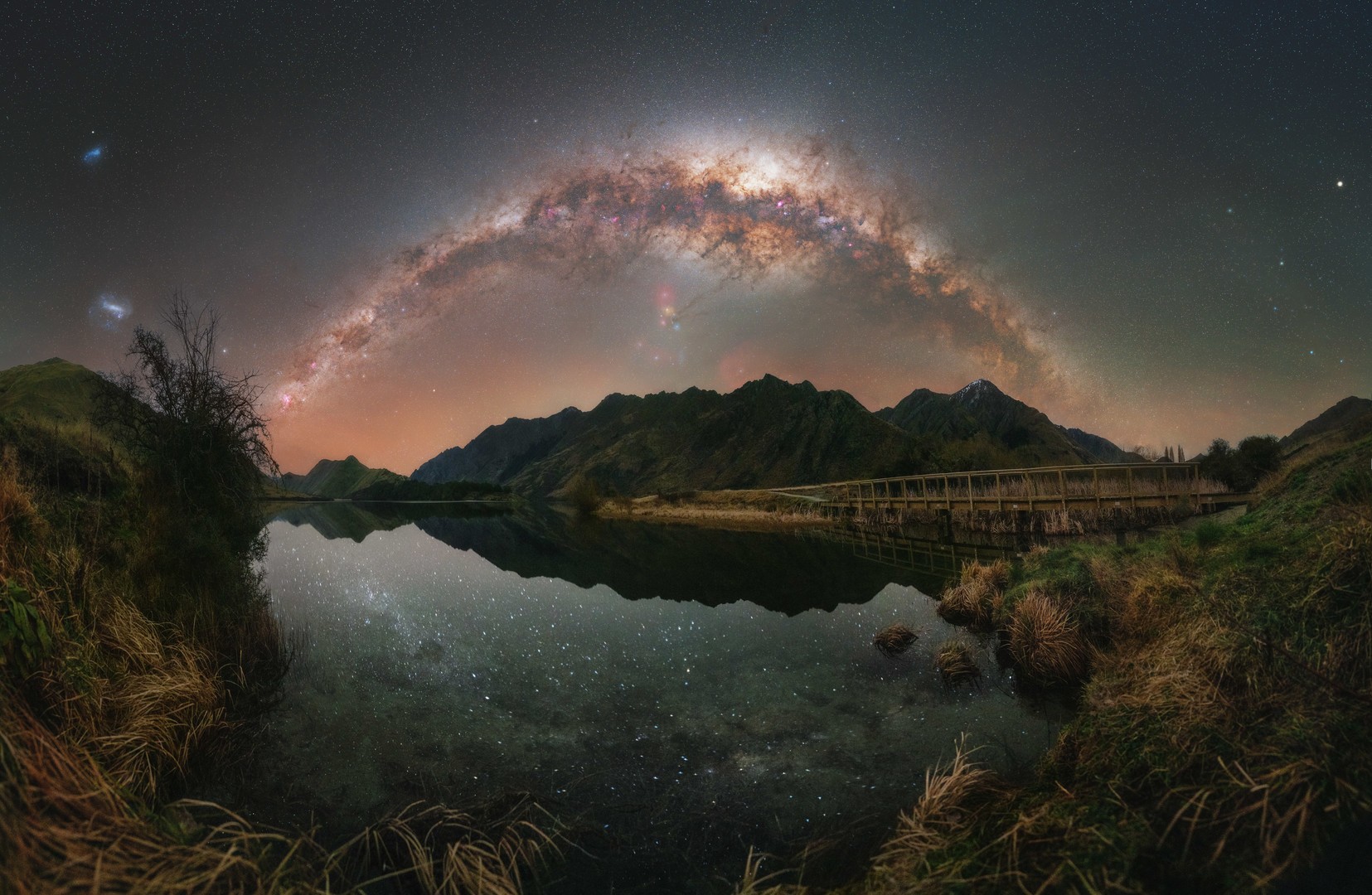
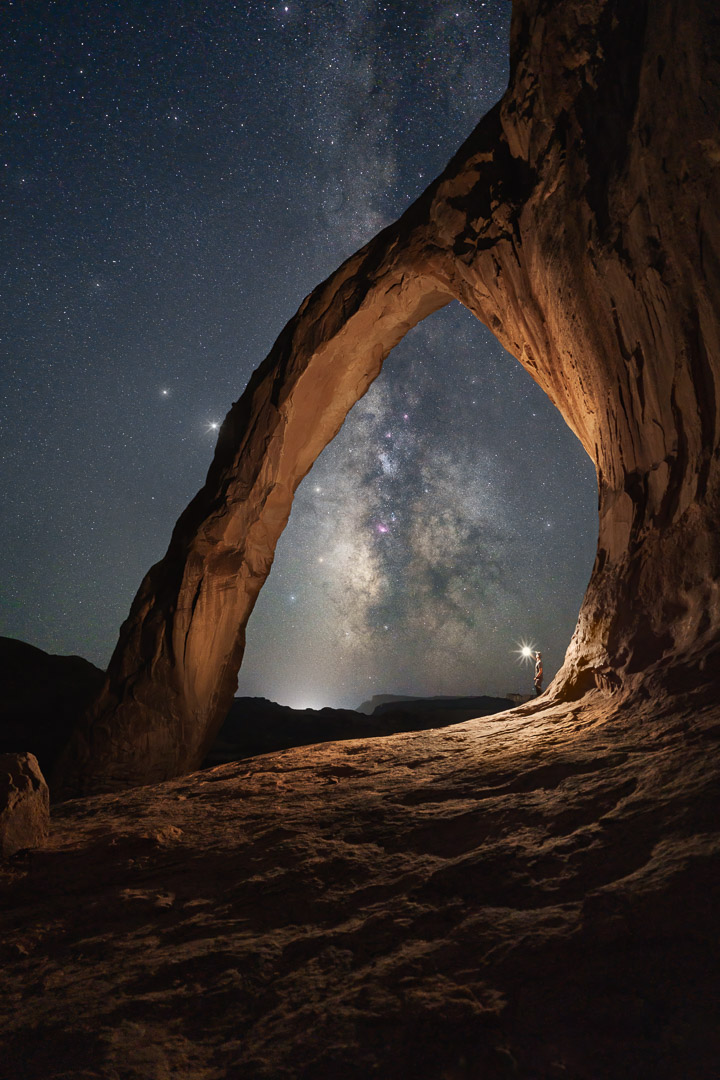
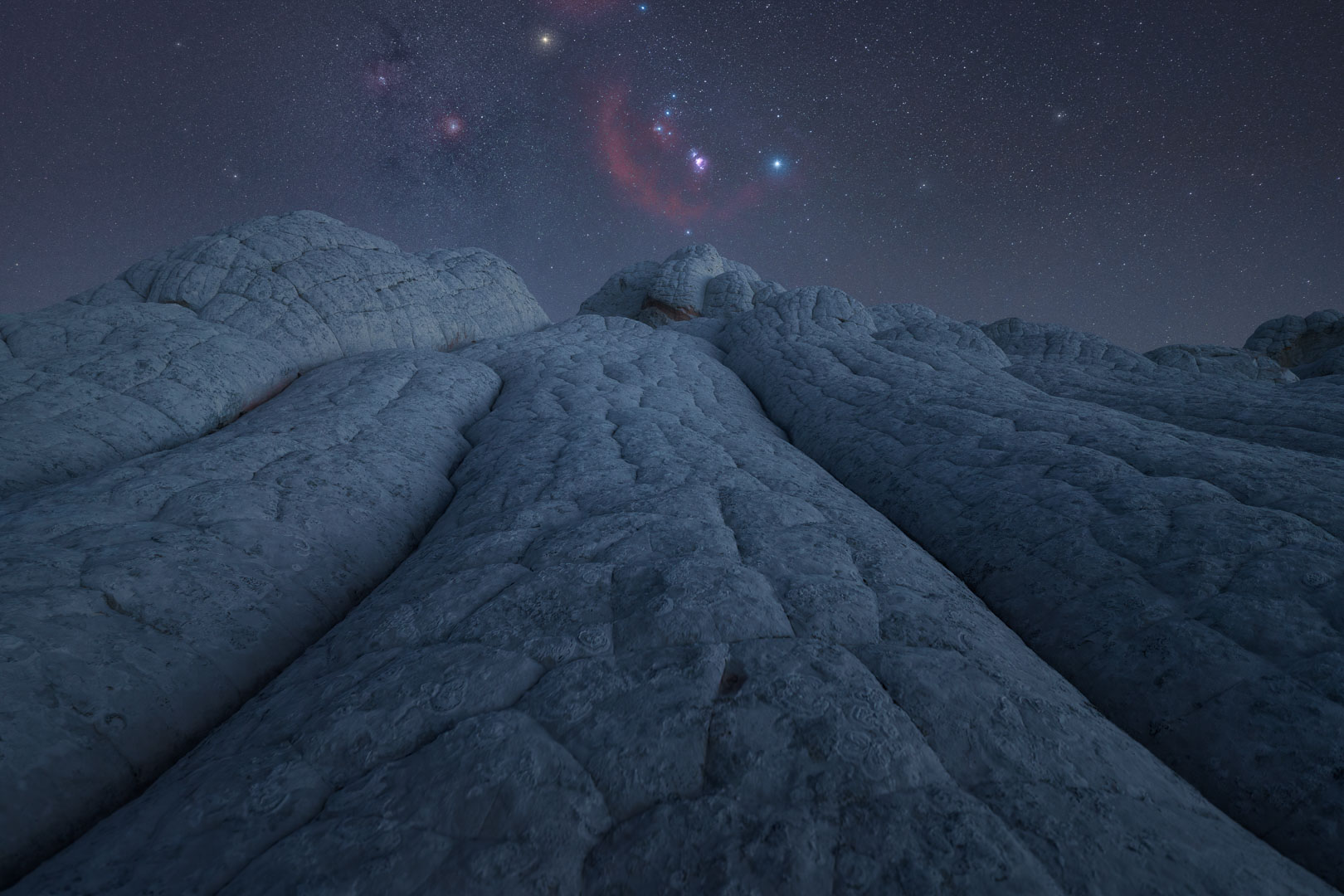
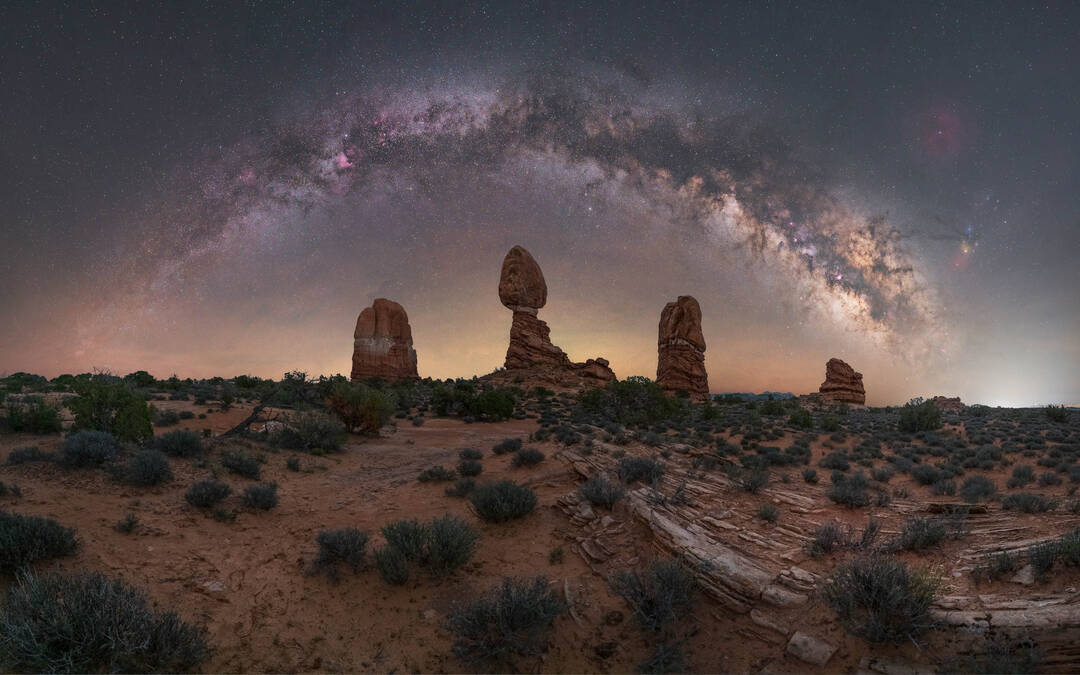
Frequently I look up at the night sky and ponder about so many things that I cannot understand. I wish I did but it is far too late now. But that doesn’t stop me from reading about the science and more. Here is a perfect example of that and I am delighted to be able to share it with you.
ooOOoo
Most normal matter in the universe isn’t found in planets, stars or galaxies – an astronomer explains where it’s distributed
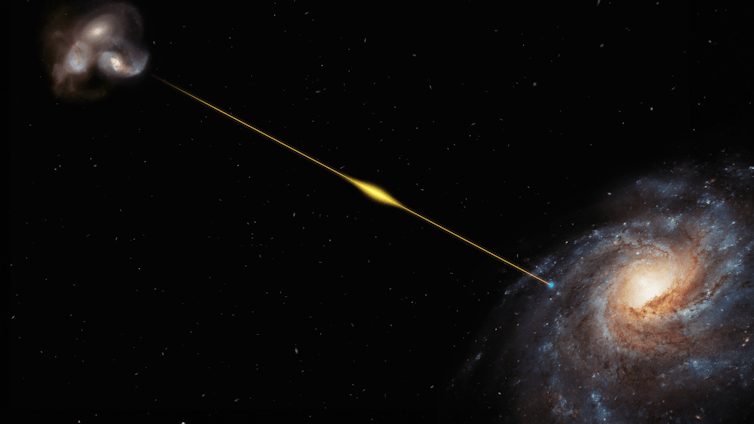
Mysterious blasts of radio waves from across the universe called fast radio bursts help astronomers catalog matter. ESO/M. Kornmesser, CC BY-SA
If you look across space with a telescope, you’ll see countless galaxies, most of which host large central black holes, billions of stars and their attendant planets. The universe teems with huge, spectacular objects, and it might seem like these massive objects should hold most of the universe’s matter.
But the Big Bang theory predicts that about 5% of the universe’s contents should be atoms made of protons, neutrons and electrons. Most of those atoms cannot be found in stars and galaxies – a discrepancy that has puzzled astronomers.
If not in visible stars and galaxies, the most likely hiding place for the matter is in the dark space between galaxies. While space is often referred to as a vacuum, it isn’t completely empty. Individual particles and atoms are dispersed throughout the space between stars and galaxies, forming a dark, filamentary network called the “cosmic web.”
Throughout my career as an astronomer, I’ve studied this cosmic web, and I know how difficult it is to account for the matter spread throughout space.
In a study published in June 2025, a team of scientists used a unique radio technique to complete the census of normal matter in the universe.
The census of normal matter
The most obvious place to look for normal matter is in the form of stars. Gravity gathers stars together into galaxies, and astronomers can count galaxies throughout the observable universe.
The census comes to several hundred billion galaxies, each made of several hundred billion stars. The numbers are uncertain because many stars lurk outside of galaxies. That’s an estimated 1023 stars in the universe, or hundreds of times more than the number of sand grains on all of Earth’s beaches. There are an estimated 1082 atoms in the universe.
However, this prodigious number falls far short of accounting for all the matter predicted by the Big Bang. Careful accounting indicates that stars contain only 0.5% of the matter in the universe. Ten times more atoms are presumably floating freely in space. Just 0.03% of the matter is elements other than hydrogen and helium, including carbon and all the building blocks of life.
Looking between galaxies
The intergalactic medium – the space between galaxies – is near-total vacuum, with a density of one atom per cubic meter, or one atom every 35 cubic feet. That’s less than a billionth of a billionth of the density of air on Earth. Even at this very low density, this diffuse medium adds up to a lot of matter, given the enormous, 92-billion-light-year diameter of the universe.
The intergalactic medium is very hot, with a temperature of millions of degrees. That makes it difficult to observe except with X-ray telescopes, since very hot gas radiates out through the universe at very short X-ray wavelengths. X-ray telescopes have limited sensitivity because they are smaller than most optical telescopes.
Deploying a new tool
Astronomers recently used a new tool to solve this missing matter problem. Fast radio bursts are intense blasts of radio waves that can put out as much energy in a millisecond as the Sun puts out in three days. First discovered in 2007, scientists found that the bursts are caused by compact stellar remnants in distant galaxies. Their energy peters out as the bursts travel through space, and by the time that energy reaches the Earth, it is a thousand times weaker than a mobile phone signal would be if emitted on the Moon, then detected on Earth.
Research from early 2025 suggests the source of the bursts is the highly magnetic region around an ultra-compact neutron star. Neutron stars are incredibly dense remnants of massive stars that have collapsed under their own gravity after a supernova explosion. The particular type of neutron star that emits radio bursts is called a magnetar, with a magnetic field a thousand trillion times stronger than the Earth’s.
A magnetar is a rare type of neutron star with an extremely strong magnetic field. ESO/L. Calçada, CC BY-ND
Even though astronomers don’t fully understand fast radio bursts, they can use them to probe the spaces between galaxies. As the bursts travel through space, interactions with electrons in the hot intergalactic gas preferentially slow down longer wavelengths. The radio signal is spread out, analogous to the way a prism turns sunlight into a rainbow. Astronomers use the amount of spreading to calculate how much gas the burst has passed through on its way to Earth.
Puzzle solved
In the new study, published in June 2025, a team of astronomers from Caltech and the Harvard Center for Astrophysics studied 69 fast radio bursts using an array of 110 radio telescopes in California. The team found that 76% of the universe’s normal matter lies in the space between galaxies, with another 15% in galaxy halos – the area surrounding the visible stars in a galaxy – and the remaining 9% in stars and cold gas within galaxies.
The complete accounting of normal matter in the universe provides a strong affirmation of the Big Bang theory. The theory predicts the abundance of normal matter formed in the first few minutes of the universe, so by recovering the predicted 5%, the theory passes a critical test.
Several thousand fast radio bursts have already been observed, and an upcoming array of radio telescopes will likely increase the discovery rate to 10,000 per year. Such a large sample will let fast radio bursts become powerful tools for cosmology. Cosmology is the study of the size, shape and evolution of the universe. Radio bursts could go beyond counting atoms to mapping the three-dimensional structure of the cosmic web.
Pie chart of the universe
Scientists may now have the complete picture of where normal matter is distributed, but most of the universe is still made up of stuff they don’t fully understand.
The most abundant ingredients in the universe are dark matter and dark energy, both of which are poorly understood. Dark energy is causing the accelerating expansion of the universe, and dark matter is the invisible glue that holds galaxies and the universe together.
Dark matter is probably a previously unstudied type of fundamental particle that is not part of the standard model of particle physics. Physicists haven’t been able to detect this novel particle yet, but we know it exists because, according to general relativity, mass bends light, and far more gravitational lensing is seen than can be explained by visible matter. With gravitational lensing, a cluster of galaxies bends and magnifies light in a way that’s analogous to an optical lens. Dark matter outweighs conventional matter by more than a factor of five.
One mystery may be solved, but a larger mystery remains. While dark matter is still enigmatic, we now know a lot about the normal atoms making up us as humans, and the world around us.
The details are incredible. Take for example that three-quarters of the matter out there is found outside the galaxies. Or that there are more stars in the universe than all of the sand grains on Planet Earth.




 Learning from Dogs