Year: 2023

Picture Parade Four Hundred and Eighty-Three

The last day of April, 2023, brings a change in the Picture Parades.

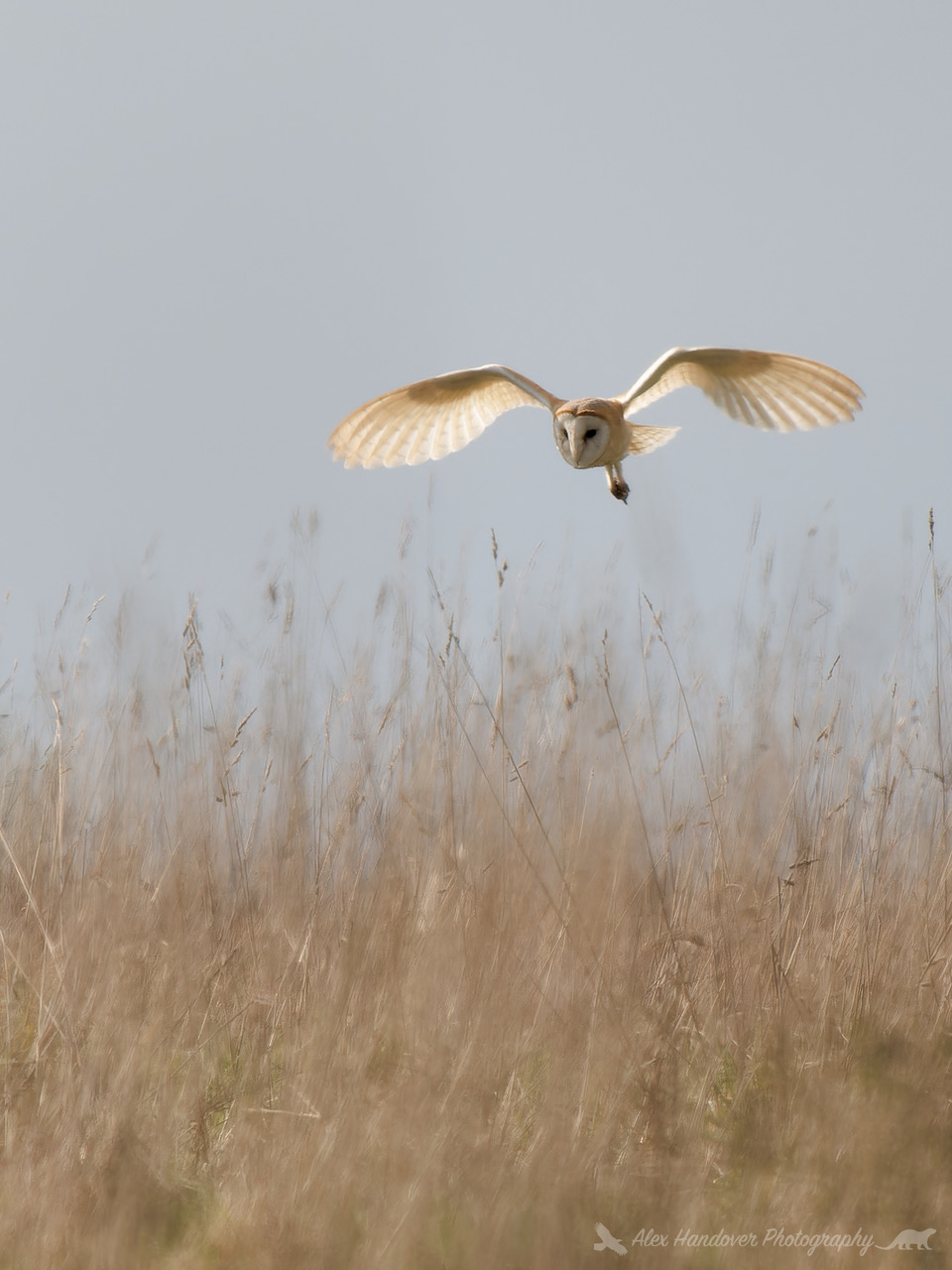
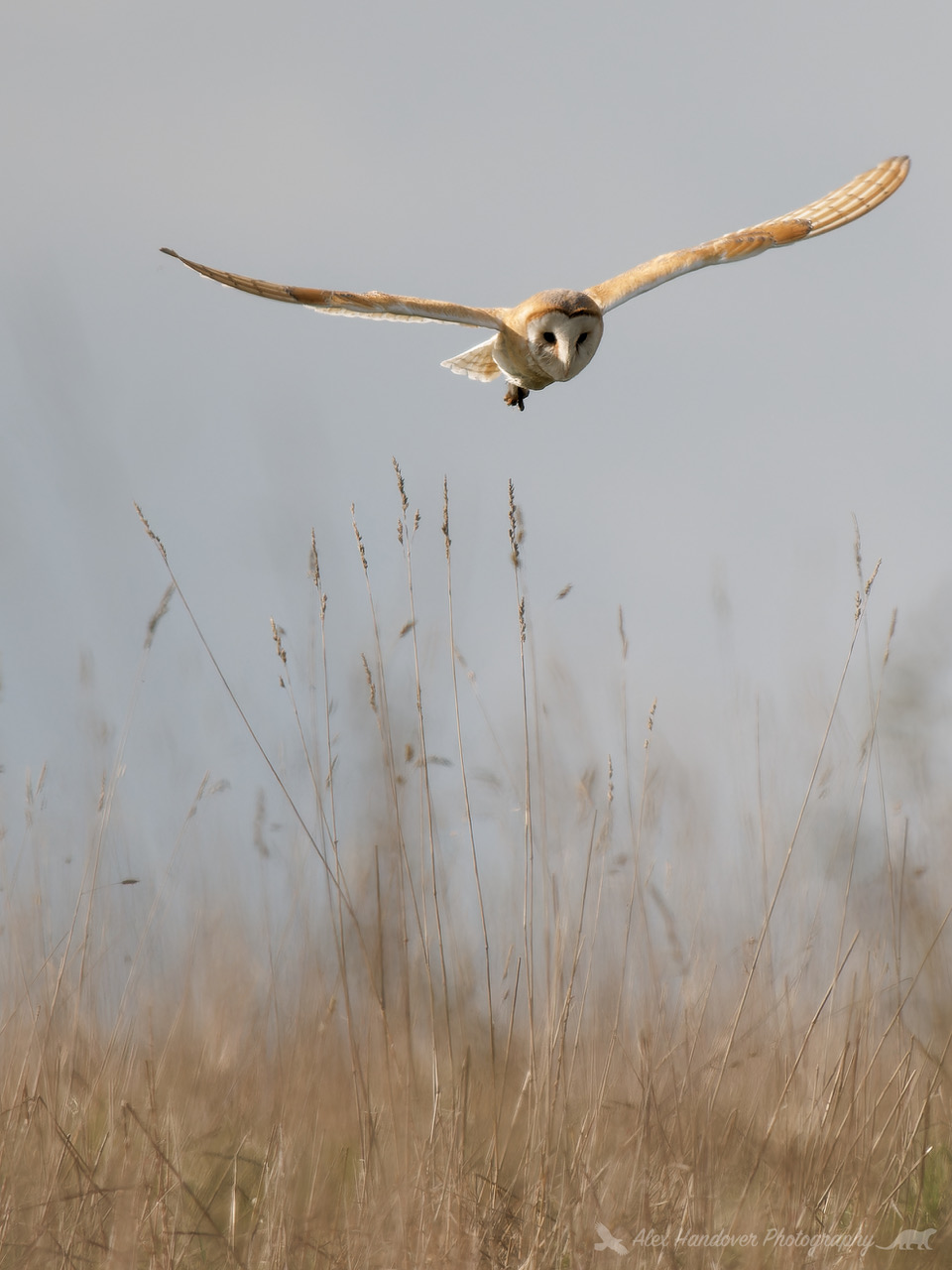
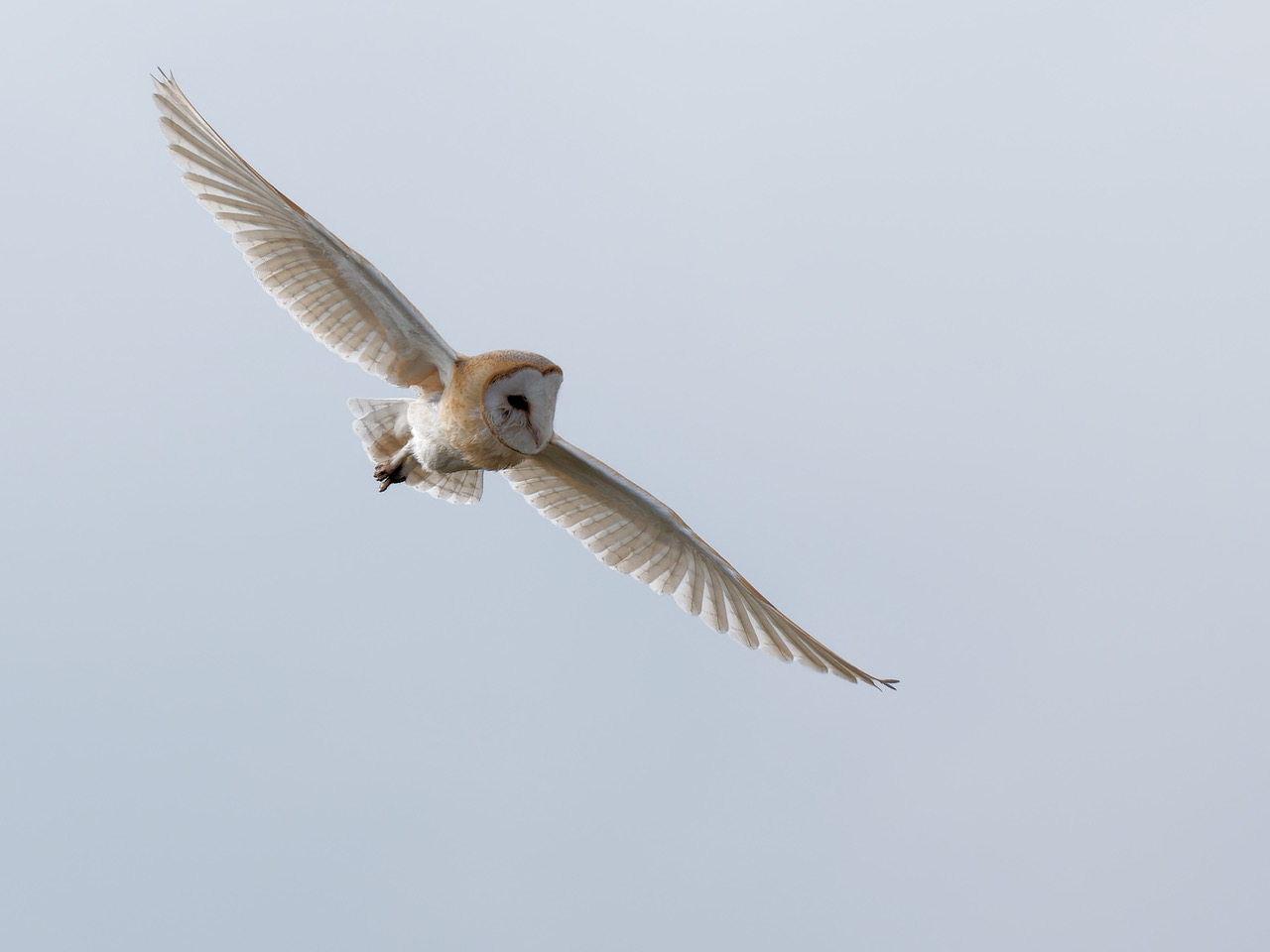
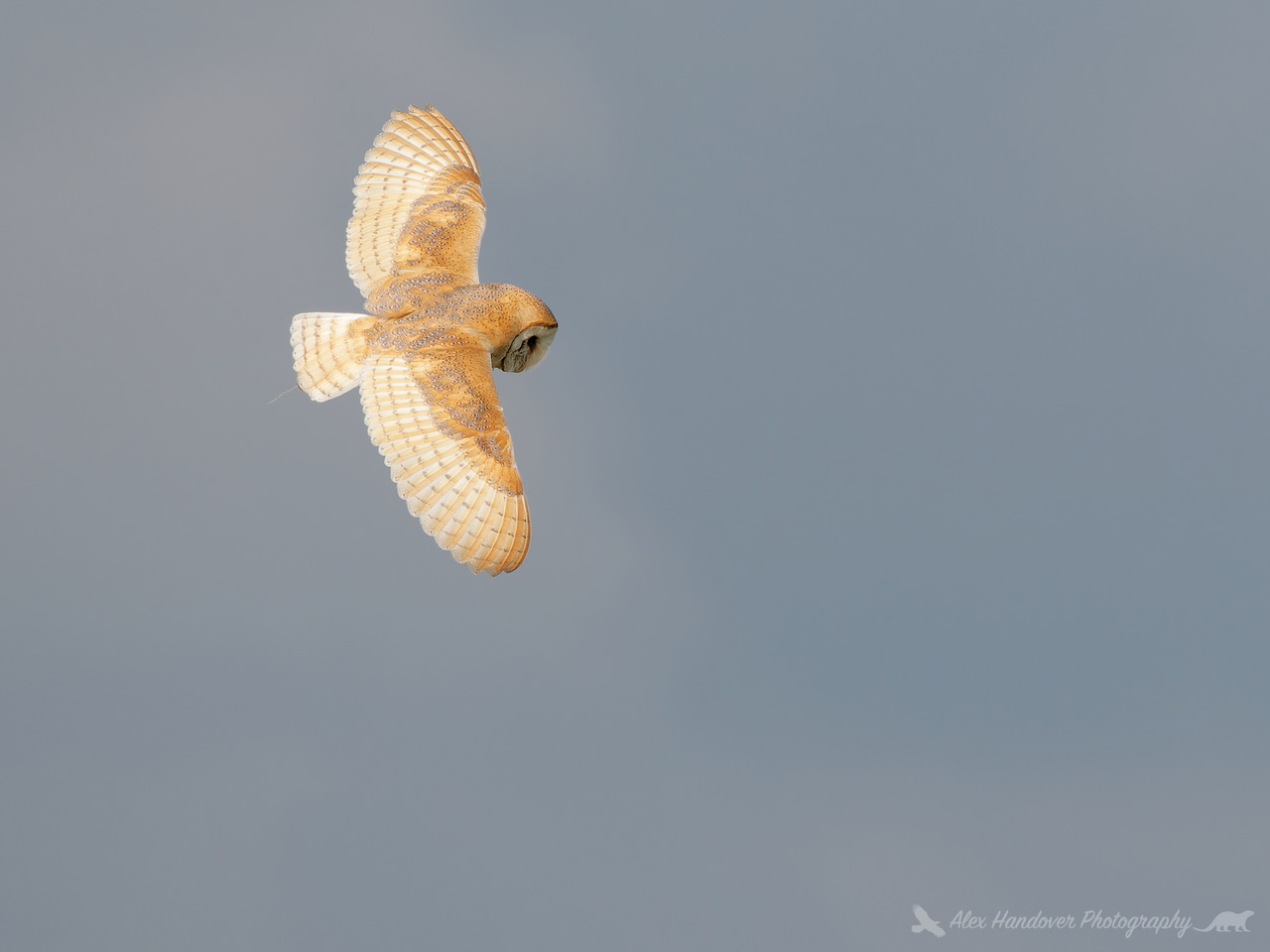
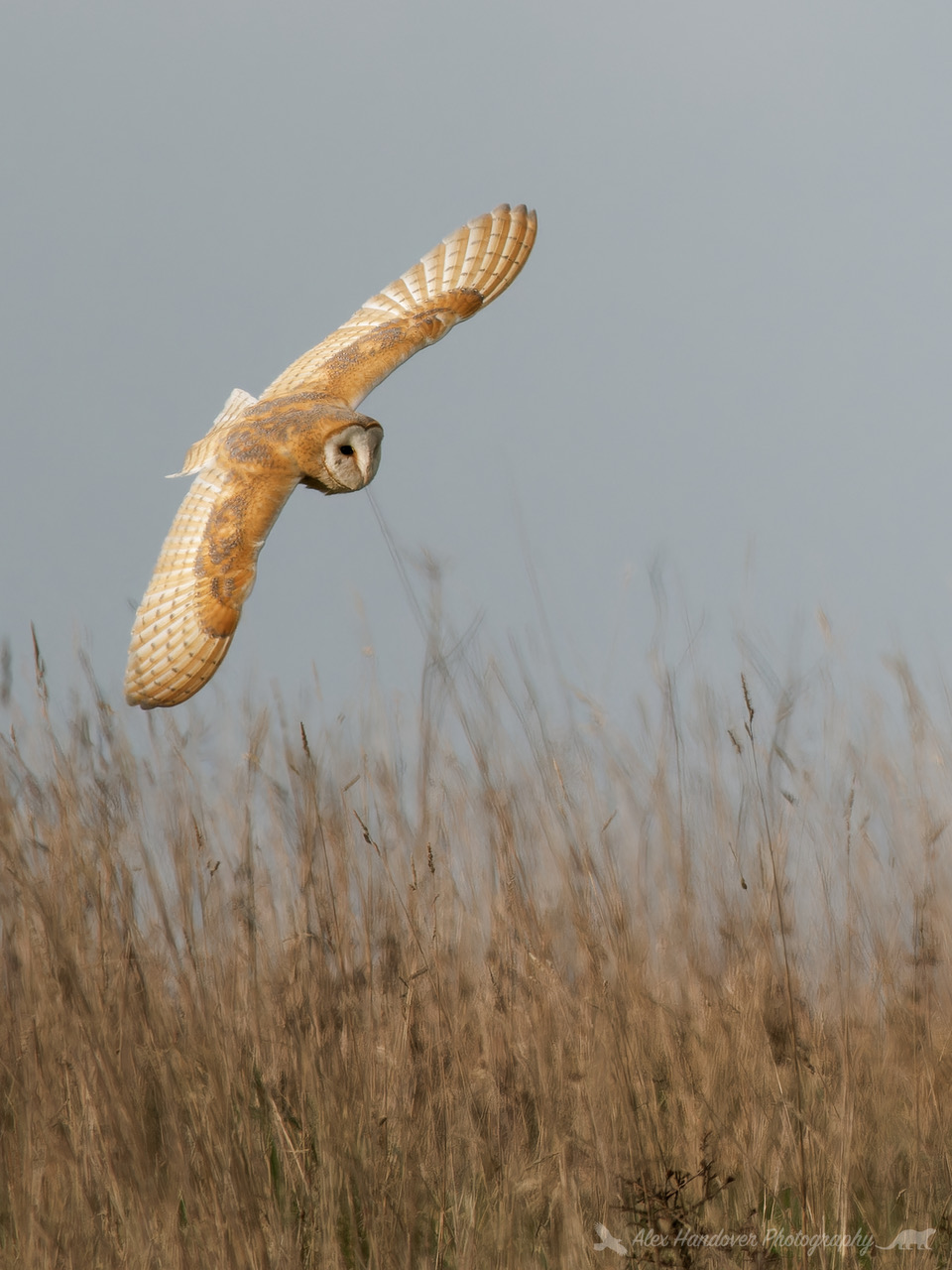
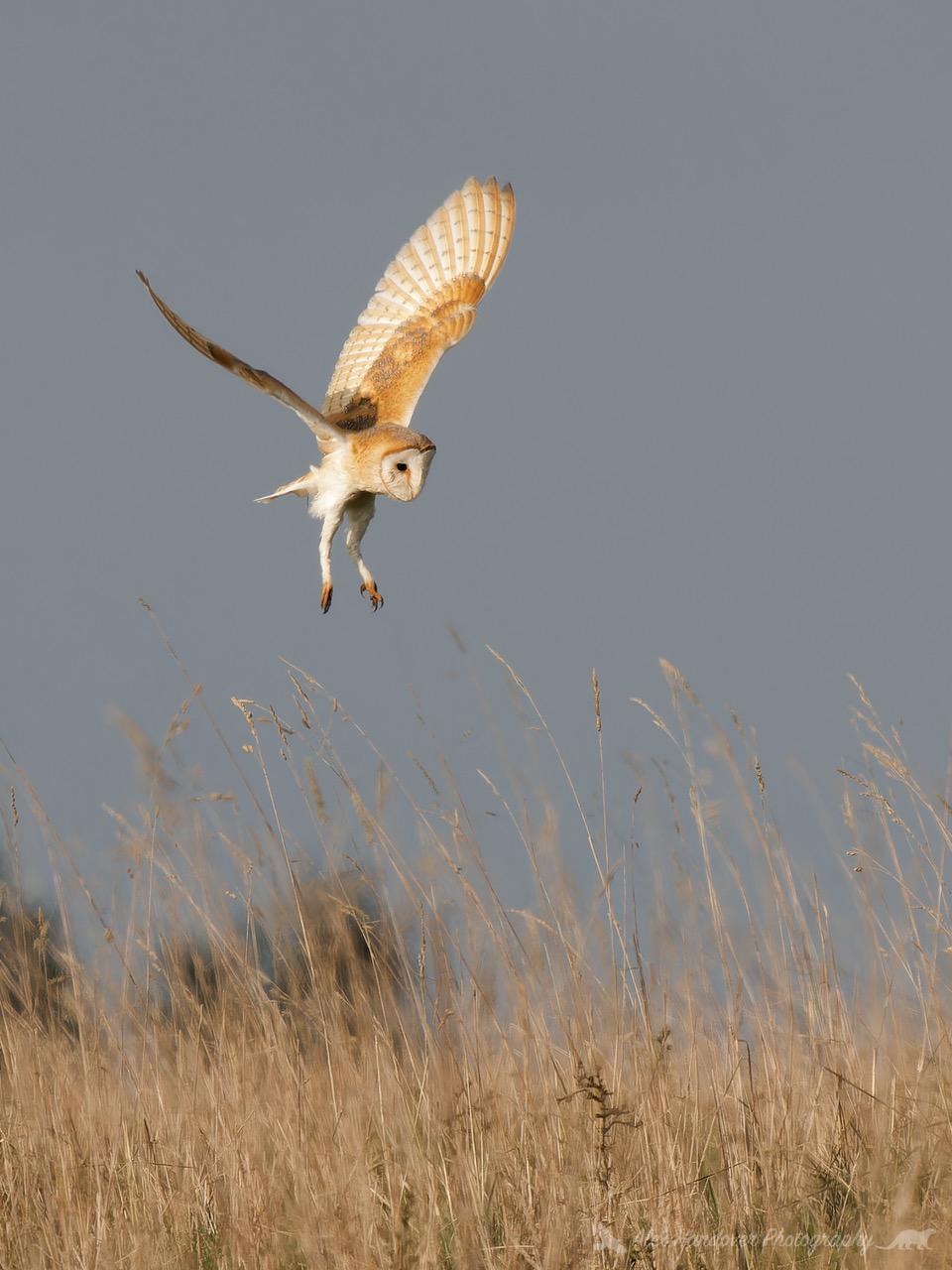
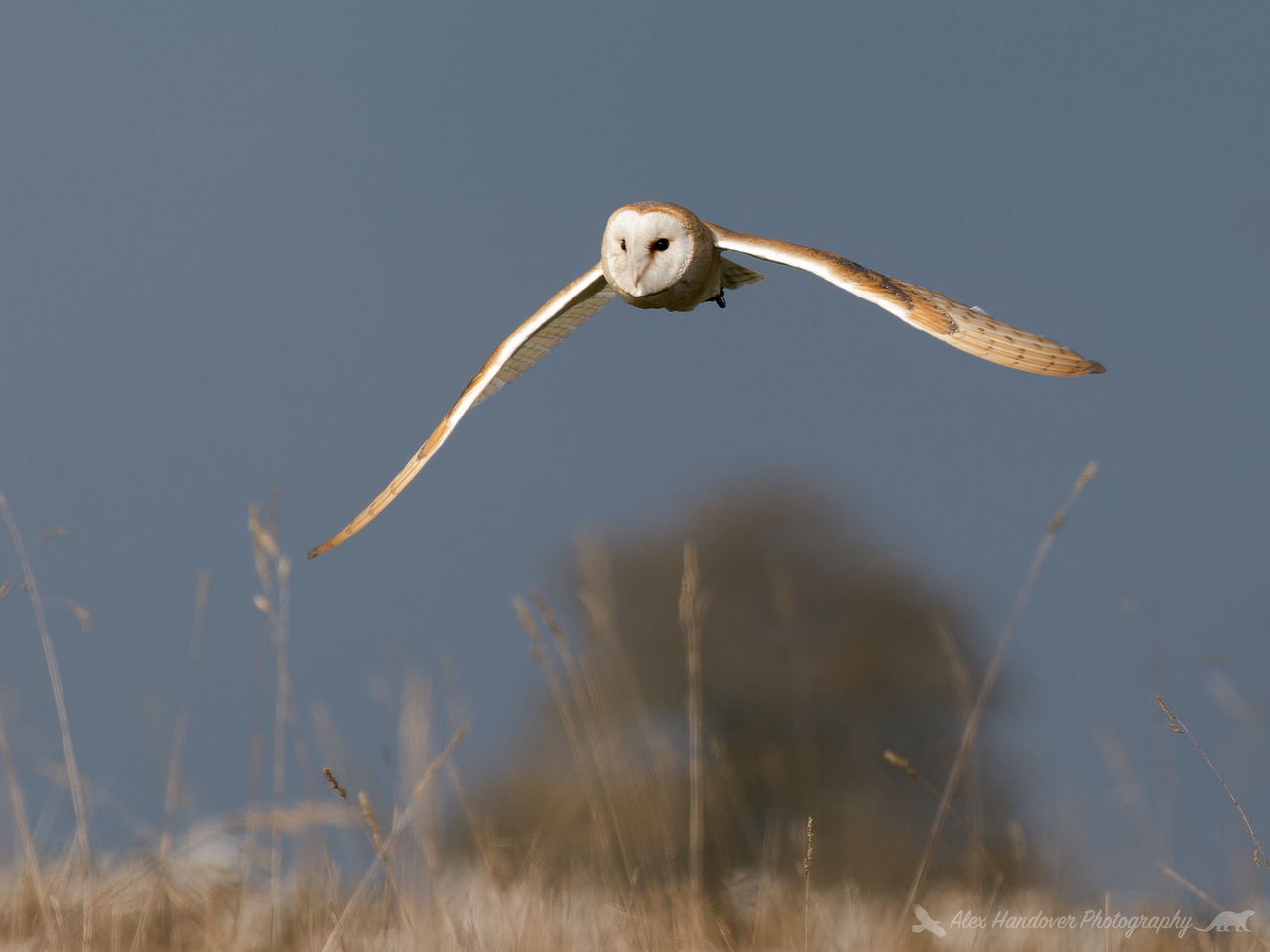
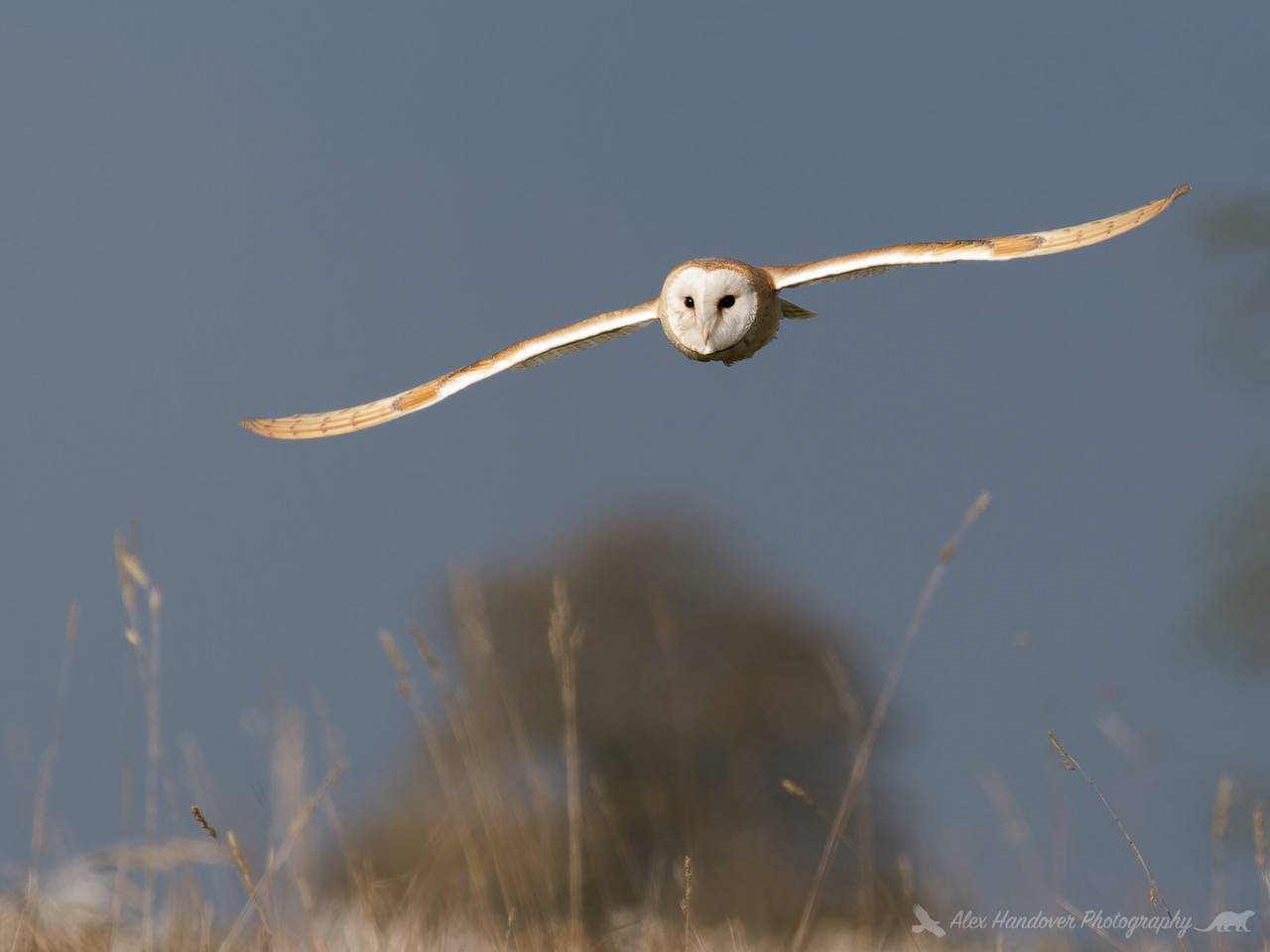
My son, Alex, is a very keen photographer and has taken many beautiful photos of birds. He wants to build his following especially on Instagram (that is a link to Alex’s page) and I was very willing to assist him in his endeavour.

So starting today I will be posting the photographs taken by Alex and repeating this every other Sunday. In other words, I shall now be alternating between birds and dogs for as long as is possible.

But first of all here is Alex’s QR code.

oooo

oooo

oooo

oooo

oooo

oooo

oooo

oooo

oooo

Alex uses an Olympus camera, an OM-1, and his lens is an Olympus M zuiko 150-400TC pro. A feature of the camera is the continuous shooting rate of 130 frames per second that Alex uses to good effect; as you can see.

So if you are interested in photography, please go across to this Instagram link and revel in the wonderful pictures featuring wildlife from the UK🇬🇧, mainly in the counties of Somerset, Gloucestershire and Bristol.

Next Sunday we are back to dogs!

Being a responsible dog owner

A guest post from Souvik Ghosh.

From time to time various persons are in touch asking if I will accept a guest post. As long as the author is not connected to a commercial organisation then I am more than willing to accept.

ooOOoo

The Benefits of Spaying or Neutering Your Puppy

By Souvik Ghosh.

Spaying is the removal of a dog’s reproductive organs, while neutering is the removal of a dog’s testicles. Both of these procedures are usually completed between the ages of six to nine months old. The decision to spay or neuter your puppy is an important one, and one that every pet parent should consider carefully. Spaying or neutering your puppy can have many benefits; both for your pet, and for pet owners. In this article, we will explore the many benefits of spaying or neutering your puppy.

1. Cost Benefits

A. Lower veterinary expenses

 By sanctioning spaying or neutering your puppy, you can spare yourself incurring costly veterinary bills. Not only that, but spayed and neutered pets often require fewer vet visits overall than unaltered animals, thus resulting in further financial savings.

B. Avoidance of unwanted litters and associated costs

 Opting to spay or neuter your puppy will avoid the costs associated with an unwanted or unexpected litter. Having a litter of puppies can involve additional health care expenses, such as vaccinations or deworming, as well as other costs such as food, housing supplies, and potential vet visits due to complications or illness. What’s more, finding homes for each of the puppies can take a considerable amount of time and money. If a litter is born and is not able to be cared for or placed in a permanent home, euthanasia may also become a cost consideration.

C. Reduced potential for destructive behaviors

 Spayed and neutered pets are less likely to display destructive behaviors associated with hormones, such as urine spraying, marking territory, escaping from the house, stray breeding, and aggression. Dealing with these behaviors can involve costly fence repair, kenneling, veterinary bills, and in extreme cases even legal fees. By taking preventative measures and having your puppy spayed or neutered, you can save yourself considerable financial hardship in the long-run.

2. Health Benefits

A. Reduced risk of certain cancers

 Spaying or neutering your pet has many potential health benefits for your pup. First, spaying or neutering your puppy can reduce their risk of certain cancers. Spayed females are at almost no risk for certain types of ovarian and uterine cancer, while neutered males are at a reduced risk of developing prostate cancer.

B. Decreased risk of infections and diseases

 In addition to curbing cancer risk, spayed or neutered puppies also have decreased risk of bacterial and viral infections, as well as other dog diseases, such as Urinary Tract Infection or “cherry eye.” Unneutered male dogs are a lot more likely to develop testicular tumors, while unspayed female pups are more likely to get vaginal infections or mammary tumors.

C. Prevention of reproductive issues

 Spaying or neutering your puppy can also prevent reproductive issues such as false pregnancies, proestrus, and ovarian cysts. Spaying can also reduce “hump” behavior – or the act of mounting other animals – as well as “marking” their territory by urinating on objects or other animals. If a male dog hasn’t been neutered, these behaviors may continue into adulthood.

3. Behavioral Benefits

A. Reduced aggression and territorial tendencies

 One of the primary behavioral benefits is that spayed or neutered puppies will have reduced aggression and territorial tendencies. Unneutered animals are more likely to attempt to protect their territory, which often manifests as aggressive behavior. By removing the instinct to mate and reproduce, these issues can be avoided.

 B. Decreased likelihood of wandering or escaping

 Another advantage is that spaying or neutering your puppy can decrease the likelihood of them wandering or escaping from home. Unneutered animals are more likely to attempt to find a mate, and as a result may be more tempted to roam. By removing this instinct, your puppy can enjoy a safe and secure living space.

C. Less marking and mounting behaviors

 Spaying or neutering your pet can help them to avoid certain sexual impulses. Unneutered animals are more likely to engage in marking and mounting behaviors, which can be embarrassing and bothersome. This can be avoided by removing the unneutered dog’s natural urges to seek out a mate.

4. Community Benefits

A. Control over population and homelessness

 The most obvious benefit of spaying or neutering your puppy is that it helps to control the overall population and reduce homelessness. When dogs reproduce without consequence, the population grows dramatically and shelters become overwhelmed with strays. These strays can be quite disruptive to the community, especially if they’re aggressive or overly vocal. By having your pet spayed or neutered, your community benefits significantly by avoiding this population surge.

B. Reduced noise and nuisance behaviors

 You can also reduce the amount of noise and nuisance behaviors that can plague a community. Dogs can become territorial if they haven’t been neutered or spayed, which can affect their overall behavior. Un-neutered dogs are more likely to bark more, roam, and even become aggressive. This can be a nuisance to neighbors, and even other pet owners in the area. By having your puppy spayed or neutered, your pup won’t be as prone to these behaviors, making it easier to live in harmony with your surrounding community.

C. Improved relationships with neighbors and other pet owners

 Having your puppy spayed or neutered can improve relationships with your neighbors as well as other pet owners. It can help ensure it’s better behaved when around people, making it much easier for neighbors or other pet owners to interact with your dog. It may even help build a friendlier, less fearful relationship between people and your pup, making it easier for your neighbor to come over for a visit. And better relations with pet owners in the area can help strengthen the bond between community members.

Conclusion

 Spaying or neutering your pet can have numerous benefits, both medically and behaviorally, and it is important to consider if it is the right fit for you and your pet. We would encourage all pet owners to take the steps needed in order to be responsible pet owners, and spay or neuter their pup. By doing so, you can help ensure your pet lives a long and healthy life, while contributing to a kinder, more compassionate society.

ooOOoo

That last sentence says it all. I quote, “By doing so, you can help ensure your pet lives a long and healthy life, while contributing to a kinder, more compassionate society.

Who doesn’t want a kinder and more compassionate society!

A post on preventing dog bites.

This article from the ASPCA is being shared.

Luckily dogs that have behaviour problems are unknown in our home. But that doesn’t mean that a primer on preventing dog bites is not called for. The following seems like a primer!

ooOOoo

Dog Bite Prevention

Increasing Safety, Reducing Risks

To reduce the number of injuries from dog bites, adults and children should be educated about bite prevention, and dog owners should practice responsible dog ownership.

Understanding dog body language is a key way to help avoid being bitten for people of all ages. Know the signs that dogs give to indicate that they’re feeling anxious, afraid, threatened or aggressive, and be sure to respect the dog’s feelings about interacting with or being touched by strangers.

  • An aggressive dog may try to make themselves look bigger. Their ears may be up and forward, the fur on their back and tail may stand on end or puff out, and their tail may be straight up—it may even wag. They may have a stiff, straight-legged stance and be moving toward or staring directly at what they think is an approaching threat. They may also bare their teeth, growl, lunge or bark.
  • An anxious or scared dog may try to make themselves look smaller. They may shrink to the ground in a crouch, lower their head, repeatedly lick their lips, put their tail between their legs, flatten their ears back and yawn. They may look away to avoid direct eye contact. The dog may stay very still or roll on their back and expose their stomach. Alternatively, they may try to turn away or slowly move away from what they think is an approaching threat.
  • Many dogs can show a mixture of these body postures, indicating that they feel conflicted. Remember to avoid any dog showing any of signs of fear, aggression or anxiety—no matter what else the dog is doing. It’s important to realize that a wagging tail or a crouching body doesn’t always mean friendliness.
  • Ask first before petting a dog. When meeting an unfamiliar dog, don’t reach out to pet them. First, ask their pet parent, “May I pet your dog?” A strange hand in a dog’s face may scare them, leading to a bite.
  • If you receive permission to pet a dog, let them sniff your closed hand. Then, you may proceed to pet their shoulders or chest. Avoid petting the top of the dog’s head. If the dog looks uncomfortable, speak happily to the dog and casually remove your hand. Resist moving abruptly or jerkily.
  • Avoid dogs who are barking or growling. It is also best to steer clear of dogs who are loose, behind a fence or tied up.
  • If an unknown dog approaches you, stay quiet and still. Do not run or scream.
  • Always supervise children and dogs. Never leave a baby or young child alone with a dog. Teach your children to treat your dog gently and with respect, giving the dog their own space and opportunities to rest.
  • When in public, always keep your dog on a leash for the safety of your dog and those around them.

Recommendations for Pet Parents

Although you can’t guarantee that your dog will never bite someone, there are many ways that you can significantly reduce the risk.

  • Adopt from a well-managed animal shelter whose staff and volunteers can fill you in on the dog’s background, personality and behavior in the shelter.
  • Socialize your dog! Well-socialized dogs make enjoyable, trustworthy companions. Undersocialized dogs are a risk to their owners and to others because they can become frightened by everyday things—which means they are more likely to aggress or bite. Socializing is the opposite of isolating. It’s important for puppies to meet, greet and enjoy a variety of people, animals, places and things. Done properly, socializing helps puppies feel comfortable and friendly in various situations, rather than uncomfortable and potentially aggressive. The main rule for effective socializing is to let your dog progress at their own pace and never force them to be around someone or something when they’re clearly fearful or uncomfortable.
  • Take your dog to humane, reward-based training classes—the earlier the better. We recommend starting your puppy in puppy kindergarten classes as early as eight weeks, right after their first set of vaccinations. Early training opens a window of communication between you and your dog that will help you consistently and effectively teach them good behavior.
  • Always supervise your dog while they’re outdoors—even in a fenced yard. Don’t allow your dog to roam alone.
  • Don’t wait for a serious accident to happen. The first time your dog shows aggressive behavior toward anybody, even if no injury occurs, seek professional help from a Certified Applied Animal Behaviorist (CAAB), a veterinary behaviorist (Dip ACVB), or a qualified Certified Professional Dog Trainer (CPDT). Please see our article, Finding Professional Behavior Help, for information about finding an expert in your area. Your animal shelter may also offer or be able to refer you to helpful services.
  • Err on the safe side. Be aware of common triggers of aggression, including pain, injury or sickness, the approach of strangers or strange dogs, the approach of people in uniforms, costumes or unusual attire (especially hats), unexpected touching, unfamiliar places, crowds and loud noises like thunder, wind, construction, fireworks and appliances. If possible, avoid exposing your dog to these triggers. If they seem stressed or panicked in crowds, leave them at home. If they overreact to visitors or delivery personnel, keep them in another room when they come to your house. Work with a qualified behavior and training professional to help your dog become more comfortable with these and other situations.
  • License your dog as required by law and provide regular veterinary care, including rabies vaccinations.

ooOOoo

This appears to be very good advice, and I hope there’s no-one out there that has suffered from the consequences of dog aggression. If there’s a reader who has something to share with you all, then read my Interaction page.