More great photographs from Gary Messinetti.

oooo

oooo
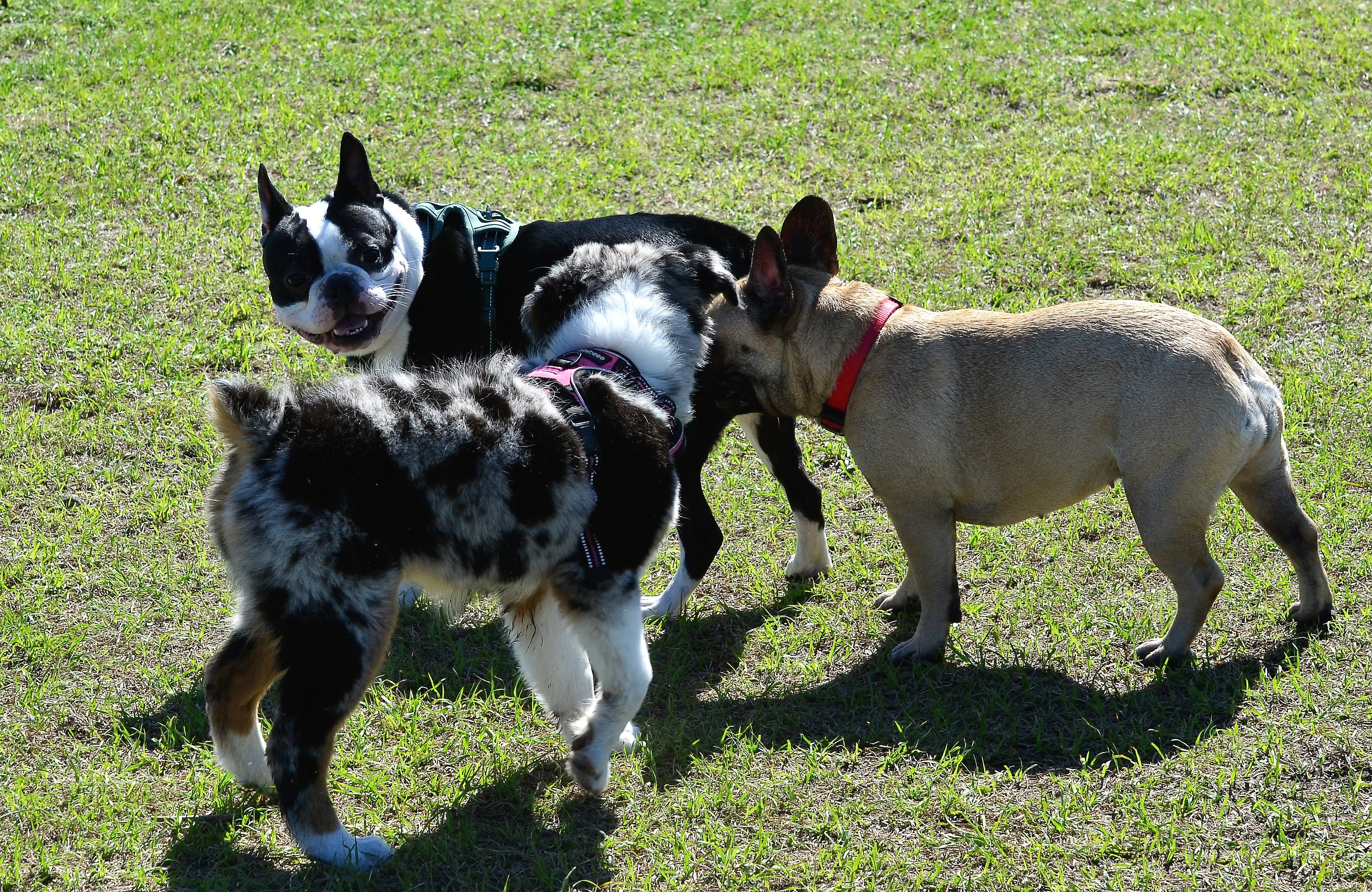
oooo

oooo

oooo

Hopefully more in a week’s time.
Thank you, Gary.
Dogs are animals of integrity. We have much to learn from them.
Year: 2022
More great photographs from Gary Messinetti.
oooo
oooo
oooo
oooo
oooo
Hopefully more in a week’s time.
Thank you, Gary.
This is a beautiful story!
Wednesday was such a hectic day that I didn’t have time for a blog post and Thursday was almost as bad. As I say all too frequently, how did I ever have time to hold down a full-time job!
I saw this article on The Dodo back in late January and wanted to share it with you. It is yet another story about the ways that dogs come to the aid of us humans.
Here it is!
ooOOoo
By Mary “Watchdog Mary” Schwager
Published on the 27th January, 2022.
Was the moment Picaso raced over to help a girl having an anxiety attack a case of being in the right place at the right time? Or was it straight-up fate?
Last November, a Good Samaritan found the Plott hound mix running down a street in Charleston, West Virginia. He picked up the dog and dropped him off at the Kanawha-Charleston Humane Association.
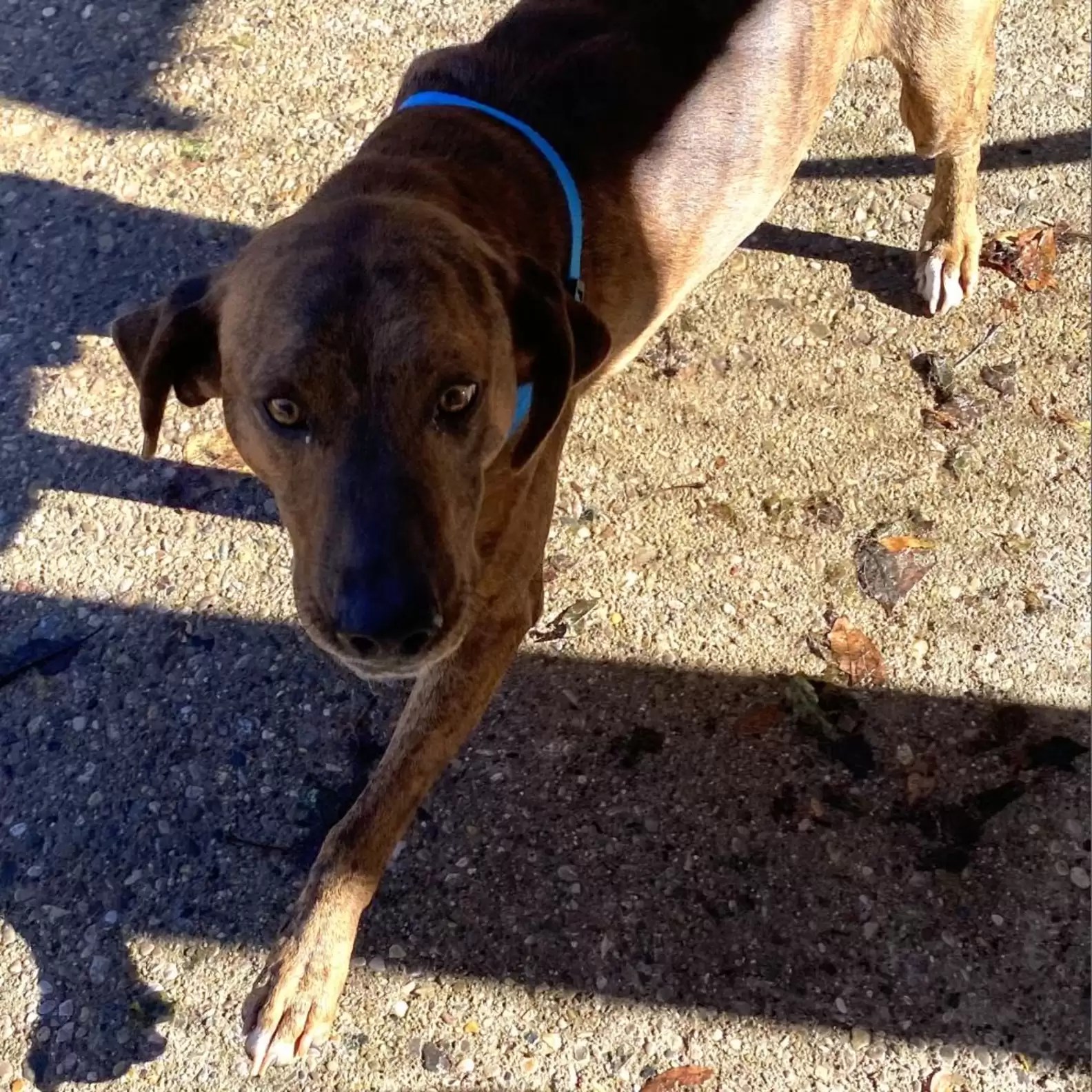
The staff originally named the dog Picasso after the artist. But a typo resulted in his name missing one “s” in the shelter’s computer system — so he became Picaso. He was not wearing a collar, did not have a microchip and no one claimed him.
Picaso spent 19 days in the shelter, waiting for someone to adopt him.
Everyone noticed his kind and well-behaved nature. That’s what earned him a spot walking with other dogs who needed homes in a local holiday parade.
Kim Vigneau, a shelter volunteer, walked Picaso in the event. “When I first met him, he immediately hugged me,” Vigneau told The Dodo. “He loves to give hugs. He was so sweet. My goal that night was to get him adopted.”
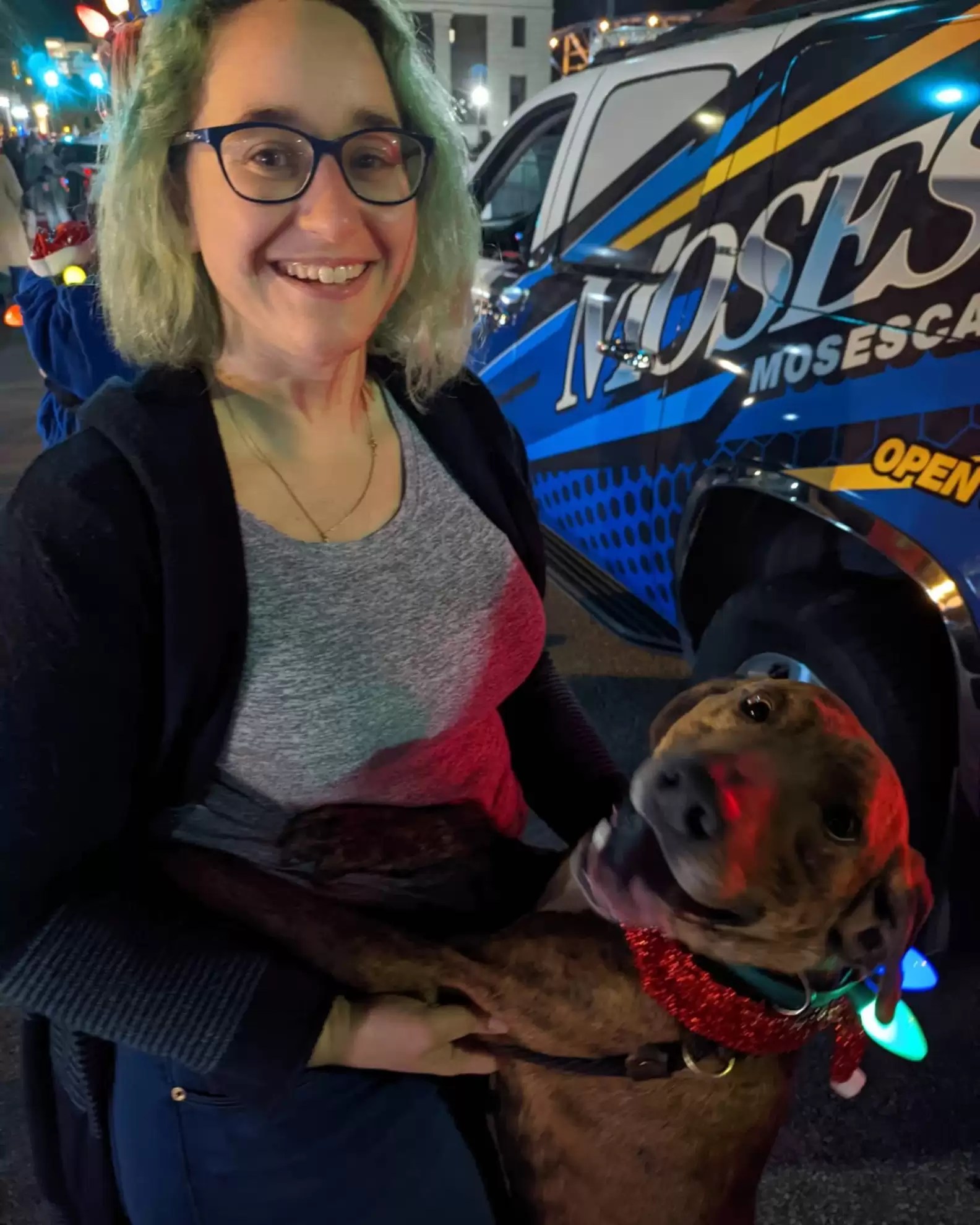
As Vigneau and Picaso wove their way past hundreds of parade-goers lining the streets, suddenly he was drawn to just one. “We were walking in the center of the road,” Vigneau said. “A girl was sitting on the curb. She looked like she was upset. Picaso took the initiative and pulled me right over to her. He put his head against hers and was physically supportive with his face. Then the girl smiled. I could tell by her body language he was helping her.”
The girl was 16-year-old Abby Ellis. Ellis battles postural orthostatic tachycardia syndrome (POTS), a health condition that impacts her blood flow and can cause her to faint. It also makes her nervous at times. The night of the parade, she had an anxiety attack. Her mother, Melissa Smoot, was trying to help Ellis when Picaso ran over.
“Abby’s head was down on her legs, and she was falling forward,” Smoot told The Dodo. “He managed to get his body underneath her and pushed her back. Then she started to come around. All I could think was Abby would have face-planted into the ground if that dog had not been there.”
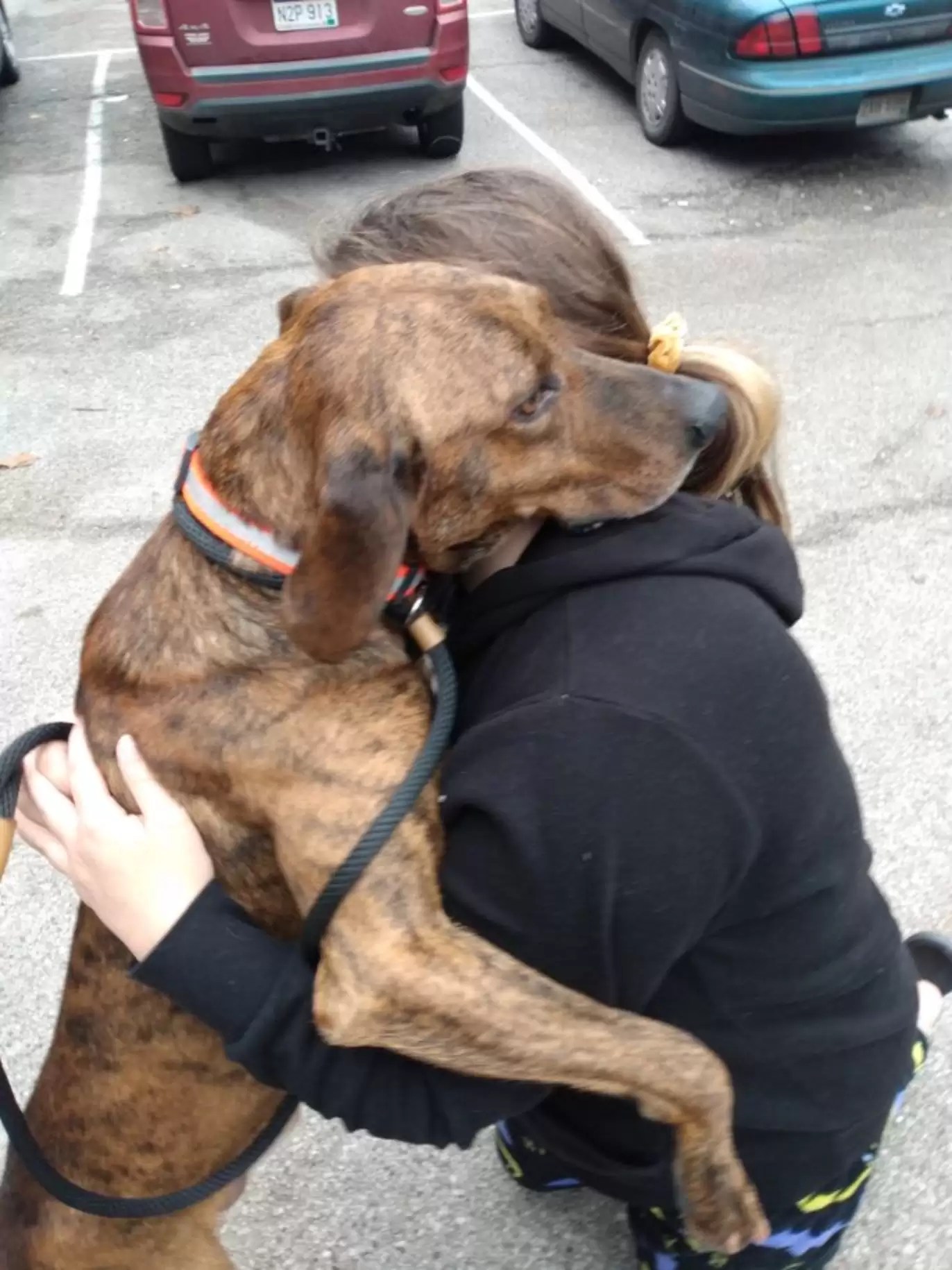
Ellis told The Dodo she remembers exactly when Picaso found her. “I felt his nose against mine,” she said. “I started to pet him. I felt safe. My mom asked his name.”
Smoot got the dog’s name, but at that moment, her goal was to get her daughter home. They left while Vigneau and Picaso stepped back into the parade. But Smoot could not get the dog out of her mind. The next day, Ellis went to the shelter, and there was no doubt Picaso remembered her.
Picaso ran right up to her. “He hugged me. I was really excited,” Ellis said.
That instant, Smoot knew Picaso was coming home with them. “Abby had been asking for a dog for over a year now,” Smoot said. “I kept praying, ‘Lord, just send me a sign that Abby is ready for a dog.’ Someone called this a God wink. It sure was. God winked at us and answered our prayers.”

And on his 20th day in the shelter, Picaso got adopted by Ellis and her family.
Vigneau succeeded in helping Picaso get a new home, but clearly, he picked his family. “It was amazing. I also have anxiety and know what it’s like to have an anxiety attack. I think it’s great everyone is talking about the topic,” Vigneau said.
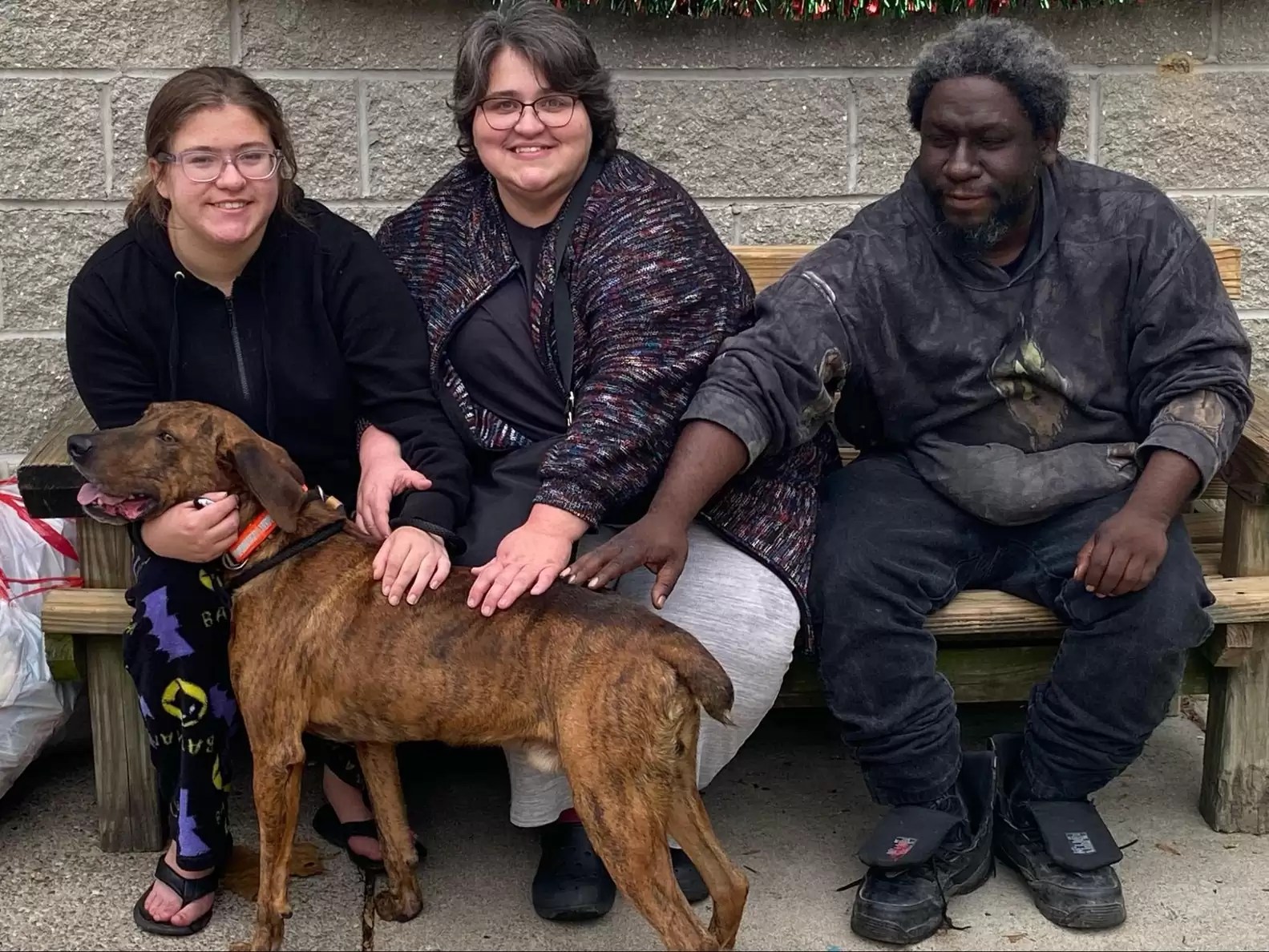
Smoot does not think they met Picaso simply by chance. Ellis doesn’t like crowds. But that night, she insisted on going to the parade.
“It was meant to be,” Smoot said.
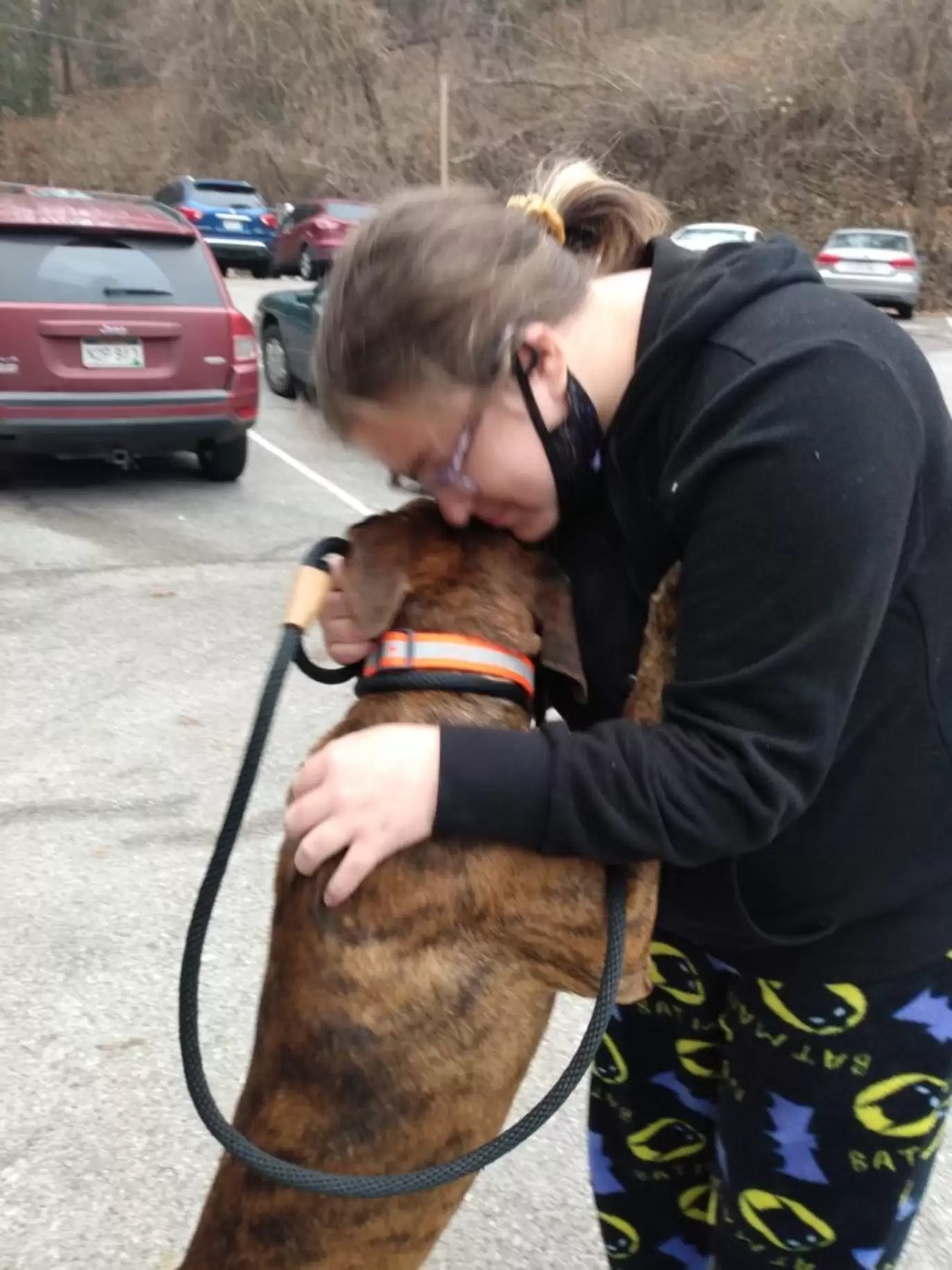
Ellis is thrilled she finally has a dog who not only loves her but appears to know exactly when she needs help.
“I’m just really happy he chose me,” she said.
ooOOoo
With so much in the world going pear shaped it is glorious to find that dogs never forget their caring humans.
Perfect!
Suzanne Simard’s compelling book, and compelling life.
I have just finished reading Suzanne’s book. It is Finding the Mother Tree.
The subtitle might be: This is not a book about how we can save the trees. This is a book about how the trees might save us.
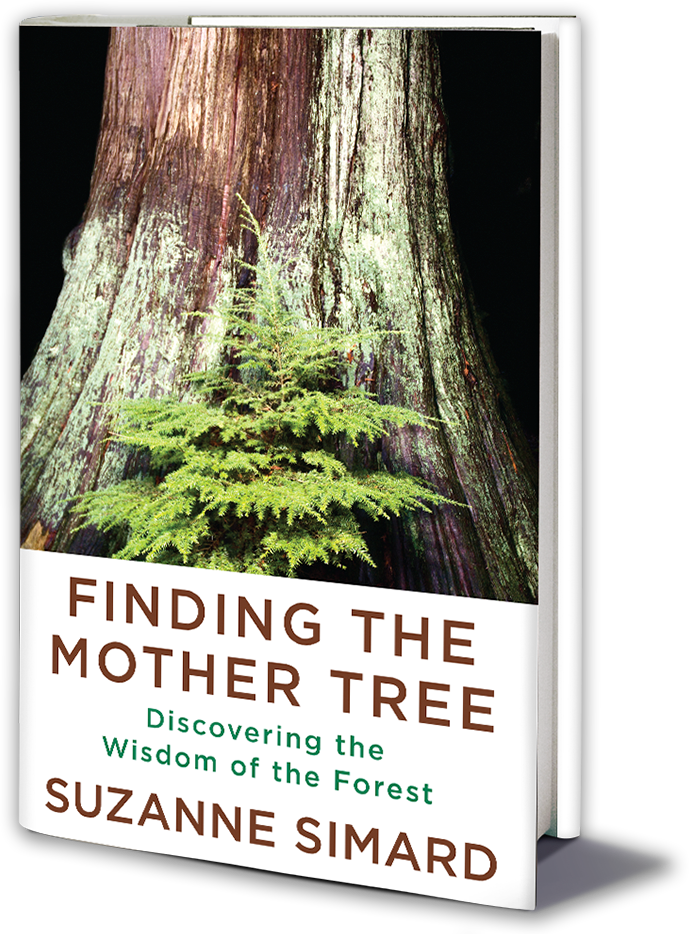
In her first book, Simard brings us into her world, the intimate world of the trees, in which she brilliantly illuminates the fascinating and vital truths – that trees are not simply the source of timber or pulp, but are a complex, interdependent circle of life; that forests are social, cooperative creatures connected through underground networks by which trees communicate their vitality and vulnerabilities with communal lives not that different from our own. Simard writes – in inspiring, illuminating, and accessible ways – how trees, living side by side for hundreds of years, have evolved, how they perceive one another, learn and adapt their behaviors, recognize neighbors, and remember the past; how they have agency about the future; elicit warnings and mount defenses, compete and cooperate with one another with sophistication, characteristics ascribed to human intelligence, traits that are the essence of civil societies – and at the center of it all, the Mother Trees: the mysterious, powerful forces that connect and sustain the others that surround them.
From Suzanne’s website
Luckily, you don’t have to wait for the book, you can learn about Suzanne and her precious scientific work by watching the following TED Talk.
Here are a couple of excerpts.
The first from page 277:
Our modern societies have made the assumption that trees don’t have the same capacities as humans. They don’t have nurturing instincts. They don’t cure one another, don’t administer care. But now we know Mother Trees can truly nurture their offspring. Douglas firs, it turns out, recognize their kin and distinguish them from other members of the community.
And the second from page 283:
I have come full circle to stumble onto some of the indigenous ideals: Diversity matters. And everything in the universe is connected – between the forests and the prairies, the land and the water, the sky and the soil, the spirits and the living, the people and all other creatures.
To say that I was amazed is an understatement. It is a book that will appeal to nature lovers all over the world. But more than that, the trees of the world have the ability to save humankind from accelerating climate change, if only enough people sign up to protecting trees, and soon. If you haven’t read it yet I implore you to read it now.
Finally, in Suzanne’s own words: Turning to the intelligence of nature itself is the key.
If you want to get involved then please go to The Mother Tree Project.
 Learning from Dogs