More dog pictures from Unsplash.
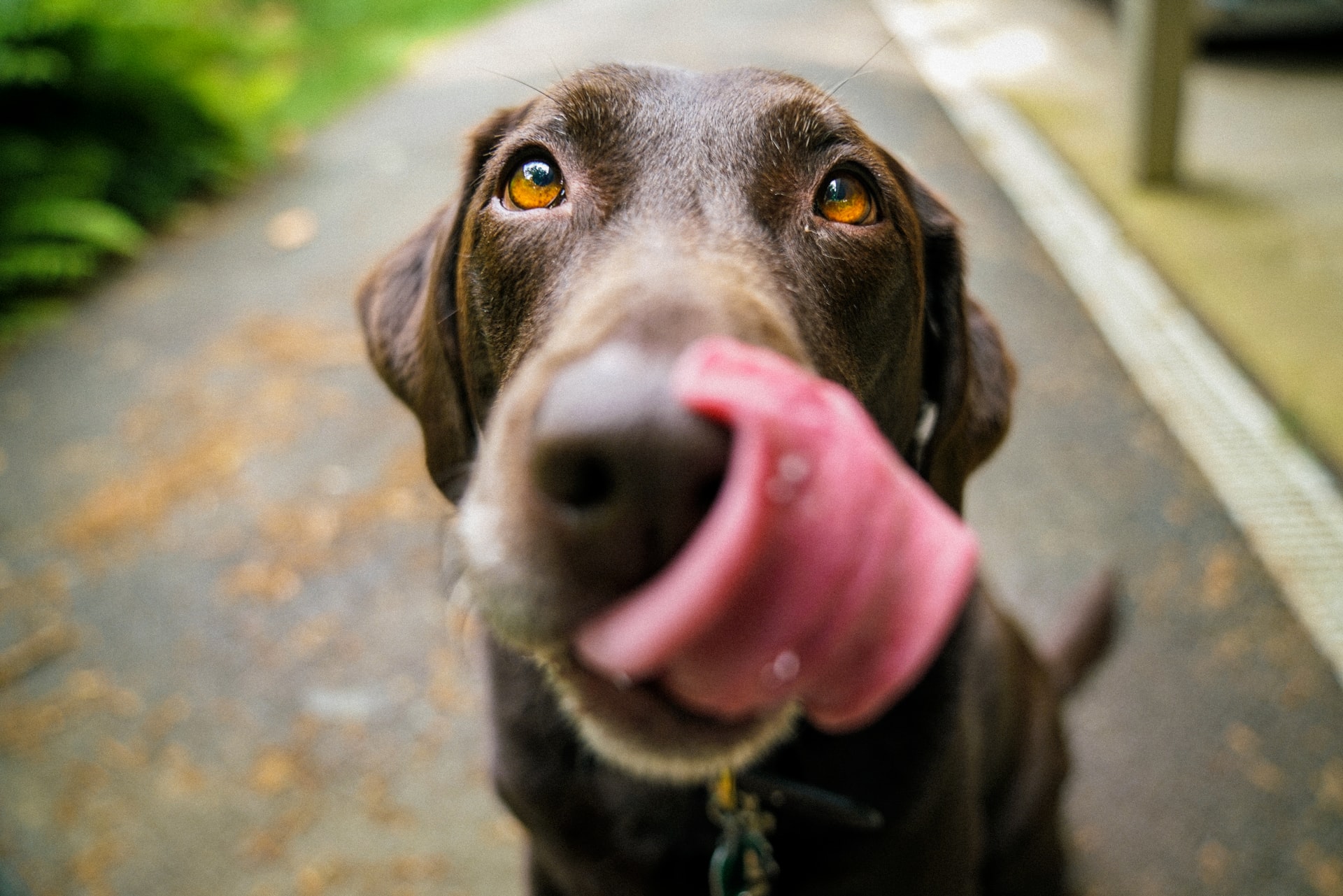
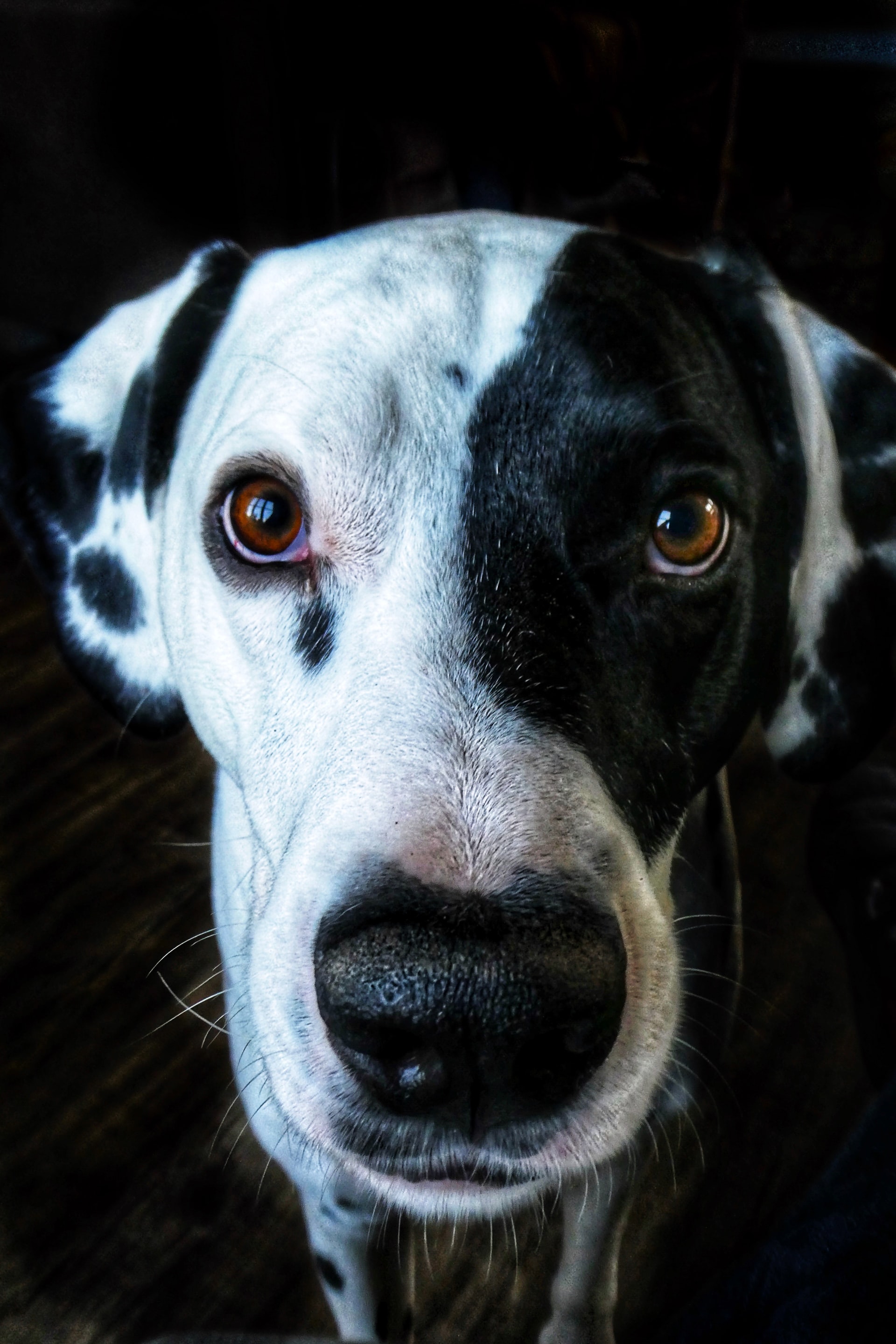
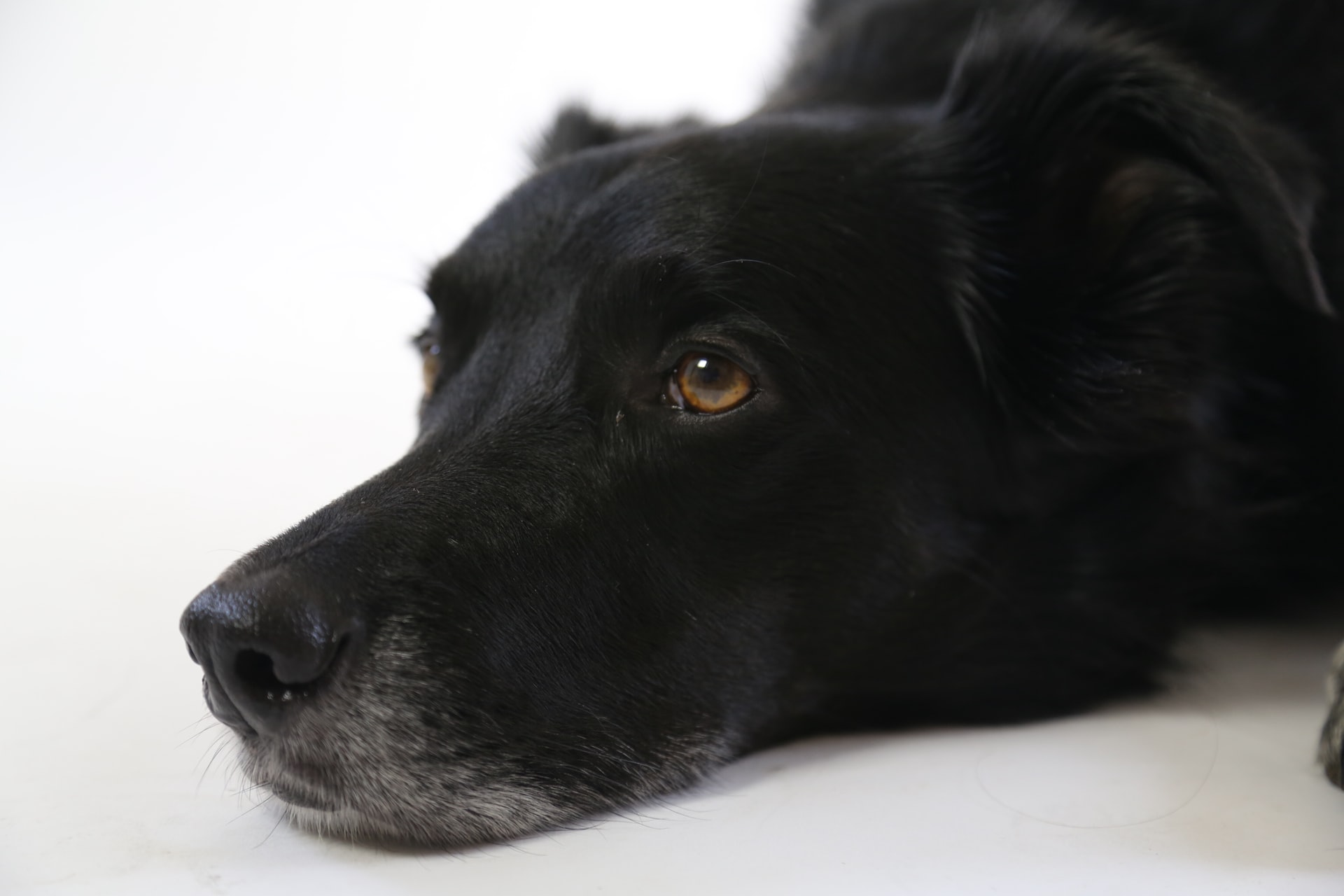
This time from the ‘Dogs Close Up’ section.

oooo
oooo

oooo

oooo
oooo
oooo
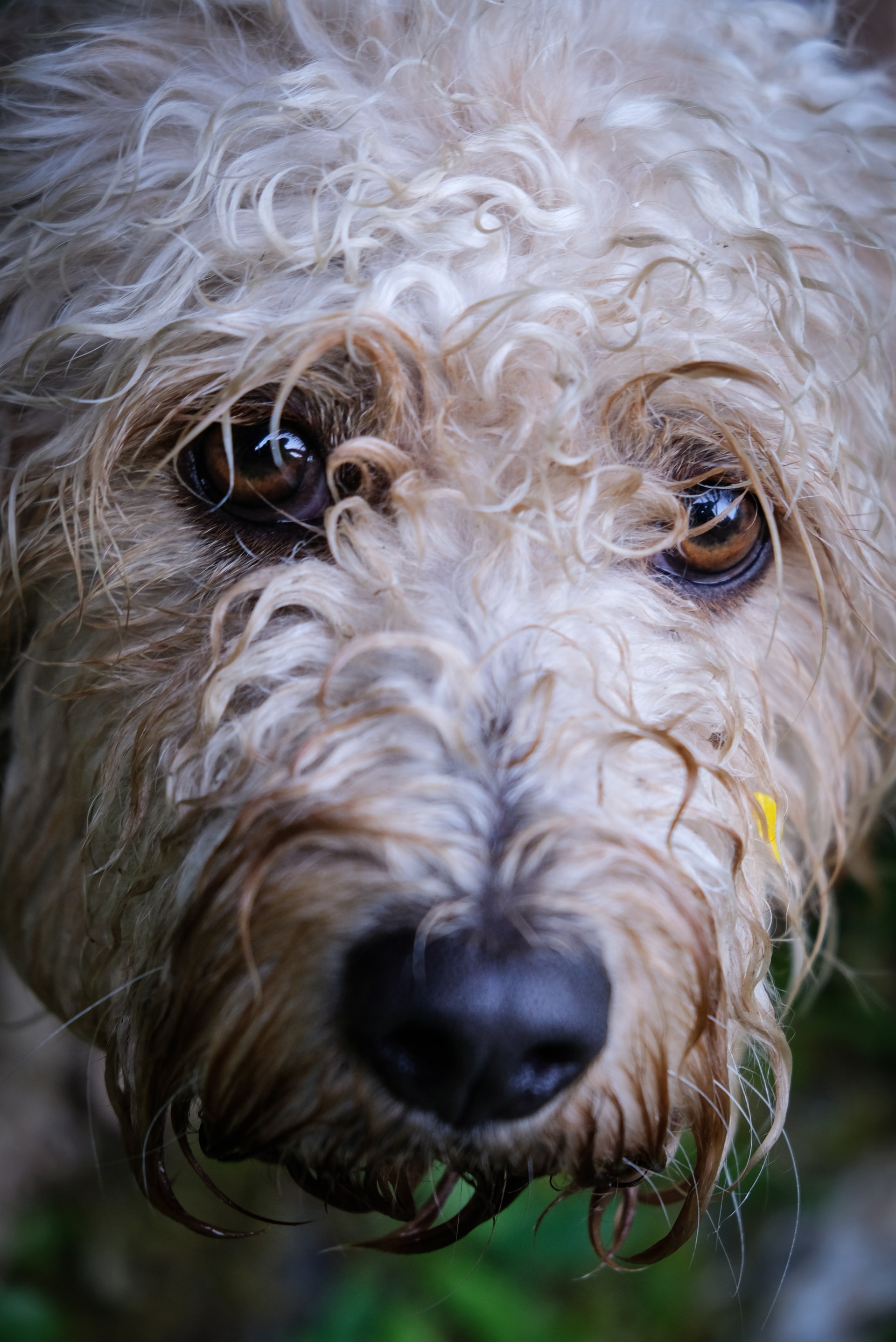
Don’t know what was upsetting that puppy in the third photo!
But they are all wonderful, including the pup!
Dogs are animals of integrity. We have much to learn from them.
Year: 2022
More dog pictures from Unsplash.
This time from the ‘Dogs Close Up’ section.
oooo
oooo
oooo
oooo
oooo
oooo
Don’t know what was upsetting that puppy in the third photo!
But they are all wonderful, including the pup!
Who knows whether it was a smell, or a sound, or what…
This is a story from England. From a town called Tow Law, a few miles to the south-west of Newcastle. As wikipedia explains: Tow Law is a town and civil parish in County Durham, England. It is situated a few miles to the south of Consett and 5 miles to the north west of Crook.
Anyway, the story was published by The Dodo and is reproduced below.
ooOOoo
Dog Out On A Walk Finds Someone Very Stuck In A Stone Wall
Published on the 25th February, 2022
A guy and his dog were out on a walk one day through a field in Tow Law, England, when the dog suddenly became very interested in a nearby stone wall. After looking a little closer, the pair found a cat — who had somehow gotten himself completely stuck in the wall.
The RSPCA was called and Inspector Ruth Thomas-Coxon drove over to try and help. She was hoping that it would be as easy as just gently pulling the cat, later named Freddy, out of the wall, but she quickly discovered that he was much more stuck than that.

“Initially it looked as though he’d chosen to tuck himself inside the gap, but he didn’t try to run away when we got closer,” Thomas-Coxon said in a press release.
Thomas-Coxon weighed all her options and decided the best way to free Freddy would be to take apart the stone wall.
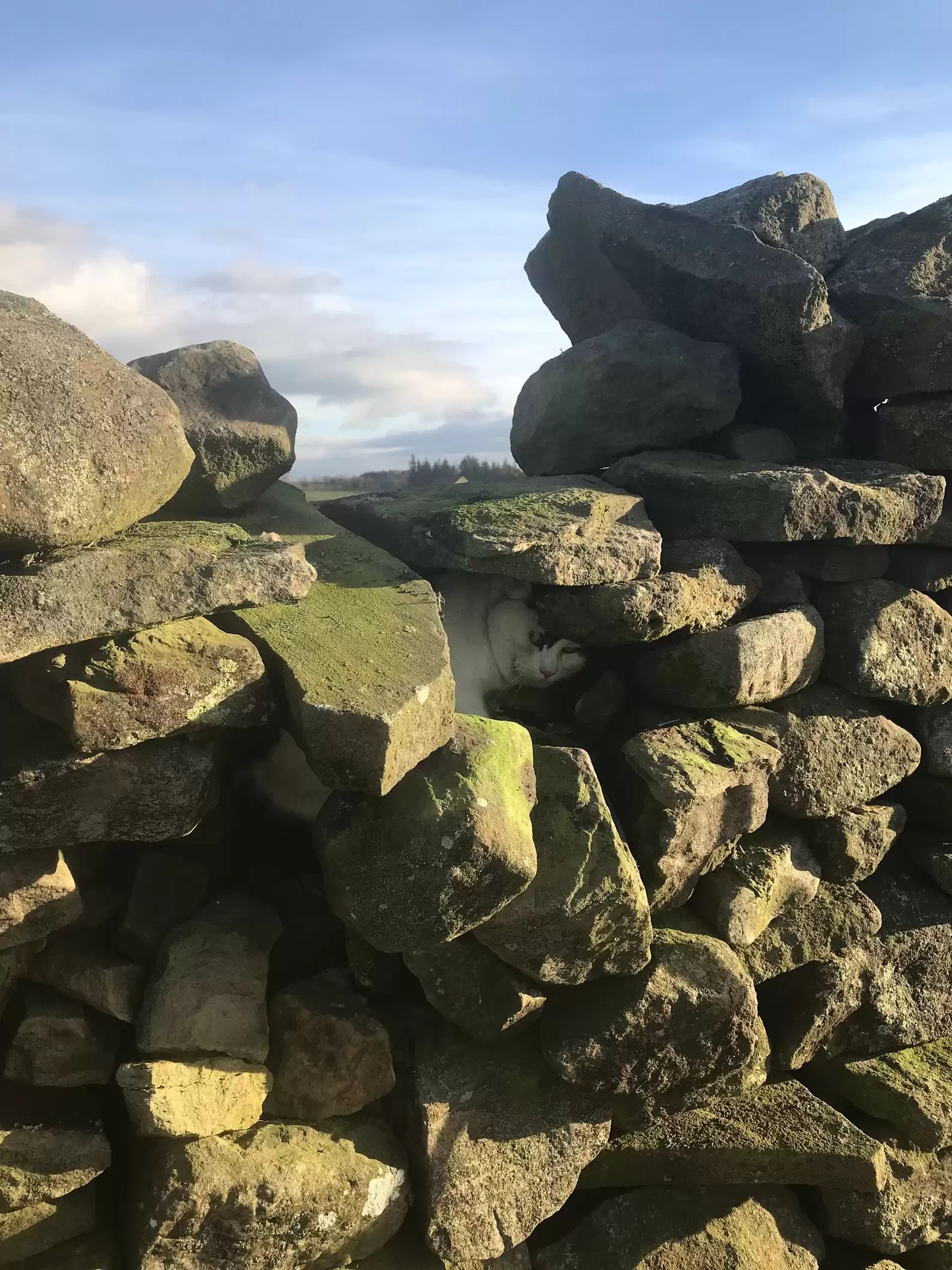
“The owner of the paddocks and wall came out and, between us, we removed some of the stones to dismantle the top part of the wall and free the cat,” Thomas-Coxon said. “He made a dash for it and jumped into another part of the wall, where we were able to catch him.”
Even though Freddy was definitely stuck and needed help, he was also not super pleased about being rescued by strangers. Once he realized he was safe, though, he calmed down, and Thomas-Coxon took him to the vet to get him checked out.
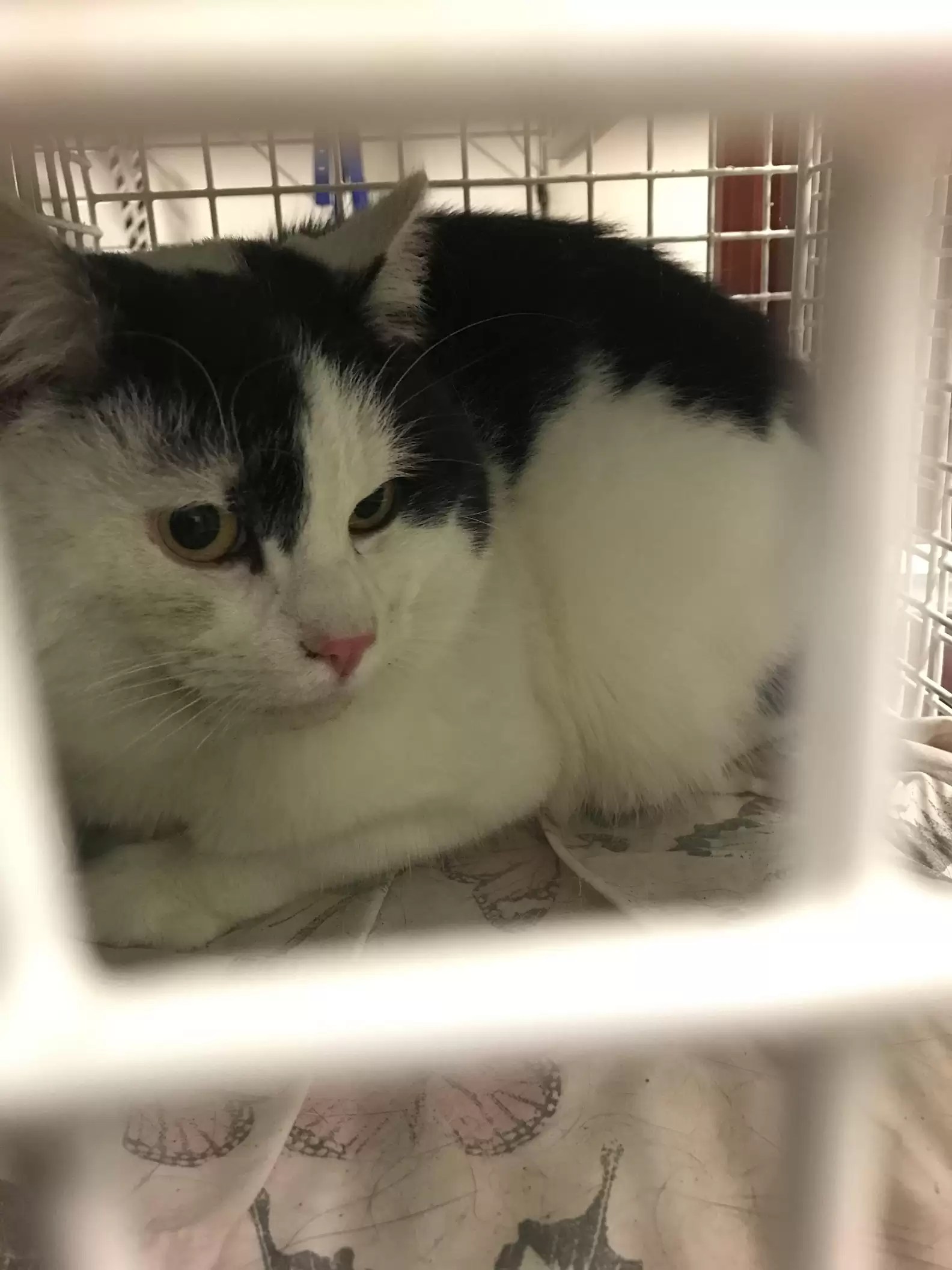
“Vets found he was in fairly good health, although he had some mats in his coat, which they removed,” Thomas-Coxon said. “He was a sweet, friendly cat, so I wondered if he was a missing pet, but he was not microchipped. I made some inquiries nearby, put up a poster where we rescued him and also put his profile on PetsLocated, but, unfortunately, he’s not yet been claimed.”
Freddy is settling into the shelter well, and if no one comes forward to claim him, he’ll be put up for adoption. From being stuck in a stone wall to a potential forever home — Freddy’s come a long way.
ooOOoo
It’s a strange story in the sense that the cat was not claimed so who knows where he had come from. But his future is much better, thanks to the RSPCA, and if he is adopted it will be to a good, caring home.
A more positive view as to how the future will pan out.
I tend to be rather pessimistic about the future. Maybe it is my age, I don’t know. But a week ago I posted an article by Ophelia Benson called Cruising over the Edge.
For this week I am republishing another climate change article but one that has a positive outlook on where we are going.
Have a read and let me know your thoughts.
ooOOoo
Climate change will transform how we live, but these tech and policy experts see reason for optimism
Authors
Published April 18th, 2022
It’s easy to feel pessimistic when scientists around the world are warning that climate change has advanced so far, it’s now inevitable that societies will either transform themselves or be transformed. But as two of the authors of a recent international climate report, we also see reason for optimism.
The latest reports from the Intergovernmental Panel on Climate Change discuss changes ahead, but they also describe how existing solutions can reduce greenhouse gas emissions and help people adjust to impacts of climate change that can’t be avoided.
The problem is that these solutions aren’t being deployed fast enough. In addition to push-back from industries, people’s fear of change has helped maintain the status quo.
To slow climate change and adapt to the damage already underway, the world will have to shift how it generates and uses energy, transports people and goods, designs buildings and grows food. That starts with embracing innovation and change.
From the industrial revolution to the rise of social media, societies have undergone fundamental changes in how people live and understand their place in the world.
Some transformations are widely regarded as bad, including many of those connected to climate change. For example, about half the world’s coral reef ecosystems have died because of increasing heat and acidity in the oceans. Island nations like Kiribati and coastal communities, including in Louisiana and Alaska, are losing land into rising seas.
Other transformations have had both good and bad effects. The industrial revolution vastly raised standards of living for many people, but it spawned inequality, social disruption and environmental destruction.
People often resist transformation because their fear of losing what they have is more powerful than knowing they might gain something better. Wanting to retain things as they are – known as status quo bias – explains all sorts of individual decisions, from sticking with incumbent politicians to not enrolling in retirement or health plans even when the alternatives may be rationally better.
This effect may be even more pronounced for larger changes. In the past, delaying inevitable change has led to transformations that are unnecessarily harsh, such as the collapse of some 13th-century civilizations in what is now the U.S. Southwest. As more people experience the harms of climate change firsthand, they may begin to realize that transformation is inevitable and embrace new solutions.
The IPCC reports make clear that the future inevitably involves more and larger climate-related transformations. The question is what the mix of good and bad will be in those transformations.
If countries allow greenhouse gas emissions to continue at a high rate and communities adapt only incrementally to the resulting climate change, the transformations will be mostly forced and mostly bad.
For example, a riverside town might raise its levees as spring flooding worsens. At some point, as the scale of flooding increases, such adaptation hits its limits. The levees necessary to hold back the water may become too expensive or so intrusive that they undermine any benefit of living near the river. The community may wither away.
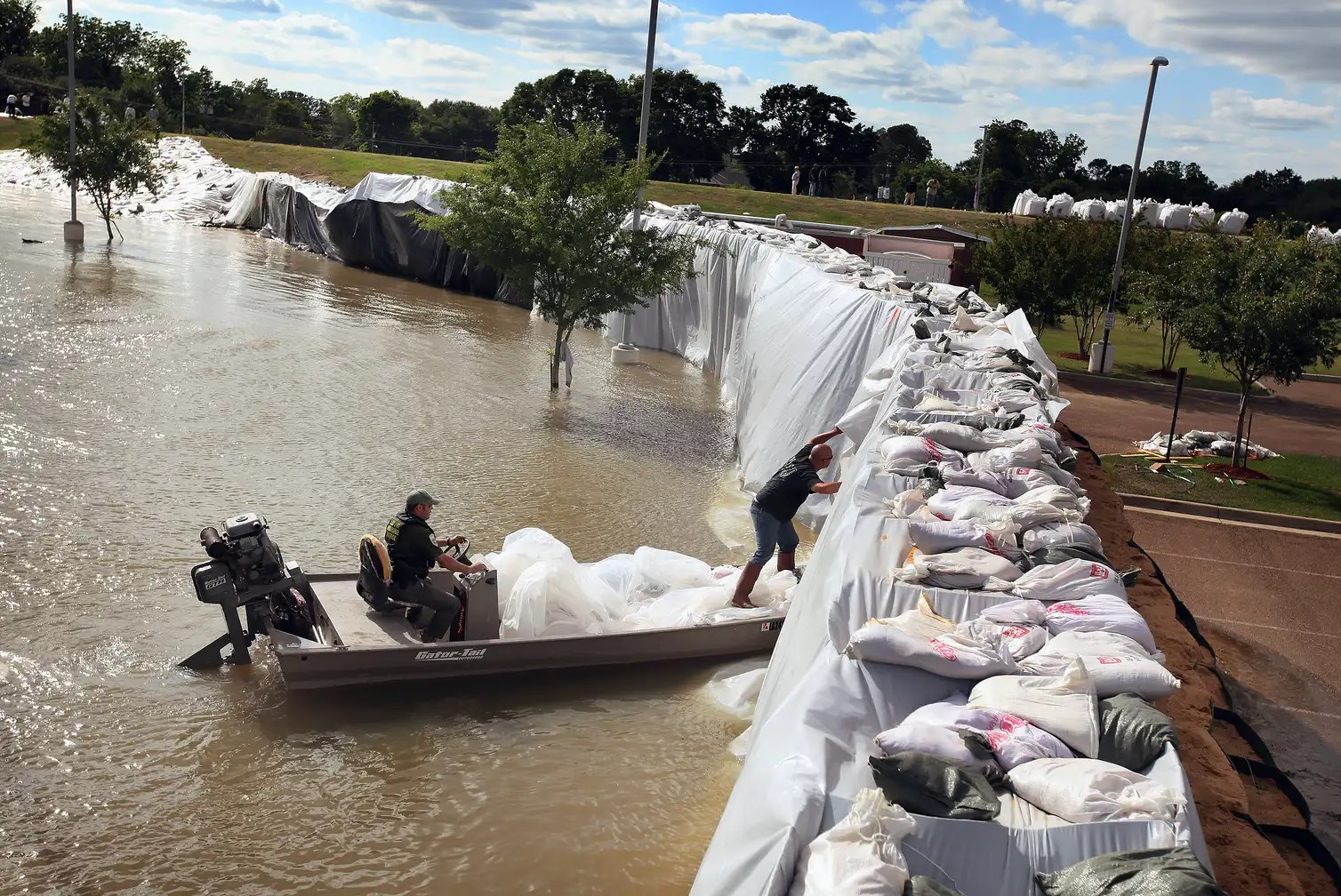
The riverside community could also take a more deliberate and anticipatory approach to transformation. It might shift to higher ground, turn its riverfront into parkland while developing affordable housing for people who are displaced by the project, and collaborate with upstream communities to expand landscapes that capture floodwaters. Simultaneously, the community can shift to renewable energy and electrified transportation to help slow global warming.
The IPCC reports include numerous examples that can help steer such positive transformation.
For example, renewable energy is now generally less expensive than fossil fuels, so a shift to clean energy can often save money. Communities can also be redesigned to better survive natural hazards through steps such as maintaining natural wildfire breaks and building homes to be less susceptible to burning.

Land use and the design of infrastructure, such as roads and bridges, can be based on forward-looking climate information. Insurance pricing and corporate climate risk disclosures can help the public recognize hazards in the products they buy and companies they support as investors.
No one group can enact these changes alone. Everyone must be involved, including governments that can mandate and incentivize changes, businesses that often control decisions about greenhouse gas emissions, and citizens who can turn up the pressure on both.
Efforts to both adapt to and mitigate climate change have advanced substantially in the last five years, but not fast enough to prevent the transformations already underway.
Doing more to disrupt the status quo with proven solutions can help smooth these transformations and create a better future in the process.
Robert Lempert receives funding from the National Science Foundation, U.S. Department of Transportation and Culver City Forward. He was coordinating lead author of the IPCC WGII Sixth Assessment Report, Chapter 1, and is affiliated with RAND Corp.; Harvard; SCoPEx (Stratospheric Controlled Perturbation Experiment) Independent Advisory Committee; National Renewable Energy Laboratory; Decision Science and Analysis Technical Advisory Committee (TAC); Council on Foreign Relations; Evolving Logic; and the City of Santa Monica Commission on Environmental, Sustainability, and Environmental Justice.
Elisabeth Gilmore receives funding from Minerva Research Initiative administered by the Office of Basic Research and the Office of Policy at the U.S. Department of Defense and the National Science Foundation. She is affiliated with Carleton University, Rutgers University, the Peace Research Institute Oslo (PRIO), and was a lead author on the IPCC WGII Sixth Assessment Report.
ooOOoo
The article makes the proposition that fear gets in the way of change. I think this is true because I tend to be a person that goes around saying ‘what can be done’ or ‘it is down to governments to set the changes required’ but not taking action personally.
So this is wakeup call for me and many others to be more positive and to support those changes that are beneficial, and to undertake them ourselves if at all possible.
 Learning from Dogs