I have turned to The Dodo for this week’s Picture Parade. For although it was an article, and I shall briefly refer to it, the photos were magnificent.
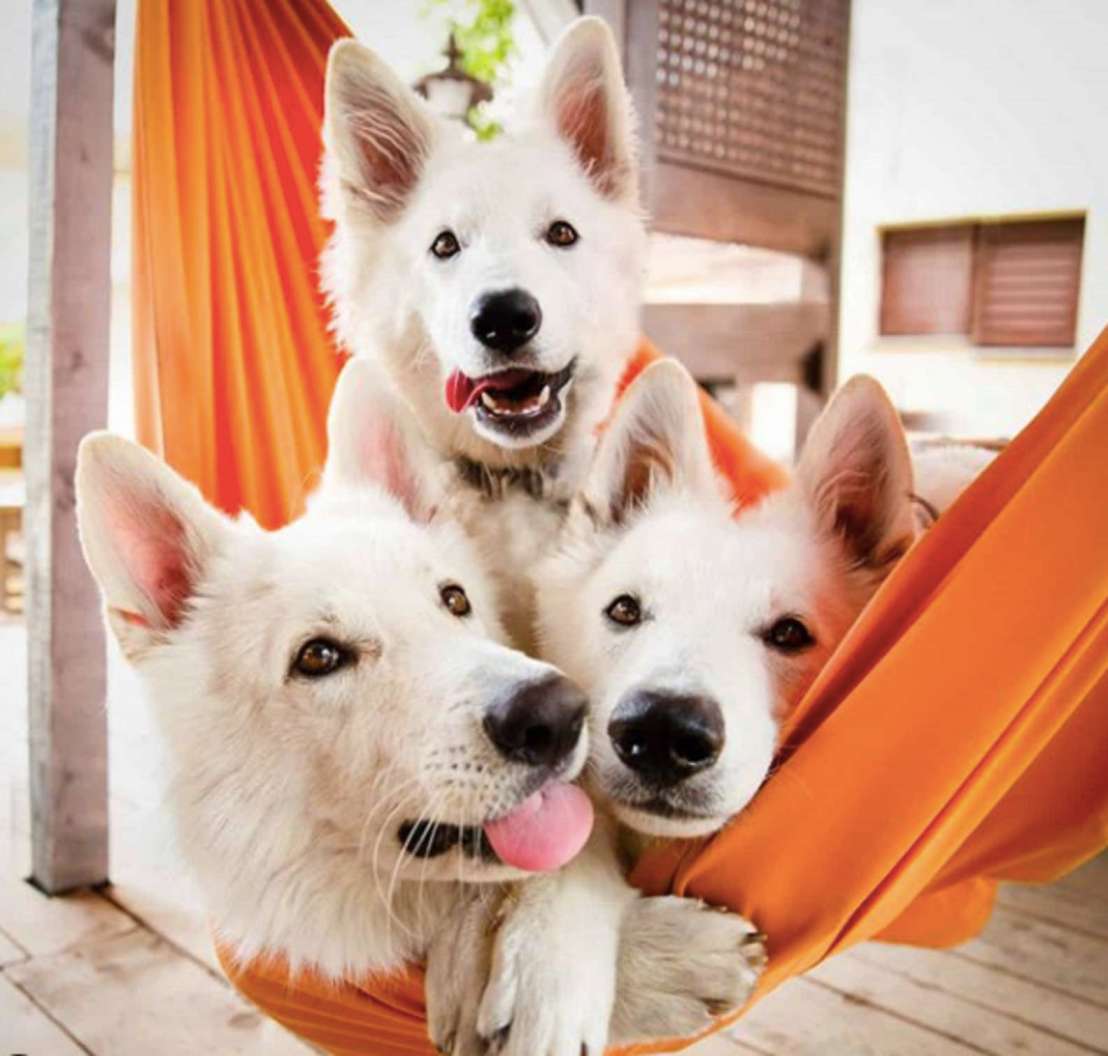
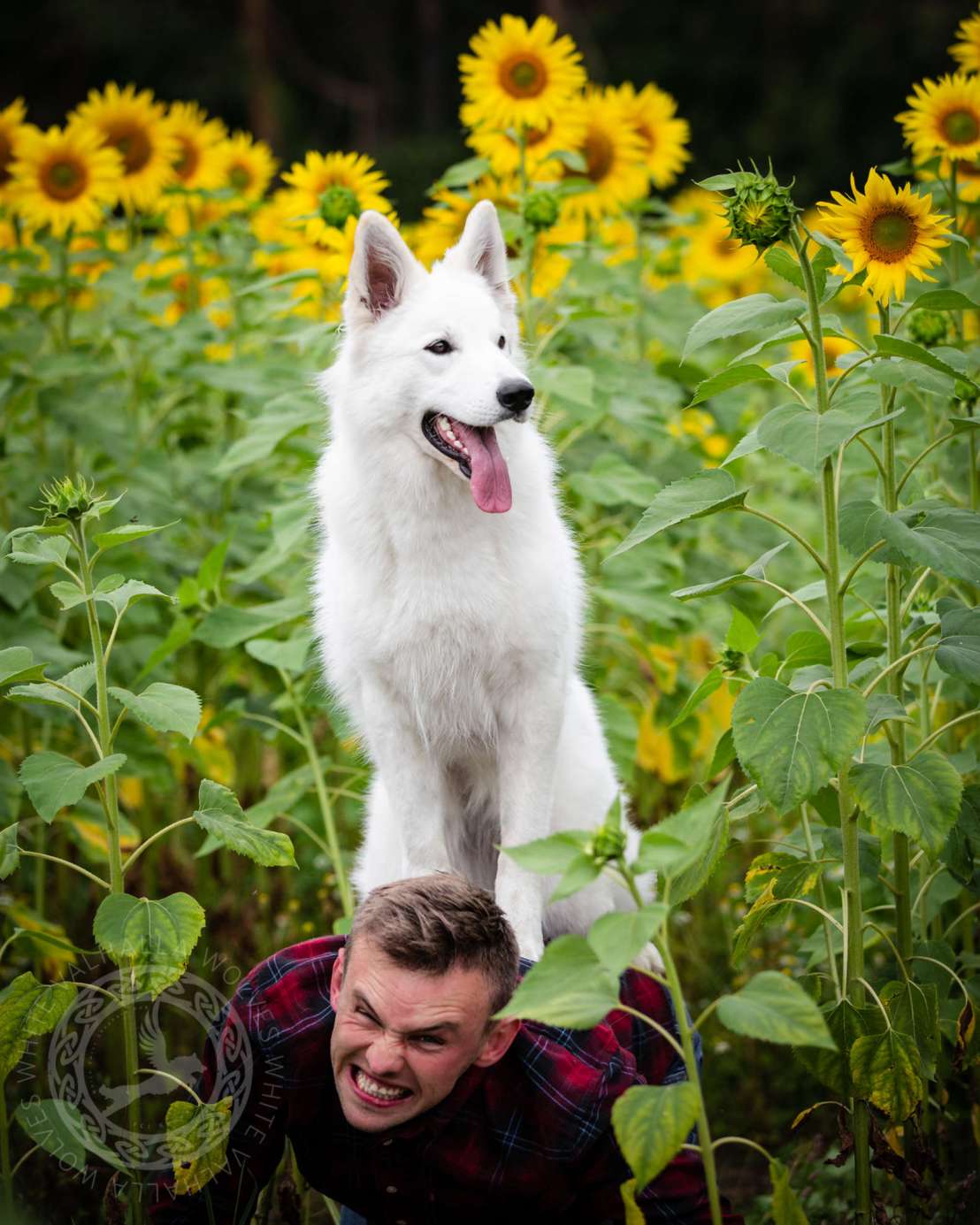
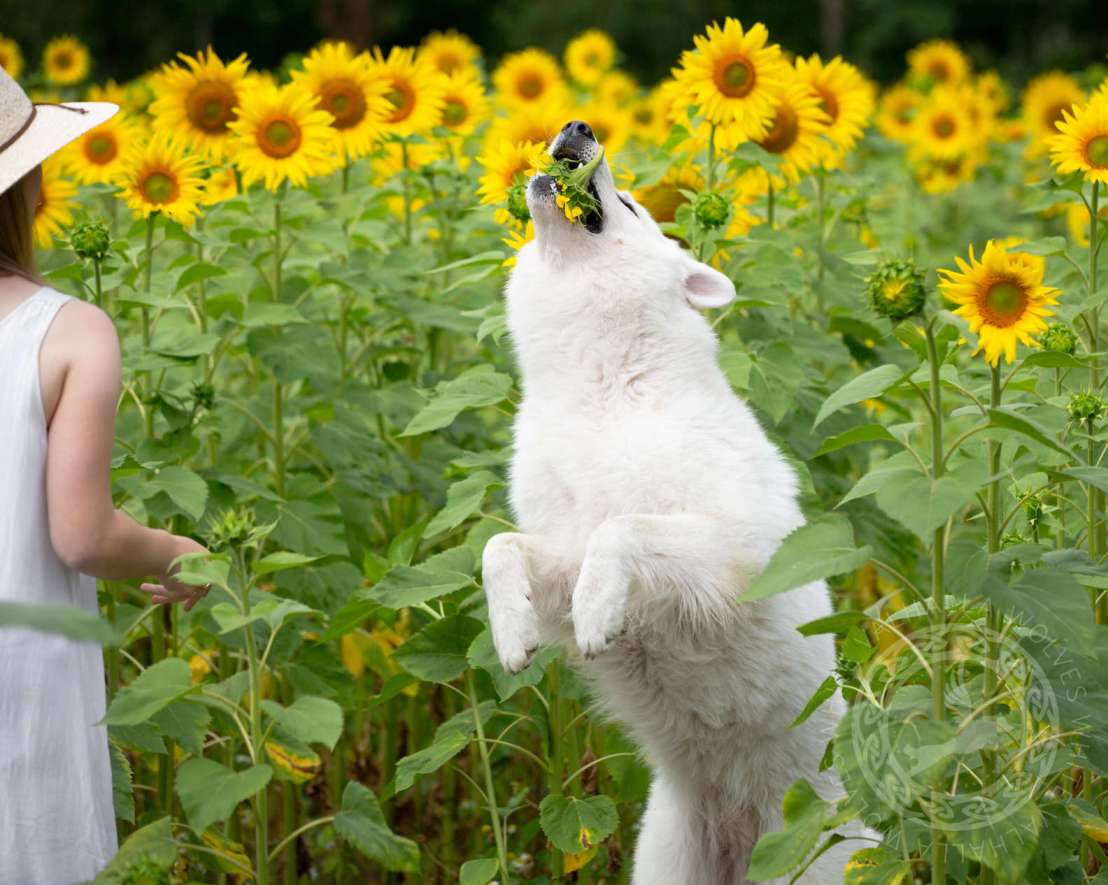
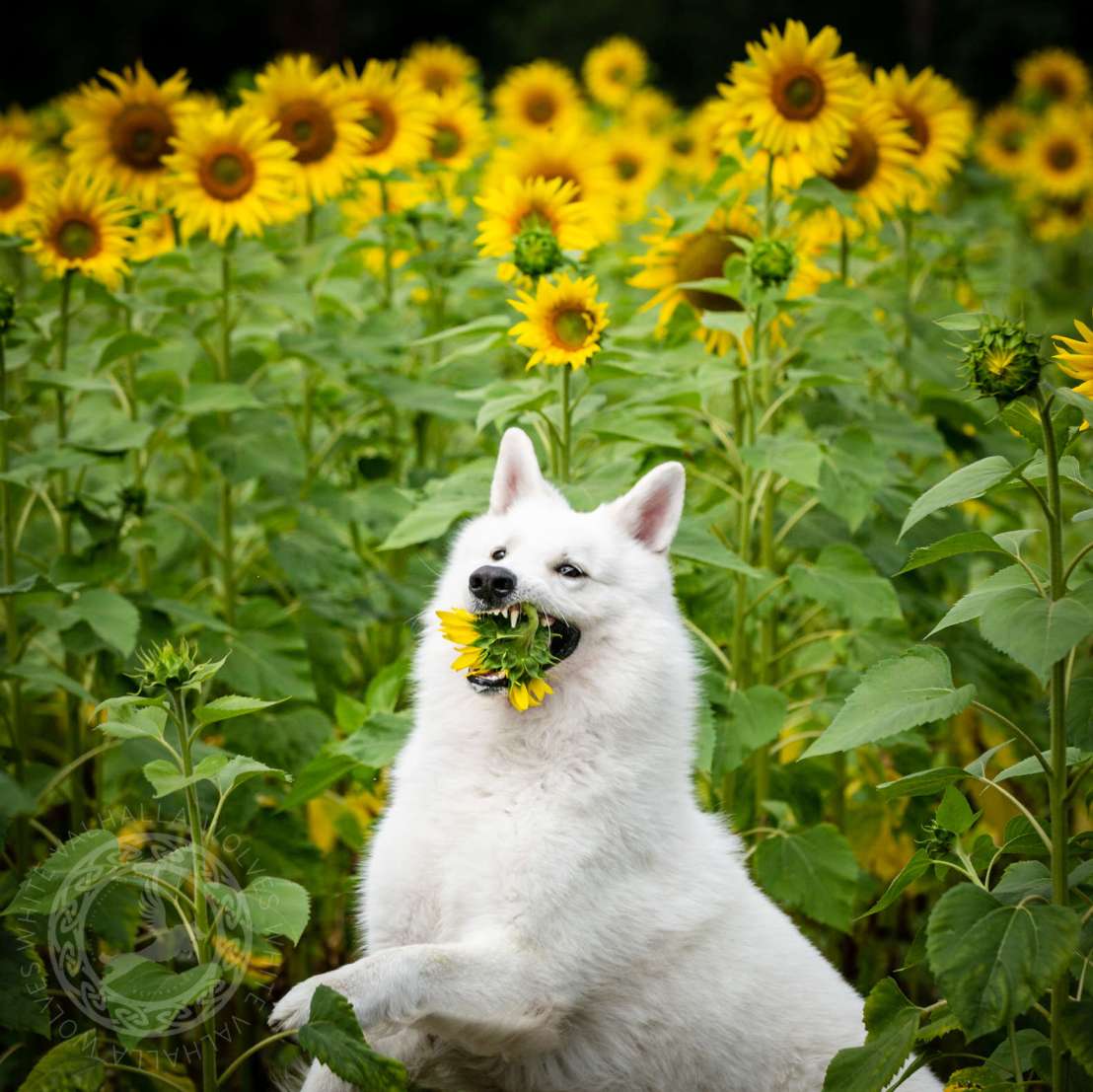
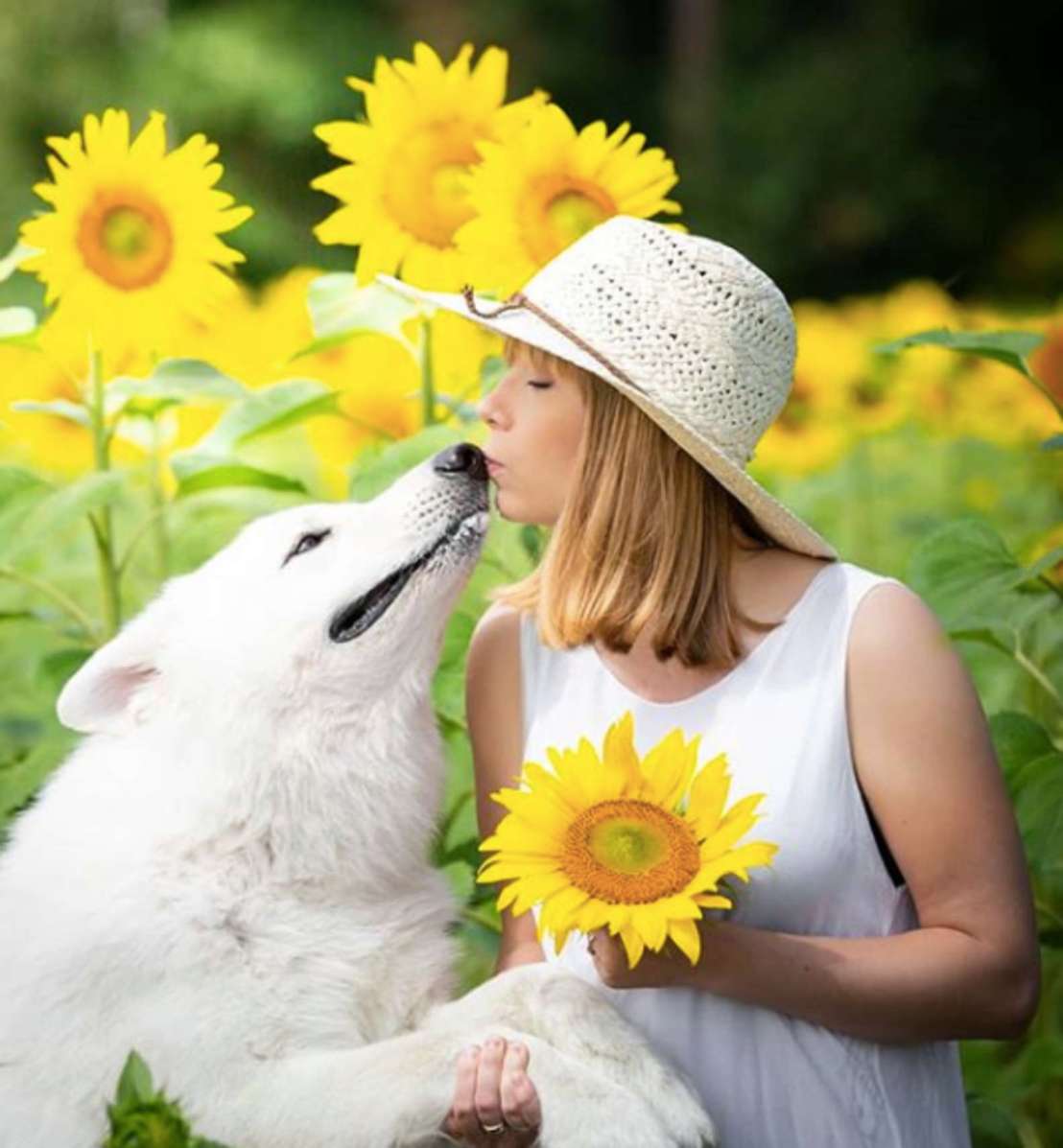
Agnieszka Ciszyńska loves doing photo shoots with her three Swiss shepherds. And normally, the adorable pups are down for any activity their mom throws their way.
Fenris, Björn and Walkiria have traveled the world with Ciszyńska, giving the family plenty of bonding time and beautiful backdrops for their photos.
Here are the photographs.
AGNIESZKA CISZYŃSKA
oooo
AGNIESZKA CISZYŃSKA
oooo
AGNIESZKA CISZYŃSKA
oooo
AGNIESZKA CISZYŃSKA
oooo
AGNIESZKA CISZYŃSKA
oooo
AGNIESZKA CISZYŃSKA
These are incredibly beautiful photographs.
That last photograph is proof that Fenris, Björn and Walkiria (and I don’t know which of the lovely dogs this is) love Ciszyńska, following on from yesterday’s post.
We humans love to be loved and, especially, by our dogs.
I am certain that all of the people who read Learning from Dogs on a regular basis are dog lovers and, just as important, your love for your dogs means that they in turn love you.
But unfortunately not everyone thinks of dogs in such a beautiful manner. For example, not far from here on Hugo Rd are a group of dogs, 4 or 5 I think, that I cycle past, and they live in outside kennels.
If you are an uncertain owner or a new owner you may want to understand more about your dog’s behaviour, or more accurately, whether your dog loves you. This article on The Dodo explains this very well.
ooOOoo
Does My Dog Love Me?
How to tell what those happy wiggles really mean ❤️️
Humans loveeee love. Which means we want the people — or animals — we love to show us they love us back.
But it’s sometimes hard for us to tell whether or not our dogs truly, deeply, madly love us — especially if you’re a new pet owner.
Who doesn’t want to feel all warm, fuzzy and loved by our pets?
To help you get that confirmation you’re looking for, The Dodo turned to Dr. Vanessa Spano, a veterinarian at Behavior Vets in New York City, to understand how dogs show their love.
“It is so important to understand your pets’ body language, as that is their way of communicating with us,” Dr. Spano said.
Here are some of the most common ways to tell that your dog, in fact, abso-freakin’-lutely loves you.
Your dog has a relaxed, wiggly body
“When interacting with your dog, body language signs to look out for that may indicate comfort and positivity include a relaxed body (or wiggly body during times of excitement, like play or you coming home), soft, forward ears and soft, rounded eyes,” Dr. Spano said.
He wiggles his eyebrows at you
You read that right! Doggos in love are known to raise their eyebrows when they see their owner. In fact, a 2013 Japanese study used a high-speed camera to record dogs’ faces when their humans walked into the room. It found that dogs raised their eyebrows when they saw their owners, but not when strangers walked in. *happy cry*
He wants your attention
“It is also a good sign if your dog is soliciting attention from you, such as with a play bow,” Dr. Spano said.
This can also be seen when he brings you one of his favorite toys.
He leans against you
A dog will lean on humans for a few different reasons — sometimes it’s because he’s anxious or he wants you to do something — but it’s also a sign of affection. And regardless — even if your dog is leaning against you because he’s nervous — it still indicates that he thinks of you as someone who can protect him and keep him safe.
Confusing body language to look out for
According to Dr. Spano, there are some things dogs do that humans typically consider to be signs of affection, but aren’t always.
“Confusing signs include wagging tails and exposed bellies,” Dr. Spano said. “A dog wagging his tail simply means he is aroused by the situation. This can be a good thing, but not necessarily; it depends on the context of the situation.”
This means that it’s good to notice the situations that cause each of your dog’s behaviors and begin to build an understanding of your individual dog’s moods.
For example, maybe you notice your dog always wags her tail when you walk into a room — you can equate that situation with her being happy in those moments. On the other hand, maybe you’ve also noticed she wags her tail just a bit stiffer when she sees a strange dog, and it’s almost always followed by raising her hair and growling. While she is wagging her tail in both of these situations, it’s not the same kind of tail wag.
“Similarly, a dog showing his belly may be asking for belly rubs, but it can also indicate fear,” Dr. Spano said. “Dogs do have the capability of trusting and loving you, but depending on their own fears, stress level and past experiences, it may take some time.”
So in general, look for those relaxed and wiggly bodies to know how happy your dog is to see you. Other behaviors you’ll learn over time — and it’ll just help your bond grow even stronger since you’ll be the only one who can truly detect your dog’s moods and emotions.
ooOOoo
Yes, it certainly takes time to really get to know a dog. Although one might think that having a number of dogs in the household makes it easier, and generally that is the case, even in a largish group one can have tensions that exist between a couple of the dogs. Knowing both dogs as well as you can enables one to adjust things so that the tension no longer exists or it becomes a very rare event.
But it is rare and, luckily, loving dogs is the normal!
I will close with a photograph of dear Oliver who is one of the most loving dogs I have come across.
I probably wanted to say “This is very beautiful in a profound and spiritual way.“
One of the many things that make this funny world of blogging so delightful is the connections that are made.
Recently Learning from Dogs got a follow from a person who herself was a blogger. This is what she wrote on her About page.
Endurance athlete, artist, and fourth generation Oregonian. I grew up on the central Oregon coast and lived in the Willamette Valley most of my adult life. My endurance work is an intersection of spiritual, personal and creative practices. I fall in love with places, like people, and dream of them often. I am not a travel writer, bucket lister, photographer, peak bagger or a competitive athlete. I seek only passage.
I was intrigued. No, more than that, I was curious about her. I wanted to know more.
When I left a message of thanks over on her blog this is what I said:
Oh my goodness. I came here ostensibly to leave a fairly standard thank you for your decision to follow Learning from Dogs. But then I saw what you had written and, also, the beautiful photographs you have taken. I was just bowled over!
Do you have a dog or two? Because if you do I would love you to write a guest post over at my place. Or give me permission to republish one of your posts? But I would prefer the former.
My dear wife, Jean, and me are both British. We met in Mexico in 2007 and I moved out permanently in late 2008 with my GSD Pharaoh. We came up to the USA in 2010 and were married and then came to Southern Oregon in 2012. We live close to Merlin, Josephine County and just love it to pieces. Originally we had 16 dogs but are now down to 6!
Regrettably she is allergic to dogs but she quickly gave me permission to republish a post of hers.
This is it. It is remarkable!
ooOOoo
Into the fold: Basin and Range
May 26th, 2020
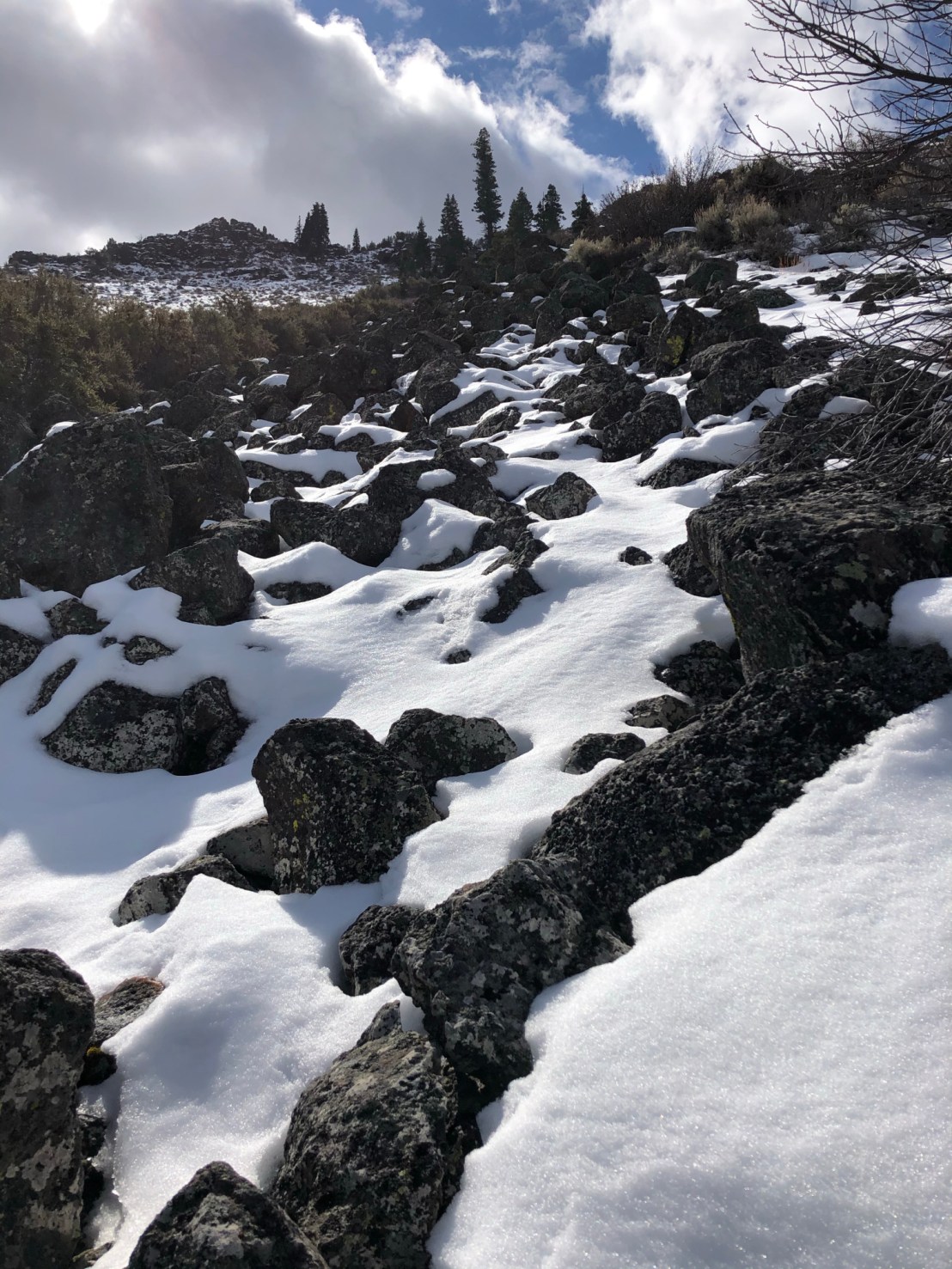
I guess I should have expected the snow, above 6000’ in the springtime. Flurries swirled around my car as I removed my leggings in the backseat and began cleaning my wounds. I was bleeding in four places, the largest of which was a grapefruit sized ooze of blood on my knee. What was supposed to be a quick, 3 mile warm up hike turned into an assorted practice of skills I’ve acquired over the last ten years in the woods.
How to navigate trailless canyons full of thorny brush.
How to step when gaining upon steep fields of melting snow.
How to traverses loose, snow covered boulder fields.
How to field dress a wound.
How to know when to turn around.
How to navigate by sight and evaluate terrain.
How to avoid getting your ankle crushed by a dislodged boulder.
How to stay calm when things get intense.
How to get your head back in the game.
How to self evacuate.
How to accept failure.
How to relish in it.
Just enough snow to mess things up.
Later, with my knee buzzing slightly from the pain, I make my way into a canyon on the western flank of the mountain. I know this canyon well. There is a safe place to hide from the rain, to collect drinking water, and I don’t have to worry about the roads turning to mud if the storms linger through the night. While my water filter drips, I follow the creek upstream. Wind swirls, aspens chatter, clouds are ripping across the sky. House sized, red violet boulders protrude from the hillside, they look like ships caught in the crest of a giant wave.
The sun is setting, the pain in my leg forgotten. I take my full water jugs and find a place to camp along the rocky beach of an alkaline lake. These lakes are the remnants of massive, Pleistocene era inland seas. Their waves are black. In the coldest parts of winter they freeze into a slurry of ice and the motion of the waves seems to slow. Like watching an inky black slurpee ocean crash against the rocky shore.
I eat instant noodles, drink tea, and think about the “real” ocean, where I was born.
To me, the desert and the ocean are like two sides of the same coin. I can watch the light change over the hills for hours, just like I can watch the waves break along the coast. Both are fascinating. The ocean always seems impassable, uncrossable, infinite, unforgiving. The desert is too, if you know the dangers well enough. I think about my close call on the mountain earlier. It’s like an old timer told me once, “…but only a fool tries to cross the desert”.
“Okay”, I said.
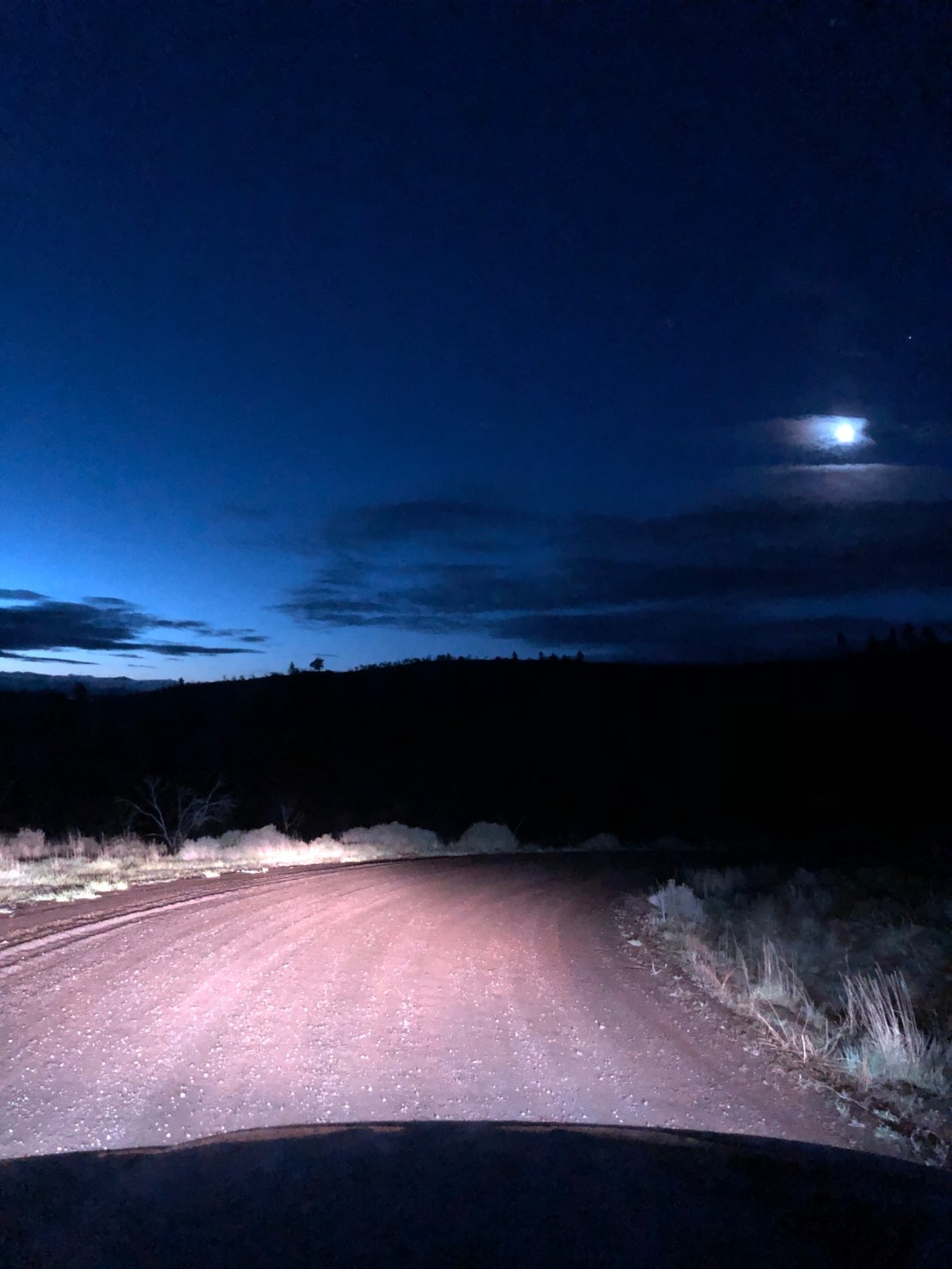
When the sun rises, I am already awake, shoving things around, getting ready to ride out to the canyons on the furthest side of the mountain. The dawn strikes a distant rim and is bright pink across the craggy face. I haven’t climbed that peak yet, either. I smile to myself as I toss my pack into the passenger seat, turn up the radio, and turn the ignition. I’m thankful for the warmth in my car this morning. Thankful for a shelter from the wind before my work in the canyon begins.
I found the place, but it took me a while.
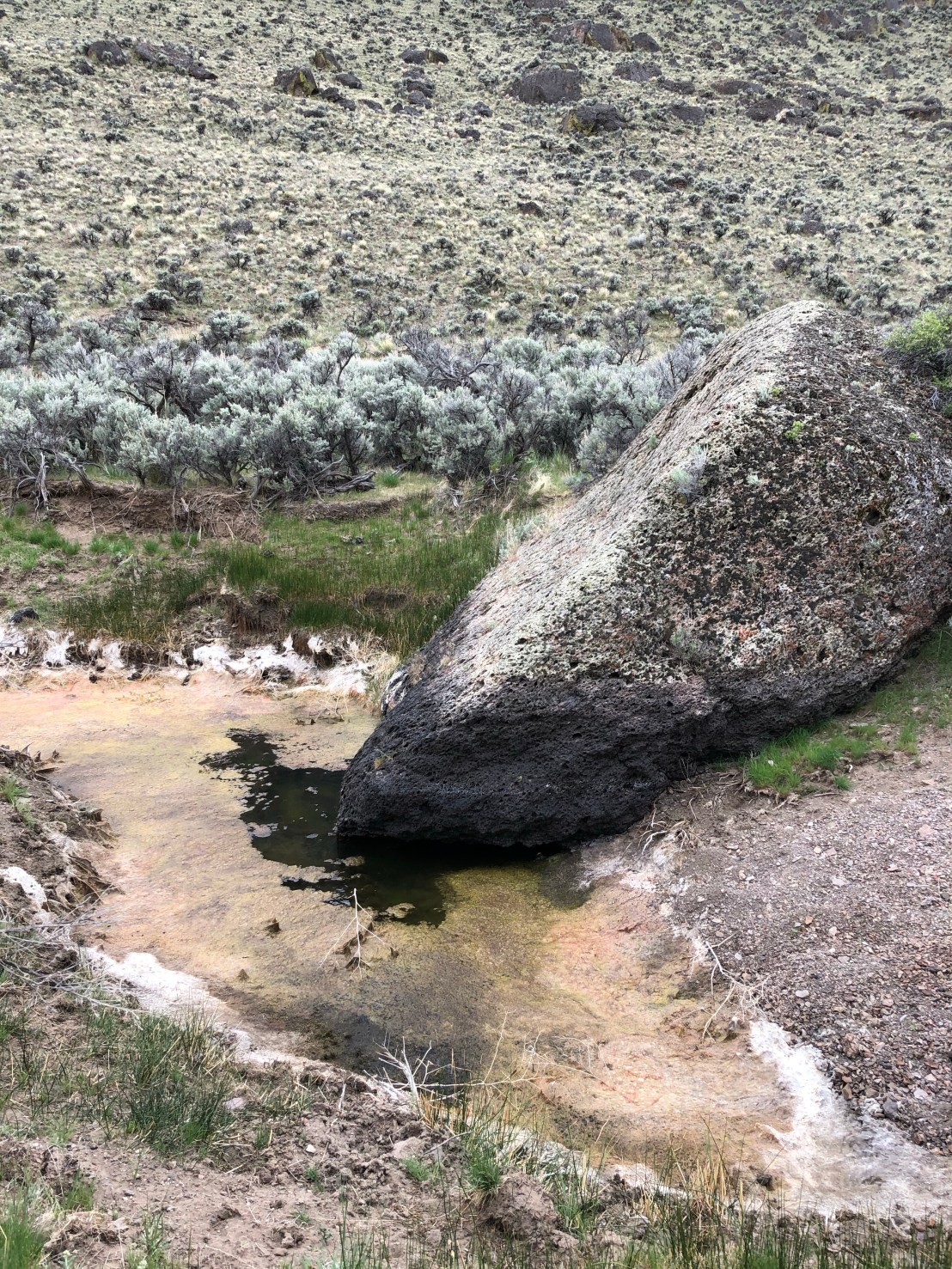
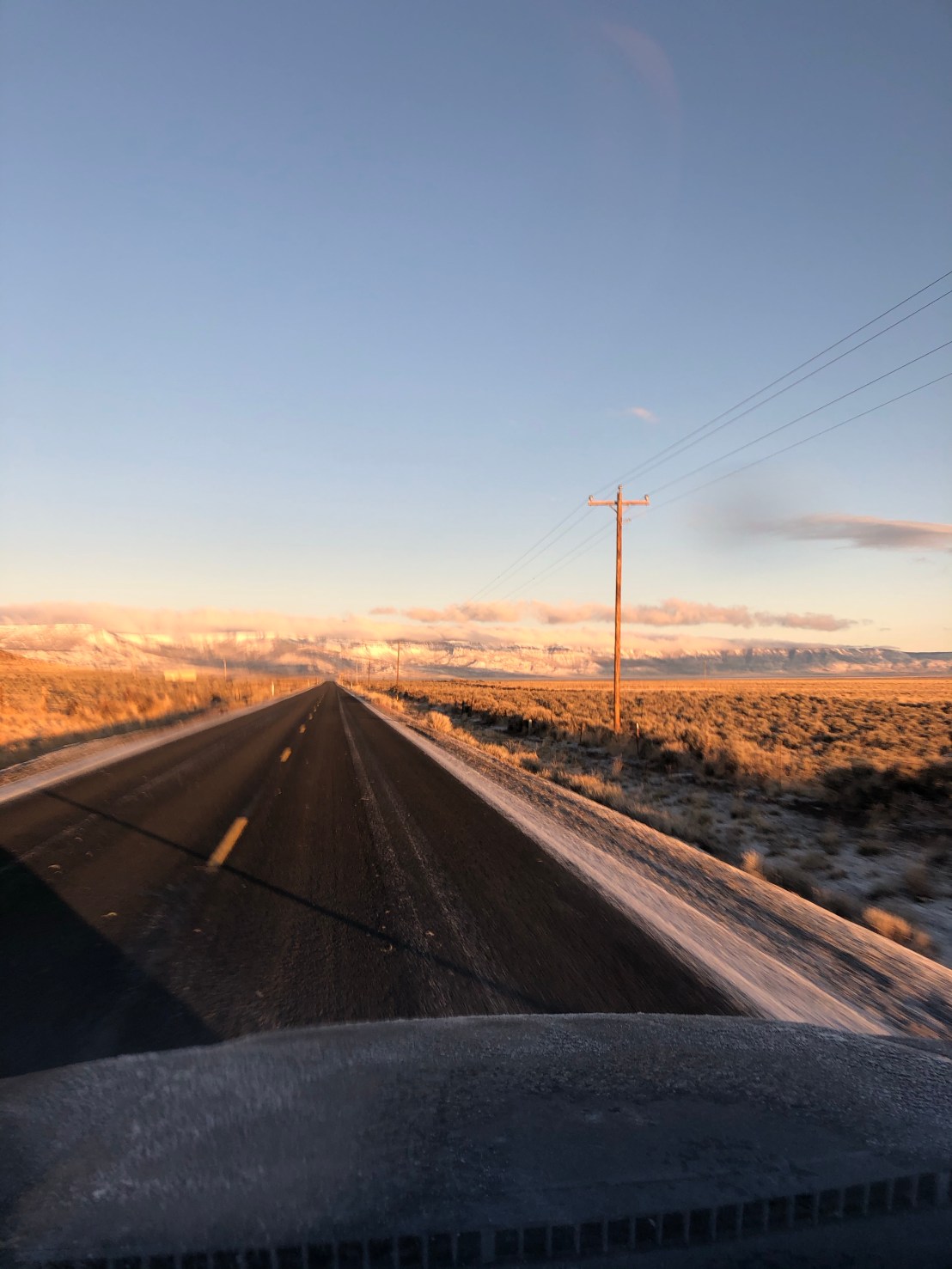
After nearly 50 miles on gravel and dirt, weaving around the backsides of sprawling, ethereal lakes, several wrong turns, and a quite sporting, rugged road granting passage across the valley floor, I had finally reached the gates of this remote, unsociable place. Rimrock lined the canyon walls, massive boulders littered the valley floor, scattered throughout the mostly dry river channel. Each possessed its own creepy, brackish pond at its base, resplendent with robust algae colonies.
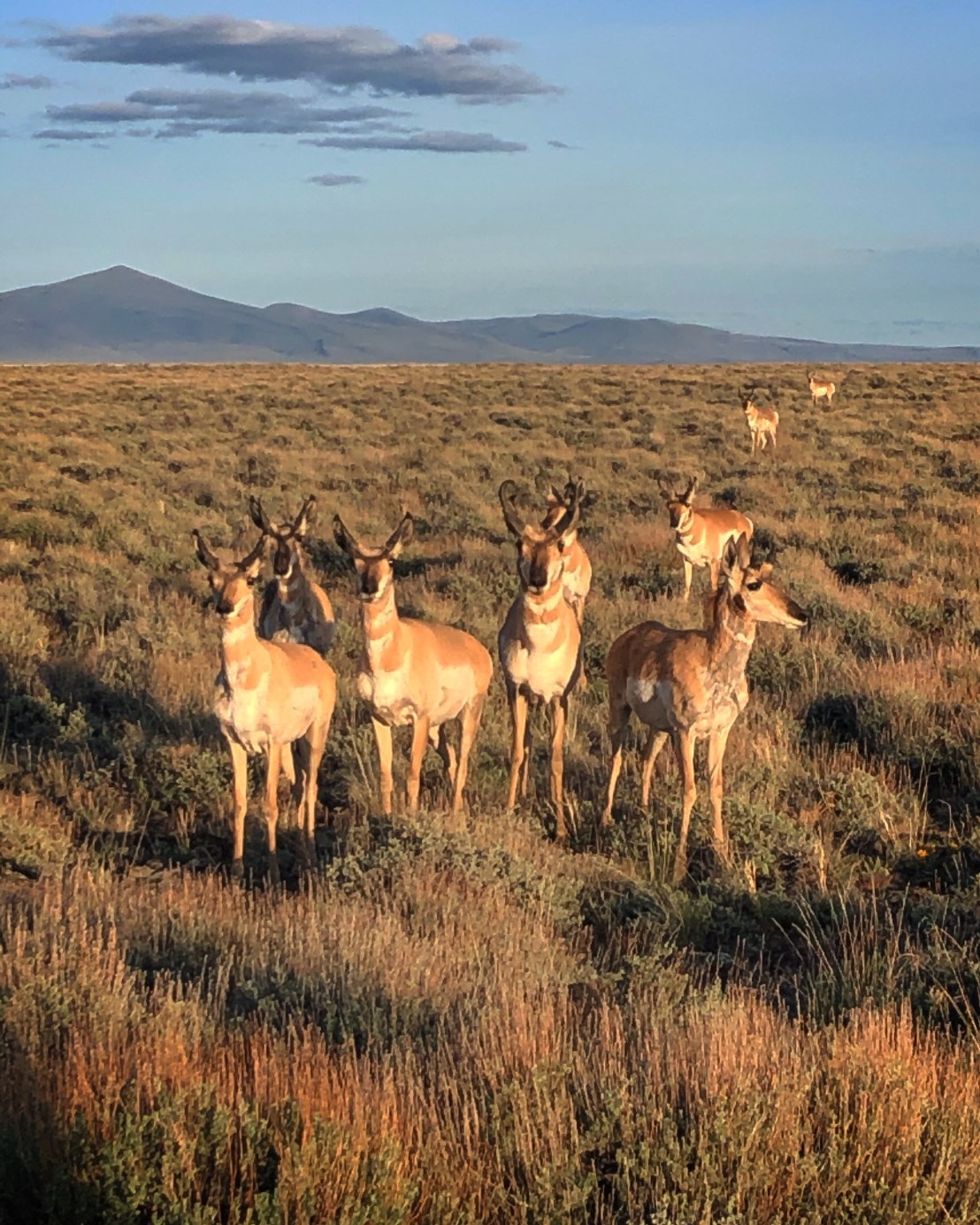
Some terrain cannot be run, and this was one of those places. I settled in to a comfortable, brisk hiking pace and made my way up the canyon; sometimes following the riverbed channel, other times taking the game trails through winding thickets of sagebrush and thorns. I never saw the animals, but I could feel myself being watched a few times. I do not mind; I always remember that I am their guest.
The otherworldly feeling of the canyon persisted, even as the landscape changed, flattened, rounded itself out. I took the old farm road out of the depths and up onto the flats again. The road leveled out as it wound it’s way around the mouth of the canyon, now obscured by the sagebrush sea spread out before me. You can see everything that is far away and nothing up close. The terrain is flat and easy here. I break into a run.
I love running downhill.
It’s all gravy until the weather blows in. I watch it coming across the valley. The first raindrops are warm and fat. A rainbow spreads across the horizon, snow clouds form on the rim of the mountain, and the wind really starts to rip. I resist the urge to increase my pace. My body is already sore; I’ve been out here nearly a week now. As the rain turns to sleet and then hail, it’s time to practice the things you’ve learned once more.
How to layer for various types of rain.
How to guard your face from the wind.
How to bundle your hands in your sleeves so they don’t go numb.
How to take your backpack off, open it and retrieve a snack without stopping.
How to run.
How to run when your feet hurt and you want to quit.
How to run when the rain turns to hail and catches you out on the flats with not even a rock to hide behind.
How to run when you are crying and you don’t know why.
Where do you go inside yourself when fatigue and boredom set it?
How do you stay present in all of it?
Everything is practice.
When I finally return to my car, the storm has passed, for now. The mountains beyond the valley are fully obscured by clouds. If I stay here, the road maybe be impassable by morning. I want to stay, but I decide the best course of action is to return the way I came. Also, the hot springs are over there, and my tired legs say, YES PLEASE. I hang my wet clothes up to dry along the windows of my car, crank the heat to 85, and hope my puffy dries out by morning. I rally back across the bumpy valley, behind the lakes, across the basin, up the face of the mountain all over again.
The hot springs are mercifully empty. I take off my clothes and stand naked in the cold air for a while, staring at the mountain. When I slip into the water, I feel like home. I feel like I belong. I am right where I want to be. Everything is just right.
But I don’t stay long.
ooOOoo
I subsequently asked where she had gone:
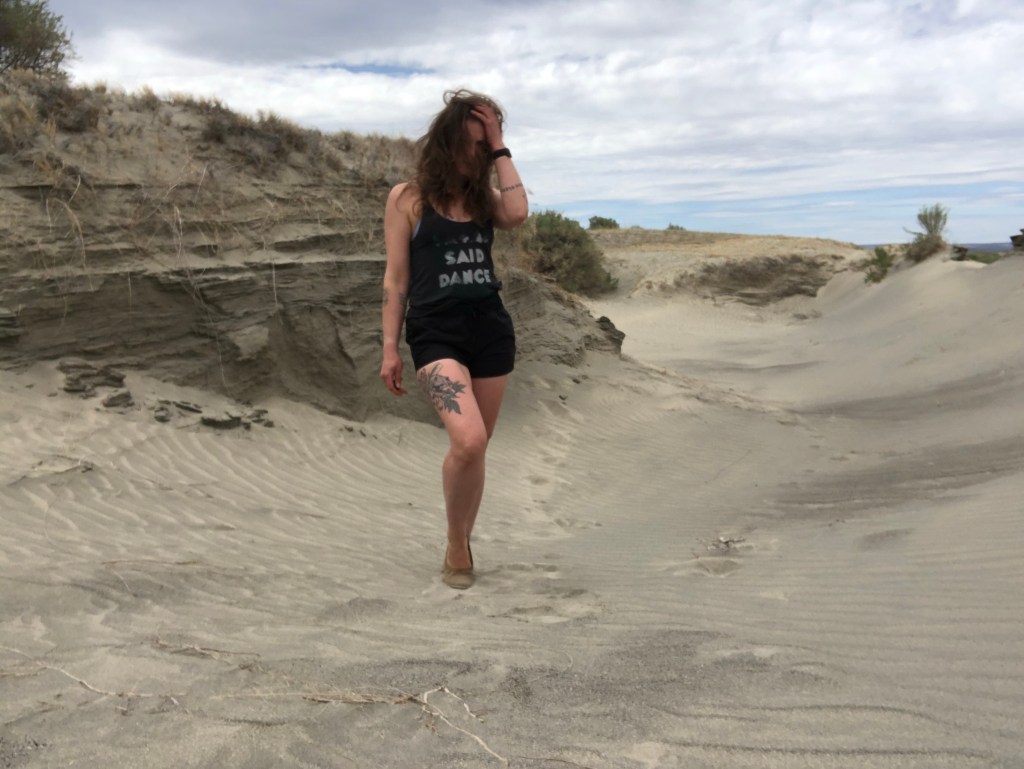
These photos are all from the SE corner of Oregon, reaching down into Northern Nevada. Hart Mountain, the Northern Warner Mountains, Abert Rim, Rabbit Hills, Summer Lake, and the formidable Catlow Valley.
Now you know!
But that doesn’t change my opinion that this is one unusual person who has the spirit of adventure truly in her bones!
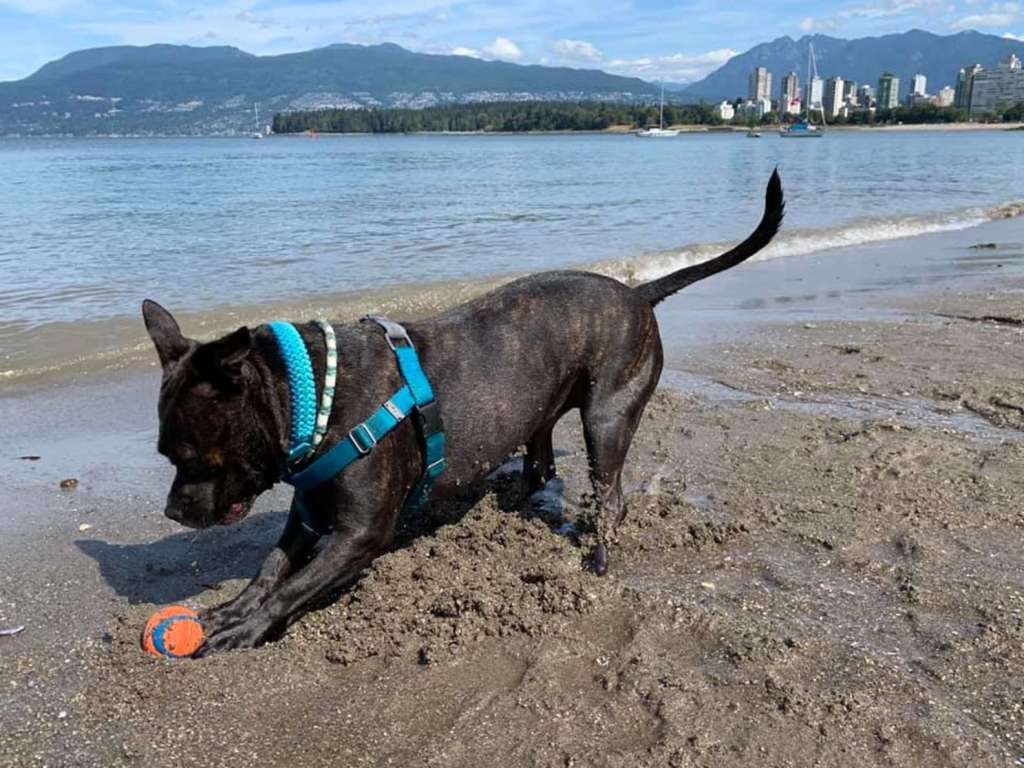
The first time Mia went to the beach when she was around 5 months old, she fell in love. She loves swimming, digging in the sand and chasing her ball around, and it quickly became one of her favorite outings.
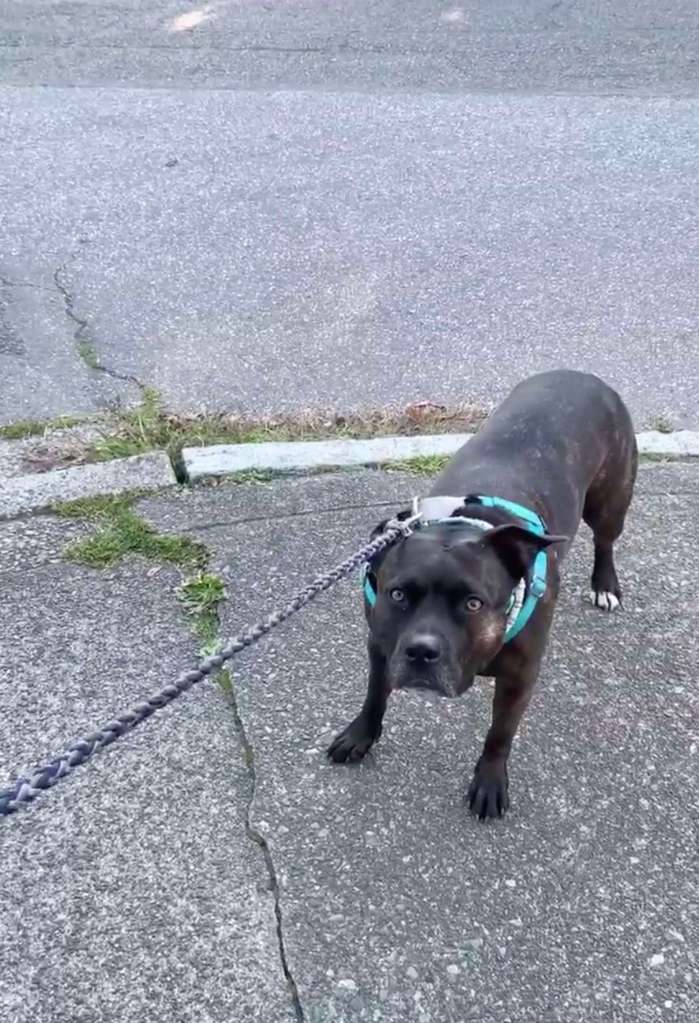
Mia and her mom go to the beach about once a week in the summertime — but for Mia, it’s never enough. Their house isn’t far from the beach, so whenever Mia is out on a walk and they pass the way that would take them to the beach, she immediately stops walking and stands her ground.
“She knows the way by heart,” Yoshi Lok, Mia’s mom, told The Dodo. “She also knows that if she keeps heading north, she will eventually get to the beach which is why she always stops in her tracks and pulls me when we are heading in the opposite direction of the beach!”
Mia can be incredibly stubborn and has no problem engaging in a standoff with her mom. Every time, her mom pleads with her to keep walking, trying to explain that they don’t have time to go to the beach that day, but Mia always tries to wait a little bit longer. She hopes that the longer she stands there, the more likely it is that her mom will cave in and take her to the beach after all.
“She isn’t very happy when we don’t go, she does try more than once on our walks to go to the beach,” Lok said. “Sometimes I have to bribe her with treats to keep walking.”
YOSHI LOK
Even though Mia gets to go to the beach more than most dogs do, she would definitely prefer to go every day, and has made her stance on that perfectly clear.
YOSHI LOK
“She reacts this way EVERY DAY,” Lok said. “Ever since we walked to the beach three years ago (when we moved to this area in Vancouver — Kitsilano), she remembered the way and never forgot.”
YOSHI LOK
On the days when Mia finally does get to go to the beach, she’s so happy. As soon as she and her mom start walking in the direction of the beach, she gets so excited and practically runs all the way there. She swims, digs and runs as much as she possibly can until it’s time to go home — and then starts her campaign to go back to the beach all over again the next day.
ooOOoo
I think that Yoshi wouldn’t have quite the problem with Mia, if indeed it is seen as a problem, if Mia had a doggie companion. While a single dog is very common having two dogs doesn’t really increase the workload that much and the rewards in terms of the two dogs playing together is immeasurable.
I am referring to the smoke and fires in this part of the Western edge of the USA.
For a while it seemed as though evacuation was becoming closer but now, I hope, that we are nearing a change in the weather including some rain later on this week.
So time for another post.
This one about speech processing in the dog’s brain.
The article that I want to republish is in The National Geographic magazine but I do not have permission to reproduce it in full.
Luckily the video that is in the article is also available on YouTube.
So first some extracts of the article.
Dogs understand praise the same way we do. Here’s why that matters.
Dogs can’t speak, but their brains respond to spoken words, suggesting human language has deep evolutionary roots
By VIRGINIA MORELL, Published August 6th, 2020
Every dog owner knows that saying Good dog! in a happy, high-pitched voice will evoke a flurry of joyful tail wagging in their pet.
That made scientists curious: What exactly happens in your dog’s brain when it hears praise, and is it similar to the hierarchical way our own brain processes such acoustic information?
When a person gets a compliment, the more primitive, subcortical auditory regions first reacts to the intonation—the emotional force of spoken words. Next, the brain taps the more recently evolved auditory cortex to figure out the meaning of the words, which is learned.
When the scientists studied scans of the brains of pet dogs, they found that theirs, like ours, process the sounds of spoken words in a hierarchical manner—analyzing first the emotional component with the older region of the brain, the subcortical regions, and then the words’ meaning with the newer part, the cortex. (Read how dogs are more like us than we thought.)
It’s much longer than I have presented so I do urge you to go to the article and read it fully; it’s fascinating.
And to close this post I insert the video that is in the article.







 Learning from Dogs