Just a few of our dogs from home.
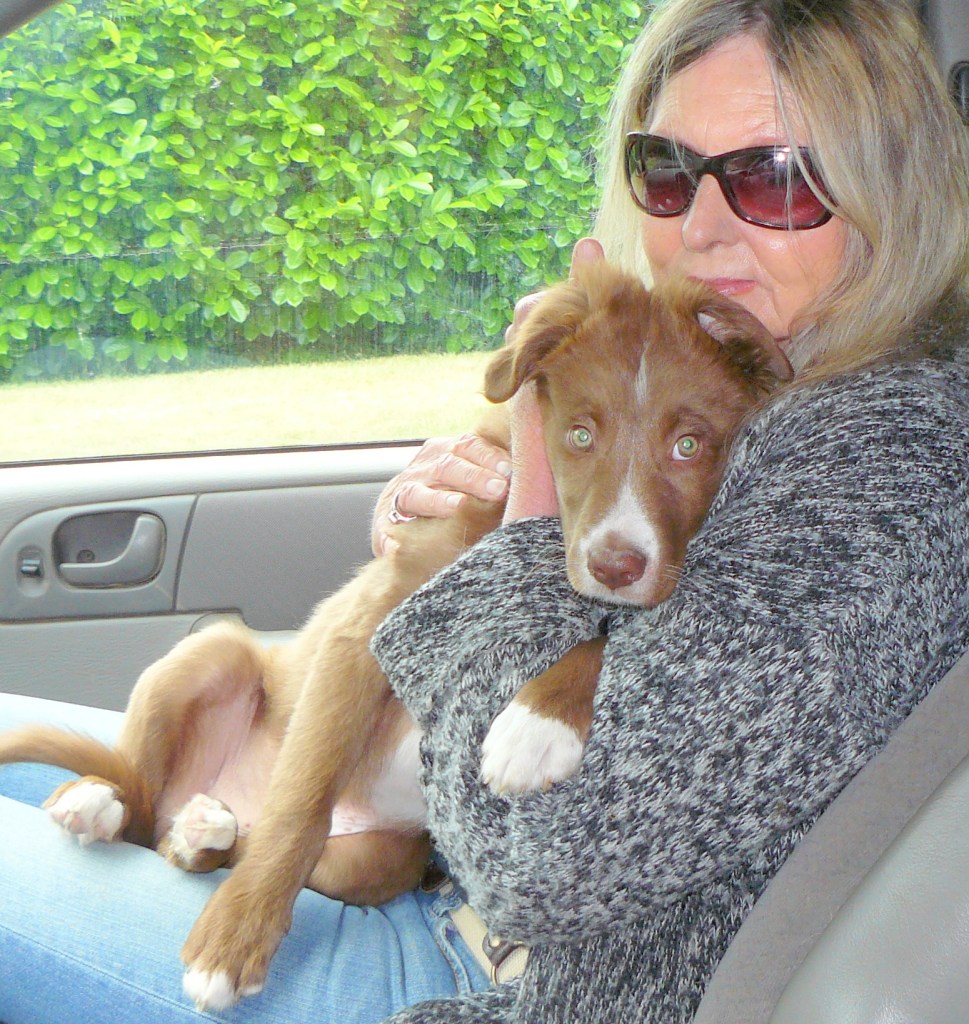
oooo
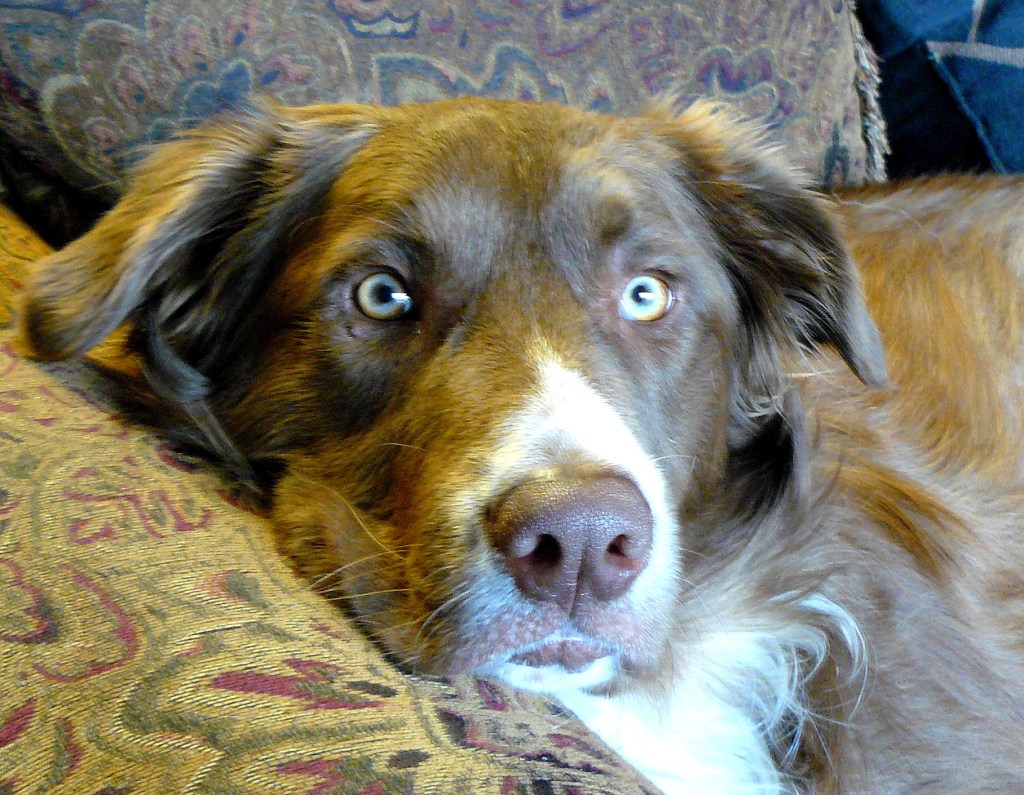
oooo
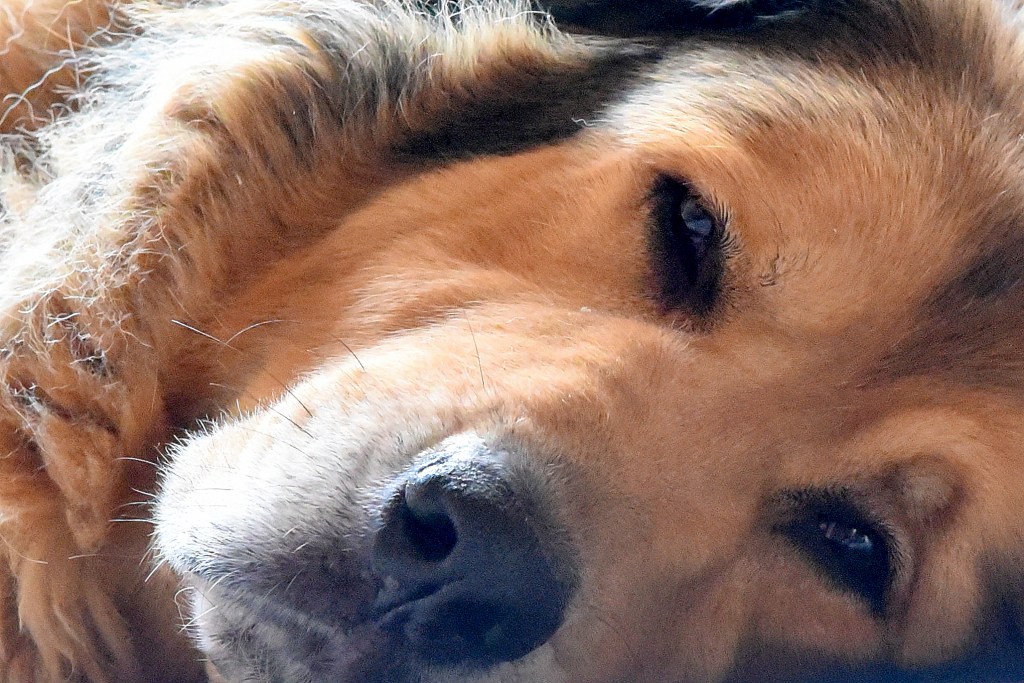
oooo
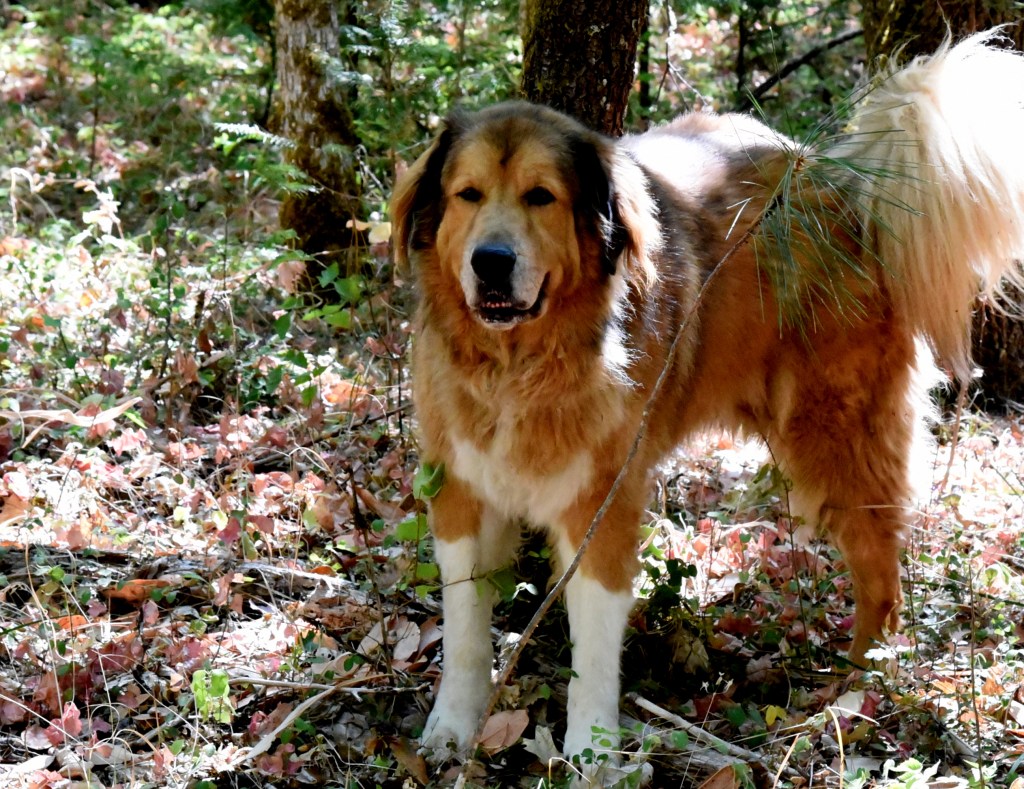
oooo
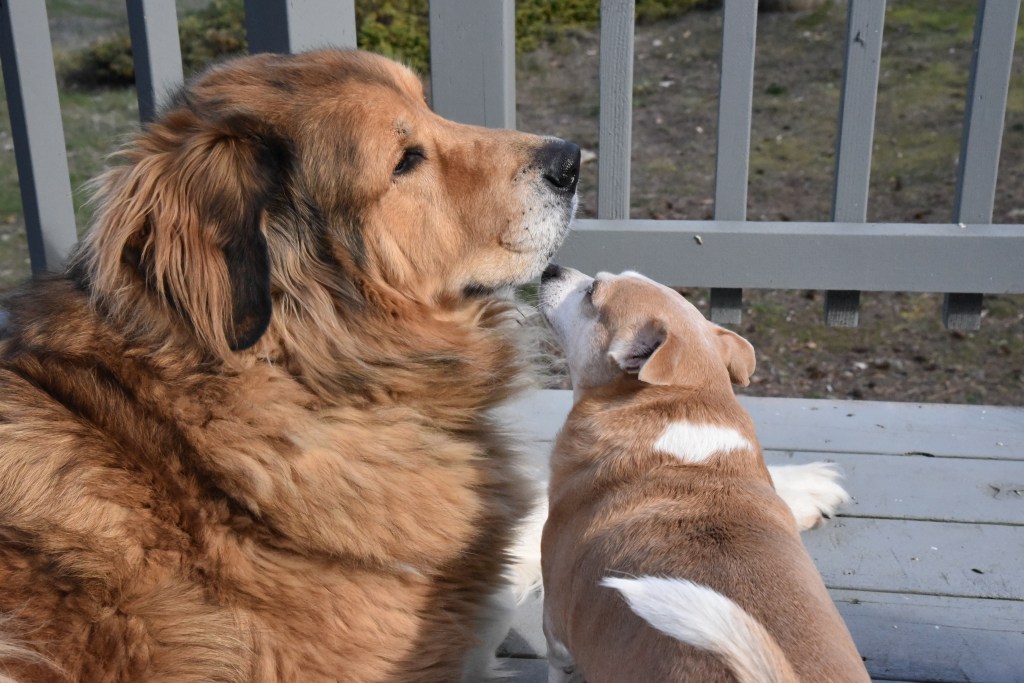
That’s not all our dogs but nevertheless some of the better photographs!
Dogs are animals of integrity. We have much to learn from them.
Year: 2019
Just a few of our dogs from home.
oooo
oooo
oooo
oooo
That’s not all our dogs but nevertheless some of the better photographs!
This came in late yesterday.
ooOOoo
Dear Fellow Dog Lover,Because you signed up on our website and asked to be notified, I’m sending you this special recall alert. If you no longer wish to receive these emails, please click the “unsubscribe” link at the bottom of this message.
Hill’s Pet Nutrition is expanding its recall of specific lots of its Prescription Diet and Science Diet dog foods due to elevated levels of vitamin D.
Very high levels of vitamin D can lead to serious health issues in dogs, including kidney dysfunction.
To learn which products are affected, please visit the following link:
Hill’s Prescription Diet and Science Diet Dog Food Recall Expands
Please share the news of this alert with other pet owners.
Mike Sagman, Editor
The Dog Food Advisor
If one then follows up that link then you will see this:
March 20, 2019 — Hill’s Pet Nutrition is expanding its voluntary recall of canned dog food products due to elevated levels of vitamin D.
This recall expansion relates to the same vitamin premix that led to the January 31 voluntary recall previously announced on The Dog Food Advisor website.
Vitamin D, when consumed at very high levels, can lead to serious health issues in dogs including kidney dysfunction.
What’s Recalled?


The following products and lot numbers are affected by the recall.
Items marked in blue are new SKUs that were added to the list on March 20, 2019.

About Excessive Levels of Vitamin D
While vitamin D is an essential nutrient for dogs, ingestion of elevated levels can lead to potential health issues depending on the level of vitamin D and the length of exposure.
Dogs may exhibit symptoms such as vomiting, loss of appetite, increased thirst, increased urination, excessive drooling, and weight loss.
Pet parents with dogs who have consumed any of the products listed and are exhibiting any of these signs should contact their veterinarian.
In most cases, complete recovery is expected after discontinuation of feeding.
What to Do?
If your SKU, Date and Lot codes are found in the list above, you have an affected product.
You should stop feeding it and should return to the place of purchase for a full refund.
If you have questions, you may contact Hill’s Consumer Affairs at 800-445-5777.
U.S. citizens can report complaints about FDA-regulated pet food products by calling the consumer complaint coordinator in your area.
Or go to https://www.fda.gov/petfoodcomplaints.
Canadians can report any health or safety incidents related to the use of this product by filling out the Consumer Product Incident Report Form.
Get Dog Food Recall Alerts by Email
Get free dog food recall alerts sent to you by email. Subscribe to The Dog Food Advisor’s emergency recall notification system.
ooOOoo
Hopefully, there are not people that are affected by this alert. But, nonetheless, it needs promulgating.
Another guest post from Emily Parker.
I can’t believe that the last time we had a post from Emily was back in July, 2016.
You may not recall but Emily’s background is a cat parent to 2 lovely cats, Gus and Louis “Gus only has one eye, but we love him all the same!”. She has lived with dogs in the past and can’t wait to add a dog to the family again. She writes about all things cats at her blog, Catological.com.
OK, that’s enough from me.
Here is Emily’s guest post.
ooOOoo
By Emily Parker, Catological.com
For a dog and a cat to live harmoniously in one home is a goal that many pet owners want to achieve. Before this happens, some variables need to be considered to make a good relationship between pets work.
As the pet parent, it’s important to be in tune with the tendencies and personalities of your pre-existing pet, be it a dog or a cat, and the inclinations of your new pet if you want them to live harmoniously together.
Personality is More Important than Breed
While most people pay attention to the breeds of dogs and cats when it comes to the aspect of getting along, experts argue that taking their energy and personalities into account is more important. For example, if you already have a dog that’s known for its aggressive ways don’t adopt a skittish cat. In a similar manner, an aging dog may not enjoy living in one household with a lively and playful kitten who is always interrupting the peace.
If you already have pets whose personalities don’t match, this is where your backup plan should be used. You should set up a living arrangement wherein they are separated as much as possible, while providing them each with as much loving attention as possible.
If you’re adopting a new pet, do your research and ask the caretakers if it has lived with other pets before or if the pet has a hard time getting along with others.
Give a Cat its Own Space Before Introducing it to the Dog
While most dogs are quite extroverted animals, cats need space – something that they can call their own. It’s just their nature, and you should respect that. Make sure that you provide a space that your dog won’t be allowed to navigate, so your cat can confidently mind her own business without triggering a fight with her canine brother.
Cats are natural climbers, so it should be easy to take advantage of your home’s vertical space. Prepare a cat bed atop a shelf or a bookcase, or install a cat tree that your dog can’t reach. This will allow your cat to observe your dog from across a room or from a distance.
Make sure the cat’s litter box is away from the dog, too. Cats have long been observed to hide while doing their business, and there’s also the tendency of dogs to chew on cat poo that you should be concerned about.
You can install baby gates if you must – just make sure to do everything in your power to keep a dog away from a pooping cat!
Make Sure Your Dog Has Plenty of Physical and Mental Exercise
It’s important for dogs to have their energy released someplace else other than your home so they can slow their brains down and practice restraint whenever they’re around your cat.
These are creatures that require a lot of stimulation; otherwise, they might end up chasing the cat. To prevent this from happening, practice high-intensity trick training, lure coursing, or herding-type activities with your dog.
Don’t settle for just walking, if you can help it. You can do a sit several times on each block and do direction changes now and then. You can also practice speed changes.
Dogs should be able to let go of their herding instincts around cats, and you can help them achieve this by ensuring that your pet is always active, both in mind and in body.
Should you lack time for these activities, you can always enroll your dog in daycare or hire a dog walker instead.
Allow Your Pets to Follow Their Noses
Before introducing the dog and the cat to each other, allow them to sniff each other’s toys or beddings first.
This will satisfy their curiosity as to who the other pet is in the house, and serve as an introduction. It can also prevent turf wars in the future.
While your new pet is safely tucked away in a spare room, rub him down with a clean towel, and then present it to your existing pet to sniff, and vice versa.
Plan the First Meeting Properly
As with most humans, first impressions count, so make sure it all turns out well for the dog and the cat.
After you’ve introduced scents, you can have a visual meeting, preferably behind the safety of a baby gate or most-closed door.
After they’ve been able to smell and see each other a few times, it’s time for the main event.
Your cat should always have a clear escape route during this meeting, and you should not force the issue. If possible, take control of your dog without being aggressive about it, to ensure that he doesn’t chase the cat.
You may have to do this multiple times before everyone is comfortable with each other, always making sure you praise your dog for calm behavior, while ensuring the cat isn’t forced into a meeting from which she has no escape.
When it comes to food, the choice you make may depend on how well the two pets get along together, though I’d recommend having meal time in separate places or times if possible.
Separate Each Other’s Toys and Food
Always keep your pets’ separate. Some cats are known to be nonchalant with the company of an eating dog, even walking around the dog while he’s eating to try to eat from the bowl. Many dogs will allow this, but don’t be so sure on your pet. Don’t assume that your dog won’t get overprotective with his food bowl. (Not to mention dog food is not appropriate for cats to eat.) You can prevent mealtime wars by scheduling regular mealtimes and place the bowls in separate parts of the house.
While some pets won’t make an issue of this, you can give yourself the best chance of a peaceful home by making sure their toys don’t get mixed up. Competition over toys can start a fight. Some dogs have taken into catnip as well. So always segregate.
Consider Raising a Cat and Dog Together
Compared to introducing them to each other as adults, it’s easier if each pet meets each other at a young age
Puppies are typically easier to train than adult dogs who have become set in their ways, and they can be taught to not harm a kitten or just to leave it to its own devices. Kittens are incredibly curious and playful, and will associate the dog as a friend and will get used to its company as she grows into a mature cat.
But then again, it never hurts to be cautious!
At the end of the day, your duty as a pet parent is to keep watch over your pets and make sure they’re well fed and safe within your home. With proper guidance, training, and a whole lot of patience, it’s not impossible for a dog and cat to live together peacefully.
ooOOoo
Now I took the following picture from another blog and when you visit that page you can read another account of cats and dogs living together.
But I will close with that image because it is so perfect!
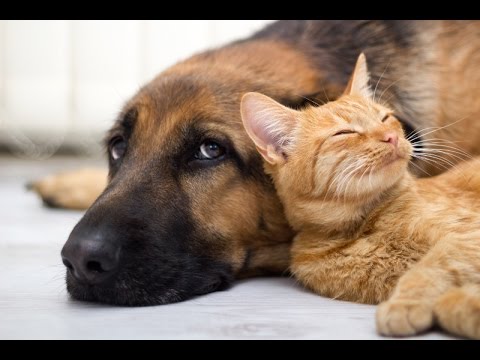
Have you seen the moon?
It’s a particularly beautiful moon and more so because it coincides with the equinox.
Taken from here.
ooOOoo
By Bruce McClure in TONIGHT

Photo above: Bruce Tennant captured the March 2014 full moon rising over Santiago Peak, Alamitos Bay, Long Beach, California.
The March 20-21, 2019, full moon ushers in the first full moon of spring for the Northern Hemisphere, and the first full moon of autumn for the Southern Hemisphere. This full moon is also a supermoon, particularly close to Earth. It comes less than four hours after the arrival of the March 20 equinox.
This is the closest coincidence of a full moon with the March equinox since March 2000 – 19 years ago. The full moon and March equinox won’t happen less than one day apart again for another 11 years, or until March 2030.
March 2000 full Moon: March 20 at 4:44 UTC
March 2000 equinox: March 20 at 7:35 UTCMarch 2030 full moon: March 19 at 17:56 UTC
March 2030 equinox: March 20 at 13:51 UTC
This month’s full moon also presents the third and final supermoon of 2019. Will it appear bigger in your sky? No, not unless you happen to catch the moon just after it has risen in the east, around sunset. Then its larger-than-usual size has less to do with the supermoon, but more from a psychological effect known as the moon illusion.
Supermoons don’t look bigger to the eye to most people, but they do look significantly brighter. If you’re in the suburbs or a rural area, notice the bright moonlight cast on the landscape at this full moon.
Also, supermoons have a stronger-than-usual effect on Earth’s oceans. Watch for higher-than-usual tides to follow the supermoon by a day or so, especially if a coastal storm is happening in your part of the world.
This March supermoon isn’t 2019’s closest supermoon, by the way. That happened last month. See photos of last month’s supermoon.

At U.S. time zones, the equinox arrives on March 20, at 5:58 p.m. EDT, 4:58 p.m. CDT, 3:58 p.m. MDT, 2:58 p.m. PDT, 1:58 p.m. AKDT and 11:58 a.m. HST.
At U.S. time zones, the full moon falls on March 20, at 9:43 p.m. EDT, 8:43 p.m. CDT, 7:43 p.m. MDT, 6:43 p.m. PDT, 5:43 p.m. AKDT and 3:43 p.m. HST.
In Universal Time, the equinox arrives on March 20, at 21:58 UTC, and the full moon comes on March 21, at 1:43 UTC. Here’s how to convert Universal Time to your local time.

At the equinox, the sun is at zenith (straight overhead) at the Earth’s equator. Because the Earth’s atmosphere refracts (bends) sunlight, a tiny bit more than half of the globe is covered over in daylight.Generally, the first full moon of a Northern Hemisphere spring heralds the imminent coming of the Christian celebration of Easter. Since Easter Sunday – by proclamation – occurs on the first Sunday after the first full moon in spring, some of us might expect the upcoming Sunday on March 24 to be Easter Sunday. However, by ecclesiastical rules, the equinox is fixed on March 21, so that places this year’s Easter Sunday (for Western Christendom) on April 21, 2019.
By the Gregorian calendar, the last time that an ecclesiastical Easter and an astronomical Easter didn’t occur on the same date was 38 years ago, in 1981. The next time won’t be until 19 years from now, in 2038.
(Easter Sunday for Eastern or Orthodox Christendom actually falls on April 28, 2019. That’s because the Eastern Church bases Easter on the old style Julian calendar, instead of the revised Gregorian calendar used by Western Christianity and most of the world.)
For our friends in the Southern Hemisphere, this March full moon counts as your Harvest Moon. The Harvest Moon is the full moon occurring closest to the autumnal equinox. On the average, the moon rises about 50 minutes later with each passing day. But for several days around the time of the Harvest Moon, the lag time between successive moonrises is reduced to a yearly minimum. For instance, at 40 degrees south latitude, the moon now rises some 30 to 35 minutes later (instead of the average 50 minutes later) each day for the next several days.

Here in the Northern Hemisphere, where it’s the closest full moon to the spring equinox, the lag time between successive moonrises is at a yearly maximum. At 40 degrees north latitude, the moon now rises around 70 to 75 minutes later daily. In the Northern Hemisphere, we ‘ll have to wait for the September full moon to bring forth our procession of early evening moonrises.
Last but hardly least, this March 2019 full moon gives us the first of four full moons in one season (between the March equinox and June solstice). Most of the time, a season – the time period between an equinox and a solstice, or vice versa – only harbors three full moons. But since this March full moon comes very early in the season, that allows for a fourth full moon to take place before the season’s end.
March 2019 equinox: March 20 at 21:58 UTC
March 2019 full moon: March 21 at 1:43 UTC
April 2019 full moon: April 19 at 11:12 UTC
May 2019 full moon: May 18 at 21:11 UTC
June 2019 full moon: June 17 at 8:31 UTCJune 2019 solstice: June 21 at 15:54 UTC
Some people call the third of four full moons in one season a Blue Moon. So our next Blue Moon (by the seasonal definition of the term) will fall on May 18, 2019.
The next Blue Moon by the monthly definition – second of two full moons in one calendar month – will come on October 31, 2020.
Resources:
Astronomical and Gregorian Easter Sunday
Phases of the moon: 1901 to 2000
Phases of the moon: 2001 to 2100
Solstices and equinoxes: 2001 to 2100
Equinox and solstice calculator
Bottom line: Enjoy the equinox full moon on March 20-21, 2019. It’s the third and final full supermoon of 2019, and the first of four full moons in the upcoming season (spring for the Northern Hemisphere, autumn for the Southern Hemisphere).
Bruce McClure has served as lead writer for EarthSky’s popular Tonight pages since 2004. He’s a sundial aficionado, whose love for the heavens has taken him to Lake Titicaca in Bolivia and sailing in the North Atlantic, where he earned his celestial navigation certificate through the School of Ocean Sailing and Navigation. He also writes and hosts public astronomy programs and planetarium programs in and around his home in upstate New York.
ooOOoo
It’s not about dogs. But then again maybe it is. For I’m thinking of dogs howling at the moon.
A recent story from The Dodo.
This is so good. As good as it gets. It’s the account of a man and his dog who don’t have second thoughts in rescuing two elderly Labradors.
But let the story speak for itself.
ooOOoo
“I knew she was going to follow me. We were going to do it together.”
Since meeting one another last year, Timofey Yuriev and his faithful dog Kira have been inseparable companions. Indeed, the happy duo do just about everything together.
And that includes saving lives.

Last Saturday, Yuriev, his wife and Kira headed out for a sunset stroll around an ice-covered lake near their home in New York. It’s a tranquil spot, but on this chilly early evening, the quiet, peaceful air was shattered by the sound of a tragedy unfolding.
“We heard a woman screaming something across the lake, so we went to see what was happening,” Yuriev told The Dodo. “Her two old Labradors were crossing the lake, when they got to a spot where the ice is much thinner. One fell in, then the second. They tried to climb out but they couldn’t.”

Yuriev watched as the dogs’ energy was quickly sapped by the freezing water — and he knew time was of the essence.
Having experience swimming in icy waters, Yuriev decided to take the plunge in order to save the two dogs himself — but he was not alone.
After Yuriev undressed and leapt into the freezing lake, he looked and saw Kira by his side entering the water as well to lend him her paw in the rescue effort.
“I knew she was going to follow me,” Yuriev said. “We were going to do it together.”
Here’s video taken by Yuriev’s wife showing him and Kira reaching the nearest dog first:
“She was great moral support; I was not alone,” Yuriev said. “There was my little helper.”
After leading the first dog safely to the shore, Yuriev and Kira headed out for the second:
“She came to each dog and touched them with her nose, then helped guide them back.”
Once back on dry land, both of the rescued dogs were frazzled but in good health.
Yuriev and Kira had saved the day.
“The owner, of course, was in tears,” Yuriev said. “She was so thankful.”
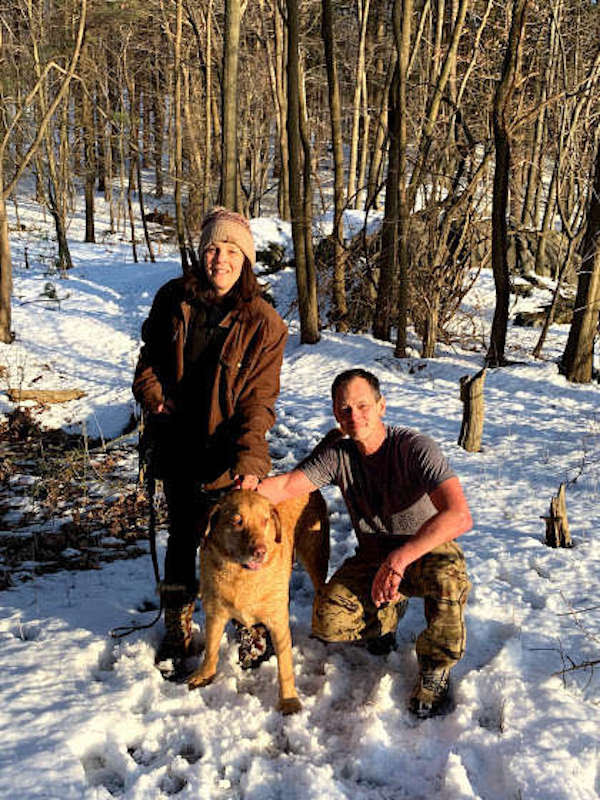
Kira has always been a kindhearted and intelligent dog, able to assess situations and sense when she’s needed.
And on this day, it was clear for all to see.

“We told her that she’s a dog-saving dog. I’m sure she understood that something was happening. She could see the dogs were in distress. I’m positive about it,” Yuriev said, adding that he’s just happy they were able to help.
“It was pure luck that we were at that place at that time. It was like the universe smiled at us.”
ooOOoo
This is a glorious post that was taken from here.
I have said it before and no doubt I shall repeat this many times more: Dogs are the most special creature going!
 Learning from Dogs