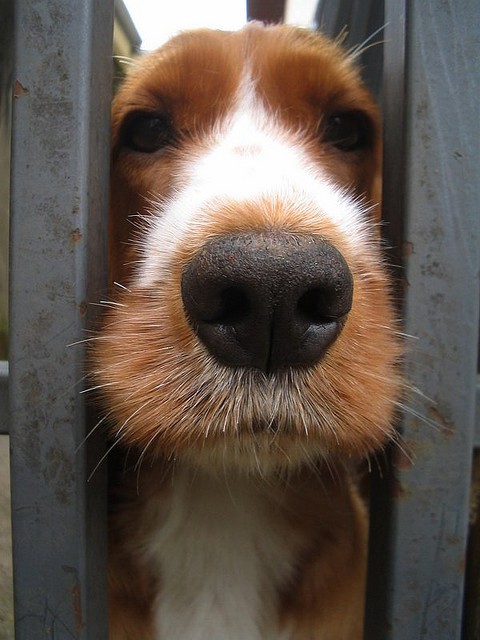
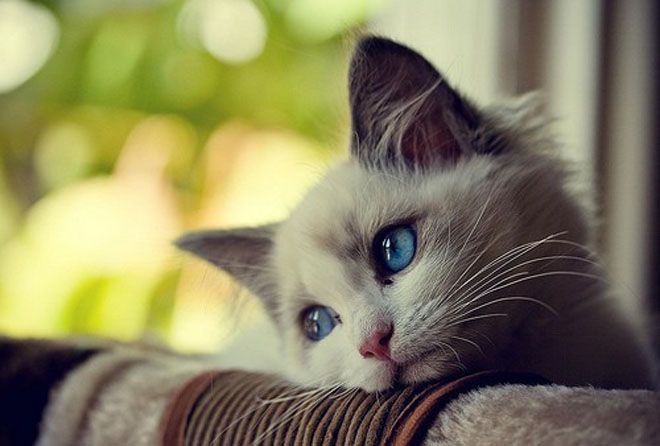
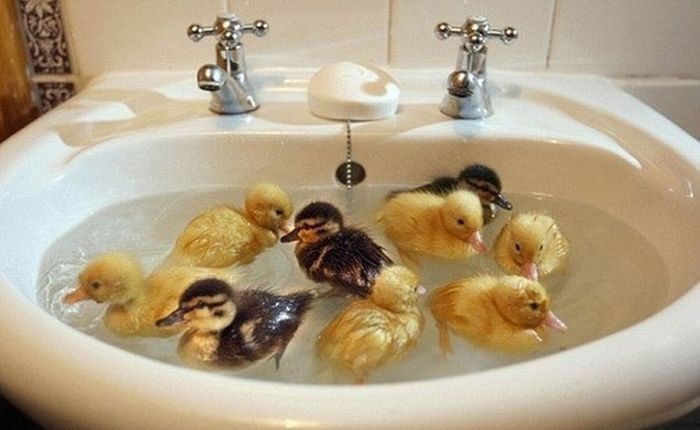
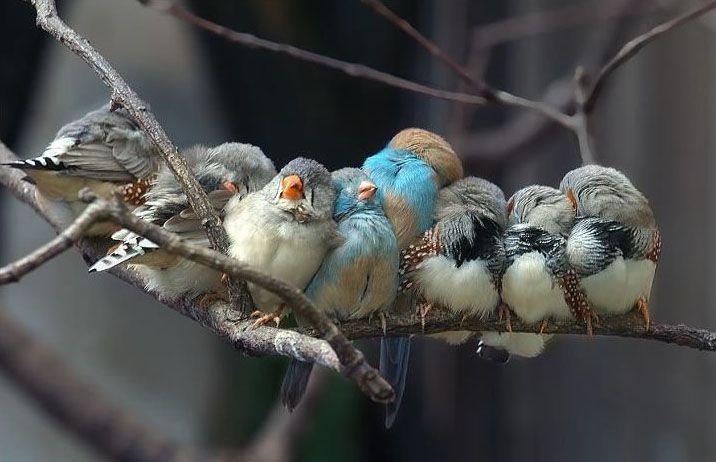
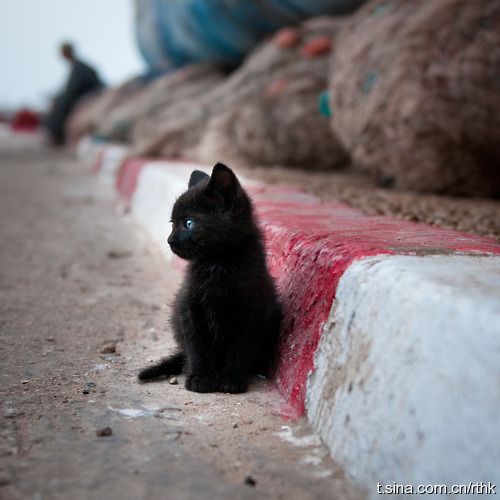
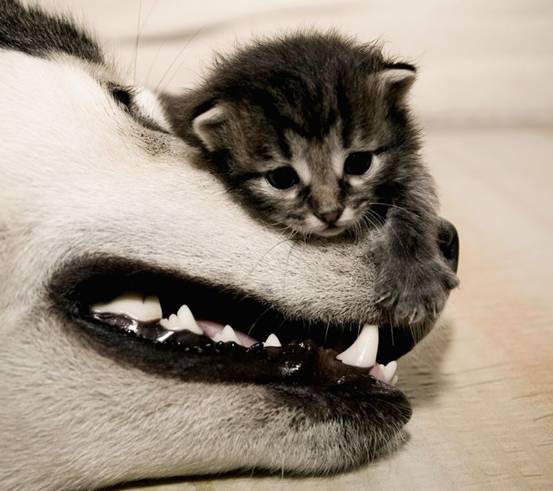
More of those wonderful photographs sent to me by Su.
(Now moving beyond the world of dogs! But you will still love them!)
oooo
oooo

oooo
oooo
oooo
oooo

oooo
Come back in a week’s time for another set of these wonderful photos.
Thank you, Su!!
Dogs are animals of integrity. We have much to learn from them.
Year: 2018
More of those wonderful photographs sent to me by Su.
(Now moving beyond the world of dogs! But you will still love them!)
oooo
oooo
oooo
oooo
oooo
oooo
oooo
Come back in a week’s time for another set of these wonderful photos.
Thank you, Su!!
Helping us all help others.
In yesterday’s post there were a number of links to charities that are working so hard to help the dogs and cats in the face of Hurricane Florence.

Here are the details if any of you wish to support them.
Grenville Humane Society
Their website is here: https://www.greenvillehumane.com
Pender County Animal Shelter
Their Facebook page is here: https://www.facebook.com/pages/category/Animal-Shelter/Pender-County-Animal-Shelter-Pender-Pets-1431469803817297/
Atlanta Humane Society
Their website is here: https://atlantahumane.org
Best Friends Animal Society
Their Facebook page is here: https://www.facebook.com/bestfriendsanimalsociety/
Please, dear people, if you know of others that should be on this list then please add it as a comment. I will update the post with those details and leave this post up for both today, Friday, and tomorrow.
Finally here is the website address for The Humane Society of the United States. I know that they are also active in the area.
The scientific findings of how the height of trees affects their ability to cope with drought.
I subscribe to the online Physics World website and a recent article tickled my fancy. Because it was supported by what we see here at home.
That is that shorter and taller trees do not handle drought conditions as well as medium-height trees.
First the article and then some supporting evidence from home.
ooOOoo
04 Sep 2018
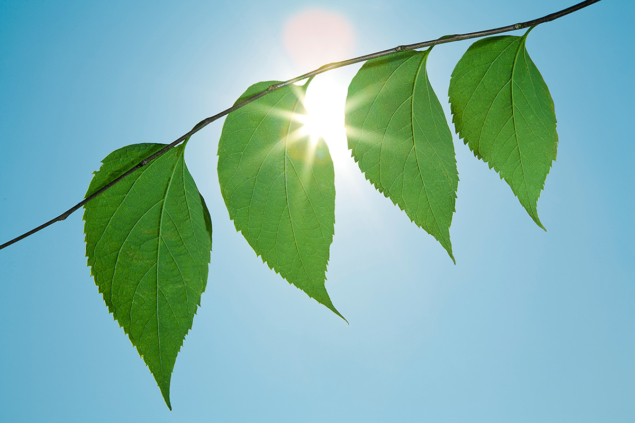
Forests with canopy heights of around 18 metres are more resistant to the effects of severe drought than those with shorter and taller trees, according to researchers in China and the US.
In the past, studies have disagreed on whether forests with lower or higher canopies will be more likely to make it through prolonged spells of hot, dry weather. The discrepancy has made it difficult for forest managers, who need to know which tree heights to encourage to ensure the highest growth and survival rates during extreme drought.
Study leader Peipei Xu at Beijing Normal University in China and her colleagues believe the issue is increasingly pressing. “Climate data indicate that warm areas of land are increasing, and the warmed areas are also drying,” says Chuixiang Yi at the City University of New York, US. “Hot-dry-induced forest mortality poses a significant global concern for the future as carbon dioxide continues to rise and the climate continues to warm.”
Xu, Yi and the rest of the team aimed to quantify the relationships between canopy height, growth and survival rates during drought accurately for the first time. They analysed data gathered during a severe drought in the southwestern US in 2002 that showed the effect on the ring widths of tree trunks, a useful indicator of their yearly growth. In addition, satellite data revealed how the density of vegetation changed over the course of the drought; the team used this to calculate both leaf growth and tree mortality rates.
The results revealed that trunk and leaf growth under drought conditions increased with canopy height for trees shorter than 18 metres but decreased with height for trees taller than 18 metres. “Our results indicate that both high and small trees have relatively low drought resistance,” says Yi.
After establishing these relationships, the researchers could determine the biological mechanisms governing tree growth and survival during drought.
“All organic matter in a tree is formed on the leaves at the top of the tree by photosynthesis,” Yi explains. “Tall trees have a longer water transport path from roots to leaves and [it’s] more difficult to overcome tissue resistance and … gravity, particularly under dry conditions. The roots of small trees are short, and their abilities to access water and nutrient supplies unavailable to the surface soil layer are extremely limited.”
The researchers believe that using their results to inform the active management of canopy structure could safeguard vulnerable forests. As climate models predict hotter, drier droughts becoming more commonplace, this could be essential to combat forest dieback – a phenomenon that will also drive climate change.
“Our findings provide insights into how to manage forests or plant what trees to increase forest drought resistance in facing hot-dry climate conditions to mitigate climate change,” says Yi.
The team reported the findings in Environmental Research Letters (ERL).
ooOOoo
So turning to home.
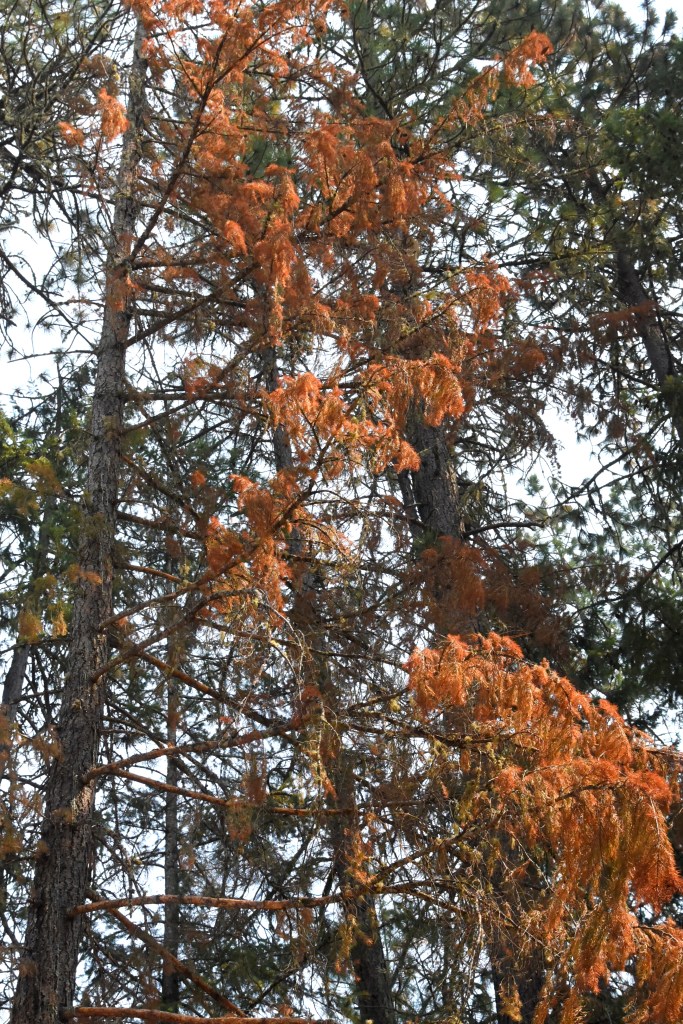
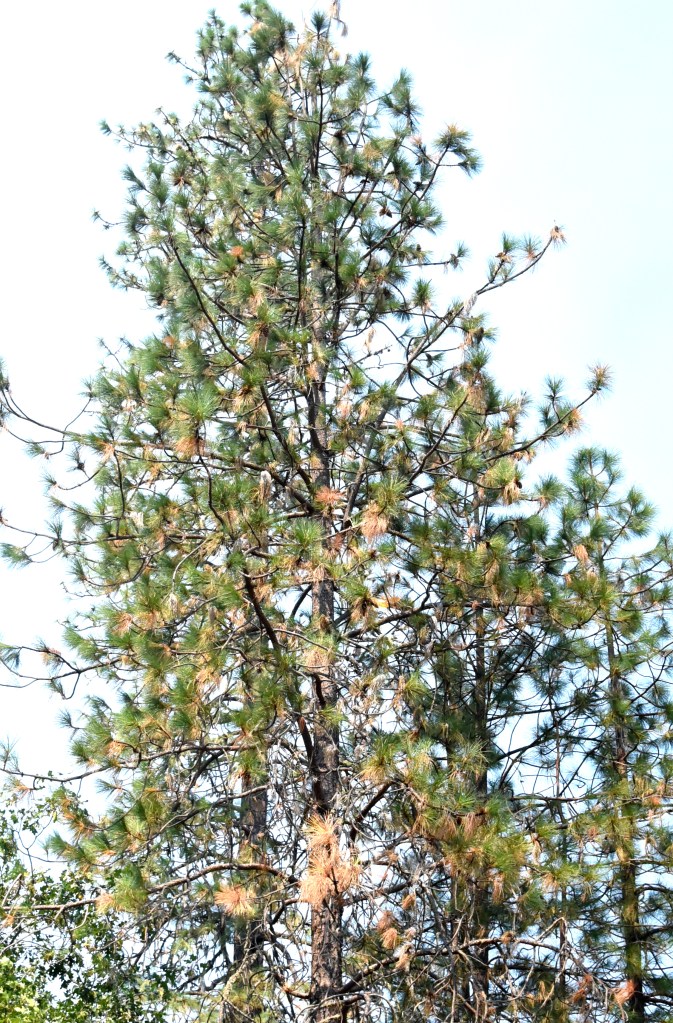
Here are a couple of photographs of tall trees to the Northern side of the house that are clearly showing some stress.
oooo
oooo
Now in stark contrast look at the trees in the photo below. (Oh, that’s the smoky summit of Mount Sexton, elevation 3,829 ft., in the distance.)
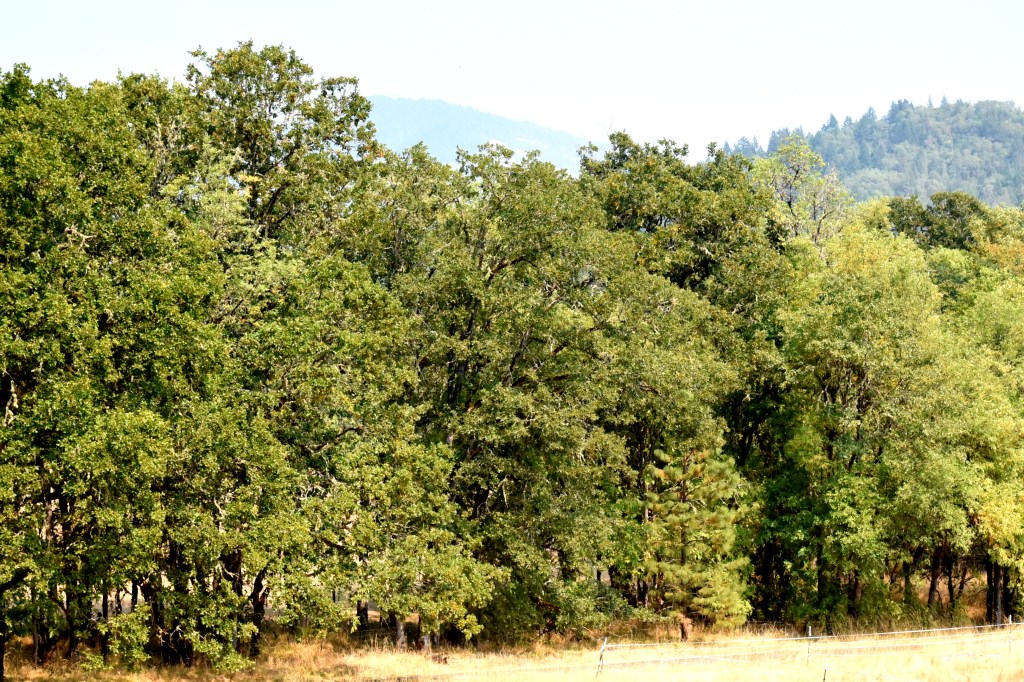
As our taller trees are felled each year we are planting new young trees, two for every tree felled, in one of our grass fields.
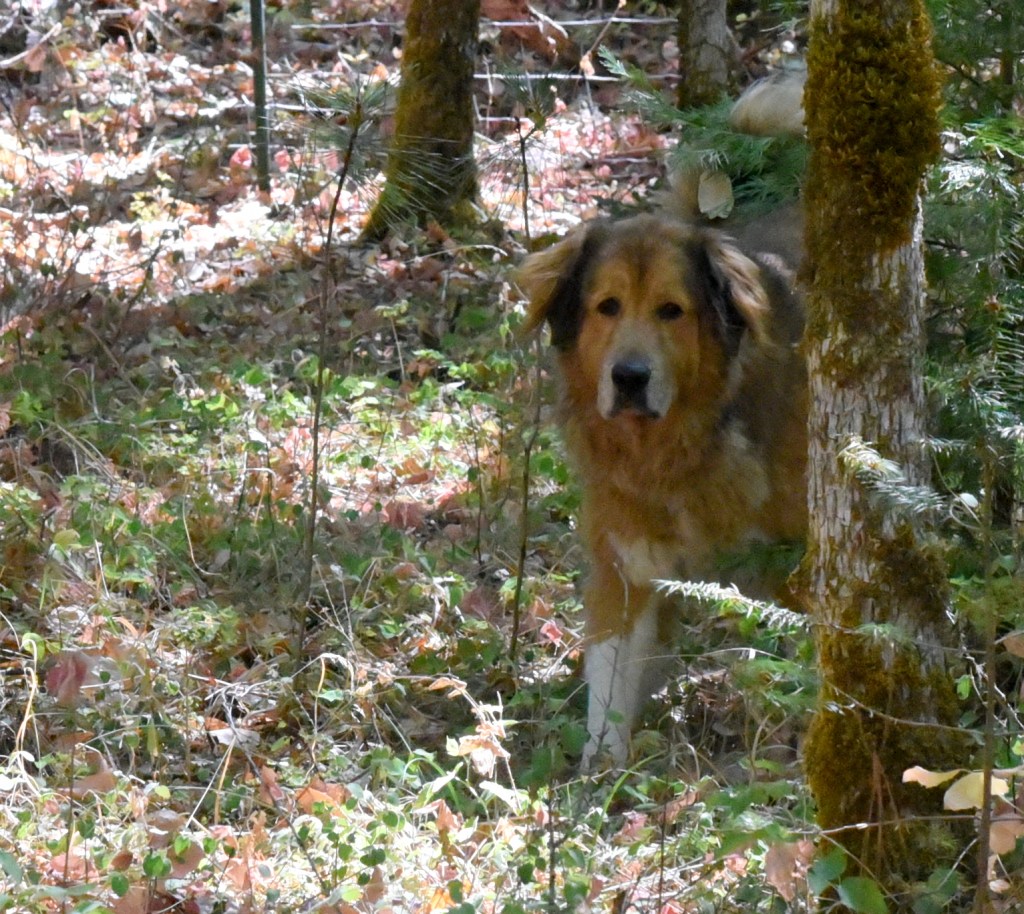
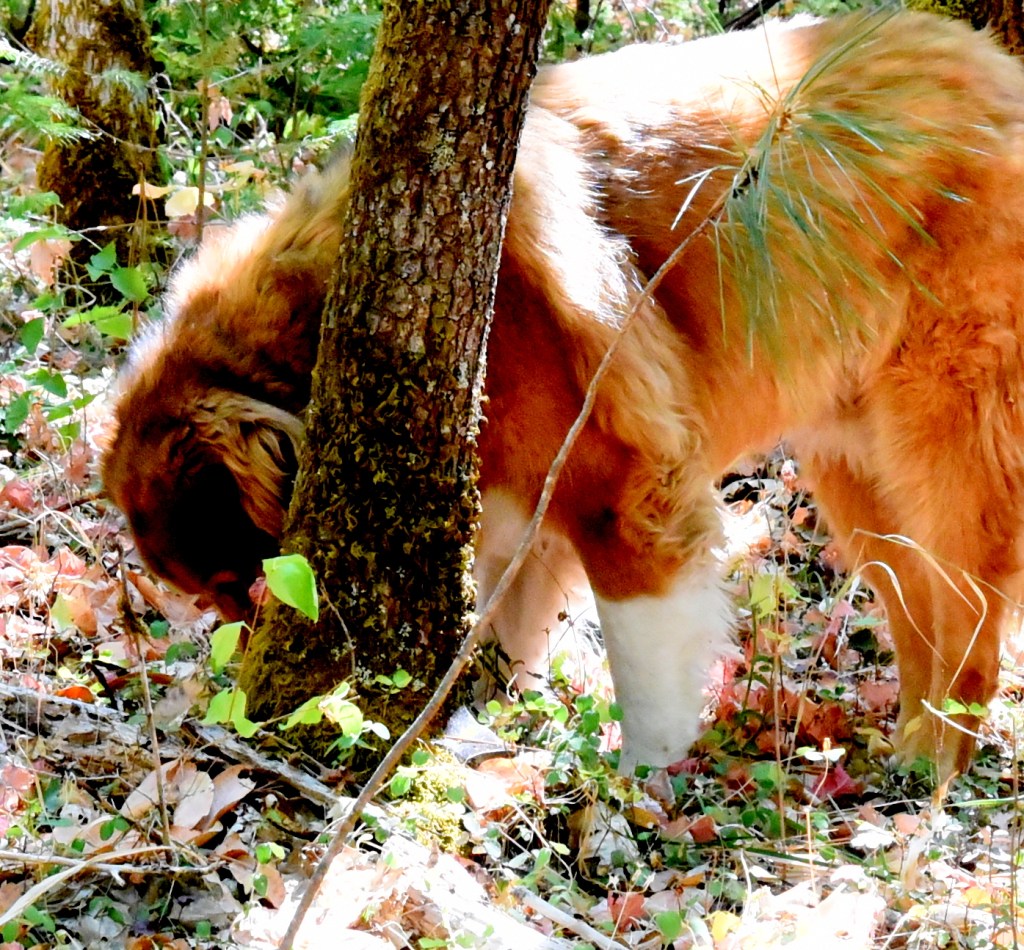
Because it is not just Jeannie and me, and all the wild birds, who love our trees!
oooo
oooo
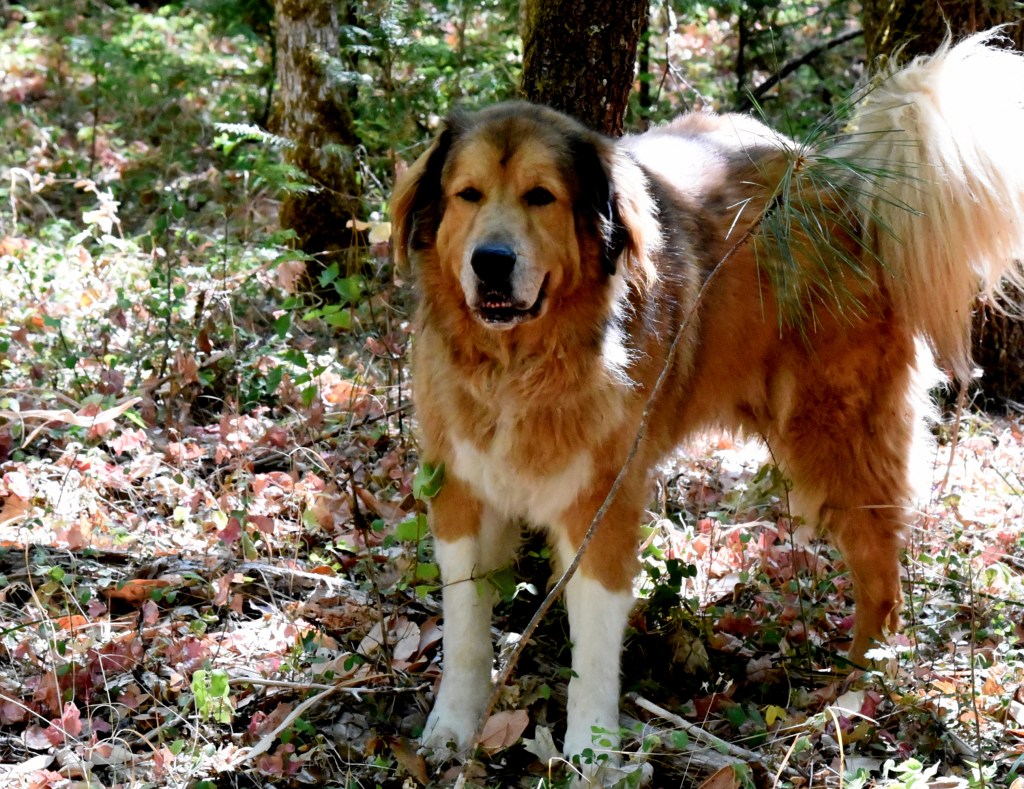
Will close with another photo with a tree in it taken a few nights ago.

We must never, ever lose our trees!
Steve’s Real Food Recalls Dog and Cat Foods
This came in yesterday and is shared with you as per normal.
September 7, 2018 — Steve’s Real Food of Salt Lake City, Utah is voluntarily recalling limited quantities of its raw frozen dog and cat foods due to possible contamination with Salmonella and Listeria bacteria.
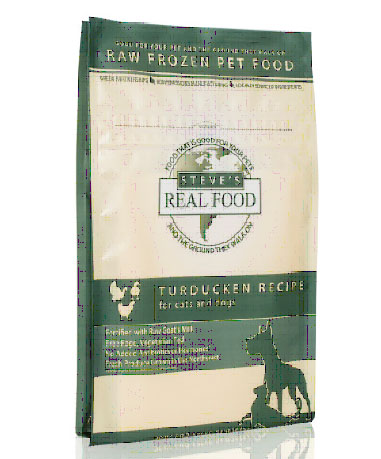

The affected products were nationally distributed and are identified with the following UPC codes and “Best by” dates located on the front of the bag.
Salmonella and L. mono can affect animals eating the products and there is risk to humans from handling contaminated pet products.
Symptoms of infection in people include nausea, vomiting, diarrhea or bloody diarrhea, abdominal cramping and fever.
Consumers exhibiting these signs after having contact with this product should contact their healthcare providers.
Pets with Salmonella and/or L. mono infections may be lethargic and have diarrhea or bloody diarrhea, fever, and vomiting.
Some pets will have only decreased appetite, fever and abdominal pain.
Infected, but otherwise healthy pets can be carriers and infect other animals or humans.
If your pet has consumed the recalled product and has these symptoms, please contact your veterinarian.
This recall is being initiated after the firm was notified by the Washington Department of Agriculture when sample was collected and tested positive for Salmonella and/or Listeria.
The firm did conduct its own test which produced a negative result for both Salmonella and Listeria monocytogenes.
However, because of the company’s commitment to overall safety and quality, Steve’s Real Food is conducting a voluntary recall of these products.
Consumers should also follow the safe handling tips published on the Steve’s Real Food packaging, when disposing of the affected product.
No pet or human illnesses from this product have been reported to date.
This recall is being made with the knowledge of the U.S. Food and Drug Administration.
Consumers are encouraged to check the lot code and best buy date of the affected pet foods.
Any product with the noted lot code and best buy dates should be returned to the specialty retailer where product was purchased for a full refund.
Consumers with questions may contact Steve’s Real Food at 888-526-1900, Monday through Friday, 9 am to 4 pm MT.
U.S. citizens can report complaints about FDA-regulated pet food products by calling the consumer complaint coordinator in your area.
Or go to http://www.fda.gov/petfoodcomplaints.
Canadians can report any health or safety incidents related to the use of this product by filling out the Consumer Product Incident Report Form.
Get free dog food recall alerts sent to you by email. Subscribe to The Dog Food Advisor’s emergency recall notification system.
Again, as I usually say, do share this with all the dog and cat lovers you know/
Thanks.
 Learning from Dogs