On the 17th August I published a post Life’s Lottery that was about an injury that our Casey had suffered on the 14th August. It included this photograph:
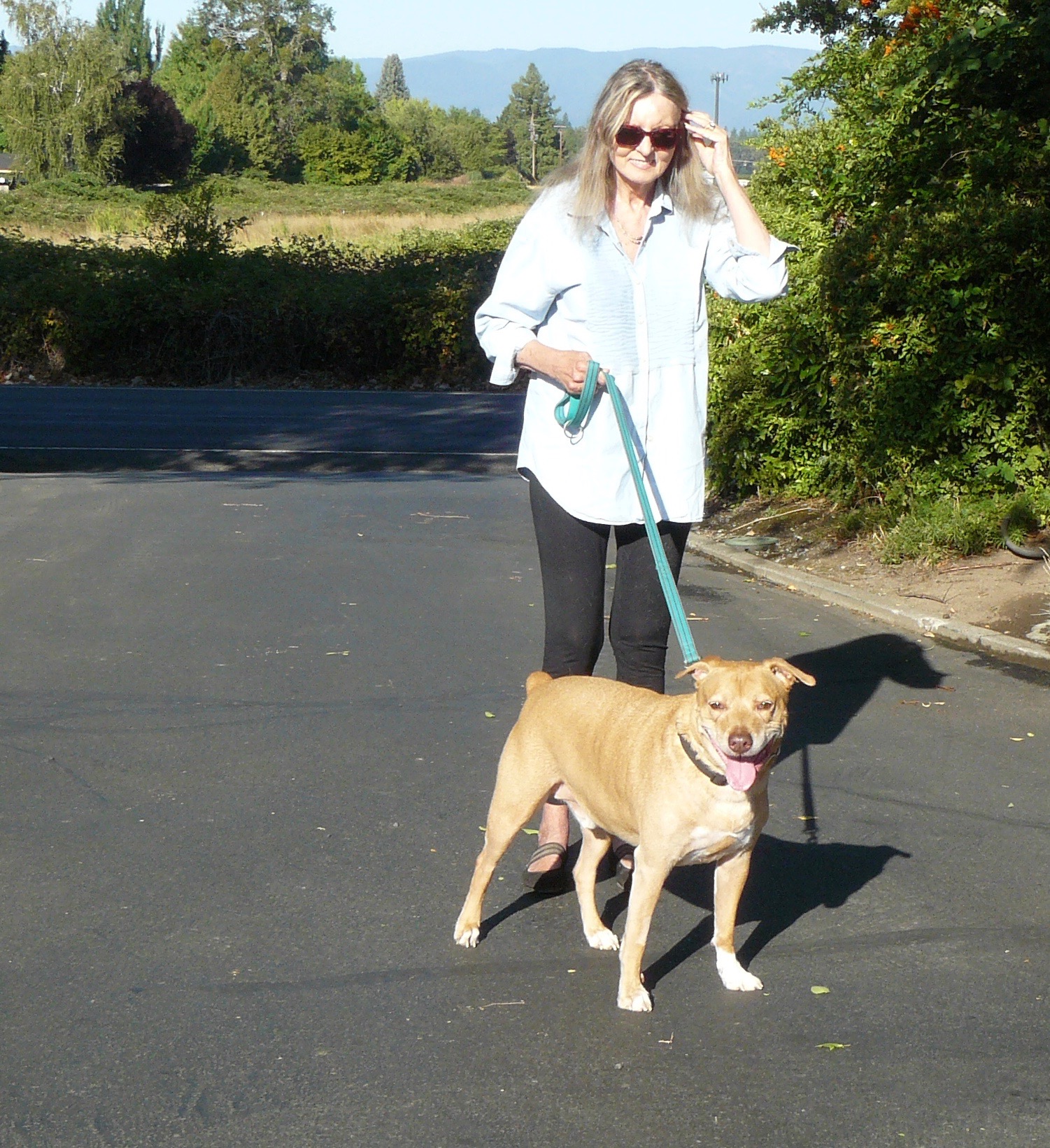
I’m delighted to say that yesterday morning Casey returned to Lincoln Road Vet Clinic and the sutures were removed.
The drain was removed last Monday.
Jean and I were not with Casey for the five minutes it took to remove the sutures but the picture below shows a very happy Casey just 15 minutes after we arrived.
(If I could better drive the Apple photos app on my new iMac I would have shown you a closer image! Revised image inserted on Saturday morning as a result of me playing with the app.)
As one might anticipate the answer is neither an unqualified yes nor a no. The article included a detailed list of human foods and an analysis of their potential risks as well as a useful graphical summary.
But first to the article.
ooOOoo
Can Dogs Eat Human Foods?
The most important recommendation for introducing new foods to your dog’s diet is to do so progressively.
Because introducing new foods into your dog’s diet may lead to digestive problems.
Our advice is to introduce only one new food at a time, in small amounts at first and observe your dog for any reactions to the change.
Keep in mind that every dog is different, so if you have any doubts please check with your veterinarian to see which ingredients are appropriate for your dog.
But how about foods you eat?
We’re sure you sometimes wonder yourself: Can my dog eat this? Is this food bad for him? Are human foods for dogs OK?
The following list includes numerous foods organized by alphabetical order.
Every food is marked with the potential risk to induce gastrointestinal or toxicity problems in dogs.
The risk is classified as:
0: Minimal risk if given in controlled amounts
1: Low risk
2: Moderate risk
3: High Risk
We advise you not to give your dog foods marked with risk 2 and 3.
Anyhow, you should always consult a vet to get a specific overview of the human foods’ risks on your dog.
Food: Apricot Risk: 2 Comments: The seeds, leaves, and stems contain cyanide. Additionally, the pits can be a potential choking hazard or cause an intestinal obstruction.
But as well as the detailed list of foods with their associated Risk factor and additional comments, the article included the following ‘infographic’.
In yesterday’s post Senior Smiles there was a lovely exchange between Cindy and me. Cindy wrote:
Just a few days ago I relived in my mind the pain of losing our 16 year old Bichon- and that was a year and a half ago! Honestly, that is my biggest fear of adopting another dog- esp an older one.
Cindy then, mistakenly in my view, thought that, “it’s selfish to hang on to grief like this, and I REALLY don’t mean to“, to which I replied:
Grief is not a selfish attitude, far from it! You will know when it’s the right time to adopt, and love, a new dog.
You can then easily imagine my pleasure when thinking of what to write for today’s post to see a recent item over on the Care2 site about our commitment to our pets. About our love for our pets.
There is simply no denying the power that pets hold over us.
I suppose there are a number of reasons why we love our dogs and cats (and others) so much, but surely their innocence and unconditional love rank right up there on top. Plus they’re cute, and furry, and funny, and sweet, and overall good companions. But I have to think there is something about them providing access to the larger animal world in general as well – domesticated animals are like a bridge between us civilized humans and wildlife, and for this they serve an important role. If we can find compassion for our companion animals, in many cases that compassion seeps out and becomes extended to other elements of the natural world as well.
And we really, really have compassion for our pets. Like, approaching fervency. Last year Americans spent over $60 billion on their pets, a number expected to increase by another $2 billion this year. That. Is. So. Much. Money. If you spent $20 per second, it would take 95 years to spend $60 billion.
But even more telling than how much we spend on our pets is the other sacrifices we would make for them. With pets on their mind, the website Abodo conducted a survey of 2,000 dog and cat owners and asked them all kinds of bordering-on-Sophie’s-Choice type of questions. The following results display just how cuckoo we are for our creature cohabitants.
A trip to your local animal shelter reveals that dogs of all types, backgrounds, and ages may usually be seen. Inevitably, those dogs that are no longer in ‘the first flush of youth’ are frequently seen as less adoptable than younger animals. While that is understandable from a prospective owner’s point of view there’s no reason at all to disfavor the older dog.
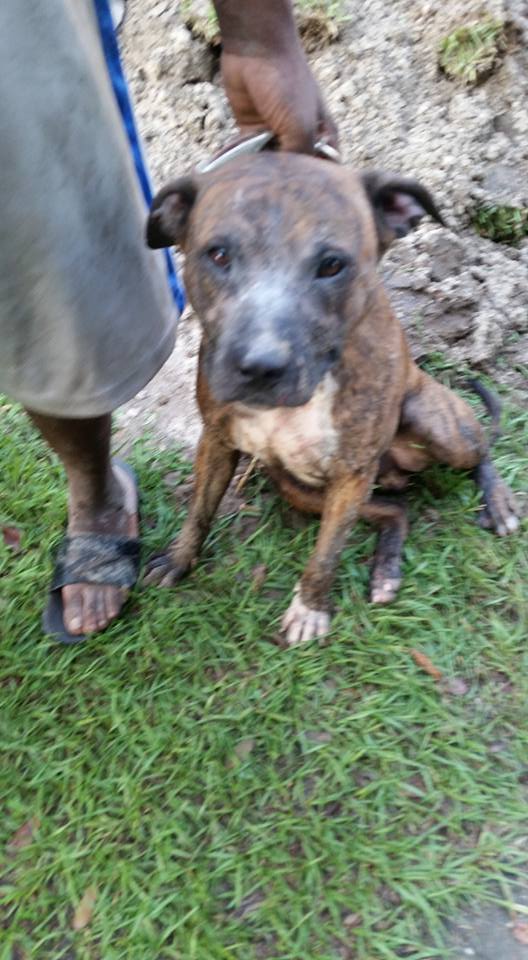
Both Casey and Pedy were dogs that Jean and I adopted when they were well into their middle years, or six-years-old to put a number to it.
Casey, shown above, had been in the animal shelter for over a year and on top of being six had the added burden of being a Pit Bull breed.
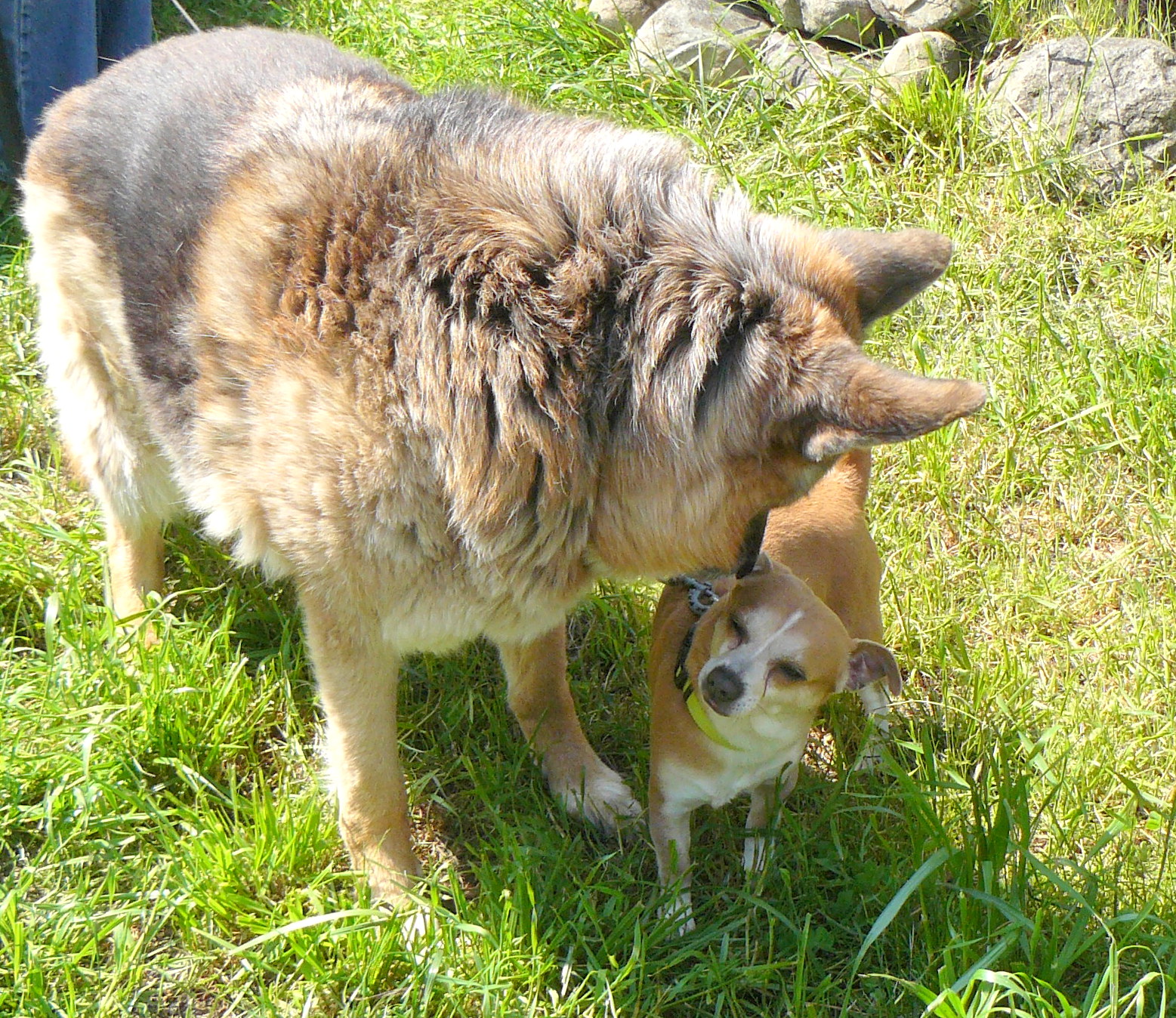
Hi Pedy, I’m the bossman around here. Name’s Pharaoh and you’ll be OK.
So when the Care2 blogsite published a post about adopting senior dogs I thought that this was most certainly something to be shared with you.
Here it is.
ooOOoo
What Advice Would You Offer Someone Adopting a Senior Dog?
By: Vetstreet.com August 18, 2016
About Vetstreet.com
Those of us who have been fortunate enough to share our hearts and homes with a senior dog know just how special those gray-muzzled darlings can be. Earning the love of an aging pup who truly needs you creates a special bond that’s hard to put into words.
True, they may have some age-related health issues (like arthritis, dental disease or failing vision or hearing) that require attention or treatment. But older dogs have lots of pros, too, like the fact that they’re likely to be better trained than a puppy and they’re probably game to lounge around with you and take it easy. And when it comes to adopting a senior dog, you have the benefit of knowing what you’re getting in terms of size and in most cases, personality.
Our readers recently shared some great tips for people getting their first dog or cat — and in fact, we know that many of you have opened your homes to adult dogs. So when we wanted to offer tips to people looking to welcome an older canine into the family, we turned to our Vetstreet Facebook followers and asked: What’s the one piece of advice you’d give someone adopting a senior dog? And, as we suspected, our readers came through with some excellent — and touching — words of wisdom.
Advice for Someone Adopting a Senior Dog
Many readers expressed the importance of showering your senior dog with love. “Love them unconditionally, as you don’t know how long you will have them,” said Peggy Lowe-Brooks. “Enjoy each day they are in your life.”
Rich Dunn agreed, saying, “Love them, love them. Treat them like family, be there to the end and hope someday to see them on the other side!” Dee Davis added, “Make sure you’re committed to love, care and cater to them for them the rest of their lives.”
Mike Carroll suggested remembering that, for some dogs, age might be just a number: “Have fun with them; they still have a lot of energy and the desire to do most anything they ever did before. Baby them big time and be ready to be on the receiving end of some serious love and affection from them. Just let them enjoy the rest of their life like never before.”
William West Patience’s experience backs up Carroll’s suggestion. “I have had dogs that lived until 15, then I adopted one that was 16 because no one else would,” he said. “It has been a rewarding experience and has taught me so much. Except for some mobility issues he doesn’t know he’s an old dog.”
Of course, it’s important to remember that taking on a dog during his golden years can be a big responsibility, and potential owners should be ready for that. “…Remember they may have expensive medical bills; be prepared to give them the medical care they will need,” said Priscilla Leuliette.
Susan Holt Stanley was of a similar mind, saying, “Love them with your heart, care for them medically and tell them a million times how special they are!”
And Sarah Vaughn reminded us of the golden rule: “Be patient! One day you’re going to be elderly and you don’t want someone yelling at or getting frustrated with you because you move so slowly and have accidents because you can’t make it outside (or to the facilities) in time.”
If you’re considering bringing a senior dog into your home, there are numerous things you can do to help him enjoy his senior years. You might take steps to pet-proof your home in a way that makes it easier for him to get around. And believe it or not, teaching your old dog new tricks isn’t only possible, it’s a great way to help your new-old pup stay mentally and physically sharp! Getting him to the vet for regular exams and keeping an eye out for any physical or behavioral changes is important for dogs of all ages, but becomes perhaps even more important as he ages.
Care2 readers, what advice do you have for people adopting senior dogs? Tell us below in the comments. [Ed: as comments left on this post.]
By Kristen Seymour | Vetstreet.com
ooOOoo
Keeping an eye out for any physical or behavioral changes doesn’t just apply to aging dogs! 😉
The love that exists between so many humans and so many dogs!
Yesterday, after I had returned from my morning bike ride with our local group of friends, Brandy was incredibly pleased to see me. To the extent that he crouched down, his head and front legs on the hardwood floor, his rear hips still up in the air, so to speak (Jean said that this posture is called a play bow), and everything about him signaling that he wanted to play with me.
I could not resist adopting a similar physical position and then we both rolled onto our backs with our heads locked together ‘cheek to cheek’ in the most exquisite and intimate bond between dog and human.
Such gorgeous events produce a loyalty and affection from me (and, I suspect, from Brandy too) that would mean that there would be no limit within me if I had to protect and save Brandy from harm.
Countless numbers of you dear readers will know precisely what I feel and how I expressed it.
Thus the example of others showing not the slightest hesitation in rescuing a dog trapped underground both makes sense and makes us feel so proud. Here it is reproduced from a recent Care2 posting.
ooOOoo
Firefighters Dig Until Dawn to Rescue Underground Dog
By: Laura S. August 14, 2016 About Laura
Could it be that when you name a dog “Tiger” you can expect him to be especially territorial? Well, perhaps that’s why this dog in Gulfport, Miss., decided to race down the street in pursuit of a neighborhood cat. Only problem is, there’s something just as dangerous as quicksand in the concrete “jungle” and it swallowed poor Tiger just as quickly.
Tiger fell deep into a concrete culvert pipe near the intersection of Mississippi Avenue and Tyler Street around 9 p.m. one evening, and it wasn’t until residents exhausted their own resources that they decided to call for help at around 3 a.m. the next morning.
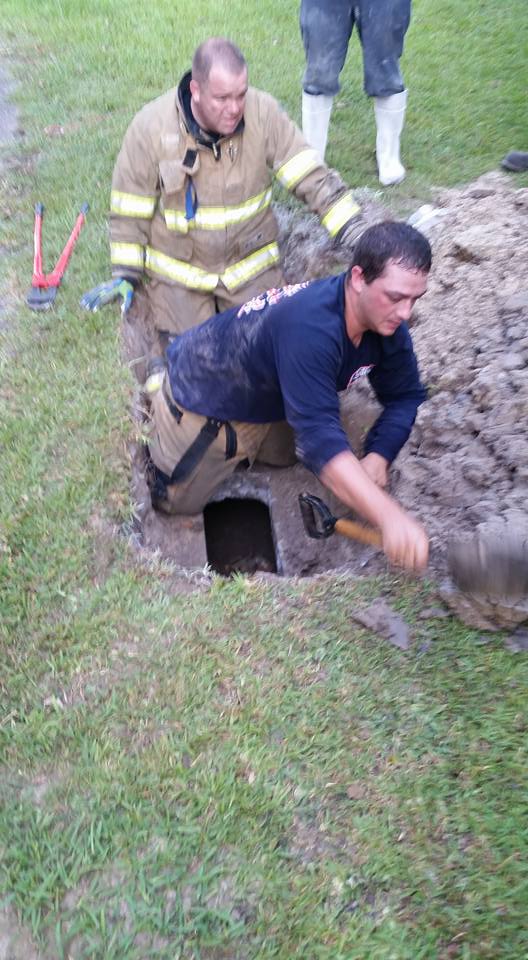
Gulfport Fire Department Battalion Chief Chris Henderson, along with seven other firefighters and a pair of workers from the public works department, began working together to extricate the dog.
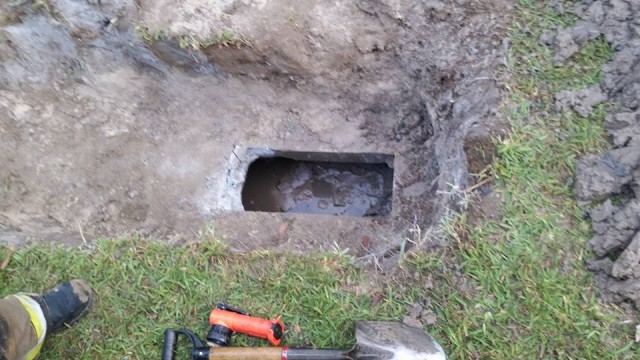
It was a tedious rescue because the pipe was far too narrow for any rescue worker to fit through, so the team had to cut their way through the pipe.
“We counted the joints in the pipe to estimate the distance, then walked off the distance on the top above the ground,” Henderson told the local ABC News affiliate.
The firefighters dug down and then drilled holes to locate Tiger before bringing in a concrete saw to cut through the pipe and reach him.
By 7 a.m. Tiger was pulled to safety and reunited with his guardian who planned to take him to the veterinarian as a precautionary measure although the dog appeared unharmed.
(All the photographs are Credit: Chris Henderson of Gulfport Fire Department / Facebook)
Thomas Merton was an author who was born January 31st, 1915 and died on December 10th, 1968.
As part of the process of slowing down the progress of Parkinson’s Disease Jean is participating in three therapy sessions each week at the Outpatient’s Clinic at our local Three Rivers Hospital. One of the those sessions is physical therapy. I sat in on the initial introductory session and was fascinated by how much emphasis was placed on Jean’s ability to balance properly (and she was very good – better than me at times). Apparently a decline in one’s balance is an indicator of the brain not functioning as it should.
Psychologically and emotionally maintaining “an even keel” is vital to dealing with the countless ‘events’ that come our way every day.
I have been a follower of Val Boyco’s blog Find Your Middle Ground for some time and frequently read posts that reach out to me way beyond the words on the screen. As it was with a post published last Thursday: Steps to Find your Middle Ground.
It is republished here with Val’s very kind permission.
ooOOoo
Steps to Find your Middle Ground
Posted on August 18, 2016 by Val Boyko
This list is for all the list people out there. Enjoy the steps I have discovered in finding my own middle ground and living life in balance 💛
Notice! Take time to pause and be aware of the incredible gift of life that you share with others and with nature. Wake up to the little things. Wake up to your self. Wake up to it all. This is called living mindfully. Become a keen observer.
Accept that life has ups and downs. Really! Some one told us when were little that life should be a breeze. This is called wishful thinking. Be grateful for the highs and graceful in the lows. This is called living life well.
Become present. Stop lamenting the past or worrying about tomorrow. Living is in each moment. Now. Take a deep breath. Then another. Notice you are still here… not there.
Get to know yourself. Take that first scary step of self-discovery. Turn off the tv. Sit for a while. Journal about what comes up. Have a meaningful conversation. Listen more to others. Listen more to yourself.
Let go of judgments. We think that judging others or ourselves makes us feel strong. Judgments come from fear of not being in control and having things go our way. Our way is not the way. There is nothing wrong, so stop trying to be right. Stop comparing, criticizing and start letting others be. Let yourself be.
Realize that you are not your thinking. You are the one who is aware of your thoughts. You are awareness within a physical body, with an imaginative and fearful ego-mind that creates stories. Your thinking is not the truth about who you are or the world around you.
Find the peace within. Beyond the next breath and the next thought there is a deep reservoir of peace waiting to be stepped into. This cool refreshing stillness has always been there and will always be there for us to access. To connect to this wondrous pool becomes our practice… whether it’s in mindfulness meditation, yoga, sitting in nature, or while commuting on the train, realize that you too can find your own middle ground.
This blog is my way of helping people get their feet wet.
Photo by Larry Hobbell
ooOOoo
Now go and read that quote again by Thomas Merton.
 oooo
oooo oooo
oooo oooo
oooo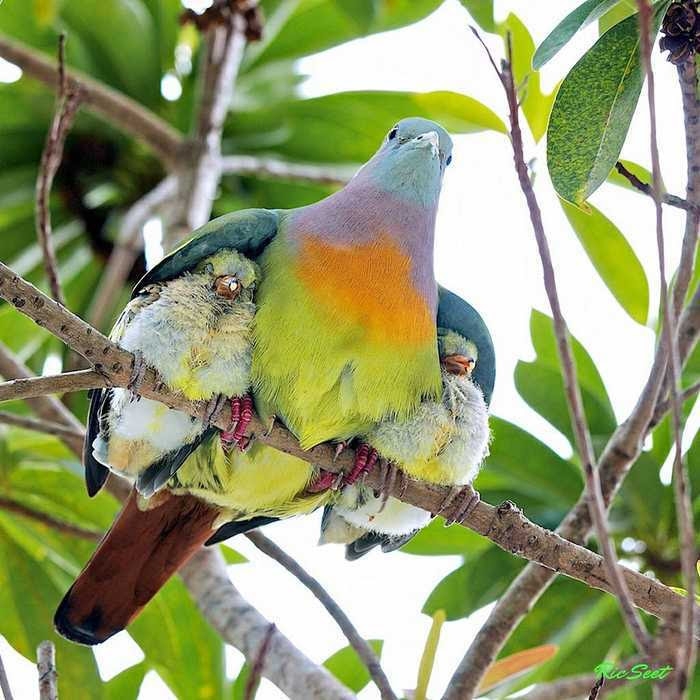 oooo
oooo oooo
oooo oooo
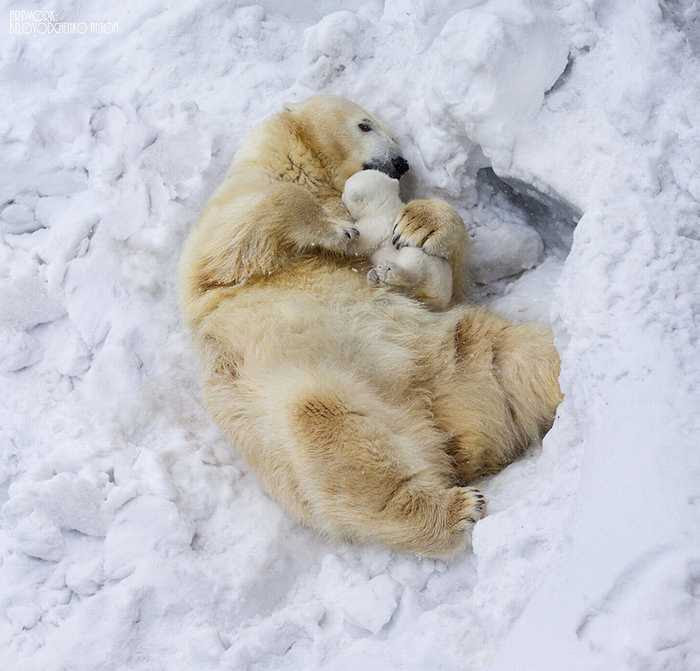
oooo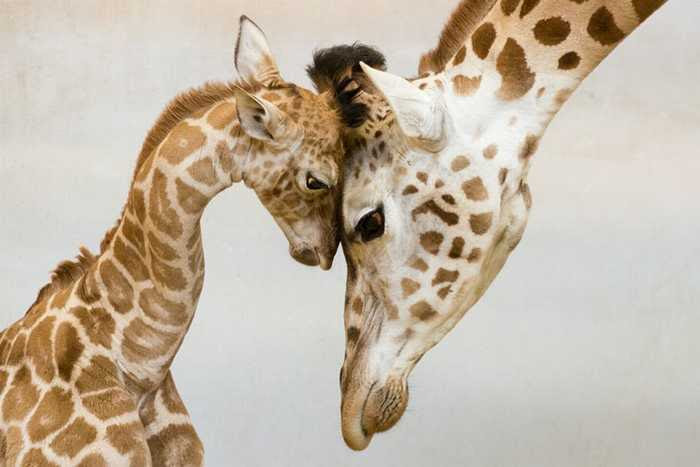 What an antidote these pictures are to the many strange and unsettling things going on in the world just now.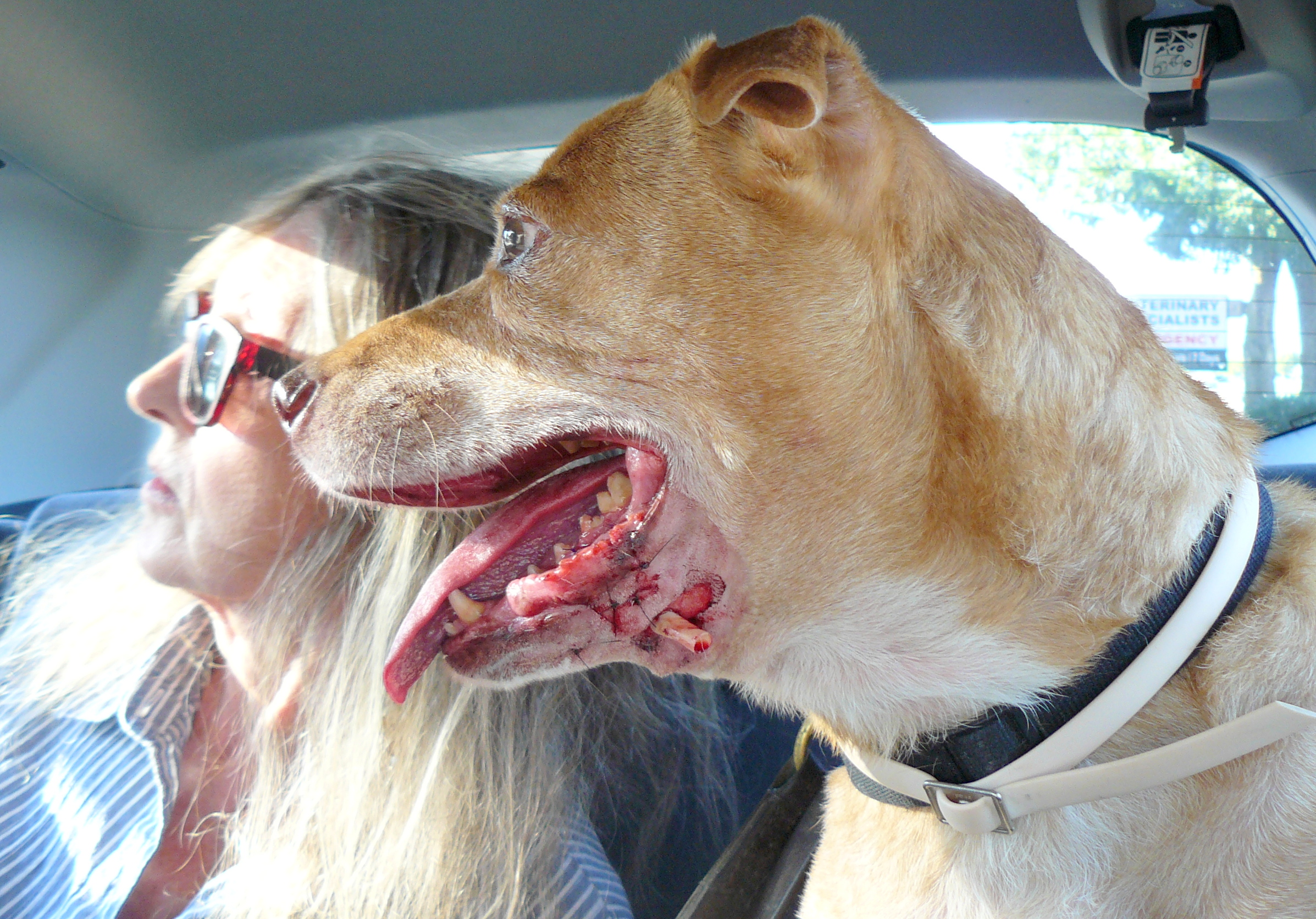







 Learning from Dogs