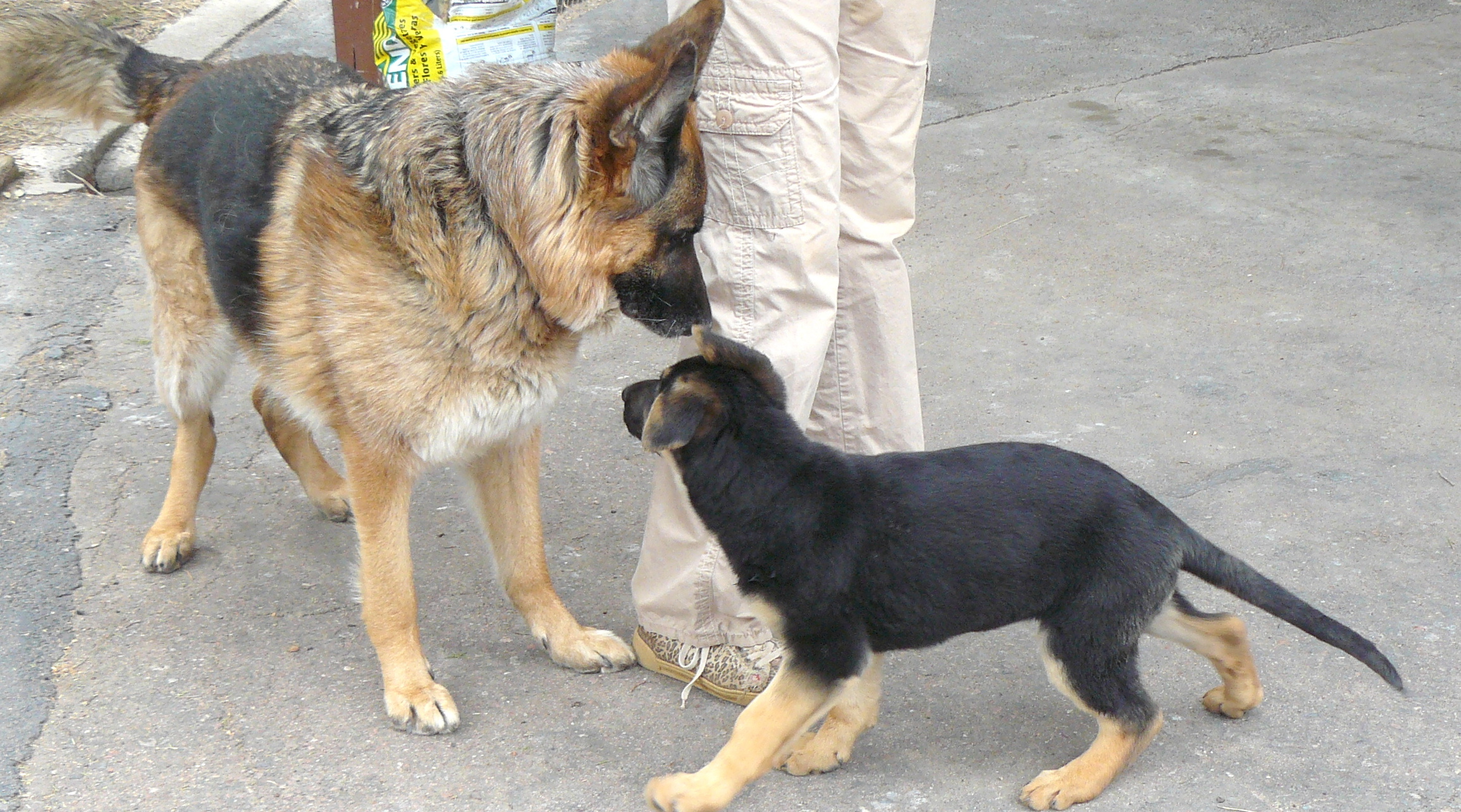
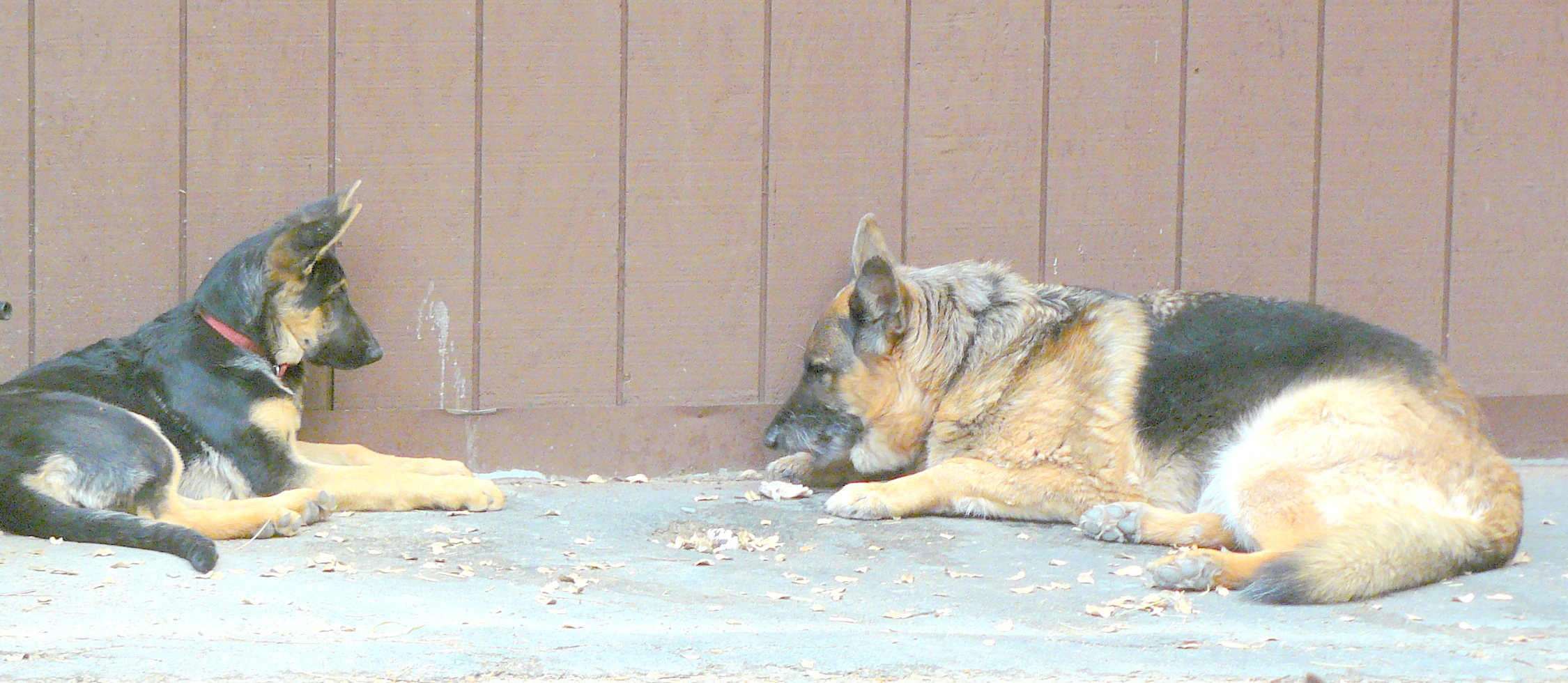
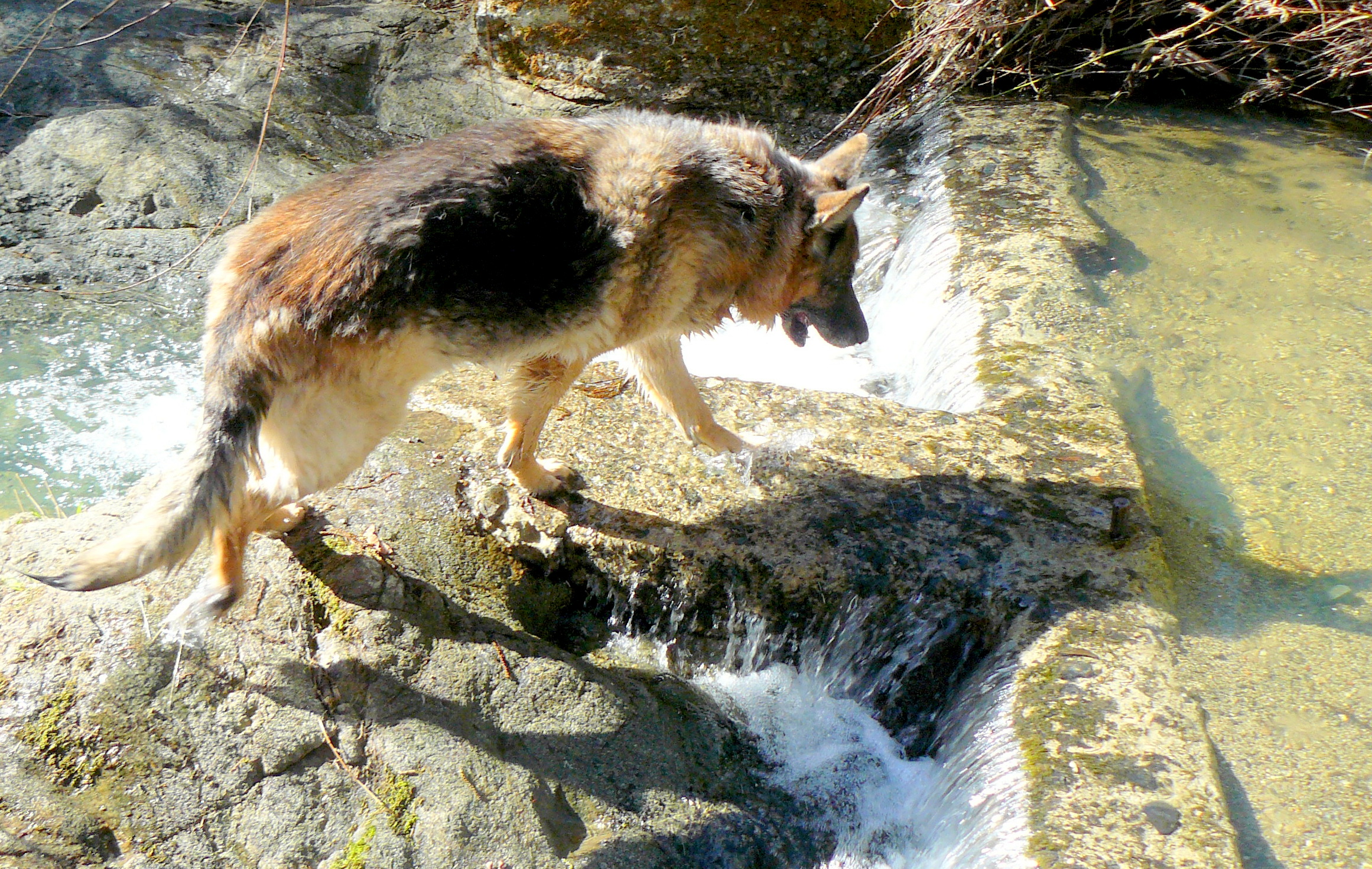
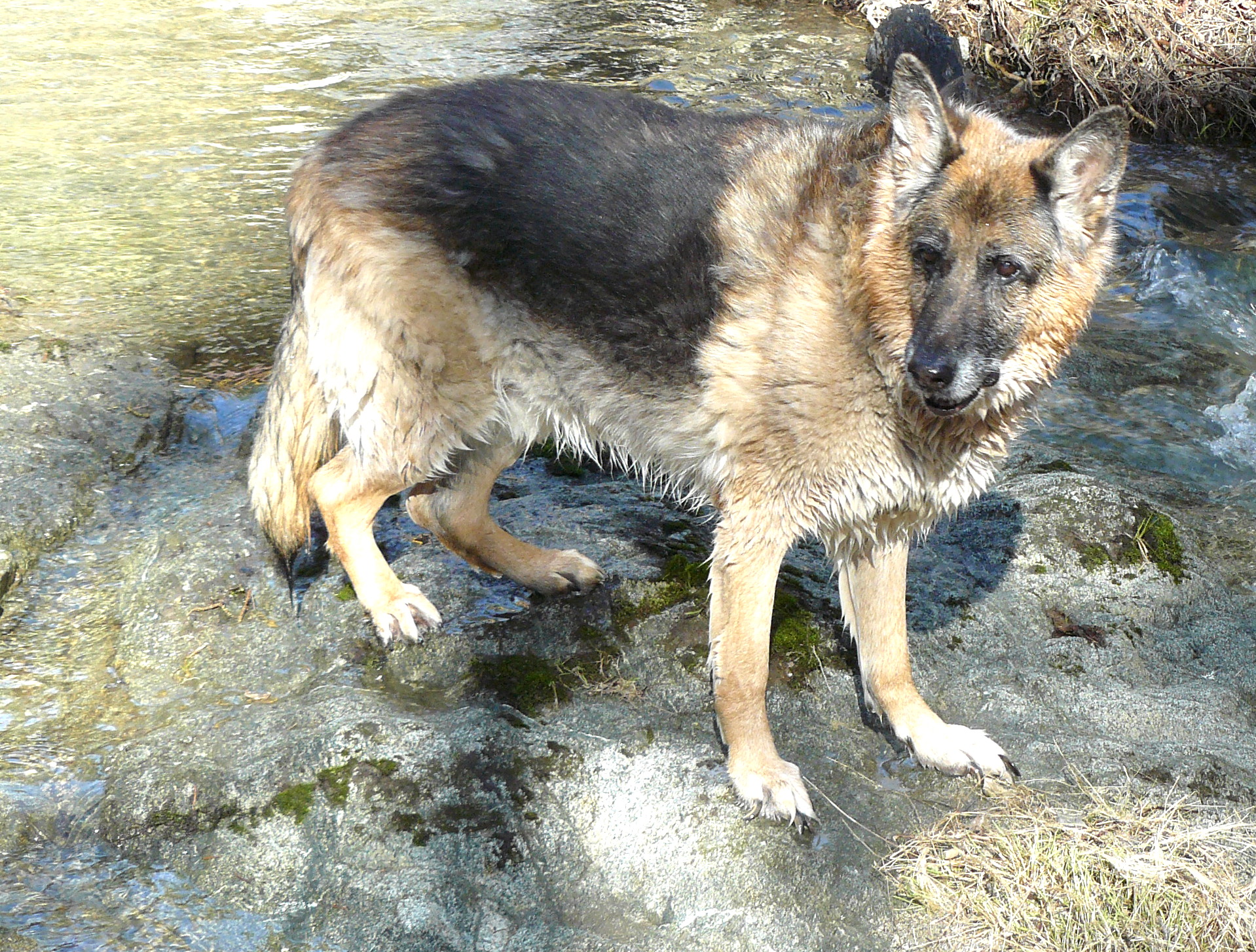
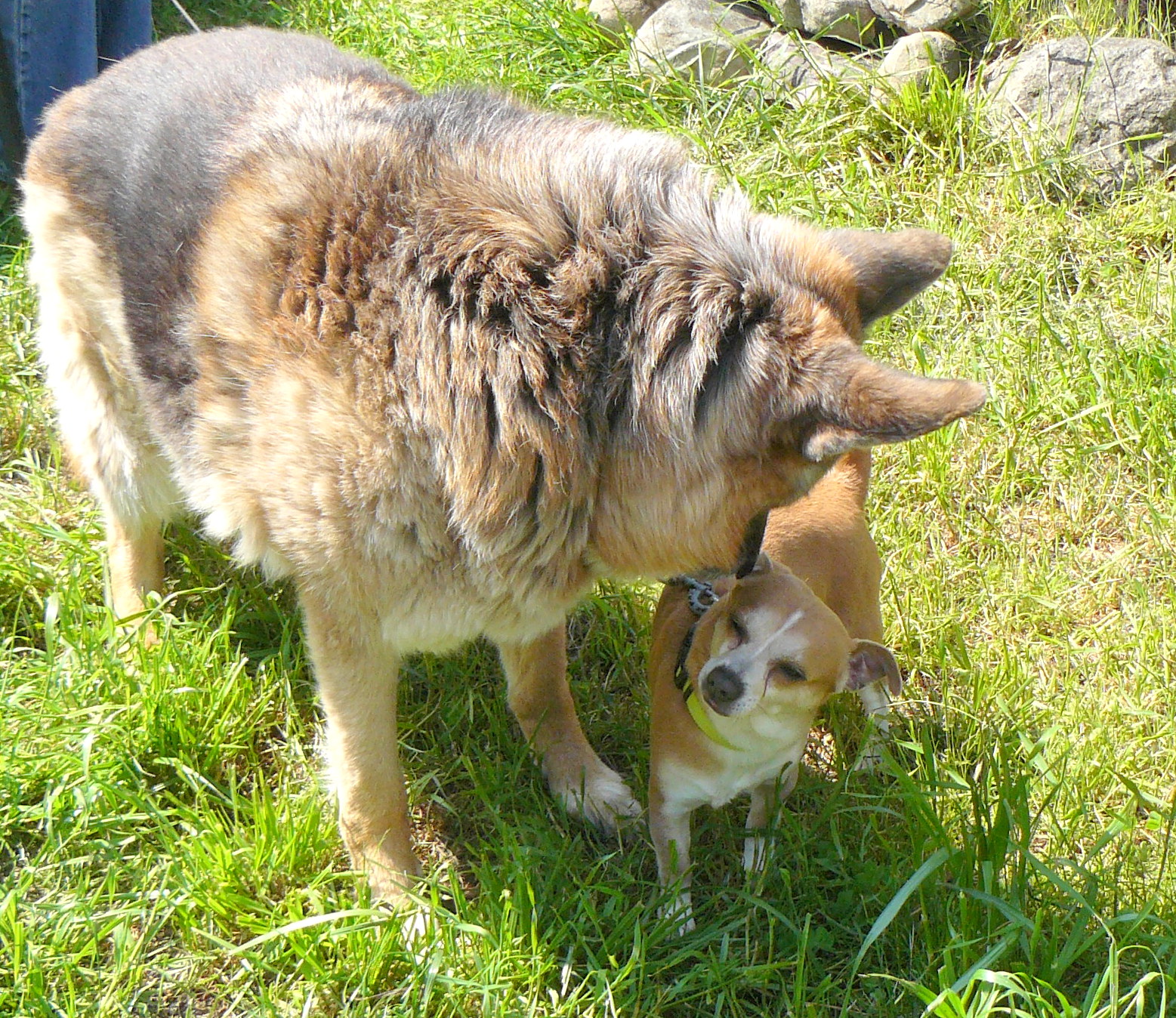
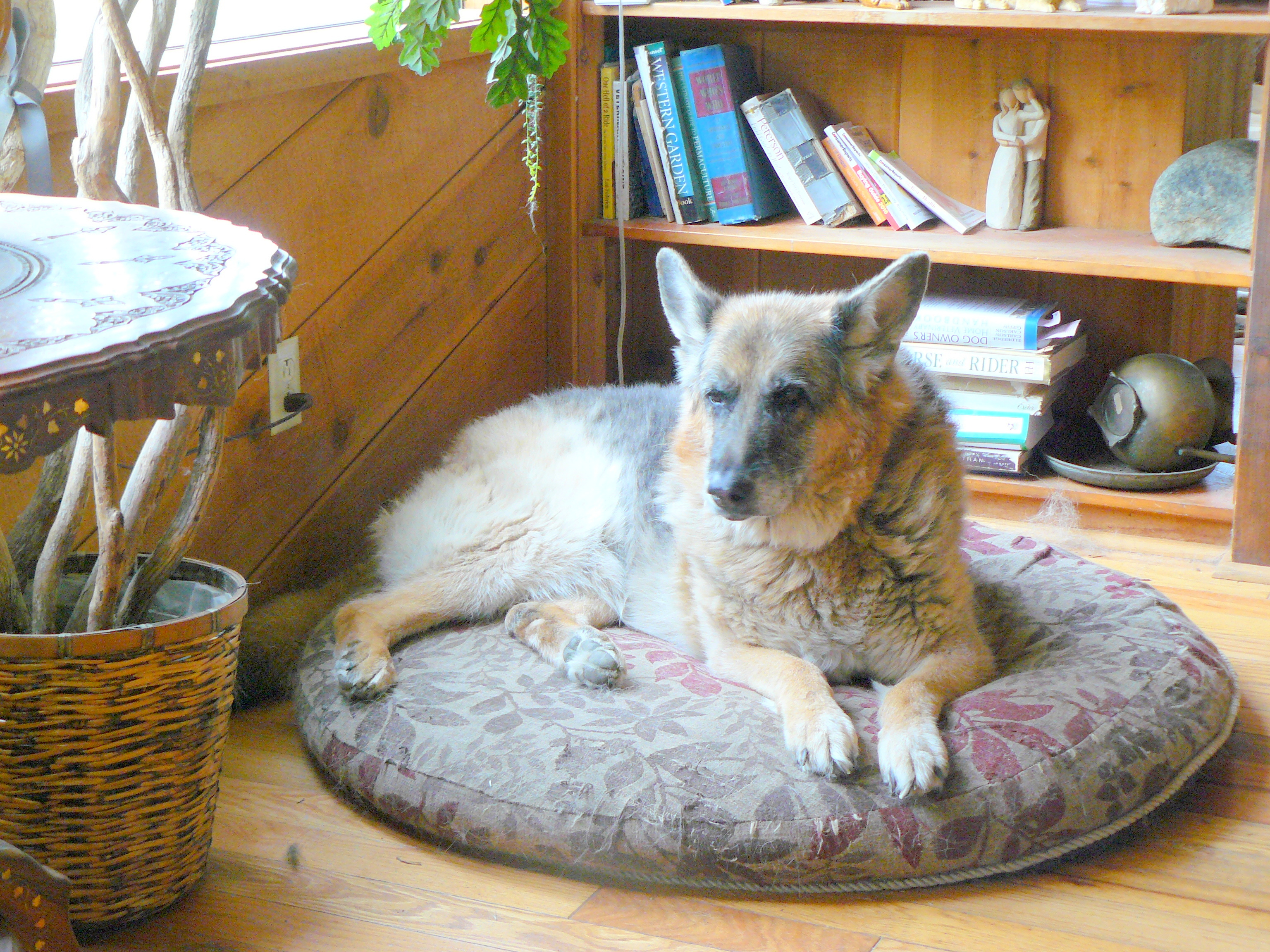
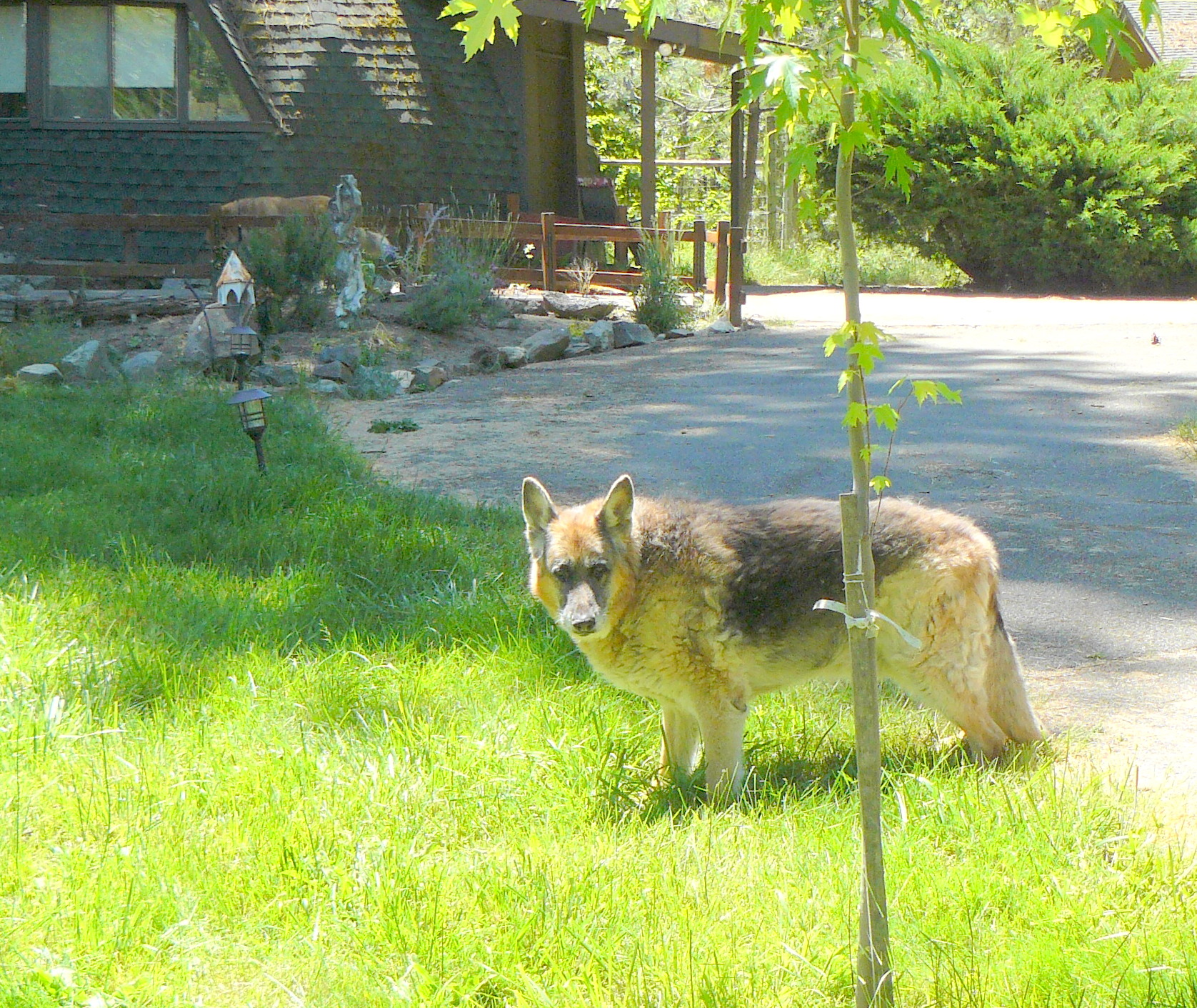
My second day of celebrating thirteen years of Pharaoh’s life.
The first day’s worth of pictures was yesterday. (And so many Happy Birthday greetings from you! Thanks everyone.)
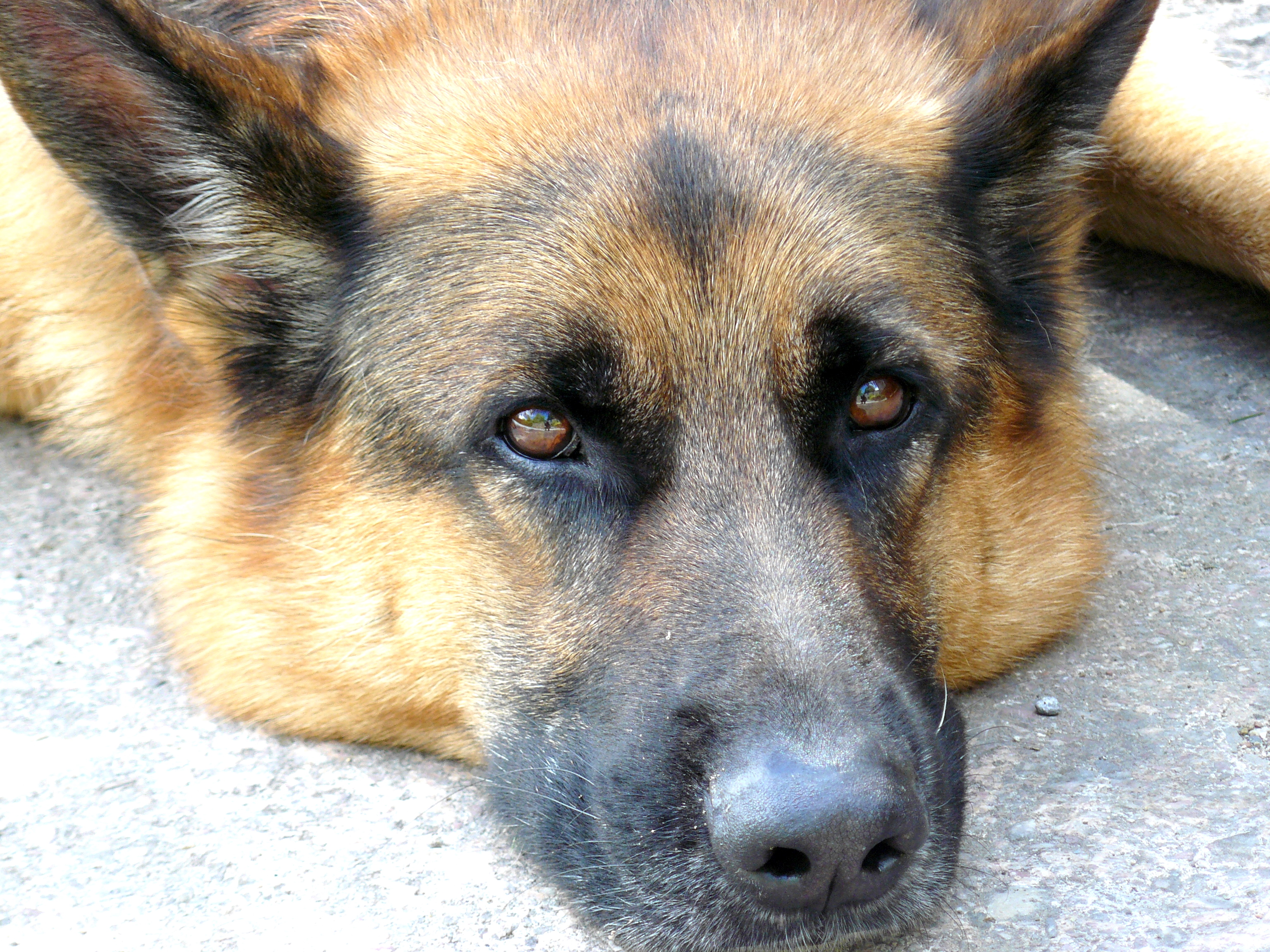
Dogs are animals of integrity. We have much to learn from them.
Year: 2016
My second day of celebrating thirteen years of Pharaoh’s life.
The first day’s worth of pictures was yesterday. (And so many Happy Birthday greetings from you! Thanks everyone.)
Pharaoh was thirteen years old yesterday.
Yes, Pharaoh was born on June 3rd., 2003 in Devon, South-West England close to where I was living at that time.
I deliberately didn’t mention it yesterday as I wanted to devote both days this weekend in celebration of this wonderful doggy friend.
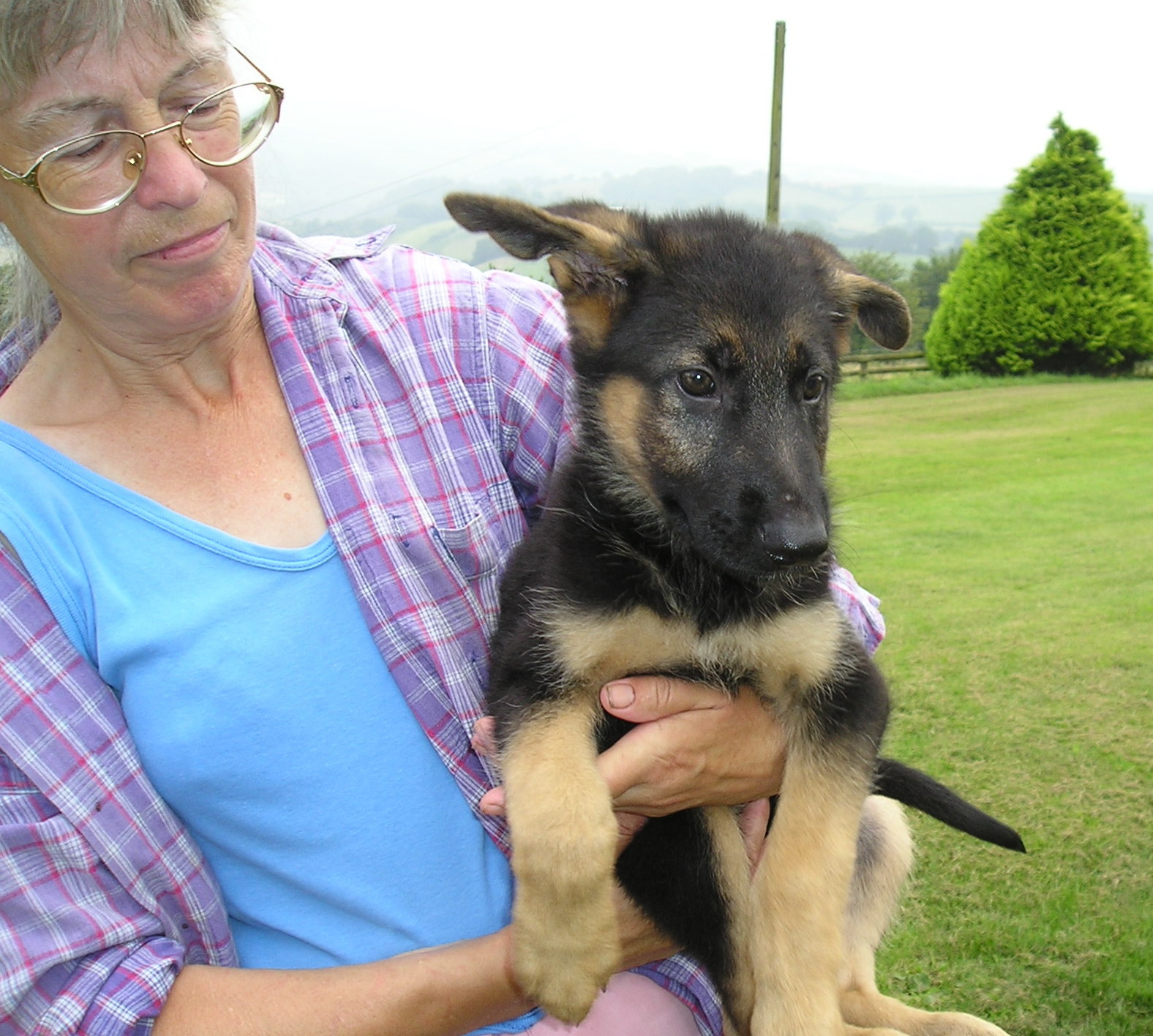
So rather than write reams about this wonderful relationship that I have had with Pharaoh all I am going to do both today and tomorrow is to share with you a few memories of these fantastic years.


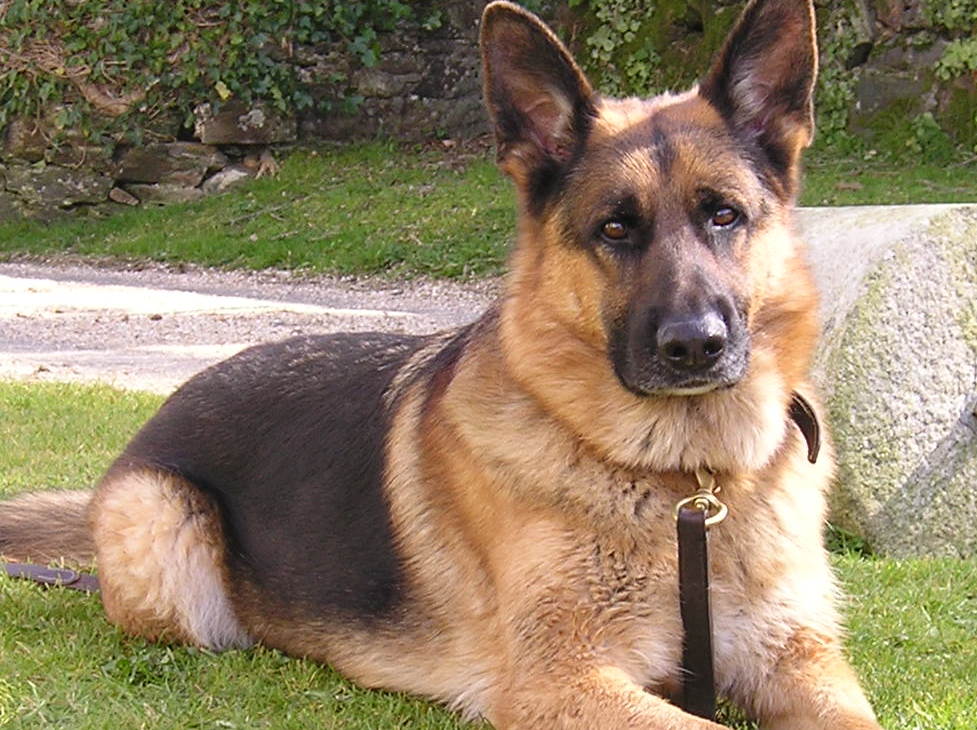
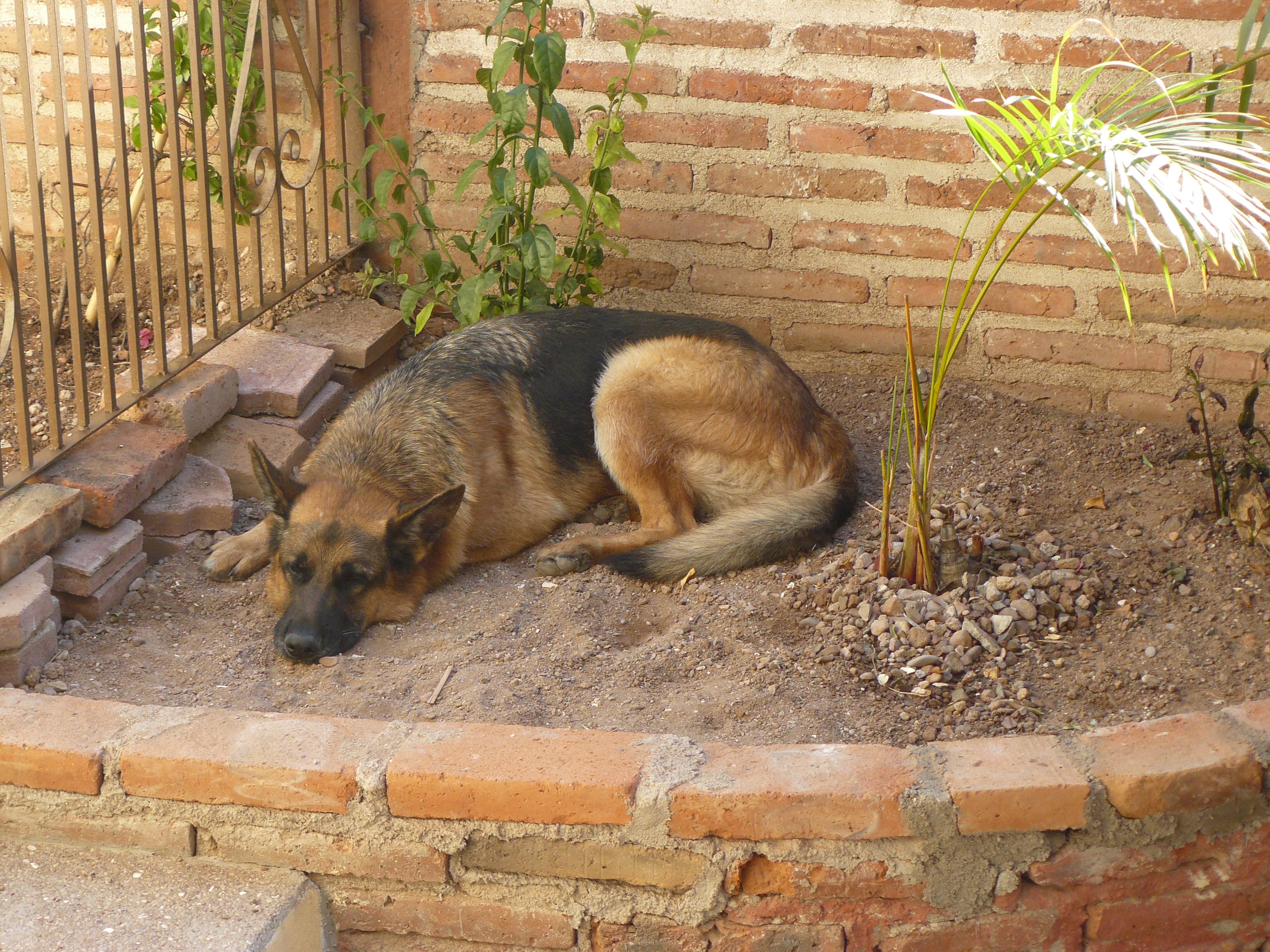

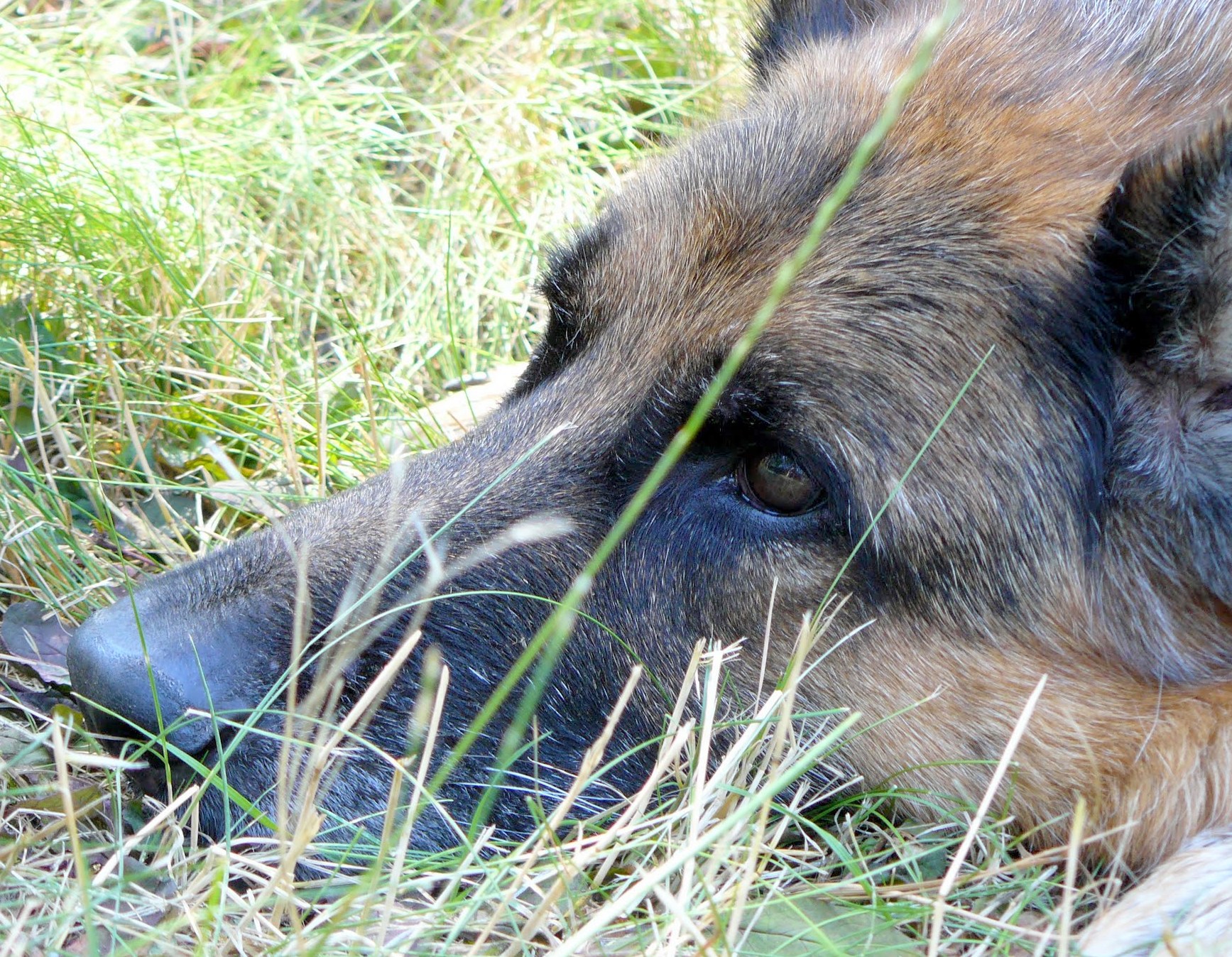
Hope you can return tomorrow for my usual Picture Parade as it will be exclusively more photographs of Pharoah.
The extreme importance of engaging in the fight for better societies.
I must warn you that today’s post is nothing about dogs. Unless, as with me, you see dogs as well as being the most gorgeous of creatures as being critically important metaphors for what societies need now! Or as I present elsewhere in this place:
Because of this closeness between dogs and man, we (as in man!) have the ability to observe the way they live. Now I’m sure that scientists would cringe with the idea that the way that a dog lives his life sets an example for us humans, well cringe in the scientific sense. But man seems to be at one of those defining stages in mankind’s evolution where the forces bearing down on the species homo sapiens have the potential to cause very great harm. If the example of dogs can provide a beacon of hope, an incentive to change at a deep cultural level, then the quicker we ‘get the message’, the better it will be.
Dogs:
- are integrous ( a score of 210) according to Dr David Hawkins
- don’t cheat or lie
- don’t have hidden agendas
- are loyal and faithful
- forgive
- love unconditionally
- value and cherish the ‘present’ in a way that humans can only dream of achieving
- are, by eons of time, a more successful species than man.
 So what’s this all leading up to!
Regular followers of this place (and you are always appreciated – never forget that) will know that previously I have mentioned Professor Richard Murphy. I have been following and reading his blog Tax Research UK for some time.
Many of the good Professor’s posts are specific to what is going on in the UK and, inevitably, Europe and the EU referendum.
But on the wider horizon these seem to be such terrible times. Here’s a comment I left to another of Richard’s posts that opened with the sentence, I am so bored by the EU referendum campaign.
My comment being:
It’s coming up to 5:30 am here in Southern Oregon and, as per usual, I have dipped into the latest postings from Tax Research. Part of me, a large part of me, is sickened by what seems to be going on in this world with the EU referendum and the US Presidential election being the two most glaringly terrible examples. But this old Brit (London-born in 1944) has this sense that the way that Richard and so many of his supporters can now ‘shout’ out the truth will, in the end, deliver a better future. Indeed, my own blog post today is called The Power of Open Opinions.
So keep on banging your truthful drum, Richard!
However, last Tuesday Richard published a post that seemed to speak to me, and presumably countless others, about the dilemma as to whether to be active in speaking up about what is right or wrong, or to just huddle up with one of your dogs on a nice (oversized) dog bed!
In my estimation that post from Richard should be widely circulated and it is republished in full now with Richard’s kind permission.
ooOOoo
Posted on7:57 am May 31 2016
It would seem I have touched a raw nerve for some regular commentators by suggesting that I welcome the IMF article, recently published, that appeared to recognise the failure of neoliberalism to tackle inequality and the inappropriateness of much of the austerity agenda.
It now seems that this article has attracted a vicious backlash from the FT, which clearly sees it as touching on neoliberal heresy. In that case to suggest, as some do, that this article is inconsequential is, in my opinion, wrong. If nothing else, it has revealed the true opinion of the FT, and the sharp divide between its editorial stance and the opinion of its lead economic columnist, Martin Wolf.
It is also safe to assume that if this has been the response outside the organisation then the debate within it has been at least as heated, and all this on an article which says it can find merit in some parts of the neoliberal agenda.
Why come back to the issue then? I think there are three good reasons for doing so.
First, how to respond to such an article from such an organisation opens up one of the more difficult questions in campaigning, which is whether to engage or not with those organisations that you criticise? It is not possible to be a tax justice campaigner and to not have been critical of the IMF and its approach over the last few decades. I have been of the IMF, the World Bank and, of course, of the Washington Consensus that they have promoted. But, a long time ago I decided that the only viable way in which I could help deliver tax justice was by engaging with those people and organisations whose opinions I wished to change.
Over the years I’ve been criticised for this, and been told that the policy would undermine my chances of success. So, variously, I was told that it was a mistake to serve on George Osborne’s General Anti-Abuse Rule committee. Likewise, engaging with the OECD BEPS process was described as a mistake by some because the terms of engagement were clearly biased against developing countries. Others have also suggested that it was a mistake not to object to Jeremy Corbyn using some of my policy ideas. I suspect some would also criticise the fact that I went to the World Bank last week and there were definitely those who suggested that I should not accept an appointment at City University, precisely because it has got links to the City of London. As for the Fair Tax Mark; some say that is a sell out.
In all cases I disagree. It is my job to create ideas that might effect change. My purpose for doing so is, I hope clear: my aim is to create a more genuinely prosperous, more equal, more democratic, more accountable, more sustainable, more tolerant and so more enjoyable world in which we might live. More is an important word in that sentence: it could be prefaced with ‘much’ in many cases but I do not think we will ever create utopia. I want better because I doubt that the best I believe possible is actually achievable within the necessary compromises that human society requires, not just now but ever.
That, then, brings me to my second point. I am not seeking a revolution, but an evolution. I respect those who wish to be perpetual outsiders because they believe that the only way forward is to sweep away all that is in their path to create an entirely new society, but their’s is not a path I would ever choose. There is good reason for that: I believe that the cost of such change is too high, and the uncertainty of the outcome too great for any such risk to be taken. The chance that what we have will be replaced by tyranny is also too significant to justify this approach, in my opinion.
But, perhaps, most of all, and thirdly, I believe that the power of an idea at the right time is sufficiently strong to ensure that such a revolutionary approach is wholly unnecessary. I stress, I am not claiming that my ideas are in this category; I am suggesting that ideas can be. Neoliberalism arose because it was an idea in the right place at the right time, even if I fundamentally disagree with the prescription that it offered. The post-war consensus was similarly created in this way.
I regret that as yet we have not reached a point where a similar replacement idea has been sufficiently developed to capture, unambiguously, the common political narrative. Discussion of sustainability is become mainstream, but not in reality commonplace. Disquiet with austerity is deep-rooted, but has not yet displaced the obsession with balanced budgets. Debate on inequality in its many egregious forms is taking place, but is not yet reversing trends. Some political developments now arising are deeply antagonistic to democracy. But, and I stress the point, the fact that all these things are happening is, in itself, indication that something really important is going on and that we may, in my opinion, be reaching a point where real change is possible.
I stress, in the context the IMF article is, in my opinion important even though it is not as radical as that which many people would wish to read. But that is how change takes place: very few of us are really capable of embracing giant leaps. Most of us have to, inevitably, partake in incremental steps on the way to a bigger goal.
I accept, and embrace that fact, which I perceive to be a reality. That is not to say there is no place for the campaigner who demands, with reason, more radical change. Whilst I see many of the attractions of being a ‘no compromiser’ that is not the path I have chosen to follow, even with tax havens (as my Plan B for Jersey made clear). If the choice is between a pitchfork and a pen, then I choose the pen, believing that at the end of the day this is the way to create real change. But as a result I also choose to engage, without apology.
ooOOoo
We must never forget that the pen is mightier than the sword! And we must never stop engaging!
We can never turn aside from cruelty, in all its forms.
The rather rosy mood engendered by my post about the relationship between a Brazilian fisherman and a penguin published on the 31st May and the saving of a dog from a culvert by a serving police officer in Rhode Island was bound not to last. But I didn’t anticipate that it would turn so bleak by the following petition that was highlighted to me and everyone by a recent comment to a post by John Zande.
This was the petition.
ooOOoo
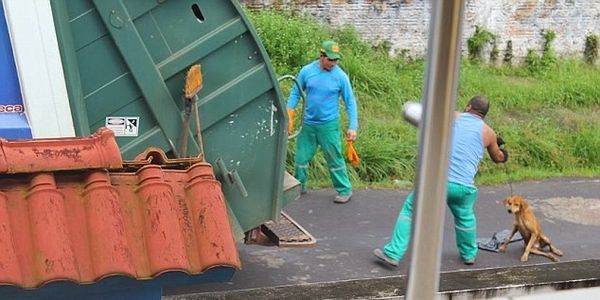 Demanding Justice for Dog Crushed to Death by a Garbage Man
BY: June Haggar
TARGET: Cidade de Presidente Figueiredo Mayor Neilson da Cruz, Brazil
A garbage man can be seen in pictures, attached, as he deliberately went on to the sidewalk to hit a dog and then stopped the truck to put a chain around his neck and drag and throw him into the truck’s compactor to be crushed to death.
Although the article claims that the man was fired, we hereby implore the Mayor Neilson da Cruz to prosecute Jadson James Franca to the fullest extent of the law with jail time and fines. We also want the garbage company ViaLimpa to fire the 2 co-workers in the photos laughing and allowing this madman to crush the dog.
Mr. Mayor: If you do not prosecute this man with jail time, you are sending a message to the youth of Brazil that this is acceptable conduct to innocent animals that have done nothing wrong other than to walk on the sidewalk. This Jadson James Franca is clearly a sociopath who enjoys the torture and murder of animals. He is a danger to the people of Brazil, while he is still walking free. It is a known fact that sociopaths begin to torture and murder animals and then move on to people. ALL serial killers started out with torturing and murdering animals and Jadson Franca is no different. What will you do if he kills his wife, child, neighbor or an innocent person on the street and you could have done something to stop it by prosecuting him now?
I ask all to sign this petition to stop this murdering rampage that is happening on the streets of Brazil and send a message that this blatant murder of an innocent dog will not be tolerated by the citizens of the world.
ooOOoo
I can do no better in terms of my own feelings than to highlight what June wrote, “This Jadson James Franca is clearly a sociopath who enjoys the torture and murder of animals. He is a danger to the people of Brazil, while he is still walking free.”
Well over 30,000 people signed that petition including John and myself. In doing further research, however, it became clear that this group anger and disgust worked, assuming the British Daily Mail newspaper is reporting the story accurately.
For in their online edition of May 31st, their online reporter, Matt Roper published this:
A binman has been sacked after he was caught dragging an injured dog across a road before throwing the terrified animal in the back of his rubbish truck to be crushed alive.
Jadson James Franca, 35, mounted the pavement of the street in Presidente Figueiredo, northern Brazil and hit the stray dog, according to shocked residents.
The council binman then stopped the garbage truck and tied a chain around the neck of the whimpering animal, which had had both of its legs broken.
As his colleagues looked on, Franca then dragged the frightened dog along the pavement before tossing it into the compacting mechanism of the collection vehicle.
Later on in that same article Matt Roper reported:
Brazilian TV presenter Xuxa, who once dated football legend Pele, also posted the shocking photos to her 4.4million Facebook followers.
She wrote: ‘This little dog, who wasn’t bothering anyone, had its legs broken, and in agony was tied up and dragged by the neck, before being brutally murdered by this individual, being thrown and crushed alive in the back of the garbage truck.’
This monster can still appeal against a fine and will still be walking the streets in freedom! Are we going to let that happen?? Let’s do something?? Together we can.’
Yesterday Presidente Figueiredo’s mayor, Neilson da Cruz, told Brazil’s A Critica newspaper that the binman had been sacked and the refuse collection company, ViaLimpa, would face an unspecified fine.
That Daily Mail article also has more photographs but without permission to republish them here all I can do is give you the links included in my ‘copy and paste’ of those two extracts above.
Read more: http://www.dailymail.co.uk/news/article-3105342/Brazilian-binman-sacked-pictured-dragging-injured-dog-road-throwing-animal-rubbish-truck.html#ixzz4AMsr2xRG
Follow us: @MailOnline on Twitter | DailyMail on Facebook
Thank goodness for the power of mass opinions now offered to us by this online world of ours.
Please note and share.
The last food recall that was shared with you all was the one on the 12th March concerning Dave’s Pet Food made by Purina.
ooOOoo
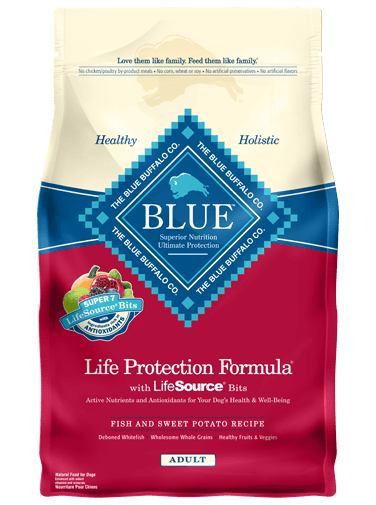
May 31, 2016 — Blue Buffalo Company of Wilton, Connecticut, has confirmed that it is voluntarily recalling a limited batch of its Life Protection Formula Dog Food product due to the presence of excessive moisture and mold.
 What’s Being Recalled?
The company is voluntarily recalling a single batch of its Blue Buffalo Life Protection Formula Fish and Sweet Potato Recipe for Dogs with the following batch information:
What Caused the Recall?
According to a company representative, the voluntary recall was initiated due the discovery of excessive moisture and mold.
The recall is limited to a single batch that was manufactured during one 2 hour period.
What to Do?
Customers are invited to return affected product to the place of purchase for a full refund.
Those with questions may call Blue Buffalo Customer Service at 855-201-4331 between 8 am and 5 pm ET, Monday through Friday.
U.S. citizens can report complaints about FDA-regulated pet food products by calling the consumer complaint coordinator in your area.
Or go to http://www.fda.gov/petfoodcomplaints.
Canadians can report any health or safety incidents related to the use of this product by filling out the Consumer Product Incident Report Form.
ooOOoo
All of you stay safe out there!
What a wonderful coincidence! From the country to the surname!
As many of you will know yesterday I published a delightful story of how fisherman Joao Pereira de Souza, 71, who lives in an island village just outside Rio de Janeiro, Brazil [my italics] saved a penguin that then bonded with Joao.
So imagine my surprise when yesterday morning I read over on the Care2 website a story of a policeman, Officer Joe Brazil [my italics] who rescued a dog. I was compelled to republish that in full for your pleasure.
ooOOoo
By: Laura S. May 30, 2016
 Every so often a photo shines light on a moment of heroism more than words ever could. This amazing image comes from Rhode Island resident Peggy Edwards who stayed on scene as a 911 call summoned help for a puppy trapped in a culvert.
The dog, now known to be Cece, had escaped from her Woonsocket home one day after arriving. Without her litter mates for the first time and unfamiliar with her new surroundings, Cece became frightened after slipping through a back door and being confronted by the great outdoors.
Cece ran all night and wasn’t spotted until the next afternoon. She was wandering down Alice Avenue when a passing car startled her further and she took refuge in a culvert. To further complicate the situation, Cece went quite far into the tunnel and soon found herself trying to cling to the edge as water flowing from a nearby brook lapped her body.
“She was stuck about 20-25 feet in and was clinging to the side,” Peggy Edwards explained. “We tried to help but were afraid of scaring her further in”
But when Officer Joe Brazil arrived on scene, he calmly took off his shoes and rolled up his pants. If Cece couldn’t come to him, he’d simply go to her.
“As I got closer, I could see Cece just clinging to the side and just shaking,” Brazil told NBC 10 News. “(The dog was) very, very frightened.”
Cece sniffed Brazil’s hand briefly and then allowed him to pick her up.
“It just seemed like she was almost saying thank you. Like she knew I was there to help,” Brazil said.
Cece’s owner, Michelle Perez, was deeply relieved to be reunited with her new family member.
“She’s only 5 months old. I wasn’t able to sleep,” Perez said. “All I kept doing was just driving around, calling her.”
And as for Officer Brazil, well, he is reportedly looking to adopt a dog of his own very soon.
ooOOoo
I shall be going nuts over the next few hours trying to think of a follow-on third story about Brazil! (Apologies: just could resist that!)
Utah is one of only a few states that still permits animal shelters to euthanize animals using gas chambers.
On a regular basis I share stories that I read on the Care2 website. Indeed, there’s a lovely story of a police officer rescuing a dog that is being republished by me at my usual posting time tomorrow.
But this petition so upset me that I wanted to share it with you all, and to do that now.
Here are the details:
 Demand Utah Animal Shelters Stop Using Gas Chamber Euthanasia
BY: Kaylie Fox
TARGET: Utah Legislators, Utah
Utah is one of only a few states that still permits animal shelters to euthanize animals through gas chambers.
This is a cruel method, that can take up to an hour or more to be effective. During that hour the animals are scared as they slowly die alone in a cage, box, or drawer. There is a much more humane way to euthanize animals by intravenous injection, which allows animals to experience a much more peaceful death – usually within 30 seconds.
Gas chamber euthanasia is inhumane and outdated, when there are better methods available. Sign this petition demanding that the Utah Legislature pass a bill to end gas chamber use in animal shelters.
I just signed a Care2 petition to demand that the Utah State Legislature pass a bill to end gas chamber use in animal shelters.
Will you join me? Click here to learn more and sign your name too!
Thanks!
*****
Sincerely,
Kaylie Fox
The Bricklayer and the Penguin.
The following glorious story, a true story I should have made clear, was sent to me recently by Cynthia, wife of my long-term Californian friend Dan Gomez. It’s a story that was broadcast by TV Globo, not a station I had previously heard of. Unsurprising really when a quick web search finds their details:
Rede Globo, or simply Globo, is a Brazilian television network, launched by media mogul Roberto Marinho on 26 April 1965. It is owned by media conglomerate Grupo Globo, being by far the largest of its holdings.
Here’s that story.
ooOOoo
This penguin swims 5,000 miles every year for a reunion with the man who saved his life.
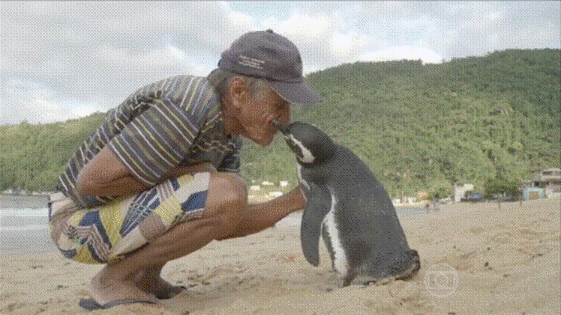
Todays most heartwarming story is brought to you from a beach in Brazil. The story of a South American Magellanic penguin who swims 5,000 miles each year to be reunited with the man who saved his life.
Retired bricklayer and part time fisherman Joao Pereira de Souza, 71, who lives in an island village just outside Rio de Janeiro , Brazil , found the tiny penguin, covered in oil and close to death, lying on rocks on his local beach in 2011. Joao cleaned the oil off the penguin’s feathers and fed him a daily diet of fish to build his strength. He named him Dindim.

After a week, he tried to release the penguin back into the sea. But, the bird wouldn’t leave.
He stayed with me for 11 months and then, just after he changed his coat with new feathers, he disappeared, Joao recalls. And, just a few months later, Dindim was back. The penguin spotted the fisherman on the beach one day and followed him home.

For the past five years, Dindim has spent eight months of the year with Joao and is believed to spend the rest of the time breeding off the coast of Argentina and Chile. It is thought he swims up to 5,000 miles each year to be reunited with the man who saved his life.

I love the penguin like it’s my own child and I believe the penguin loves me, Joao told Globo TV. No one else is allowed to touch him. He pecks them if they do. He lays on my lap, lets me give him showers, allows me to feed him sardines and to pick him up.

Everyone said he wouldn’t return but he has been coming back to visit me for the past four years. He arrives in June and leaves to go home in February and every year he becomes more affectionate as he appears even happier to see me.

Biologist Professor Krajewski, who interviewed the fisherman for Globo TV, told The Independent: “I have never seen anything like this before. I think the penguin believes Joao is part of his family and probably a penguin as well. When he sees him he wags his tail like a dog and honks with delight.”
And, just like that, the world seems a kinder place again.
ooOOoo
Unsurprisingly there are numerous videos of Joao and Dindim to be found on YouTube but I have selected the following one for you.
It’s wonderful how our worries about the nature of us humans can be swept away just as easily as an ocean wave breaking on a beach near an island village just outside Rio de Janeiro.
At all levels and in so many ways it is life-giving.
 Animals must see touch as a natural way of living. We humans are less natural about touch especially with people that we don’t know so well. Not everyone, of course, but as a general statement it is probably not wrong.
The topic of touch has come to me today as a result of a recent item read over on The Conversation blogsite; specifically about the importance of touch between a doctor and his or her patient. Here it is republished within the terms of The Conversation:
ooOOoo
May 23, 2016 8.23pm EDT

In contemporary health care, touch – contact between a doctor’s hand and a patient – appears to be on its way out. The expanding role of CT and MRI imaging is decreasing reliance on touch as a way of making diagnoses. Pressures to move patients through the system more quickly leave health professionals with fewer opportunities to make contact. Our experience suggests that when doctors spend fewer minutes with patients, less time is available for touch.
Yet despite the rise of scanners, robots and other new medical technologies, the physician’s hand remains one of medicine’s most valuable diagnostic tools. Touch creates a human bond that is particularly needed in this increasingly hands-off, impersonal age. Medical practice is replete with situations where touch does more than any words to comfort and reassure.
The USC psychologist Leo Buscaglia, whose habit of hugging those he met soon earned him the sobriquet “Doctor Love,” bemoaned our neglect of touch in his book, “Love,” in these terms:
Too often we underestimate the power of a touch, a smile, a kind word, a listening ear, an honest compliment, or the smallest act of caring, all of which have the potential to turn a life around.
For thousands of years, touch has been recognized as an essential part of the healing arts. Native American healers relied on touch to draw out sickness, and kings and queens were long believed to possess the “Royal Touch,” through which the mere laying on of hands could heal. The Bible contains numerous stories of the healing power of touch.
An indication of our need for touch can be found among our primate relatives. Psychologists have observed that many such species spend upwards of five hours of each day touching one another, partly through grooming. For many human beings, however, the daily dose of touching would be measured not in hours but minutes, perhaps even seconds.
Lack of touch can be hazardous to health. In experiments with primates some 60 years ago,
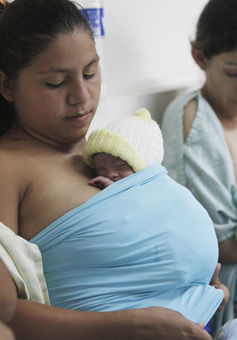
researcher Harry Harlow demonstrated that young monkeys deprived of touch did not grow and develop normally. Mere food, water and shelter are not sufficient – to thrive, such creatures need to touch and be touched.
The same can be said for human beings. During the 20th century, wars landed many babies in orphanages, where their caretakers observed that no matter how well the infants were fed, they would fail to thrive unless they were held and cuddled on a frequent basis. Touch offers no vitamins or calories, yet it plays a vital role in sustaining life.
More recent studies have corroborated these findings. “Kangaroo care,” using papoose-like garments to keep babies close to their mothers, decreases the rate at which they develop blood infections. Touching also improves weight gain and decreases the amount of time that newborns need to remain in the hospital.
Novelist and physician Abraham Verghese has argued that touching is one of the most important features of the patient-physician interaction. When he examines a patient, he is not merely collecting information with which to formulate a diagnosis, but also establishing a bond that provides comfort and reassurance.
The notion that touch can reassure and comfort has a scientific basis. Ten years ago researchers used MRI scans to look at the brains of women undergoing painful stimuli. When subjects experience pain, certain areas of the brain tend to “light up.” The researchers studied subjects when they were alone, when they were holding a stranger’s hand, and when they were holding their husband’s hand.
They found the highest levels of pain activation when the women were alone. When they were holding a stranger’s hand, the pain response was decreased. And levels of activation were lowest of all when they were holding their husband’s hand. Interesting, the higher the quality of subjects’ marriages, the more pain responses were blunted.
We have been studying this phenomenon in our own institution, looking at the effect of touch not only on patients but on the parents of patients admitted to the pediatric intensive care unit.
The project, called ROSE (Reach Out, Soothe, and Embrace), sought to determine whether increasing opportunities to touch patients could promote parent well-being without compromising patient safety.
Instead of merely determining whether patients could be taken off the ventilator or fed, we also identified patients who could be safely touched and even held in their parents’ arms. When a patient was deemed safe to hold, a magnet bearing the image of a red rose embraced by two hands was placed on the door to the patient’s room.
While we are still analyzing the results and further study is needed to fully delineate the health benefits of touch, several findings are already clear.
First, increasing opportunities for touch does not compromise patient safety. Second, the subjective well-being of family members is enhanced when touching is encouraged. Third, promoting touch empowers family members to become more involved in their child’s care.
To be sure, inappropriate and unsafe touching can be harmful. But when touch is encouraged in the right ways and for the right reasons, it is good for patients, family, friends and health professionals alike. Touch is one of the most fundamental and effective ways to create a sense of connection and community among human beings.
In the words of the 20th-century theologian Henri Nouwen, who wrote in his book, “Out of Solitude”:
When we honestly ask ourselves which person in our lives means the most to us, we often find that it is those who, instead of giving advice, solutions, or cures, have chosen rather to share our pain and touch our wounds with a warm and tender hand.
So next time you find yourself confronted by a person in distress, remember the power of touch. Medicines and words both have healing power, but so does touch, and it is perhaps the most widely available, financially responsible and safest tool in the healing arts. When we touch, we connect, and when we connect, we create a healing bond for which there is simply no substitute.
ooOOoo
“When we touch, we connect, and when we connect, we create a healing bond for which there is simply no substitute.”

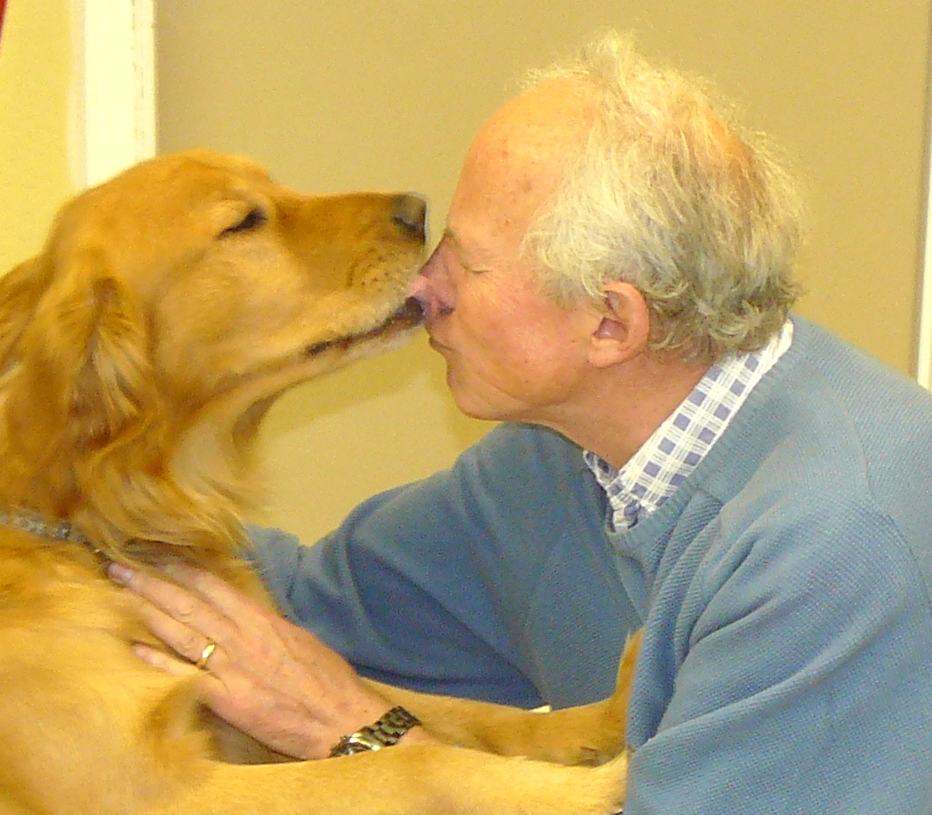 The healing touch!
Or to repeat the elegant words of Leo Buscaglia:
Too often we underestimate the power of a touch, a smile, a kind word, a listening ear, an honest compliment, or the smallest act of caring, all of which have the potential to turn a life around.
 Who have you given a hug today?
 Learning from Dogs