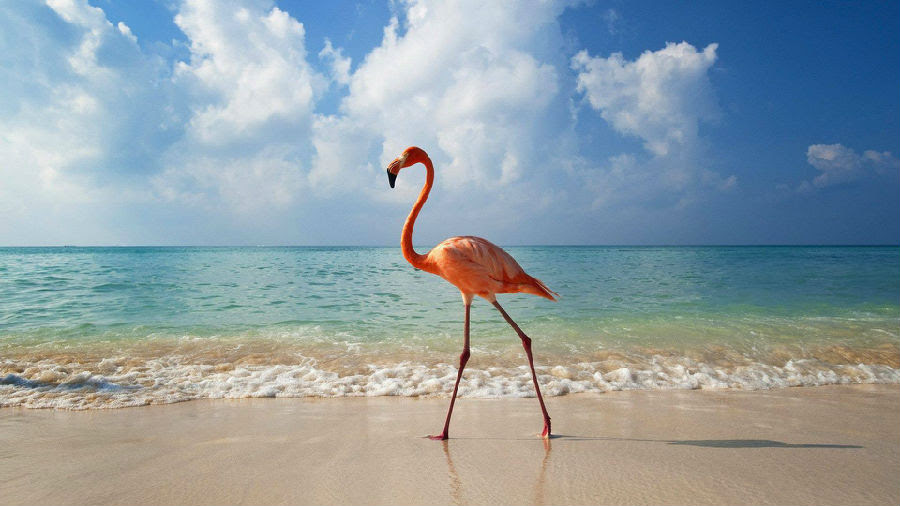
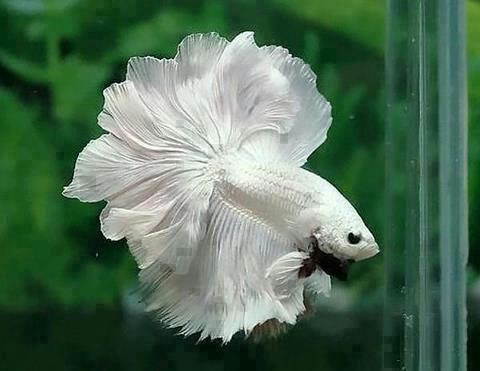
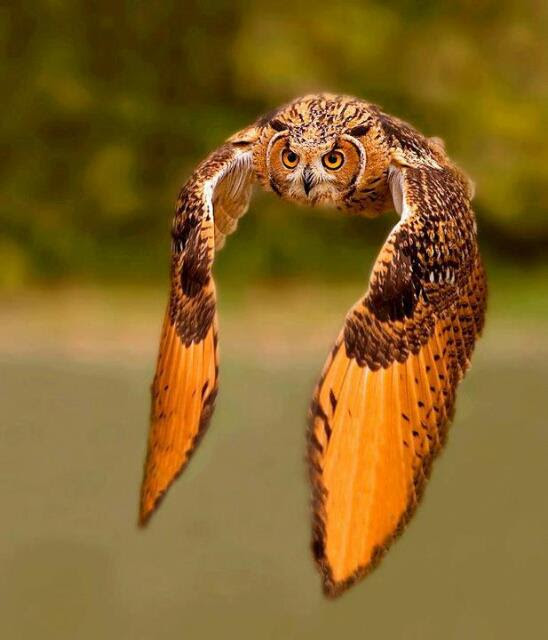
Another wonderful set of those pictures sent to me by Dan Gomez.

oooo
oooo

oooo

oooo
oooo
oooo

oooo

oooo
Aren’t they wonderful! Another set in a week’s time.
Dogs are animals of integrity. We have much to learn from them.
Year: 2015
Another wonderful set of those pictures sent to me by Dan Gomez.
oooo
oooo
oooo
oooo
oooo
oooo
oooo
oooo
Aren’t they wonderful! Another set in a week’s time.
Two reasons to be joyful!
Our local weather reporting site is saying this:
[Friday] Tonight
Rain after 11pm. Areas of smoke before 11pm. Low around 60. West wind around 6 mph. Chance of precipitation is 90%. New precipitation amounts between a tenth and quarter of an inch possible.
SaturdayRain likely before 11am, then a slight chance of showers after 11am. Partly sunny, with a high near 76. West wind 11 to 14 mph, with gusts as high as 21 mph. Chance of precipitation is 60%. New precipitation amounts of less than a tenth of an inch possible.
If that rain arrives it will break a spell of fifty days since we last had rain. So fingers, and toes, very tightly crossed.
The second reason to be joyful is demonstrated in the following video sent to me by Chris Snuggs.
Enjoy, and wherever you are have a wonderful wet weekend!
Stories like this are wonderful – more please!
This needs no further introduction from me other than to say that this gorgeous story is from Mother Nature Network.
ooOOoo
After a Canada goose started following his truck, forester Andre Bachman decided to lead it to a nearby lake — and to film a video out his window as the bird flew dutifully alongside.
By: Russell McLendon
August 20, 2015
If there’s a wild Canada goose following you, it often means you’re being chased angrily from a pond or harassed for bread crumbs. But as a new viral video illustrates, the famously surly birds can be surprisingly civil — even compliant.
Andre Bachman first realized a goose was tailing him as he drove along a gravel road in rural southwest Alberta. “The goose was flying above when it saw his truck and started flying beside him,” writes Reddit user Watchboy0, who posted a video of the encounter titled “A Canada Goose was following my dad in his truck.”
Curious why a goose would spontaneously follow a pickup truck, Bachman pulled over — as did the goose. He began filming with his smartphone as he stepped out to greet the goose, which was waddling nonchalantly toward him.
“Hi,” Bachman said. “What are you doing? Are you lost?”
The goose didn’t answer, aside from quiet honking. But its behavior spoke volumes, revealing a level of comfort with humans that suggests it may have been a pet at some point. Shooing it with “off you go, off you go” didn’t work, so Bachman decided to embrace the goose’s idea. Thinking it might need help finding water, he set out for Shining Bank Lake, which the CBC reports is about 10 kilometers (6 miles) away.
“Let’s go for a flight, OK?” he offered. As Bachman filmed through his truck window, he began driving and coaching the goose to follow. It started with a brisk trot — a pretty amusing sight on its own — and then flapped into flight, letting Bachman capture an endearing view of it flying alongside to the Beatles’ “Let It Be.”
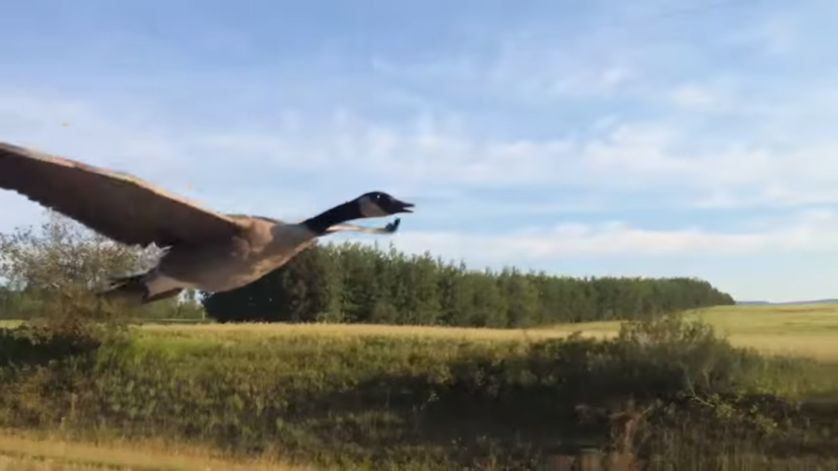
Bachman stopped at least once to check on the goose, saying “I almost hit you, didn’t I?” and noting its tameness when the bird let him pet it. As goose expert Sid Andrews of Inglewood Bird Sanctuary tells Canada’s Global News, even wild Canada geese accustomed to handouts rarely tolerate that.
“I would guess that because it allowed the fellow driving the truck to get very close, that at some point in time, it must have been imprinted on human beings,” Andrews says, adding that it also may have simply mistaken its reflection in the truck’s bumper for another goose. “It somehow got lost or estranged from the group and found, just by happenstance, another goose in the reflection in the bumper.”
Either way, the goose had little trouble keeping up. “My dad would just about stop for the corners after the first one to let it turn,” Watchboy0 writes on Reddit. “Also, at one point he wanted to see how fast it could go. At around 80 km/h [50 mph], the goose started flying above his truck on the air coming off his windshield.”
Once at the lake, the goose “seems happy and stays,” Bachman writes on YouTube, where the video has been watched more than 1.5 million times in about a week. The bird was probably never in serious distress, Andrews says, but Bachman may still have done it a favor by leading it to water. “I certainly would applaud [the driver’s] instincts to head to water because it’ll have a much better chance of finding food.”
ooOOoo
Well done that man: forester Andre Bachman. Well done, indeed!
… go out in the mid-day sun!
Say the word ‘dog’ to me and my immediate thought would be of the domesticated animal, as I’m sure would be the first thought of thousands of others.
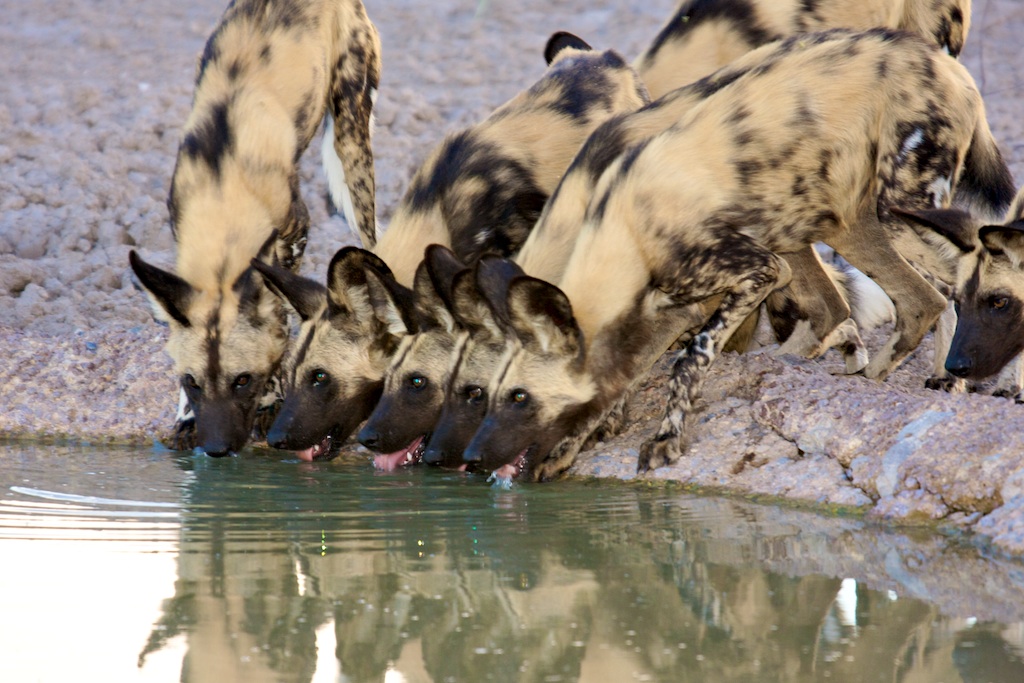
But our wonderful doggie companions came from the wild and in some countries wild dogs still are widely found. There was an article on the Mokolodi Nature Reserve blogsite in November, 2009 specifically about wild dogs, that included the following picture:
All of which is a wonderful reminder that wilderness is a critical and essential element in the overall health of our planet, and by extension, of ourselves.
The academic blogsite The Conversation yesterday published an article by William Lynn who is a Research Scientist in Ethics and Public Policy at Clark University. It proposes a wonderful way of keeping our populations of wild animals healthy and vibrant through rewilding. It is republished here within the terms of The Conversation.
ooOOoo
August 26, 2015 5.50am EDT
A much-anticipated book in conservation and natural science circles is EO Wilson’s Half-Earth: Our Planet’s Fight for Life, which is due early next year. It builds on his proposal to set aside half the Earth for the preservation of biodiversity.
The famous biologist and naturalist would do this by establishing huge biodiversity parks to protect, restore and connect habitats at a continental scale. Local people would be integrated into these parks as environmental educators, managers and rangers – a model drawn from existing large-scale conservation projects such as Area de Conservación Guanacaste (ACG) in northwestern Costa Rica.
The backdrop for this discussion is that we are in the sixth great extinction event in earth’s history. More species are being lost today than at any time since the end of the dinosaurs. There is no mystery as to why this is happening: it is a direct result of human depredations, habitat destruction, overpopulation, resource depletion, urban sprawl and climate change.
Wilson is one of the world’s premier natural scientists – an expert on ants, the father of island biogeography, apostle of the notion that humans share a bond with other species (biophilia) and a herald about the danger posed by extinction. On these and other matters he is also an eloquent writer, having written numerous books on biodiversity, science, and society. So when Wilson started to talk about half-Earth several years ago, people started to listen.
As a scholar of ethics and public policy with an interest in animals and the environment, I have been following the discussion of half-Earth for some time. I like the idea and think it is feasible. Yet it suffers from a major blind spot: a human-centric view on the value of life. Wilson’s entry into this debate, and his seeming evolution on matters of ethics, is an invitation to explore how people ought to live with each other, other animals and the natural world, particularly if vast tracts are set aside for wildlife.
The ethics of Wilson’s volte-face
I heard Wilson speak for the first time in Washington, DC in the early 2000s. At that talk, Wilson was resigned to the inevitable loss of much of the world’s biodiversity. So he advocated a global biodiversity survey that would sample and store the world’s biotic heritage. In this way, we might still benefit from biodiversity’s genetic information in terms of biomedical research, and perhaps, someday, revive an extinct species or two.
Not a bad idea in and of itself. Still, it was a drearily fatalistic speech, and one entirely devoid of any sense of moral responsibility to the world of nonhuman animals and nature.
What is striking about Wilson’s argument for half-Earth is not the apparent about-face from cataloging biodiversity to restoring it. It is the moral dimension he attaches to it. In several interviews, he references the need for humanity to develop an ethic that cares about planetary life, and does not place the wants and needs of a single species (Homo sapiens sapiens) above the well-being of all other species.
To my ear, this sounds great, but I am not exactly sure how far it goes. In the past, Wilson’s discussions of conservation ethics appear to me clearly anthropocentric. They espouse the notion that we are exceptional creatures at the apex of evolution, the sole species that has intrinsic value in and of ourselves, and thus we are to be privileged above all other species.
In this view, we care about nature and biodiversity only because we care about ourselves. Nature is useful for us in the sense of resources and ecological services, but it has no value in and of itself. In ethics talk, people have intrinsic value while nature’s only value is what it can do for people – extrinsic value.
For example, in his 1993 book The Biophilia Hypothesis, Wilson argues for “the necessity of a robust and richly textured anthropocentric ethics apart from the issues of rights [for other animals or ecosystems] – one based on the hereditary needs of our own species. In addition to the well-documented utilitarian potential of wild species, the diversity of life has immense aesthetic and spiritual value.”
The passage indicates Wilson’s long-held view that biodiversity is important because of what it does for humanity, including the resources, beauty and spirituality people find in nature. It sidesteps questions of whether animals and the rest of nature have intrinsic value apart from human use.
His evolving position, as reflected in the half-Earth proposal, seems much more in tune with what ethicist call non-anthropocentrism – that humanity is simply one marvelous but no more special outcome of evolution; that other beings, species and/or ecosystems also have intrinsic value; and that there is no reason to automatically privilege us over the rest of life.
Consider this recent statement by Wilson:
What kind of a species are we that we treat the rest of life so cheaply? There are those who think that’s the destiny of Earth: we arrived, we’re humanizing the Earth, and it will be the destiny of Earth for us to wipe humans out and most of the rest of biodiversity. But I think the great majority of thoughtful people consider that a morally wrong position to take, and a very dangerous one.
The non-anthropocentric view does not deny that biodiversity and nature provide material, aesthetic and spiritual “resources.” Rather, it holds there is something more – that the community of life has value independent of the resources it provides humanity. Non-anthropocentric ethics requires, therefore, a more caring approach to people’s impact on the planet. Whether Wilson is really leaving anthropocentrism behind, time will tell. But for my part, I at least welcome his opening up possibilities to discuss less prejudicial views of animals and the rest of nature.
The 50% solution
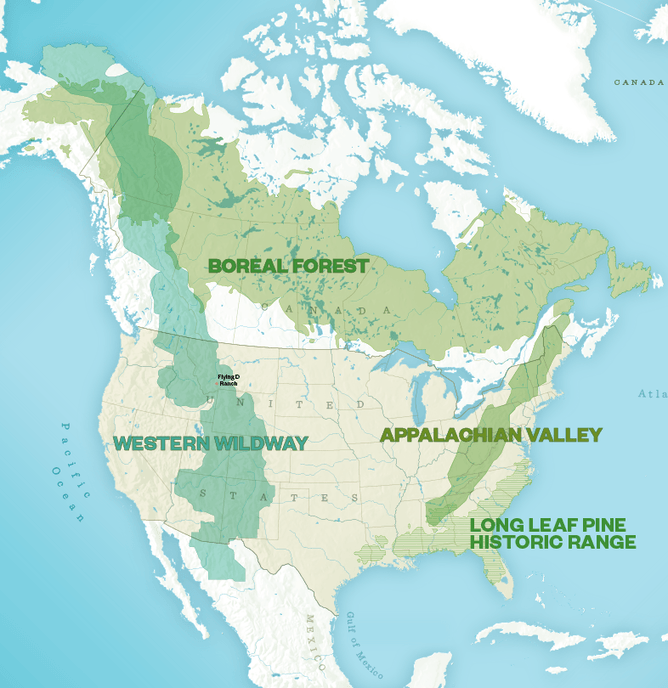
It is interesting to note that half-Earth is not a new idea. In North America, the half-Earth concept first arose in the 1990s as a discussion about wilderness in the deep ecology movement. Various nonprofits that arose out of that movement continued to develop the idea, in particular the Wildlands Network, the Rewilding Institute and the Wild Foundation.
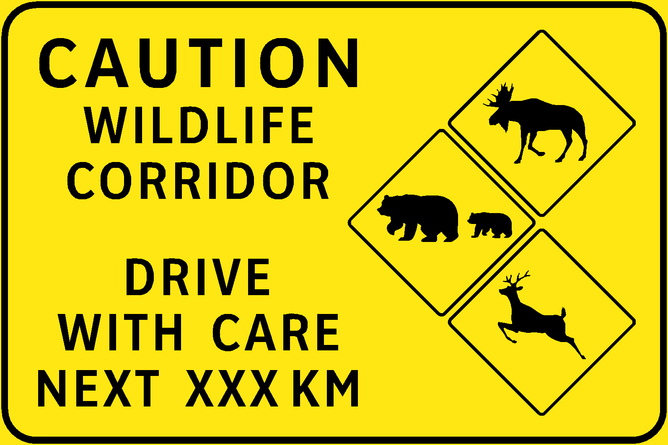
These organizations use a mix of conservation science, education and public policy initiatives to promote protecting and restoring continental-scale habitats and corridors, all with an eye to preserving the native flora and fauna of North America. One example is ongoing work to connect the Yellowstone to Yukon ecosystems along the spine of the Rocky Mountains.
When I was a graduate student, the term half-Earth had not yet been used, but the idea was in the air. My classmates and I referred to it as the “50% solution.” We chose this term because of the work of Reed Noss and Allen Cooperrider’s 1994 book, Savings Nature’s Legacy. Amongst other things, the book documents that, depending on the species and ecosystems in question, approximately 30% to 70% of the original habitats of the Earth would be necessary to sustain our planet’s biodiversity. So splitting the difference, we discussed the 50% solution to describe this need.
This leads directly into my third point. The engagement of Wilson and others with the idea of half-Earth and rewilding presupposes but does not fully articulate the need for an urban vision, one where cities are ecological, sustainable and resilient. Indeed, Wilson has yet to spell out what we do with the people and infrastructure that are not devoted to maintaining and teaching about his proposed biodiversity parks. This is not a criticism, but an urgent question for ongoing and creative thinking.
Humans are urbanizing like never before. Today, the majority of people live in cities, and by the end of the 21st century, over 90% of people will live in a metropolitan area. If we are to meet the compelling needs of human beings, we have to remake cities into sustainable and resilient “humanitats” that produce a good life.
Such a good life is not to be measured in simple gross domestic product or consumption, but rather in well-being – freedom, true equality, housing, health, education, recreation, meaningful work, community, sustainable energy, urban farming, green infrastructure, open space in the form of parks and refuges, contact with companion and wild animals, and a culture that values and respects the natural world.
To do all this in the context of saving half the Earth for its own sake is a tall order. Yet it is a challenge that we are up to if we have the will and ethical vision to value and coexist in a more-than-human world.
ooOOoo
I am sure many will agree that this is a very interesting idea and one that I hope is eventually adopted. For the sake of all our wild animals, including our dogs.
….. is the journey within.
Today’s video creates a small emotional break between the loss of our Lilly and returning to life as usual.
It was sent across to me by Dan Gomez. It is very compelling indeed.
Ara and Spirit travel across the country in their sidecar motorcycle and learn about some of life’s toughest lessons.
A republication of a post from February, 2014
Yesterday, I offered the first of two previous posts about Lilly. Here is the second, originally published in February, 2014.
ooOOoo
Lilly, the second of our nine dogs.
Last week was the start of a series of posts giving you, dear reader, background on each of our nine dogs. Thus last week, Jean wrote about Paloma. Here is Jean’s account of how Lilly came into her life.
ooOOoo
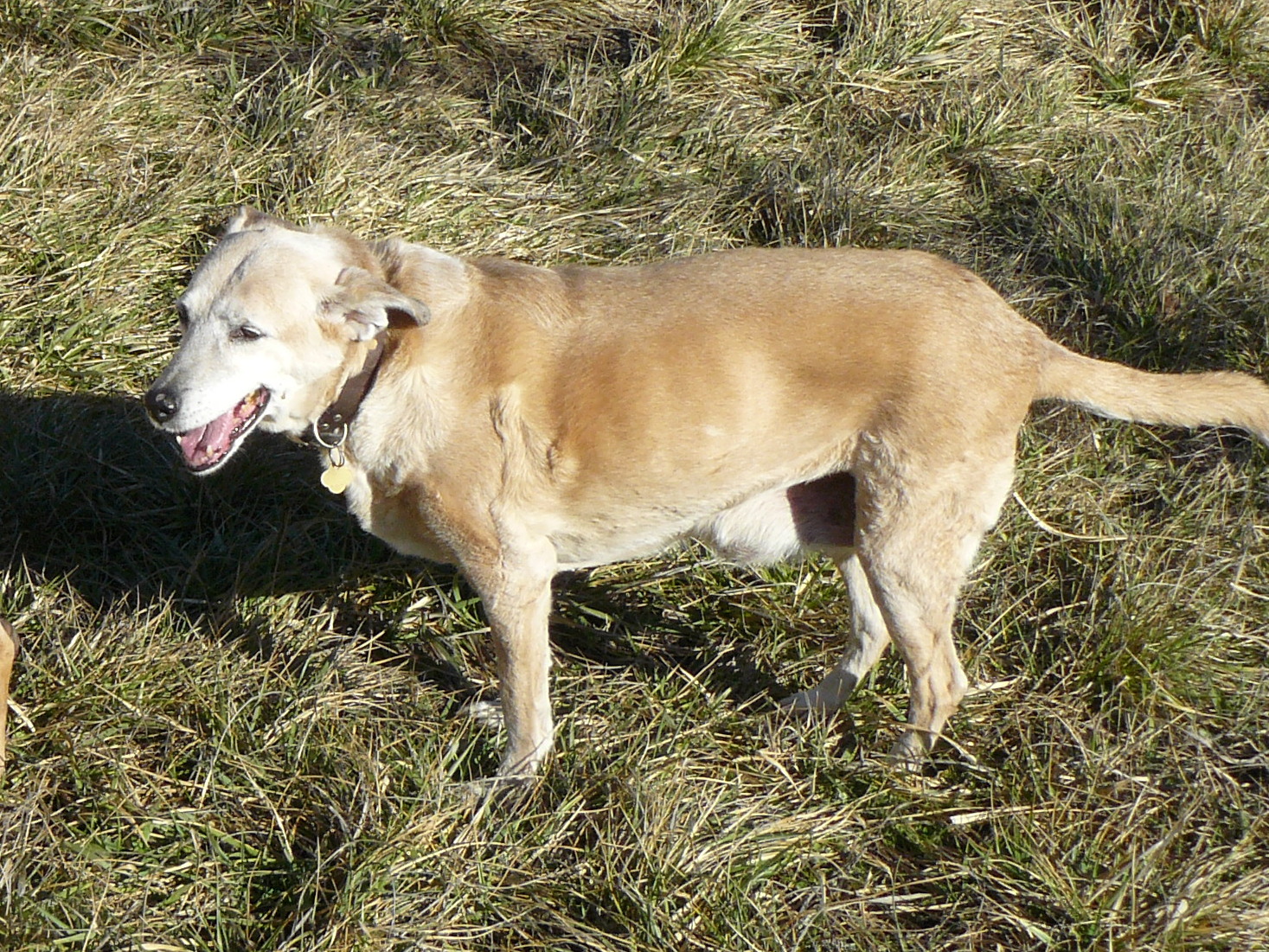
Lilly came into my life fourteen years ago. I had taken my car into the mechanics workshop in San Carlos, Mexico for an oil change and was beckoned over to an old junk car in their lot. It had no glass in the windows and in the hatch-back area lay a smallish dog with five young, suckling puppies. She had apparently walked in off the street and chosen the old airy car as a suitable ‘house’ in which to have her babies. The workers had supplied her with an old greasy towel for a mattress.
My girlfriend, Suze, and I immediately set about making her comfortable with a small quilt and plenty of water and good dog food. She had been dining on tacos and tamales scraps up until then.
Suze and I visited frequently and took plenty of food and at the same time went about looking for homes for the pups. However, one day we arrived and found all the beautiful babies gone. The mechanics had given them away. We were shattered and could only hope that they had gone to loving homes.
‘Rabbit’, as she was then called, continued hanging around the workshop and the men seemed to like her. Rabbit had this trick of leaping on her hind legs, twirling and landing on her four legs; hence her name Rabbit, I guess.
Suze and I would see her once a week on average and had also arranged for Rabbit to be spayed. All seemed well until Easter came (I think we are talking of the year 2000). As is common in Mexico, during Easter week in San Carlos everything shuts down. It’s carnival time. The streets are busy with tourists and there is much traffic. I was worried about Rabbit as the mechanic’s shop was locked up tight and Rabbit was outside in the lot by the street. I planned to take her home for the rest of the holiday but fate intervened. On my way to collect her, I was aghast to see her motionless by the side of the road, obviously having been hit by a car. I gently picked her up and took her home. On inspection, it was clear that she had two broken legs on her right-hand side. Her injuries were so bad that I knew the local vet did not have the skills or instruments to heal her. My late husband, Ben, and I ended up driving her two hours South to Obregon where there was an orthopaedic vet. He put pins in both legs and she stoically set about mending herself. Rabbit became Lilly. Irrespective of name, she was an assertive but sweet young dog and settled in nicely with my burgeoning pack; I had twelve rescue dogs in those days. Her legs healed nicely and she resumed her twirling.
Lilly became a particular favourite of Ben, my late husband. When in 2005 Ben lay dying at home, Lilly slept non-stop by his side on the bed, only leaving to eat or go outside. I knew for sure that Ben had died in the night when one morning I awoke to feel Lilly beside me on my bed. Lilly sensed that now I needed her more.
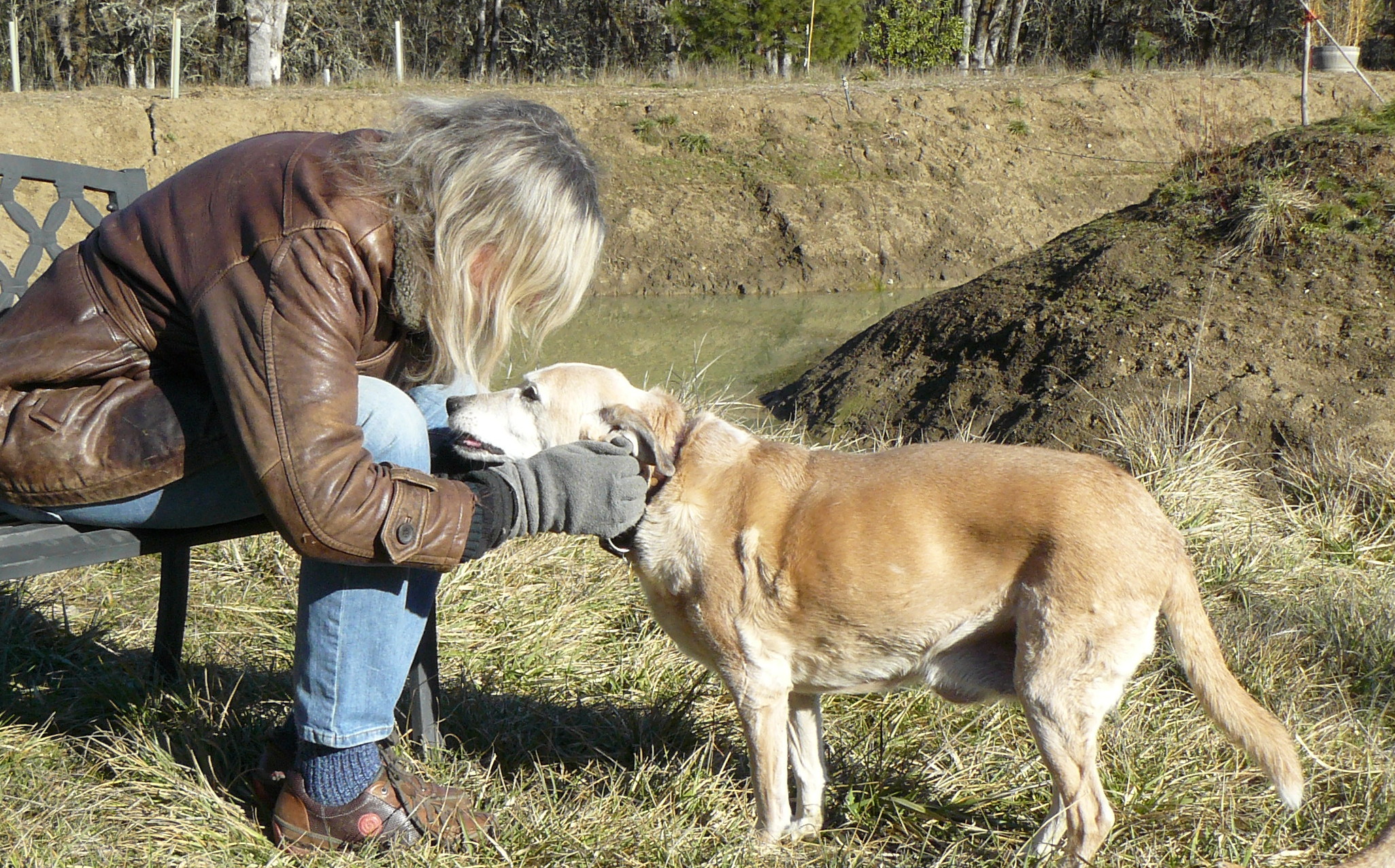
Lilly is still with us. Now a dowager old lady of at least fifteen years of age, she still enjoys going out with her buddies whom she tends to boss somewhat. (Paul thinks that Lilly is an ‘alpha’ dog, in other words has pack leadership in her genes.) But one thing that Lilly doesn’t now do; she doesn’t twirl anymore, but then neither do I.
It will be a very sad day when Paul and I have to say goodbye to this treasure of a dog. [As indeed, it was] In the meantime we endeavour to make each day that she has left as rich as possible.
ooOOoo
I think it would wonderful to also include a section from an email that Suzann Reeve, a good friend of this blog, sent to Jeannie yesterday.
The story of Lily and her origins:
(I of course burst into tears when reading your email, Paul.) I knew it was coming. I wish I could have seen her one more time.
Poor baby, I hope she did not suffer much.
In 1998, Don and I went to a junk yard, which at the time was next to the telephone company in San Carlos. As we were talking to the men, out of a shell of an old car behind us popped a small mama dog, heavy with milk. I of course went right over there after hearing puppies cry to see many little baby puppies were mewling for mommy’s milk! The dog was so sweet and jumped around like a rabbit. I brought food and water for her and found her a nice blanket for her and the pups.
I told Jeannie about them and we went back the next day to check it out. We told the men we would care for them, but one day when we came to feed, the puppies were gone! I begged Don to let me take her, but as I lived in an RV, he would not let me, and I also had 3 dogs at the time, Poncho, and his sister and Destina….., plus the men wanted her, which almost led to her death.
After Don and I left town for the summer sometime later, if i remember correctly, Jean and Ben were driving down the main road in town when they saw LLevre (rabbit in Spanish) injured on the road. I believe they took her down to Obregon for an operation right away, and after a successful operation, she was theirs! They saved her life!
She has lived a very full and happy life. I am so sad that she is gone.
A republication of a post from November of last year.
Our dear Lilly offers her special thoughts.
Preface: Lilly is reaching an amazing age for a dog; trully amazing. Lilly was featured back in February this year when we did a series of posts under the generic heading of Meet the dogs.
Yesterday, Jean thought it would be wonderful to hear it from Lilly; so to speak.
So these are Lilly’s words; as whispered to Jeannie!
oooo
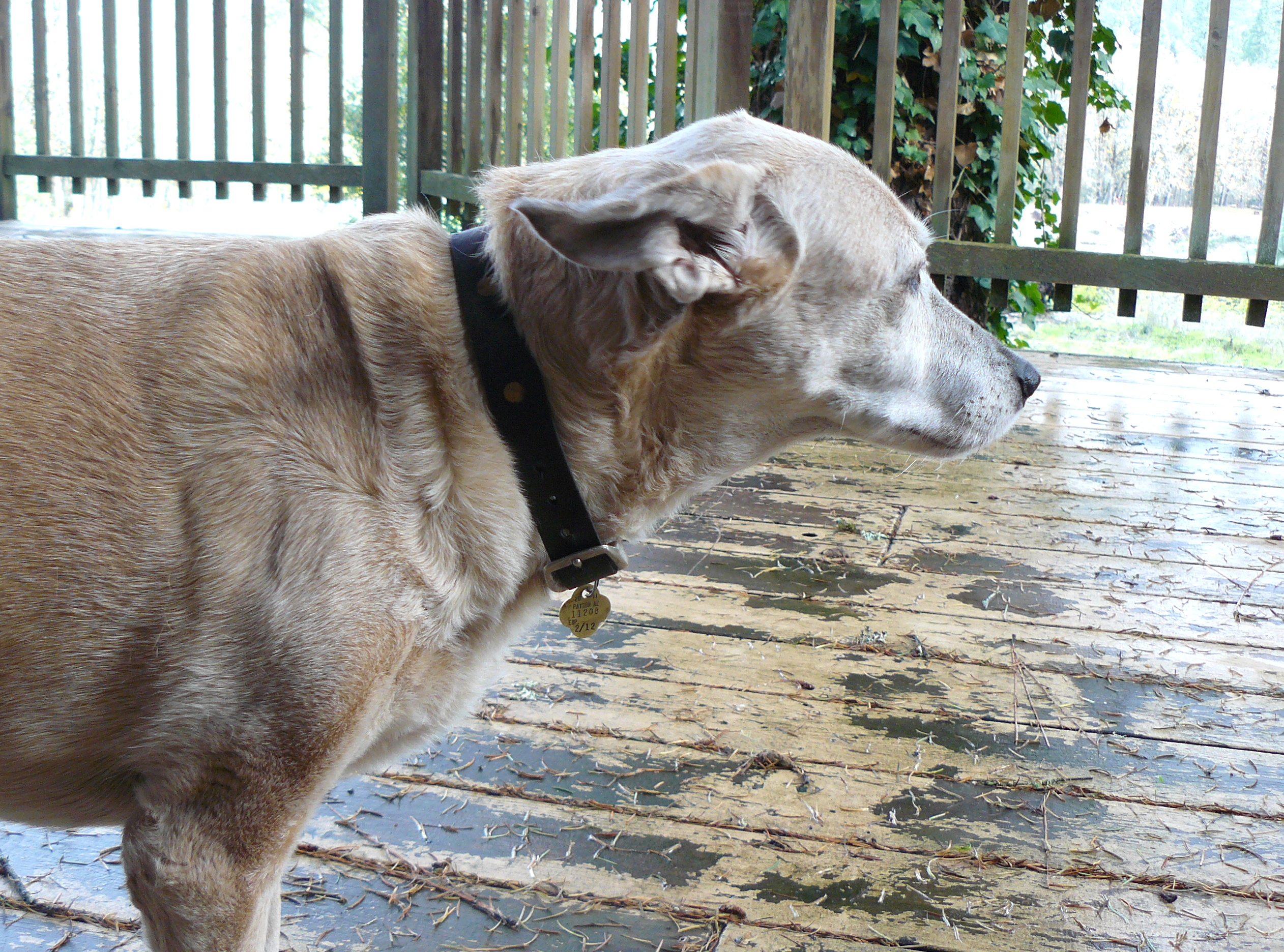
I am sixteen years old! That’s one hundred and twelve people years!
So no-one is going to tell me what to do; especially those bratty young dogs I live with.
I refuse to eat canned dog food and expect Mum to cook fresh meat on a daily basis or I will stop eating and give her the moon eyes. (No real issue as Mum does understand my demands! 😉 ) The only dry food that passes my lips is ‘Canidae’. It’s not cheap but, hey, I’m worth it!
No dog is allowed to snag my food or I will bite their nose; and well the others know that! OK, maybe young Oliver can sneak a nibble or two off my bowl; he is rather cute!
I will only take a pill if it is camouflaged in the fresh marrow of a bone – Mum, bless her, thinks I don’t know it’s there! Ha!
When it’s raining, I refuse to go out. Period! To make Mum happy, sometimes I let her use this sheepskin-lined sling thing to help me tackle the deck steps but many times I can manage on my own – hey! I’m only sixteen! But I know that it makes Mum’s day if she sees herself being useful!
It’s been a good life. OK, I’m rather creaky now but determined to make seventeen. Who knows maybe even eighteen!
Give Dad a run for his money any day! Golly, he has only just turned seventy in people years and to hear him natter on you would think he feels old!
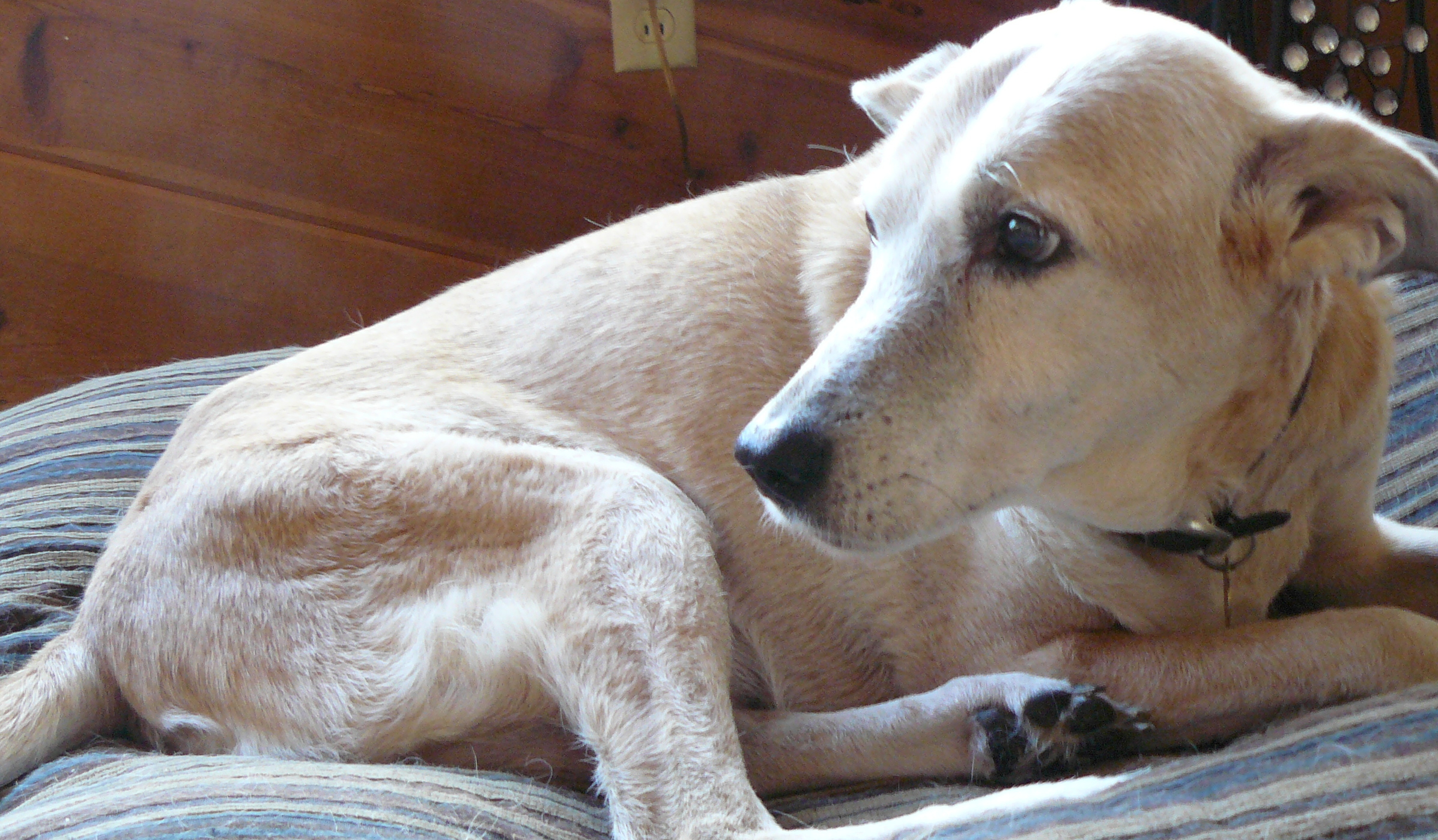
Now where’s my bed …..
 Learning from Dogs