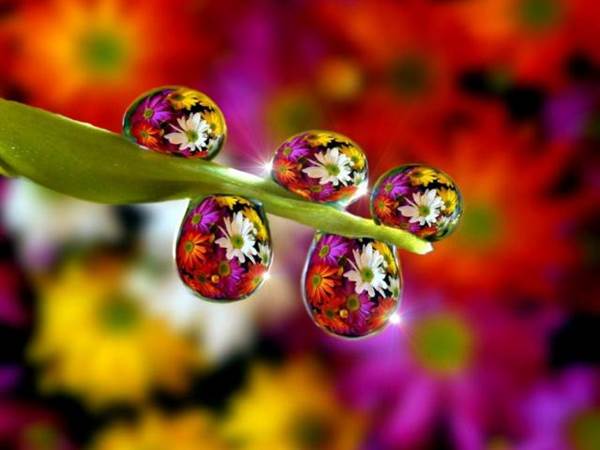
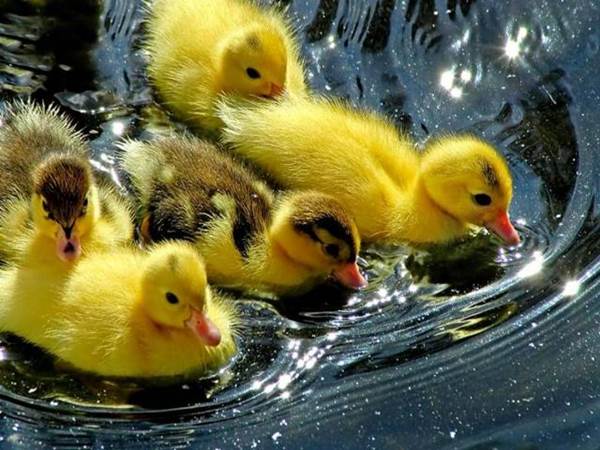
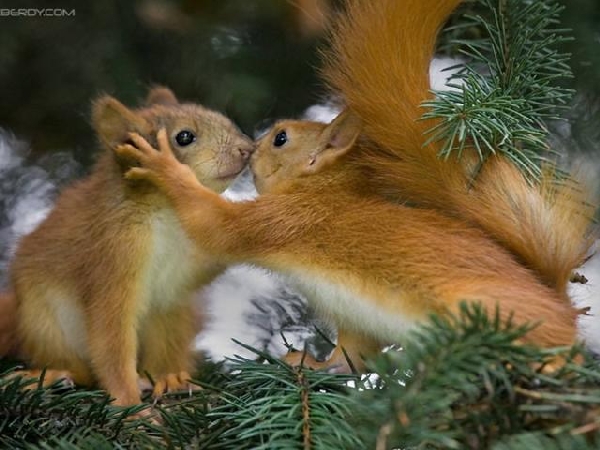
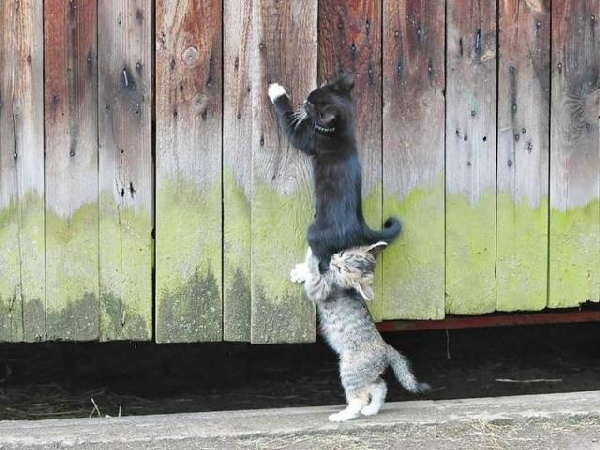
Concluding set of nanosecond pictures!
Courtesy of John H.
oooo
oooo
oooo
oooo
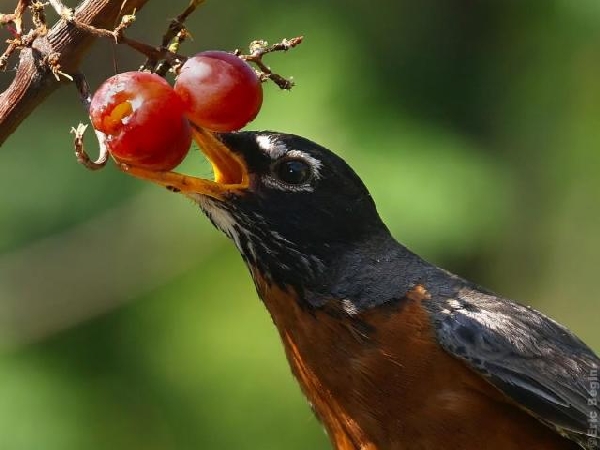
oooo
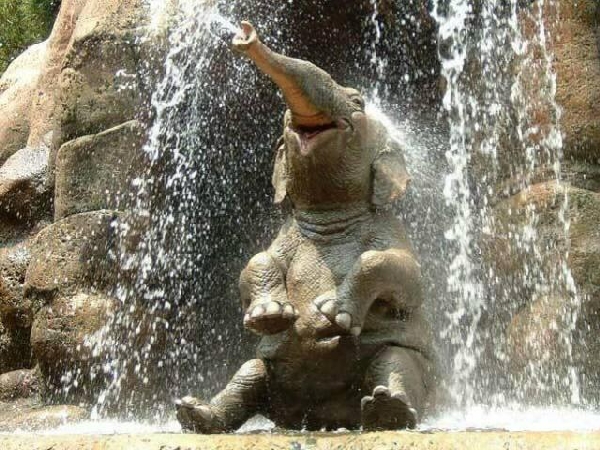
oooo
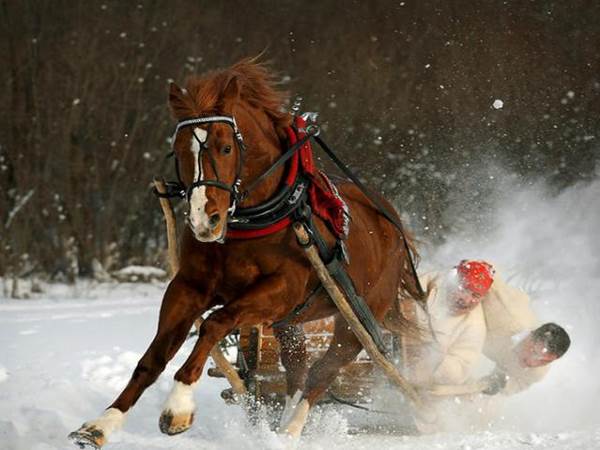
oooo
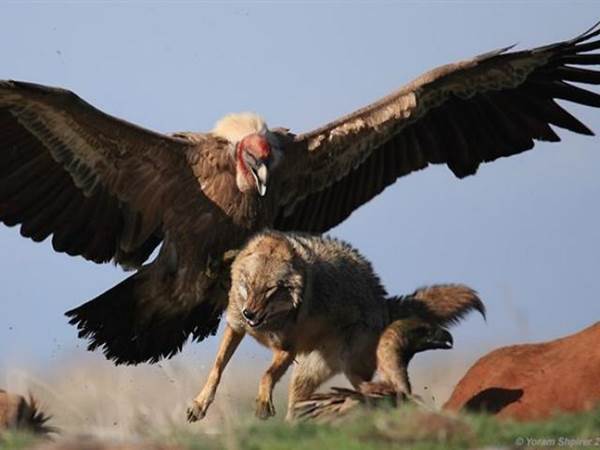
oooo
Incredible!
You all have a good week.
Dogs are animals of integrity. We have much to learn from them.
Year: 2014
Concluding set of nanosecond pictures!
Courtesy of John H.
oooo
oooo
oooo
oooo
oooo
oooo
oooo
oooo
Incredible!
You all have a good week.
Or just away with the fairies!
Sorry, just kidding: Couldn’t resist!
I have just finished reading a book with the title of Earthing.
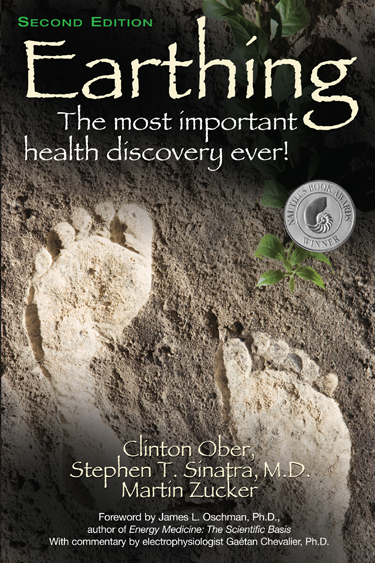
It has been an absolutely fascinating read and one, I’m bound to say, that seems entirely plausible.
That is that our modern lifestyle that has us disconnected from Mother Earth for much of our time is the cause of many ailments. As the associated website explains:
CONNECT TO THE EARTH AND FEEL BETTER!
Just as the sun gives us warmth and vitamin D, the Earth underfoot gives us food and water, a surface to walk, sit, stand, play, and build on, and something you never, ever thought about—an eternal, natural, and gentle energy. Think of it perhaps as vitamin G: G for ground. What does that mean to you? Maybe the difference between feeling good and not so good, of having little or a lot of energy, or sleeping well or not so well.
You can’t see the Earth’s energy but some people can feel it as a warm, tingling, and pleasant sensation when they are out walking barefoot along the water’s edge at the beach or on a stretch of dew-moistened grass.
Throughout history humans walked barefoot and slept on the ground. But modern lifestyle, including the widespread use of insulative rubber, or plastic-soled shoes, has disconnected us from the Earth’s energy and, of course, we no longer sleep on the ground. Fascinating new research has raised the possibility that this disconnect may actually contribute to chronic pain, fatigue, and poor sleep that plague so many people.
The remedy for the disconnect is simple. Walk barefoot outdoors whenever possible and/or sleep, work, or relax indoors in contact with conductive sheets or mats that transfer the energy to your body. People who do so on a regular basis say they sleep better, feel better, and have more energy during the day. This simple practice is called Earthing, also known as grounding, and it is both a technology and a movement which is transforming lives across the planet.
Were you aware, for example, that the sole of our foot has more nerve endings per square inch than any other part of our body! And more sweat glands! All from thousands of years of being connected to the Earth.
Curious?
Then watch Part One of a conference video by Dr. Stephen Sinatra, one of the authors of the book:
(The remaining parts of Dr. Sinatra’s talk will be presented in a post on Monday!)
Jean and I have just ordered the half-sheet and I shall be delighted to write more of our experiences over the coming weeks.
And I don’t need to remind you that dogs have been in bare-foot contact with Planet Earth for some time now!
Stay healthy!
A gem in the crown of stunning countryside.
Funny how things happen!
In last Wednesday’s post I included a picture of Jean with Robert who helped us load 60 bales of hay onto our trailer. This photo:
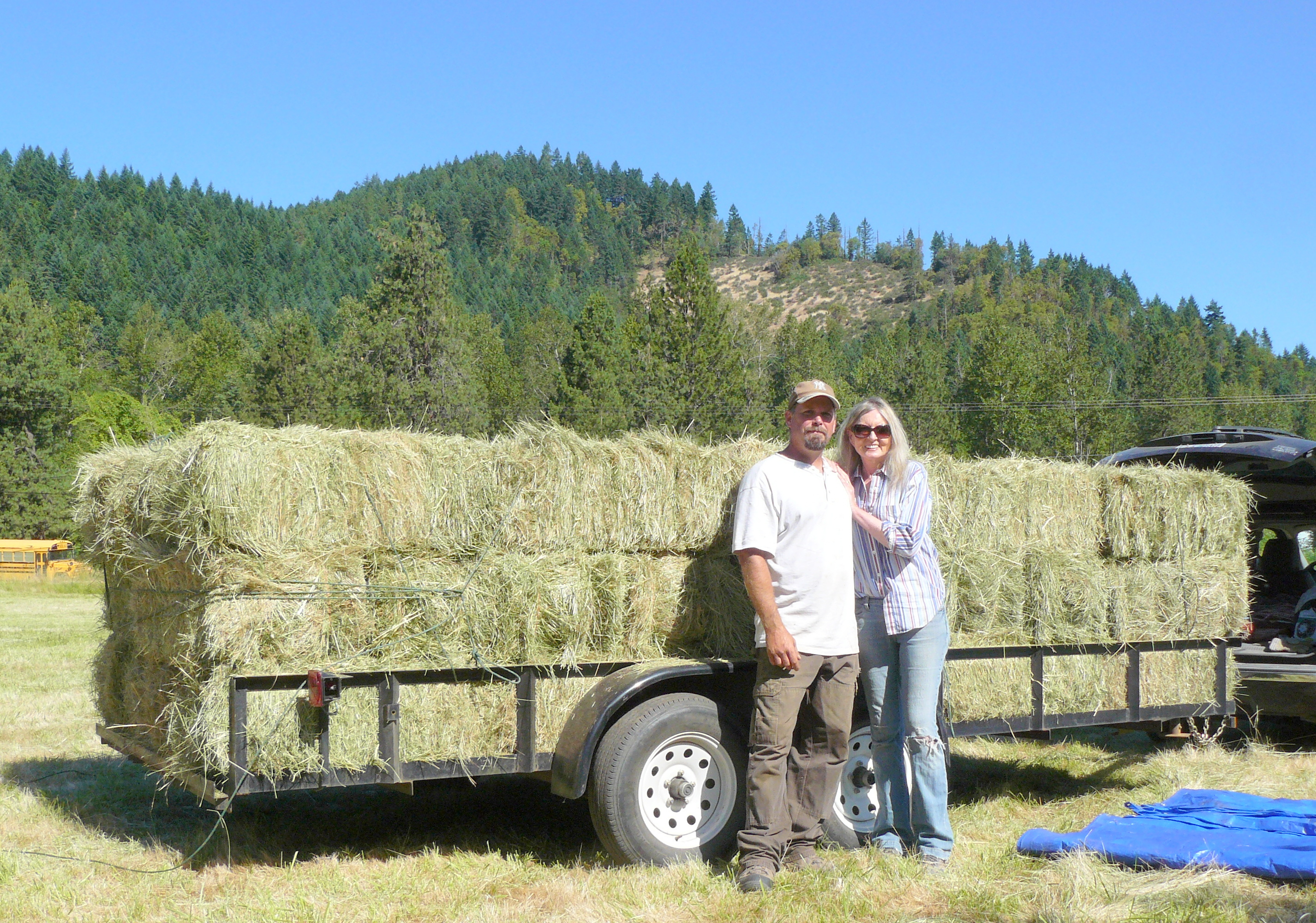
Anyway, Tad, who farms the land, mentioned a wonderful place to fish not far from his farm at Wolf Creek.
I’m not a fisherman but Andy, who is staying with us with his wife, Trish, is a keen fisherman.
So last Wednesday we all set off into the high forest lands up above Wolf Creek and after some pretty tough driving up some steep dirt roads found the lake. Here’s a record of our morning at Secesh.
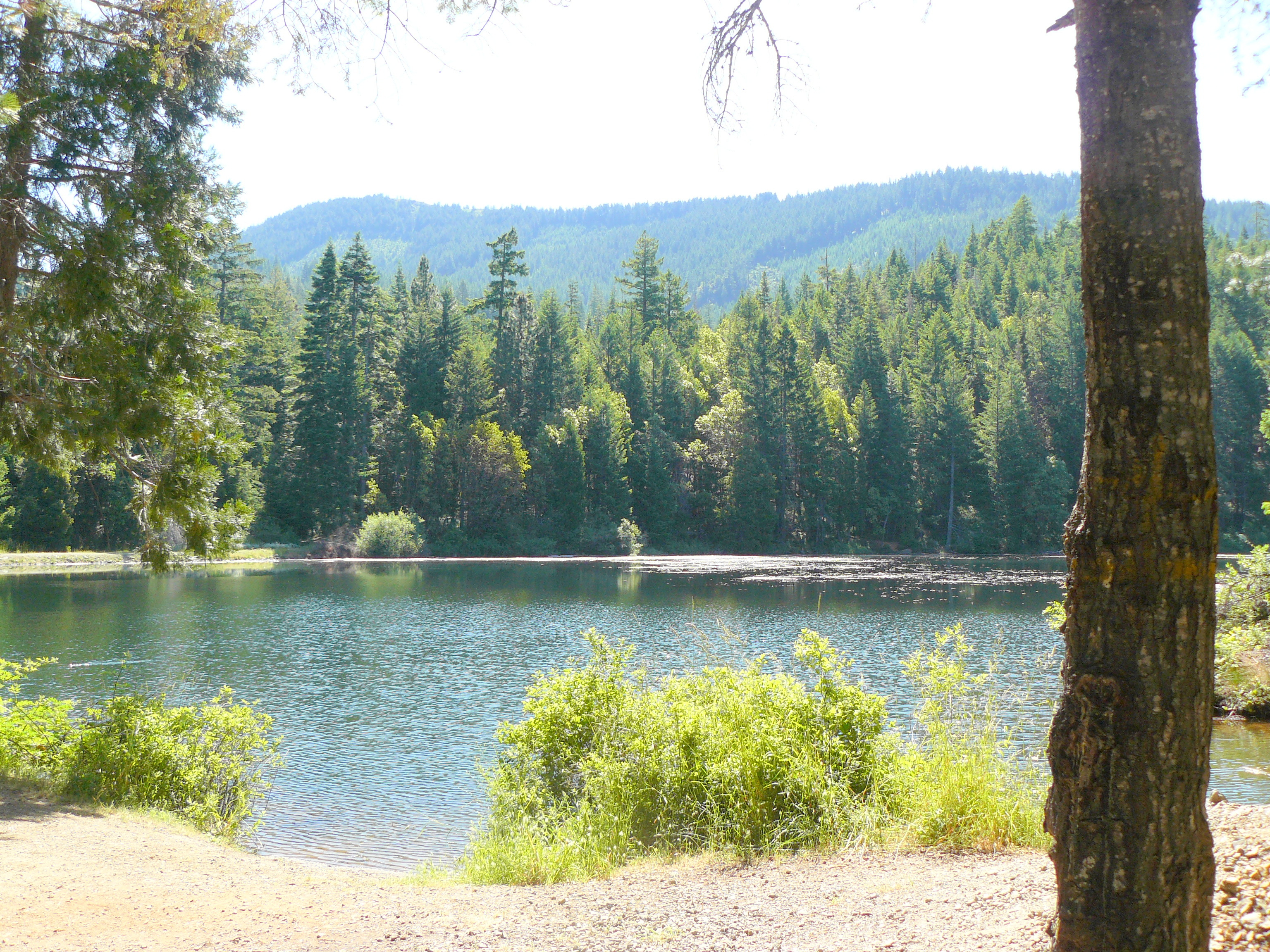
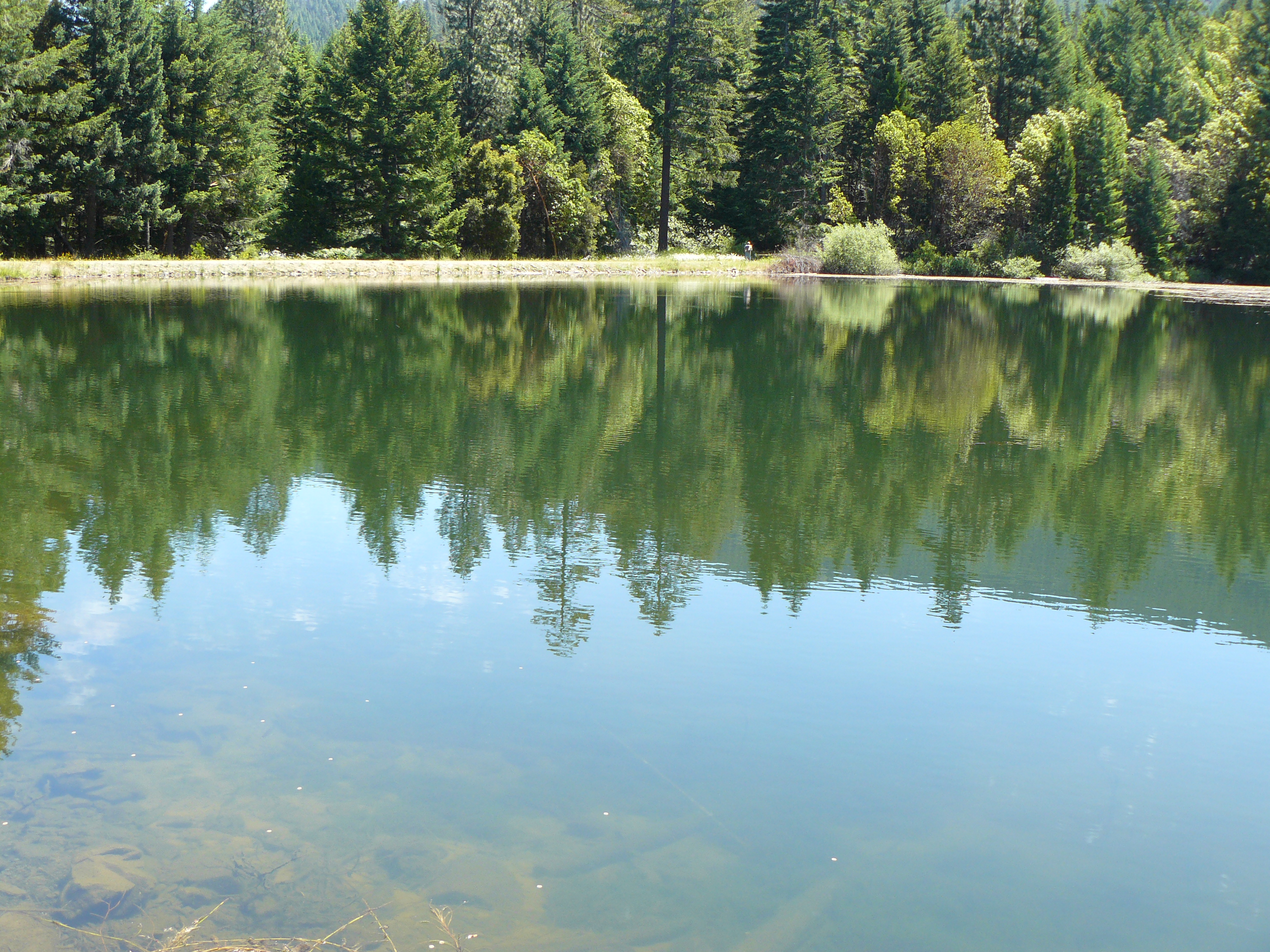
As you can see, it was a breath-taking oasis in a sea of tall trees and towering peaks.
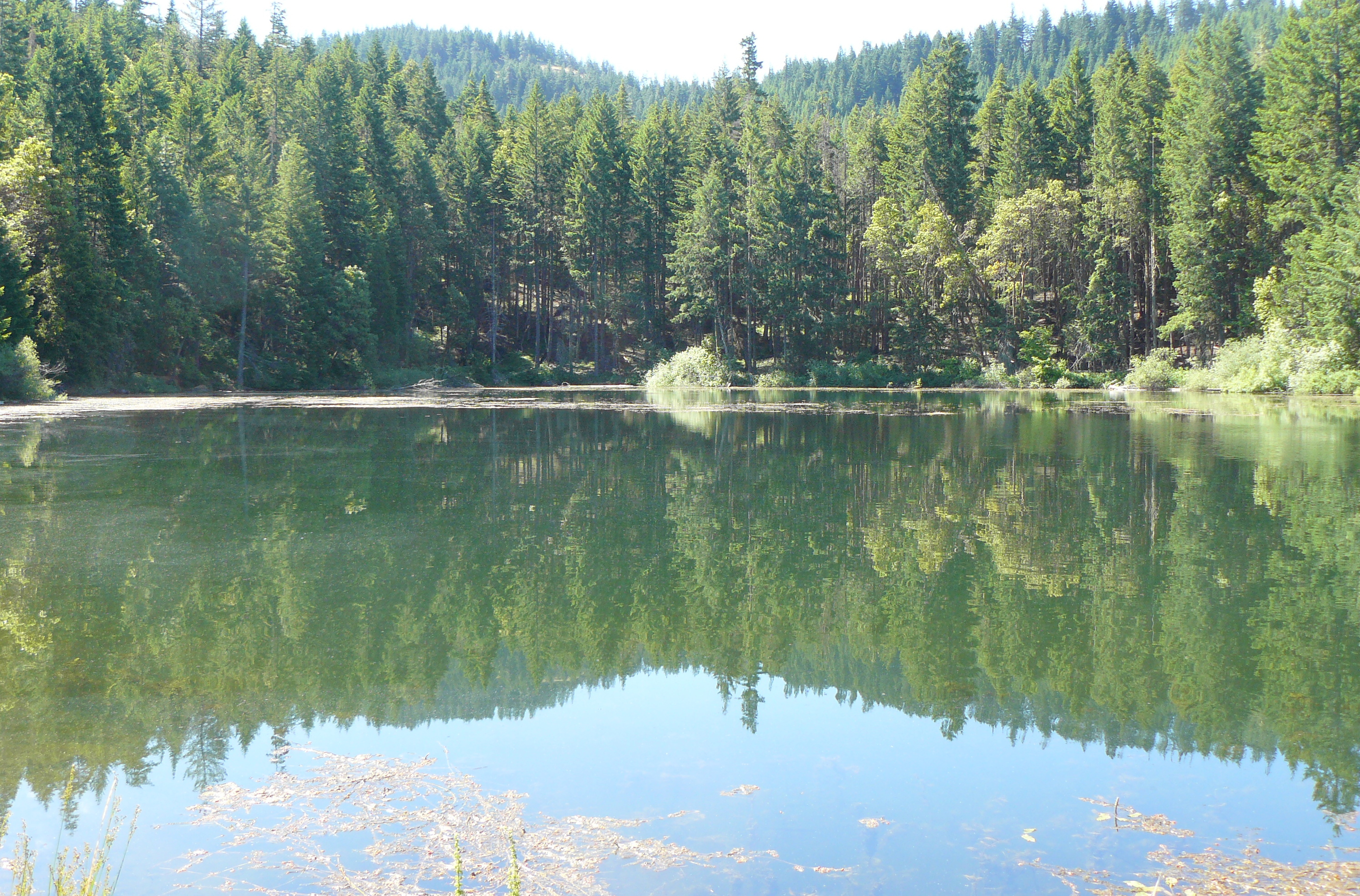
With crystal-clear waters that just seemed to be calling out to those that enjoy fly-fishing!
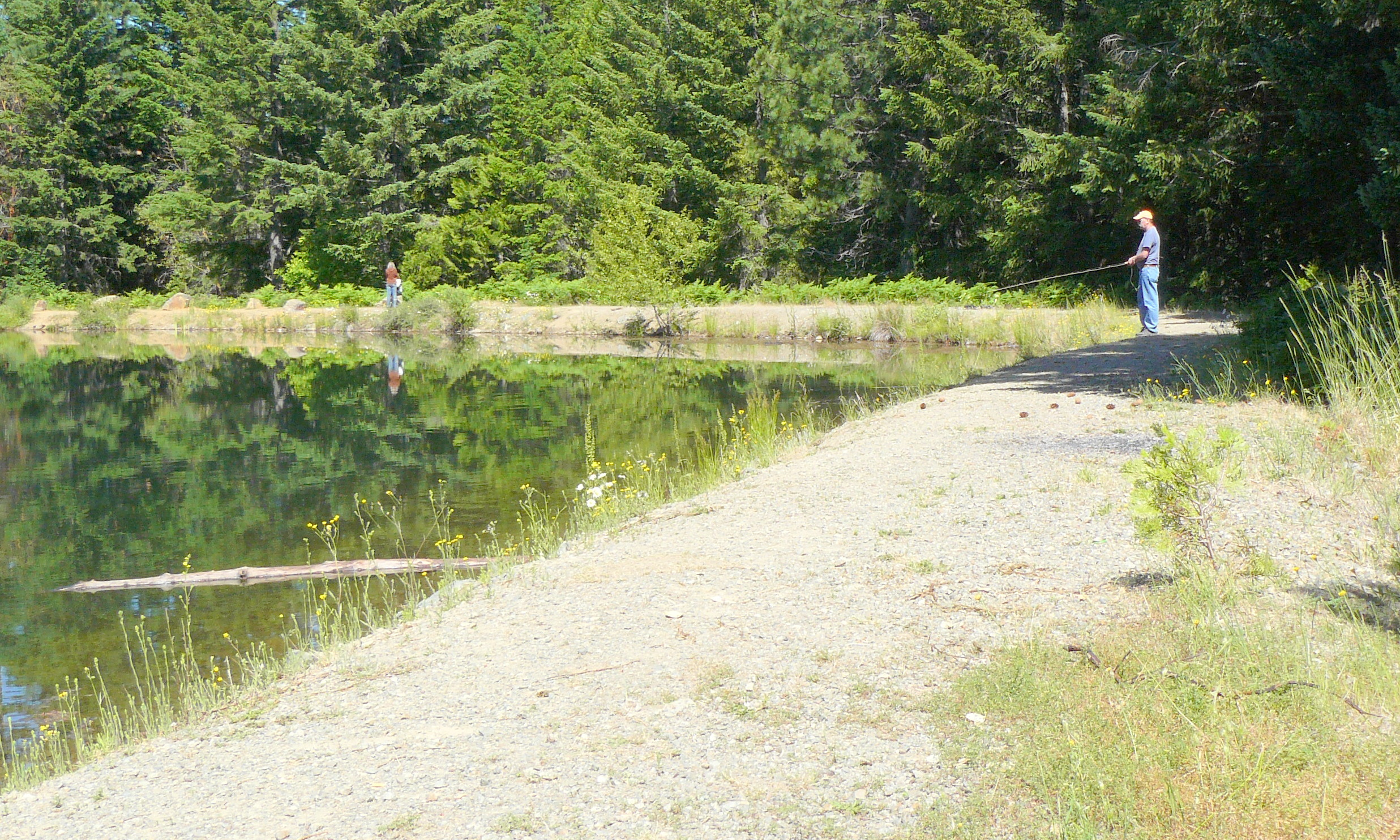
Meanwhile, yours truly decided to walk the perimeter of the lake that is, apparently, some 3.7 acres of water area.
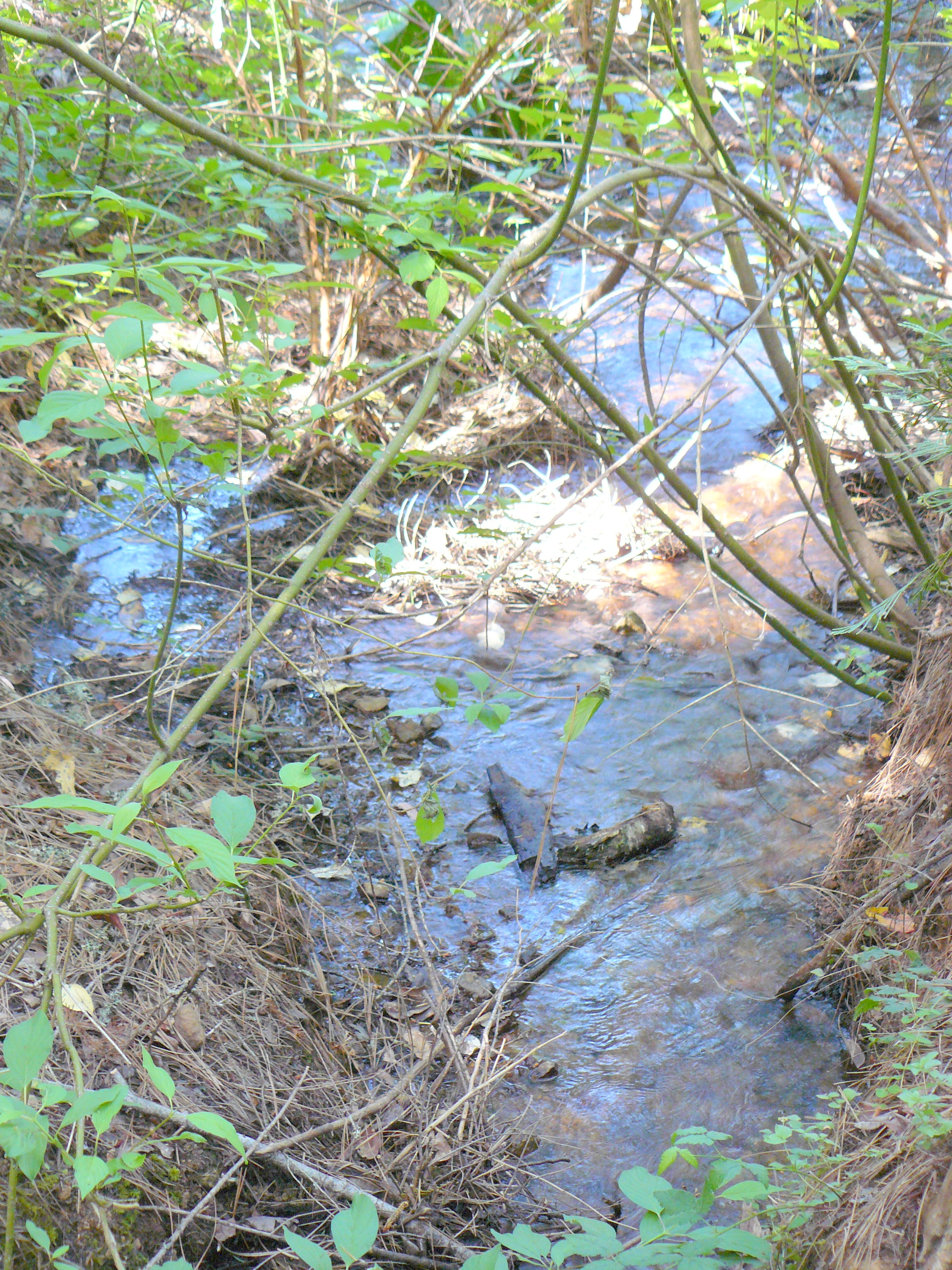
Towards the farthest point of the shoreline, a beautiful stream was flowing into the lake.
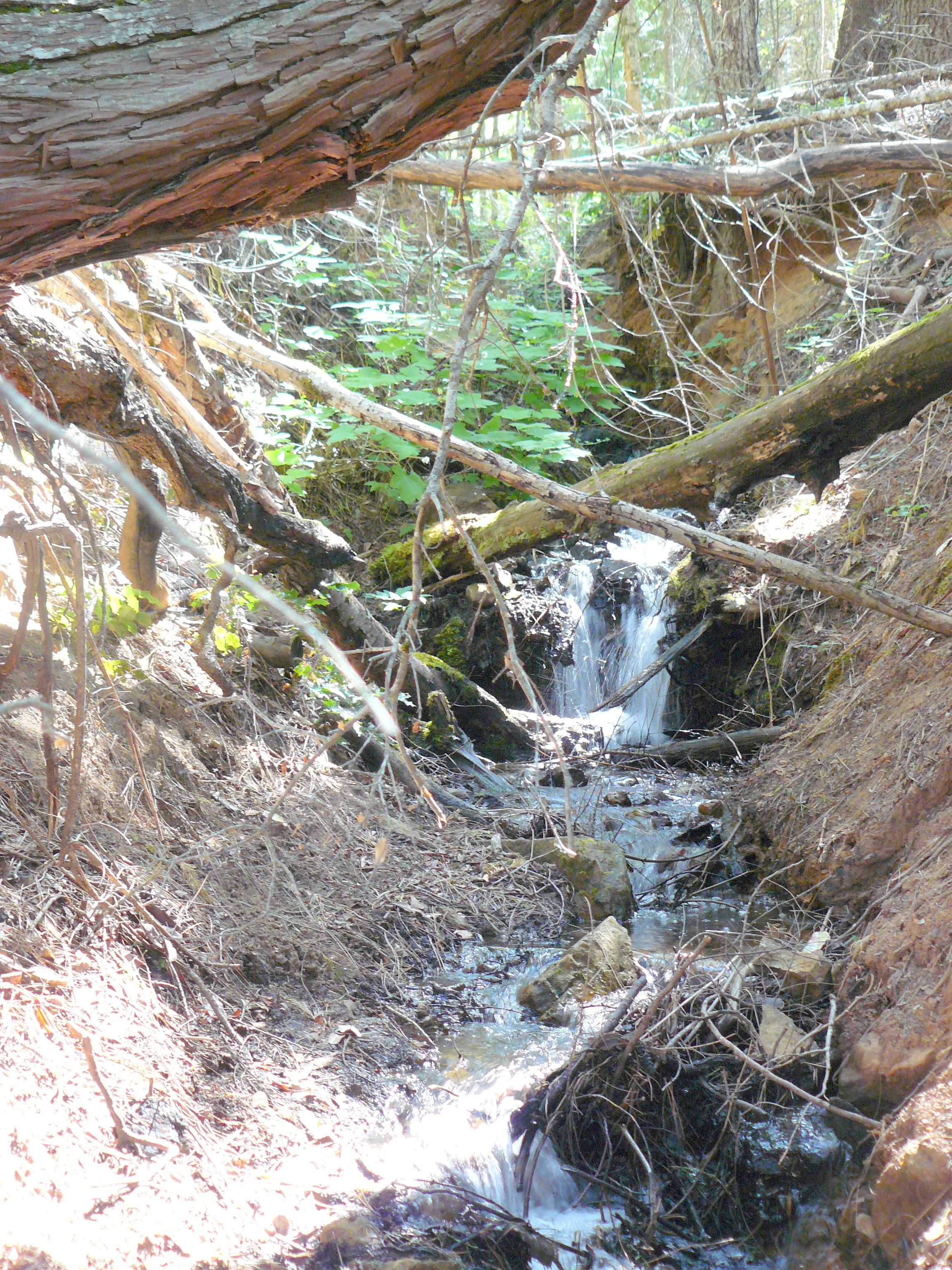
And not too farther along, a likewise beautiful stream outflowed from the lake.
From this vantage point, one could look across the full breadth of the lake.
And marvel at the wildlife, from ….
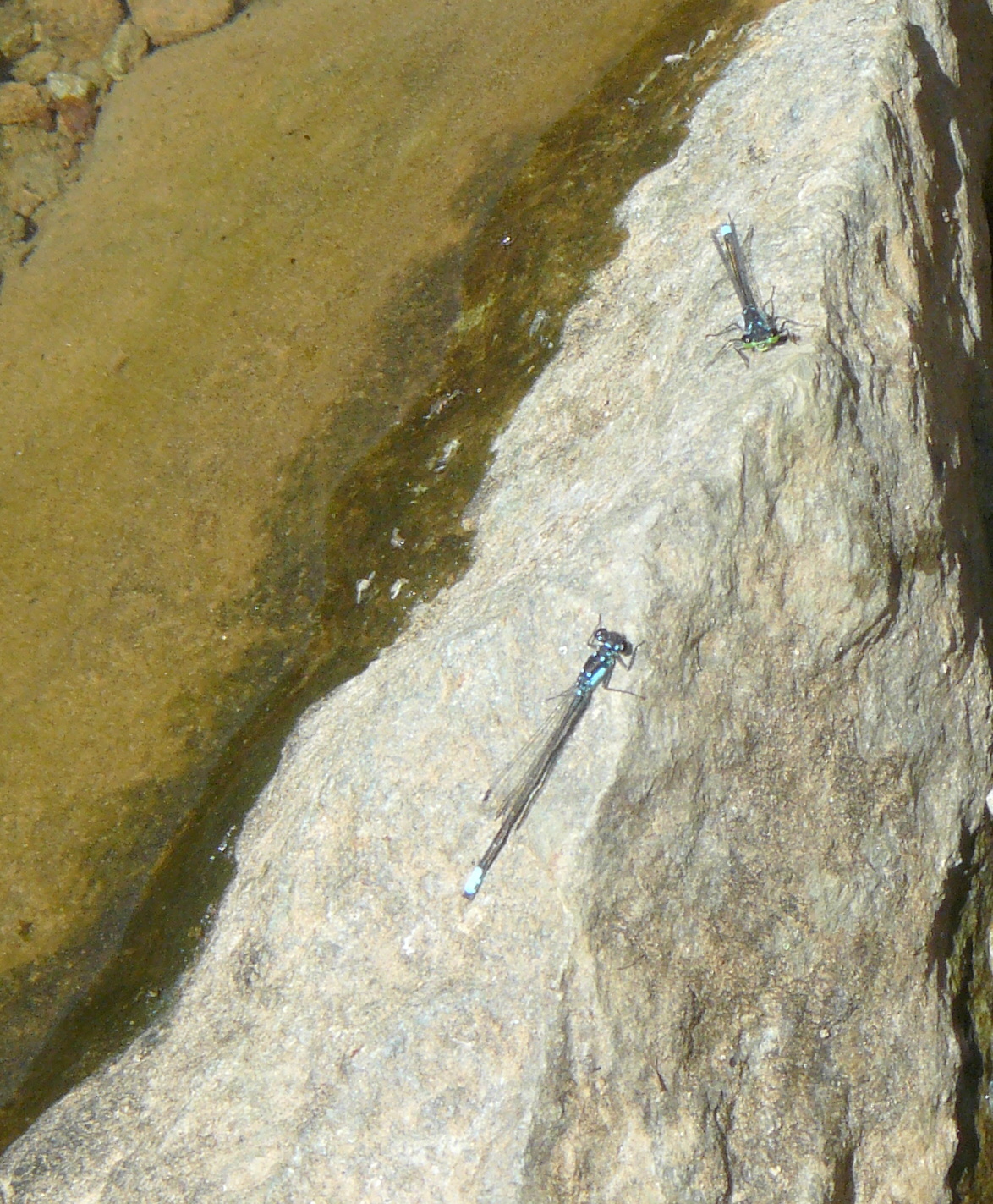
… the very small, to ….
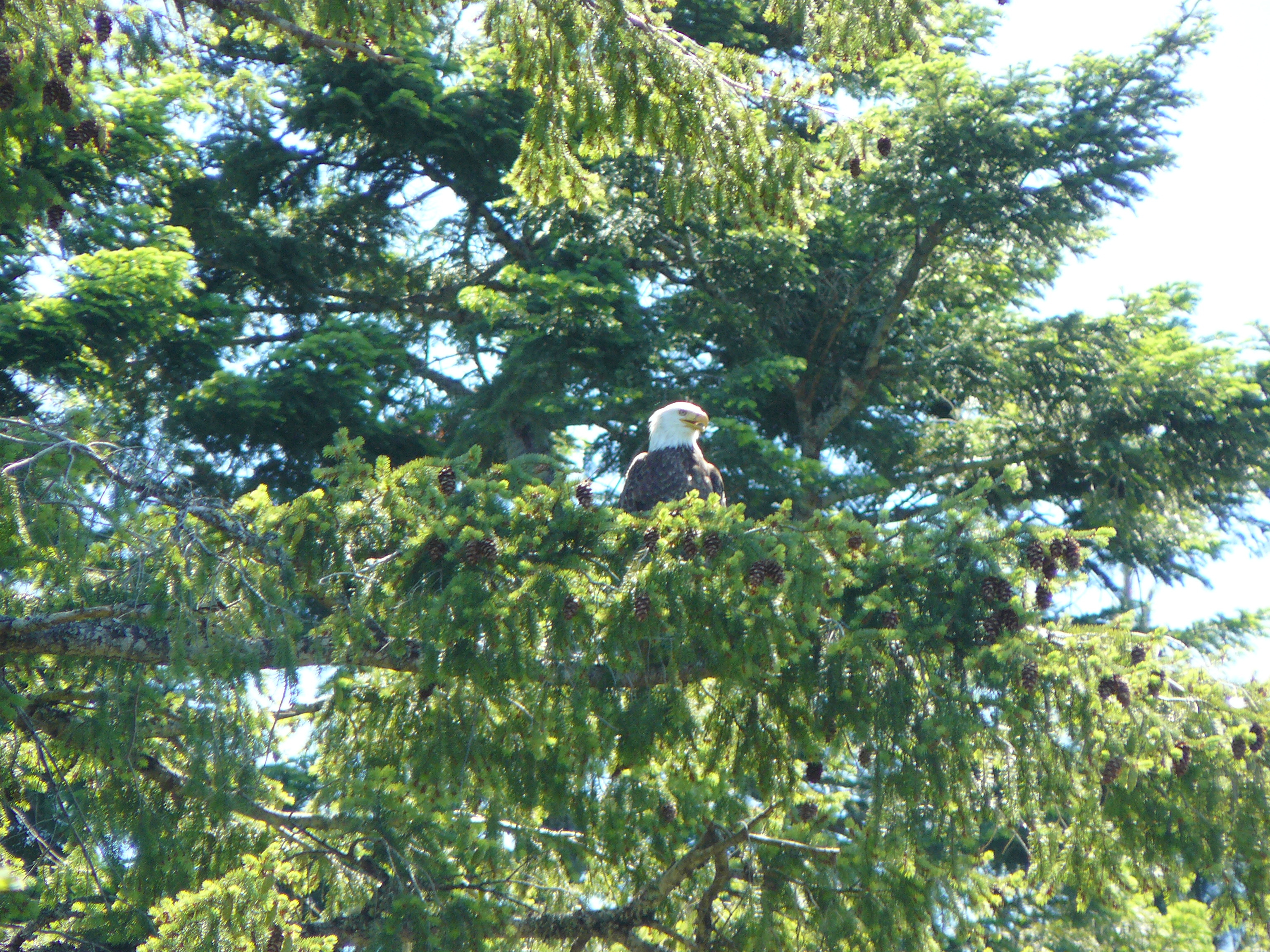
…. the stunning eagles of the land. A veritable icon of this country!
Returning in time to see Andy pulling a (small) fish from the lake.
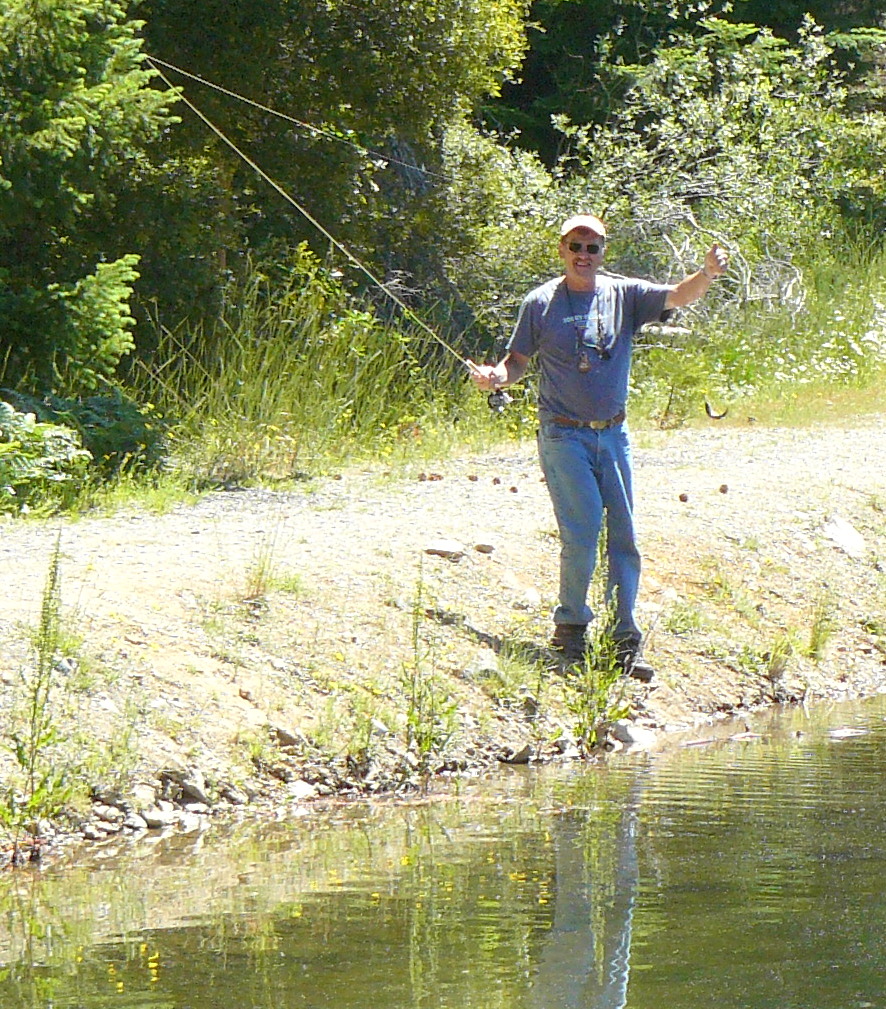
And Jean and Trish catching up on old times.
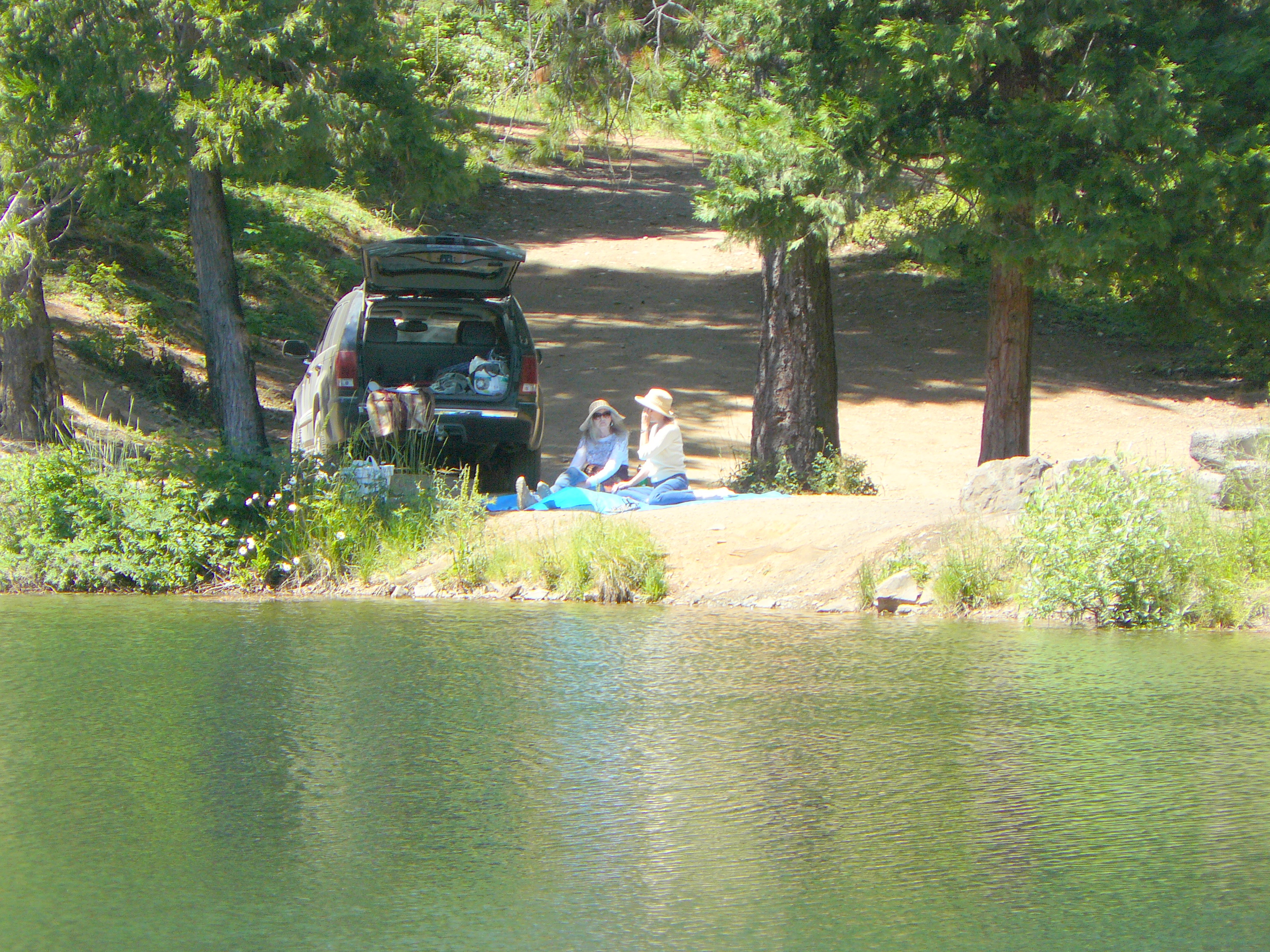
What a fabulous discovery!
Less than 25 miles from home.
Thank you, Tad!
We will return – possibly with a dog or two!
A powerful essay from Paul Gilding.
Having our good friends, Andy and Trish, with us for a few days means, quite rightly, that time with them is top of our list; so to speak.
Thus I want to republish a recent post from Paul Gilding that seems to me to be right on the mark.
But first an apology. About 10 minutes ago (07:40 US PDT yesterday) I pressed the ‘reblog’ key over on Paul Gilding’s posting in error. Subscribers to Learning from Dogs will have been sent an email to that reblog and then discovered that I had deleted it, in favour of this approach!

ooOOoo
If you want to know what addressing climate change will really be like for business and investors, then take a look at today’s electricity and energy markets. Driven by climate policy, technology development, business innovation, NGO campaigns and investment risk analysis, creative destruction is inflicting itself upon the sector with a vengeance – and the process has just begun.
Value is being destroyed at an incredible scale with just one example being European utilities losing $750 billion in market cap in recent years. Another is the huge losses in value for coal companies and the cancellation of a large number of new coal mining projects around the world as the forecast growth in China and India evaporates. As I argued in my last Chronicle, Carbon Crash Solar Dawn, this is not a temporary market blip but a fundamental shift. Company strategies and business models that have been working for generations are collapsing. In parallel we see the creative side of the process, with new industries being built, entrepreneurs flourishing and massive wealth being created. Now the market is working, as it should, allocating capital to the places where risk and return are best aligned. It is at once a beautiful and brutal process to observe.
This is an important inflection point to acknowledge, with significant implications that should reframe our thinking about these issues.
For a start it means, climate policy and its economic consequences have now shifted from future forecasts to present reality. This reality, with all its brutality for existing businesses, give us important insights into what to expect as the world wakes up to climate change. Business is already waking up to what that means in a market economy – creative destruction unleashed to destroy slow responders.
This suggests that traditional corporate responsibility, which argued sustainability was good for all businesses, is outmoded and not helpful. We have moved into an era of win/lose rather than win/win, and with that, sustainability is shifting from ‘environmentalists vs business’ to ‘business vs business’ as I covered in this earlier Chronicle.
Taken together this means we need to change the way we talk and think about climate change and business. Sustainability is not good for many businesses – in fact it means they’ll have to go out of business. This is what sustainability at its core is all about – things that are unsustainable will stop.
While on the one hand this is blindingly obvious, it is a conversation many in business and politics don’t want to acknowledge. So when the previous Australian government brought in its carbon pricing scheme, it went to great lengths to argue that Australia would still have a healthy coal industry. And President Obama’s new regulations on CO2 emissions in the US power industry are likewise being positioned as being as much about health and air pollution as climate policy.
But as Michael Grunwald argues in this Time Magazine piece on “Obama’s War on Coal” – a phrase used by the coal industry to suggest this is unfair and unreasonable – it’s time to face up to the reality of climate action. It is a war on coal, pure and simple. Grunwald calls it the “just but undeclared war ”. But rather than “just” with its moral overtones, we could simply argue it is “necessary” based on any objective analysis of what’s good for the economy and for society. What is necessary is to move a range of companies out of the economy and replace them.
Coal is first in the firing line. As a major cause of CO2 emissions and with the lack of market support for Carbon Capture and Storage suggesting “clean coal” is either a delusion or at best an expensive PR campaign, coal simply has to go. That means coal companies will go out of business, and then oil companies and gas companies will follow them.
This is not a problem at all for the economy, as they will be replaced with new companies and new industries, which will create new jobs, new wealth and new innovations. But it is a major problem for the incumbents who will cease to exist and for their owners who will lose their money. Unless we have that conversation honestly and openly, we are setting ourselves up for pain and suffering we can easily avoid or at least minimise by thinking through the consequences and being better prepared for their departure.
Of course the best way to minimise the pain would be for fossil fuel companies to transition to new areas of business, to use the great wealth they have created to diversify into sustainable sources of profit. But most of them won’t. It’s not that they couldn’t – it’s just that they won’t. And it’s not just coal but also oil and gas who are, for the most part, in strong denial about what’s coming and so won’t be prepared, as well explained in this article by Giles Parkinson at RenewEconomy.
We shouldn’t be surprised. History shows how rare it is for companies to transform and survive major market and technology shifts. That’s why the average life expectancy of a successful multinational is only 40-50 years. And that’s why the financial markets – who act without ideology based on looking at the data – are rapidly responding. They are stripping value from fossil fuel exposed utilities and the resource companies that provide their fuel. They are also downgrading credit risk, with Barclays recently issuing a warning the investors should no longer see utilities as a “sturdy and defensive subset of the investment grade universe”. The report concluded: “We see near-term risks to credit from regulators and utilities falling behind the solar plus storage adoption curve.” No doubt Deutche Bank considered these risks when they recently announced they wouldn’t consider funding a major new coal port next to Australia’s Great Barrier Reef.
So while the idea of “war on coal” is in some ways an accurate summary of the momentous threats the industry faces from a range of forces that are consciously and deliberately coming after them, we could also just see this as how markets work.
Fossil fuels provide us with energy, but they also destroy value across the economy – by driving climate change, damaging health and increasing costs for taxpayers while imposing unmanageable risks on other companies who rely on a stable climate for their business success. So the market is simply doing its job, pricing in some of these costs using the proxies of regulatory, credit and technology risk.
The market is working …. and fossil fuels are losing.
ooOOoo
Hope you agree with me that it’s a great essay and, also, I hope you followed the links – they are all very interesting.
Those of you who are not familiar with Paul Gilding can find out more about him here. Plus the following TED Talk by Paul is highly recommended viewing.
Still responding to immediate needs.
In yesterday’s post, I wrote:
Then yesterday, around 2pm, we dropped everything to race up to a farmer at Wolf Creek, just a dozen miles North of us, to inspect some hay that was for sale. It was great quality and at $5 a bale the deal of the century. So by the time we had loaded up some bales onto the trailer and returned, unloaded them into the hay loft, organised a bigger trailer from neighbours Dordie and Bill, and I had recuperated under a shower, there was no time at all for today’s post.
Well that larger flatbed trailer was borrowed on Monday evening and early yesterday morning we set off again to Wolf Creek to purchase more bales of hay.
This time we had room for 60 bales, the equivalent of 4,200 lbs in weight. Each bale had to be lifted onto the trailer and stacked carefully.
But at last it was all done, great thanks to Robert who was up at Wolf Creek, and then it was time to head for home.
Impossible not to ignore the beautiful countryside that is so typical of this part of Southern Oregon. (Wolf Creek is less than 15 miles from home.)
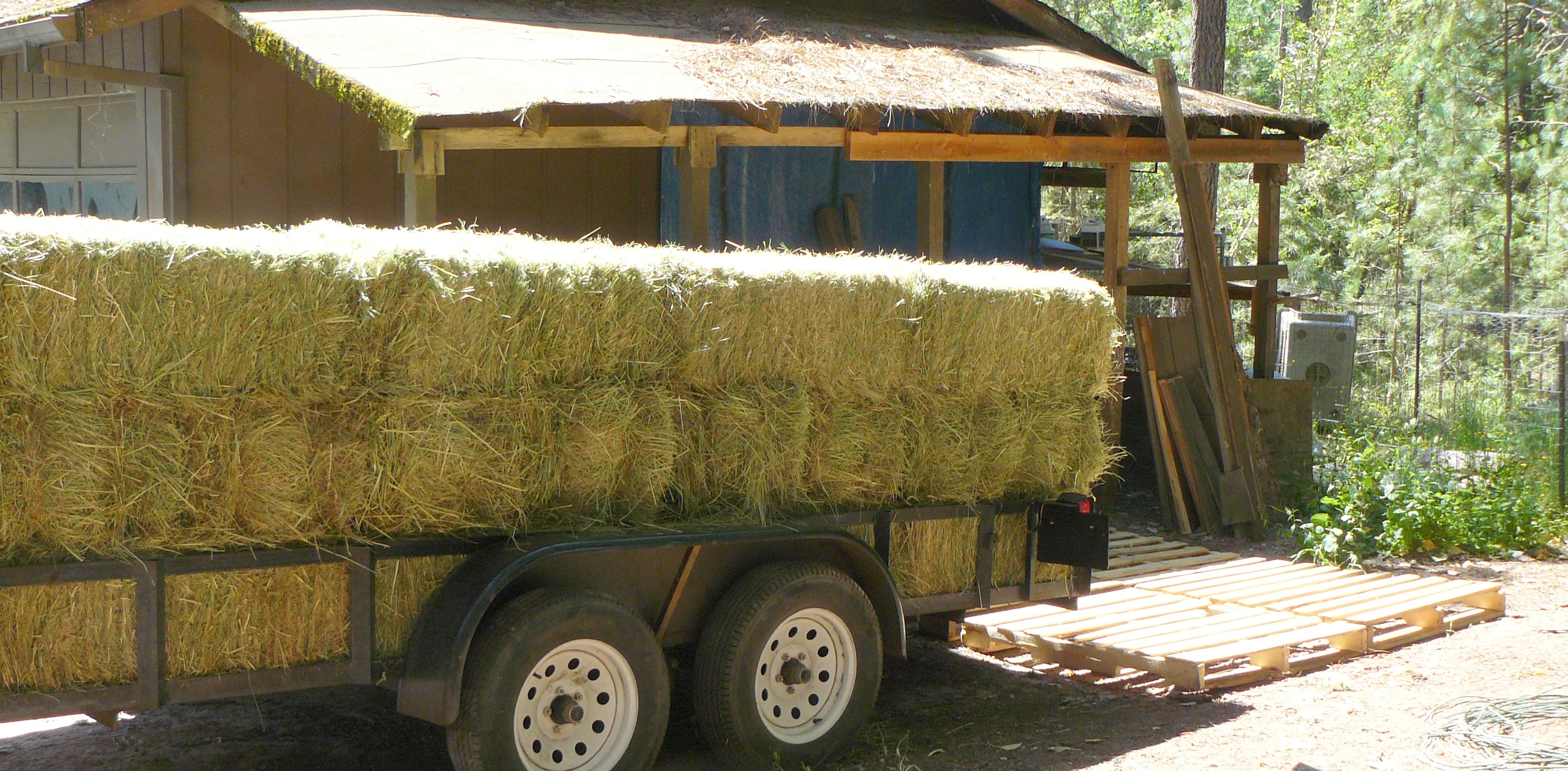
Anyway, once back home somehow Jean and I managed to unload and stack all 60 bales, by which time my creative juices were no longer to be found.
So apologies and see you tomorrow.
Don’t go!
We have good friends arriving today to spend a week with us and I knew time would be tight for long, introspective blog posts.
Then yesterday, around 2pm, we dropped everything to race up to a farmer at Wolf Creek, just a dozen miles North of us, to inspect some hay that was for sale. It was great quality and at $5 a bale the deal of the century. So by the time we had loaded up some bales onto the trailer and returned, unloaded them into the hay loft, organised a bigger trailer from neighbours Dordie and Bill, and I had recuperated under a shower, there was no time at all for today’s post.
I took the ‘executive’ decision to republish what was presented on Learning from Dogs four years ago, to the day. Trust this is fresh to the majority of you.
ooOOoo
Removing the fear of the unknown
by Jon Lavin.
I’ve been working with most of my clients recently through painful transformations brought about by the economic downturn.
An interesting metaphor really because since the first wave of uncertainty triggered panic, first noticed in the UK banking system, I have been picking up on that uncertainty that feels like it’s stalking the globe at the moment.
Interestingly, I, too, have been aware of an underlying fear that was difficult either to name or source.
It has been rather like a deep river in that whilst the surface feels slow moving, currents are flowing powerfully below.
So this ‘fear’ has caused a few household changes.
We are now the proud owners of 9 chickens. Our youngest son, Sami, and I have dug up the back lawn and planted vegetables and built a poly-tunnel.
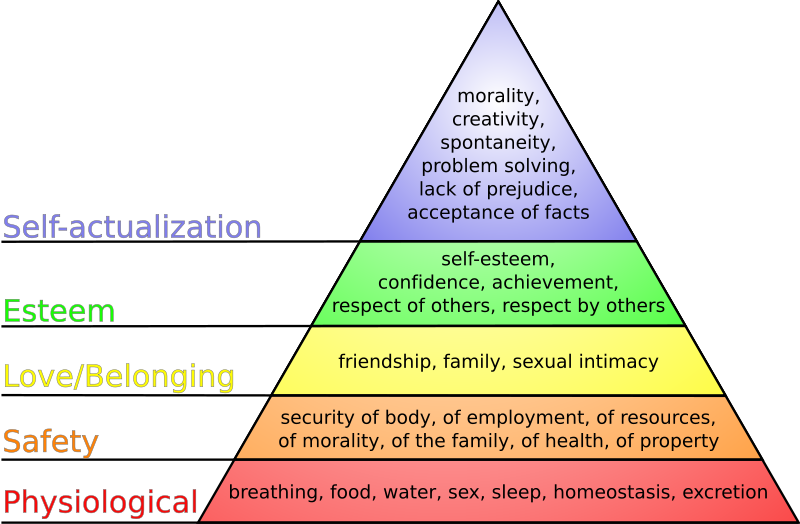
We have also installed a wood burning cooker. Right back down to the base of Maslow’s triangle really!
These feelings have brought about such change everywhere and I wonder seriously whether we will ever return to what was; indeed would we want to?
I might not have mentioned it in previous blogs but as well as an engineering background, in latter years, I have focused on how interpersonal success in business is linked directly to relationships, integrity and vitally, self-awareness.
To inform this, some 7 years ago, I embarked on an MA in Core Process Psychotherapy, primarily to work on myself so that I could be the best I could be in my relationships, in and out of work.
The point I’m trying to make is that the same panic I notice in many of the companies I work in, and in me, is based on fear of the unknown and on a lack of trust in all its forms. I’ve deliberately underlined that last phrase because it is so incredibly important.
The truth is that we get more of what we focus on.
So we can choose to focus on the constant news of more difficulties, hardship and redundancies, or we can focus on what is working.
In the workplace this positive focus has been pulling people together across functions and sites and pooling resources and ideas.

When we realise we’re not doing this alone it’s amazing how much lighter a load can feel and how much more inspired we can be.
I also notice how humour begins to flow and what a powerful antidote for doom and gloom that is.
Transformation is never easy but the rewards exceed the effort put in ten fold.
So what is it going to be? Are we all going to bow down to the god of Doom & Gloom, fear and anxiety, heaping more and more gifts around it, or are we going to start noticing and focusing on the other neglected god – that of relationship, joy, trust, abundance and lightness?
Whatever the future holds for us all a belief in our inherent ability to adapt and change and focus on the greater good rather than fear, anxiety, greed and selfishness is the only sustainable way forward.
ooOOoo
How quickly four years flow by!
How strange that, as far as the broader world is concerned, how little seems to have changed.
A range of ideas that elevate our understanding of dogs.
Last Thursday, I wrote the opening to what became a two-part essay. The essence of that first part was the conclusion by Marc Bekoff, Professor Emeritus of Ecology and Evolutionary Biology at the University of Colorado, Boulder, that, “Clearly dogs and many other animals can truly teach us about traits such as trust, friendship, forgiveness, love, and hope.”
You will recall that the reference to Marc Bekoff came from an article written by David Grimm (1) in The Washington Post. Let me refer back to that article:
In the wild, coyotes ostracize pack members that don’t play by the rules. Something similar happens in dog parks: If three dogs are playing and one bites or tackles too hard, the other two are likely to give him the cold shoulder and stop playing with him, Bekoff says. Such behavior, he says, suggests that dogs are capable of morality, a mind-set once thought to be uniquely human.
Even morality hints at something deeper, however. To enforce moral conduct, dogs must be able to experience a spectrum of emotions, from joy to indignation, guilt to jealousy. They must also be able to read these emotions in others, distinguishing accident from intent, honesty from deceit. And indeed, recent studies by other scientists have shown evidence of these abilities (confirming what many dog owners already feel about their pets).
Scientists have found, for example, that dogs trained to shake hands with humans will stop shaking if they notice that they aren’t being rewarded for the trick although a nearby dog is — a sign, the researchers suggested, that dogs can sense inequity.
Other studies have revealed that dogs yawn when they see humans yawning and that they nuzzle and lick people who are crying; scientists consider both behaviors displays of empathy, a rarely documented trait in the animal kingdom. Dogs have even been shown to be pessimistic: When a group of canines in one study learned that a bowl placed on one side of the room contained a treat and a bowl on the other side contained nothing, some of the dogs just sat there when the empty bowl was placed in the center of the room; they figured it was empty and didn’t waste their time. These same dogs evinced what researchers said was a similar pessimistic attitude when their masters left for work: They were more likely to howl and tear up the couch when their owner disappeared, possibly because they didn’t believe their master would return.
Most, if not all, dog owners would be very familiar with many of the behavioural traits that Marc Bekoff covers. Take this next aspect, for instance:
Bekoff’s recent work suggests another remarkable canine skill: the ability to know what another animal is thinking — a so-called “theory of mind.”
Dogs seem to display a rudimentary form of this skill during play. He has noticed, for example, that one dog won’t begin trying to play with another dog until he has her attention. To get her to notice, he may nip the other dog or run into her field of view. That, Bekoff says, shows that the one wanting to play knows that she’s not paying attention to him. Though this may seem like a simple skill, it’s incredibly important to our species. Without it, we can have a hard time learning or interacting with the world around us.
From the above, it was but a short step, in web-search terms, to discover the Duke Canine Cognition Center at Duke University.

Duke Canine Cognition Center
The Duke Canine Cognition Center (DCCC) is dedicated to the study of dog psychology. Our goal is to understand the flexibility and limitations of dog cognition. In doing so, we gain a window into the mind of animals as well as the evolution of our own species. We can also apply our knowledge of dog cognition to improving programs in which dogs are bred and trained to help humans (i.e. service dogs for the disabled, etc.).
We study dog cognition by inviting dog owners living in the vicinity of Duke University (Raleigh-Durham-Chapel Hill) to volunteer their pet dog(s) to play fun problem solving games where they can win treats (food or toys). The Duke Canine Cognition Center has the highest acceptance rate and cheapest tuition at Duke! So join hundreds of others and sign up today so that your dog can help us gain an even better understanding of our very best friends.
Then from there, the discovery of Brian Hare:
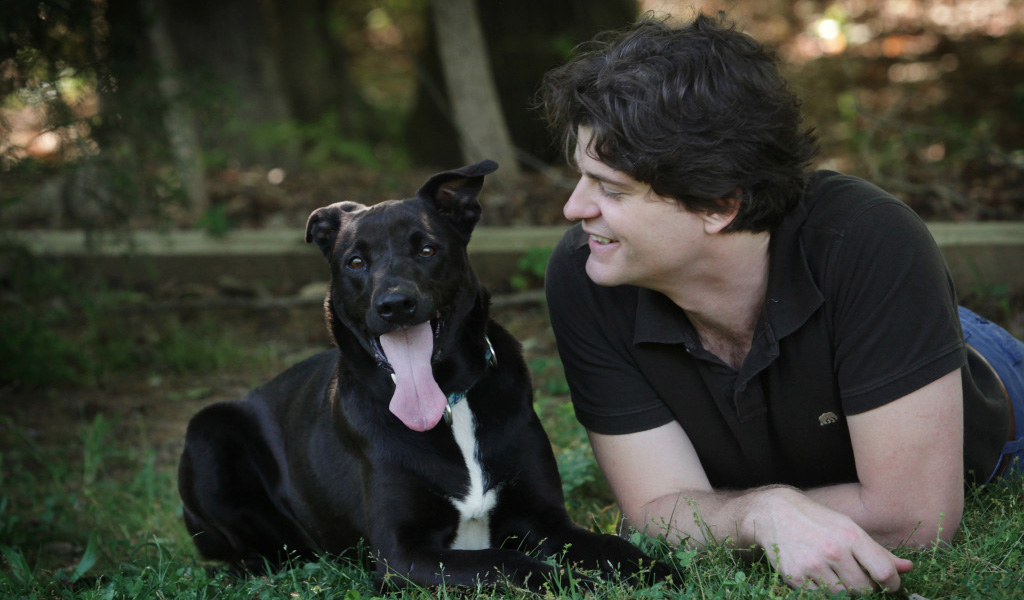
Brian Hare is the director of the above Duke Canine Cognition Center, the co-author of The Genius of Dogs, and co-founder of Dognition.
So will leave it there for today but all this clearly offers us much to browse and learn about our truly best friend!
Reference:
1. David Grimm is a deputy news editor at Science and the author of the new book “Citizen Canine: Our Evolving Relationship With Cats and Dogs.”
 Learning from Dogs