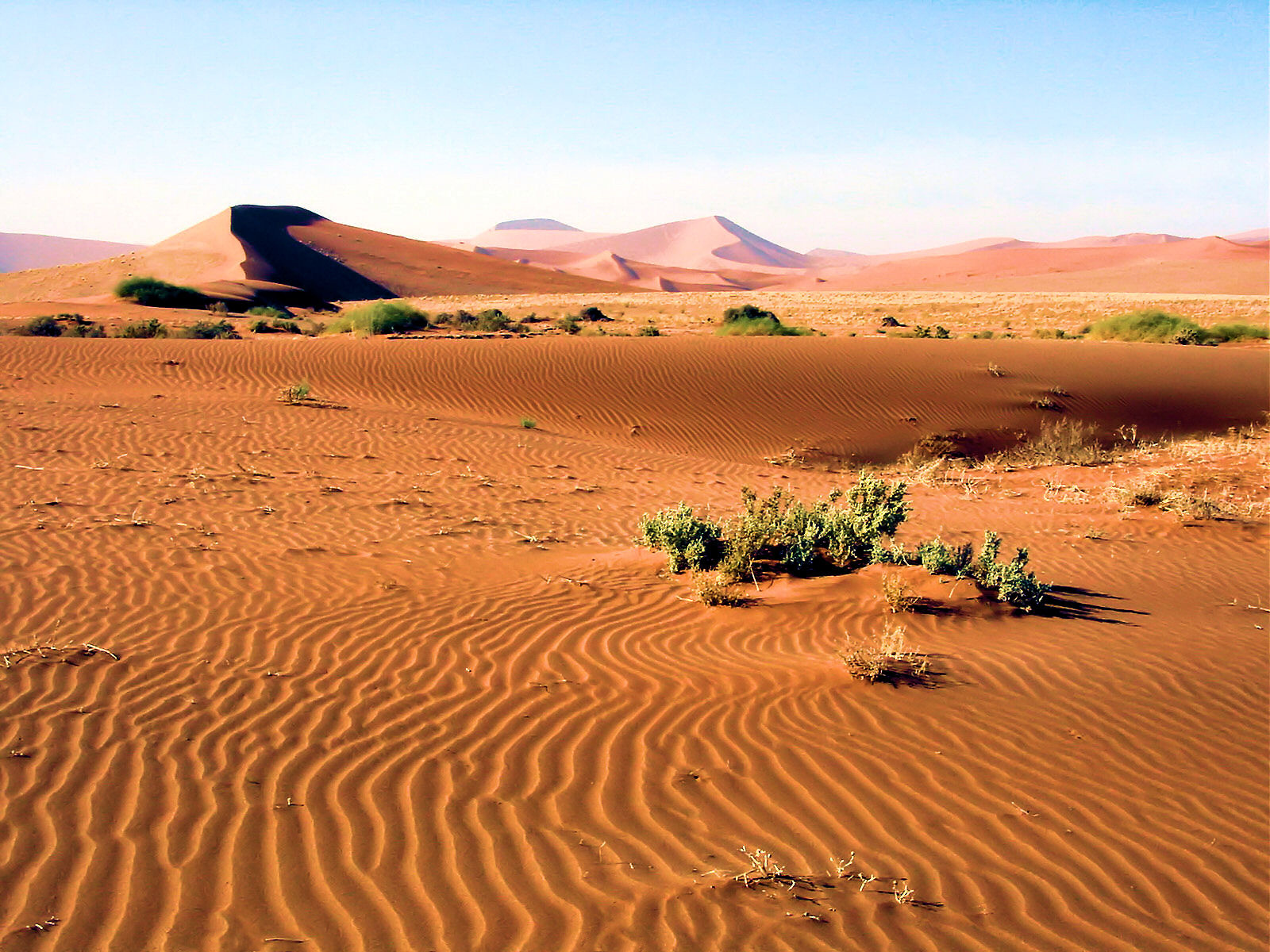
“Lives of great men all remind us, we can make our lives sublime, and, departing, leave behind us, footprints on the sands of time.” Longfellow.
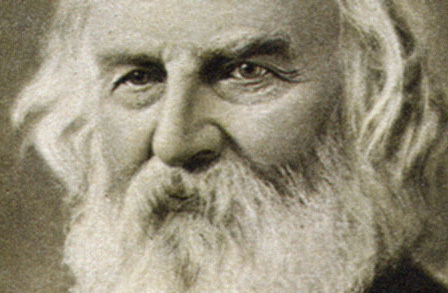
Longfellow has been dead for 130 years, as of last March, but of his many wonderful words that have stayed with us over the last century and more, these must be some of the more familiar. (Or am I showing my appalling lack of literary knowledge?)
Following on from yesterday’s post about the scary mathematics of climate change, this really is the ONE thing that we have to learn from dogs; from nature. If we don’t live in harmony with our planet pretty damn soon, then this particular civilisation is not far from extinction. Let me remind you of a key paragraph from yesterday,
It’s simple math: we can burn 565 more gigatons of carbon and stay below 2°C of warming — anything more than that risks catastrophe for life on earth. The only problem? Fossil fuel corporations now have 2,795 gigatons in their reserves, five times the safe amount. And they’re planning to burn it all — unless we rise up to stop them.
Ergo, we do not have endless time available to us!
Otherwise the footprints left on those sands of time will be nothing more than the next civilisation pondering from time to time why those Atlantacists that sunk beneath the waves were unable to do anything to save their world!
If you think I’m being a tad excitable, then see what Rob Hopkins wrote recently over at Transition Culture.
New Economics Foundation’s ’100 Months’ campaign today reaches its midway point. It was launched in August 2008 based on the understanding that the time that remains to us to avoid the likelihood of runaway climate change is limited, and based on the science at the time, there was a closing window of opportunity to do something meaningful about it.
Then adding,
“The question here is “what should we do differently?” The answer is “pretty much just about everything”. Nationally and internationally, while the scale and pace of climate change are accelerating, meaningful responses are dwindling. Part of our collective paralysis comes from the fact that we struggle to imagine a world with less energy, less consumerism, less annual GDP growth. What will it look like, sound like, feel like? Does it inevitably mean that you should start seeking out your cave on Dartmoor [Devon in South-West England, PH] as we speak, and developing a taste for slugs? Of course not.
Shortly before the 100 Months campaign began, I was part of initiating an experiment to see what a self-organised response to climate change might look like, one based on rebuilding community, on the belief that what is needed is people, everywhere, making their communities happier, healthier, lower-carbon, and more resilient, in a huge variety of ways.
Rob Hopkins was also asked to write a piece for the UK’s Guardian Newspaper in recognition that we are half-way through that 100-month campaign. Here’s how Rob concluded that piece,
Transition Bath set up an energy company which has raised £250,000 in shares from local people. Transition town Totnes’ Transition Streets programme has enabled almost 700 local householders to reduce their carbon emissions while rediscovering a sense of community on their streets. Bristol soon sees the launch of the Bristol Pound, the UK’s first citywide transition complementary currency. Transition Brixton’s Brixton Energy is installing community-owned renewables supported by local people. Check out transitionnetwork.org to get a sense of the amazing projects under way.
At its core, this is about the belief that our best way forward is for communities to build local resilience in order to be able to better face the shocks of the present and the uncertainties of the future, from economic crisis to climate change, seeing increased community resilience as economic development. It’s a process of plugging the leaks in our local economies, seeing every leak as a potential new business, new livelihood, new apprenticeship opportunity.
Of course we need government responses, and international responses, but all of those will struggle without a vibrant bottom-up movement of ordinary people showing what’s possible and how thrilled they are by those possibilities. So although the answer is “pretty much just about everything”, I would argue that seeing this as a once-in-a-lifetime opportunity for entrepreneurship, vision and action is where our successful navigation of the next 50 months lies.
Think about it! What are you doing today?

 Learning from Dogs