Tag: Navajo

Where water runs through rock!

A delightful coincidence to last Saturday’s post.

Last Saturday, I published a post under the title of Slotting right in!  It was an introduction to ten of the most beautiful slot canyons featured on Mother Nature Network.

Then less than a day later, Rob from Transition Town Payson, sent me a link to the following essay.  Regulars will recall that Jean and I lived in Payson for a while before moving to Oregon; indeed were married in Payson.

ooOOoo

The Place Where Water Runs Through Rock

Antelope Canyon located in Northern Arizona is well known around the world!
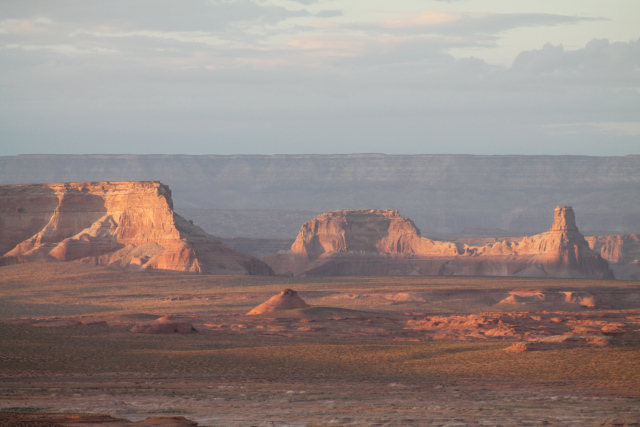
Antelope Canyon lies just outside of Page, Arizona.

Just outside of Page, Arizona lies Antelope Canyon. Located on the Navajo Indian Reservation. The Dine (The People as the Navajos call themselves), manage the use of the canyon as a Navajo Nation National Park. Antelope Canyon is broken into two sections, Upper Antelope is known as Tse bighanilini which means “The place where water runs through rocks” (aka The Crack), and lower Antelope Canyon is Hasdestwazi or “spiral rock arches” (aka The Corkscrew). Both of these canyons are an awesome display of natural forces at work. Carved by flash floods that are common to the area, this Navajo National Park has been accessible only by Navajo Permits since 1997. The permit system came after 11 tourists from around the world were killed by a flash flood in Lower Antelope Canyon!

For more information on these Canyons go to the following links;

http://navajonationparks.org/

http://en.wikipedia.org/wiki/Antelope_Canyon

Navajo is a Descriptive Language

The Navajo language is very descriptive and their words often describe things that they see in the natural world. Hence the name for Upper Antelope Canyon “The Place Where Water Runs Through Rocks”. The language was one that was used by a few heroic Navajo veterans to help win World War II. For example, a Battleship was translated into the Navajo word Lo-Tso which means “Whale”, while a Cruiser was Lo-Tso-Yazzie which meant “Small Whale”.

See the following link for the dictionary they used;

http://www.history.navy.mil/faqs/faq61-4.htm

The use of Code Talkers was kept secret for many years!

The Code Talkers were kept secret for 23 years after the end of WWII. President Ronald Reagan gave them a Certificate of Recognition and made August 14, 1982, National Code Talkers Day. On December 21, 2000, President Bill Clinton awarded the surviving Code Talkers Congressional Gold Medals and Silver Medals to the approximate 329 surviving heroes.

http://www.navajocodetalkers.org/
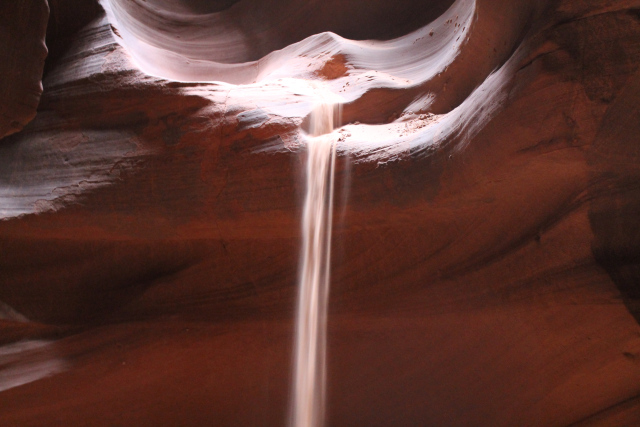
Where Water Enters Upper Antelope Canyon.

oooo

The Canyon is 140 feet deep at it’s deepest point!

oooo

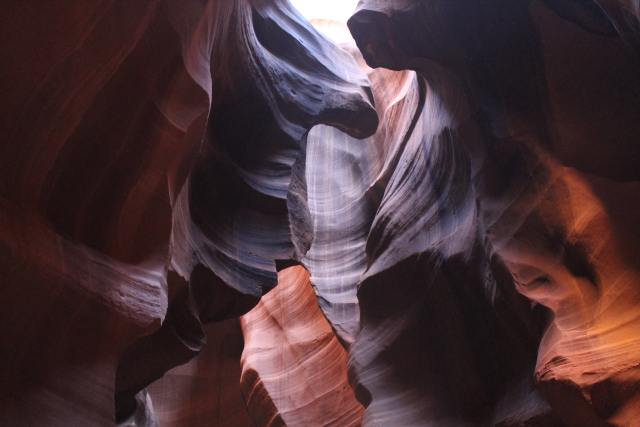
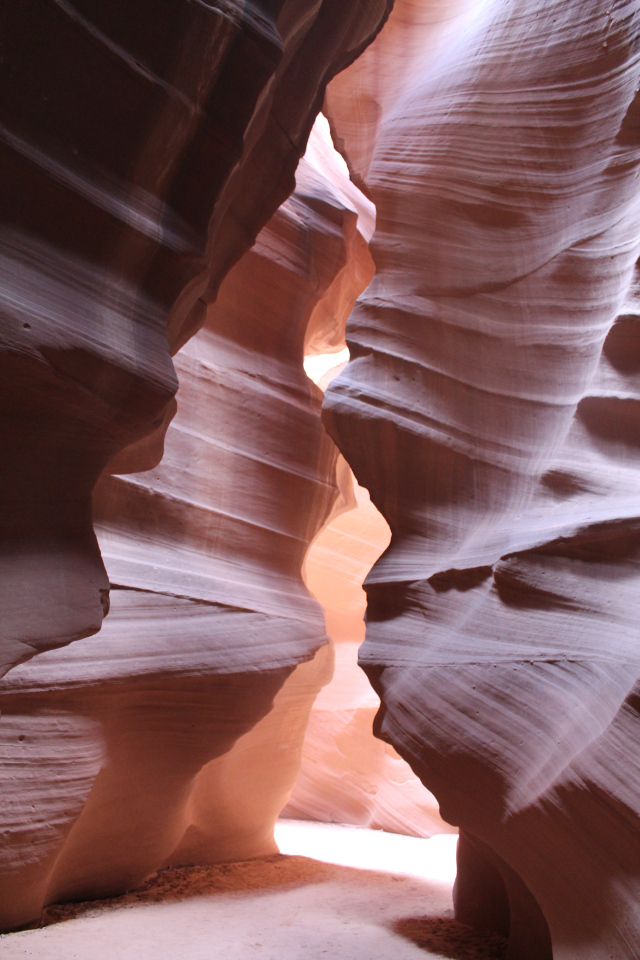
The Sandstone Walls are Cut into Mysterious Shapes.

oooo

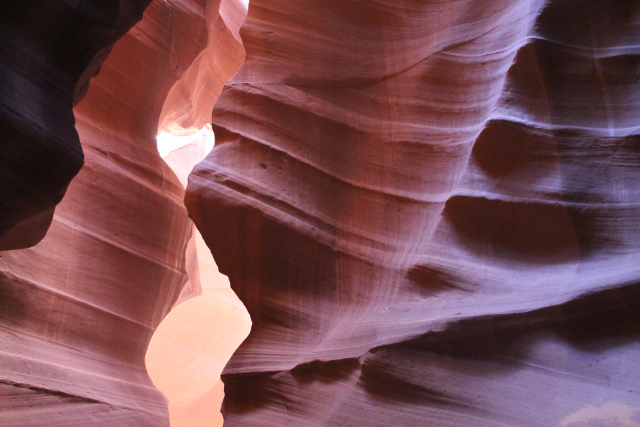
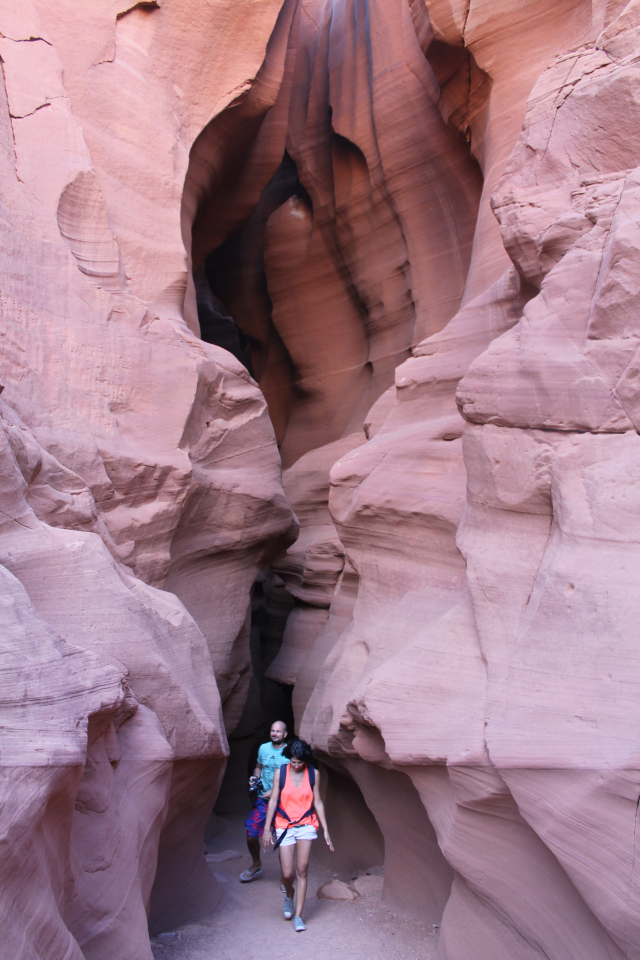
The Canyon is so Narrow in places only two people can walk side by side.

oooo

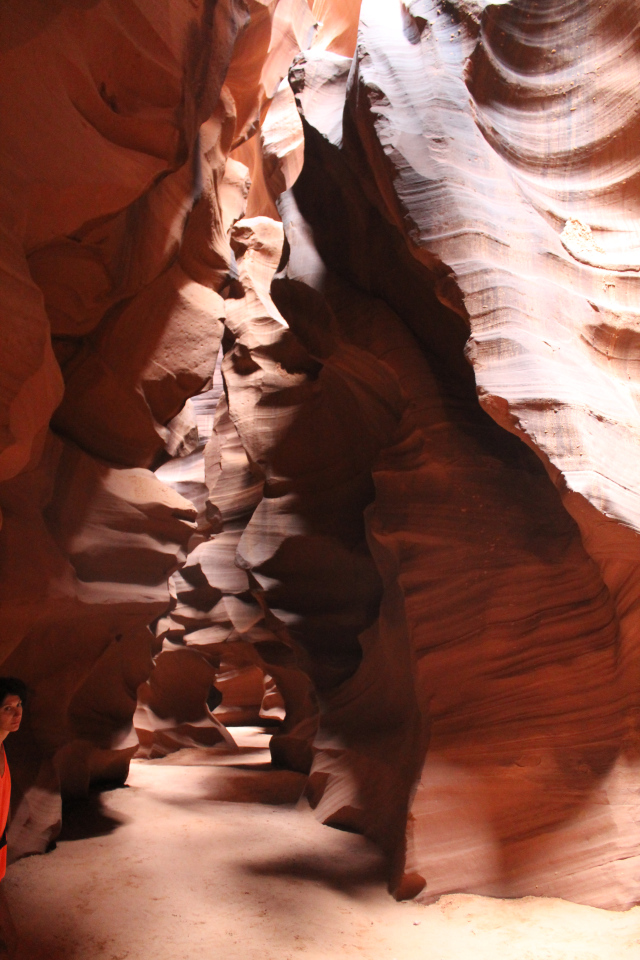
The Heart of the Canyon.

oooo

The Sands of Time.
The Sands of Time.

oooo

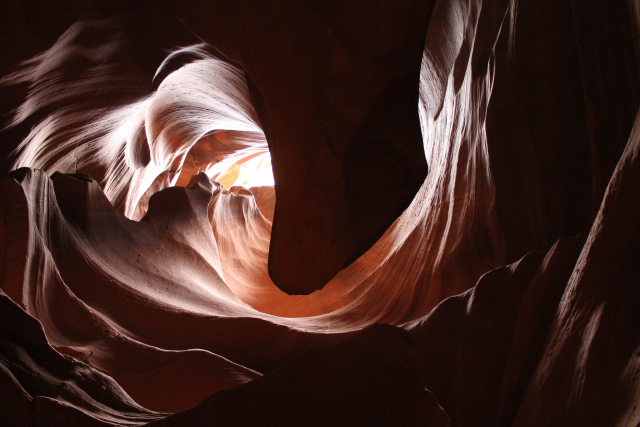
Sunlight lights the exit.

ooOOoo

Just a magnificent set of pictures.  If you ever find yourself in Northern Arizona then don’t hesitate to visit the canyon.  The address is: Antelope Canyon, 5975 Hwy 98, Page, AZ 86040.

Thanks Rob!

And more on silence

Trying silence out.

Jon’s post yesterday about how silence in more general terms is so important for good mental health got me musing about this.

The first thing that struck me was how good dogs are at doing nothing.  They are naturals at being in the present, especially when being in the present means nothing more than just laying around.

Just doing - nothing!

OK, one could come up with an intellectual rebuff of that.  Dogs aren’t humans, don’t have to go to work, don’t have to struggle to make one’s way in the world, etc., etc. No argument in that, is there.  Or is there?

Let’s take monks. Clearly being a monk is a spiritual vocation that appeals to a very small number of people. But they prove that the ‘work, rush around, struggle with life’ scene is NOT hard-wired into mankind, ultimately it is a choice.

Just read this about a day in the life of a monk at Downside Abbey. Don’t react to what you read, just go through the text and notice how frequently words of silence, faith, reflection and prayer come up.

Now I am not suggesting that we all give up our present daily lives and become monks, but I am underlining the importance of balance, and for the sake of our private and public worlds that probably means spending more time doing nothing!

Let’s take North American Indians, in this case the Navajo.  They too understood the huge importance of meditation and prayer.  This video is just 3:40 long – see if you have the stillness in your mind to watch and listen to this for these few, short minutes.

How did you do?

Now let’s go back to 1966, the year when Simon & Garfunkel released the song, words written by Paul Simon, The Sound of Silence, that later became a huge, global hit.  Here are the lyrics – read them slowly and reflect on the meaning in those words.

The Sound Of Silence (3:08)
P. Simon, 1964

Hello darkness, my old friend
I’ve come to talk with you again
Because a vision softly creeping
Left its seeds while I was sleeping
And the vision that was planted in my brain
Still remains
Within the sound of silence

In restless dreams I walked alone
Narrow streets of cobblestone
‘Neath the halo of a street lamp
I turn my collar to the cold and damp
When my eyes were stabbed by the flash of a neon light
That split the night
And touched the sound of silence

And in the naked light I saw
Ten thousand people maybe more
People talking without speaking
People hearing without listening
People writing songs that voices never shared
No one dared
Disturb the sound of silence

“Fools,” said I, “you do not know
Silence like a cancer grows
Hear my words that I might teach you
Take my arms that I might reach you”
But my words like silent raindrops fell
And echoed in the wells of silence

And the people bowed and prayed
To the neon god they made
And the sign flashed out its warning
In the words that it was forming
And the sign said “The words of the prophets are written on the subway walls
And tenement halls
And whispered in the sound of silence

For your sake, and therefore for the sake of all those around you – find your silence.