What with spending too much time getting the new Apple set up, plus other domestic demands, I ran out of time to write a post for today.
Dan Gomez recently forwarded me an email that contained an amazing collection of historical photographs.
So going to leave you with these.
Black physicians treating in the ER a member of the Klu Klux Klan.
oooo
Recording the MGM Lion.
oooo
Charlie Chaplin meets Hellen Keller.
oooo
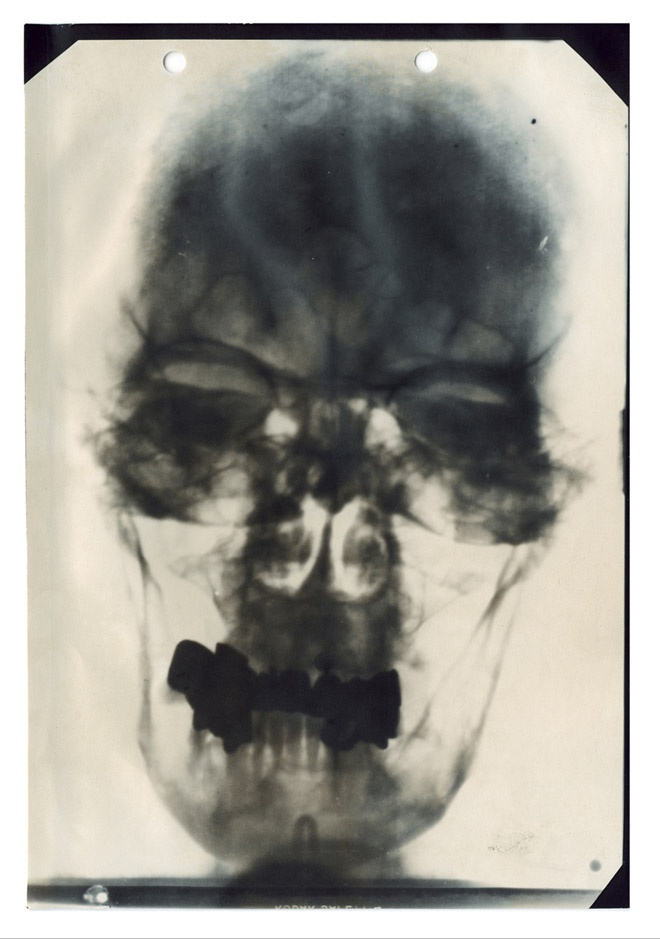
This is one of five known X-rays of Hitler’s head, part of his medical records compiled by American military intelligence after the German’s surrendered and declassified in 1958. The records also include doctor’s reports, diagrams of his teeth and nose and electrocardiograms. He had bad teeth, lots of fillings and crowns.
oooo
Market Street, San Francisco after the earthquake, 1906.
oooo
Leather gloves worn by Lincoln to Ford’s Theater on the night of his assassination. Blood stains are visible at the cuffs.
oooo
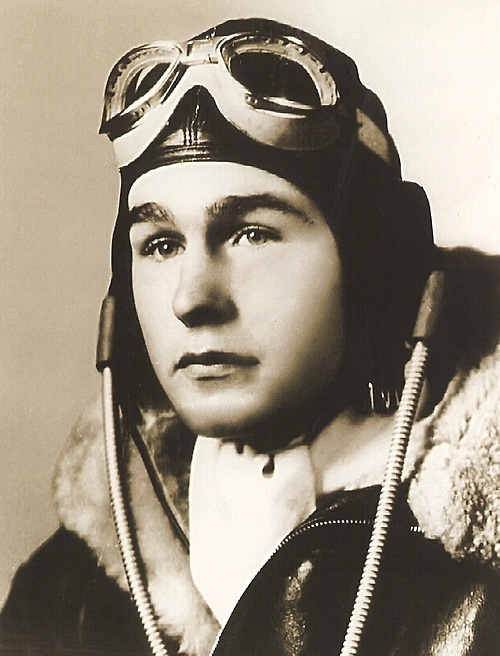
Three days before his 19th birthday, George H.W. Bush became the youngest aviator in the US Navy.
oooo
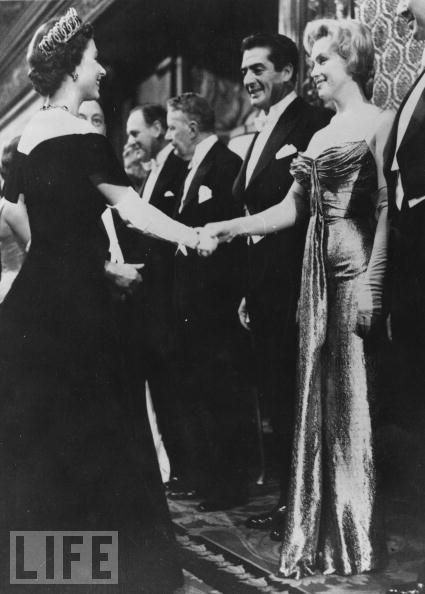
Marilyn Monroe meets Queen Elizabeth II, London, 1956 Both women are 30 years old. (And yours truly was 12!)
oooo
Sergeant Stubby (1916 or 1917 – April 4, 1926), was the most decorated war dog of World War I and the only dog to be promoted to sergeant through combat. America’s first war dog, Stubby, served 18 months ‘over there’ and participated in seventeen battles on the Western Front. He saved his regiment from surprise mustard gas attacks, found and comforted the wounded, and even once caught a German spy by the seat of his pants (holding him there until American Soldiers found him).
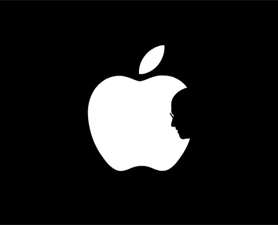
Regular readers of Learning from Dogs know that my pattern is to write a single article each day with a focus on something light and airy over the week-end. But I’m making an exception this Sunday, for two reasons. The first was that I spent a couple of hours yesterday catching up on this week’s The Economist and especially liked the tribute to Steve Jobs; a small extract is below with a link to the full article. The second reason was that friend, Neil K. in South Devon, sent me a lovely graphical tribute that I wanted so much to share with you.
So, first to The Economist article,
Steve Jobs
The magician
The revolution that Steve Jobs led is only just beginning
Oct 8th 2011 | from the print edition
Steve Jobs
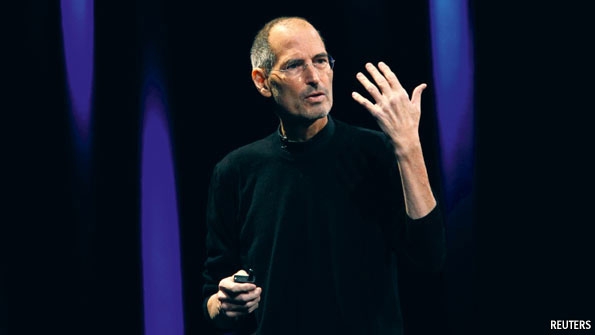
WHEN it came to putting on a show, nobody else in the computer industry, or any other industry for that matter, could match Steve Jobs. His product launches, at which he would stand alone on a black stage and conjure up an “incredible” new electronic gadget in front of an awed crowd, were the performances of a master showman. All computers do is fetch and shuffle numbers, he once explained, but do it fast enough and “the results appear to be magic”. Mr Jobs, who died this week aged 56, spent his life packaging that magic into elegantly designed, easy-to-use products.
Read the full article on The Economist website. The article finishes, thus,
Mr Jobs was said by an engineer in the early years of Apple to emit a “reality distortion field”, such were his powers of persuasion. But in the end he conjured up a reality of his own, channelling the magic of computing into products that reshaped entire industries. The man who said in his youth that he wanted to “put a ding in the universe” did just that.





 Learning from Dogs