Tag: Alicia Graef

Little by little!

It takes so little good news to uplift one’s heart!

For reasons I can’t readily put my finger on it’s been feeling like a bit of a struggle recently. But that’s enough of that! For our gorgeous dogs have yet another lesson for me: How little it takes for a dog to wag it’s tail!

I so frequently share stuff that I read over on the Care 2 site and why not because as the home page declares:

40,107,687 members: the world’s largest community for good

Just three days ago there was a wonderful article shared on the Care 2 site about some dogs being rescued from a so-called backyard breeder. Better than that, it highlighted the wonderful consequence of a donation from George and Amal Clooney.

Here’s the story.

ooOOoo

9 Dogs Successfully Rescued From Backyard Breeder Thanks to George and Amal Clooney
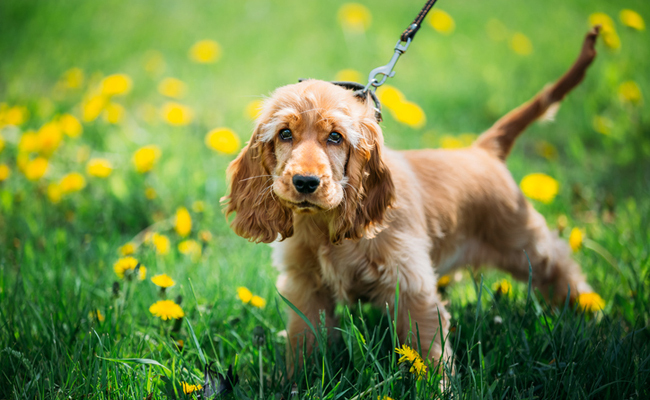
By: Alicia Graef May 5, 2017

About Alicia Follow Alicia at @care2

Nine lucky dogs have just had their world turned upside down in the best way possible.

Camp Cocker Rescue, based in California, just took in the “Mojave 9″ who were being kept by a backyard breeder. They’ll be getting all the love and veterinary care they desperately need thanks to a generous donation made by George and Amal Clooney.

The nine dogs have had little human contact, and are all in need of extensive veterinary treatment for health issues ranging from mammary tumors and dental disease to skin and ear infections to ingrown toenails. The organization relies on donations, and expenses for this rescue operation were quickly rising.

“We literally didn’t know how we were even going to begin to start paying for all of these new dogs that we took in on the same day,” Camp Cocker’s founder Cathy Stanley told PEOPLE.

Now, the organization is celebrating a generous and unexpected donation of $10,000 made by George and Amal Clooney, who are parents to two adopted cocker spaniels from Camp Cocker — Einstein and Louie.

Their donation is going to help cover the cost of care for these dogs, who have never been to a vet. The Clooney’s will also be matching donations up to $10,000 for the rest of May.

“After we all did happy dances and cried with happiness for this unbelievable matching donation offer – we then asked the donors if (and only if they gave us their permission) . . . if we could reveal their names to our supporters in order to help us reach our big goal this month. They were so very gracious to give us permission to reveal their names,” Camp Cocker wrote in an update.

While this was a huge boost for them, Camp Cocker is quick to point out that no donation is too small to help.

“We have a philosophy where we want to be very inclusive of all of our supporters and it’s important to us that no matter how small of a donation, every person feels like their donation is meaningful and that we appreciate them,” Stanley added.

Hopefully news about the Mojave 9 and the attention it’s getting will help raise awareness about rescue and inspire more people to get involved … and will help find each of these precious dogs their perfect forever home.

For more on how to help, and info on how to adopt one of these dogs, check out Camp Cocker Rescue and follow updates on Facebook.

Photo credit: Thinkstock

ooOOoo

Here’s the video that accompanied that story.

And there’s only one way to close.

By thanking George and Amal for their wonderful generosity and their love for ex-rescue dogs!

Thanks, you two!

So little good news makes such a huge positive difference!
Reflections on Father’s Day.

Not exclusively the domain of the male human species!

As most of you know yesterday was Father’s Day. But offering memorial pictures of our recently deceased Hazel was far more important.

Nonetheless, I had seen an item published over on the Care2 site that I wanted to share with you. Namely, that amazing dads are also a feature of the animal kingdom. Granted, not all animals but nevertheless of sufficient importance to attract the attention of The Smithsonian. Or in their words:

Most mammal dads wouldn’t exactly win the “Best Father of the Year” award.

 Engaged fathers—those who care for their offspring or bring home the bacon so their female mates can focus on childcare—are present in only about 10 percent of mammal species. But for the rare few who do stick around, the rewards can be myriad: new research finds that parenting efforts pay big dividends for offspring and mates alike. Stay-at-home dads appear to boost reproductive success among their mates by enabling them to breed more frequently and produce larger litters, according to a study published this week in the journal Nature Communications.

Read the full story here.
Back to that Care2 article. It was published last Saturday and is happily shared with you all.

ooOOoo

10 Amazing Dads From the Animal Kingdom

3095002.largeBy: Alicia Graef June 18, 2016

About Alicia Follow Alicia at @care2causes

Editor’s note: This post is a Care2 favorite, back by popular demand. It was originally posted on June 14, 2014. Enjoy!

Not all non-human animal dads are cut out for family life, but there are a number of species who have become known for their role as fathers who deserve a salute, from giant water bugs who carry dozens of eggs on their backs to males who actually get pregnant and dads who operate solo as single parents. This Father’s Day, it’s time to celebrate some of the amazing dads from the animal kingdom who go above and beyond when it comes raising and protecting their young.

Red Fox

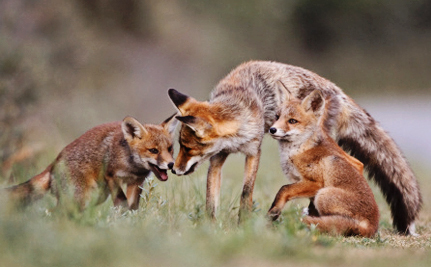
Male red foxes aren’t just loving mates, but excited and protective fathers. They take on the task of providing food for their mates every few hours for about a month after she gives birth. Then they take on the role of teacher – but teachers who like to take time out to play. Even when it’s time to get serious and teach their young how to start finding their own food, fox dads help them out and make sure they don’t really go hungry by hiding it near their dens.

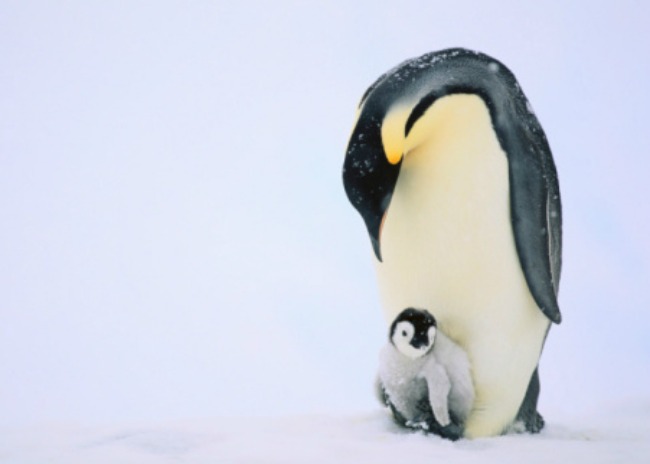
3095002.largeEmperor Penguin

After females lay a single precious egg, Emperor penguin dads take over the responsibility of incubating it by balancing it precariously on their feet and keeping it warm under their feathers in the frigid Antarctic weather while mothers go off to feed. Dads can go for about two months without eating until the egg hatches, at which point he will feed it before mother’s return to give them a break from baby-duty.

Emperor Penguin Protecting Offspring from the Cold

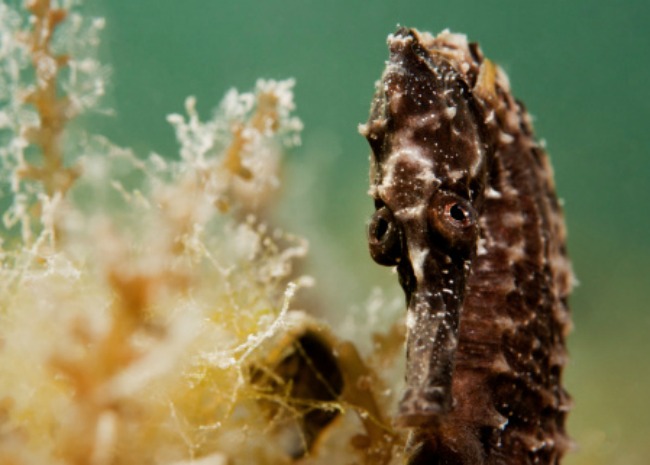
Sea Horse

Seahorses, who are also known to mate for life, have reverse roles; the females compete for males, and the males don’t just play a role in pregnancy, but actually get pregnant. Females deposit their eggs in the male’s pouch, where he fertilizes and carries them until tiny baby seahorses emerge fully developed. According to Science Daily, the process of male pregnancy is unique to the fish family Syngnathidae, which also includes pipefish and sea dragons.

Black seahorse among seaweed

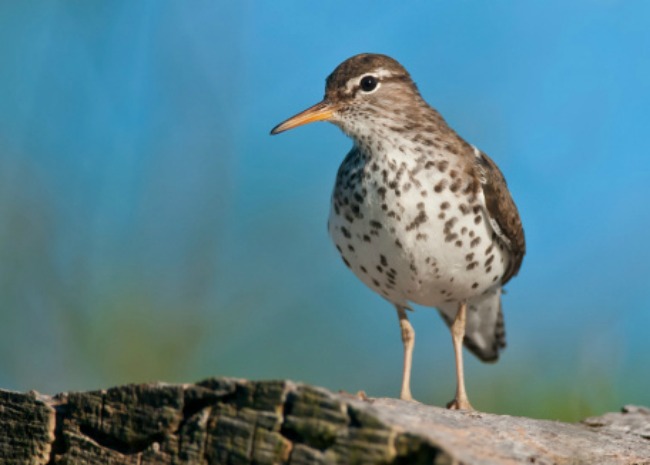
Spotted Sandpiper

It doesn’t happen every time, but sandpipers have been found to reverse roles where female sandpipers establish and defend territory, while taking on multiple male partners. After luring a male to mate with and laying her eggs, she takes off to find another mate. Dad meanwhile stays to incubate the eggs and becomes the primary caregiver for the young for the first few weeks of their lives.

Spotted Sandpiper
Spotted Sandpiper

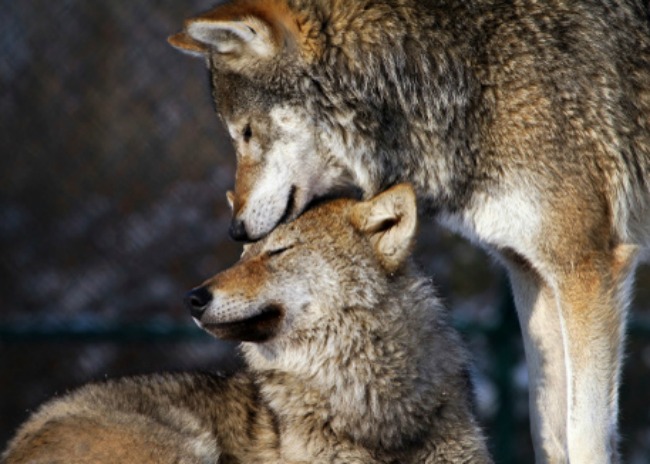
Gray Wolf

Despite the myths surrounding wolves that make them out to be villains, alpha male are loving, loyal and protective mates, fathers and leaders. Also known to mate for life, males who breed will guard their partners and pups while they’re in the den and take on the responsibility of finding everyone food. Even as pups grow older, dads will take on the role of teacher, helping them learn their role in the pack and the world.

mother and son
Mother and son

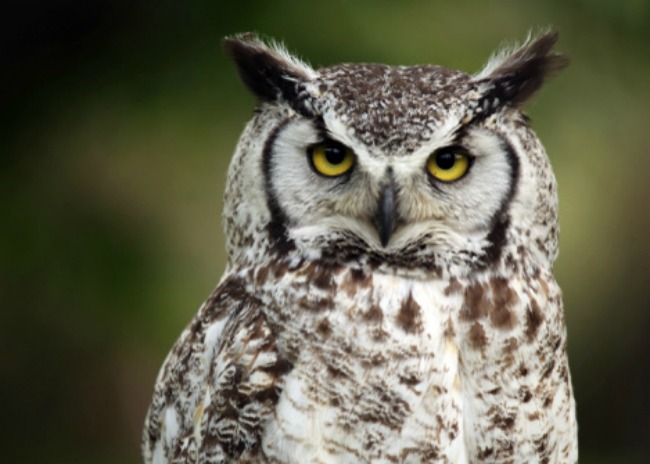
Great Horned Owl

Great horned owl dads are the stereotypical breadwinners in their families. After finding the perfect home with their mates, male great horned owls take on the role of provider by hunting enough to feed himself and his mate, who is bigger than he is, before taking on the added responsibility of hunting for their young when they hatch.

Grumpy Owl
Grumpy Owl

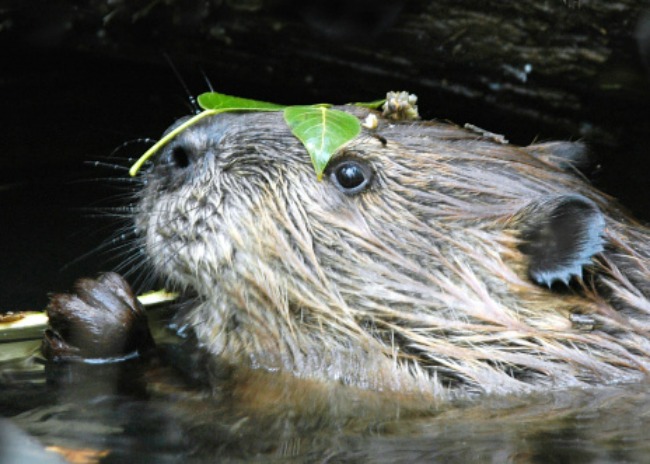
North American Beaver

Beaver dads are devoted family men, handymen and providers in the animal world. They mate for life and take on a co-parenting role in raising their young until they’re about 2-years-old, while helping care for them and teaching them how to become successful ecosystem engineers before they go off and start families of their own.

In 2012, a beaver in Martinez, Calif., known as “Dad” raised fears about what would happen to his young after his mate died from an infection, but he showed us he could do it all as a single father of three.

Beaver Wearing Leaf
Beaver Wearing Leaf

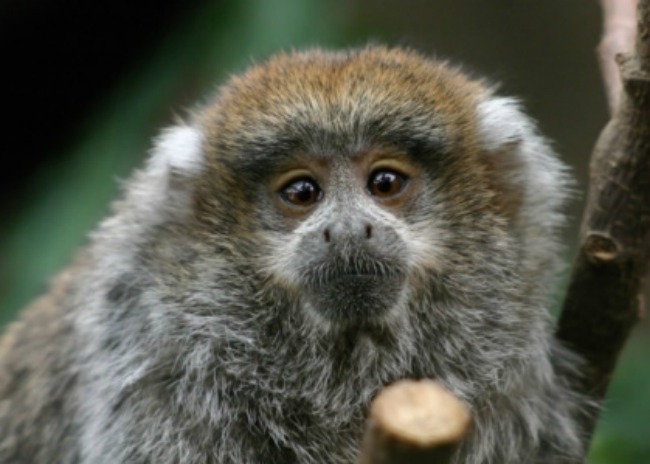
Titi Monkey

Male titi monkeys, who are known for monogamous relationships, are also known for the strong bond they build with their young as primary caregivers. Except for time spent with mom nursing, babies spend the rest of their time being carried around, cared for and protected by their fathers for the first few months of their lives.

Titi Monkey
Titi Monkey

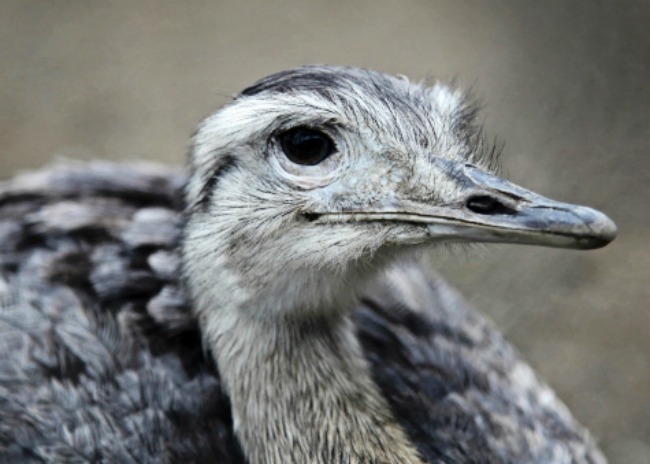
Rhea

As members of a polygamous species, male rheas have a lot of partners, but when it comes to child-rearing these dads pull their weight and then some. Males can have up to a dozen or so female partners who all lay eggs in a nest he builds before they leave. Males then take on the role of incubating and guarding what can be more than 50 eggs for close to two months before taking on the role of a single parent after they hatch. Males have also been known to adopt orphaned chicks who have been separated from their brood.

Nandu Greater Rhea
Nandu Greater Rhea

Darwin’s Frog

Darwin’s frog dads, who are native to South America, have come up with a neat and bizarre way to protect their offspring from predators. While they breed like other amphibians, where females lay eggs in the water that are fertilized by males, the males of this species take the fertilized eggs into their mouths, store them in their vocal sacs and keep them there until they’re fully developed frogs — at which point he throws them up.

Photo credit: Thinkstock

ooOOoo

So tomorrow is June 21st or Mid-Summer’s Day.

Except that the precise moment of the Summer Solstice is later today or Monday, June 20, 2016 at 3:34 PM PDT to be exact. In universal time (UTC) that is Monday, June 20, 2016 at 22:34 UTC.

However, it is a rather special solstice and all will be explained in tomorrow’s post, albeit a little under nine hours after the event!

See you tomorrow!