We lost power for all the afternoon yesterday.
That plus my daughter and family arriving this weekend means that there is no post for today, and I am not sure when I will be next online.
In the interim you all stay safe and happy!
Dogs are animals of integrity. We have much to learn from them.
We lost power for all the afternoon yesterday.
That plus my daughter and family arriving this weekend means that there is no post for today, and I am not sure when I will be next online.
In the interim you all stay safe and happy!
An essay from The Conversation aimed at our youngsters but highly relevant to us all!
I sense we are living in very strange times. As an extract from recent essay from George Monbiot said:
Above all, our ability to adapt to massive change depends on what practitioners call “metacognition” and “meta-skills”. Metacognition means thinking about thinking. In a brilliant essay for the Journal of Academic Perspectives, Natasha Robson argues that while metacognition is implicit in current teaching – “show your working”, “justify your arguments” – it should be explicit and sustained. Schoolchildren should be taught to understand how thinking works, from neuroscience to cultural conditioning; how to observe and interrogate their thought processes; and how and why they might become vulnerable to disinformation and exploitation. Self-awareness could turn out to be the most important topic of all.
Thinking about Thinking
That is why I want to share a recent post from The Conversation with you.
ooOOoo
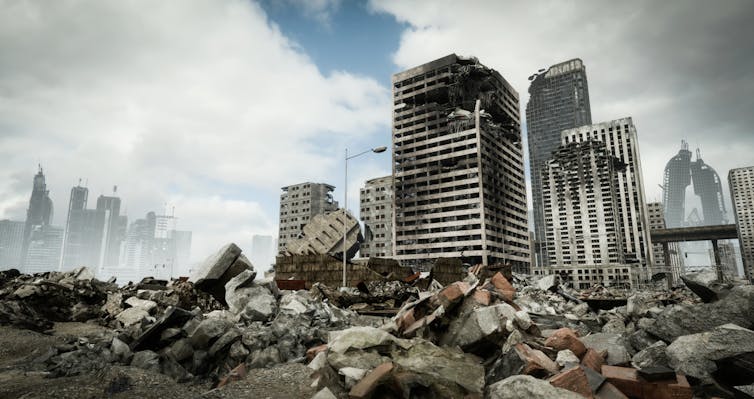
Carlton Basmajian, Iowa State University
If humans went extinct, what would the Earth look like one year later? – Essie, age 11, Michigan
Have you ever wondered what the world would be like if everyone suddenly disappeared?
What would happen to all our stuff? What would happen to our houses, our schools, our neighborhoods, our cities? Who would feed the dog? Who would cut the grass? Although it’s a common theme in movies, TV shows and books, the end of humanity is still a strange thing to think about.
But as an associate professor of urban design – that is, someone who helps towns and cities plan what their communities will look like – it’s sometimes my job to think about prospects like this.
If humans just disappeared from the world, and you could come back to Earth to see what had happened one year later, the first thing you’d notice wouldn’t be with your eyes.
It would be with your ears.
The world would be quiet. And you would realize how much noise people make. Our buildings are noisy. Our cars are noisy. Our sky is noisy. All of that noise would stop.
You’d notice the weather. After a year without people, the sky would be bluer, the air clearer. The wind and the rain would scrub clean the surface of the Earth; all the smog and dust that humans make would be gone.
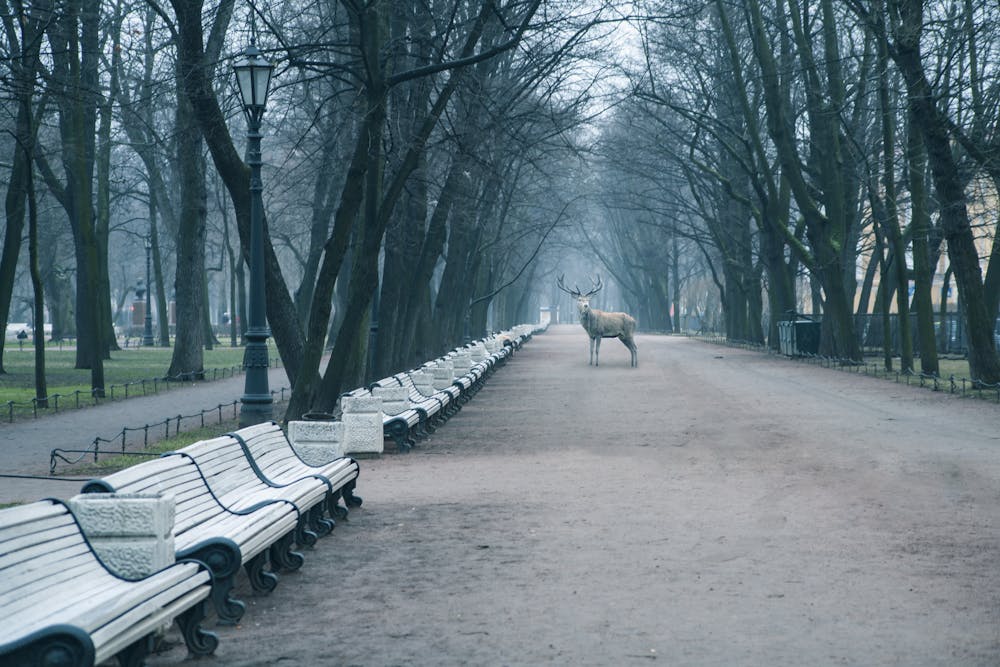
Imagine that first year, when your house would sit unbothered by anyone.
Go inside your house – and hope you’re not thirsty, because no water would be in your faucets. Water systems require constant pumping. If no one’s at the public water supply to manage the machines that pump water, then there’s no water.
But the water that was in the pipes when everyone disappeared would still be there when the first winter came – so on the first cold snap, the frigid air would freeze the water in the pipes and burst them.
There would be no electricity. Power plants would stop working because no one would monitor them and maintain a supply of fuel. So your house would be dark, with no lights, TV, phones or computers.
Your house would be dusty. Actually, there’s dust in the air all the time, but we don’t notice it because our air conditioning systems and heaters blow air around. And as you move through the rooms in your house, you keep dust on the move too. But once all that stops, the air inside your house would be still and the dust would settle all over.
The grass in your yard would grow – and grow and grow until it got so long and floppy it would stop growing. New weeds would appear, and they would be everywhere.
Lots of plants that you’ve never seen before would take root in your yard. Every time a tree drops a seed, a little sapling might grow. No one would be there to pull it out or cut it down.
You’d notice a lot more bugs buzzing around. Remember, people tend to do everything they can to get rid of bugs. They spray the air and the ground with bug spray. They remove bug habitat. They put screens on the windows. And if that doesn’t work, they swat them.
Without people doing all these things, the bugs would come back. They would have free rein of the world again.
In your neighborhood, critters would wander around, looking and wondering.
First the little ones: mice, groundhogs, raccoons, skunks, foxes and beavers. That last one might surprise you, but North America was once rich with beavers.
Bigger animals would come later – deer, coyotes and the occasional bear. Not in the first year, maybe, but eventually.
With no electric lights, the rhythm of the natural world would return. The only light would be from the Sun, the Moon and the stars. The night critters would feel good they got their dark sky back.
Fires would happen frequently. Lightning might strike a tree or a field and set brush on fire, or hit the houses and buildings. Without people to put them out, those fires would keeping going until they burned themselves out.
After just one year, the concrete stuff – roads, highways, bridges and buildings – would look about the same.
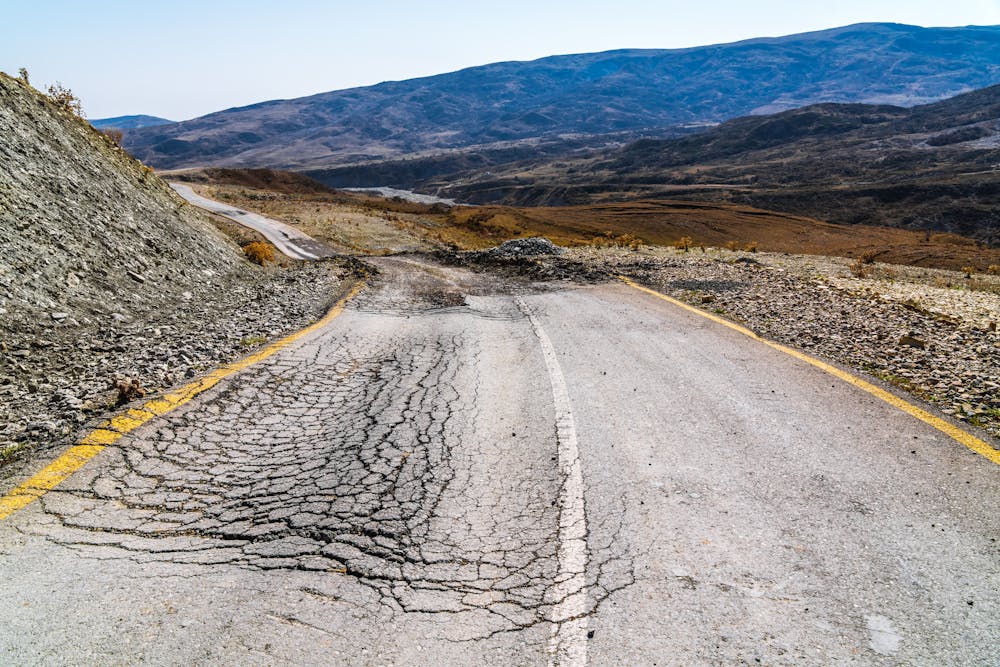
Come back, say, a decade later, and cracks in them would have appeared, with little plants wiggling up through them. This happens because the Earth is constantly moving. With this motion comes pressure, and with this pressure come cracks. Eventually, the roads would crack so much they would look like broken glass, and even trees would grow through them.
Bridges with metal legs would slowly rust. The beams and bolts that hold the bridges up would rust too. But the big concrete bridges, and the interstate highways, also concrete, would last for centuries.
The dams and levees that people have built on the rivers and streams of the world would erode. Farms would fall back to nature. The plants we eat would begin to disappear. Not much corn or potatoes or tomatoes anymore.
Farm animals would be easy prey for bears, coyotes, wolves and panthers. And pets? The cats would go feral – that is, they would become wild, though many would be preyed upon by larger animals. Most dogs wouldn’t survive, either.
An asteroid hit and a solar flare are two of the ways the world could end.
In a thousand years, the world you remember would still be vaguely recognizable. Some things would remain; it would depend on the materials they were made of, the climate they’re in, and just plain luck. An apartment building here, a movie theater there, or a crumbling shopping mall would stand as monuments to a lost civilization. The Roman Empire collapsed more than 1,500 years ago, yet you can see some remnants even today.
If nothing else, humans’ suddenly vanishing from the world would reveal something about the way we treated the Earth. It would also show us that the world we have today can’t survive without us and that we can’t survive if we don’t care for it. To keep it working, civilization – like anything else – requires constant upkeep.
Hello, curious kids! Do you have a question you’d like an expert to answer? Ask an adult to send your question to CuriousKidsUS@theconversation.com. Please tell us your name, age and the city where you live.
And since curiosity has no age limit – adults, let us know what you’re wondering, too. We won’t be able to answer every question, but we will do our best.
Carlton Basmajian, Associate Professor of Community and Regional Planning, Urban Design, Iowa State University
This article is republished from The Conversation under a Creative Commons license. Read the original article.
ooOOoo
Returning to that George Monbiot essay and his closing paragraphs:
Meta-skills are the overarching aptitudes – such as self-development, social intelligence, openness, resilience and creativity – that help us acquire the new competencies that sudden change demands. Like metacognition, meta-skills can be taught. Unfortunately, some public bodies are trapped in the bleak and narrow instrumentalism we need to transcend. For example, after identifying empathy as a crucial meta-skill, a manual by Skills Development Scotland reports that: “Empathy has been identified as a key differentiator for business success, with companies such as Facebook, Google and Unilever being recognised as excelling in this area.” I’ve seldom read a more depressing sentence.
Schooling alone will not be enough to lead us out of the many crises and disasters we now face. Those who are adult today must take responsibility for confronting them. But it should at least lend us a torch.
Thinking about Thinking
We live in a very strange world now. One truly wonders how those who are younger will respond to the demands.
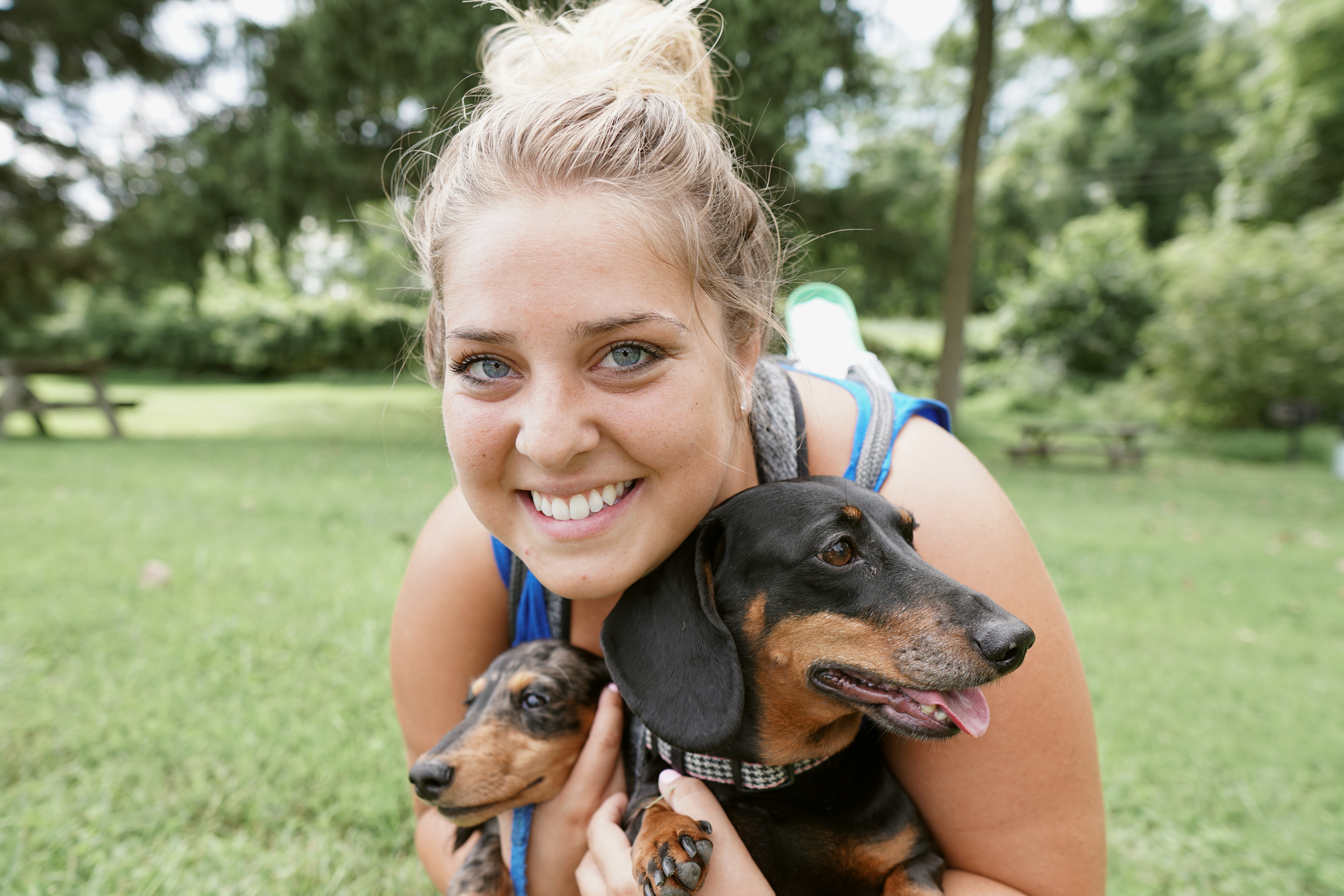
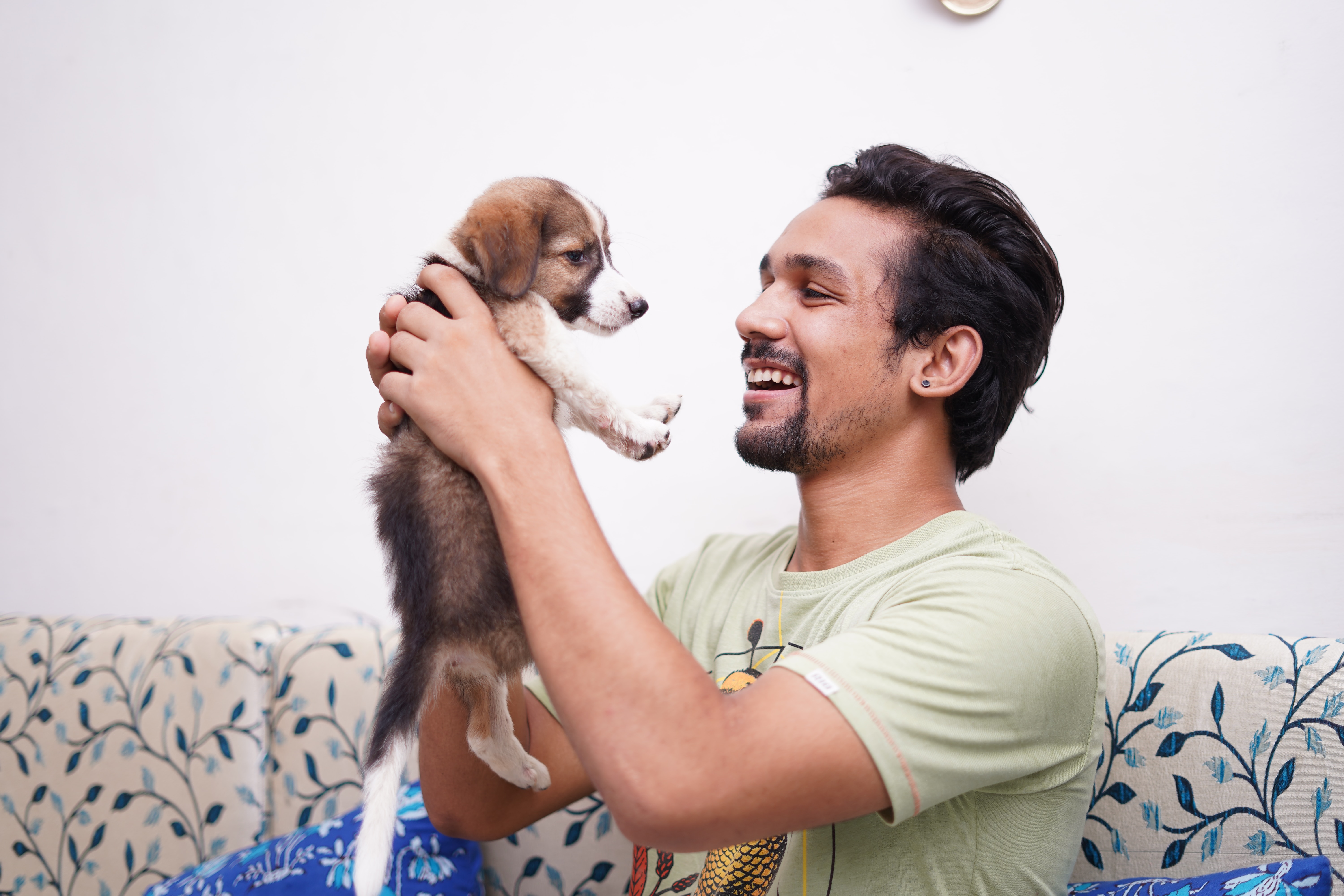
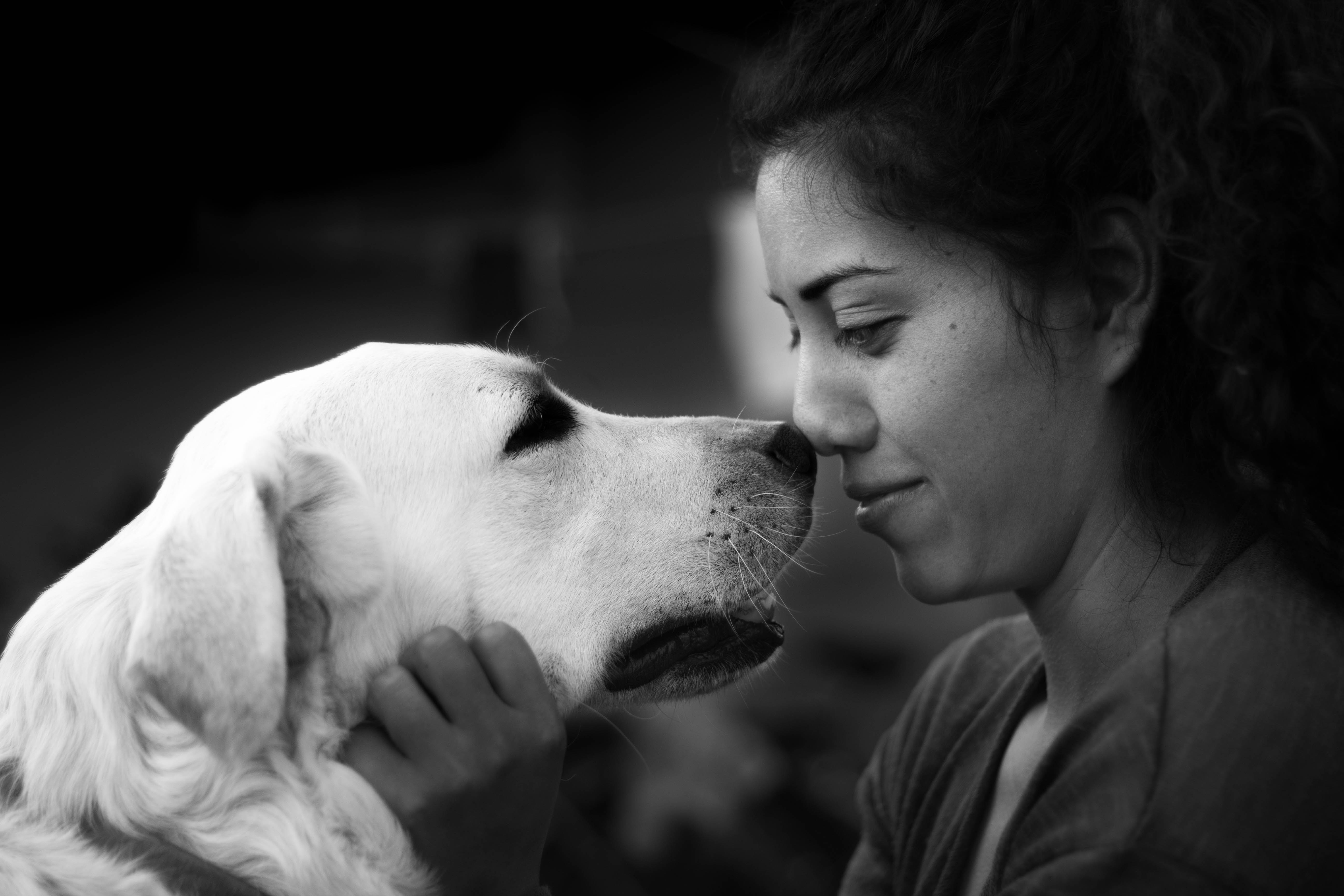
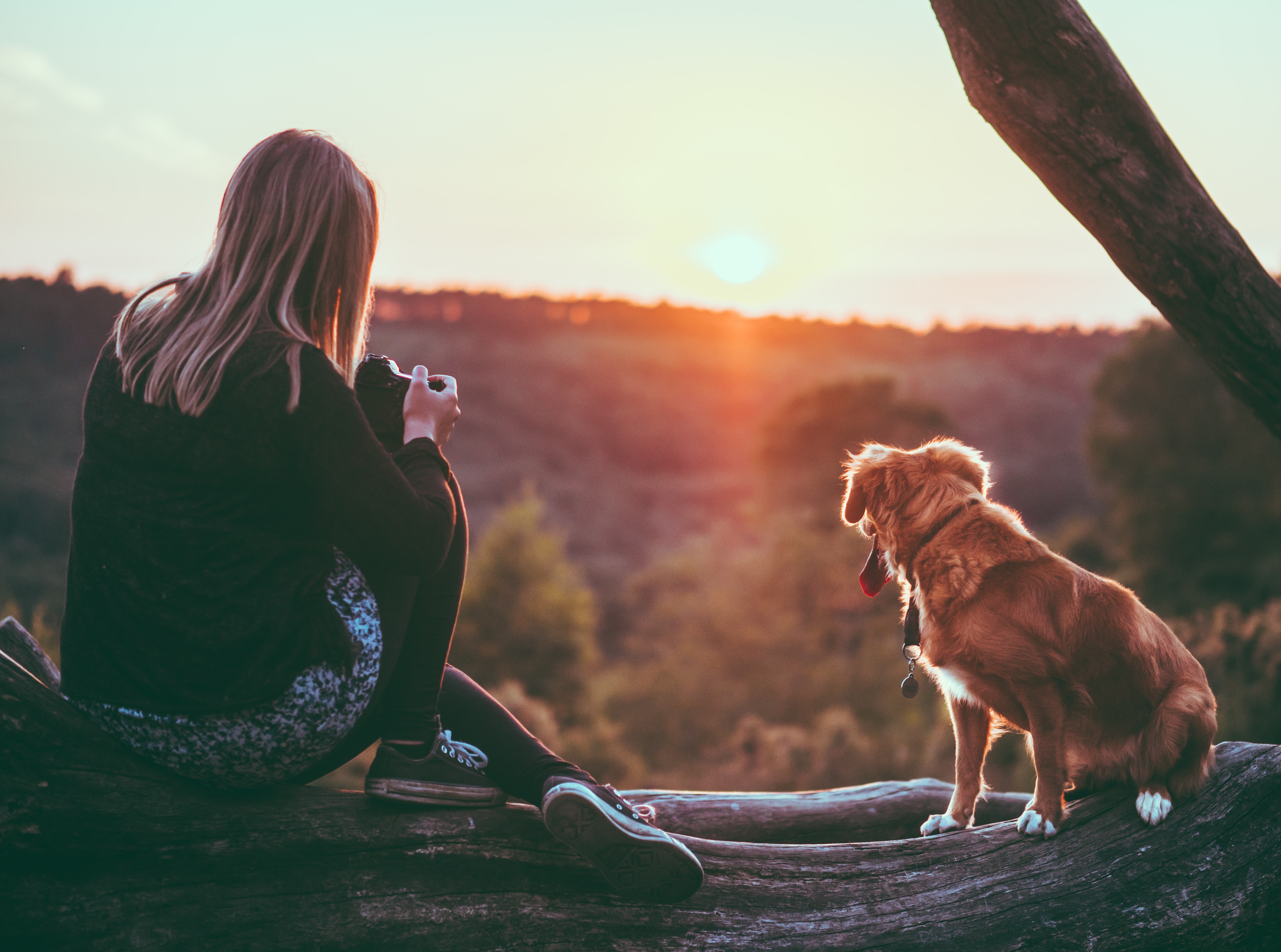
Rather than post nothing I have published the next Picture Parade. This time a series of fabulous photographs from jkm757 of Ugly Hedgehog.
The Retriever

“Look Ma, No paws! I’m Flying!”

Ready To Play

Spin Dry

Leader of the Pack

Flying Fido
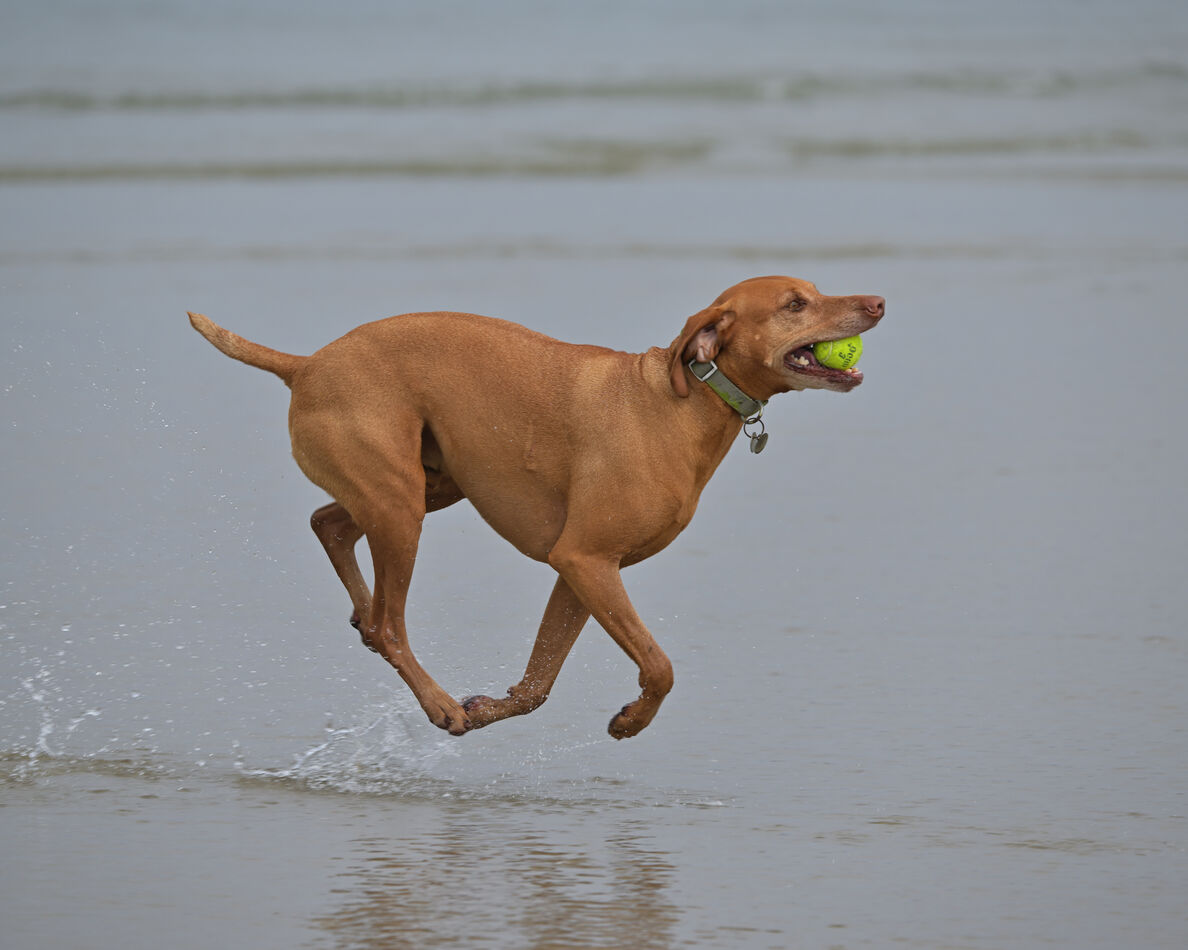
Izzy
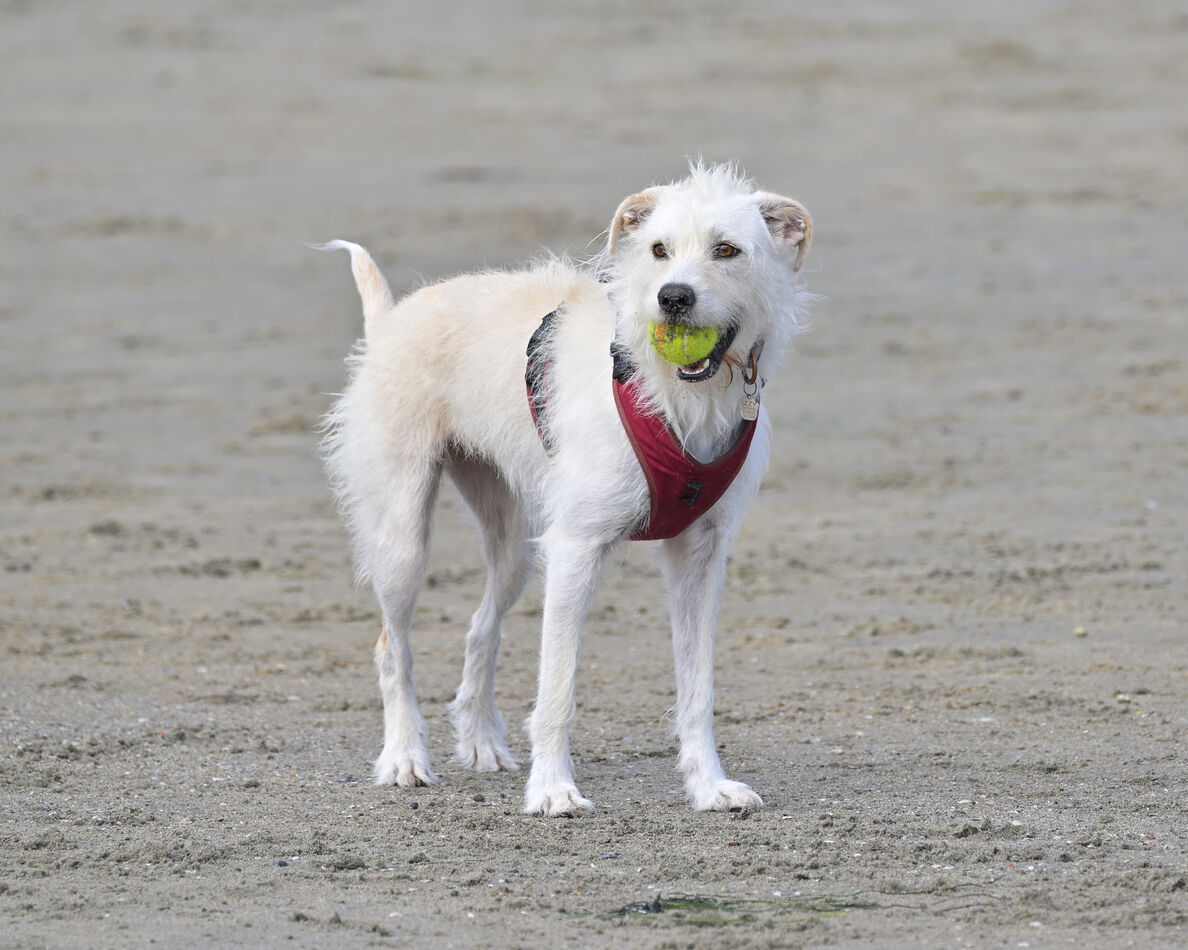
Airborne Beagle

Queen Of The Beach

Halfpint
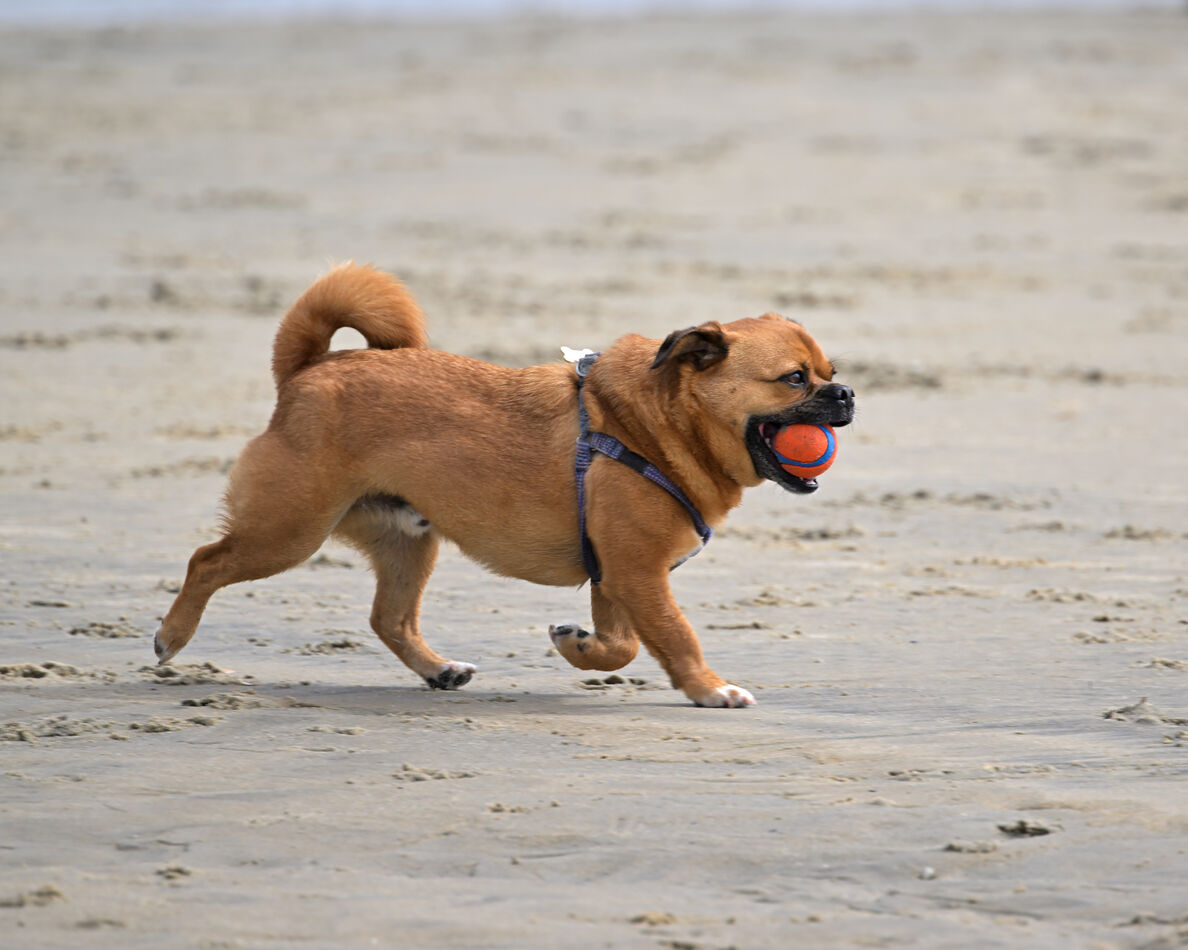
The photos are fabulous. Thank you, ‘jkm‘.
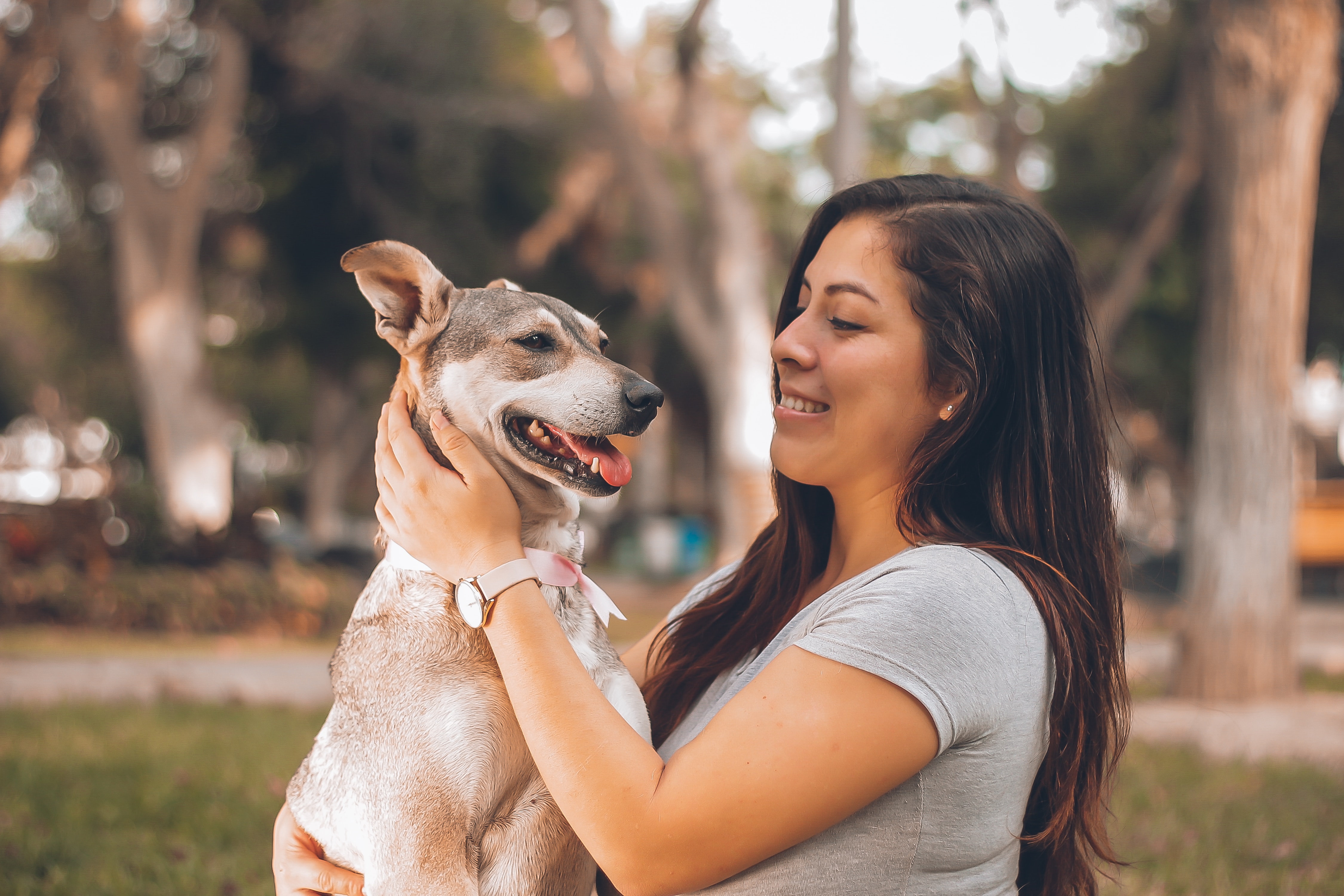
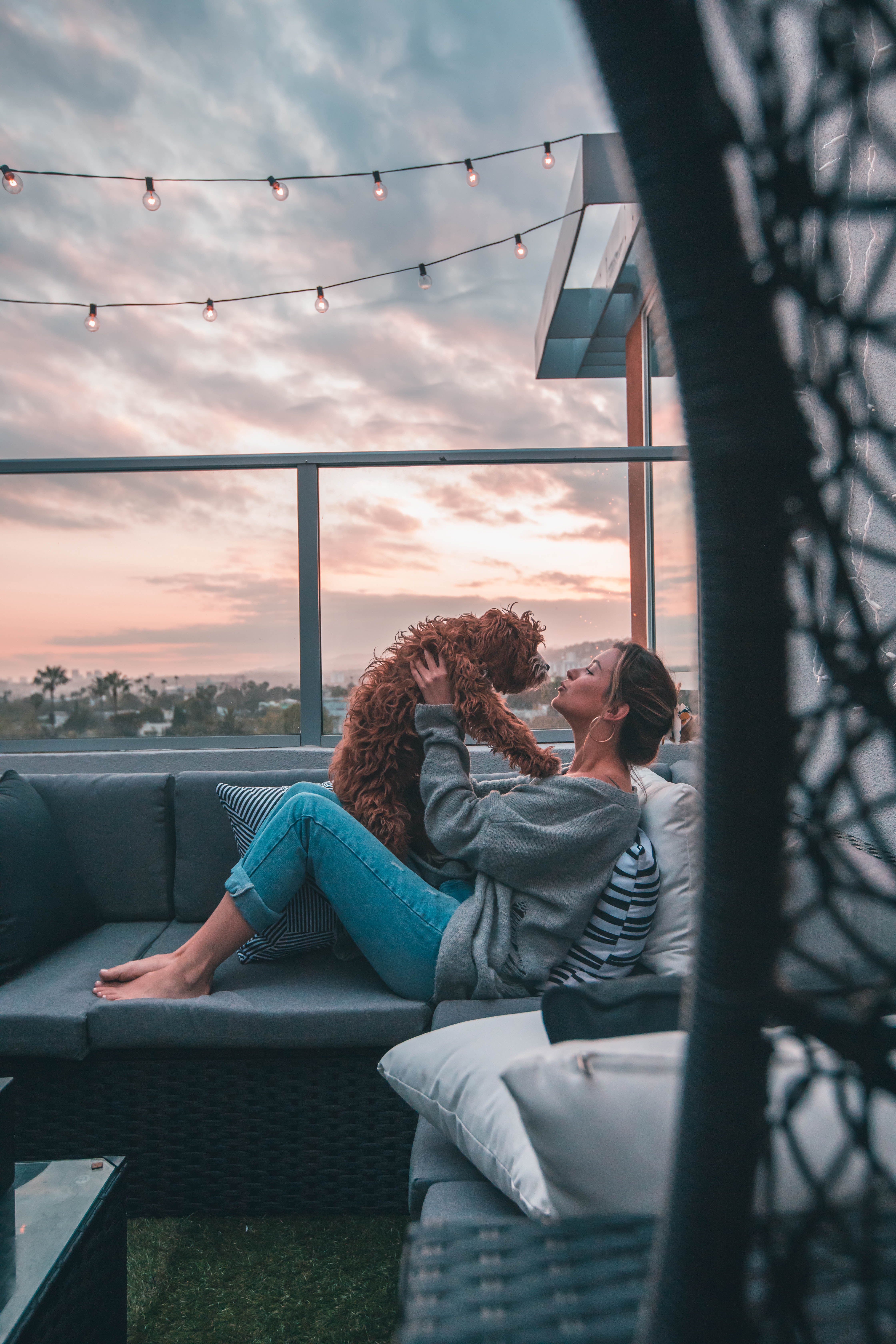
Yes, you guessed it! Back to Unsplash.
(And a postscript: This was meant to have been published next Sunday, the 16th. So enjoy an early Picture Parade!)
oooo
oooo
oooo
oooo
oooo
oooo

They are all beautiful and underline in spades why dogs are so, so special to us humans.
This is a fascinating series of articles.

National Geographic published the above edition of their magazine recently that consists of three chapters: From Wolf to Wolf; The Human-Dog Bond; Inside Dog Behaviour.
In that first chapter it is stated that: “The exact timing of the appearance of the domesticated dog is hotly debated, but based on the latest science, it most likely falls somewhere between 15,000 and 40,000 years ago.”
So when I wrote on the home page of this blog all those years ago, “Yet they have been part of man’s world for an unimaginable time, at least 30,000 years.“, I wasn’t far wrong.
If you can possibly purchase a copy then please do. National Geographic provide back issues while Ebay, Amazon and others also sell this. You will not regret it!
One of the few things that is common to us all!
Death!
Hate to say it but it is the great leveller. Some believe in some form of afterlife but not me (nor Jeannie). But how we all get to that final state is far from being simple or straightforward.
That’s why I am republishing, with permission, a recent article in The Conversation.
ooOOoo
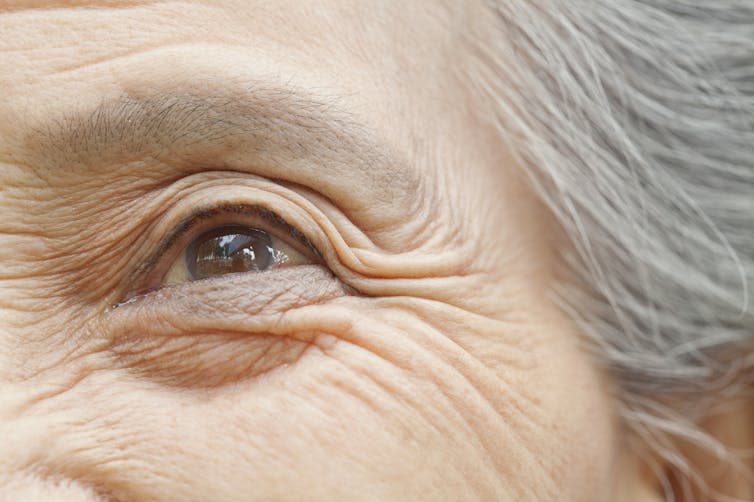
Ellen Quarles, University of Michigan
Assistant Professor in Molecular, Cellular, and Developmental Biology.
You likely know someone who seems to age slowly, appearing years younger than their birth date suggests. And you likely have seen the opposite – someone whose body and mind seem much more ravaged by time than others. Why do some people seem to glide though their golden years and others physiologically struggle in midlife?
I have worked in the field of aging for all of my scientific career, and I teach the cellular and molecular biology of aging at the University of Michigan. Aging research doesn’t tend to be about finding the one cure that fixes all that may ail you in old age. Instead, the last decade or two of work points to aging as a multi-factoral process – and no single intervention can stop it all.
There are many different definitions of aging, but scientists generally agree upon some common features: Aging is a time-dependent process that results in increased vulnerability to disease, injury and death. This process is both intrinsic, when your own body causes new problems, and extrinsic, when environmental insults damage your tissues.
Your body is comprised of trillions of cells, and each one is not only responsible for one or more functions specific to the tissue it resides in, but must also do all the work of keeping itself alive. This includes metabolizing nutrients, getting rid of waste, exchanging signals with other cells and adapting to stress.
The trouble is that every single process and component in each of your cells can be interrupted or damaged. So your cells spend a lot of energy each day preventing, recognizing and fixing those problems.
Aging can be thought of as a gradual loss of the ability to maintain homeostasis – a state of balance among body systems – either by not being able to prevent or recognize damage and poor function, or by not adequately or rapidly fixing problems as they occur. Aging results from a combination of these issues. Decades of research has shown that nearly every cellular process becomes more impaired with age.
Most research on cellular aging focuses on studying how DNA and proteins change with age. Scientists are also beginning to address the potential roles many other important biomolecules in the cell play in aging as well.
One of the cell’s chief jobs is to maintain its DNA – the instruction manual a cell’s machinery reads to produce specific proteins. DNA maintenance involves protecting against, and accurately repairing, damage to genetic material and the molecules binding to it.
Proteins are the workers of the cell. They perform chemical reactions, provide structural support, send and receive messages, hold and release energy, and much more. If the protein is damaged, the cell uses mechanisms involving special proteins that either attempt to fix the broken protein or send it off for recycling. Similar mechanisms tuck proteins out of the way or destroy them when they are no longer needed. That way, its components can be used later to build a new protein.
The cross-talk between the components inside cells, cells as a whole, organs and the environment is a complex and ever-changing network of information.
When all processes involved in creating and maintaining DNA and protein function are working normally, the different compartments within a cell serving specialized roles – called organelles – can maintain the cell’s health and function. For an organ to work well, the majority of the cells that make it up need to function well. And for a whole organism to survive and thrive, all of the organs in its body need to work well.
Aging can lead to dysfunction at any of these levels, from the sub-cellular to the organismal. Maybe a gene encoding an important protein for DNA repair has become damaged, and now all of the other genes in the cell are more likely to be repaired incorrectly. Or perhaps the cell’s recycling systems are unable to degrade dysfunctional components anymore. Even the communication systems between cells, tissues and organs can become compromised, leaving the organism less able to respond to changes within the body.
Random chance can lead to a growing burden of molecular and cellular damage that is progressively less well-repaired over time. As this damage accumulates, the systems that are meant to fix it are accruing damage as well. This leads to a cycle of increasing wear and tear as cells age.
The interdependence of life’s cellular processes is a double-edged sword: Sufficiently damage one process, and all the other processes that interact with or depend on it become impaired. However, this interconnection also means that bolstering one highly interconnected process could improve related functions as well. In fact, this is how the most successful anti-aging interventions work.
There is no silver bullet to stop aging, but certain interventions do seem to slow aging in the laboratory. While there are ongoing clinical trials investigating different approaches in people, most existing data comes from animals like nematodes, flies, mice and nonhuman primates.
One of the best studied interventions is caloric restriction, which involves reducing the amount of calories an animal would normally eat without depriving them of necessary nutrients. An FDA-approved drug used in organ transplantation and some cancer treatments called rapamycin seems to work by using at least a subset of the same pathways that calorie restriction activates in the cell. Both affect signaling hubs that direct the cell to preserve the biomolecules it has rather than growing and building new biomolecules. Over time, this cellular version of “reduce, reuse, recycle” removes damaged components and leaves behind a higher proportion of functional components.
Other interventions include changing the levels of certain metabolites, selectively destroying senescent cells that have stopped dividing, changing the gut microbiome and behavioral modifications.
What all of these interventions have in common is that they affect core processes that are critical for cellular homeostasis, often become dysregulated or dysfunctional with age and are connected to other cellular maintenance systems. Often, these processes are the central drivers for mechanisms that protect DNA and proteins in the body.
There is no single cause of aging. No two people age the same way, and indeed, neither do any two cells. There are countless ways for your basic biology to go wrong over time, and these add up to create a unique network of aging-related factors for each person that make finding a one-size-fits-all anti-aging treatment extremely challenging.
However, researching interventions that target multiple important cellular processes simultaneously could help improve and maintain health for a greater portion of life. These advances could help people live longer lives in the process.
Ellen Quarles, Assistant Professor in Molecular, Cellular, and Developmental Biology, University of Michigan
This article is republished from The Conversation under a Creative Commons license. Read the original article.
ooOOoo
I was born in London towards the tail end of 1944. I was the product of an affair between my father and mother. I came before my younger sister, Elizabeth, born in 1948. Then my father died on December 20th, 1956 and eventually my mother remarried my stepfather but he died in 1979 and then my mother died in 2016.
Elizabeth is still alive and so is my step-sister, Eleanor. I also had two half-sisters, Rhona, Corinne, born of my father and his first wife, but they are long dead.
But my family still continue and with a bit of luck I have a few years left; I shall be 80 in November, 2024.
When the music stops it will have been a fabulous life!
And speaking of music:
Thank you, Alan!
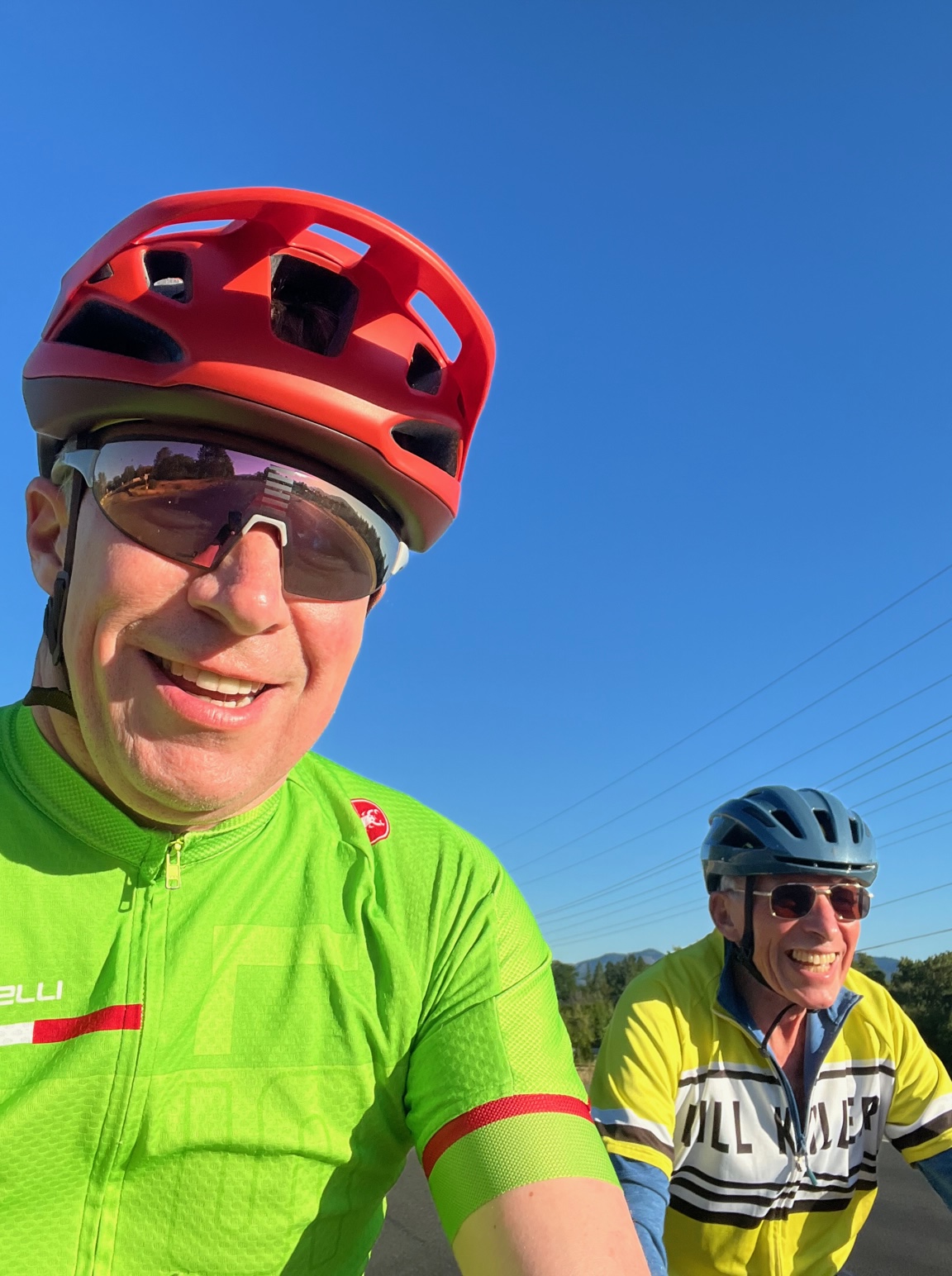
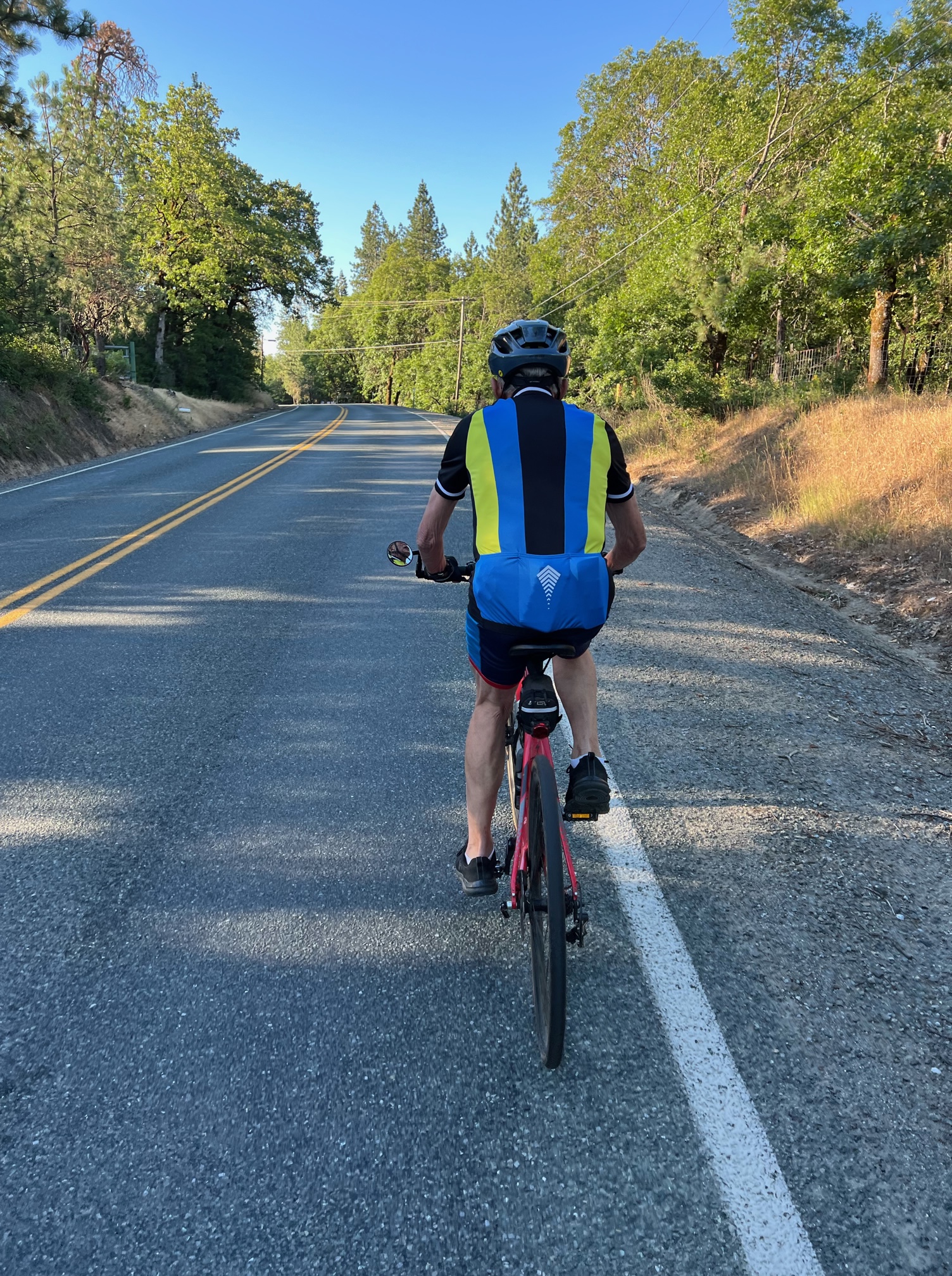
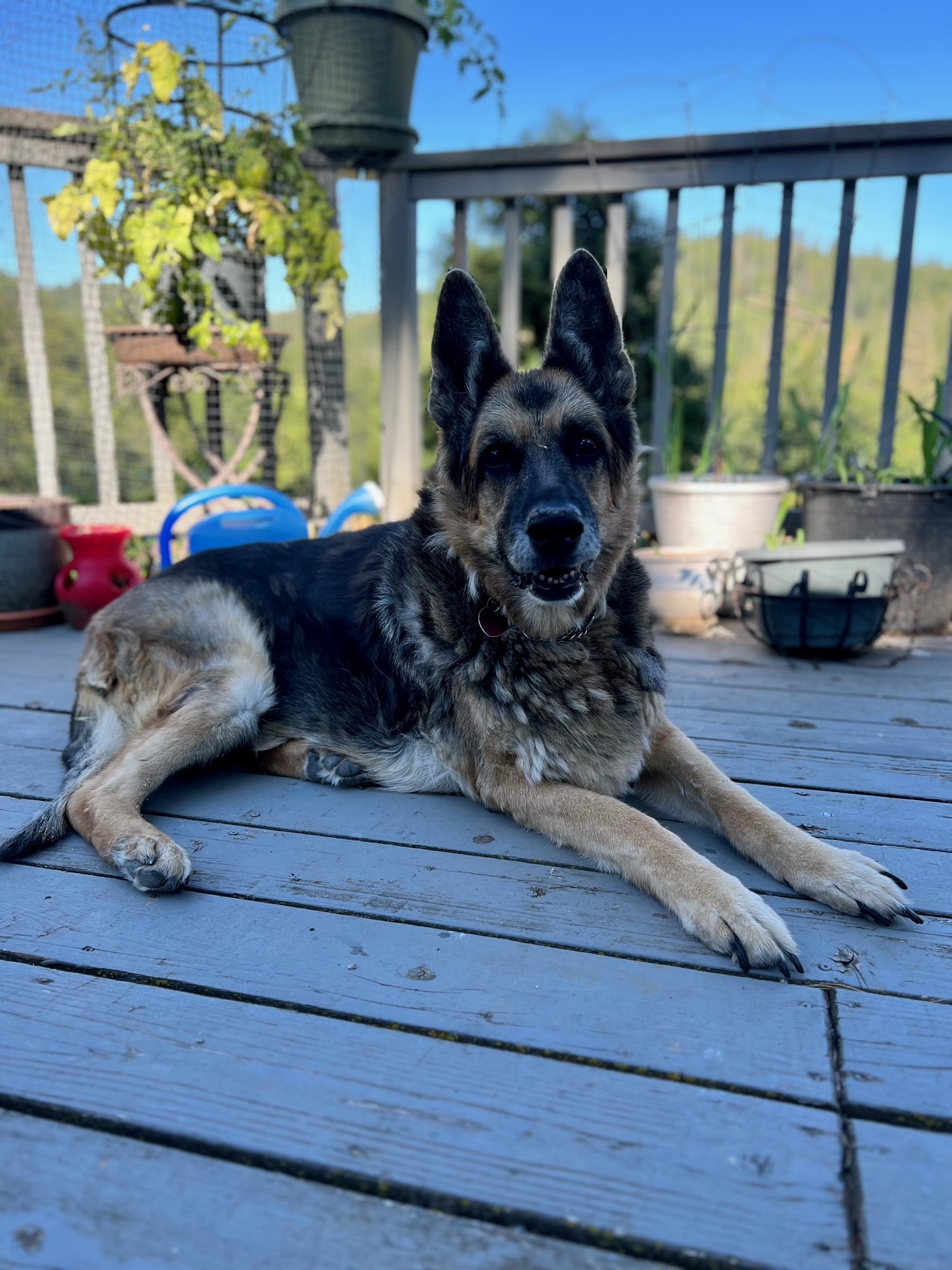
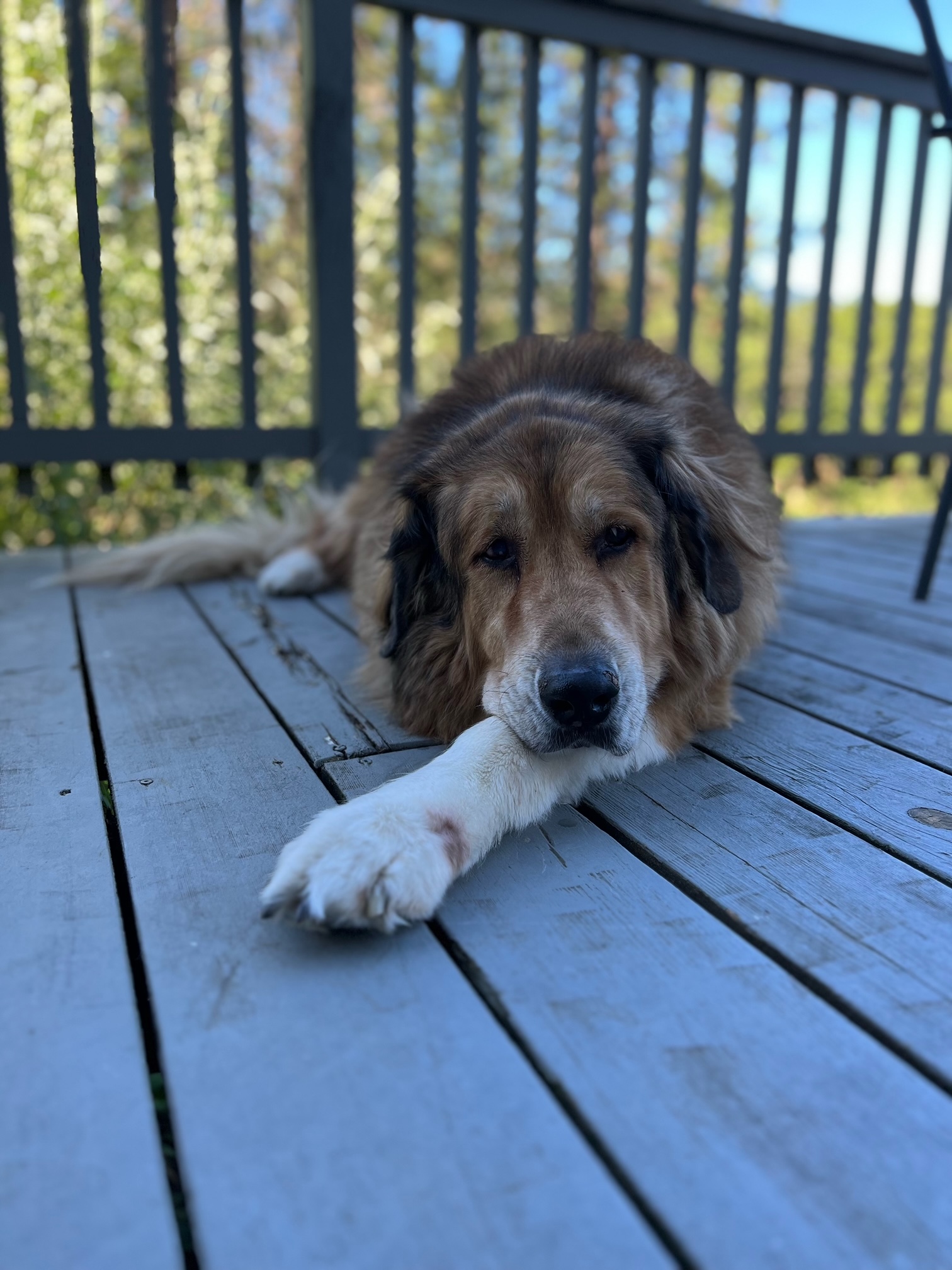
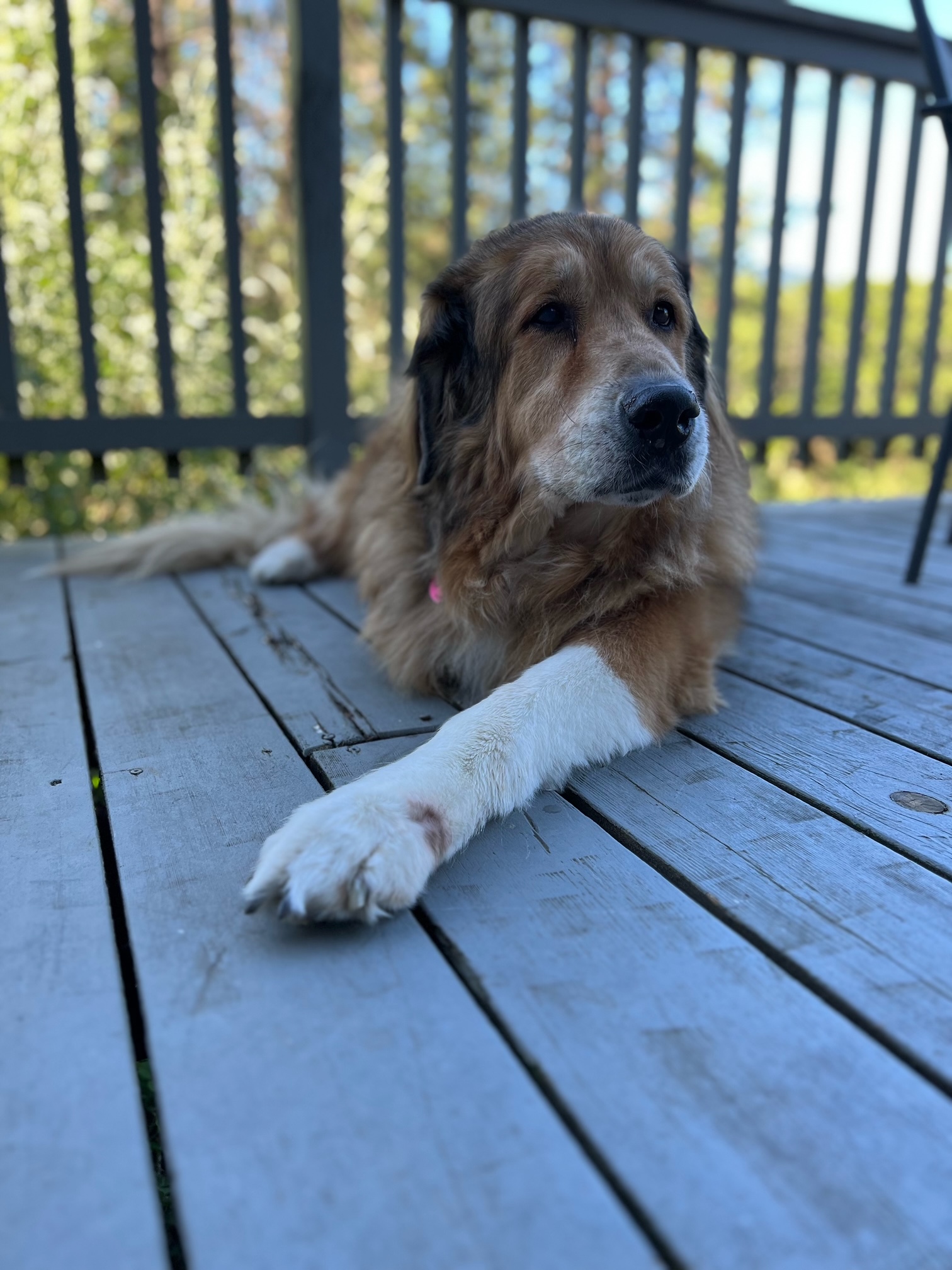
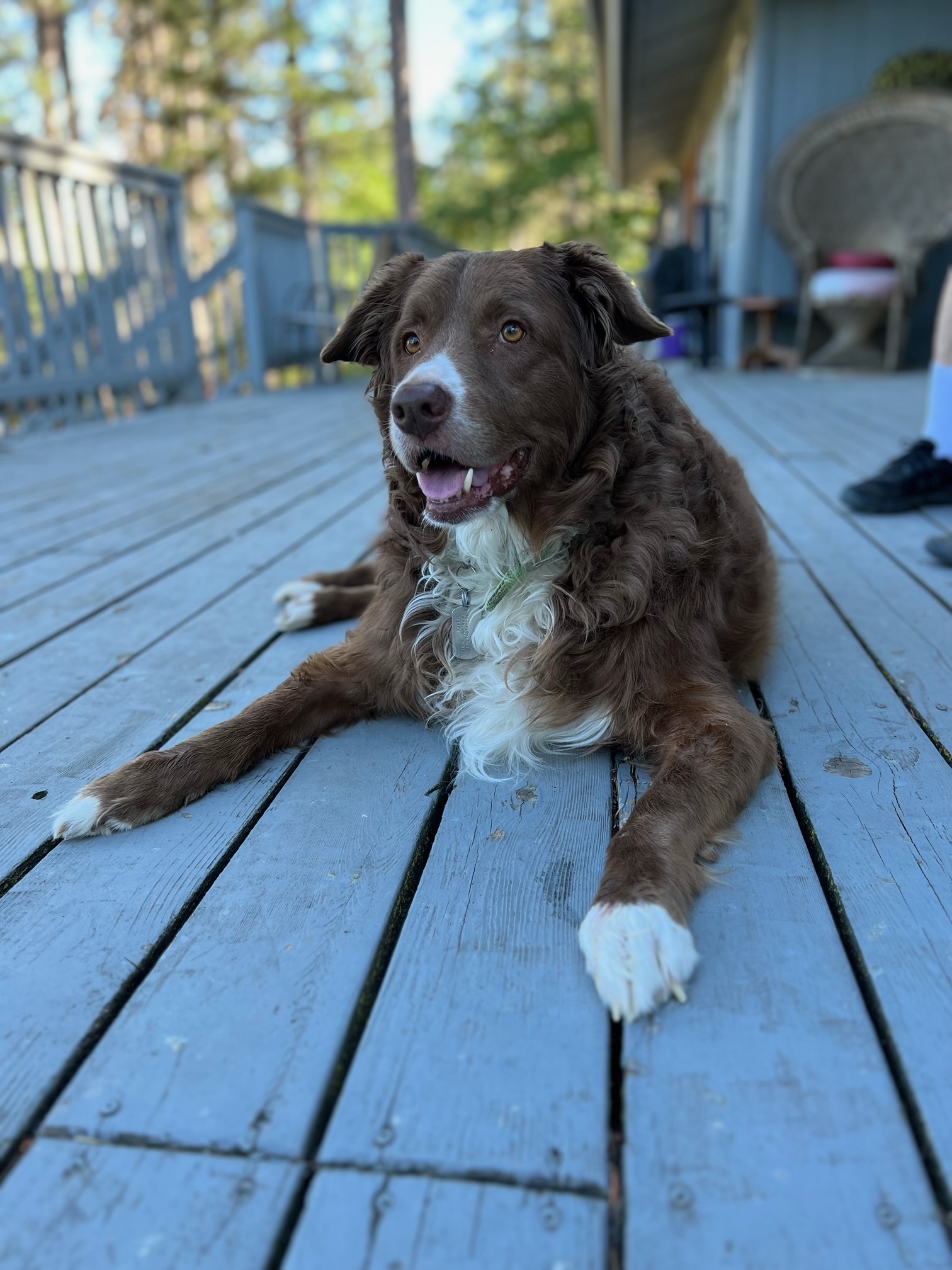
Photos taken by Alex Handover on his recent trip to Merlin.
oooo
oooo
oooo
oooo
oooo
oooo

oooo

oooo

There you go, folks, just nine photographs but what a keepsake of Alex’s visit.
Or as normal as it will be from now on!
My son, Alex, was with us from Bristol, England until the the 3rd of July and then flew back home on the 4th. As a hobby he is a very keen bird photographer.
He took the coast rode north from us and rang later saying how beautiful it was.

Meantime Jeannie is slowly getting over her hip replacement surgery.
So tomorrow I am going to try and return to my usual routine with another Picture Parade; this one being some of the photos that Alex took.
Probably about 10am PDT today!
Just a short update to say that discussions that I had yesterday afternoon with the Discharge Officer at Regency Care, Julia H., resulted in Jean being ready to be collected by me this morning.
It is a great advance although Jean and I will have a whole series of different situations to deal with. But they will be dealt with one at a time.
The kindness shown by both the staff and Regency and our friends is overwhelming. Thank you everyone!
Too much going on just now!
Jean is still in Asante but hoping to go to rehab in Grants Pass as soon as a bed becomes available.
I, of course, am visiting Jean as often as I can; usually twice a day.
I am also getting the house in shape plus numerous other things.
So my free time to write posts is going to be limited for some time; my son arrives on the 25th June.
So for the next few weeks posts will be on an irregular basis and I am sure you understand.
Take care everyone!
UPDATE
When I went yesterday evening to Asante I was told that Jean will be going to Regency Care in Grants Pass today! 😊
 Learning from Dogs