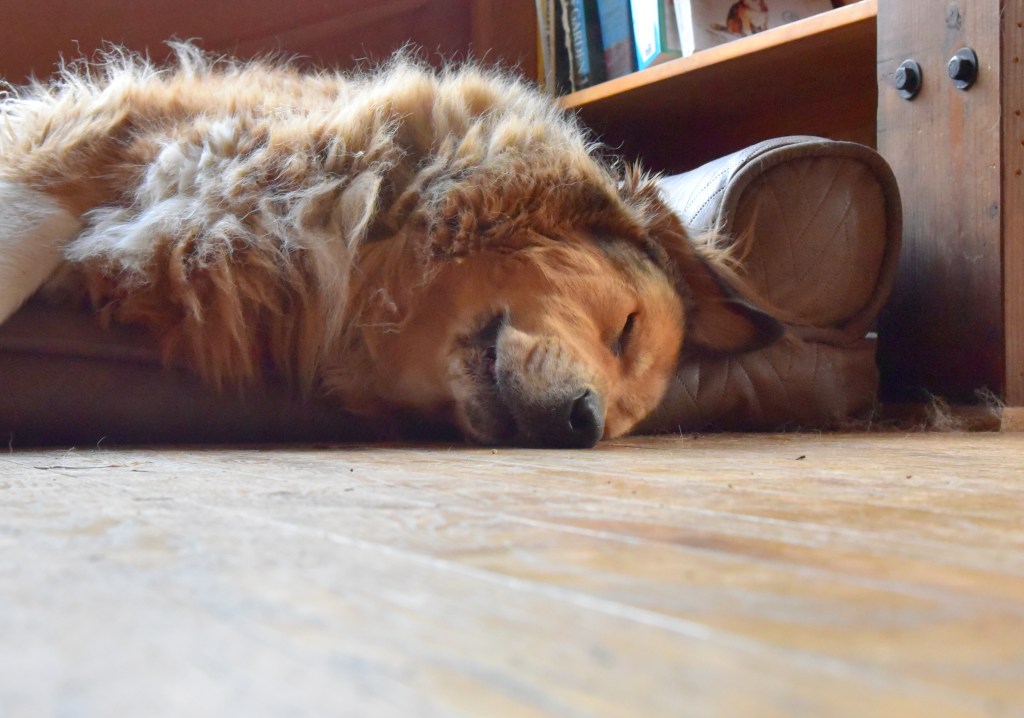
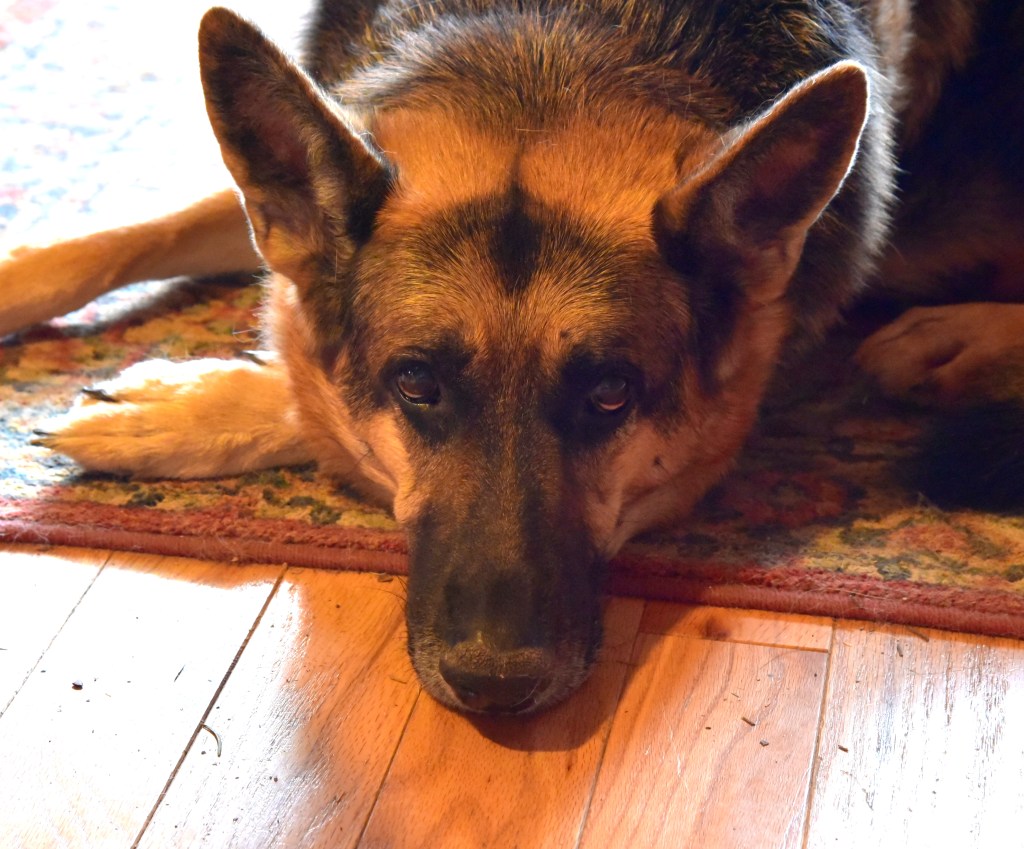
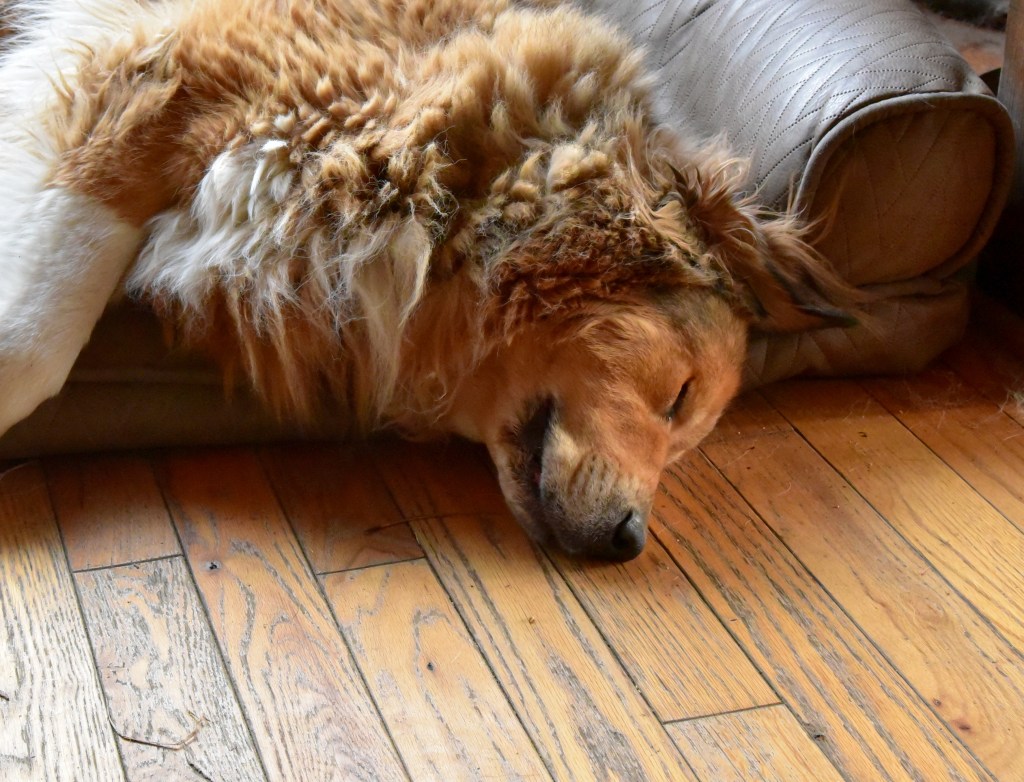
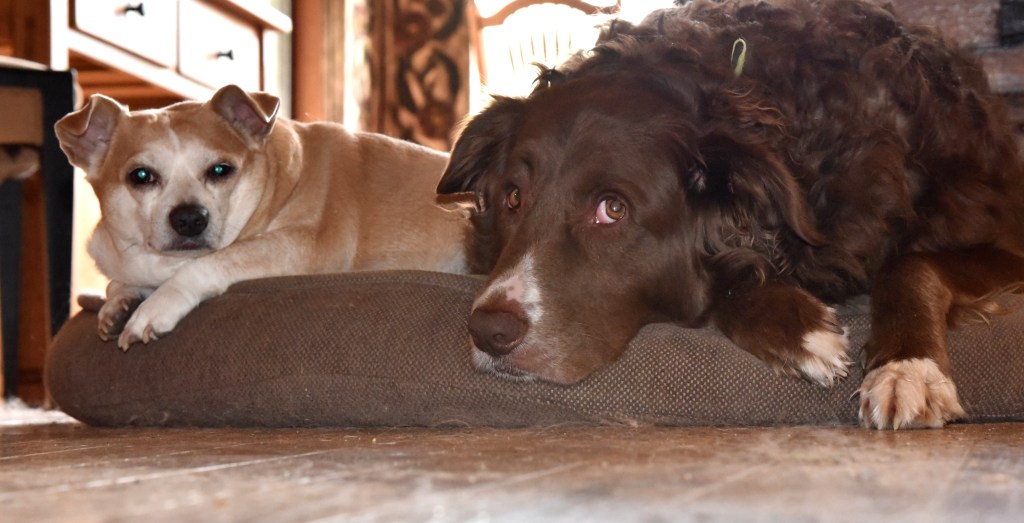
Dr. Dog!

The truth of having a dog in your life.

I really should have written having a pet in your life because the following story is about cats and dogs. Plus, it’s been copied from The Guardian Newspaper so I fully expect that it will be taken down fairly soon.

But here goes!

ooOOoo

Sometimes a dog can be better for a patient than hospital

Suffering patients may need to just be asked ‘tell me about your pet’

Photograph: IJdema/Getty Images/iStockphoto

‘I wonder how often doctors are cognisant of the silent distress of patients who are separated from their pets?’

An elderly patient is admitted to hospital after a fall at home. He is stunned after the fall but, thankfully, uninjured. It takes him a few days to recover but as soon as he is able, he wants to go home. The physiotherapist wants to work with him, the social worker wants to examine his support system, but all he wants to do is go home. We feel he is not yet safe. He acknowledges that a worse event could happen but still, he wants to go home. Theories are posited as to why.

Maybe the concussion is worse than we first thought. Maybe he is cognitively impaired and unable to make decisions about his safety, in which case a state-appointed guardian may be needed. Maybe he doesn’t like the other patients, in which case he could be placated by moving him to another room. It is the beginning of a month of medical rounds for me and he is the handover without a plan.

He is sitting out of bed, dressed and sipping his tea. He looks up at a new face with interest.

“I am the specialist taking over your care,” I say.

“Look, love, please just let me go home. I’m begging you.”

Something about his desperation moves me and I am struck by the imbalance of power between me and my patient twice my age.

“I really want to, but help me understand why you’re so eager.”

I expect to hear about the incessant noise in the hospital, the bad food or the lack of clear communication but instead, to my complete surprise, tears start rolling down his face.

“It’s my cat. I want to see my cat.”

The cat is a link to the years he shared with his late wife. Now it snoozes in his wife’s chair and responds to his reminiscences, as if to say it knows he is hurting. In the twilight of his life, when his children are too busy to visit and the residents in his retirement village keep falling sick, his cat is the constant in his life.

“You can’t fix an old man,” he pleads. “But send me back to my cat.”

“I am going to do just that,” I say.

Outside, his story touches a nerve. People band together, set up community services and get him home quickly. In the end, he turns out to be a simple discharge. Reuniting an old man with his cat turns out to be the best medicine, which leaves me wondering how often doctors are cognisant of the silent distress of patients who are separated from their pets. Not often, I suspect.

The very next week, the distress of another patient announces itself loudly and heartbreakingly. She is 50, her dog was 18. She was divorced and lonely. He was old and slow. When her work turned her out and her friends moved on, the dog proved her anchor.

Amid all the shifting circumstances of her life, he never stopped loving her and greeting her with delight every morning. He needed nothing more than a walk and a few biscuits to send him into raptures of delight. Suddenly he fell very ill and the vet suggested the kindest thing to do was to let him go. So she did. Then she came home and took an overdose. How could she face life without her dog?

The postman spotted her through the window and called an ambulance. She was successfully resuscitated and now she is on the medical ward, awaiting psychiatric intervention. When I meet her she is pleasant and remorseful, particularly for being a burden on the overstretched mental-healthcare system.

A psych consult won’t help her, she pleads, another dog will. In fact, she has found just the right one and even thought of a name. She just hopes it won’t be gone before she is cleared. I tell her that all my sympathies still won’t add up to a hasty discharge because she really does need to see the psychiatrist. She begins to sob.

I have an insightful resident with me.

“Tell me about your dog,” she asks brightly. “I love dogs.”

The patient pulls out a photo from under her pillow.

“He is so happy,” I remark as I start jotting some notes.

“He was all I had. I went months without talking to people.”

Her loneliness will need attention but that’s a topic for another day, easy to identify but difficult to fix.

“What was his favourite thing to do?” the resident smiles, leaning forward.

“He loved to walk, even as an old thing.”

We go back and forth, the standard questions about headache, pain and immobility replaced by an interest in a departed dog that was the life of his owner.

It feels intuitively right but somehow misplaced, as if we are breaking some established protocol that says we should be asking about the number of pills she took and whether there was alcohol involved and what she would do if her new dog got sick. We should be checking her vitals, ensuring her bloods are fine, that the drug screen is clear. And watching our every word in case something inopportune brings her grief crashing back and we are to blame.

Except, in that moment, it is clear that while the medical questions have merit, the most important thing for this patient at this time is to cast them all aside and create a common understanding to make her feel less lonely in her experience. I count 10 minutes spent at her bedside. In those 10 minutes, we watch her mood lift and fresh hope enter her tone. There are people who love dogs, she thinks. There are people who understand my grief. Why, they are even interested in my old dog.

Our time is limited, and we must move on apologetically. With dry eyes and genuine gratitude, she says, “Thank you for asking about my dog. It’s the nicest thing anyone has done.”

Really? Could it be this simple?

Amid the trappings of modern medicine, it’s hard to believe that the inexpensive 10 minutes spent at her bedside might have proved to be the most useful and cathartic treatment of all. All her tests turned out fine. A day later, she is deemed safe for discharge and is overjoyed at the reprieve.

The next time we meet an upset patient, I suspect we will be tempted to ask the same question as always, “What’s the problem?”

But with a better history and a little luck, these experiences will shape a more nuanced approach to the suffering of patients. For many of them, the best question may be a request. “Tell me about your pet.”

ooOOoo

It’s both a beautiful story and a powerful one. It explains how for many people having a pet in their lives is more than a nice thing, it’s the reason for living.

Wonderful.

Thank you Margaret for sending me the link to this news item.

Thogersen Family Farm Pet Food Recall

The name says it all!

ooOOoo

Thogersen Family Farm Pet Food Recall

April 7, 2019 — Thogersen Family Farm of Stanwood, WA is voluntarily recalling raw frozen ground pet food because it has the potential to be contaminated with Listeria monocytogenes.

What’s Recalled?

The following 2-pound packaged varieties are included in this recall:

  • Coarse ground rabbit frozen raw pet food
  • Coarse ground mallard duck frozen raw pet food
  • Ground llama frozen raw pet food
  • Ground pork frozen raw pet food

Recalled product labels did not contain any lot identification, batch codes, or expiration dates.

Products were packaged in 2-pound flattened, rectangular clear plastic packages and stored frozen.

The front of each package contains one large white square label with the company name, product type and weight.

About Listeria

Listeria monocytogenes can affect animals eating the products and there is risk to humans from handling contaminated pet products, especially if they have not thoroughly washed their hands after having contact with the products or any surfaces exposed to these products.

Listeria monocytogenes infections can cause serious and sometimes fatal infections in young children, frail or elderly people, and others with weakened immune systems.

Although healthy individuals may suffer only short-term symptoms such as high fever, severe headache, stiffness, nausea, abdominal pain and diarrhea, Listeria infection can cause miscarriages and stillbirths among pregnant women.

Anyone experiencing these symptoms should immediately contact a health care provider.

Pets with Listeria monocytogenes infections may be lethargic and have diarrhea or bloody diarrhea, fever, and vomiting.

Some pets will have only decreased appetite, fever and abdominal pain.

Infected but otherwise healthy pets can be carriers and infect other animals or humans.

If your pet has consumed the recalled product and has these symptoms, please contact your veterinarian.

Recalled product labels did not contain any lot identification, batch codes, or expiration dates. Products were packaged in two pound flattened, rectangular clear plastic packages and stored frozen.
The front of the package contains one large white square label with the company name, product type and weight.

Where Was It Sold?

Thogersen Family Farm stated the affected products were either sold to individual customers or two retail establishments that have been notified.

Some of the product has not been distributed and held at the manufacturing location.

What Caused the Recall?

The recall is the result of samples collected by the Washington State Department of Agriculture and revealed the finished products contained the bacteria.

No illnesses have been reported to date.

What to Do?

Consumers who have purchased affected product should discontinue use.

For questions, consumers may contact the company at 360-929-9808.

U.S. citizens can report complaints about FDA-regulated pet food products by calling the consumer complaint coordinator in your area.

Or go to https://www.fda.gov/petfoodcomplaints.

Canadians can report any health or safety incidents related to the use of this product by filling out the Consumer Product Incident Report Form.

ooOOoo

As per usual, please share this post as far and wide as you feel able.

Back to our regular posts tomorrow.

The dog’s nose!

Yet another amazing story about the dog’s nose.

There is so much about dogs in general to be amazed at.

But the nose is something to really marvel at.

There are many sources of information about how incredible is the dog’s nose. For example, I am looking at the page on The Dogington Post that speaks of the dog’s nose.

Nature has provided dogs with a nearly perfect sense of smell. If you have a dog, you probably already know that your dog will smell something long before you can. In fact, the average dog has over 300 million olfactory receptors in their noses (compared to a relatively tiny six million for humans). That means, your dog’s sense of smell is over fifty times greater than your own!

It’s a great article, by the way, and one you should read.

But for now read this:

ooOOoo

Very Good Dogs Can Detect the Scent of Seizures, Study Finds

But can they predict seizures before they occur?

(David Osberg / iStock)
smithsonian.com
April 1, 2019
Service dogs can offer vital assistance to those who suffer from epilepsy, helping to prevent injury and signal for help when a seizure episode occurs. Whether dogs can detect seizures before they happen is another, more complicated question; anecdotal reports suggests that they can, but the evidence is inconclusive, and it hasn’t been clear what signals might trigger dogs to anticipate an oncoming seziure. But as Megan Schmidt reports for Discover, a small and intriguing new study suggests that people with epilepsy emit a specific odor when they are having seizures—and dogs can be trained to detect it.
The study’s very good subjects were five service dogs from Medical Mutts in Indianapolis, trained to respond to the bodily odors of people with diabetes, anxiety and epilepsy. To test the dogs’ seizure-detecting abilities, researchers recruited five patients with different types of epilepsy to collect sweat samples at various intervals: either during or right after a seizure, after moderate exercise and at random points in the day during calm activity. Seven samples from each patient were then placed in opaque cans, which the dogs were given a chance to sniff. Each dog underwent nine trials in total: five of those trials were repeat tests with the odor of one patient, and the rest were conducted with samples from the four remaining patients. The dogs had not been exposed to the patients’ scents prior to the experiment.

The results, the study authors write in Scientific Reports “were very clear: all dogs discriminated the seizure odor.” Some of the pooches had a better track record than others—the dogs correctly identified the seizure samples between 67 and 100 percent of the time—but all of their performances were “well above” the margins of chance, according to the researchers.

It’s not entirely surprising that dogs have super-powered noses when it comes to detecting human ailments. Our best animal buddies have been used to sniff out diseases like cancer and diabetes “with some success,” the researchers note. The new study, however, not only shows that dogs can smell seizures, but also offers the first known proof that different types of seizures are associated with common scents; the patients, after all, did not all have the same kind of epilepsy.

Granted, the study was small and limited in scope. It suggests that dogs can smell seizures as they happen, but the verdict is still out on whether the animals can detect seizures that are about to happen. Further research is also needed to determine precisely what bodily chemicals the dogs are smelling in the sweat of epileptic patients. But “[a]s far as implications go, the results are very exciting,” Tim Edwards, a behavioral analyst and senior lecturer at New Zealand’s University of Waikato, who was not involved in the study, tells Scientific American’s Emily Willingham. Perhaps understanding how dogs detect seizures can help pave the way for artificial intelligence technology that is able to do the same.

Additionally, the study authors maintain that their findings dispel the “belief that epilepsy and seizure types were too individual-specific for a general cue to be found.” And this, the researchers say, offers “hope” that people with epilepsy can be warned of oncoming seizures by their furry, faithful friends.

ooOOoo

Wouldn’t that be fabulous! That people with epilepsy could be warned of oncoming seizures. All as a result of a dog’s keen, very keen, sense of smell.

Territtorio de Zaguates

A compelling Netflix documentary.

There is a series on Netflix called Dogs. It consists of a series of 1-hour films showing many different qualities of our special dogs.

Last Monday evening we watched the episode that took the viewer to Costa Rica.

Territorio de Zaguates – Land of the Strays

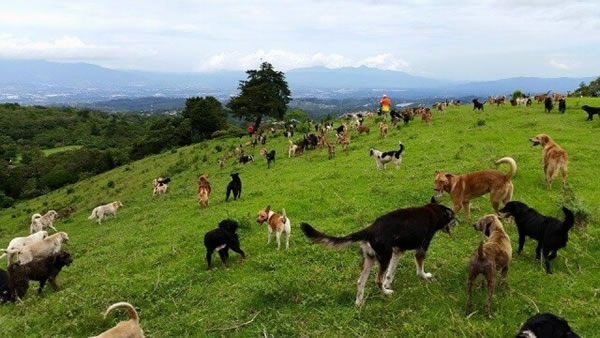
Territorio de Zaguates is an extraordinary dog shelter located in the mountains above Heredia Costa Rica an hour from downtown San José.

Dog Walk at Territorio Zaguates

It was incredible. Almost too much to put into words.

Firstly, there were the huge number of homeless dogs, in all states of health, that roamed Costa Rica.

Secondly, the dog sanctuary was founded by Lya Battle and Alvaro Saumet who are still hard at it.

Thirdly, they have somewhere between 700 and 1,100 dogs in the sanctuary.

Finally, let me let them say it in their own words.

WE ARE…

A non profit organization, founded by Lya Battle and Alvaro Saumet. During the last eight years we’ve been promoting well-being and respect for animals.
HOW WE DO IT?
Veterinarian: We take care of our mutts with deworming, sterilization and any other care they need. The cost of maintaining a dog healthy is $5 per month.

Shelter: Territorio is home for hundreds of doggies. We give them here a safe place to live, free of maltreatment, and full of love. The cost of providing a home is $11 per month for each of our unique specimens.

Food: Each mont we consume thousands of kilos of dog food, to keep our pack healthy. Giving a full small plate to each mutt cost us $20 per month.

There is much, much more on their website that I encourage you to go to. Here are some photographs of the dogs that they rescue.

oooo

oooo

oooo

oooo

oooo

oooo

There are a number of videos on YouTube to watch.

Here’s a short one.

And here’s a slightly longer one by National Geographic.

Finally, if you feel so minded here is the donate page. It’s a good cause and, for example, for just $36 you can sponsor one dog. That’s what Jeannie and I did.

Anyway, we hope you can spare something.


End the Yulin Dog Meat Festival – now!

This was forwarded to me by John Zande.

ooOOoo

Dogs in the cage in animal shelter.

Tens of Thousands of Dogs Die Each Year During China’s Dog Meat Festivals. This Is Our Chance To End The Slaughter!

John,

The yearly Yulin Dog Meat Festival is responsible for the slaughter of tens of thousands of dogs each year. Now, we have a chance to end it once and for all.

Two Chinese governing bodies plan to introduce new legislation that will provide special protections to canines by classifying them as companion animals. This would exclude dogs from being used for human consumption.

Sign and show your support for this new measure to protect dogs and help end the Yulin Dog Meat Festival.

If you are unfamiliar with the festival, it is notorious for its bloodshed and cruelty. Because dog meat consumers believe that the meat tastes better when dogs have more adrenaline in their blood, dog meat butchers torture the animals. Dogs are beaten, burned alive with blowtorches, or tossed into pots of boiling water.

Thanks to public outcry, the festival’s popularity has decreased and restrictions have been set, however, that hasn’t been enough to end the festival for good. Now’s our chance.

John, will you sign the petition today and help end the Yulin Dog Meat Festival and save thousands of dogs?

Thank you,
Ashley A.
The Care2 Petitions Team

ooOOoo

Now you will want to go to the page where you can sign this important petition.

You will go here.

Thank you, thank you, and thank you!

Picture Parade Two Hundred and Eighty-Three

And some more of our dogs from home.

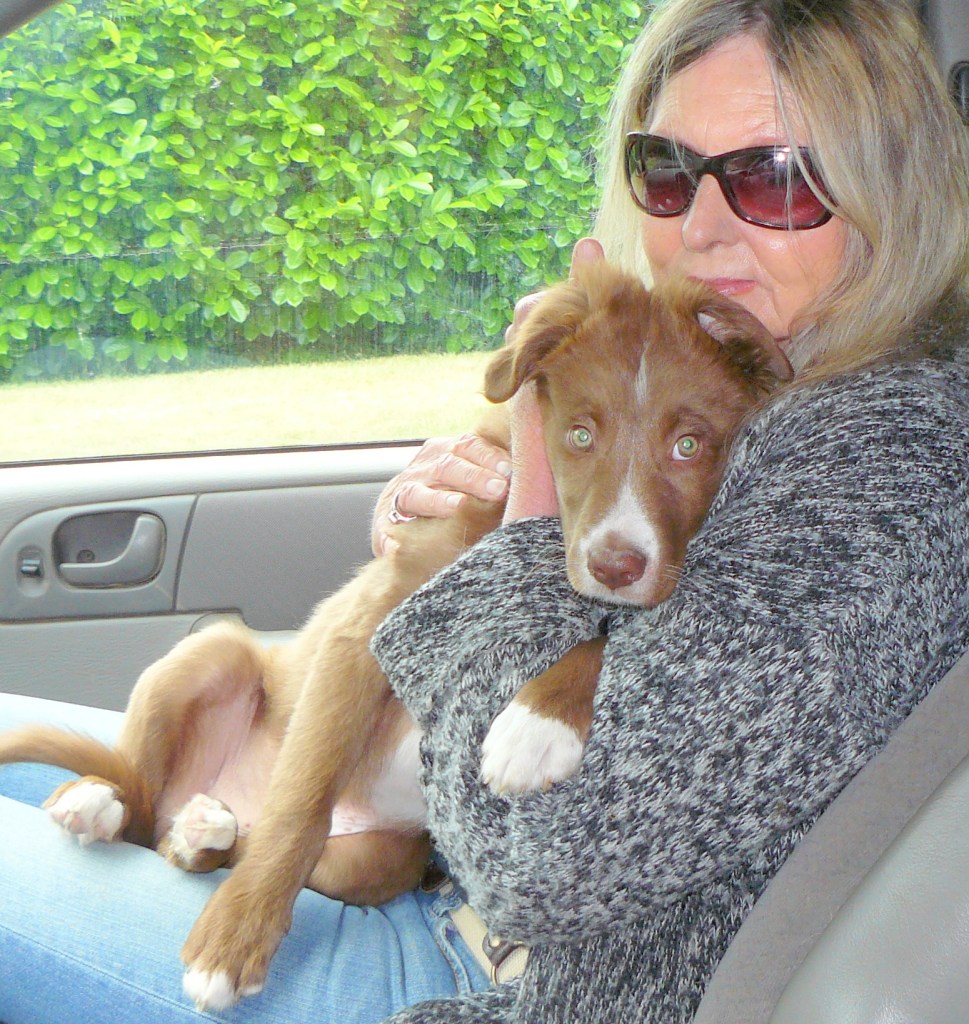
Cleo. She is the only dog that was purchased as a puppy, to keep Pharaoh active.

oooo

Pedy.

oooo

Oliver and Pedy.

oooo

Brandy.

oooo

Cleo.

oooo

Brandy.

oooo

Pedy and Oliver.

Still got Ruby and Sweeny to come.

Dogs also provide the eyes to those that need them.

A recent inspiring item from the BBC.

This news item was featured on the BBC the other day and I made a note to share it with you.

ooOOoo

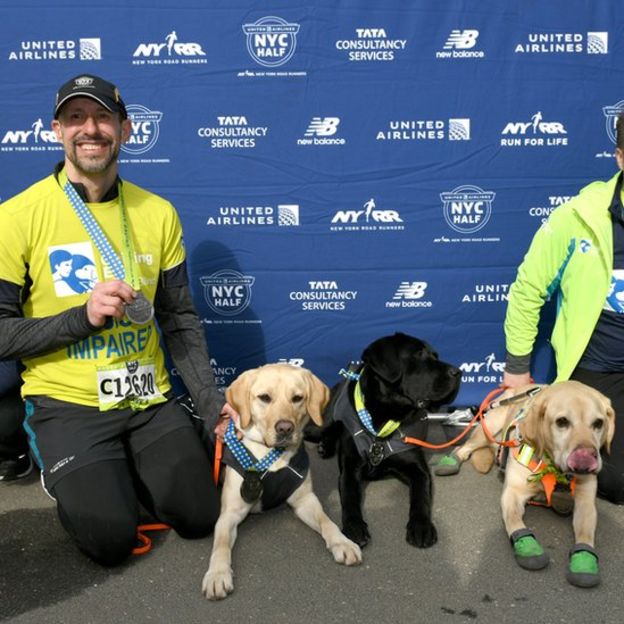
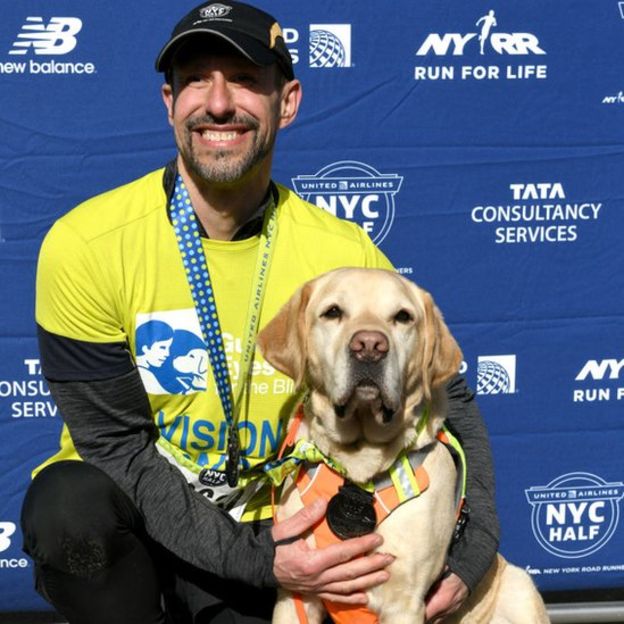
Blind man runs New York half marathon with three guide dogs

18th March, 2019

Thomas Panek and his guide dog Gus running the New York City Half Marathon

Thomas Panek has completed 20 marathons, however, he made history on Sunday at the New York City Half Marathon.

While visually impaired runners usually use human guides, Mr Panek became the first person to complete the race supported by guide dogs.

A trio of Labradors – Westley, Waffle and Gus – each accompanied him for a third of the race.

The team finished in two hours and 21 minutes.

Mr Panek, who lost his sight in his early 20s, told CNN that while he appreciated the support of human volunteers, he missed the feeling of independence.

“It never made sense to me to walk out the door and leave my guide dog behind when I love to run and they love to run,” he said. “It was just a matter of bucking conventional wisdom and saying why not.

In 2015, Mr Panek established the Running Guides programme which trains dogs to support runners.

When selecting his canine companions for the New York race, Mr Panek chose siblings Waffle and Westley to join Gus, who is his full-time guide dog.

(L-R) Thomas Panek, Waffle, Westley and Gus show off their medals after the race

“The bond is really important. You can’t just pick up the harness and go for a run with these dogs,” Mr Panek told CNN. “You’re training with a team no matter what kind of athlete you are, and you want to spend time together in that training camp.”

Each dogs sets its own pace – Westley runs an eight minute mile, while his sister Waffle can cover the same distance in six minutes – and helps Mr Panek avoid obstacles such as kerbs and cones.

Each dog wears a special harness and set of running boots, to protect their paws.

Gus was chosen to run the final leg of the race and cross the finish line with Mr Panek. He retired from his duties as a guide dog at the end of the race.

“It’s a little emotional for me because he’s been there with me the whole time,” Mr Panek said.

Gus, Mr Panek’s personal guide dog, entered retirement after the race

Before the race, Mr Panek told Time magazine that guide dogs give visually impaired people the freedom to “do whatever it is a sighted person does, and sometimes, even run a little faster than them”.

ooOOoo

“It’s a little emotional for me because he’s been there with me the whole time,”

It’s not just Mr. Panek who finds the report a little emotional!

As I have said many times before and undoubtedly will continue to say: Dogs are truly amazing animals.

Darwin’s Natural Dog Food

Yet another dog food alert.

Dear Fellow Dog Lover,
The U.S. Food and Drug Administration is warning pet owners not to feed 3 specific lots of Darwin’s Natural dog food because Salmonella bacteria were discovered in the product.
To learn which products are affected, please visit the following link:

FDA Warning: Do Not Feed These Lots of Darwin’s Natural Dog Food

Please be sure to share the news of this alert with other pet owners.

If you go to that link then you will see the following:

FDA Warning: Do Not Feed These Lots of Darwin’s Natural Dog Food

March 26, 2019 — The U.S. Food and Drug Administration is cautioning pet ownersnot to feed their pets 3 lots of Darwin’s Natural Pet Products raw dog food after samples from these lots tested positive for Salmonella.

No images were provided by the FDA in its announcement.

The following image was previously retrieved from the brand’s website and is provided in good faith by The Dog Food Advisor. It may not be an accurate representation of the affected products.

What Products Are Affected?

The codes for each product affected are listed in the second group of numbers found just below the barcode on the package.

Here are the affected products:

  • Darwin’s Natural Pet Products Natural Selections Chicken Recipe with Organic Vegetables for Dogs
    Package: 5309(11)181019
    Manufacture Date: October 19, 2018
  • Darwin’s Natural Pet Products Natural Selections Chicken Recipe with Organic Vegetables for Dogs
    Package: 5375(11)181106
    Manufacture Date: November 11, 2018
  • Darwin’s Natural Pet Products Natural Selections Turkey Recipe with Organic Vegetables for Dogs
    Package: 5339(11)181026
    Manufacture Date: October 26, 2018

These products are manufactured by Arrow Reliance Inc., doing business as Darwin’s Natural Pet Products.

They are sold online direct to consumers.

What Caused This Alert?

The FDA is issuing this alert because the affected lots of Darwin’s raw dog food represent a serious threat to human and animal health.

They are are considered adulterated under the Federal Food, Drug, and Cosmetic Act because they contain Salmonella bacteria.

The FDA collected and analyzed unopened samples of products from these 3 lots in response to a consumer complaint.

Samples from all three lots tested positive for Salmonella.

Because these products are sold and stored frozen, the FDA is concerned that people may still have them in their possession.

About Salmonella

Salmonella is a bacterium that can cause illness and death in humans and animals, especially those who are very young, very old, or have weak immune systems.

According to the Centers for Disease Control and Prevention (CDC), people infected with Salmonella can develop diarrhea, fever and abdominal cramps.

Most people recover without treatment. But in some people, the diarrhea may be so severe that they need to be hospitalized.

In these patients, the Salmonella infection may spread from the intestines to the blood stream and then to other body sites unless the person is treated promptly with antibiotics.

Consult your health care provider if you have symptoms of Salmonella infection.

Pets do not always display symptoms when infected with Salmonella, but signs can include vomiting, diarrhea (which may be bloody), fever, loss of appetite and/or decreased activity level. If your pet has these symptoms, consult a veterinarian promptly. You should also be aware that infected pets can shed the bacteria in their feces without showing signs of being sick.

Consult a veterinarian if your pet has symptoms of Salmonella infection.

What to Do?

If you have any of the affected Darwin’s Natural Pet Products in your possession, stop feeding it to your pets.

Discard the product in a secure container where other animals, including wildlife, cannot access it.

Consumers who have had the affected products in their homes should clean refrigerators and freezers where they were stored.

Clean and disinfect all bowls, utensils, food prep surfaces, pet bedding, toys, floors, and any other surfaces that the food or pet may have had contact with.

Clean up the pet’s feces in yards or parks where people or other animals may become exposed.

Consumers should thoroughly wash their hands after handling the recalled product or cleaning up potentially contaminated items and surfaces.

U.S. citizens can report complaints about FDA-regulated pet food products by calling the consumer complaint coordinator in your area.

Or go to https://www.fda.gov/petfoodcomplaints.

Canadians can report any health or safety incidents related to the use of this product by filling out the Consumer Product Incident Report Form.

Get Dog Food Recall Alerts by Email

Get free dog food recall alerts sent to you by email. Subscribe to The Dog Food Advisor’s emergency recall notification system.

ooOOoo

Please do all your best to ensure the news gets out!

Picture Parade Two Hundred and Eighty-Two

Just a few of our dogs from home.

Jeannie and Oliver

oooo

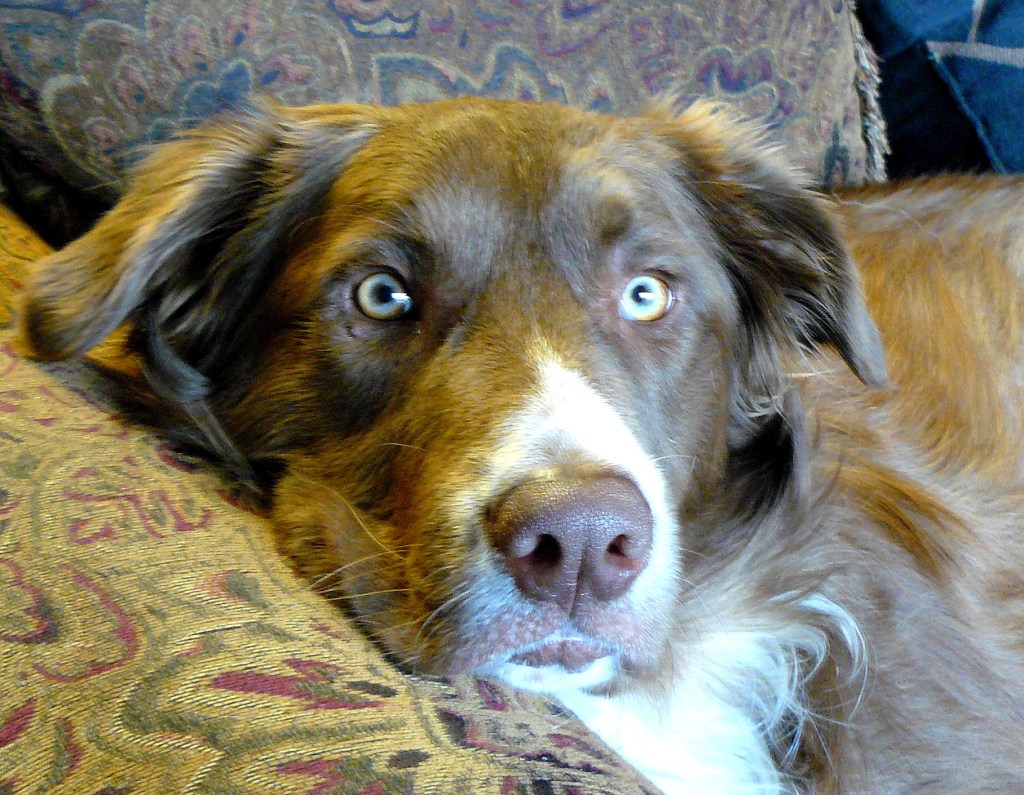
Those eyes! Dearest Oliver.

oooo

Brandy!

oooo

Another photograph of Brandy!

oooo

Brandy and Pedy

That’s not all our dogs but nevertheless some of the better photographs!

A dog food advisory.

This came in late yesterday.

ooOOoo

Dear Fellow Dog Lover,

Because you signed up on our website and asked to be notified, I’m sending you this special recall alert. If you no longer wish to receive these emails, please click the “unsubscribe” link at the bottom of this message.

Hill’s Pet Nutrition is expanding its recall of specific lots of its Prescription Diet and Science Diet dog foods due to elevated levels of vitamin D.

Very high levels of vitamin D can lead to serious health issues in dogs, including kidney dysfunction.

To learn which products are affected, please visit the following link:

Hill’s Prescription Diet and Science Diet Dog Food Recall Expands

Please share the news of this alert with other pet owners.

Mike Sagman, Editor
The Dog Food Advisor

If one then follows up that link then you will see this:

Hill’s Prescription Diet and Science Diet Dog Food Recall Expands

March 20, 2019 — Hill’s Pet Nutrition is expanding its voluntary recall of canned dog food products due to elevated levels of vitamin D.

This recall expansion relates to the same vitamin premix that led to the January 31 voluntary recall previously announced on The Dog Food Advisor website.

Vitamin D, when consumed at very high levels, can lead to serious health issues in dogs including kidney dysfunction.

What’s Recalled?

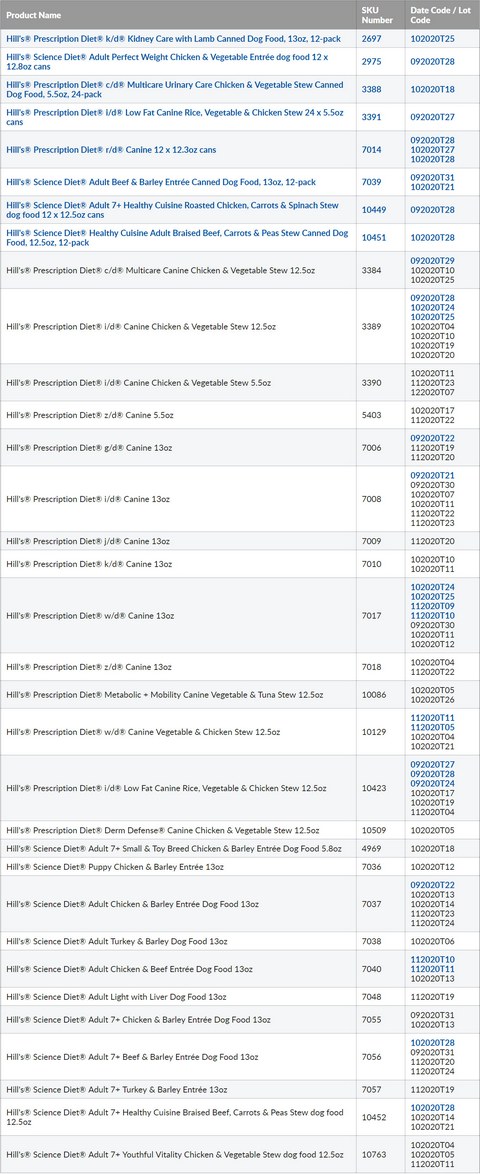
The following products and lot numbers are affected by the recall.

Items marked in blue are new SKUs that were added to the list on March 20, 2019.

About Excessive Levels of Vitamin D

While vitamin D is an essential nutrient for dogs, ingestion of elevated levels can lead to potential health issues depending on the level of vitamin D and the length of exposure.

Dogs may exhibit symptoms such as vomiting, loss of appetite, increased thirst, increased urination, excessive drooling, and weight loss.

Pet parents with dogs who have consumed any of the products listed and are exhibiting any of these signs should contact their veterinarian.

In most cases, complete recovery is expected after discontinuation of feeding.

What to Do?

If your SKU, Date and Lot codes are found in the list above, you have an affected product.

You should stop feeding it and should return to the place of purchase for a full refund.

If you have questions, you may contact Hill’s Consumer Affairs at 800-445-5777.

U.S. citizens can report complaints about FDA-regulated pet food products by calling the consumer complaint coordinator in your area.

Or go to https://www.fda.gov/petfoodcomplaints.

Canadians can report any health or safety incidents related to the use of this product by filling out the Consumer Product Incident Report Form.

Get Dog Food Recall Alerts by Email

Get free dog food recall alerts sent to you by email. Subscribe to The Dog Food Advisor’s emergency recall notification system.

ooOOoo

Hopefully, there are not people that are affected by this alert. But, nonetheless, it needs promulgating.