Category: Water

A worldwide myth.

An incredible fact, as in the truth, that almost nobody will accept.

Until the 22nd November, 2025, that is last Saturday, I believed this lie. A lie that spoke of the dangers, the hazards, the imminent end of the world as I believed it; as in Climate Change!

Very few of you will change your minds, of that I’m sure.

Nonetheless, I am going to republish a long article that was sent to me by my buddy, Dan Gomez.

ooOOoo

Latest Science Further Exposes Lies About Rising Seas

By Vijay Jayaraj

It’s all too predictable: A jet-setting celebrity or politician wades ceremoniously into hip-deep surf for a carefully choreographed photo op, while proclaiming that human-driven sea-level rise will soon swallow an island nation. Of course, the water is deeper than the video’s pseudoscience, which is as shallow as the theatrics.

The scientific truth is simple: Sea levels are rising, but the rate of rise has not accelerated. A new peer-reviewed study confirms what many other studies have already shown – that the steady rise of oceans is a centuries-long process, not a runaway crisis triggered by modern emissions of carbon dioxide (CO2).

For the past 12,000 years, during our current warm epoch known as the Holocene, sea levels have risen and fallen dramatically. For instance, during the 600-year Little Ice Age, which ended in the mid-19th century, sea levels dropped quite significantly.

The natural warming that began in the late 1600s got to a point around 1800 where loss of glacial ice in the summer began to exceed winter accumulation and glaciers began to shrink and seas to rise. By 1850, full-on glacial retreat was underway.

Thus, the current period of gradual sea-level increase began between 1800-1860, preceding any significant anthropogenic CO2 emissions by many decades. The U.S. Department of Energy’s 2025 critical review on carbon dioxide and climate change confirms this historical perspective.

“There is no good, sufficient or convincing evidence that global sea level rise is accelerating –there is only hypothesis and speculation. Computation is not evidence and unless the results can be practically viewed and measured in the physical world, such results must not be presented as such,” notes Kip Hansen, researcher and former U.S. Coast Guard captain.

New Study Confirms No Crisis

While activists speak of “global sea-level rise,” the ocean’s surface does not behave like water in a bathtub. Regional currents, land movements, and local hydrology all influence relative sea level. This is why local tide gauge data is important. As Hansen warns, “Only actually measured, validated raw data can be trusted. … You have to understand exactly what’s been measured and how.”

In addition, local tide-gauge data cannot be extrapolated to represent global sea level. This is because the geographic coverage of suitable locations for gauges is often poor, with the majority concentrated in the Northern Hemisphere. Latin America and Africa are severely under-represented in the global dataset.  Hansen says, “The global tide gauge record is quantitatively problematic, but individual records can be shown as qualitative evidence for a lack of sea-level rise acceleration.”

A new 2025 study provides confirmation. Published in the Journal of Marine Science and Engineering, the study systematically dismantles the narrative of accelerating sea-level rise. It analyzed empirically derived long-term rates from datasets of sufficient length – at least 60 years – and incorporated long-term tide signals from suitable locations.

The startling conclusion: Approximately 95% of monitoring locations show no statistically significant acceleration of sea-level rise. It was found that the steady rate of sea-level rise – averaging around 1 to 2 millimeters per year globally – mirrors patterns observed over the past 150 years.

The study suggests that projections by the Intergovernmental Panel on Climate Change (IPCC), which often predicts rates as high as 3 to 4 millimeters per year by 2100, overestimate the annual rise by approximately 2 millimeters.

This discrepancy is not trivial. It translates into billions of dollars in misguided infrastructure investments and adaptation policies, which assume a far worse scenario than what the data support. Because we now know that local, non-climatic phenomena are a plausible cause of the accelerated sea level rise measured locally.

Rather than pursuing economically destructive initiatives to reduce greenhouse gas emissions on the basis of questionable projections and erroneous climate science, money and time should be invested in supporting coastal communities with accurate data for practical planning to adapt to local sea level rise.

Successful adaptation strategies have existed for centuries in regions prone to flooding and sea-level variations. The Netherlands is an excellent example of how engineering solutions can protect coastal populations even living below sea level.

Rising seas are real but not a crisis. What we have is a manageable, predictable phenomenon to which societies have adapted for centuries. To inflate it into an existential threat is to mislead, misallocate, and ultimately harm the communities that policymakers claim to protect.

This commentary was first published by PJ Media on September 10, 2025.

Vijay Jayaraj is a Science and Research Associate at the CO₂ Coalition, Fairfax, Virginia. He holds an M.S. in environmental sciences from the University of East Anglia and a postgraduate degree in energy management from Robert Gordon University, both in the U.K., and a bachelor’s in engineering from Anna University, India.

ooOOoo

I shall be returning to this important topic soon. Probably by republishing that 2025 Study referred to in the above article.

I hope that you read this post.

Thank you, Dan.

A brilliant programme

I’m speaking of a series on BBC Radio 4.

The series is called Naturebang: “Becky Ripley and Emily Knight make sense of what it means to be human by looking to the natural world… Science meets storytelling with a philosophical twist.

The website is: https://www.bbc.co.uk/programmes/m00060x0

There are 35 episodes. I particularly liked the episode broadcast yesterday about the Clams.

How do we extract the maximum amount of power from the sun? Becky Ripley and Emily Knight enlist the help of a giant, thousand-year old clam. And end up in the depths of space…

Featuring Professor Alison Sweeney at Yale University, and Mike Garrett from the Jodrell Bank Centre for Astrophysics.

Produced and presented by Emily Knight and Becky Ripley

Amazing!

Alex – The Ghost of the Forest

The second video from Alex and Lisa.

The video was produced on the 14th June, 2025.

Join us on an incredible Wildlife photography adventure through the wilds of Oregon, as we search for and capture stunning images of three iconic raptors: the Great Grey Owl, the Bald Eagle, and the Osprey. What was amazing is that we did not see another photographer whilst photographing these magnificent raptors! From dense forests to riverbanks and high mountain meadows, Oregon is a paradise for birdwatchers and wildlife photographers alike. In this video, we take you behind the scenes of our journey—tracking elusive owls, watching bald eagles, and photographing ospreys.

It makes us extremely proud to be living in this part of America!

The first video shoot by Alex is here.

The BBC

A fascinating programme on Radio 4.

As many of you know I was born exactly six months before VE Day on May 8th, 1945.

We soon moved from Acton to 16 Toley Avenue, in Preston Road, Wembley. A short distance down Toley Ave was Ledway Drive that led up to Barn Hill Pond.

A review of Barn Hill Pond by a dog walker, Tara Furlong, in 2020.

It’s a pond on top of a hill, which gets smaller depending on how hot and dry the summer is. It has been known to have sightings of its own grey heron, mallards on occasion, etc. Fish may lurk in its depths, and frogspawn in the spring. There are views of Wembley, and across to central London from the trig point nearby, and aspirations to open up the view to Harrow-on-the-Hill. Take a little wander and you may spy St Paul’s Cathedral. A small number of benches are available, and the bins overflow in fine weather. There’s nothing but green space and houses nearby. It’s accessible via a fairly short, steep uphill walk on uneven ground from the unserviced car park, which can get very busy; or from Wembley Park. Photos on a typical British day – i.e. a bit cloudy and soggy.

Click this link in Google to view the scene.

As a young boy I well remember looking out from Barn Hill and seeing the devastation of the property from the Nazi bombers.

There are twenty programmes on Radio 4 that are about this postwar period in Britain. I have listened to the first three and have found them deeply interesting. Anyone interested in British history is recommended to listen to them. That is the link.

The blue waters

It was World Oceans Day yesterday.

To my mind, nothing beats the sights of the World’s oceans.

In the past, I spent four years living on a yacht, a Tradewind 33, out in Cyprus. During that time I cruised to Turkey, to Greece, to Algiers, and loved it.

Here’s an extract from World Oceans day website.

Why Earth’s oceans are so important

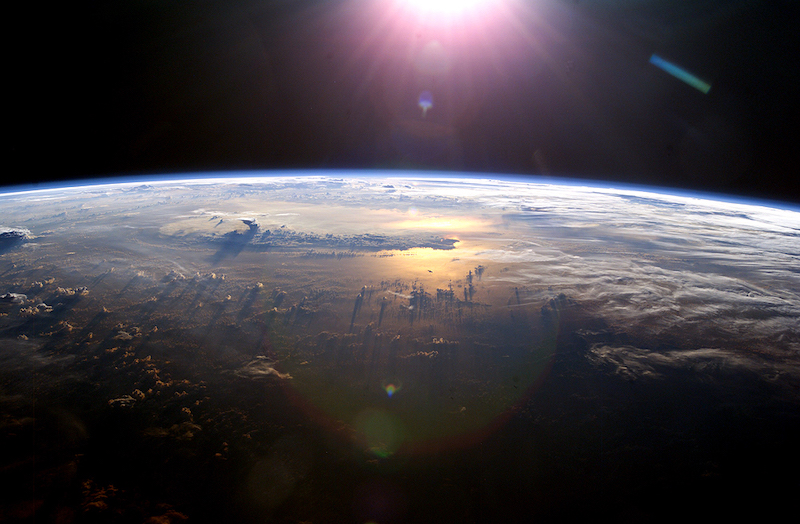
Earth’s oceans are critical to human survival. Indeed, more than half the oxygen in our atmosphere is generated via photosynthesis by phytoplankton and seaweed in oceans. In addition, millions of people depend on fish and other marine animals for food. Research on some marine organisms has led to the development of new medications. Moreover, ocean currents, known as global conveyor belts, help regulate Earth’s climate. 

Sir David Attenborough has produced a film Ocean and the trailer follows:

There is so much more to view on the World Oceans Day website. Please go to it.

Yellowstone National Park

An amazing National Park!

Alex, my son, and his partner, Lisa, are coming to see us later today. They arrived in Portland on Sunday, 11th but first of all wanted to see Yellowstone.

Here is an extract from Wikipedia about the Park.

Yellowstone National Park is a national park of the United States located in the northwest corner of Wyoming, with small portions extending into Montana and Idaho. It was established by the 42nd U.S. Congress through the Yellowstone National Park Protection Act and signed into law by President Ulysses S. Grant on March 1, 1872. Yellowstone was the first national park in the US, and is also widely understood to be the first national park in the world. The park is known for its wildlife and its many geothermal features, especially the Old Faithful geyser, one of its most popular. While it represents many types of biomes, the subalpine forest is the most abundant. It is part of the South Central Rockies forests ecoregion.

Here is a YouTube video of the Park:

Picture Parade Four Hundred and Seventy-One

Photographs of the family of geese in our pond in Hugo Road, Oregon.

oooo

oooo

oooo

In the last few days the whole family have winged it elsewhere.

They were gorgeous!

Crater Lake

Two shots of this beautiful lake.

I was going through some files yesterday and found many photographs taken by me.

oooo

These were taken in 2018 which was when my son, Alex, and his partner, Lisa, came over to see us.

Here is the opening part of Wikipedia writing about Crater Lake:

Crater Lake (KlamathGiiwas)[2] is a volcanic crater lake in south-central Oregon in the Western United States. It is the main feature of Crater Lake National Park and is a tourist attraction for its deep blue color and water clarity. The lake partly fills a 2,148-foot-deep (655 m) caldera[3] that was formed around 7,700 (± 150) years ago[4] by the collapse of the volcano Mount Mazama. No rivers flow into or out of the lake; the evaporation is compensated for by rain and snowfall at a rate such that the total amount of water is replaced every 150 years.[5] With a depth of 1,949 feet (594 m),[6] the lake is the deepest in the United States. In the world, it ranks eleventh for maximum depth, as well as fifth for mean depth.

The rest of that Wikipedia article is here.

Picture Parade Four Hundred and Sixty-Five

More photographs by yours truly.

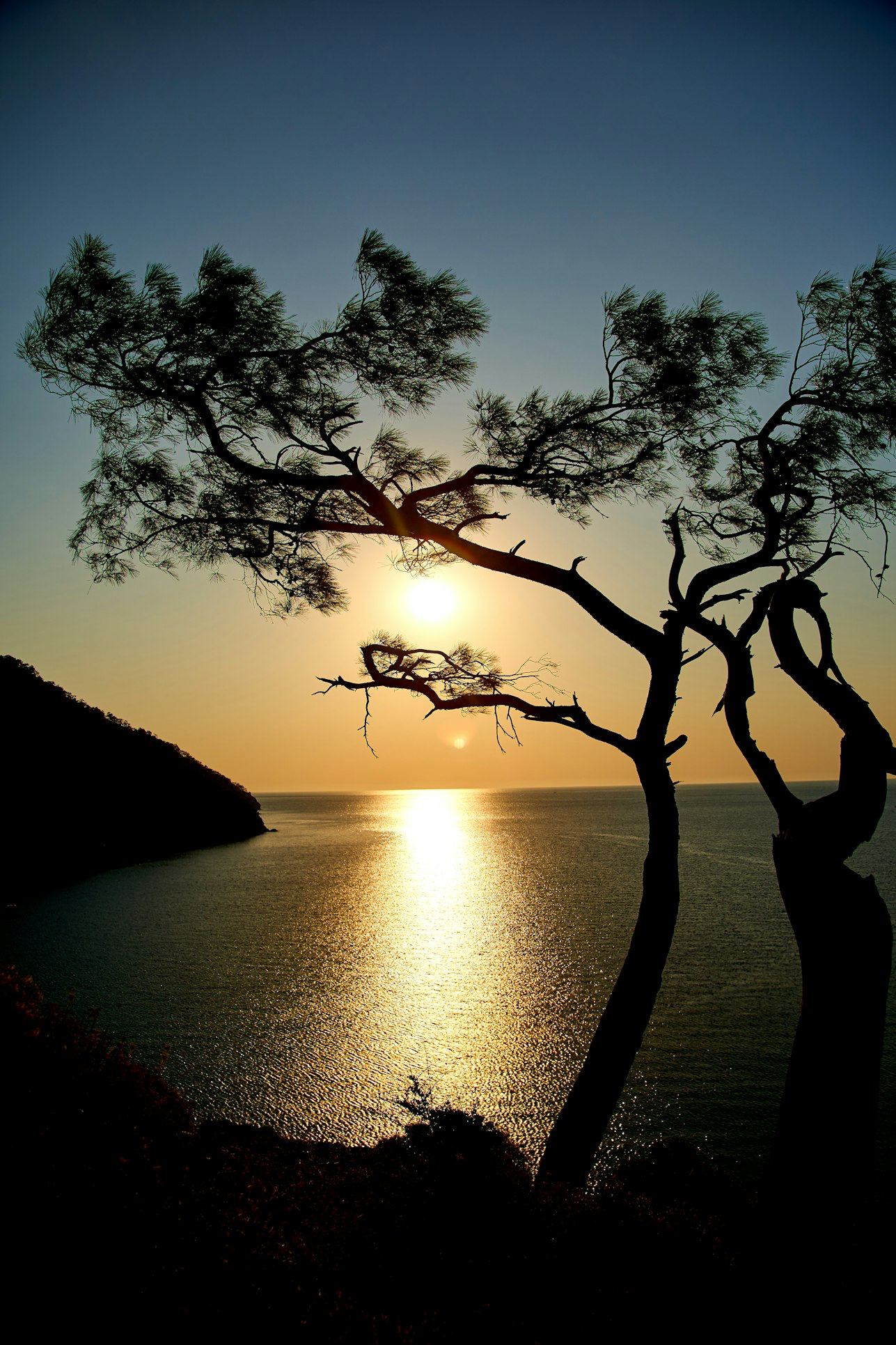
Early morning sunrise.

oooo

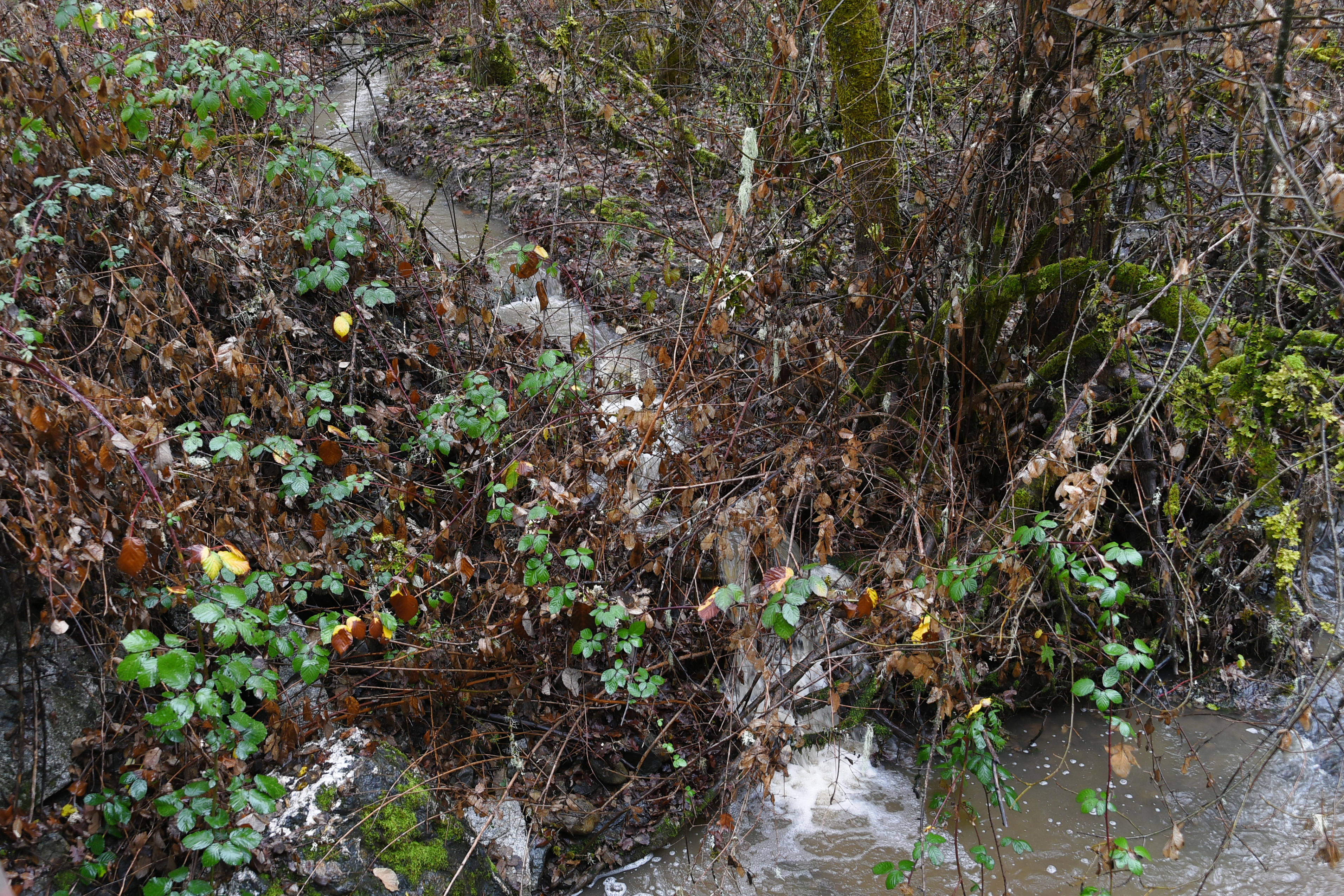
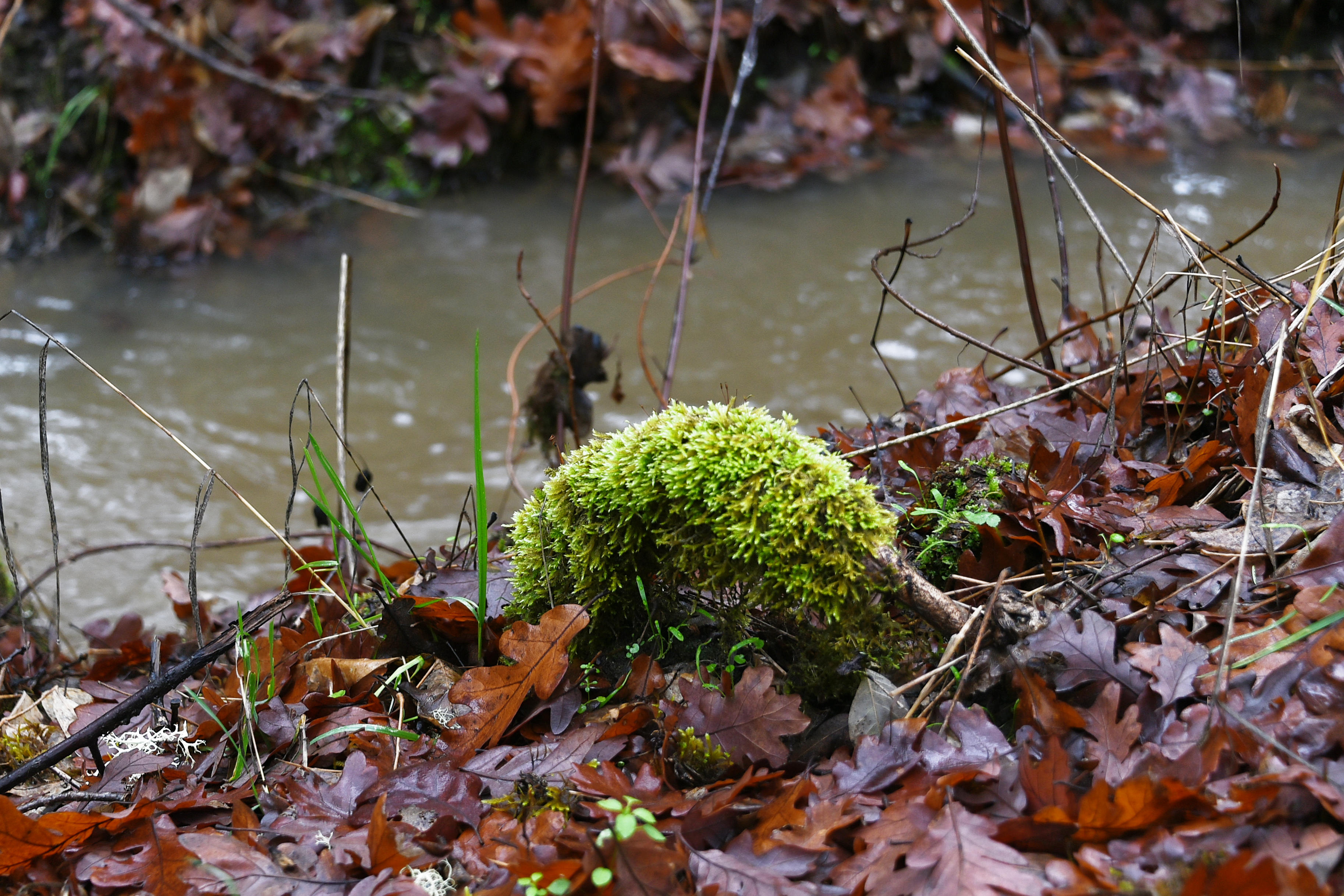
Our Bummer Creek last Monday.

oooo

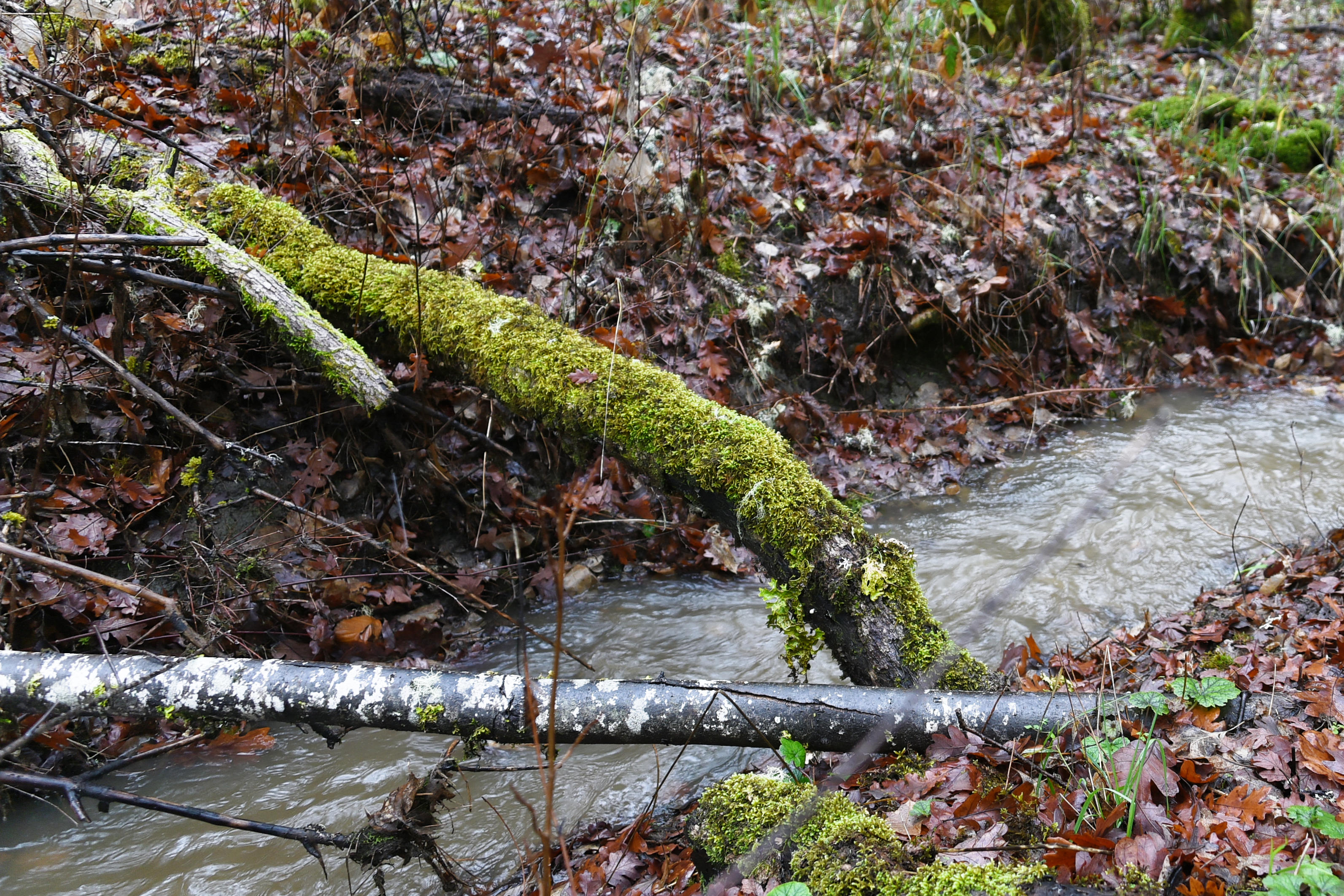
More flood water! Again, photo taken last Monday.

oooo

Another view of Bummer Creek.

oooo

Yet another view.

oooo

Yet another photograph of the rush of the water.

oooo